In recent weeks, the Ukrainian military has had the upper hand in southern Ukraine battles in the southern axes of Donetsk and Zaporizhzhia.
Although the amount of armored and human casualties of the Ukrainian army is very high, the AFU continues to send troops and equipment to these fronts with the support of the West and the supplies that it had predicted for the past months.
Most of the Ukrainian attacks are focused on the two axes of Velyka Novosilka and Orikhiv.
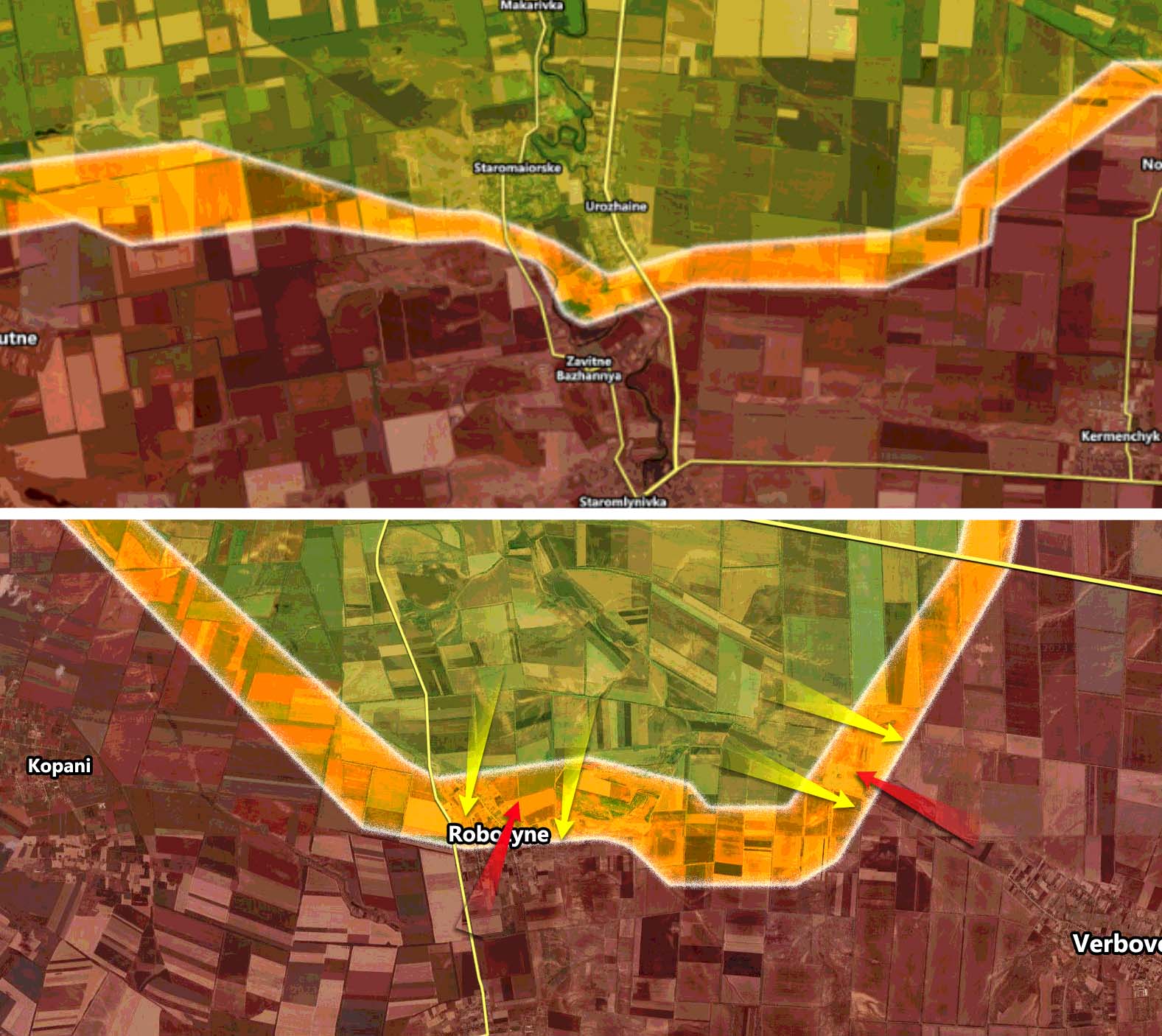
To the south of Velyka Novosilka, in the south of Donetsk Oblast, Ukrainian forces have concentrated their attacks on Zavitne Bazhannya after stabilizing Staromaiorske and Urozhine. The purpose of the advance in this area is to reach Staromlynivka and split the right and left flanks of the Mokri Yaly River. With this tactic, Russia’s defense lines between Pryyutne and Novodonets’ke, which has been resisting for months, will be crushed.
Military situation in Velyka Novosilka axis – click to view full size
In the south of Orikhiv in the south of Zaporizhzhia Oblast, heavy fighting continues along the Robotyne-Verbove line. During the last four days, Ukrainian forces managed to reach the vicinity of Robotyne, and this village is on the verge of falling. In this axis, the Ukrainian army has also set the agenda to advance in depth, and the final goal of the operation in this axis is Tokmak.
Military situation in Orikhiv axis – click to view in full size
In general, although the Ukrainian forces has the upper hand, but the Russians multi-layered defense lines, which have been planned and built in recent months and with the knowledge of the Ukrainians’ major operations in this axis, have made it difficult for the Ukrainian forces to advance; The progress is very slow and the amount of damage caused to the Ukrainian army is very high. Hence, time is against Ukraine and in favor of Russia. It seems that the Russian army tolerates the Ukrainian attacks in some way and waits for the weakening of the Ukrainian forces. It remains to be seen when Russia will come out of defensive mode.
The Russian armed forces made partial advances in the west of the Dibrova region in recent days and reached the northern regions of Tors’ke village, and they even entered this village from the north; but later, following heavy counterattacks by the Ukrainian army, they were forced to retreat to the outskirts of Tors’ke.
At present, sporadic clashes and artillery shellings continue between Russian and Ukrainian forces. In general, the Russian forces are in a defensive position on the northern axes of Donetsk and Luhansk oblasts, and such attacks and advances are carried out to reduce the pressure of the Ukrainians’ attacks.
However, the situation is different on the Zaporizhia front. On this axis, the Ukrainian forces are in an offensive position and have made partial advances in some areas in recent weeks.
Following the attacks and advances of the last few weeks of the Ukrainian forces in the south of Velyka Novosilka, the Ukrainian forces intensified their attacks on Pryyutne and Staromaiors’ke settlements to break down the resistance of the Russian army on this axis and resume their advances; thus, they are carrying out daily sporadic and sometimes heavy attacks; but the Russian military forces are still resisting despite suffering casualties and damages.
Sporadic clashes and artillery attacks continue on the Goliapole, Orikhiv and Kamianske axes. In recent weeks, the village of Piatykhatky near Kamianske has been one of the main points of conflict between Russian and Ukrainian forces. Currently, Russian forces retreat from Piatykhatky and this area is under Ukrainians’ control.
Generally, Russia’s superiority in artillery and air power over Ukraine remains the main factor, which leads to the failure of most Ukrainian attacks in several fronts. In fact, Russia enjoys much stronger arms logistics, and aids from the US and Europe to Ukraine has not yet changed the balance of power in the Russia-Ukraine conflict.
It is also worth mentioning that the scale of Ukraine’s attacks against Russia’s logistics lines has recently decreased significantly, and the Russians can more easily rebuild their defense lines.
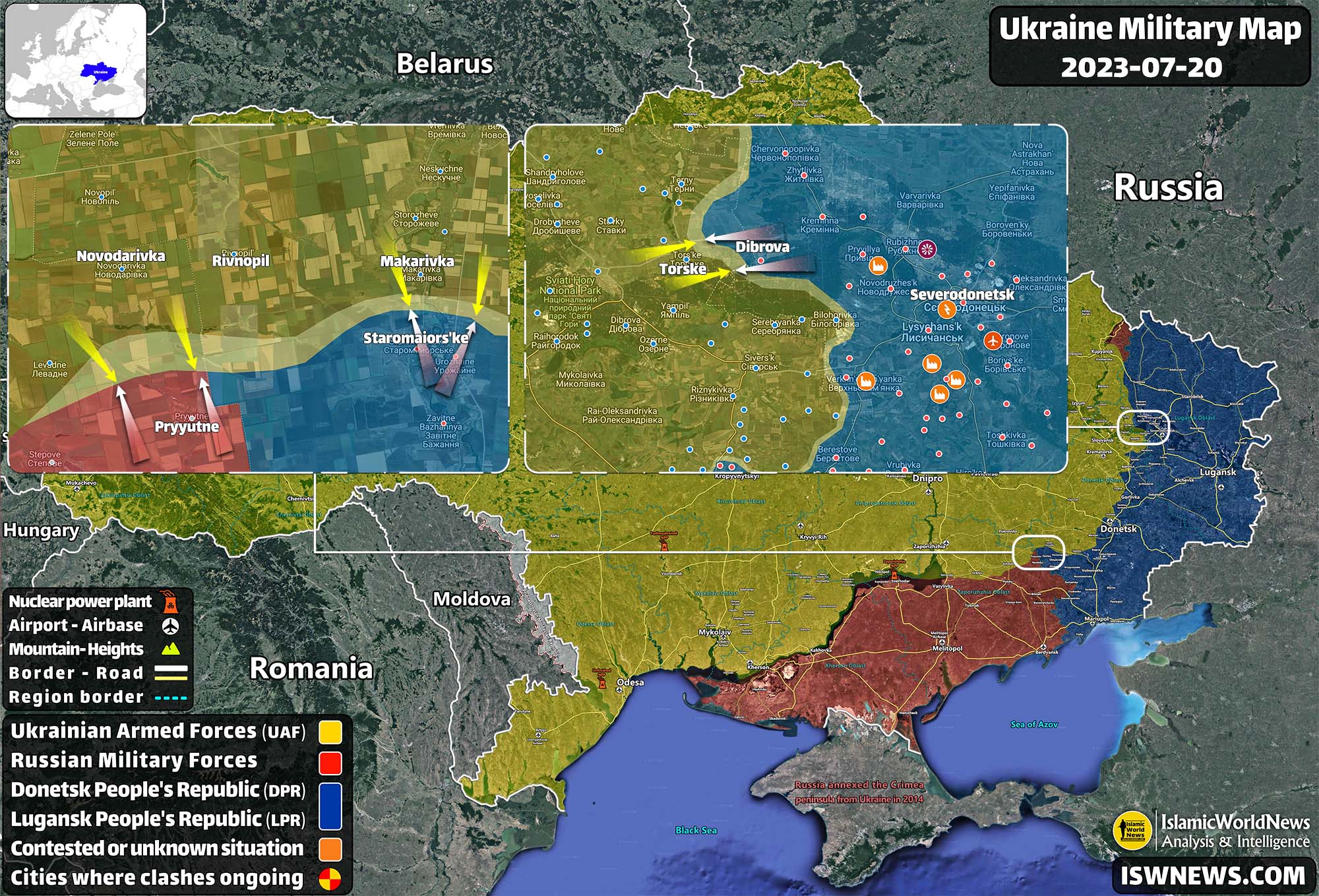
After a few days have passed since the beginning of the Ukrainian army operation in the southern regions of Ukraine, heavy clashes are ongoing to crush the defense line of the Russian army in the axis of Zaporizhzhia and Donetsk. In the latest changes of this axis, the Ukrainian forces managed to control the villages of Novodarivka and Levadne in the Zaporizhzhia oblast and focused their attacks on the village of Rivnopil.
On the southern front of Velyka Novosilka, the Russians counterattacks led to the retreat of the Ukrainian army from the village of Makarivka, and the conflict continues in this settlement.
It is said that the Russians blew up the Mokri-Yala river dam to prevent the advance of the Ukrainian forces. Ukrainian forces in these areas are under heavy artillery attacks by the Russian army. Russians are trying with all their might to prevent Ukrainian advances.
Map: The latest state of conflict between Russian and Ukrainian forces on the southern front Zaporizhzhia / Yellow: Ukrainian army, Red and Blue: Russian army, DPR forces
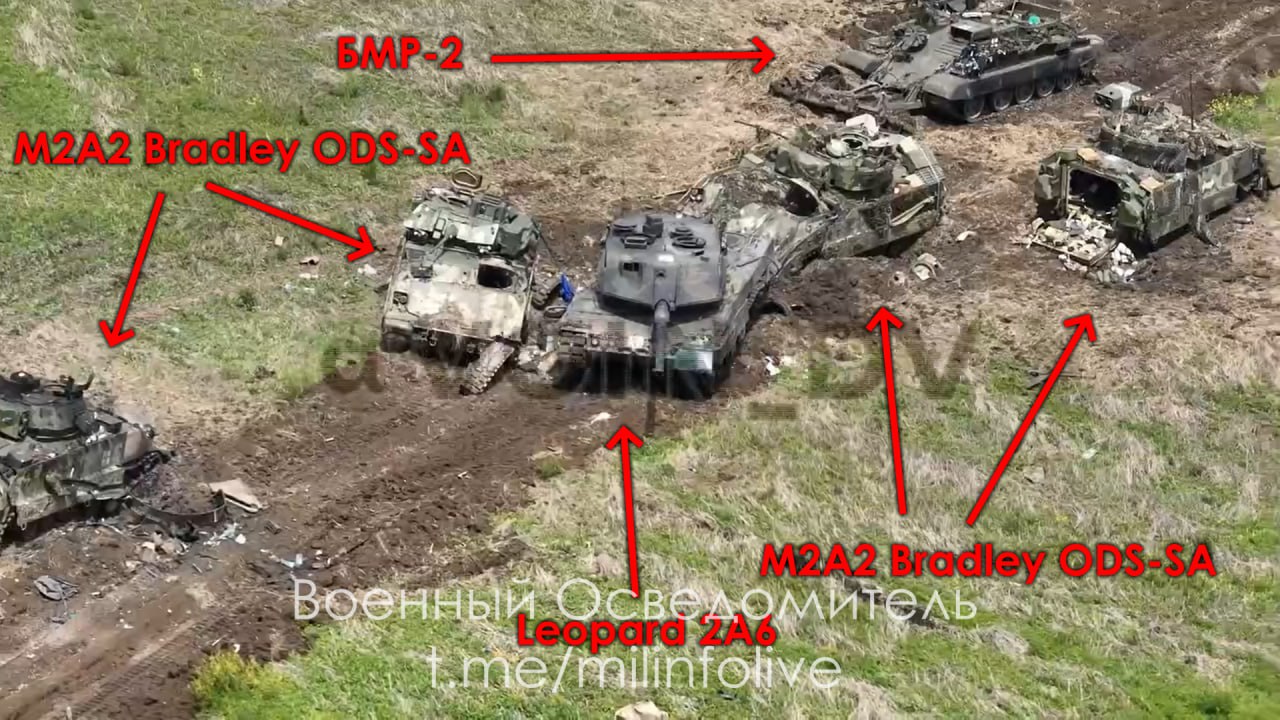
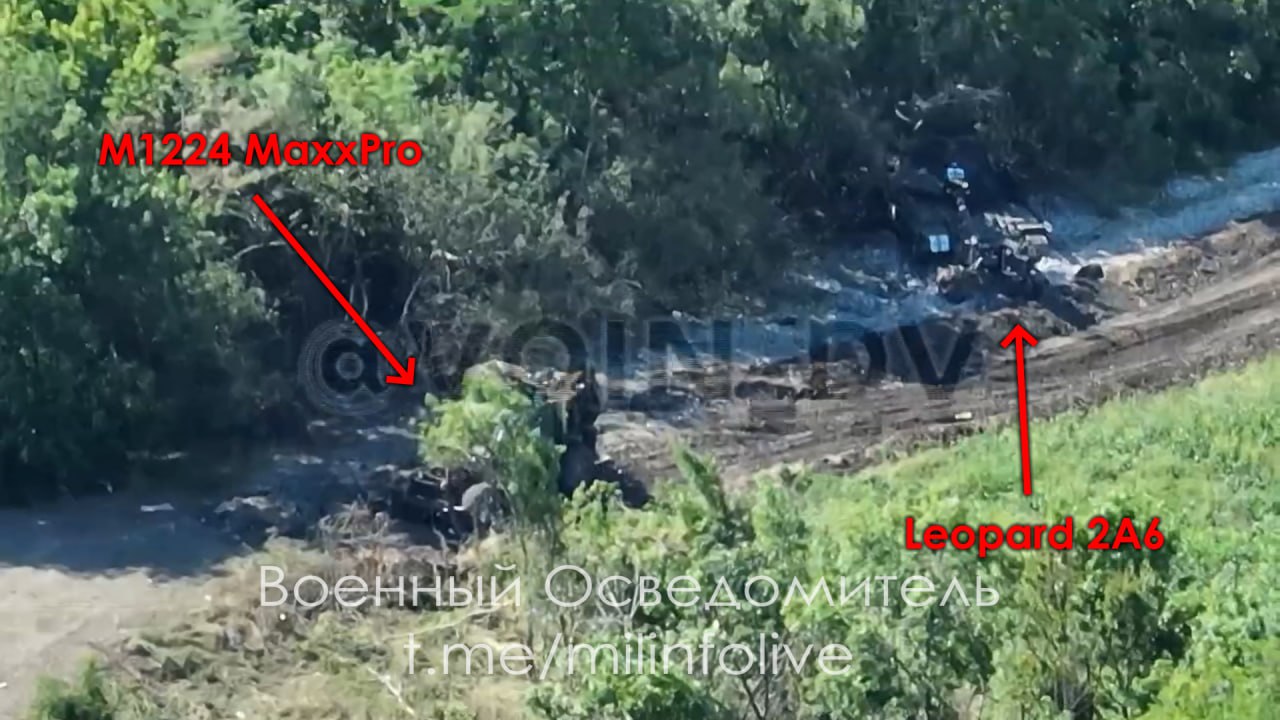
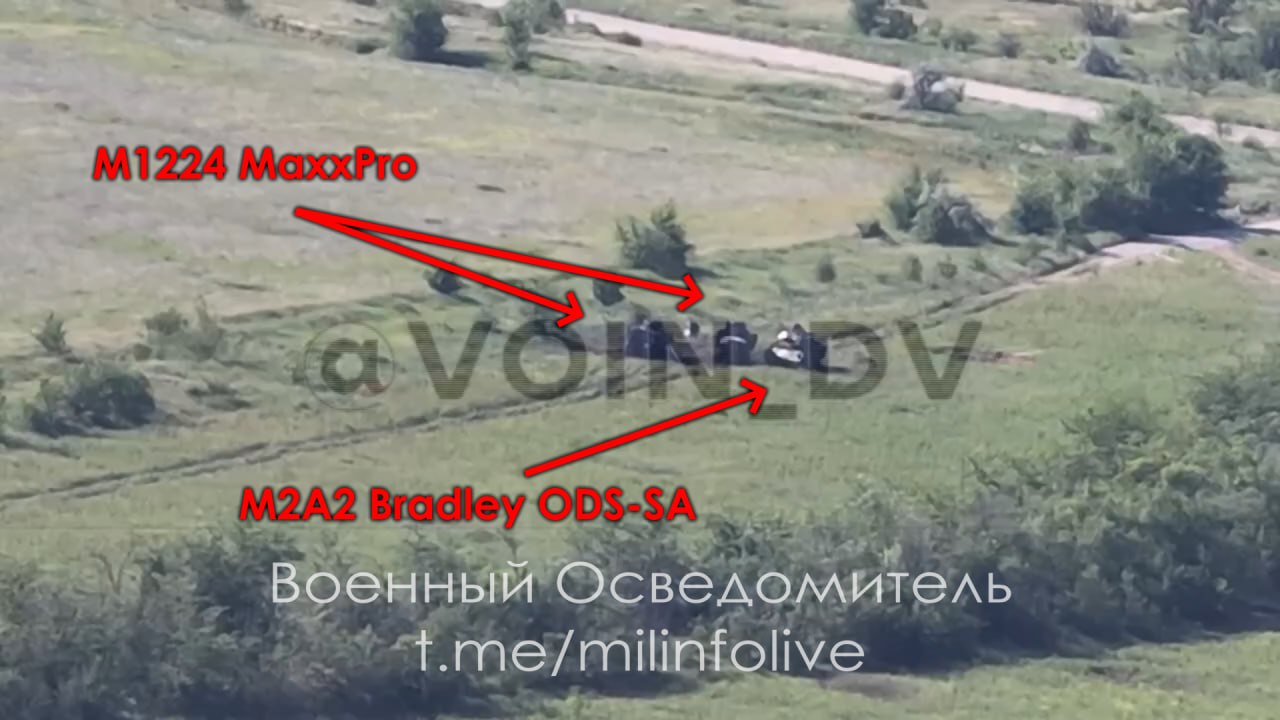
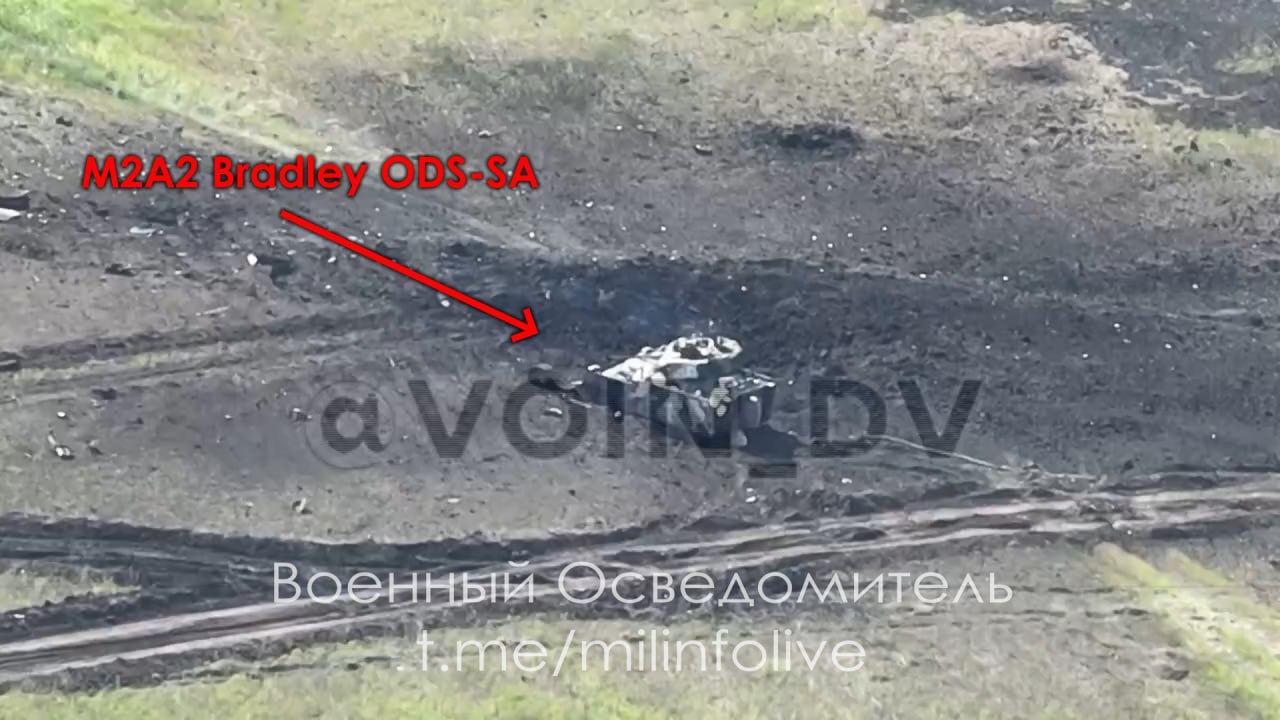
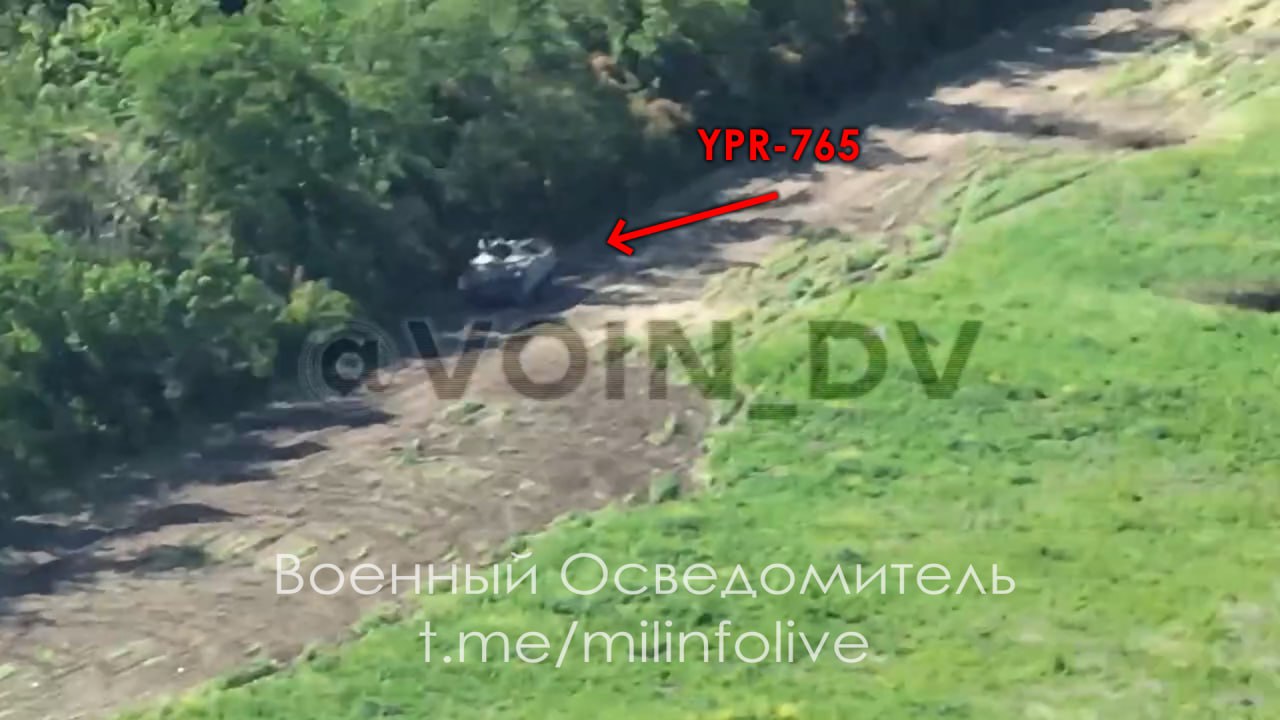
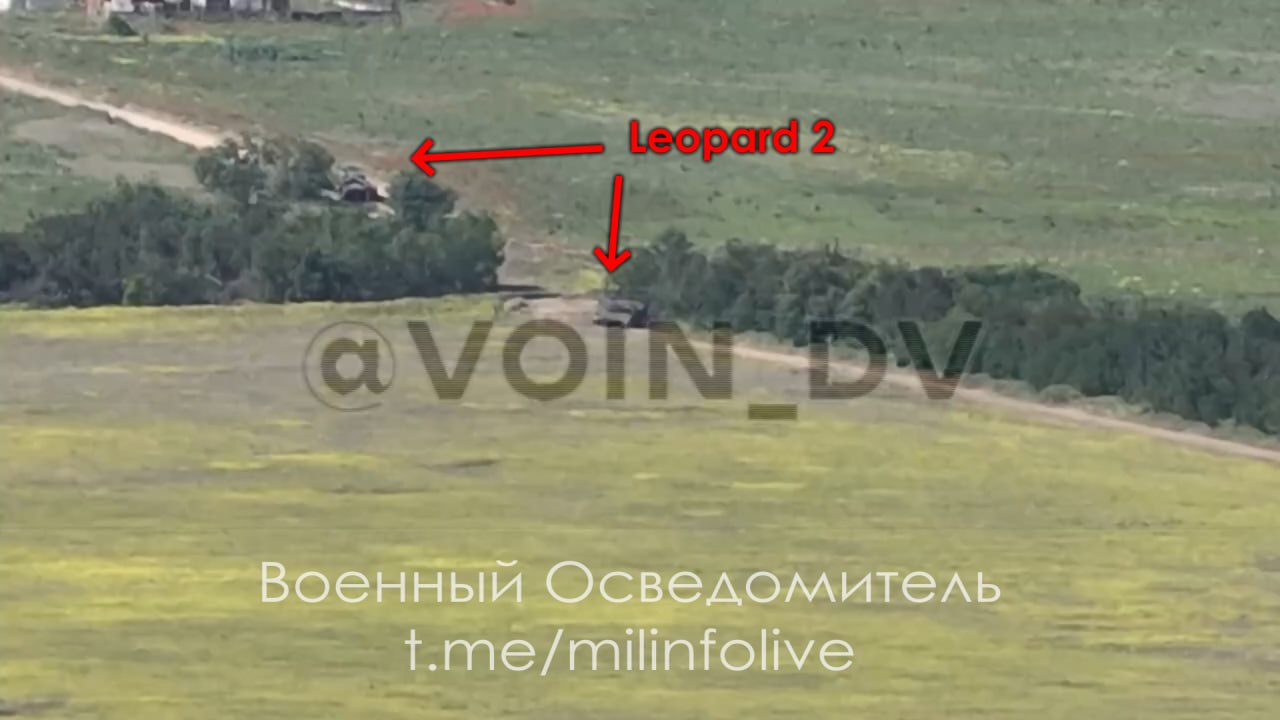
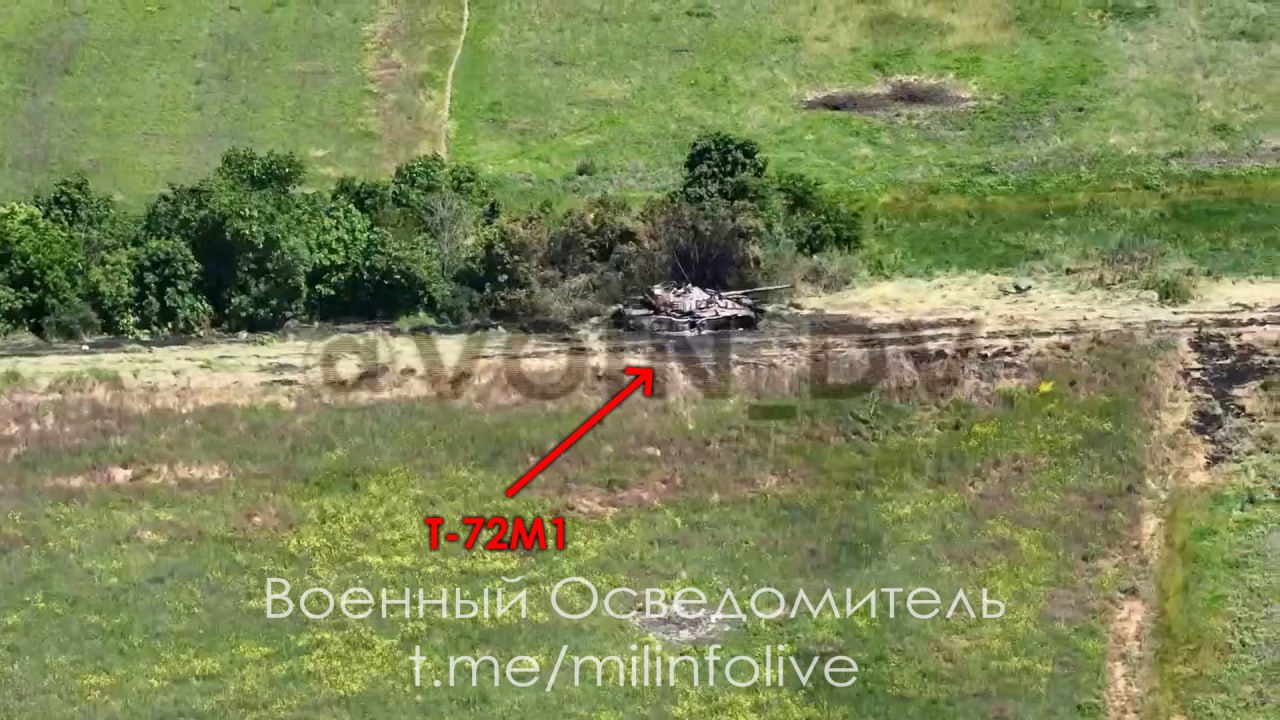
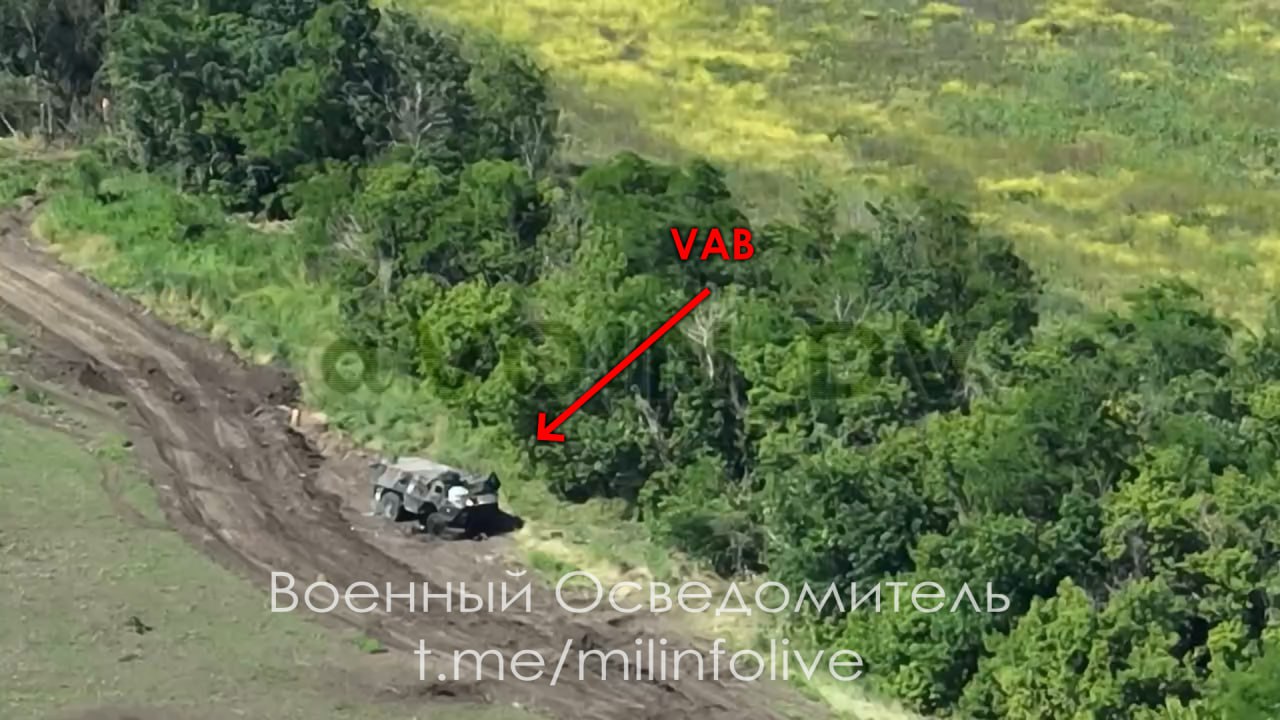
The video shows two German-made Leopard 2A6 main battle tanks and five American-made M2A2 ODS infantry fighting vehicles (IFVs) which were destroyed or heavily damaged during the failed offensive. Several other vehicles, including additional Leopard 2 tanks, American-made MaxxPro mine-resistant ambush-protected vehicles and Soviet-made BMR-2 mine-clearing vehicles, were abandoned by Kiev forces.
The AFU were initially slowed down by anti-tank landmines and dragon’s teeth anti-tank obstacles, and later reneged with artillery fire and airstrikes. Attack helicopters and tank hunters also played a key role in repelling the attack, according to the available information.
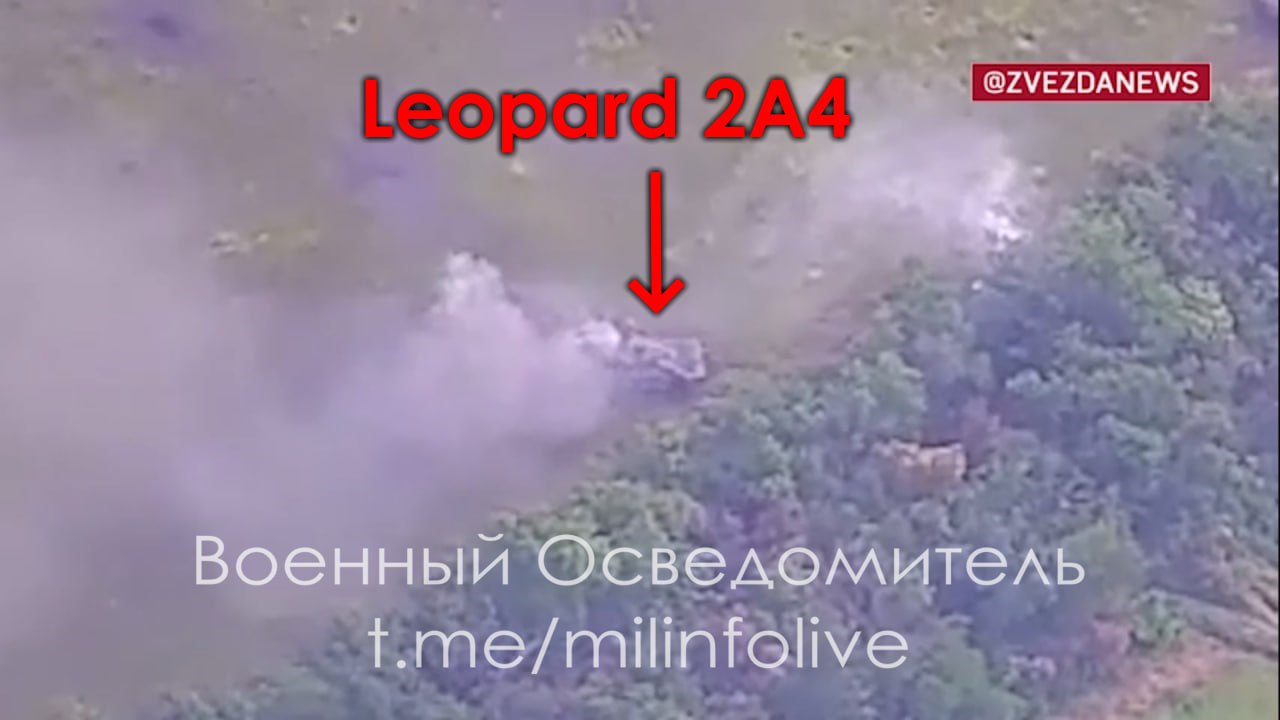
Leopard 2 and several other tanks and armoured vehicles were destroyed by Russian Army
Russian Minister of Defense General Sergey Shoigu said in a statement that up to 1,500 troops and 150 pieces of armor from the 47th mechanized brigade took part in the ill-fated attack. Kiev forces lost a total of 30 tanks, 11 IFVs and up to 350 personnel while attempting to advance, the minister revealed in his statement.
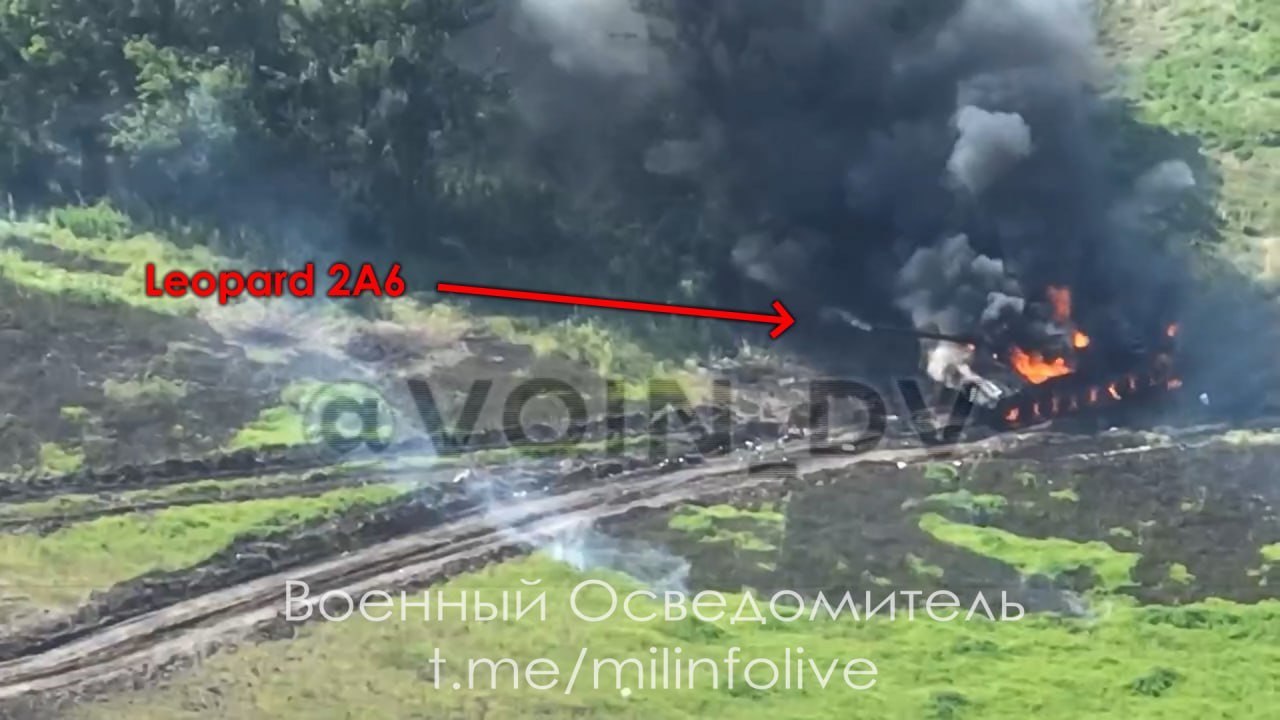
The German Leopard-2 tanks hit by a Russian Lancet drone
The fact that advanced NATO equipment recently supplied by the West, like the Leopard 2 tanks and Bradley IFVs, took part in the attack proves that this was not just a “shaping” or “probing” operation, as claimed by the Ukrainian and Western media. Kiev forces were clearly attempting to hold ground and failed in doing so.
Ukraine was promised around 90 Leopard 2 tanks and more than 100 Bradley IFVs by NATO states in recent months. Most of these equipment were delivered before the beginning of the so-called spring counteroffensive on June 4. It should be noted that the plan was based on the fact that the Ukrainian army, having at least 300 tanks, can challenge Russia’s superiority in ground battles and take the eastern and southern lands of Ukraine out of Russian control by carrying out several counterattacks.
Russian Kamov 52 helicopter attacks on Ukrainian Leopard 2 tank and the Bradley armored vehicle
The humiliating defeat of Kiev forces near Orikhiv confirms that these weapons, which were promoted as Wunderwaffe by the mainstream media, can’t change the balance of power in the battlefield.
The destruction of new equipment donated by Westerners to Ukraine in this conflict dealt a heavy blow to the West’s propaganda in recent months. The Western media has been claiming for months that the new German tanks and armored vehicles sent to the Ukrainian army will change the balance of power in their favor! But the dominance of the Russian army on the southern fronts and their countless equipment has kept their superiority in the region.
Pictures of Ukrainian army equipment on the Zaporizhzhia front that has been destroyed or abandoned
Following the seizure of Krasnopolivka in northern Sol, the Russian armed forces focused their assaults on the areas in Rozdolivka and Mykolaivka along the Siversk road.
The heavily clashes continue from place to place in Blahodatne and Krasna Gora, and the Ukrainian military forces are attempting to repel the Russian strikes by carrying out artillery attacks and dispatching large armored vehicles in southern Soledar region.
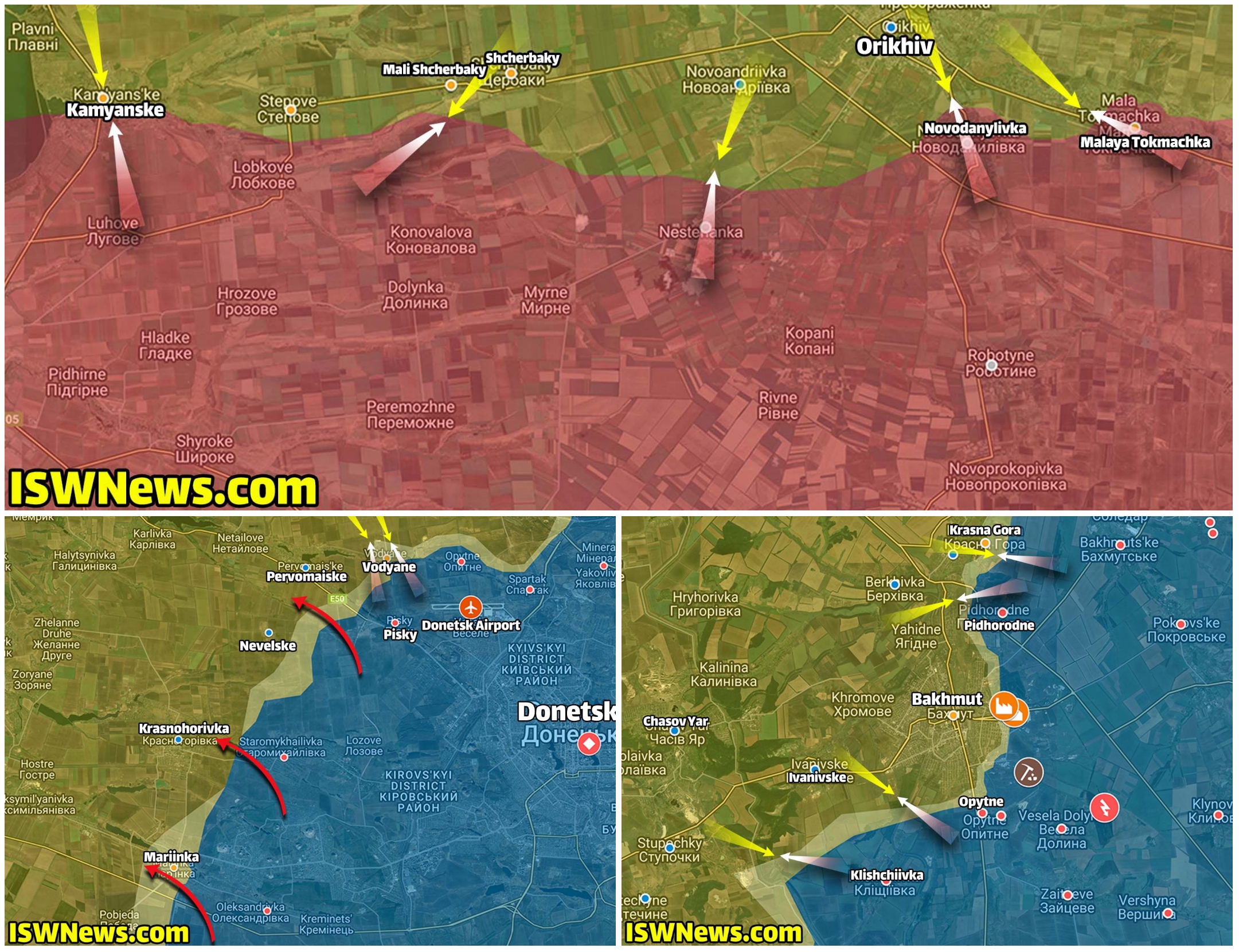
The Russians have intensified their air strikes on the eastern and southern fronts of Bakhmut city. Seemingly, the Russian forces plan to advance in the north and west areas of Klishchiivka in a bid to tighten the siege of Bakhmut from the southern front. Moreover, there are some news stories claiming that the Russians embarked attacks on Ivanivske region. It is worth mentioning that the Russians’ success in capturing Ivanivske would block Bakhmut’s western road.
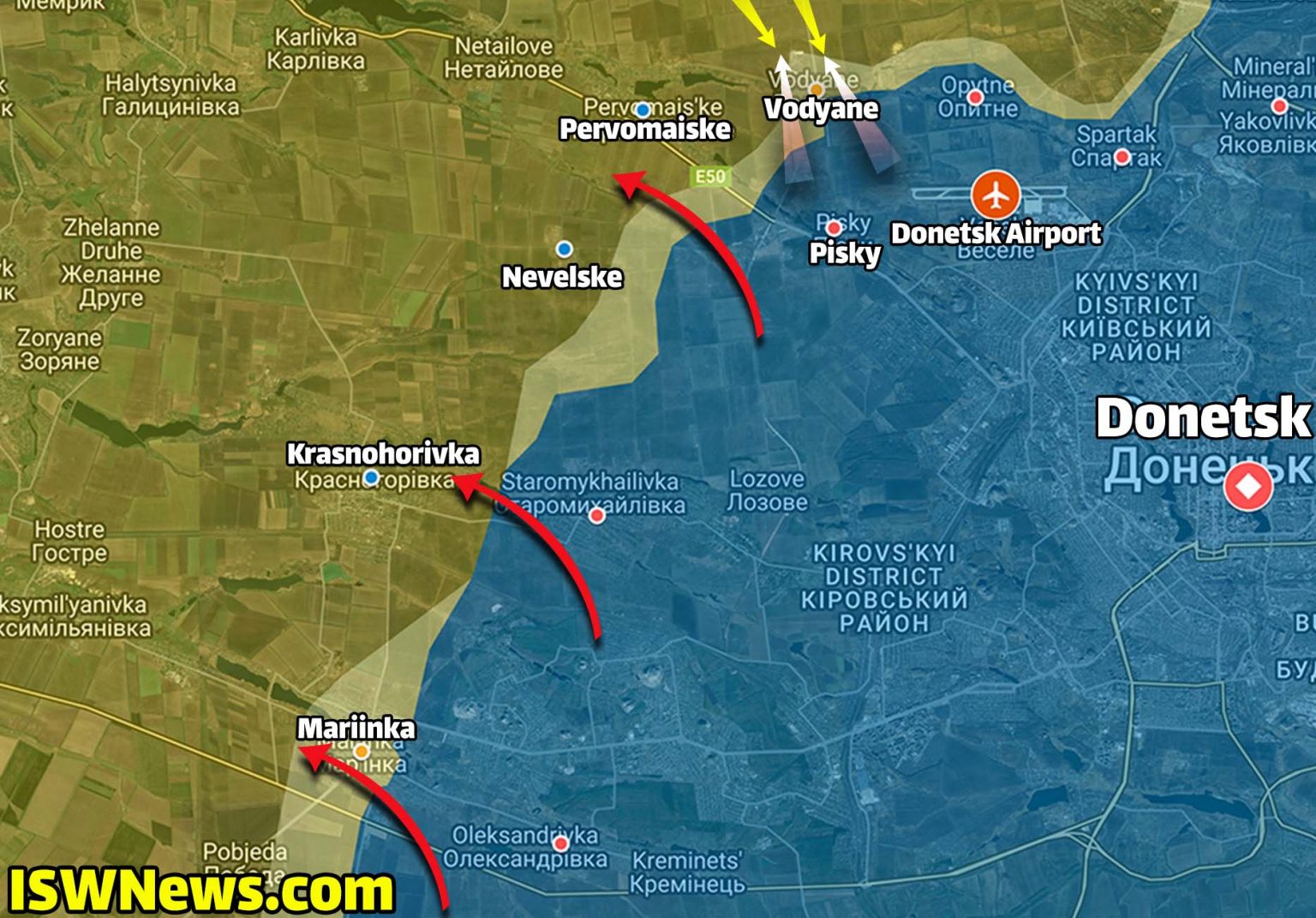
According to the Russian media outlets, the Russian army forces succeeded in seizing the northern heights of Vodyane in the northern outskirts of Donetsk city following a heavy battle between the Russian and Ukrainian forces.
The sporadic clashes between Russian and Ukrainian forces continue in Mariinka, Krasnohorivka, Nevelske and Pervomaiske in the western Donetsk as well. The Ukrainian forces are showing good resistance in Mariinka.
Eventually, the Russian forces entered the southern half of the strategic village of Kamyanske on the bank of the Dnipro River. The severity of the Russians’ strikes in other fronts of Zaporizhzhia frontlines forced the Ukrainian forces to pull out from the northern half of the Kamyanske village.
Certain Russian media outlets alleged that the Russian military forces entered the northern half of Kamyanske and succeeded in completely capturing the village; however, the news reports from the battle field show that the northern districts of Kamyanske village have not been entirely cleared so far.
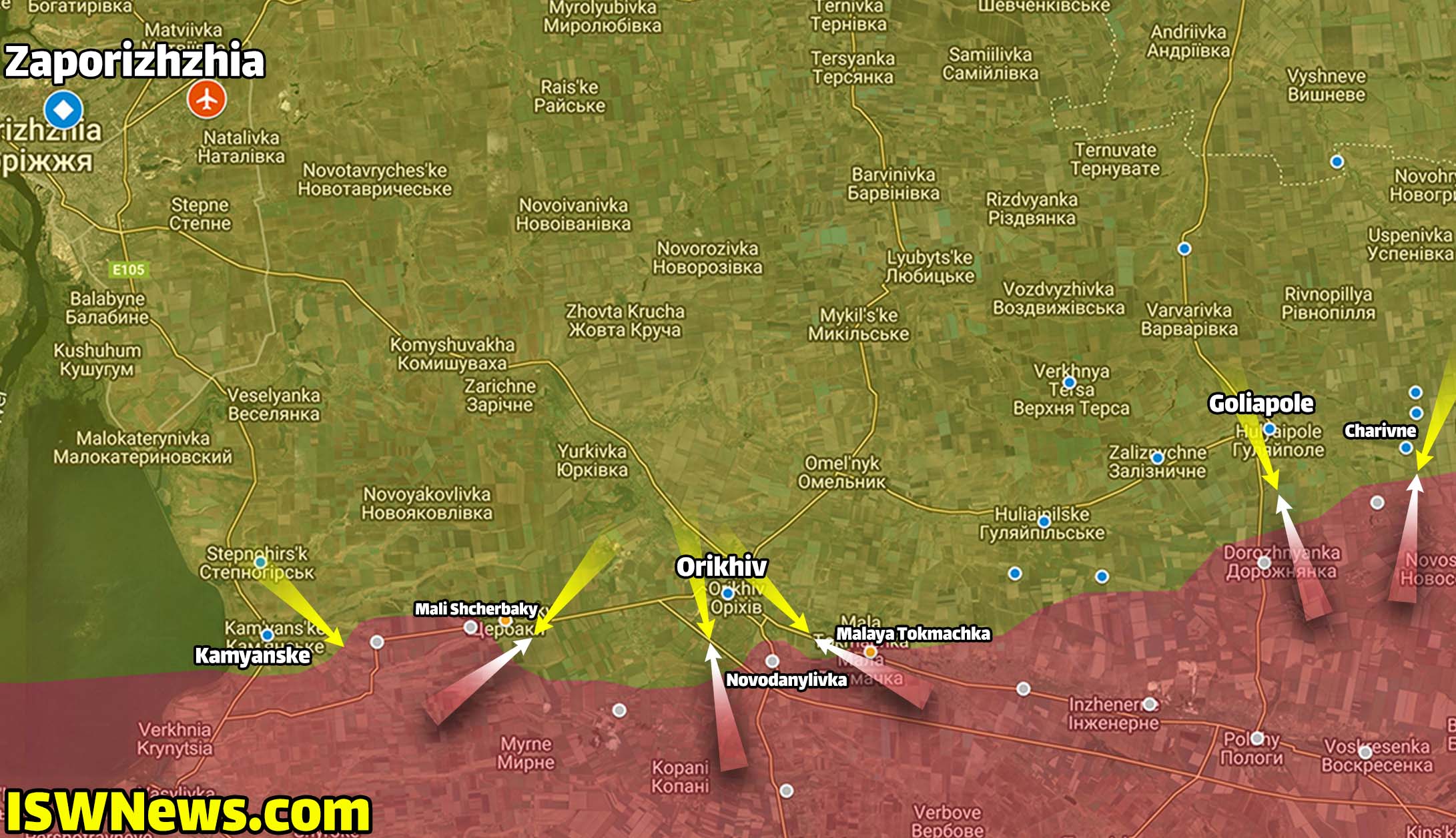
The Ukrainian armed forces succeeded in repelling the Russians’ raids on the southern front of Orikhiv and maintaining the Novodanylivka-Shcherbaky war zone. Ukraine keeps on artillery strikes on the rearmost of Russian military forces in that front, which led to a decline in Russians’ ability to go ahead with their strikes.
The clashes go on in the eastern and southern regions of Goliapole, and no changes took place in the battle grounds as well as areas under the control of each side.
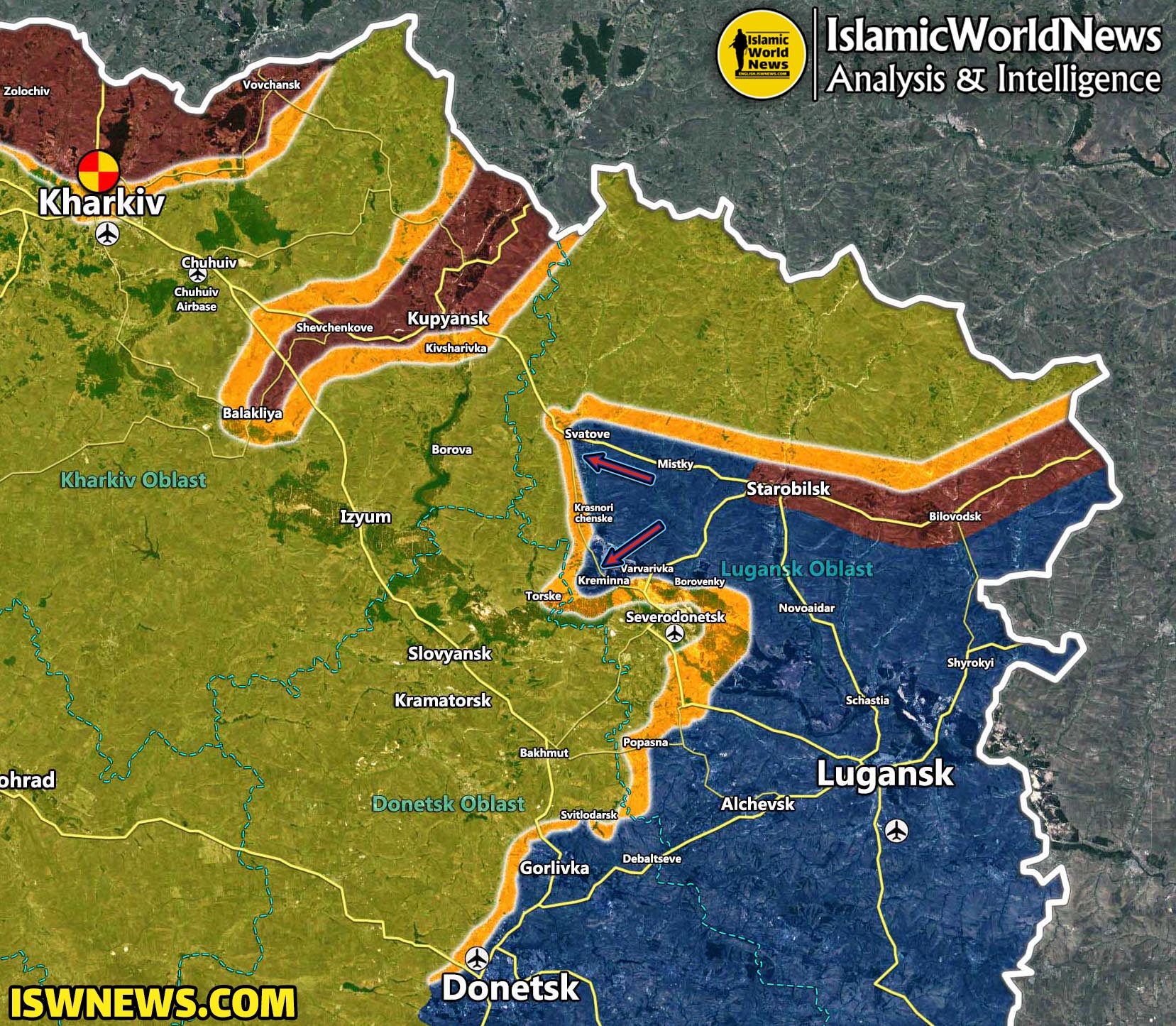
The circumstances in the various fronts of Kupyansk, Svatove and Kreminna in the north of Luhansk Oblast remained untapped for a long period. The major attacker in that front is the Ukrainian army. The Ukrainian forces have tried in several occasions to break the Russian front in this war zone, but the Ukrainians failed each time. The hub of the front is the town of Svatove, and if the town is taken by Ukrainians, Russia’s defense lines on the eastern front will be dismantled. Thus, the Russian army sturdily defends the lines of this front. The most important conflict lines of the front have been marked with arrows.
Click to view full size
Border regions of Russia:
After the Ukrainian military forces’ artillery strikes on the village of Volfyne in the Kursk oblast in western Russia, the power networks in the region were damaged, which caused power outages in several villages of the province. Correspondingly, the Russian army’s air defense shot down a Tochka-U missile of the Ukrainian army over Kazinka village in border province of Belgorod.
The Russian armed forces have intensified attacks on the fronts in Zaporizhzhia since January 20 And according to the latest information has managed to advance in several points. The conflicts on this front are concentrated in the two main axes of Goliapole and Orikhiv.
In the Orikhiv axis, conflicts are going on in all the eastern, western and southern axes of the Orikhiv town. According to the latest information, the village of Mali Shcherbaky in west of Orikhiv has been captured by Russia and the conflicts have been transferred to the adjacent village named Shcherbaky. Also, the Russian army claims to occupy the regions of Novodanylivka and Malaya Tokmachka in south and southeast of Orikhiv.
In the Goliapole axis, artillery attacks on the Goliapole front have been stepped up. Most of the clashes are directed to east of Goliapole and the villages of Chervone and Malynivka. The Russian army claims to have captured a strategic hill near Malynivka.
According to the local officials in Zaporizhzhia province, the Russian army has significantly amplified the intensity of the air and artillery strikes on the Zaporozhye front, and the Russians carried out 224 air and artillery attacks on the conflict zones with the Ukrainian army merely over the last 24 hours.
If the Russian army succeeds in capturing Orikhiv and Goliapole counties, the front line of the Ukrainian army in defending the city of Zaporizhzhia will collapse.
It is worth mentioning that after the retreat of the Russian army from the west bank of the Dnieper river, this axis (Zaporizhzhia) is one of the most important axes active in the southern front of Ukraine. In the past few months, the western media reported on the preparation and equipping of the Ukrainian army to carry out a major operation in this axis with the aim of recapturing the southern regions of Zaporizhzhia and Kherson oblasts in southern Ukraine. Considering the fragile situation of the Bakhmut front and the possibility of the defeat of the Ukrainian army, and the recent statements of Western officials and their advice to Ukraine to carry out military operations in other more important and sensitive fronts (such as Zaporizhzhia), it seems that the Russian army knowing about this issue and the possibility of the start of Ukrainian operations in this axis, has somehow preempted and by advancing in this axis, it intends to neutralize the plans of the Ukrainian army and NATO.
According to local sources, the armed forces of Ukraine have gathered at least 25,000 troops in the northern front of Zaporizhzhia oblast, preparing for wider attacks on this front. In this regard, two battalions of the Ukrainian army have been transferred to Zaporizhzhia from Kherson front. A freight train is also said to have transported heavy artillery equipment, including several HIMARS multiple rocket launchers to Volnyansk railway station in Zaporizhzhia.
Currently, the conflicts are concentrated in Orikhiv and Goliapole fronts, and the attacks are limited to air bombardments by artillery and fighter jets.
The indifference of the Russian air and missile forces to these equipment transfers is one of the interesting points of the Russian-Ukrainian war, which was also observed earlier in the eastern and northern fronts.
According to the development in southern front of Ukraine, it seems that the AFU main target on this front is the city of Melitopol in the south of Zaporizhzhia oblast. Ukraine’s control over this city, in addition to pressuring Russia to evacuate the eastern half of Kherson province, provides the ground for a wider ground attack on other cities in southern Ukraine, such as Berdyansk, Mariupol and even the Crimean peninsula.
The Russian army also in order to stabilize the southern front, apart from the issue of negotiation, needs to advance on the bank of the Dnipro river and capture the city of Zaporizhzhia and the western half of Donetsk oblast, which is very unlikely considering the course of the war in Ukraine.
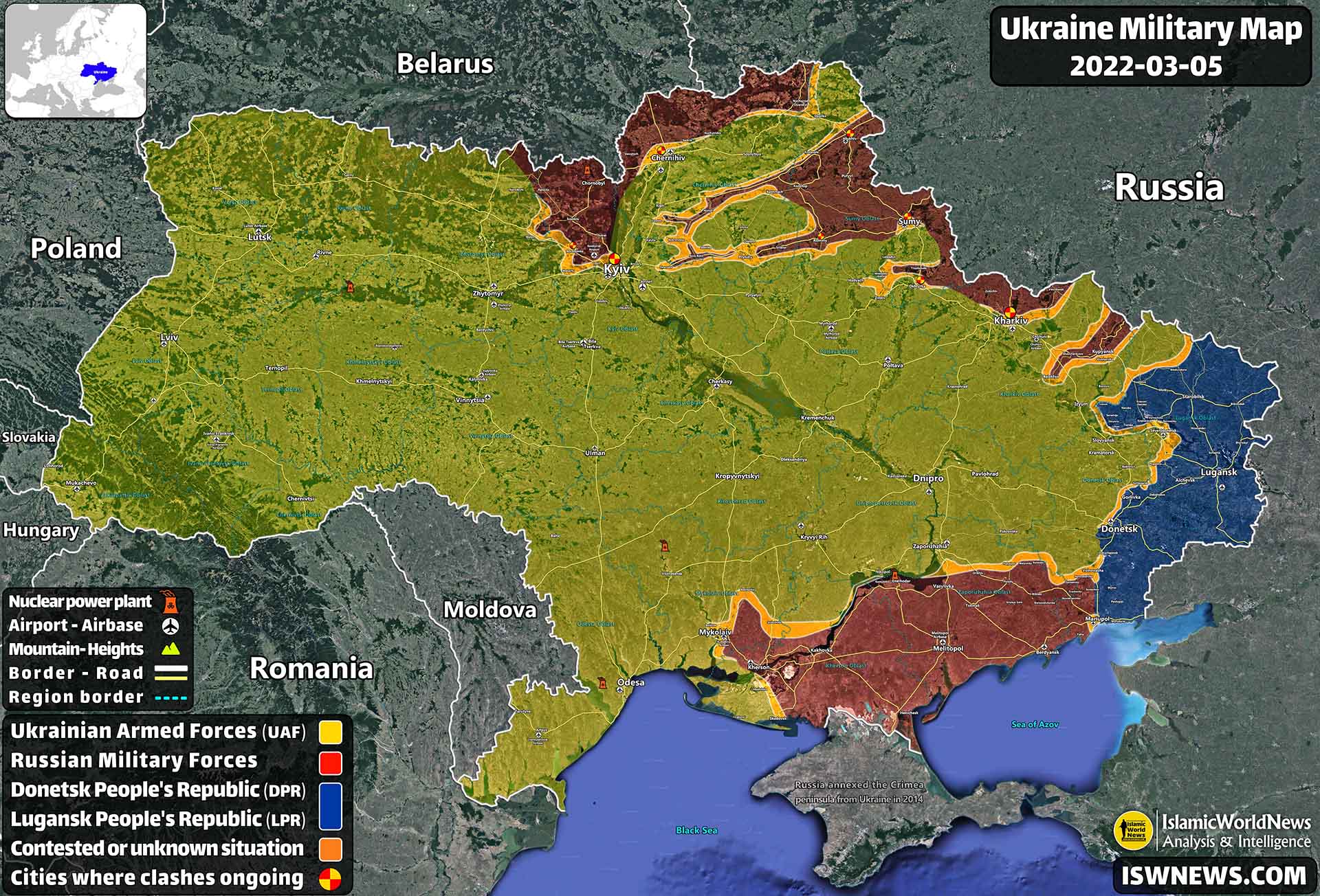
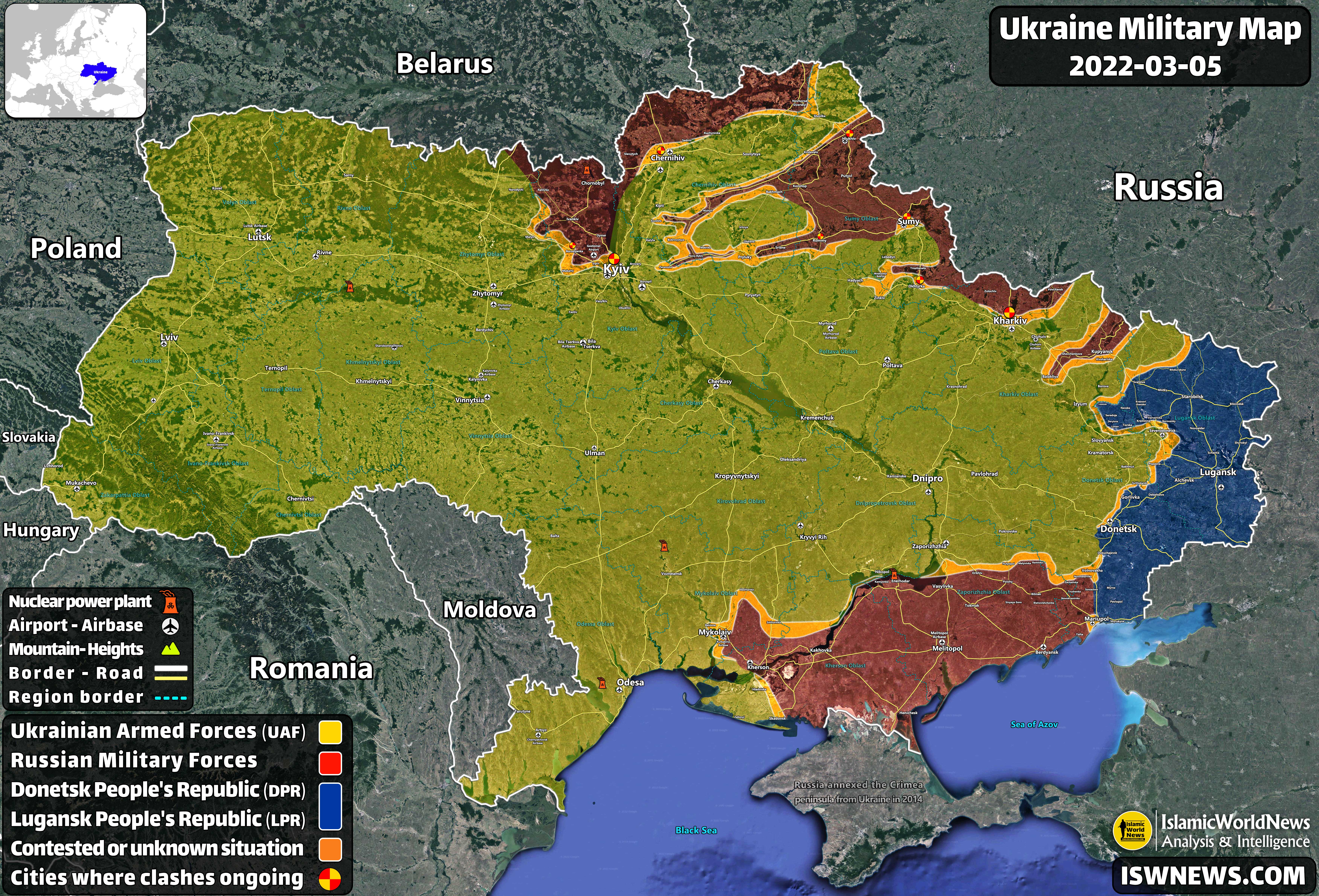
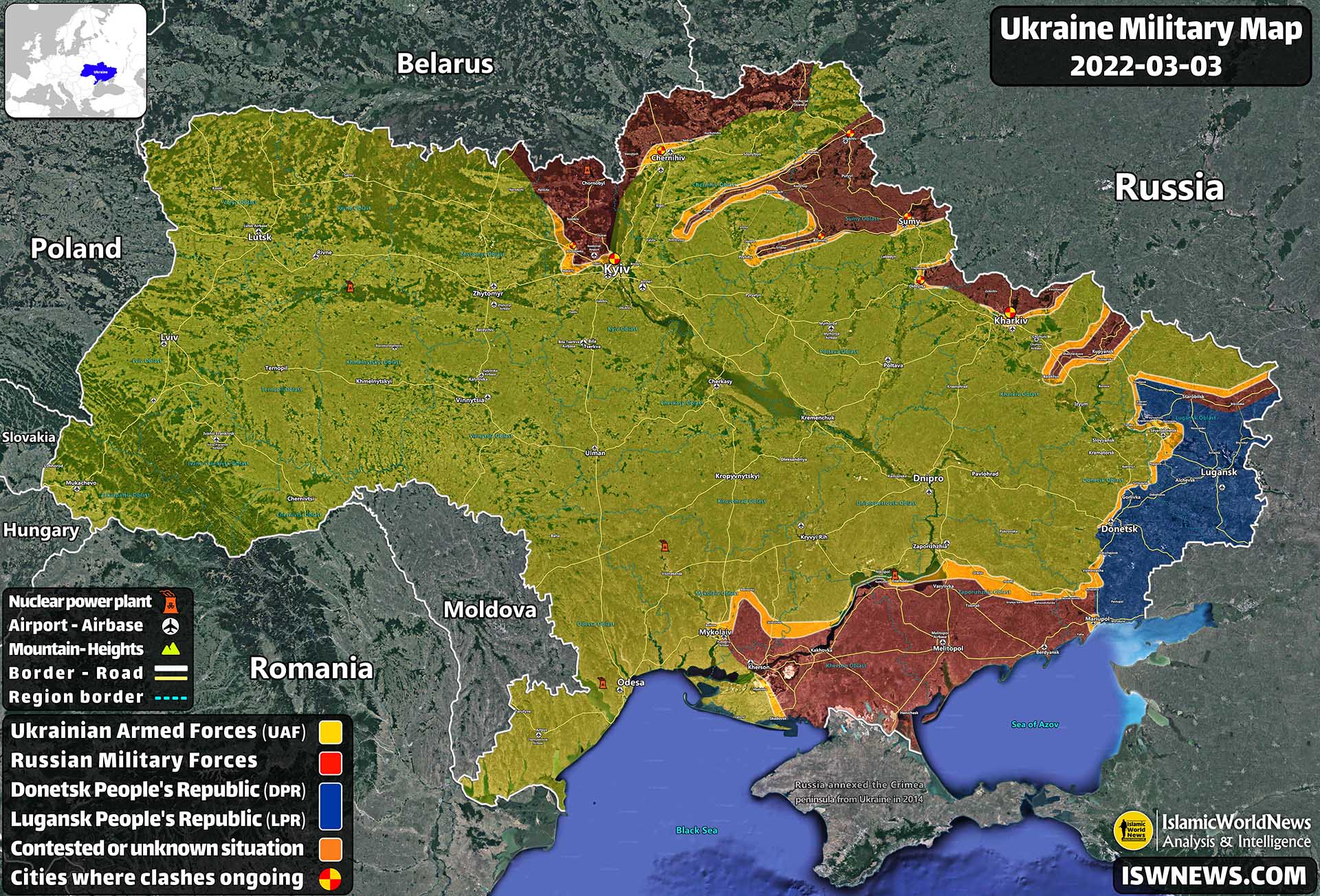
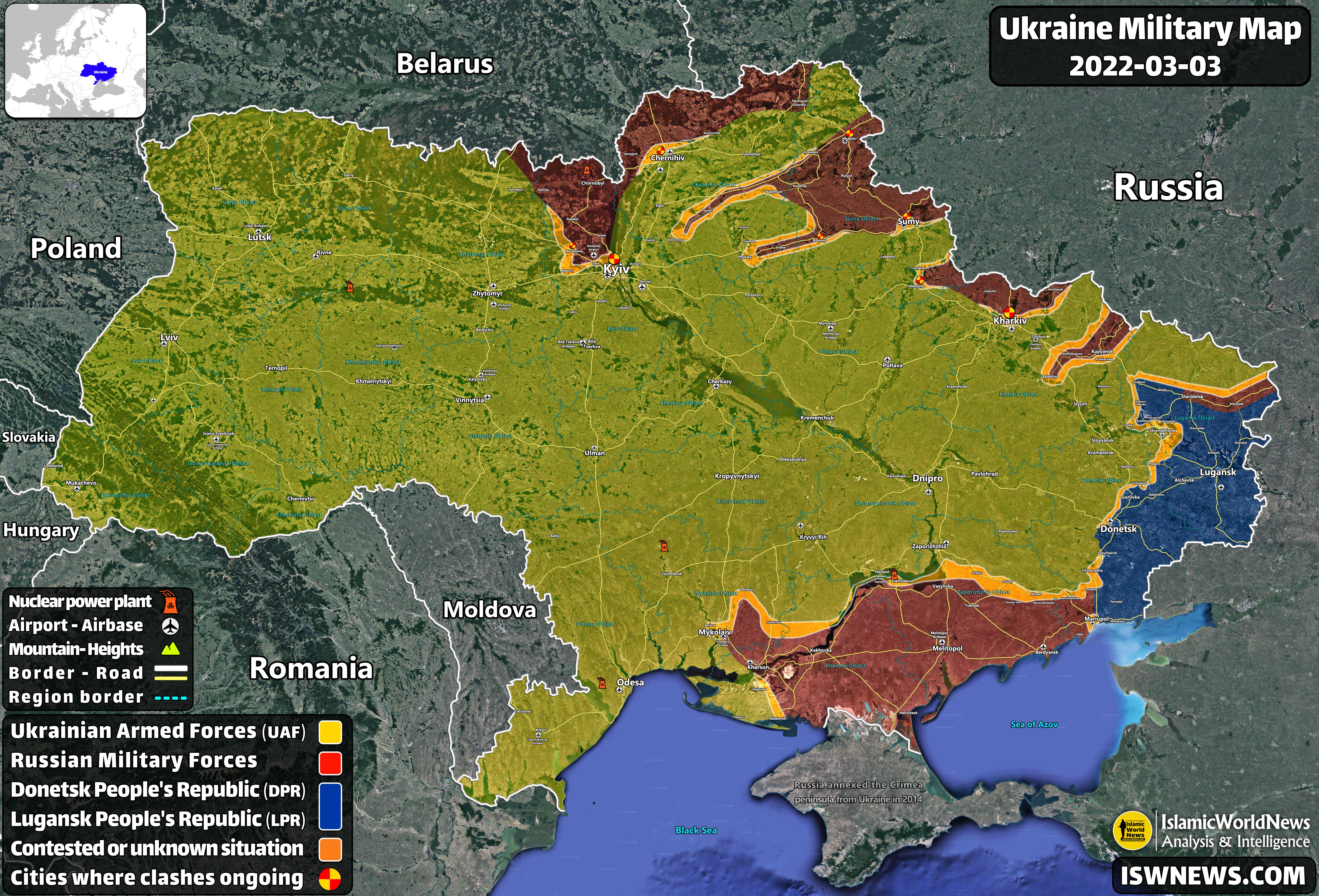
Ten days have passed since the war in Ukraine, and now the situation on the fronts is clearer than in previous days. The map, shows the latest status of the conflict lines and the arrangement of forces according to the latest confirmed news.
Most of the changes took place in the north of Luhansk oblast, the north of Mariupol in the south of Donetsk oblast and the east of Zaporizhzhia oblast. Also in the north, the map in the east of Kyiv and in the Chernihiv and Sumy have been updated.
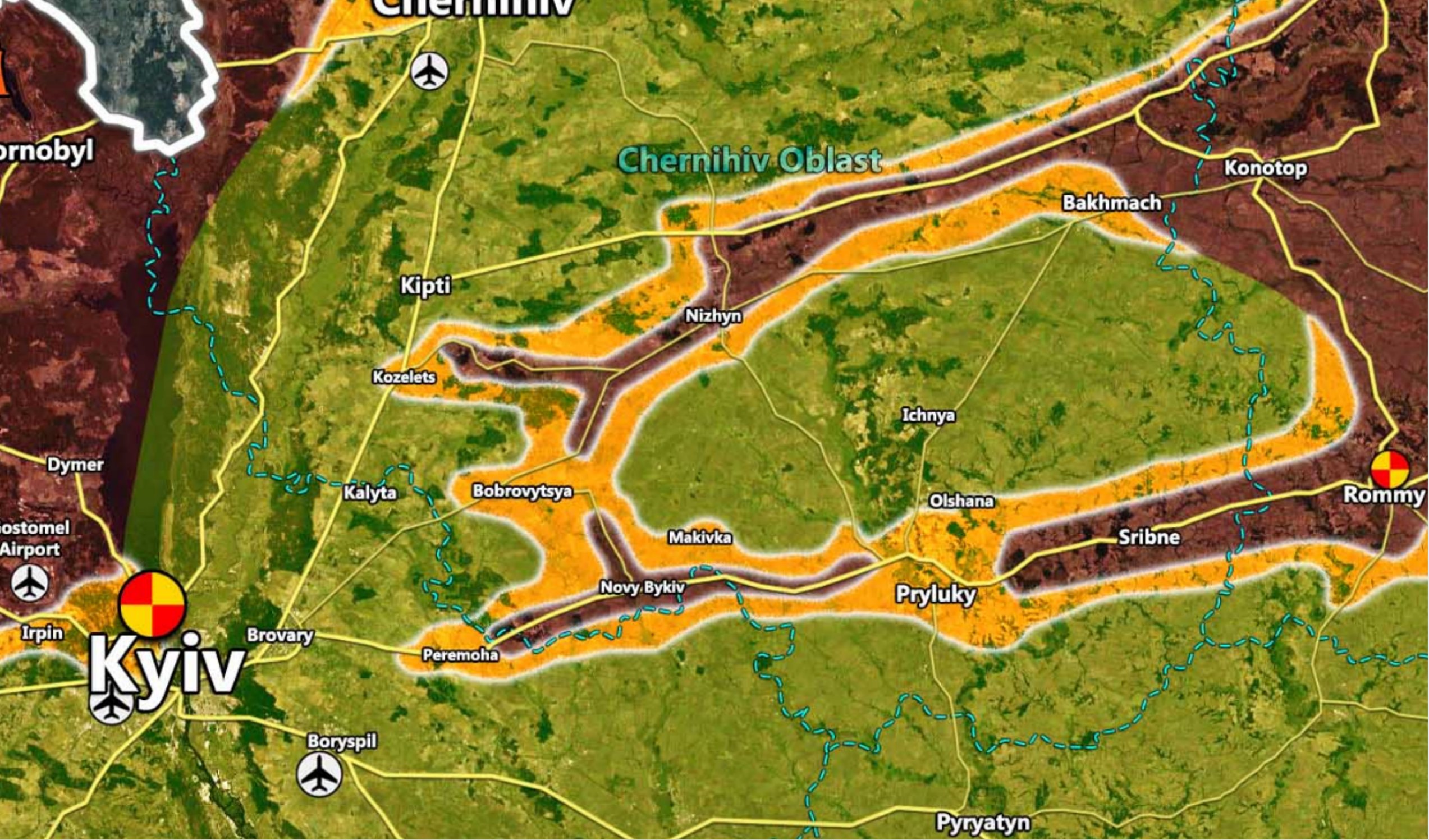
In recent days, the presence of Russian forces in the areas of Kozelets, Bobrovytsya, Peremoha has been reported. The situation in Chernihiv oblast is quite vague, but by tracking the movement of Russian armor, the situation can be estimated in general.
Situation in Chernihiv oblast
Around Kyiv, Russian forces have re-entered Irpin in western Kyiv. Also, according to information provided by Ukrainian military sources, Russian forces are stationed at three points around the town of Malyn.
Situation around Kyiv
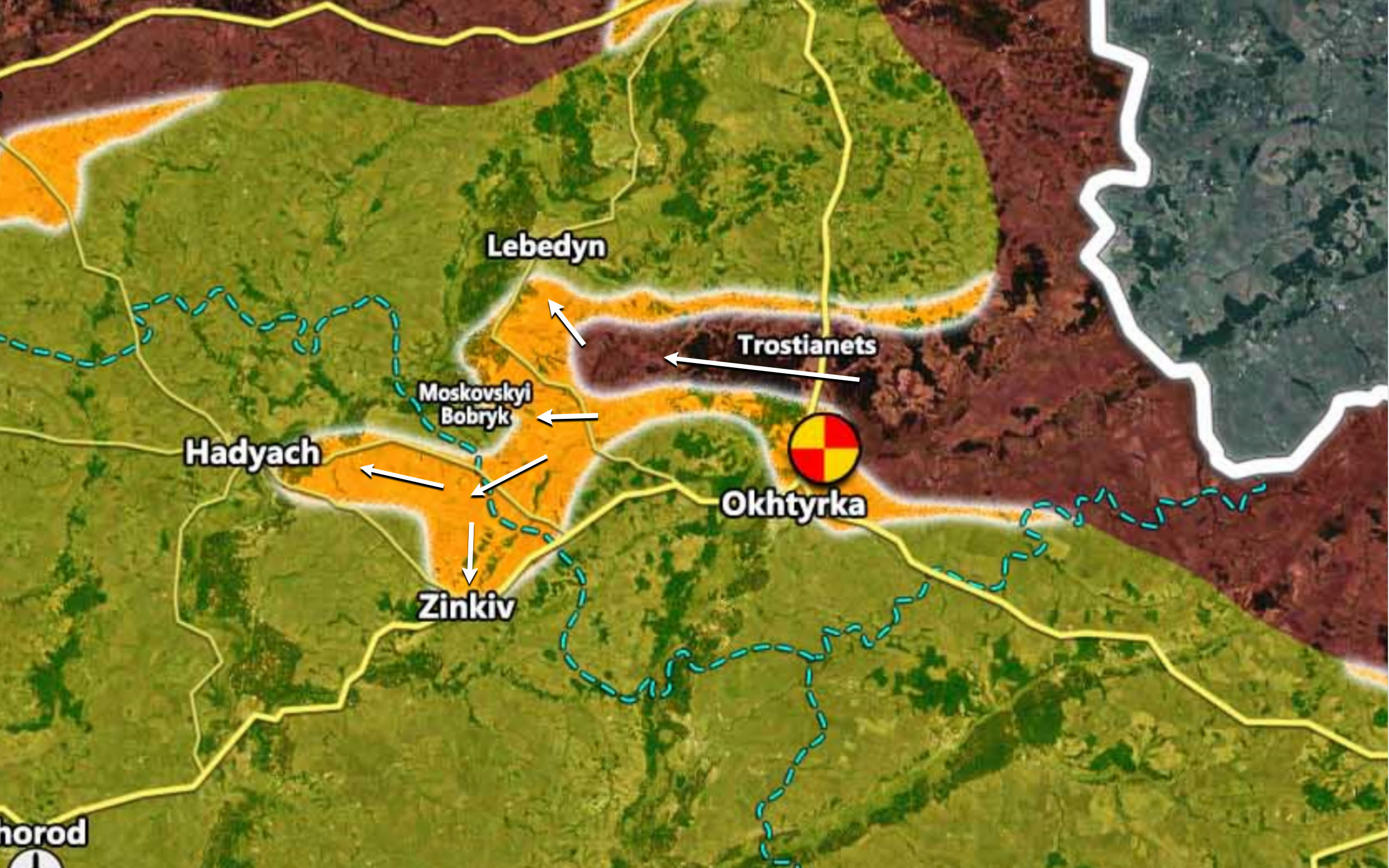
In the Sumy oblast, in southern Sumy, the town of Trostianets came under the control of the Russian army. Russian forces have advanced deep into the West. There have been reports of Russian forces failing to capture Lebedyn and Moskovskyi Bobrysk; However, the presence of Russian forces on the Hadyach and Zinkiv axes has been reported. Two days ago, a number of Russian troops were captured by Ukrainian forces in the Hadyach area. This indicates Russia’s presence in these areas.
Situation in the south of Sumy oblast
In the Luhansk oblast, over the past two days, a large number of settlements were captured by the joint forces of Luhansk and the Russian army. It can now be said that most of Luhansk oblast is under the control of Russia and its allies.
Situation in Luhansk oblast
In the Zaporizhzhia and Donetsk oblasts, over the past two days, large areas east of the Zaporizhzhia region and south of the Donetsk came under Russian and DPR control. With the advances made, the Zaporizhzhia-Mariupol road has been completely cut off. Also, after the end of the ceasefire, which was intended for the evacuation of civilians from Volnovakha and Mariupol, the clashes have resumed and the fall of Volnovakha and Mariupol in the coming days is inevitable.
Situation east of the Zaporizhzhia oblast and south of the Donetsk oblast
Based on the above information and the military map of Ukraine, it can be said that after 10 days of the war in Ukraine, about 20% of the territory of the country has come under the control of the Russian army and its allies.
Southern and Eastern front: Heavy fighting continues at the entrances to Kharkiv between Russian and Ukrainian forces. Most of the military positions, as well as government buildings where the Ukrainian defenders are present, have been bombed by Russian warplanes and artillery. The lines of conflict in and around Kharkiv have not changed.
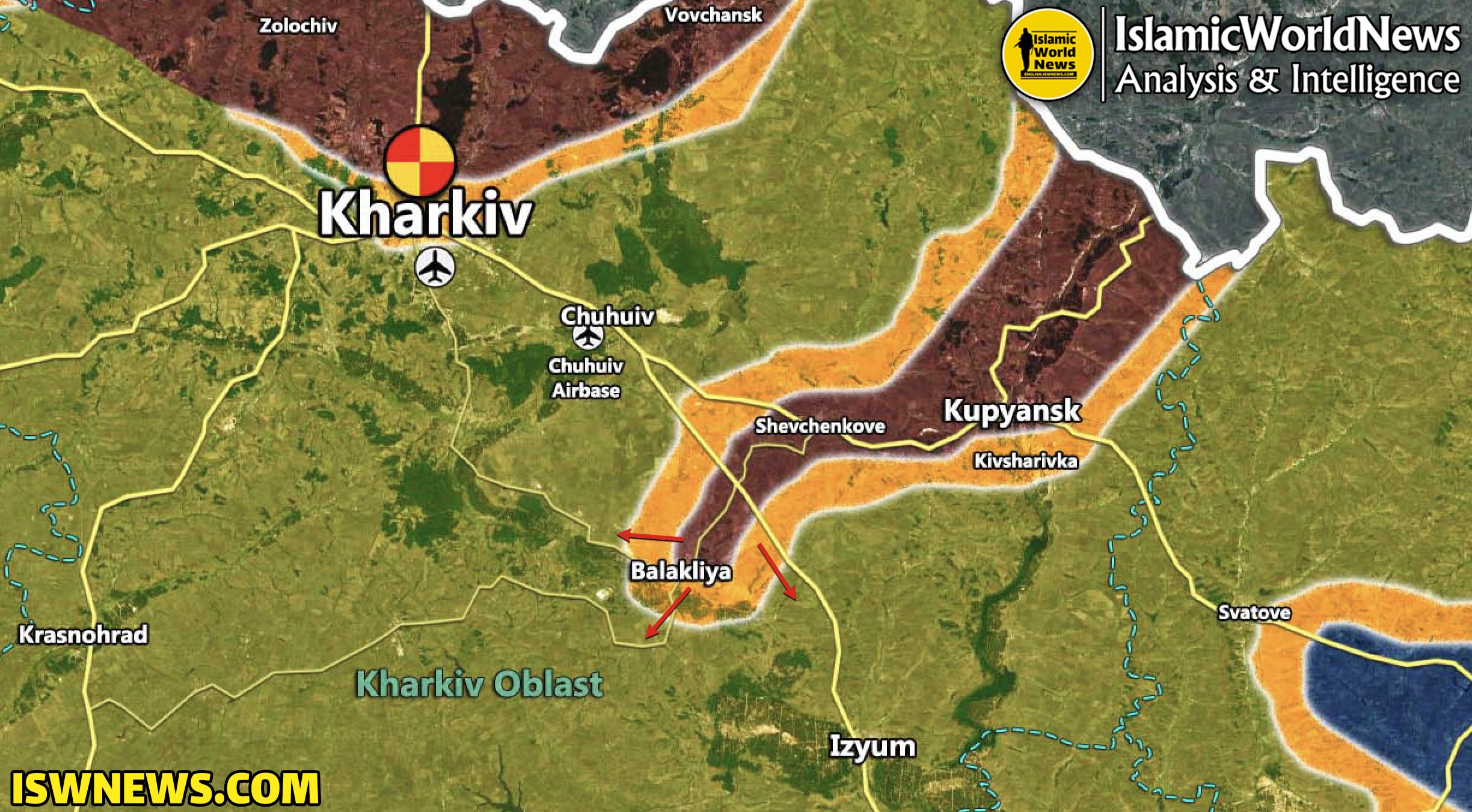
The town of Balakliya, south of Kharkiv, has been captured by the Russian army. The town of Balakliya is located on the Kharkiv-Donetsk road. Cutting this road by Russia will have negative impact on Ukrainian transfer of logistic on the eastern fronts of Ukraine.
Location of the town of Balakliya in the south of Kharkiv
On the northern axis of Luhansk, the Luhansk Forces (LPR) and the Russian army took control of a number of areas and villages in the northern part of Luhansk Oblast. With the advances made, the important city of Severodonetsk came under a quasi-siege. Progress on this axis is slow.
On the Donetsk axis, clashes continue around and inside the coastal city of Mariupol, which is not yet in full control of Russian forces.
The situation on the northern axis of Luhansk and new advances in the region
In the province of Zaporizhzhia, the city of Vasylivka in the central part of the province was captured by Russian forces.
In Mykolaiv province, clashes continue on the outskirts of Mykolaiv, and some sources have reported the arrival of Russian armored forces in the city.
Northern front: For the second day in a row, the military situation on the northern fronts of Ukraine remains unchanged. Scattered clashes continue between Ukrainian and Russian forces around Gostomel and in the Borodyanka area. The current situation around Kyiv seems to be stable for a certain period of time as a lever of pressure to finalize the talks, and meanwhile most of Russia’s attacks will be carried out in the form of precision missile attacks on the city’s infrastructure. Fulfillment of Russia’s demands and conditions to the Kyiv government is a key factor in determining whether or not to continue land advances in and around Kyiv.
Overall, about 70% of Kherson Oblast, 50% of Zaporizhzhia Oblast, 20% of Mykolaiv Oblast, 50% of Donetsk Oblast and 60% of Luhansk Oblast in southern Ukraine are now under the control of the Russian army and its allies.