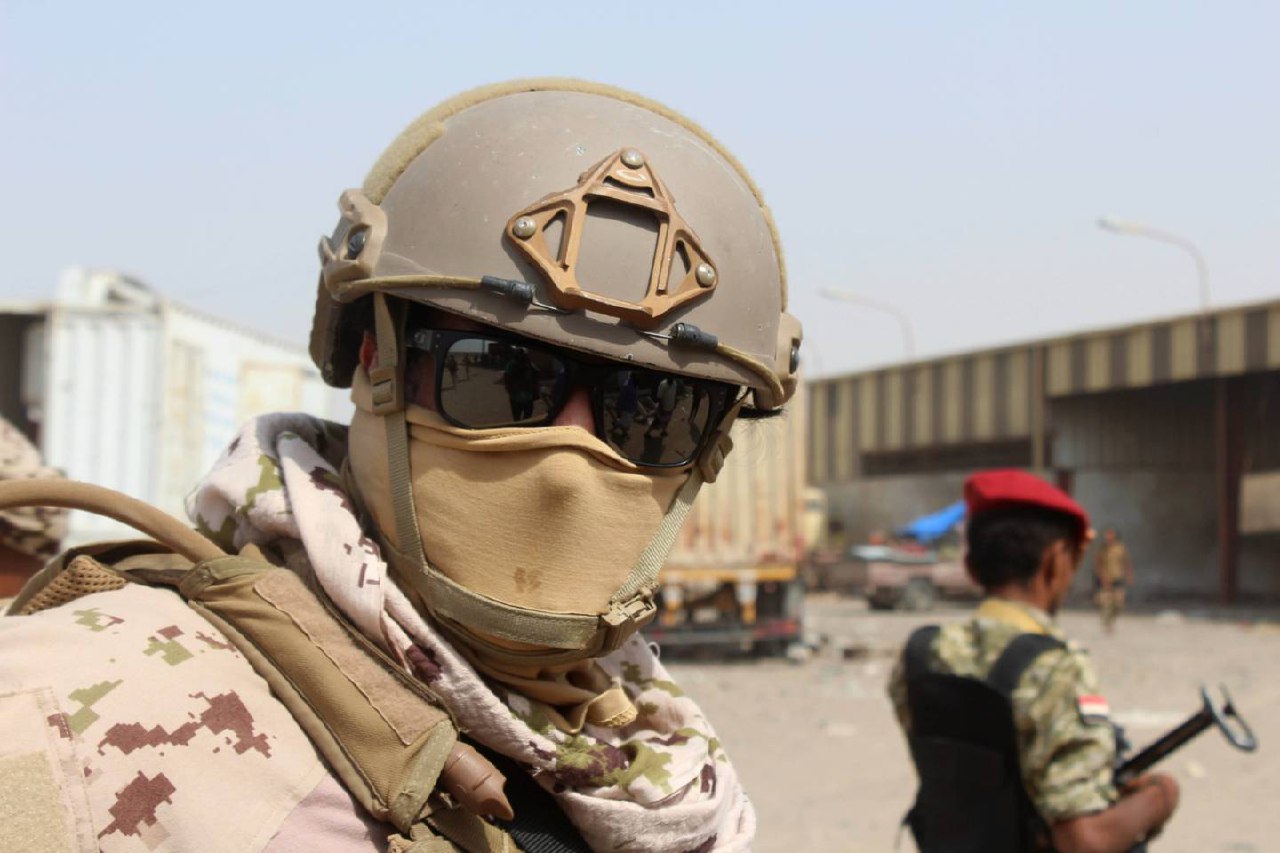
On December 29, the Southern Transitional Council forces with the support of the Saudi coalition artillery, attacked positions of Ansar Allah in Al-Masharih and Habil Yahya areas located in the west of al-Dhale’ province. In these attacks, STC managed to advance first, but Ansar Allah’s counterattack led to the defeat of the southerners and finally their retreat.
During this conflict, several military vehicles belonging to the STC were destroyed by Ansar Allah and at least seven members of this group were killed and 13 others were injured. No information has been published about the amount of casualties and damages of Ansar Allah.
Southern Transitional Council had carried out another attack in al-Fakhir region on December 2, which was also defeated by Ansar Allah.
Pointless attacks and irrational actions of the Southern Transitional Council, in addition to weakening the ongoing negotiations between Ansar Allah and the Saudi coalition has reduced their influence in the southern provinces of Yemen.
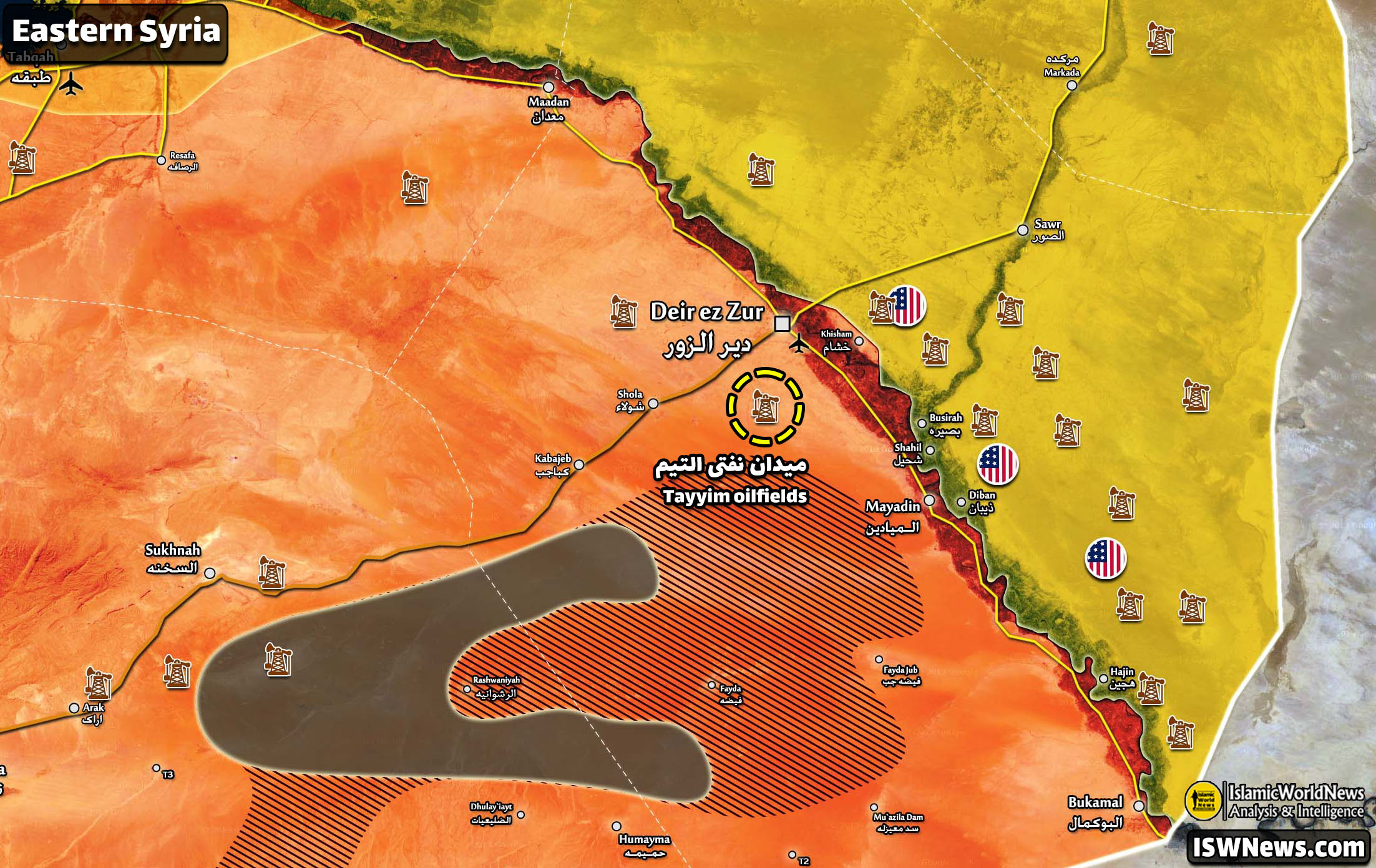
On December 30, at around 8:30 Friday local time, ISIS terrorists using the foggy weather of the region, carried out an attack against three buses carrying employees of Al-Tayyim oil field in south of Deir Ezzor city, and this terrorist operation led to the death of at least 10 oil workers.
According to the announcement by the Ministry of Oil of Syria, Nizal Nawiji, Hamad Al-Eisa, engineer Omar Farooq, Mohammad Al-Hamadi, Amer Al-Obeid, Hossein Hanan, Mohammad Hamadeh, Ammar Amin, Hisham Hossein were martyred, and Hamidi Al-Juma, Nizal Al-Jasim were also injured. Also, Hamidi al-Juma and Nizal al-Jasim are still missing.
Until now, the ISIS terrorist group has not issued a statement regarding this terrorist attack. This is the first ISIS attack using anti-armor guided missiles in the last two years in this region. Considering the recent activities of ISIS in Syria, it seems that the operations of this terrorist group have entered a new phase.
1- Al-Hudaydah: The Saudi-led forces violated the ceasefire 270 times in the last 48 hours in the al-Hudaydah province.
2 Hajjah: The Saudi coalition arrested three Yemeni fishermen on the shores of Bahis region in Midi administration and confiscated their boats.
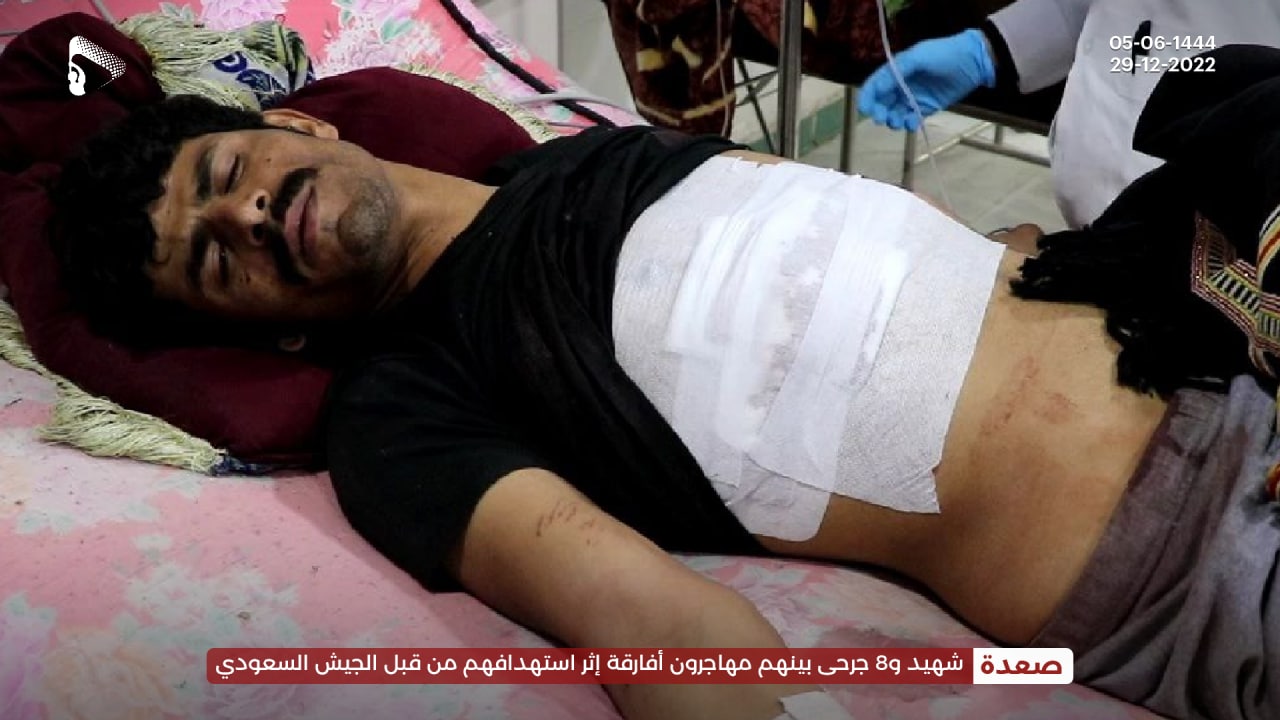
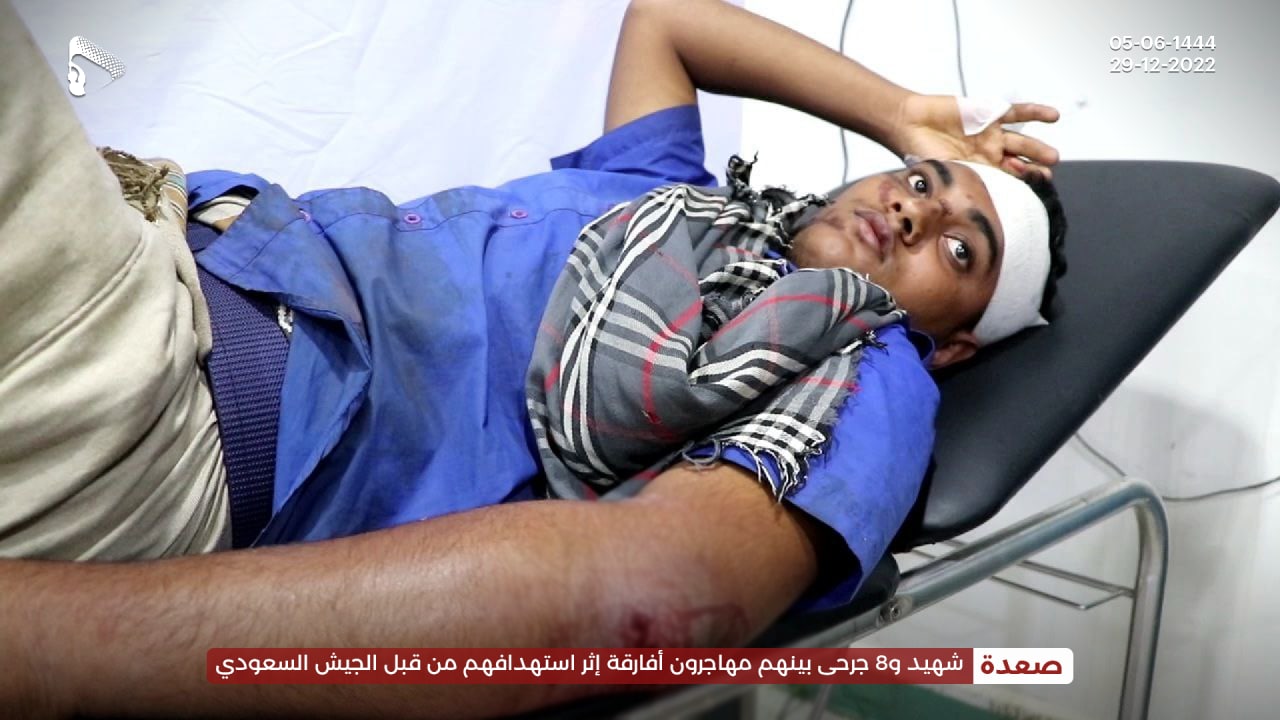
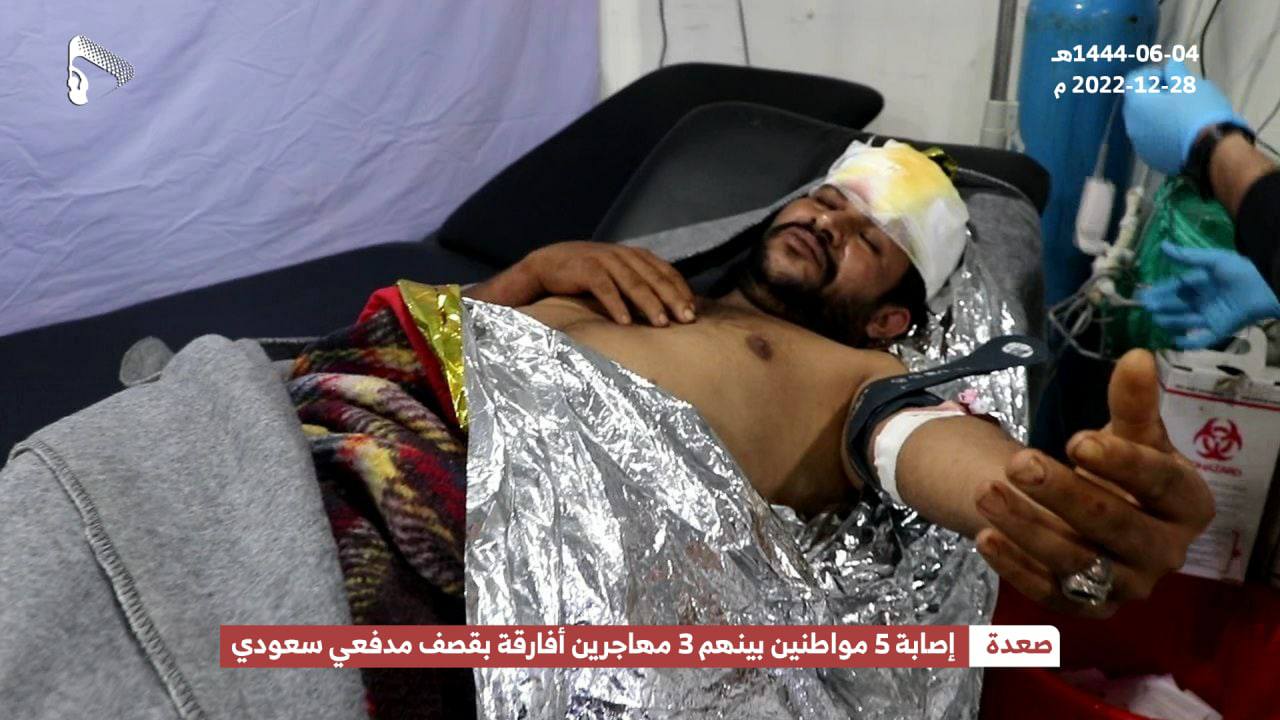
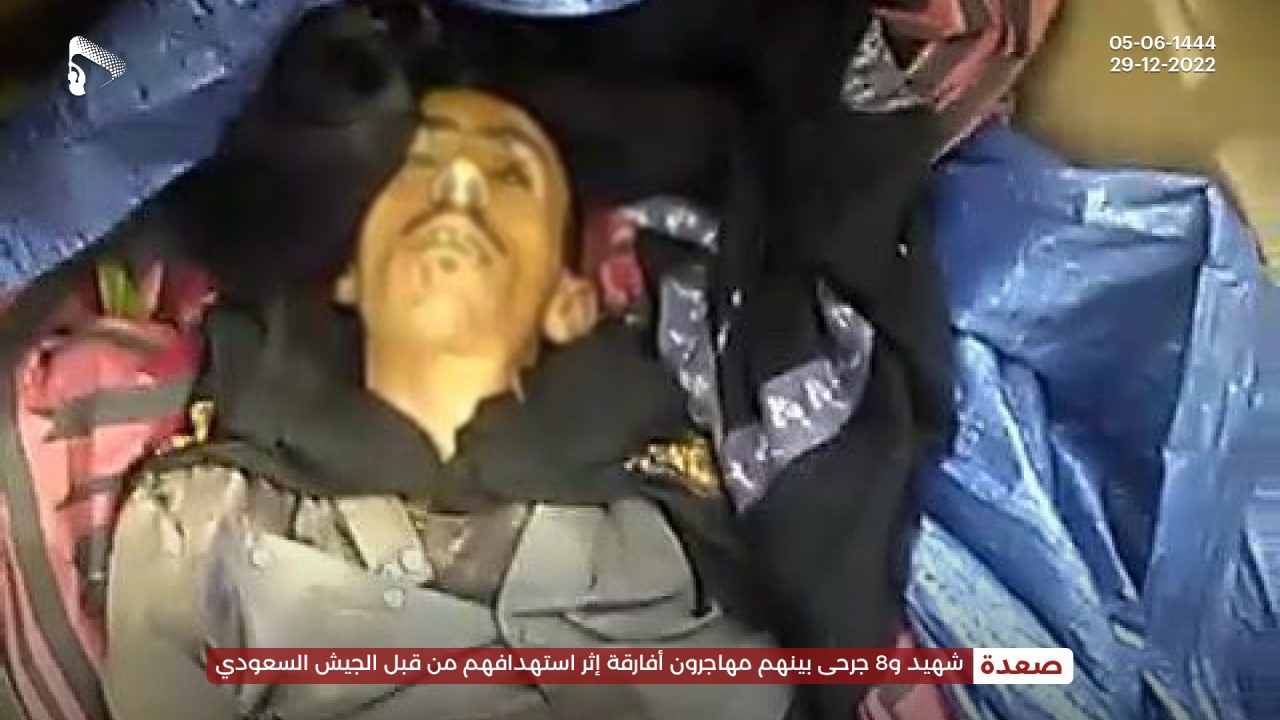
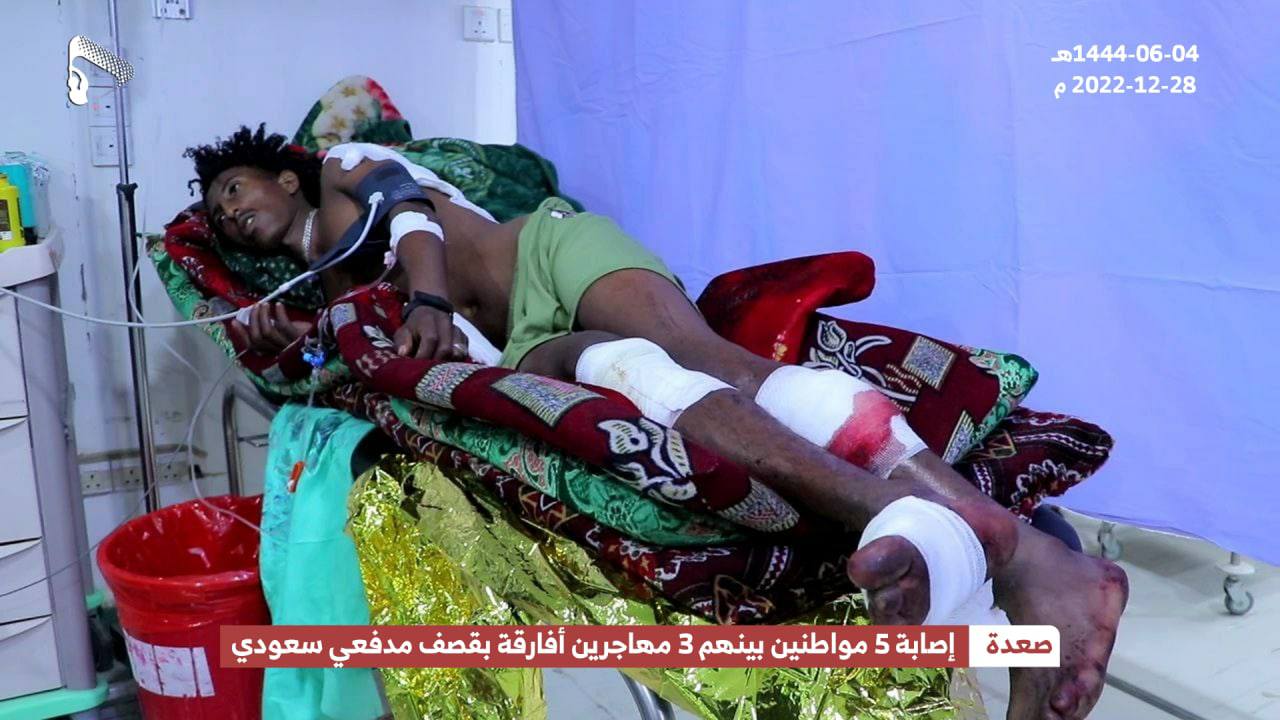
3- Saadah: On December 23, one person was martyred and 12 people were injured, including several African immigrants, as a result of the Saudi coalition’s artillery attack on al-Raqo border region.
4- Shabwah: – On December 24, Shabwah defense forces and the Southern Transitional Council (STC) militants clashed in al-Rawdha area located in the city of Ataq. As a result of this clashes, at least four militia members from both sides were wounded. – On December 28, as a result of clashes between the STC militants and the armed tribesmen of the Ayadh region, in the north of the city of Ataq, several militia members from both sides were killed and wounded.
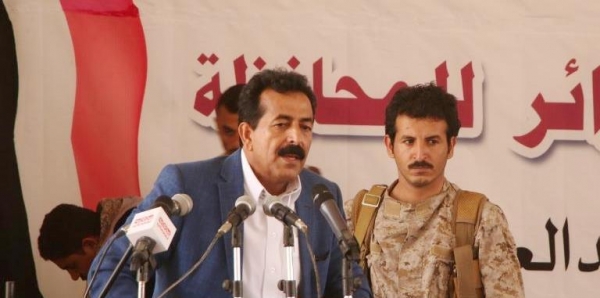
5- Hadhramaut: – On December 26, the resigned government of Yemen, in response to the help request of Mabkhout Bin Madi, the governor of Hadhramaut, sent a large convoy of Amaliqa forces to the city of al-Mukalla, the capital of this province. Mabkhout Bin Madi has recently asked for help from the resigned government due to the increase of threats of Islah party militants in north of Hadhramaut province and also the unprecedented gathering of supporters of the Southern Transitional Council in the city of al-Mukalla. – On December 27, Mabkhout Bin Madi, the governor of the resigned government in Hadhramaut, approved the deployment of Tareq Saleh’s forces in al-Dhabah port and al-Rayan coast.
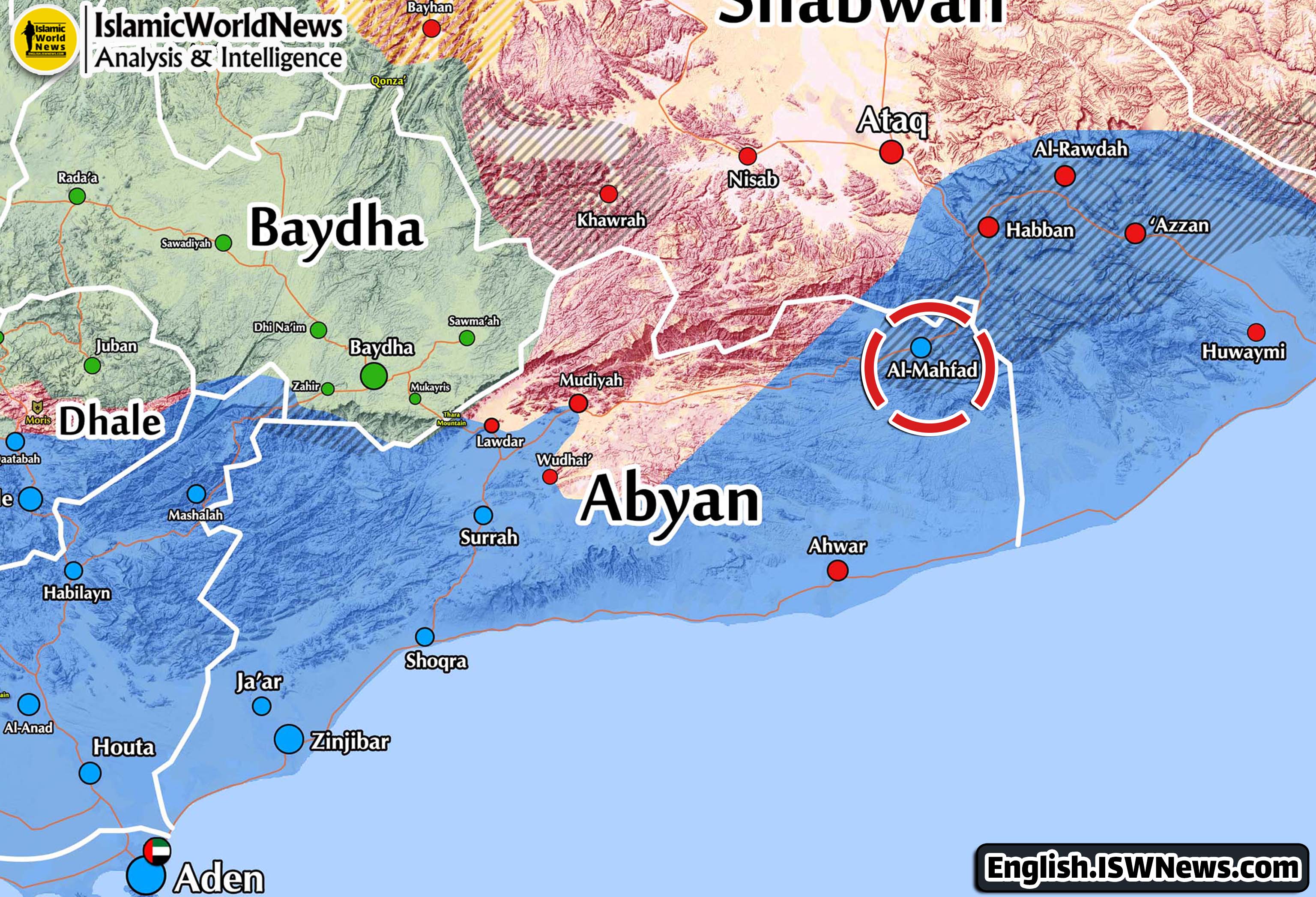
6- Abyan: – On December 26, two STC members were killed and several others were injured due to a roadside bomb explosion in the al-Mahfad district in Abyan province. Considering the increase of activities of the terrorist group Ansar al-Sharia in Abyan province, it is possible that this attack was carried out by this group. – On December 28, at least seven STC members were killed and injured due to a roadside bomb explosion in Mudiyah district in Abyan province.
Mudiyah and Mahfad districts in the Abyan province – Click to view full size
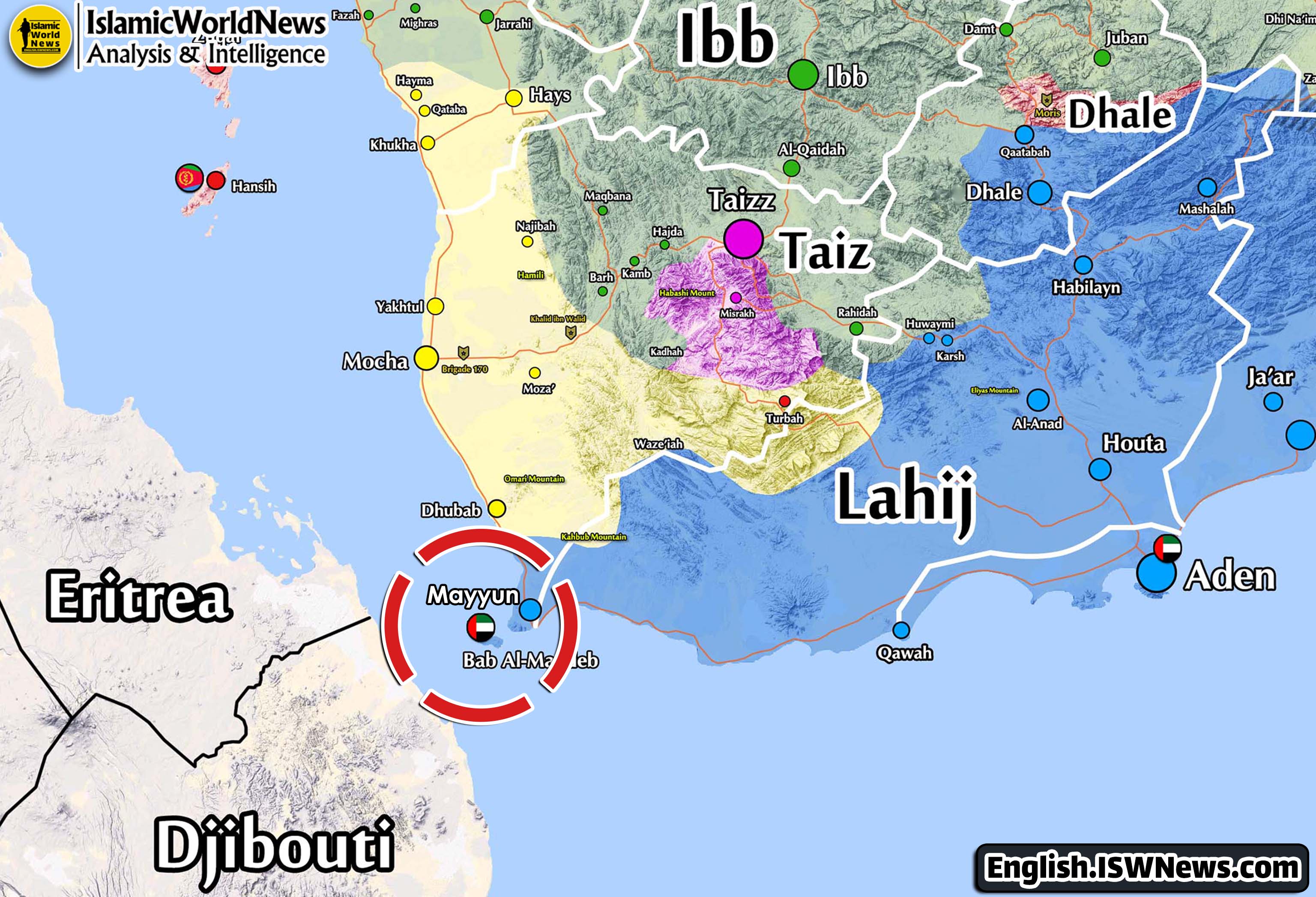
7- Aden: – The Sudanese army denied the rumor of the withdrawal of its forces from Yemen and confirmed that the forces that left the Al-Anad base retreated to the city of Aden a few days ago. This withdrawal has been done with purpose of replacing the forces and settling the Sudanese in another part of Yemen. – On January 29, local sources reported the transfer of Sudanese mercenaries from the southwest coast of Yemen to Perim (Mayyun) Island. This deployment was carried out by the order of Saudi Arabia and with the coordination of the UAE and Egypt.
8- Abdul Qadir Al-Murtada, head of the National Committee for Prisoners Affairs of the Yemeni Salvation Government: “The prisoners’ file has been blocked since last March and no progress has been made in it. Despite the signing of the agreement on the exchange of more than 2,200 prisoners from both sides under the supervision of the United Nations, the aggressive mercenaries refused to implement it and prevented its implementation by the order of the Saudi regime. The responsibility for this delay and this deliberate obstruction lies with the Saudi regime.
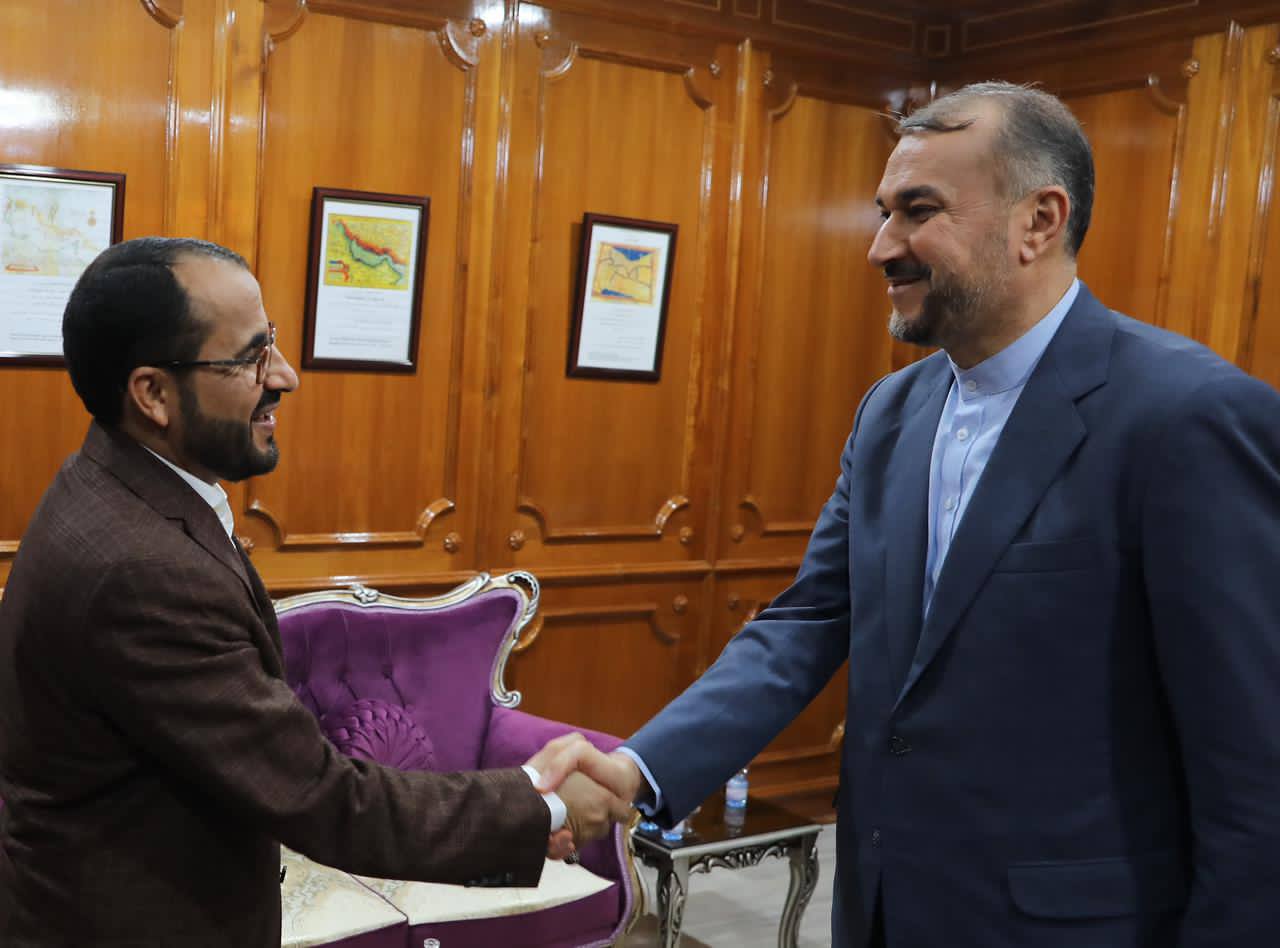
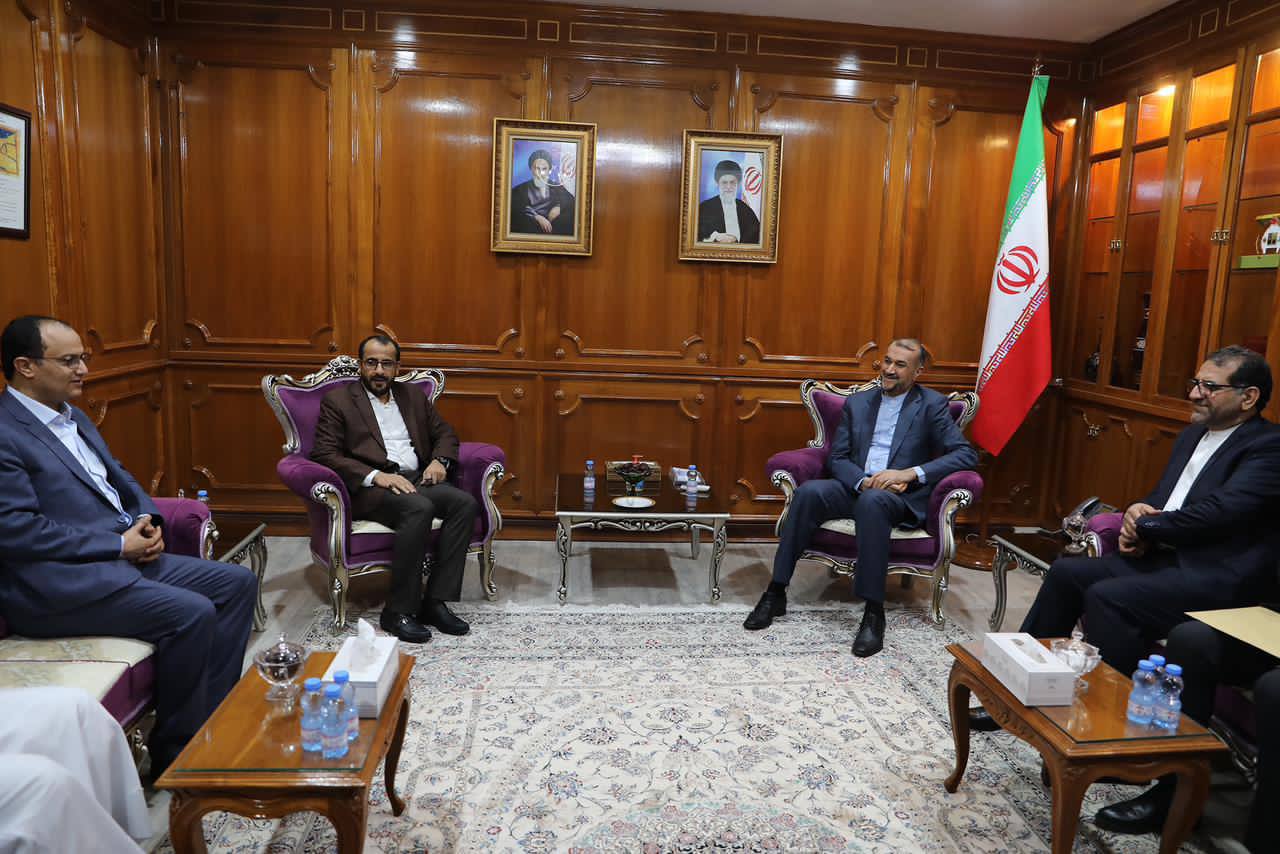
9- Iran’s Foreign Minister Hossein Amir-Abdollahian met with Muhammad Abdul Salam, the spokesman of Yemen’s Ansar Allah movement and the head of the negotiating team of the country’s national salvation government, in Muscat, the capital of Oman, and discussed domestic and regional political developments. While emphasizing Iran’s support for Yemen, Amir-Abdollahian considered removing the blockade of Yemen as a humanitarian right of the people of this country.
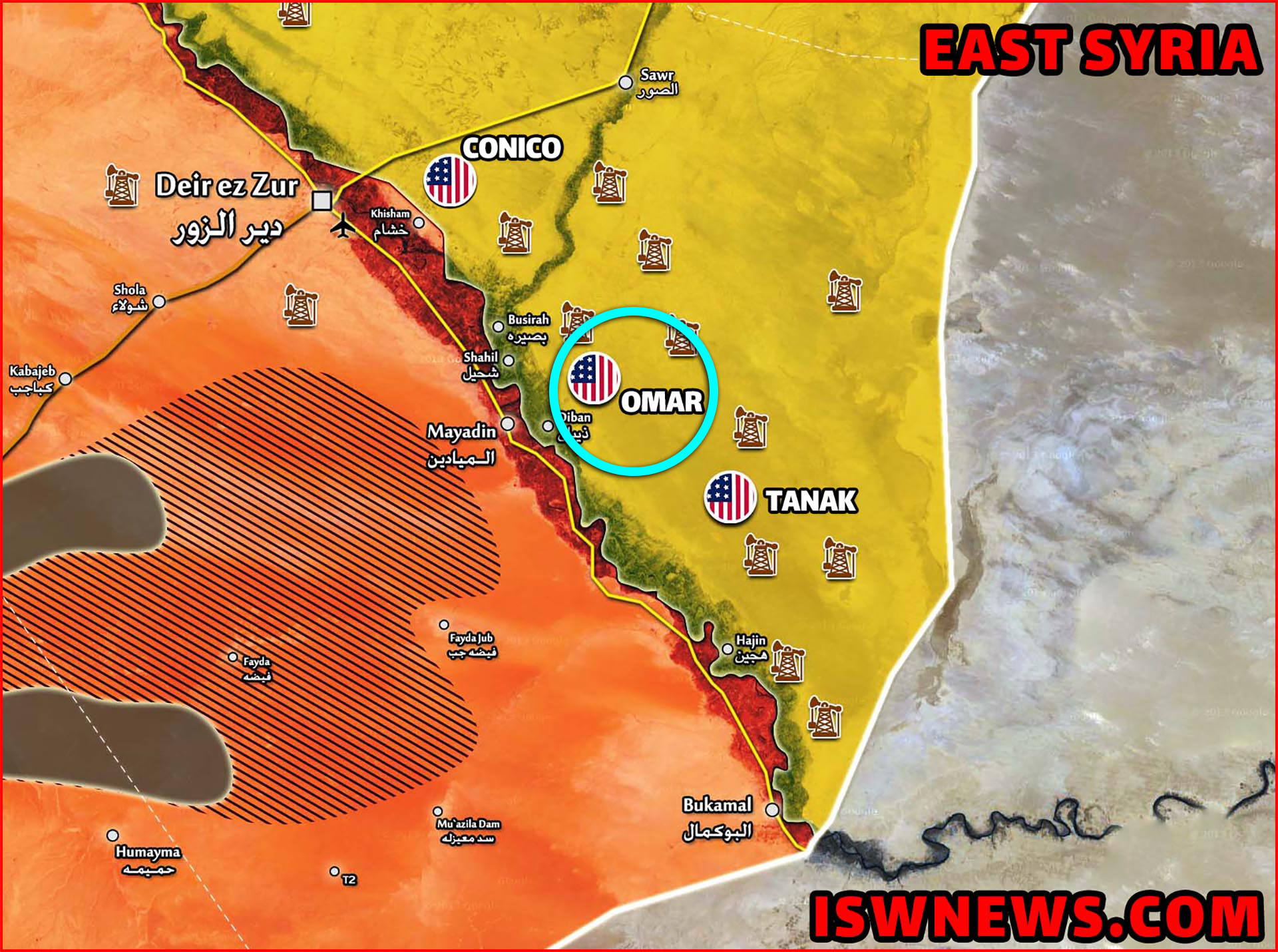
On December 30, the US military base in the al-Omar oil field in eastern Syria was targeted with several rockets. Several military personnel reportedly were wounded and the US helicopters transported the wounded from the area.
So far, no group has claimed responsibility for this attack, but considering the history of attacks by resistance forces on the positions of the US occupation forces in eastern Syria, it is likely that this attack was also carried out by resistance groups based in Deir Ezzor province.
Over the past months in 2022, the US bases in eastern Syria have experienced a number of rocket and drone attacks such the yesterday attack.
The United States and its allied forces invaded Syria in 2014 under the pretext of fighting the ISIS terrorist group. Now, a large part of Deir Ezzor, Raqqa and al-Hasakah provinces is controlled by the US forces and US-backed Kurdish Syrian Democratic Forces (SDF). Since 2015, the US command has established several military bases in the oil fields along the Euphrates River in eastern Syria with the aim of controlling Syria’s energy resources.
Syrian authorities said the years-long occupation of Syria by the United States had cost it $107.1 billion in oil and gas sector losses, referring to the occupying forces’ looting of the war-ravaged country’s rich resources.
Although the Syrian government and its allies declared the defeat of ISIS in late 2017, the US still occupies parts of the country and refuses to leave. Damascus and its allies consider the US military presence in Syria as a clear occupation, however, as usual, international organizations turn a blind eye to US actions and the looting of this country’s resources continues.
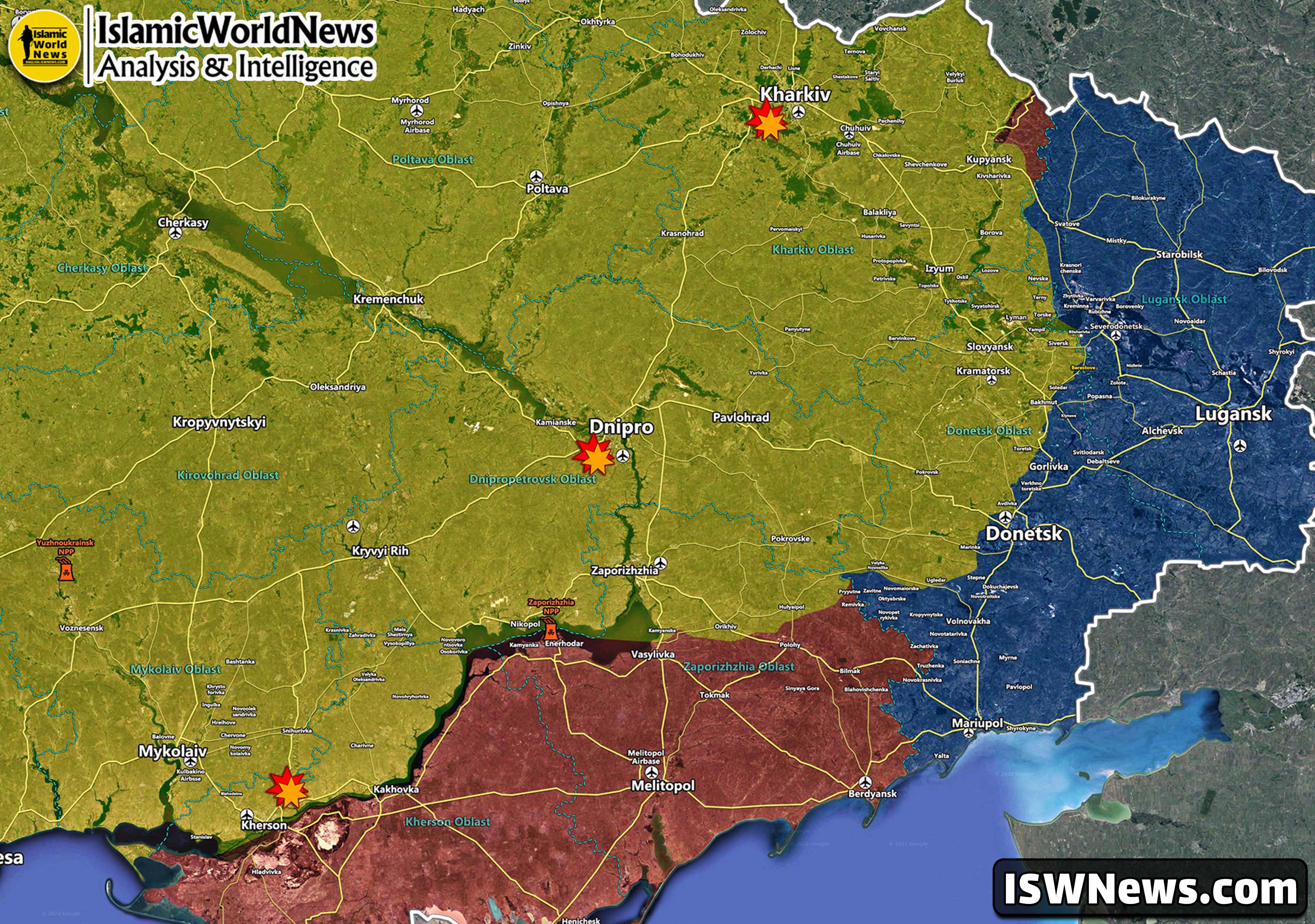
Last night and this morning on December 29, the Russian army heavily targeted the electrical facilities and other positions of Ukrainian forces in the cities of Kharkiv, Dnipropetrovsk and several other places with several Shahed-136 suicide drones. At the same time as drone attacks, the artillery of the Russian army has also struck positions of Ukrainian forces in Zaporizhzhia, Kherson and Mykolaiv fronts.
According to Ukrainian media, nine suicide drone attacks were observed in Kharkiv province, five in Dnipropetrovsk, two in Zaporizhia, two in Mykolaiv and two in Kherson.
It should be noted that the following videos are related to Russian drones hitting the cities of Kharkiv and Dnipropetrovsk, and so far no cases of Zaporizhzhia, Mykolaiv and Kherson have been observed or published. Therefore, it is possible that the Ukrainian media made a mistake in distinguishing drone attacks from artillery attacks and considered the sound of Shahed-136 while crossing the sky of the southern provinces as drone attacks in these areas.
Click to view full sizeShahed-136 suicide drone hit in KharkivShahed-136 suicide drone hit in KharkivShahed-136 suicide drone hit in KharkivShahed-136 suicide drone hit in DnipropetrovskShahed-136 suicide drone hit in DnipropetrovskRussian artillery attacks on Kakhovka and Chernobayuka in KhersonRussian artillery attacks on Kakhovka and Chernobayuka in Kherson
Mohammad Ismail Khan is an Afghan former politician who served as Minister of Energy and Water from 2005 to 2013 and before that served as the governor of Herat Province. He is also one of the leaders of Jamiat-e Islami of Afghanistan and the most influential jihadi commander in western Afghanistan since the Soviet–Afghan War era.
Mohammad Ismail Khan, after a long consultation with a group of jihadi commanders in different provinces of Afghanistan and former army commanders, established a new council under the title of “Islamic Council of Coherence of Resistance Against Taliban”. This council was formed on December 22 with the management and coordination of Mohammad Taha Sadiq, the son of Ismail Khan, in his house in Mashhad, the capital of Razavi Khorasan province.
In the meeting announcing the existence of this council, Ismail Khan emphasized on the armed struggle against the Taliban and said: “We must unite the ranks of the armed struggle against the Taliban.” Therefore, according to the words of Ismail Khan, “Islamic Council of Coherence of Resistance Against Taliban” is not only a political group and also pursues military goals.
Ismail Khan accused Karim Khalili and Muhammad Mohaqiq, one of the political leaders of Afghanistan and elders of the Hazara tribe, of performing poorly against the Taliban and stated: “Why these leaders, in the current crisis situation, are not present among the Hazara community and Afghan Shiites living in Iran?”
He also invited all the leaders and personalities of the opposition to the Taliban to gather under one flag and fight armed with this group for the liberation of the western region of Afghanistan from the occupation of the Taliban.
It should be noted that after the fall of Herat to the Taliban, Ismail Khan came to the city of Mashhad and pursued his anti-Taliban activities from Iran. Since March, he has held meetings and consultations with other Afghan political figures to form a united front against the Taliban.
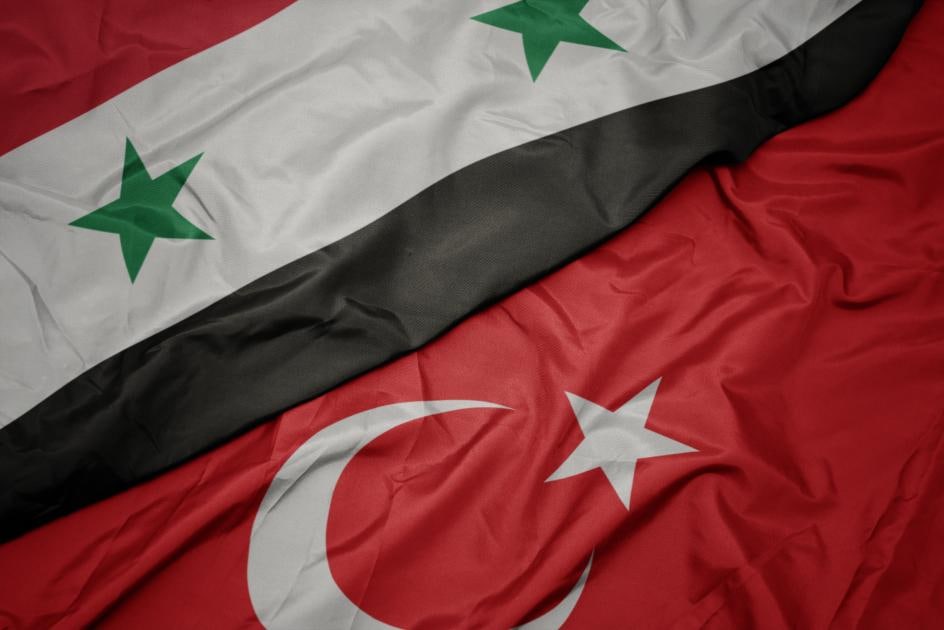
On December 28, the defense ministers of three countries, Russia, Turkey and Syria, held a tripartite meeting in Moscow and discussed issues related to the solution of the Syrian crisis, migrants and the fight against terrorism in Syria.
According to the announcement by the Russian Ministry of Defense, in this meeting, solutions to the Syrian crisis were discussed and the need to continue the dialogue to achieve stability in Syria was emphasized. After this meeting, the defense ministers of Russia, Syria and Turkey pointed out the constructiveness of the talks and the need to continue the talks of the three countries in order to increase the stability of the situation in Syria and the whole region.
The Turkish defence ministry also announced in a statement that the Turkish defence minister Hulusi Akar and the head of its National Intelligence Organisation (MIT), Hakan Fidan, met Syrian defence minister Ali Mahmoud Abbas and Syrian intelligence chief Ali Mamlouk in Moscow along with Russia’s defence minister Sergei Shoigu on Wednesday.
It should be noted that after eleven years, this is the first time that the defense ministers of Syria and Turkey meet each other. Holding this meeting simultaneously with the threats of the Turkish authorities to start a new ground operation in northern Syria with the aim of clearing the border areas with Syria and confronting the Kurdish militias is considered as an important and strategic measure. An action that can determine the future of the battles in Syria.
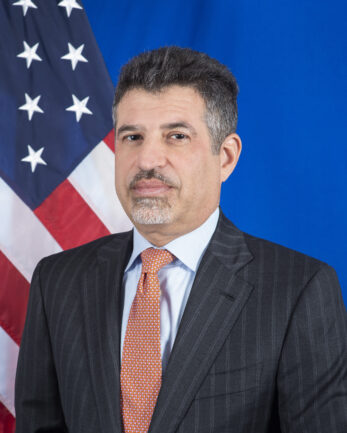
According to sources inside Al-Jawf tribes, Al-Jawf governor Hossein al-Awadhi, during his meeting with US ambassador Steven Fagin on December 20, handed him a list of military leaders and tribes affiliated with the Islah Party And has accused them of preventing the work process of the Yemeni government in this province. This action has led to the relocation of the head of the Al-Jawf tribes and the senior members of the Islah Party in the city of Marib.
The appointment of Hossein Al-Awadhi to the post of Al-Jawf Governorate was made after the arrest of Sheikh Amin Al-Akimi in Saudi Arabia. Al-Awadhi is one of the prominent members of the People’s Congress Party and people close to Tareq Saleh, and his governorship is the result of Tareq’s close relations with the United Arab Emirates and the United States. In fact, Tareq Saleh has become the main lever of the US to advance its goals in Marib and Shabwa after settling in the southwest of Yemen.
It should be noted that the US military actions in Yemen in recent months have gone beyond the construction of bases, looting of oil resources and drone attacks, and their military advisors are training forces called “Border Guard” in the coastal areas of Hadhramaut and Al-Mahrah. The budget for the training and formation of this guard was provided by the United States, and the purpose of its formation is to help control and monitor the southern waters of Yemen.
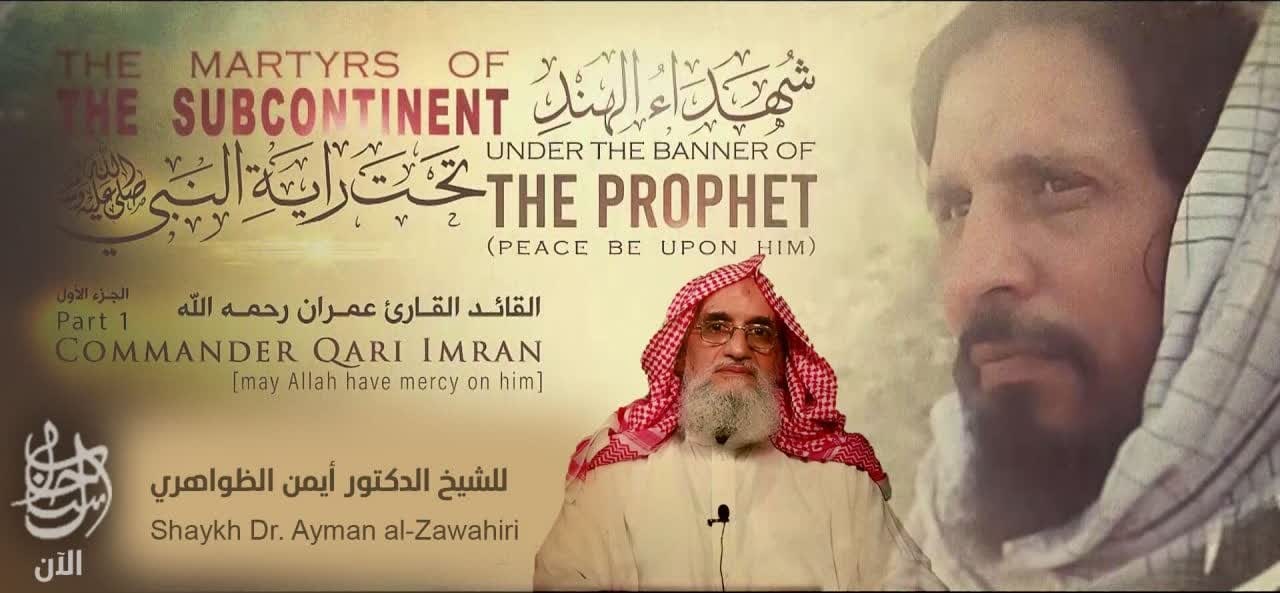
Al-Sahab Institute’s 30-minute video titled “Shuhada Al-Hind Tahta Rayat al-Nabi” is the first part of a trilogy that deals with the life and activities of the emirs of the Al-Qaeda branch in India, narrated by Ayman al-Zawahiri. The first part of this video, which was published recently, deals with the life and activities of Qari Imran.
In this video, while referring to the various activities of al-Qaeda in Afghanistan and Pakistan during the leadership of Qari Imran, it also mentions the emergence of ISIS in Khorasan (IS-KP), and one of the interesting points of the film is that it implies that the killing of Mujib al-Rahman Ansari in Herat is also attributed to ISIS.
This video is published while al-Qaeda has not published any statement or news about the death of its leader since the news of the death of Ayman al-Zawahiri in a drone attack in Kabul by US President Joseph Biden. Al-Qaeda usually uses expressions such as “Taqabal Allah” for the killed members of this group, and this was not used for Ayman al-Zawahiri either. However, in a part of the video that talks about some recent events in Afghanistan, instead of Al-Zawahiri, another narrator speaks the text, which can indicate the absence of Al-Zawahiri to address those issues.
A part of Ayman al-Zawahiri’s talk about the senior members of Al-Qaeda in Pakistan and Afghanistan
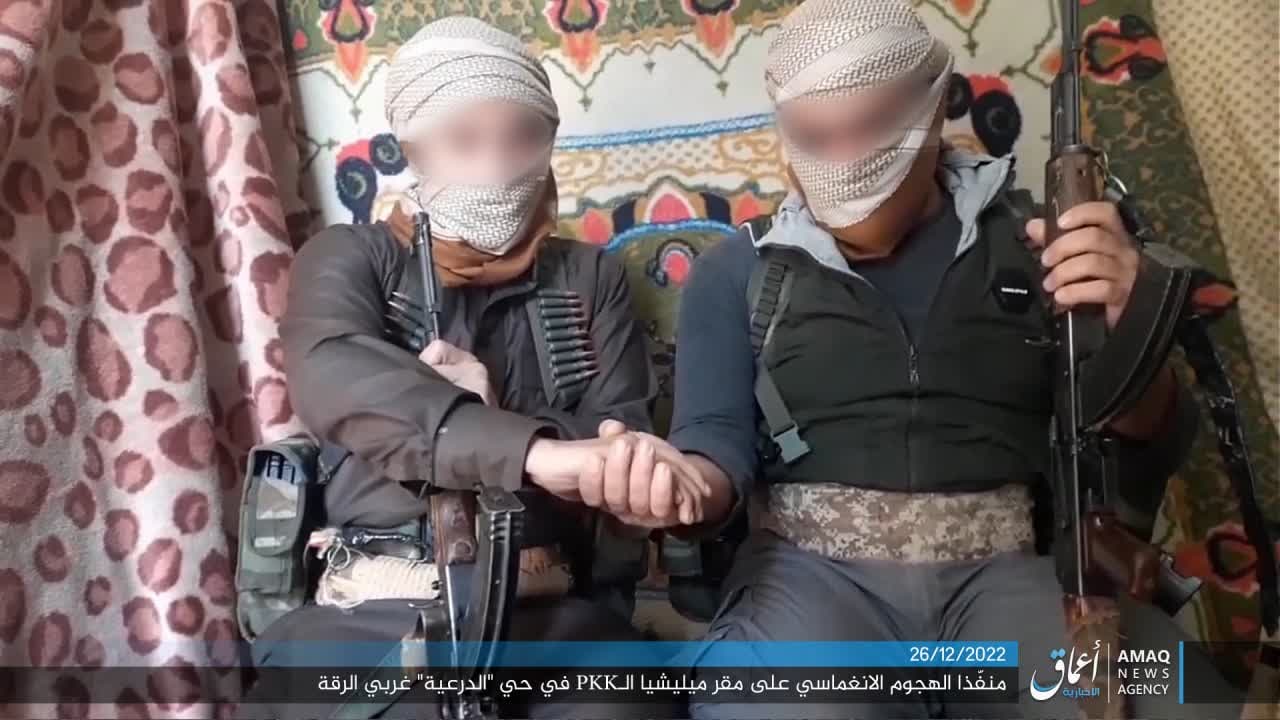
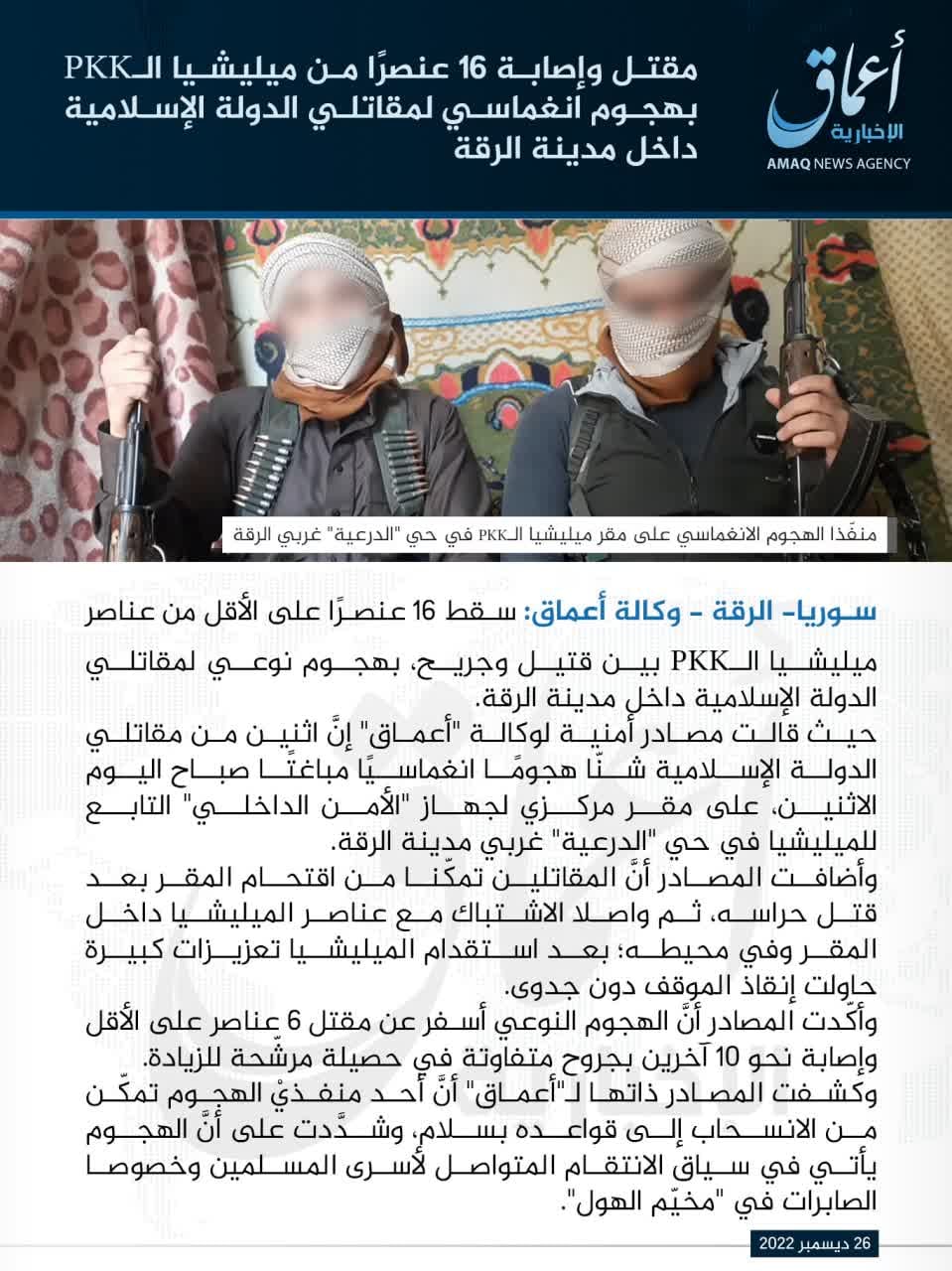
Mazloum Abdi, the Syrian Democratic Forces said in a statement that an IS cell had targeted military buildings in Raqqa city, killing six members of SDF and wounding an unspecified number of others.
This attack took place on December 26, on SDF headquarters in al-Dari’yah neighborhood located in the west of Raqqa city, and during this conflict, 6 members of the Syrian Democratic Forces were killed. It is said that one of the elements of ISIS was killed during this conflict and the other person was arrested while wearing an explosive vest.
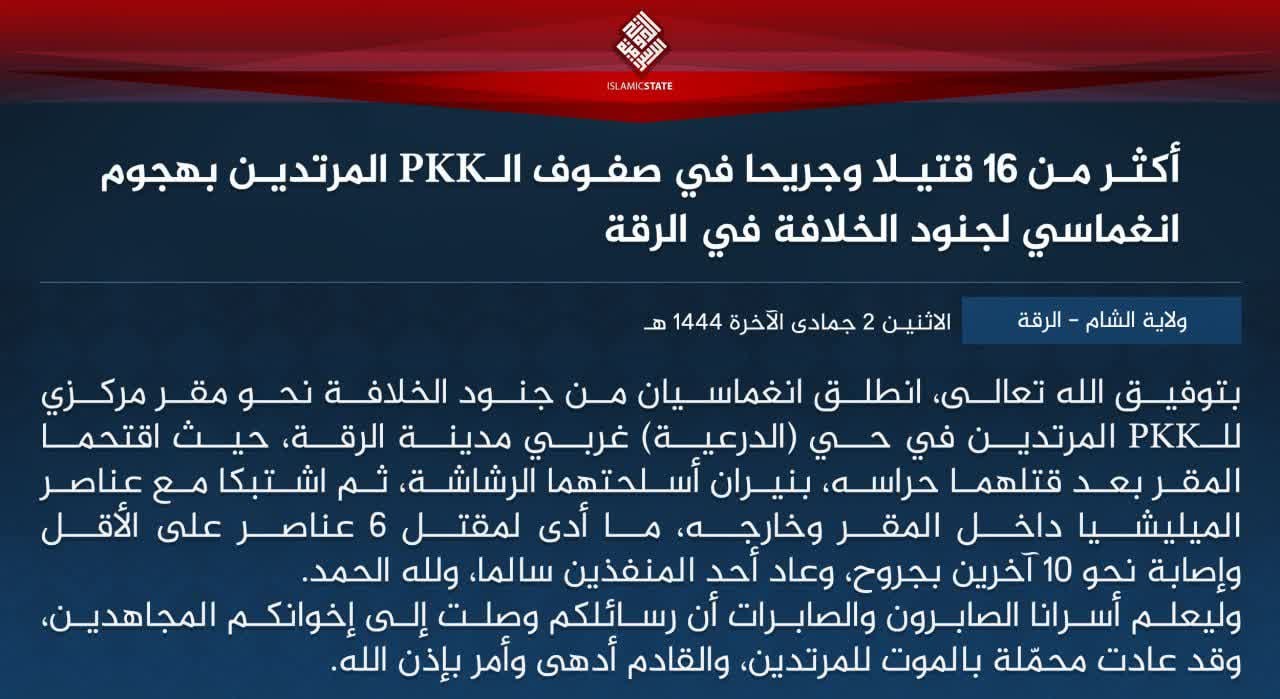
A few hours later, ISIS terrorist group took responsibility for this operation by publishing pictures of the perpetrator and claimed that 6 SDF servicemen were killed and 10 others were injured during this attack.
It should be mentioned that the Syrian Democratic Forces (SDF) started a security operation to identify and arrest other ISIS elements and possible support teams of these two ISIS members in the city of Raqqa, which is still ongoing.
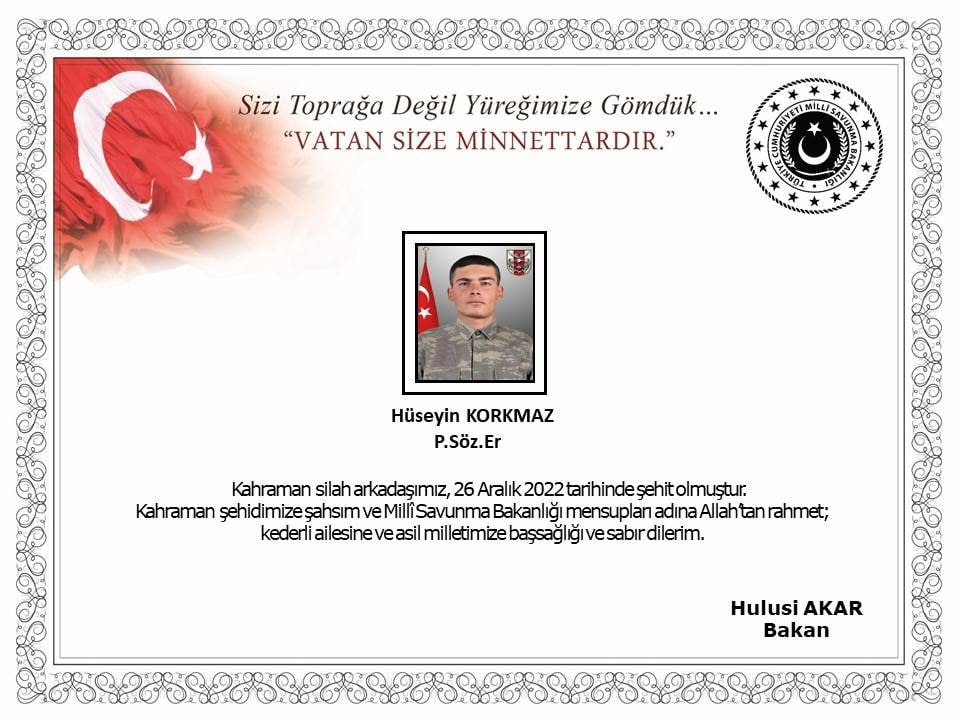
According to Turkish media, this soldier was killed during a conflict with Kurdish militias in northern Iraq. With the death of this Turkish soldier, the number of Turkish Army casualties in operation “Claw Lock” increased to 71 servicemen.
Last week, the West Bank was full of conflicts, like most days, weeks and months of this year. According to statistics, 5 Palestinians were martyred last week and 302 operations against the Israeli regime were recorded.
Out of these 302 operations, 38 shooting operations, one car chase, 25 explosives and Molotov cocktails have been carried out. Also, 81 stone-throwing operations, 15 confrontations, 129 clashes, and 8 destruction of vehicles and military equipment were recorded.
The Palestinian martyrs in the last week are: Martyr brothers Mohammad and Mohanad Youssef Matir from the Qalandia refugee camp in Quds, who were run over by a Zionist last Saturday in the south of Nablus and were martyred.
Martyrs Mohammad and Mohanad Yusuf Matir
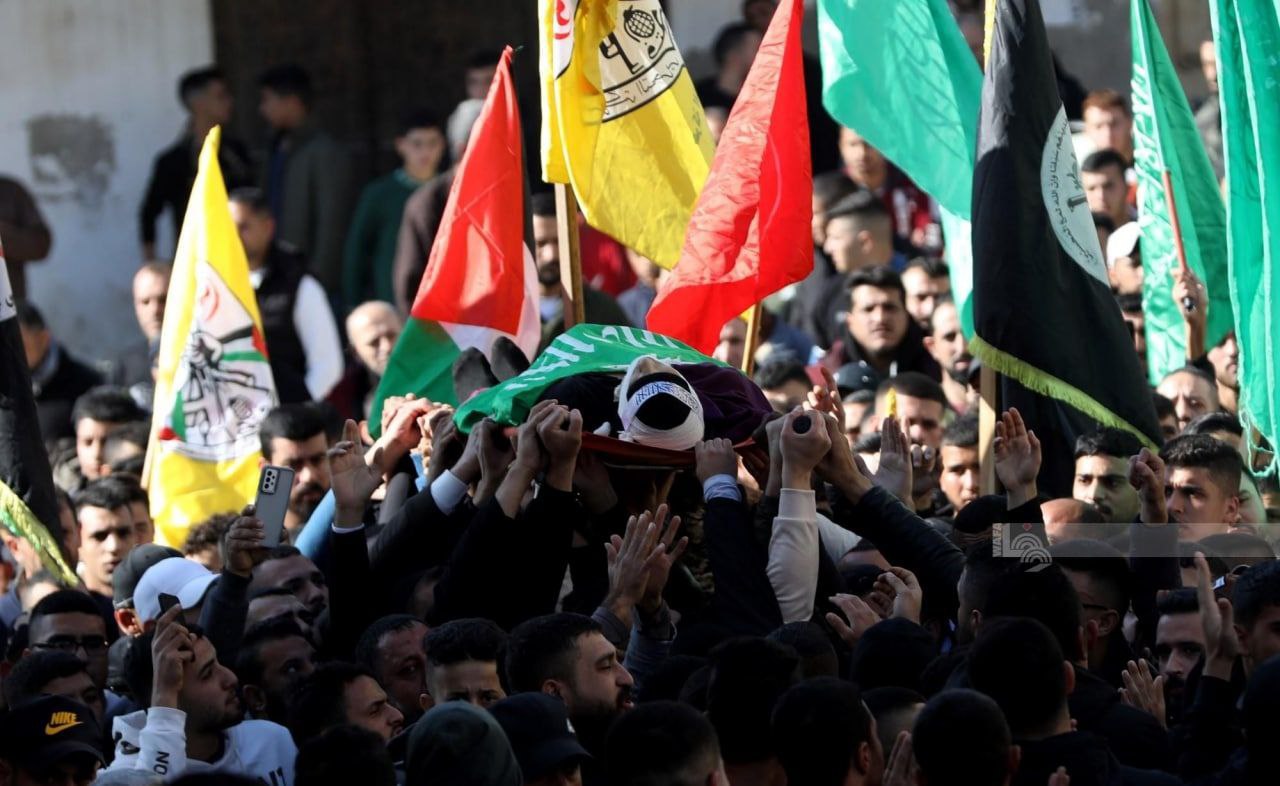
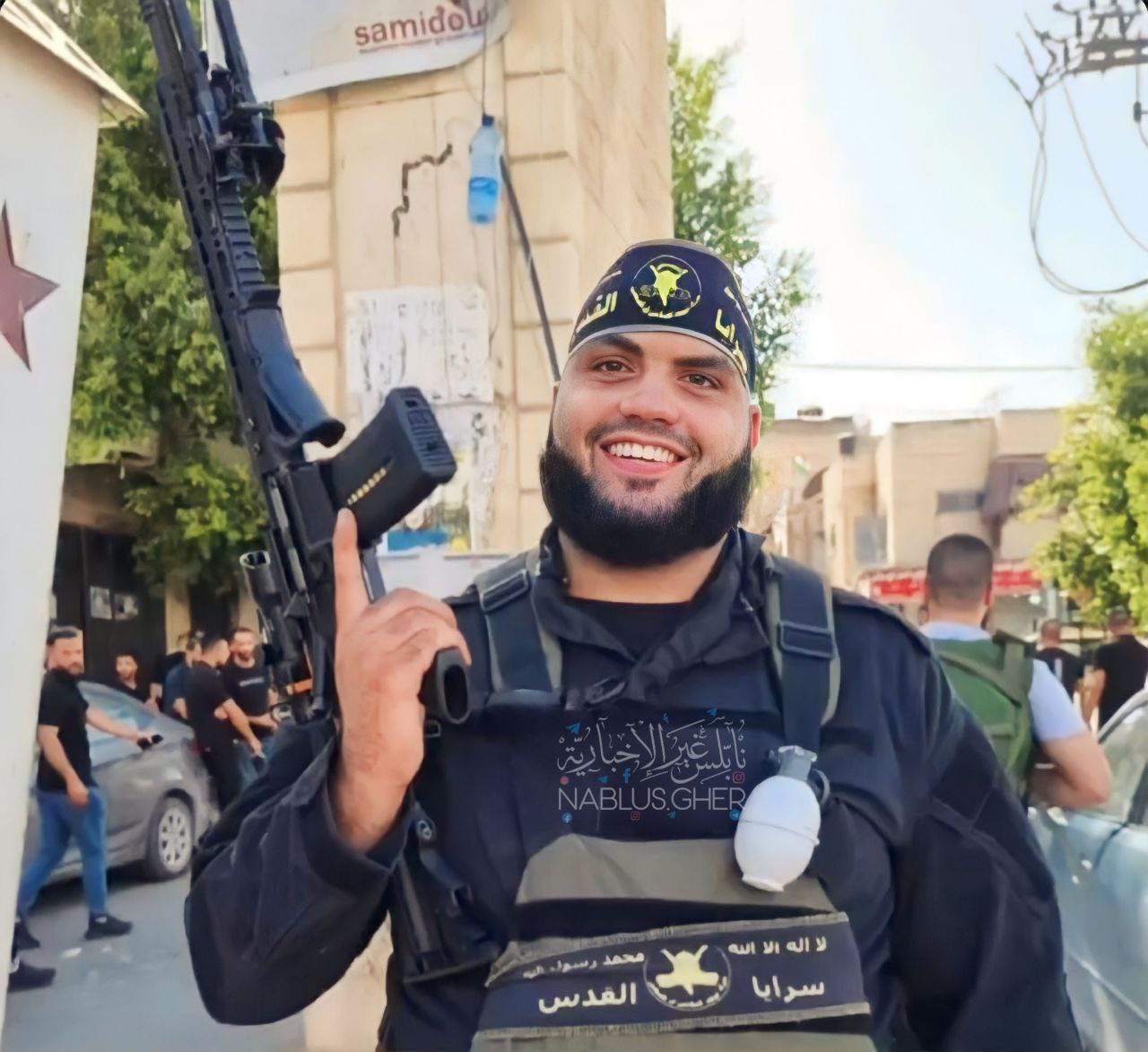
Martyr Tamer Azmi Nashrati, 23 years old, from the Jenin refugee camp, who was martyred in the clashes on Monday in this camp. Martyr Tamer was one of the members of Katibat Jenin, which is a part of Saraya al-Quds collection.
Martyr Tamer Azmi Nashrati
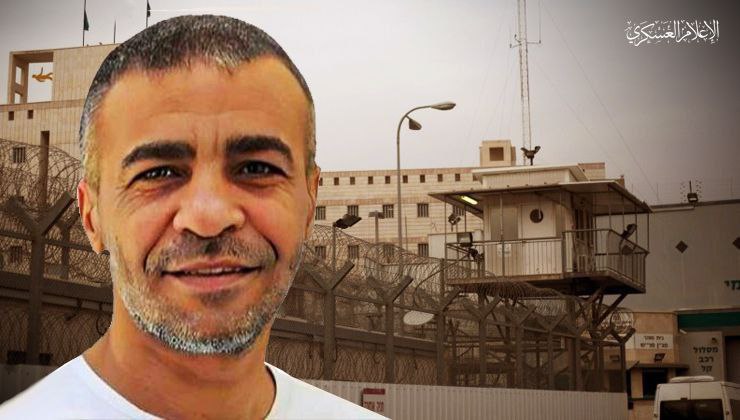
On Tuesday of last week, 50-year-old Naser Abu Hamid, who was suffering from cancer, was martyred due to the deliberate inaction of the prison officials and not allowing treatment in the prisons of the Israeli regime.
Martyr Naser Abu Hamid
Also, the Israeli Minister of Defence announced that he refuses to hand over the body of the martyr due to security issues. Israeli Defense Minister Benny Gantz ruled on Wednesday that his government will withhold the body of Palestinian prisoner Nasser Abu Hamid.
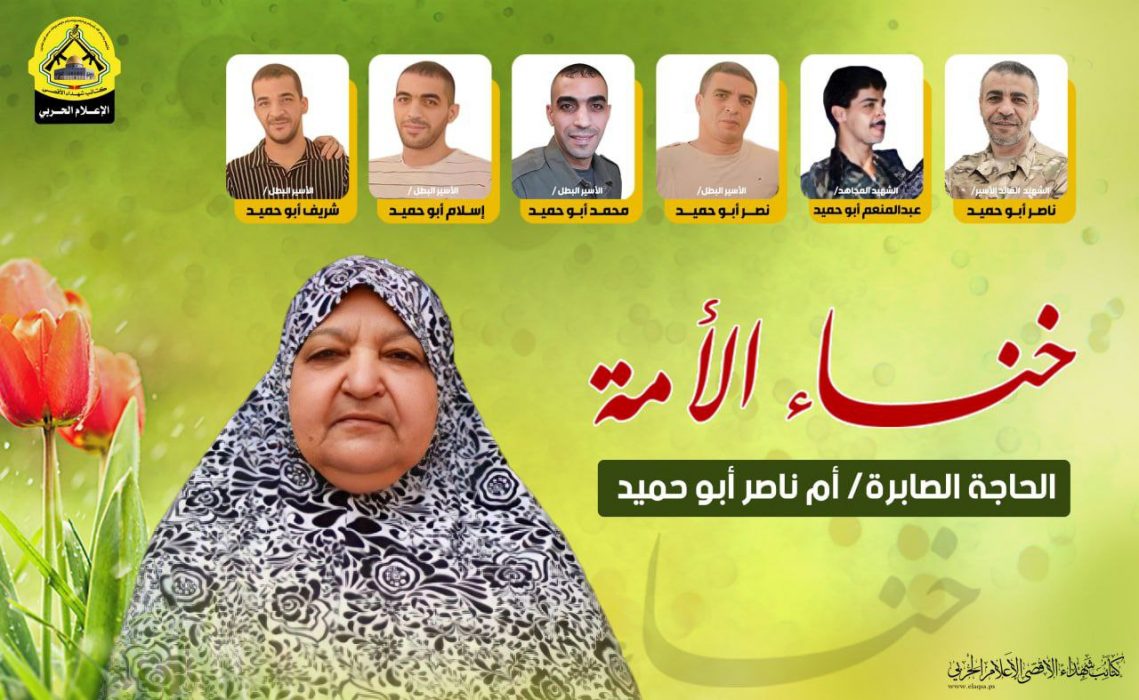
Naser Abu Hamid was from the Amari camp near Ramallah and was a member of al-Aqsa Martyrs’ Brigades, who was sentenced to 7 life sentences and 50 years in prison. But he was not the only member of Abu Hamid’s family who was in Israeli captivity. Apart from Nasser, the mother of this family has five other children, one of whom is a martyr and the rest are all sentenced to life imprisonment.
Naser Abu Hamid’s mother
1) Abdul Mon’em: Martyred 2) Nasr: 5 times life imprisonment 3) Sharif: 4 times life imprisonment 4) Muhammad: 2 life imprisonment 5) Islam: Life imprisonment
And at dawn on Thursday, 23-year-old Ahmad Atef Daraghmeh was shot dead by the Israeli regime during a raid on the city of Nablus. Daraghmeh was from the nearby town of Tubas and was a football player for the town’s local team. It was unclear whether he was taking part in the clashes.