Author: Mirza

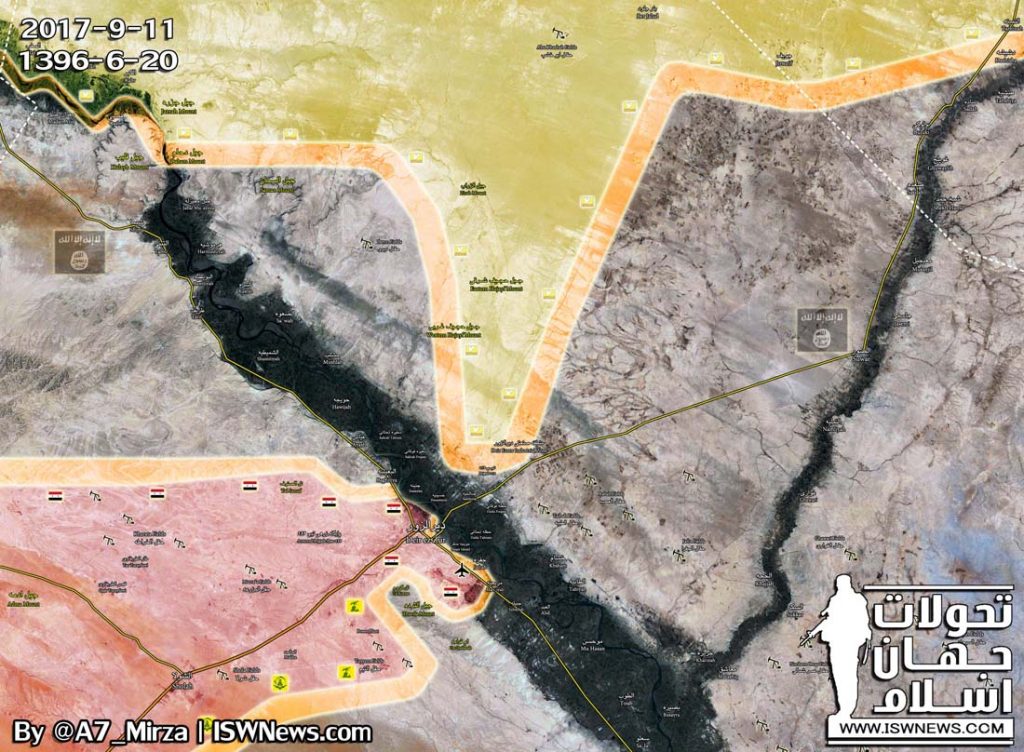
  • The north of Deir Ezzor will be under the SDF’s control !

    The north of Deir Ezzor will be under the SDF’s control !

    According to SDF spokesperson, the aim of this operation is controlling east part of Euphrates River in which some forces of Dayr Al-Zur committee, forces of Syrian Democrats and international coalition forces leaded by U.S. involve there.

    According to news reports, the Syrian Democratic forces, with the withdrawal of ISIL from the vast areas in the northeast of Deir-Ezzor, managed to control 45 kilometer of these areas in the last two days, including areas such as Hujaif al-Zarab and Tel al-Jahif, and “Jebel Al-Zarab”, and “Beer Al-Dumini”.

    Currently, SDF has reached the industrial city of Deir Ezzor and the 113 Brigade, and intense conflicts are continuing around the region, recent news about controlling this area by Kurds is not right.

    So in this situation and especially the reluctance of the Syrian army to cross the Euphrates, the north of Deir Ezzor should be considered for SDF and Kurds will  capture these areas in the coming days.

    Map


  • The disaster in Myanmar marks the death of Nobel Peace Prize!

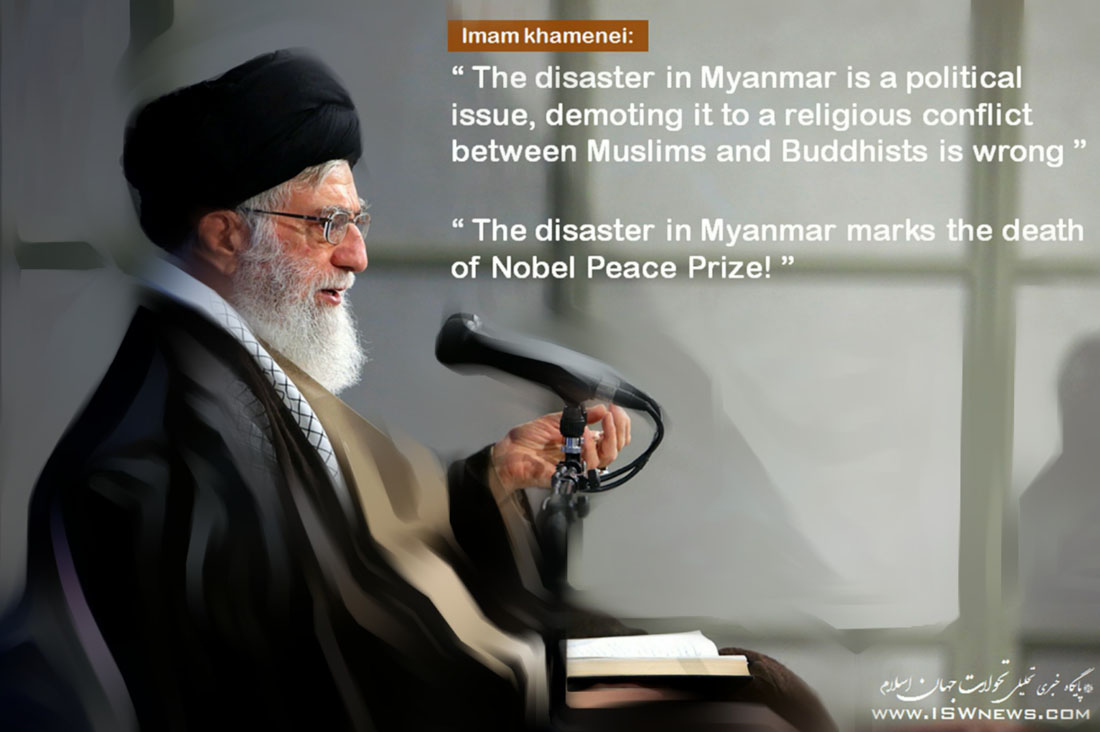
    The disaster in Myanmar marks the death of Nobel Peace Prize!

    The disaster in Myanmar is a political issue, demoting it to a religious conflict between Muslims and Buddhists is wrong. Brutal Myanmar government is enabling a tragedy before eyes of Islamic governments, international community and sham governments who claim to support Human Rights.

    Sham Human Rights groups fuss over punishment of a convicted felon in a country, do nothing for massacre and displacement of thousands in Myanmar.

    Solution to Myanmar’s problem is that Islamic governments take action. Urgent session at OIC to discuss Myanmar’s disaster is essential. Taking action doesn’t mean sending troops. It means increase political, economic pressure on Myanmar government and speak out against its crimes.

    Iran should continue to take pride in speaking out against oppression anywhere in the world, be it Palestine, Yemen, Bahrain or Myanmar.

  • 13 Arab and 7 Turkmen Party of Kirkuk boycotted the referendum in Kirkuk due to the illegality

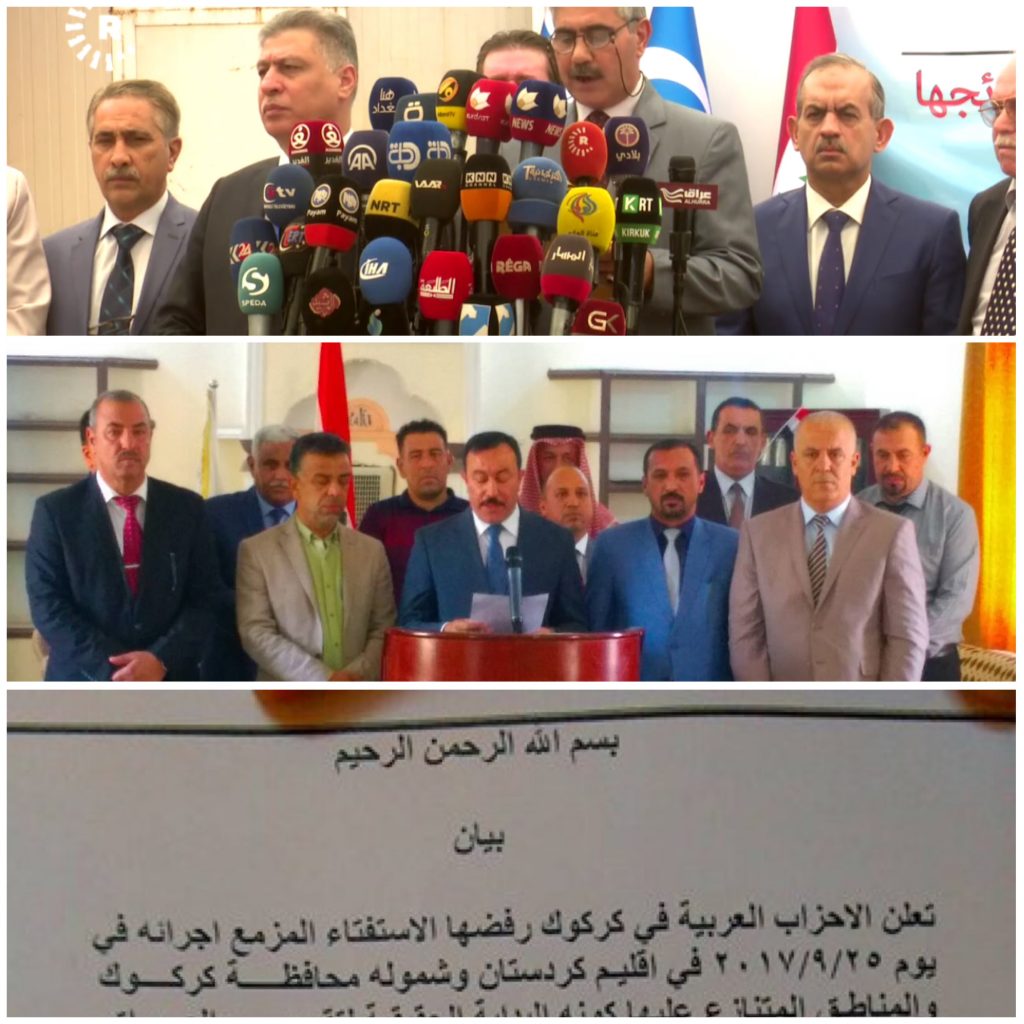
    13 Arab and 7 Turkmen Party of Kirkuk boycotted the referendum in Kirkuk due to the illegality

    In the statement that published by the Turkmen parties and the Kirkuk Arab parties on Saturday it has been mentioned that approving the referendum by the Kirkuk Provincial Council in the absence of the Turkmen and Arab parties of this province on 29/8/2017 is illegal and it is on the contrary to the constitution of Iraq.

    Meanwhile, Mas`oud Barzani has been conducting interviews with television agencies in recent days and interviewed with agencies such as Al Arabiyah, BBC Persian and several other agencies. The words used mostly by Barzani in these interviews was, “Kurdish readiness to use the weapons to hold Kirkuk,” “we want Kirkuk to be the symbol of ethnic and religious coexistence,” and perhaps it is most importantly, “the condition for postponing the referendum” .
    – “Kurdish readiness to use the weapons to hold Kirkuk,”
    These​ conditions and differences between parties and ethnic groups in Kirkuk, and since Kirkuk is now officially affiliated with and part of the central government of the country.
    With Barzani’s threat that they will use weapons to keep Kirkuk and his stubbornness the city will not have appropriate status after this referendum…

    – “We want the kirkuk to be the symbol of ethnic and religious coexistence.”
    The Kirkuk Provincial Council is composed of 41 seats, without the participation of Turkmens and the majority of Arabs on 29/8/2017, the Kurds of this association with 26 seats, were able to vote in a referendum in Kirkuk,  It is also one of the signs of the lack of coexistence and the abuse of being the majority in this province.

    – “The condition for postponing the referendum”
    While Barzani faced with a lack of international support (other than the Israeli, Saudi and Emirati regimes), and faced with the opposition of the central government of Iraq, Turkey, Iran, the United States and other European countries as they say this referendum should not be hold or should be postponed.
    Several times he has asked for a guarantee to postpone referendum to another time on another date, in reply to a journalist asked “how may you accept to postpone the referendum” he said that to approve of not holding a referendum setting another date in the Iraqi parliament can be one of these guarantees.
    *While the referendum has no legitimacy so far, it can be one of the same excuses that many believe is to gain interests like the previous years from the central government.


    Barzani’s-led party, by using Eqlim’s(Iraqi Kurdistan) parliament as a weapon more than two years ago, prevented  from adopting several laws to adjust Eqlim’s department and prevented the entry of the parliament’s chairman from the Guran (change) party into the city of Erbil and the Parliament building and In practice, the doors of this parliament remains closed until today And the government that holds the presidency and its key ministries, manages the parliament without supervision.

    But this time Barzani, in order to legitimize his referendum, is now trying to activate the same parliament that he has shut down, but on one condition that the presidential of the Eqlim should not be voted, which has been opposed by several other parties.

    The latest news is that Barzani intends to use the method used to approve the referendum in Kirkuk, and through the Eqlim’s parliament and by gathering a majority of the members, despite the absence of the chairman and vice president of Parliament, legitimize this referendum.

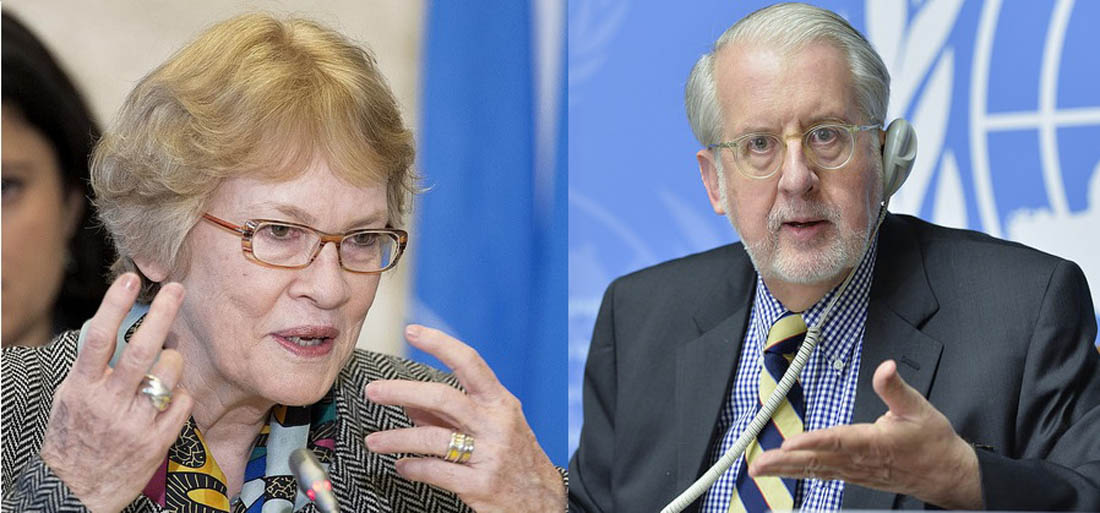
  • The AbuZayd-Pinheiro Committee: Systematic Misinformation on Syria

    The AbuZayd-Pinheiro Committee: Systematic Misinformation on Syria

    In mid 2012, as foreign jihadists poured into Syria, UN Secretary General Ban Ki Moon authorised replacement of the Special Mission on Syria (UNSMIS) with a Geneva-based ‘Independent International Commission of Inquiry on Syria’ (IICOIOS), co-chaired by US diplomat Karen Koning AbuZayd and Brazilian Paolo Pinheiro.

    Unlike UNSMIS, led by Norwegian General Robert Mood and based in Syria, the IICOIOS was based in Geneva, never visited Syria and was deeply compromised by its link to US diplomacy and its reliance on jihadist sources. The US Government, by then, was arming anti-government jihadist groups in Syria. Ban had thus embedded a deep conflict of interest in a nominally ‘independent’ UN agency.

    The Abuzayd-Pinheiro group, joined by Italian lawyer Carla del Ponte, issued a series of distant reports which echoed western war propaganda against Syria. Notable amongst these were reports on the 2012 Houla massacre, a report on the 2016 liberation of Aleppo, and a recent report which seeks to blame a series of chemical weapons attacks in 2017 on the Syrian Government. Carla del Ponte, in a better moment, revealed in mid 2013 that the first use of sarin gas in Syria was by Jabhat al Nusra. But none of this appeared in the group’s reports.

    In a pretence at even handedness, the group has made criticism of the terrorist groups and the US-led bombardment of Syrian cities. However when it comes to accusations against the Syrian Government it pays literally no attention to genuinely independent evidence, such as that from Syrian civilians who have blamed jihadists for ‘false flag’ massacres, and reports from the US military forensic expert Professor Ted Postol.

    The result is what we might expect of a US-embedded organ: a partisan adjunct to official war propaganda, vilifying the Syrian Government and the soldiers of the Syrian Arab Army, as they struggle to defend their country. The UN group’s systematically distorted misinformation, during a war, most likely constitutes a war crime, as propaganda for war is prohibited. Let’s look at three key reports.

    The Abuzayd-Pinheiro’s first report, on the May 2012 Houla massacre, set a standard for low grade but well timed war propaganda. As I document in chapter eight of my book The Dirty War on Syria (Anderson 2016), 15 independent witnesses gave great detail about the massacre of over 100 villagers in rural Homs by members of the Farouq Brigade (FSA) and several named local collaborators. The jihadists, expelled from Homs city by the Syrian Army, took revenge on families in Houla who had participated in recent elections, violating the jihadists’ call for a boycott.

    UNSMIS head General Robert Mood had recognised conflicting reports coming from Houla, which was then under Farouq-FSA control. However UNSMIS was rapidly disbanded and the Abuzayd-Pinheiro group issued a report which unambiguously blamed pro-army civilian militia (‘shabiha’). Based on a few long-distance interviews, arranged by the Farouq brigade, they IICOIOS tried to blame the atrocity on the Syrian Government. However, unlike the local eyewitnesses (reported by Syrian, European and Russian media), they could provide no names, little detail and no motive (HRC 2012: 20).

    Their report came before a UN Security Council meeting in which the US sought authorisation for Libyan-style attacks on Syria in the name of ‘civilian protection’ (a ‘no fly zone’). The manoeuvre failed and the report was strongly criticised at the UNSC, with Russia, China and India refusing to accept it as a basis for action. However it was used as a pretext for many other countries to downgrade their relations with Syria.

    Almost five years later the AbuZayd-Pinheiro group tried to portray as a ‘crime’ the liberation of the city of Aleppo from al Qaeda aligned groups. They paid no attention to the thousands of relieved and celebrating civilians who had been rescued from al Qaeda held East Aleppo. Once again the assertions were reckless and partisan. The group falsely claimed that the liberation of the city had involved ‘daily air strikes’ on the eastern part of Aleppo city (HRC 2017: 19). Yet it was reported widely in foreign media that air strikes on the east part of the city were suspended on 18 October (BBC 2016; Xinhua 2016). NPR’s Merrit Kennedy (2016) reported ‘several weeks of relative calm’ during the ‘humanitarian pause, aimed at evacuating civilians. The ‘resumption’ of airstrikes almost one month later was aimed at the armed groups in rural Aleppo, not on the shrinking parts of the city held by the jihadists (Pestano 2016; Graham-Harrison 2016). Of course, al Qaeda aligned ‘media activists’ did claim the city was being continuously bombed (CNN 2016). However the UN commission, as Gareth Porter pointed out, ‘did not identify sources for its narrative … [but rather] accepted the version of the events provided by the ‘White Helmets’’, a jihadist auxiliary funded by the US and UK governments (Porter 2017). This report seemed to belatedly support calls by the UN Secretary General’s representative, Stefan di Mistura, for the Syrian Government to allow jihadist groups to maintain control of a lage part of the country’s second city. Syria would never allow that to happen.

    In its most recent report of September 2017 the AbuZayd-Pinheiro group criticised terrorist groups and the US air strikes, in a pretence at impartiality. But it added a remarkable claim that had no basis in independent evidence: that ‘government forces continued the pattern of using chemical weapons against civilians in opposition held areas’. Abuzayd-Pinheiro claimed that 20 of 25 chemical weapons attacks in 2017 ‘were perpetrated by government forces’, referring to incidents at Khan Sheikhoun, al Latamneh and East Ghouta (HRC 2017b: 1, 14). Yet critical, independent evidence from US Professor Ted Postol had disproved the notion that the Khan Sheikhoun incident came from an air strike (Postol 2017). Indeed, the Syrian Government says the Army never once used chemical weapons during the 2011-2017 conflict, and no independent evidence contradicts this position. For example, in chapter nine of my book (Anderson 2016) I document the catalogue of independent evidence that discredited the ‘chemical weapons ‘false flag’ in the East Ghouta, of August 2013.

    So, on what evidence were AbuZayd-Pinheiro’s claims based? They refer to interviews with victims and aid providers in jihadist controlled areas, some satellite images, a report of the UN’s OPCW (which did not attribute blame) and a non-response from the Syrian Government (HRC 2017b: 14-16). Clearly Damascus refuses to cooperate with AbuZayd-Pinheiro because of their previous propaganda activity. In the case of Khan Sheikhoun incident, the OPCW refused Russian invitation to visit and investigate, preferring to rely on information and samples provided by jihadist groups and their auxiliaries, such as the US-UK funded ‘White Helmets’. Once again, virtually all evidence cited by the Abuzayd-Pinheiro group came from US-backed and jihadist sources – al Nusra aka Hayat Tahrir al Sham, Ahrar al Sham, Jaish al Islam and Faylaq al Rahman (HRC 2017b: 14-16).

    This latest AbuZayd-Pinheiro report came as the Syrian Army broke a three-year ISIS siege on the eastern City of Deir Ezzor. Fake chemical weapons claims at this time might briefly distract from this latest Syrian victory over the NATO-Saudi proxy armies, but they carry less import than before. Nevertheless, this US-led ‘independent’ group showed itself partisan and propagandist to the end.

    Source: Ahtribune

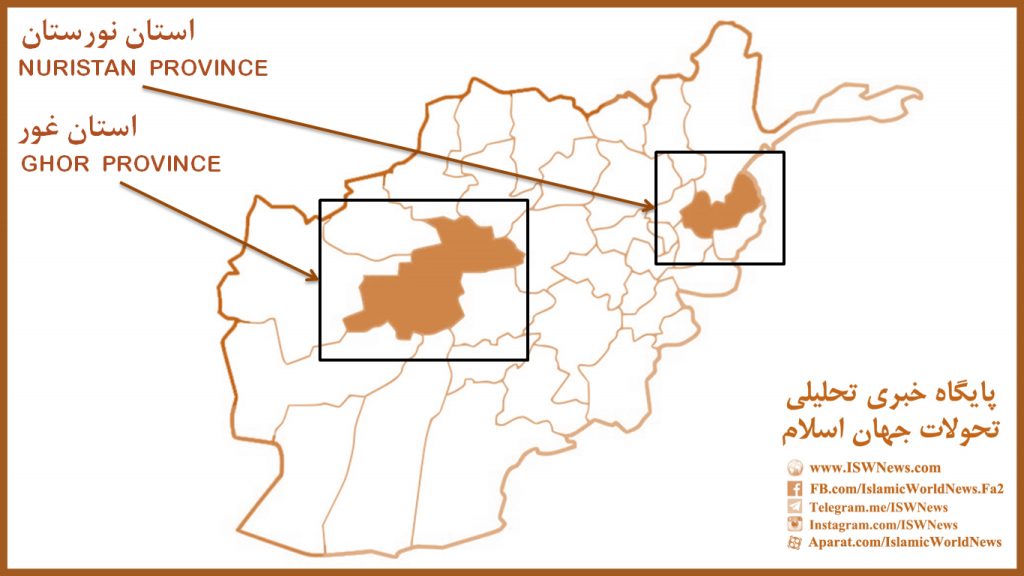
  • Latest News from Afghanistan; September 11th; losing Ghalamin in Ghor Province; BargMetal in Nurestan Province is about to be conquered by Taliban

    Latest News from Afghanistan; September 11th; losing Ghalamin in Ghor Province; BargMetal in Nurestan Province is about to be conquered by Taliban

    According to local sources, the Taliban has seized the Gholmin area from government forces in Afghainstan’s Ghor province.The Gholmin area is located north of Firuzkoh city (called Chaghcharan until 2014) which is the provincial capital of the province.

    According to the province’s local authorities security forces in the area retreated without fighting.Some sources even speculated that ISIS members supported the Taliban attack in Gholmin. At the same time, clashes were reported between the Taliban and ISIS in Jawzjan province. So, if the reports were true, it was a tactical cooperation.

    Ghor province is one of the areas that witnessed clashes between Afghan security forces and the Taliban over the last few months.

    Searately, the Taliban carried out attacks on Bergmetal city in Nuristan province in eastern Afghanistan. Local authorities requested more government troops troops and airstrikes on the Taliban to prevent the city from falling into the hads of the movement.

    Translation by SF

  • Deir Ezzor Military Situation;  Deir Ezzor-Damascus route liberated completely

    Deir Ezzor Military Situation; Deir Ezzor-Damascus route liberated completely

    Since this morning and in the following of clearing the city Deir-Ezzor and surrounding area, the Syrian army and allies succeeded in clearing the entire route between Deir Ezzor and Shula, thus the Deir Ezzor-Damascus route liberated completely.

    Today, Masaken-Tayyim and thermal power stations were liberated, and forces in the Shula axis advanced on highway to Panorama Square.

    Also, at noon , the Syrian army opened another axis in Bhaghilia and Ayyash in the northwest of the city, and news confirm the advances of the army on this axis.

    Map : Download

  • End of ISIS in Philippine

    End of ISIS in Philippine

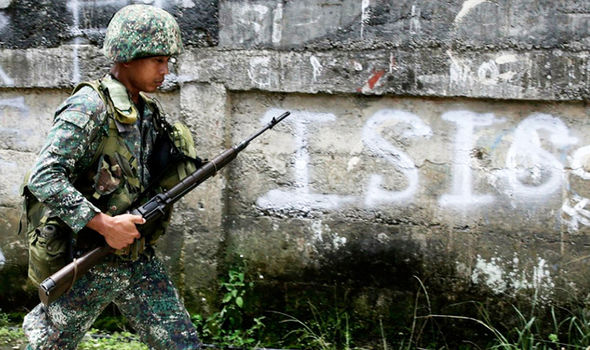
    According to spokesman of Philippine army in Marawi, ISIS forces now control an area of 200 square meters and the army will terminate ISIS presence in the country soon.
    Moreover, according to South Front News Agency, reported from France Press, 653 ISIS forces and 145 of Philippine militants were killed during clashes yet.
    These years ISIS influences around the world have been a criterion for efficiency of military and security forces.
    Regarding the process of suppressing ISIS forces in Philippine (costs, casualties and so on), their presence in the country reveals hidden protection of western intelligent services from terrorism. In addition, it points to another part of the power of Islamic resistance axis and shows that it has the potential of liberating not only a small town like Marawi from terrorism, but also the west Asia and even all the world.

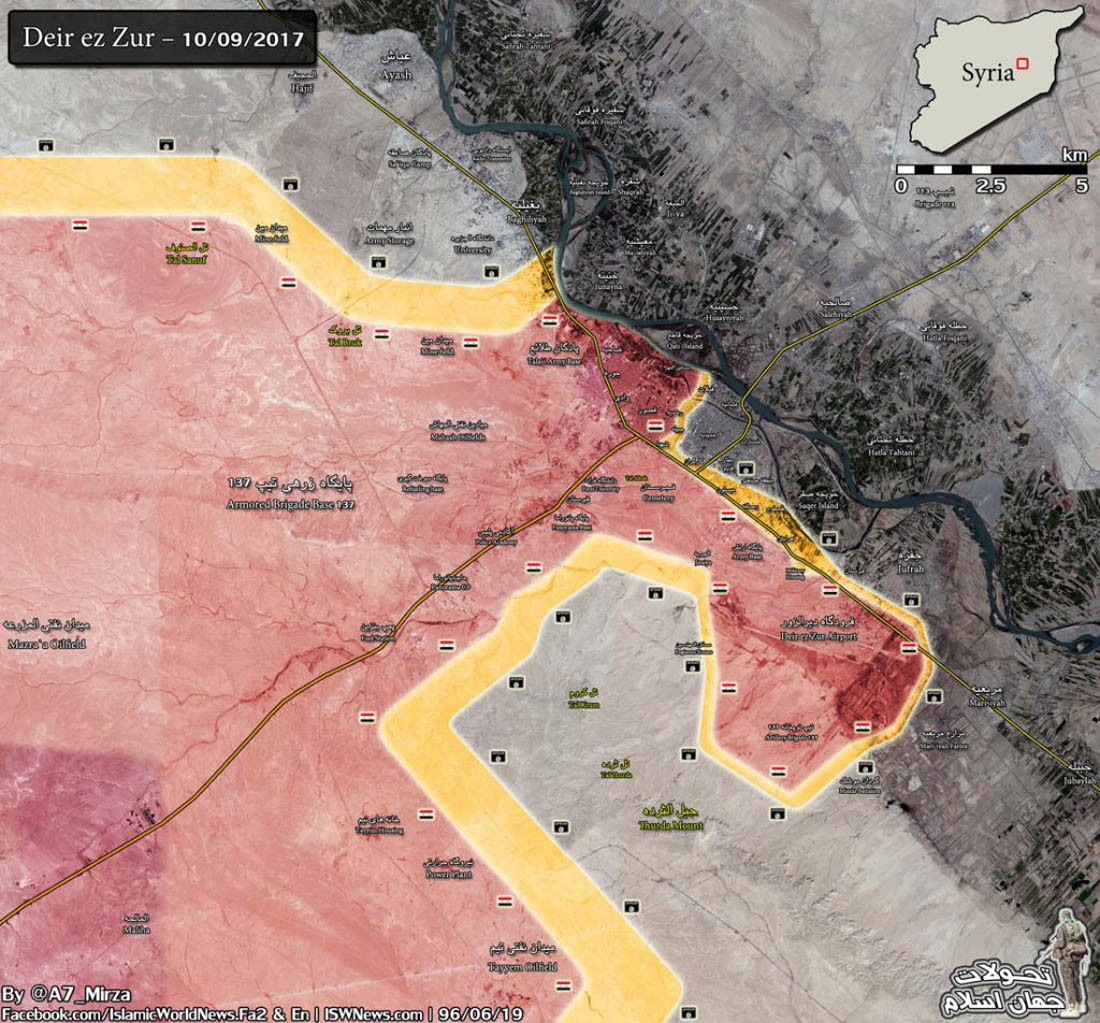
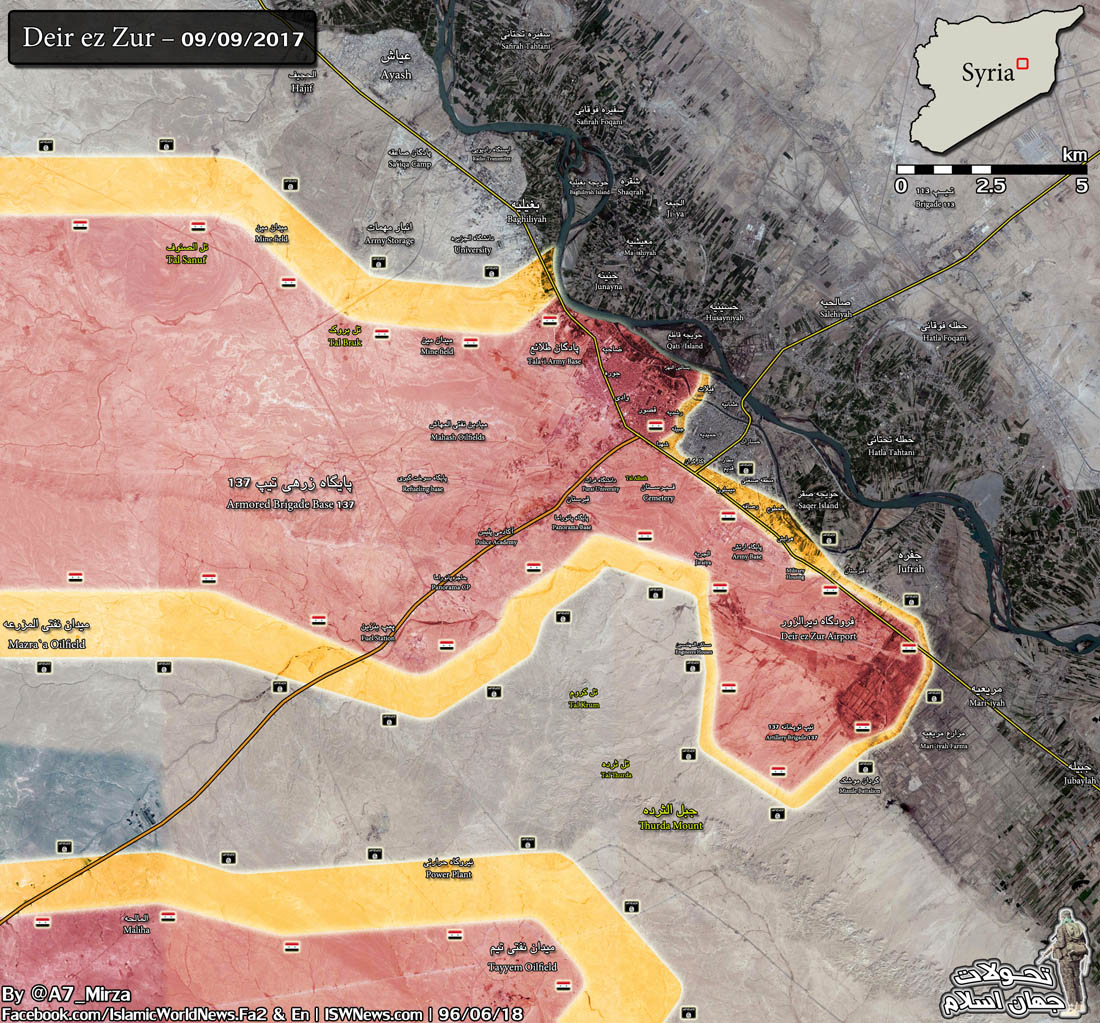
  • Latest battle update from Deir Ezzor : map

    Latest battle update from Deir Ezzor : map

    Not long after lifting the siege on the Military Airport, the Syrian Arab Army launched a powerful attack that targeted the ISIL-occupied Thardeh Mountains.

    Intense clashes would follow as elements from the Tiger Forces and Republican Guard attempted to bypass the Islamic State’s front-lines at points 1 and 2 in the Thardeh Mountains.

    Thus far, the Syrian Arab Army has managed to score an advance south of the provincial cemetery, capturing an entire Islamic State tank crew in the process.

  • Last Military Situation in Deir Ezzor City / Map

    Last Military Situation in Deir Ezzor City / Map

    In the Al-Sukhneh axis after the stabilization of the village of al-Shula and al-Tayyim oil fields, the al-Maliha village was liberated, and distance to Panorama square reduced to 10km.

    In the second axis in Maqaber(cemetery), the army succeeded in liberating of Tal Allush, and they reached 1.5 kilometers of the besieged forces at Deir Ezzor airport.

    Until now, the blockade of the airport has not been broken, but there is a chance that forces will arrive at any moment

    In the northern axis, the Army liberated the Raqqa Bridge in the north of the 137th Brigade, and soon the villages of Ayash and Baghiliah would be liberated.

    Also Syrian Democratic Forces (SDF) with coalition air support, have launched a new operation under the name of the Deir Ezzor Military Parliament in eastern Euphrates and are moving towards the village of Sawr.

    Download Map

  • Breaking the siege of the Deir Ezzor ; strategic and important / Review

    Breaking the siege of the Deir Ezzor ; strategic and important / Review

    The most important news of the military situation in these days of Syria and perhaps the whole region is the breaking of the three-year-old siege of the most strategic city of Deir Ezzor in the eastern desert of Syria , the diamond of Euphrates and the oil-richest province of Syria.

    Perhaps in the first place this is not new or important news, and this massive coverage of the news and the happiness of the Syrian people looks weird. But with a deeper look at the developments in Syria, and especially over the past two years, we will take note of the importance of the issue. The series of events that led to break the siege of Deir Ezzor began with a similar incident in the northwest of the country; the 2-year-old blockade of the Kuwayris military airport in the east of the strategic city of Aleppo, and breaking the siege of Aleppo.

    The reader may ask what is the connection between Aleppo in the northwest of Syria, with the east of this country and the breakdown of the Deir Ezzor siege ?! Let’s go back five years and seven months to clarify.

    After the first sparks of civil protest in early 2011, the protests turned into armed rebellions with the direct engagement, provocation and arming of Western countries, including the United States, France and Britain, as well as regional allies including Saudi Arabia, Turkey, Jordan And Qatar, as well as the Zionist regime, has entered an unprecedented crisis in the political history of the world. During the continuing fall of the Syria’s various cities and regions, it was the turn of emergence of the most dangerous and powerful group, ISIS, the Islamic state of Iraq and Syria.

    ISIL, which transferred its belief from the deserts between Iraq and Syria! and its non-indigenous human resources (more than half its troops) from Turkey into Syria, saw Deir Ezzor as the point of his life. So, after failing to fully control it, ISIL quickly had chosen the Raqqah, the closest city to the strategic location of Deir Ezzor, as its capital. The forces of ISIL which called themselves the forces of “Khalafah” captured with incredible speed small and large cities one after the other and soon over 50% of Syria’s 185,000-kilometer area was lost from the army and other terrorist groups, especially The Free Syrian Army (FSA) has and even they penetrated into some of the southern districts of Damascus, and reached to the hundred meters distance to the holly shrine of Zainab.

    In the meantime, several areas were surrounded by takfiri groups(radicals), including the Kuwayris Military Airport,  Deir-Ezzor City, Nubl and Al-Zahra towns, and then the villages of Fua and Kafraya.

    In the most critical days of Syria, when politicians and military men heard the sound of the war in the presidential palace and actually saw the fall of the government probable, it was the axis of resistance and the thoughtful act of Imam Khamenei and the courage of the commanders and militants, such as Shahid Sardar Hamedani, come to help Syria that was the most important ally in Iraq-Iran war. In the first step, the training of volunteers (National Defense Force, NDF) and the formation of resistance groups to defend neighborhoods and villages, and then the urban warfare training, were put on the agenda of the army.

    The end of 2014 was the first turning point in the developments in the Syrian crisis, which the resistance forces were able to defend first what they had and prevent the collapse of the Assad government, and in a major development in September 2015 convinced Russia to enter with air support, the Syrian army started the offensive phase and cleared the lost areas.

    With a slow and erosive but positive development, the forces of resistance strike the most powerful terrorist group in the world those who imagined to rule Iraq and Syria and then to other parts of the region. Finally, on November 11, 2015, the two-year siege of the Kuwires Airport broke down.

    But the most important victory of the resistance axis was in the city of Aleppo, a city where all the supporters of the terrorists were insisting on expulse Syrian government and led the battles in this city directly by its intelligence officers and managed to occupy more than 40% of this strategic city. The battle of Aleppo was known for its importance for both sides as the “Mother of Wars” or “Stalingrad of Syria.” But after the breaking of the Kuwayris airport blockade and the advance of the united forces towards this city, and after months of heavy clashes and so many martyrs of resistance forces & Syrian army, this was again the will of the resistance, which overcome the international and regional powers and their related terrorists, the city of Aleppo was completely liberated on December 14, December 23rd.

    Aleppo’s liberation had many effects on both the psychological and military dimensions.

    ?In the psychological aspect, it actually meant the end of the dream of the supporters of terrorism in Syria to remove Bashar al-Assad government , as the American senator Lindsay Graham called the victory of Assad in Aleppo as a nightmare for the U.S . This marvelous victory was the second turning point in the Syrian crisis, which led to a fundamental change in the political and military equations of the two sides of the conflict, absolutely after that we had never heard and we will never hear about the theme that Assad must go…

    ?In the military dimension, the withdrawal of armed support from Turkey (in the operation to remove the siege of the cities of Nubl and Al-Zahra), the military groups and the change of the battle lines have caused that hundreds or even thousands of Syrian army forces be free, including the elite forces of Soheil Hasan, commander of the Tiger forces By consolidating its position in the northwest and gradually moving towards the south and east, he has made his decision to liberate the eastern regions, in particular the city of Deir-Ezzor, and in this way, cities and important areas such as the Tadmur (Palmyra), Al-Sukhnah, Eastern Badia, and by liberating whole Homs and Hama provinces they provided a major victory near the Euphrates River.

    ? Deir Ezzor, the strategic bridge of the Euphrates, and the important point of the Syrian desert, is so critical that the United States began to bombed the positions of the Syrian army during several air strikes to take the Deir Ezzor from the central government.

    ? The broken siege of Deir Ezzor and the imminent liberation of the city, such as the liberation of Aleppo, will be the beginning of the total liberation of the Deir Ezzor province, the richest province of Syria in terms of oil resources, and then the ultimate victory of the resistance axis against ISIL terrorists, which is expected Over the next few months – as military experts say, about four months – as a result the illegitimate ISIL caliphate(government) in Syria, will completely be vanished and all the occupied areas of this group will back.

    ? Finally, we can say the first indication of the importance of breaking the Deir Ezzor siege appeared only two days later, with the announcement of expulsion of military groups(terrorists) from the deserts of Damascus and Homs (about 14,000 square kilometers).