Israel Ceasefire Violations: Strikes Targeted Southern Lebanon
Another ceasefire violation by Israel: Israeli drones this morning targeted a civilian car on the al-Bissariyeh road south of Sidon. At least one person was killed in this attack.
According to local sources in Shabwah province, a U.S. MQ-9 drone carried out two airstrikes targeting the location of an al-Qaeda member in Wadi Khura, situated in the district of Markhah al-Sufla in southwestern Shabwah.
Earlier today, the United States Air Force conducted a test launch of an unarmed intercontinental ballistic missile of the Minuteman III class from Vandenberg Space Force Base in California.
On November 3, American drones struck a motorcycle linked to al-Qaeda operatives in the Al-Shabwan area, located in northern Marib province. The primary target of the strike was Abu Muhammad al-Sanaani, a senior commander of al-Qaeda in the Arabian Peninsula. He was wounded in the attack and died hours later due to severe bleeding and injuries sustained.
This article examines the Zangezur Corridor initiative and the entry of the United States into the project through a private company—an involvement that could carry significant security and geopolitical consequences for the Caucasus region and beyond. Designed to connect Baku to Nakhchivan, the corridor leverages its strategic geography and has become a tool in broader geo-economic and geopolitical rivalries. By backing this project, the U.S. seeks to control transit routes, curb Russian and Chinese influence, and exert pressure on Iran. This presence, especially alongside military cooperation with Turkey and Israel, poses potential threats to both Iran and Russia. This article focuses on the corridor’s security, economic, and strategic dimensions, and the evolving role of the United States.
Iraqi Defense Minister Thabit al-Abbasi revealed in a televised interview that U.S. Secretary of War Pete Hegseth had informed him via phone call about an imminent military operation in the region
Following recent operations by the UAE-backed Giants (Amaliqa) Brigades along Yemen’s southern coast and amid speculation about potential U.S.-Emirati military plans targeting Ansar Allah positions, American and Emirati advisors conducted an inspection of the Giants Brigades to assess their readiness and military capabilities.
Talks for Türkiye’s purchase of 40 Eurofighter Typhoon jets — a multi-role fighter jointly produced by the UK, Germany, Italy, and Spain — are in their final phase, with Germany confirming it will not block the sale.
In a recent report, the American newspaper Wall Street Journal claimed that the terrorist group ISIS has significantly intensified its attacks in northeastern Syria during 2025. Citing data from the Syrian Democratic Forces (SDF), the report noted that from January through the end of August, ISIS carried out 117 attacks—compared to just 73 throughout 2024.
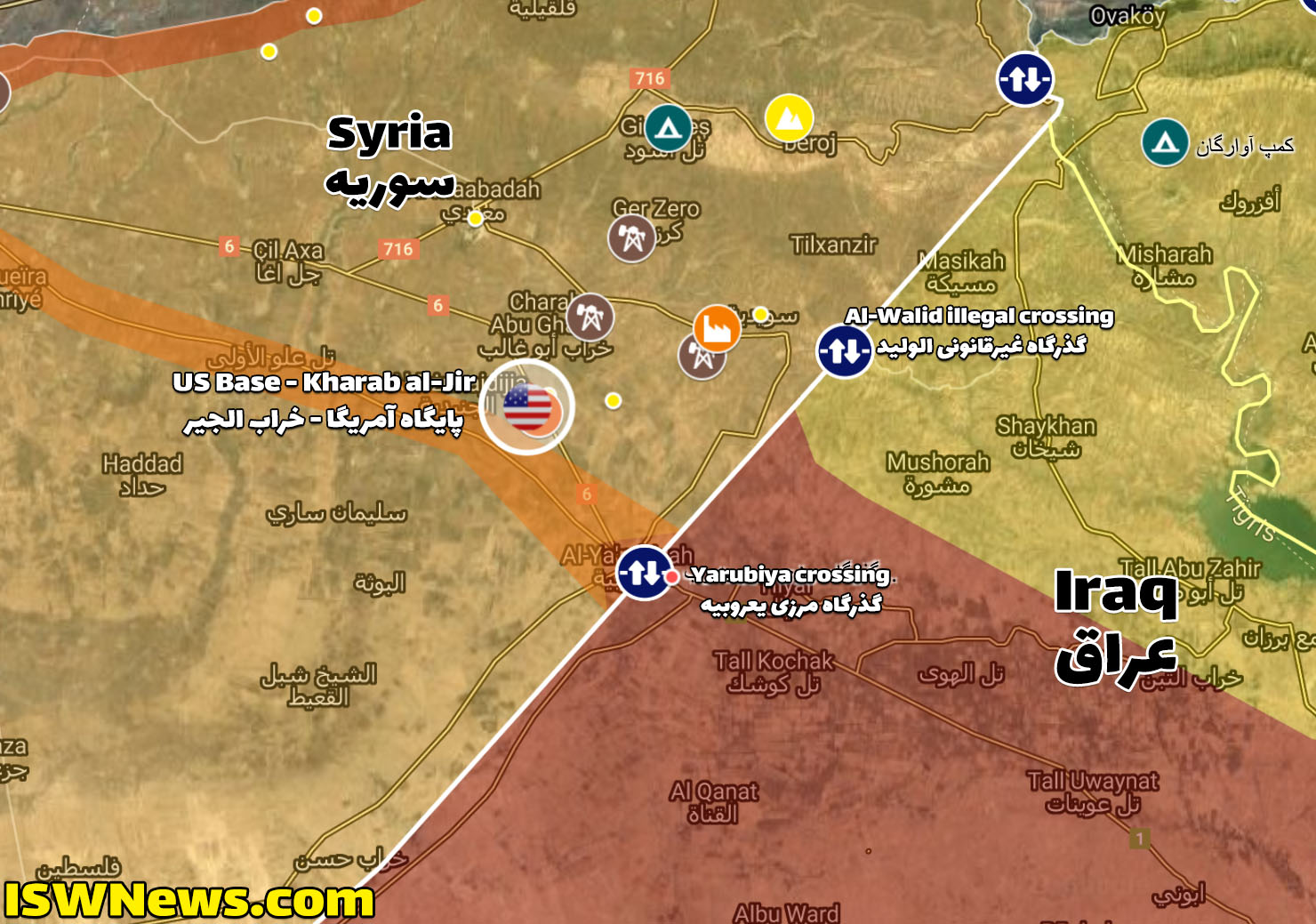
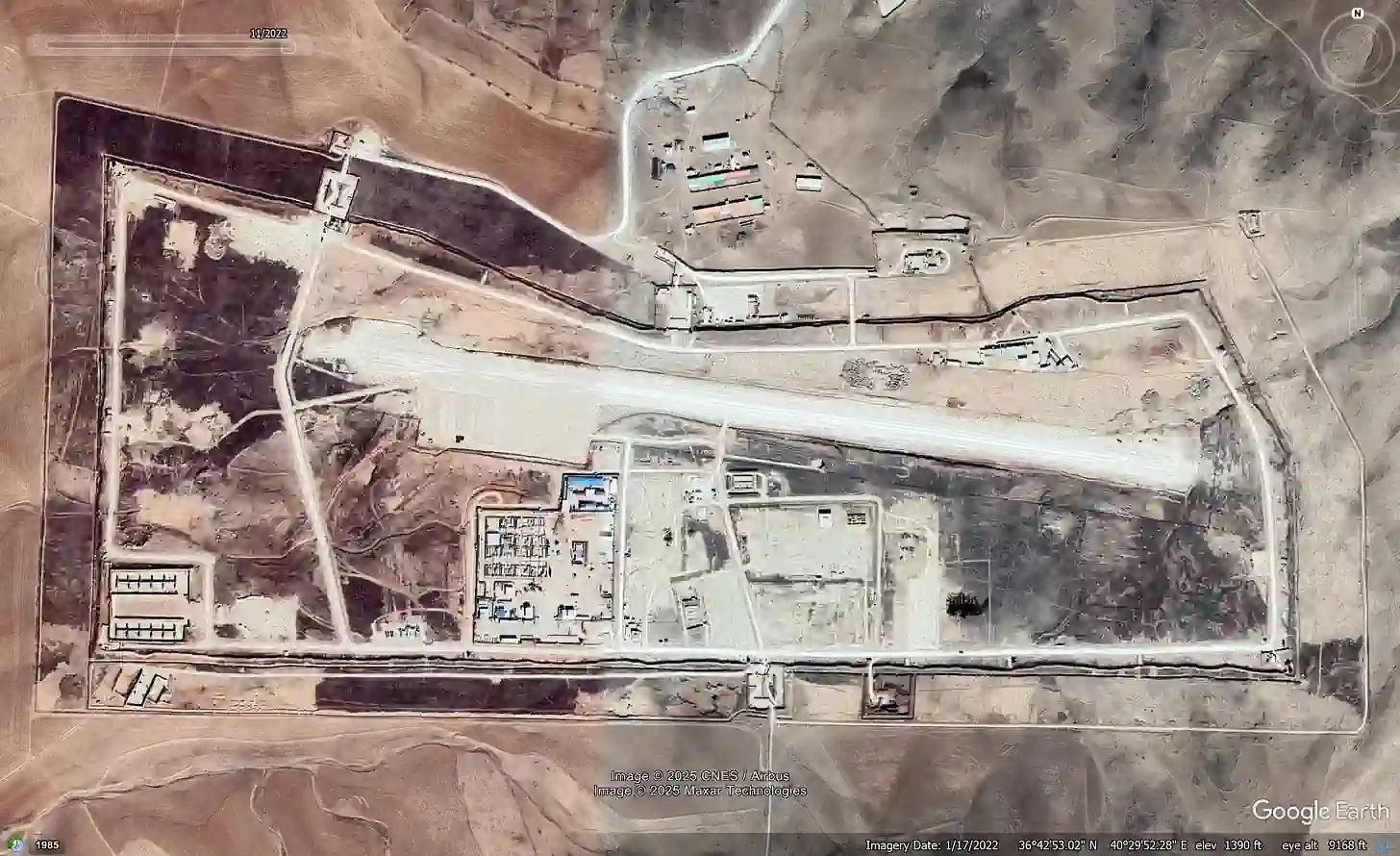
The U.S.-led coalition has begun constructing a new military base near the strategic Baghdad–Damascus international highway, outside the 55-kilometer zone surrounding al-Tanf.
Mullah Abdul Ghani Baradar Akhund, Deputy Prime Minister for Economic Affairs of the Taliban, held a high-level meeting yesterday with Shaher Al-Taqi, CEO of Saudi Arabia’s Delta International, and Zalmay Khalilzad, former U.S. Special Representative for Afghanistan.
In a major escalation of its pressure campaign against Venezuela, U.S. Secretary of Defense Pete Hegseth has ordered the deployment of the aircraft carrier USS Gerald R. Ford along with four Arleigh Burke-class destroyers—USS Winston S. Churchill, USS Bainbridge, USS Mahan, and USS Forrest Sherman—and possibly an attack submarine to the Latin American region.