Category: Azerbaijan
-

Latest Updates on Karabakh Clashes, 29 September 2020 (Map Update)
– Clashes continue in the southern axis of Nagorno-Karabakh around Fuzuli between Azerbaijani and Armenian forces. The Armenian army claims to have regained all the lines lost yesterday, but Azeri field sources denied this.
– The Ministry of Defense of Azerbaijan announced the destruction of 4 tanks of the Armenian forces on the Fuzuli front.
– Heavy clashes on the axis of Agdarreh (Martakert) and Madaghis-Talesh in the north of Karabakh region:
During the recent clashes between Azerbaijan and Armenia on the Martakert and Madagis-Talesh axis, the bodies of 30 Azeri forces have been transferred to the rear. 13 of the dead are members of the army and members of the border guards and the Azerbaijani army. Another 15 are residents of the Talesh area who generally lost their lives in infiltration operations. Recent operations are based on infiltration of Armenian lines, and commandos have a special role to play in these operations.
The exact number of casualties of Armenian forces on this front has not been published yet.
– A Sukhoi 25 fighter jet of the Armenian army was shot down by a Turkish F16 fighter jet. The Ministry of Defense of Armenia confirmed the incident and announced that the pilot of this fighter jet had been killed.
– According to the Ministry of Defense of Armenia, the damage to the Republic of Azerbaijan since September 27, 2020 has included the destruction of 82 vehicles, 1 aircraft, 4 helicopters, 49 UAVs and 80 armored vehicles.
– UAVs of the Republic of Azerbaijan targeted a bus in the town of Vardenis in Armenia. Armenia has emphasized will retaliate with an appropriate response.
– Azerbaijani artillery heavily bombarded the positions of the Armenian forces in Martuni (Khojavand).
– Armenian air defense systems shot down an Israeli Hermes 900 UAV belonging to the Azerbaijani army near Khojaly.
– The Armenian army claimed to have shot down an Azerbaijani Antonov An-2 light military aircraft.
– An unidentified drone crashed in the skies of Malekan city in East Azarbaijan province of Iran. Some news sources claim that the drone belongs to the Army of the Republic of Azerbaijan.
– The Army of the Islamic Republic of Iran has sent heavy military equipment to the border areas of northwestern Iran. This measure has been taken to prevent possible attacks by neighboring countries and to ensure the security of Iran’s northern borders.
– According to the Azerbaijani “AzTV”, the Pakistani ambassador met with the President of Azerbaijan Ilham Aliyev while supporting the Azerbaijan military operation in the Karabakh and stated that he would do his best for the victory of Azerbaijan. Elham Aliyev also praised the deployment of troops from Pakistan and Turkey, calling them friendly and brotherly countries.
Large numbers of Pakistani troops are said to be waiting to enter the battlefield behind the battle lines. Although Azeri sources exaggerate their number to 40,000, the presence of 5,000 people who entered the country from Lankaran and Baku airports has been confirmed.Click to see the full size map -
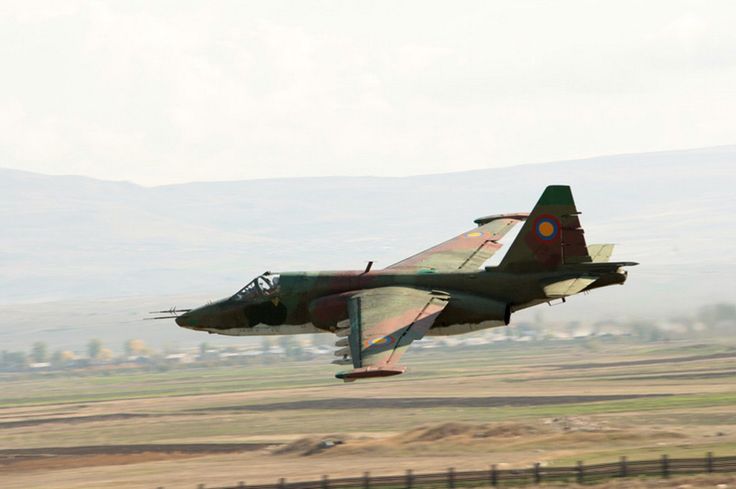
Armenian fighter jest shot down
The Armenian Ministry of Defense confirmed the news and announced the death of an Armenian pilot.
Some news sources have claimed that the Armenian warplane shot down by an Azerbaijani MiG-29 and some sources said that it was a Turkish F-16.
Armenian officials have previously threatened Turkey with the use of Sukhoi-30 fighter jets and the 9K720 Iskander missile system if it interferes in the war with the Republic of Azerbaijan. -
Takfiris in Azerbaijan?! + Video
Shortly afterwards, a foreign journalist posted a photo on his Twitter account titled “Hamza Brigade” forces on the way to Azerbaijan”, which shows a group of Takfiri gunmen on a plane. The publication of domino-like images of the constant flight of Turkish planes to the Republic of Azerbaijan, the announcement of the directive banning the transfer of militants to the Republic of Azerbaijan by the “322nd Battalion Command of the Free Syrian Army” and some protest tweets by Takfiri figures on the subject further strengthened speculation about the veracity of Takfiri presence in the Republic of Azerbaijan.
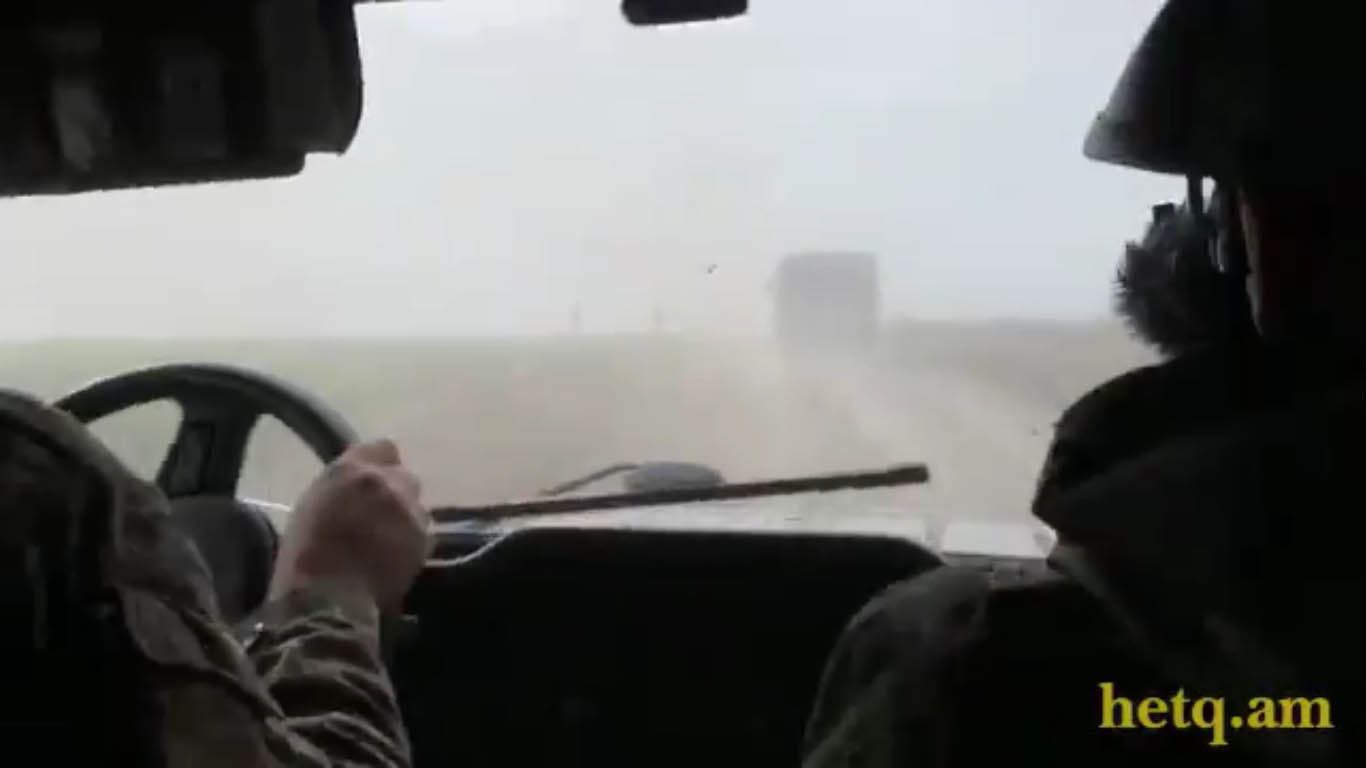
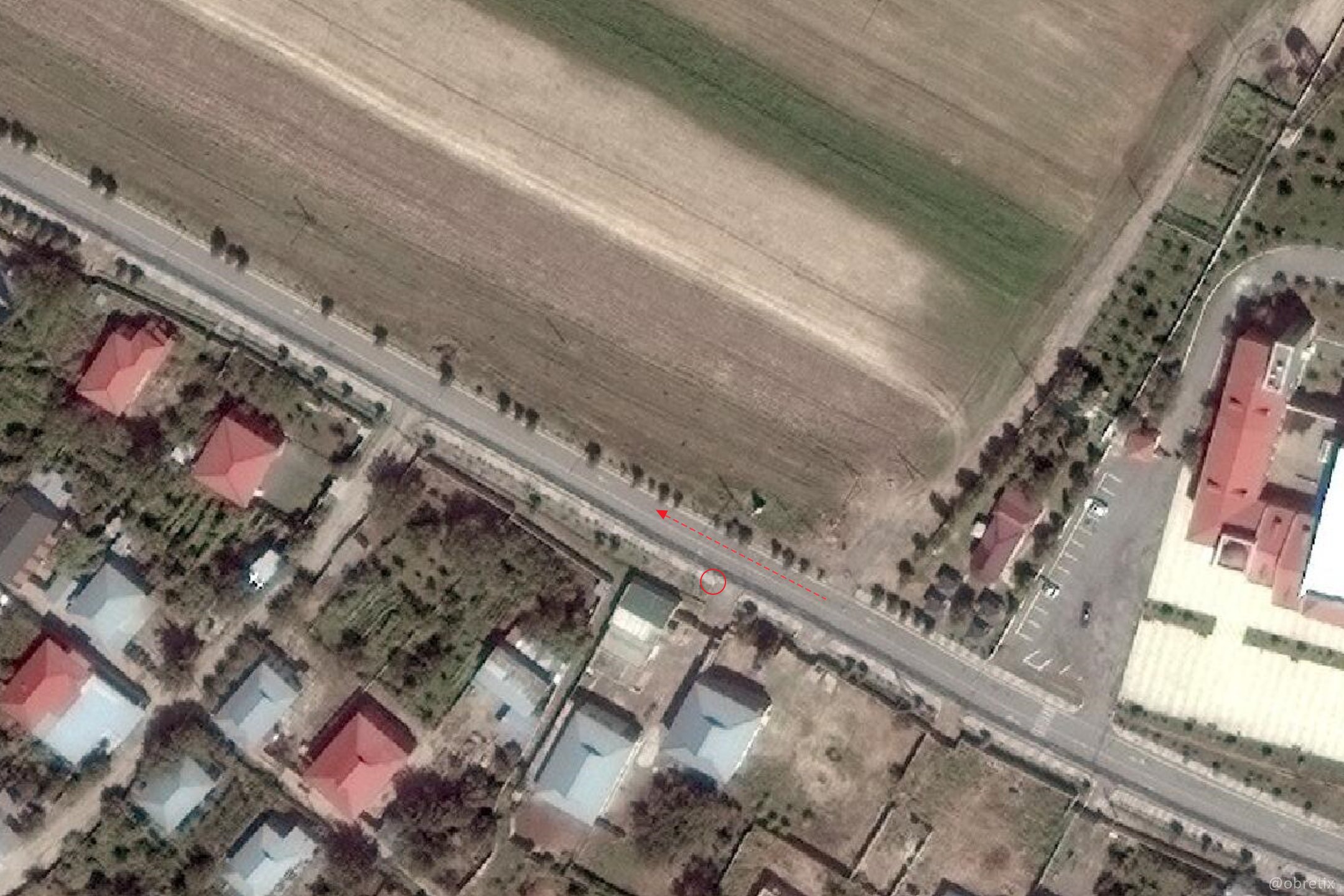
Although due to the internet outage in the early hours of yesterday in the Republic of Azerbaijan, not many pictures of the region’s interactions were published even by the state media, but in the final hours, the release of a video of fighters sent to the Karabakh front line in Horadiz caused a great deal of controversy. Because these images are very similar to the events of previous years in Syria and Iraq.
Geo location of the video in Horadiz: on the map -
Latest Updates on Karabakh Clashes, 28 September 2020 (Map Update)
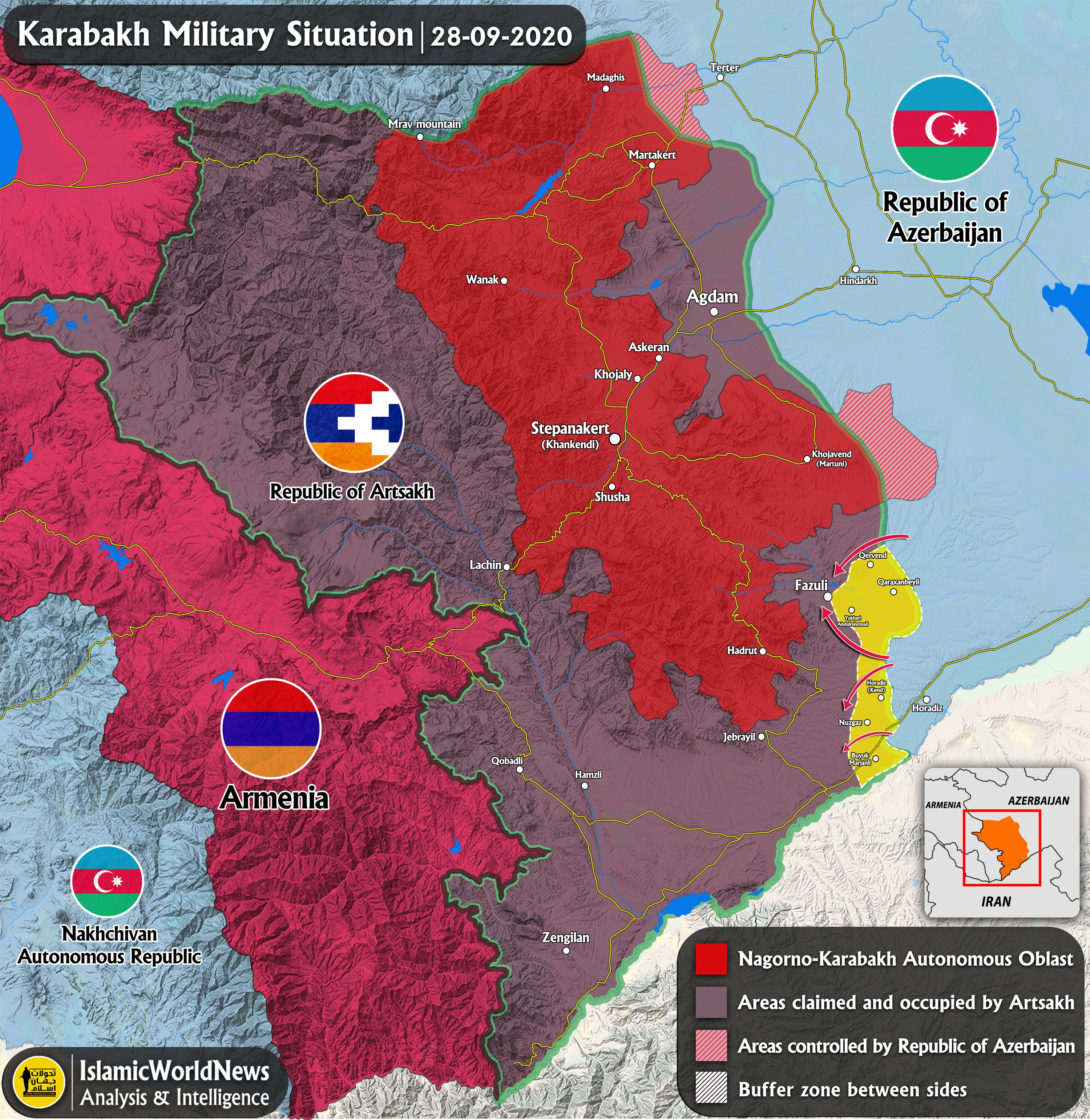
– Azerbaijani forces captured villages Qervend, Qaraxanbeyli, Yukhari Abdulrahmanli, Ashagi Abdulrahmanli, Kend, Nuzgaz, Boyuk Marjanli in south of Karabakh from Armenia and Artsakh forces. (yellow color)
– Azerbaijani forces entered important town Fuzuli in south of Karabakh region, but due to heavy counterattack and bombing by Armenian forces on the town, only a few Azerbaijani forces stayed in the town for defense.
However, it should be noted that Armenia MoD stated that all areas in south of Karabakh region were recovered from Azeri forces…– According to defense ministry of Azerbaijan, strategic heights of Mrav mountain, north of Nagorno-Karabakh, are captured by their forces. This is not confirmed by ISWNews yet.
– Azerbaijan Ministry of Defense claimed that more than 550 Armenian troops have been killed in the clashes of the recent two days, while Armenia claimed that more than 200 Azerbaijani troops have been killed in the recent fighting.
– Azerbaijan claimed that in the recent conflict 6 killed and 19 injured.
– Artsakh officials reported that at least 28 Armenian forces killed in today’s conflict in south of Karabakh.
– Azerbaijan army artillery attack to Stepanakert(Khankendi) center of Nagorno-Karabakh and surrounding areas.
– Azerbaijan president issued order of military immobilization.
– Baku airport flights ceased after military situation was declared.
– Armenia ambassador in Russia: Turkey sent almost four thousand Syrian militants from north of Syria to west of Azerbaijan. Azerbaijan rejected the claim.
– Armenia foreign ministry: Turkish forces are helping Azerbaijan by drones and warplanes (F-16 fighter jets). Turkey and Azerbaijan coalition is a threat to the nations of the region.
– According to field sources, the Syrian Turkish-backed militants who transferred by Turkey from northern Syria to Azerbaijan in recent weeks, have not yet effectively entered into clashes with Artsakh and Armenian forces in the Karabakh region.
These mercenaries are mainly Syrian Turkmens and other Asian Turks specially Uyghurs who entered Azerbaijan in different battalions. No news of the exact number of these militants. However, due to increasing tension in Karabakh, hiding or denying their presence is useless and seems in near future there will be more information about them.Click to see the full size map -
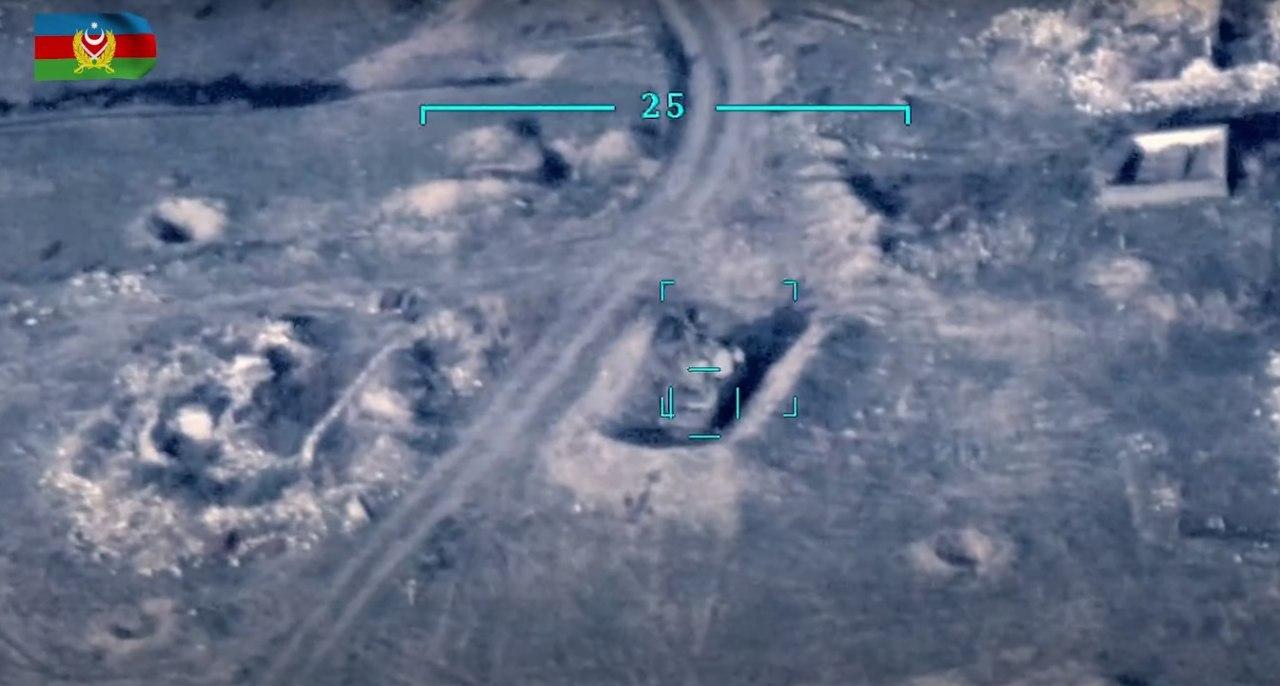
Latest Update on Karabakh Battles
So far, however, Azerbaijani news agencies have reported limited progress along the border with the Islamic Republic of Iran, south of the occupied Nagorno-Karabakh region. The Armenian media also reported on Russia’s warning to Azerbaijanis to return to the ceasefire control lines, which this claim is questionable due to the lack of coverage in the Russian media.
Armenia Ministry of Defense stated that Azerbaijan is using all missile systems 300mm and above, including the Smerch, Kasirga, Polonez and others” against Nagorno-Karabakh military. (Artsakh forces)
Also an Azerbaijan UAV was shot down over the Stepanakert are, Armenia Mod reported.Video: Azerbaijani drones targeting Armenian positions in Nagorno-Karabakh. This image seems to be related to the “Bayraktar” Turkish drone, and Turkish drones are now bombing Armenian positions on behalf of Azerbaijan. -

Heavy clashes between Azerbaijan and Armenia armies in Karabakh + (Map update)
The conflict started from today morning in Karabakh area while each side accuses the other side for increasing the tension and starting the conflict.
In the conflict that started in the morning by Azerbaijan army, according to Armenia, two helicopters and three drones of Azerbaijan army were shot down by Armenia. Armenian media and so-called Republic of Artsakh media, which occupied most of the Karabakh area, released images of attacking Azerbaijan tanks and vehicles.
Armenia PM, Nikol Pashinyan, declaring war situation, reported of public immobilization and sending equipment to Karabakh area to confront Azerbaijan.Azerbaijan defense ministry also reported in recent days that Armenia is shelling the border towns and they will respond.
Azerbaijan DM also confirmed shooting down their helicopter near Ter Ter area and the crew are alive. They claimed to destroy 12 Armenian OSA air defense systems so far.
Azerbaijan media reported of Armenia and Artsakh artillery attacks on areas Gapanli, Cheraghli, Aqdam, Al-Khanli and Marjanli.
Azerbaijan president, Ilham Aliyev, asked civilians in Karabakh area to get distanced from Armenian military points. He said they won’t attack Armenia since there is nothing in Armenia for Azerbaijan but won’t negotiate with those who occupied Karabakh, either.At the moment there are conflict at Nagorno-Karabakh border in fronts Aqdam, Terter, Fuzuli (east), Murovdag and Lev (north) between two sides and no significant ground advance has been reported.
Click to see the full size map -
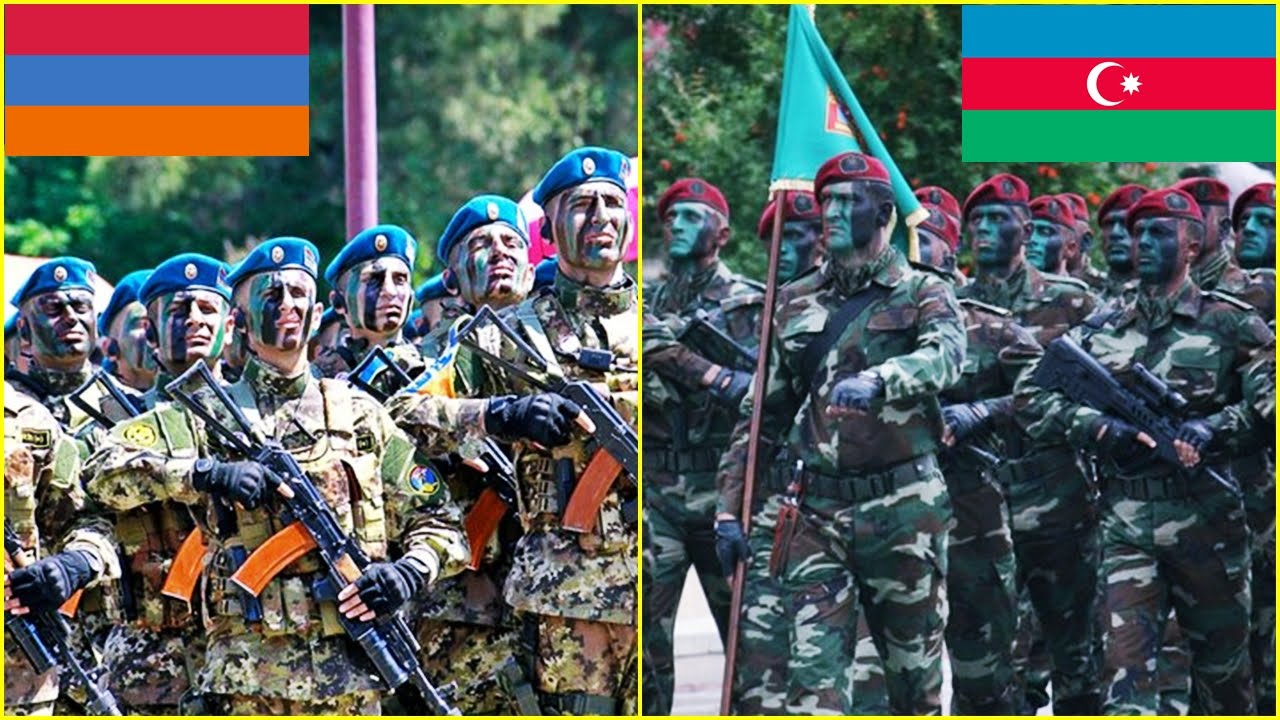
Ethnic war is raging in Karabakh region
The limited military operation of the Armenian army in July on the mountainous area of Tavush (Armenia) and Tuvuz (Azerbaijan) once again drew the attention of political and media circles to the Caucasus region. Both sides still claim that the other side has started military mischief. During the conflict, Azerbaijan and Armenia attacked each other’s military bases and units on the contact lines and behind the contact lines, and an unknown number of both countries were killed. It opened the way for people and political activists to take to the streets and areas close to the battle lines.
The same public demand has become a lever of pressure on the country’s leaders after a week-long conflict has subsided, and they are trying to get out of the situation they are in.
The untimely presence of Turkish forces in the Republic of Nakhchivan and the mainland of Azerbaijan and the air and ground military exercises may have been a show of strength at the beginning, but the general movement of the Republic of Azerbaijan shows that this is not a purely propaganda option. The country’s television and state media have suddenly adopted a new policy. They have revisited their archives and resumed broadcasting their country’s films and TV-series produced during the Soviet era and after independence. Mythical and warriors subjects such as Kuraoglu, the Qachaq Nabi, national heroes such as Brigadier General Hezi Aslanov (World War II) and films about World War II and the presence of Azeris in these battles and of course the Karabakh war are at the top of the schedule and all of a sudden, lustful films has faded!
There are also invitations to singers and lesser-known TV personalities who are especially popular. The message of this kind of propaganda can be to strengthen nationalism in the richest country in the Caucasus, in order to erase the criticism of the opposition from the minds of the people over time and to strengthen their spirit of struggle and readiness for a new war.
But the country’s propaganda machine is not content with just that and the joint military exercises with Turkey, the Bitalion match in Russia and the military maneuvers, put the Azerbaijani army in the spotlight.
Scenes of mountain battles and offensive operations that draw viewers to the television to both lighten the burden of losing the military position in Tuvuz and to strengthen their mental readiness to enlist and support politicians in a possible war.The country’s political analysis program continues to emphasize the raising of the “Turks’ flag” and the assistance of Turkish forces in any war, and in the political analysis program Bizim Planetiz, which is broadcast on AZTV, the readiness of Turkish forces in battles, including the Syrian Turkmen, to take part in an ethnic war with the Armenians is mentioned.
Of course, the Azeri side has also approached the Pakistani army for such battles, and the political and military support of this indebted country to Azerbaijan, which is expressed every day, is not unexpected.
Azerbaijani President Ilham Aliyev has not been content with this and has declared the Nagorno-Karabakh region a place for Armenian terrorist groups from all over the world to infiltrate his country and Turkey. He emphasizes that Armenia is spreading fascist ideas. All this news, in addition to the violation of the ceasefire by Armenia along the contact lines between the two sides, is also broadcast daily on Azerbaijani television. Of course, on the Zangzur front, the capture of an Armenian army by the Azerbaijani army and his confessions have been complemented by the propaganda plan of Azerbaijan.
Azerbaijani media have even accused Iran of cooperating with Armenia and Russia to send military equipment, citing the transfer of Russian-made Kamaz trucks through Iran (Norduz terminal) to Armenia as examples of such actions, while these images are not relevant this year. Any passing vehicle must be disinfected before crossing to prevent the transmission of the Corona virus. Of course, there are also reports of trucks carrying Russian weapons passing through Georgia to Armenia.
All of these are speculations that are published daily on state television and in the media with the government.However, it has been reported that an unknown number of Turkish-backed terrorist groups in Syria (al-Qaeda-linked Central Asian Turks) and al-Qaeda-affiliated Caucasian forces have been transferred to Azerbaijan which shows that Turkey is overseeing this and they will be mercenaries for future military operations.
Last week, news broke from northern Aleppo, Syria, that troops from the Samarkand Brigade had been sent to Azerbaijan, which made a lot of news on social networks.In general, the Syrian militants, given the experience of irregular warfare, can play a good role behind enemy lines or in the mountainous areas of Karabakh region.
Psychological warfare, along with military preparations and the deployment of Turkish troops on the territory of the Nakhchivan Republic, strongly prove the predictions of an imminent military operation by Azerbaijan against Armenia.
This new war could take place on different fronts during the last days of summer or the beginning of autumn, and end before the heavy snowfall of the Caucasus.The result of such wars, in which the Caucasian ethnicities are on one side and religious differences on the other, is nothing but loss and t helps strengthen Salafist fundamentalism, grow extremist nationalist sentiments, increase al-Qaeda’s influence in the Caucasus, create a crisis hub for US-EU intervention in the form of NATO, weaken Iran and Russia, and other unknown goals.
-
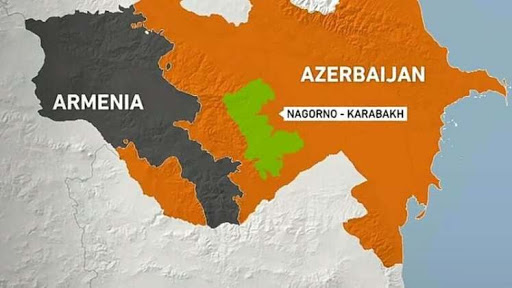
Azerbaijan on the break line!
Heydar Alireza oglu Aliyev, the third President of Azerbaijan, took office on October 3, 1993, to end the military defeat of the country against the Armenian army and Artsakh militias in the Nagorno-Karabakh war. The presence of Iranian advisers and Afghan fighters (Gulbuddin Hekmatyar’s Islamic Movement Party), Chechens, Kyrgyz and Uzbeks in the battles of this war was the result of his foresight to draw the other side to balance the battlefield. With the presence of these forces, the battles were stabilized in favor of the Azeri side and little progress was made on the battlefield of Karabakh. The number of troops trained for combat in the mountains and rugged terrain was even higher than before.
By changing the military situation, Azerbaijan was maneuvering on political options and trying to combine military and political victories. It is safe to say that the second half of 1994 was a miserable year for Haidar Aliyev, and that all his aspirations to draw new ground for battle were fading.
This time the new tactics of the Armenian army and guerrillas in the war were unveiled. The large-scale offensive, accompanied by armored attacks, heavy artillery fire, and heavy artillery attack and attacking to main supply roads created new conditions in the war.
The city of Aghdam fell with the same tactic and the Armenian forces reached the plains of Azerbaijan from the mountains and there was no significant obstacle in front of them to be able to stop their advance.
Wrong assessment of the Armenian advance into the interior of Azerbaijan led to the concentration of forces and equipment on the middle front of the battle to prevent them from continuing to advance in the central regions of the country. But the Armenian forces moved the war to the other side.The regiment of Armenian forces poured from the Agdam front to the south of Nagorno-Karabakh and the Rayons bordering Azerbaijan with Iran. About 10 months after the noisy election of Heydar Aliyev, this time it was the turn of Gabriel’s and Fuzuli defenders to test themselves against the attack of about 10,000 Armenian troops and about 5,000 Armenian guerrillas (Artsakh). The invading forces were supported by artillery fire and armored forces (tanks and personnel carriers), and their large presence led to a bloody battle. The battles in the forested areas and surrounding hills soon reached the town of Fuzuli, and between August 16 and 23, 1994, most of the Fuzuli district fell to Armenian forces and were occupied. Rayon Jabrayil suffered the same fate and in a short time Azerbaijan lost the rhyme on the battlefield. Air support only delayed the withdrawal of Azeri troops and guerrillas.
The advance of the Armenians was so rapid that the Azeri forces chose the option of delayed and retreating operations. About 20,000 civilians lost their homes and fled to the Iranian border and the Aras River. Of course, these people were the last ones who were willing to evacuate their homes due to the fall of the defensive positions. Military and paramilitary forces were also behind them, and Iranian territory was the only place they could take refuge. Governor of Fuzuli also came to Iran with these refugees. Horadiz-Mil Moghan Dam (joint dam) on Aras acted as a bridge to cross. In addition, trucks, small boats, horses, and mules transferred people through Aras into Iranian territory. After a while, the Horadiz dam was under siege and occupied by the joint forces of Armenia and Artsakh. But there were still other Azeris behind the border.
During all this time, the artillery fire of the Army of the Islamic Republic of Iran played an important role in evacuating the remaining civilians and the military so that they could cross the Aras River with BTR trucks, tanks, and military and civilian vehicles. Of course, news about the construction of floating bridges by army and IRGC engineering units on Aras was published unofficially. There are rumors about the martyrdom of Iranian Revolutionary Guards and Afghan Mujahideen in this battle, which has not been confirmed yet, and only the inscriptions of a few gravestones of the victims of the Nagorno-Karabakh war in Kheradlan (a city near Baku) show this fact.
After capturing northern Aras, Armenian forces attempted to blow up the Horadiz-Mil Moghan dam, which was opposed by Iran and the threat from the Iranian side caused them to withdraw from this action.
Relief aid from the Red Crescent and the Iranian Relief Committee in East Azerbaijan Province (according to the country’s divisions at the time) was sent to Azerbaijani refugees on Iranian soil. Rescue teams provided temporary shelter for the wounded by setting up tents and setting up a camp.Ambulances also transported the seriously injured to Ardabil and Tabriz hospitals. Azerbaijani President Heydar Aliyev upon entering Iran and visiting the refugee camp, blamed the Fuzuli governor and his military and paramilitary commanders for the defeat and called for the removal of incompetent personnel.
Azerbaijani military and paramilitary forces due to the dire situation on the battlefield, in the shortest time transferred to Azerbaijan with all their weapons via the corridor provided by Iran in the Bile Savar border crossing to prevent the advance of Armenian forces to the east (Imishli and Saatli Rayons). Dozens of Iranian trucks were also tasked with transporting refugees back.
The remarkable point in this battle and defeat was the loss of the communication line of Zangilan road and its only communication route was supplied from Iran and a population of 60,000 people was besieged.
Under these circumstances, Aliyev’s government was still needed Iran’s helpa. Of course, Azerbaijan planned an operation to retake the lost areas north of Aras, which was given the green light by Iran. Azeri planes entered the occupied territories from Iranian airspace and heavily bombed the area around Horadiz.
Even Iranian artillery units assisted Azerbaijan in the military operation against Armenian forces, and surveillance from the Iranian side caused heavy casualties to the Armenians. Joint Armenian forces withdrew from a significant part of Rayon Fuzuli, but the towns of Jebrayili and Fuzuli and the line of contact with Zangilan remained in their hands.Shortly afterwards, Zangilan fell and the process of displacing refugees to the Iranian border was repeated. Of course, the President of Azerbaijan later expelled the Iranian advisers who were training his country’s forces from Azerbaijan so that religious beliefs would not be formed among the armed forces of this country.
Heydar Aliyev’s political project led to a political defeat and a forced ceasefire after the Minsk summit. After the end of the war, his government turned to the economic strengthening of Azerbaijan, the extraction of oil and gas from the Caspian Sea and the distortion of the history of the Nagorno-Karabakh war, to the point that the recapture of the occupied territories of Fuzuli was only the result of efforts by the Azerbaijani armed forces. But most people in this country never forget about Iran’s humanitarian aid and military help to Azerbaijanis. -
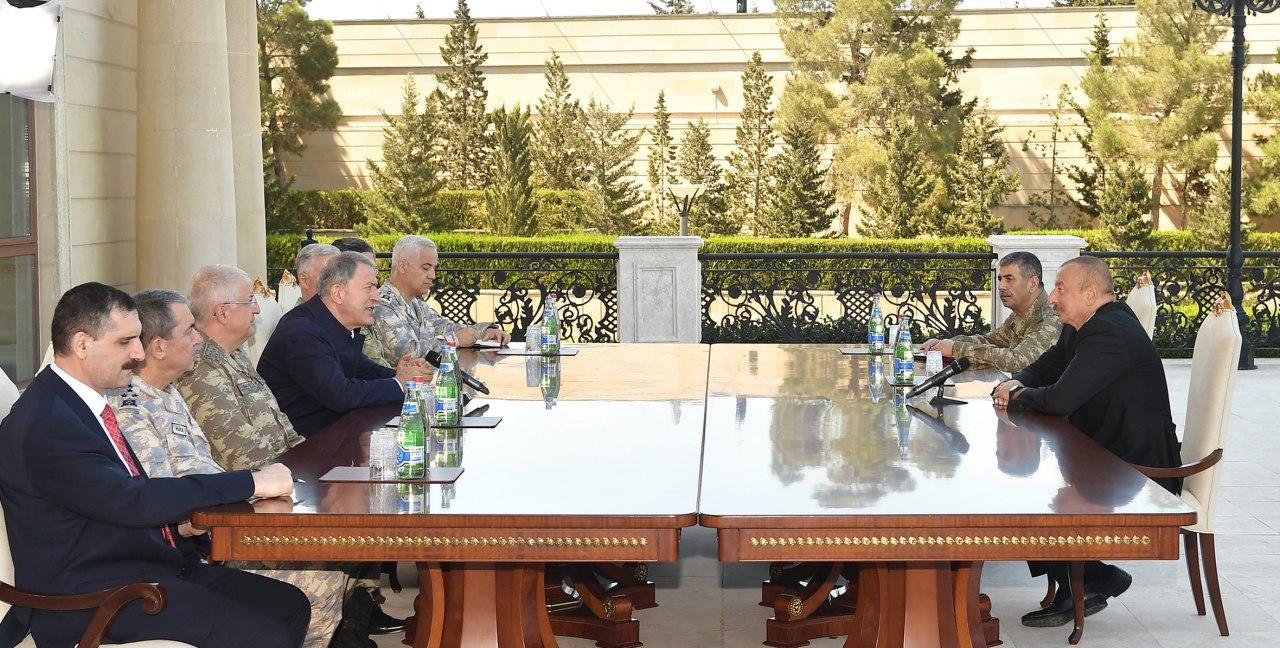
The end of the first phase of the joint exercise between Azerbaijan and Turkey
Ilham Aliyev, beside expressing the satisfaction with the development of relations between the two countries, noted that the recent military cooperation was not only limited to a usual exercise and the armed forces of the Republic of Azerbaijan were training under the supervision of commanders from the Republic of Turkey; that first step of these trainings was over today.
Aliyev also mentioned to removing some concerns of foreign countries about military activities of Turkey in Republic of Azerbaijan; that it seems to be a mention to phone call with Vladimir Putin on yesterday.
Also, Holusi Akar the Turkish defense minister, with expressing satisfaction and solidarity between the two nations, added that Republic of Azerbaijan will not be alone in difficult days.
In the critical days of the recent two months, Ilham Aliyev simultaneously dismissed some pro-Russian political figures and arrested some political figures close to Turkey. Today, his mentioning to removing concerns of Russia is also notable in its kind. -
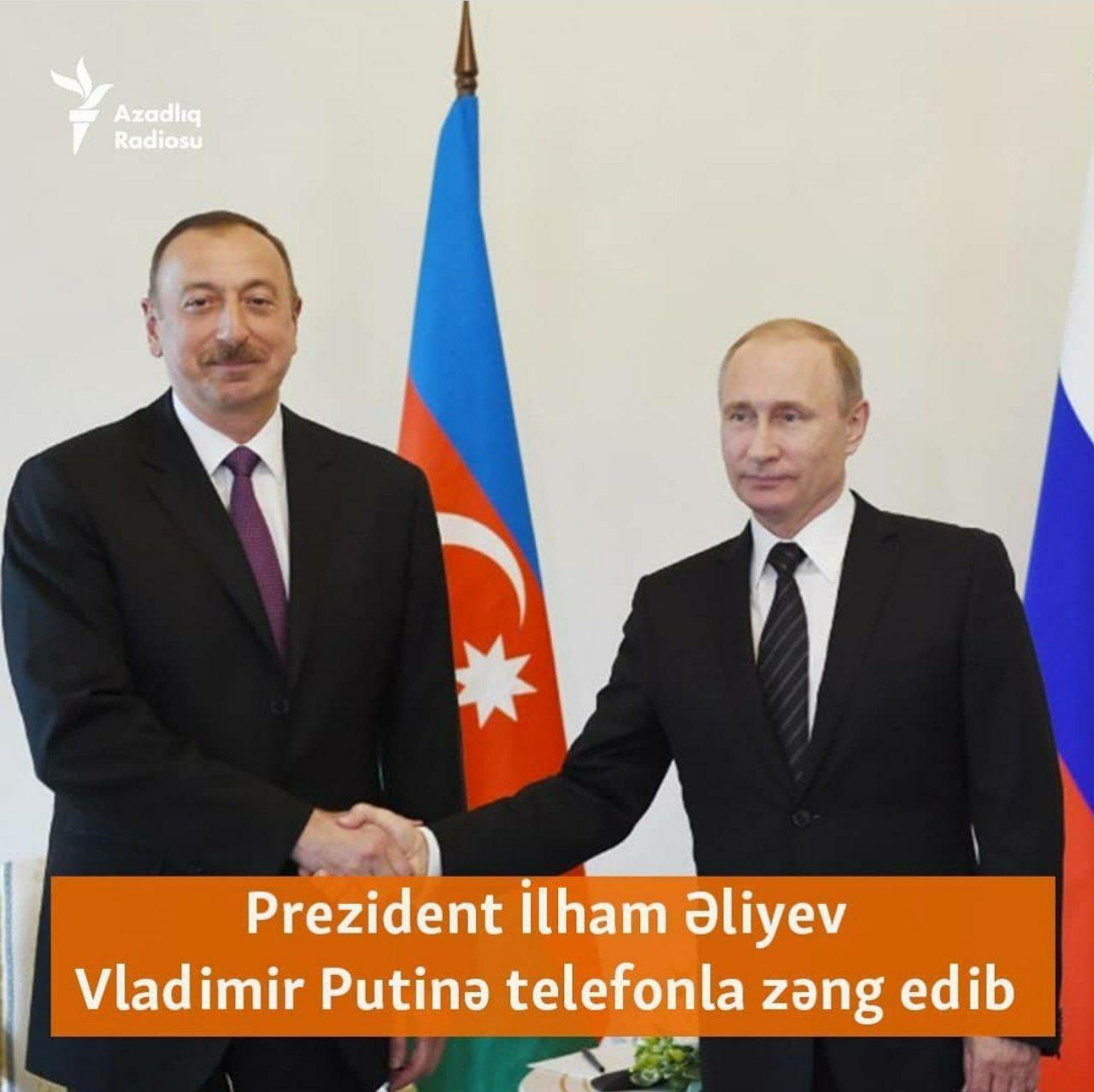
Russian president Vladimir Putin talked on phone with Azerbaijan president
As mentioned before, following the joint military drill of Turkey and Azerbaijan and dismissing pro-Russia officials in Azerbaijan, Baku needed to get confidence of Russia back.
Moscow rejected Yereavn ‘s proposal of a joint military drill a while ago. -

Azerbaijan: Expanding Karabakh oil field
Ilham Aliyev in his ceremonial speech, decried the previous ruling party (Azerbaijani Popular Front Party and Musavat Party) and said the new oil field increases the income of the government.
It is said that the new oil field will be operational until the end of the year.
Karabakh oil field in east of Baku (light purple)