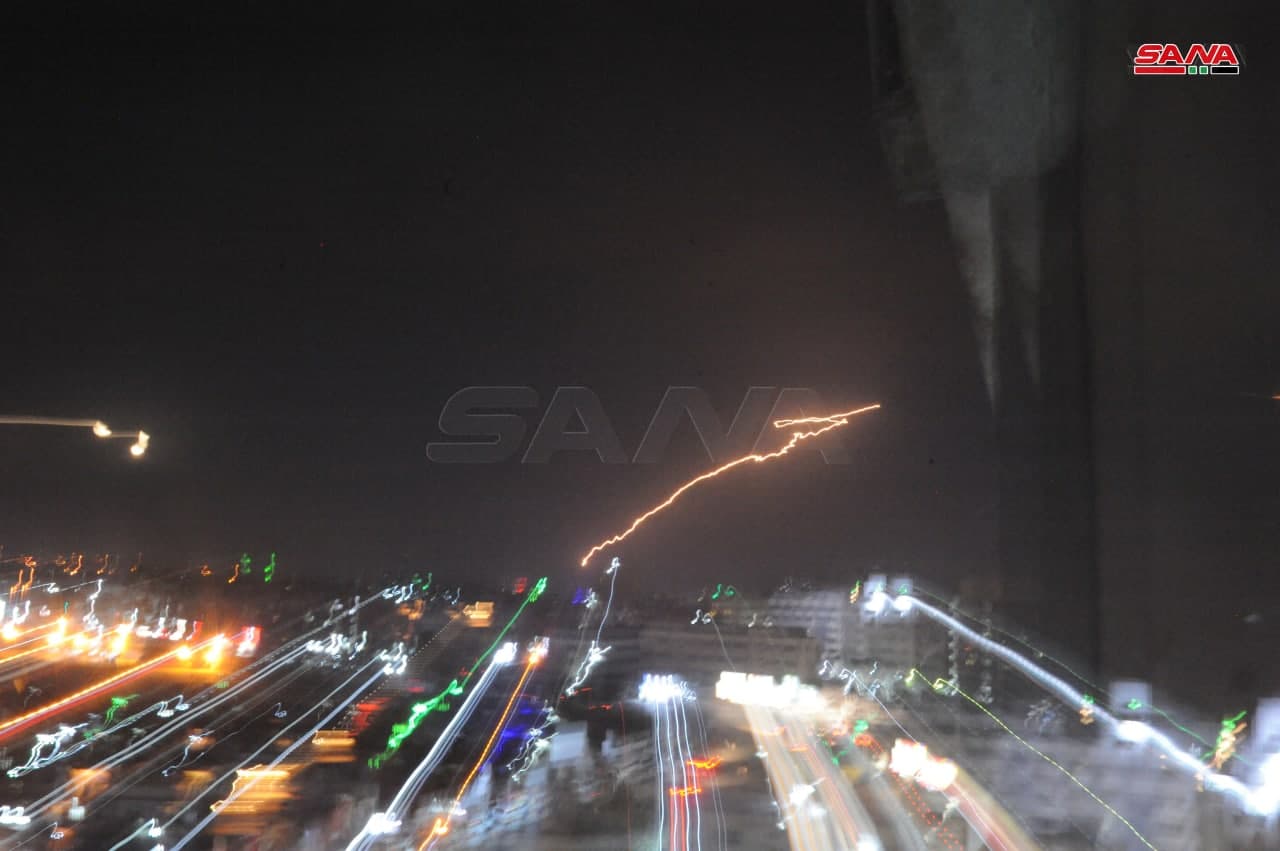
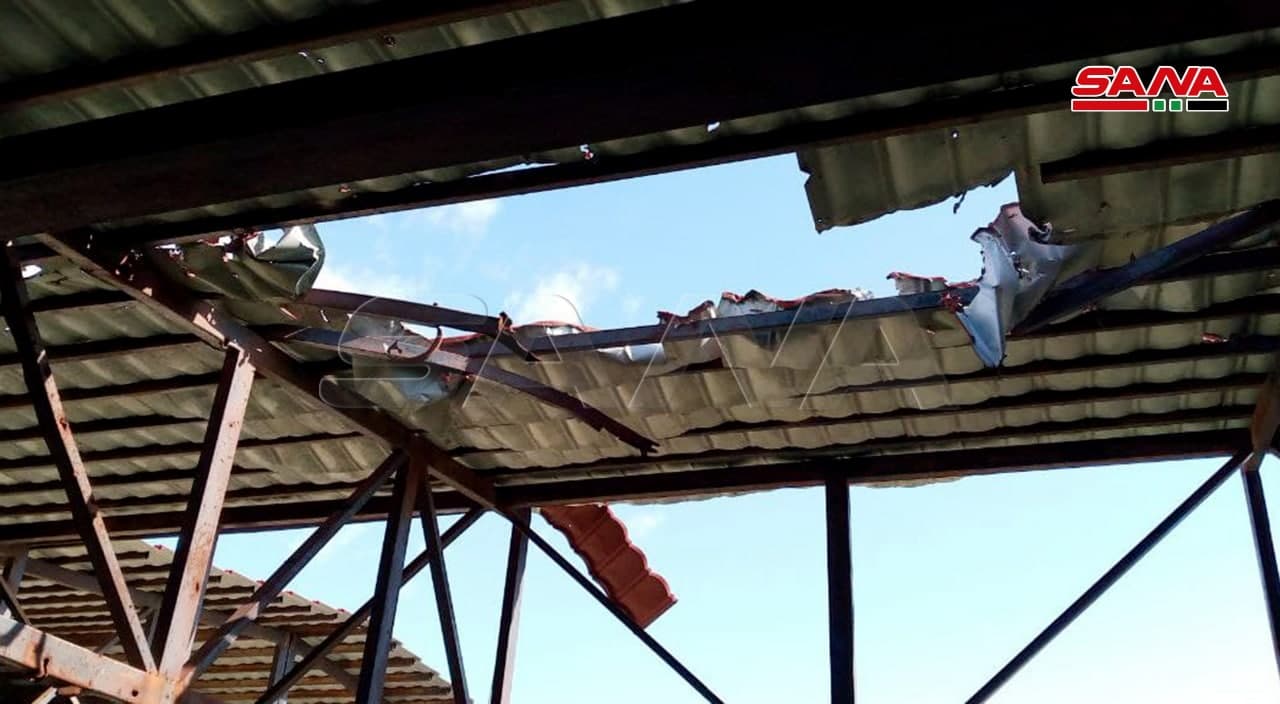
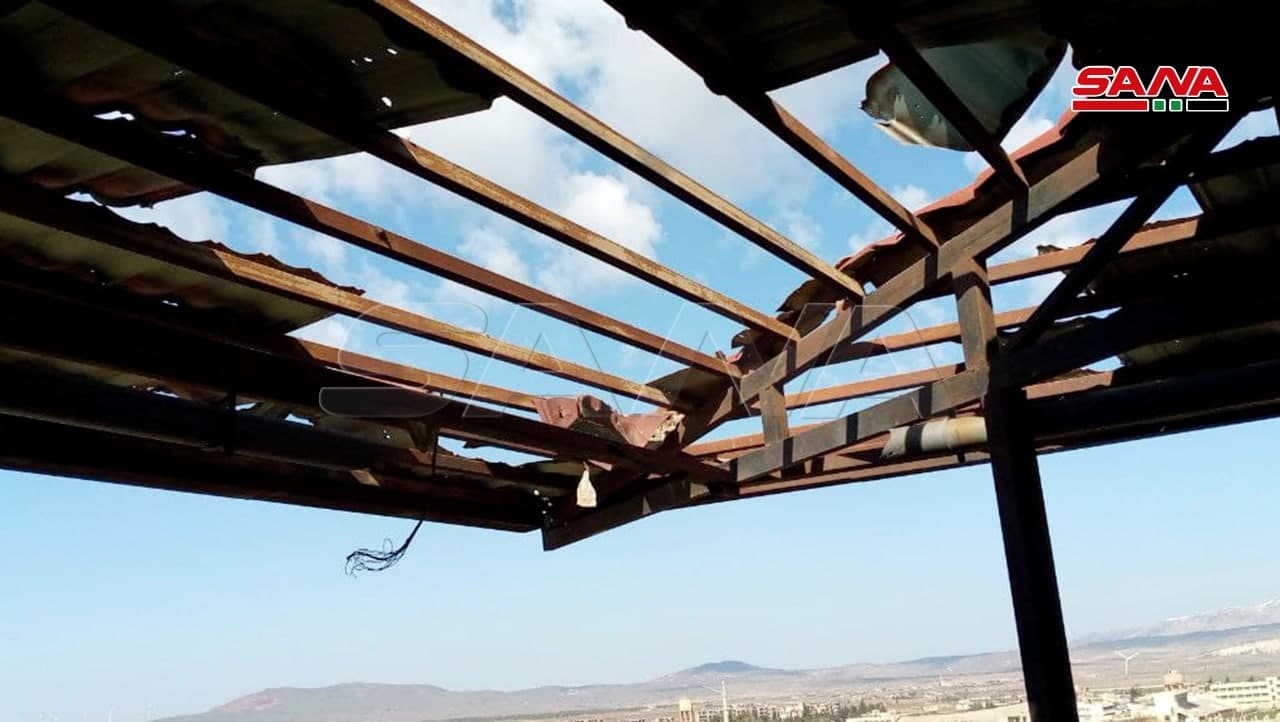
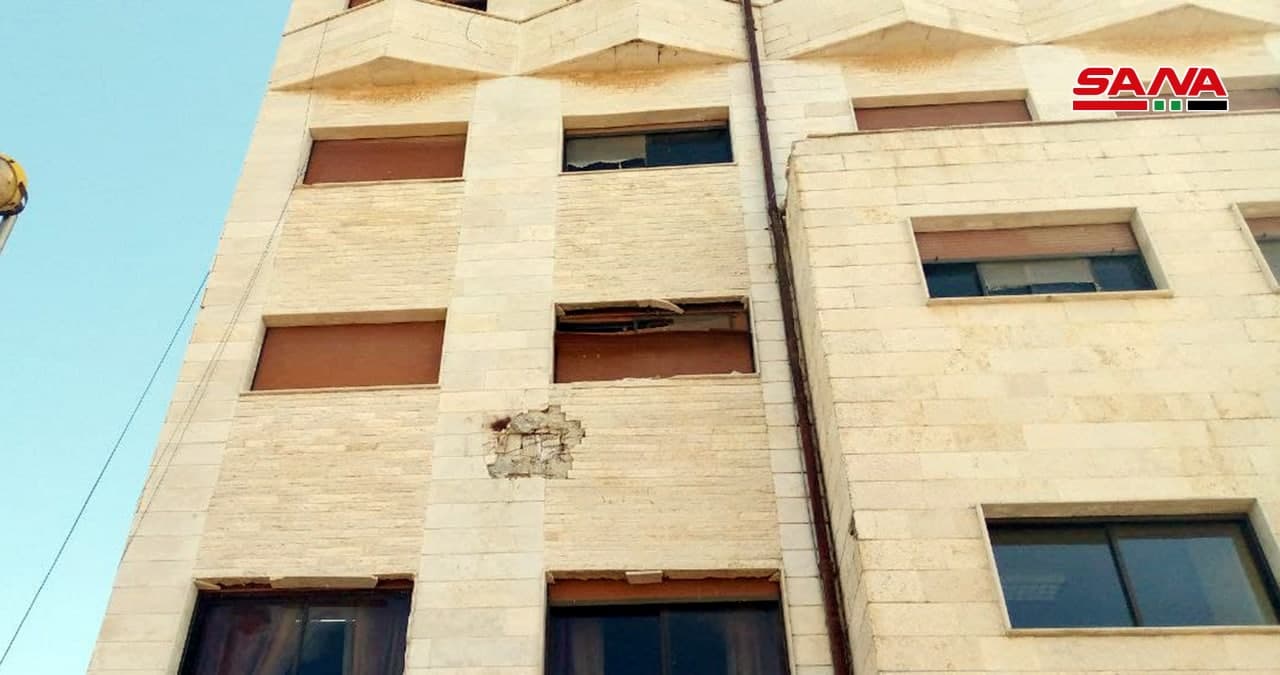
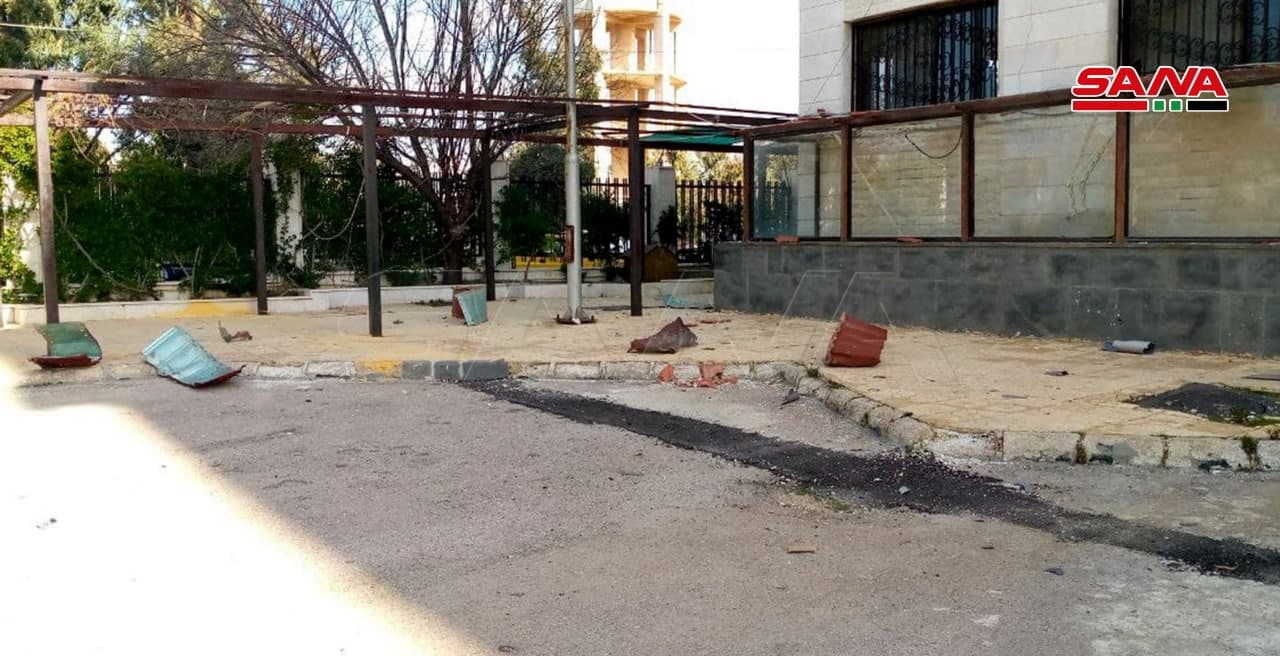
“At around 1:10 of today’s morning, the Israeli enemy carried out an aerial attack with a salvo of missiles from the north of Lake Tiberias, targeting some positions in the outskirts of the city of Damascus. Our air defenses confronted the aggression’s missiles and shot down most of them,” a military official told the Syrian Arab News Agency.
Also yesterday, the Israeli regime fired several surface-to-surface missiles from the occupied Golan Quneitra, causing material damage.
According to a Syrian military source, around 00:30 local time on Wednesday morning, the Israeli enemy fired several surface-to-surface missiles from the occupied Golan Heights at targets around Quneitra, causing material damage.
Also on February 16, the Israeli regime attacked Zakia in Damascus countryside with several surface-to-surface missiles, causing material damage.
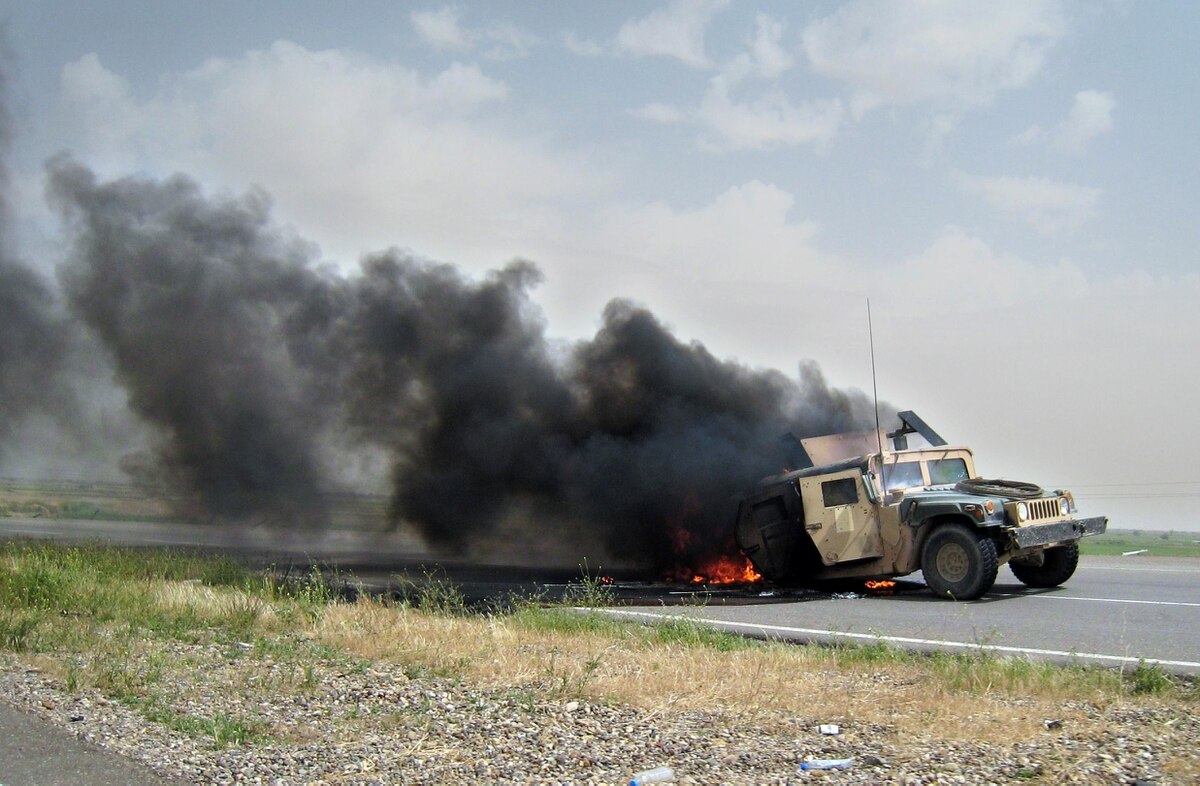
The first attack took place in Dhi Qar province, the second in Anbar province and the third in Babil province. The Ashab al-Kahf group claimed responsibility for attacks in Dhi Qar and Babil provinces, and the Katibat al-Sabequn group claimed responsibility for attack in Anbar Province.
According to data obtained by ISWNews, this is the 45th attack by Iraqi resistance groups on US logistical convoys in 2022.
According to the Saudi coalition, this morning, an Ansar Allah suicide drone (possibly Qasef 2K) crashed for unknown reasons in the al-Ma’bouj area east of Jizan Airport. The attack did not cause any casualties, according to local media.
The second attack took place this evening, injuring 16 people, including two pilots.
Following the recent drone attacks on southern Saudi Arabia, the Saudi coalition has threatened to retaliate, calling for Ansar Allah to be added to the US list of terrorist groups. Therefore, Saudi coalition warplanes are expected to bomb Sanaa and other Ansar Allah positions in Yemen in the coming hours.
1- Marib: – Clashes between Ansar Allah and Saudi-led forces continue in the al-Balaq al-Sharqi and the southern entrance to the city of Marib. – Al Jalal tribe clashes with the Mansour Hadi forces in the Marib city.
2- Hajjah: Clashes between Ansar Allah and Saudi-led forces continued on the fronts of Midi, Abs and Haradh.
3- Saada: – Ansar Allah repulsed the Saudi-led forces attacks south of the Alab crossing. – 11 civilians, including 9 women, were wounded as a result of Saudi artillery attacks on Shada and Baqim districts.
4- Saudi coalition airstrikes: Saudi coalition warplanes have bombed Ansar Allah areas 42 times in the past 48 hours.
5- Al-Hudaydah: The Saudi-led forces violated ceasefire 332 times in the province in the past 48 hours.
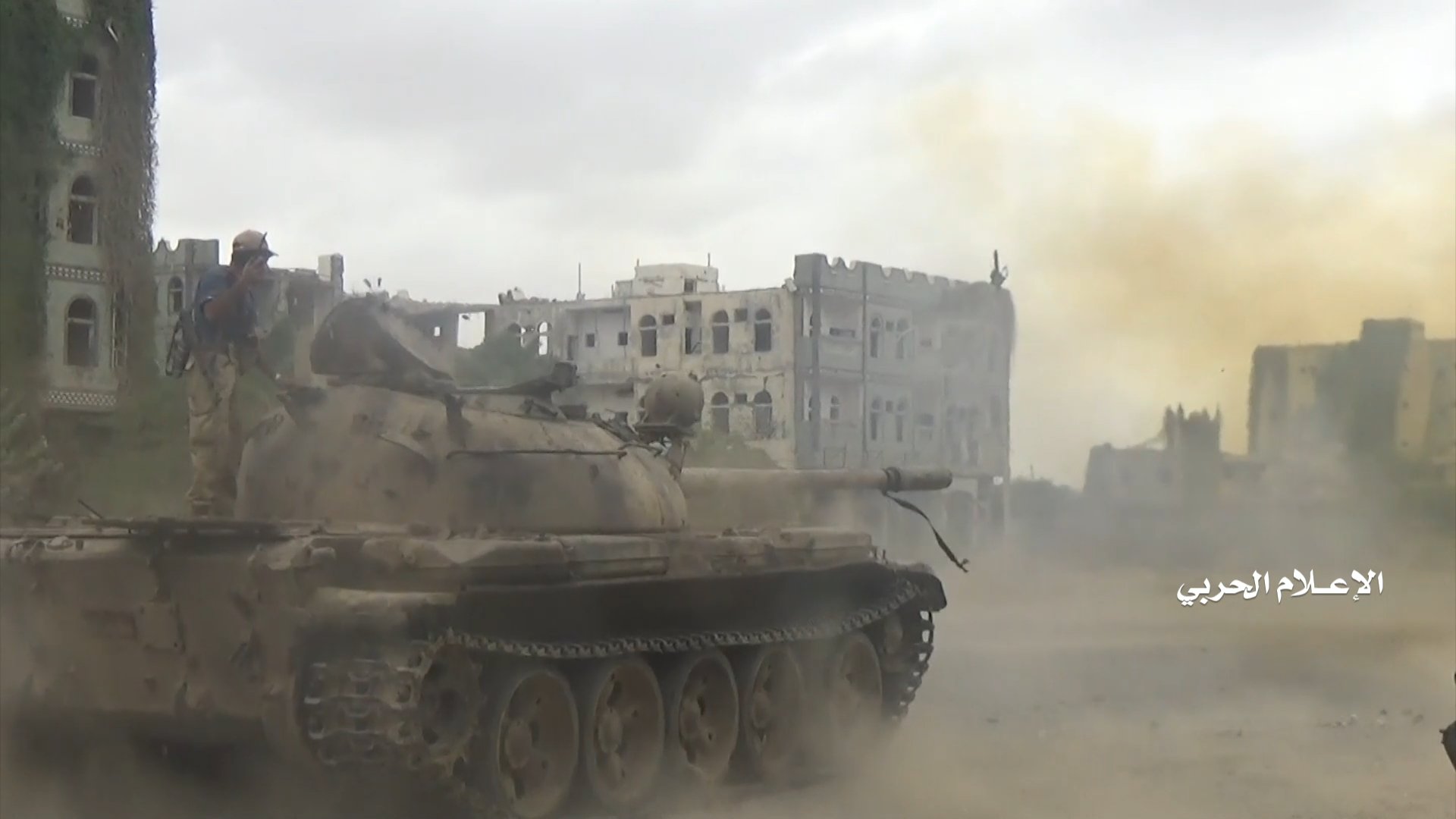
Image: clashes of the past few days in the city of Haradh.
ISWNews Analysis Group: The Russian military has used a new version of the Lancet loitering munition to attack militant positions in Syria, according to the RIA Novosti.
The aerodynamics of the new version of the drone have been updated and its X-shaped wings have been enlarged.
Launched in 2019, the Lancet-3 has a range of 40 km and a endurance of 40 minutes, and has a longer flight duration and range than the older version of the drone, the Lancet-1 drone, and can carry a more powerful warhead.
Russian media recently released a video of the previous version of the drone in action in the Syrian province of Idlib, confirming that the drone had targeted militant positions.
It is worth mentioning that the Lancet drone was produced by ZALA AERO Group, a subsidiary of the Kalashnikov Company.
Last December, Russia-24 TV aired a report documenting strikes with Lancet loitering munitions on terrorists positions in Greater Idlib. In a precision drone strike by the Russian army, a field commander and a prominent member of terrorist groups who was an skilled ATGM operator named “Maher Kojak” nicknamed “Abu TOW” were killed.
The following video is related to the killing of militant commanders and the use of the Lancet drone by the Russia in Syria.
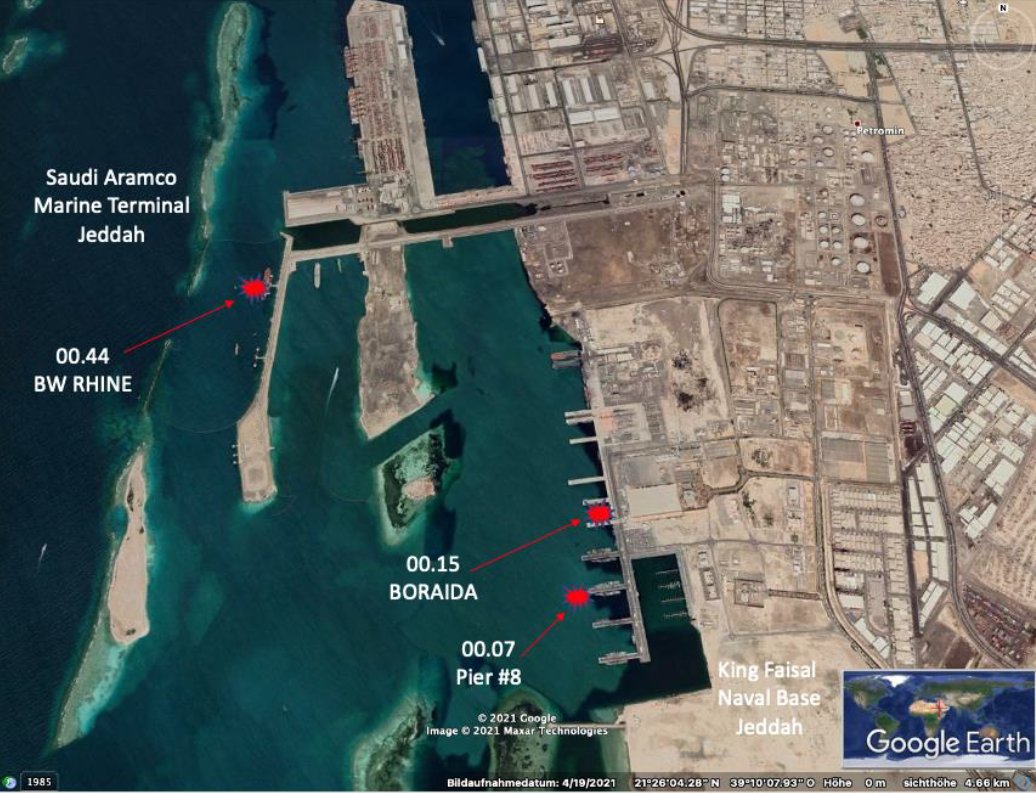
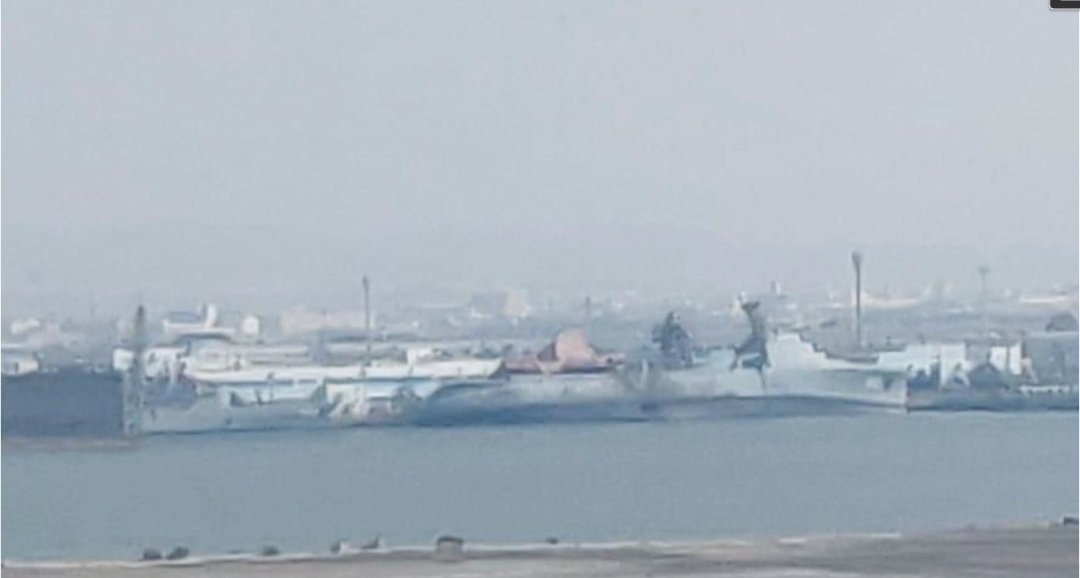
Another ship was also subjected to WBIED attack on Jeddah port on December 14, 2020, according to the United Nations.
The tanker is named “BORAIDA” and belongs to the Saudi Navy. As a result of this explosion, the hull on the right side of the “BORAIDA” tanker was seriously damaged, and a year after the attack, it is still anchored at Pier #8 of the King Faisal Naval Base.
It should be mentioned that the BW Rhine tanker belonging to Hafnia Singapore Company was unloading diesel fuel loaded from Yanbu refinery in Jeddah port in the morning of December 14, 2020, when it was attacked by Ansar Allah suicide boat. The blast did not cause oil spills or pollution to the sea, but the ship’s hull was severely damaged by the fire.
Following the escalation of clashes in the southern axis of the city of Marib, the Ansar Allah Missile Force last night fired several missiles at positions of Saudi coalition in the city of Marib, including the Third Military Zone.
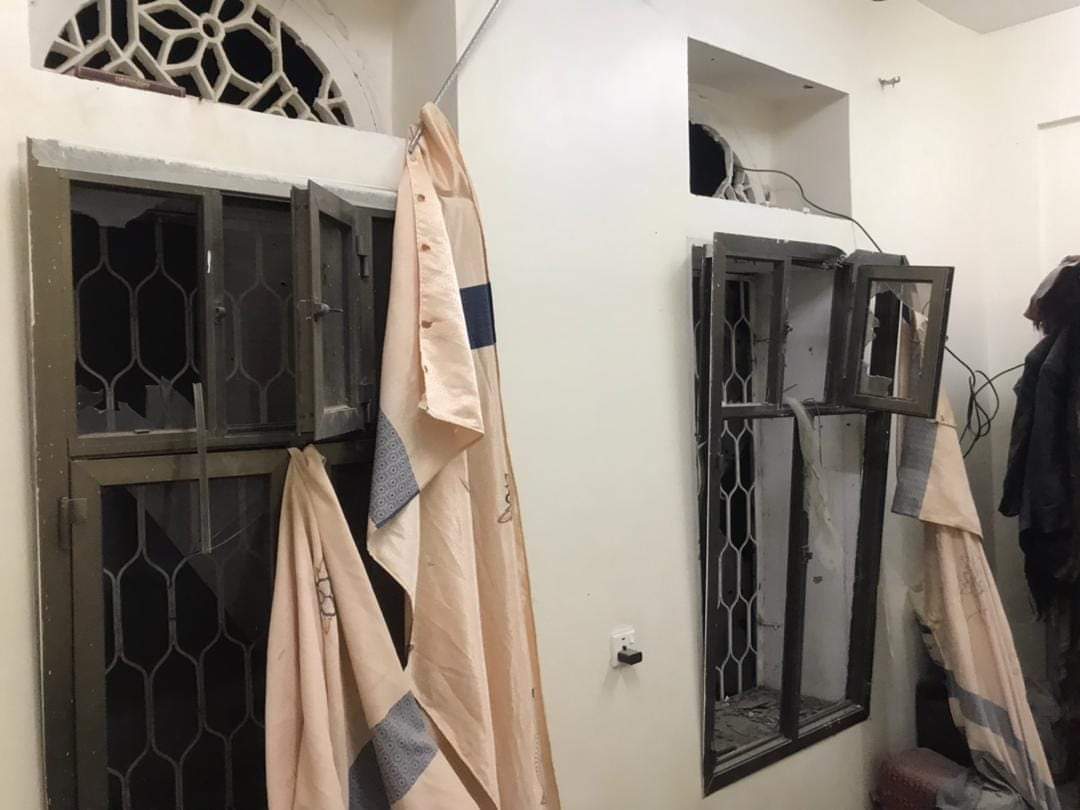
According to local sources in Marib, Ansar Allah used seven missiles to attack different areas in Marib in two stages. These media outlets have claimed that a number of missiles hit residential houses but it seems the damages caused by missiles shock waves.
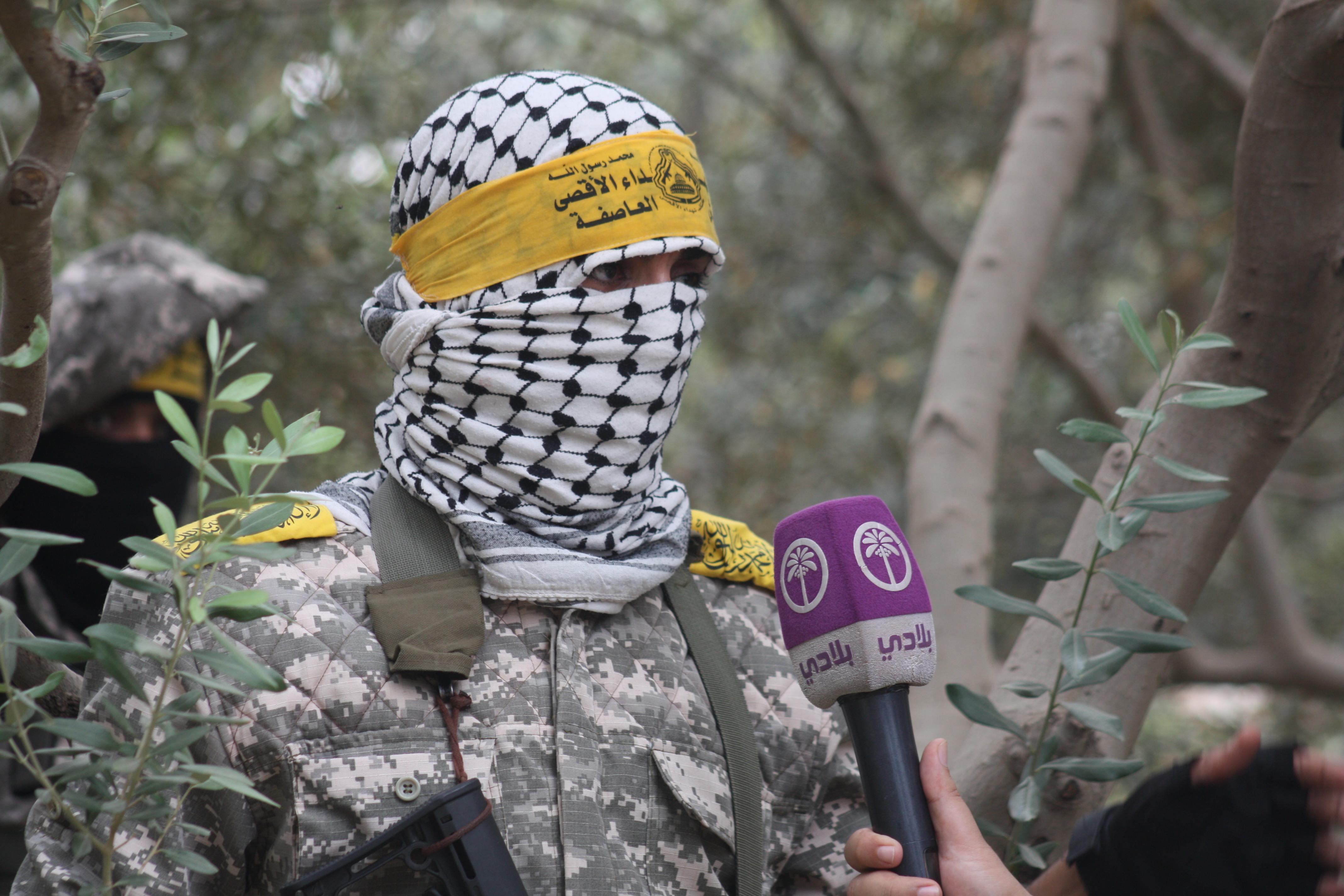
On February 2, 2022, the Al-Aqsa Martyrs Brigade announced a general mobilization in response to the murder of three of its leaders by Zionists in Nablus. The local branch of Saraya al-Quds expressed support for the Martyrs’ Brigade and organized guerrilla attacks against the occupiers. Thus, the Palestinian factions of the West Bank have created an “operational room” to coordinate and expand the front against the occupiers.
As for the Al-Aqsa Martyrs Brigade, this organization dates back to 2001, when a number of Fatah field commanders led by Raed al-Karmi founded their combat brigades. Former Fatah members took such a step in connection with the betrayal of the PLO leaders. Over time, the organization split into several factions, which opened their branches, including in the Gaza Strip.
The evolution of the Al-Aqsa Martyrs Brigades began after establishing close contacts with Hezbollah and the IRGC. Since that time, the brigades have become a single force with the prefix “Islamic Resistance”. Honoring the memory of the names of martyrs Imad Mughniyeh and Qasem Suleimani showed that once small groups of former Fatah members adopted the “Islamic ideology of resistance.”
During the “Al-Quds Sword” war, the commanders of the Al-Aqsa Martyrs Brigade welcomed the head of the al-Qassam Brigade, Muhammad Deif, which implies a new landmark of the jihad of the Martyrs Brigade, namely the departure from Fatah and joining the Axis of Resistance camp. Thus, the alliance with Hezbollah and the IRGC gave a second wind to the former loyalists of Arafat, and if yesterday they were a small group of guerrillas, now the Al-Aqsa Martyrs Brigade is part of the Islamic Liberation Army.
After Fatah’s lower-level commanders made a conscious choice in favor of resisting the occupiers, they were able to carry out a hidden “revolution” in the West Bank. Firstly, the bold decision of the commanders split Fatah into resistance supporters and collarabocionists, and secondly, the Al-Aqsa Martyrs Brigade became part of the strongest regional Alliance, in addition to a permanent participant in the coordination center of the Palestinian resistance in the West Bank and the Gaza Strip.
The echo of the last war for al-Aqsa still lingers in the West Bank, when Zionist terrorists capitulated after leaving the third shrine of Islam. That victory gave a strong impetus to the local resistance forces and now the military formations of the liberation movements are preparing new strikes against the enemy.
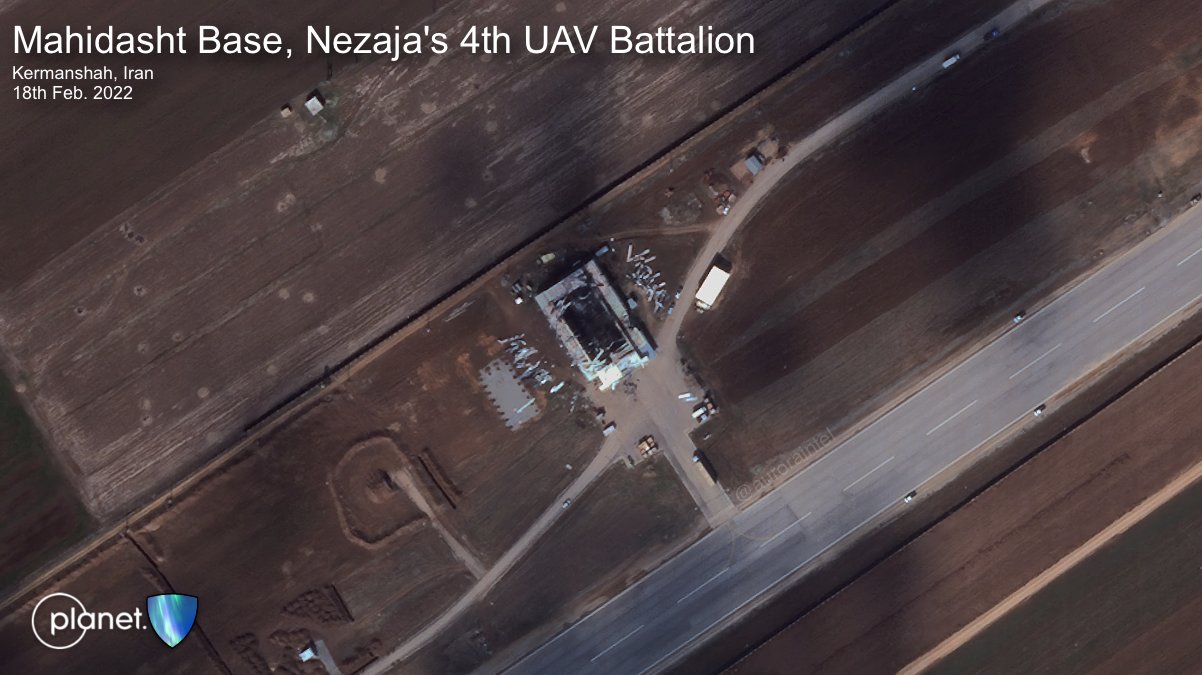
The public relations of the IRGC in Kermanshah province issued a statement on February 16th, stating that the fire was related to the storage of engine oil and flammable materials in one of the IRGC support bases in the Mahidasht region of Kermanshah, and stated that a silo was damaged.
Apart from the IRGC statement, it should be noted that the mentioned silo and the runway in this area are used jointly by the Iranian army and the IRGC. Also, the silo in question is a normal headquarters for maintenance and this confirms the statement of the Kermanshah IRGC regarding the presence of engine oil and flammable materials in this silo.
Following this statement, and in recent days, the Israeli media and some media outlets in the Persian Gulf have started spreading lies and distorting the truth, and as usual, attributing every explosion and fire in Iran to Mossad; The fire was also announced as the result of an Israeli missile attack on one of the IRGC drone bases!
However, after a few days and the release of high-quality satellite images of the scene, the ridiculous claim of the Israeli-affiliated media was virtually thwarted.
In the published images of the silo, it is clear that this incident has nothing to do with the missile attack or explosion claimed by the Israeli media. With some military knowledge and information about missile warheads, it is easy to understand how much damage the lightest missile warheads will leave in a silo with such a thin and weak roof and wall. Therefore, any missile attack is ruled out. Also, the occurrence of any ammunition explosion from inside the silo or the penetration of an attacking drone into the silo and then the explosion, due to the absence of any sign of any explosion is ruled out. The only thing that can be seen and confirmed in the images is a simple fire. In the published images, the existence of fire and regular movement of roof parts by workers can be seen.
It is worth mentioning that one of the wasted tactics of the Israeli regime, especially in the last two years, is that by attributing such incidents to itself through the unofficial media, it tries to prove itself successful in hitting Iran to create a vague atmosphere inside and outside Iran and impress everyone with his imaginary power And take the initiative in the media war.
The Saudi coalition operation in the north of Hajjah province began on February 4, with the focus on Mansour Hadi and Sudanese forces and the support of the Saudi army, with the aim of taking control of the town of Haradh. In the first step of the operation, the Saudi coalition managed to completely encircle the town of Haradh, but the resistance and the adoption of appropriate tactics by Ansar Allah prevented the Saudi coalition from infiltrating the town and ultimately broke the siege of Haradh. With the completion of the liberation of the heights and villages east of Haradh by Ansar Allah, it can be said that the Saudi coalition operation to capture Haradh has completely failed.
According to ISWNEWS analysis, Ansar Allah destroyed a CH-4 drone during the operation and carried out four missile and drone attacks on Saudi coalition positions and gatherings, the details of which are as follows:
1- Attack with three missiles on positions and gatherings of the Saudi coalition at the Tawwal crossing and the Ahem triangle. By these attacks, more than 20 members of the Saudi coalition, including Maj. Gen. Majid al-Riyadi, the financial director of the Fifth Military Zone, and Brig. Gen. Yahya Heikal al-Samini, one of the commanders of Mansour Hadi forces were killed. Date: February 5. 2- Ansar Allah drone attack on the gatherings of the Saudi coalition forces in the south and west of Haradh town. Date: February 7. 3- Attack with two missiles on positions of the Saudi coalition in the towns of Midi and Hayran located in the north of Hajjah province. Date: February 7. 4- Ansar Allah drone attack on Abha Airport. The Saudi coalition claims 12 people were injured in the attack. Date: February 10.
Video: Report by Yahya Al-Shami, a reporter for Al Masirah Network from Haradh town
The Saudi coalition has used at least 6,000 ground troops in the operation, including the 1st Brigade, al-Asifa (Storm) Brigade, Armored Battalions, Special Forces and Cavalry Forces under the command of Mansour Hadi army. Several battalions of the Sudanese and Saudi armies have also provided support to operations and battles in al-Tawwal area, the number of which is unknown. Saudi coalition warplanes also bombed the northern fronts of Hajjah province 115 times during this period, which seems very heavy due to the small size of the area.
In general, the reasons for the failure of the Saudi coalition operation in Haradh can be summarized as follows:
1- Ansar Allah’s appropriate tactics and resistance in the urban war. Ansar Allah easily thwarted coalition ground attacks by building embankments, ditches, and setting up traps, etc. 2- The superiority of the engineering unit and Ansar Allah snipers in ground conflicts. 3- Ansar Allah precise missile and drone attacks on the gatherings and positions of the Saudi coalition in the suburbs of Haradh. 4- The general weakness of the Saudi coalition in carrying out military operations against Ansar Allah.
It should be noted that this operation was the second serious attempt by the Saudi coalition to capture the town of Haradh. Prior to the operation, the Saudi coalition had completely besieged Haradh town in December 2018, but the siege was broke by Ansar Allah’s attacks from the eastern flank and the coalition was forced to retreat.
Haradh district has a population of more than 100,000 and is located in the north of Hajjah province and the south of Saudi Arabia’s Jizan province. The center of this district, the town of Haardh has been under a quasi-siege since April 2018 and is currently uninhabited by civilians. After the battles of the city of Aden, the battle of Haradh can be considered the second urban warfare in Yemen; with the difference that Ansar Allah succeeded in defeating the coalition in the battle of Haradh.
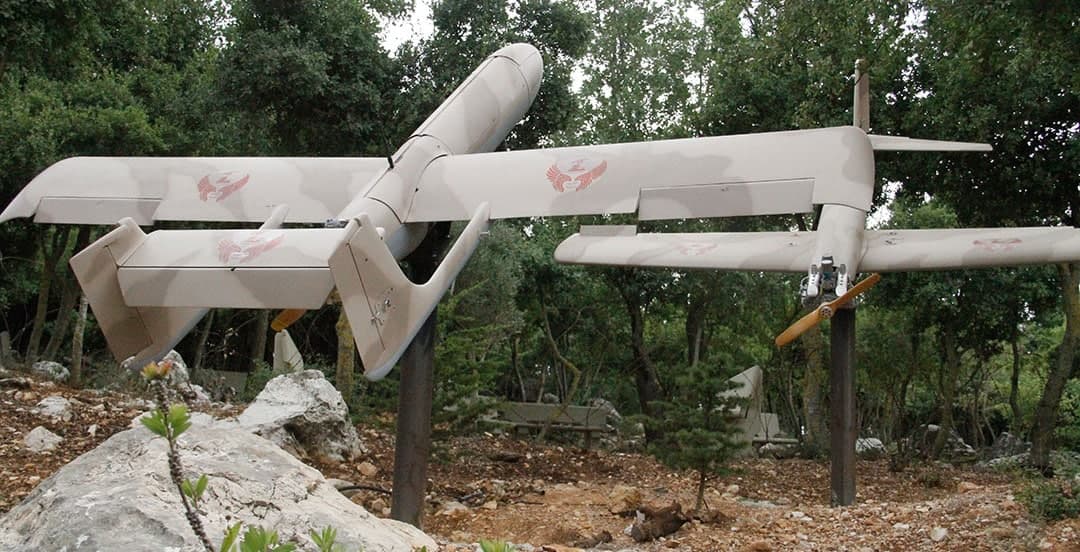
This afternoom, alarm was sounded in some northern areas of the occupied territories. Minutes later, it was revealed that an unidentified drone had entered the skies of occupied Palestine in the wake of the failure of the “Iron Dome” defense system, putting the Israeli air force on alert in the north.
Following the incident, Israeli Army radio confirmed the penetration of an unidentified drone into the occupied Palestine, saying that even an hour after the incident, the Israeli army still did not know the fate of the drone that violated Lebanese airspace. Also, Avikhai Adraei, the Arabic spokesman for the Israeli army, stated that the reason for activating the Iron Dome system was the arrival of a drone from Lebanese territory to occupied Palestine.
Following the incident, Israeli Army radio confirmed the penetration of an unidentified drone into the occupied Palestine: “Even an hour after this incident, the Israeli army still does not know the fate of the drone that violated Israeli airspace from Lebanon.”
On the other hand, some local sources reported the sound of several explosions in the “Safad” area in Jalil Alia near the Lebanese border and the occupied Golan Heights. Some sources speculated that the infiltration drone had been shot down by the Israeli army, but an hour later it became clear that the Israeli army had not been able to intercept the drone, despite the use of an iron dome system, warplanes and military helicopters.
Hours later, Hezbollah issued a statement claiming responsibility for the operation: “Hassan” drone flew for 40 minutes to a depth of 70 km in the occupied territories. Despite the enemy’s attempt to shot down it, the drone returned to Lebanon after successfully completing the mission.
This incident happened while two days ago (February 16) Sayyed Hassan Nasrallah, the secretary general of Hezbollah, said at a ceremony commemorating the commanders of the martyrs of the resistance: “We started building drones in Lebanon a long time ago.”
It is worth mentioning that in October 6, 2012, the Lebanese Hezbollah managed to infiltrate the airspace of occupied Palestine using the “Ayub” drone. The drone filmed Israeli economic centers and oil and nuclear facilities, disproving all claims that the Israeli airspace is impenetrable!
According to Sayed Hassan Nasrallah, the Ayub drone is made in Iran and assembled by Lebanese youth specialists.
Lebanese Hezbollah statement regarding the 40-minute flight of Hassan UAV at a depth of 70 km in the occupied territories!