Resumption of Clashes in Sweida Province (Video)
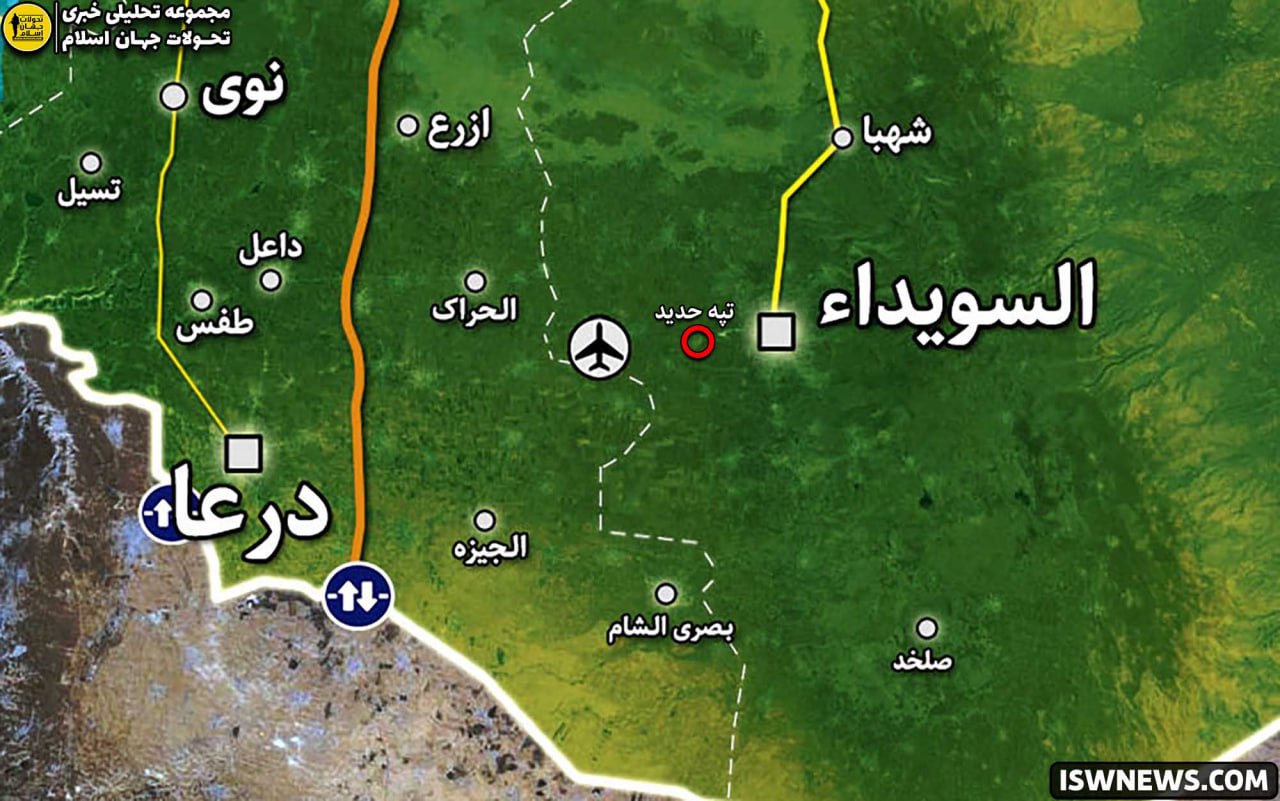
Armed clashes between Druze militants and the internal security forces of the Julani government in Sweida province have resumed after approximately ten days of a ceasefire.
After years of civil war and the collapse of the Assad government, Syria faces one of the most severe electricity crises in its history. Ahmad al-Shar’a had previously announced his goal of providing eight hours of electricity per day by late February, but power supply has dwindled to the extent that people have access to electricity for only one to two hours a day. This crisis not only disrupts daily life but also poses a major challenge to the country’s political and economic stability. In such circumstances, various options have been proposed to resolve the crisis, one of which includes using gas resources from the occupied territories.
Recent drone attacks on oilfields in the Kurdistan Region of Iraq have disrupted oil production and infrastructure, intensifying political and economic tensions between the central government of Iraq and the Kurdistan Region.
Important parts of the speech by Sayyid Abdul Malik Badreddin Al-Houthi, leader of Ansar Allah movement on the latest developments in the region and Palestine
The 2025–2026 Israeli security doctrine, published by the Institute for National Security Studies (INSS), identifies Iran as the principal regional threat. Focusing on Iran’s nuclear programme, the role of the Axis of Resistance, and security cooperation with the United States, the document delineates three plausible scenarios—namely, a new accord with Washington, Iran’s attainment of nuclear capability, and a protracted stalemate—each accompanied by prescribed strategies such as military intervention, economic coercion, and covert operations.

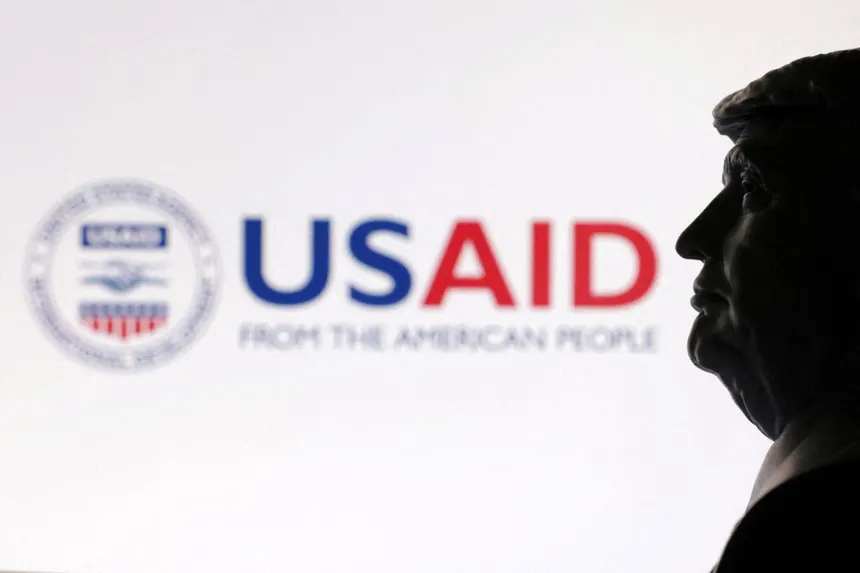
Donald Trump’s recent decision to suspend foreign aid programs has sparked a wave of anger among anti-Iranian groups in the West. This move has significantly disrupted a multi-billion-dollar regime change mechanism led by the United States Agency for International Development (USAID) and the National Endowment for Democracy (NED)—two organizations notorious for funding groups aimed at weakening and destabilizing foreign governments to advance U.S. interests.
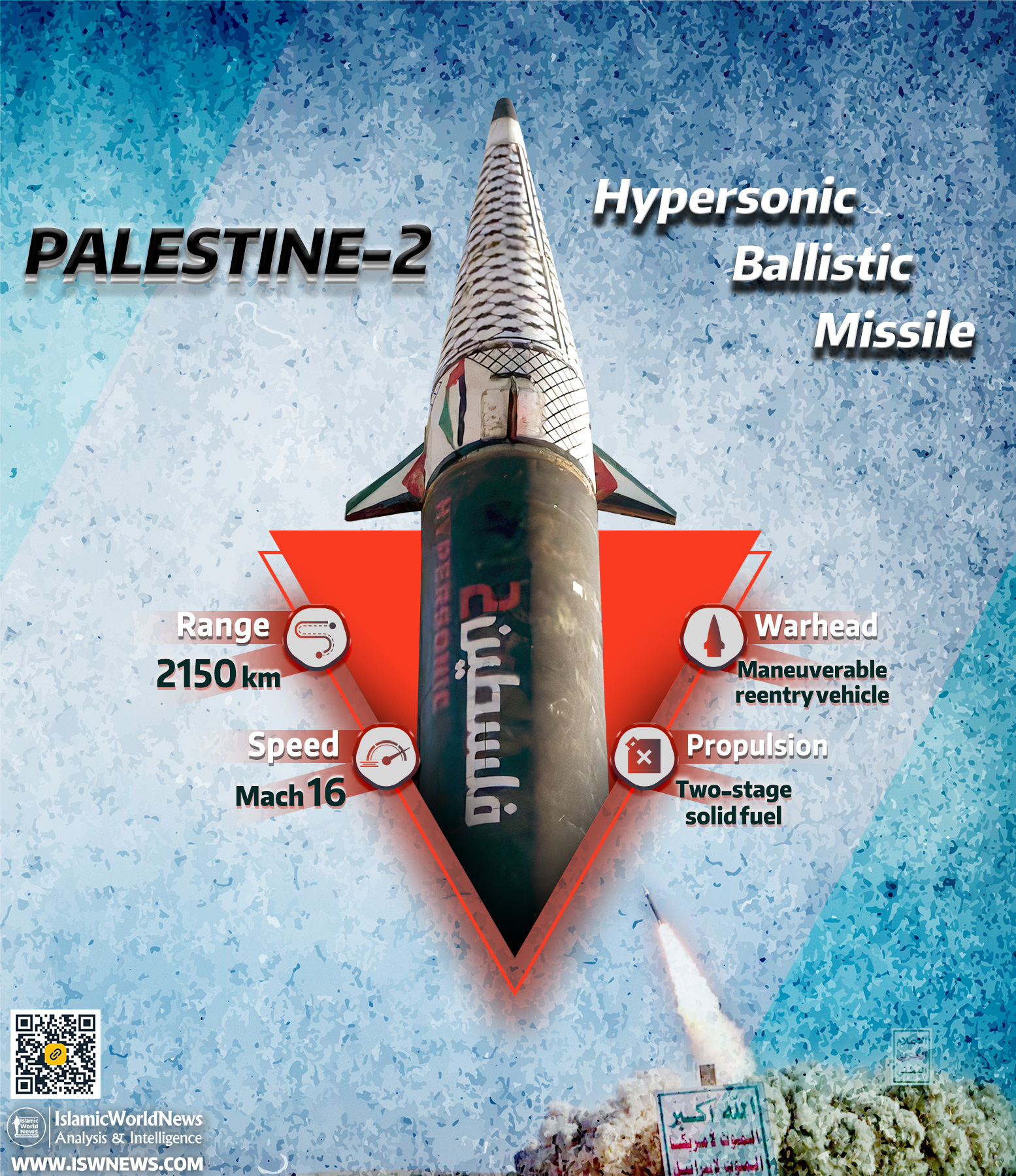
The Yemeni armed forces launched a Palestine 2 hypersonic ballistic missile at Ben Gurion Airport, located on the outskirts of Tel Aviv.
In 2024, WhatsApp exposed a cyberattack targeting 90 journalists and activists using zero-click spyware from Israeli firm Paragon Solutions, co-founded by former Prime Minister Ehud Barak. The spyware, named Graphite, granted full access to victims’ phones without any user interaction. While Paragon claims to work only with democratic governments, the identity behind the attack remains unknown. The breach has sparked concerns about messaging app vulnerabilities and calls for stronger cyber defenses and scrutiny of past political assassinations potentially linked to digital surveillance.
Yemeni armed forces launched a Palestine-2 hypersonic ballistic missile at Ben Gurion Airport on the outskirts of Tel Aviv this morning.
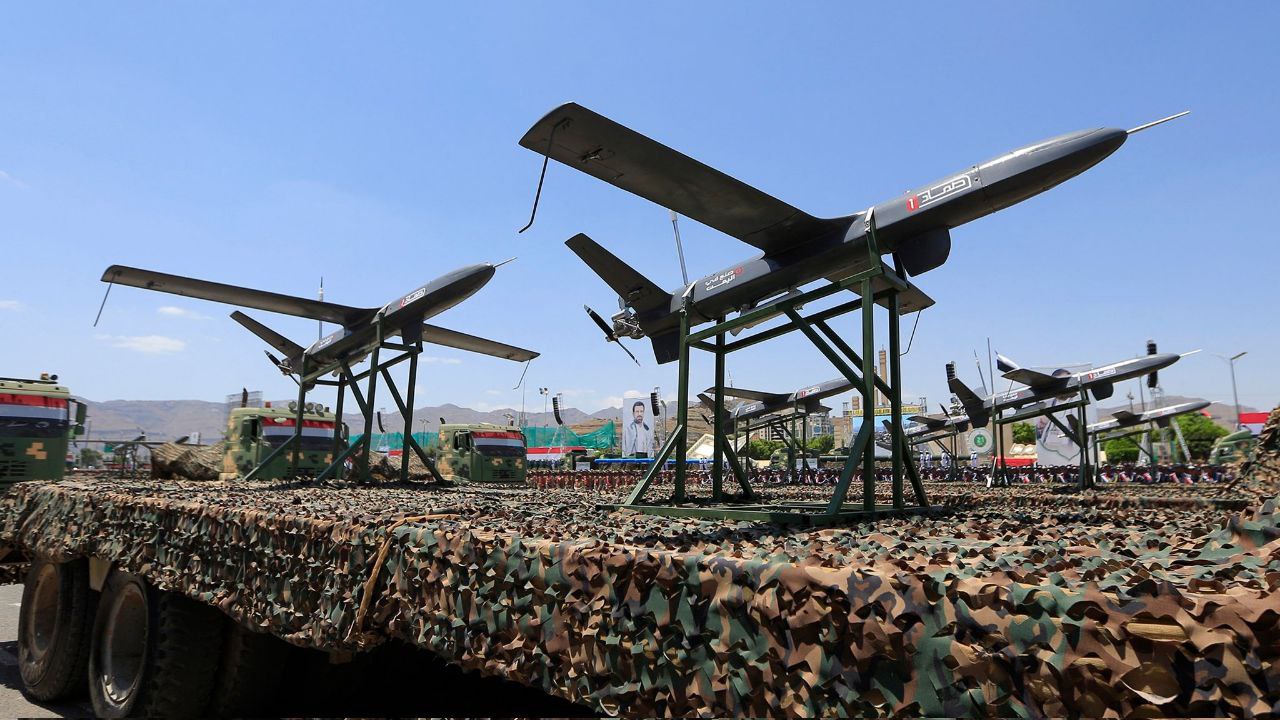
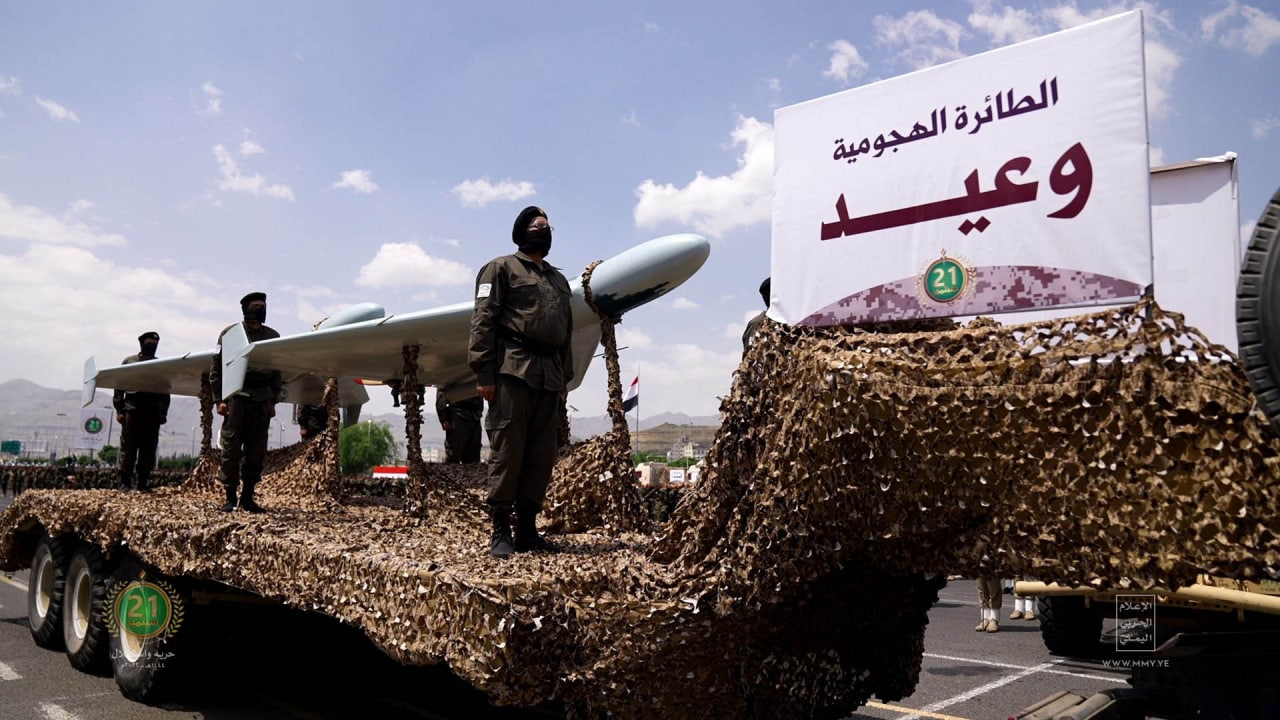
The Yemeni army launched an attack on Israeli positions, targeting Ben Gurion and Ramon airports, as well as military sites in Tel Aviv, the port of Eilat, and Ashdod, using five suicide drones.
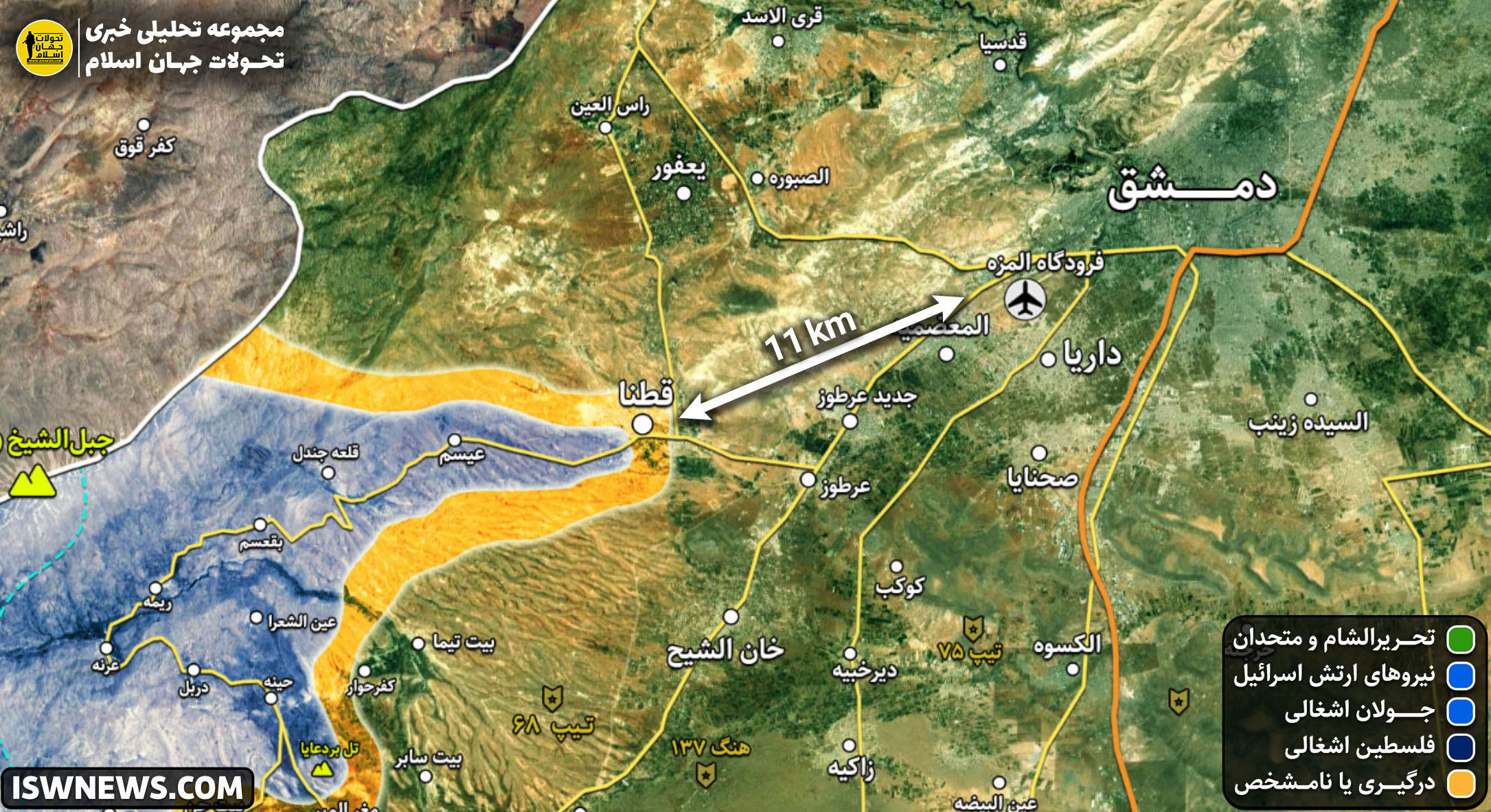
Continuing their operations in southern Syria, Israeli forces have entered the Qatna region in the Damascus countryside and are now only 11 kilometers away from the city itself.
On July 15, the Yemeni armed forces launched an attack on Israeli positions in the Negev region and the port of Eilat using three suicide drones.