Dubbed the “Scary Weekend” which took place on Thursday and Friday in Riyadh’s Boulevard, revellers dressed up in scary costumes and fancy dress and posed for pictures which have been widely shared on social media. The event was held as part of the ongoing Riyadh Season in the Saudi capital.
The Saudi capital, looked like creatures from a haunted house had escaped and taken over the city. Monsters, witches, bank robbers and even sultry French maids were everywhere, leaning out of car windows and lounging in cafes.
“Saudi is changing,” said Abdulaziz Khaled, 23, a finance student awaiting his turn in line. Switching seamlessly midsentence between Arabic and English, Mr. Khaled said he planned to dress up as a wizard this year.
Waiting beside him, Reema al-Jaber, also 23, and sporting caramel-blond bangs, wanted to go as a white-winged angel for a gathering at a friend’s house. “But I could be a black angel,” she fretted. “We have to see what they have in stock!”
It is not surprising that celebrations have drawn criticism from many Muslim social media users over permitting once-banned non-Muslim festivals, while others have accused Saudi Arabia’s religious establishment of having double standards by not permitting the celebrations of the Prophet Muhammad’s (peace be upon him) birthday, known as Al Mawlid.
Celebration of Halloween in Riyad, Saudi Arabia. The GEA of Saudi organized an event called "Horror Weekend", meanwhile celebration of Mawlid is still banned.
Imagine a country that forbids the commemoration of the Prophet ﷺ because it is more evil than celebrating Halloween… pic.twitter.com/gulK99yO8q
— Musa al-Maghribi ?? ⵣ | مُوسَى المَغْرِبِي (@Musa_Maliki_) October 29, 2022
In 2016, Prince Mohammed announced an economic diversification plan that called for turning the kingdom into an investment powerhouse and global business hub.
The current changes were welcomed with delight by the nourished Saudi youth. Many young Saudis grew up on Western culture, have a Western education, and have spent a long time in the United States, the EU, and the British Commonwealth. They no longer perceive traditional Saudi culture as their own.
However, while they rejoice in the changes on the streets of Riyadh, they forget that the world is also changing. The new neoliberal order is no longer the absolute fate of the World. The peoples of the Earth are waking up and looking around for other cultural pillars. Islam is certainly one of these pillars, and a conservative one at that.
If the political leadership of Saudi Arabia thinks that in this way, step by step, in the best traditions of the “Overton Window,” they can change Islam, they are very much mistaken. They can change a part of their local society, but not the religion.
The Islamic Ummah has long been wary of developments in Saudi Arabia and other Gulf monarchies. It is highly likely that if the trend continues, yes, Islam will change, but in a way where the centers of the Muslim world will be Turkey, Iran and Russia, while Saudi Arabia will be perceived as a territory temporarily occupied by unfaithfuls.
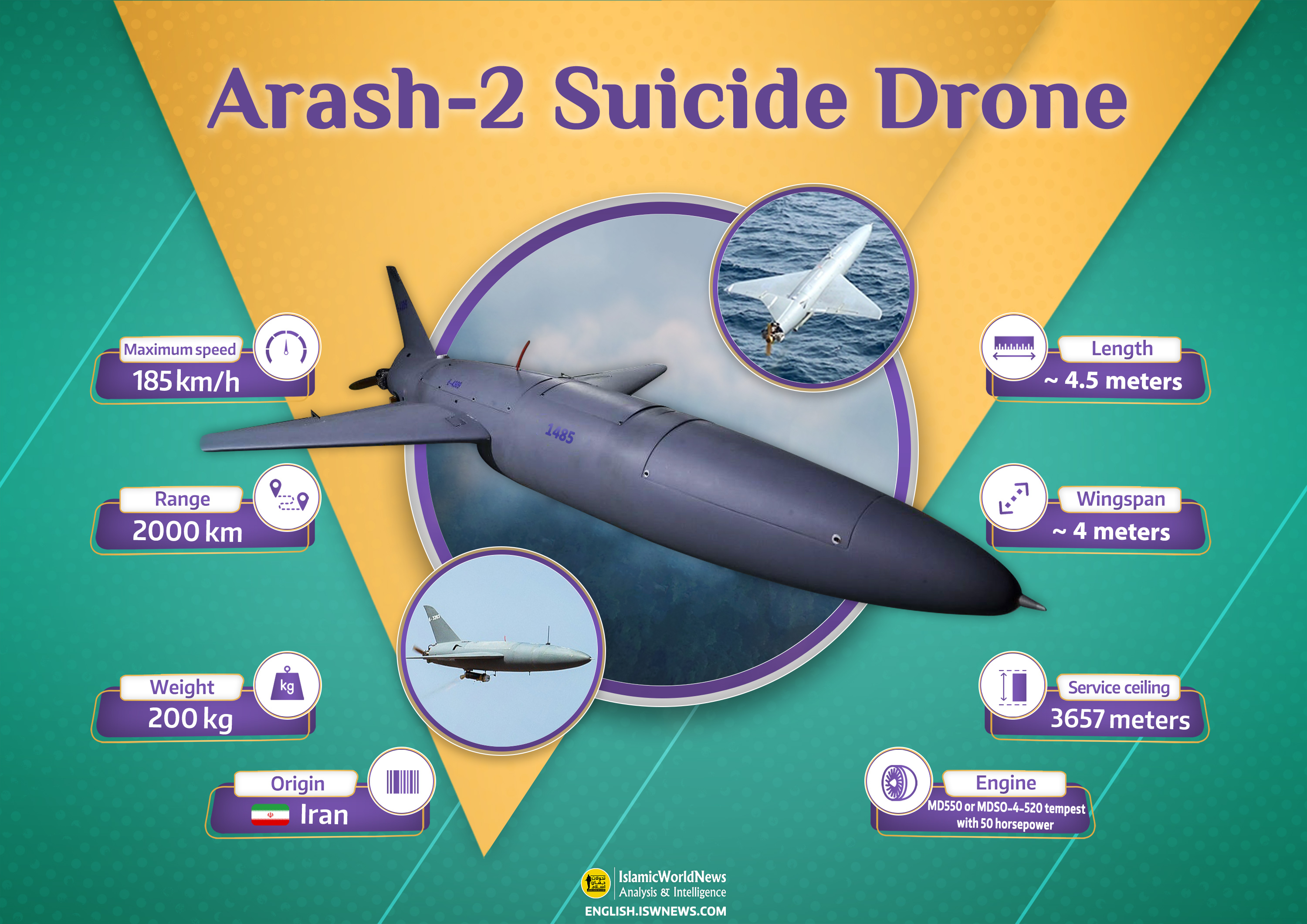
Arash-2 suicide drone with a range of 2000 km is considered the longest-range suicide drone in the world. There is a smaller version of this drone called Arash-1 with a range of 150 km, which is designed to attack nearby targets on the battlefield. In fact, Arash-2 suicide drone is an upgraded and improved version of Arash-1.
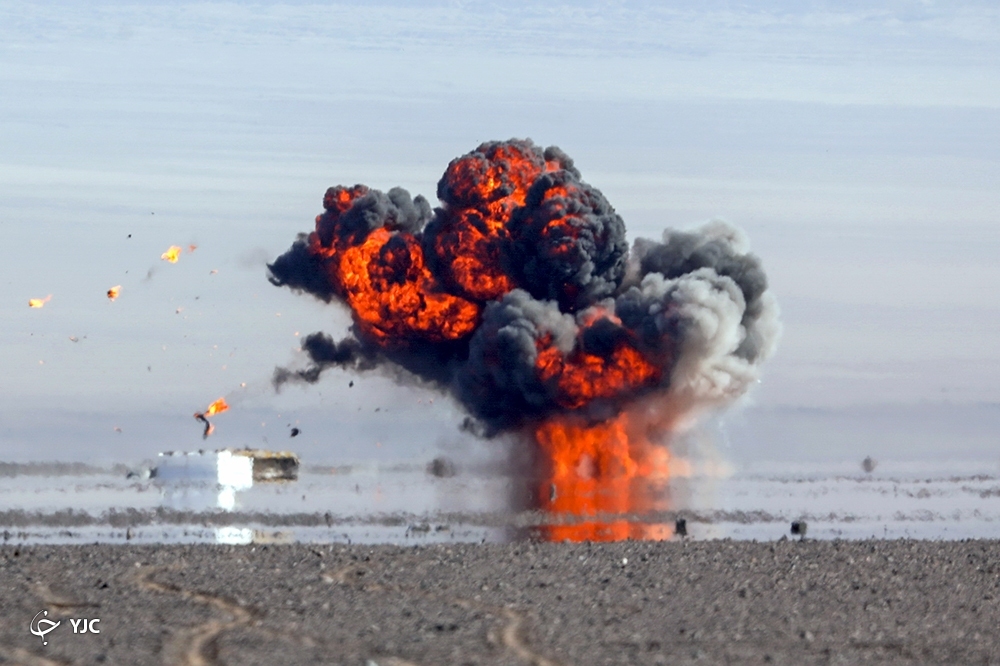
Arash-2 drone was unveiled and used for the first time in the Army drone exercise in January 7, 2021. In this exercise, this done was launched from the coast of Makran and after traveling a distance of about 1400 km, it hit its target in the general area of the exercise in Semnan province in the center of Iran.
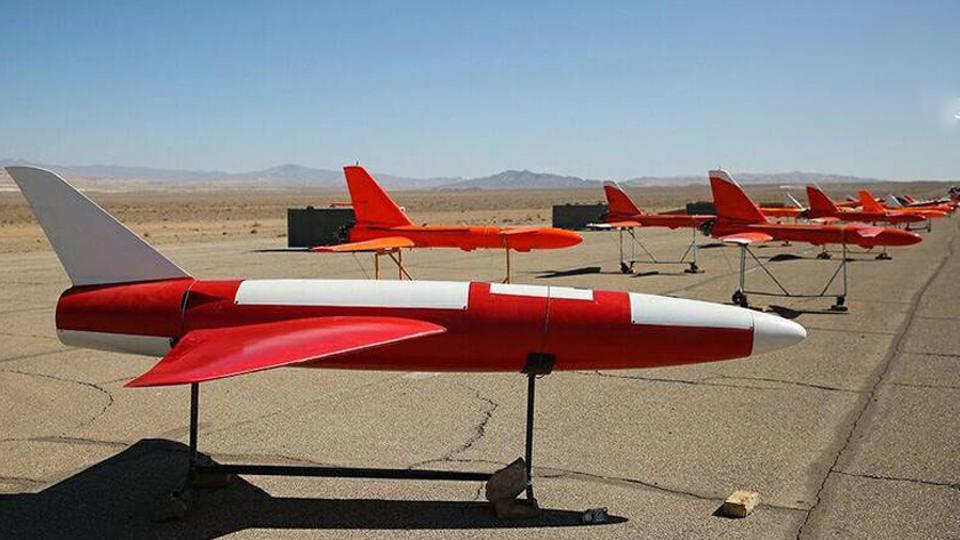
Arash-2 looks identical to Kian-2 drone and has a triangular wing. The main difference between these two drones is their engine. Kian uses a jet engine and Arash uses a piston engine. This engine difference has also had a great impact on their range.
Kian-2 drone with jet engine
So far, Arash-2 has been launched in exercises by two types of launchers. The first type by a JATO launcher and the other by a box launcher that can be mounted on the back of a truck. The box launchers will make the drone more difficult to identify and along with the high mobility, it will increase survivability of truck and the crew.
Arash-2 long-range suicide drone launched from a box launcher with a rocket booster
Arash-2 suicide drone was seen on the army drone fleet in July 2022. Therefore, the ability to use anti-ships and also attack from the sea to the shore can be considered for Arash.
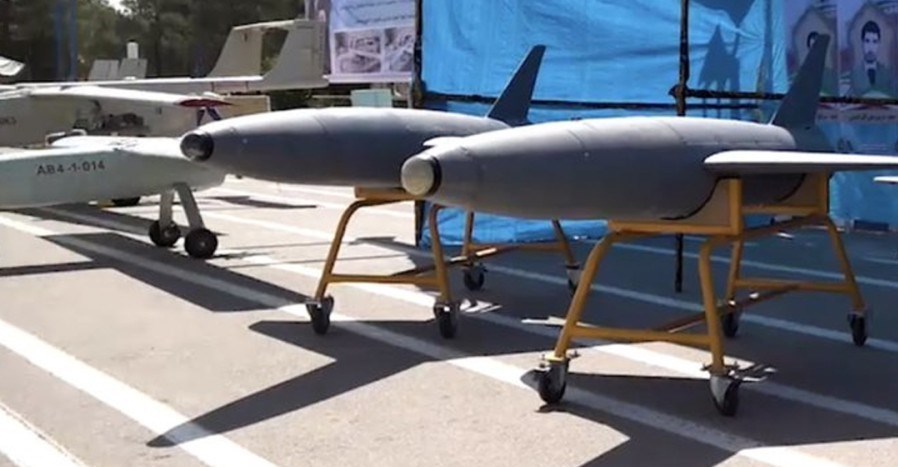
At the Army’s “1401 Achievements Exhibition”, the Arash-2 drone equipped with an infrared and electro-optical seeker was seen, which gives this bird additional capabilities. Arash-2 drone with infrared and electro-optical seeker will be able to destroy various targets with high accuracy. Therefore, with various seekers, in addition to fixed targets, this drone has the ability to target moving targets or targets that need to be accurately hit in the enemy’s area.
Arash-2 suicide drone equipped with infrared and electro-optical seeker
According to the published photos and the information of the permanent exhibition of the achievements of the Ministry of Defense, the Arash-2 drone engine is of the MD 550 or MDSO-4-520 tempest type with a power of 50 horsepower. Therefore, according to the type of engine, this drone will have a maximum speed of 185 km/h.
Arash-2 suicide drone specifications: Length: ~ 4.5 meters Wingspan: ~ 4 meters Service ceiling: 3657 meters Engine: MD550 or MDSO-4-520 tempest with 50 horsepower Maximum speed: 185 km/h Range: 2000 km Weight: ~ 200 kg Origin: Iran
Click to view full size
More pictures of Arash-2 suicide drone
Click to view full size
Collection of posters of Arash-2 suicide drone in Russian (Дрон-камикадзе Араш-2), Persian (پهپاد انتحاری آرش-۲), Chinese (Arash-2 自杀式无人机), Hebrew (מזלט התאבדות ארש-2), Arabic (المسيرة الانتحارية آرش-2), Azeri (Arəş-2 Kamikadze Dronu) and Kurdish (درۆنی خۆکوژی ئارەش-2):
1- Shabwa: – On October 25, the Shabwa Defense Forces claimed to have shot down an unidentified drone over the Ataq Airport. Also, another drone was observed over the Haradh base, which the Shabwa Defense Forces failed to shoot down. The Shabwa Defense Forces claimed that these drones belongs to the Islah Party and made by Turkey. – On October 27, several members of Hizam al-Amni forces were killed and injured due to a bomb explosion in the Al-Musayna’a area located in Al-Saeed district. The Ansar al-Sharia group (the ally of ISIS in Yemen) has taken responsibility for this attack. – On October 29, the process of oil production in the oil fields of Shabwa province has been halted since two days ago due to the filling of tanks in Al-Nashimah port, the inability of foreign ships to transfer oil, and the threats of Ansar Allah. – On October 29, local sources in the oil fields of Ayaz region announced that the companies operating in the oil fields of Al-Janah and Al-Aqlah are planning to leave these areas within the next two weeks due to the threats of Ansar Allah. These companies asked the resigned government of Hadi to find serious solutions to solve this problem.
Ansar al-Sharia attack on the vehicle of Hizam al-Amni militants in Al-Musayna’a area
2- Hadhramaut: On October 25, after the flight of unknown drones (most likely Ansar Allah) over the city of Al-Mukalla, the electricity supply of this city was cut off and the operation of the port was disrupted. Also, the attempt of the Saudi coalition forces to shoot down the drones were unsuccessful.
3- Aden: Ahmad Bin Brik, Chairman of the National Assembly of the Southern Transitional Council, called for the separation of the southern regions from Yemen and said: “Ansar Allah drones enter the areas controlled by Ansar Allah through containers imported from the port of Aden.”
4- Hudaydah: – On October 26, the Saudi coalition released two ships carrying diesel, one ship carrying gasoline and one ship carrying gas after a week of seizure. This illegal seizure took place while these ships had received permission to enter Hudaydah port from the United Nations. – The Saudi-led coalition forces violated the ceasefire 123 times in the last 48 hours in this province.
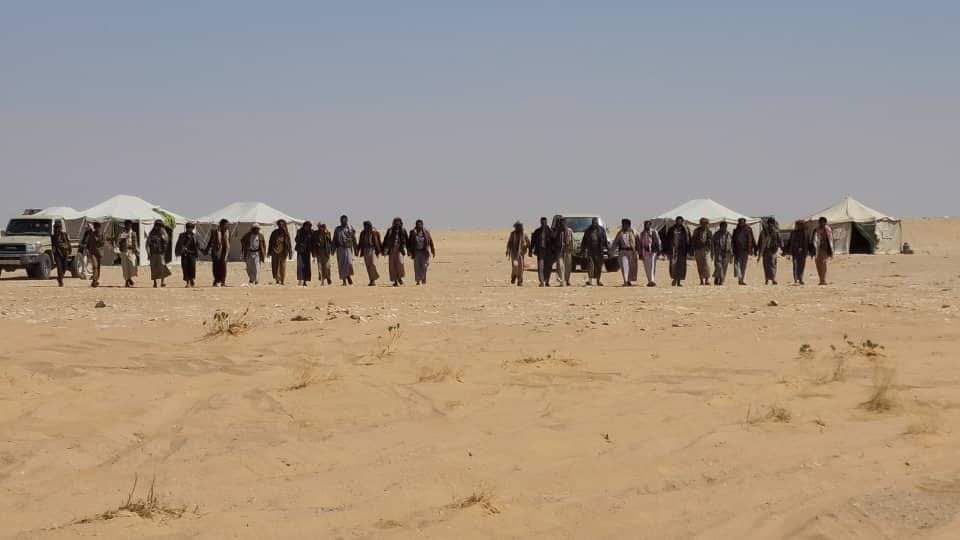
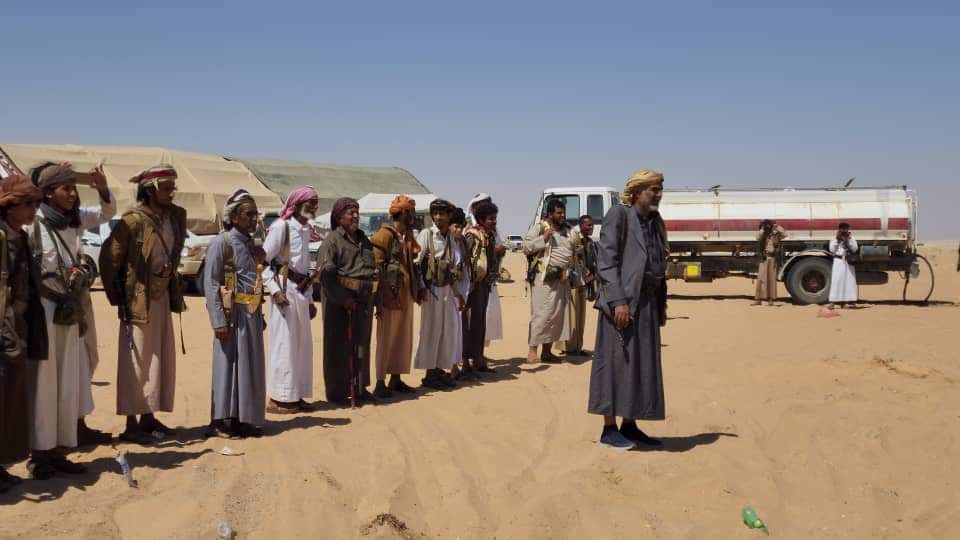
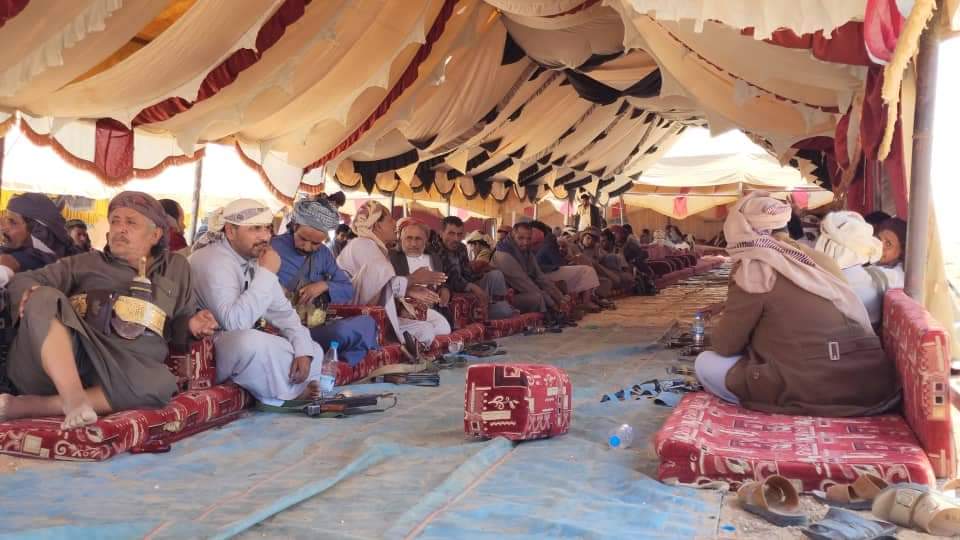
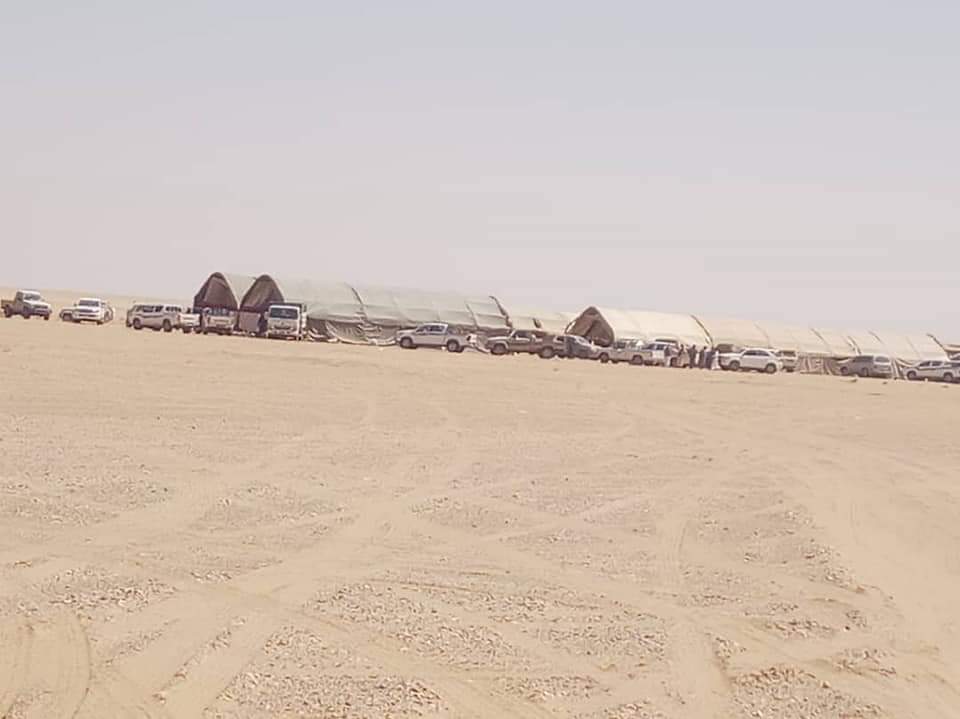
5- Marib and Al-Jawf: – On October 29, the tribes of Marib and Al-Riyan region in the east of Al-Jawf province gathered and protested for the release of Sheikh Amin Al-Akimi, the governor of the resigned government of Al-Jawf. – On October 29, the armed men of the Dahm and Bakil tribes gathered and held a military maneuver in support of the Islah party in the border areas of Al-Jawf province with Saudi Arabia, demanding the release of Sheikh Amin al-Akeimi. These tribes have also requested support from Kholan and Arhab tribes in Sana’a province on behalf of Islah Party. (More about Sheikh Amin Al-Akeim)
Gathering of the Dahm tribe in Al-Jawf province in protest against the arrest of Sheikh Amin Al-Akimi
6- Lahij: On October 30, as a result of the clashes between Ansar Allah and the Southern Transitional Council militants on the Krash front in Lahij province, a number of southern militants, including Mohammad Suwayd Al-Ba’sousi, one of the STC field commanders were killed and several others were injured.
7- Al-Baydha: On October 30, a reconnaissance drone of the Saudi coalition was shot down over the southern front of Al Baydha province.
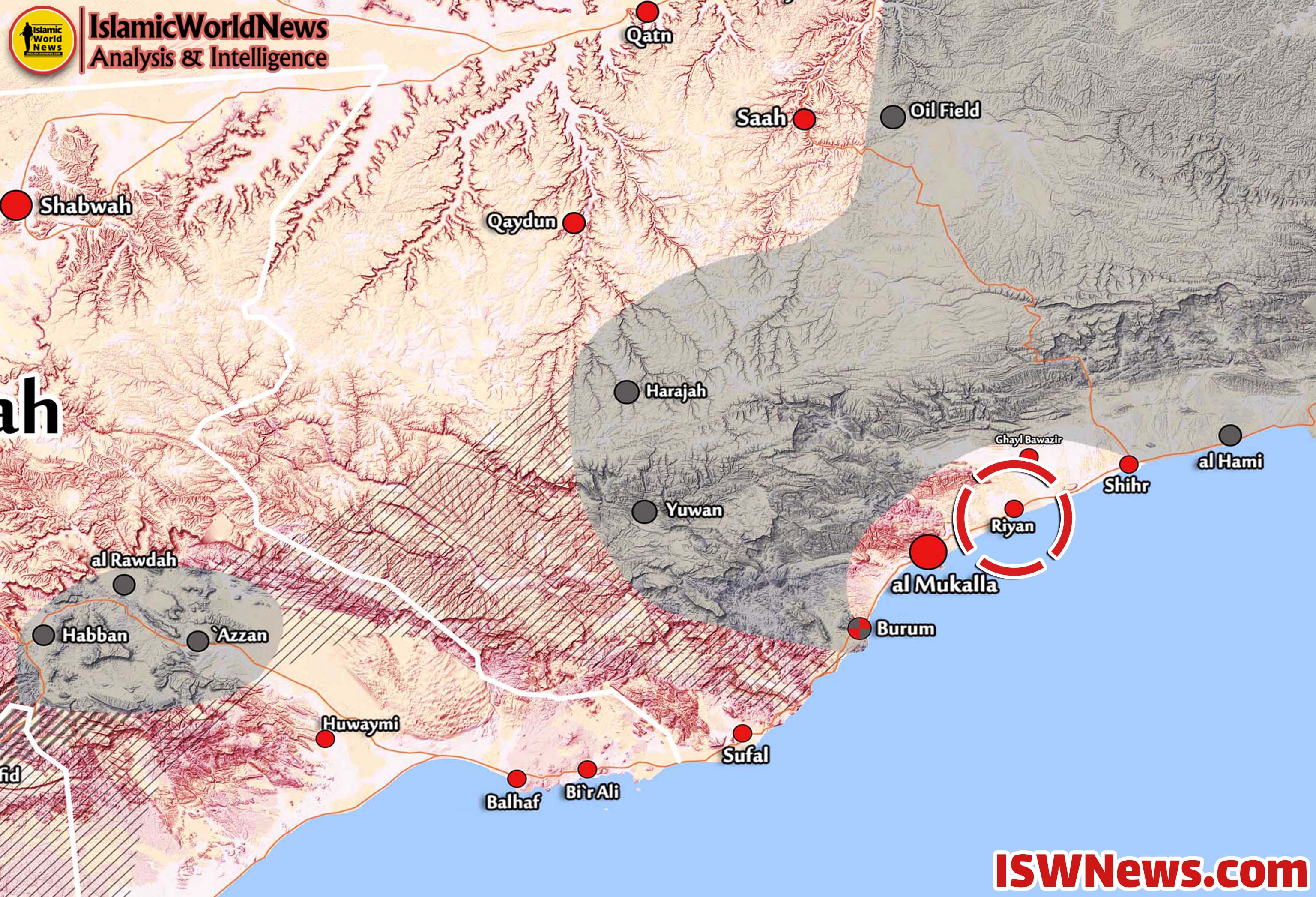
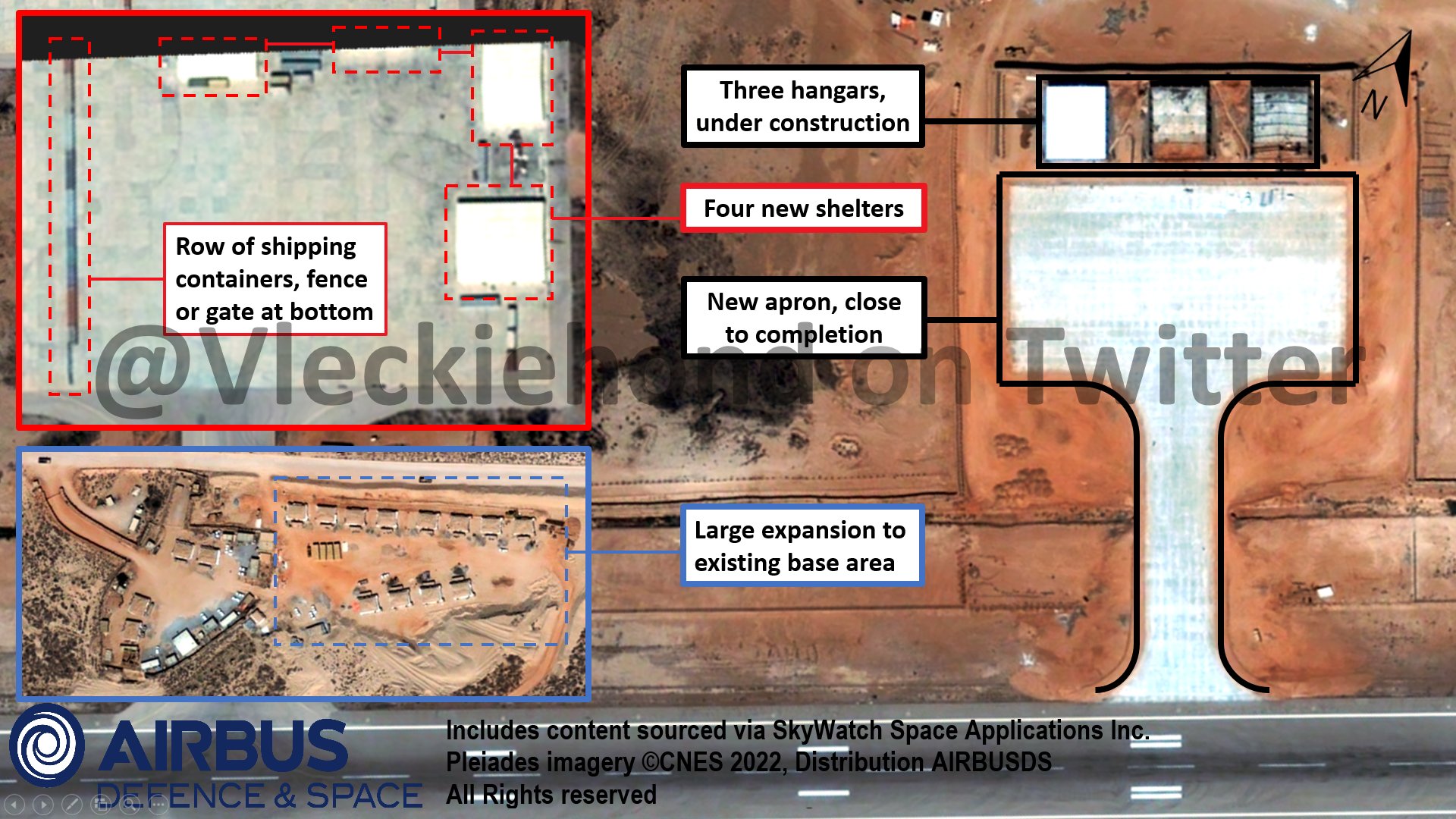
As it is evident from the satellite images of Al-Rayan airport, the UAE has increased its activities on the coasts of Hadhramaut province. The runway and buildings around the airport and Al-Rayan port have been fully developed in recent years, and various other projects are being built around the airport, which shows the UAE’s long-term plan for the coast of Hadhramaut.
A part of Al-Rهyan airport development plan shows the rebuilding of the runway and several hangars and buildings around this airport.
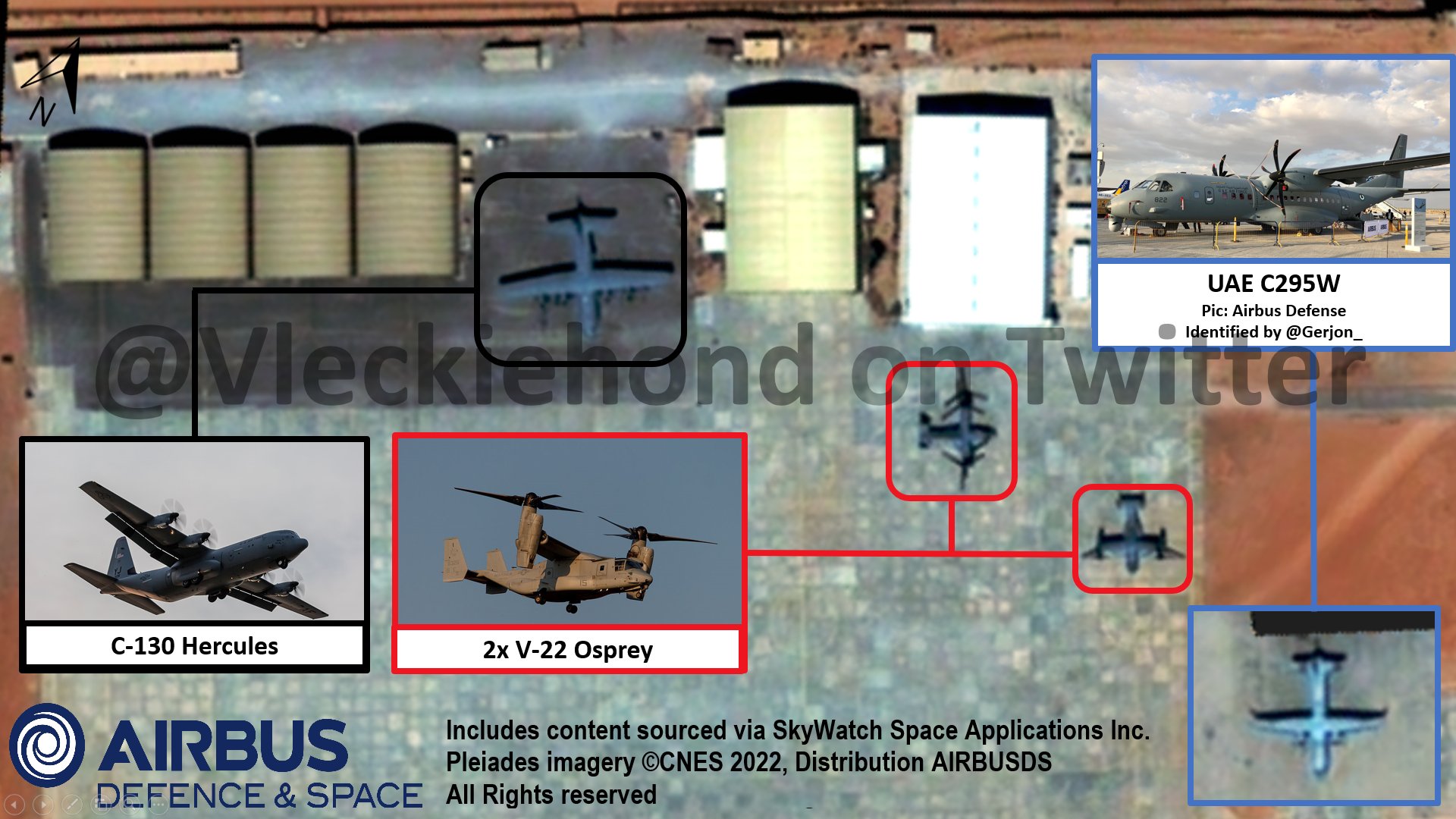
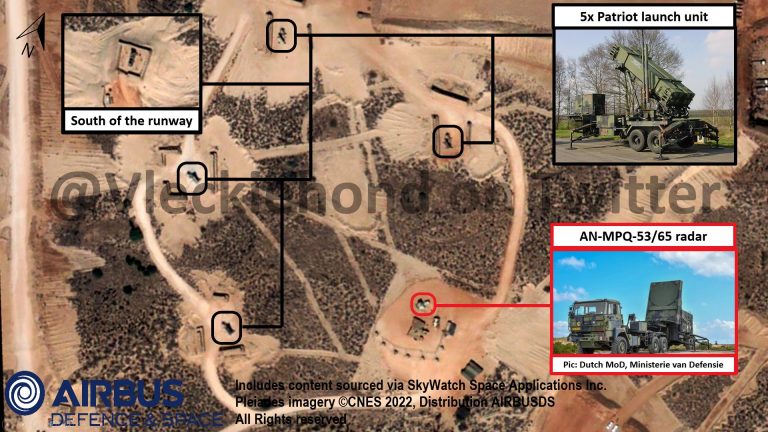
By examining the satellite images of the airport, or rather Al-Rayan military base, we see the the Patriot air defense systems deployed by the UAE in this base. This issue, along with the flight of military transport planes of the United Arab Emirates or the United States (C17 Globemaster, C295W, a C-130 Hercules and V-22 Osprey) to this airport, determines the participation of the US companies and the presence of their advisers in Al-Rayan. This is contrary to the UAE’s alleged plan to withdraw its military from Yemen in 2019 and is proof of their serious activity in exporting/looting Hadhramaut oil and gas in Shabwah province. Of course, at that time, Ansar Allah and the analytical media rejected the claim of the UAE’s withdrawal from Yemen by providing documentation and stated that their plan is a kind of purposeful military presence in Yemen.
Flights and deployment of UAE army planes at Al Riyan AirportDeployment of the Patriot Air Defense System around Al-Riyan Airport
The deployment of the Patriot air defense system is not a new issue in Yemen, and we have seen it before in Marib, Aden and several other places in Yemen. But the interesting thing is that the distance between al-Dhaba and al-Rayan base is less than 12 kilometers, and these systems did not show any activity in the recent Ansar Allah drone attack on al-Dhaba port!
In general, the coastal city of Al-Rayan has become a source for the export of petroleum products in Yemen, especially in Hadhramout province, and Ansar Allah cannot ignore this issue. Countering the looting of Yemen’s wealth is one of the main slogans of Ansar Allah leaders in their speeches, and with the end of the ceasefire announced by the United Nations, these points can be considered as new legitimate targets of Ansar Allah’s missile and drone attacks.
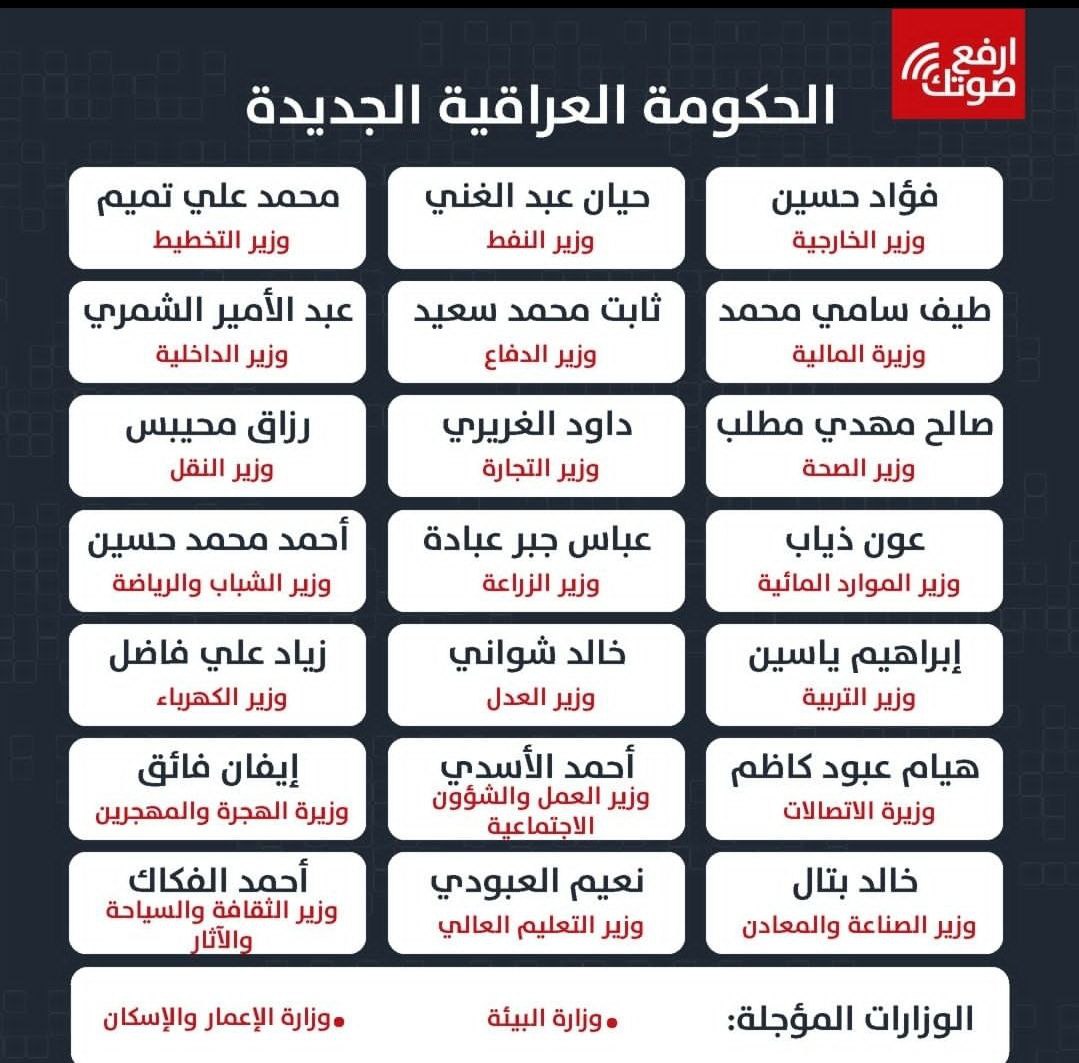
On Thursday, Iraqi parliament members voted with an overwhelming majority of confidence in the government of Mohammad Shia Al-Sudani. In this meeting, Abdul Latif Rashid, the president of Iraq, Jeanine Hennis-Plasschaert, the head of the UN mission in Iraq, Faiq Zeidan, the head of the Supreme Judicial Council of Iraq and some high-ranking officials of this country were present.
The approved ministers of the Al-Sudani cabinet are as follows: 1- Fuad Hussein, Minister of Foreign Affairs 2- Hayan Abdul Ghani, Minister of Oil 3- Mohammad Tamim, Minister of Planning 4- Taif Sami, Minister of Finance 5- Thabit Mohammad, Minister of Defense 6- Abdul Amir Al-Shimmery, Minister of Interior 7- Salih Mahdi, Minister of Health 8- Ivan Faiq, Minister of Immigration 9- Raazaq Mohaibis, Minister of Transport 10- Aoun Diab, Minister of Water Resources 11- Ahmed Al-Asadi, Minister of Labor and Social Affairs 12- Ahmad Al-Mubarka, Minister of Youth and Sports 13- Ibrahim Namis, Minister of Education 14- Athir Daowd Salman, Minister of Trade 15- Khaled Shawani, Minister of Justice 16- Ziad Ali Fazel, Minister of Electricity 17- Hoyam Abboud, Minister of Communications 18- Abbas Jabr, Minister of Agriculture 19- Na’im Al-Abboudi, Minister of Higher Education 20- Khalid Battal Najm, Minister of Industry 21- Ahmad Fakak Ahmad, Minister of Culture and Antiquities
Thursday’s Parliament session comes a year after an election in which the Shia cleric Moqtada Al-Sadr was the biggest winner, but failed to rally support to form a government. So, on October 13, 2022, the Iraqi parliament elected Abdul Latif Rashid as the new president of Iraq after consultation between the Shia, Kurdish and Sunni factions, and then Abdul Latif Rashid appointed Mohammad Shia al-Sudani as the prime minister of Iraq to form the new cabinet.
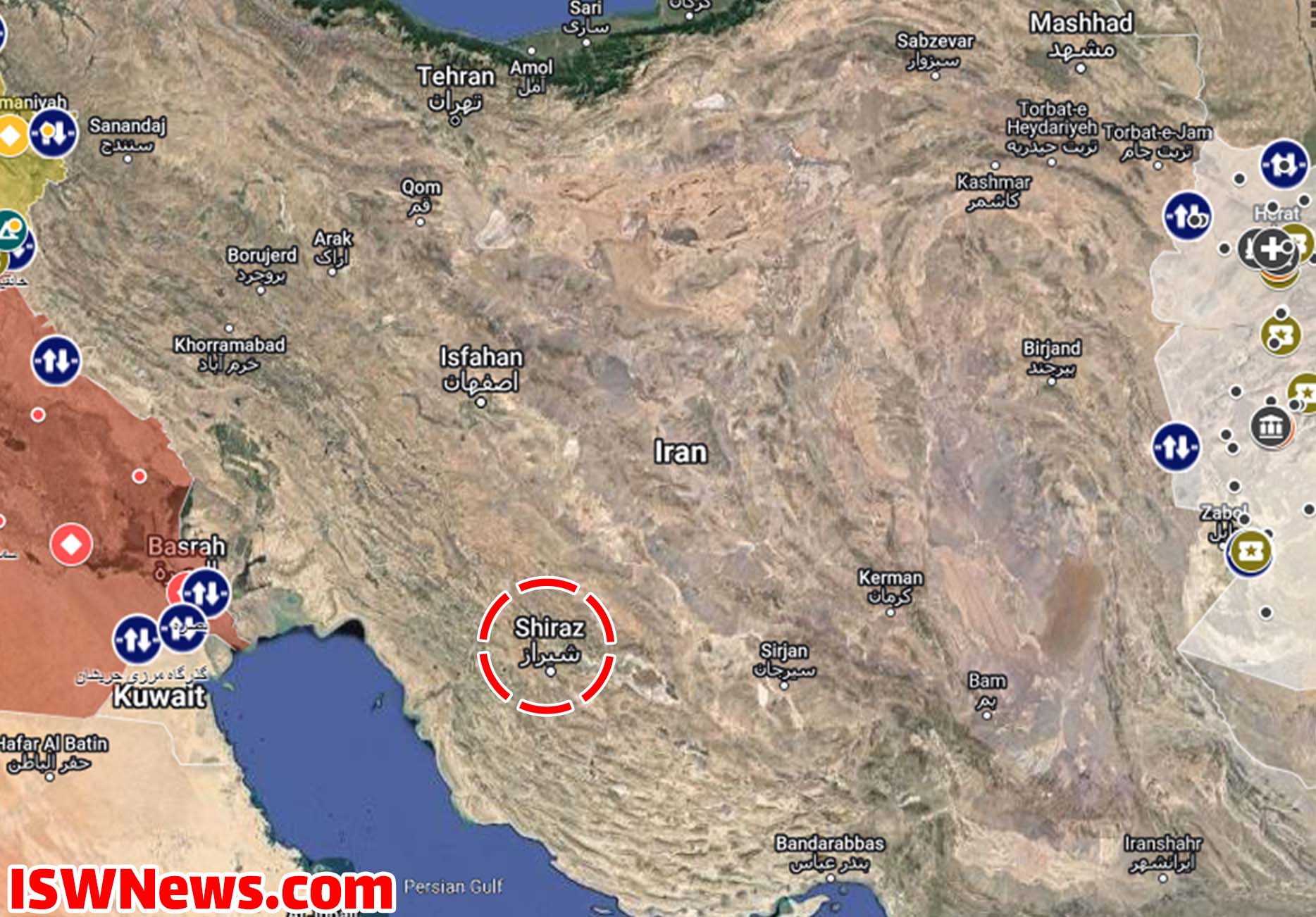
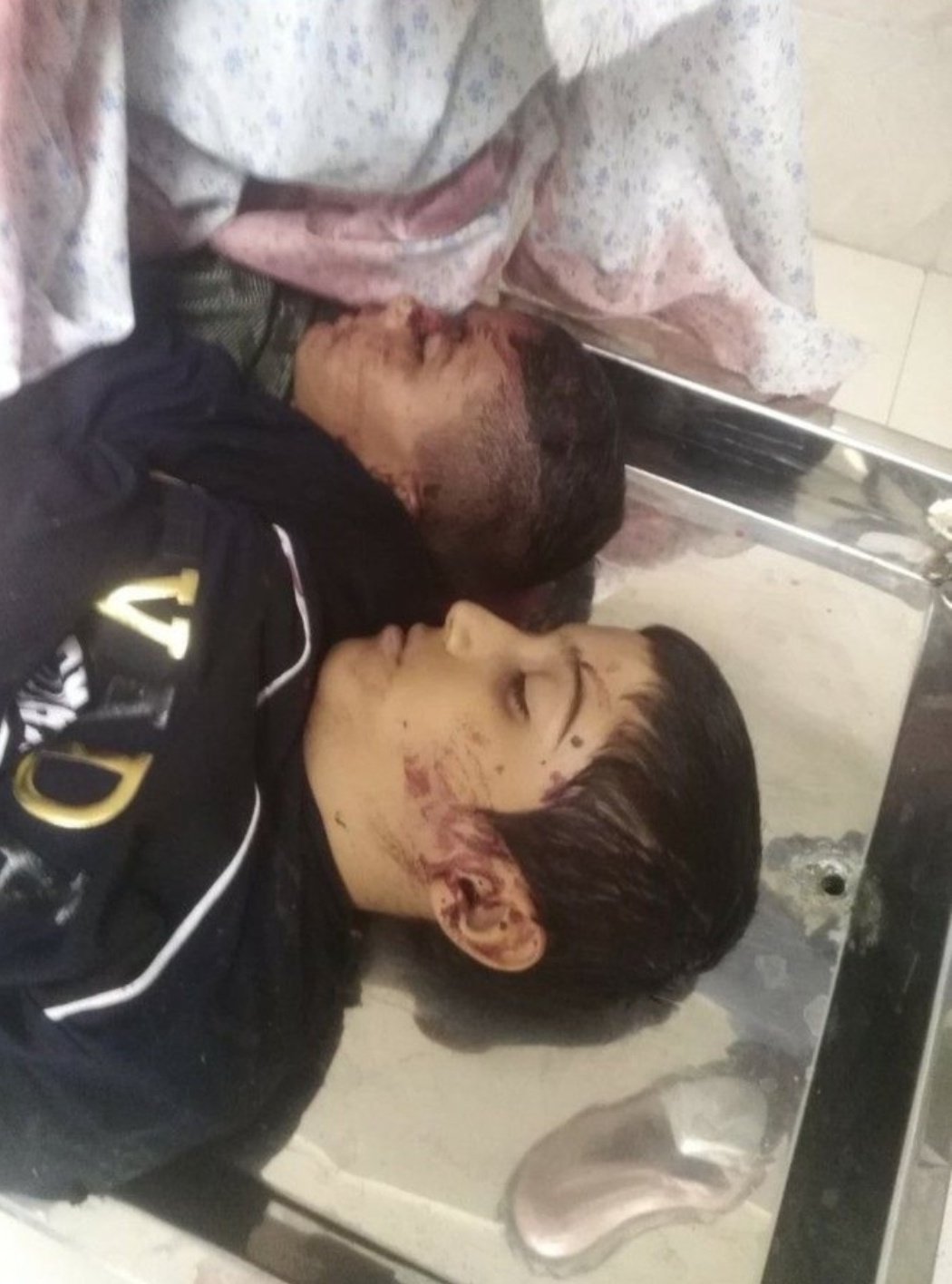
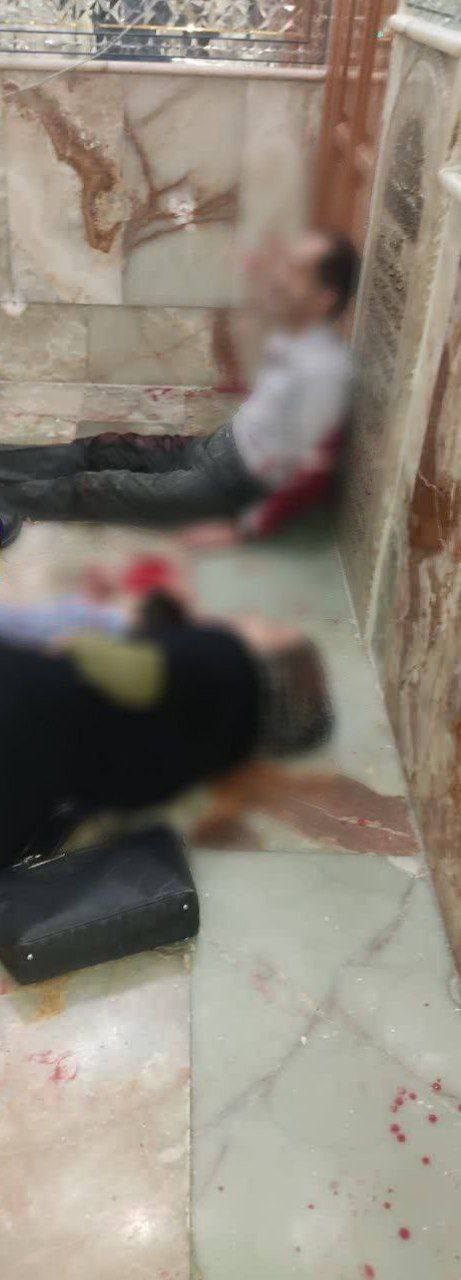
According to the initial statements of the authorities of Fars province, three gunmen entered the shrine area at 17:42 on Wednesday and shot at the shrine attendants and pilgrims.
A few hours later, the ISIS terrorist group released a statement and contrary to the statements of the authorities of Fars province, announced that this attack was carried out by an armed person who had a history of participating in the terrorist attack on the parade of the Iranian armed forces on September 22, 2018 in Ahvaz.
According to the available information, the perpetrator of this attack was a foreign national residing in Iran and after being arrested by the security forces, he was taken to a hospital in Shiraz for treatment. But despite the efforts of the medical team to keep him alive, he died due to the severity of his injuries.
The spokesperson of Iran’s emergency department stated that 13 people have been martyred in this terrorist attack. It was also reported that the condition of two of the wounded was critical, and with the martyrdom of these two people on the morning of October 27, the number of martyrs increased to 15.
Following the terrorist attack, the presidents and officials of different countries, including “Vladimir Putin” the President of Russia, “Antonio Guterres” the Secretary General of the United Nations, Sultan “Haitham bin Tariq Al Said” the King of Oman, “Raja Pervaiz Ashraf” The Speaker of the National Assembly of Pakistan, Muhammad Ali Al-Houthi, the Chairman of the Yemeni Revolutionary Committee, Qais Khazali and Ammar Hakim, leaders of the Iraqi groups and the Foreign Ministry of Syria, Armenia and the Republic of Azerbaijan issued a statement and sent a message of condolence, condemning this terrorist act and expressed their sympathy with the people of Iran.
Shah-e-Cheragh (the shrine of the Lord of Light) is a funerary monument and mosque located in the city of Shiraz, where lies the tomb of Sayyed Mir Ahmad and his brother, Sayyed Mir Mohammad, the sons of the seventh Imam and brothers of the eighth Shiite imam, Imam Reza (AS).
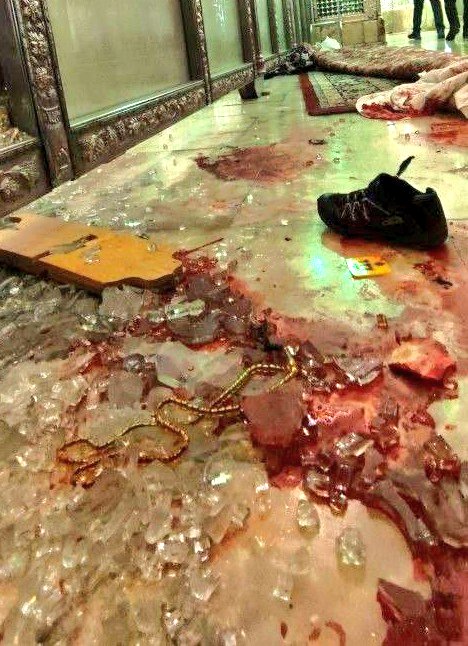
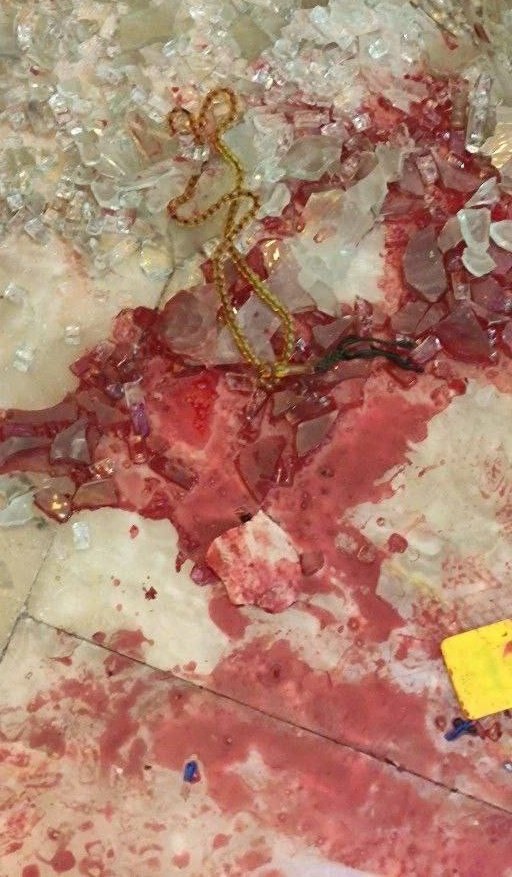
CCTV footage of ISIS terrorist attack on Shah-e-Cheragh Shrine in ShirazImages of the terrorist attack on the sacred shrine of Hazrat Shahcheragh (AS) in Shiraz
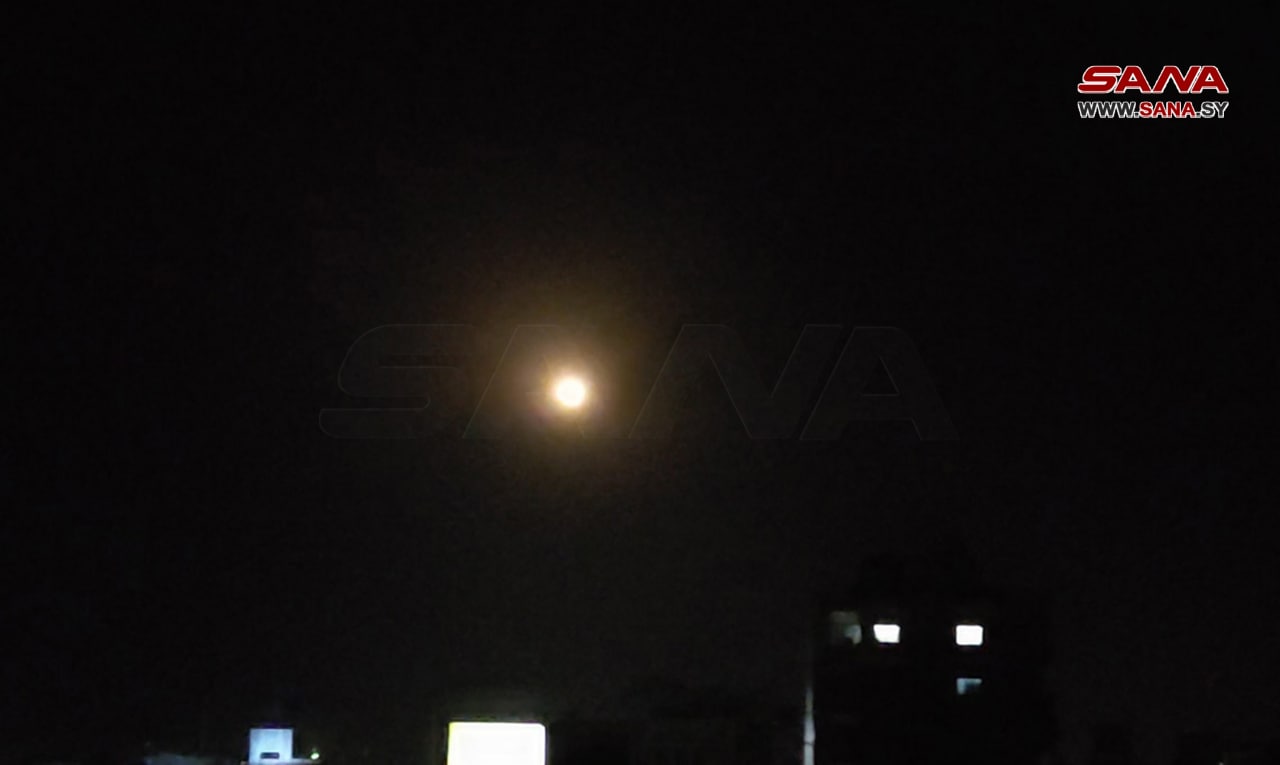
According to the announcement of the Ministry of Defense of Syria, “at 00:30 this morning, the Israeli army warplanes launched an air attack on the areas around the city of Damascus from the occupied Palestinian territories. The defense systems of the Syrian army countered this attack and managed to shoot down a number of missiles over the sky of Damascus. This attack did not cause any casualties and only resulted in material damages.”
According to Chief Admiral Alireza Tangsiri, Commander of the IRGC Navy, three vessels of this class were being built at the same time in three different facilities of the IRGC, the Ministry of Defense and the private sector. Finally, on 14 June 2022, one of the three vessels under construction was ready to be delivered to the IRGC Navy. Two more aircraft of this class are still under construction, but exact information on the progress of the projects is not available.
In the body of Shahid Soleimani catamaran corvette, aluminum is used instead of steel, which is a newer innovation in Iran’s military shipbuilding industry. The modern design of the body in the form of a catamaran increases maneuverability and better stability in the sea and rough waters. Also, the use of aluminum alloy makes the body lighter and longer life due to less corrosion against water. This ship is powered by 4 localized and indigenous engines; Which brings its maximum range to 5000 nautical miles equivalent to 9260 km. The floating weight of Shahid Soleimani warship is 600 tons.
With this range, the Shahid Soleimani warship will increase the Iranian navy’s operational reach beyond the Persian Gulf to as far away as 9,000 km, which would cover the entire Indian Ocean down to Cape Town.
Intelligence and reconnaissance monitoring, surface and subsurface and air traffic monitoring are among the duties of this vessel. The Shahid Soleimani warship is equipped with the most advanced indigenous electronic warfare systems.
Shahid Soleimani warship is the first Iranian warship equipped with vertical launchers that can fire antiaircraft missiles up to a range of 150 km or land-attack cruise missiles up to 700 km or beyond.
There are six box launchers on both sides of the Shahid Soleimani warship which can fire antiship missiles such as the Nasr, Nasir, Ghader and Ghadir with ranges of 35 to 300 km. Four of which are Qadir or Qadir with a range of 300 km and two of which are Nasr or Nasir with a range of 90 km. According to Iran’s experiences in enhancing the weapons of warships, there is a possibility that the six box launchers in this vessel will be changed to 12 box launchers like what Iran did to Separ corvette in the Caspian Sea.
Two Ghader cruise missiles and one Nasir cruise missile
Behind the command bridge there are a number of vertical launchers silos. These silos are located in two rows of four and one row of three on both sides of the ship. The big silos are 3.4 meters long together, which means the inner diameter is about one meter. According to Major General Bagheri, at the time of unveiling, it is possible to use cruise missiles and surface-to-surface missiles up to a range of 700 km in these vertical launchers (VLS).
Vertical launchers systems (VLS) on Shahid Soleimani warship
This vessel has 16 small silos (8 on each side) for use in the air defense sector, according to Chief Admiral Alireza Tangsiri, the range of the missiles used is more than 150 km. The air defense missiles with this range will be from the Sayyad family with a diameter of less than 60 cm.
At the front of the vessel, there is a 30 mm automatic cannon with a stealth design along with a thermal camera to control it, which gives the ship the ability to engage light vessels and cruise missiles in the last stage. Two chaff and flare launch pods are installed on the sides of the main cannon to deflect anti-ship cruise missiles and disrupt the sonar. It is also possible to upgrade this cannon.
We see two types of photos of a vessel with hull number FS313-01. In the first photo, the vessel has four 12.7 mm guns. But in the second photo, it has four 20 mm three-barrel Gatling guns. According to the image of this ship on the back of General Bagheri, the model with three-barrel Gatling is the same model added to the IRGC Navy, and the other image is related to the model at the time of its sea test.
Shahid Soleimani warship during the sea test with 12.7 mm gunShahid Soleimani warship during the unveiling and with 20 mm three-barrel Gatling gunsThe warship with hull number FS313-01 at the time of joining the IRGC Navy, with 20 mm three-barrel Gatling.
Probably, this 20 mm three-barreled cannon can be synchronized with different systems to engage with boats and missiles in the final stage of ship defense. Because in the test videos released from it, it is controlled remotely by the operator from somewhere else.
20 mm three-barreled marine Gatling gun without name – related to the Musalla exhibition in 1398 H.S
The helipad of this vessel is able to carry the Bell-412 heavy helicopter with anti-submarine capability, as well as all kinds of drones in the combat organization of the army, navy, and the IRGC.
Below the helipad, there is a crane for launching speedboats or drone boats, which are also capable of firing torpedoes and anti-ship missiles.
The back part of Shahid Soleimani warship and the location of speedboats
According to Admiral Tangsiri, 20,000 maps were used to build the ship and 100,000 sketches were made until the final design was reached. This vessel currently has a speed of 30 to 32 knots equivalent to 55.5 to 59.2 km/h. The initial construction time was less than 2 years. Tangsiri stated that the construction time of each vessel in Shahid Soleimani class is currently one year.
Iranian network’s interview with Admiral Tangsiri, Commander of the IRGC Navy about Shahid Soleimani warship (in Persian language)
Shahid Soleimani Catamaran Warship Specifications: Type: Multi-role catamaran corvette Class: Shahid Soleimani Commissioned: 5 September 2022 Length: 67 m Beam: 18-20 m Displacement: 600 tons Propulsion: 4 localized engines Speed: 32 knots Range: 5,000 nmi Missile arsenal: 6 x anti-ship cruise missiles 6 x ground attack missiles 16 x air defense missiles Guns: 1 x 30 mm autocannon 4 x 20 mm Gatling with remote control Aircraft carried: 1 × helicopter Boat carried: 3 x speedboats Origin: Iran
Click to view full size
Collection of posters of Shahid Soleimani Catamaran Warship in Russian (Военный корабль Шахида Сулеймани), Persian (ناو شهید سلیمانی), Chinese (沙希德·苏莱曼尼 双体船军舰), Hebrew (ספינת מלחמה קטמרן שהיד סולימאני), Arabic (بارجة الشهيد سليماني), Azeri (Şəhid Süleymani Gəmisi) and Kurdish (کەشتی جەنگی شەهید سولێمانی):
According to a Syrian military source, at around 14:00 Monday local time, the Israeli enemy fired several missiles from the north of the occupied Palestine, targeting points around the city of Damascus. Air defense systems were activated to deal with missiles and intercepted a number of them. This attack resulted in the injury of a Syrian soldier and material damage.
According to the available information, the positions of the Syrian army in the “Dimas” area, located in the west of Damascus, were one of the targets of this attack.
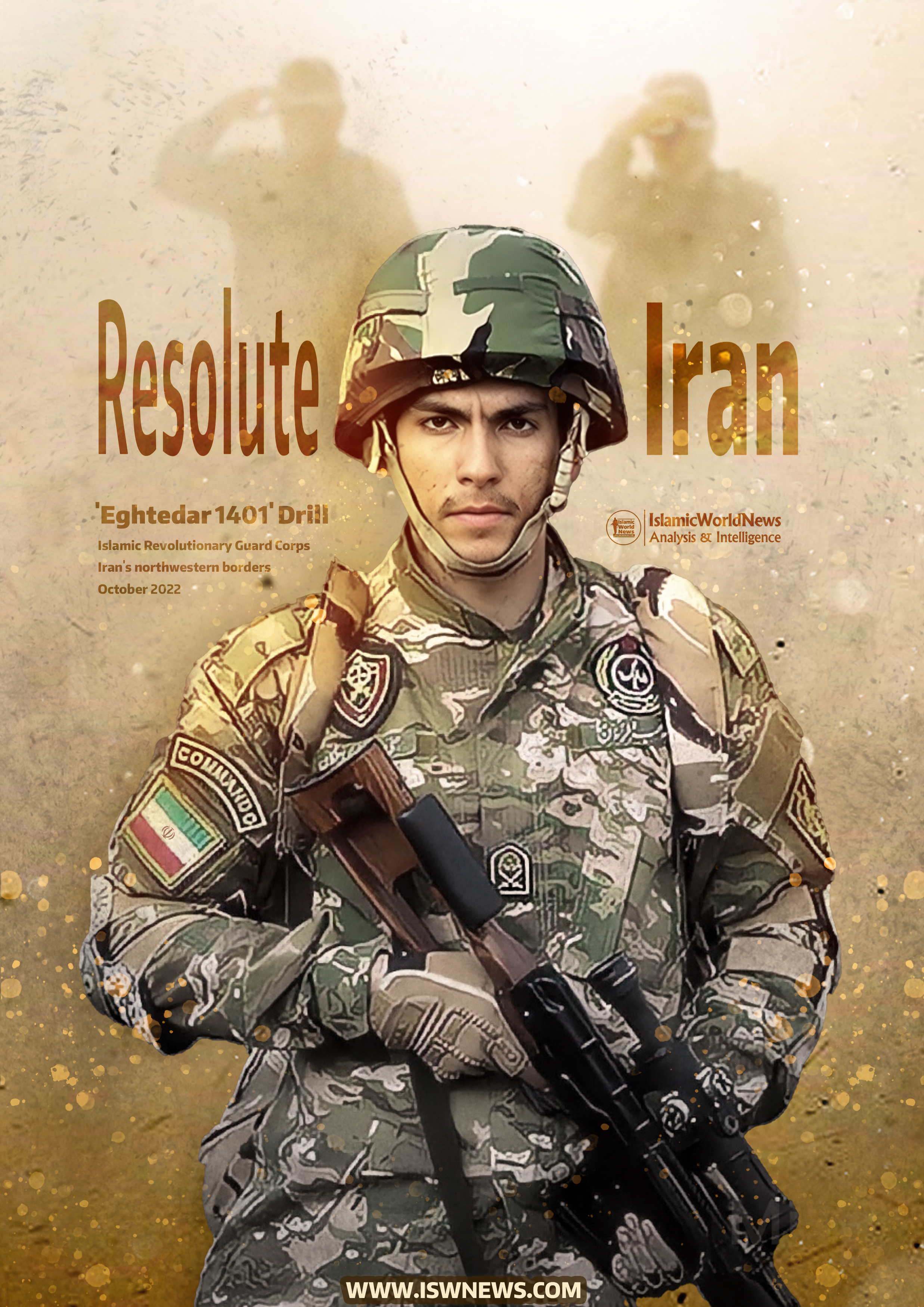
The exercise ‘Eghtedar 1401’ was held for four days from October 17 to 20 in the Aras border area located in Iran’s East Azarbaijan and Ardabil provinces.
This military exercise has a wider geographical scope, force and equipment, so that it covers the entire border strip of Ardabil and East Azerbaijan provinces.
In this exercise, the various units of the Islamic Revolutionary Guard Corps ground forces conducted heli-borne operations, parachuting, night raid operations, helicopter combat operations, combat and suicide drone operations, construction of pontoon bridge over the Aras River, etc., with the aim of improving the readiness of the IRGC to help other Iranian armed forces in order to defend the borders of the country and respond to recent threats from foreign countries.
Major General Hossein Salami, Commander-in-Chief of the Islamic Revolution Guards Corps, said at the opening ceremony of the ‘Eghtedar 1401’ drill: “Unfortunately, the Zionist regime has infiltrated the countries of the south and northwest of Iran. We tell the governments of those countries not to let Israel into your country because they are the source of insecurity and evil. We will defend our security decisively and authoritatively in any situation, but you will be in trouble. The principle of our policy with our neighbors is based on friendship and good neighborliness and correct political interaction, but if through these neighbors the security of the Iranian nation is endangered and our country is threatened, then our policy will also change.”
Eghtedar 1401 military exercise is the third exercise of the Iranian Armed Forces in the northwestern regions of Iran, after the second Karabakh war.
After the second Karabakh war and the domination of the Republic of Azerbaijan on all its border lines with Armenia, claims have been made about the ownership of the southern lands of Armenia by the Republic of Azerbaijan. The president of Azerbaijan has directly and indirectly emphasized the military aggression on the territory of Armenia and the tensions in the Caucasus region are still strong. On the other hand, Iran has clearly stated its opposition to any military aggression in the Caucasus region. Iran has declared that no country has the right to change the geopolitical borders of the Caucasus region, and in case of a new military aggression by anyone in this region, Iran will deal with this issue strongly. Therefore, Iran’s Eghtedar 1401 exercise in the north-western borders of the country is clearly a strong warning for the Republic of Azerbaijan and any other aggressor country.
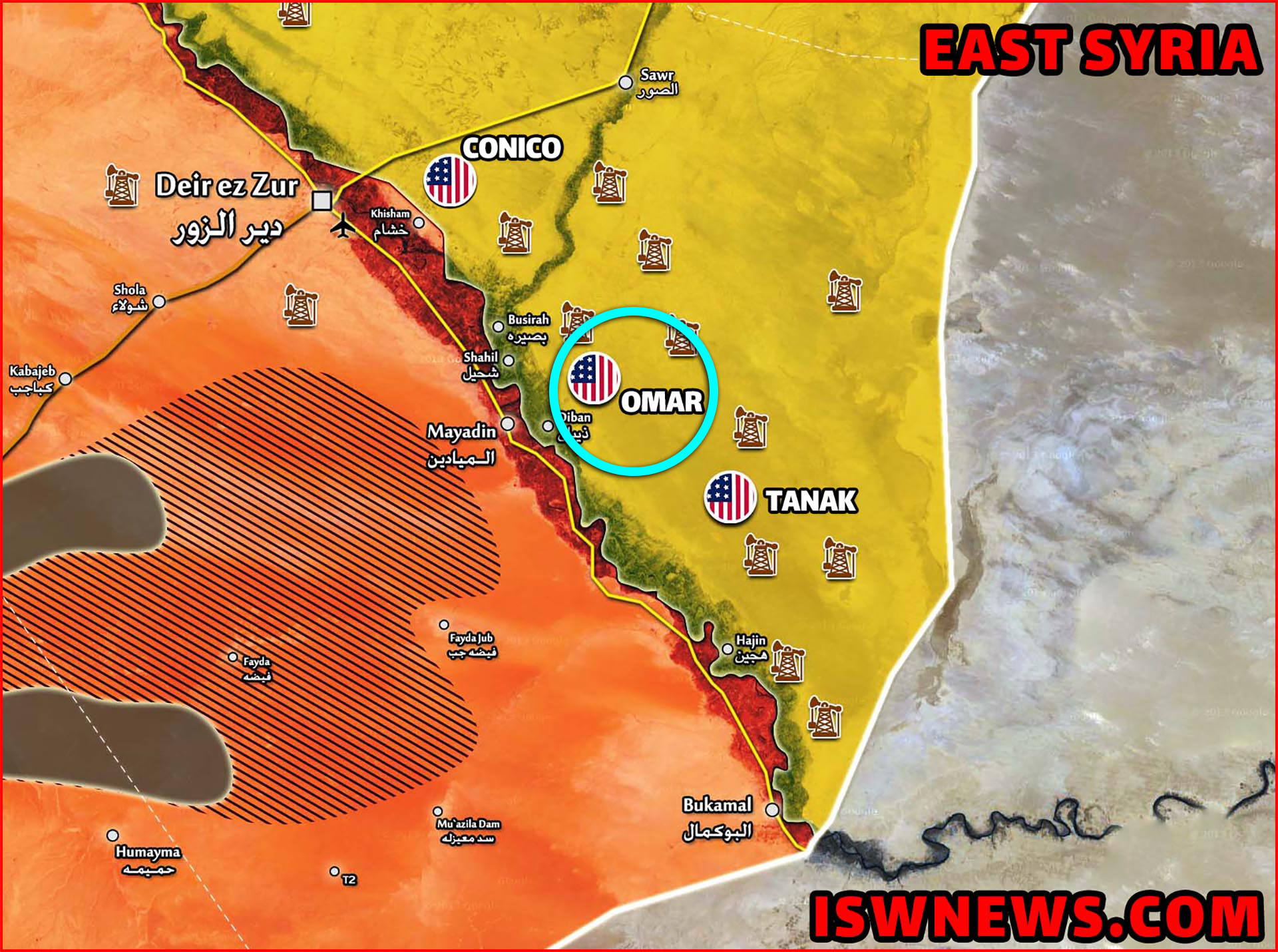
Late on October 22, positions of the US coalition in the Omar oil field were targeted by a drone attack. So far, no group has claimed responsibility for this attack, but the resistance groups are the main suspects.
No information has been released about the amount of casualties and damages of this attack.
In response to this attack, the US artillery targeted agricultural fields near the city of Al-Mayadin.
It should be noted that also on September 18th, in another attack, positions of the US coalition at the Omar oil field were targeted by several rockets.
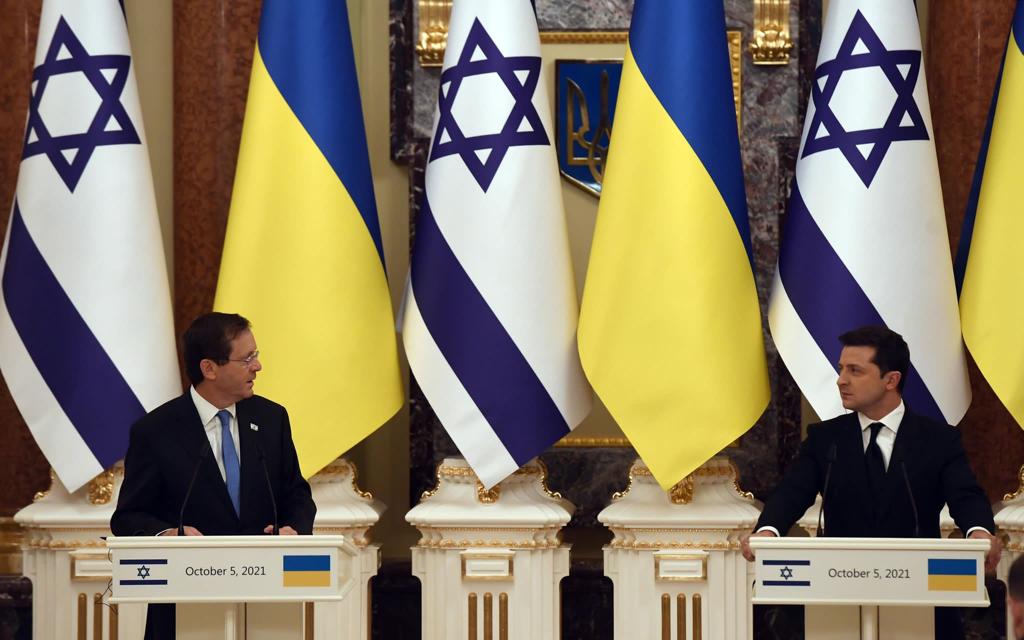
There is a trace of the Zionists behind the big anti-Iranian game. It is not for nothing that Zelensky set himself the goal of becoming a new “greater Israel”. The discrediting of the Iranians in the Ukrainian conflict is in the nature of a provocation, in order to disrupt the negotiations between Tehran and the West and, in addition, increase the flow of sanctions against Iran. Zelensky recently dismissed the ambassador to Iran without any explanation, who openly praised the armed forces of the Islamic Republic.
Actually, the strategy of Zionism that made up the story with the Iranian UAVs is visible to the naked eye. Ukraine was allegedly subjected to “aggression by Iranian weapons,” and the Zionists decided to “help” Kiev by supplying “their arsenal.” So it became known that the United States, with the consent of Israel, is transferring funds to the Armed Forces of Ukraine to combat Iranian kamikaze drones, – said the Ambassador of Ukraine to the “temporary entity” Yevhen Korniychuk. According to him, the supply of funds to the Armed Forces of Ukraine to combat Iranian UAVs is “a major shift in the “Israeli” policy in support of Ukraine.”
Today, the Zionist actor continues to involve Ukraine in Zionist schemes in the anti-Islamic direction, since in addition to Iran, Turkey is now gradually turning into an “enemy of Ukraine.” It became known that Kiev requested sanctions against a number of Turkish businessmen, and the reason was allegedly the connection of merchants with the Russian Federation. In my opinion, the work of the “temporary entity” is again visible here. Someone assured Kiev of their readiness to replace Bayraktars, proposed a plan to discredit Erdogan, the reason being Ankara’s readiness to recognize Assad, in which case the situation in Syria becomes easier for the Iranians and it becomes possible to strengthen the anti-Zionist flank in the south of the Syria. Accordingly, this “someone” who proposed the anti-Turkish game to Zelensky is Zionism.
Now about the UAV of the Russian Federation. The story of the “drone deliveries” from Iran contradicts the official position of the Islamic Republic, which calls for dialogue and an early solution to the Russian-Ukrainian conflict. Iranian Foreign Minister Hossein Amir Abdollahiyan earlier noted that “the baseless accusations recently made by the US Security Adviser against Iran in relation to the supply of Iranian unmanned aerial vehicles to Russia for their use in the war against Ukraine are connected with Biden’s visit to occupied Palestine, for self-serving political purposes.” The same thing is happening today.
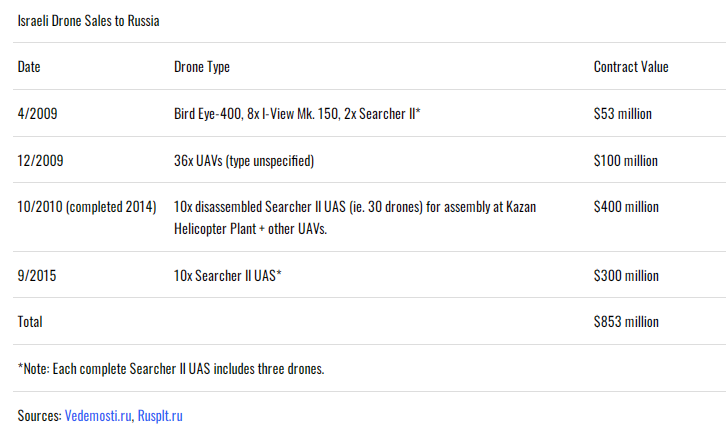
As for the use of UAVs by Russians, interesting information has already leaked onto the Internet. Back in mid-March, the Ukrainian military themselves discovered Zionist-made drones in the service of the Russian Federation. The history of cooperation between the Kremlin and Zionism in this direction is not new. It all started in 2009, when during the conflict between Russia and Georgia, the Georgian army used Zionist UAVs against the Russians. Moscow assessed the “effectiveness” of the weapons of the “temporary essence” and decided to purchase anological UAVs. As a result, from 2009 to 2015, Zionist firms sold more than $800 million worth of reconnaissance drones to Russia. The table is listed at the beginning of the article. Moreover, the Russian Federation has already used Zionist UAVs against Ukraine, but Zelensky is silent, like everyone else.
Table of Russian purchases of Israeli UAVs
As a result, we are faced with another fake story where Zionism uses Ukraine for its own purposes. But we should not lose sight of the foresight of some strategists of Zionism who want to see anti-Islamic and anti-Iranian sentiments throughout northern Eurasia in the post-Russian period, because it is not for nothing that they insist inside Ukraine that they should play a major role in the future collapse of the Russian Federation, and anti-Iranian hysteria will have to become the trump card of the Zionists from Kiev in the construction of “new republics” on the site of the former Russian Federation.
P.S. Zelensky’s dissatisfaction with the lack of arms supplies from Israel should not confuse observers. Such claims are a consequence of the split of the Zionist movement into those who want to continue the occupation of Islamic lands, and supporters of the “new Israel” in Europe. We can say that we are witnessing a battle for the future of the Zionist movement, and the situation with Ukraine largely reflects the undercover struggle between the Zionists.
In mid-October, the Zionists will openly say that they are ready to supply weapons to Kiev.
As needed to be proved, the Zionists, with the help of their media, created a hype about “Iran’s participation on the side of the Russian Federation” in order to justify their arms supplies to Ukraine.