Tag: Ansar Allah

  • Al-Houthi: Ansar Allah Ready To Contribute To Missile, Drone Attacks, If US Engaged In Gaza War

    Al-Houthi: Ansar Allah Ready To Contribute To Missile, Drone Attacks, If US Engaged In Gaza War

    Al-Houthi condemned the support of the United States and Western countries for the crimes of the Israeli regime.

    The summary of his speech is as follows:

    The West believes humanity is largely foolish, and with deceiving titles, it imposes political influence on our societies and then, it laughs at the conflicts.

    The people of Palestine have received no attention from international organizations that claim to be concerned with human rights and peacekeeping, and they have not been able to escape oppression and injustice for seventy years.

    The United Nations has recognized Israel, a criminal member with no legitimacy, as a member and acknowledged its blatant oppression and injustice against Palestine.

    Resolutions of the United Nations Security Council have not provided any support for Palestine and have not protected children, women, and civilians in the occupied territories.

    The issue of deception and hope is a Western tool for diverting the rights of the people of Palestine from returning to their homeland.

    This conspiracy is pursued to destroy the dream of Palestine within the framework of Israeli normalization with Arab and Islamic countries.

    The Palestinian people have no choice but to engage in jihad (armed conflict against enemies of Islam) to defend themselves against injustice, expel occupiers, revive their legitimate rights, and save their prisoners.

    Operation Al-Aqsa Storm is a great and important operation that falls within the framework of the legitimate rights of the Palestinian people to confront the oppressive and occupying enemy.

    The United States is complicit in all the crimes of the Zionist enemy against the Palestinian people and, in general, against the Islamic Ummah. Israel is a child of the United States, and this is a correct view to know who our enemy is that is targeting Muslims and the Palestinian people.

    The Western countries have expressed their support for the Israeli regime. It is the religious, national, and moral duty of the Islamic and Arab nations to support the people of Palestine through any political, media, material, or military means.
    It is not acceptable for the Islamic nations to watch the people of Palestine and their fighters while Western countries support the oppressive and disrespectful enemy.

    Where are the Organization of Islamic Cooperation and the Arab League? Why don’t they hold serious meetings to take a firm stance?
    There are weak positions among Arab countries, and their normalization with the Zionist enemy reveals their loyalty to the foe and their exploitation of Palestine.

    The regimes that have normalized relations try to talk about jihadi movements as if there is no reason for war and that Palestine is part of Iran, and they fight on behalf of Iranians!
    Our people are ready to do anything to fulfill their sacred duty in supporting the people of Palestine, and their participation in demonstrations shows this position.

    I wish we were close to Palestine, and if it were possible, our people would send hundreds of thousands of fighters to defend Palestine, but there is a geographical distance and there are some countries between us.

    We are in complete coordination with the resistance axis. This coordination is based on specific levels of events and red lines, including direct US intervention. In this case, we are ready to participate in missile, drone, and other military attacks.

    Addressing the Gaza fighters and the people of Palestine, I say: You are not alone; our people and the free people of the Islamic nations are with you, and do not pay attention to propaganda and media attacks. Operation Al-Aqsa Storm is a signal from God to start a new phase. May God grant victory and strength to the fighters and people of Palestine. Operation Al-Aqsa Storm is a sign of the almighty God’s assistance for the Palestinians.

  • Casualties Of Ansar Allah’s Drone Attack On Bahraini Forces Increases

    Casualties Of Ansar Allah’s Drone Attack On Bahraini Forces Increases

    The United Nations Security Council and Western countries have condemned this attack in a ridiculous move, while the drone attack was just a response to one of the hundreds of ceasefire violations and artillery shelling of the Saudi coalition on the border areas of Yemen.

    Read more: Tension At Saudi-Yemen Border; Ansar Allah’s Drone Attack Shatters Bahraini Forces

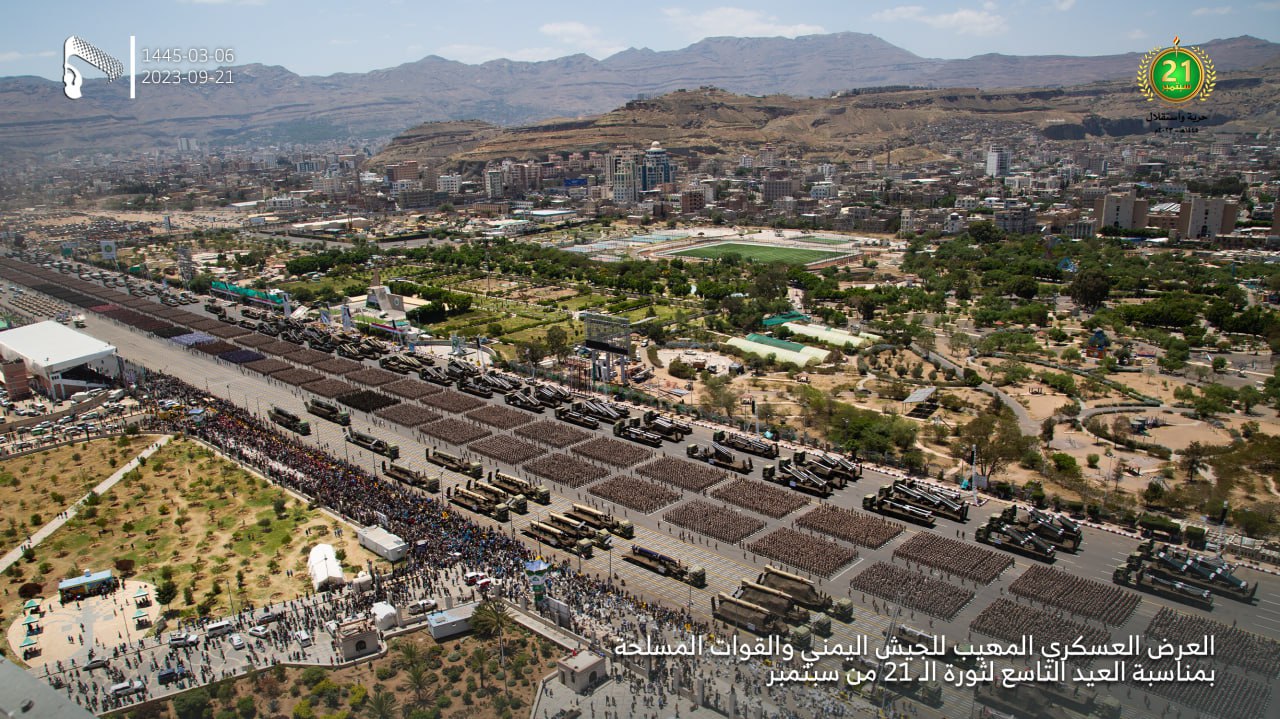
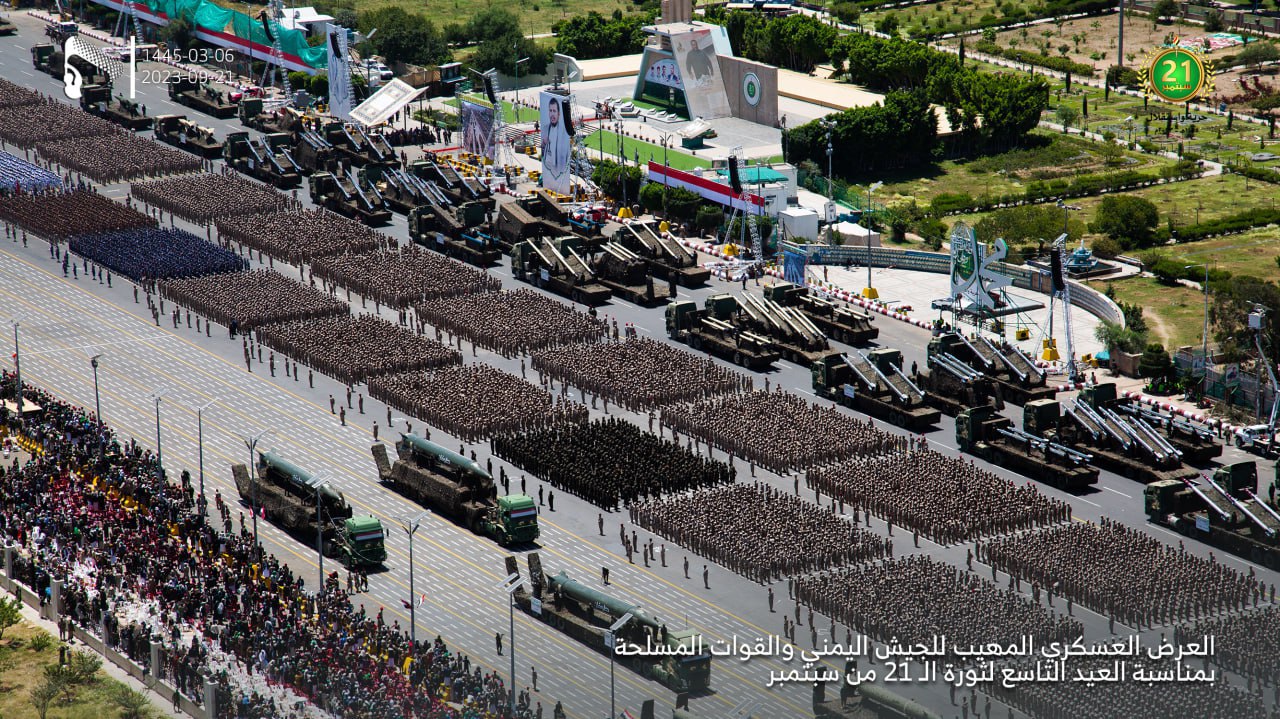
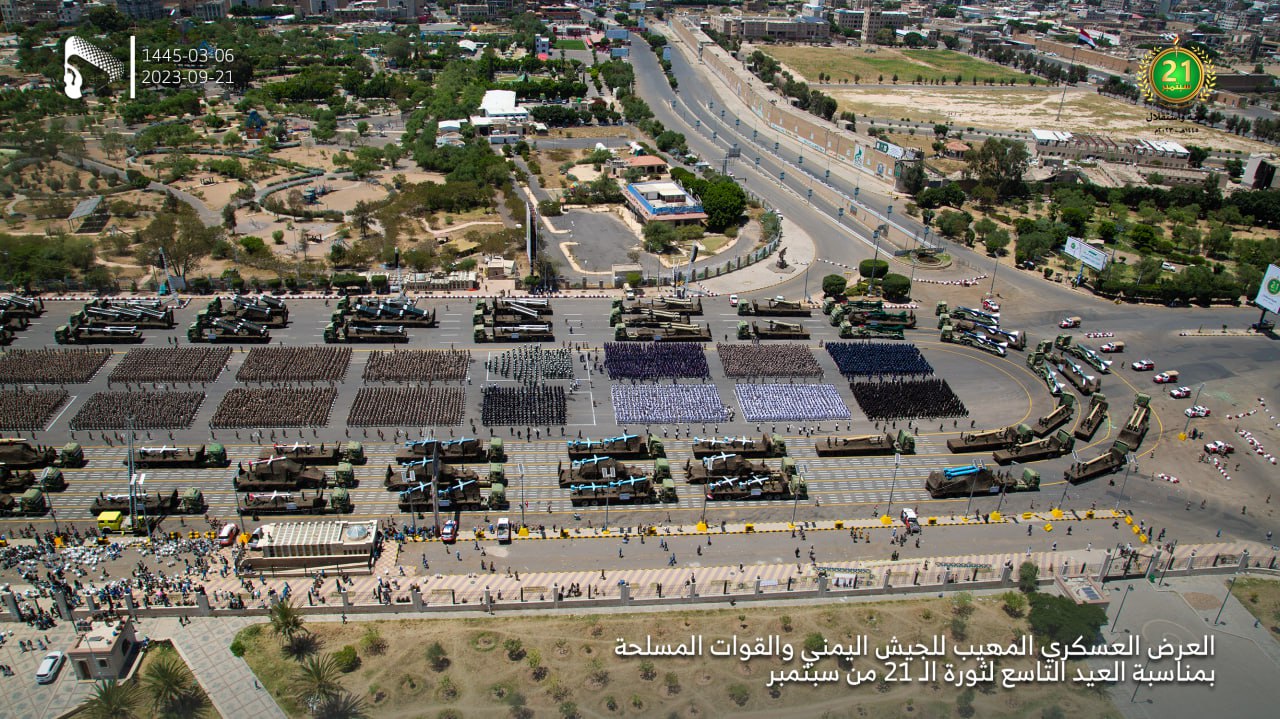
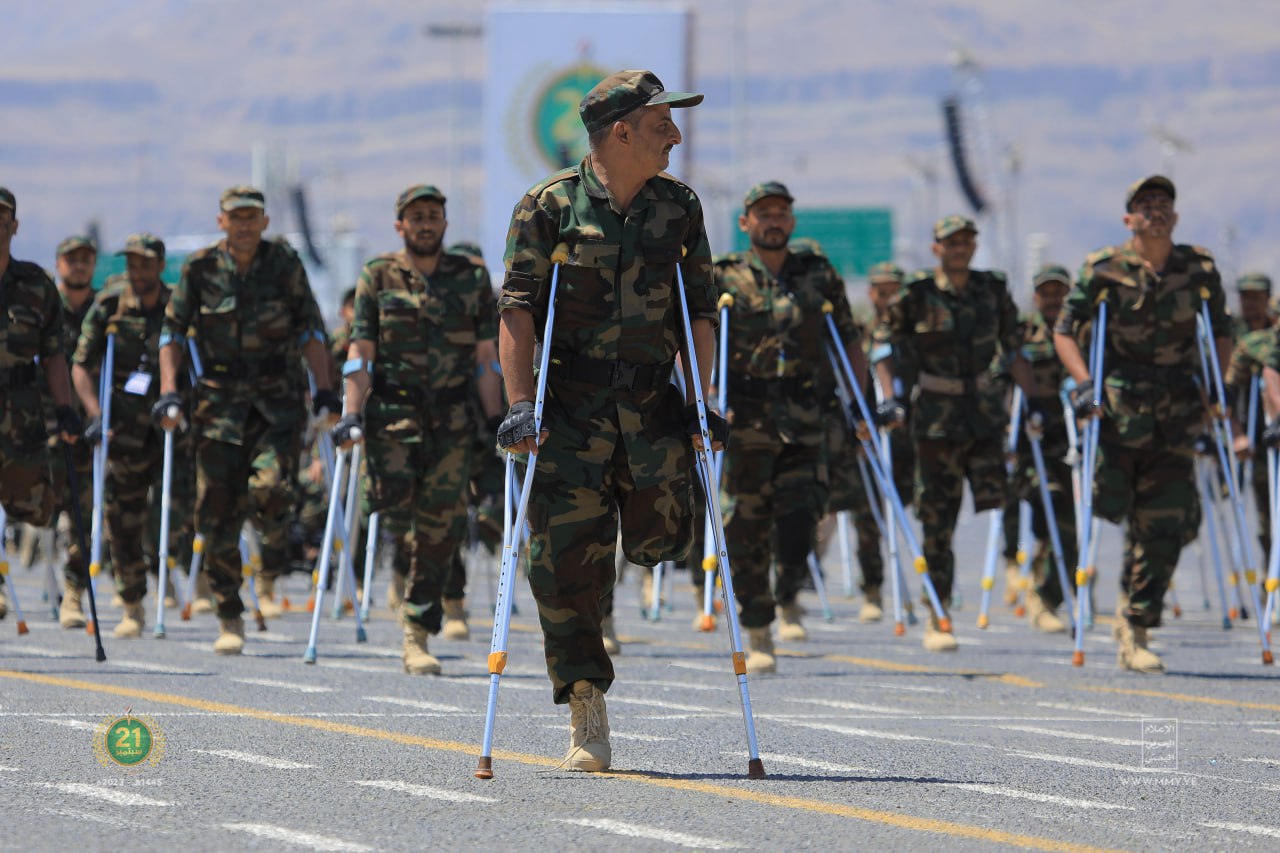
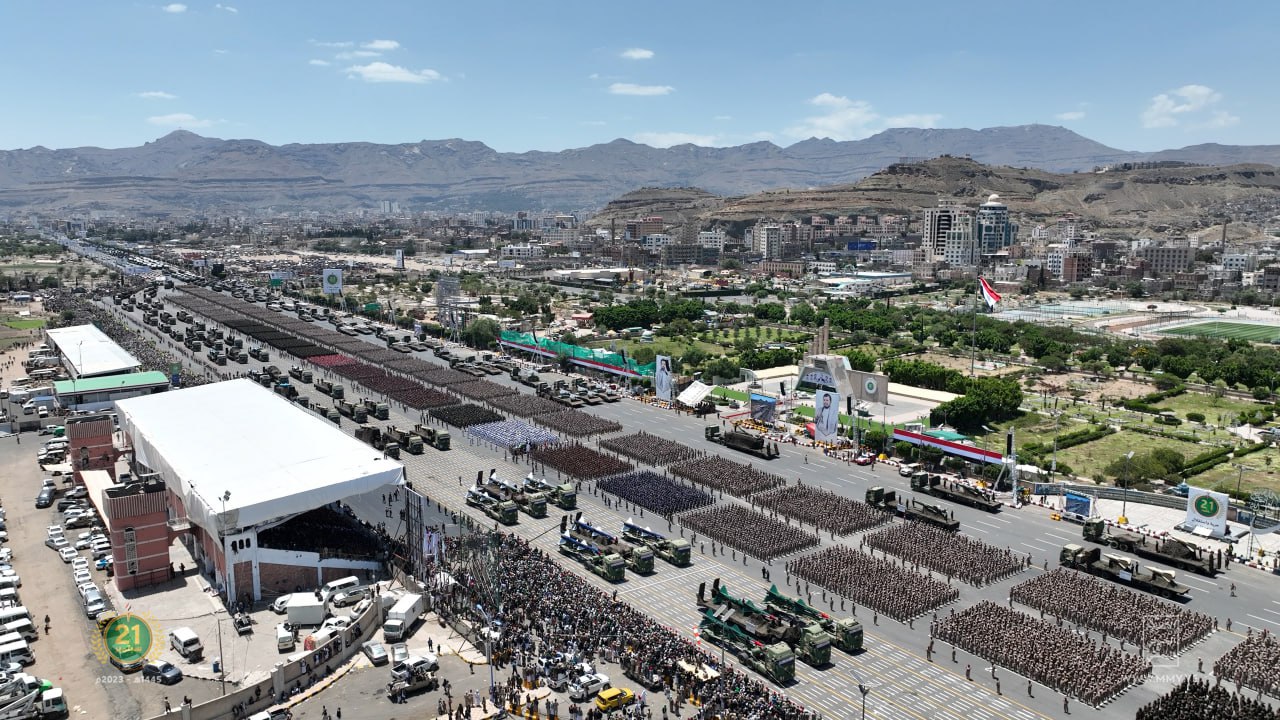
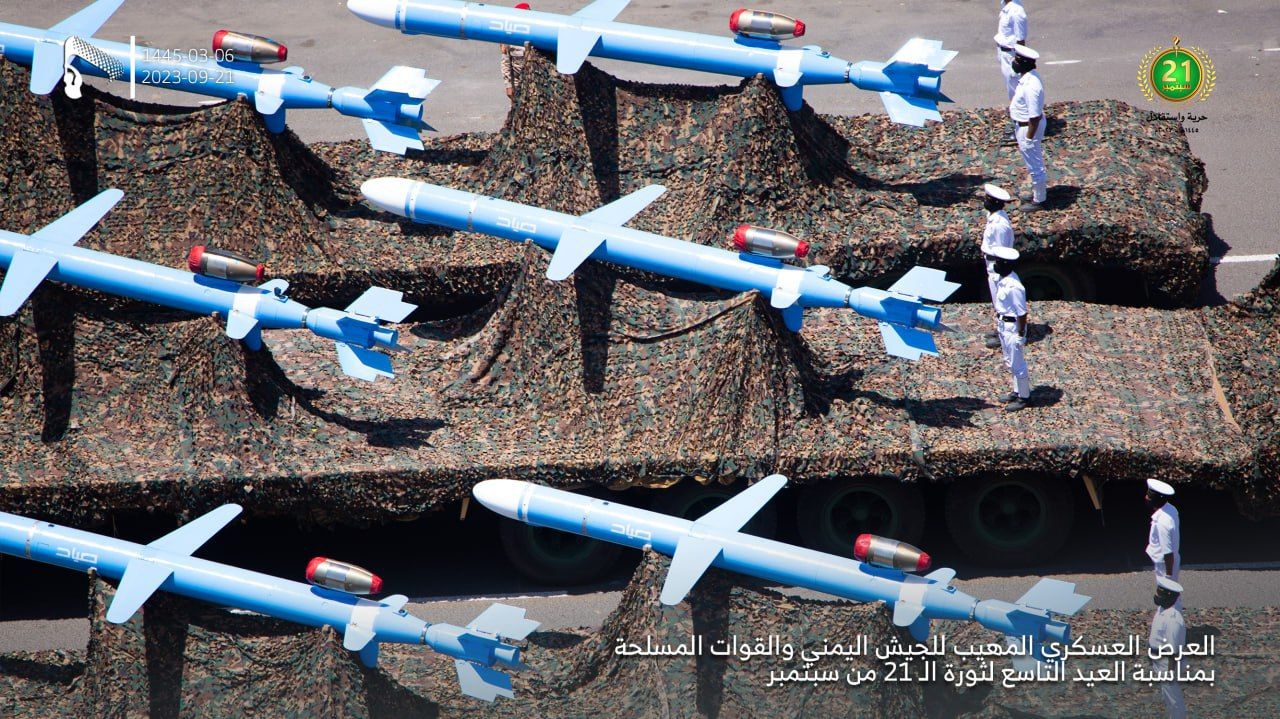
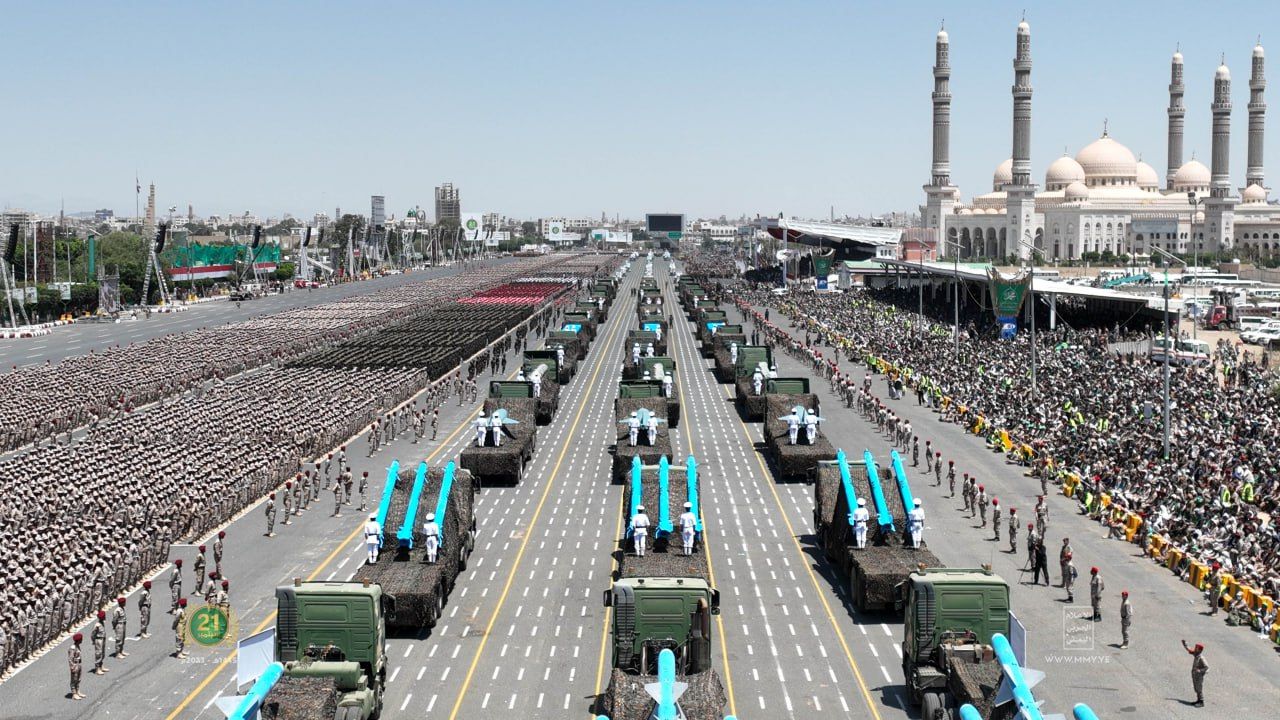
  • Ansar Allah’s Grand Parade On Anniversary Of ‘September 21 Revolution’ In Yemen (Images)

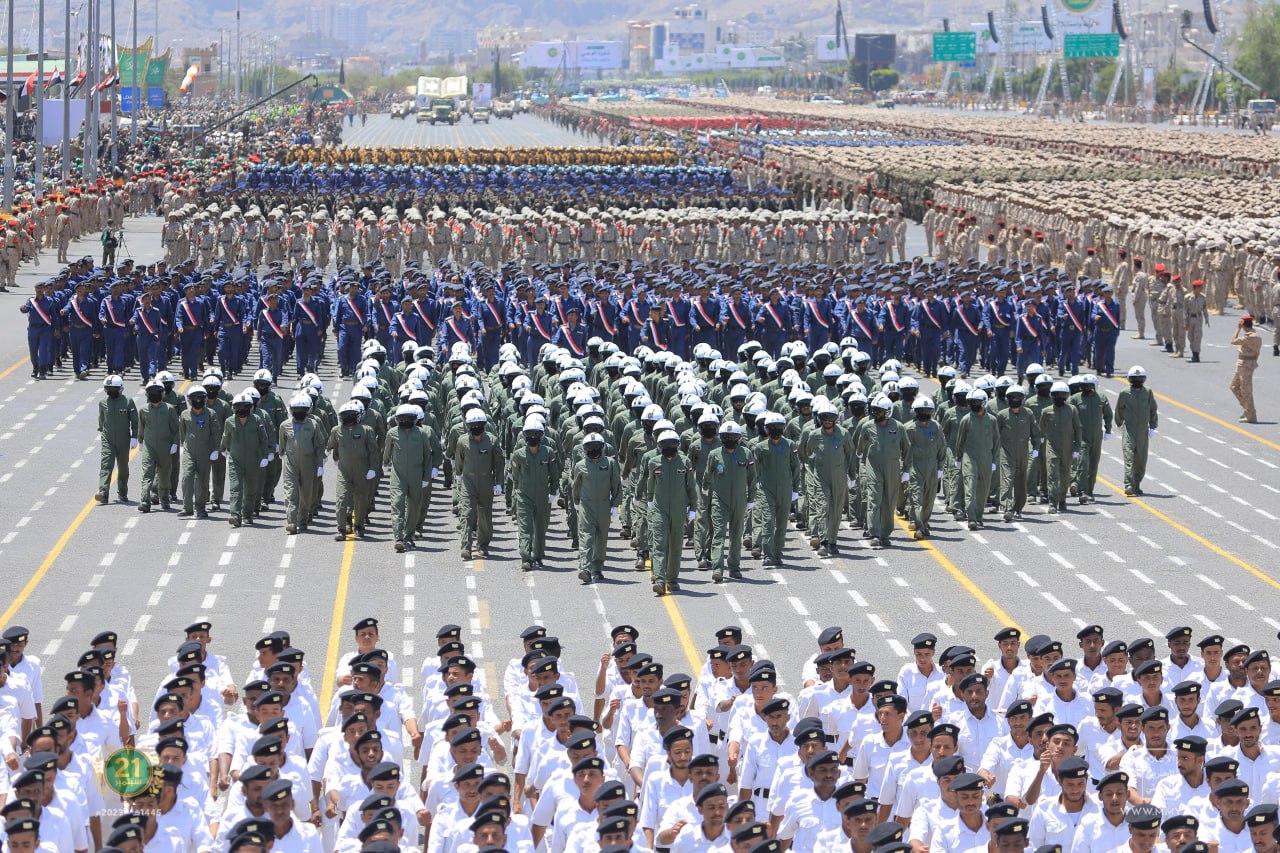
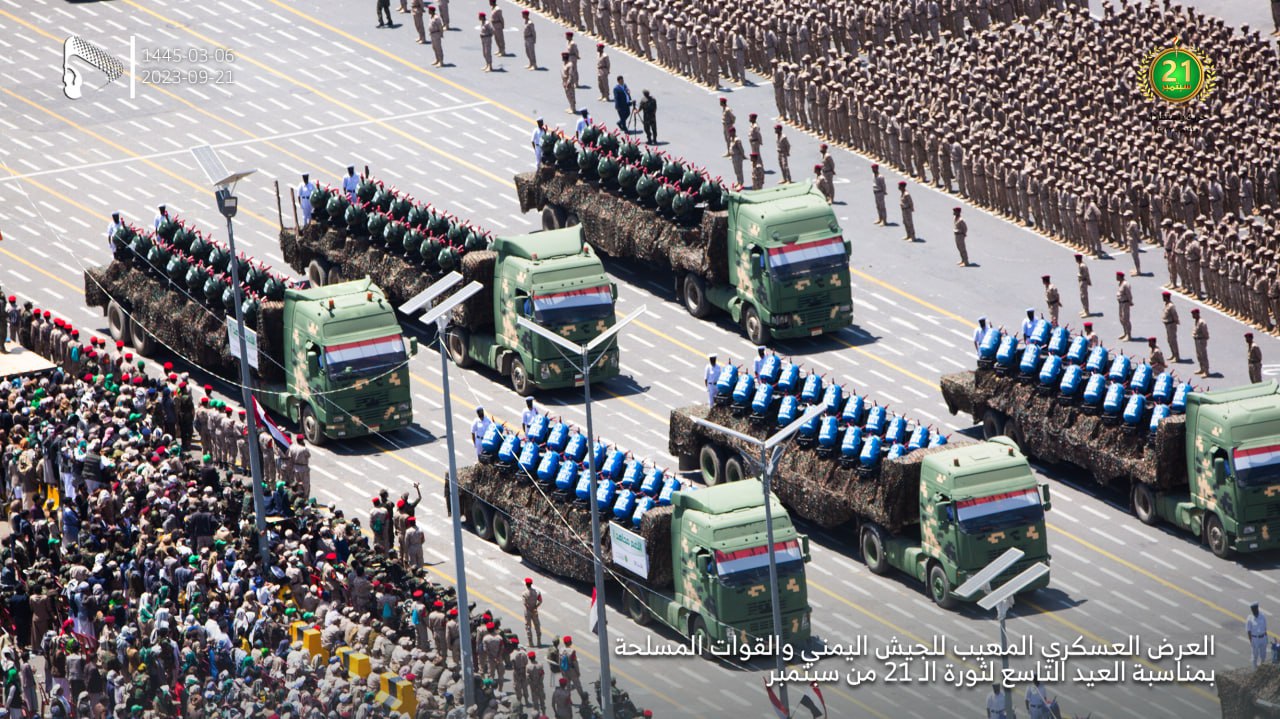
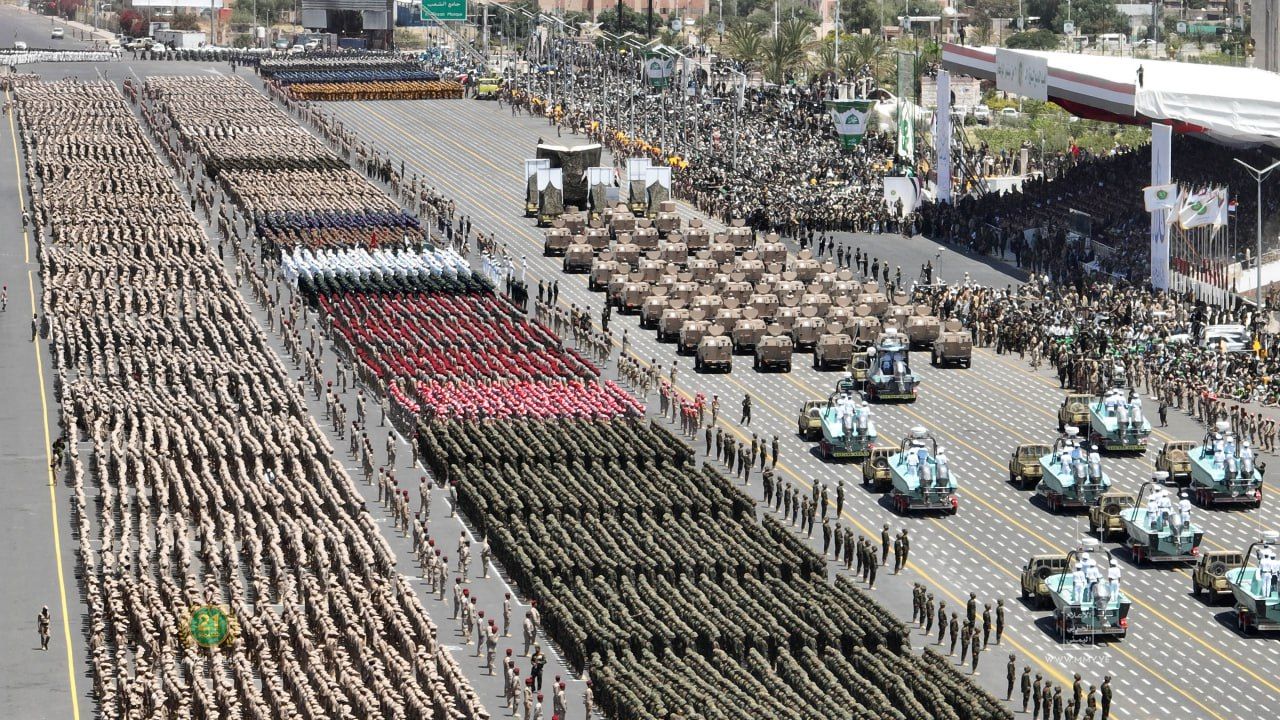
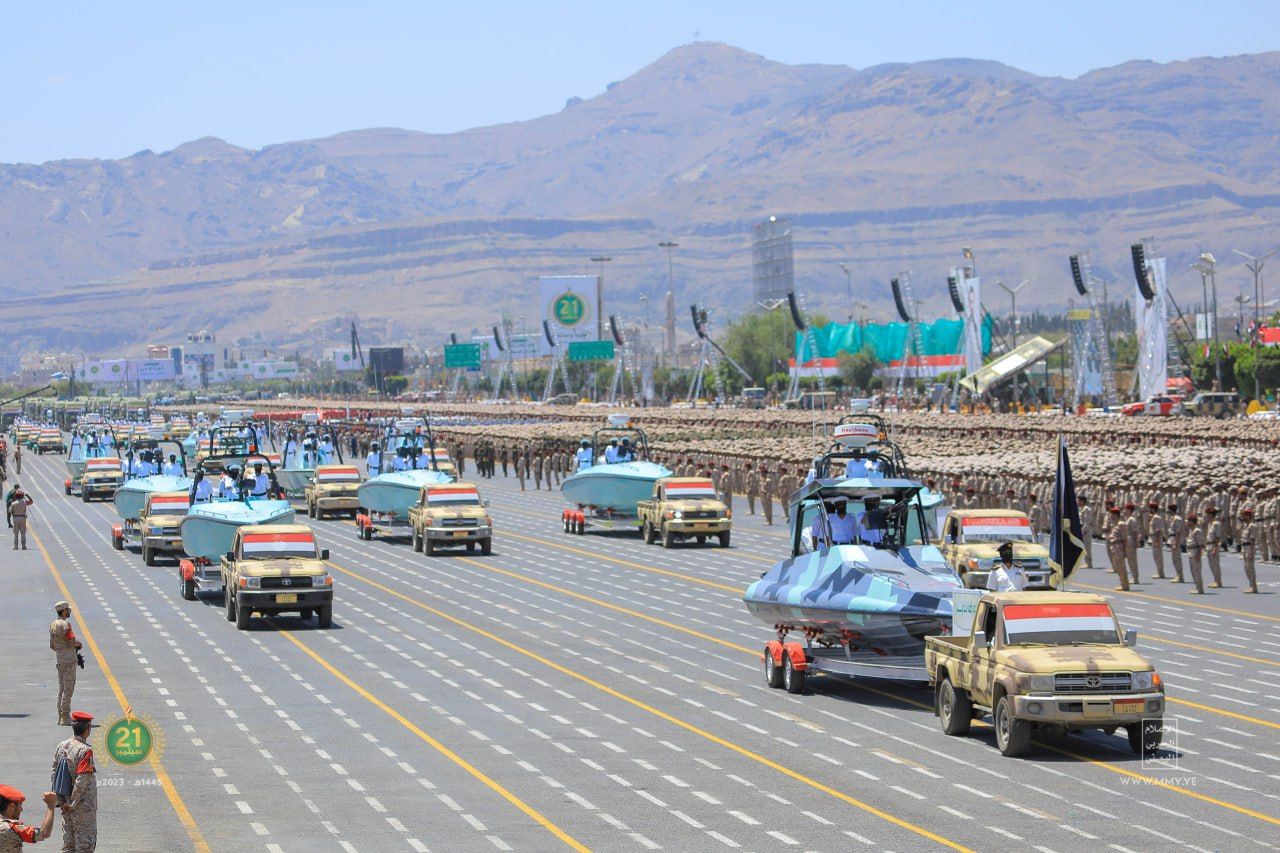
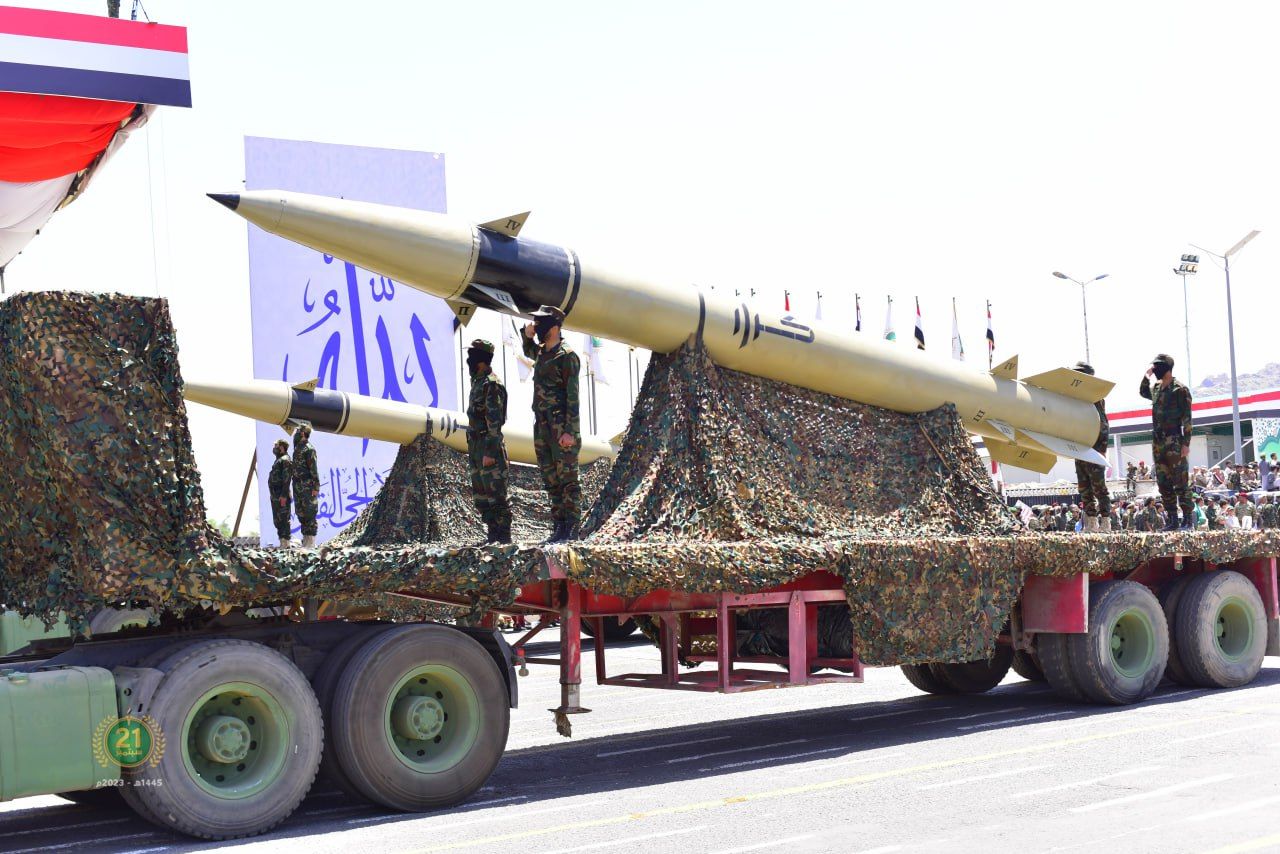
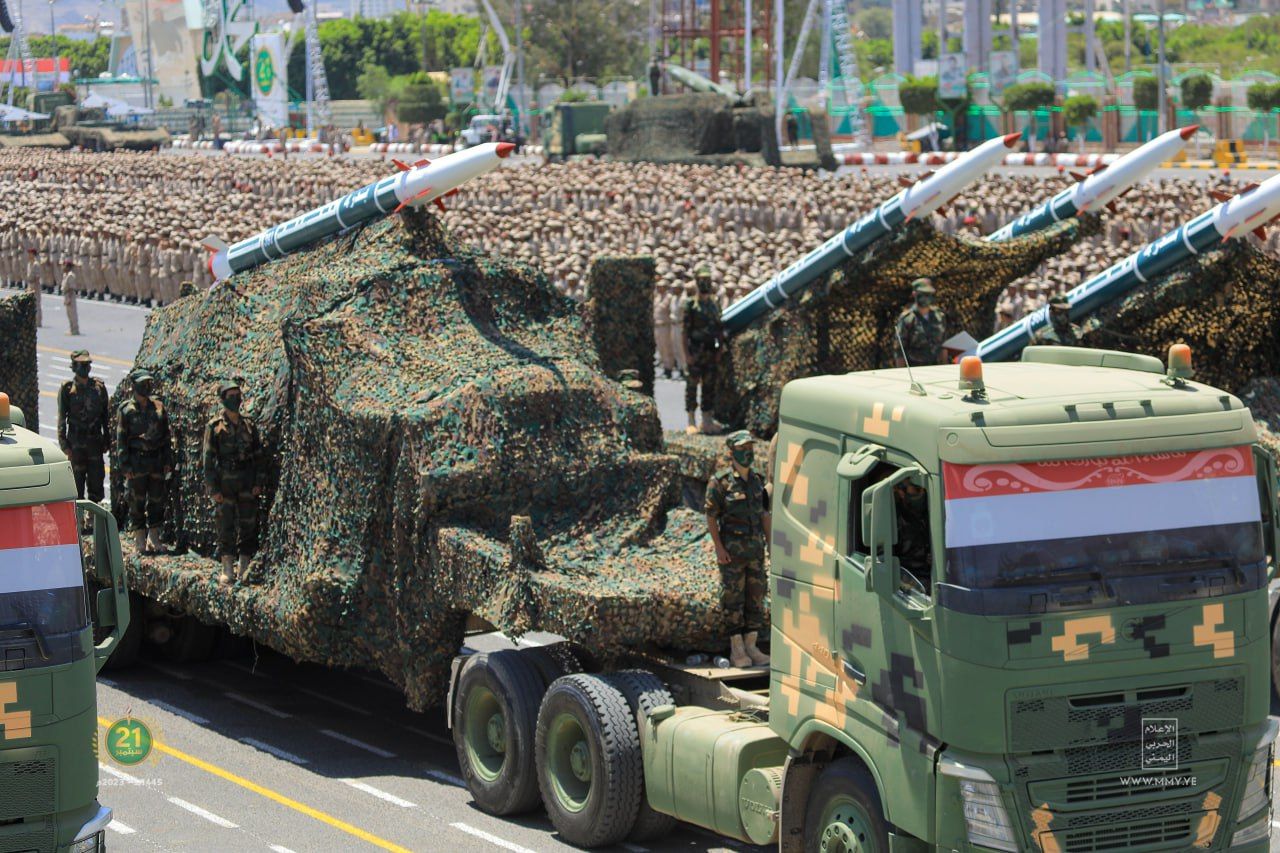
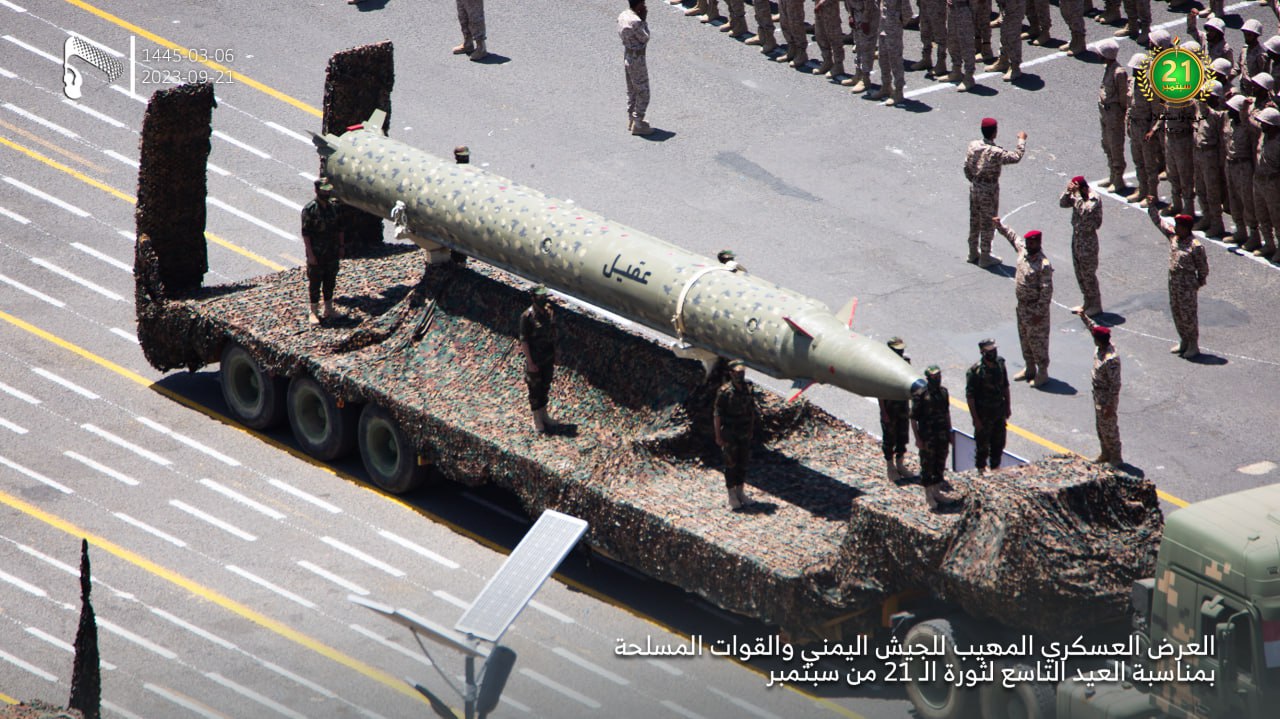
    Ansar Allah’s Grand Parade On Anniversary Of ‘September 21 Revolution’ In Yemen (Images)

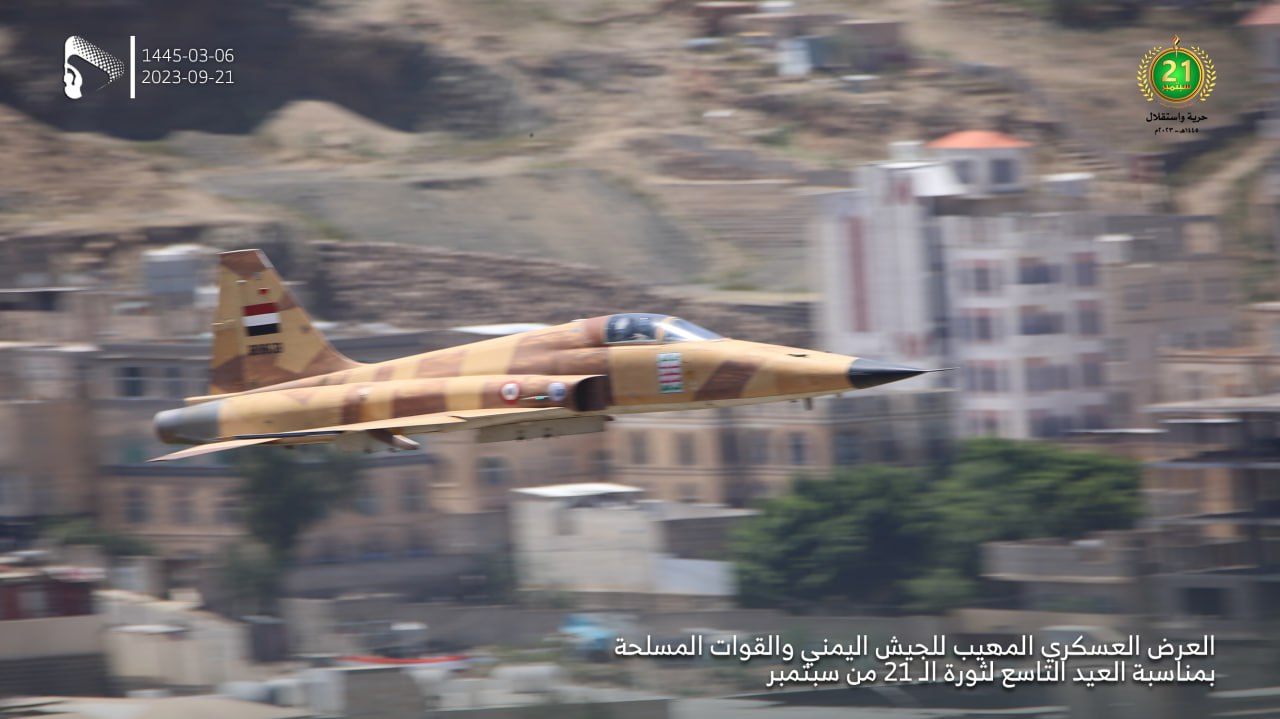
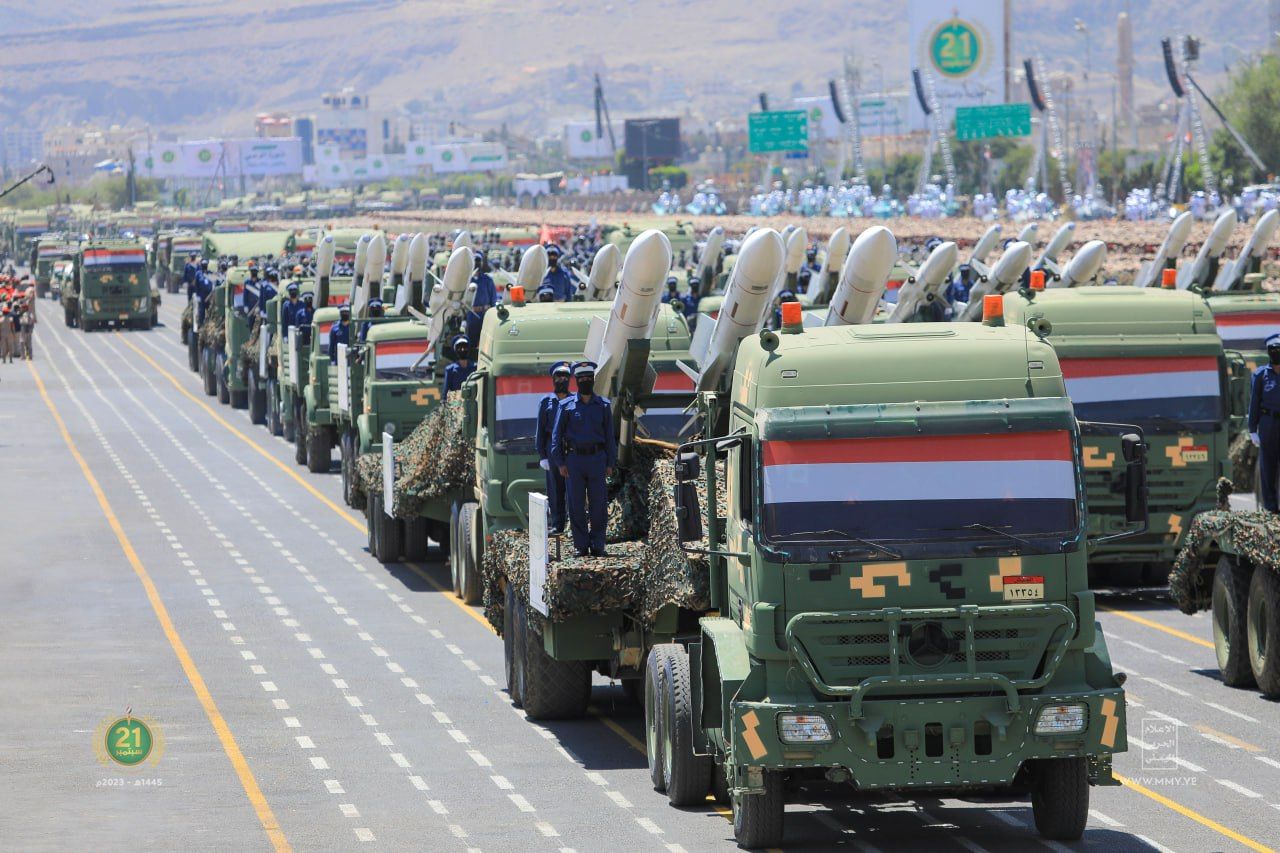
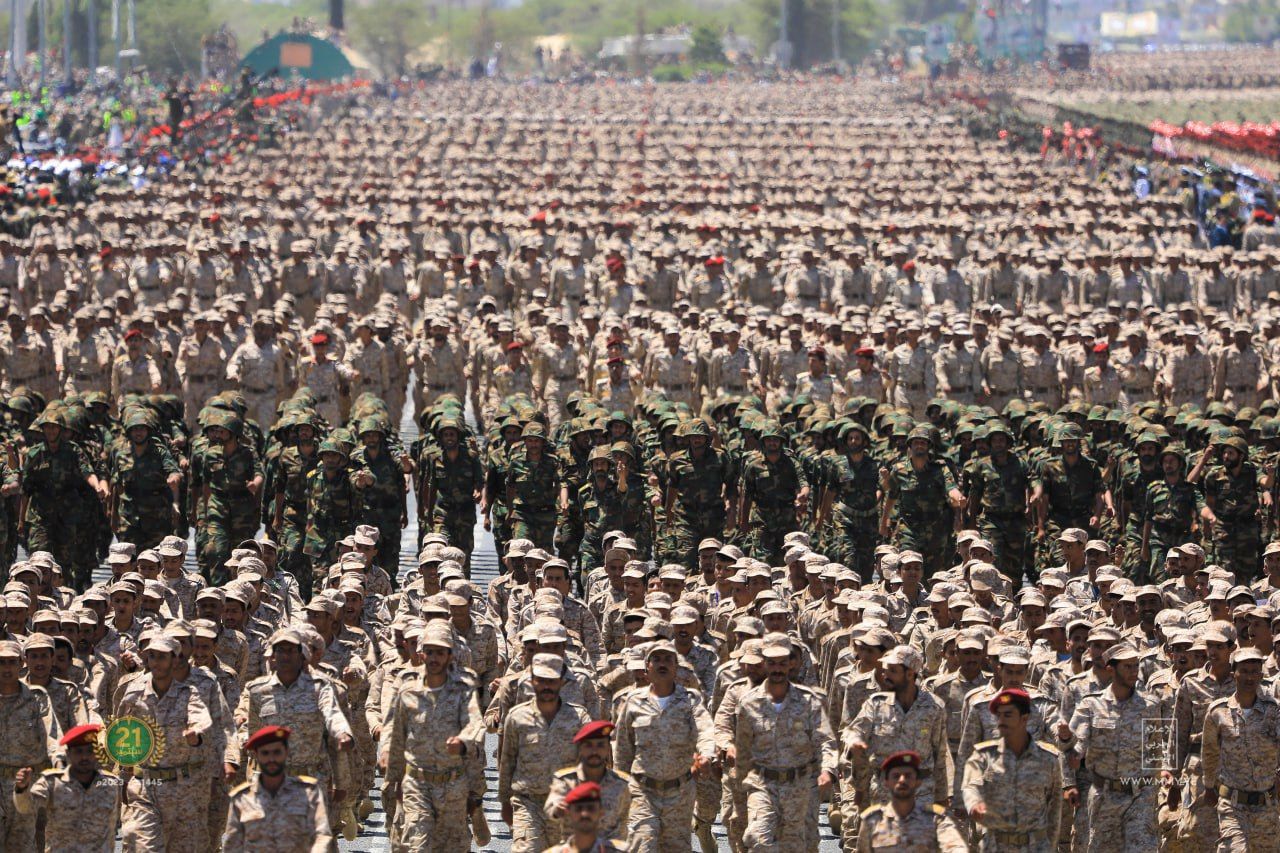
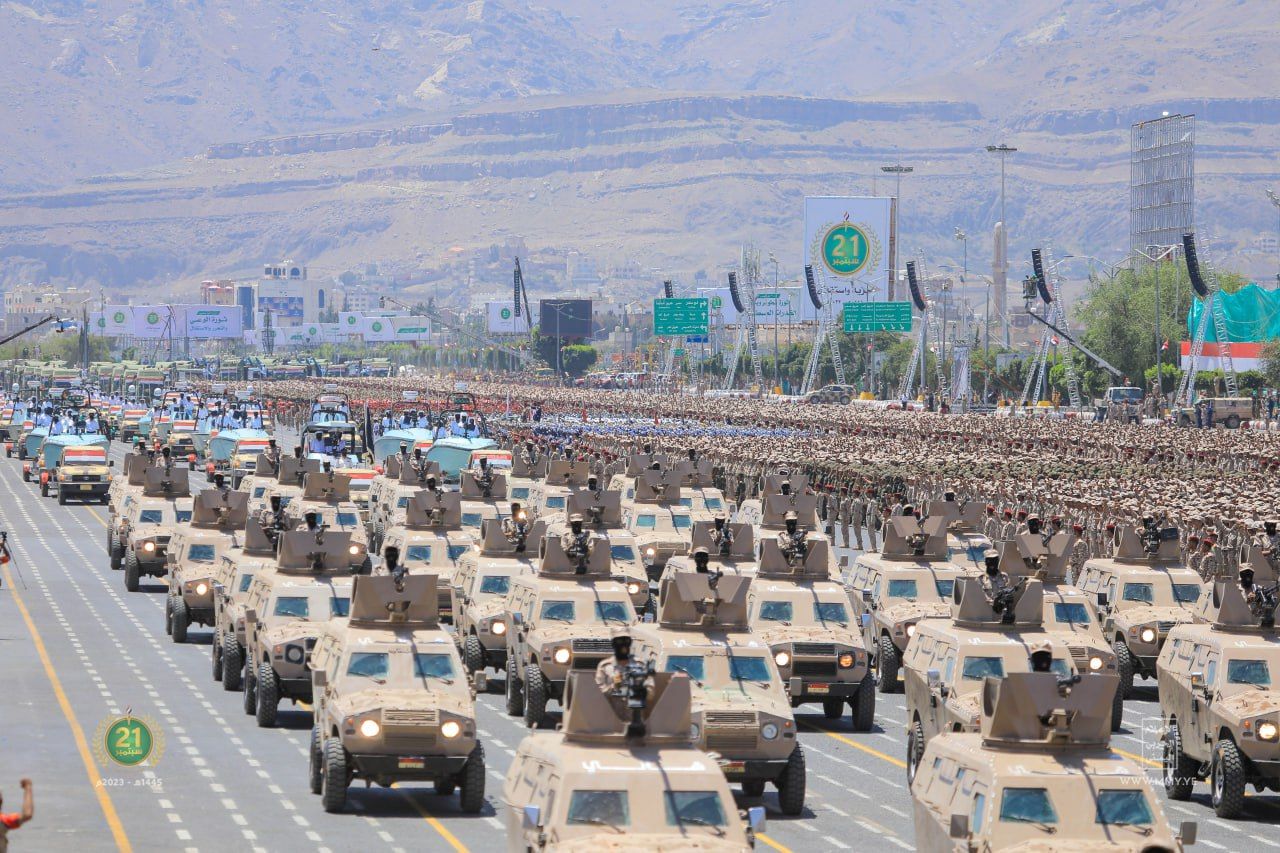
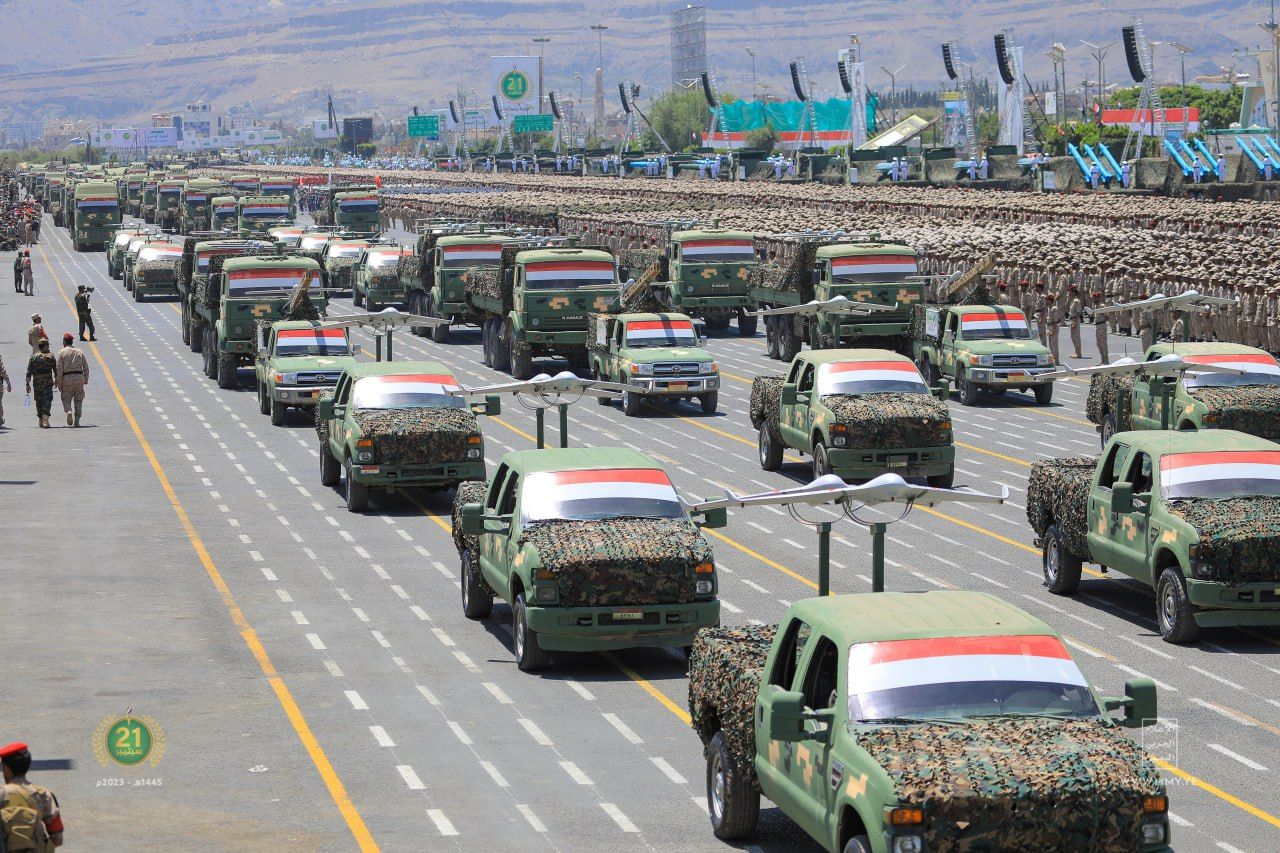
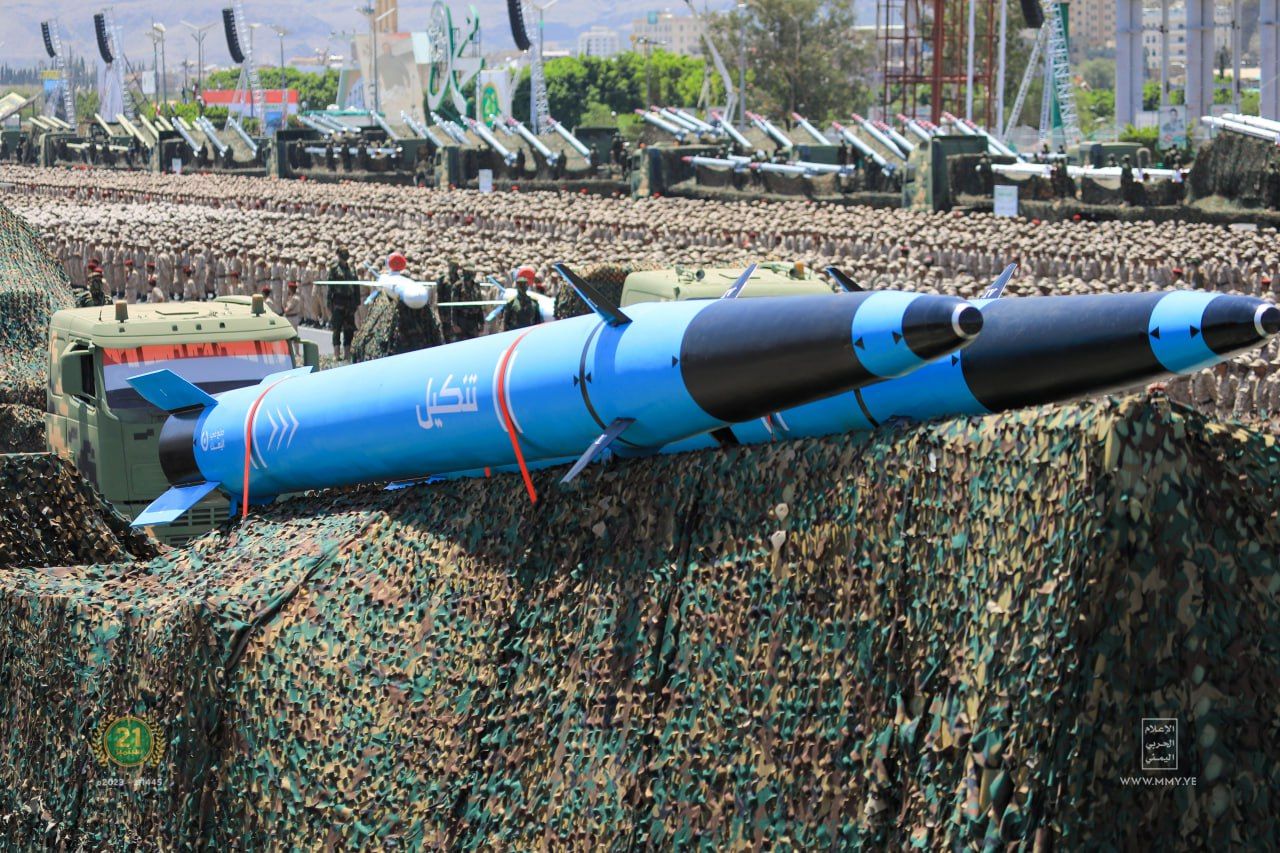
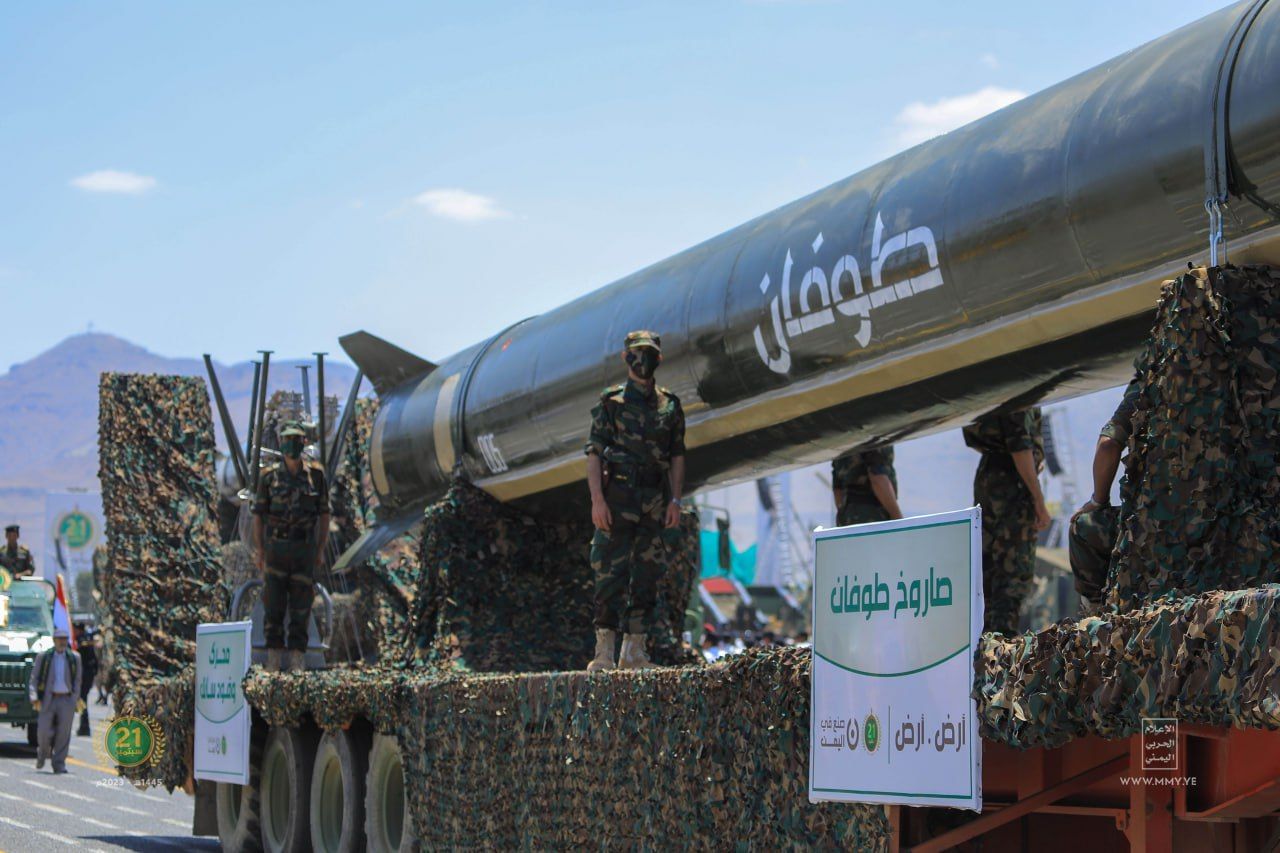
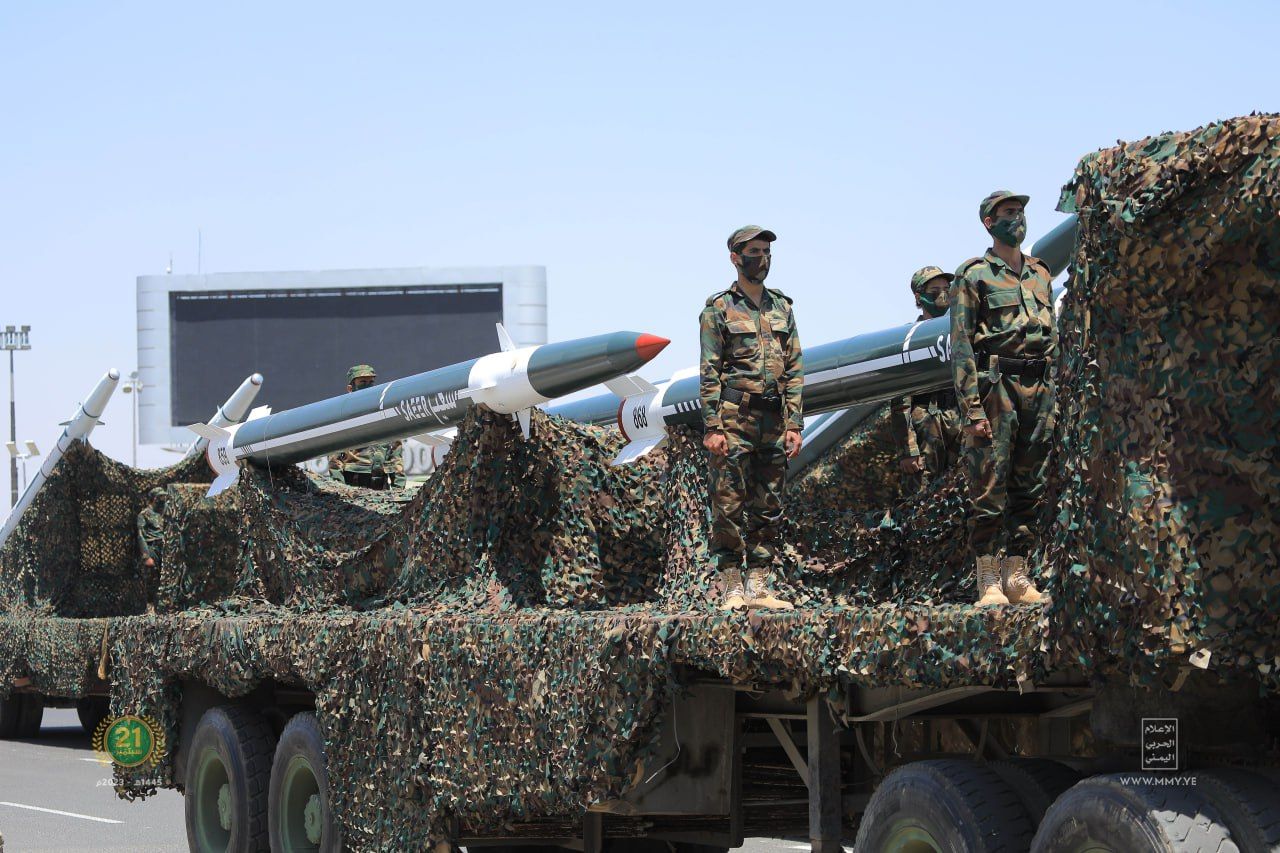
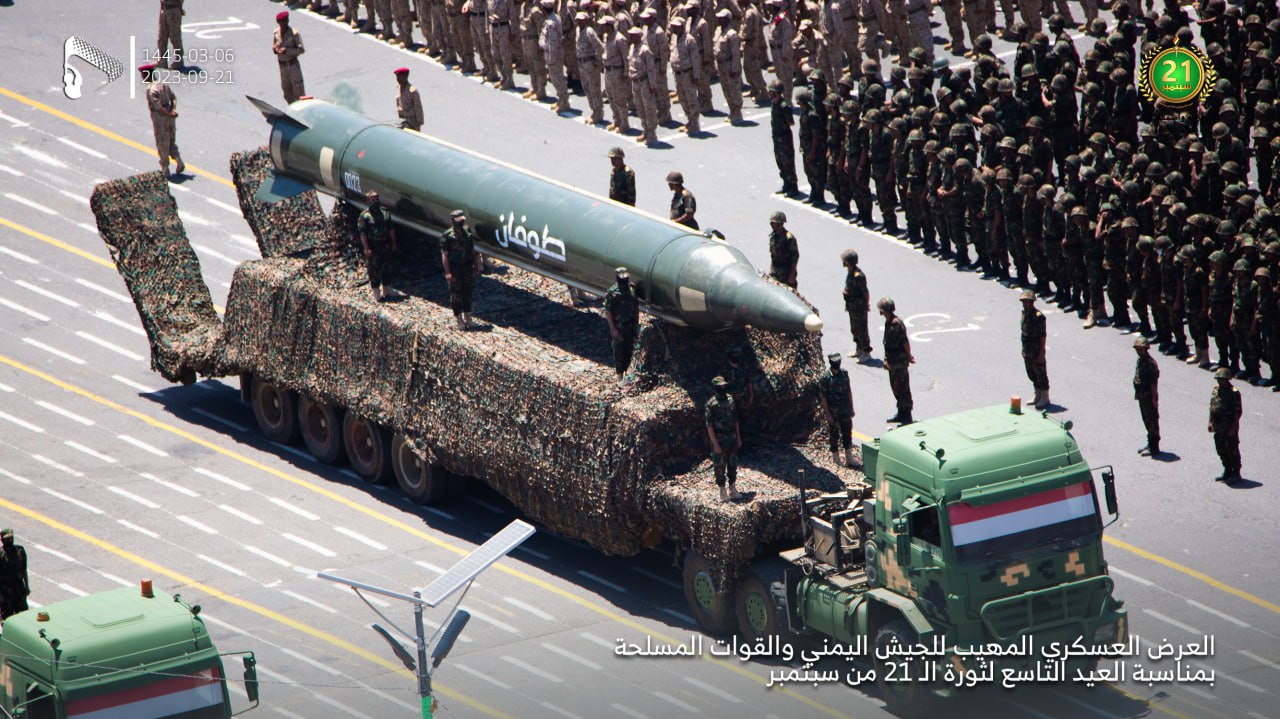
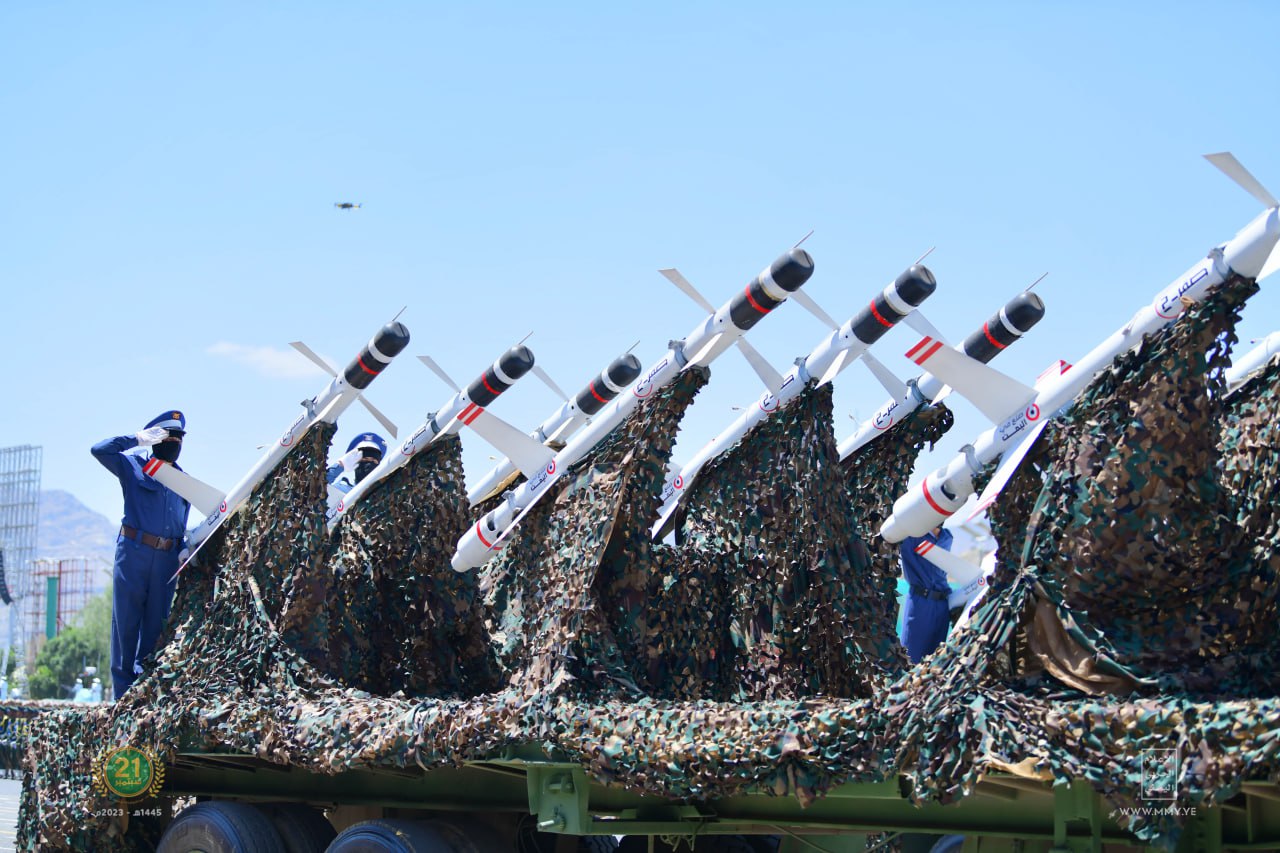
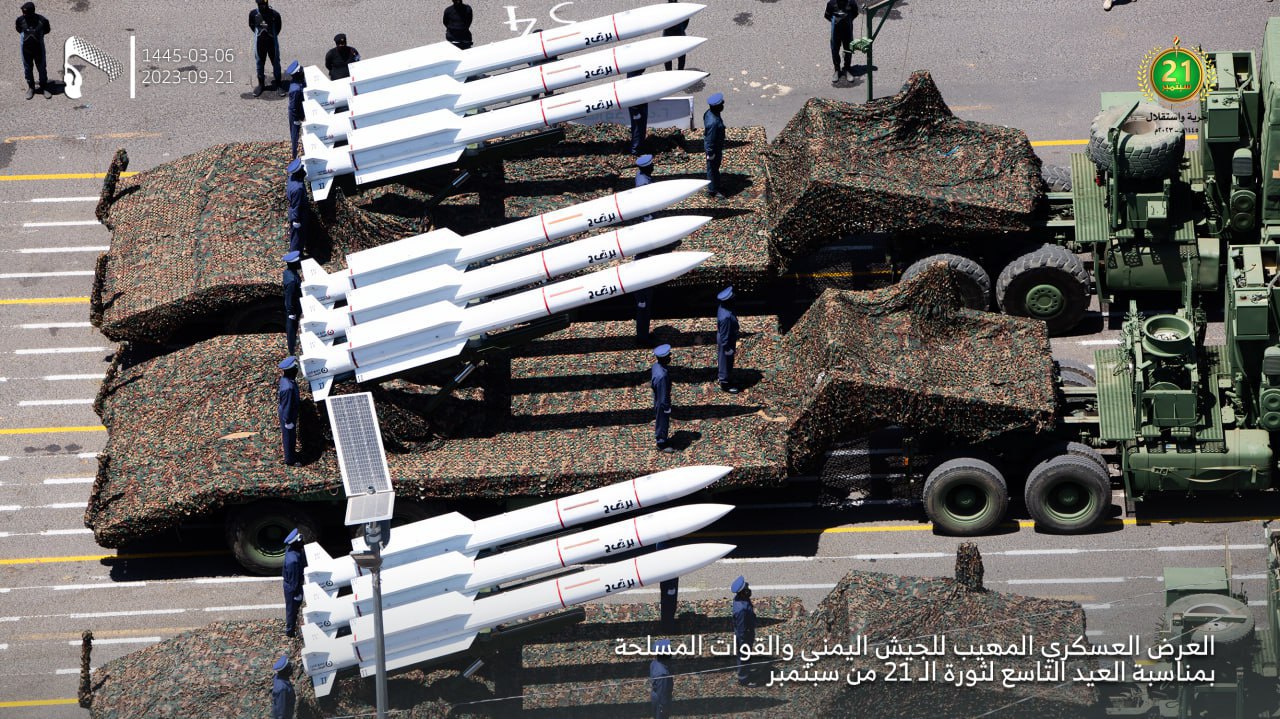
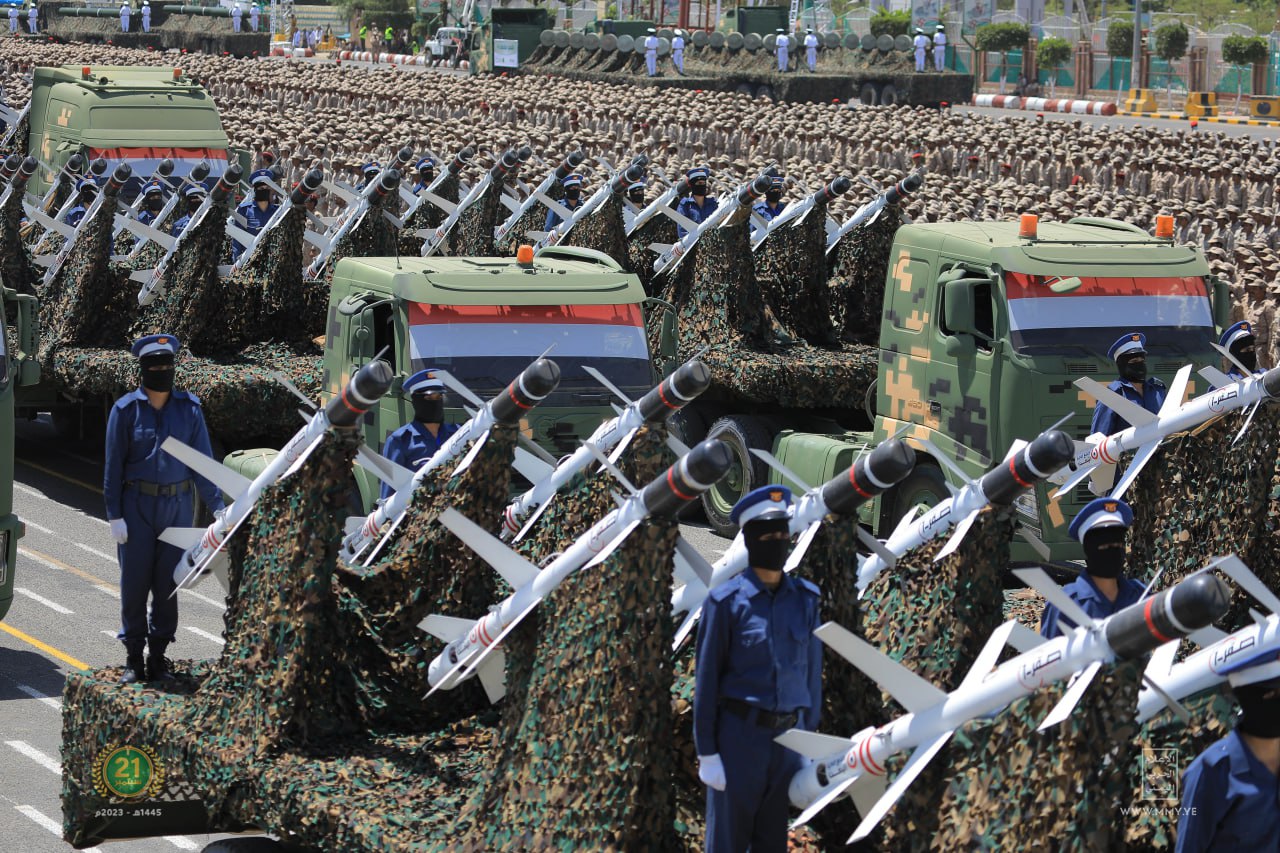
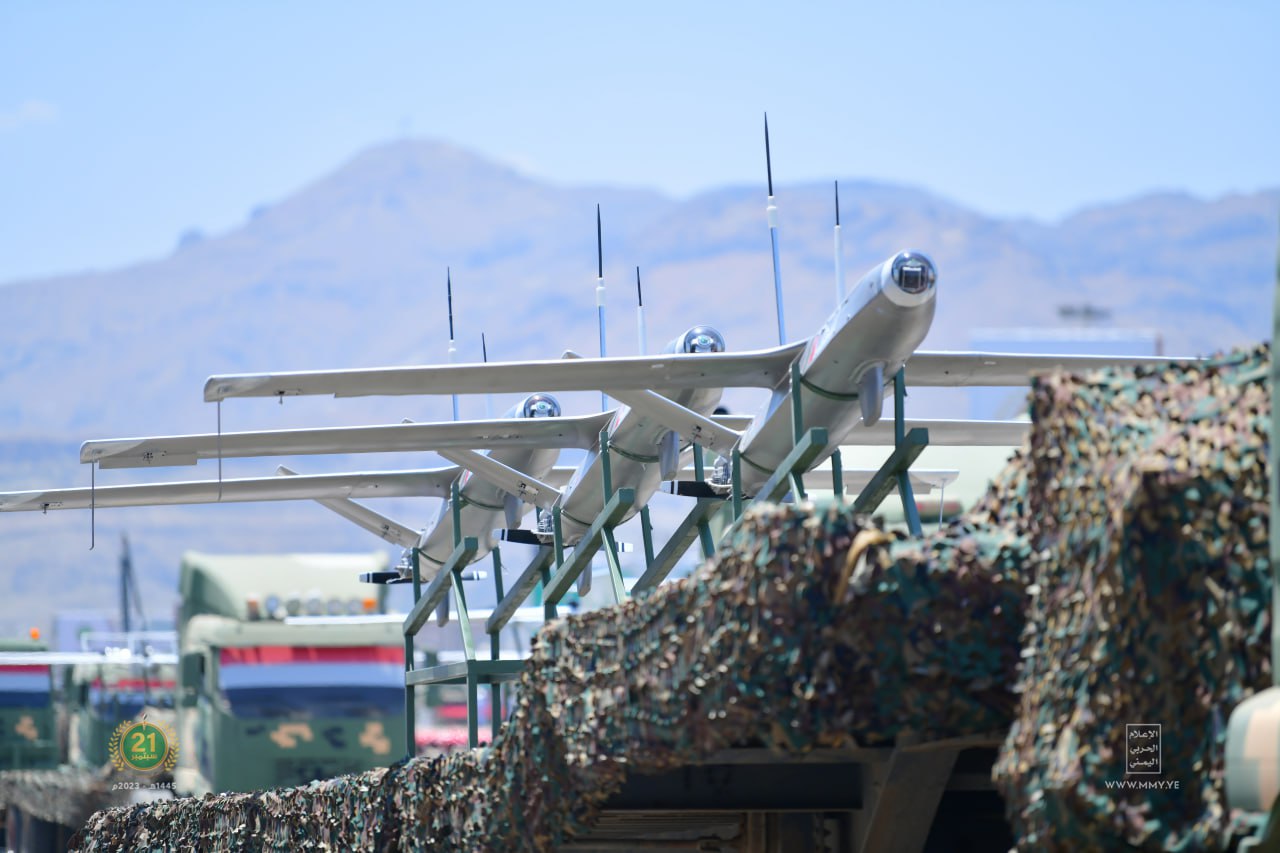
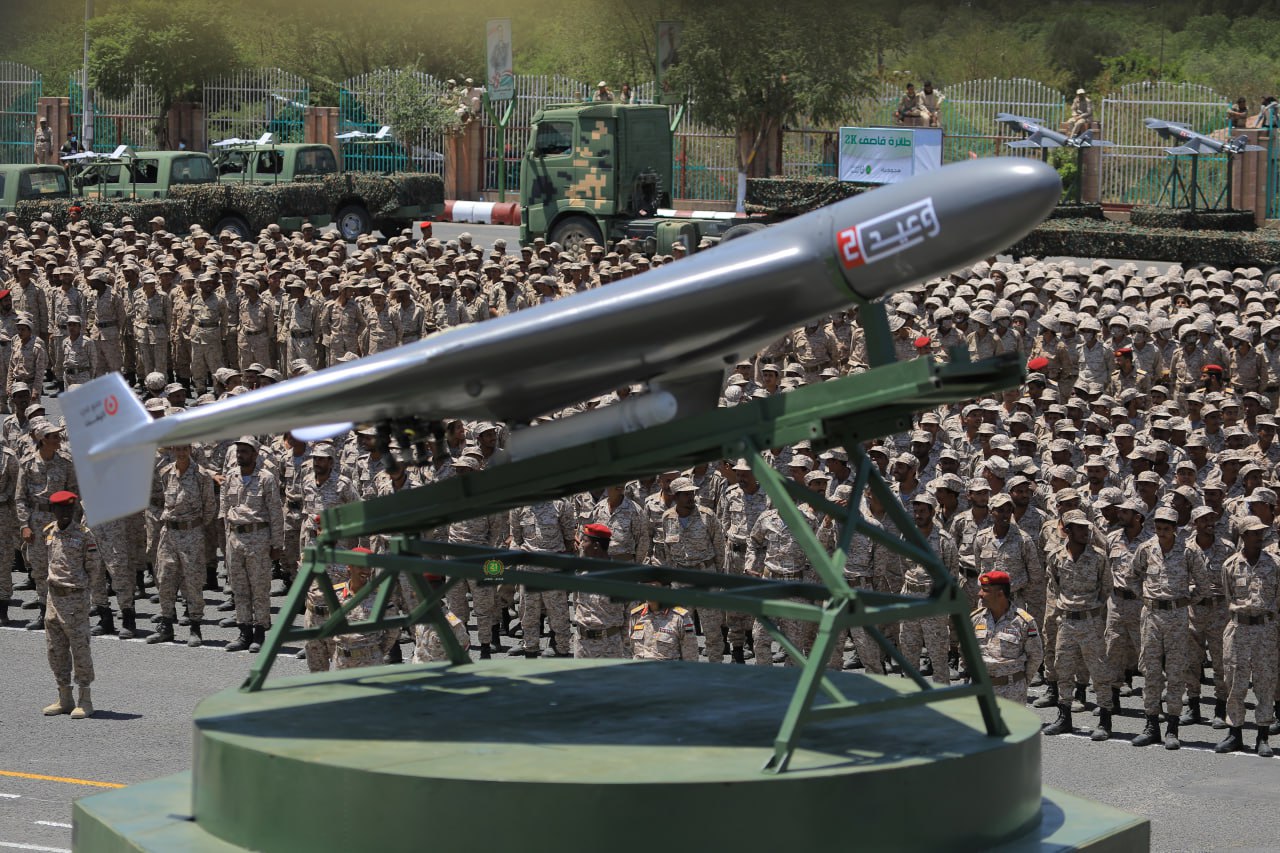
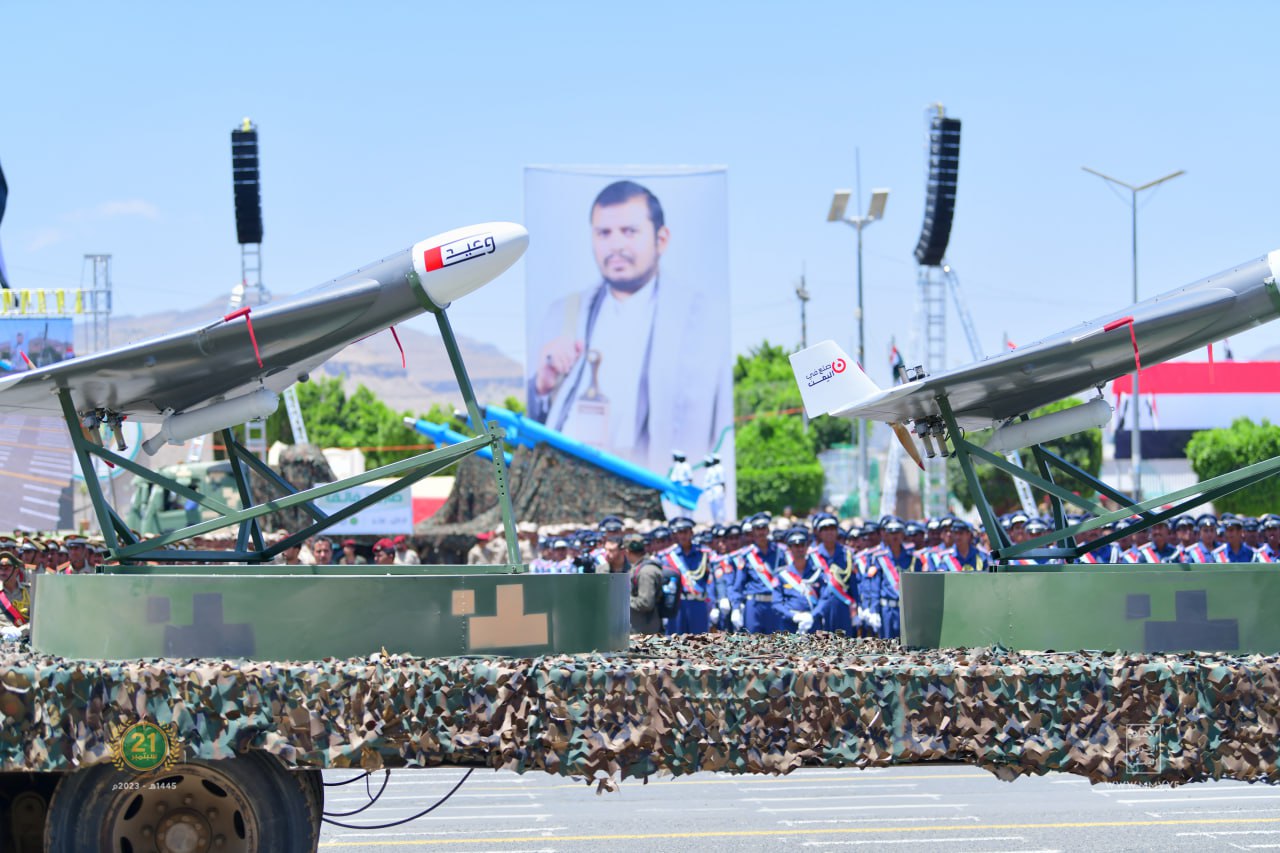
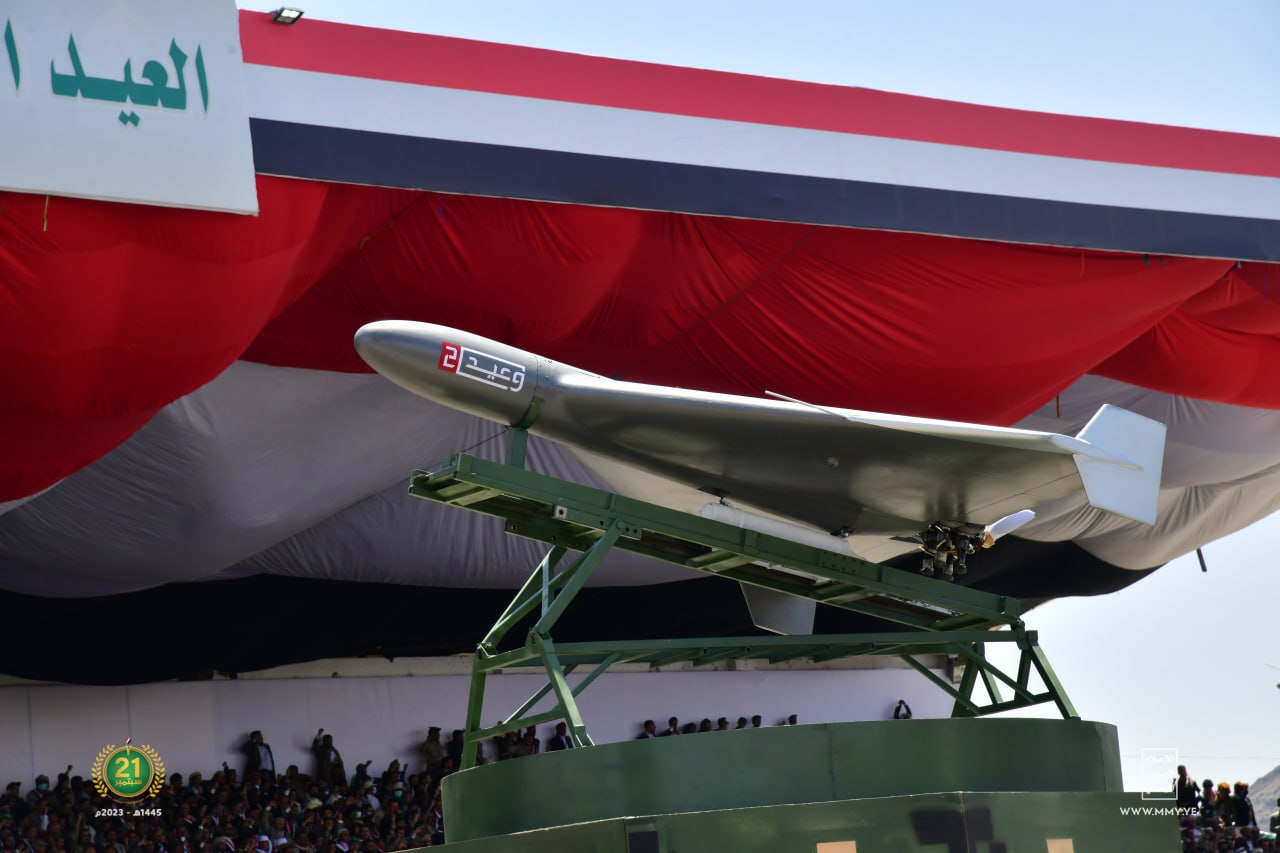
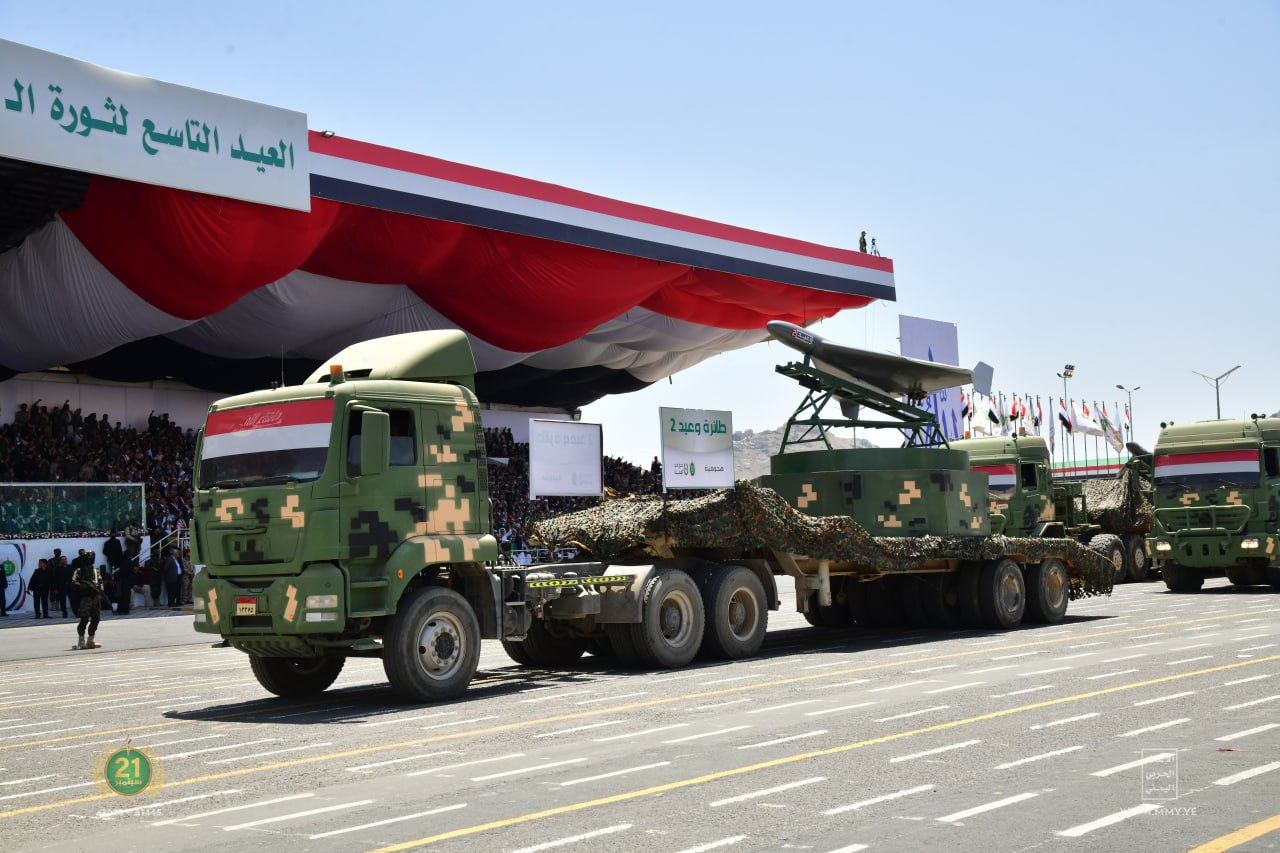
    The military exercise began following the arrival of President of the Supreme Political Council of Yemen Mahdi al-Mashat into Al-Sabeen Square as well as the performance of revolutionary anthems and programs in honor of the Holy Quran. In addition to its previous weaponries and combat equipment, the Yemeni army unveiled new equipment such as Hani armored vehicles, Nadir boats, ground-to-sea Saeqa missiles, Sejjil cruise missiles with a range of 180 kilometers, Aqil ballistic missiles, Tufan ballistic missile system and various radars, and several new air defense missiles.

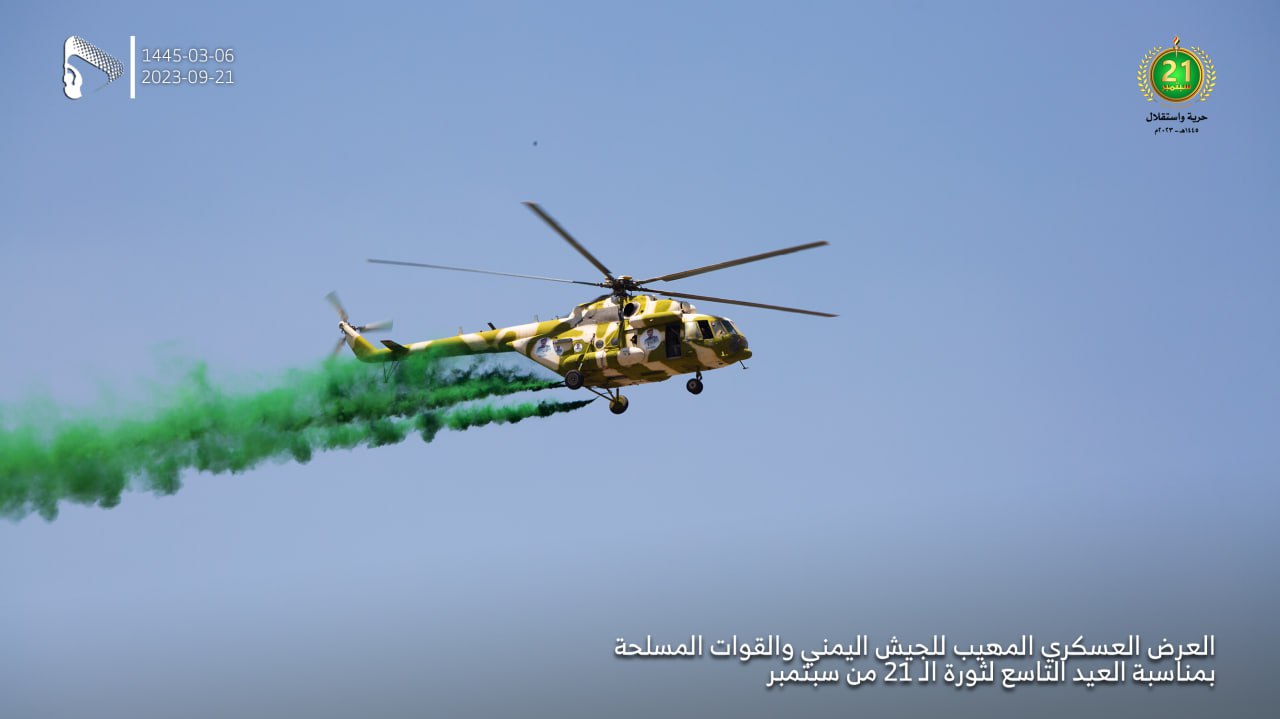
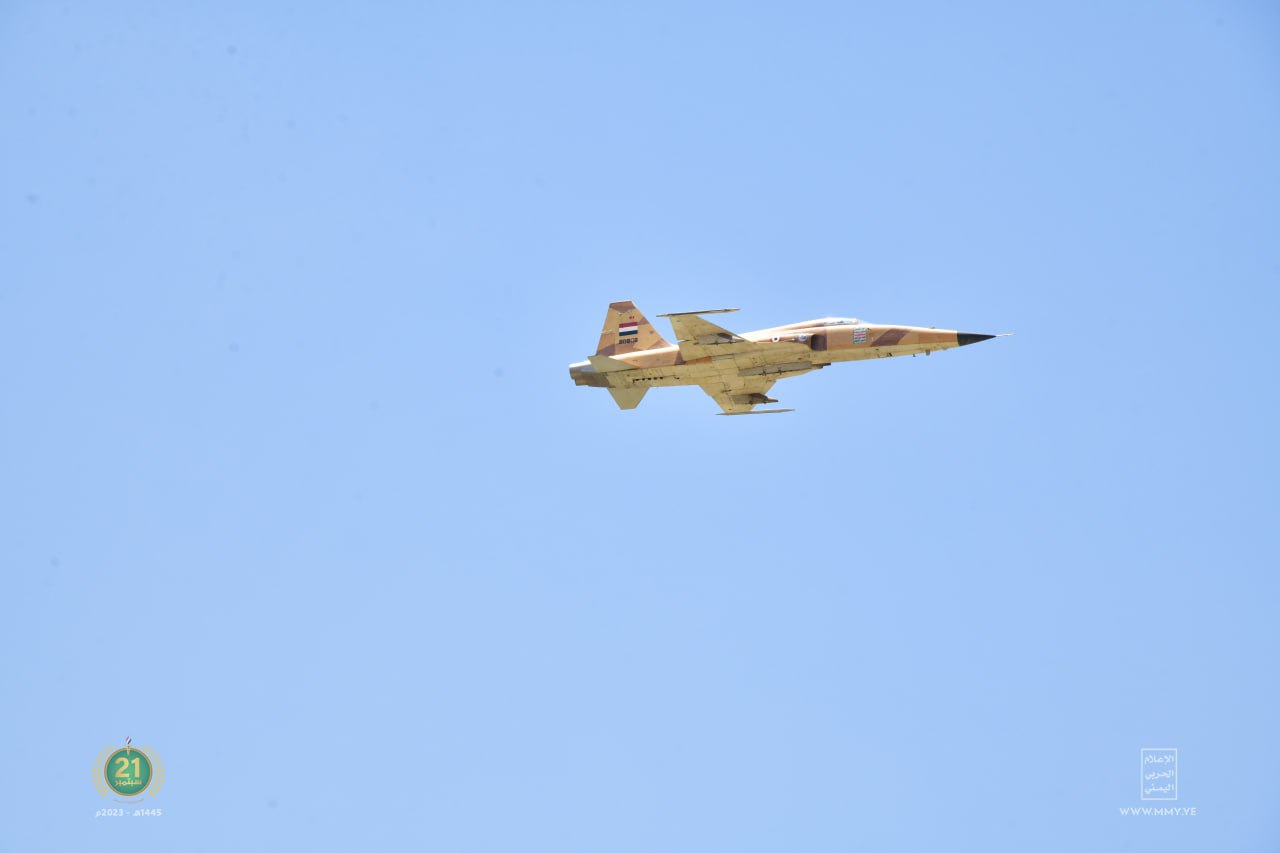
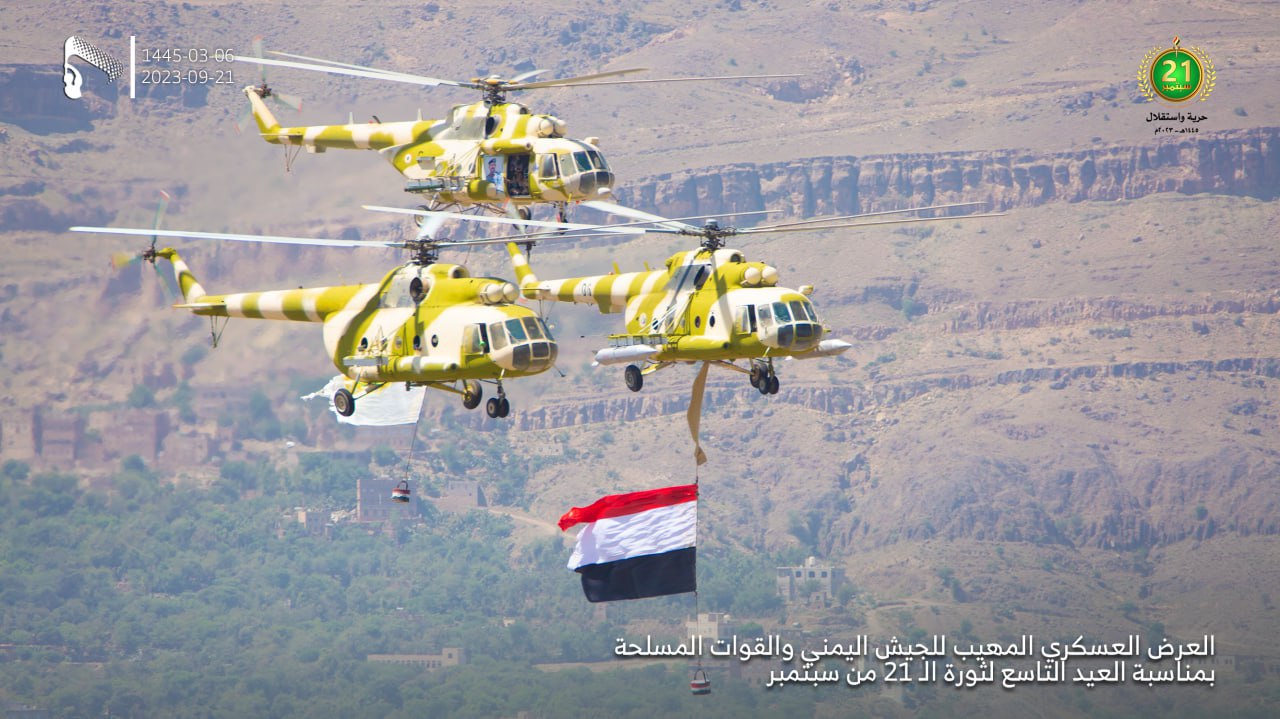
    For the first time since the start of Saudi-led coalition war on Yemen, one of the F-5 fighters performed several maneuvers in this parade alongside Mi-17 helicopters of the Yemeni Air Force.

    F-5 fighter maneuver in the September 21 parade in Sana’a city

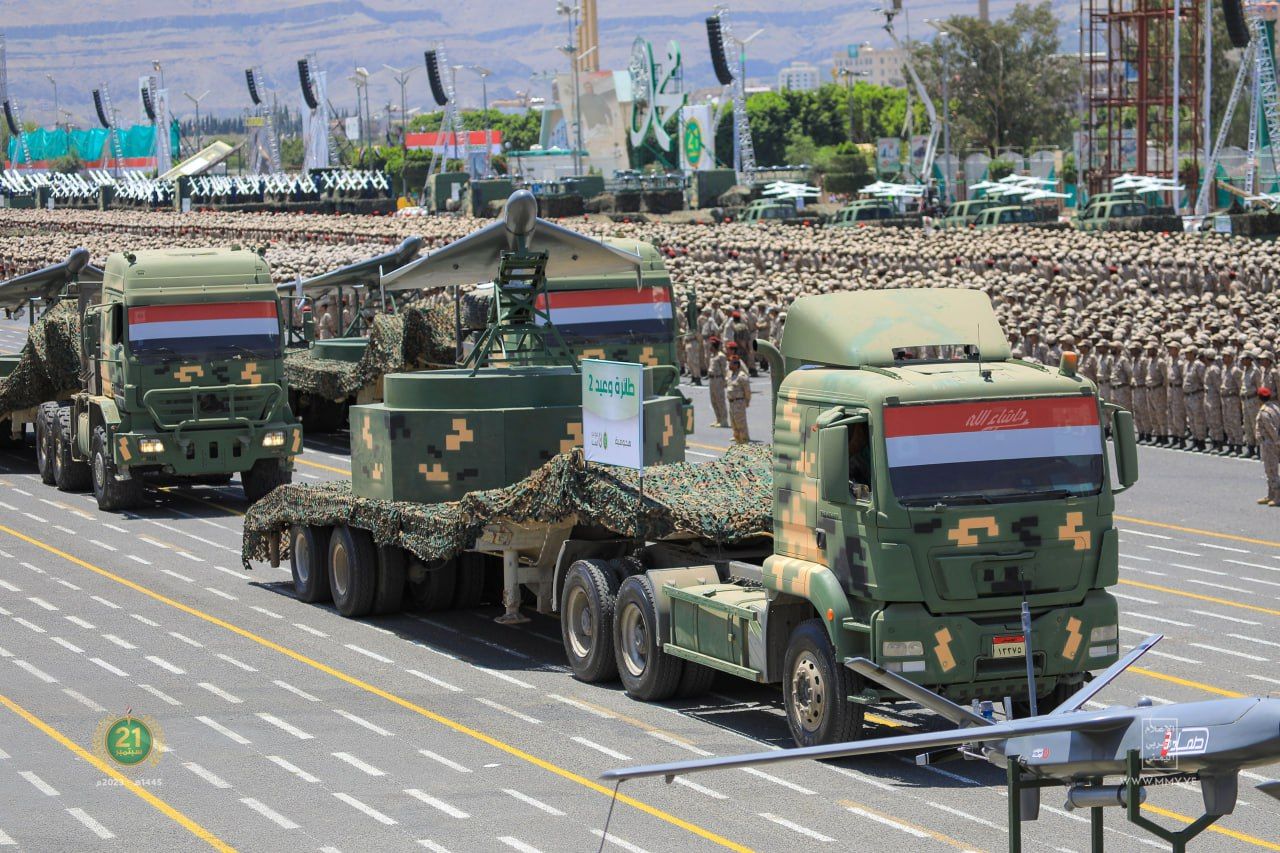
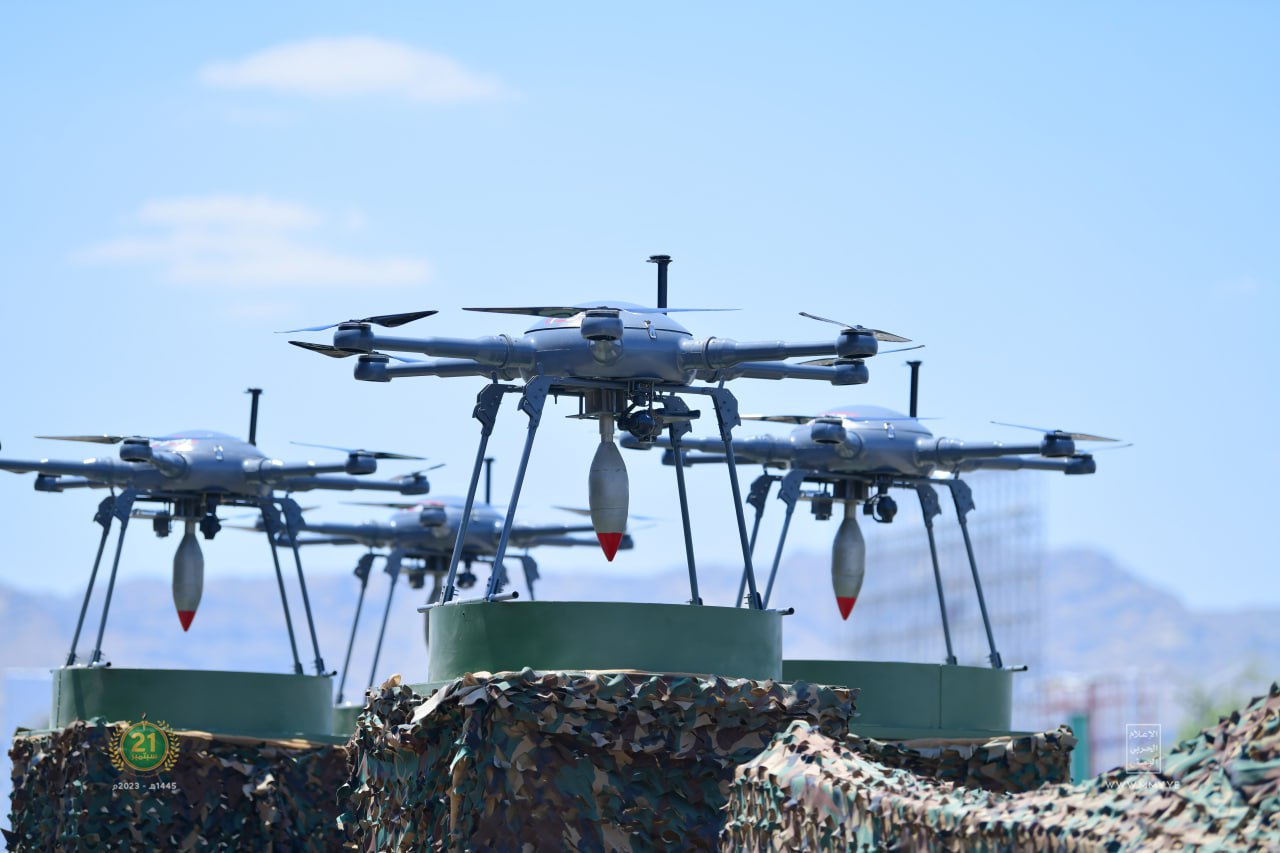
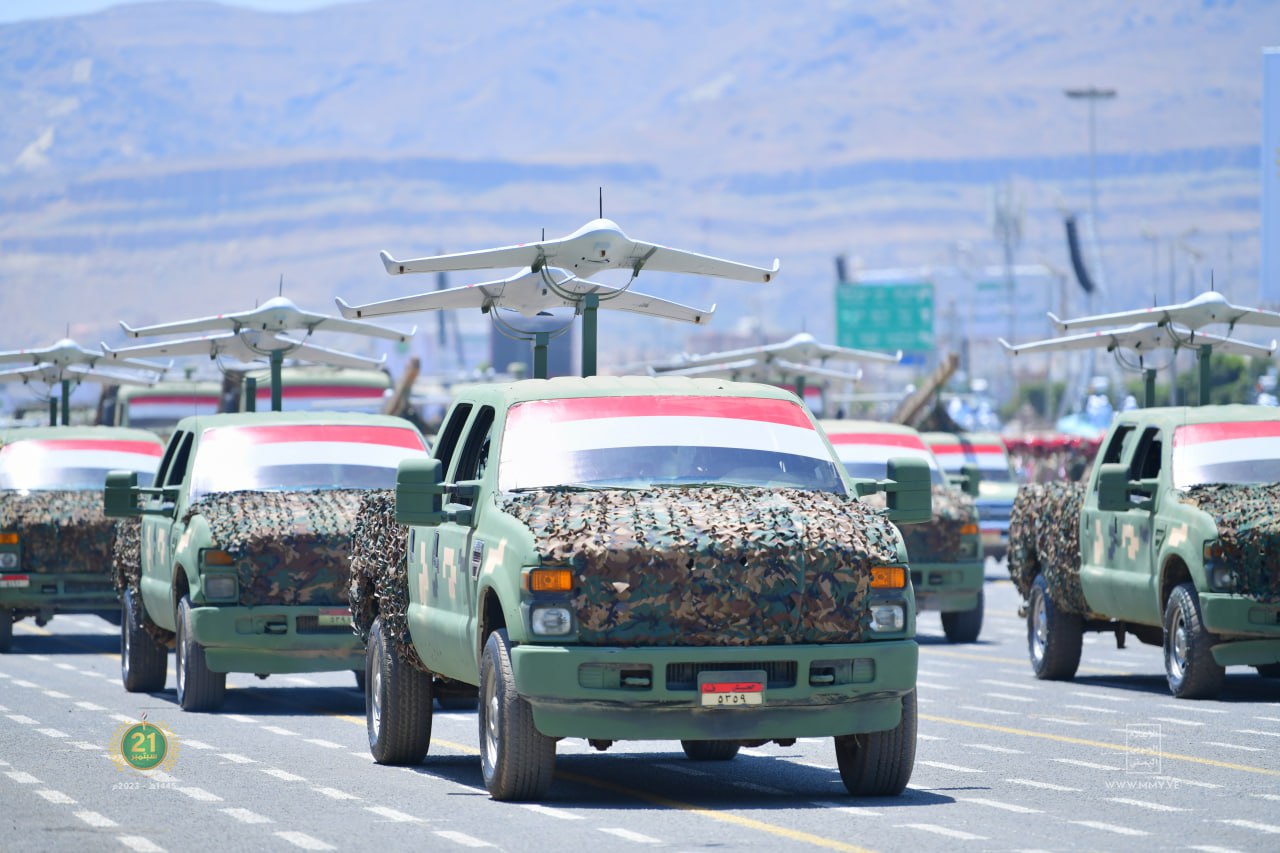
    The extensive collections of missiles as well as reconnaissance and assault drones were another difference in this parade compared to past military maneuvers and parades. The Ansar Allah movement displayed drones such as Waeid 1 and 2 (Shahed 136), Mersad 2, Khatef, and Saqar 2 (known as 358) air defense missile, Qasem missile, Badr 4 and so on in large numbers during this parade.

    The grand display of Yemen’s stunning army weapons in this parade once again showed that no military operation or invasion by the Saudi-led coalition or even the US-led coalition can bring the people of Yemen to their knees. The all-out air and sea blockade will not prevent this country’s military advances because Iran and the Axis of Resistance are supporting the Yemeni people.

    The people of Yemen were outraged by resigned president Abd Rab Mansour Hadi’s betrayal and his government’s collusion with certain Arab countries, especially Saudi Arabia, in 2014. The Yemeni people held extensive rallies against him in various cities of Yemen. With Ansar Allah’s entry into Sana’a city on September 21, 2014, Hadi resigned from the presidency of Yemen and his government agents were dismissed by the Yemeni parliament. After these developments and Ansar Allah’s success in taking control of the Yemeni government, Saudi Arabia and the United Arab Emirates (UAE) formed a coalition against the people of Yemen and Ansar Allah in support of Mansour Hadi; so, his allies attacked all over Yemen.

    One interesting point about this year’s parade was the large presence of Hani armored vehicles which are actually updated versions of Al-Shabal 2 light vehicles belonging to Saudi-led coalition that Ansar Allah had seized in various battles. According to released images from the parade, Yemen’s army has managed to update 54 units of these vehicles.

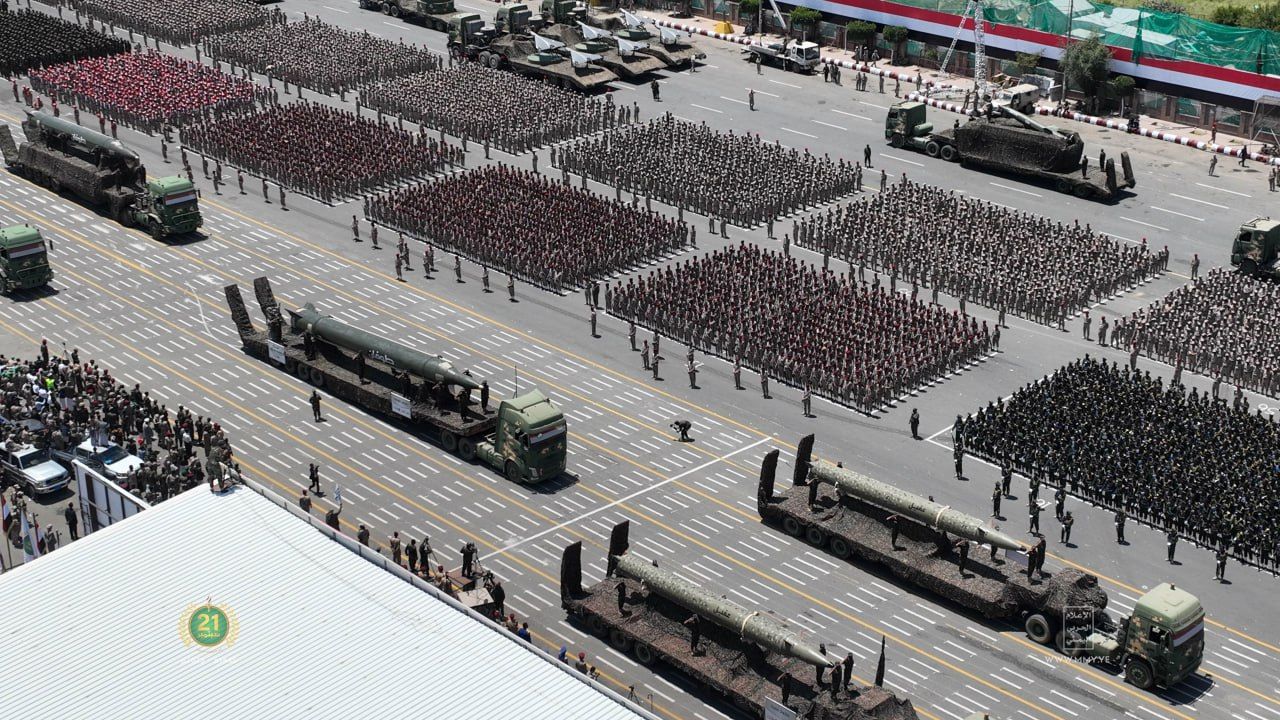
    In this parade, various ballistic missiles were displayed by Yemen’s armed forces. These missiles were displayed in large numbers indicating functionality and high storage number for these missiles in Yemen’s armed forces organization. These ballistic missiles are very similar to some Iranian samples. For example, Karrar missile is similar to Fateh-110 missile; Aqil missile is alike Qiam missile; Tufan missile is similar to Qadr missile. Of course, differences can be seen as well and it cannot be said with 100 percent certainty that all these weapons and equipment have been directly transferred to Yemen.

    Among other equipment seen in the parade is an anti-aircraft missile similar to Taer-2B missile named Barq-2. Other anti-aircraft missiles were Saqar-1 and 2, which were recently displayed during Russian Defense Minister’s visit to Iran and they did not yet have a name in Iran’s armed forces collection; therefore, they are more known as Missile 358.

    Sejjil anti-ship missile was introduced as the newest member of anti-ship class by Yemen’s armed forces. Anti-ship missiles Al-Mandab-1 & 2 were also displayed alongside Rubij anti-ship missile. The anti-ship Sejjil missile, which was unveiled at this military exercise, is also similar to Iran’s Qadir missile.

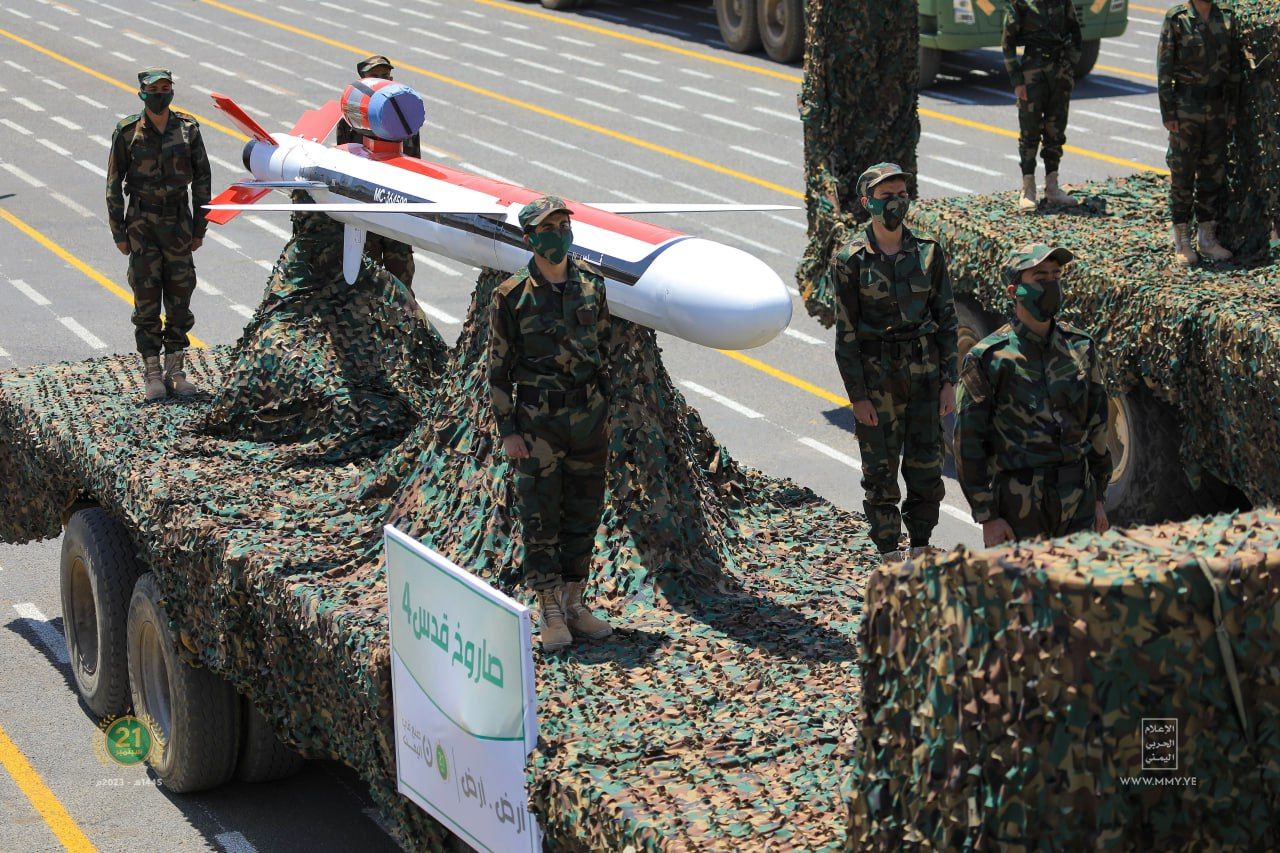
    Badr-4 missile; Masjoor-2 underwater mine; Quds-4 cruise; anti-ship ballistic Tankil missile were among other equipment unveiled at this military exercise in the Yemeni capital on the anniversary of Ansar Allah’s take-over of the government.

    A summary of the parade of different units of the Yemeni armed forces in Sana’a
  • Yemen, Saudi Arabia Continue Negotiations; Ansar Allah Delegation Leaves For Riyadh

    Yemen, Saudi Arabia Continue Negotiations; Ansar Allah Delegation Leaves For Riyadh

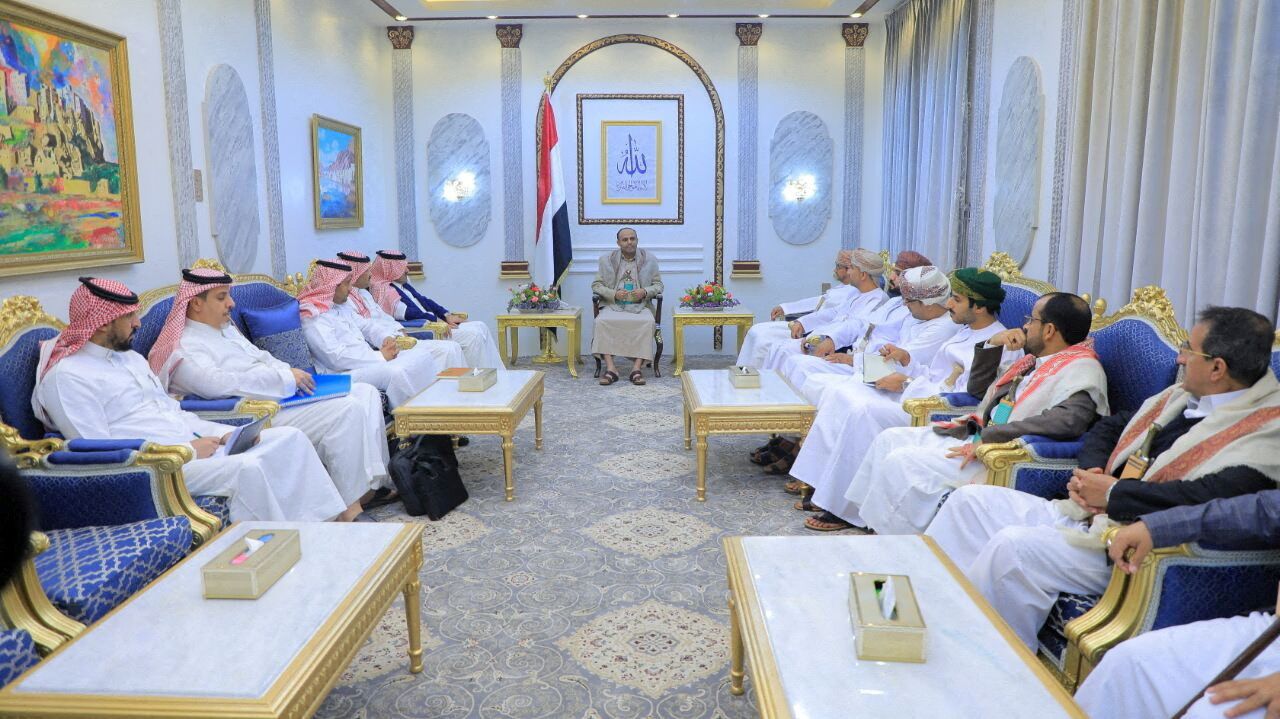
    The Yemeni National Salvation Government’s negotiating team, led by Mohammed Abdulsalam, who is also the Ansar Allah movement’s spokesman, traveled to Riyadh, the capital of Saudi Arabia, after Omani representatives consulted officials of the Ansar Allah movement.

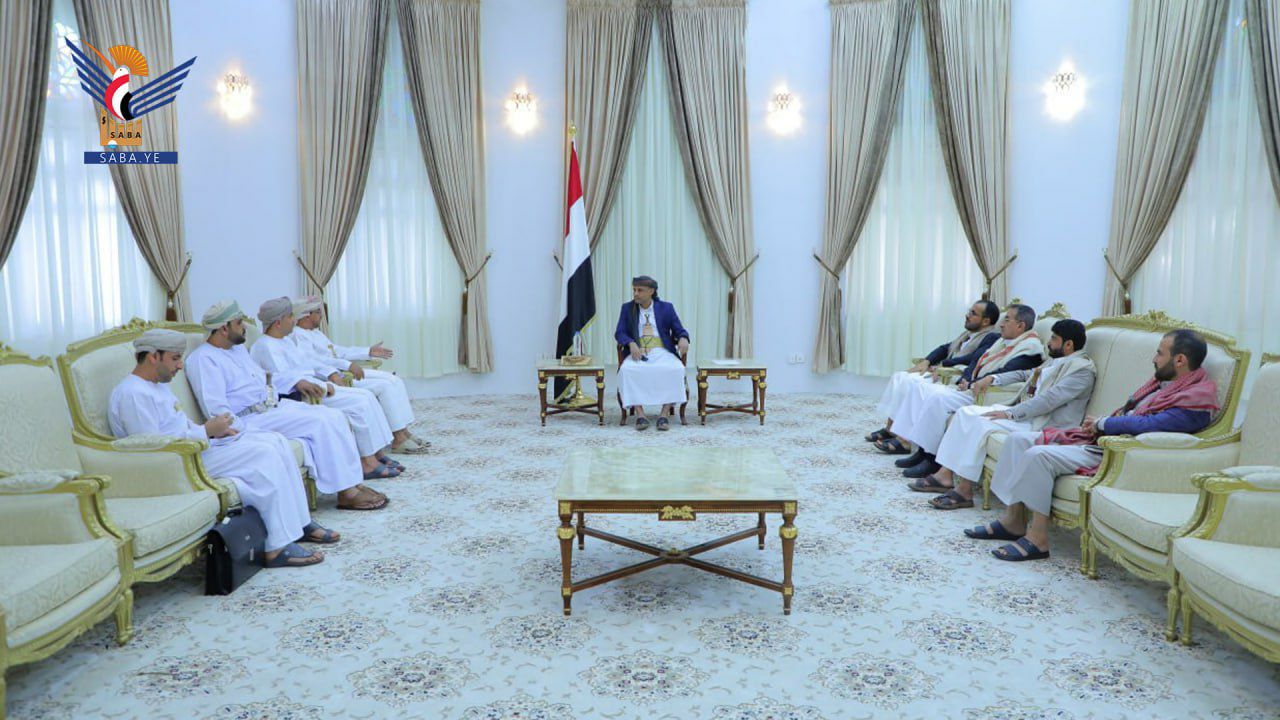
    Following Oman’s liaison and talks during Mohammad bin Salman’s recent trip to Muscat, Omani representatives entered Sana’a on Friday, September 14. The meeting between the Omani delegation and Ansar Allah officials was held to convey Sultan Haitham bin Tariq’s message to Mahdi Al-Mashat, President of the Supreme Political Council of Yemen.

    In general, the negotiation was welcomed by Ansar Allah leaders, and the Yemeni negotiating team, accompanied by Omani representatives, went to Riyadh, the capital of Saudi Arabia on Saturday.

    Read more: A Look Into Challenges Of Peace Talks In Yemen

    According to Mohammed Abdulsalam’s statements, the priority of this round of negotiations is focused on lifting the siege, opening ports and airports, paying employees’ salaries from oil revenue, as well as prisoner swap.

    Other issues such as the withdrawal of foreign forces and the reconstruction of war-torn country for achieving a comprehensive political solution have been raised but they have not yet been confirmed or denied by the other party.

  • A Look Into Challenges Of Peace Talks In Yemen

    A Look Into Challenges Of Peace Talks In Yemen

    Let’s scrutinize why the nature of the resigned government of Yemen is illegal and the Saudi-led coalition’s operations in Yemen are considered an invasion.

    A few days ago, the [Persian] Gulf Cooperation Council, led by Jassim Mohammed Al-Budaiwi, the Secretary-General of the council, traveled to the city of Aden in Yemen. This trip was the first visit by officials of this council to Yemen after 2014. In this meeting, Al-Budaiwi emphasized an issue that is the root cause of the crisis and lack of progress in Yemen’s negotiations, and that issue is nothing but the three references.

    The three references include the 2011 [Persian] Gulf Cooperation Council initiative, United Nations Security Council Resolution 2216, and national dialogues recognized by Arab countries as a reference for resolving the Yemeni crisis. However, these references are not solution to the Yemeni crisis but have become a major obstacle to advancing peace negotiations. To clarify the aspects of these three references, we explain them in general:

    1- The 2011 [Persian] Gulf Cooperation Council initiative: 

    This [Persian] Gulf Cooperation Council initiative was presented on April 3, 2011, by the United States and Saudi Arabia to resolve the Yemeni crisis. This initiative is also known as the “Gulf Initiative,” according to which Ali Abdullah Saleh, the then-president of Yemen, was given a 30-day deadline to step down and transfer power to his deputy, Abd Rabbuh Mansur Hadi. Mansur Hadi also had 60 days to form an interim government and prepare the ground for power transfer through elections. This initiative did not end with the resignation of Ali Abdullah Saleh, and Abd Rabbuh Mansur Hadi became the president of Yemen with the support of Arab countries in a one-person election. The seizure of power by the Yemeni revolution and the intervention of Arab countries in the affairs of this country provoked the anger of the Yemenis and led the Ansar Allah movement fighters towards capital Sanaa. Eventually, the Ansar Allah forces entered Sanaa by breaking the defensive lines of Abd Rabbuh Mansur Hadi’s supporters and took control of the government. After the unsuccessful political negotiations between the two sides, Mansur Hadi went to parliament on January 22, 2015 and resigned from his position. A month after his resignation, he was interrogated by intelligence and judicial authorities and finally fled from the presidential palace in Sanaa to Aden on February 21, 2015. This move was followed shortly with an invasion by the Saudi-led coalition, which complicated the political crisis in Yemen with the foreign invasion.

    2- United Nations Security Council Resolution 2216:

    On April 14, 2015, the United Nations Security Council, without mentioning the Saudi-led coalition’s invasion of Yemen, declared the prohibition of sending any weapons to the Ansar Allah fighters and Ali Abdullah Saleh’s forces in a resolution. This resolution also called on the Ansar Allah movement to hand over power and retreat from Sanaa as well as other cities in Yemen. The UN Security Council also approved the inspection of all ships heading to the war-stricken Arab country. It also banned travel for Abdul-Malik Badruldeen al-Houthi as well as Ahmed, the senior son of Ali Abdullah Saleh.

    3- National dialogues:

    Following the Saudi-led coalition’s invasion of Yemen, Yemeni national dialogues in Sanaa were halted, and prominent factions such as the al-Islah Party (Yemeni Congregation for Reform), and southern parties and so on, could raise the banner of opposition to the central government in Sanaa due to the support they received from Saudi Arabia, the United Arab Emirates (UAE), and other Arab countries. Following negotiations by the Ansar Allah movement in Sanaa, various political parties that were led by the General People’s Congress under the leadership of Ali Abdullah Saleh united with the Yemeni National Salvation Government. This move weakened the opposition; so, the Ansar Allah movement, after months of heavy defense, was able to repel the Saudi-led coalition’s attacks on Sanaa and Al Hudaydah Governorate in a short period as well as cleanse a large part of the areas under the control of the Yemeni government in Marib, Al Jawf, Saada, and Al Hudaydah governorates.

    Over the recent years, many events, such as Ali Abdullah Saleh’s betrayal of the Ansar Allah movement, the Stockholm Agreement, the assassination of Saleh Ali al-Samad, the head of the Supreme Political Council of the National Salvation Government, etc., have changed the course of developments in the Arab country. However, none of these events, like the Ansar Allah’s missile-drone operations against deep areas in both Saudi Arabia and the UAE, had a significant impact on peace negotiations, and ultimately a UN-mediated ceasefire between the Ansar Allah movement and the Saudi-led coalition was established in April 2022.

    Despite the establishment of a ceasefire and the Ansar Allah’s efforts to engage in talks with the Islah Party and southern factions in various incidents, intra-Yemeni political dialogue have not been held at any time or place. The main reason for this is the opposition groups’ dependence on Saudi Arabia and the UAE, as well as recent US interventions in Yemen’s developments.

    Therefore, the three references are chiefly a hindrance to peace negotiations and the unity of different groups in Yemen rather than a solution to the Yemeni crisis. The [Persian] Gulf Cooperation Council’s initiative can be seen as direct interference in the affairs of an independent country, and UN Security Council Resolution 2216 is interpreted as supporting Arab and Western countries’ goals in Yemen. When a political figure speaks against the three references, it can be inferred that there is no intention to resolve the Yemeni crisis, and some are trying to escalate the war in the country.

    In addition to these issues, there are numerous obstacles to Yemeni negotiations that prevent them from reaching a conclusion. These obstacles include US pressure on Saudi Arabia, the United Nations’ involvement in Yemen’s internal affairs, the dependence of Yemeni factions on Saudi Arabia and the UAE, the separatist tendencies of some southern parties with British support, the presence of terrorist groups particularly Al-Qaeda in occupied areas, the disregard of global powers such as Russia and China for Yemen’s developments, internal issues such as the lack of payment of salaries to Yemeni employees from oil revenues, and the ongoing blockade of Yemen.

    As a result of preventing the Ansar Allah movement from exporting Yemen’s oil and gas, the resigned government’s budget has reportedly faced a 50% deficit, which will put significant financial pressure on their Saudi and Emirati supporters. International organizations under the auspices of the United Nations, especially the World Food Program, have also significantly reduced their aid to Yemen, forcing UN representatives to hold a special session in New York to collect humanitarian assistance.

    Overall, Yemeni peace negotiations, in addition to internal differences and challenges, have become entangled in a more significant regional issue. The success of the Shia Muslims in gaining control of the Yemeni government and the Saudi-led coalition’s invasion of the Arab country with Western support led to Yemen becoming a proxy war between Iran and the United States. Nowadays, this war has entered a new phase with the agreement between Iran and Saudi Arabia, which has led to the resolution of some issues such as the maritime and aerial blockade of Yemen. However, fundamental differences remain, and there is still a long way to go in starting discussions on the formation of a united government and the path to achieving lasting peace.

  • US Troops Stationed In Six Points In Yemen: Ansar Allah Movement

    US Troops Stationed In Six Points In Yemen: Ansar Allah Movement

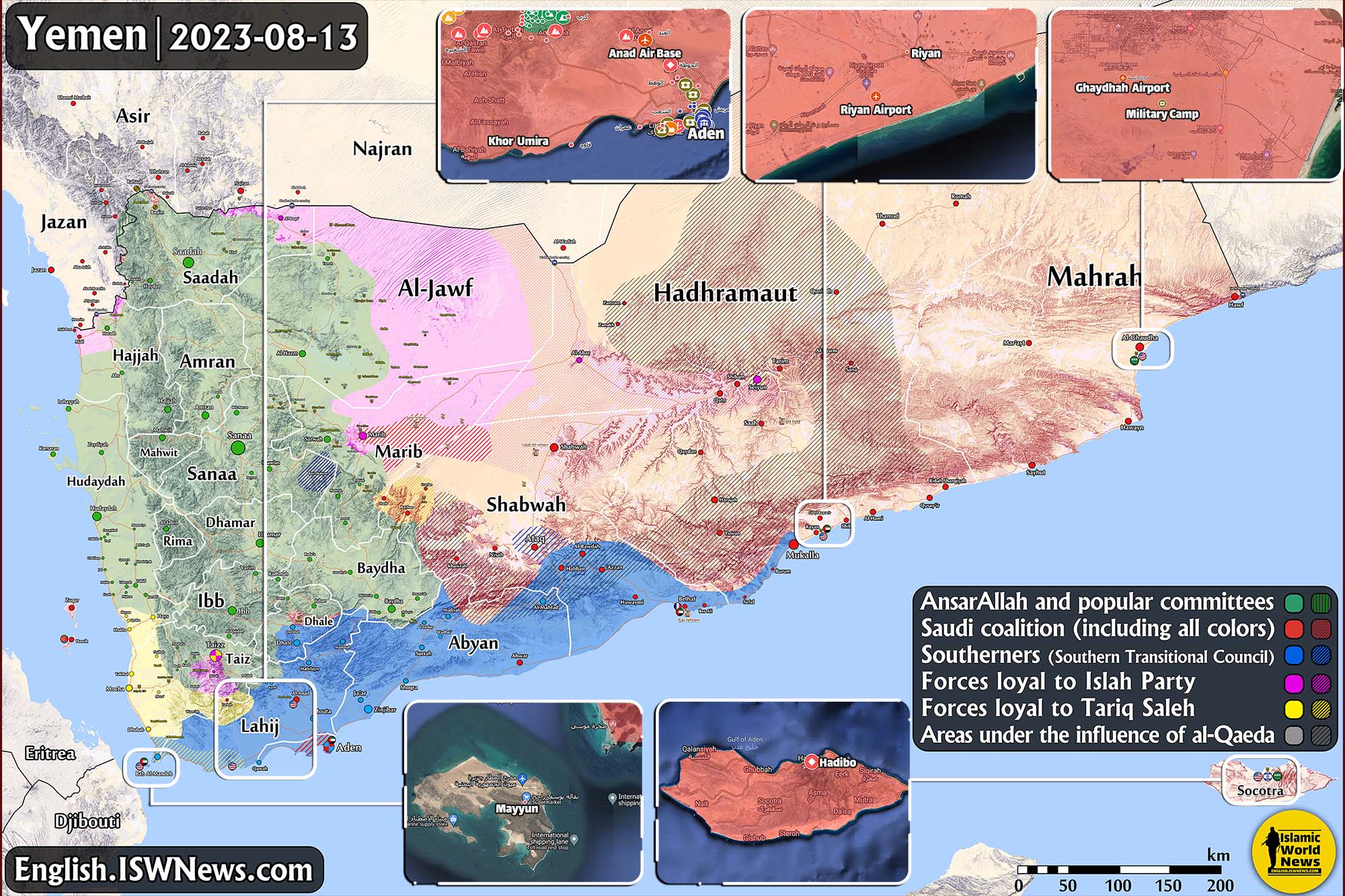
    In a Twitter message, al-Qahoum said that the Yemeni capital Sana’a is closely monitoring the continuous movements of US military forces and their relocation in the Al-And base, the Khur Amira district on the coastal area of Lahij Governorate, Hadhramaut and Al-Mahrah areas as well as in Socotra and Mayyun Islands.

    He also emphasized the independence and sovereignty of Yemen, as well as the ability of the Yemeni army to safeguard shipping process and combat terrorism.

    The Ansar Allah member went on to say that the unjustified presence of US military forces in Yemen is a danger to the West Asia region, and the Americans’ actions to control and be present in Bab al-Mandab Strait, in addition to violating international laws, threaten international and regional security as well.

    Al-Qahoum also concluded his message by warning that the Ansar Allah movement will not remain idle in the face of any conspiracy against Yemen and the region, adding that the presence of the US in the Arab country will not take long, and the people of this territory will stand against aggression towards Yemen as well as dangerous conspiracies against the region by the use of changing the rules of engagement and increasing military capabilities and industries.

    The Ansar Allah movement’s repeated warnings come after an announcement by the US military to deploy three thousand military personnel along with two amphibious ships and an assault ship in the Red Sea and Bab al-Mandab Strait.

    According to al-Qahoum’s statements and the movements made by the United States’ Ambassador to Yemen Steven Fagin, as well as other American advisors, US soldiers are stationed in six points in Yemen, including the Al-Anad base, the Khur Amira district on the coast of Lahij Governorate, Hadhramout region (Al-Rayyan Air Base), Al-Mahrah (perhaps Al-Ghaydah Air Base), as well as Socotra and Mayyun Islands.

    The widespread deployment of American troops and their presence in those areas indicate that the US has planned to control the southern and southwestern coasts and islands of Yemen. The increase in US military presence in the Bab al-Mandab Strait and Hormuz Strait is aimed at controlling the passage of ships and monitoring Iran’s movements in this route.
    The US officials are worried about the formation of an Iran-centered naval coalition in particular following the reconstruction of relationship between the Islamic Republic and regional Arab states; so, all these issues plus the Iranians’ support for Yemen have prompted the Americans to enter the maritime battlefield with the axis of resistance to maintain their position among the Arabs’ ranks.
    US Troops Stationed In Six Points In Yemen – click to view full size
  • Bab Al-Mandab Turns Into Main Front Of Maritime Clashes Between Ansar Allah Movement, Saudi-Led Coalition

    Bab Al-Mandab Turns Into Main Front Of Maritime Clashes Between Ansar Allah Movement, Saudi-Led Coalition

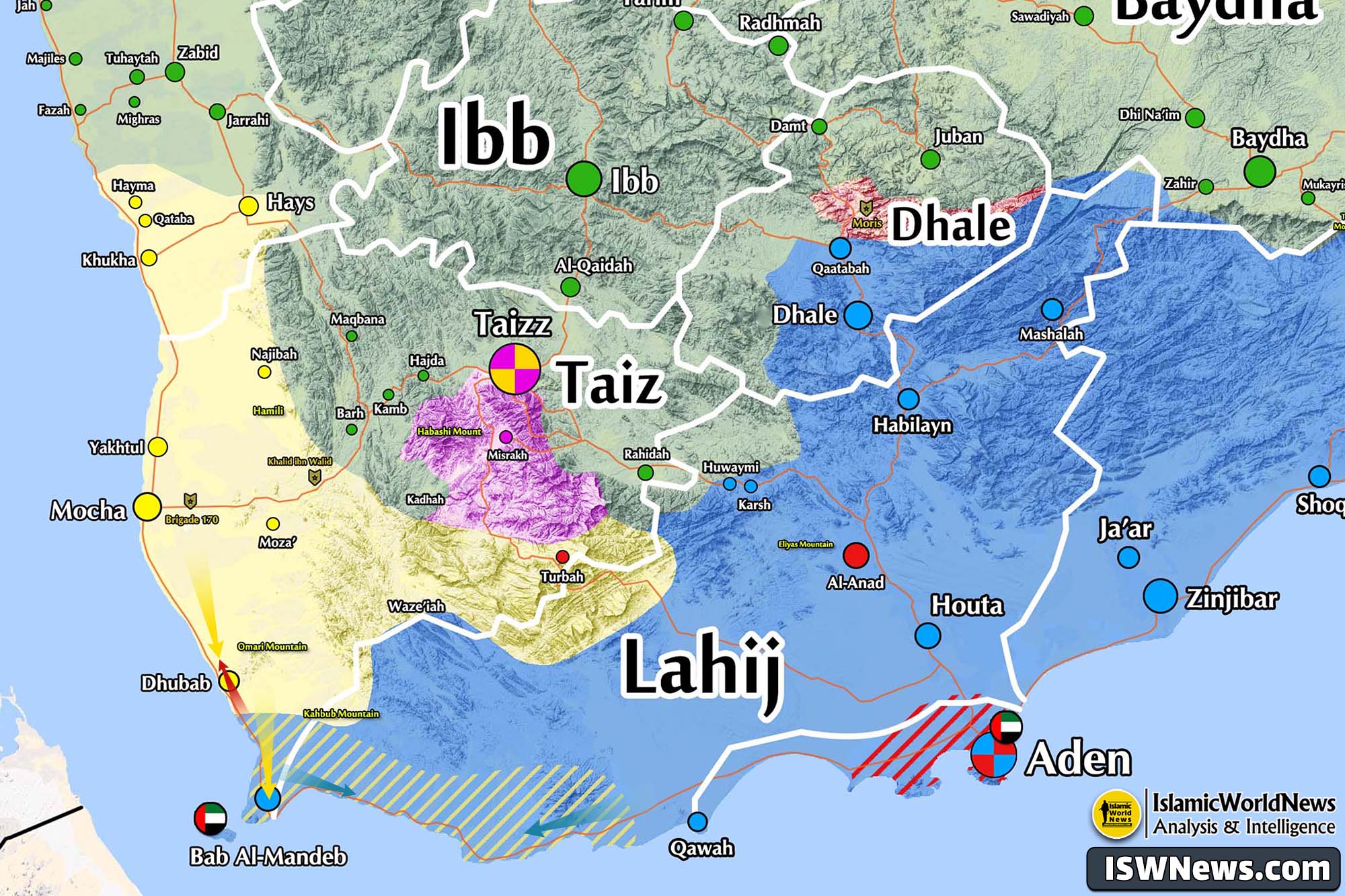
    According to the plan, militant forces affiliated to Tareq Saleh, a Yemeni military commander and the nephew of the late President Ali Abdullah Saleh, will control the coastal areas from Hays city to Bab al-Mandab Strait, as well as the Southern Transitional Council (STC) forces will control the coastal regions from Ras al-Ara area to Aden governorate. The implementation of this plan faces problems, because tribes such as al-Sabiha tribes in Lahij Governorate, southern Yemen, want their share and try to control this region.

    The seventh brigade of Amaliqa forces as well as groups of Al-Sabihah tribal militants prevented Tareq Saleh’s forces from constructing a base and settling in the Bab al-Mandab coastal strip, located in southwestern Taizs Governorate, on July 28.

    The tension was accompanied by a halt in the movement of Tariq Saleh’s forces near Dhubab town, and al-Sabiha tribes warned Tareq’s forces against any military movement towards Bab al-Mandab. After this event, Tareq Saleh ordered more forces to be sent to Dhubab town, but eventually, due to resistance from al-Sabihah tribes, he was forced to retreat from Dhubab towards Mocha.  

    Al-Sabiha tribes claim that the southwestern lands of Taizz Governorate belong to these tribes and Tareq Saleh’s forces must also retreat from their other positions. They did not stop at this condition and demanded that their militants be officially recognized within the framework of the Saudi-led coalition forces and also Abu Dhiyab al-Alkami return to his position in command of support for national resistance forces (under Tareq Saleh’s command) and also hand over the killers of a soldier named Saadan Ali Saeed.

    Tariq Saleh, on July 30, in his first reaction to the clash with al-Sabiha tribes in Bab al-Mandab, published a statement entitled leadership statement of national resistance forces. Saleh considered Bab al-Mandab within his operational space in this statement and referred to a plan that has been approved in joint operations with the participation of Abdul Rahman Abu Zaraa Al Muharrami, commander of Amaliqah forces. He also considered establishing himself in all areas of Taizz Governorate and securing international navigation routes as part of his duties.

    Following this escalation, Tareq Saleh’s adviser Nabil Al-Sufi announced in a tweet that the plan to establish joint forces (under Tareq Saleh’s command) was designed by the United Arab Emirates and includes the area from Hays in the south of Al-Hudaydah Governorate to Bab al-Mandab. Also, the Southern Transitional Council forces will protect the coastal areas from Ras al-Ara region to Aden to ensure the security of Bab al-Mandab Strait. In addition, Djibouti’s armed forces will be stationed on the other side of the strait.

    In this regard, some local sources reported that the Southern Transitional Council forces transferred control of al-Ardhi region in Bab al-Mandab to Tareq Saleh’s forces on July 31.

    Based on the circumstances on the ground, this plan can be considered as part of the US-led coalition’s deployment to support a future naval war with the Ansar Allah movement. In recent months, the Ansar Allah movement has strengthened its naval force with the support of Iran and other resistance groups and has armed its forces with various missiles and speed boats.

    The tension between al-Sabiha tribes and Tareq Saleh’s forces can also be considered as a sabotage by some Saudi officials to disrupt the United Arab Emirates’ plan, as they are not interested in resuming hostilities with the Ansar Allah movement and are not willing to completely surrender southwestern Yemeni coasts to the United Arab Emirate. Therefore, they play a role with the card of al-Sabiha tribes in this axis.

    Altogether, the conflicts in the Red Sea and the vital Bab al-Mandab Strait seem to be important issues, which have been raised since the early years of the Yemen war and they have turned into more serious topics with the permanent deployment of the United States’ naval coalition or Combined Task Force 153 to the waters of the region.

    The US and Israel resort to sabotaging the Yemen peace process and destroying relations between Iran and Saudi Arabia in order to send Saudi Arabia back to war with the Ansar Allah movement. Despite avoiding re-engagement in Yemen, the Saudi authorities continue to show inflexible reactions in negotiations as well as military deployment in a bid to maintain their positions! However, such an attitude is expected to weaken the efforts to find a political solution in line with achieving peace in Yemen.

    Military situation in southern Yemen – click to view full size
  • Yemen Navy To Be Equipped With Advanced Missiles, Boats:  Defense Minister

    Yemen Navy To Be Equipped With Advanced Missiles, Boats:  Defense Minister

    Major General Mohammed Nasser al-Atifi, the Defense Minister of the National Salvation Government of Yemen, met with the commanders and senior officers of the navy and coastal defense of the Yemeni army, announcing the successful missile tests and the production of new armaments for the navy of the country, including modern and advanced armed boats as well as advanced missiles.

    Al-Atifi also congratulated the Yemeni army’s naval forces on the recent successes, saying that we have full capability to secure, protect and stabilize international shipping routes along all our territorial waters.

    The illegal military presence of occupiers in Yemen’s waters will have a very high cost and any contract signed with any country or any regime regarding the establishment of any military or security facilities that affect our national sovereignty will be considered suspicious and they will be worthless, he warned.

    The Ansar Allah movement plans to develop and advance the naval force of the Yemeni army, which is considered as one of the strategic goals of the axis of resistance in the Red Sea and the Gulf of Aden.

    Arming the resistance forces with missiles and rockets as well as fast armed boats can open up more options for the resistance movement to respond to hostile and provocative actions by the Saudi-led coalition as well as a naval coalition led by the United States.

  • Ansar Allah’s Drone Attack On Pro-Hadi Forces Gathering In Western Taiz (Map)

    Ansar Allah’s Drone Attack On Pro-Hadi Forces Gathering In Western Taiz (Map)

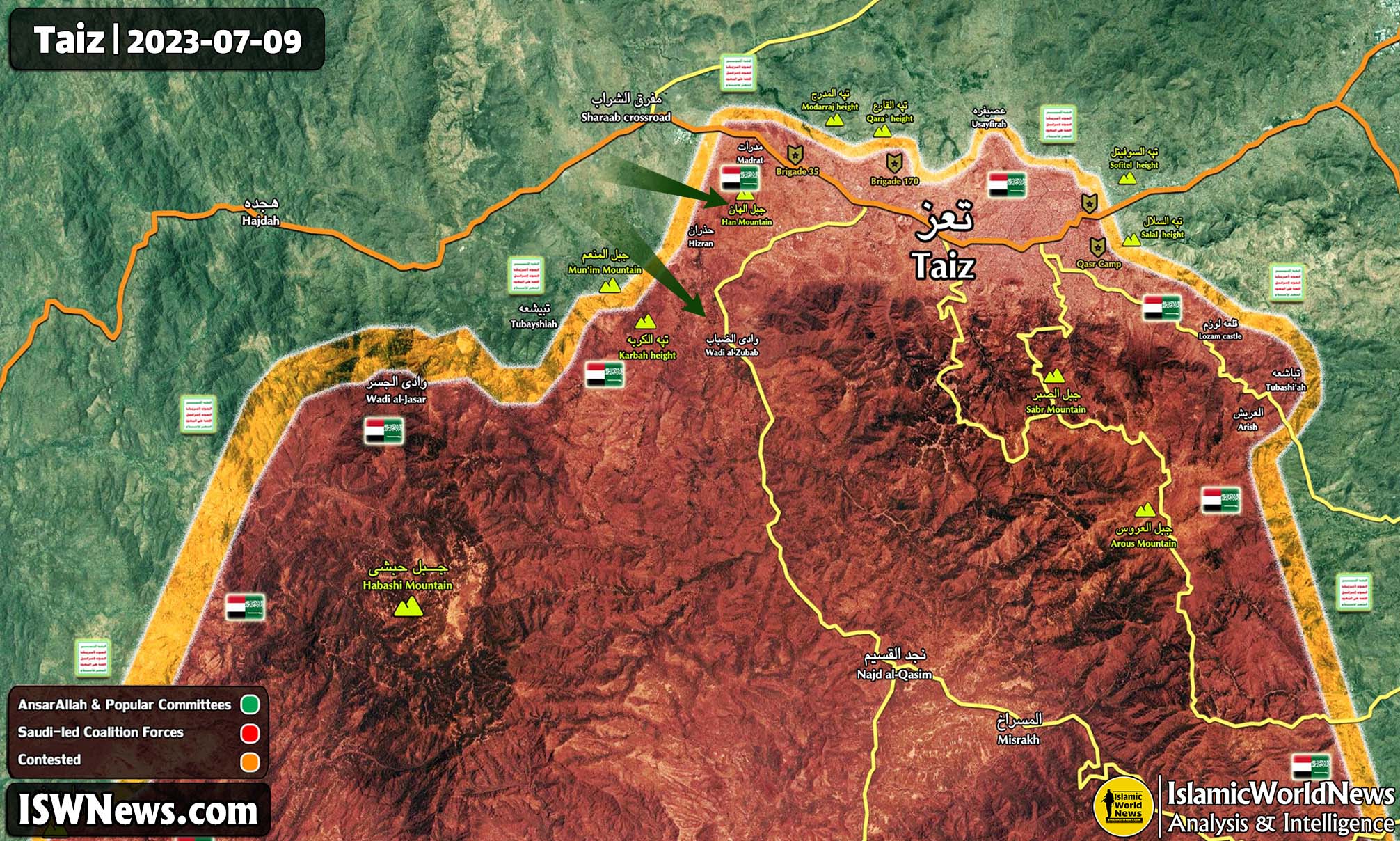
    ISWNews Analysis Group: According to the command center of the pro-Hadi forces in Taiz Governorate, two Ansar Allah drones pounded the gathering in the Al-Dhabab area on Saturday, July 8.

    As a result of the attack, two militants affiliated to the resigned government, including Omar Abdullah Al-Sabri, commander of the western front of Taiz, were killed and at least seven others were injured.

    Some local media outlets also reported that the location of the gathering of the resigned government forces was identified on Mount Han, which is on the front line of engagements between the pro-Hadi forces and the Ansar Allah fighters and it is the origin of many mortar attacks against the Ansar Allah movements.

    Thus, it is likely that Ansar Allah fighters carried out the attacks in response to repeated violations of the ongoing ceasefire by the resigned government forces on the Taiz front.

    However, the Ansar Allah-affiliated media outlets and officials have not yet reacted to the news story.

    The Taiz city is currently under the control of the Yemeni Congregation for Reform or frequently called as al-Islah Party forces and Tareq Mohammed Abdullah Saleh, Yemeni military commander and the nephew of the late President Ali Abdullah Saleh, as well as some independent armed groups.

    The pro-Hadi resigned government forces claim that the Ansar Allah movement besieged the Taiz city during the past eight years and it does not allow humanitarian aid to pass through the northern road.

    They propagate the claim while the western road and southern areas of Taiz Governorate are under the control of al-Islah Party militants as well as Tareq Mohammed Abdullah Saleh’s forces, and internal tensions between such groups have limited access to the Taiz city.

    In spite of the facts, the Ansar Allah movement repeatedly voluntarily reopened the Sana’a-Taiz road, but al-Islah Party’s militants prevented non-military vehicles from entering the Taiz city.

    Map: Direction of Ansar Allah drone attack on the gathering of Hadi forces in the west of Taiz – click to view in full size
  • Ansar Allah Raids Positions Of Amaliqa Brigades In Shabwah Governorate (Map)

    Ansar Allah Raids Positions Of Amaliqa Brigades In Shabwah Governorate (Map)

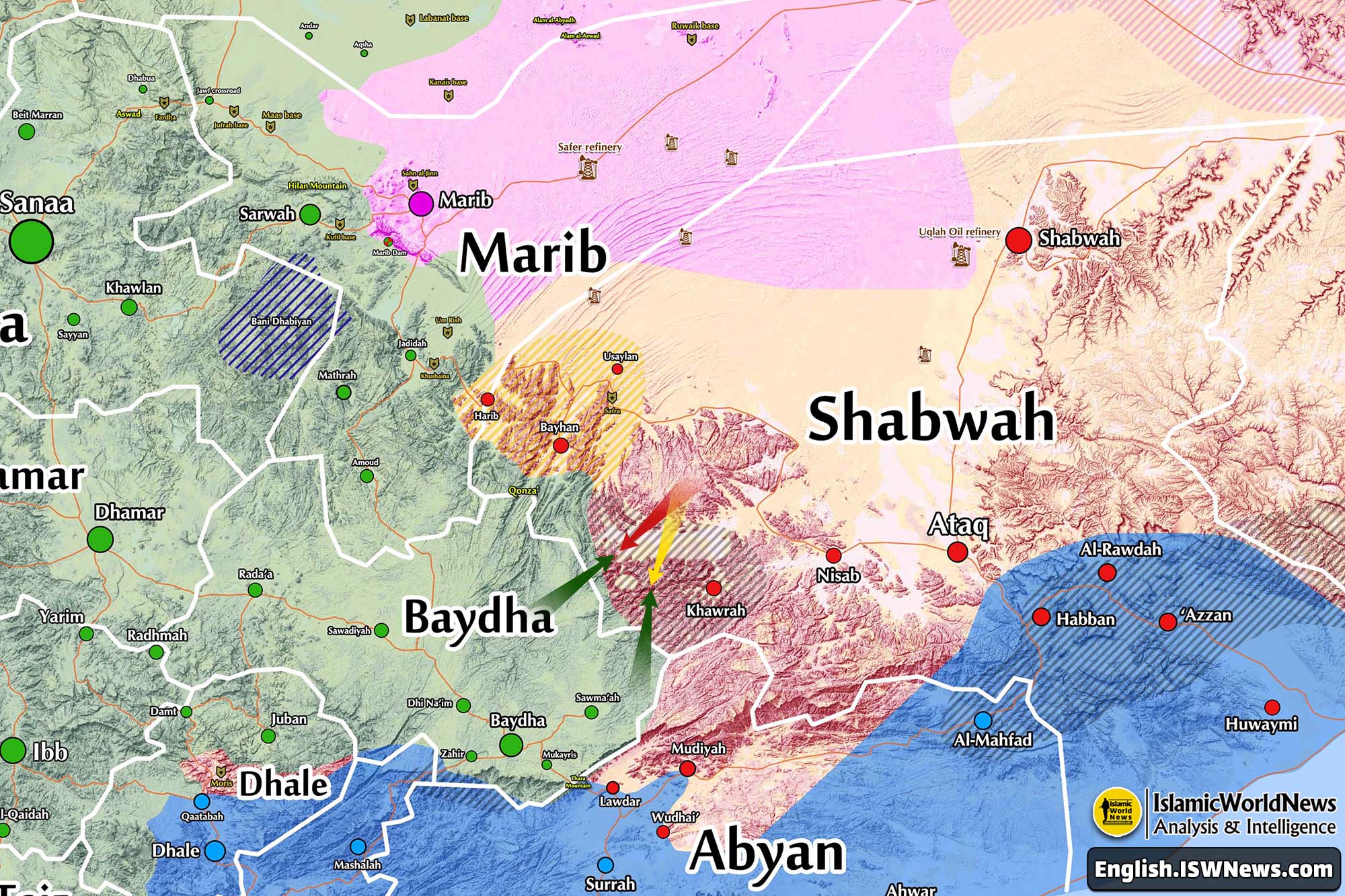
    In the new round of offensive attacks on the positions of the Amaliqa Brigades and Shabwa Defense Forces, Ansar Allah movement succeeded in capturing Khashiba Ridge, Shamakh Arba’a and Al-Hillah areas in Markha al-Oliya district. The regions are among the defense lines of the Saudi-led militants in the western parts of Shabwah Governorate. The Ansar Allah movement retreated from these regions after inflicting heavy losses and tolls on the Amaliqa Brigades and Shabwa Defense Forces as well as destroying the trenches and defense facilities of the coalition forces.

    The second round of the offensive attack by the Ansar Allah fighters kicked off on March 27 in Markha al-Oliya district and they concluded the strike on March 28.

    The Amaliqa Brigades released images to claim that they could shoot down a Rased reconnaissance drone and a Rajum hexacopter.

    The offensive attacks by the Ansar Allah movement in Harib district, located in southern Marib Governorate, as well as the western front of Shabwah Governorate started following provocation and violation of the ceasefire by the Amaliqa Brigades in middle of March 2023. The scale of tolls and losses has astonished the authorities of the Shabwah Governorate.

    Click to view full size
  • Yemeni People Helds Massive Rally On The Occasion Of National Day Of Resistance (Image)

    Yemeni People Helds Massive Rally On The Occasion Of National Day Of Resistance (Image)

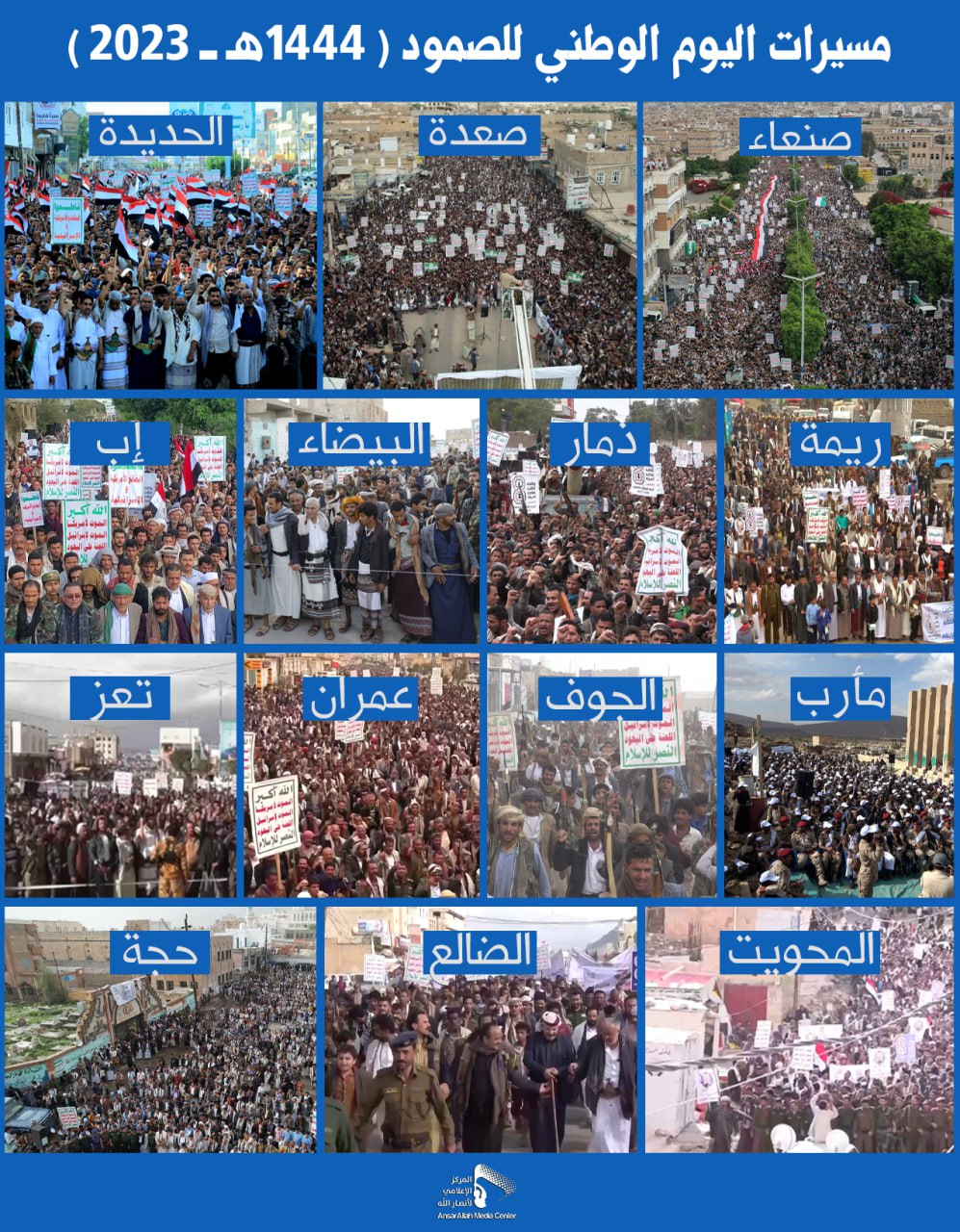
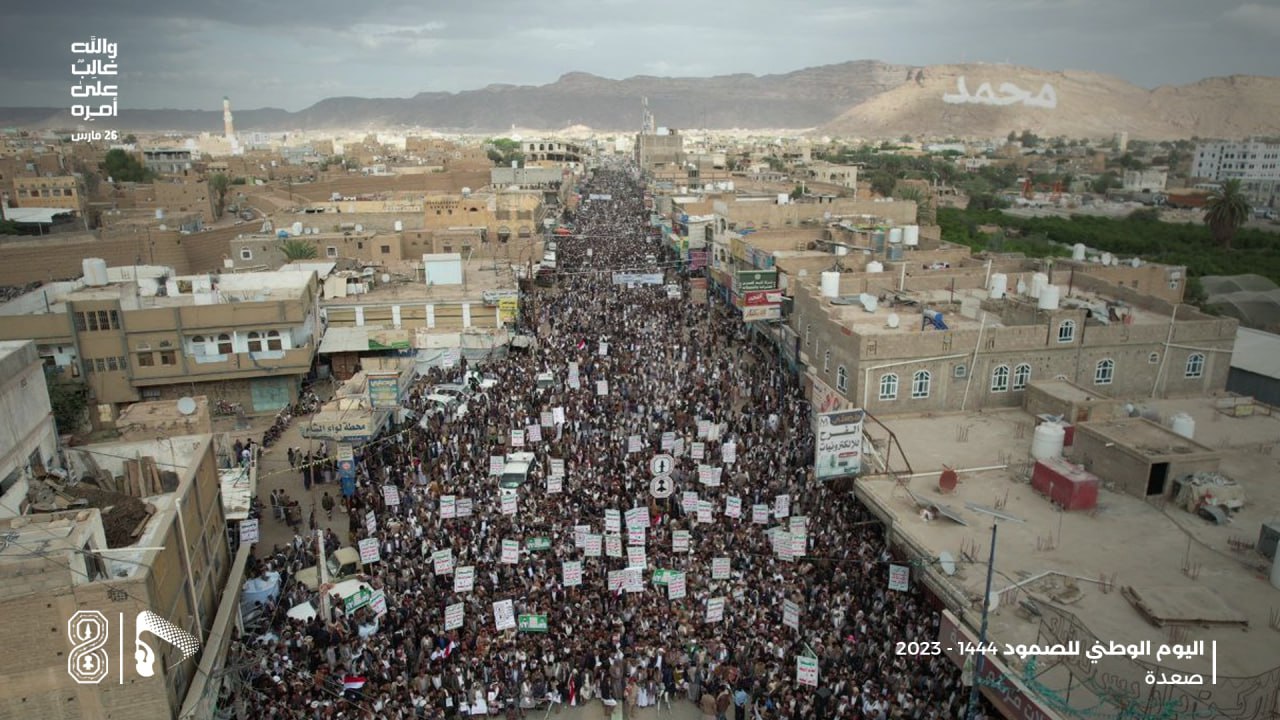
    Following the invitation of Seyed Abdul Malik Badr al-Din al-Houthi, the leader of Ansar Allah, to the people of Yemen to participate in the march on the occasion of the 9th anniversary of the National Day of Resistance, different sections of the Yemeni people held a march and a massive rally in the cities of Sana’a, Saada, Hudaydah and other cities under the control of Ansar Allah.

    In the final statement of this rally, the Yemenis, while condemning the continued aggression against this country and America’s support for the aggressors, warned the Saudi coalition and the Western countries about the continuation of the siege, war and occupation of Yemen and emphasized their unity to deal with the aggression. While appreciating the victories of the Yemeni army in the fight against the aggressors, they asked the armed forces to give a sharp response to the crimes of the aggressors against the Yemeni people.

    After the air attack of Saudi warplanes on Sana’a airport on March 26, 2015, massive demonstrations took place in the cities of Yemen, which became known as the “National Day of Resistance and Stability” march (Ilyum al-Watani al-Samud). Every year on this day, the people of Yemen condemn the aggression and siege of Yemen and hold massive rallies.

    In the past eight years, more than 18,000, including 4,079 children and 2,485 women have been killed and more than 30,254 wounded in the Saudi-led coalition attacks on the Yemeni nation.

    Read more: Infographic: 2920 days of Saudi coalition aggression on Yemen

  • Yemen: Ansar Allah Shot Down The Ninth Wing Loong Drone

    Yemen: Ansar Allah Shot Down The Ninth Wing Loong Drone

    According to the spokesman of the Yemeni Armed Forces, Brigadier General Yahya al-Sari’, Ansar Allah air defenses managed to destroy a Chinese-made Wing Loong 2 drone over the al-Jawf province on March 21st. This drone reportedly was destroyed by a surface-to-air missile.

    It should be noted that this is the sixth drone to be shot down by Ansar Allah after the implementation of the ceasefire agreement in Yemen.

    Also, according to data obtained by ISWNEWS, this is the ninth Chinese Wing Loong 1 or 2 drone to be shot down by Ansar Allah since the start of the war in Yemen.

    Details of the shot down of these nine drones are as follows:
    1- UAE-owned Wing Loong in the Kholan region of Sanaa province, on September 26, 2016.
    2- UAE-owned Wing Loong in Saada province, and on April 19, 2019.
    3- Saudi-owned Wing Loong in the district of Hayran in Hajjah province, on November 30, 2019.
    4- Saudi-owned Wing Loong in the north of Saada province, on May 21, 2021.
    5- Saudi-owned Wing Loong in the district of Kataf in the north of Saada province, on September 13, 2021.
    6- UAE-owned Wing Loong in the Usaylan district in Shabwa province, on January 5, 2022.
    7- UAE-owned Wing Loong in the Ain district in Shabwa province, on January 11, 2022.
    8- Saudi-owned Wing Loong in the Kitaf district in the north of Saada province, on May 24, 2022.
    8- Saudi-owned Wing Loong 2 in the al-Jawf province, on March 21, 2023.

    Read more:
    Infographic: Saudi Coalition and US Aircraft Losses in Yemen War
    Military Knowledge: Wing Loong 1 Drone
    Military Knowledge: Wing Loong 2 Drone