Representatives of the Russian government travel to Sana’a to meet and confer with Ansar Allah authorities, according to local sources.
Following an Ansar Allah delegation’s recent visit to the capital of Russia, Moscow, a Russian delegation started a travel to Sana’a to meet and hold talk with Ansar Allah officials.
In line with the report, the Russian delegation has entered the Yemeni capital to speak about coordinating bilateral relations following the recent visit of UN special envoy for Yemen Hans Grundberg.
In accordance with this issue, Spokesman and one of the commanders of the Southern Resistance Group affiliated to Islah Party Adel al-Hasani said:
“A high-ranking Russian delegation has arrived in Sana’a, and that prior to the event a delegation from Sana’a visited Moscow. There is not any new incident here. The world collaborates with a unified force, which is Ansar Allah, while the Presidential Leadership Council (the presidential council of the resigned government) still continues to hold camera-based meetings. The facts and figures are apparent, even though some people do not like them.”
Dmitry Polyansky, the first Deputy Permanent Representative of Russia to the United Nations, in the recent meeting of the United Nations Security Council, criticized the United States, France and the United Kingdom for looting Yemen’s oil and gas resources, describing them as opportunists and calling for an end to the war and blockade of Yemen through dialogue.
After the formation of the ceasefire agreement in Yemen on April 2, 2022 and three periods of extension and finally its expiration on October 3, 2022, the areas under the control of the Saudi coalition were affected by a forced change in the head of the presidency (Resignation of Abd Rabbu Mansour Hadi and formation of the Presidential Council). This issue caused a series of tensions between different factions, and finally a kind of political and military deadlock prevailed between different groups under the command of the Saudi coalition. Therefore, the control of each of the parties was established over the regions, and now it is possible to distinguish the regions under the control of the groups in Yemen with more precision.
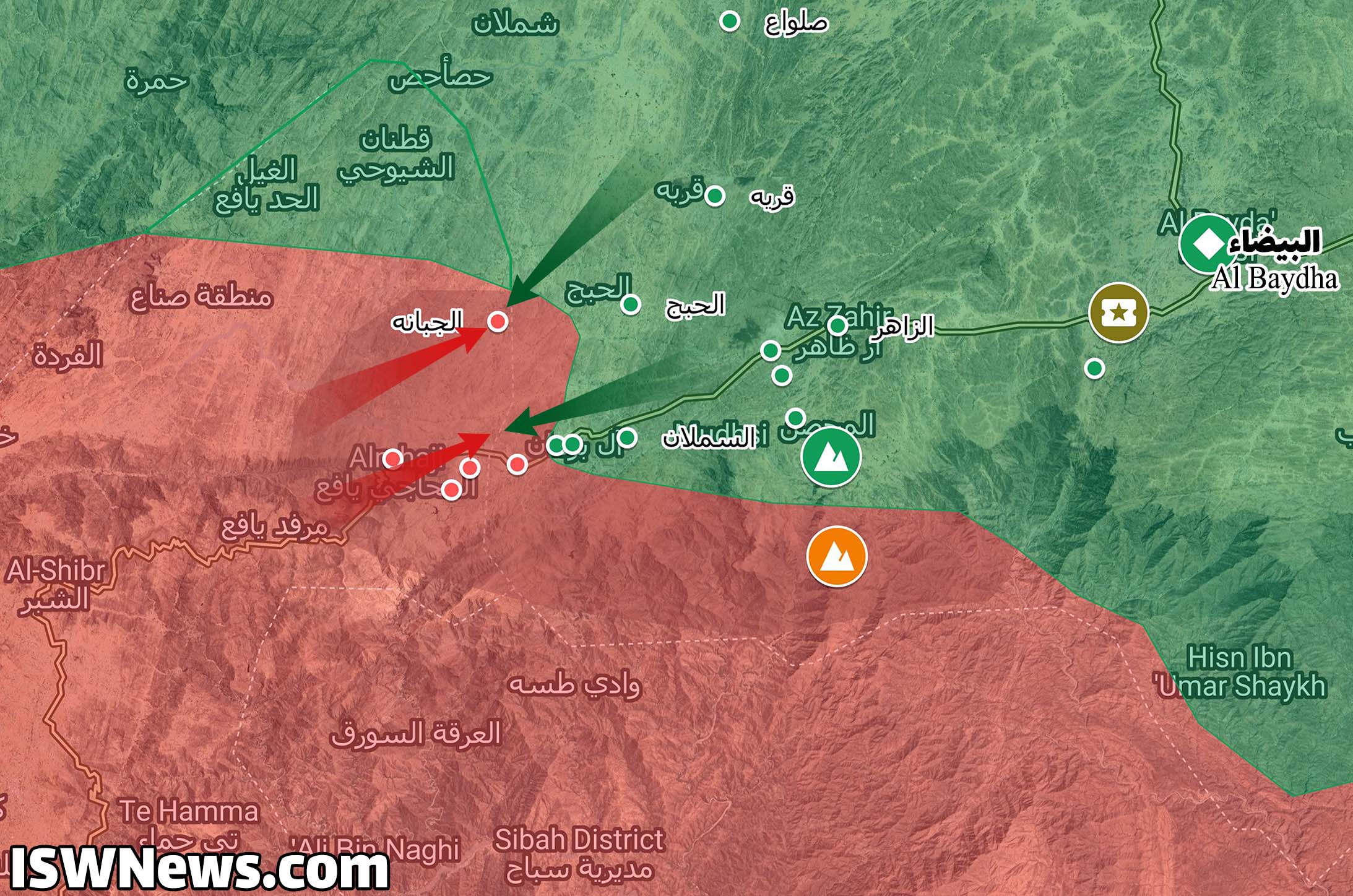
The map of Yemen war has been accurately edited in accordance with the latest field situation until December 16, 2022 and with the following categories and it is as follows:
1- Ansar Allah and popular committees: (green color) The areas under the control of Ansar Allah and popular committees include presence in 15 provinces in the west and center of Yemen, which include the capital, big cities and the majority of the country’s population. Despite the expiration of the cease-fire agreement with the mediation of the United Nations, there is no conflict in any of these fronts, and Ansar Allah is monitoring the fronts by carrying out various reconnaissance operations, as well as confronting the looting of Yemen’s oil resources by foreign tankers. Ansar Allah Movement and the National Salvation Government of Yemen are supported by the majority of the Yemeni people and the General People’s Congress and other Yemeni parties, as well as the foreign support of Iran and Islamic resistance groups.
2- The Saudi coalition and the Saudi-backed government of Yemen (ie the resigned government of Mansour Hadi): (red areas and all map colors except green) The areas under the control of the Saudi-led coalition forces include presence in 13 provinces of Yemen, which includes the largest area of this country. But the majority of these areas include desert and uninhabited areas. Despite this, the oil resources, the southern coast of Yemen and several strategic points are under the control of the Saudi coalition. The Saudi coalition uses these cases as tools to pressure Ansar Allah in negotiations. Nevertheless, despite the access of the Saudi coalition to all the areas under the control of the anti Ansar Allah groups, the factions under this coalition have competition and armed conflict with each other to control these areas. The structure of the resigned government of (Mansour Hadi) Yemen, like other countries involved in civil war, is a structure that divides positions and ministries between powerful factions in order to use the human power and military facilities of these factions against the main enemy. These factions include: Islah Party, Southern Transitional Council, Yemeni National Resistance under the command of Tareq Saleh, each of them have managed to influence and control parts of Yemen in recent years, especially after the resignation of Abd Rabbu Mansour Hadi and the formation of the Presidential Council. Which is explained as follows:
3- Southern Transitional Council: (blue color) The “Southern Transitional Council” (STC) is the name of a council consisting of the main currents of South Yemen, including Al-Hirak Al-Janoubi (Southern Movement), Southern Resistance and the South Arabian League Party, which was established on May 4, 2017, and their goal is to divide south Yemen. Currently, based on the Riyadh agreement in November 5, 2019, this movement holds the post of prime minister and half of the 24 ministries of the government. The geographical area under their control also includes: Aden province, most areas of Lahij and Abyan provinces and parts of Al-Dhale’, Hadhramaut and Taiz provinces.
It should be noted that the forces of Hizam al-Amni (Security Belt), Al-Haba Al-Hadhramiyah, Southern Resistance and other southern armed brigades are sub-groups of the Southern Transitional Council and are under the support of the United Arab Emirates.
4- Islah party: (purple color) The Islah Party (Reform Party) is one of the largest and oldest parties in Yemen, and it acts as the representative of the Muslim Brotherhood in Yemen. This party was formed on September 13, 1990 by Sheikh Abdullah ibn Husayn al-Ahmar, one of the elders of the Hashid tribe, and has been operating since 2007 under the chairmanship of Mohammed Abdullah al-Yadumi. After the start of the Saudi coalition’s invasion of Yemen, the Islah Party announced its support for this operation on April 3, 2015, and entered into a battle with Ansar Allah.
Currently, the cities of Marib, Taiz, Seiyun and the desert areas of Al-Jawf province and parts of Shabwah and Hajjah provinces are under the control of this party’s militants.
5- Forces loyal to Tareq Saleh (Yemeni National Resistance): (yellow color) “Yemeni National Resistance” is the name of a military group led by Tareq Saleh, the nephew of Ali Abdullah Saleh, the former president of Yemen, which was formed in December 2017. This organization has more than 10,000 members and consists of several factions, including former members of Ali Abdullah Saleh’s presidential guard, the former army soldiers and security forces separated from the Sana’a government, Al-Amaliqah and Al-Tihamah Resistance forces.
The areas under the control of Tareq Saleh forces are the southwestern region of Yemen, including the district of Hays in the south of Hudaydah province, the western areas of Taiz province, as well as the districts of Bayhan and Ain in Shabwah province. It is worth noting that this military group (Tareq Saleh forces) is under the support of the United Arab Emirates, the Amaliqah and Tihamah forces receive their orders from the command of the Saudi coalition, especially the UAE, instead of Tareq Saleh…
6- Al-Qaeda, Ansar al-Sharia and ISIS terrorist groups: (gray hachure) The activities of the Al-Qaeda terrorist group in Yemen under the name of “Al-Qaeda in the Arabian Peninsula” (AQAP) began in 2009 and continued under the name of Ansar al-Sharia group since 2011. After the resignation of Ali Abdullah Saleh and the presidency of Mansour Hadi, this group acted in a more organized manner and took full possession of some points; But the advance of Ansar Allah and the intelligence of the field commanders of this movement in taking control of the cities of Sana’a, Saada, etc., prevented Al-Qaeda from advancing. Therefore, in order to survive their activities, Al-Qaeda forces were stationed in the remote areas of Yemen, including the deserts of eastern Yemen, the north of Al-Baydha province, and several other places. Currently, this group does not have any city or region completely under their control, and their sphere of influence includes the desert areas of Hadhramaut, Shabwah and Abyan provinces. Also, after the Ansar Allah operation in the north of Al-Baydha province, Al-Qaeda members were transferred to the city of Marib and placed under the command of Islah Party.
The Islamic State Wilayat al-Yaman (Yemen province) group (IS-YP) also announced its formation in November 13, 2014, and apart from bombings, assassinations, etc., no special activity has been seen so far. ISIS members in Yemen are generally from extremist tribes in the east and south of Yemen and people separated from Ansar al-Sharia and al-Qaeda terrorists groups.
It should be noted that the formation of terrorist groups in Yemen is closely related to the actions of Mansour Hadi, the former president of the resigned government, Ali Mohsen Ahmar, the former vice president of the resigned government, and several other heads of parties and security institutions. In this regard, the criminal court of Yemen has convicted and prosecuted these people.
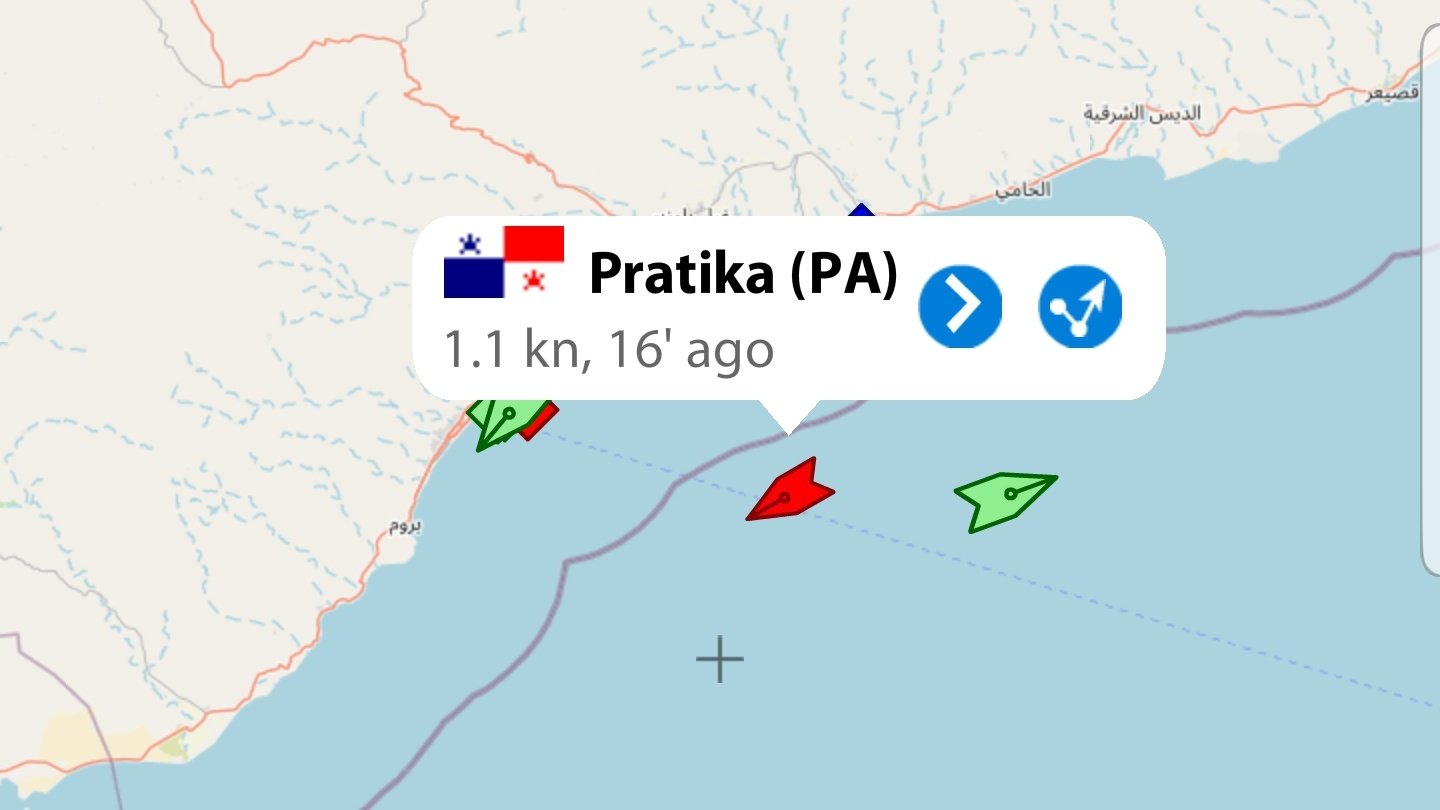
According to information published by local sources, Ansar Allah attacked Pratika oil tanker off the coast of al-Dhaba port with a drone at noon on November 21. The Panama-flagged Pratika oil tanker was intended to dock at the Al-Dabah port and transfer the Hadhramout oil towards the Suez Canal.
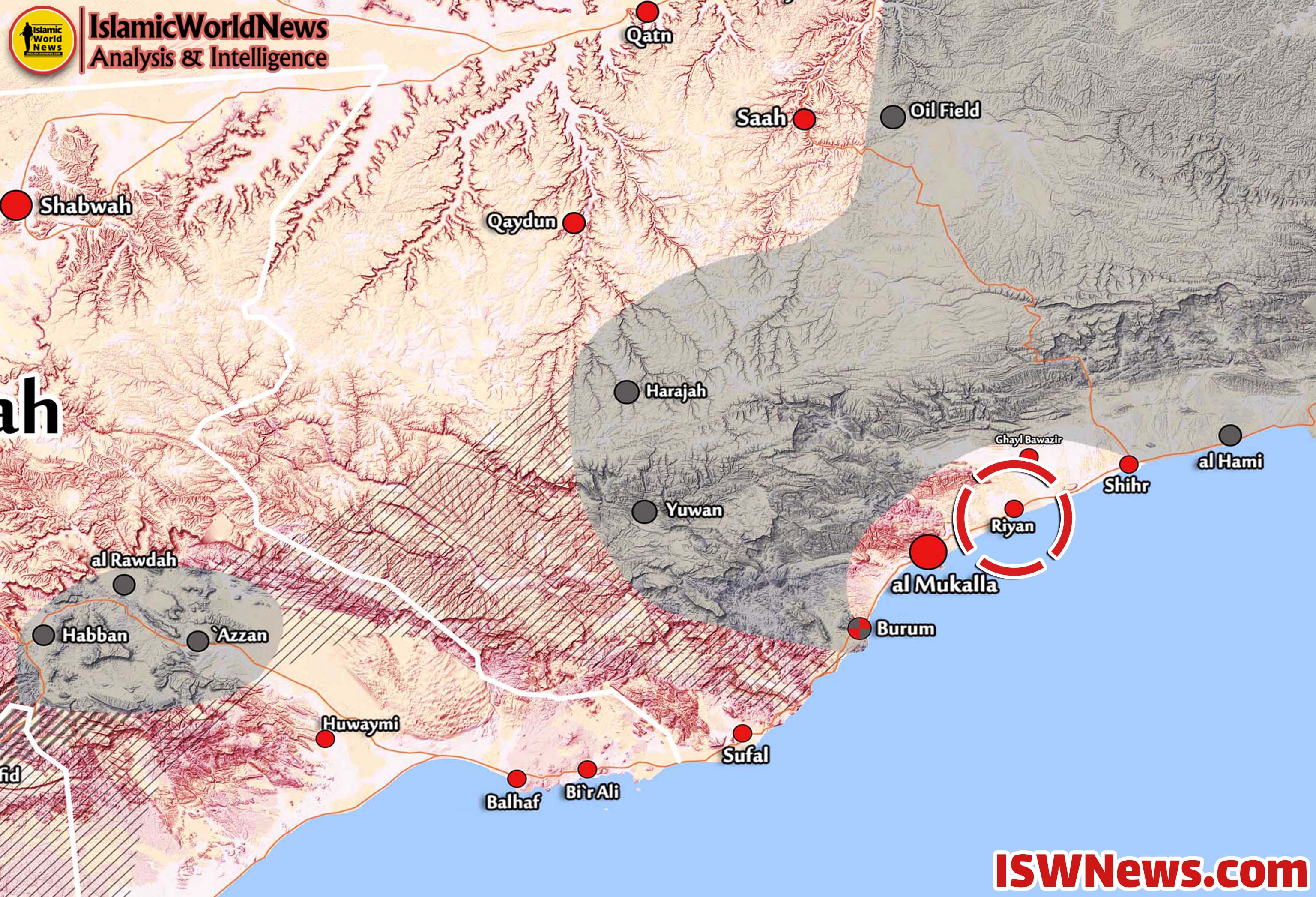
Al-Dhaba port is located near the UAE base in al-Rayan town and on the coast of Hadhramaut province, and in recent months it has become a place for exporting oil from the occupied areas of Yemen. This is the third warning of Ansar Allah against foreign oil tankers and the second attack on Al-Dhaba port. Ansar Allah previously attacked the oil tanker Nissos Kea on the shores of al-Dhaba port on October 22.
Brigadier General Yahya al-Sari’, the spokesman of the Yemeni armed forces, confirmed the Ansar Allah attack on the foreign oil tanker and wrote in a news statement:
“With the help of God and His success, the Yemeni armed forces forced an oil ship that was going to approach the port of Al-Dhaba in the south of the country to leave this area. This ship had the mission of looting a large amount of oil and refused to respond to the warnings of the armed forces. The enemy tried to carry out actions that the armed forces are not able to observe and deal with properly. The Yemeni armed forces continue to protect the national wealth so that its revenues serve the Yemenis and cover the salaries of all employees in all regions of Yemen.”
Undoubtedly, this drone attack by Ansar Allah is a warning to foreign companies and oil buyers in the occupied areas of Yemen, and it can be examined from two perspectives: 1- Warning to deployment of Israelis in the coastal town of Al-Riyan, that were sent to this area to loot the oil resources of Hadhramaut and Shabwa provinces. (More details) 2- Preventing the transfer of Yemeni oil by the Nissos Kea ship, which is a warning to foreign ships and companies.
According to the statements by Mabkhut Mubarak bin Ghadhi, the governor of the Saudi-backed government for the Hadramaut province, “this ship belongs to a Greek company, and the first drone explosion occurred between the ship and another vessel, and the second explosion occurred near the Greek ship. Also, the crew of the ship has not reported any casualties and damages from these explosions.”
The statement of Brigadier General Yahya al-Sari’, a spokesman for the Yemeni Armed Forces regarding the attack: “We made a simple warning to prevent the looting of crude oil from an oil ship from Al-Dhabah port in Hadhramaut province. This ship violated the decision issued by the Yemeni authorities to ban the transfer and export of oil derivatives, and we warned to prevent the continued looting of Yemen’s oil wealth and its non-allocation to the people. This warning message was done after the competent authorities warned the crew of the ship and informed them of this decision based on current Yemeni laws and international laws. The ship was handled with caution and we wanted to maintain its security and the security of Yemeni infrastructure. We will not hesitate to do our duty to stop and prevent any ship that intends to loot the wealth of the Yemeni people, and with God’s help, we can launch more operations and warnings to defend our great people and protect its wealth from looting. We again warn all companies to fully comply with the decisions of the government authorities in Sana’a and refrain from any participation in the looting of Yemen’s wealth.”
Location of the Marshall Islands-flagged Nissos Kea off the southern coast of Yemen. According to the local media, this ship has moved away from Al-Dhaba port after the explosions.
Following the tension created by the Al-Amaliqah forces in the Al-Habaj area, located between Al-Zahir administration in Al-Bayda province and Yafe administration in Lahij province, Ansar Allah forces attacked Al-Jabanah, Al-Hadbah and the heights of the outskirts of Jabal al-Aar and surrounded the Al-Amaliqah forces and inflicted heavy blows and heavy casualties on the Saudi-led forces. In the continuation of these clashes, the Southern Transitional Council forces were sent to the region to support and rescue the Al-Amaliqa forces from the siege of Ansar Allah, and the clashes resumed yesterday evening. Currently, Ansar Allah has stopped besieging Al-Amaliqah on this front and the Yafe frontlines have returned to their previous state without any changes.
As a result of these clashes, at least 10 Al-Amaliqa and Southern Transitional Council forces were killed and more than 40 were injured. Ansar Allah has not provided any details about its losses and casualties.
Following the non-renewal of the ceasefire proposed by the United Nations in Yemen, clashes and exchanges of fire have begun in the Marib and Al-Bayda fronts. Considering the gap created among the ranks of the groups supported by the Saudi coalition (Reform Party and other factions), it is expected that Ansar Allah will still have the upper hand in future battles.
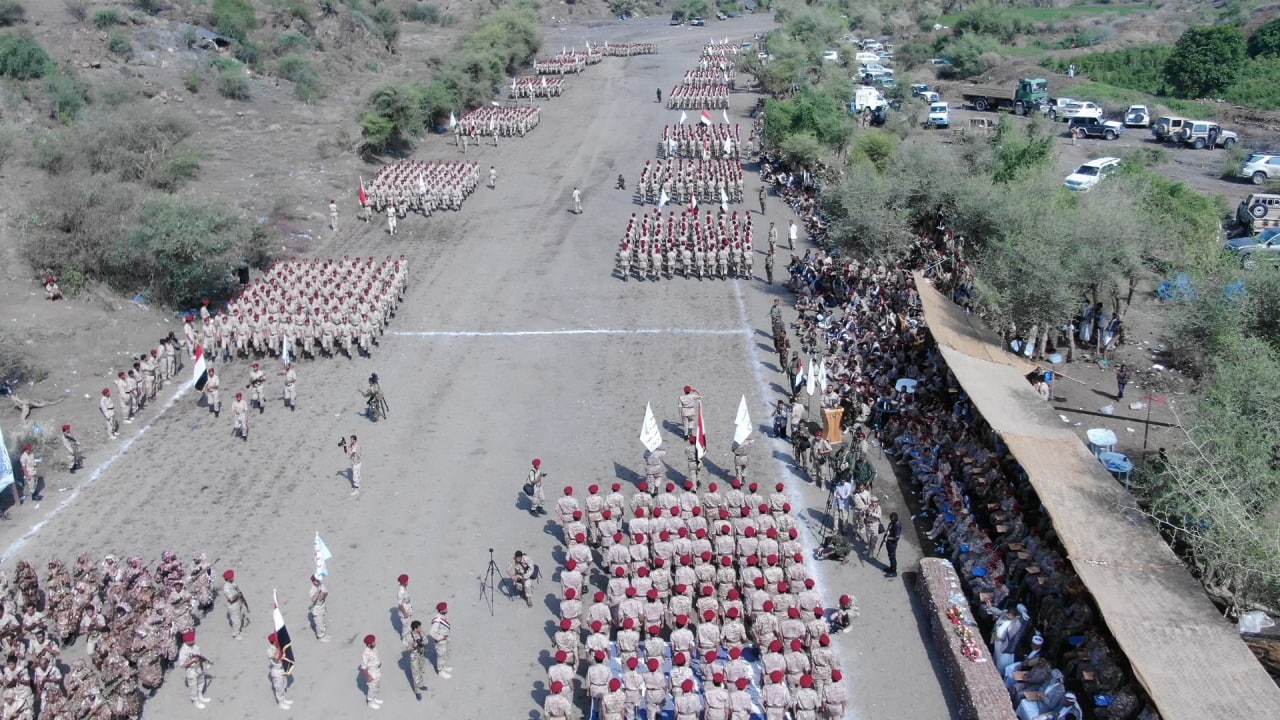
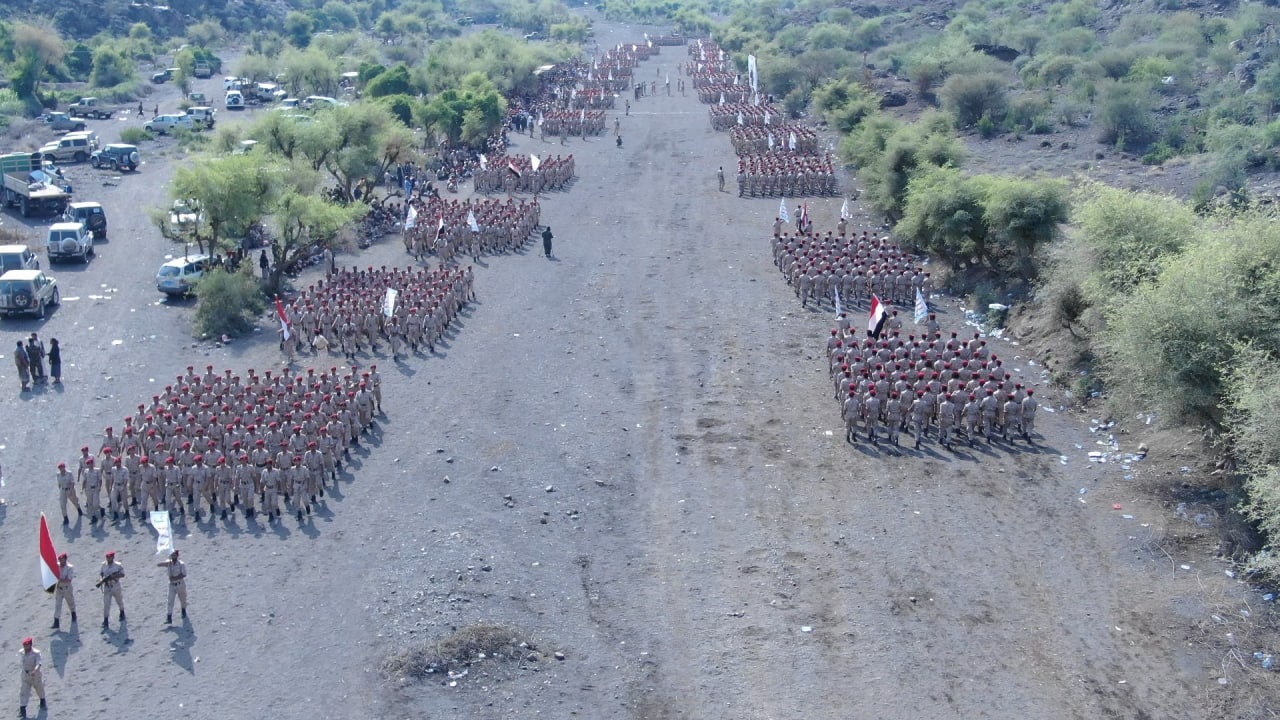
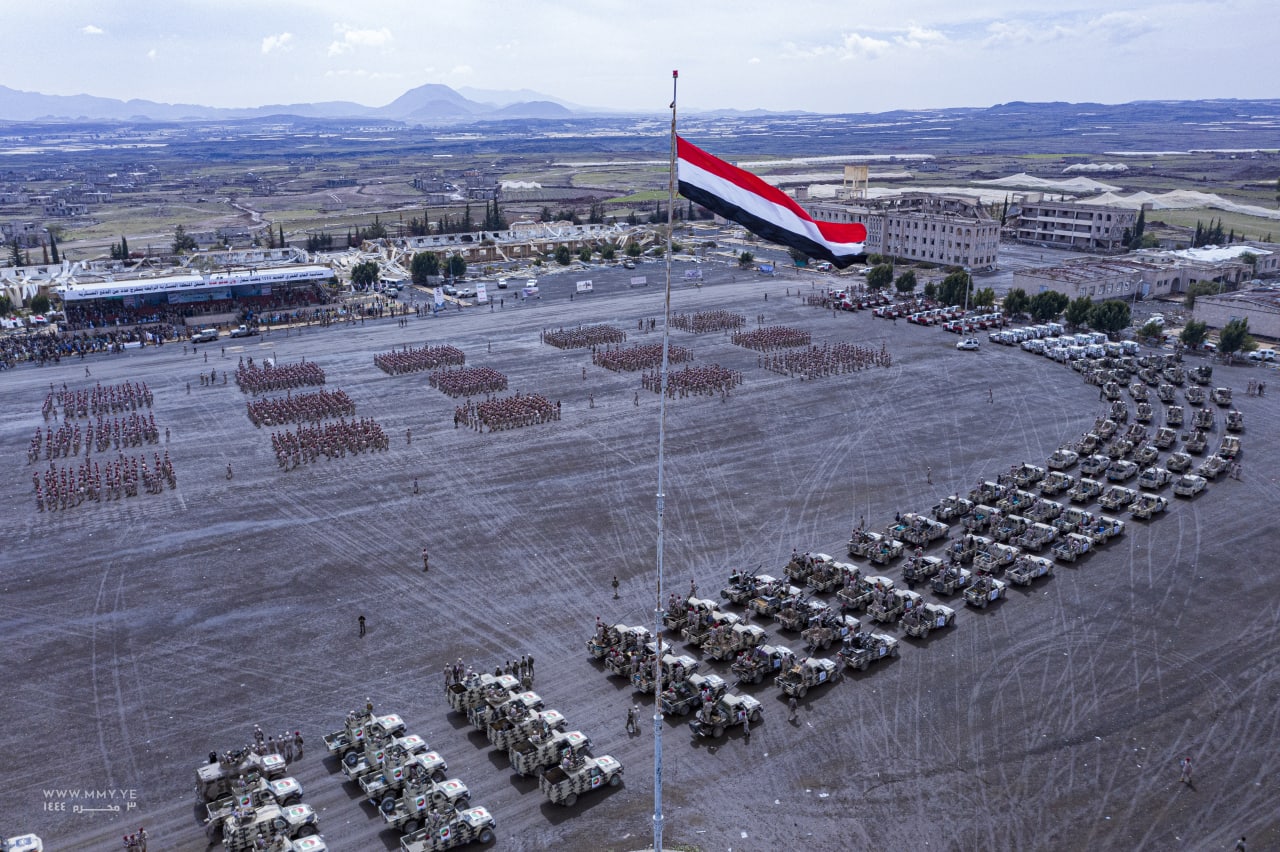
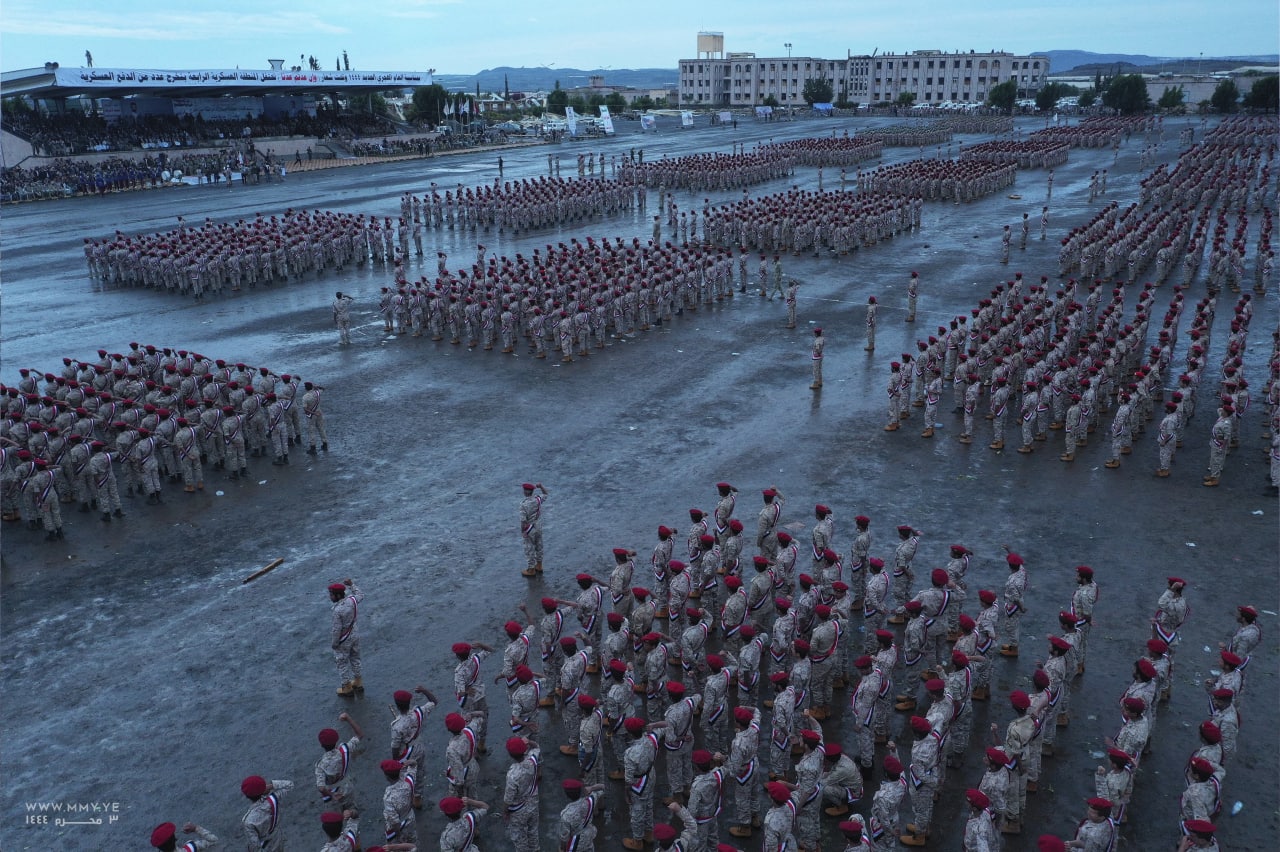
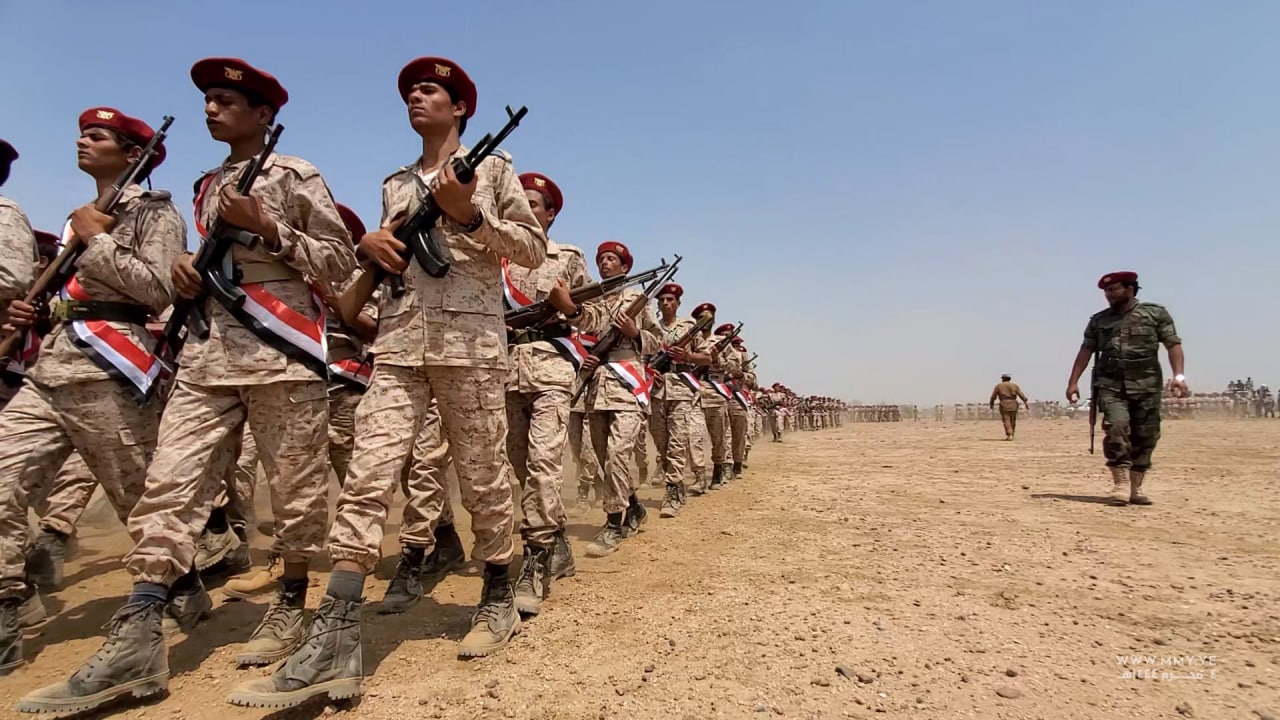
The graduation ceremony of the new forces of Ansarullah in the central military region of Yemen, under the command of Major General Seyyed Abdul Khaliq Al-Houthi, was held in a parade under the title of “Qateluhom Yu’azzebhom o Allah Beaidikom” (referring to verse 14 of Surah Tawbah) on the 31st of July.
Muhammad Ali al-Houthi said in his speech that the leaders of Yemen participated in this ceremony to strengthen their morale by using the spirit of the warriors going to the war front. Al-Houthi further addressed the aggressor countries and said that these brave men and tens of thousands of them are ready for any confrontation with the cruel Saudi-Emirati-American enemy.
With the establishment of a ceasefire in Yemen in the spring of this year and the publication of unofficial reports that the Saudi coalition has strengthened its frontlines, Ansar Allah has also increased the volume of its military exercises and parades with the aim of maintaining military readiness and media confrontation.
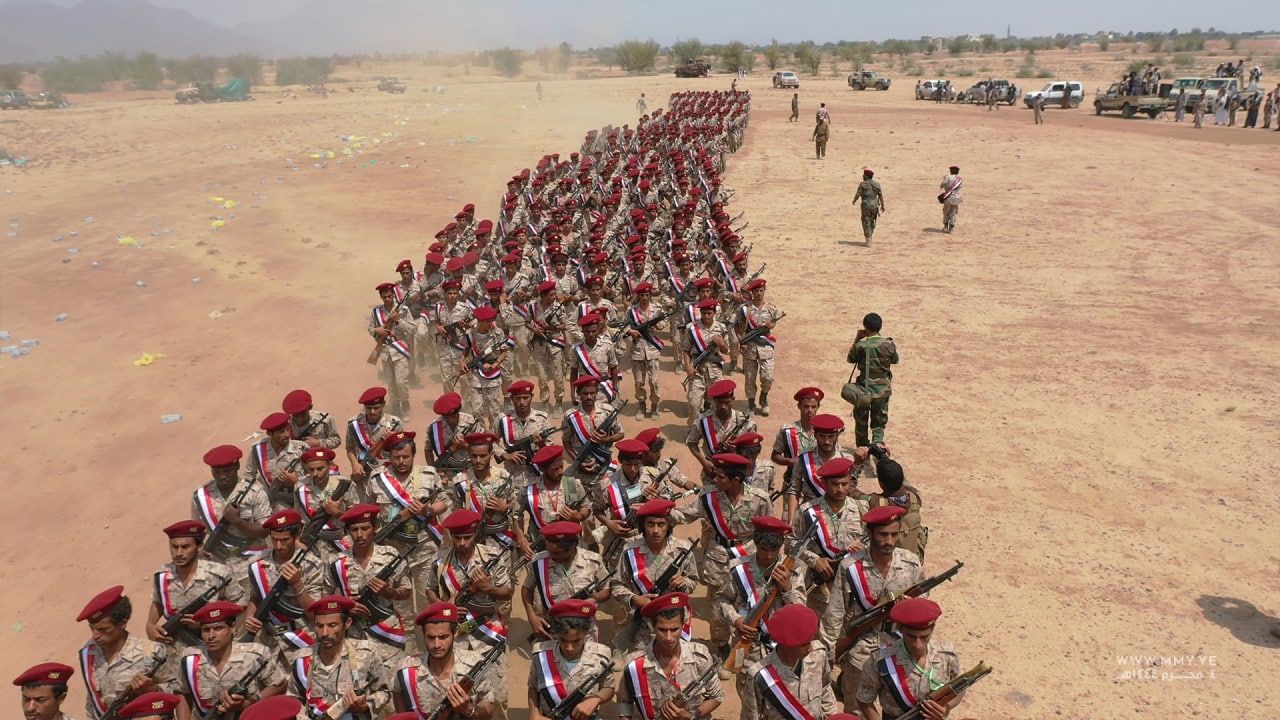
AnsarAllah fighters parade in the central military region of YemenAnsarAllah fighters parade in the central military region of Yemen
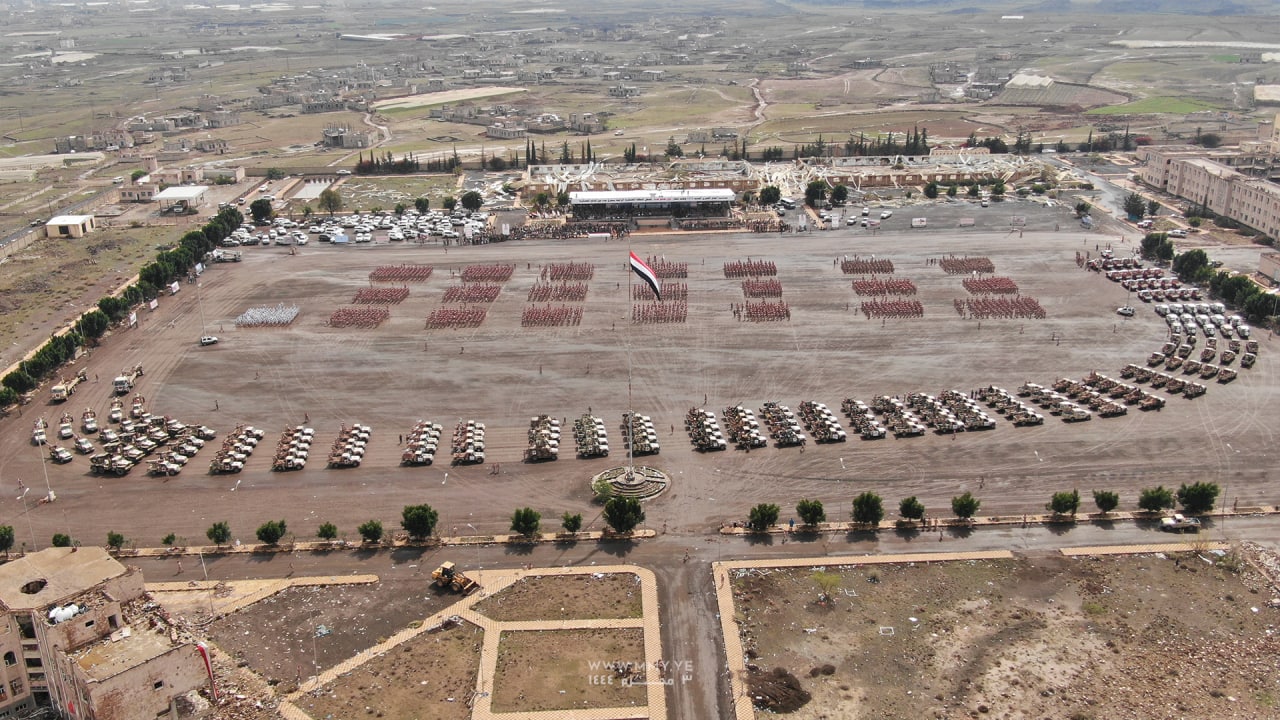
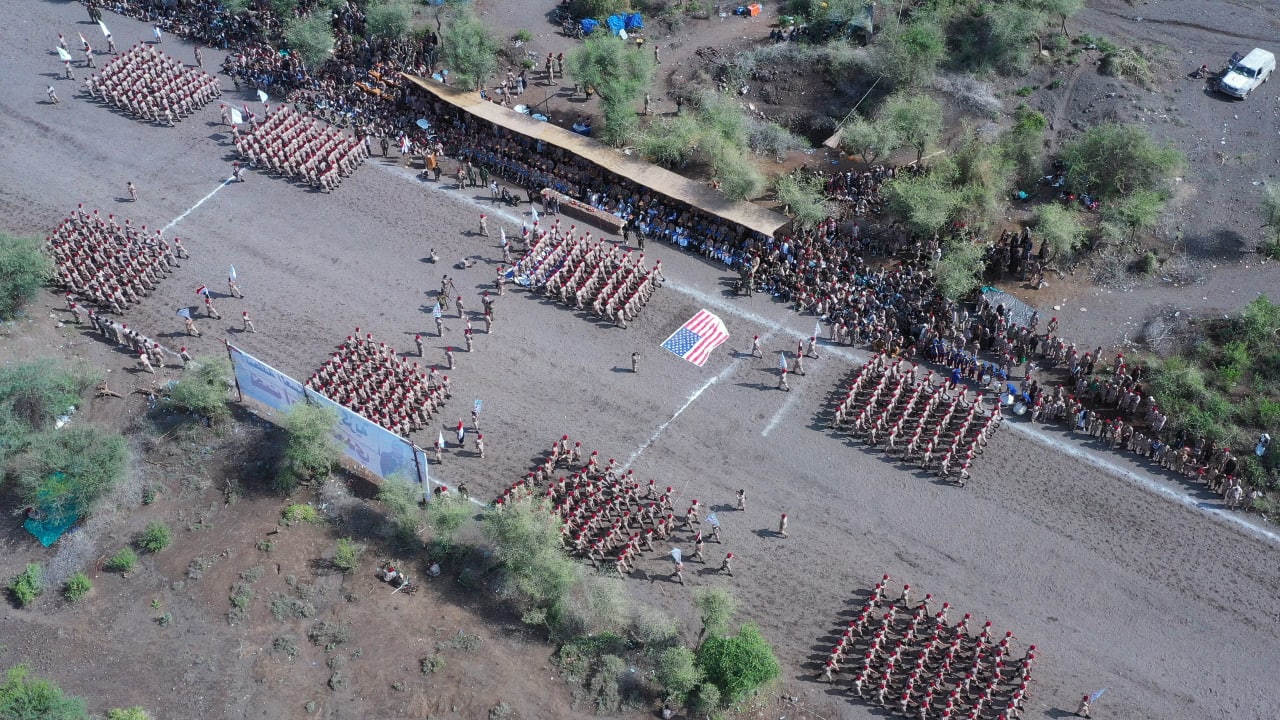
The graduation ceremony of five thousand soldiers of the Yemeni army and popular committees was held on the occasion of the new year of Hijri in Sana’a city under the title “Wa in Odtom Odna” (referring to verse 8 of Surah Isra’) on the 1st of August. Mahdi Al-Mashat, head of the Supreme Political Council of Yemen, appreciated the efforts of the Ministry of Defense and other military officials of the Salvation Government of Yemen to rebuild the army and emphasized the independence and sovereignty of Yemen and said: “The enemy is preparing to continue the war And we are ready for it.”
Parade of Ansar Allah fighters in Yemen’s fourth military region
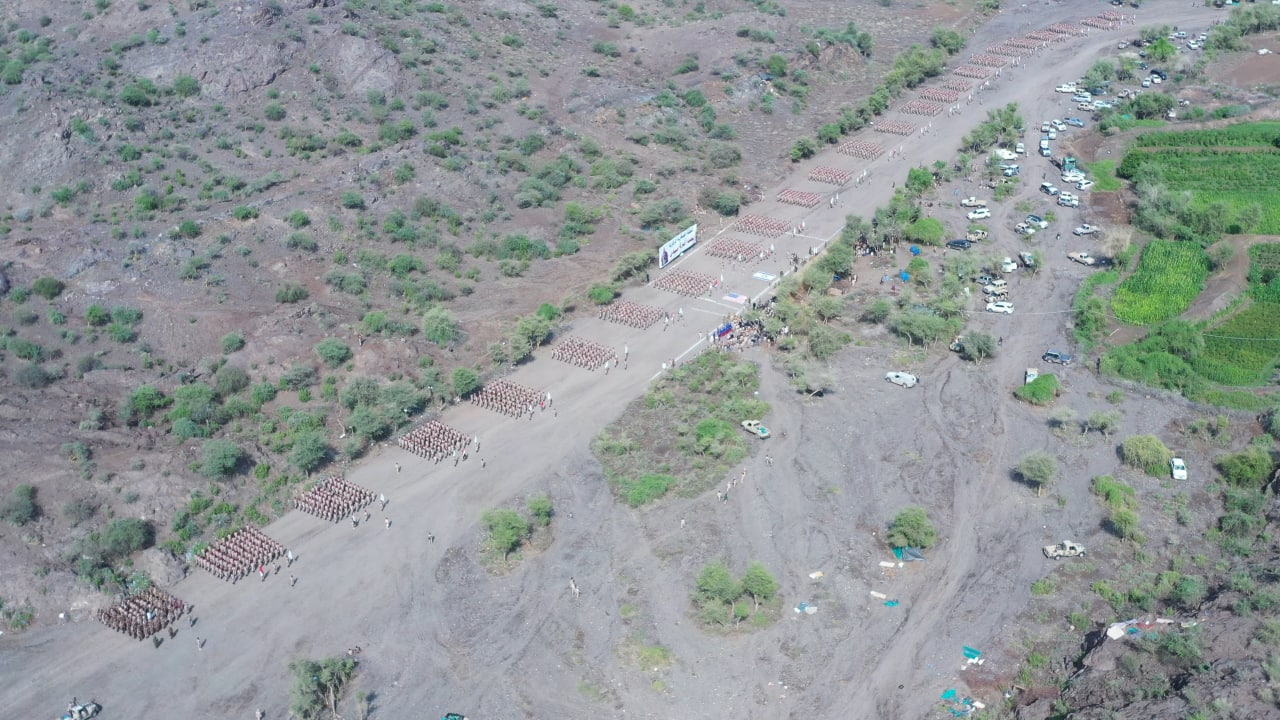
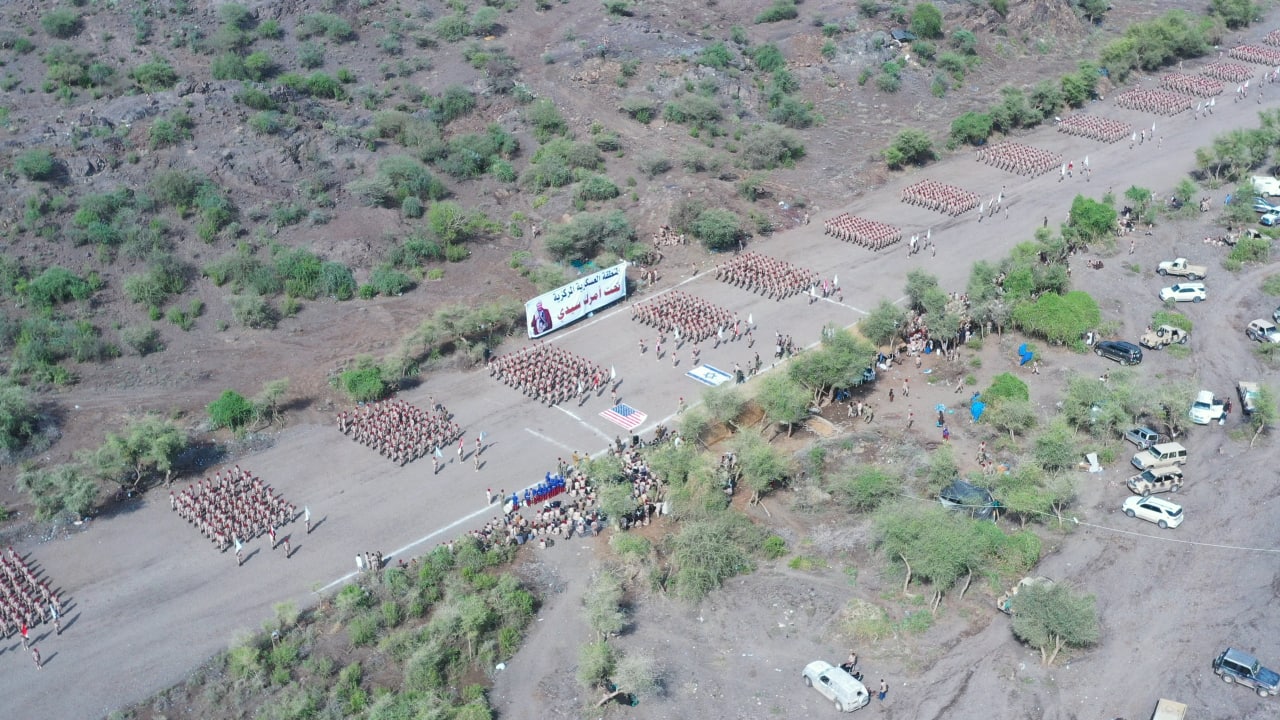
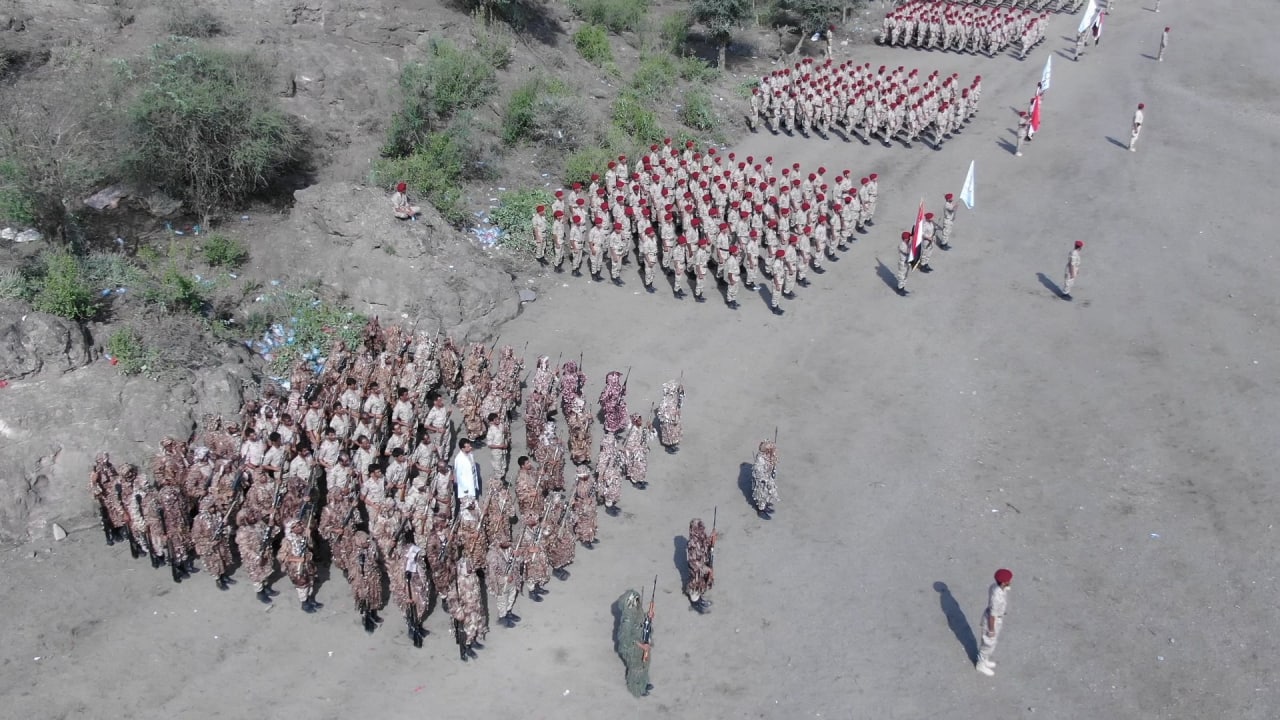
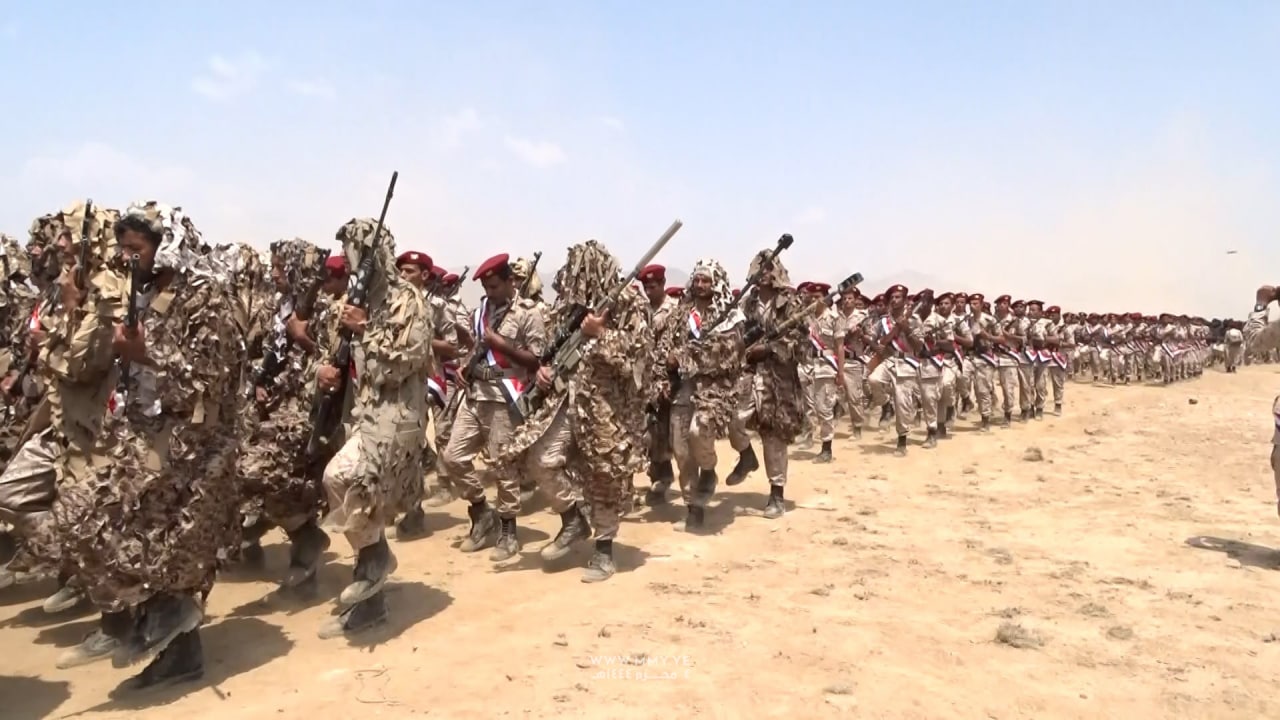
The Jizan battalions in the northern front of Saada province also held their parade under the title of “Martyr Zeid Ali Mosleh” in the presence of Saada governor Mohammad Jaber Awad on August 2 and emphasized their readiness to face the new scenarios of the Saudi-American coalition.
Images of the “Jizan Battalion” parade in the northern front of Saada
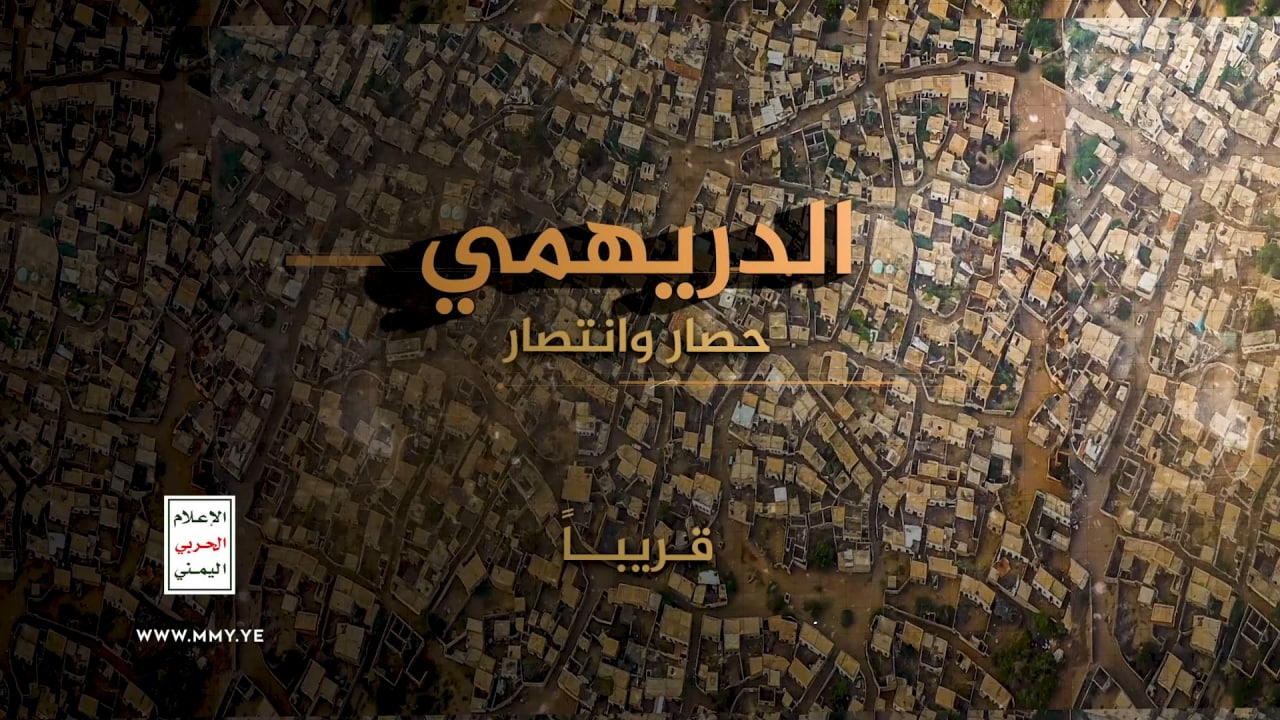
“Al-Durayhimi” is the name of a town and district in Al-Hudaydah province that was completely surrounded by the Saudi coalition during the Saudi coalition operation on the west coast of Yemen in August 2018. The siege was eventually broken by Ansar Allah and popular committees operation in October 2022, forcing Saudi-led coalition forces to retreat from around the town.
Al-Durayhimi residents and fighters during this period (about 800 days) were faced with heavy bombardment and attacks by the Saudi coalition and a shortage of food and medicine, and despite the agreement between Ansar Allah and the resigned government of Hadi in Stockholm, they did not receive any assistance from the United Nations or international organizations.
Situation in Durayhimi in 2020
In this regard, the Yemeni Ilam Al-Harbi media recently produced a documentary on al-Durayhimi’s situation during the 800 days of resistance, which narrates the problems caused by the siege of the Saudi coalition for the residents of this city and AnsarAllah’s surprising and impractical actions to help them.
In this documentary, we see scenes of Ansar Allah fighters fighting Saudi-led forces from al-Amaliqa to Tariq Saleh and repelling their attack on the al-Durayhimi governorate building, the martyrdom of a number of al-Durayhimi children and the elderly due to hunger, disease and injuries from coalition bombing. Also among the spectacular parts of this documentary are sending medicine and medical equipment by UAV, embedding food in rockets and sending it with 2500 rockets into the city, sending food by Mi-171sh helicopter of the Yemeni army, sending rotten food by the United Nations, rejecting the offer Representatives of the Red Cross on the transfer of civilians to the refugee camp in al-Khukhah by the people of al-Durayhimi, etc.
Video No. 1: The siege and bombing of Al-Durayhimiled to the martyrdom, injury and mutilation of the residents of this town, who could not be treated after the medicine and medical equipment ran out.Video No. 2: Lack of food led to the martyrdom of a number of Al-Durayhimi residents due to hunger, forcing the residents of this city to consume expired food and even eat the leaves of trees and ground plants.Video No. 3: Martyrdom of one of Al-Durayhimi children due to severe hunger and his burial by his fatherVideo No. 4: Saudi coalition bombs water source and freshwater wellsVideo No. 5: Ansar Allah sending medicine and medical equipment to the residents of Al-Durayhimitown by Rased UAVVideo No. 6: AnsarAllah sends food embedded in rockets and fires at al-Durayhimi. AnsarAllah fired 8 to 10 rockets carrying food into the town daily after the siege of al-DurayhimiincreasedVideo No. 7: UN sends rotten food to Al-Durayhim.Video No. 8: Food delivery by Yemeni Air Force Mi-171sh helicopter to residents of Al-DurayhimitownVideo No. 9: Yemeni Air Force Mi-171sh helicopter returns after successfully delivering food to residents of Al-Durayhimitown and prostration of Yemeni pilotVideo No. 10: The people of Al-Durayhimireject the offer of the members of the Red Cross to leave Al-Durayhimi and transfer to Camp Al-KhukhahVideo No. 11: Martyrdom of Al-Durayhimiresidents due to hunger and consumption of terrestrial plants by the residents of this city to surviveVideo No. 12: Selected scenes from the operation to defeat the siege of Durayhimiby AnsarAllah fighters. AnsarAllah also liberated the villages around the town from the control of the Saudi coalition after repelling heavy attacks by Al-Amaliqa and Tariq Saleh forces to capture al-Durayhim.
On March 27, In a speech on the occasion of National Resistance Day, the head of the Yemeni Supreme Political Council, Mahdi Al-Mashat, in a direct and very important message to the Saudi leaders, announced a three-day suspension of all Ansar Allah attacks on Saudi Arabia and called for an end to coalition attacks and an end to the siege. Otherwise, Ansar Allah will go to another level of Operation Break Siege!
Thus, On March 30, in a brief statement the Saudi coalition announced suspension of military invasion of Yemen at a request by Nayef Al-Hajraf, the Secretary-General of the Gulf Cooperation Council as talks begin at 6 a.m. Wednesday.
Earlier, the Gulf Cooperation Council (GCC) has announced hosting consultations for the Yemeni parties that starts on Tuesday, March 29, in the Saudi capital, Riyadh, with the aim of achieving a ceasefire. However, the Ansar Allah movement (also known as Houthi) announced, in a statement, that it welcomed any dialogue with the coalition countries, provided that it is in a neutral country that is not involved in the aggression against Yemen, which means its absence from Riyadh’s consultations.
Mohammed Abdul Salam, the official spokesman for Ansar Allah and head of the national delegation announced a parts of Yemeni peace initiative presented by President Al-Mashat in a tweet. The summary is as follows: 1- Suspension of all Ansar Allah military actions towards Saudi Arabia for a period of three days, and our readiness to turn this suspension into a final and permanent commitment if Saudi Arabia commits to ending the siege and stopping its attacks on Yemen permanently. 2- Suspension of all Ansar Allah military actions towards Saudi Arabia for a period of three days, and our readiness to turn this suspension into a final and permanent commitment if Saudi Arabia withdraw all foreign forces from our lands and stop supporting its local militias in our country. 3- Suspension of all Ansar Allah military actions, including in the Marib front as a sign of good gesture, and we are waiting for a positive response. 4- We declare our full readiness to release all coalition prisoners, including Hadi’s prisoners, mercenaries and other nationalities, in exchange for the full release of all our prisoners.
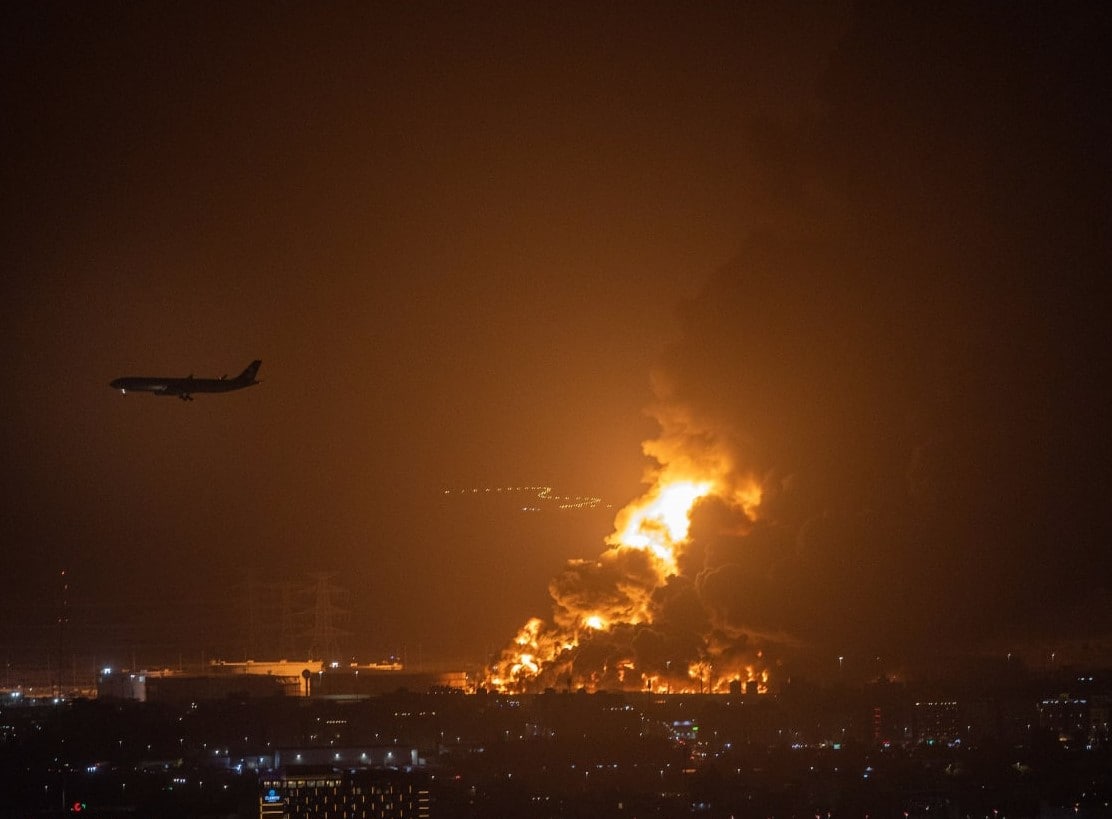
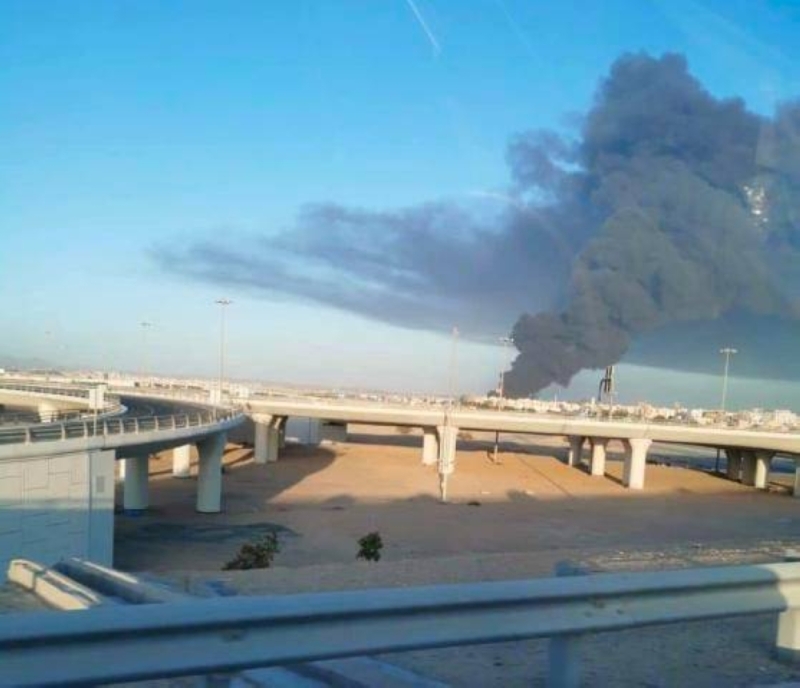
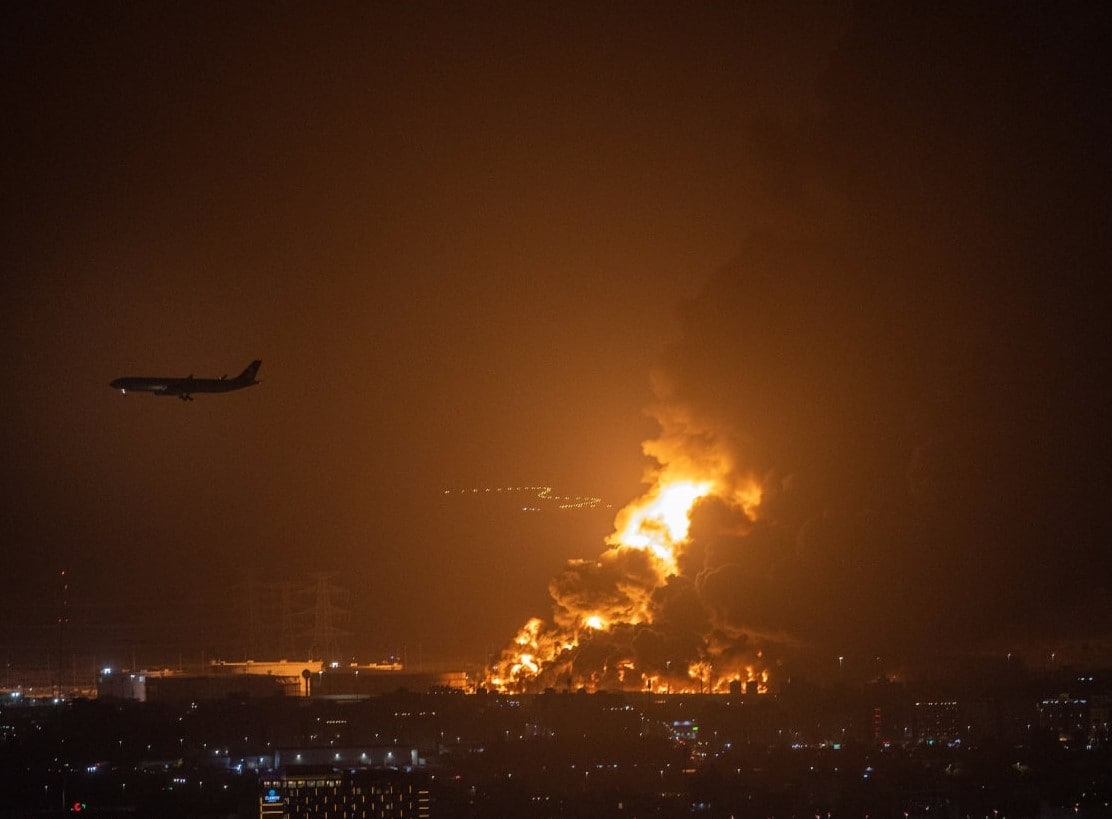
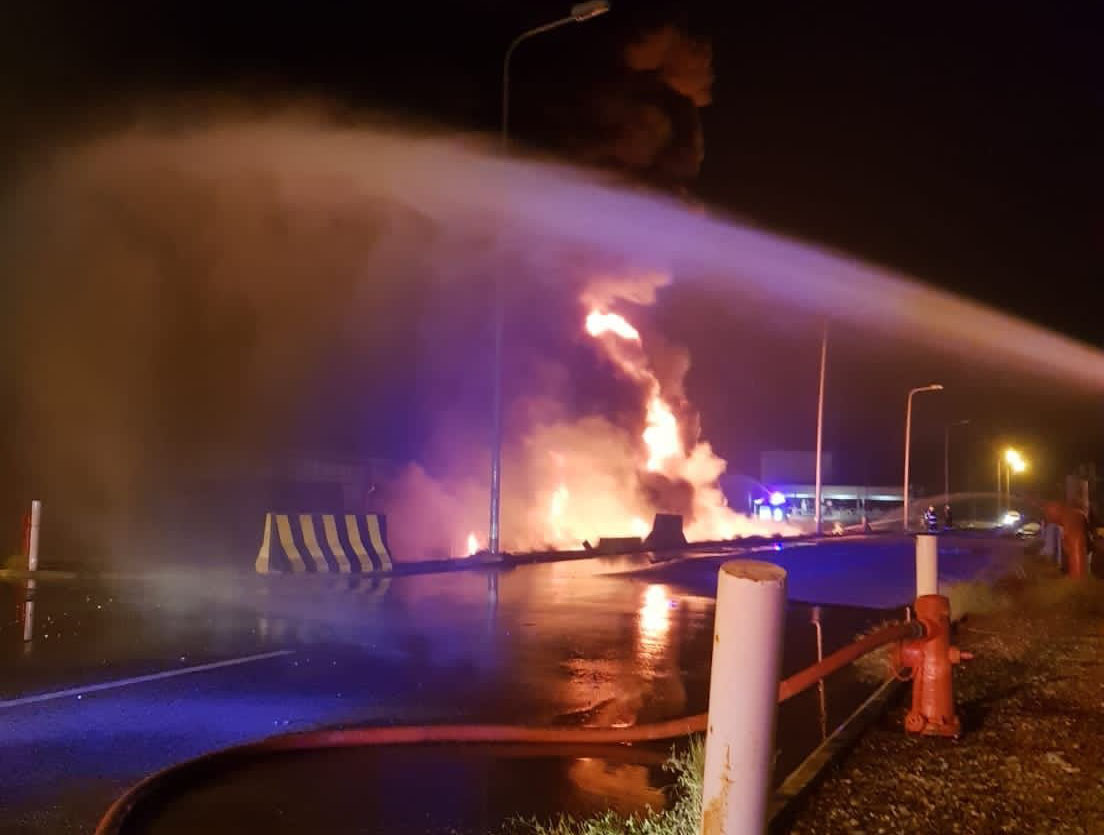
Image: Jeddah refinery on fire after AnsarAllah March 25th attacks
In a statement, Brigadier General Yahya al-Sari’, spokesman for the Yemeni Armed Forces, described the details of Operation Break Siege 3.
According to the statement, Ansar Allah targeted Aramco’s facilities in Jeddah and vital targets in Riyadh with cruise missiles, Ras al-Tanura and Rabigh refineries, and Aramco in Najran and Jizan with several suicide drones and other vital targets in Jizan, Abha, Khamis Mushait and Dhahran Al-Janub with several missiles.
As the name of operations implies, this series of operations by Ansar Allah is carried out in response to the Saudi coalition’s siege of Yemen. In the previous two operations, Operation Break Siege 1 and 2, Ansar Allah had also launched a large-scale missile and drone strike on Saudi military and infrastructures in various areas of Saudi Arabia.
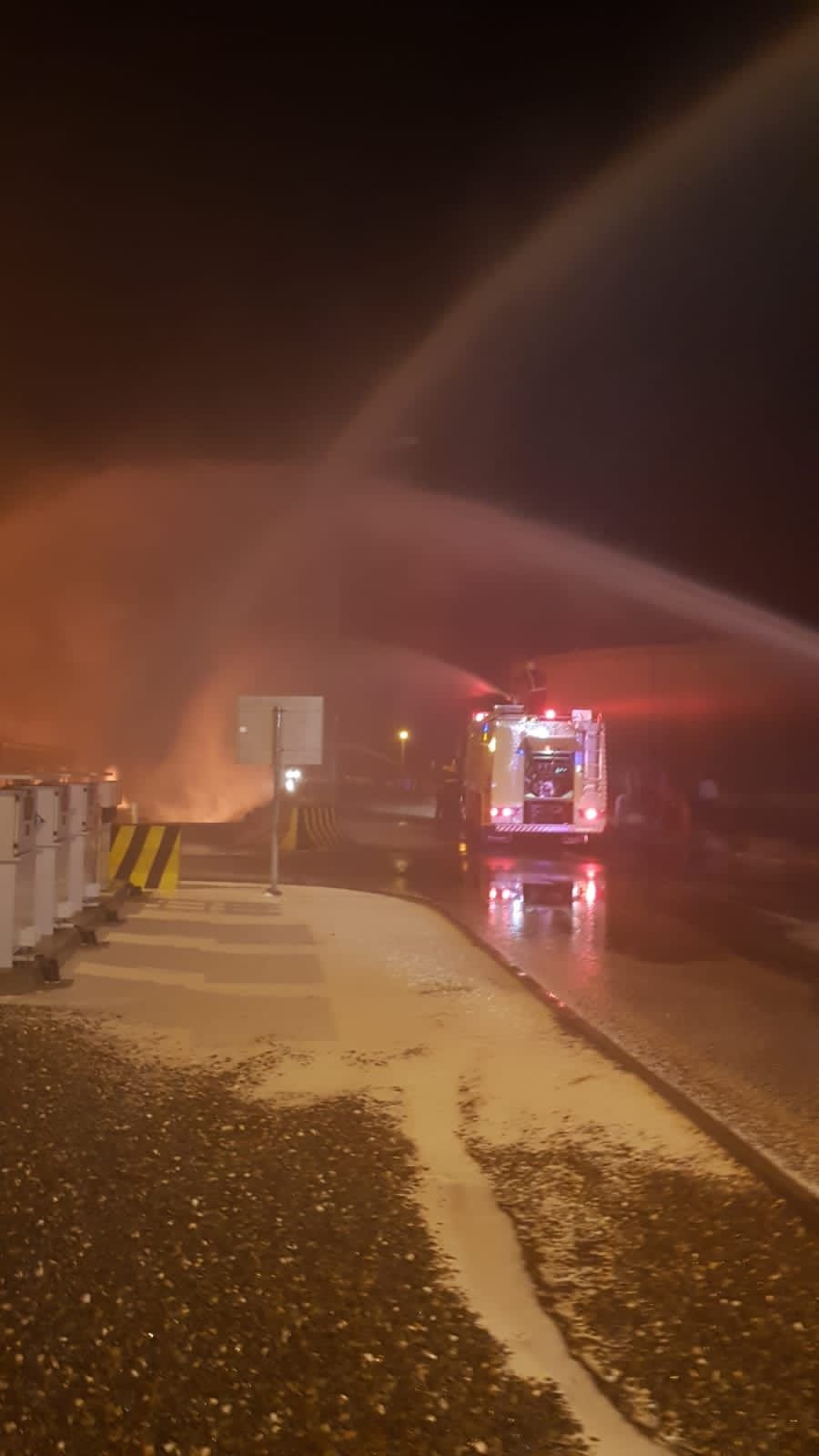
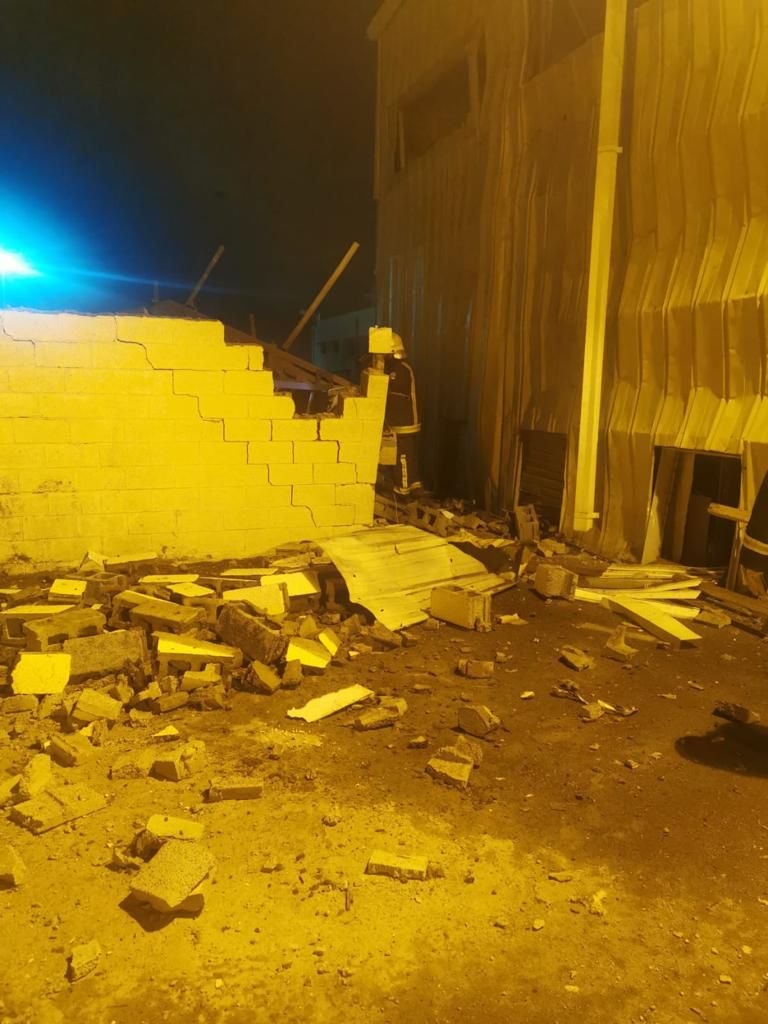
Fire at the power distribution station in Samtah city due to AnsarAllah attackDamage to water tanks in Dhahran All Janub city in the Ansar Allah missile attackJeddah refinery tanks burning after attacksVideo No. 1: Fire in Jeddah refinery due to Ansar Allah attacksVideo No. 2: Fire in Jeddah refinery due to Ansar Allah attacksVideo No. 3: Fire in Jeddah refinery due to Ansar Allah attacksJeddah refinery burns after missile attack
A satellite image of Aramco’s facility in Jeddah shows the high level of damage by the Ansar Allah attack. Ansar Allah heavy blow resulted in fire and complete destruction of one tank and serious damage to five other tanks.
Satellite image of Aramco’s facility in JeddahHigh quality video from the moment Ansar Allah drone or missile hit the tanks of Aramco refinery in Jeddah
According to Saudi media reports, Ansar Allah attacked a gas station in Khamis Mushait, a power station in the southern city of Dhahran, a liquefied gas plant in the port of Yanbu, a Shuqaiq desalination plant and the Aramco facility in Jizan with at least seven suicide drones and several missiles.
As a result of these attacks, the mentioned facilities were damaged and set on fire.
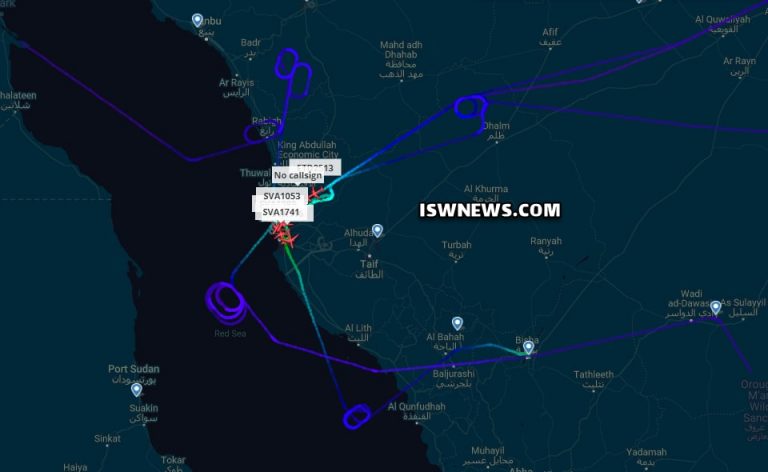
Some local sources have also claimed that another attack took place at Jeddah airport. Due to severe disruption of flights such as: Airbus A321-211, Boeing 777-3FG (ER), Boeing 787-9 Dreamliner, Airbus A321-211, Airbus A321-231, Boeing 777-368 (ER), it can be said that Jeddah airport was also one of the targets of Ansar Allah.
Fire in Shuqaiq water desalination plant in JizanDamage caused by Ansar Allah attack on Khamis Mushait gas stationDamage caused by Ansar Allah attack on Jizan
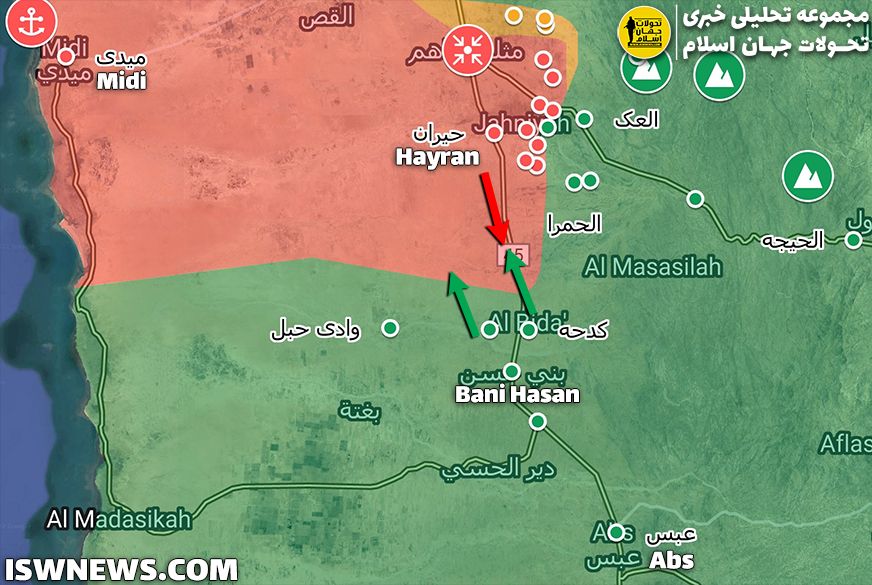
The villages of al-Dhahr, Akashiyah, al-Naqarma, Jarb al-Mahjim, al-Mu’taf, al-Manjura, Bani Kina Sharqi, al-Fandoq, al-Baydha and al-Shabaka were liberated, according to Ansar Allah.
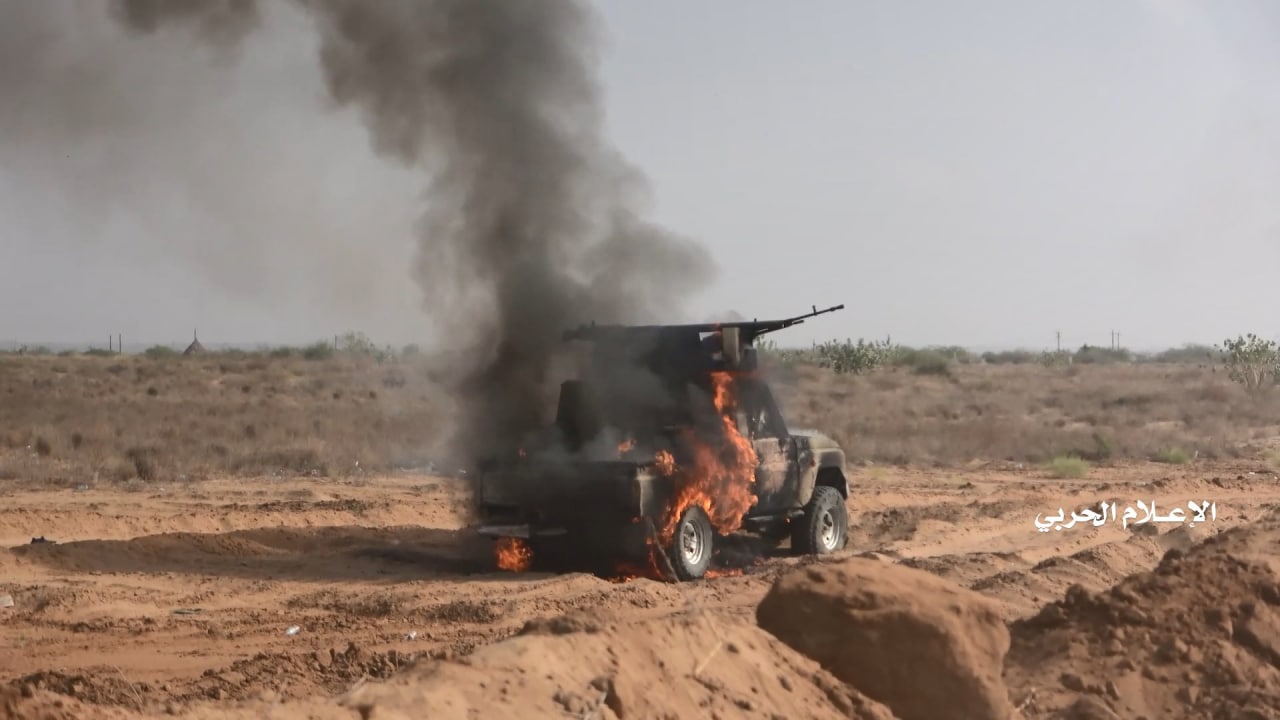
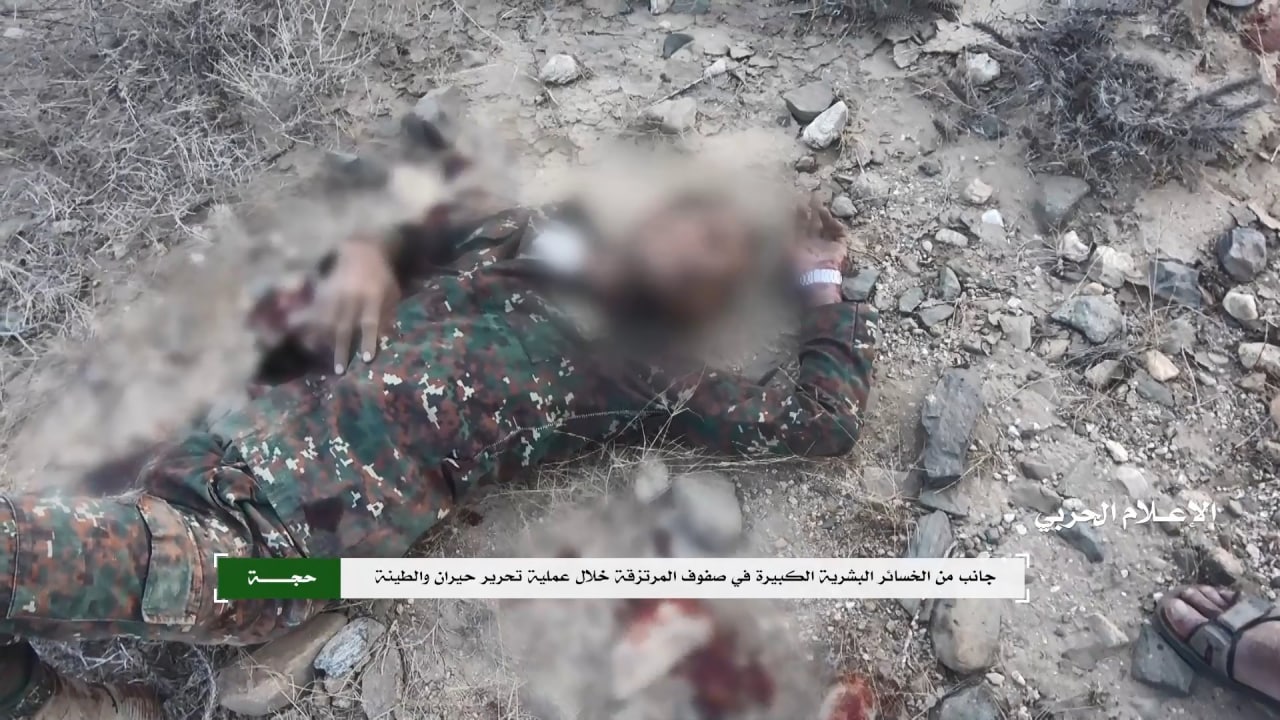
According to Ansar Allah media, more than 200 Saudi-led forces, including Mansour Hadi and Sudanese mercenaries, were killed and wounded in the operation.
This operation can be considered as the second part of the recent Ansar Allah operation in the north of Hajjah province. In fact, the advance of Ansar Allah after the defeat of the siege of Haradh town was followed in two axes: 1- The western axis of Haradh district, 2- The northern axis of Abs district. Clearing these areas is still on Ansar Allah’s agenda, and the Saudi coalition is trying to stop Ansar Allah attacks by heavily bombing Ansar Allah positions in the Hajjah province.
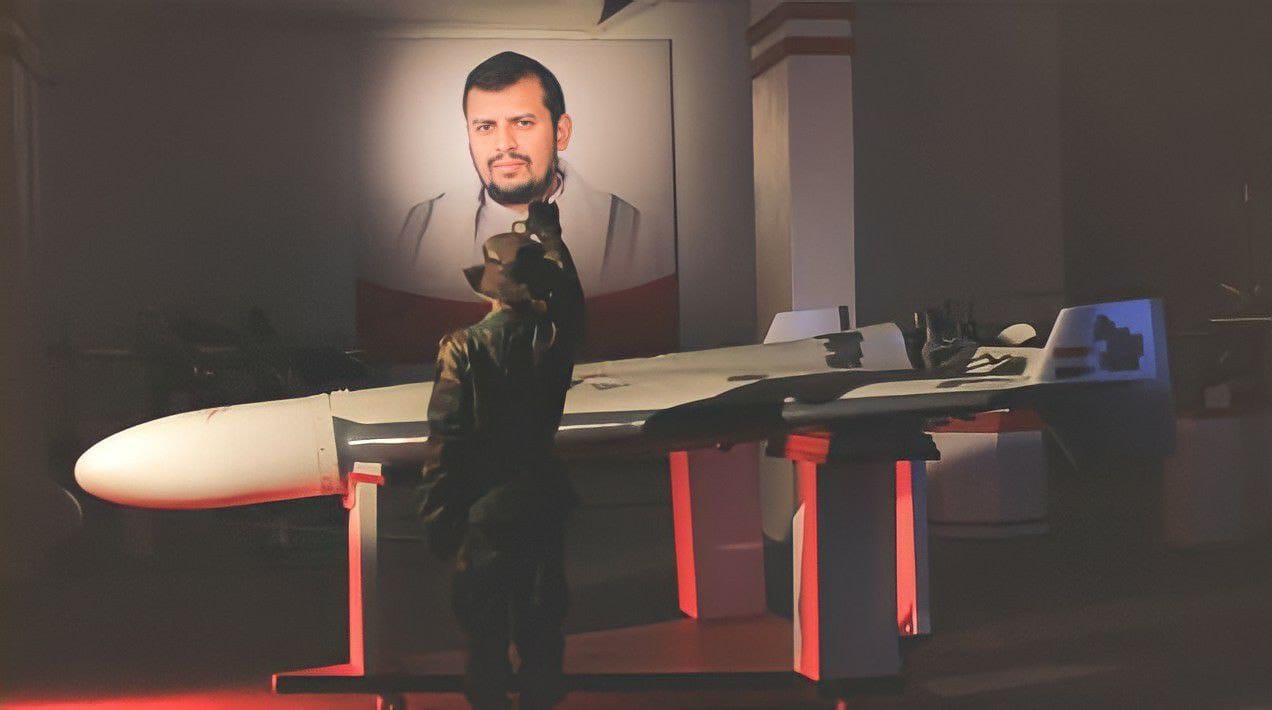
The summary of the statement of the Yemeni Armed Forces is as follows: “In response to the escalation of attacks during the brutal siege on our people, as well as the prevention of the entry of oil derivatives into Yemen by enemy(Saudi), the Yemeni Armed Forces conducted a large-scale military operation called ‘Operation Breaking the Siege 1’ with nine drones: Targeting the Aramco refinery in Riyadh, the capital of the Saudi enemy, with three Samad-3 drones. Targeting Aramco facilities in Jizan, Abha and other sensitive areas with six Samad-1 drones.”
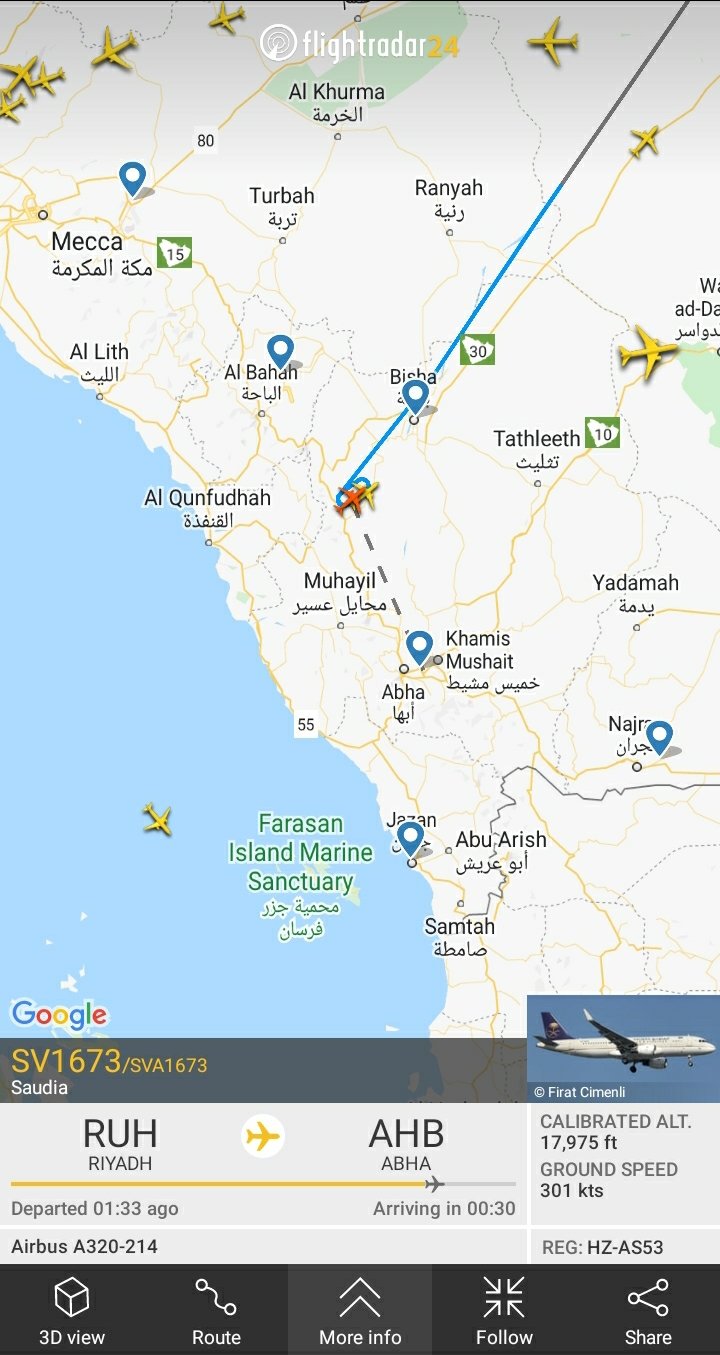
According to data obtained by ISWNEWS, during Ansar Allah drone attacks on Saudi Arabia, the Aramco refinery in Riyadh caught fire and flights from Riyadh and Dammam to Abha Airport were delayed. No other casualties were reported so far.