Tag: Kabul

  • Investigating ISIS Terrorist Activities and Threats in Western Asia – Second Half of October 2018

    Investigating ISIS Terrorist Activities and Threats in Western Asia – Second Half of October 2018

    These 224 attacks were announced by official ISIS media.

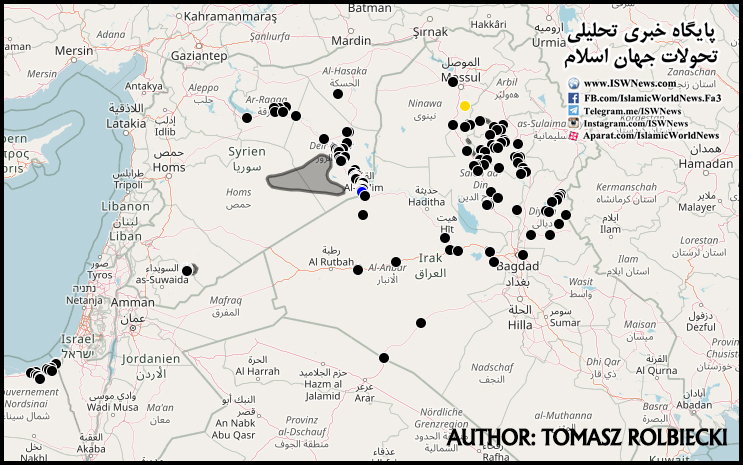
    Considering the broadness of the areas ISIS attacked, the most important in terms of security threats are as follows.


    Iraq:
    Reported attacks happened in Karkuk, Salah ad Din and then Diyala provinces more than other regions in Iraq.

    Therefore, ISIS remainder cores in northern regions are still potential threats to Iraq security.

    Recently, numerous security operations by Iraqi forces performed against ISIS and the results either success or failure will be determined later.


    ISIS activities in northern Iraq


    Syria:
    An interesting fact about ISIS activities in Syria is that they are all in the east of Euphrates River or around it and no activities observed deep inside the government controlled areas.

    This implies that Syrian government did a better job to control the ISIS cores compared to Iraqi government.

    The reports of ISIS attacks in Al Safa area are also about the battle with Syrian government which started from July.


    ISIS activities in Syria


    Reviewing the reports of ISIS attacks in Syria, they were mainly done in areas under control of SDF.
    It is noteworthy that a large number of these attacks are in Hajin area, which was passed back and forth between ISIS and SDF.

    It is predictable that SDF has a long way to completely secure the area and fight against ISIS cores; it is obvious from the depth of ISIS attacks inside SDF controlled areas. Sabotage attacks including bombs and terrorist attacks are becoming usual in SDF ruled areas.


    ISIS activities in eastern Syria


    Egypt:
    Northern Sinai governorate is the biggest security threats in Egypt and ISIS main activities are limited to Sinai peninsula.

    ISIS attacked 18 times against Egyptian forces in 16 days, which is considerable.

    An interesting fact is that all these attacks were against Egyptian troops and none of them were against Israeli troops, this is while Israeli-controlled lands have long borders with Sinai and ISIS has always announced their enmity against Israel!


    ISIS activities in Sinai peninsula


    Afghanistan:
    Last year ISIS activities increased by bomb and sabotage attacks against security forces of Afghanistan and also engaging with Taliban.
    Although it is reported that ISIS activities in north of Afghanistan are suppressed, however this terrorist group is active in east specially in Nangarhar and Kabul and this is a potential threat to capital of Afghanistan.
    In the period of 16 days, 11 attacks were reported.


    ISIS activities in eastern Afghanistan
     

    Other Areas:
    North of Baydah province in Yemen, Mogadishu in Somalia, Libya and northeastern border of Nigeria are some of the regions that observed ISIS attacks in the period of 16 days.

    ISIS cores in northeastern border of Nigeria, some parts of Libya and north of Baydha province in Yemen are rather active.


    Maps: Tomasz Rolbiecki

  • Afghanistan Evolutions in the Last Week; 16 November 2018

    Afghanistan Evolutions in the Last Week; 16 November 2018

    1. Farah:
    Last Wednesday (14 November) Taliban attacked cities BalaBluk, Poshte Roud and Poshte Kouh.

    According to Farah provincial parliament members, due to the engagements more than 40 security forces were martyred and 60 others joined Taliban since there was not reinforcement.


    2. Ghazni:
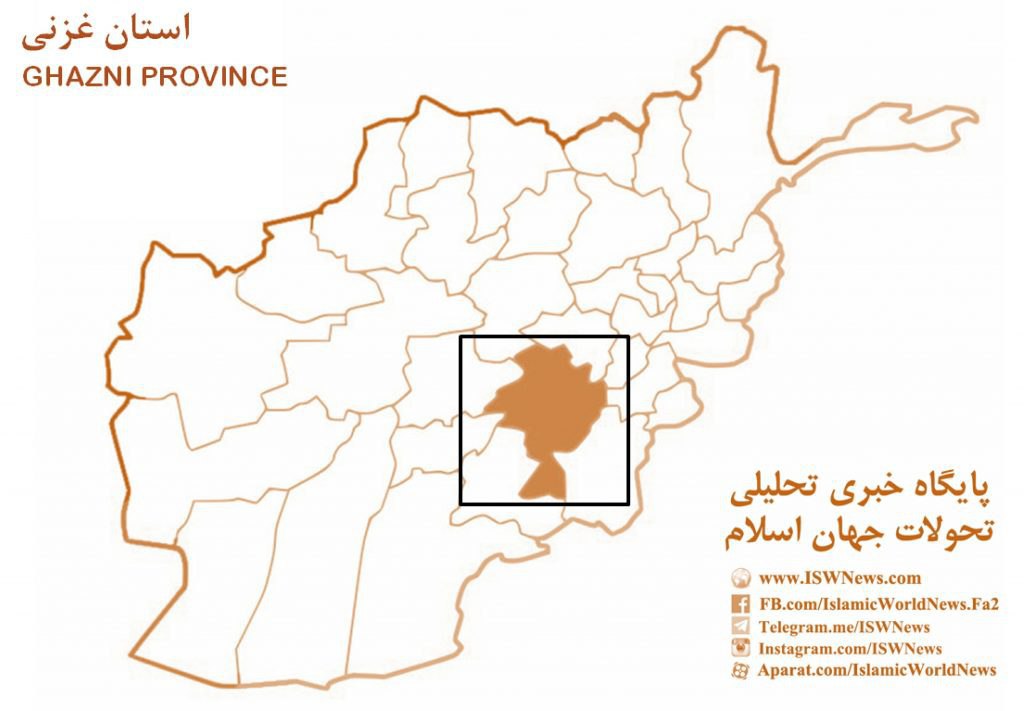
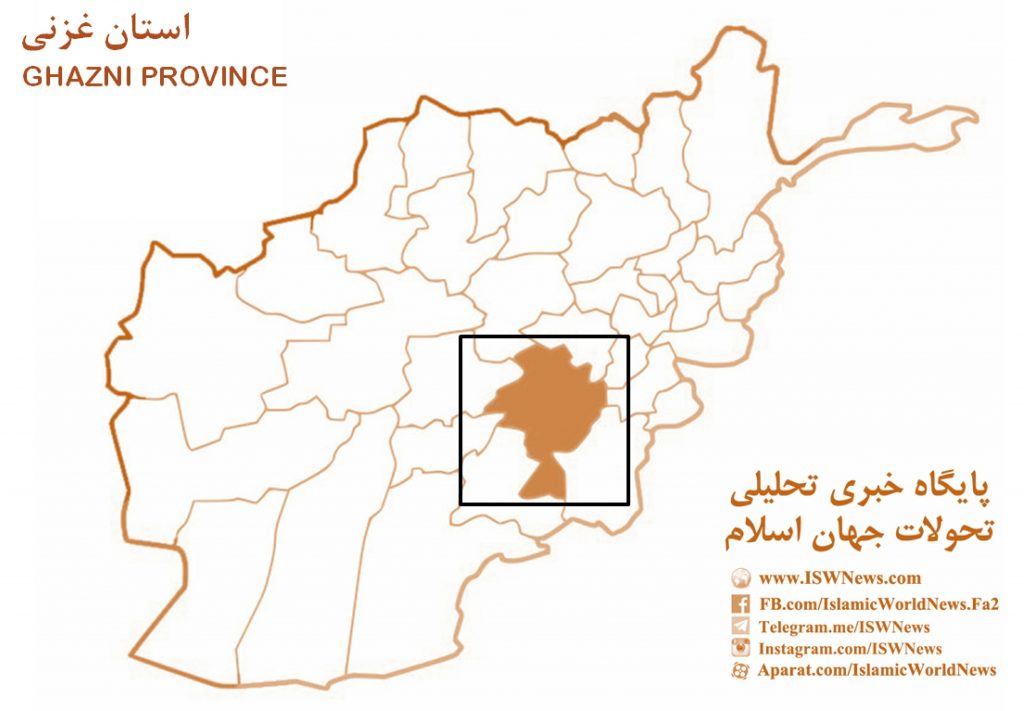
    Cities Jaghuri and Malestan are under control of Afghani security forces. Engagements at the border of Jaghuri and Gilan. Taliban forced people’s troops to retreat back and occupied Hotqol.


    3. Kabul:
    Due to engagement in Kabul university dormitory, one was killed and eight injured. Afghani Education Minister said it started from a line to receive bread and then became a fight between two groups of Hazarah and Pashtoon.

  • Latest Updates on Afghanistan in the Last Week, 19 September 2018

    Latest Updates on Afghanistan in the Last Week, 19 September 2018

    1. Kabul:
    17 years after US and allies attacked Afghanistan, NATO plans on erecting a 2.5 acres commanding center in Kabul, capital of Afghanistan.


    2. Farah:
    Local officials in province Farah say due to Taliban’s attacks to police stations in Farah (at the border with Iran) more than 35 Afghan soldiers are martyred.

    Also in separate engagements in provinces Balkh, Badghis, Meydan Vardak and Samangan more than 50 army soldiers are martyred according to officials (unofficial census is more than it).


    3. Supporting ISIS by Gulbuddin Hekmatyar:
    Local officials stating that Islamic Party led by Gulbuddin Hekmatyar in province Kunar (east of Afghanistan), trains ISIS soldiers.
    Gulbuddin Hekmatyar using peace motto and with help of US and Ashraf Ghani (Pashtoon Afghan President) is no longer in terrorists list and his party’s members have gained many positions in Afghanistan government and army.


    4. Severe engagement between ISIS and Taliban near city Sarpol:
    Sarpol governorate spokesperson confirmed that Taliban has attacked from three directions and have advanced to 2 km from governorate building.

    It is said that due to several attacks of Taliban, many of Afghan Army soldiers have martyred and if the central government is still ignoring this province, it is likely that the governorate falls.
    Sarpol with majority of Shia Muslims and with lack of infrastructure and central government’s negligence, is still resisting Taliban.


    5. Taliban casualties breaks heart of Afghan President!
    Ashraf Ghani in an interview with Vice News which has a lot of reactions in Afghanistan stated that the most bitter time for him is when he sees the number of casualties of Taliban which breaks his heart.

  • Latest Updates on Afghanistan 16 August 2018; Weekly Report

    Latest Updates on Afghanistan 16 August 2018; Weekly Report

    1. Ghazni
    According to military sources, Taliban attack has been defeated and city is clear. Census of martyrs and wounded are contradicting and UN local office declared civilians casualties between 110 to 150.


    2. Faryab
    According to local sources, “Chinaei ha” base in Ghormach town Faryab province has fallen to Taliban.
    This base was under siege from 11 August and during the engagements in the last two days around the base, 43 security forces martyred or wounded and more than 17 are captured by Taliban.


    3. Takhar
    Based on local witnesses’ claims, Ay Khanum passage on the border with Tajikistan is occupied by Taliban.
    It is said during this attack, 12 guards are martyred and 7 wounded.


    4. Baghlan
    Local officials said that during last night’s attack by Taliban to police station in `Alaeddin neighborhood of Baghlan town, 56 security forces are martyred.
    This attack was in a remote area and all the security forces are martyred.


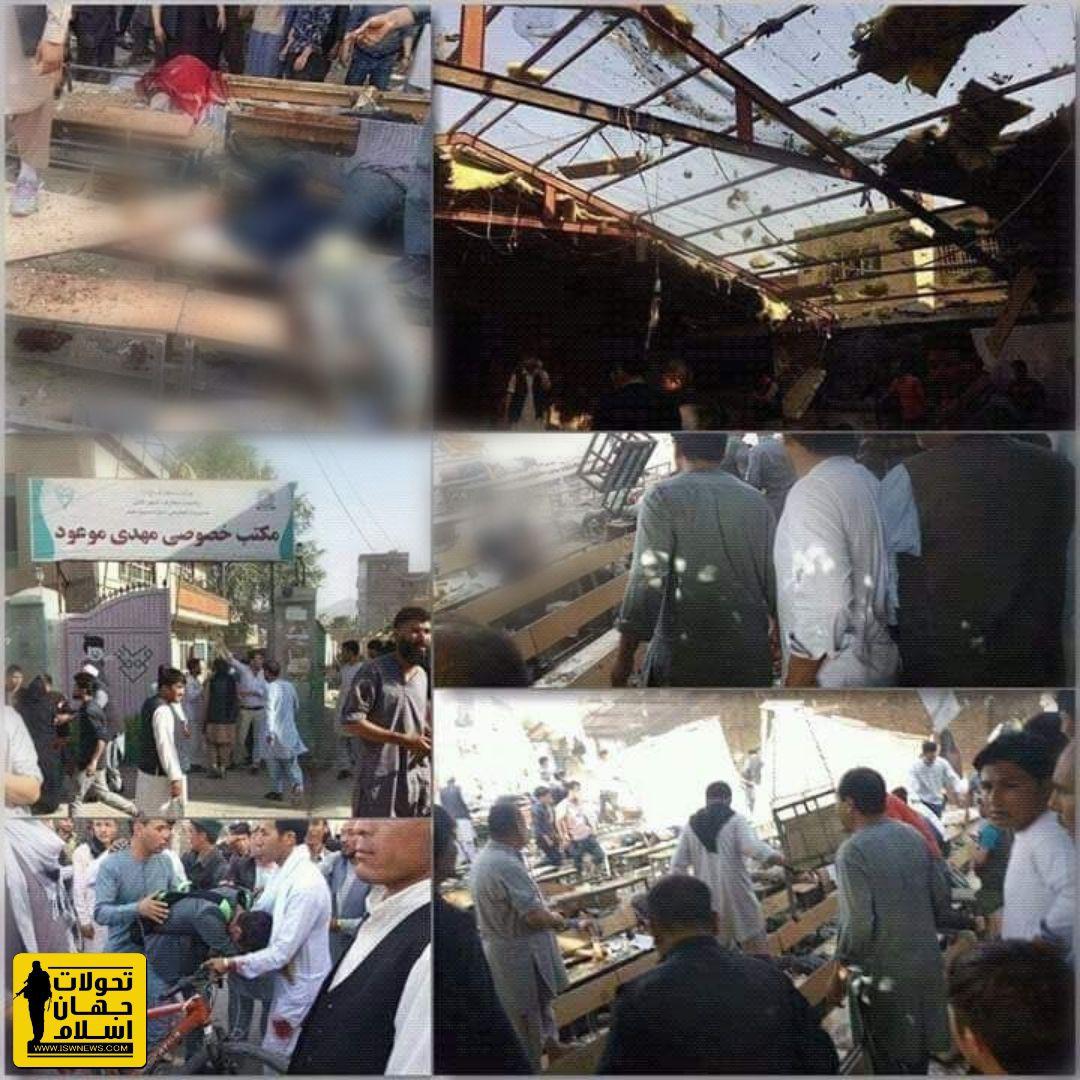
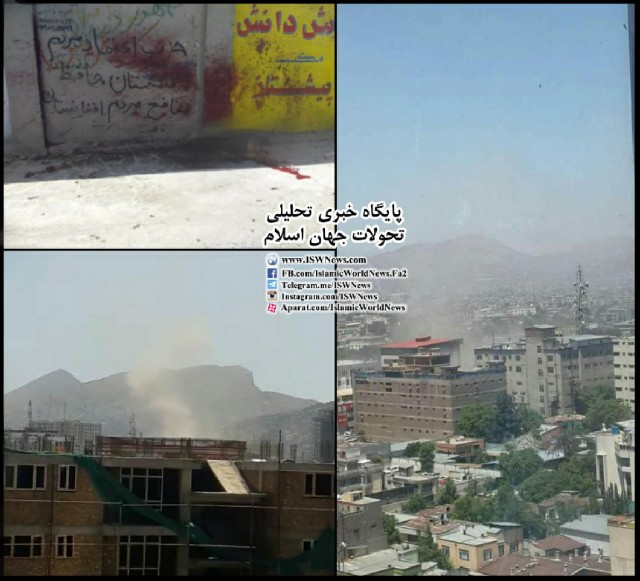
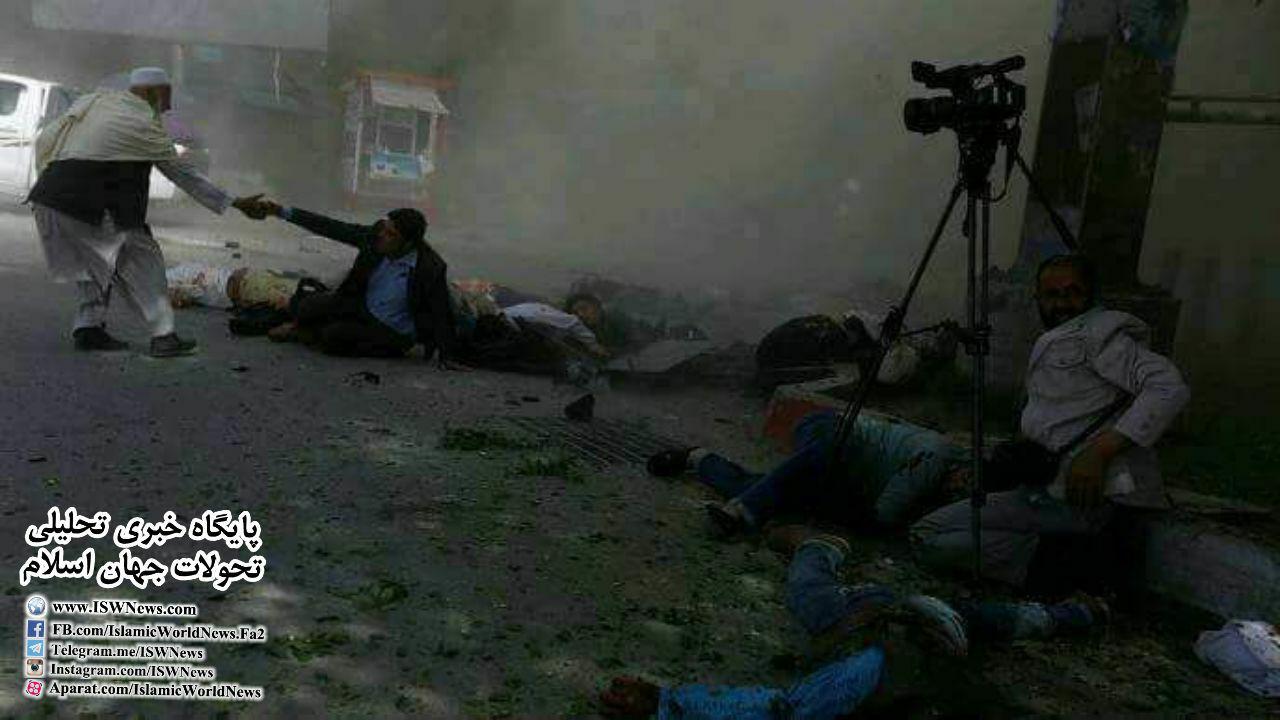
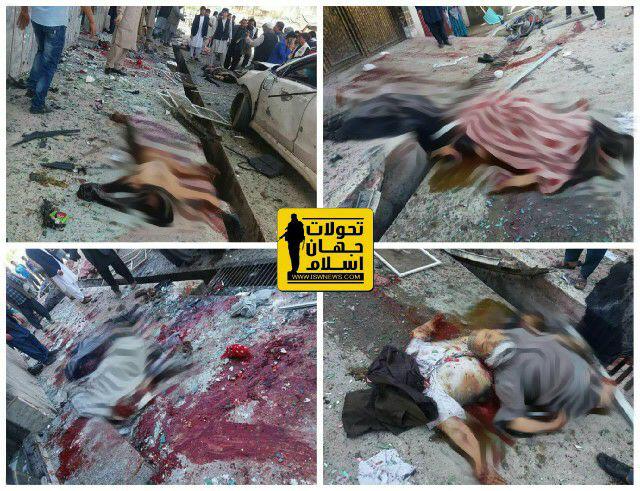
    5. Suicidal attack to Mahdi Maoud center in west of Kabul
    According to latest census, during this terrorist attack 60 martyred and more than 70 wounded.
    Taliban denied responsibility of this attack.
    *Above images showing this attack.

  • Martyrdom of a Prominent Figure in Afghanistan; Dr. Sayyed Muhammad Alishah Musawi Gardezi

    Martyrdom of a Prominent Figure in Afghanistan; Dr. Sayyed Muhammad Alishah Musawi Gardezi

    In a suicide attack to Friday Prayers in Imam Zaman mosque in Gardez, Pakita Province more than 40 martyred and 50 wounded. Unfortunately, blind suicide attacks against civilians and religious gatherings such as Friday Prayers are usual and sad incidents in Afghanistan.


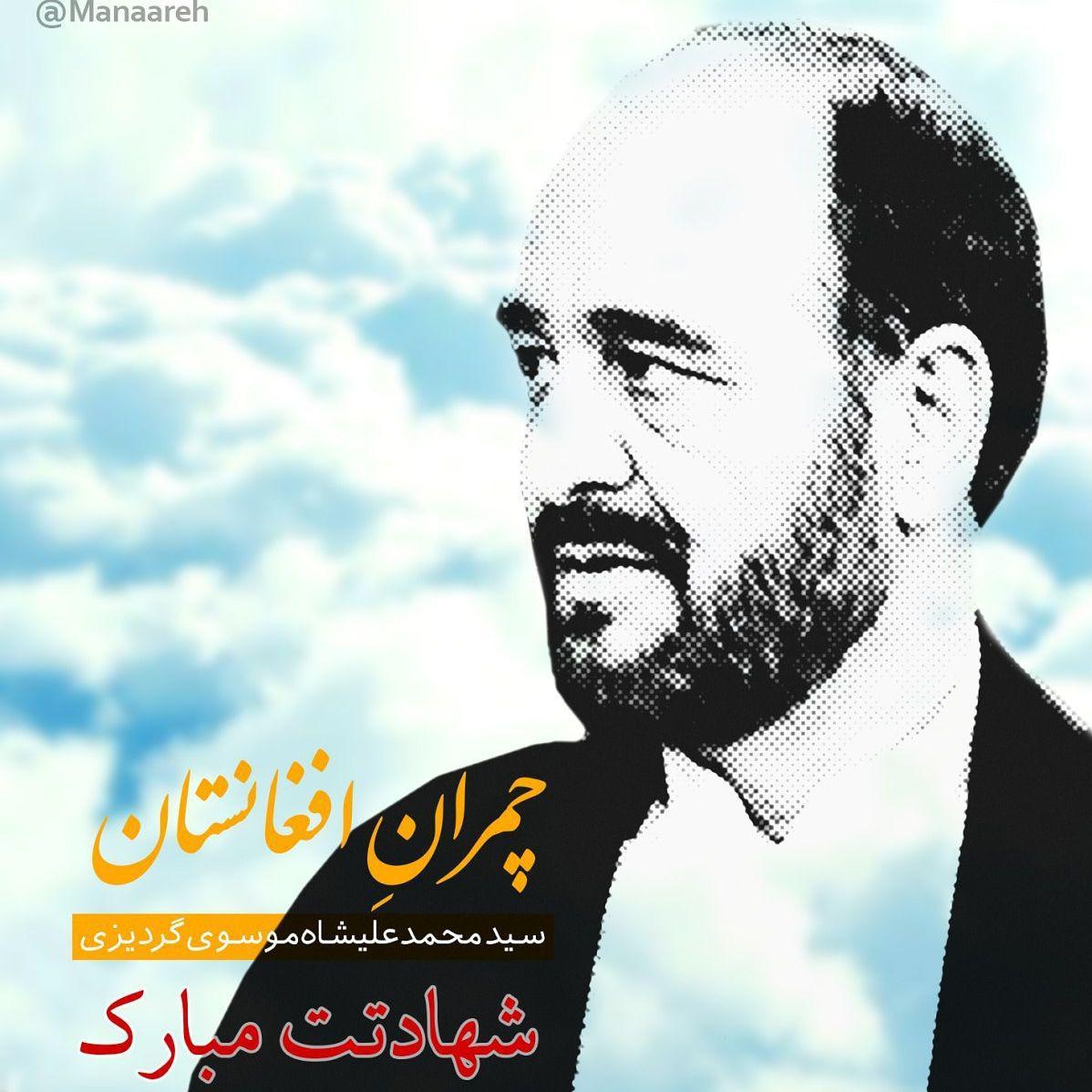
    But the difference between this attack and other attack is martyrdom of an important and prominent figure in Afghanistan during this terrorist attack. He is Doctor Sayyed Muhammad Alishah Musawi Gardezi, author of book “From Gardez to Guantanamo”.


    Imam Zaman mosque, Gardez


    Dr. Sayyed Muhammad Alishah Musawi Gardezi spent 40 months of his life in American prisons in Bagram, Afghanistan and Guantanamo, Cuba. The book From Gardez to Guantanamo contains his memories from Guantanamo prison.


    Martyr Dr. Sayyed Muhammad Alishah Musawi Gardezi


    He was born in 1959 in Gardez, after finishing elementary and high schools, in 1978 entered Medical school of Kabul University but in 1980 when communist government take power in Afghanistan, he left school and joined Mojahedins of his hometown, a city in which fighters of Shia and Sunni with different languages Persian and Pashto fight alongside each other.


    Dr. Mousavi during his combat years as commander of central front of Gardez, was hit two times by Soviets and wounded and the bullets remained in his body forever.

    In 1990 he migrated to Iran and entered Tehran Medical University with scholarship and in 1998 graduated with medical certificate.

    He returned to Afghanistan in 2002 and became Member of Parliament of Afghanistan from his hometown. During this time, in 13 July 2003, was arrested at midnight and brought to US directed Bagram and then Guantanamo prisons.

    After released from scary Guantanamo prison, published his diary in 386 pages in book “Untold Truth of Guantanamo Prison” in Kabul.


  • What is going on in Afghanistan? (A look on Afghanistan’s news in the past week)

    What is going on in Afghanistan? (A look on Afghanistan’s news in the past week)

    Ceasefire:

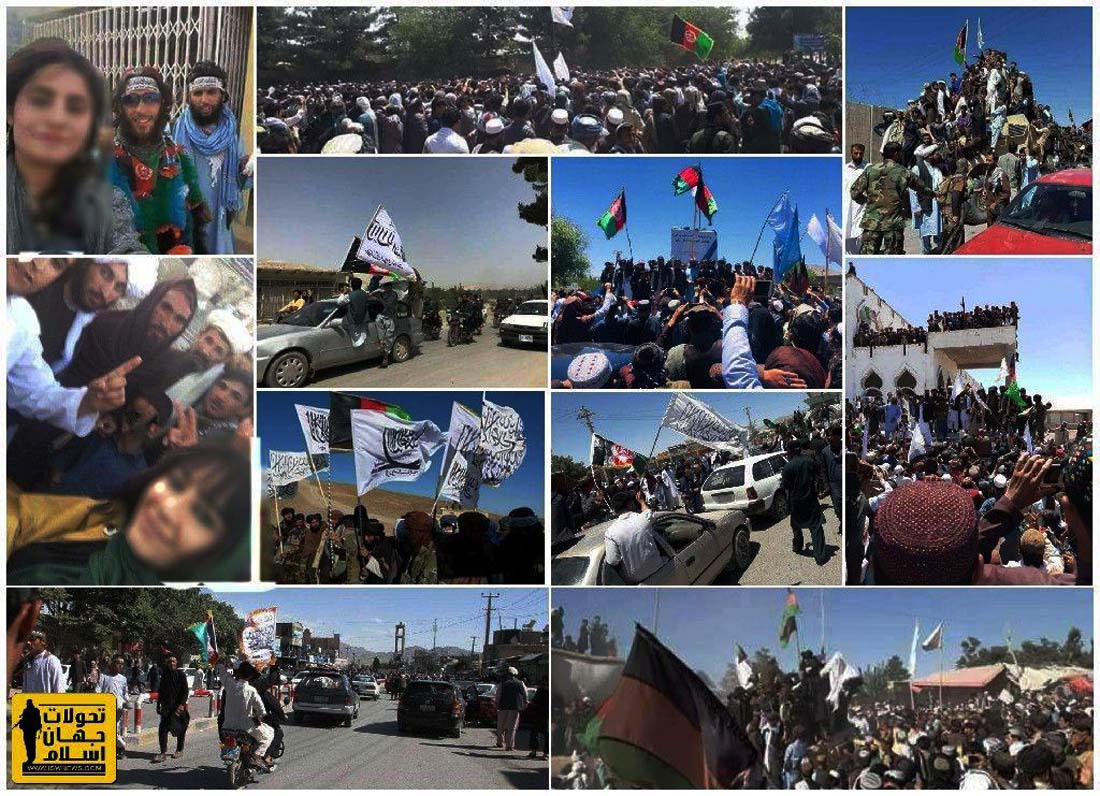
    The ceasefire between Taliban and Afghanistan government, let alone its weird incidents, from rising Taliban’s flag in Kabul to mixed and unorthodox pictures, was something new for the people of Afghanistan in all these 40 years of war. this incident shocked Afghanistan’s government so much that it still honors the ceasefire while Taliban don’t and constantly ravaging army’s stations.


    Another agreement with House of Saudi:
    The agreement between Saudi and Afghanistan’s officials about Kabul-Ryadh direct airline, after Ashraf Ghani’s announcement of supporting Saudi-led coalition against Yemen, was another step, tightening Saudi-Sfghanistan relations. The opposition recognize these policies of governemnt to be an act of transporting Takfirism from Syria & Iraq to Afghanistan.


    Taliban changing its approach?

    Taliban is an organization with uncoordinated & disordered structure, which encompasses Wahabism and even hosilities that are driven from racism, and also recently they are categorized into two groups, moderate and extremist.
    In these past months that America, which put Pakistan under a lot of pressure, managed to persuade Taliban into negotiations.


    Taliban’s behavior have changed in these years, comparing to what was before.
    Taliban claims that it must have control over half of Afghanistan. Taliban’s behavior have changed now, their behavior is moderate towards people, and claim that their goal is to Jihad against foreigners & their mercernaries .

    And also they are empowering their diplomacy in foreign policy and seeking to establish good relations with Russia, China, Qatar and United Arab Emirates, etc… in order to gain legitimacy in the world.


    However they have yet failed to leave their terroristic entity & their crimes against other religions & race, and this contradiction have made them, both now and in future, a infamous & notorious group in the history of Afghanistan.

    The main essence for survival of Taliban is not them being supported by neighboring countries, but is is because of the weak structure of Wahdat Melli’s government, not being able to do its functions, and finally being colonized by medium and great powers, like America, Turkey, UAE and etc… which we will explain it in future.

  • Latest Updates On Afghanistan 21 May 2018; Heavy Clashes Between Security Forces and Taliban Continue.

    Latest Updates On Afghanistan 21 May 2018; Heavy Clashes Between Security Forces and Taliban Continue.

    1- The heavy clashes between Afghanistan’s security forces with Taliban in Ajrestan town, from Ghazni province.

    Taliban claimed the that they took full control of the city, but local and military sources denied the fall of ajrestan, and said that the reinforcements were sent, and they re-captured the fallen regions.


    2- After the arrival of the army forces, the towns of tale and barfak in Baghlan province, were liberated from the hands of Taliban.


    3- The statements of Iran and Afghanistan officials about recent events of Farah :

    Despite the new wave of attacks against different parts of Afghanistan by Taliban, baseless accusations against Iran still goes on, and eventually the ambassador of Iran in Kabul with denying the support of Taliban and having a relation with them & confirming Iran’s contacts in order to achieve a comprehensive peace and Afghanistan government being aware of these contacts, specified the official stand of the Iran’s foreign policy towards Afghanistan.


    Minister of Defense, Tariq Shah Bahrami stated: “The war of Farah is about managing the water, the hostility in the region started when Salma Dam (Afghan-India Friendship Dam) was built and Bakhsh-Abad Dam preliminary works of Bakhsh-Abad dam were started.


    Mohammed Masoom Stanekzai, administrator of defense ministry of Afghanistan stated: “No matter how much we blame our neighboring countries or anyone else, by the hands of whom the war operates? its in our hands…

    Its our national duty to accept the mindset in which the war & jihad is delegitimized.”


    Mohammad Reza bahrami, ambassador of Iran in Kabul stated: “We have said this with veracity that we have contact with Taliban, but we didn’t even turn it into a relation, because we didn’t want legitimize the Taliban, and with faithfulness we have said that these contacts were in order to encourage them to join the peace talks with Afghanistan government.”

  • Several Terrorist Attacks and Explosions in Kabul, Afghanistan’s Capital

    Several Terrorist Attacks and Explosions in Kabul, Afghanistan’s Capital

    The clashes is currently ongoing in the buildings of the explosion in Dasht-e-Barchi.

    So far, no group like ISIS or Taliban has claimed responsibility for the attacks.


    It should be noted that the situation in Afghanistan has become very unstable due to the approaching election time. In this regard, the Talah and Barfak in Baghlan province has fallen to the Taliban.

  • Latest Updates On Afghanistan & Pakistan, 6 & 7 May 2018; Assassination of Pakistan’s Interior Minister.

    Latest Updates On Afghanistan & Pakistan, 6 & 7 May 2018; Assassination of Pakistan’s Interior Minister.

    1. The temporary fall of Kuhestan city from Badakhshan province, located northeast of Afghanistan.
    Military officials announced the retaking of the city on last day.


    2. Terrorist blast in Yaghobi mosque of Khost city.
    According to the latest statistics, 17 were martyred and 33 injured.
    Taliban didn’t took responsibility for this attack.
    lately, the attacks are growing drastically against voting and election registration centers


    3. The failed suicide attack in Kabul.

    The attacker was targeting a blood donating location, but he was indentified by the security forces and perished/killed.


    4. The Kolian region in Bilchiragh district of Faryab province, have fallen into the hands of Taliban.


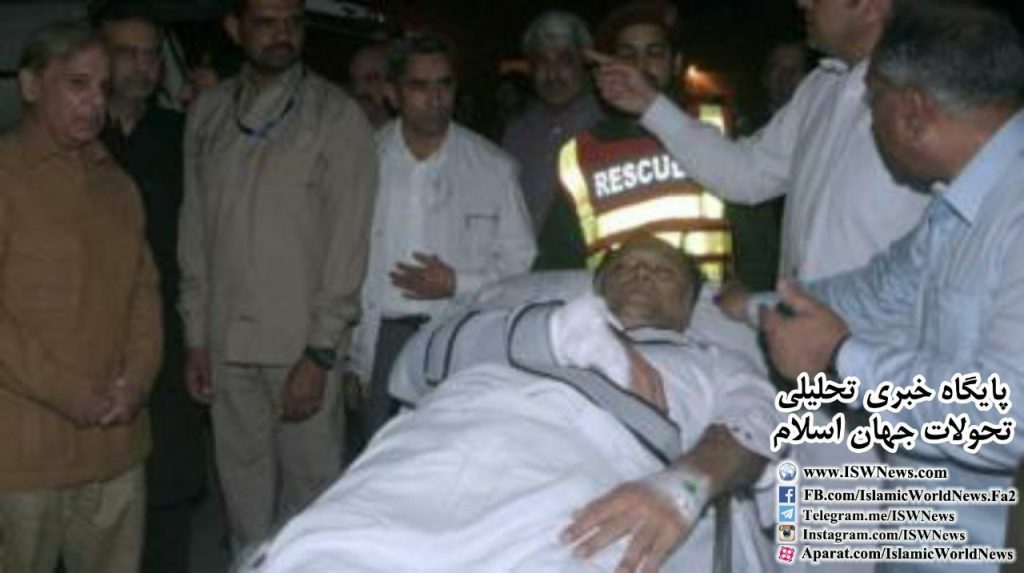
    5. The failed attempt for assassination of “Ehsan Eghbal”, Pakistan’s interior minister.

    Ehsan Eghbal, during a political summit, injured by the shooting and was transferred to the Lahor Hospital; also the attacker, named “Abed Hussain”, is arrested.

  • Latest Updates On Afghanistan 30 April 2018; New Wave of Suicide Attacks in Afghanistan

    Latest Updates On Afghanistan 30 April 2018; New Wave of Suicide Attacks in Afghanistan

    1- During the two terrorist explosions in Kabul, more than a dozen were martyred and wounded.

    ISIS terrorist group has claimed responsibility for this attacks.

    The latest death toll is 25 martyrs and 50 wounded.


    2- In a Blast in city of Daman in Kandahar province, 11 were martyred and 8 were injured.

    5 NATO Romanian soldiers were wounded in this attack.

    The Taliban has claimed responsibility for this terrorist attack.


    3- Qamaruddin Shakib (deputy governor of Logar Province) was martyred in Logar province along with two of his men following the Taliban ambush.

    During a funeral ceremony in Mazar-e-Sharif, he was buried next to the martyr Mazari.


    4- The operations of security forces under the command of Ata-Muhammad Noor against the Taliban in Balkh Province.

    Charbolak and Chamtal districts in Balkh province and Faizabad Aghcheh city of Jawzjan province were cleared.

    More than 150 Taliban members were killed and more than 200 others wounded in recent operation in Balkh province over the past few days.


  • Latest Updates On Afghanistan 22 April 2018; Terrorist attack in West of Kabul

    Latest Updates On Afghanistan 22 April 2018; Terrorist attack in West of Kabul

    1- Terrorist attack in West of Kabul, Dozens of martyrs and wounded by the explosion at the Dasht-Barchi Registration Center in western Kabul.

    In the early hours after the blast, a Taliban spokesman denied involvement in this attack, but ISIS has claimed responsibility for this terrorist attack. Some local sources consider the involvement of hidden cells inside the Afghan government in this incident.

    The latest statistics of this terrorist attack are 57 martyrs and 119 wounded, and unfortunately the number of casualties are rising.


    2- Repelling Taliban attacks on Deh Yek in Ghazni province.


    3- 5 martyrs and 4 wounded as a result IED explosion near the Pol-e-Khumri suburb of Baghlan province.
    Local officials attributed the explosive traps to the Taliban.

  • Investigating Four Decades War In Afghanistan

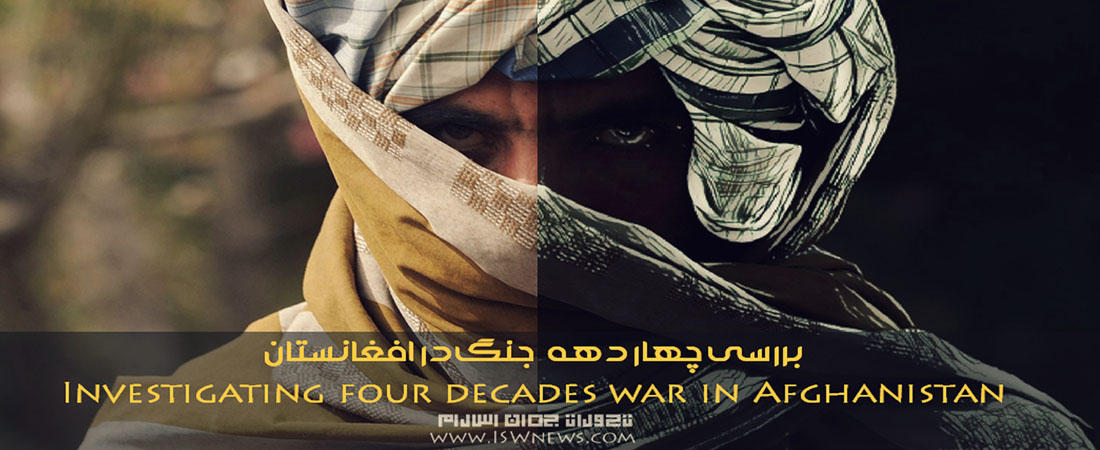
    Investigating Four Decades War In Afghanistan

    After assassination of Mohammed Dawoud Khan, the first president of Afghanistan, Democratic Republic of Afghanistan is established by Marxist People’s Democratic Party of Afghanistan (PDPA) in 1978. Marxist government enforces anti-Islamic rules which results in Mujahidin uprising and since government could not fight with guerrillas they ask for help from Soviets. Red Army after a long story invades Afghanistan in 1979 and withdraws in 1989 with almost 15,000 casualties and more than 50,000 injured.

    After this, communist government fights with Mujahidin for a few more years and finally after 14 years, Kabul is conquered by Mujahidin in 1992.

    From every aspect, invading Afghanistan by Soviet Union was a mistake and Imam Khomeini’s anticipation about Soviet is now applicable for US and their allies:

    “One day Soviet ambassador came to me and said Afghanistan government asks Red Army to Afghanistan, I told him it is a mistake by Soviet. Of course they can occupy Afghanistan but they cannot stay, if you think you can occupy there and calm them, it is a daydream. Afghanis are Muslims and are protesting government, even if you go there or any other powerful country, occupy there but cannot calm and control them and finally you are defeated.”

    After fall of government in 1992, Seven Party Mujahidin alliance do not agree on power and start to fight among each other for several reasons.

    Alliance of Peshawar Seven

    In 1985 an alliance forms between seven parties in Peshawar to form an Islamic government but later when they conquer Kabul in 1992, do not agree on power distribution and start fighting all over Afghanistan.

    These parties are:

    • Jamiat-i-Islami (Islamic group) led by Burhanuddin Rabbani and Ahmad Shah Massoud (mainly Tajiks)
    • Hezbi Islami (Islamic party) Hekmatyar branch led by Gulbuddin Hekmatyar (mainly Pashtuns).
    • Hezbi Islami Khalis branch led by Mohammad Yunus Khalis (mainly Pashtuns).
    • Islamic Union for the Liberation of Afghanistan led by Abdul Rab Rasul Sayyaf (mainly Wahabi Pashtuns).
    • National Islamic Front for Afghanistan led by Ahmed Gailani (mainly Sufi Pashtuns).
    • Afghanistan National Liberation Front led by Sibghatullah Mojaddedi (mainly Pashtuns).
    • Islamic and National Revolution Movement of Afghanistan led by Mohammad Nabi Mohammadi (mainly Pashtun).

    Image: Afghanistan after withdrawal of Soviet in 1989. Red: government, blue: Jamiat-i-Islami, olive: Hekmatyar, green and white: Khalis, yellow: Shiite parties, green: Nabi Mohammadi, violet: Sayyaf, pink: Gailani.

    Internal fight starts between different groups in Kabul and foreign countries, each supports one group.

    Pakistan supports Gulbuddin Hekmatyar, Uzbekistan supports General Abdul Rashid Dostum (a highly ranked official who leads National Islamic Movement party), Saudi Arabia supports Sayyaf’s group and other Wahabi groups close to them, Iran supports Shiite groups (Hizb-i-Wahdat (Islamic Unity Party) which roots in Nasr and Pasdaran and other groups) and Jamiat-i-Islami etc. who want the government of Rabbani.

    Hekmatyar allies with Sayyaf and later with General Dostum and has hardest confront against Dawlat and Jamiat-i-Islami. But in 1994, Massoud conquers Kabul and defeats troops of Hekmatyar and Hizb-i-Wahdat (Massacre of western Kabul and Afshar neighborhood happens during this time but criminals never determined and trialed but allegations are due Massoud and Rabbani’s troop and Sayyaf and Hekmatyar’s troops.). At the same time Mazari Sharif in northern Afghanistan is conquered by General Dostum.

    Coincidentally Taliban is established in Kandahar by support of Saudi Arabia, Pakistan etc. Taliban with Jihadi motto gathers a lot of troops and in first step conquers Kandahar. After two years by conquering Kabul, Herat and other eastern, northern and southern cities in Afghanistan claims the Islamic Emirate of Afghanistan which is accepted by Saudi Arabia, UAE and Pakistan only. The result of Taliban power is massacres, plunders and destroying historical places and other brutal crimes and only northeastern part of Afghanistan under the control of Ahmad Shah Massoud and Rabbani is safe.

    Massacre in Mazari Sharif and specially Hazaras who are mainly Shiite is one of most brutal crimes happened by Taliban. During the attack to Mazari Sharif, Iran consulate is attacked which results in death of 11 diplomats and journalists by Sipah-e-Sahaba, an ally of Taliban and Al-Qaeda.

    In 1996, after conquering Kabul by Taliban, General Dostum who feels the danger allies with Massoud. Later supported by Iran to promote peace and strives of Afghan leaders to unify different Shiite groups with Jamiat-i-Islami and supports of other countries, northern alliance forms:

    • Jamiat-i-Islami mainly Sunni Tajiks led by Ahmad Shah Massoud and Burhanuddin Rabbani.
    • Junbish-i-Milli (Islamic Movement) mainly Sunni Uzbeks led by Abdul Rashid Dostum.
    • Eastern Shura (council) mainly Sunni Pashtuns led by Abdul Haq and Abdul Qadir.
    • Harakat-e Islami mainly Shiite Tajiks and Hazaras led by Asif Mohseni and Sayed Mohammad Ali Jawid.
    • Hezb-e Wahdat mainly Shiite Hazaras led by Mohammad Mohaqiq and Karim Khalili.

    Northern alliance then saves northern and northeastern areas from Taliban (except Herat province).

    After 11 September 2001 attacks, USA accuses Osama Bin Laden. Bin Laden is born in a small area near Riyadh, Saudi Arabia and from the Soviet occupation of Afghanistan enters Afghanistan, after Soviet withdrawal, leaves Afghanistan and in 1994 comes back to Jalalabad and joins Taliban. Several terrorist attacks are attributed to him before 2001 attacks, such as attack to US ship in Yemen and US embassy in Tanzania.

    After Taliban does not surround Bin Laden to US, USA and their allies attack widespread Afghanistan in 2001 with the name “Operating Enduring Freedom – Afghanistan”. It is noteworthy that Ahmad Shah Massoud was assassinated two days before 9/11 attacks. He denied any foreign interference specially from US in Afghanistan when he meets US deputy of minister of foreign affairs.

    After heavy air raids performed by US and their allies, Kabul and some key cities are liberated by northern alliance in fall 2001. Mohammad Ismail Khan one of commanders of northern alliance and Herat ex-commander with support of Iran could take control of Herat again. Later on Kunduz is liberated and finally Kandahar is liberated in November 2001 and Taliban fell.

    After establishing the new government in 2004 by Hamid Karzai until now fights happen sporadically. During these years Afghanistan Army with support of NATO mainly operates several times to liberate occupied areas by Taliban but so far the total liberation of Afghanistan has not achieved. Taliban and some other separatist groups are still active in Afghanistan…