Author: Mirza

  • Latest situation of Iranian oil tankers on the way to Lebanon

    Latest situation of Iranian oil tankers on the way to Lebanon

    With the escalation of the fuel crisis in Lebanon in recent weeks, at the suggestion of Hezbollah, a number of Lebanese Shiite traders bought fuel from Iran and Iranian tankers left the country for Lebanon ports. After Lebanese Hezbollah Secretary General Sayyed Hassan Nasrallah said in a speech on the seventh night of Muharram, “Gasoline and diesel will definitely be imported from Iran,” many Lebanese and even Hezbollah opposition parties thanked Hezbollah and Iran.

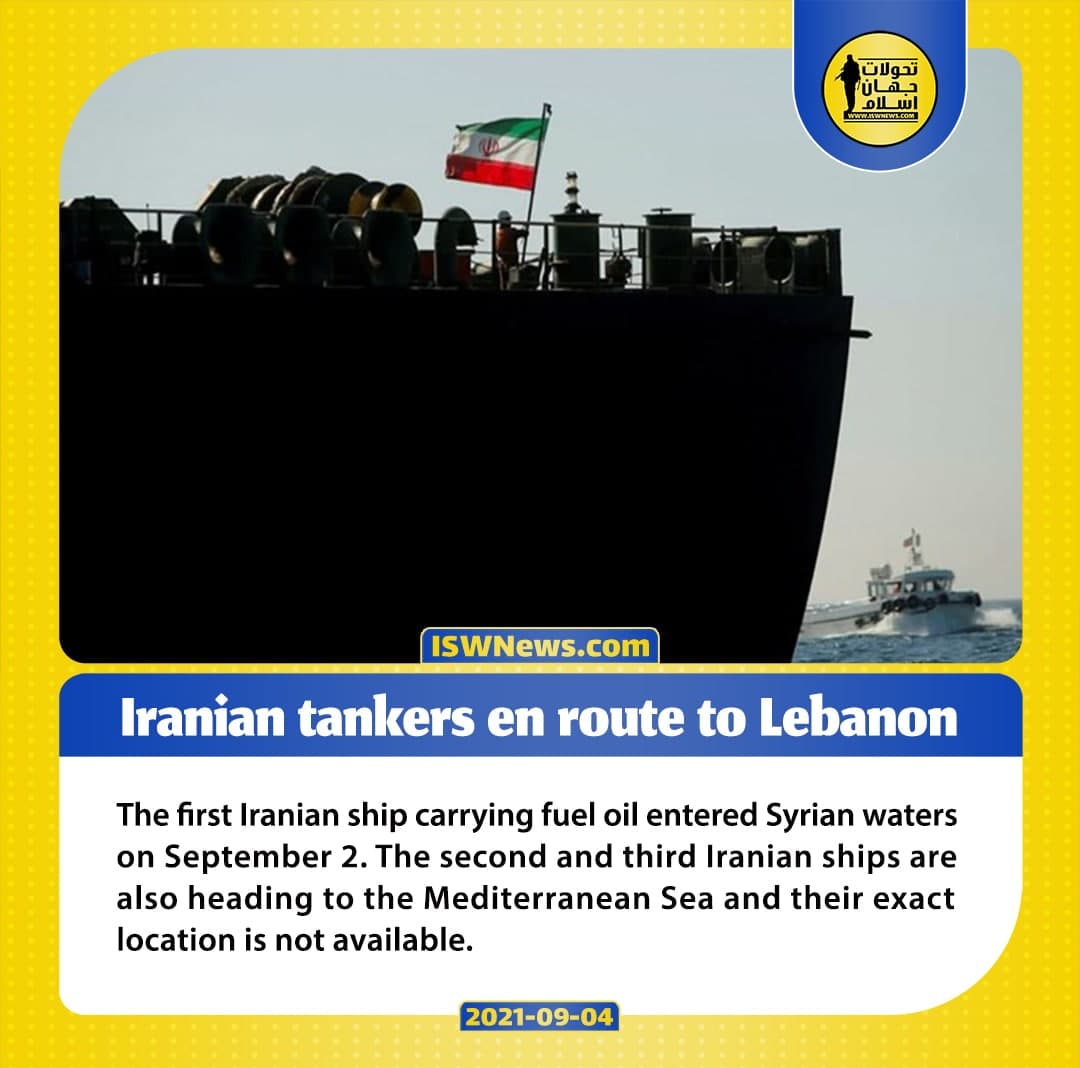
    According to Sayyed Hassan Nasrallah, the first Iranian ship carrying fuel oil entered Syrian waters on Thursday, September 2nd. The second and third Iranian ships are also heading to the Mediterranean Sea, and their exact location is unknown, and they do not appear to have crossed the Suez Canal.

    Since one of the tankers has already docked in Syria, it is likely that other Iranian ships, including crude oil, will dock in Syrian ports and the fuel will be transported by land to Lebanon. It is worth noting that Lebanon does not have an active oil refinery and is forced to use final products such as gasoline and diesel. For this reason, crude oil will be refined at the Banias or Homs refinery in Syria, and then the final product will be sent to Lebanon.

    Purchasing fuel from Iran and sending it quickly to Lebanon caused the Western officials, who had not paid much attention to the Lebanese fuel crisis and the suffering of the Lebanese people, to suddenly think of a solution to solve this problem!
    Therefore, four US senators traveled to Beirut to meet with Lebanese officials in order to prevent Iranian fuel from entering Lebanon as much as possible. In this regard, the Minister of Foreign Affairs of the Israeli regime also considered the sending of Iranian ships carrying fuel to Lebanon as “actions contrary to Israel’s national security”!

    Given the fuel crisis in Lebanon, the deployment of Iranian ships to improve the fuel situation in the country is considered Iran’s strong response to sanctions and changing the regional equations and has an important impact on the balance of power. Predicting the hostile actions of foreign parties, Sayyed Hassan Nasrallah has also stated that from the moment Iranian ships start moving, we will consider it as Lebanese territory, And this means any action against Iranian ships in the international seas equals aggression on Lebanese soil and, as a result will cause Hezbollah’s reciprocal response to Israel.

  • Latest updates on Syria, 4 September 2021

    Latest updates on Syria, 4 September 2021

    1- Aleppo:
    Russian military police and Turkish Army carried out a joint patrol near the city of Ain al-Arab.

    2- Daraa:
    On August 31, after several days of heavy fighting and the SAA artillery attacks on the militants in the Daraa al-Balad neighborhood, the militants finally agreed to the conditions of the Syrian government and reached an agreement to implement the ceasefire.

    3- Deir Ezzor:
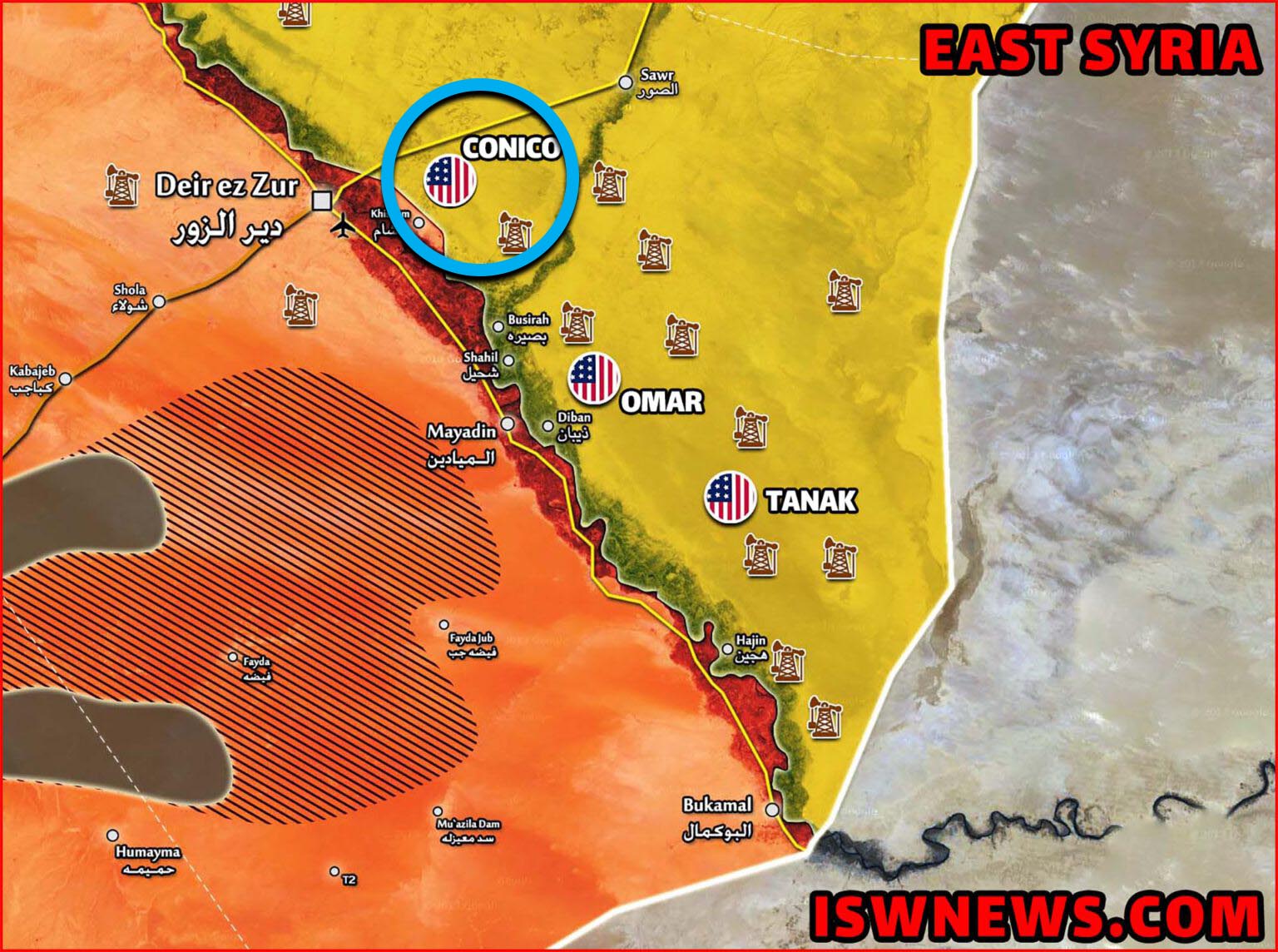
    – On the morning of September 1, the US military base at the Conoco gas facility in northern Deir Ezzor was targeted by rockets fired by unknown individuals.
    – A US Bombardier E-11A aircraft was spotted over the border town of Al-Bukmal.

    4- Idlib:
    Russian warplanes attacked militant positions on the outskirts of the village of Kansafra, south of Idlib.

    5- Hama:
    Syrian Army artillery attacked militant positions in the village of Al-Ankawi in the al-Ghab Plain in the western suburbs of Hama province.

    6- Hasakah:
    The US coalition forces carried out a patrol in the outskirts of Malekiyah town, northeast of Hasakah.

    7- Raqqah:
    Russian warplanes attacked ISIS hideouts near the Rasafah southwest of Raqqa.

    8- According to deputy head of Russian reconciliation center in Syria, at around 1:30 a.m. on September 2, four Israeli F-15 fighter jets fired 24 missiles at targets on Syrian soil, using Lebanese airspace, of which 21 of the 24 missiles fired were destroyed by Buk-M2E and Pantsir-S1 systems.

    9- According to the Russian Center for Reconciliation in Syria, the militants violated the ceasefire 35 times in the Idlib region, including 1 in Aleppo province, 11 in Latakia province, 4 in Hama and 19 in Idlib province.

    Download HQ map

  • Syrian Army missiles land in Israel!

    Syrian Army missiles land in Israel!

    On April 22, an explosion near the Dimona nuclear power plant in occupied Palestine caused panic among residents around the plant, prompting alarms in the Negev.

    Zionists living in the area around the Dimona power plant, unaware of the cause of the incident, believed that the explosion was due to rockets fired by the Palestinian resistance, but minutes later it became clear that no rockets had been fired from Gaza into the occupied territories.
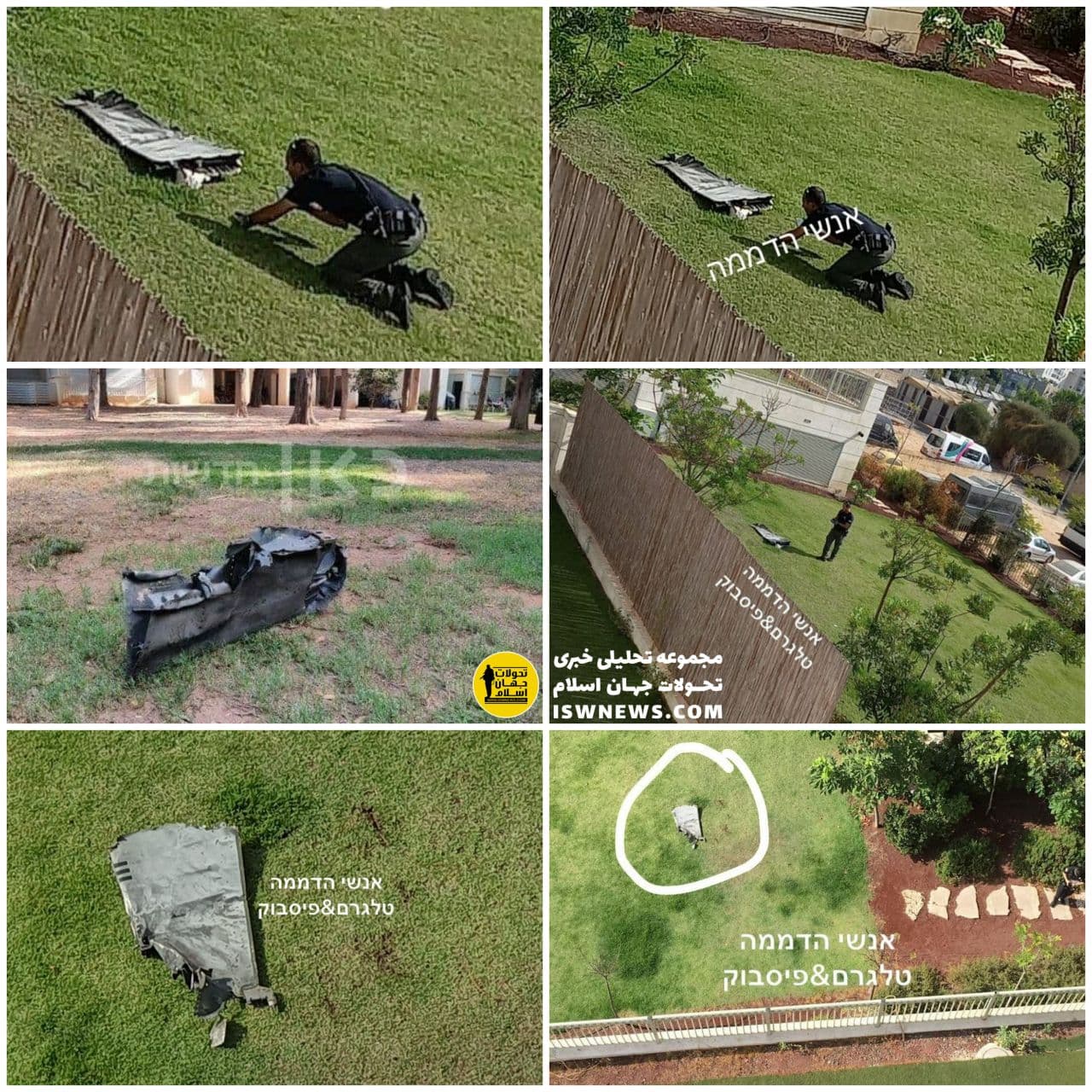
    It was later revealed that the cause of the explosion was a Syrian air defense surface-to-air missile that struck near the village of Abu Qarinat, a few kilometers from the Dimona nuclear power plant.

    But the important and significant issue is how the Syrian missiles passed through the Israeli defense ring and landed near one of the most sensitive places of the Zionist regime?

    Israel’s defense system has repeatedly shown that it is unreliable contrary to what claimed by regime officials, and has failed numerous times, including rocket attacks by the Palestinian resistance, Lebanese Hezbollah reconnaissance drone operations in Operation Ayub, landing of Syrian defense missiles in occupied Palestine, etc. And is easily vulnerable. In addition to these problems, some Israeli defense systems, such as David’s Sling, have been and are vulnerable to cyber attacks.

    On September 2, after the Israeli missile attacks to Damascus, the Syrian air defense missiles pass through the defensive ring of Israeli systems and traveled about 200 kilometers without any obstacles to hit points in the occupied territories and even reached the capital of the Israel which was shot down in the Tel Aviv skies.

    These issues have led the Israeli regime to decide to further strengthen and deploy defense systems in its critical and strategic locations, and to strengthen the air defense systems around the Dimona nuclear power plant and the port of Eilat for fear of rocket and drone strikes.

    The weakness of the US-made defense systems in Saudi Arabia and other countries in the region has been well exposed so far, and the Israeli regime can not provide its security even with the help of the US! However what is clear is that, the Israeli-made defense systems, or a joint US-Israeli product, are far more vulnerable than what Zionist and Western officials claim.

  • Breaking: Israeli missile attacks on Damascus + video

    According to a Syrian military source, at around 01:26 local time, Israeli warplanes fired several missiles at Damascus from Lebanese skies, southeast of Beirut. Syrian air defense systems intercepted and destroyed most of the missiles, and a number of missiles hit areas around the city of Damascus.

    Some Israeli sources reported the sound of an explosion in Tel Aviv’s Gush Dan. The explosion sound reportedly was because of a Syrian air defense missile crashed in the area.

    According to deputy head of Russian reconciliation center in Syria, at around 1:30 a.m. on September 2, four Israeli F-15 fighter jets fired 24 missiles at targets on Syrian soil, using Lebanese airspace, of which 21 of the 24 missiles fired were destroyed by Buk-M2E and Pantsir-S1 systems.

    SAA AD intercept a missile
  • Yemen: Latest updates on Marib front, 2 September 2021

    Yemen: Latest updates on Marib front, 2 September 2021

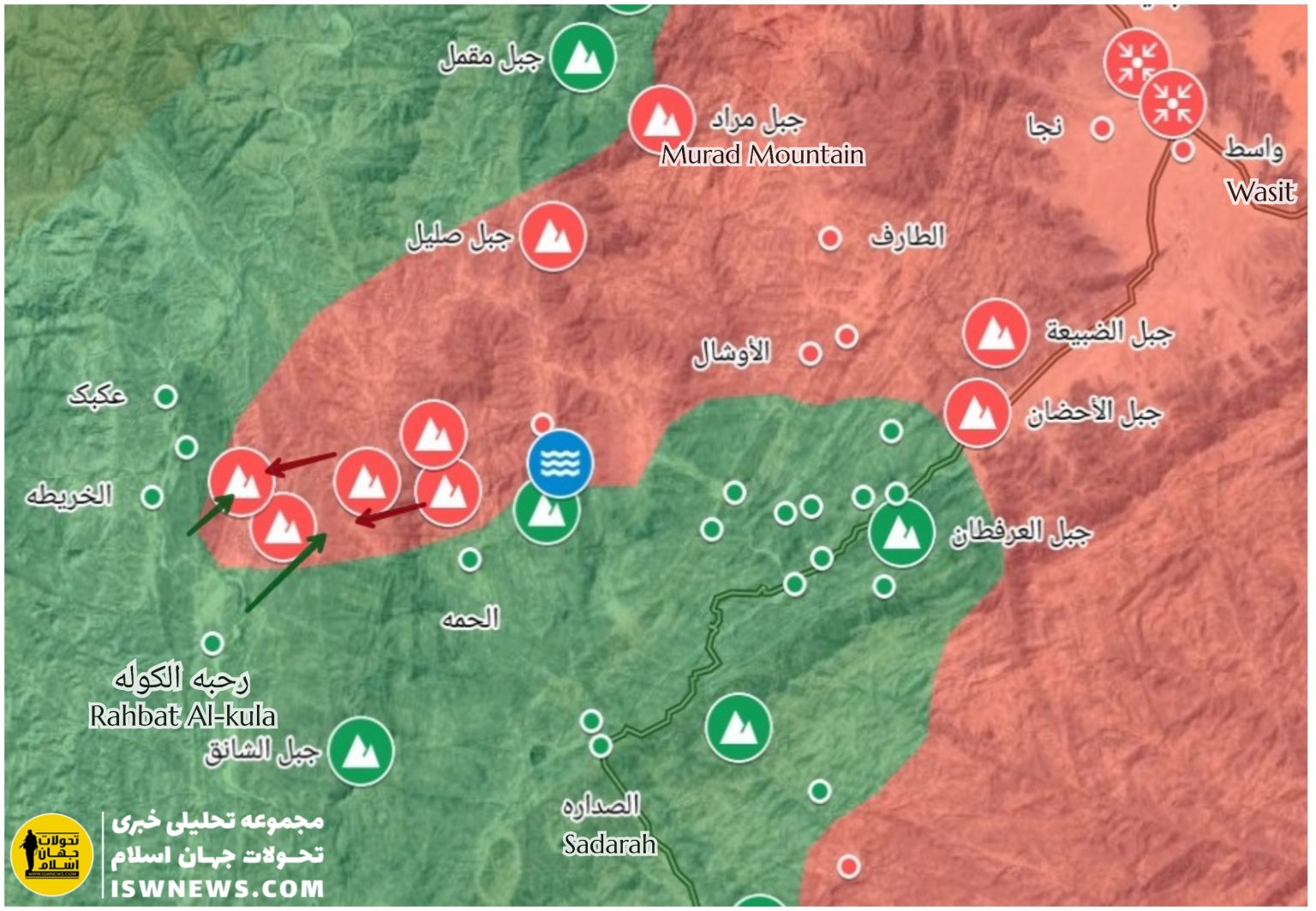
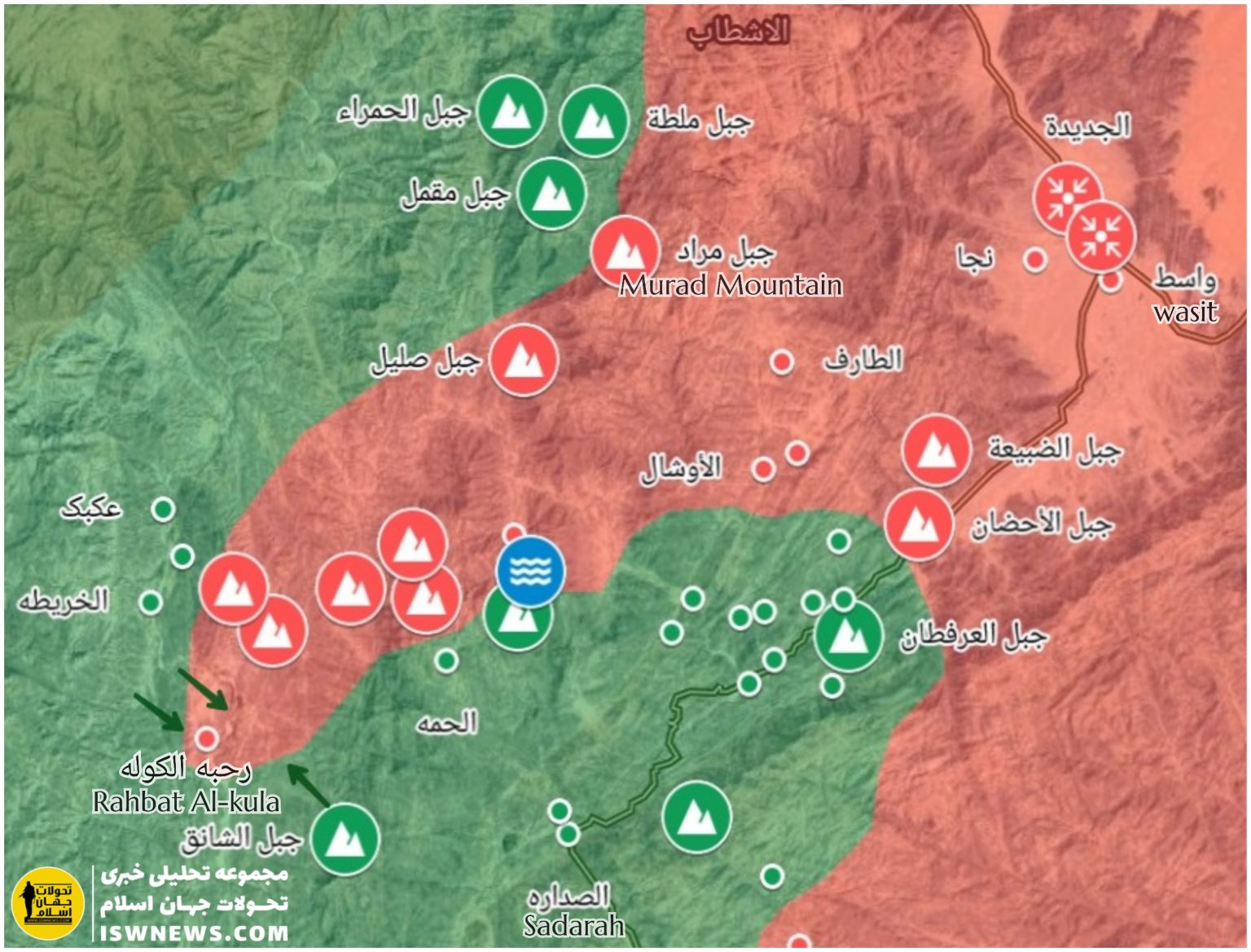
    As expected, the town of Rahbah al-Kulah in the southern front of Marib province was liberated from the control of the Saudi-led forces without any notable clashes. Now, the direction of Ansar Allah operation is focused on the heights after Rahbah al-Kulah, and the new operation may begin soon in these areas.

    Clashes on the western fronts of Marib province are still continue sporadically. In the past 24 hours, Saudi coalition warplanes have bombed Sarwah 17 times, Rahba 14 times and Madghal 8 times.

    According to the Saudi coalition airstrikes, which have reached more than 89 airstrikes over the past three days, as well as Ansar Allah missile and drone operations, which have reached more than nine, it can be said that the volume of clashes has increased significantly and there is a possibility of expanding operations on the Marib front.

  • How will ISIS threats turn out in Afghanistan?

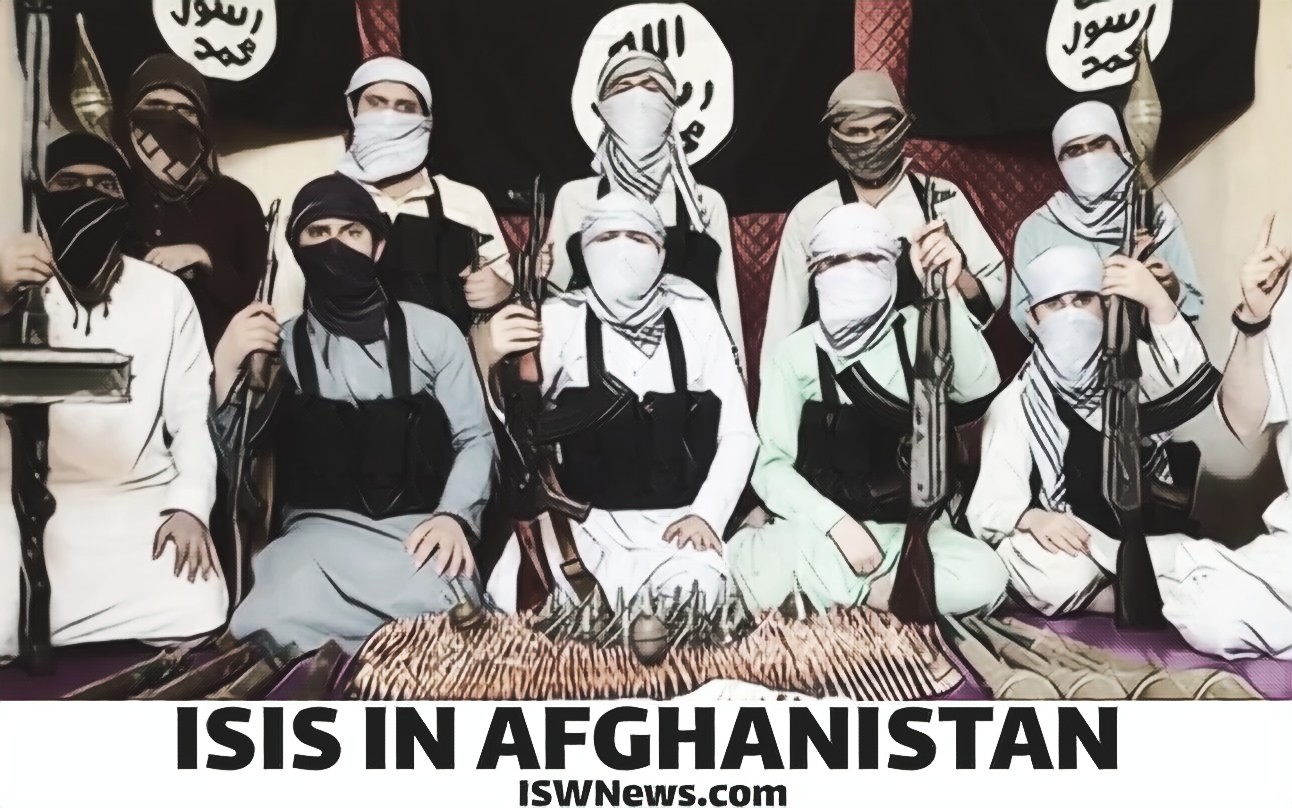
    How will ISIS threats turn out in Afghanistan?

    In majority of Afghanistan society it is believed that US and NATO soldiers presence is the solution of the security of Afghanistan. However, presence of occupation force makes the ignorant people to join the terrorist groups. One reason is the dilemma between dogmatic Taliban and pure Westernized idealogies. These two extreme trends made Afghans to either be scared of Taliban’s dogmatic way of government or to migrate abroad.
    Considering cases of Iraq and Syria, this situation is ideal for terrorist groups such as ISIS to grow.

    In definition of terrorism threats specially in Islamic countries we should say that both the victim and terrorist come from the Islamic societies. What is more important is the director of the situation, which is mainly hidden for most of the people.
    The fact that expressions such as Islamic terrorism or Jihadis are used is only a cover up to divert the public thoughts away.

    To solve the crisis in Afghanistan requires proximity of Islamic thoughts, forming a government above racial and political discords, thinking out of political dogmatism and changing the security structure. They come from analysing the history of the last several decades of Afghanistan.

    Now we ask what is the form of terrorism threat in Afghanistan, which will emerge as ISIS?

    The answer categorizes as follows,

    1- Continuous activities of a group requires programing and providing in large scale and ISIS is fruit of a government system that one or more states support it. Presence of the members who support this in Afghanistan influences the situation a lot.

    2- Considering the first part we examine ISIS activities:
    a) ISIS activities like the past year will be limited to suicide attacks, IEDs, assassination and abduction.
    b) ISIS operation begins with psychological warfare and anarchy, like in Iraq and Syria, and will continue to occupy some villages and towns until they compete with Taliban and other Afghanistan groups.
    c) ISIS will dissolve in other terrorist groups and will change form which requires a separate analysis.

    In general, the incidents in the last four decades of Afghanistan is an obvious controversial activities of countries which claim to fight terrorism. This failure is a sign that military is never a solution to the problems of this region. UK started and USSR, USA and NATO continued this wrong way and now Afghanistan is left with a pile up of different problems and destruction.

  • Afghanistan: Latest updates on Panjshir front, 1 September 2021

    Afghanistan: Latest updates on Panjshir front, 1 September 2021

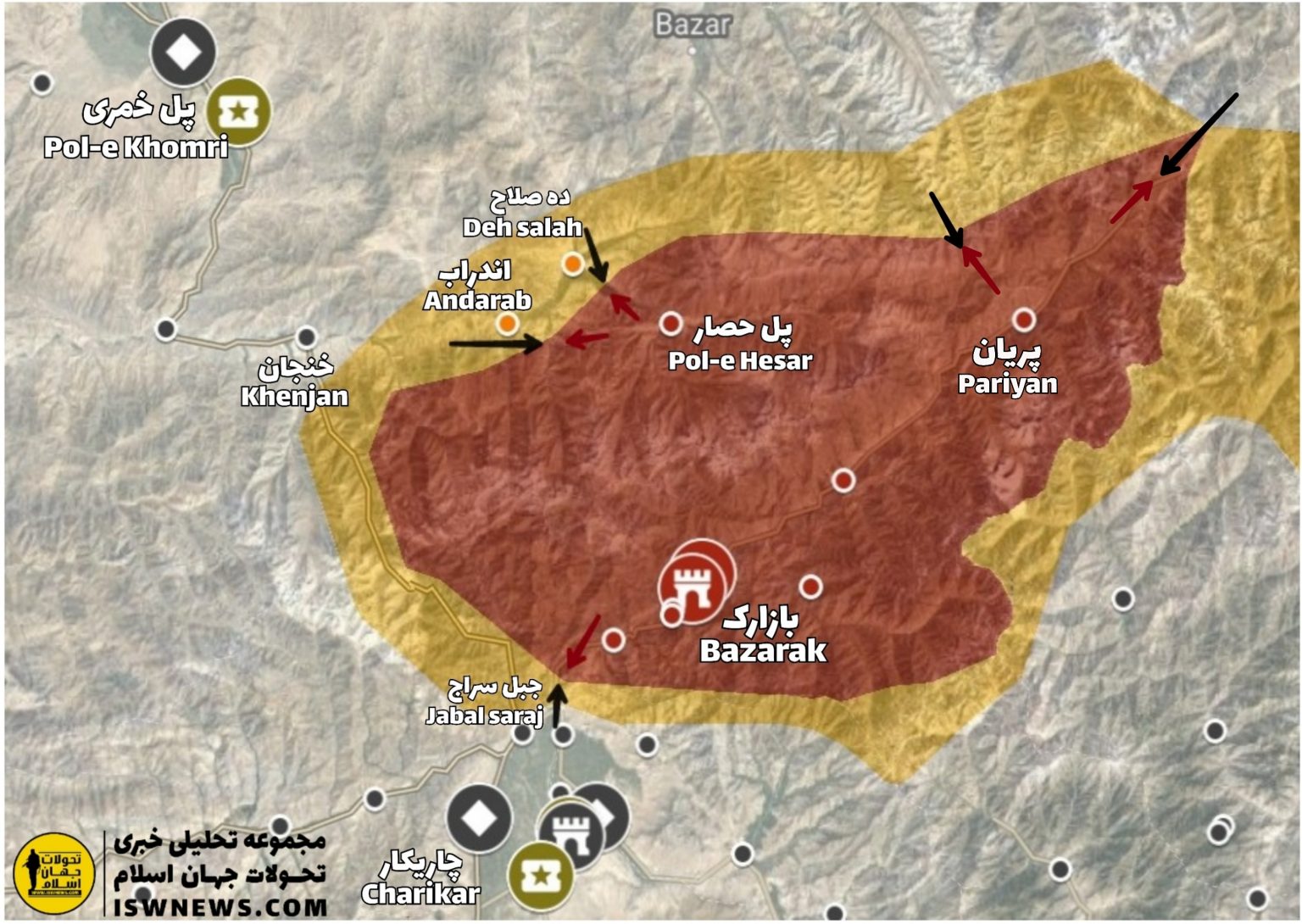
    According to the latest news from the Panjshir province, the Taliban militants had been trying to infiltrate the Panjshir valley from the Parian district in the north of Panjshir and Kuhistan district in the south of Panjshir since yesterday which were repelled by Ahmad Massoud forces.

    There are no credible reports of casualties and the lines of conflict have not changed.

    On the Baghlan front, clashes continued in the district of Andarab and Deh Salah, and attacks by popular mobilization forces on the district of Khost and Farang have failed.

    No new and credible information has been released about the details of the talks between the two sides, and the Taliban’s agreement with Ahmad Massoud and granting him a share in the next government is not true.
    In the coming days, the Taliban will determine the framework for the next government, given the role of political figures such as Hamid Karzai, Abdullah Abdullah and Hekmatyar, and the role of Ahmad Massoud remains unclear.

    Given the current situation, it seems that Ahmad Massoud’s agreement with the Taliban is not achievable and the battlefield will determine the scene of future developments in Panjshir. In other words, agreement will be available when one of the parties is in a position of weakness.

    Online map

    Map detail: White: Taliban, Red: People’s Mobilization Forces, Orange: Conflict / Unknown

  • New ceasefire agreement in the city of Daraa (Map Update)

    New ceasefire agreement in the city of Daraa (Map Update)

    After several days of heavy fighting and the SAA artillery attacks on the militants in the Daraa al-Balad neighborhood, the militants finally agreed to the conditions of the Syrian government and reached an agreement to implement the ceasefire.

    According to this agreement:
    1- The ceasefire should be fully implemented.
    2- The militants should hand over their weapons.
    3- Those who refuse to accept the ceasefire should be transferred to northern Syria.
    4- Russian military police to enter Daraa al-Balad.
    5- Establishing three joint security posts by the Syrian security forces in Daraa al-Balad.

    It is said that after the start of this agreement, the SAA 4th Division will leave the outskirts of Daraa al-Balad neighborhood and the siege of this neighborhood will end. Also, according to information obtained by ISWNews, Russian military police will establish a temporary base in the southern part of the Daraa al-Balad neighborhood. The date of implementation of this agreement has been announced as 11 September.

    The announcement of the new ceasefire agreement comes at a time when a large number of Daraa al-Balad militants are still opposed to the nature of the agreement and have stated that they will prevent Syrian security forces from entering the neighborhood. Therefore, given the opposition of a number of armed members, it is likely that this agreement will be violated, as in recent agreements, and that the conflict may will continue.

    Click to see the full size map
  • Rocket attack on US base in Syria’s Deir Ezzor

    Rocket attack on US base in Syria’s Deir Ezzor

    Based on the latest information, the base was targeted with at least three rockets. No casualties were reported so far.

    On the morning of July 11, in a similar attack, four rockets hit the US military base at the same area.

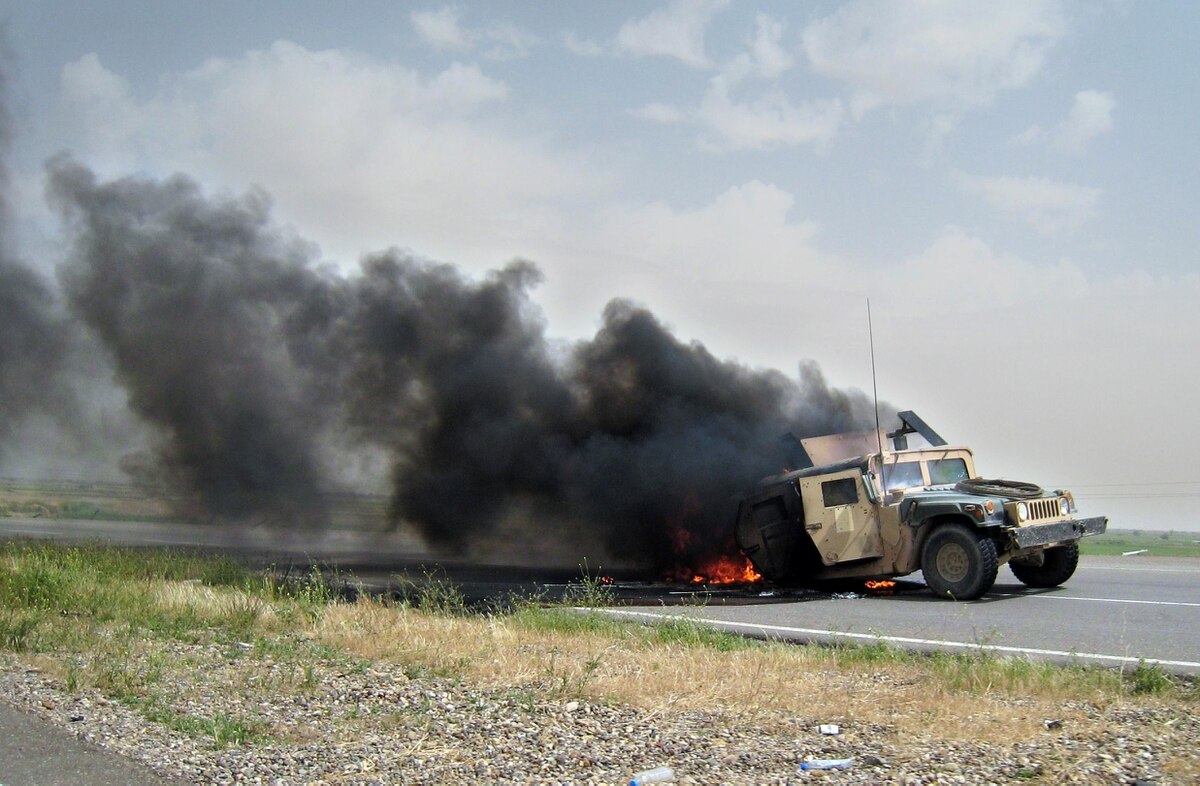
  • IED attack on US convoy in Iraq

    IED attack on US convoy in Iraq

    The Ashab al-Kahf resistance group claimed responsibility for the attack.

    According to data obtained by ISWNews, this is the 133rd attack by Iraqi resistance groups on US logistical convoys since March 21. Of these, 34 attacks were carried out in Babel province.

  • Yemen: Latest updates on Marib front, 31 August 2021

    Yemen: Latest updates on Marib front, 31 August 2021

    In recent days, Ansar Allah has resumed its attacks on Saudi coalition positions on the western fronts of the city of Marib, and so far there has been no change in the lines. The news of the Saudi coalition’s domination of the Malbudah region and Ansar Allah’s domination of the Hamat al-Zeab region is not true, and these areas are completely out of the control of both sides and clashes continue.

    On the southern front of Marib, Ansar Allah forces have been able to advance north and west of Rahbah al-Kulah, the center of Rahbah district, today, and given the siege of the area, the possibility of Saudi coalition forces withdrawing from the town is high. It is also said that the elders of the town are talking to the Ansar Allah commanders for reconciliation.

    In the past 24 hours, Saudi coalition warplanes have bombed the western district of Marib province 19 times, including Majzar, Sarwah and Madghal, and the southern district of Marb province 6 times, including Rahba and Jabal Murad.

  • Mullah Haibatullah Akhunzada appeared in Kandahar!

    Mullah Haibatullah Akhunzada appeared in Kandahar!

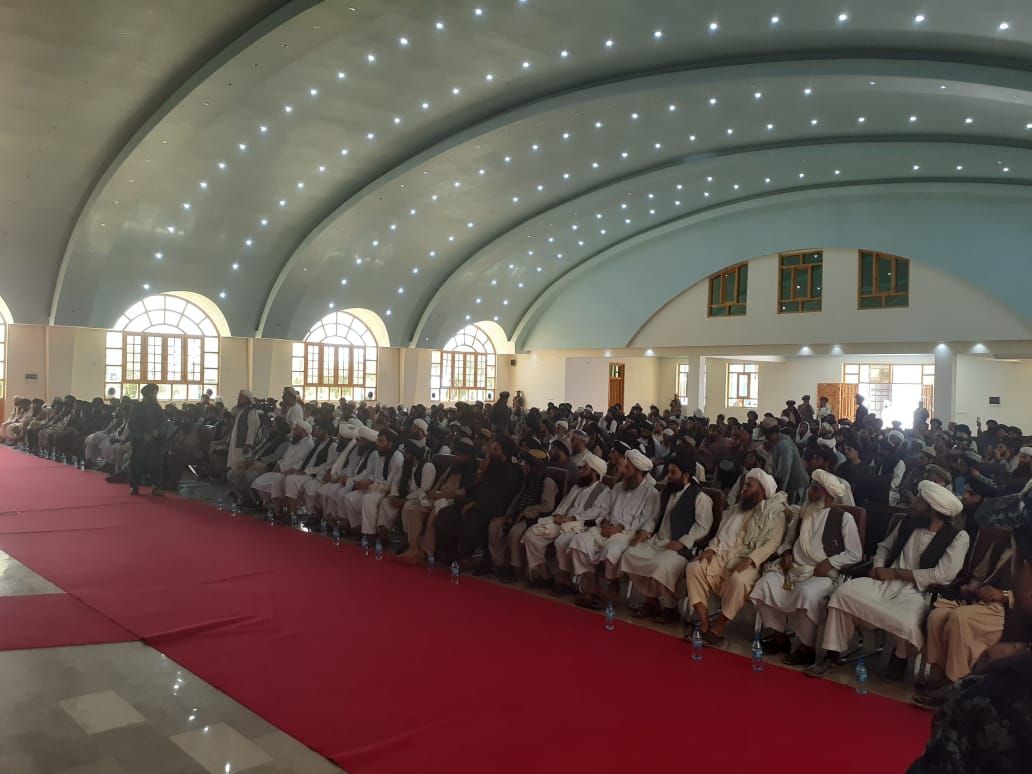
    During the three-day meeting, which took place in Kandahar from Saturday to Monday this week, Taliban leader Mullah Haibatullah Akhunzada met with the group’s leadership council to decide on political, security and social issues.

    The Taliban leadership council is said to have elected Mullah Abdul Ghani Baradar as foreign minister, Mullah Mohammad Yaqub as defense minister and Sirajuddin Haqqani as interior minister of the next Afghan government.
    At the end of the meeting, Mullah Haibatullah issued a comprehensive instruction to the council members and called on all Taliban members to adhere to this framework.

    Mullah Haibatullah Akhunzada, the current Taliban leader, is from the town of Panjwai in Kandahar province and is said to be about 60 years old. He was elected the second leader of the Taliban after the assassination of “Mullah Akhtar Mohammad Mansour” on May 21, 2016. In recent years, there have been reports of him being killed in an explosion in Quetta, Pakistan, or as a result of coronavirus disease, which has been denied by the Taliban.

    The Taliban leader is said to be appearing in public in the coming days.