Category: West Asia

  • IED Attack On US Logistical Convoy In Iraq

    IED Attack On US Logistical Convoy In Iraq

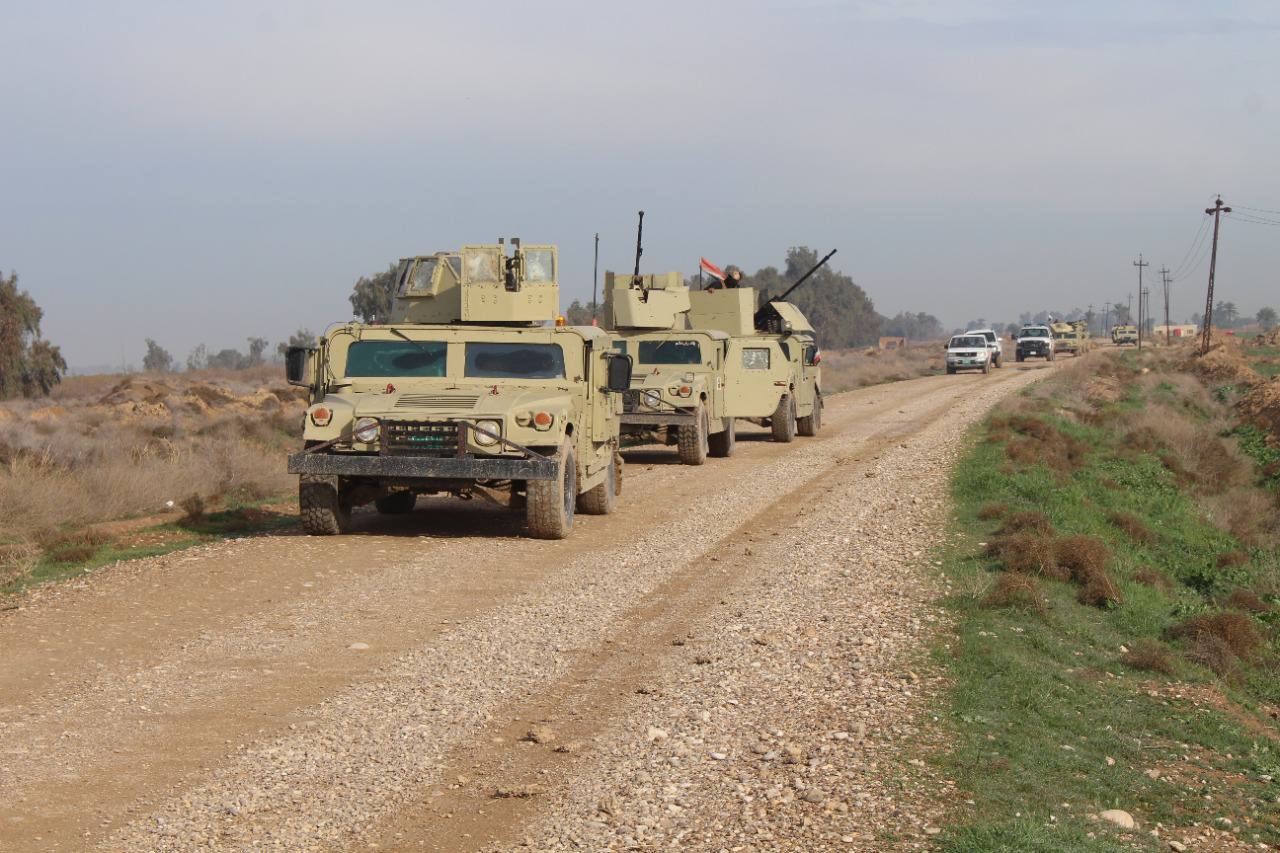
    This is the third time in the last two weeks that US logistics convoys have been targeted by resistance groups in Iraq. This morning at 00:50 local time, a military logistical convoy belonging to the American occupiers was attacked by the “International Resistance Faction” group in the Yusufiya area of Baghdad.

    This attack was the third attack on American convoys in Iraq since the beginning of 2023. Earlier, on January 19, a US logistical convoy was attacked in Al-Taji area, north of Baghdad.

    Read more: Attack On A US logistical Convoy In Baghdad

    This attack took place while on January 24, Qassem al-Araji, Iraq’s national security advisor, in a meeting with General Stuart Munsch, commander of NATO joint forces, emphasized that the Iraqi government is serious about strengthening relations with NATO in order to develop the skills and capabilities of its security forces!

    These words, together with the statements of other senior Iraqi officials, including the Prime Minister of this country, Mohammed Shia al-Sudani, show that despite the demands and warnings of the resistance groups, the Iraqi authorities have no desire to expel foreign military forces from Iraq. Therefore, it seems that the expulsion of Americans through political methods is not possible; And the military solution is the only way for the resistance groups to expel the US from Iraq and maintain the security and stability of the country.

    It is noteworthy that in 2022, Iraqi resistance groups carried out 102 IED, drone and rocket attacks against positions, logistical and military convoys of the American occupiers in Iraq.

    Read more:
    Infographic: Iraqi Resistance Groups Operations Against the US in 2022
    Infographic: Iraqi Resistance Groups

  • US And Israel Launch Large-scale Military Exercise In West Asia

    US And Israel Launch Large-scale Military Exercise In West Asia

    The terrorist headquarters of the US in West Asia – United States Central Command (USCENTCOM or CENTCOM) – issued a statement to announce the beginning of the naval, land and air drills of the American and Israeli military forces in the occupied territories of Palestine and the Eastern Mediterranean codenamed “Juniper Oak” aimed at increasing the readiness of the military forces of both sides as well as enhancing regional stability and security.

    The drills are scheduled to continue until January 27. The joint military exercise is being held with the participation of 6,400 US troops, 1100 Israeli soldiers, more than 140 fighter jets (100 US aircraft, including four B-52 strategic bombers, two MQ-9 Reaper drones and 42 Israeli aircraft), 12 marine units, missile systems and US’s aircraft carrier George HW Bush.

    According to the Israeli regime army, the US and Israeli air forces will practice different scenarios to cooperate and participate in applying various sorts of fighter jets, transport planes and drones. The drills are planned to gauge the joint preparedness of the Israeli and the US forces as well as expand operational ties between the two armies.

    Simultaneous with the onset of the drills, the US TV channel CNBC quoted an American military commander as saying that the objective of the drills is to tell foes like Iran that the Russian attack on Ukraine, and Beijing’s threats on accumulating a large military force, would not distract the United States.

    The drills started in a situation that the tensions between Washington and Tehran mounted severely in recent weeks because of the Joe Biden administration’s support for the recent unrest in Iran as well as the imposition of new sanctions on Iranian individuals, firms and entities. Moreover, after new Israeli Prime Minister Benjamin Netanyahu took office, the firebrand Zionist official claimed that he would foil what he said is Iran’s attempt to attain nuclear weapons through taking strict stances against the Islamic Republic.

  • Syrian Defense Minister Meets With The IRGC Chief And Iran’s President

    Syrian Defense Minister Meets With The IRGC Chief And Iran’s President

    The Syrian lieutenant general met and discussed with Salami as part of his meetings with Iranian officials and commanders in capital Tehran on February 4.

    In the Tuesday meeting, Major General Salami expressed satisfaction with the official visit by the Syrian minister and his entourage to Tehran, referring to the sacrifices made by both Syrian and Iranian nations in the face of the great conspiracy of the global arrogance and the Zionism regime in recent years.

    Pointing to the sacrifices made by the martyrs of both countries in fighting terrorism and defending the holy shrine in Damascus, Salami thanked Syria for showing remarkable resistance.

    For his part, the Syrian minister appreciated the Islamic Republic of Iran for supporting and assisting the Arab country in the fight against the ISIS in the anti-terrorism war, saying that the blood of the Iranian and Syrian martyrs saved the Syrian territory, and that the Syrian nation lauds the priceless support and assistance by the Islamic Republic and the Syrian will never forget Martyr General Qasem Soleimani’s efforts in the face of the dangerous plot.

    The Iranians’ assistance to the resistance movements in the region, including Palestine, is an indisputable reality, which paved the ground for the defeat and anger of the foes of the Islamic Ummah, the defense minister noted.

    Following the meeting with General Salami, the Syrian defense minister conferred with President Raisi.

    The Iran president pointed to fact that the relationship between Syria and Iran is based on common beliefs and ideas as well as resistance by the two nations.

    Raisi also stated that Iran is a true friend of the Syrian nation, because as the Islamic Republic stood by the Syrian government and people during the period of standing against terrorism, Tehran is prepared to stand by the Syrians in the time of reconstruction via enhancing all-out economic collaborations.

    The Syrian minister, for his turn, said that Syria succeeded in the war against terrorism backed by its true brothers and friends, and that Damascus will play a key role as one of the links of the axis of resistance stronger than before. He also noted that the axis of resistance will play a vital role in forming a new world order.

    It is noteworthy that, yesterday prior to these meetings, the Syrian minister held discussion with Chief of Staff of Iran’s Armed Forces Major General Mohammad Bagheri at the Iranian commander’s office in Tehran.

  • Russia, Syria Restore Jarrah Airbase For Joint Use

    Russia, Syria Restore Jarrah Airbase For Joint Use

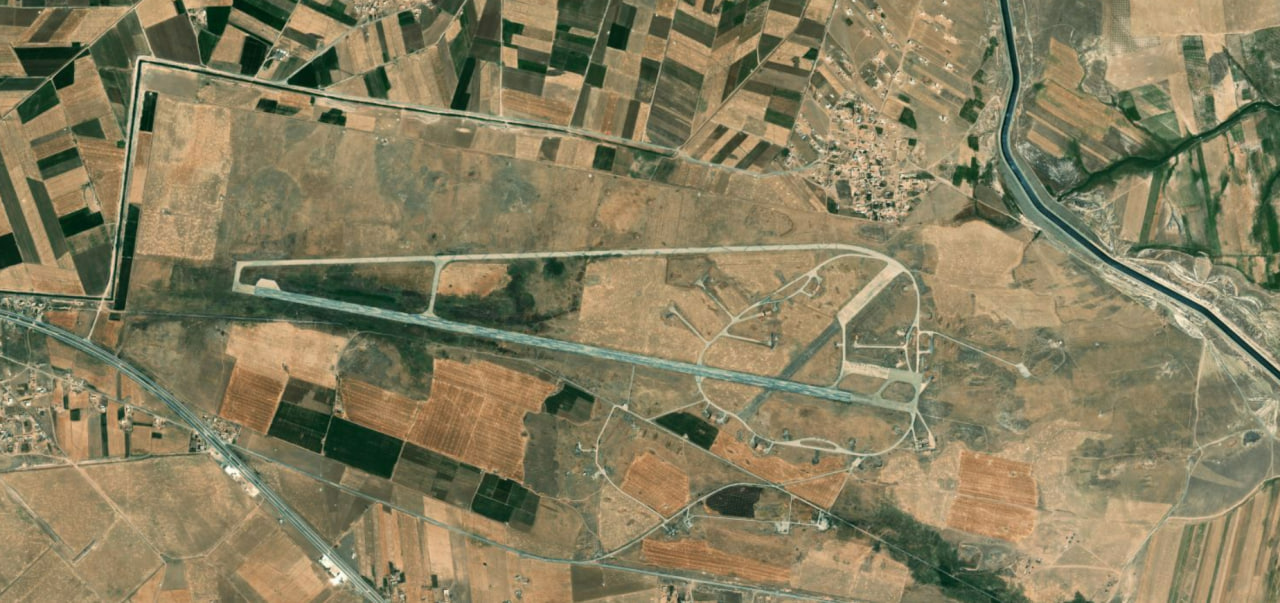
    The Jarrah military airbase is located in Manbij region in eastern Aleppo, which has been reopened after a few years.

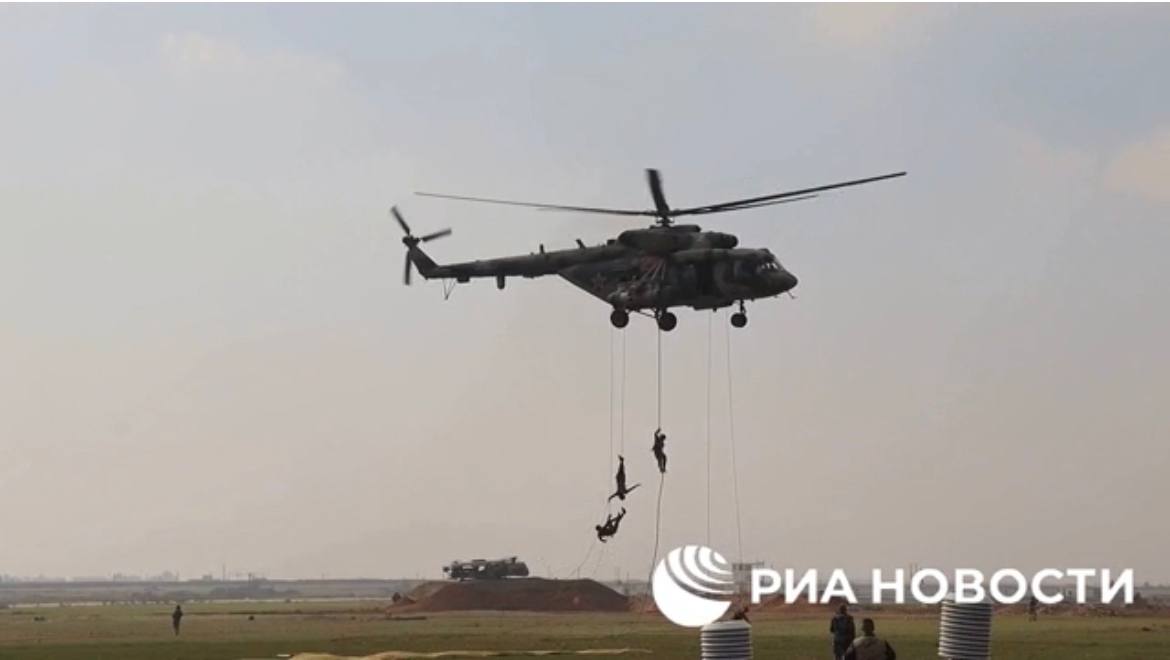
    Following the reopening ceremony at the airport, which was held in the presence of the Russian army and the 25th Special Mission Forces Division, Russia’s army deployed two Kamov Ka-52 Alligator helicopters and a Mi-8 helicopter as well as several Buk M2 and Pantsir-S systems in order to reinforce the air defense and protection of aircraft at the airbase.

    In advance, some media outlets affiliated to the militants alleged that the airbase was handed over to the Islamic Revolution Guards Corps (IRGC) to be utilized as a drone training headquarter, but the allegation is being ruled out based on the existing data and documents.

    In 2013, following a two-month-long siege and the resistance by the Syrian army, the Jarrah military airbase had been occupied by the Ahrar al-Sham militant group, and the ISIS terrorist group seized control of the airbase following clashes with the Ahrar al-Sham militants in early 2014. Lastly, the Syrian ground forces backed by air fire of the Russian army overcame the ISIS terrorist group and seized control of the Jarrah military airbase in May 2017.

    It is remarkable that the Jirah military airbase overlooks the strategic city of Deir Hafir and Maskanah town and is considered as a link between the eastern and western areas in Aleppo Governorate.

    The short space between the airbase and the regions under the control of the Syrian Democratic Forces (SDF) is another significant aspect of the airbase. Taking the important matter into account, it seems probable that following the onset of a new operation by the Turkish army in the northern borderlines of Syria, the Jirah military airbase would play an outstanding role in the possible Syrian army’s reaction to the Turkiye’s strikes.

  • Latest Updates on Yemen, 23 January 2023

    Latest Updates on Yemen, 23 January 2023

    Saada:
    According to the ISWNews Analysis Group, the casualties inflicted by the Saudi coalition’s artillery and shelling strikes on the border districts of Saada Governorate have reached nine martyrs and 94 injured since January 1. According to the statistics, the attacks left eight martyrs and 45 injured, including one African migrant in Shada district as well as one martyr and 49 wounded, including 22 African migrants in Munbah district.

    Hudaydah:
    – The Saudi coalition forces violated the ceasefire 114 times in the last 48 hours in this province.
    – In the last 48 hours, the drones of the Saudi coalition have bombed Ansar Allah’s positions in the districts of Hays and al-Jabaliya five times.

    Aden:
    – Britain’s embassy in Yemen welcomed and backed a decision by the Supreme Economic Council of the resigned government of Yemen in order to surge the exchange dollar rate by 50% for the import of commodities in the ports supervised by the Saudi coalition.
    – The Government of National Salvation, Parliament and Ansar Allah officials have slammed the British embassy’s support for the resigned government and described the measure as another crime against the people of Yemen.
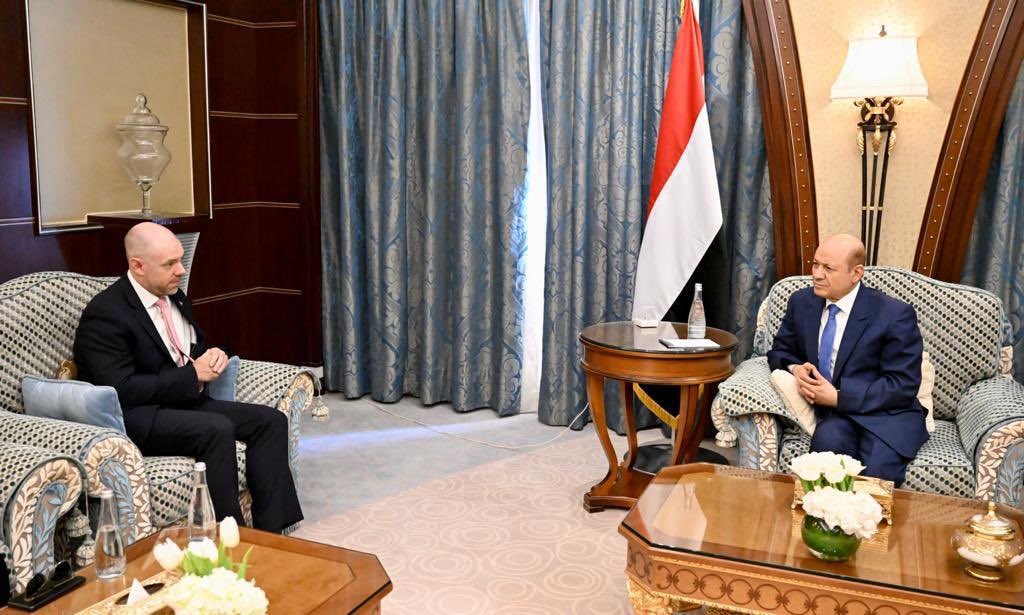
    – In response to the comments made by the UK’s Ambassador to Yemen Richard Oppenheim, former President of the Supreme Revolutionary Committee of Yemen Mohammed Ali al-Houthi pointed to the economic war between Russia and Europe, saying that we will also support Russia’s economic decisions against Britain and NATO member states.
    Notably, the resigned government of Yemen has been facing a harsh budget deficit after Ansar Allah blocked it from illegal export of Yemen’s oil and pushed them to pay salaries of all Yemeni workforces from the incomes.

    Lahij:
    According to information released by local sources, Tareq Saleh’s forces dispatched a battalion of the Joint Forces (Quwat al-Mushtarika) subdivisions of the “Yemeni National Resistance”, and took control of the Ras al-Ara region on the coastal regions of Lahij Governorate on January 14.

    Abyan:
    On January 18, a bomb blast on a road where a vehicle carrying the quick reaction forces of the resigned government (UAE-affiliated forces) in Mudiyah village in Abyan Governorate left major commander of the quick reaction forces Abdul Rahman Al-Makar along with two of his companions dead and several others wounded. The terrorist group named Ansar al-Sharia seems to be the main suspect of the guerrilla attacks and bombings in southern areas of Yemen recently.

    Shabwah:
    On January 19, Ansar Allah artillery forces raided the hideouts of the Southern Transitional Council militants in response to their recent strikes on the Uqabat al-Qunza front in Shabwah Governorate. See on interactive map

    Socotra:
    Local sources in the Yemeni city of Hadibu informed of the deployment of new UAE forces in vicinity of the Socotra Airport. The forces replaced the flag of the Southern Transitional Council with the UAE flag in military bases and outposts in Socotra Island.

    Saudi Arabia:
    Major General Amer al-Shehri, commander of the ground forces of the Saudi Army in ​​Khamis Mushait, lost his life because of a heart attack at Jizan hospital. Some media outlets attributed his death to a conflict with Ansar Allah fighters in Jizan, but the claim is not confirmable regarding an ongoing truce in Yemen’s war zones.

    (Image: The recent meeting of Rashad Al Alimi, the head of the presidential council of the resigned government, with Richard Oppenheim, the British ambassador to Yemen.)

  • The US Coalition Arrest Campaign Intensifies In Deir Ezzor

    The US Coalition Arrest Campaign Intensifies In Deir Ezzor

    Following the complete blockade of Al Shahil town, the SDF militants have been stationed at the entrances and main streets of the town and the US’s helicopters have been flown as well.

    A few minutes after the measures, The US-led coalition and the SDF forces raided the house of a Syrian citizen named “Hamid al-Madad” and they arrested the civilian over unidentified reasons.

    It is noteworthy that the US-led coalition and the SDF forces carried out a heliborne operation in Al Shahil town in December, when a person called “Hussein Al-Alawi Al-Osman” was detained.

  • Yemen: UAE Launches Military Operation Against Islah Party In Shabwah

    Yemen: UAE Launches Military Operation Against Islah Party In Shabwah

    On January 22, the Shabwah Defence Forces, assisted by UAE drones, kicked off a military operation in the areas under the control of militants of the Islah Party in Nisab and Markhah As Sufla districts.

    Following a recent failure attempt in the city of Ataq, the militants of the Islah Party succeeded in inflicting numerous casualties on the defending forces of Shabwah and the militants of the Southern Transitional Council by conducting hit-and-run assaults. The casualties can be considered as the root cause of the new operation by the UAE-backed militants in the west of Shabwah Governorate.

    In spite of capturing Ataq city and most of the regions of Shabwah Governorate by the UAE-backed militants, Nisab and Markhah As Sufla districts in western Shabwah as well as Jardan and Arma districts in northern Shabwah Governorate are still under the control of Islah Party’s forces. After clearing the mentioned regions, the UAE would be able to mobilize its militants to seize the oil fields in northern Shabwah Governorate and eastern Marib Governorate.

    Read more: The governor of Shabwah defeated Islah Party with the help of UAE

    Click to view full size
  • Iraq Plans To Buy Drone To Monitor Joint Borders With Iran, Turkiye

    Iraq Plans To Buy Drone To Monitor Joint Borders With Iran, Turkiye

    In an interview with Al-Sabah daily, the Iraqi politician pointed to the increase of budget and number of border guards in the joint borders with Turkiye and Iran.

    The Iraqi border guards face challenges in monitoring the borderlines, particularly in the eastern borders with Iran and in the northern borderlines with Turkiye, he said.

    According to the official, the Iraqi border guard requires more personnel, advanced technologies as well as night vision cameras and thermal imagers.

    He went on to say that important areas of the eastern and northern borderlines of Iraq are mountainous and impassable; thus, full control of that areas is hard in comparison to the flat ground of the western borders, and that specialized and trained border guards have to be deployed in the eastern and northern borderlines.

    The Iraqi border guard command is responsible of protecting border areas, he said, adding that the border guards require different sorts of supports, including advanced armaments, modern drones and the construction of new roads in mountainous borderlines.

    It is worth noting that last week, Iraqi Interior Minister Abdul Amir al-Shammari announced the deployment of 6,000 auxiliary police forces at border bases with the aim of controlling Iraq’s borders with Iran and Turkey. In this regard, Al-Shammari stated that decisions and measures have been taken regarding the control of the border between Iran and Turkey, and funds have been allocated to maintain the border with Turkey, build checkpoints, install cameras and border surveillance towers.

    Read more: Iraq Deploys 6000 Iraqi Soldiers On Iran-Turkey Borders

  • 100k Israelis Stage Rallies Against PM Netanyahu

    100k Israelis Stage Rallies Against PM Netanyahu

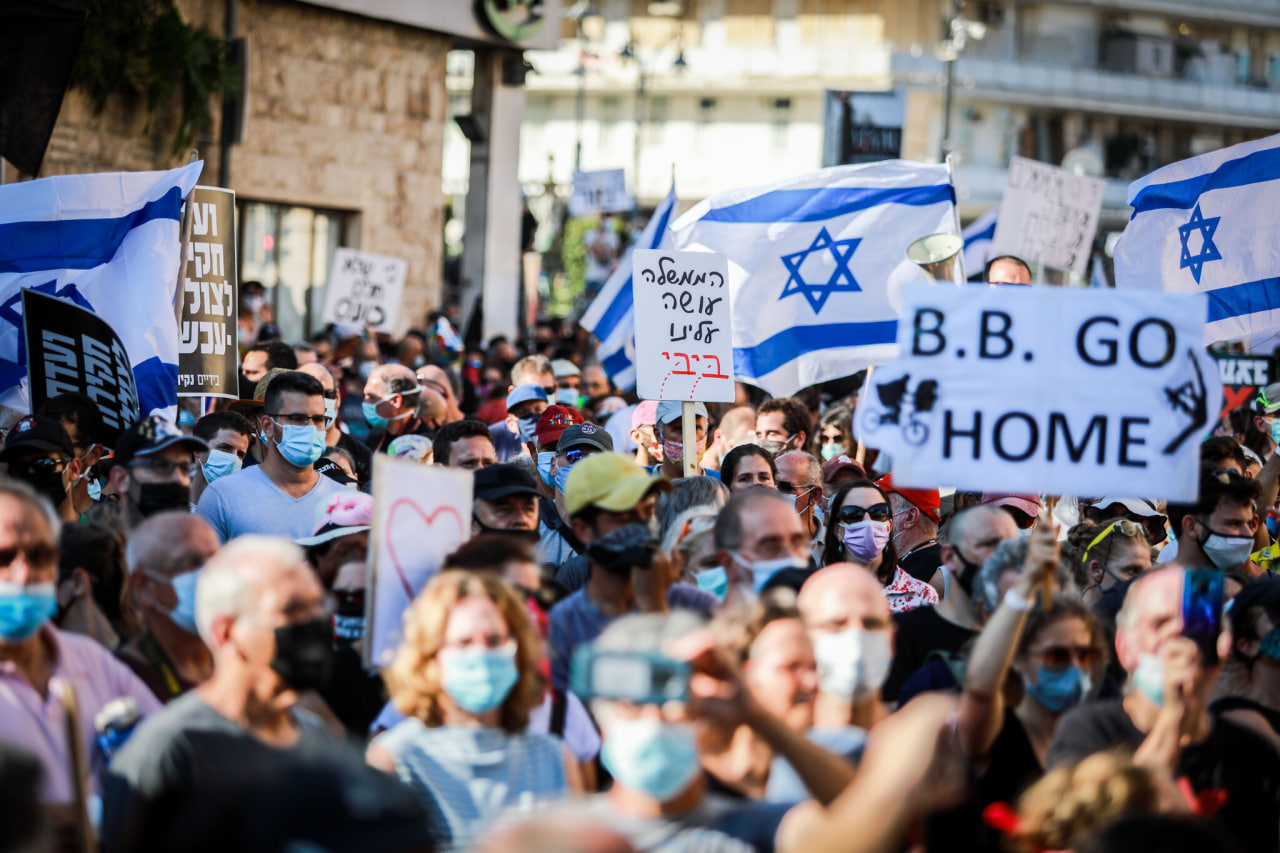
    In recent days, the occupied territories of Palestine experienced the largest protest rallies, which were held in protest against the judicial reform program of the Israeli premier’s new cabinet, and now the rallies entered the third consecutive week.

    The Israeli protestors staged rallies in several major cities of the occupied territories of Palestine, including Tel Aviv, al-Quds, Haifa and Beer Sheva, against Netanyahu’s plans last night. The protestors accused Benjamin Netanyahu of enfeebling the regime’s democratic institutions and they are of the opinion that the reforms proposed by the new Israeli government will strike a deadly blow to the independence of the judicial system of the regime.

    The protests against Netanyahu and disputes among the parties of the Israeli regime intensified after the new Israeli cabinet headed by Benjamin Netanyahu offered a plan on December 5 to modify the judicial system of the regime. Apparently, the incumbent Prime Minister of the regime, who has been charged with corruption, bribery and breach of trust for years, plans to call off his trial by instigating the reform and with the support of the Minister of Justice Yariv Levin. Correspondingly, some critics of the Supreme Court criticize that the power of the entity is too much, and that all stakeholders’ viewpoints are taken into account.

    In contrast, some demonstrators opine that the purpose of the reform plan is to change the immunity law targeting Knesset members, ministers and the premier in front of the parliament with the aim of preventing them facing certain risks like interrogation and trial when they still continue their time in office.

    It seems to be interesting to note that some former Israeli officials, who are at present among Netanyahu’s opponents, had previously declared unprecedented rallies against the incumbent cabinet. The opponents also proclaimed that they will pour into the streets to protest against the new prime minister’s policies, which threatens the freedoms of the Israeli society!

    A picture of the protest rally against Benjamin Netanyahu’s judicial reform program

    It is noteworthy that differences among political parties, incompetency and provocations made by Netanyahu’s cabinet are three main elements, which have been slammed in the recent rallies. The differences among Israeli political factions and groups increased seriously in recent weeks, in such a manner that Israeli President Isaac Herzog assessed the disputes profound and predicted the skirmishes would lead to serious rifts in the Israeli society. Likewise, a former Israeli war minister warned about a potential civil war in the occupied lands if the incumbent cabinet of the regime continues such policies.

    Nonetheless, if the measures and incidents remain, the lifespan of Netanyahu’s new cabinet, which is described as the most extreme cabinet in Israel’s history, will not last long, and perhaps the occupied territories of Palestine will witness re-election in a short period!

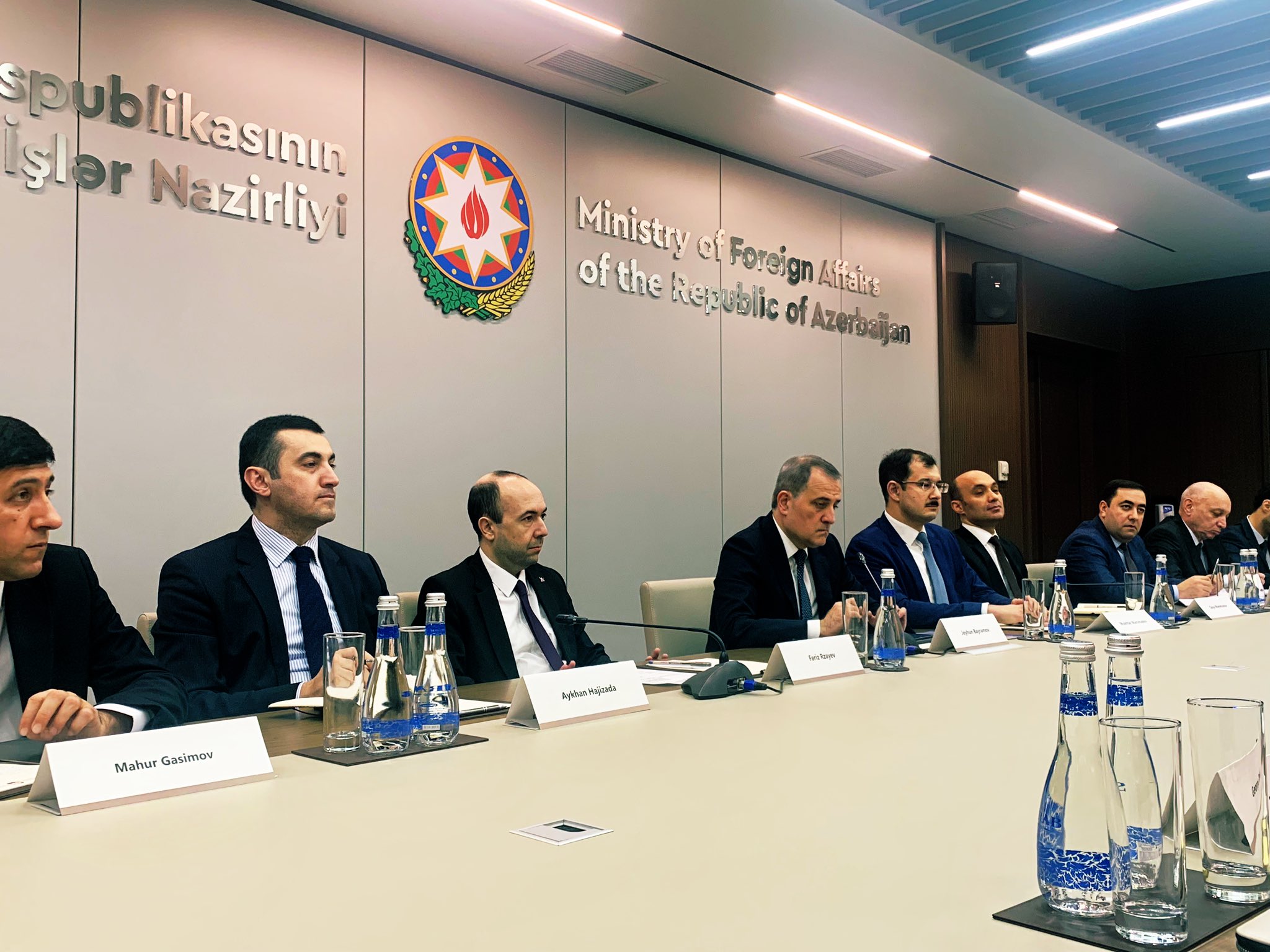
  • The Annual Meeting Of The Israeli Regime’s Ambassadors In Baku!

    The Annual Meeting Of The Israeli Regime’s Ambassadors In Baku!

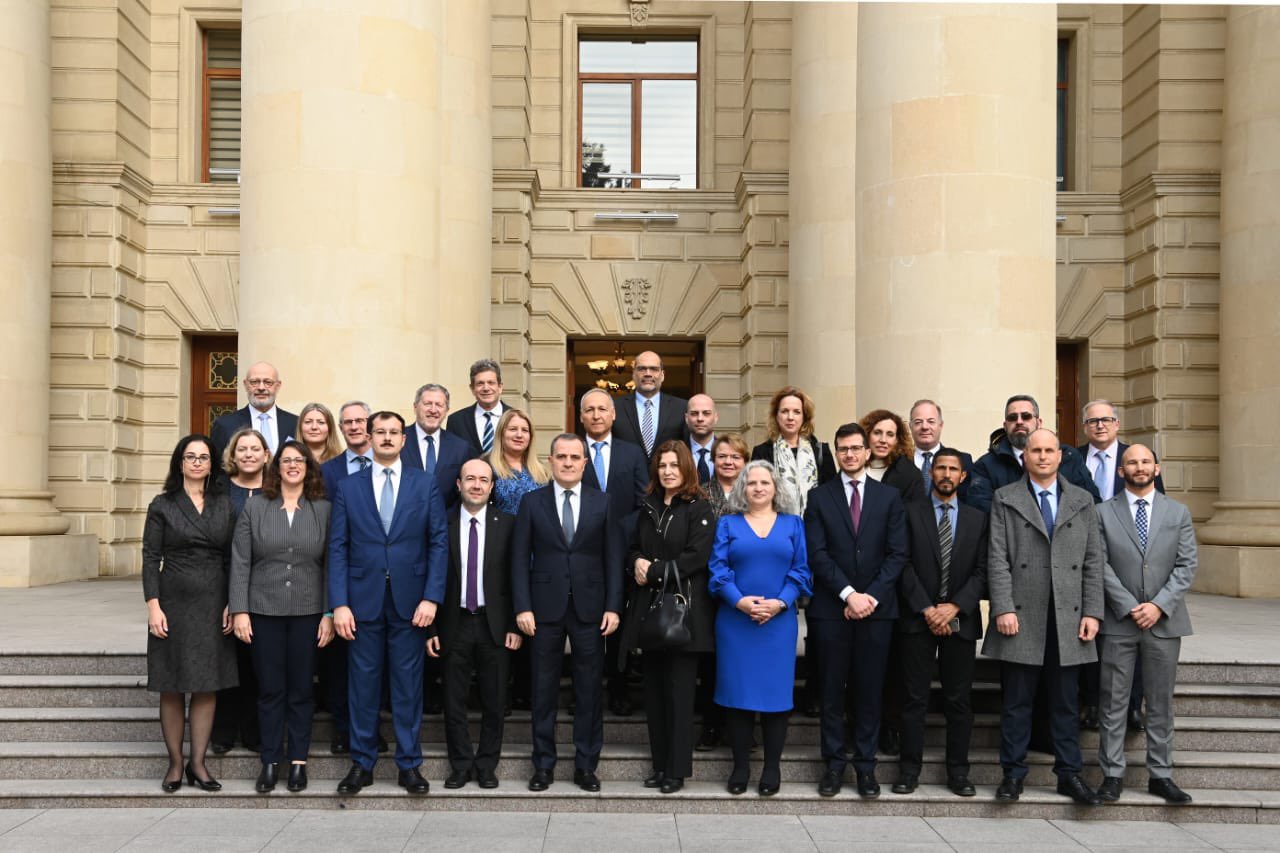
    Director General of the Ministry of Foreign Affairs Aliza Bin Noun and other ambassadors of the Israeli regime, including Israel’s Ambassador to Uzbekistan and Tajikistan Zehavit Ben Hillel, Israeli Ambassador to Azerbaijan Republic George Dick, new Israeli Ambassador to Armenia Joel Lion, Israeli Ambassador to Ukraine Michael Brodsky, Israeli ambassador to Russia Alexander Ben Zvi, Israeli ambassador to Georgia Hadas Meitzad, Israeli ambassador to Albania and Bosnia Galit Peleg as well as other Israeli ambassadors took part in the event.

    After the event, the Israeli diplomats held talks with Jeyhun Bayramov and his deputies, including Mukhtar Mammadov, Aykhan Hajizadeh, describing Baku’s hosting of the conference as a real indication of friendship and strong ties between Azerbaijan Republic and Israel. Bayramov expressed satisfaction with the talks on the issues of bilateral and multilateral collaborations with the Zionist regime’s envoys in the Eurasian region, underlining the need for further development of strategic ties between Azerbaijan and the regime.

    The Israelis’ measures in the Central Asian states and the Caucasus region led to important developments in terms of military, political and economic arenas in the past one year, and the consequences of the process are in a tangible way against the Islamic Republic of Iran and its interests. On the basis of the viewpoint, holding such a meeting of Israeli ambassadors in the capital city of Azerbaijan Republic is of great significance.

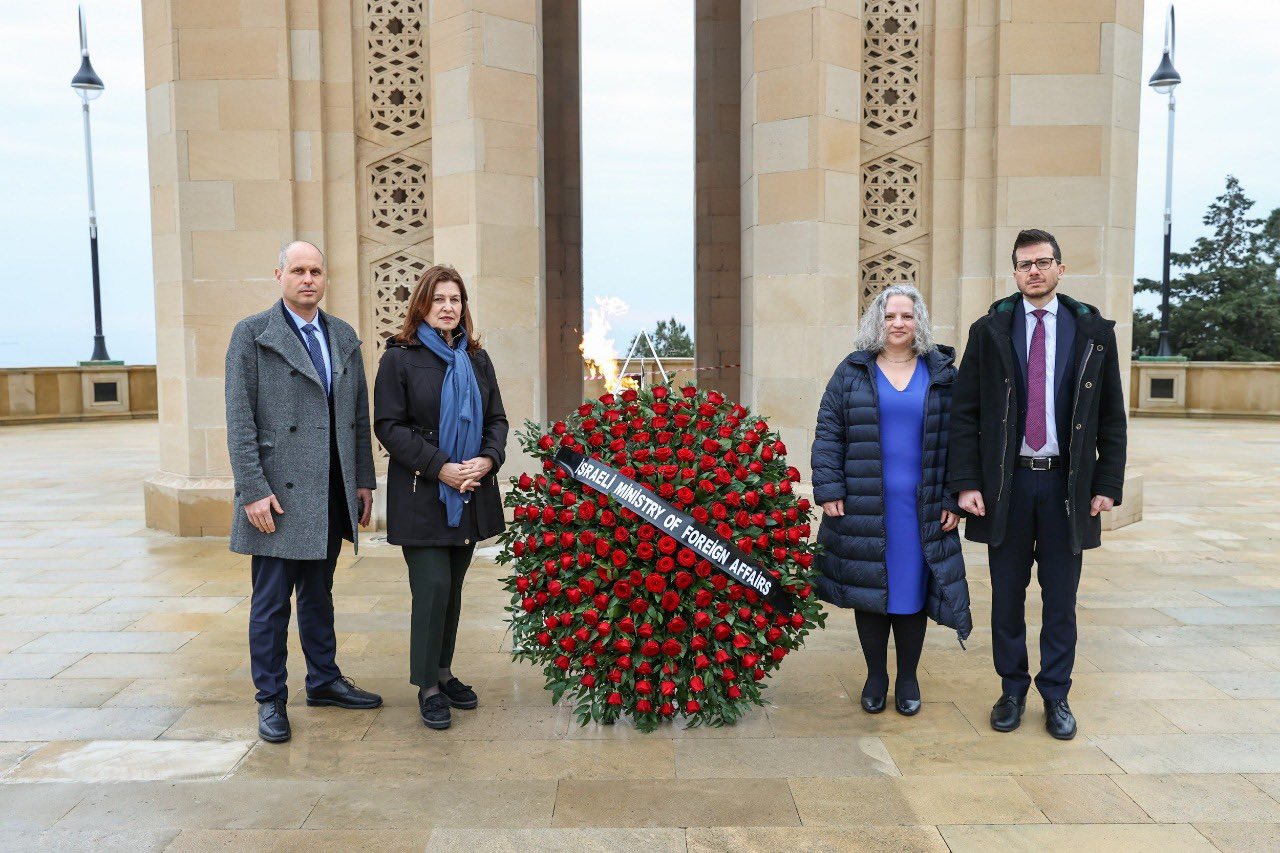
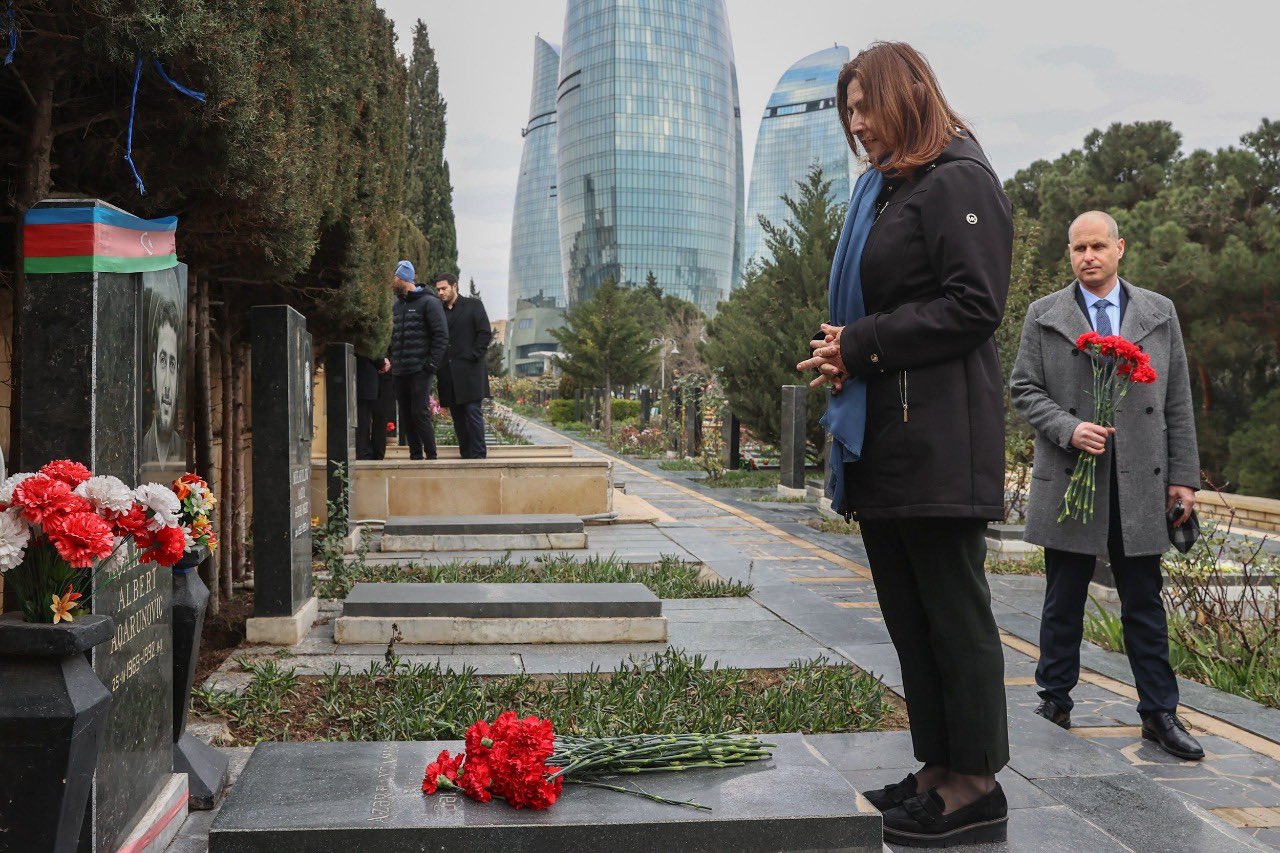
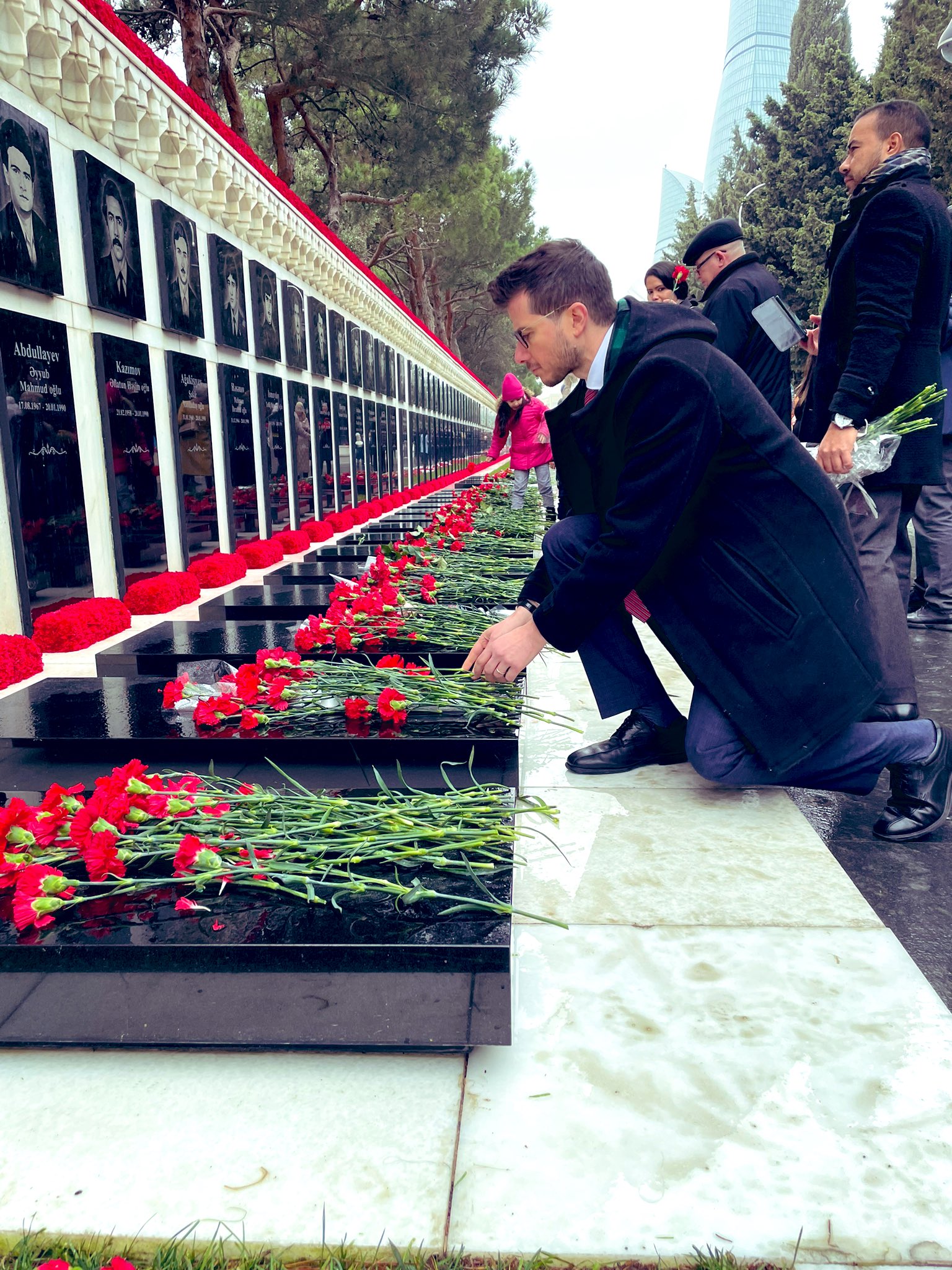
    After holding their annual meeting in Baku, the ambassadors of Israel visited the graves of the victims of Black January (the suppression of Azerbaijani independence activists by the Soviet Union in 1990) and laid flowers on their graves.

  • Syria: ISIS Commander Killed In Southern Syria

    Syria: ISIS Commander Killed In Southern Syria

    At about 10 o’clock on Friday local time, the Syrian security forces raided the house of Muhammad Ali al-Shaghori also known as Abu Omar in vicinity of Al-Alaf school in the north of Muzayrib town, which led to an armed conflict with ISIS terrorists.

    Al-Shaghori was killed along with two other ISIS terrorists and several others were wounded in the conflict. By all accounts, the elements were the source of insecurity and strikes against the Syrian army in Muzirib and its surrounding regions.

    It is notable that Daraa Governorate experienced several security attacks on the ISIS terrorists over the recent months. At least 30 ISIS terrorists were killed in a series of security operations conducted by the Syrian army and the local armed militias in al-Sad district of Daraa city in November, and the neighborhood was totally cleared of the terrorist elements.

    Read more: The complete cleansing of al-Sadd neighborhood in Daraa city from ISIS elements!

  • Ansar Allah-Saudi coalition agreement; What are the outline and impediments of recent negotiations on Yemen?

    Ansar Allah-Saudi coalition agreement; What are the outline and impediments of recent negotiations on Yemen?

    In contradiction of several reports on an agreement between the Saudi-led coalition and Ansar Allah to extend the truce and agree Ansar Allah’s conditions; no agreement has been reached in this respect so far, and dialogs between the two sides are still ongoing mediated by the UN and Oman. Ansar Allah’s most vital conditions to reach the extension of the temporary ceasefire are subjects such as a comprehensive end of hostilities, prisoner swap, paying salaries of employees from oil incomes, lifting Yemen siege through reopening Sana’a Airport and Al Hudaydah Port. The conditions have been among the issues, which have been discussed in the last years negotiations, but the conditions have never been approved by Saudi Arabia and the UAE, or they proposed different conditions to accept the Yemenis’ suggestions.

    Nonetheless, the circumstances of the Saudi-led coalition have deteriorated as a result of the past year tensions among the factions, who are backed by the coalition; thus, Ansar Allah has become more powerful. The feebleness of the Saudi-led coalition and the failure of their military operation pushed them towards pursuing negotiations. The situation forced the US, Russia and the European countries to follow the attitude of Saudi Arabia and the UAE to interact with Ansar Allah.

    Potential provisions of agreement between Ansar Allah-Saudi-led coalition:

    The most significant matters debated in the talks between Ansar Allah and the Saudi coalition are issues such as an all-inclusive truce, prisoner swap, paying employees’ salaries from oil incomes, lifting Yemen siege by reopening Sana’a Airport and Al Hudaydah Port.

    Foreign media outlets quoted an Ansar Allah official as saying that the Saudis promised to pay all the remaining salaries of Yemeni employees; while a Saudi diplomat said that the payment of civil servants’ wages is conditional on accepting security assurances such as setting up a buffer zone on northwest border of Yemen with Saudi Arabia. Concerning the prisoner swap, the two sides offered their own lists in March 2022 and finalized the prisoner swap agreement of 2,223 inmates following personal visiting of the detainees, but despite Ansar Allah announced its willingness, the Saudis have not taken any step to enforce the deal. The issue of reopening and developing flights at Sana’a Airport and the lifting of limits at Al Hudaydah Port are also matters that have faced buts and ifs by the Saudi-led coalition, when it comes to inspection; so, the agreements have not been entirely implemented.

    There are also similar disagreements in other issues, and as said by Ansar Allah officials, if the Saudis and Emiratis show willingness to reach an agreement, the process to achieve this goal and end of the conflict and establish peace in Yemen seems not be a hard work.

    What are the impediments to the Ansar Allah-Saudi agreement?

    Besides the Saudi-led coalition’s hesitation and lack of seriousness in reaching a peace agreement with Yemen, the tensions among the various groups under the Saudi-led coalition, from the Southern Transitional Council and the Reform Party to the militants of Tareq Saleh and other factions and influential figures, are stumbling block in the way of achieving an agreement. The struggle between the Islah Party and the militants of the resigned government has been spread to the Yemeni city of Sion in northern Hadhramaut Governorate and the city of Marib in Marib Governorate, and the struggle over controlling oil fields and administrative offices remain in an indirect way.

    The Southern Transitional Council, following clashes with the Islah Party and the Al-Qaeda terrorist group in Abyan Governorate and their retreatment from the city of Al-Mukalla and the Al-Anad base and the Ras al-Ara area in Lahij Governorate, backed away from its claim to split the southern governorates and focused on maintaining its current position in order to aggregate its forces in the occupied areas of Yemen.

    Another matter that gets in the way of the peace process in Yemen is the colonizing and usurping efforts made by foreign states, particularly the United Arab Emirates (UAE) and the United States, as well as the destructive role of European and Zionist companies, when it came to looting wealth in the war-torn country. For instance, the Emiratis have extended their presence on Yemen’s southern coastal areas.

    They constructed numerous military bases between Aden and Abyan with the support of Abdul Latif al-Sayed militants on the beaches and oil-rich zones of Shabwah occupied with the support of Al-Amaliqa militants and in Al-Mahrah Governorate backed by Mohsen Mursa’s militants following their moves in Socotra Island, Mayun, Abdul Kori, Al-Rayan base and Ras Sherwin beaches in recent months.

    Read more: Where is the UAE’s biggest military base on the coast of Hadhramaut?

    The United States and Israel with the support of the UAE and some Yemeni factions are pushing forward their secret projects in Yemen’s eastern and central areas. The essence and details of the plans are not fully clear, but the continuation of the conflict, the looting of oil and other precious resources, the control of strategic locations and lastly the breakup of Islamic states are the outlines of their plot.

    Concerning the Al-Ghaydhah Airport, Saudi Arabia is pursuing the plan of annexation of eastern Yemen to its territories and the construction of an oil pipeline from the Saudi kingdom to the coastal areas of the Al-Mahra Governorate, while the Saudi have experienced less success in pushing forward their objectives in the central and southern regions of Yemen. To this end, they have misused Europe’s requirement for oil resources and provided the European companies with the opportunity to contribute to the projects of exploration and extraction of crude oil in Yemen.

    Read more: Latest Military Map of Yemen; Knowing the Parties Involved in the Yemen War (Map Update)

    Conclusion:

    Given the unproductive experience of the Stockholm Agreement in December 2018 and the imperfect employment of the three truce periods from April 2 to October 3, 2022, the possibility of direct achievement of an inclusive agreement by Ansar Allah and the Saudi-led coalition seems to be unrealistic and out of reach. Seemingly, the two sides chose a temporary period of several months of ceasefire and after successful implementation of the plan, they would resolve Yemen’s external problems through signing an agreement, and then they would form a new government and resolve internal problems with the Saudi-backed factions to pave the way for reaching a comprehensive agreement.

    Iran’s positive participation and the negotiations with Saudi Arabia seem to be complementary to the intra-Yemeni talks as well. Iran-Saudi Arabia negotiations’ development or stoppage would not change the framework of Ansar Allah’s demands, but the talks are expected to affect the process, and even Ansar Allah’s measures in this path would assist Iranians’ stances.