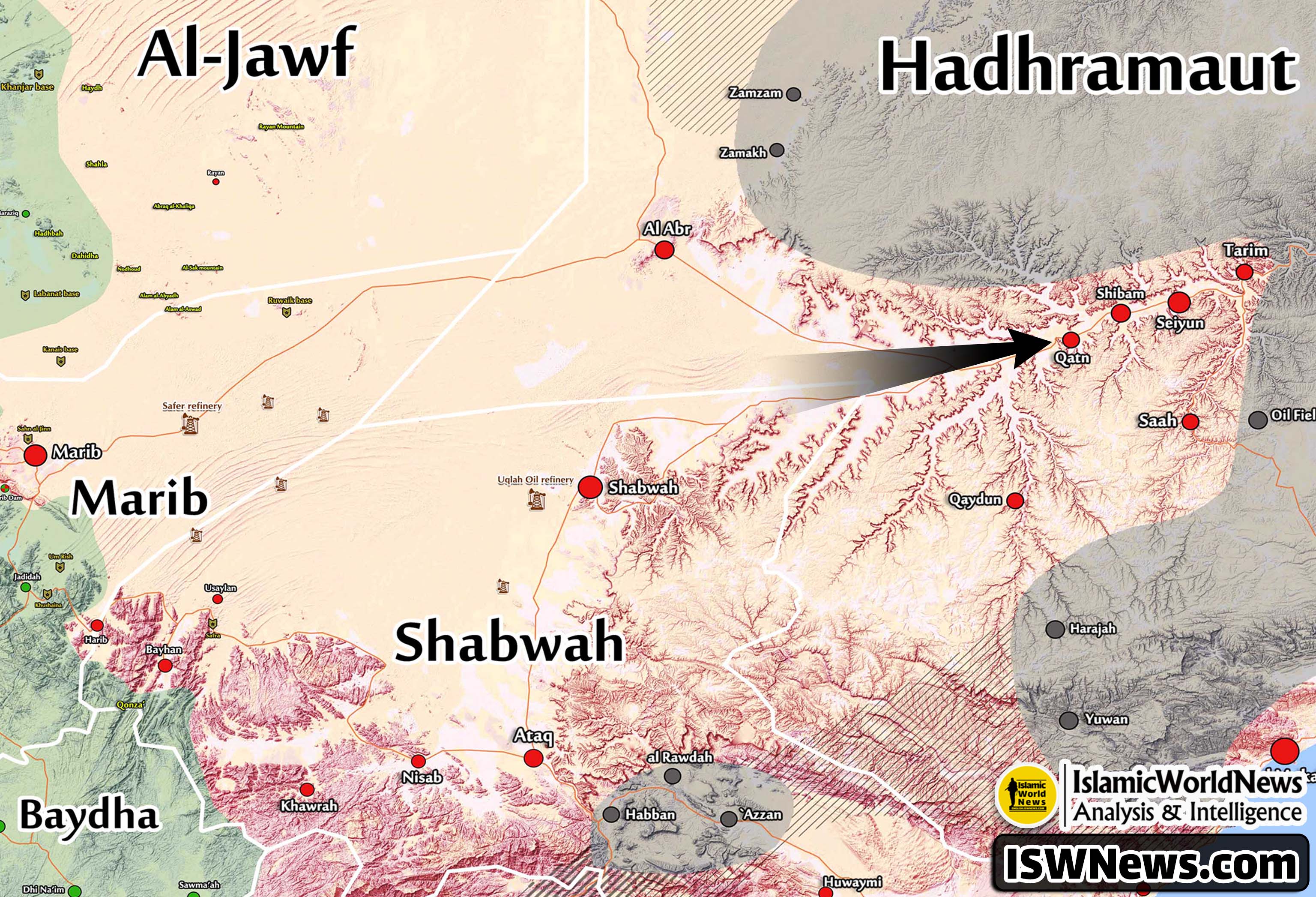
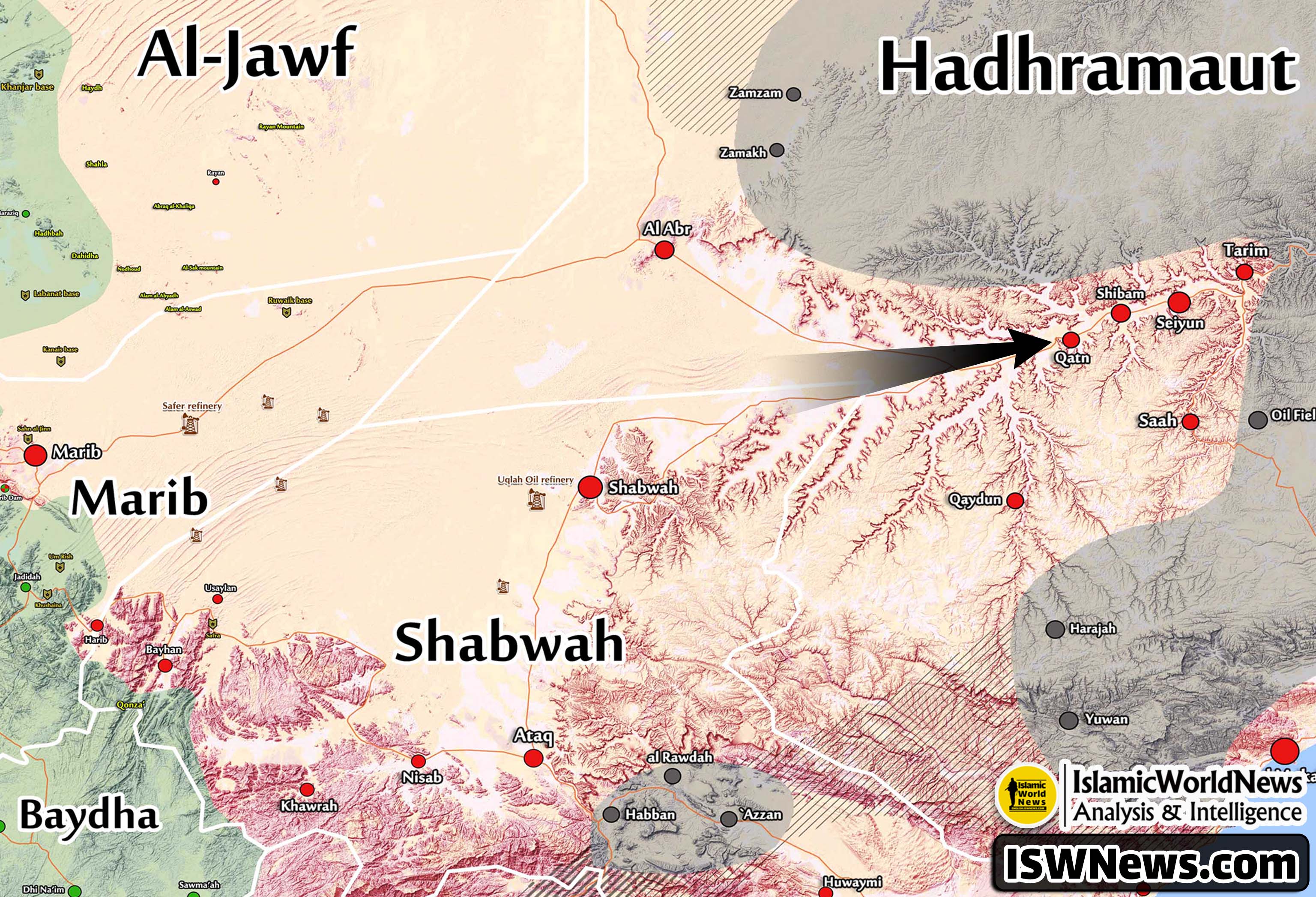
At present, most of the northern areas of this province are under the control of slah Party militants, and its central and southern areas are under the control of the UAE-affiliated groups, especially the Southern Transitional Council (STC). This situation is the result of the latest resignation of Abdrabbuh Mansur Hadi from the presidency of the resigned government, followed by tension and competition between the powerful parties in the presidential council of the resigned government, especially the Southern Transitional Council and Islah Party.
The battle between the Southerners and Islah Party over the sovereignty of Hadhramaut has also brought Ansar Allah into the fray, and in recent months, the Salvation Government authorities of Yemen (based in Sanaa), backed by Ansar Allah’s drones, have carried out effective threats in order to stop the oil export from the coasts of this province. In the ceasefire negotiations mediated by the United Nations, Ansarullah asked for allocating Yemen’s oil revenues to the salaries of government employees and won’t make an extension on the agreement unless they keep up with their demand.
However, the representatives of Saudi Arabia and the United States consider this demand excessive and are not ready to pay a certain amount of Yemen’s oil revenues to the government based in Sana’a.
The tension between the southerners and the Islah Party has been intensified after the large-scale deployment of Al-Qaeda terrorist militants in Seiyun, as well as the dismissal and appointment of a number of Islah Party members in Hadhramaut by Rashad al-Alimi, the head of the presidential council of the resigned government. It seems that Rashad al-Alimi intends to establish an apparent balance in the resigned government by handing over the north of Hadhramaut to the Islah party and granting oil concessions and the southern areas of this province to the UAE faction (and the US-affiliates) and gradually reducing the share of the Islah party in the resigned government.
In the latest developments in this province, supporters of the southerners staged demonstrations in the cities of Seiyun, Tarim and al-Qatn and demanded the withdrawal of Islah Party militants and their foreign supporters (al-Qaeda) from these cities. On the other hand, the Islah party militants, who have been strengthened with the help of al-Qaeda, while arresting the protesters, are trying to take control of the roads and consolidate the communication line with Marib.
In general, with the continuation and possible increase of tension between STC (supported by the UAE) and the Islah Party (supported Al-Qaeda), we will witness more conflicts in Hadhramaut province in the coming days.
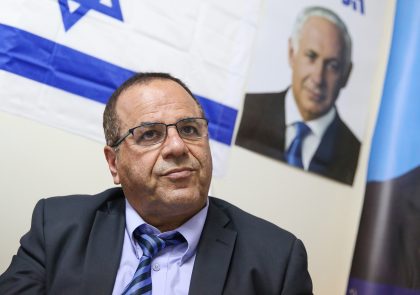
Ayoob Kara, politician and the former Israel’s minister of communications and a member of the Likud Party answers:
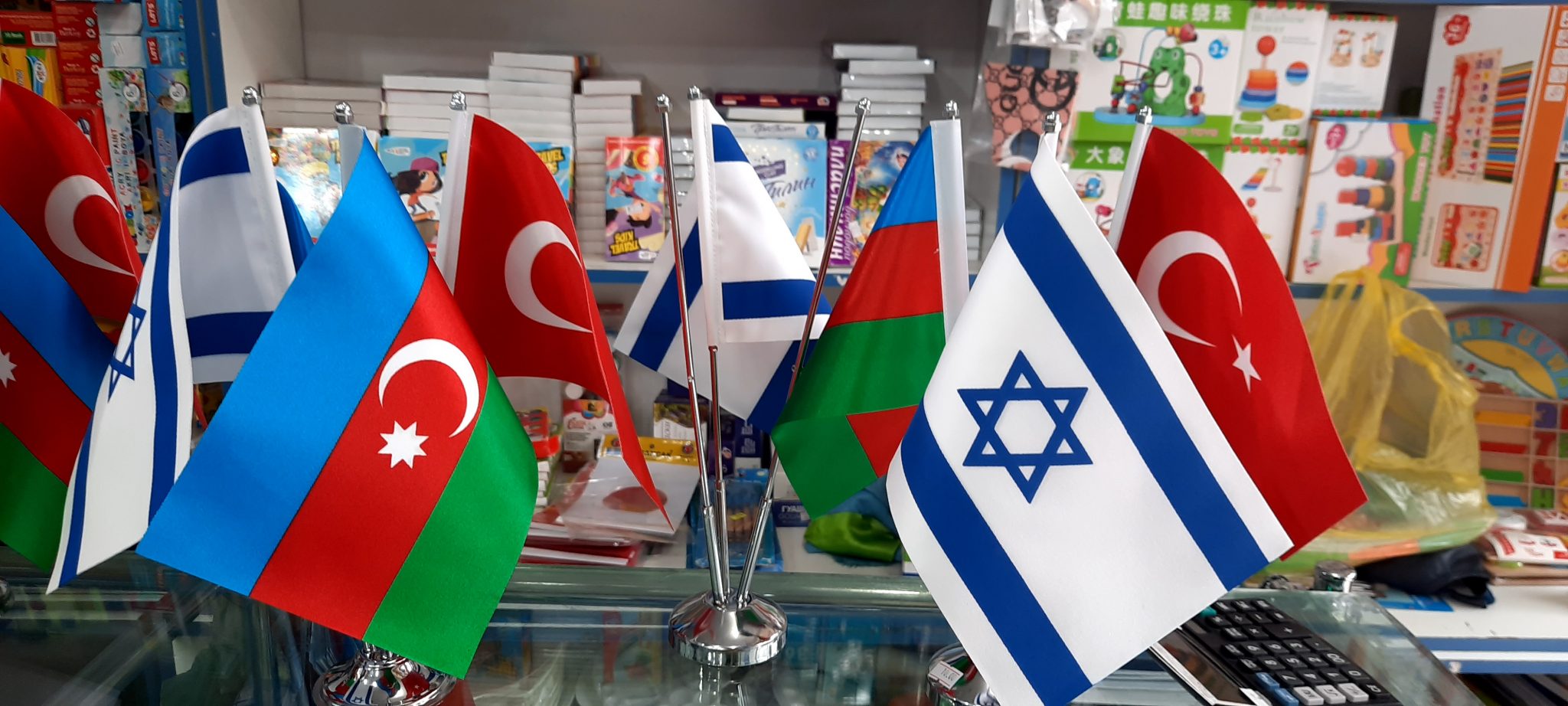
The governments of Azerbaijan, Georgia, Turkey, and Kazakhstan earlier in the year signed a declaration on improving the transportation potential throughout the region. Following that, the Azerbaijani, Kazakh, Georgian and Turkish foreign and transport ministries decided that there should be accelerated transport routes throughout the region, which will include the development of the Middle Corridor, a rail freight and ferry system that will link China with Europe.
It starts in Southeast Asia and China, and runs through Kazakhstan, the Caspian Sea, Azerbaijan, Georgia and Turkey before reaching southern and central Europe. This will permit trains to travel from China to Europe within 20-25 days, thus helping to reconnect the former Silk Road. As a former Israeli minister, I believe that Israel should be supportive of the establishment of the Middle Corridor, as it will help to strengthen the Abraham Accords if it is expanded to include Israel, the United Arab Emirates and other countries in the region.
The entire Middle East region used to be connected by train under the rule of the Ottoman Turks. There are a number of remnants of this wonderful train system in Israel, including the Ottoman train stations in Beersheba, Jaffa, and Jerusalem. These Ottoman train stations are historic landmarks from a bygone era when train travel across the Middle East was possible. Ottoman-era trains used to travel from Jaffa to Jerusalem, Haifa and other areas of the former Ottoman Turkish Empire, such as Medina and Damascus.
However, since Israel was declared to be independent, there has been no train travel between Israel and the Arab world. This was one of many causalities of the Israeli-Palestinian conflict. Yet in the wake of the Abraham Accords, this all has the potential to change, as the Arab countries no longer view Israel to be the pariah that they once viewed it to be. If anything, the Persian Gulf countries now view Israel to be a partner in the struggle against Iran, as do the Turkic republics like Azerbaijan, who greatly disdain how the mullahs are treating the Azerbaijani population in the Islamic Republic.
Thus, if this Middle Corridor is built, we Israelis can try to connect onto it as well, as it will help to counter the mullahs in Tehran by creating a stronger connection between the Turkic republics, Israel and the Arab world. We can connect to it via Turkey by ferry, and then from there, have another set of trains going from Israel to Jordan and Saudi Arabia and from there, to the United Arab Emirates. In our times, this is within the realm of the possible.
This will thus help to greatly expand trade between China, the Turkic republics, Israel and the Arab countries. Already, Israel, Saudi Arabia, and Jordan know that it is necessary to have a train that crosses from Israel to the Gulf states.They are talking about it and thinking about it. They are starting with trucks with containers that I arranged, where they bring containers from Abu Dhabi to Israel crossing from Saudi Arabia to Jordan to Haifa.They could continue from there to Turkey via ship and from there to Europe and anywhere else.
That means that we can have a train traveling from Europe to Turkey and from there, ships can go to Haifa, and from Haifa to Jordan, Saudi Arabia and from there, to the Gulf states, and they can go back in the opposite direction. I am in Bulgaria now to check how I can make it more relevant. After that, a Saudi Arabian agreement with Israel can start with a new train, like what existed in the Ottoman times with the Hijaz Railway. The people of Hijaz want to make it happen again. This is in the plan of the Abraham Accords Agreement and it will happen in the future.
Ayoob Kara, politician and the former Israel’s minister of communications
Postscript:
For many years, Israel has been seeking to establish deep relations with the Central Asian countries through different ways and models. For example, Israel’s relations with Kazakhstan in the fields of military, security and energy have been very strong and there have been high-level visits between the Zionist regime and Kazakhstan in the past.
In a country like Uzbekistan, the existence of a “large community of Tajik Jews from Bukhara” is very important for Israel and the regime has always sought to influence the community as well as the Central Asian society.
Needless to say, Israel has had more secret relations in Tajikistan. One of the reasons for these relations was to help the Government of the Republic of Tajikistan to suppress and destroy the Islamist groups close to Iran, so that they can compete with the position of the Islamic Republic of Iran in Tajikistan and overcome its influence.
Now, due to the sensitivity created on the countries of Central Asia, we are witnessing the presence and strong role of different countries in the developments of this geographical area. The activity and influence of America, European countries and Persian Gulf countries, especially Saudi Arabia, has been very impressive in the last few years and now Turkey is also displaying its influence and power in this region via various means.
One of Turkey’s initiatives in this region is the creation and implementation of the “Middle Corridor”, which has attracted the attention of other countries and has been seriously welcomed by the United States and the Europeans.
Israel’s attempt to get connected with the “Middle Corridor” plan is completely noticeable. There are two reasons for this fact: 1. Israel’s need for the Central Asian region regarding the required resources and the definition of a new playing field to confront the Islamic Republic of Iran 2. The influence of the Israel in the region, especially in Azerbaijan, which is one of the most important claimants in the “Middle Corridor” plan
According to Ayoob Kara, the former Israel’s minister of communications, we can surely say that this plan is basically aimed at isolating Russia and Iran in the region.
On the other hand, It is quite conceivable that China will go along with the Middle Corridor plan because it is important for China to maintain its economic power, export and the market for its products in the foreign relations.
Although the capacity of this corridor is debatable and the implementation of this plan is somewhat impossible, only these attemts can be considered as serious alarms for the position of Iran and Russia in the region, which requires more attention from the Iranian authorities to review the country’s regional policies.
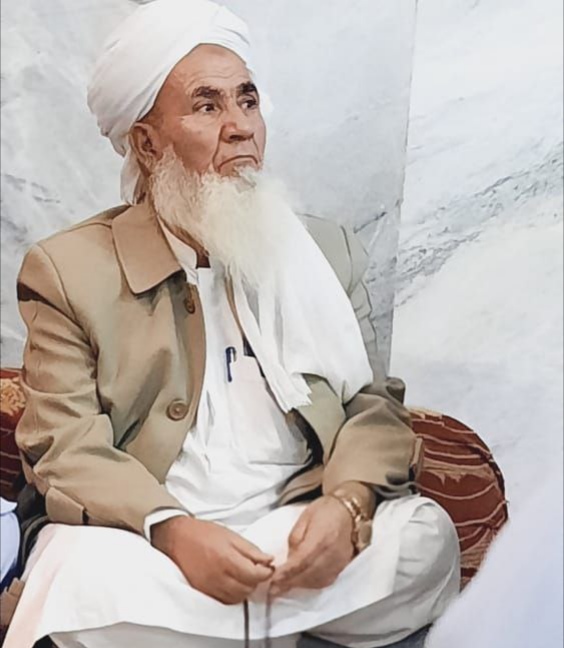
According to the statement of the Security Council of Sistan-Baluchestan province, Molavi Rigi was kidnapped and martyred by unknown individuals on December 13.
Molavi Abdulvahed Rigi was the Friday prayers leader of Imam Hussein Mosque in Khash and one of the famous Sunni clerics in Sistan-Baluchestan province. He was also a seminary teacher.
According to the province’s prosecutor, Molavi Abdolvahed Rigi was present at his mosque on Thursday, but unknown individuals called him from the rear door, making him sit in a car that had no license plate.
Following his abduction, the prosecutor’s office and the police carried out the investigation on the case and they came to the conclusion that unknown individuals had killed Maulvi Abdulwahid after his abduction.
His dead body was found on a roadside in Khash with three bullet wounds to his head.
So far, no individual or group has claimed responsibility for this unfair assassination.
It all started with the visit of Khalil al-Haya to Damascus, where the parties discussed the resumption of relations. Prominent Hamas figure Mahmoud Zahhar stressed that “Hamas has returned to Syria to realize a common goal – to end Zionism”. Then, in the capital of Jordan, activists of the Islamic Action Front held a pro-Palestinian rally, where party leaders demanded that the king open a branch of Hamas in Jordan. At this event, Sheikh Trad al-Fayez said that “the liberation of Palestine will begin from the territory of Transjordan.” Finally, a meeting was held in Iraq between the head of the Quds Forces (IRGC), Ismail Kaani and the Mufti of Iraq, Mahdi al-Sumadai.
Iraq and Syria have long been part of the regional anti-Zionist resistance. The IRGC and Hezbollah bases plus their Palestinian and Iraqi proxies are located in Syria. In Iraq, everything is ready to create a “revolutionary front” for the liberation of the holy al-Quds. Despite the intra-Shiite differences, the parties are similar in the need to create “special military forces for the battles for Palestine.” The Sunni region of the country also has authoritative figures for the liberation campaign for al-Quds, which was shown by the visit of Ismail Kaani. The Sunni environment of Iraq is on the verge of major changes, which are closely related to the dynamics of the Palestinian resistance. Among the followers of the Ahlu-Sunnah of Iraq, there is a sufficient number of pro-Palestinian figures, organizations and parties who jointly acted against the American occupation, the fight against ISIS, and then took a common position on the self-proclaimed referendum of the Barzani regime in Kurdistan. Now it’s the turn to fight the Zionists.
Based on the recent rally in Amman, we can say that Jordan is ready to make a revolutionary U-turn towards Palestine. It is worth recalling that the Islamic Action Front is a great friend of Hamas, so any activity of the Jordanian “Muslim-Brotherhood” adds advantages to the leading Palestinian party.
The Lion’s Den uprising initiated a major shift in the regional situation, now the King of Jordan is forced to go out of his way to prevent the radicalization of the Jordanian public, and at the same time support the efforts of the Palestinian Authority to curb the growth of revolutionary sentiments in the West Bank. The king is assisted in this by the leader of the Egyptian junta, Sisi. These efforts are doomed to failure, because now the principle of “local concentration” is operating inside the Axis of Resistance. While the Zionists are trying to suppress resistance in the West Bank, the Islamic Resistance in Syria is destroying the remnants of insurgency in the south of the country, and the Iraqis are expanding their presence on the border with Jordan right under the noses of the American-British occupiers.
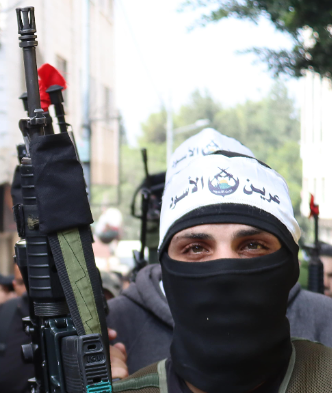
Palestinian Reports mentioned that the Zionist force that stormed Jenin this morning had lost military maps while raiding the area
These days, the state-affiliated media in Azerbaijan intend to convey to their addressees that Iranian armed forces have been deployed along the Azerbaijan border and are planning to attack this country.
Khazar TV, in a report on Monday announced the objectives of these military exercises: “The exercise is a response to the threats from the Islamic Republic of Iran and it is made up of 5 military units. If Iran trespasses the Azerbaijan border, it will face the armies of two friendly nations, Azerbaijan and Turkey.
This exercise is intended to practice modern battles by using a combination of artillery, commando forces and marines to penetrate the enemy lines and remove booby traps. This exercise also includes deployment of pontoon bridges over river, heliborne operations, using tanks and landing forces behind the enemy lines. The aerial bombardment is carried out using airplanes and helicopters.
According to the Turkish ministry of defense, Turkish F-16 jets have also joined this exercise and one of the training sites for bombing the simulated enemy was near Astara. The number of F-16 used in this exercise has not yet been mentioned.
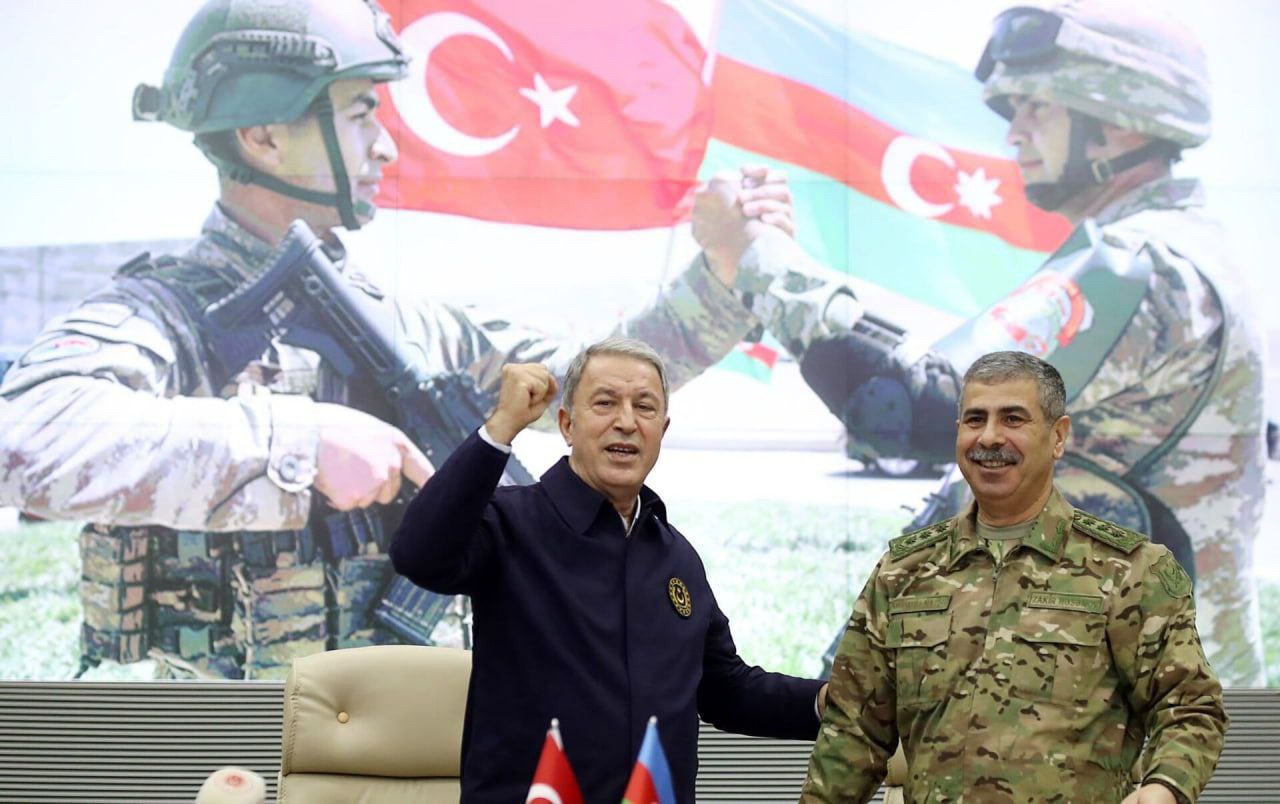
Turkish Defence Minister Hulusi Akar arrived in Baku, the capital of Azerbaijan on Tuesday, December 15, along with a military delegation. He is participating in this exercise along with Azerbaijani Defense Minister Zakir Hasanov.
1- Donetsk: On December 7, the Russian army heavily bombarded Avdiivka and Bakhmut areas in a new round of artillery attacks. Heavy clashes also going on in the Bakhmut fronts. The pro-Russian media claim that during the recent battles in Bakhmut fronts, the Russian army destroyed a battalion of Ukrainian forces consisting of Ukrainian militia and Georgian volunteers.
– On December 7, as a result of the Ukrainian army’s artillery and rocket attacks on Gorlivka and Donetsk city, at least 8 people, including the deputy of the Donetsk People’s Council were killed and more than 20 people were injured.
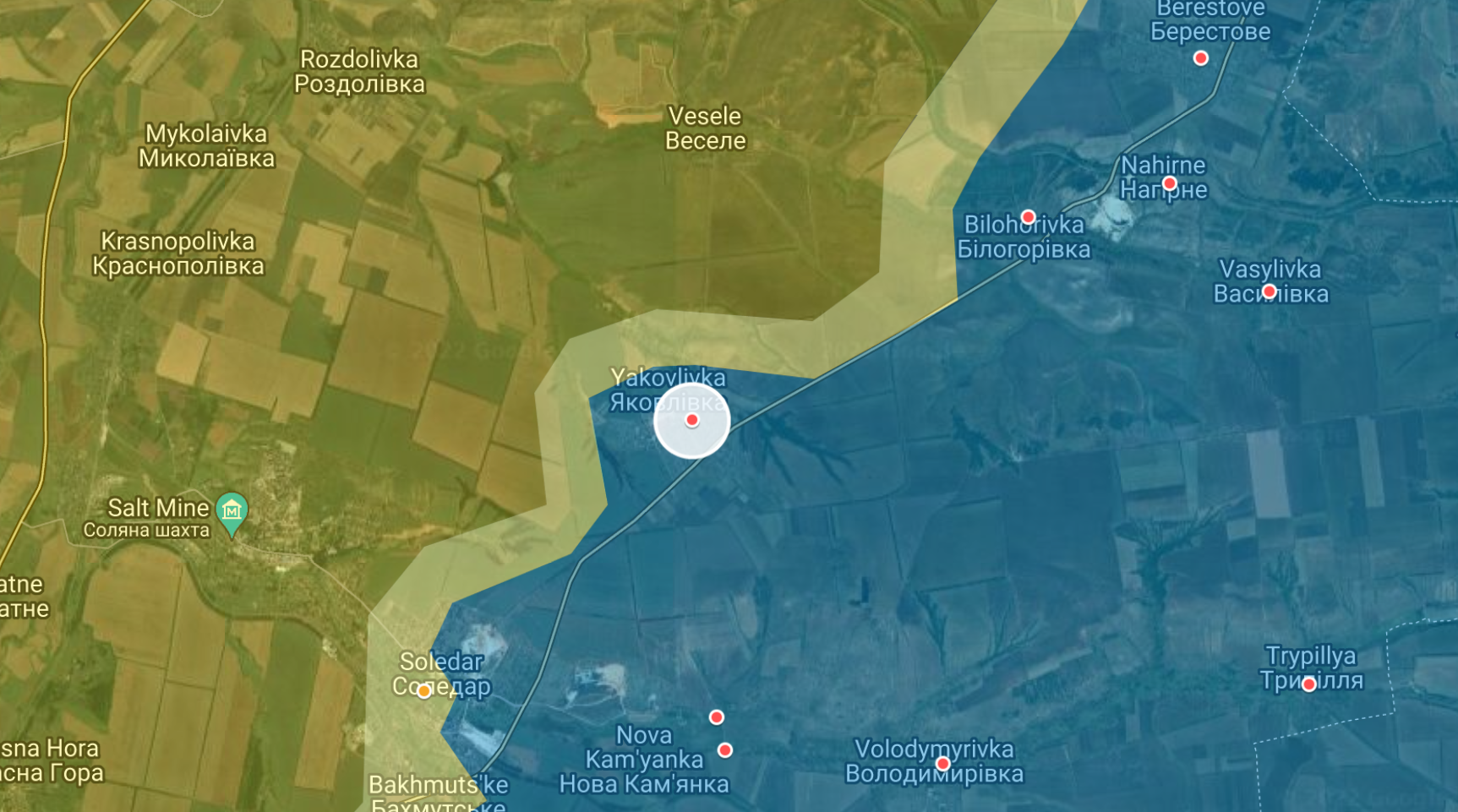
– On December 7, the Russian army, continuing its attacks on the northern regions of Donetsk oblast, captured the Yakovlivka village located on the northern axis of Soledar town. Advancement in this axis will lead to the withdrawal of Ukrainians from Soledar and weakening their position in Bakhmut. (View on the online map)
– On December 16, the artillery of the Russian army attacked the positions of the Ukrainian forces in the town of Toretsk. This settlement plays an important role in maintaining the lines of the Ukrainians in this axis (especially in preventing the advance of the Russians in the southern regions of Bakhmut).
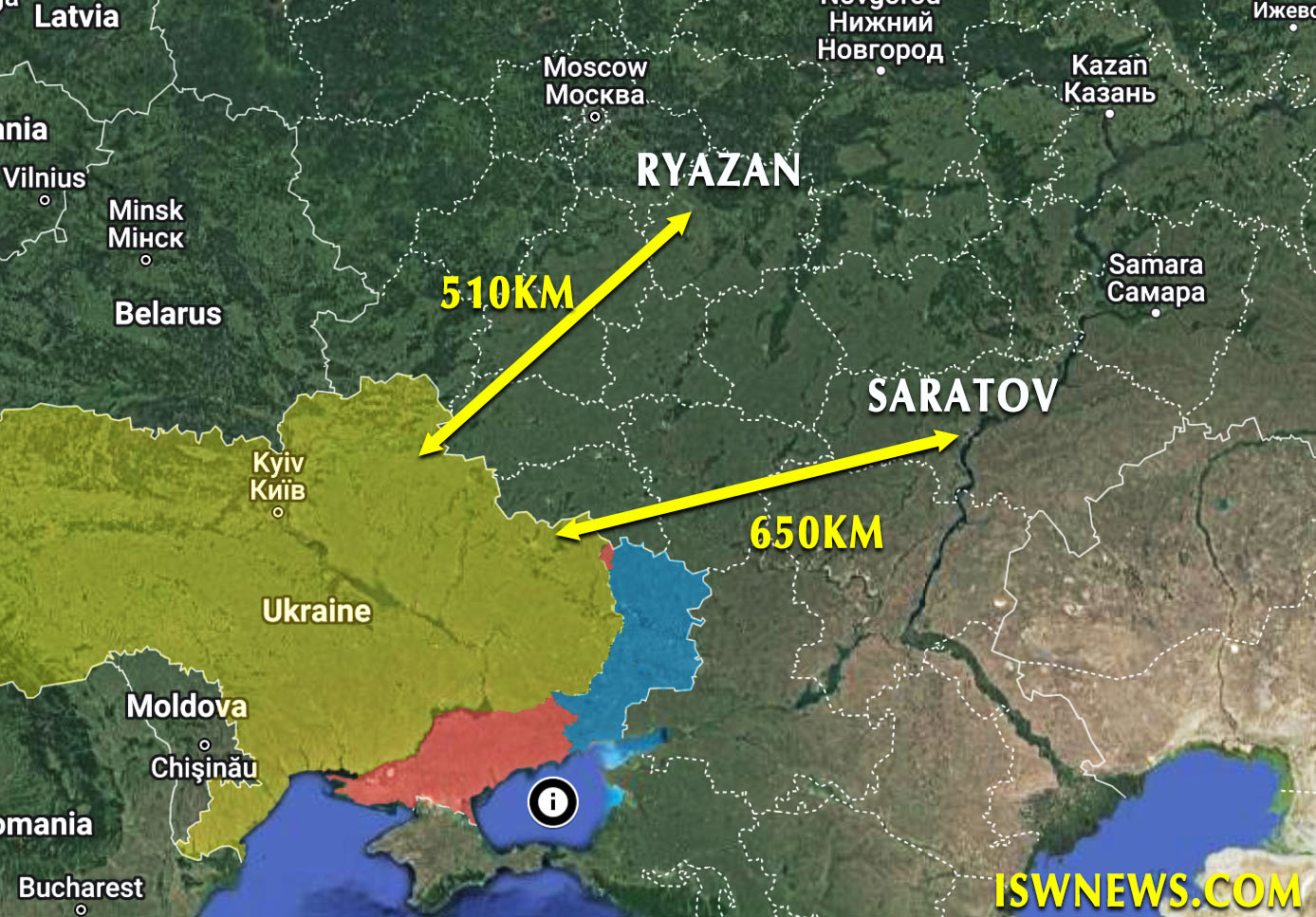
2- On December 5, the Ukrainian army attacked Dyagilevo military airport in Ryazan oblast and Engels airport in Saratov oblast deep in Russian territory with several suicide drones.
3- On December 5, Tupolev Tu-22M strategic bombers and submarines of the Russian army launched a massive attack on Ukrainian energy facilities in various cities using dozens of cruise missiles.
4- On December 7, Volodymyr Zelensky said in response to the Russian army’s missile attacks on Ukrainian energy facilities:
“Now it is impossible to revive Ukraine’s energy industry as it was before the massive (Russian) invasion. And that’s why the outages in the cities will continue.”
Zelensky previously claimed that one third of the energy sector was destroyed and 40% of Ukraine’s energy facilities were damaged in Russian attacks.
5- On December 4, as a result of the AFU drone attack on the city of Kursk located in the west of Russia, one of the oil storage tanks of the airport and another place in this city caught fire. According to the governor of the Kursk region, there were no casualties in this attack and the fire has been controlled, but the pictures and videos published show that the fire continues in these places.
6- The Russian army attacked positions of Ukrainian forces in the cities of Dnipropetrovsk and Zhytomyr with one or more Shahed-136 suicide drones. Local sources have also reported the occurrence of several explosions in these cities. The official details of this news have not been published yet, but some Russian sources, citing local sources, have reported that Zhytomyr energy facilities were hit in these attacks.
The decrease in Russian drone attacks in recent weeks has raised the suspicion that Shahed-136 drones are not capable of carrying out attacks in the winter due to the plastic parts and other materials that are not resistant to extreme cold. But these attacks questioned the Ukrainian authorities claims and put an end to the rumor about the Shahed-136 drones.
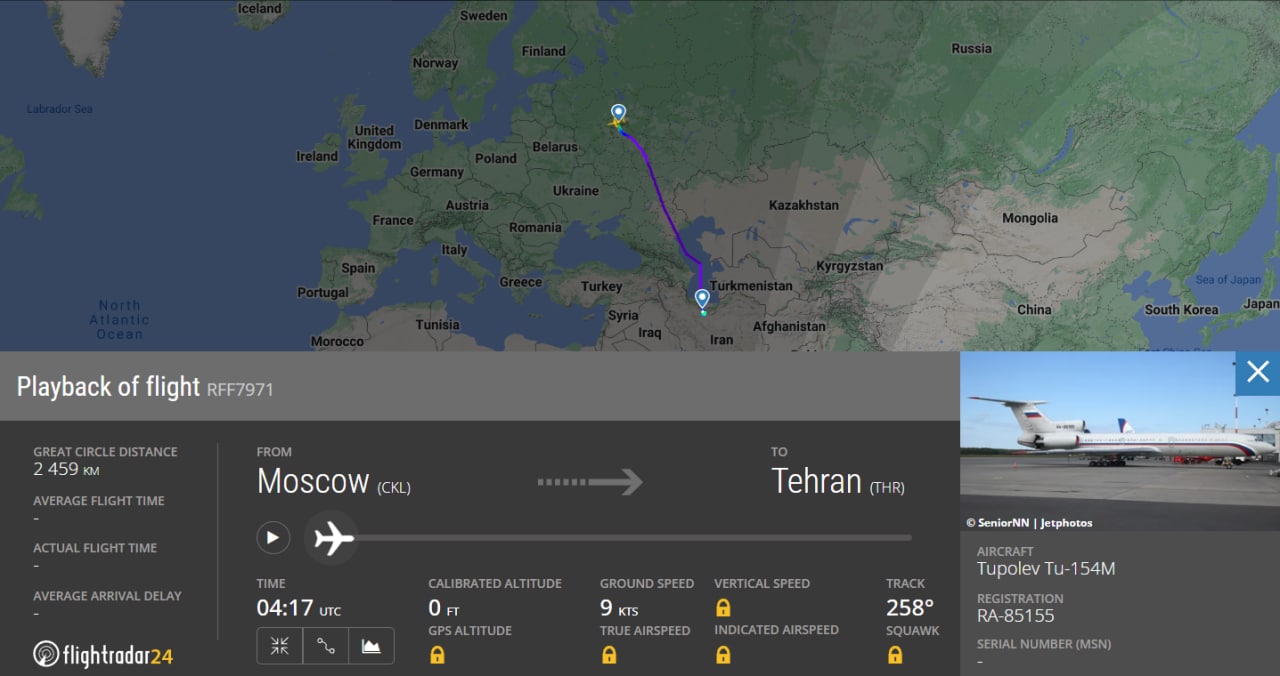
7- On December 3, a Tupolev-154 aircraft belonging to the Russian Ministry of Defense traveled from Moscow to Tehran, the capital of Iran, and returned to Moscow on December 4. According to Russian sources, this flight was carrying Alexander Fomin, the Deputy Minister of Defense of Russia and a number of other senior Russian military personnel to meet with Major General Mohammad Hossein Bagheri, the Chief of General Staff of the Iranian Armed Forces. Major General Bagheri said during the meeting, referring to the formation of the pillar of world power in the East.
“Today, the Americans admit that they have not been successful in the approach of unilateralism and creating a unipolar system. We emphasize the necessity of cooperation between Tehran and Moscow in bilateral, regional and international issues by maintaining the national interests of the two countries and maintaining the peace and security of the region, and negotiations in these areas should be carried out continuously.”
8- On November 30, following an explosion near the Ukrainian embassy in Madrid, the capital of Spain, one of the employees of the Ukrainian embassy was injured. According to Spanish media reports, an envelope containing explosives was sent to this embassy and the Ukrainian employee opened it.
9- The Ministry of Defense of Russia published a video of the operation of several Lancet suicide drones against military convoys and armored vehicles of the Ukrainian army in Kherson fronts. In this video, the moment when the Russian Lancet drones hit the P-18 and 36D6 radars, as well as a convoy of S-300 defense system launchers of the Ukrainian army are shown. This video shows that the Russian Lancet is successful in hitting fixed targets such as radars and has a low percentage in effectively hitting moving targets. The reason for this is due to the dimensions, weight and other technical characteristics of this drone.
1. Aleppo: -On December 7, Russian military forces patrolled around the city of Ayn al-Arab. -On December 6, Turkish military base in Kafarjana, located on the outskirts of Afrin, came under rocket attack by Syrian Democratic Forces (SDF). So far, no information has been published on the exact number of casualties and damages of this attack.
2. Idlib: On December 4, the so-called Syrian Salvation Government (SSG) in Idlib which is under the control of the Hay’at Tahrir al-Sham (HTS) militants, announced the establishment of a police academy in the heart of the residential areas of this province. The construction of the police college in Idlib, which was carried out in the residential areas under the supervision of the Syrian Salvation Government (SSG) interior ministry, has aroused the dissatisfaction among residents of this province.
3. Daraa: On December 6, a Syrian child was martyred and two others were injured due to a mine explosion in Qarfa.
4. Deir Ezzor: On December 6, the US forces held an exercise at the military base located in Koniko gas factory in Deir Ezzor.
5. Raqqa On December 5, Turkish-backed militants launched artillery attack on the M4 international highway in Ayn Issa countryside.
6. Hasakah: -On December 5, a Russian helicopter carrying a Russian military delegation landed at al-Qamishli airport to meet with the top commanders of the Syrian Democratic Forces (SDF). -On December 7, the US coalition carried out a patrol in the Rumailan area.
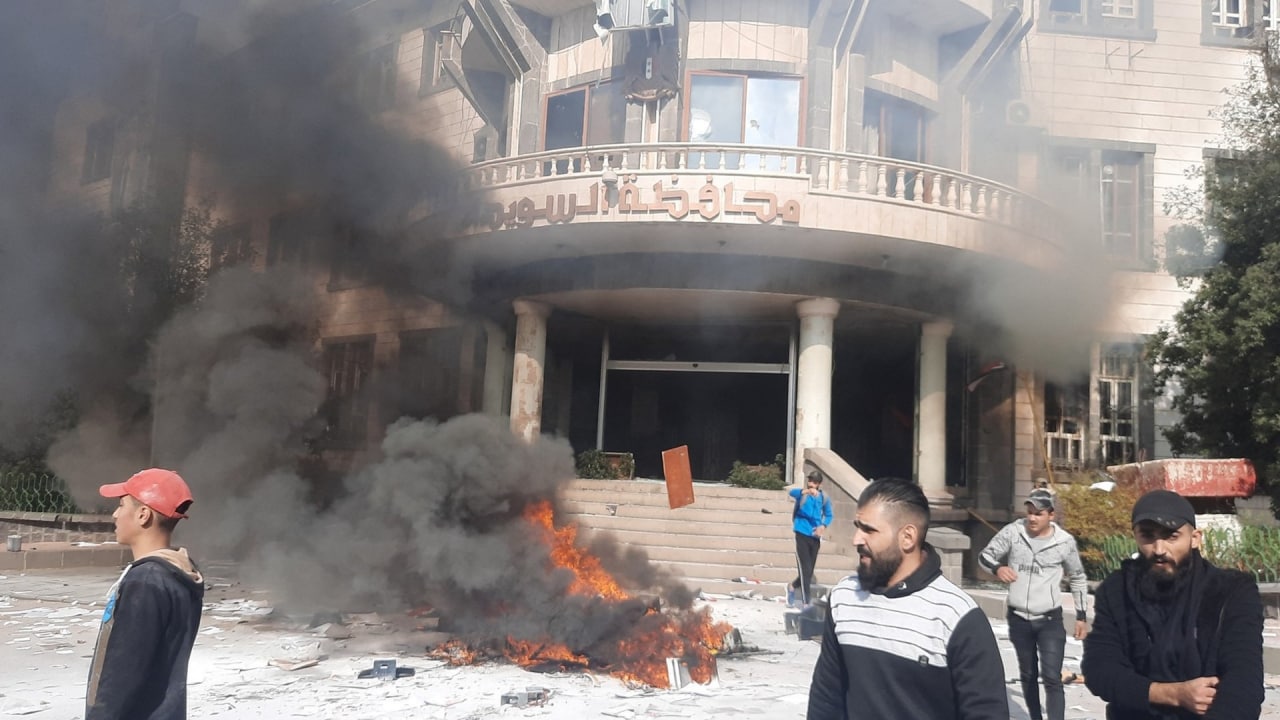
7. Suweyda: On December 4, some residents of Suwayda protested against the decisions of the Syrian authorities, livelihood problems, frequent power outages, water supply and lack of fuel. In the continuation of this rally, the protesters took control of the governor’s building by storming it and resorted to violent behavior.
8. On December 5, the SDF resumed their joint operations with the American coalition after it was stopped due to the intensification of Turkish attacks.
9. On December 5, Turkish Defense Ministry announced the death of 5 Kurdish militias in the operational areas of Euphrates Shield and Olive branch.
10. On December 7, Russian Reconciliation Center for Syria announced that the militants violated the ceasefire in Idlib two times, of which one case was related to Idlib province and the other was related to Latakia.
In recent months, some residents of Suwayda province protested against the inappropriate management by the Syrian officials and livelihood problems. Southern Syria has always been the focus of attention by many intelligence agencies, including the Mossad. Therefore, these gatherings were managed and intensified by the Israeli intelligence agencies, and after a short period of time, the protests turned into armed conflicts.
Although some of these elements were arrested by the Syrian security forces and the allies, the available evidence and the examination of the recent gatherings in Suwayda confirm the role of intelligence agencies.
These elements were able to turn the gatherings into violence only by inciting the existing faults and highlighting the weaknesses of the Syrian government and their presence in the events. The main problem that paved the way for the foreign elements in Suwayda is the unfavorable economic conditions and the failure to address the demands of the people. This province is controlled by the Syrian authorities.
Considering the arrival of winter and problems such as lack of fuel, frequent power outages, as well as the increase in violence and tensions in Suwayda, it is likely that livelihood problems turn into a dangerous security problem and we may witness a serious challenge similar to the beginning of the Syrian conflict in Daraa province.
Currently, the intensity of the conflicts in Suwayda has decreased and the deployment of security forces and military police in this city has established relative peace but the evidence indicates that opposition groups are planning a new round of riots and we may see a series of disturbances in the coming days.
Local sources reported the large-scale deployment of Al-Qaeda terrorist militants in the city of Seiyun. According to this report, a large number of Al-Qaeda members have been transferred from the city of Marib to Wadi Al-Ain and Al-Qatn in order to strengthen the positions of the Reform Party (Islah Party) in Hadhramaut province.
It should be noted that in recent days, the armed forces of Al-Hadhramiyah and Al-Janoub Resistance brigades (affiliated to the UAE) issued a public warning to attack the positions of the armed forces of Al-Islah party in Seiyun.
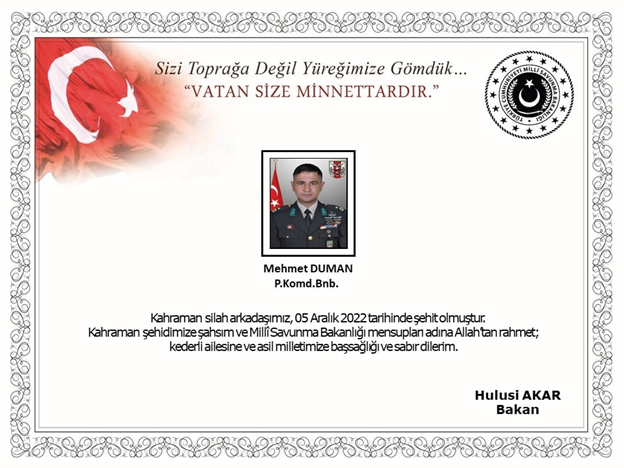
On December 5, the death of one of the Turkish army forces was announced. According to Turkish media, he was injured by an IED attack in northern Iraq and died after being transferred to a medical center due to the severity of his injuries. Following the death of this Turkish army commando, the number of casualties of the Turkish army in the “Claw Lock” operation increased to 70 people.
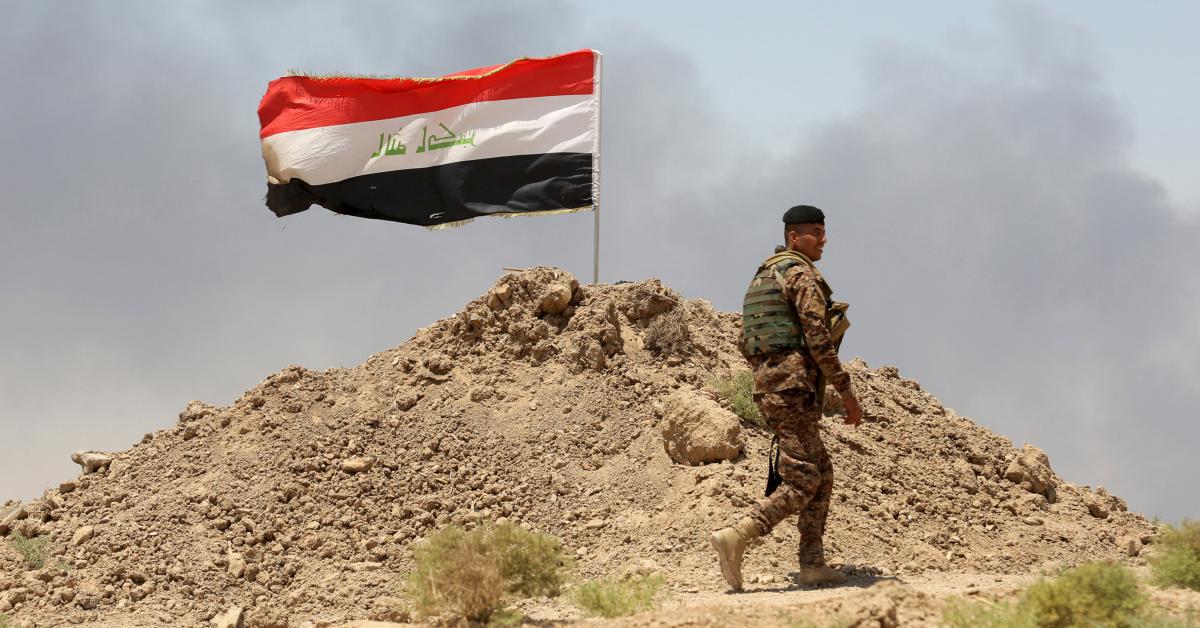
On December 4, Iraqi military spokesman Yahya Rasool announced that Mohammad Shia al-Sudani, the Prime Minister and Commander-in-Chief of the Iraqi Armed Forces, ordered border guards to take control of the borderline shared with Iran and Turkey.
Al-Sudani has also ordered to strengthen the Iraqi Border Guard Command with weapons, equipment and troops so that the border areas are under a suitable control.
He went on to say that Iraq does not allow its territory to be used to attack its neighboring countries, adding that Iraq has good relations with all neighboring countries and seek to develop the ties regarding the interests of Iraq and the neighboring countries.
According to Yahya Rasool, the purpose of this order is to end the conflict between the armed forces of Iran and Turkey with the terrorist groups.
It is worth mentioning that on November 23, the Iraqi National Security Council (INSC) during a meeting chaired by the Iraqi Prime Minister, Mohammad Shia Al-Sudani, examined the recent attacks carried out by Iran and Turkey on the northern regions of Iraq. The council made four new decisions for the deployment of Iraqi forces along the common borders of Iraqi Kurdistan Region with Iran and Turkey.
Following the order, two Iraqi military brigades were deployed along the common borders of Iraq with Iran and Turkey.
It is said that despite the presence of Peshmerga forces, the Iraqi border guards took control of the border areas. This measure was taken following several meetings and an agreement between the Baghdad authorities and Iraqi Kurdistan Region in recent days. According to this agreement, the Iraqi border guards will not enter the border crossings under the control of Kurdistan Region armed forces, known as the Peshmerga.
It is worth noting that deployment of Iraqi border guards along the common borders with Iran and Turkey was discussed in the recent meeting of Iraqi Prime Minister Mohammad Shia al-Sudani with senior Iranian officials.
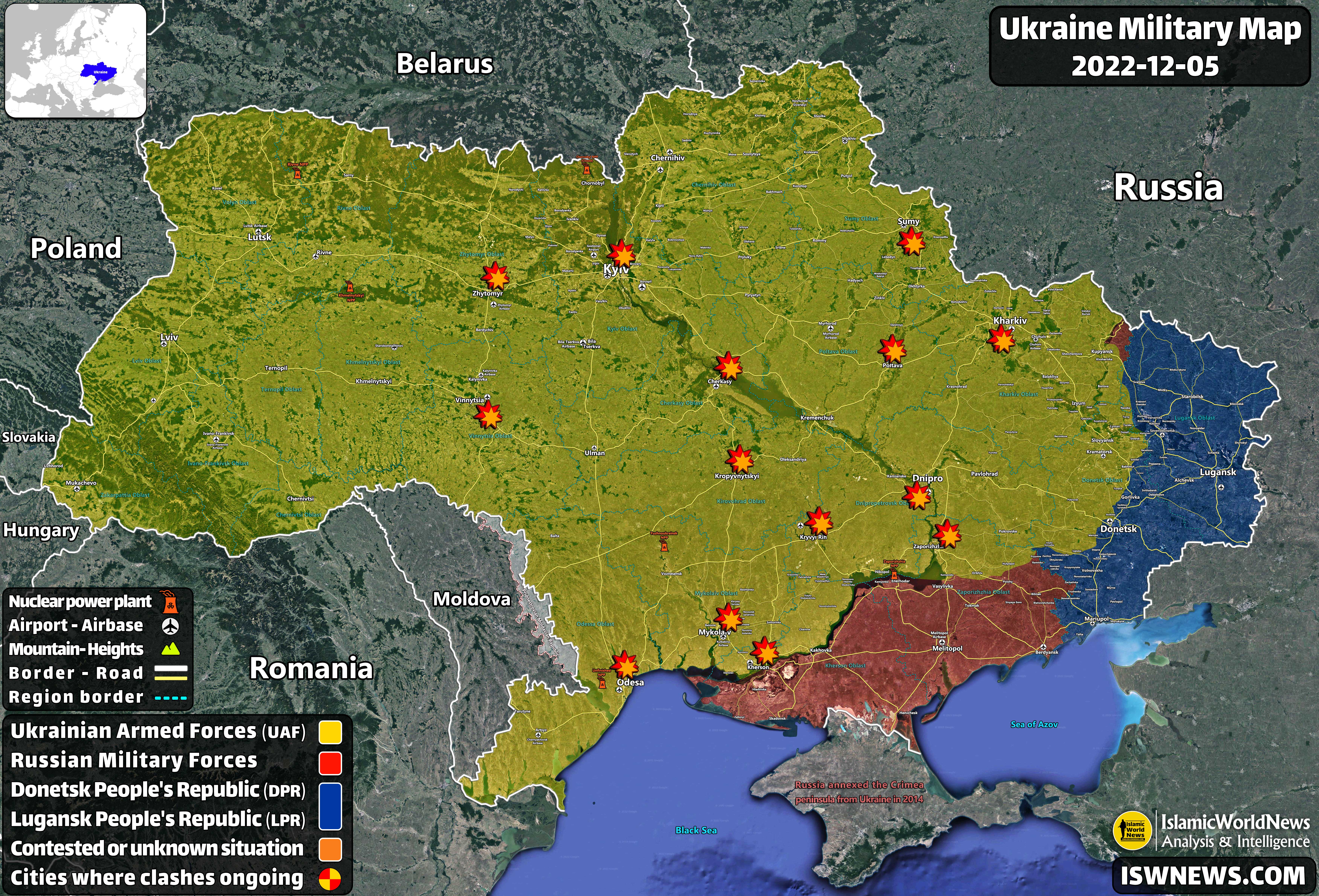
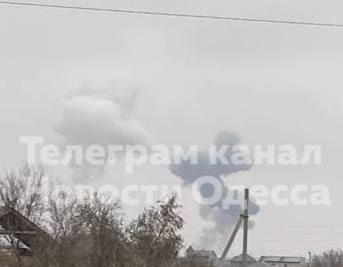
On December 5, the Russian army launched several Kh-101 and Kh-22 cruise missiles against Ukrainian cities by Tupolev Tu-22M Strategic Bombers and submarines located in the Black Sea. The missiles hit multiple energy facilities and positions in the cities of Kyiv, Dnipro, Zaporizhzhia, Cherkasy, Kremenchuk, Odesa and Kropyvnytskyi.
Following these attacks, the cities including Odessa, Sumy, Cherkasy, etc. have been cut off from electricity and water supply. Also, some Ukrainian sources in the cities of Zaporizhzhia and Cherkasy have reported hearing the sound of Shahed-136 suicide drones, but no picture or video has been published that proves the use of this drone by the Russians.
According to the report of the Russian Minister of Defense, the operation of the Russian army was carried out this afternoon (Dec 5) at 15:00 Moscow time, in response to the Ukrainian drone attack on Dyagilevo air base in Ryazan oblast and Engels base in Saratov oblast.
Ryazan and Saratov in Russia
In this operation, the Russian army has attacked 17 targets, including the command and control center,the facilities of Ukrainian defense complex, communication centers, power plants and military units of Ukraine by strategic bombers and submarines based in the Black Sea.
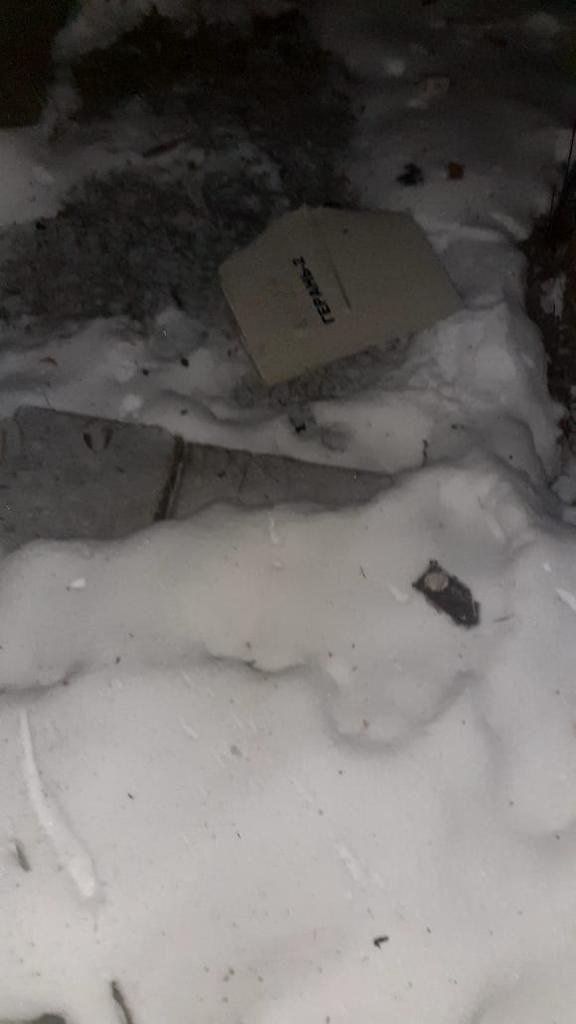
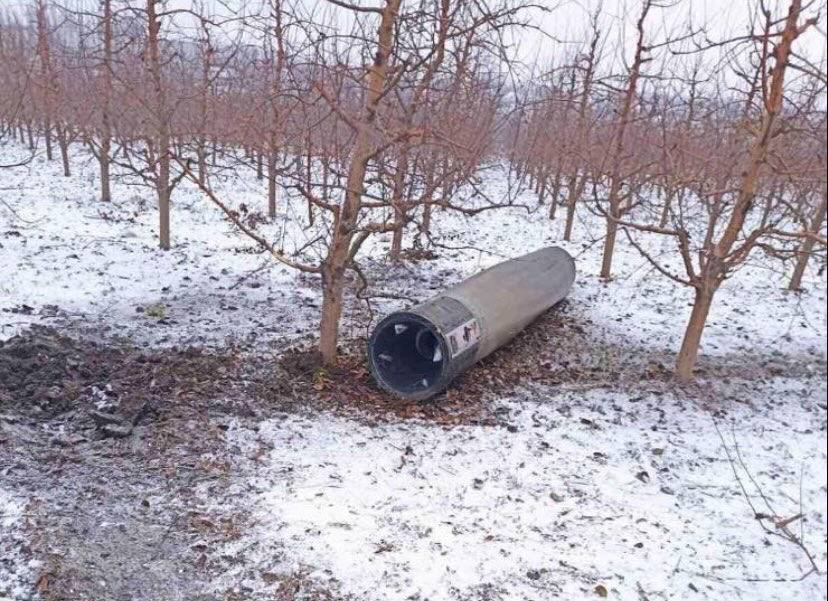
At the same time as the missile attacks of the Russian army on Ukrainian cities, the Moldovan media reported a missile falling in the border province of Briceni, located in the north of Moldova. The wreckage shown in the picture is a part of the S-300 missile system belonging to the Ukrainian army.
The wreckage of S-300 missile defense system falling in the territory of MoldovaImages of Russian missiles hitting the energy facilities of OdessaRussian missiles hit the energy facilities of OdessaRussian missiles hit the energy facilities of Odessa