On December 4 the Turkish Bashiqa military base in the Zelkan region, located in north of Mosul was targeted with eight rockets. No group took responsibility for the attack so far.
On December 3 also the Bashiqa military base was targeted by a rocket attack by the Islamic resistance of the “Ahrar al-Iraq” brigade.
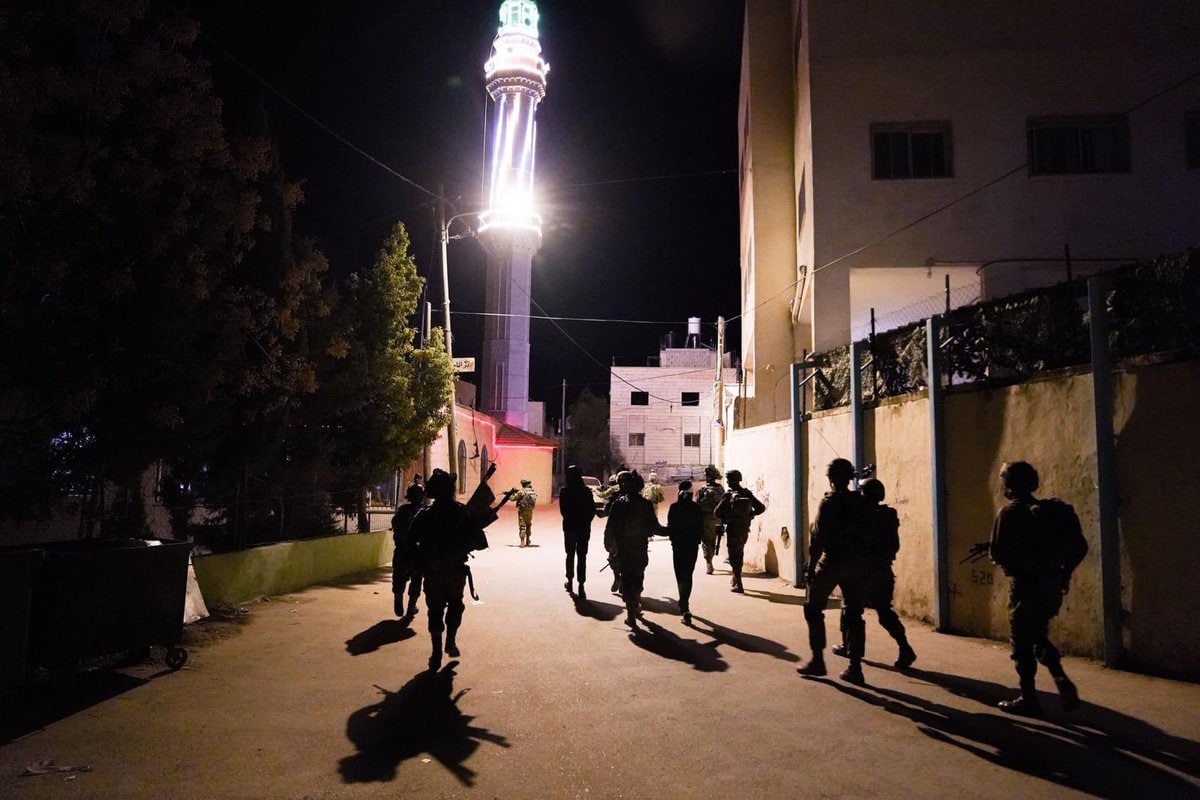
On December 5th, following the attack of the Israeli soldiers on Al-Hadaf neighborhood in Jenin, a violent armed conflict took place between them and the Palestinian resistance forces.
A video of the conflict between the Palestinian resistance forces and the Israeli soldiers in Jenin (1)A video of the conflict between the Palestinian resistance forces and the Israeli soldiers in Jenin (2)
At the same time as this conflict, the soldiers of the Zionist regime captured Yahya Al-Saadi, the son of Sheikh Bassam Al-Saadi, one of the leaders of the Palestinian Islamic Jihad movement in the Jenin camp. Following this event, they completely retreated from the Jenin camp.
In addition to Jenin, Israeli soldiers also attacked Dahishah camp located in the West Bank, during which a Palestinian youth named “Omar Mana” was martyred and six people were injured.
Picture of Martyr Omar Mana
It is worth mentioning that in addition to the mentioned operations, during a series of security operations in the last 24 hours, Israeli regime forces arrested at least 14 Palestinians on charges of attempting anti-Israeli operations in the West Bank.
On December 4, some residents of Suwayda city protested against livelihood problems, frequent power outages, water supply problems and lack of fuel and blocked several streets of this city by burning tires. Following the protests, the rioters stormed the governor’s building and took control of it and started violent behavior. However after the arrival of the security forces, the protesters were forced to withdraw from the Suwayda governorate building, but the armed conflict between the protesters and the security forces continued in the streets of Suwayda, including around the police headquarters in the center of the city. The clashes ended after several hours with the large presence of Syrian security forces in the streets of Suwayda.
A video of the protesters storming a governor’s office in the southern Syrian city of Suwayda
According to the announcement of the interior ministry of Syria, one of the Syrian security forces and a protester have been killed during the clashes in the southern Syrian city of Suwayda.
It is worth mentioning that some time before and after the beginning of the demonstrations in Shahba and Majdal towns in the north of Suwayda, the Israeli elements took over the management of the gatherings, but the observations carried out by Hezbollah security forces led into arresting a number of groups related to Israel.
This event indicates that the unrest in southern Syria is one of the favorite subjects of the Israeli intelligence agencies. The recent protest gatherings were organized under the pretext of the difficult living conditions in Suwayda province and it is controlled by the Mossad.
It’s likely that lack of proper management of the riots by the Syrian authorities, the influence of intelligence services, directing the protests and abusing the people’s demands can cause a widespread insecurity and conflicts in the south of Syria again.
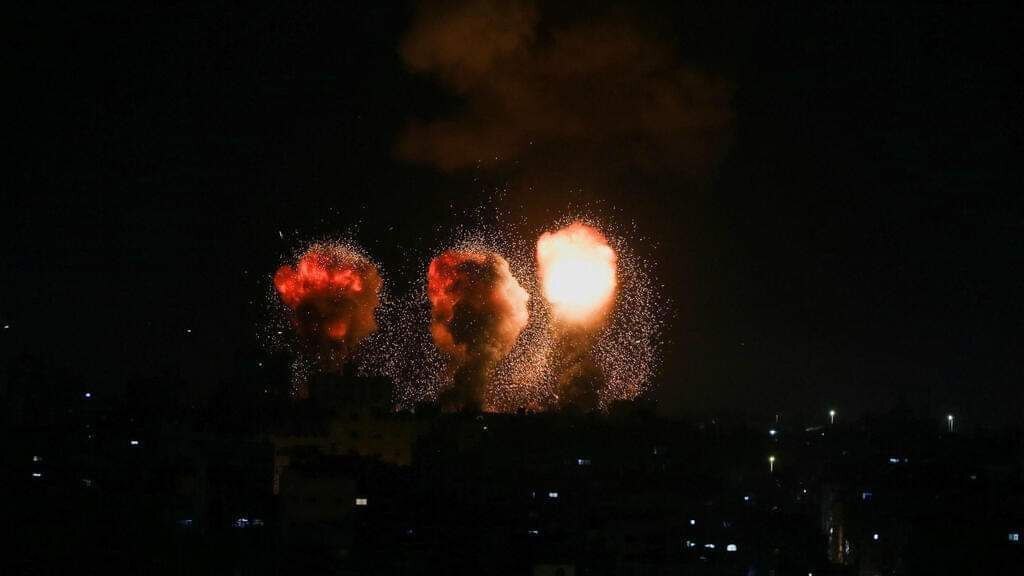
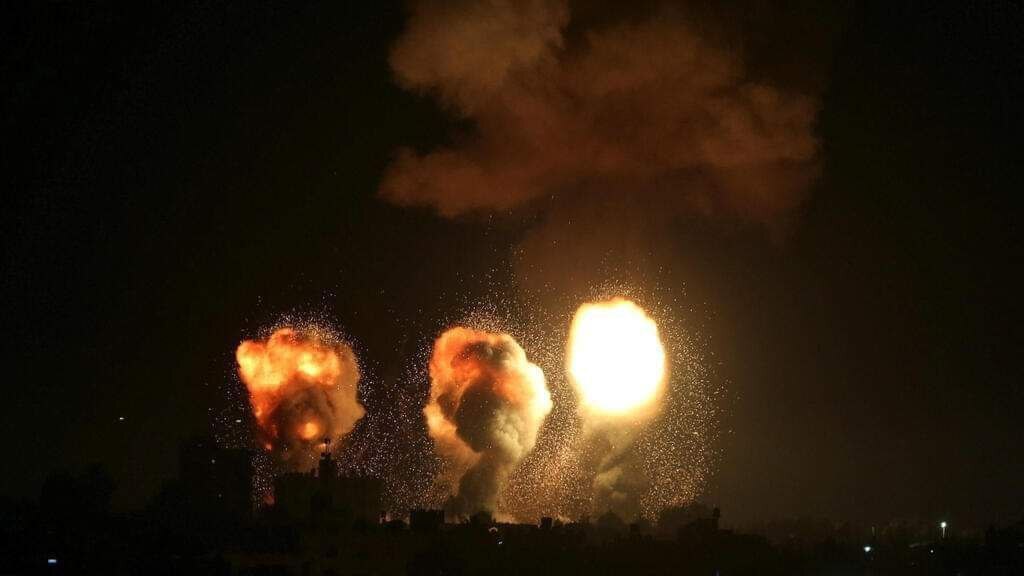
After last night’s rocket attack by the Palestinian resistance on the Zionist settlement in Nahal Oz, the Israeli army decided to retaliate and targeted several positions in the Gaza Strip.
The fighter jets of the Israeli regime struck the Qadisiyah base belonging to al-Qassam Brigades, the military branch of the Hamas movement in west of Khan Yunis, an agricultural land in east of the Rafah crossing and an observation tower belonging to the Palestinian resistance in east of Khan Yunis with several missile. The initial reports indicates that there were no casualties in these attacks.
After these attacks, al-Qassam Brigades issued a statement and announced:
“The resistance air defense has confronted Israeli fighter jets during the early morning attacks on the Gaza Strip and opened fire on them.”
According to the published videos, it seems that the Palestinian resistance forces have used SAM-7 to repulse the Israeli fighter jets on the Gaza Strip. This is the fourth time that the Palestinian resistance has used this weapon to target Israeli aircraft. Previously, on January 2, April 19 and April 21, the Palestinian resistance used SAM-7 to confront the Zionist regime’s helicopters and fighter jets in the sky of the Gaza Strip.
Palestinian resistance groups firing surface-to-air missiles at Israeli fighter jets in the sky of Gaza
According to the Israel TV channel 12, the Israeli army bombed another Hamas base in response to the direct firing of SAM-7 at Israeli fighter jets in the Gaza Strip. According to the statement, a Hamas rocket production center, a tunnel and a military base belonging to the Palestinian resistance were targeted.
It is worth mentioning that some Hebrew media have identified Saraya Al-Quds, the military wing of the Islamic Jihad movement, as responsible for firing rockets from the Gaza Strip towards the occupied territories. They believe that Saraya al-Quds has done this action in response to the martyrdom of two resistance commanders in Jenin by the Israeli military.
Images of Israel airstrikes on targets in the Gaza StripThe video published by the Israeli army regarding the air strike this morning in the south of the Gaza Strip
On December 3, the Turkish Bashiqa military base in the Zelkan region, located in north of Mosul was targeted with four rockets. Ahrar al-Iraq group took responsibility for the attack.
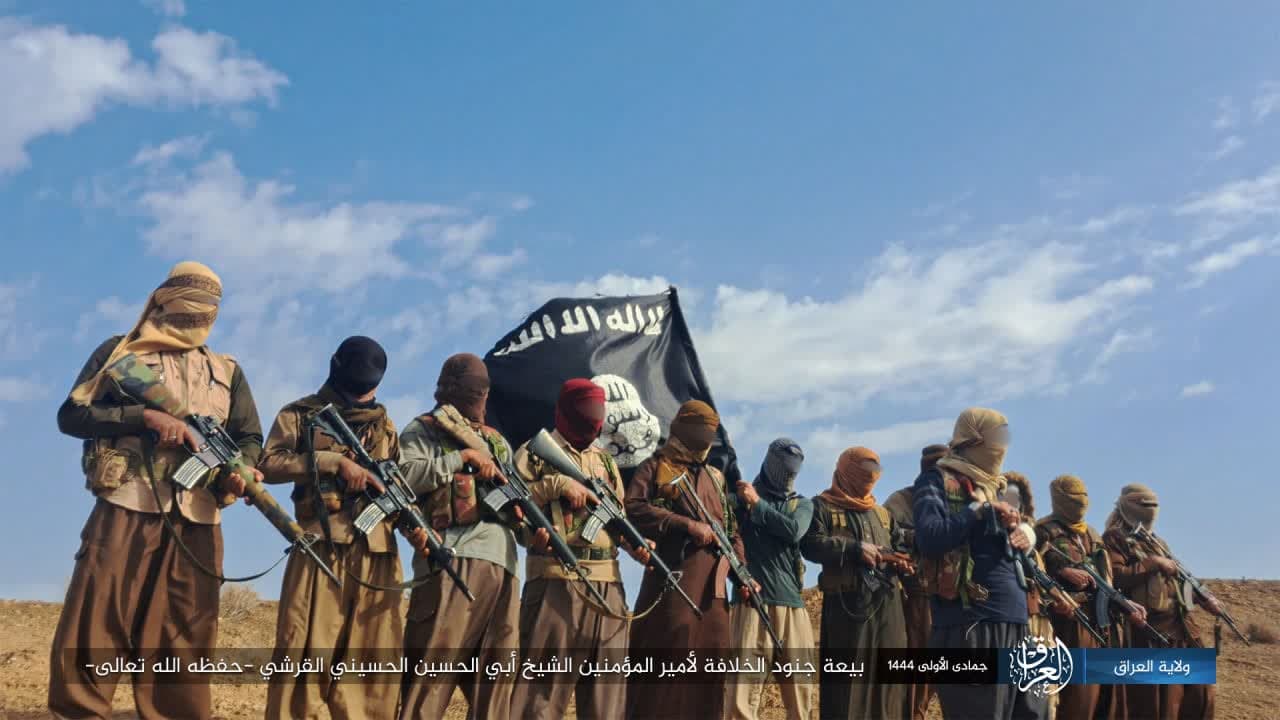
The audio message did not make it clear who killed the group commander or where, but according to a Syrian military source, Abul Hasan al-Hashemi who goes by the aliases “Abdul Rahman al-Iraqi” and “Sif Baghdad” was killed in the north of Jassim, located in Daraa province after the conflict with the Syrian security forces and local armed groups.
It is said that Abul Hasan al-Hashemi blew himself up with a suicide belt after the Syrian security forces encircled him.
After the release of the audio message, CENTCOM spokesman Colonel Joe Buccino announced in a statement that the leader of ISIS was killed in an operation conducted by The Free Syrian Army in Daraa province located in southern Syria. No further details have been mentioned in this statement.
It is worth mentioning that considering the previous measures of ISIS and operations such as “Al-Tha’ar al-Sheikheen” which was carried out in revenge for the killing of its former leaders (Abu Bakr al-Baghdadi and Abu Hamza Al-Qurashi), it is likely that this terrorist group will take a series of retaliatory measures in the areas under its control, especially in Syria and Iraq.
A video that is said to be related to the clashes between the Syrian security forces and Abul Hasan al-Hashemi al-Qurashi, the former leader of ISIS, in the city of Jassim, located in Daraa province
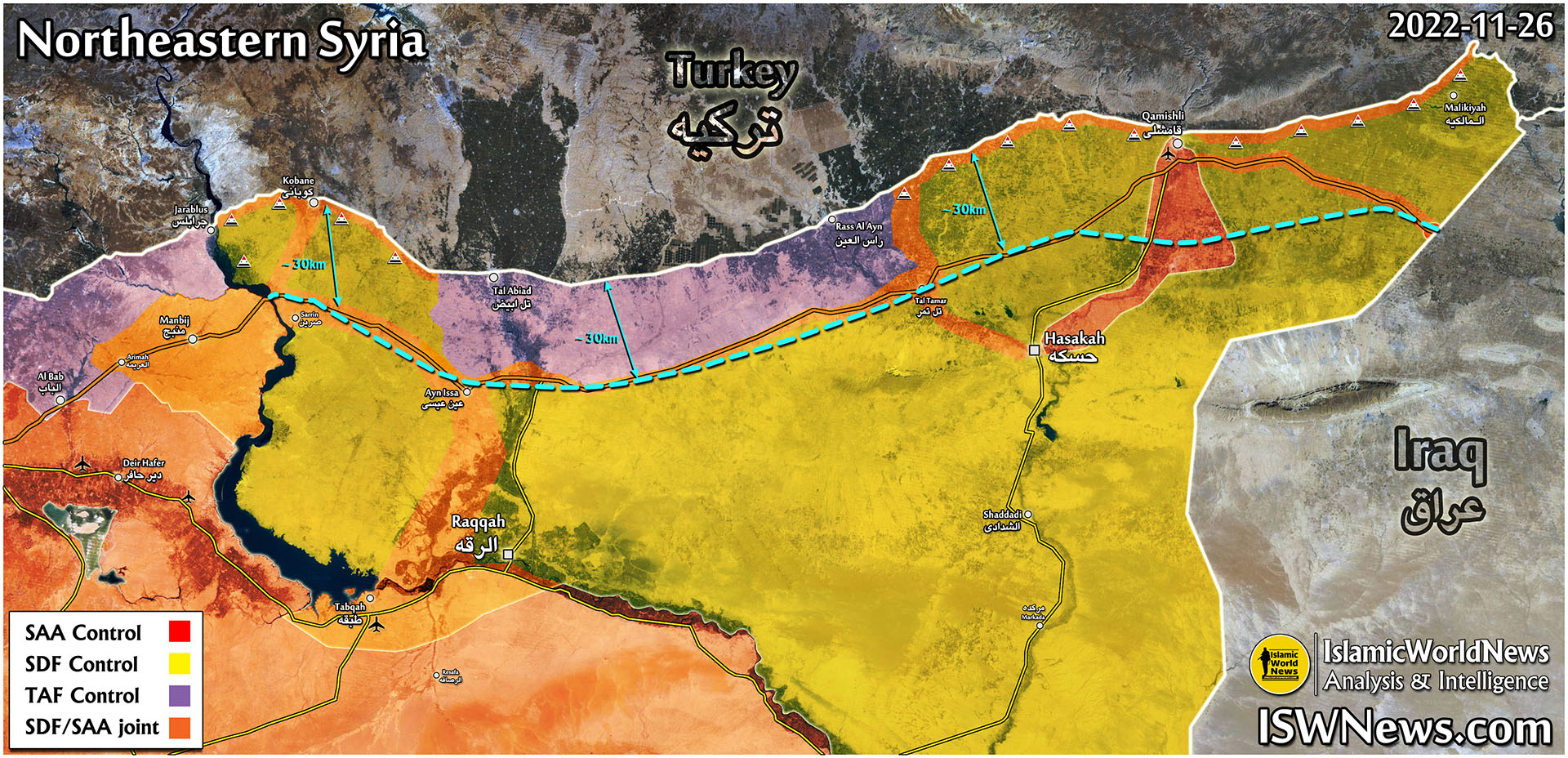
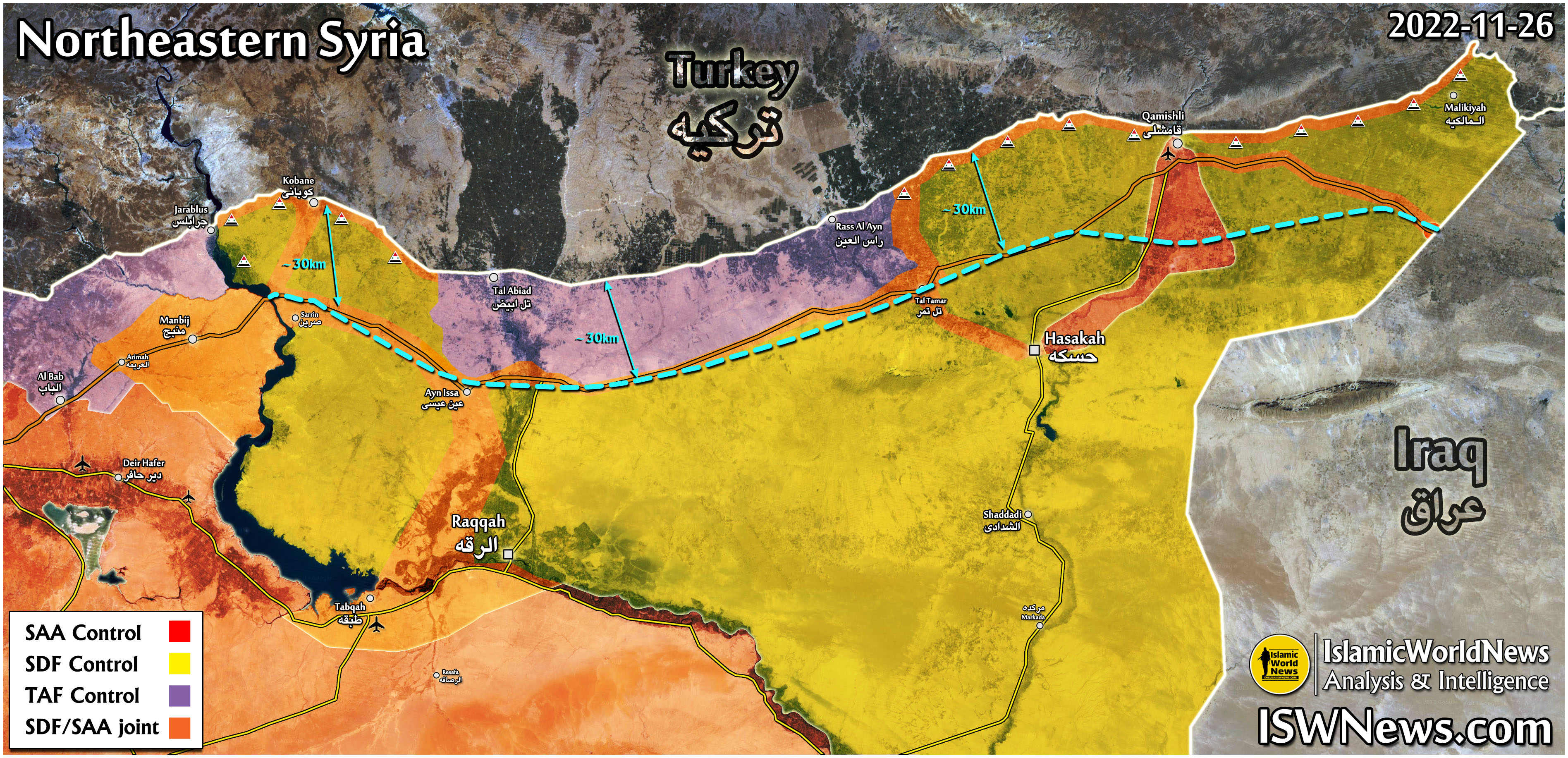
On November 25, General Aleksandr Chaiko, the commander of Russian forces in Syria met with a number of commanders of the Syrian Democratic Forces (SDF) at Qamishli Airport and warned them about the seriousness of Turkey’s threats to start ground military operations in northern Syria.
Chaiko told the Kurdish militias:
“The only way to protect the region from a new Turkish attack is to completely withdraw from the Syrian-Turkish border strip to the south of the international road (M4), create a 30-kilometer buffer zone and hand over this areas to the Syrian army.”
However, the Kurdish militias rejected the proposal made by Russia and declared their readiness to face any new attack by Turkey in northern Syria.
In this meeting, which lasted more than three hours, Syrian military commanders were also present. The details of this meeting have not been published.
It is worth mentioning that considering the rejection of the Russian proposal by the SDF and the recent threats of the Turkish president to start a ground operation against the Kurdish militias, as well as the increase of Turkish artillery and drone attacks on the northern regions of Syria, It is expected that the new ground operations of the Turkish army will begin as soon as possible after the green light of the international and regional parties in the northern regions of Syria.
On November 25, the US military base in the Shaddadi town in Hasakah province was attacked with two rockets. No group has claimed responsibility for this attack, but the Resistance groups are the main suspects.
Also on November 18, forces affiliated with Resistance groups targeted the US military positions at the al-Omar oil field in Deir Ezzor province with several rockets.
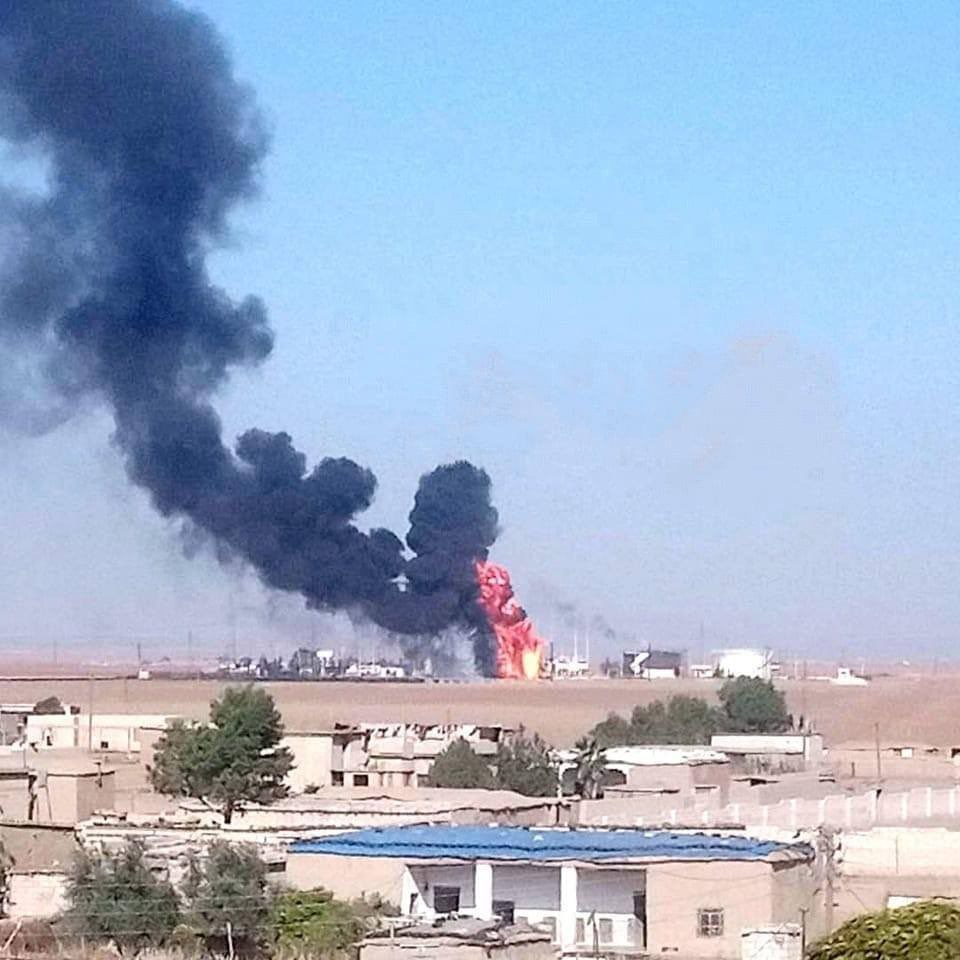
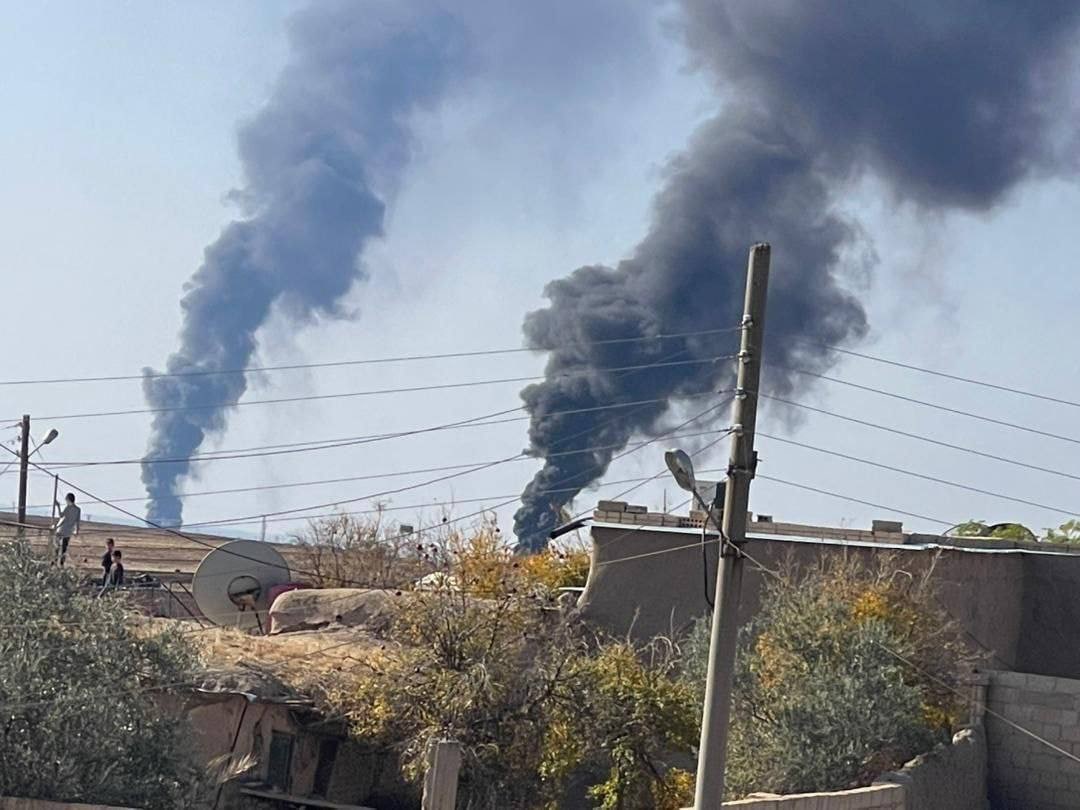
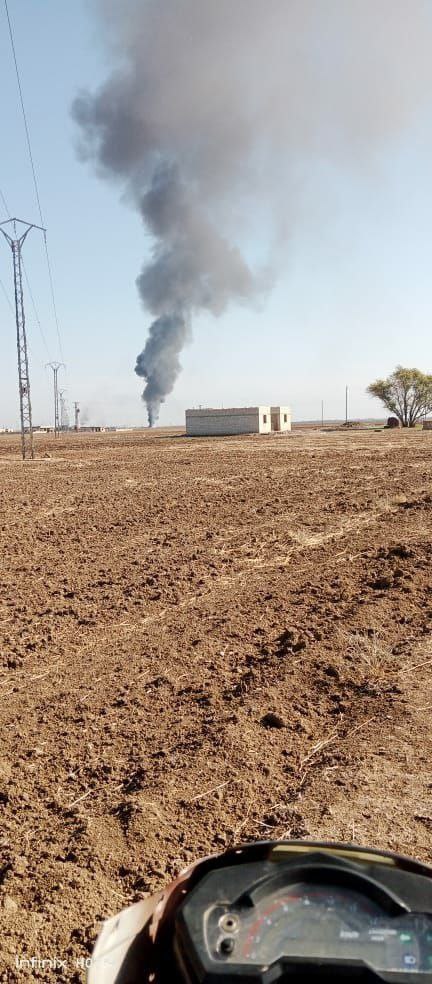
Following the Turkish army air strikes on the northern regions of Syria with the pretext of Operation Claw-Sword, Turkish drones targeted two oil fields near the village of Mulla Abbas and the northern outskirts of Qahtaniyah in east of Qamishli in Hasakah province. These attacks caused fires in the oil fields. Also, a checkpoint belonging to the Syrian Democratic Forces (SDF) near Hemo village in west of Qamishli city was targeted by Turkish drones.
Images of the attacks on two oil fields near Mulla Abbas village and the northern outskirts of Qahtaniyah in east of Qamishli.
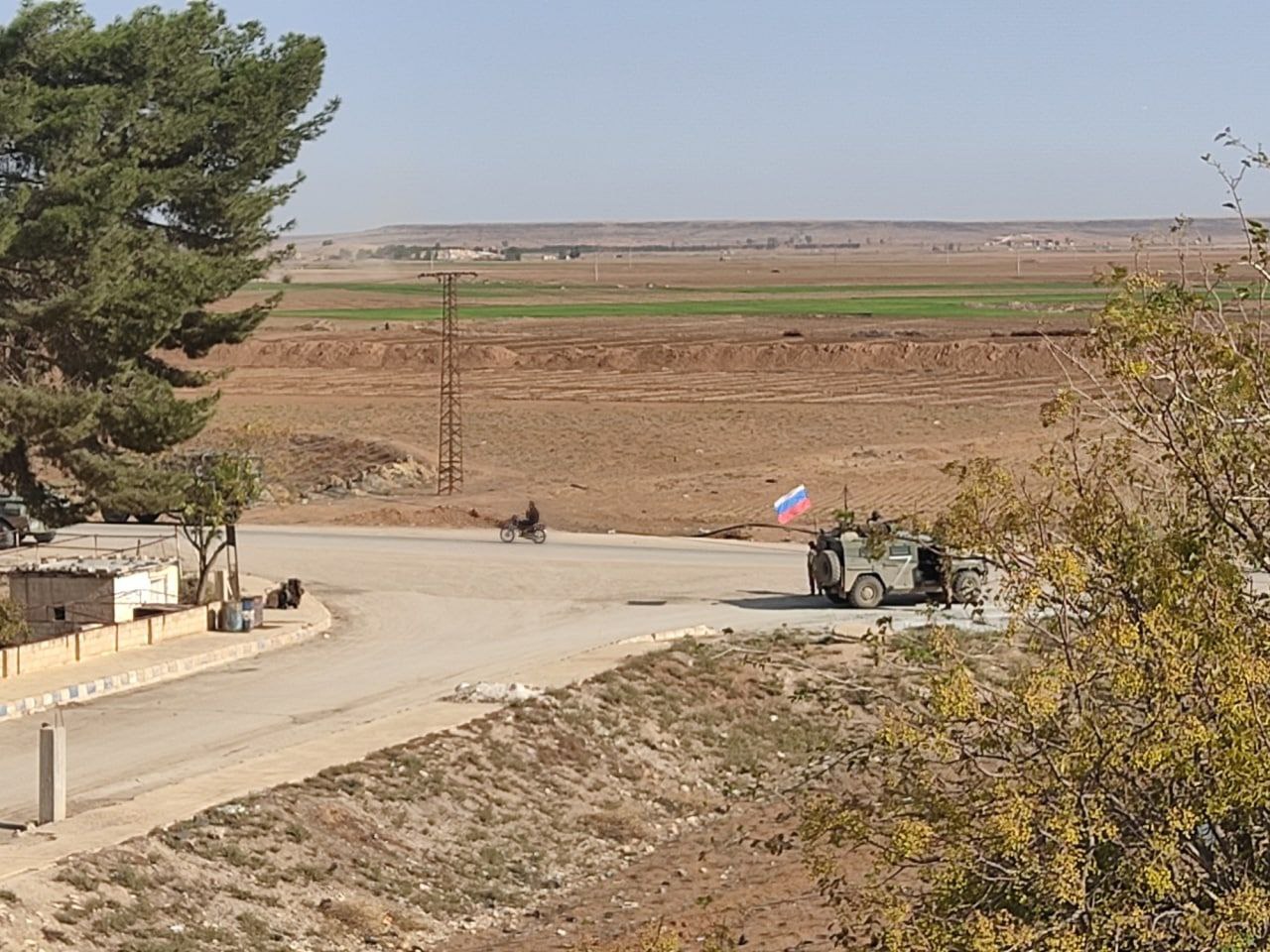
After the first round of attacks, the Turkish drones targeted the joint base of the Russian military and the SDF in the outskirts of the town of Tal Tamar, during which one SDF member was killed and two others were injured. After this attack, the Russian military began the process of evacuating their headquarters from the Tal Al-Hamra region.
The withdrawal of Russian soldiers from their headquarters in Tal Al Hamra area
In addition to the drone attacks on Tal Tamar, the Turkish army and its militants targeted the two villages of Umm al-Khair and Tal Tawil in the outskirts of Tal Tamar with artillery attacks.
On the other hand, at the same time as the Turkish armed forces attacks on northern Syria, the President of Turkey, Recep Tayyip Erdoğan, said to the parliamentarians of the Justice and Development Party:
“We will find and punish all those who were involved in the explosion of Istiklal Street in Istanbul. Turkey will not remain silent in the face of these attacks. Recent events have shown that the parties who guaranteed that Turkey would not be attacked from Kurdish-controlled areas didn’t kept their promises.”
He said about Turkey’s military operations in northern Syria:
“Air operations in northern Syria have just begun. We will also begin ground operations at the most appropriate time. We will begin clearing northern Syria of Kurdish militias from the cities of Tal Rafaat, Manbij and Ain al-Arab, and the steps we take will guarantee the territorial integrity and security of Syria and Iraq.”
It is worth noting that the increase of these attacks simultaneously with the threats of the Turkish president to start ground operations in the northern regions of Syria is considered a serious warning for the Kurdish militias and the Syrian government. Therefore, it is likely that the senior commanders of the Syrian Democratic Forces (SDF) will negotiate with Iran, America, Russia, and even the Syrian government to get help and get rid of this crisis, just like what we have seen in the past years.
On November 22, the public relations department of the Islamic Revolutionary Guard Corps announced:
“The brave guardian of Islam, General Dawood Jafari, one of the advisors of the Islamic Revolutionary Guard Corps Aerospace Force in Syria, was martyred by the accomplices of the Zionist regime due to the explosion of a roadside bomb near Damascus.”
Up to this moment, more details about the exact manner and place of his martyrdom have not been published, but it is possible that Martyr Jafari was identified by Zionist elements and killed in a targeted assassination, and the announcement by the IRGC that the Israeli regime was involved in the incident strengthens this possibility.
As a result of the Russian army’s large-scale missile attack on Ukrainian cities, Ukrainian energy facilities were attacked and the electricity of 15 cities including Kyiv, Kharkiv, Odessa, Leviv, Rivne, Lutsk, Sumy, Mirgorod, Khmelnitsky, Zhytomyr, Kriviy Rih, Dnipropetrovsk, Poltava, Mykolaiv and Kherson were cut off.
According to Ukrainian media, the attacks were carried out by Tupolev Tu-95MS strategic bombers and dozens of Kha-101 and Kha-55 cruise missiles from the skies near the Kharkiv oblast. Ukrainian air defense has also claimed to destroy 51 Kha-101 and Kha-55 cruise missiles.
According to Oleksiy Kuleba, head of Kyiv Regional Military Administration and other Ukrainian government officials, one person was killed and more than 20 people were injured after one of the Russian missiles hit a residential area in Kyiv.
According to the past procedure, most of the pictures and videos related to the place where the missiles were hit have been censored, and until this moment no statistics have been published on the exact amount of damage and casualties of this attack. But the power cut in several cities and also the stoppage of the export of Ukrainian electricity to Moldova show the heavy blows of Russia to the energy facilities of Ukraine.
The images are related to Russian missiles hitting the Kremenchug hydropower dam and an unspecified point in the cities of Dnipropetrovsk and Kyiv.
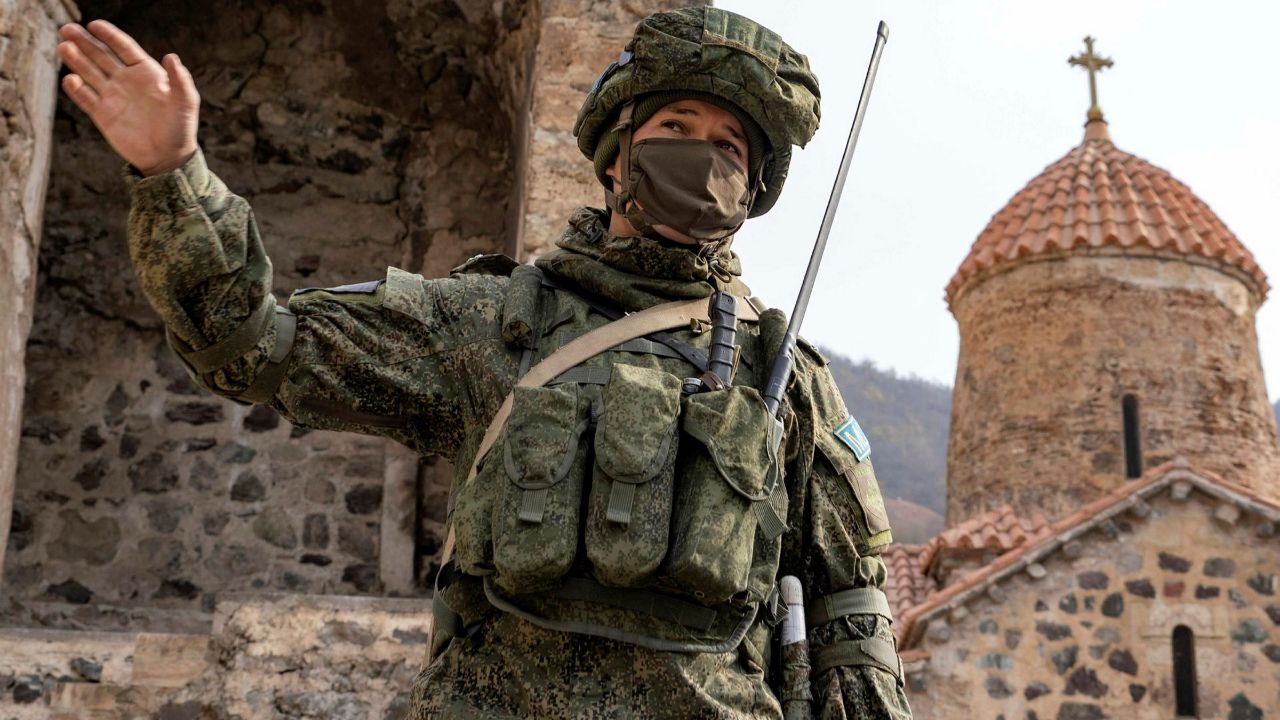
The Ministry of Defense of the Russian Federation, based on the reports sent by peacekeepers based in Nagorno-Karabakh, announced that the forces of the Republic of Azerbaijan violated the ceasefire by shooting at a tractor belonging to Armenian farmers at the beginning of this week.
However, the Ministry of Defense of Azerbaijan has a different story and says that the Armenian forces fired at them with light weapons in this area and from near the base of the Russian forces.
The government TV channel “Baku TV” responded to the statement of the Ministry of Defense of Russia and for the first time called the peacekeepers of this country as occupiers.
Baku TV added in its report:
“Russian peacemakers are starting to build Armenian churches and create centers, schools and Russian symbols. They are indifferent to the destructive activities of armed Armenians of Nagorno-Karabakh, and like the case of Donetsk and Luhansk regions in eastern Ukraine, they strengthen the separatists to implement a new form of fragmentation policy.”