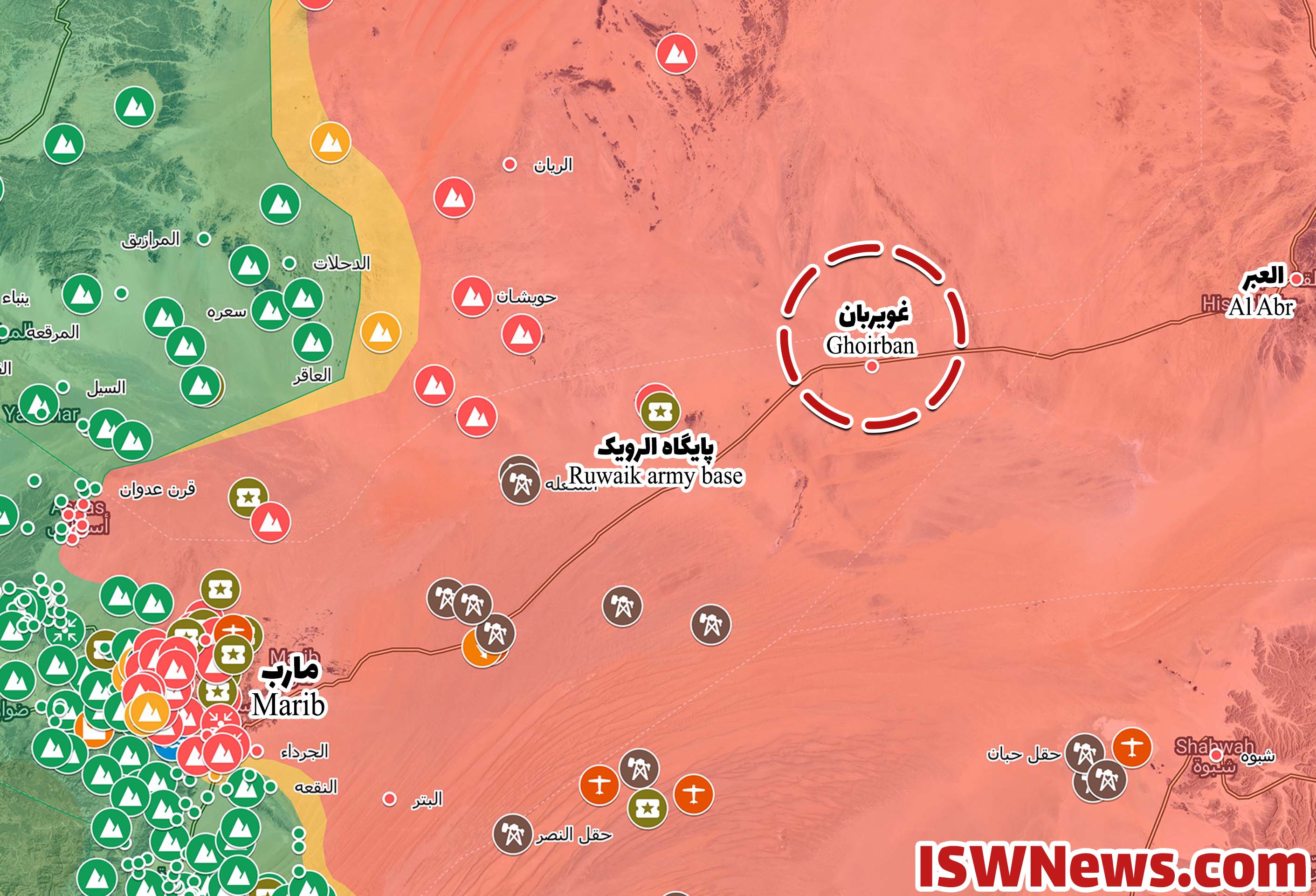
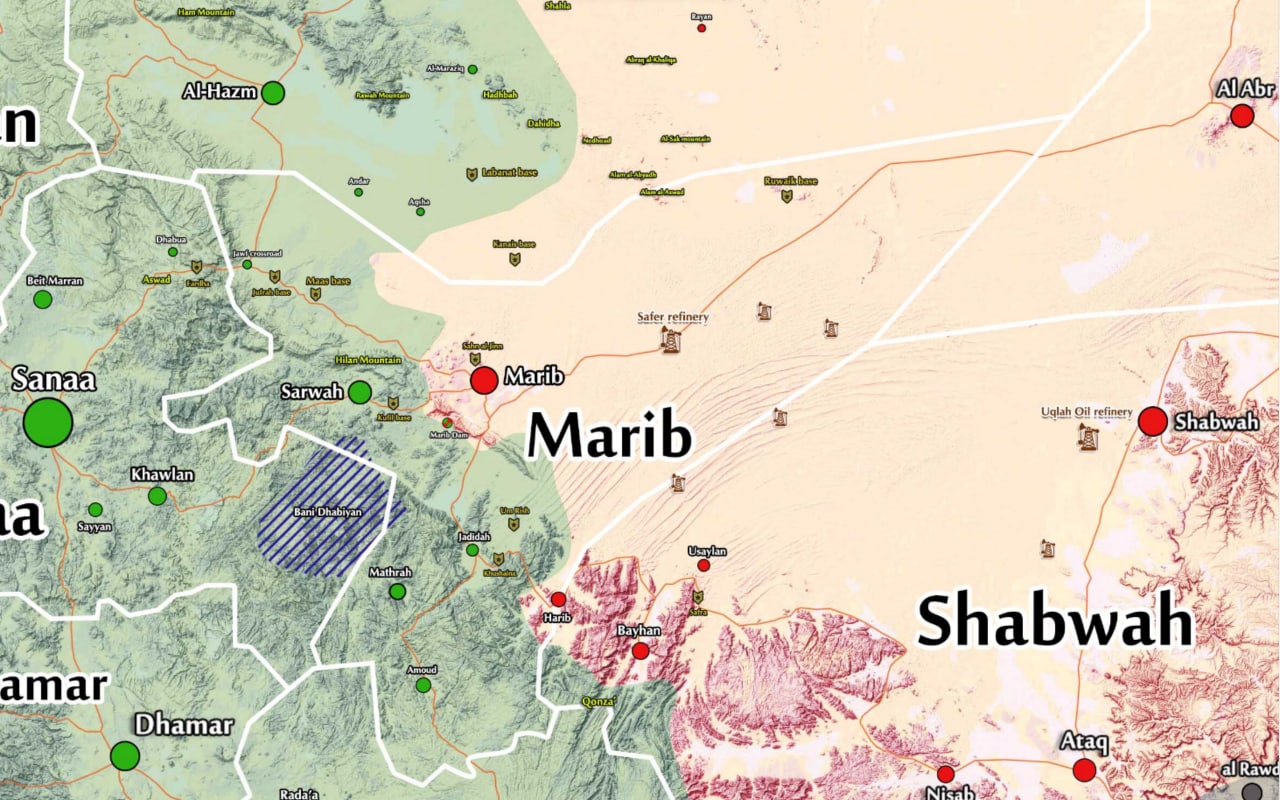
Following the attack by Al-Hariqdan tribesmen on the oil tankers of the resigned government of Hadi and their control over the Ghoirban fuel station and complex near Al-Ruwaik area, a heavy conflict erupted between Al-Damashiqa and Al-Hariqdan tribesmen and forces loyal to the resigned government of Mansour Hadi in the area.
According to local sources, at least 22 militia members from both sides were killed and a number of others were injured in these clashes. Also, two armored vehicles and two oil tankers were set on fire by the armed tribes.
Al-Damashiqa and Al-Hariqdan tribes had demanded to increase their share of Marib oil in recent talks with Hadi government officials, but their request was met with indifference and opposition.
The tension between the two sides continues and the Marib tribes and Islah Party militants are gathering forces and military equipment for possible clashes with forces loyal to the resigned government of Hadi in the coming days.
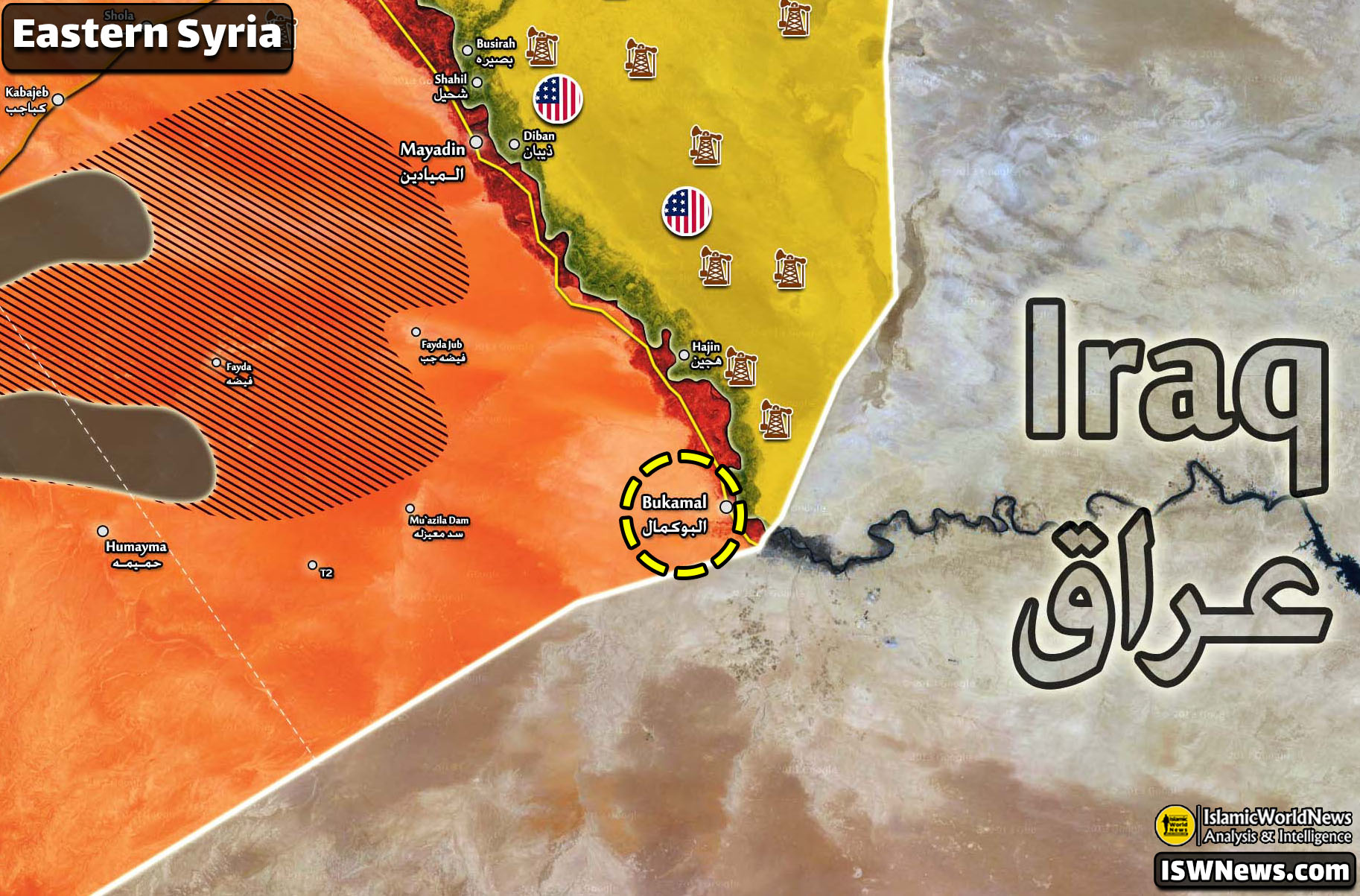
On December 16, the ISWNEWS field source reported the attack of unknown aircraft (probably belonging to the US coalition) on a truck near the border town of Al-Bukmal located in Deir Ezzor province of Syria. As a result of this attack, the truck was completely destroyed.
Although more details of this attack have not been published yet, some sources claimed that this attack was carried out by Israeli aircraft and as a result, a trailer vehicle belonging to Iran was destroyed. So far, the Syrian authorities have not commented on this incident.
It is worth mentioning that on November 8, a convoy carrying fuel belonging to the Islamic Republic of Iran, was attacked by unknown aircraft after crossing the border crossing of al-Qaim and entering Syria. And later, nn December 14, Chief of Staff of the Israeli regime defense forces, Lieutenant General Aviv Kochavi claimed responsibility for the November 8 strikes that hit a convoy of 25 trucks at the Syrian part of al-Qaim border crossing.
On December 16, another massive attack hit the energy infrastructure of Ukraine.
After the missile attacks, electricity and railways transportation were stopped in different cities of Ukraine. Now, in addition to the energy cut off, several Ukrainian regions are experiencing serious interruptions with cellular communications, Internet and water supply.
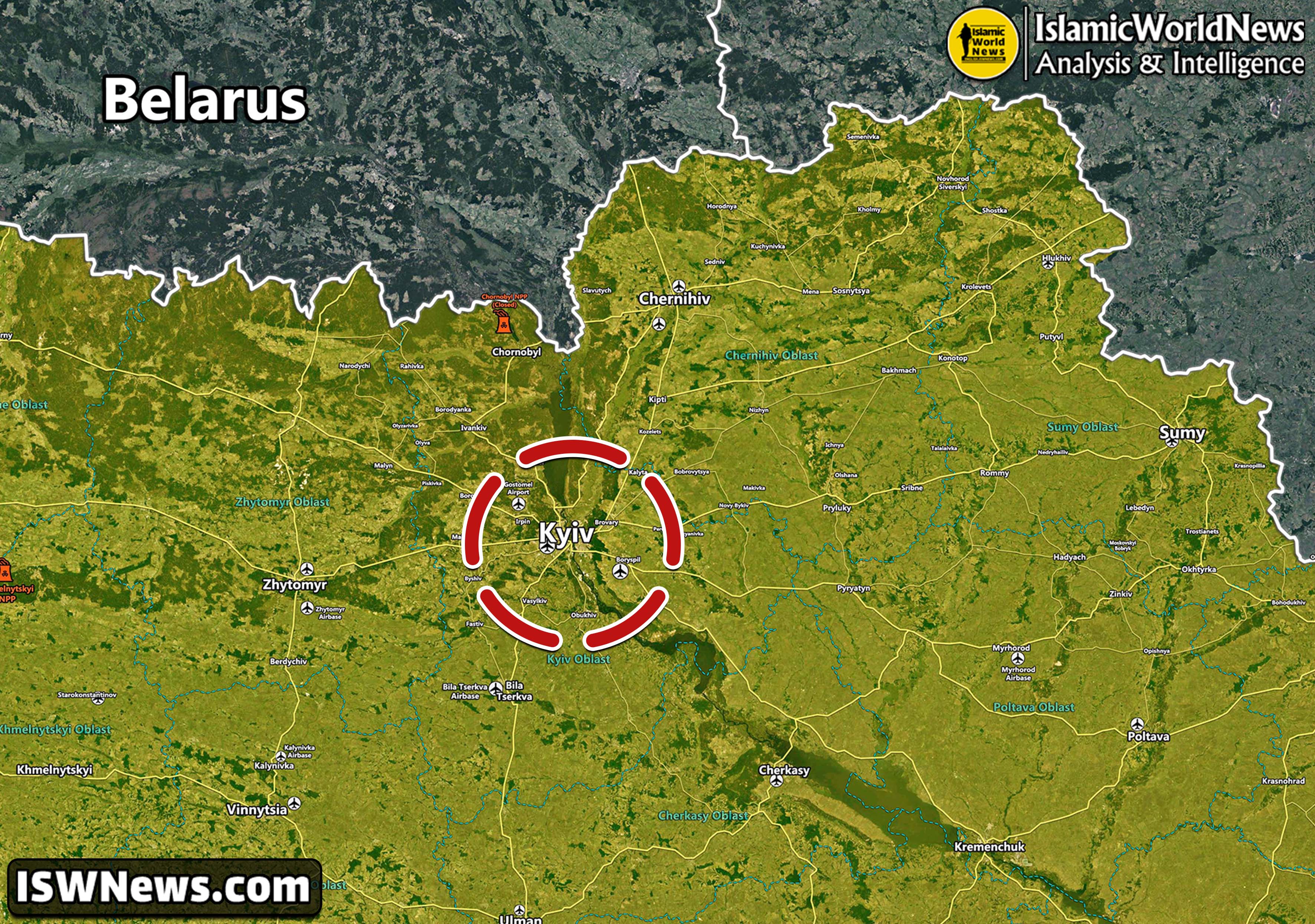
During the attacks, at least seven explosions were reported in Kyiv, the Ukrainian capital.
The governor of the Kharkiv region stated that three missiles targeted the energy infrastructure facilities in the region.
The command of the Ukrainian Air Force also claimed that 60 of the 76 missiles fired by the Russians were shot down by the Ukrainian air defense.
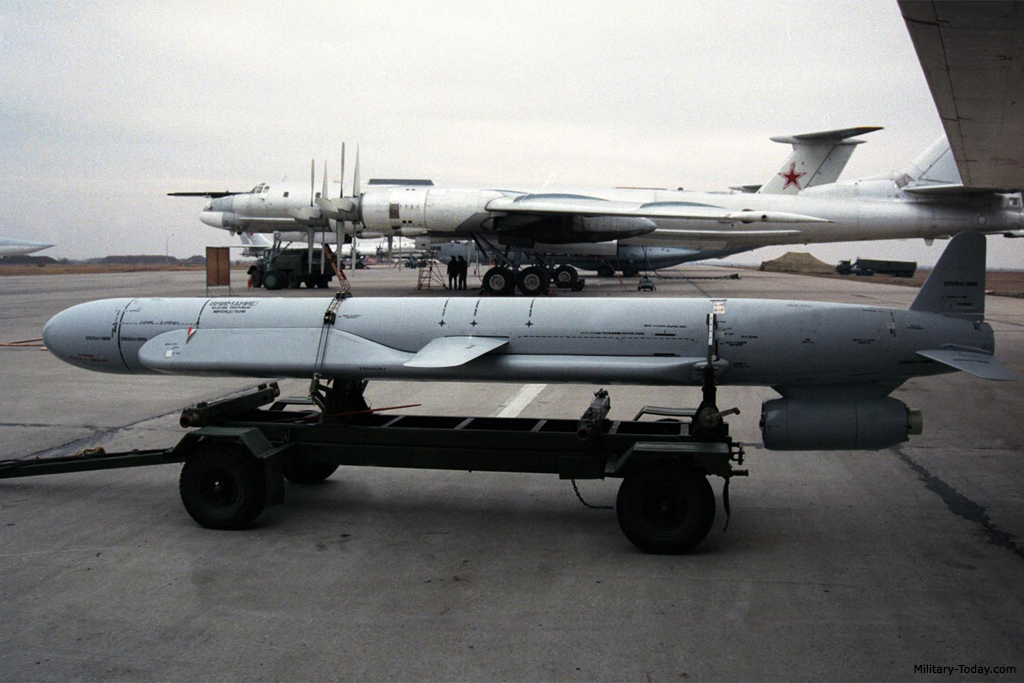
The Russian military from a few months ago, in a smart move, stopped the implementation of scattered missile attacks with cruise missiles and has directed their use to important operations with strategic objectives, including the disabling of Ukrainian energy facilities. This method has been seen before in the course of the Yemen war and IRGC attacks against American and Israeli positions; with the difference that Ansar Allah targeted oil facilities and airports in Saudi Arabia in their attacks, and the IRGC targeted American and Israeli military and intelligence bases; And now in Ukraine; Russia is targeting Ukraine’s energy infrastructure.
Russian cruise missile flying in the sky of KyivRussian cruise missile flying in the sky of DniproThe people of Kyiv took shelter in the subwayRussian missiles hit Zaporizhzhiapower plant facilitiesPillars of smokes caused by Russian missiles hitting Ukraine from the perspective of an airplane in the sky of Moldova
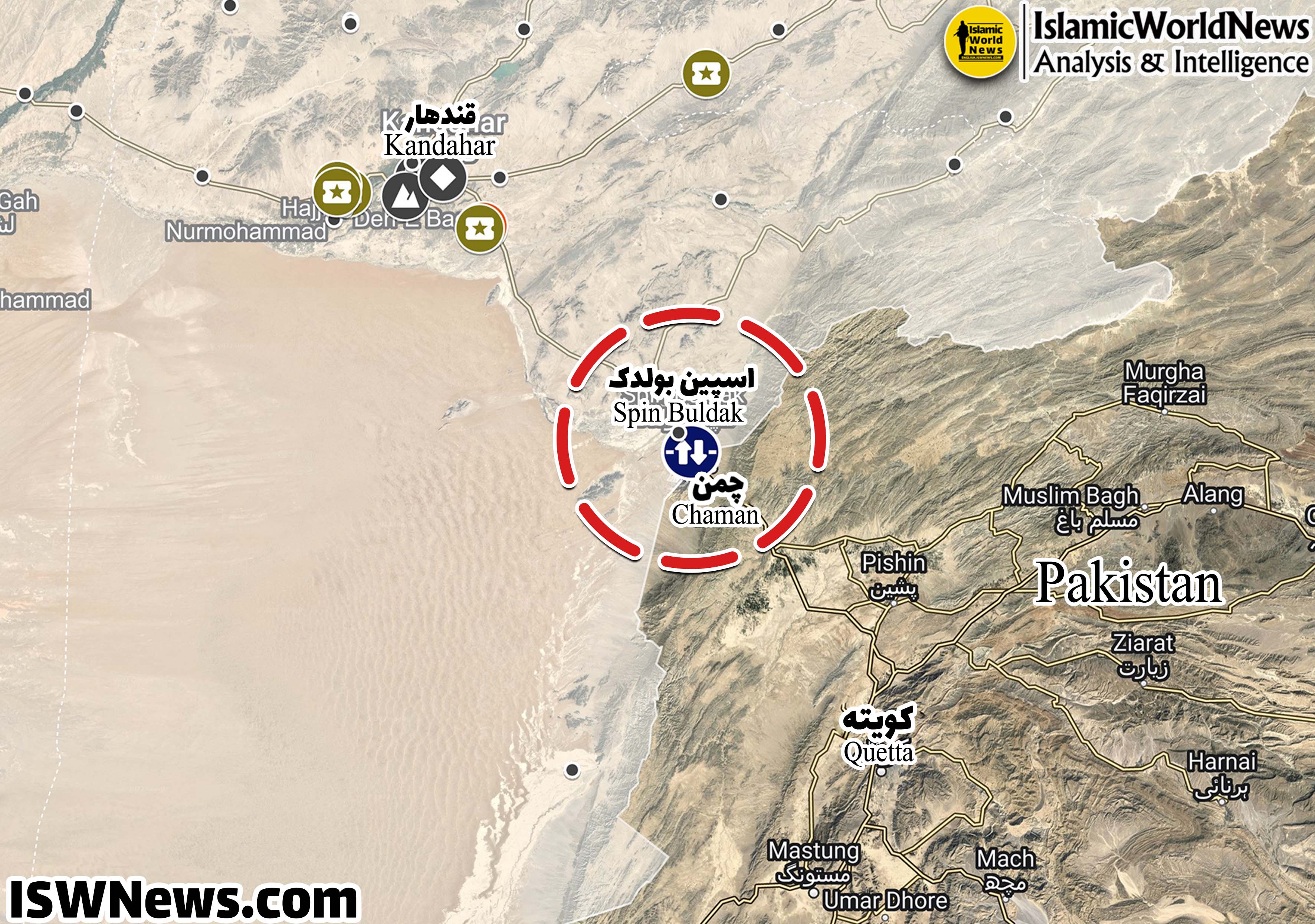
One Pakistani civilian was killed and 15 others were injured during the conflict between Taliban militants and Pakistani border guards on the border of Shir Ab village located in Spin Buldak district in Kandahar province on December 15. The Afghan side also mentioned eight Afghan civilian wounded, including three children.
The conflict started after the border guards of Pakistan prevented the establishment of a security point by Taliban militants in Shir Ab village on the border line with Chaman area.
In response to this conflict, the Ministry of Foreign Affairs of Pakistan announced in a statement that until the Taliban give a firm guarantee to Islamabad that there will be no further border clashes, Pakistan’s ambassador, Obaidur Rehman Nizami, will not return to Kabul.
This is the sixth border clash between Taliban militants and Pakistan’s border guards at the Spin Buldak-Chaman border crossing. The two sides had previously clashed with each other over border issues on December 11, during which 47 soldiers and civilians from both sides were killed and injured.
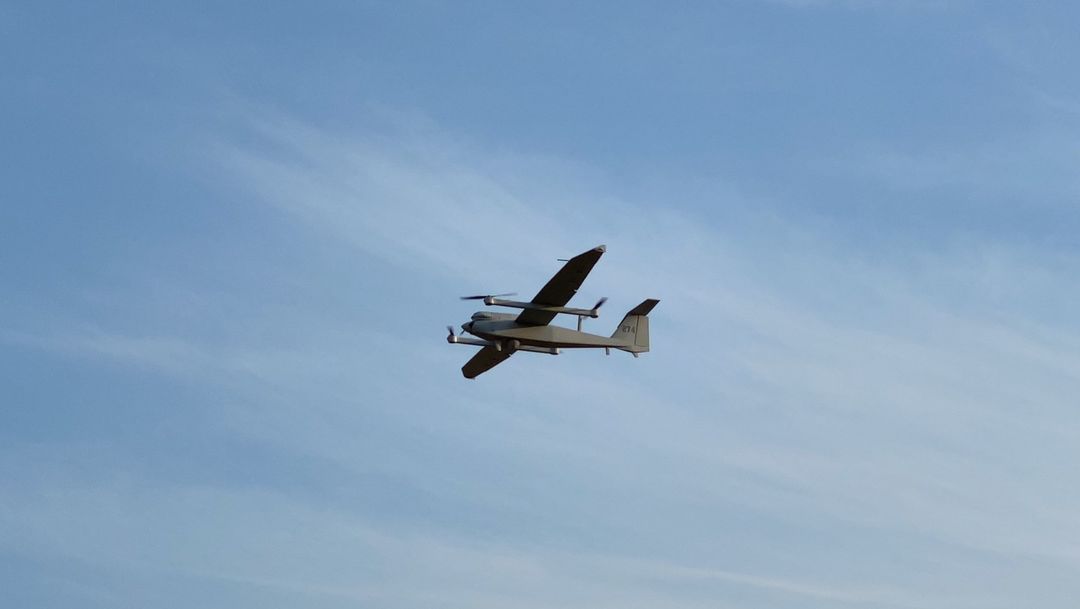
The UAV is basically intended and developed for use by naval units for intelligence, surveillance, reconnaissance and search and rescue missions. The JUMP 20 UAV was first unveiled in April 2014 and underwent several test flights in January 2015.
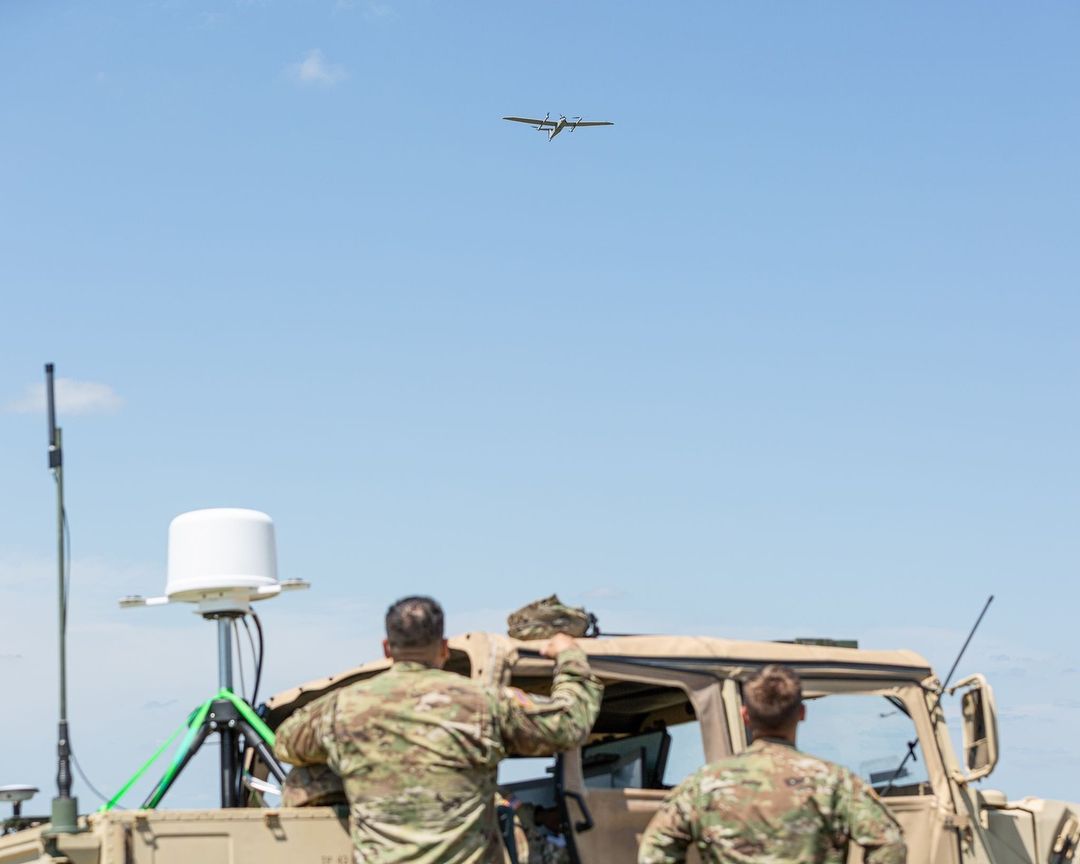
The United States Army has chosen the JUMP 20 UAV to replace the RQ-7 Shadow series drone. Also, its heavy fuel variant has been offered for the Australian Navy’s Tactical Unmanned Aircraft Programme. The Mexican Navy deployed the JUMP 20 for unstated missions over Mexico in May 2016, approximately two months after the UAV was acquired by the country’s navy.
The JUMP 20 UAV has a flight duration of 9 to 16 hours and an operational range of 185 kilometers, and due to its vertical takeoff and landing capability, it does not need a runway or a launch and recovery system such as a catapult and parachute for landing and takeoff.
The JUMP 20 features a monocoque airframe, constructed using composite materials. It comes with two fixed wings arranged in a high-wing configuration, and a tailplane in a T-tail configuration. In the high-wing configuration, the wings are located on top of the main body (fuselage) of the aircraft.
Jump 20 takeoff and engine noise level
The vertical takeoff and landing capability is provided by twin vertically mounted rotors fitted to each wing. The UAV’s versatility, combined with VTOL capability, offers low operating costs and increased fuel efficiency. The JUMP 20 UAV uses a four-stroke EFI 190cc petrol engine and four electric motors, each of which is placed in a rotor boom. The engine has a time between overhaul (TBO) of 500 hours.
The length of this UAV is 2.9 meters, its wingspan is 5.7 meters, and the maximum take-off weight (fuel and cargo) is 97.5 kg. Payloads weighing 13.6 kg are carried in the payload bay located in the central part of the fuselage. This drone can be set up and operational in less than 60 minutes.
This drone can be operated by two crew members from the ground control station.
The Jump 20 features an autopilot system and ground control station shared with AeroVironment’s other drones, offering a highly customizable and modular platform that can be custom configured to meet operational or customer needs. The payload data is displayed on computer screens at the portable ground control station, enabling the operator to provide command and control to the UAV through the data link.
Explanations of the manufacturer about the features of JUMP 20 UAVA video of JUMP 20’s takeoff, guided by mobile ground station and vertical landing
Due to the ability to carry cargo up to 13.6 kg, this UAV can use various and advanced sensors such as ARCAM 45D, electro-optical sensor and long-range infrared MWIR along with stabilizer, image processing and internal tracking. The standard payload options are Cloud Cap Technology’s TASE series gyro-stabilised, gimballed electro-optical/infrared (EO/IR) imaging systems such as TASE400, TASE400HD, TASE400DXR and TASE400LRS. The EO/IR cameras provide imagery and video data and target tracking in real time, both during the day and at night. A video/data link, operating in L, S or C bands, transmits real-time sensor data to the ground control station. The JUMP 20 UAV also carries a number of other sensors, including standard navigation lights, LiDAR, synthetic aperture radar (SAR), communications relay, 3D mapping sensors, communications intelligence (COMINT), and signals intelligence (SIGINT).
JUMP 20 tactical drone can fly at a maximum speed of 72 km/h and its service ceiling is 4572 meters. This UAV can transmit data within a range of 125 km, and in longer ranges, the use of satellite systems is required.
JUMP 20 drone specifications: Length: 2.9 meters Wing length: 5.7 meters Maximum take-off weight: 97.5 kg Maximum payload: 13.6 kg Maximum speed: 72 km/h Operational range (limited to data link range): 185 km Flight ceiling: 4572 meters Flight endurance: 9 to 16 hours Engine: MOGAS 190CC EFI Origin: USA
Click to view full sizeClick to view full size
Collection of posters of JUMP 20 VTOL Reconnaissance Drone in Russian, Persian, Arabic, Azeri and Kurdish:
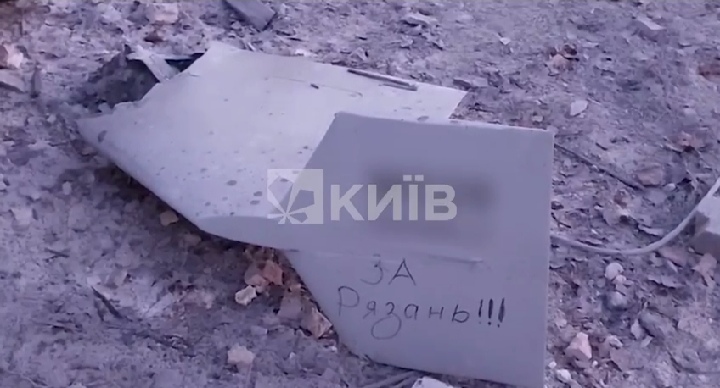
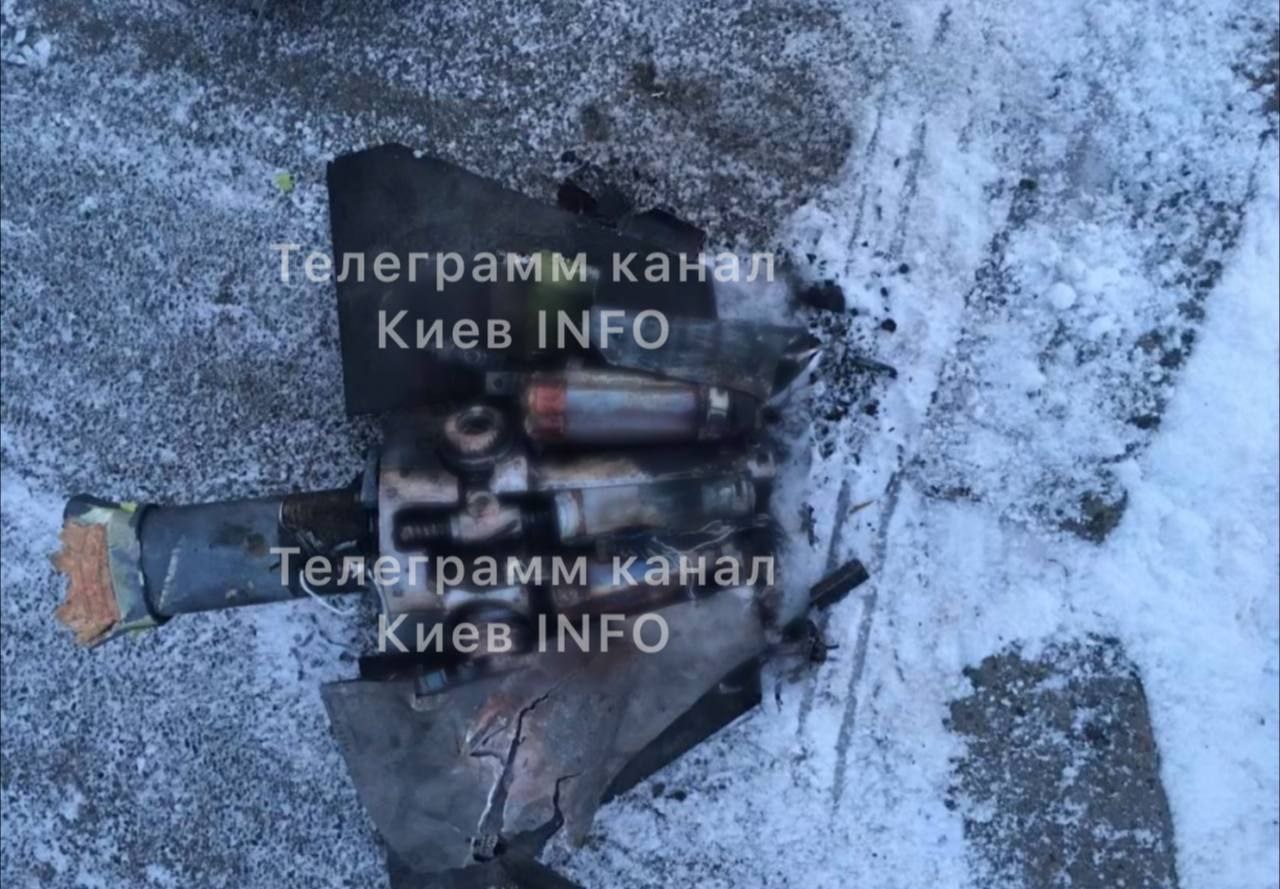
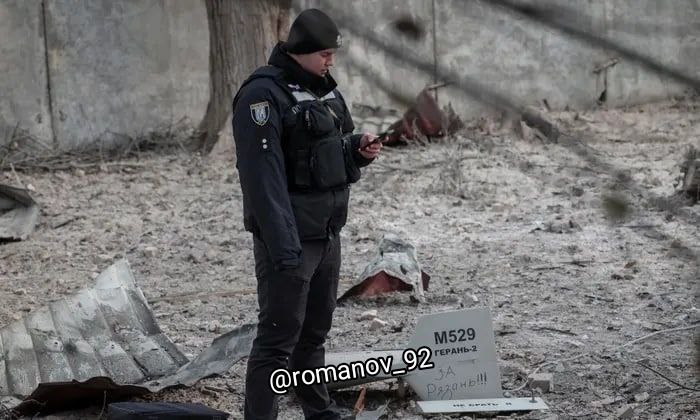
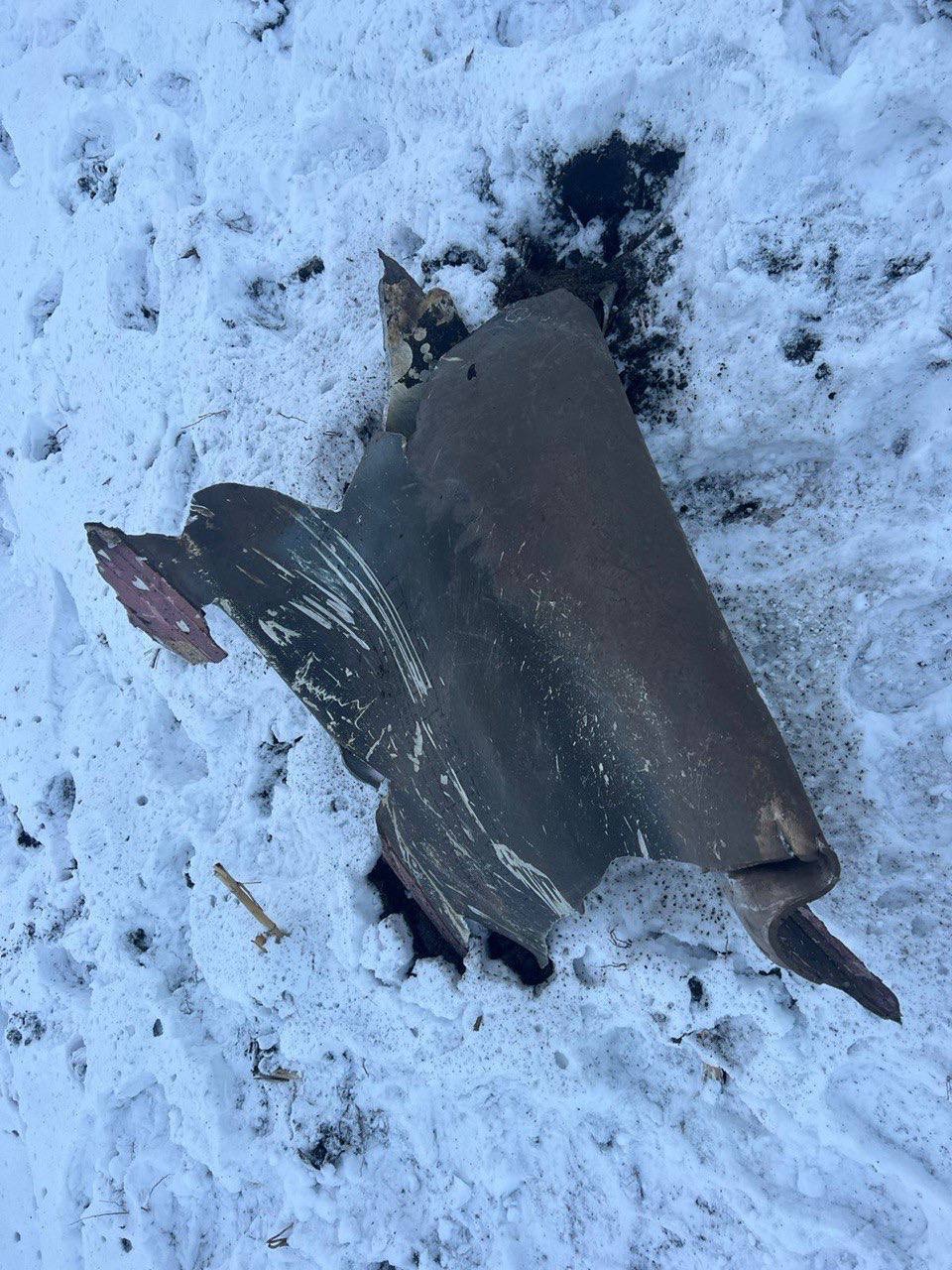
Ukrainian sources reported the sounds of several explosions in Shevchenkivs’kyi district and from the outskirts of Kyiv. In this regard, Vitali Klitschko, mayor of Kyiv and head of the Kyiv City State Administration claimed Ukrainian Army shot down 10 Shahed-136 suicide drones over the city.
The Ukrainian military has also said it shot down 13 Shahed-136 suicide drones over Kyiv and the surrounding region early on Wednesday, But there were no immediate reports of casualties.
Also, some Ukrainian sources claimed that the Russian army also used the Arash suicide drone in this attack. If this claim is true and proven, today’s attack is the first operational use of Arash suicide drones in the war in Ukraine.
The moment when one of the suicide drones hit and exploded in the city of KyivThe moment when one of the suicide drones hit and exploded in the city of Kyiv
The attack was Russia’s first major drone attack on the capital in weeks. It should be noted that a wave of Russian drone and missile attacks since October has caused severe damage to Ukraine’s energy and electricity infrastructure as it enters the winter.
Ukraine has already received modern air defence systems from the west and the US, But so far, the interception and shooting down of Shahed-136 drones has not been so successful.
Some believe that the deployment of the US Patriot air defense systems can help; but, the US has previously resisted supplying Ukraine with the Patriot systems. However, the US officials, recently, after the repeated Russian airstrikes on Ukraine stated that the patriot missiles could/may be delivered to Ukraine in a matter of days. But there is still a big doubt about the effectiveness of Patriot system against the Iranian suicide drones. In the past, Iranian drones have managed to pass through Patriot defense systems many times in West Asia.
Following the recent attacks of the US drones on the gatherings of the Al-Qaeda terrorist group and numerous explosions in the positions of the Islah party in Marib, the Islah party militants began to implement a security-intelligence operation in the city of Marib. This operation has started since Sunday, December 20, with increasing the number of checkpoints, inspecting homes and hotels, and also prosecuting the UAE-affiliated individuals.
In the initial stage of this operation, the Islah party militants arrested Saeed Al-Farwi Al-Waeli, an individual close to Lt. Gen. Saghir Bin Aziz, the army commander of the resigned government, and the Al-Yaman al-Saeed forces (affiliated to the Saudi coalition) along with a number of his companions. Folowing the arrest, they were all executed by firing squad. This event led to the anger of Saghir Bin Aziz and finally a clash broke out in Marib between his forces and the Islah party militants.
The Islah party news sources held Saeed Al-Farwi Al-Waeli responsible for the bomb attack on the gathering of military commanders and Islah party vehicles route.
There has been an increase in the movements of the Islah party in Marib and Hadhramaut provinces while the UAE-affiliated factions, including the Southern Transitional Council (STC) and Tariq Saleh forces, intend to clear the positions that are under the control of this party. The Islah Party is supported by some al-Qaeda elements in Yemen and these individuals were previously transferred to Marib by the Saudi coalition to confront Ansar Allah.
A picture attributed to Saeed al-Waeli affiliated with Saghir bin Aziz
On December 11, The Israeli militants raided the Barqin town, located in the west of Jenin and arrested two Palestinian brothers named ” Tariq ” and “Nabil Abu Shadouf “.
Tariq and Nabil Abu Shadouf
A few hours later, a large number of special forces of the Israeli regime raided the east of Jenin and following the arrest of a Palestinian youth named Thaer Abu Amsha, began a violent armed conflict with the Palestinian Resistance forces.
During the exchange of fire, a 16-year-old Palestinian girl named ” Jana Majdi Assam Zakarnah ” was shot dead by Israeli soldiers and three others were seriously injured.
It is worth mentioning that the armed conflicts between the Palestinian Resistance groups and the Israeli forces have increased significantly compared to the recent months. By publishing a report in this regard, the Hebrew-language newspaper Yedioth Ahronoth announced the unprecedented increase in shooting operations in the West Bank and announced that since the beginning of this year, there have been about 300 shootings in the West Bank, during which 31 Israeli forces were killed.
During the conflict on December 11, Taliban militants and the Pakistani border guards in the village of Shiro Obu, located in the town of Spin Buldak in Qandahar province, 10 Afghan and Pakistani civilians were killed and more than 37 individuals were injured. According to the local community, the conflict and exchange of fire ended after an hour and the injured were taken to the hospital. The casualties of Taliban militants and Pakistani border guards have not been announced yet.
Spin Buldak-Chaman border crossing is the second most important border crossing between Afghanistan and Pakistan after Torkham crossing. This is the fifth serious conflict between the Pakistani army and Taliban since the group came to power in Afghanistan.
Fire at the Spin Buldak-Chaman border crossingThe condition of the injured in Spin Buldak Hospital
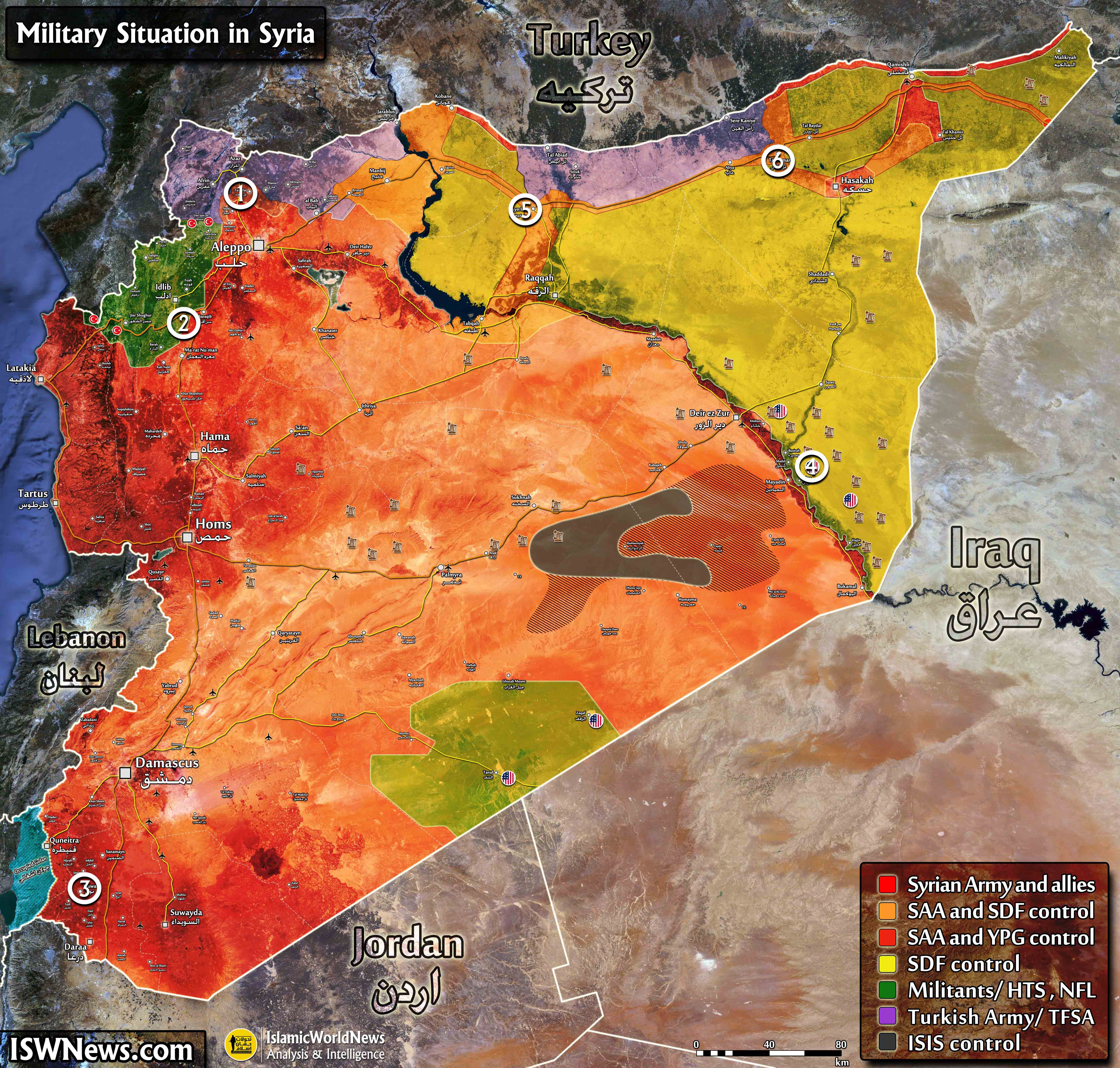
1. Aleppo: -On December 9, Turkish-backed militants targeted the village of Harbul, located in the southeast of Tal Rafaat with artillery attacks. -On December 11, the positions of militants in the villages of Kafr Taal and Kafr Amma, located in the west of Aleppo, were targeted by Syrian army artillery. -On December 11, The Russian army reconnaissance drones were seen flying over the cities of Afrin and Azaz located in Aleppo province.
2. Idlib: On December11, the positions of the militants in the Kadura, located in the south of Idlib, were targeted by the Syrian army artillery.
3. Daraa: -On December 9, one of the Syrian security forces named “Muhammed Mahmoud Al-Janadi” was martyred by unknown armed individuals in Nawa. -On December 10, two members of the Syrian Army were martyred by unknown armed individuals on the Namr-Samlin road.
4. Deir Ezzor: On December 11, two individuals were killed during a heliborne operation carried out by the US forces in al-Zar village, located around Omar oilfield. No further details have been released in this regard. On December 11, ISIS news sources reported targeting a checkpoint belonging to the Syrian Democratic Forces (SDF) in al-Zar village located in Al-Basira region in the east of Deir Ezzor province. In this conflict, one of the SDF forces was killed.
5. Raqqa: -On December 8, Turkish-backed militants targeted the M4 highway and Ain Issa suburbs with artillery. -On December 10, a military convoy for the Syrian Army was sent from the Tabqah military airport to Ain Isa city.
6. Hasakah: -On December 10, Turkish-backed militants targeted the positions of the Syrian Democratic Forces (SDF) in the village of Kozaliyah in the west of Tal Tamar. -On December 11, positions of Kurdish militias in the village of Tal al-Laban, located in the north of Hasakah, were targeted by the artillery attacks of Turkish-backed militants.
7. On December 10, the Turkish ministry of defense announced the death of one of the Kurdish militia commanders named “Fahmi Muhammad” in the northern regions of Syria. According to the Turkish media, he was one of the commanders of the Afrin Liberation Force (ALF).
8. On December 10, the US Department of State announced its strong opposition to any military action by Turkey against the northern regions of Syria
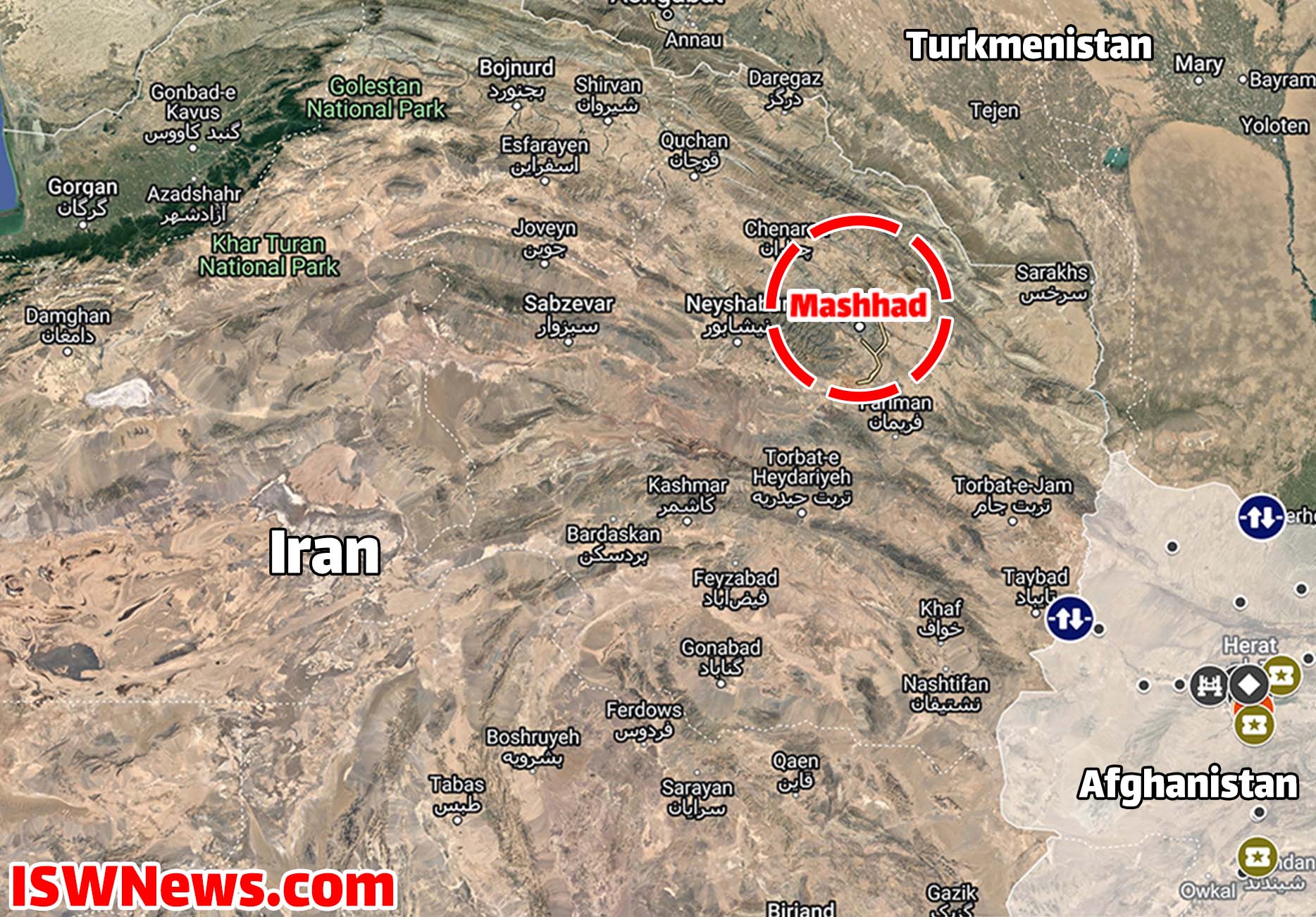
According to the announcement of the Imam Reza Corps in Razavi Khorasan Province, a team affiliated with the Jaish ul-Adl terrorist group was identified and arrested in the city of Mashhad. Also, the related people and the support agents have been identified and prosecuted in other provinces.
This team intended to carry out various terrorist operations, including the attack on the office of the Governor General of Razavi Khorasan Province and the assassination of the Friday Prayer leader of Mashhad, Ayatullah Sayyid Ahmad Alamolhoda. Huge amounts of weapons, ammunition and explosives have been discovered from the hideout of the terrorists.
The Jaish ul-Adl terrorist group also confirmed the arrest of its agents in Mashhad by announcing a statement. Jaish ul-Adl claims that its other agents will soon avenge the blood of Zahedan martyrs.
The coincidence of the failure of the Jaish ul-Adl terrorist attack with the assassination of Maulvi Abdulwahid Rigi, one of the Sunni clerics of Sistan and Baluchestan Province, indicates the common plan of the terrorist groups to create discord among Sunnis and Shi`ites.
On December 8, Taliban news sources announced the arrest of five people involved in the assassination of Rahimullah Haqqani, one of the prominent Deobandi scholars in Nangarhar province and one of the most influential Taliban preachers in Afghanistan and Pakistan. Rahimullah Haqqani is an intellectual supporter of the Taliban and a critic of the ISIS . He was considered as one of the individuals close to Sirajuddin Haqqani, the Taliban Interior Minister. He was killed during an explosion by ISIS on August 11, 2022.
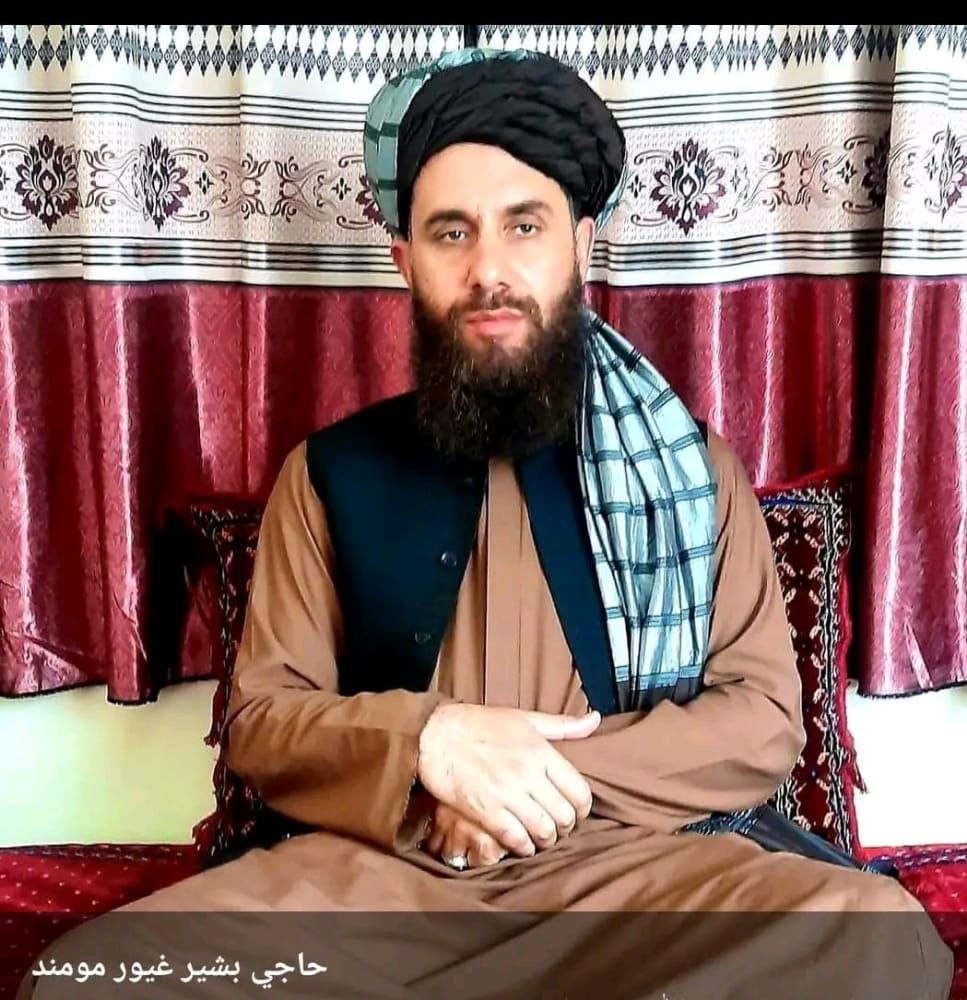
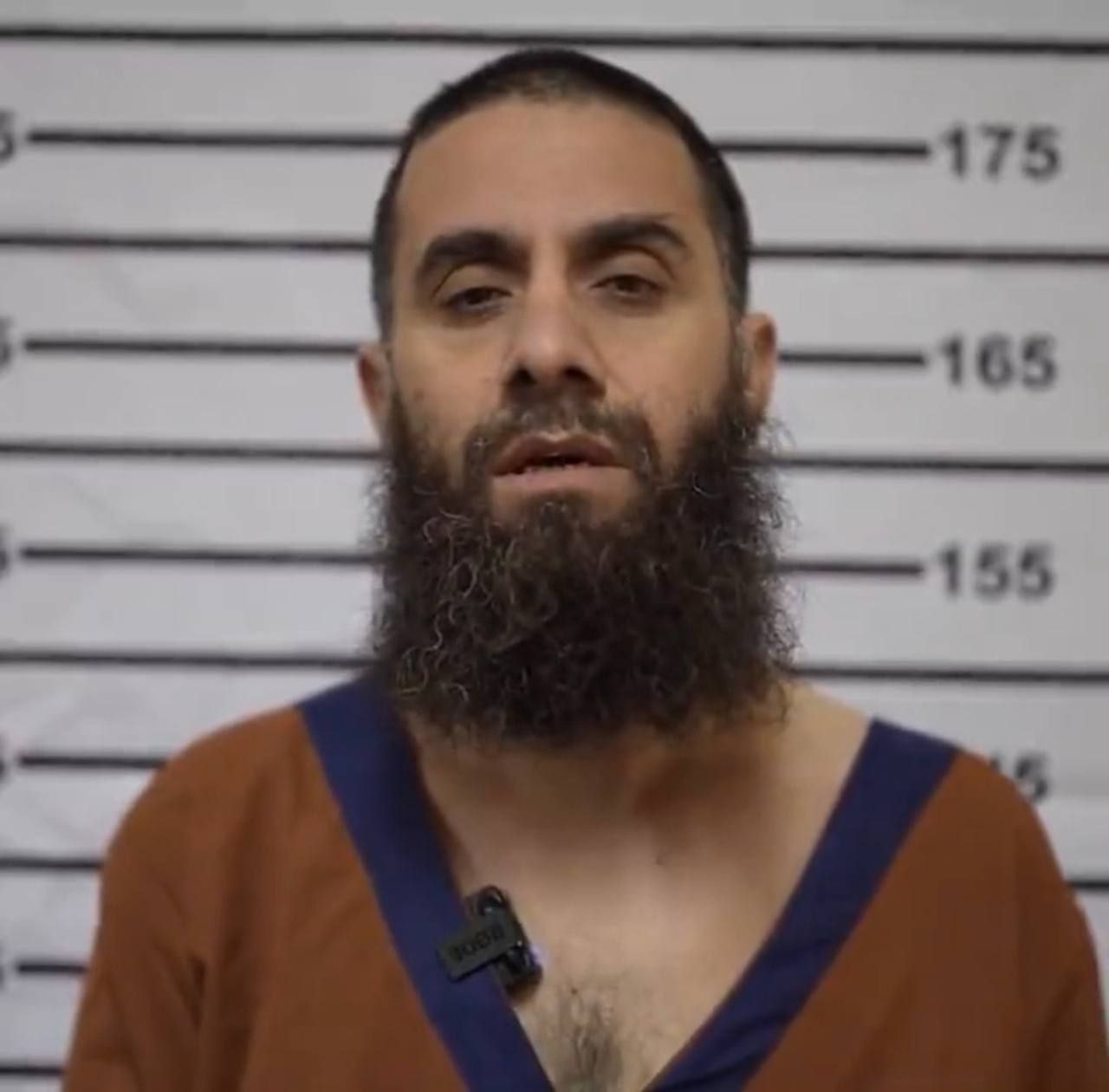
One of the arrested individuals by the Taliban intelligence department is Haji Bashirullah. He was responsible for the suicide attacks of the Haqqani Network and the Taliban in Kabul during the former government but the Qandahari network of Taliban intelligence department has arrested him on the charge of assassinating Rahimullah Haqqani.
Haji Bashirullah, the son of Mohammad Dawood, from the village of Padkhab Shani in the outskirts of the Pole Alam, the capital of Logar province, is one of the main leaders of the martyrdom groups in Taliban. On the order of Sirajuddin Haqqani, the leader of the Haqqani network, he carried out dozens of suicide attacks during former government of Afghanistan, which resulted in the deaths of hundreds of civilians.
Haji Bashirullah was appointed as the ISIS leader in Pole Alam in 2019. He worked and concentrated on the villages of Dashtak, Zakhil and Padkhab Shani in Logar province to attract manpower for ISIS. He was the leader of ISIS in the city of Pole Alam and also expanded his cooperation with the Haqqani network and reached a high position in the internal organization of the Haqqani network. At the same time as the fall of the former government and the rise of Taliban in Afghanistan, he started anti-Taliban activities within the Taliban organization by forming a military group in the city of Kabul.
The suicide attack on the religious school of “Sheikh Rahimullah Haqqani” in Wazir Akbar Khan neighborhood, located in the second district of Kabul city, is the biggest and perhaps the last operation organized by him, which led to the death of more than ten members of Taliban, including “Sheikh Rahimullah Haqqani.
The arrest of Haji Bashirullah is not an honor for Taliban, but a serious defeat because Taliban has arrested an ISIS-Taliban commander. Taliban leaders are in a situation where they can neither deny their own intelligence and intellectual failure nor the presence of ISIS in their group.
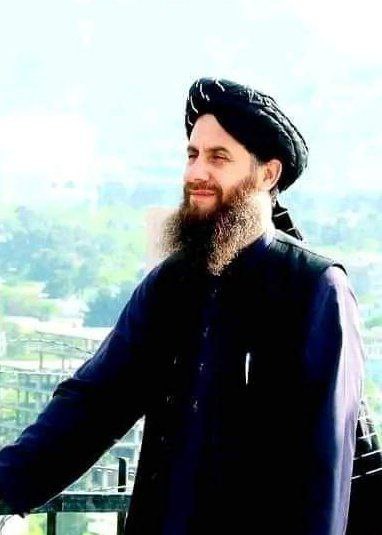
The pictures of Haji Bashirullah and the other assassins of Sheikh Rahimullah Haqqani