Following the escalation of disputes between the UAE and Saudi Arabia over control and distribution of power on Socotra island, as well as the return of Aidarus al-Zoubaidi, chairman of the Southern Transitional Council to Aden, an Emirati plane transported a number of field commanders and opponents of Saudi Arabia to Aden.
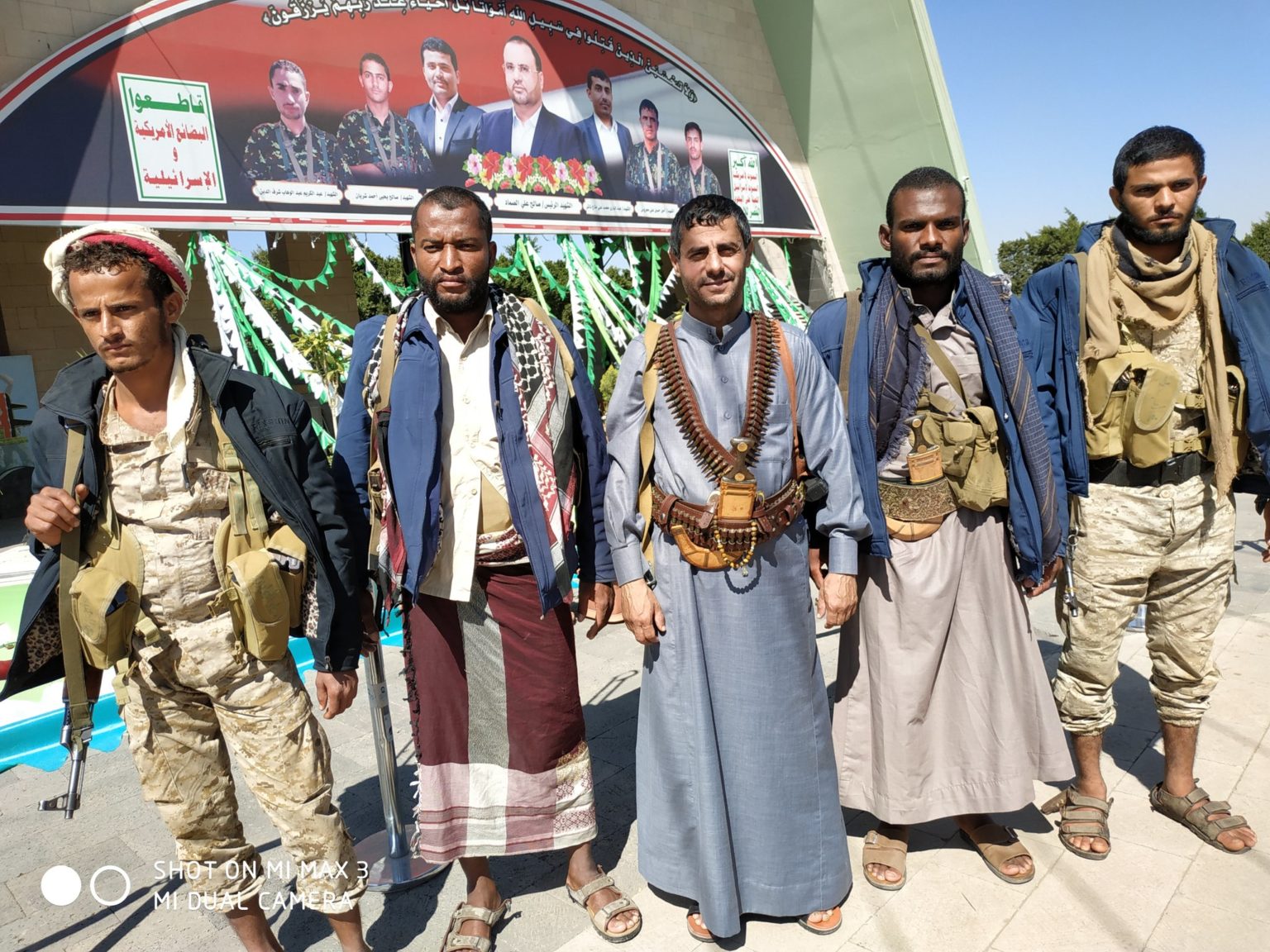
On the flight, Nabil al-Moshaweshi, commander of the Southern Forces Support Brigade and former commander of Hizam al-Amni forces, Abu Zara’a al-Muharrami, commander of the Amaliqah forces, Qasim Tahir, former defense minister of the southern government, and several other separatist and pro-UAE commanders arrived in Aden.
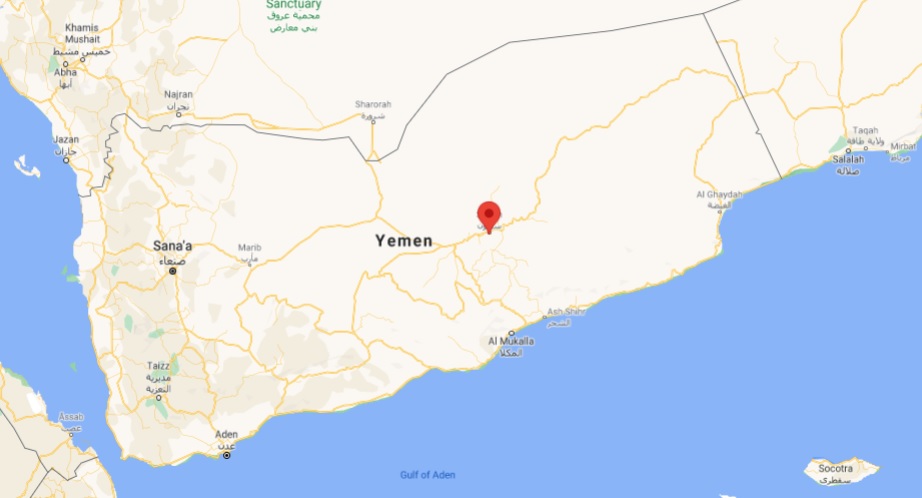
In this regard, the government of Mansour Hadi has moved the headquarters of the Ministry of Interior from Aden to the city of Seiyun in eastern Yemen and claimed that the southern domination of Aden will prevent the Interior Ministry from carrying out its missions against Ansar Allah.
Respecting to the recent meeting of the senior commanders of Mansour Hadi forces in Ma’rib and their consultations in Riyadh, the possibility of a renewed clashes with southern forces in Aden, Abyan and elsewhere is not unexpected.
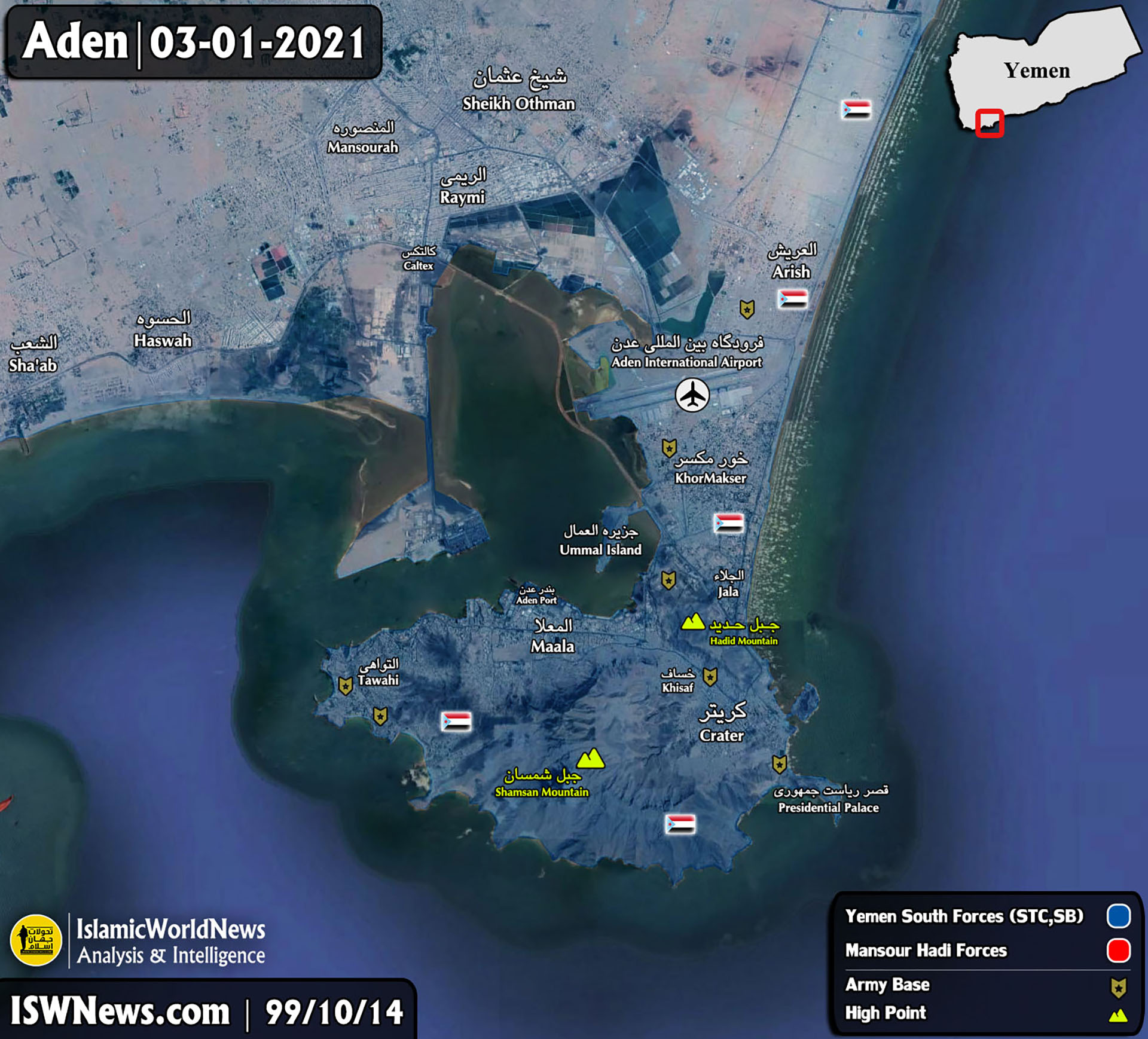
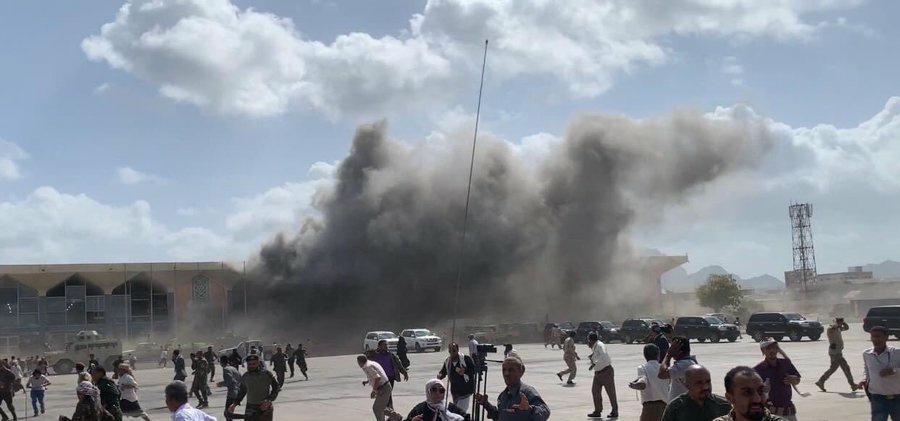
On December 30, when the new cabinet of the resigned government of Mansour Hadi arrived in Aden, the sound of explosions shook Aden airport, killing 26 people and injuring 84 others. So far, no group or individual has claimed responsibility for the attack, and the Saudi coalition media, as usual seeks to accuse Ansar Allah and Iran. The allegations come as the Iranian Foreign Ministry and embassy in Yemen, as well as the Yemeni rescue government, have condemned the rocket attack on Aden airport and denied the allegations.
Following a rocket attack on Aden Airport and drone attack on the Aden Presidential Palace, various parts of Aden have come under attack again in recent weeks. The number of these attacks has reached 15 since the arrival of the new cabinet of the resigned government in Aden on December 30. These 15 attacks are generally bombings, landmines, assassinations, etc., which are different from the methods of used by Ansar Allah, and as mentioned in the past, these attacks can be the work of two groups:
1. The Muslim Brotherhood, whose share of power has now diminished with the removal of two of their key ministers in the Hadi government. During the Riyadh Agreement, out of a total of 24 ministries, half of the ministries were transferred to the Southerners. Former Interior Minister “Ahmad al-Maysari” and former Transport Minister “Saleh al-Jabwani”, representatives of the Muslim Brotherhood in Mansour Hadi’s government, were ousted. Mansour Hadi also withdrew from introducing “Ahmad al-Issa”, the Brotherhood option for the Ministry of Economy. In fact, the Muslim Brotherhood in the new cabinet has been severely weakened and this level of isolation could lead to recent actions in Aden.
2- But the other accused are the southern separatists who have problems with the unity of Yemen from the beginning and saw their goal in the division of South Yemen, and this goal has now been seriously overshadowed by the formation of a joint cabinet and the establishment of the government in Aden. This could be the best reason for the recent attacks and explosions in Aden which is similar to previous southerners attacks in these areas.
Right now, this level of sabotage does not hinder the implementation of the Riyadh agreement, and it seems that the next step in the new cabinet of Mansour Hadi’s government is the Joining of the southern military and the army of the current government, as well as the consolidation of their weapons. The aim of this action is to launch new ground attacks against Ansar Allah positions under the leadership of the Saudi coalition. The coalition’s lack of manpower for a variety of reasons, including the cancellation of direct US involvement in the Yemeni war (following Trump’s defeat in the presidential election), the Sudanese refusal to participate in the fighting, and the inefficiency of Saudi and Emirati ground forces. Therefore there is currently no better alternative for them than the Yemeni mercenaries.
On December 30, as the new Saudi-backed cabinet of the Mansour Hadi government arrived in Aden, several explosions took place at Aden airport, killing more than 25 people and injuring nearly 100 others. Saudi and Mansour Hadi media outlets claim the attacks were carried out using four ballistic missiles. The media also published images claiming that the attack carried out from Taiz International Airport and blamed Ansar Allah for the attack.
“Preliminary results of the investigation show that Houthi militias (Ansar Allah) are behind the attack and the attack was carried out by cruise missiles and Iranian experts were involved in the attack,” said Deputy Prime Minister of Hadi government, Moin Abdul Malik.
Hours after the bombings at Aden Airport, the Aden Presidential Palace was also targeted by a drone, and Ansar Allah was again blamed for the attack.
According to the available evidence from this incident, it should be said that this scenario can be fabricated for several reasons and the accusations against AnsarAllah and Iran are considered baseless:
1- The amount of destruction of these rockets is more limited than Ansar Allah missiles and no image of the remains of the fired rockets has been published that can be compared with the previous images of the remains of Ansar Allah missiles.
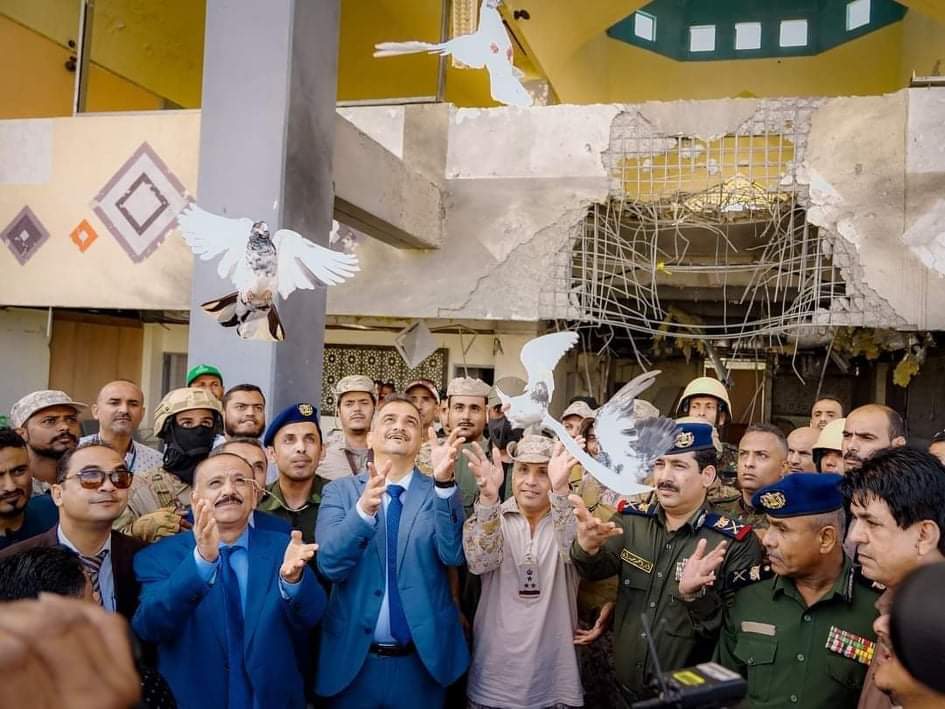
Low rate destruction at Aden Airport
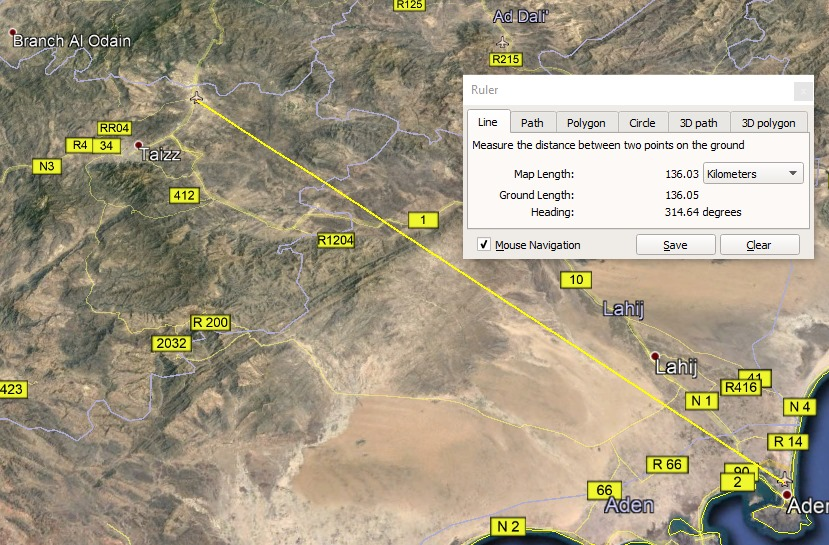
2- The distance between the alleged source of the missiles from Taiz International Airport to Aden Airport is about 136 km, and this distance is not within the range of Katyusha rockets used by Ansar Allah. Ansar Allah certainly does not use rockets to carry out such attacks, and it certainly has better options such as the Badr series missiles.
Distance between Taiz and Aden Airport
3- The images attributed to the firing of missiles in Taiz contradict the statements of the Hadi’s Prime Minister that they were cruise missiles, and these images are related to the firing of rockets in an unknown area. In addition, Ansar Allah cruise missiles are very accurate and could have targeted the plane carrying the new cabinet of the resigned government instead of those present at the airport.
4- The ambassador of Saudi Arabia in Yemen and other agents of the two countries of Saudi Arabia and the UAE were not present at the airport, which indicates that they were previously informed about this incident.
5- Ansar Allah political officials have denied the allegations. The Iranian Foreign Ministry and the Yemeni government have also condemned the incident and called it as the result of the destabilizing actions of the Saudi coalition. Ansar Allah has carried out heavier attacks against the coalition in the past and has claimed responsibility; Therefore, it cannot be said that Ansar Allah avoids taking responsibility for this attack or is afraid of the consequences of the western countries reaction to this attack.
In general, the Riyadh agreement, which is the brainchild of the Saudi and Emirati crown princes, has many opponents inside Yemen, on both the southern factions and with Mansour Hadi’s supporters. There are two groups among them that have not benefited from this attack and are even very dissatisfied with the agreement: 1. The Muslim Brotherhood, whose share of power in the resigned government has now been reduced and whose members have been removed from the cabinet. 2. The southern separatists, who with the formation of a joint cabinet and the establishment of the government in Aden, are considered the victors of the plans for the separation of the south from Yemen.
According to preliminary statistics so far, six people have been killed and more than 30 injured.
In recent days, the Southern Transitional Council and the resigned government of Mansour Hadi have formed a joint cabinet in accordance with the Riyadh agreement, in which Saudi Arabia and the UAE played a crucial role.
Local sources have reported the transfer of Hadi’s Prime Minister Moin Abdul Malik and his entourage to the Aden Presidential Palace. Local sources also said four explosions occurred as Hadi’s new cabinet arrived at Aden Airport, killing and wounding several people.
Pictures of the Aden airport explosionsVideo: The moment of the explosions at Aden airport
Saudi coalition media have claimed that several missiles were fired from Taiz airport to Aden, and several drones were spotted in the skies of Aden airport. Hence, they accuse Ansar Allah of being involved in this attack.
But AnsarAllah officials denied the allegations and involvements in the attack.
Mohammad Al-Bukhaiti, member of the political bureau of the AnsarAllah movement: We have nothing to do with the attack on Aden, and this attack is the result of differences between the mercenaries. All members of the resigned government (of Hadi) were at the time of the attack on the plane, except for the Minister of Defense, who did not travel to Aden!
1. Yemeni armed forces spokesman: – Our forces repelled the enemy attack in the Raghwan district in the Marib province. – During the past 24 hours, enemy warplanes carried out 18 airstrikes (including 13 attacks on Sarwah district, 4 attacks on Majzar district and one attack on Kataf district) on the Marib and Saadah provinces.
2. The Yemeni oil company confirmed releasing the Fali ship by the Saudi coalition. This ship carries more than 12,000 tons of gasoline and arrived to its destination, Al Hudaydah, after 42 days of detention in the Jizan port.
3. Dhale: Ansar Allah fired two Zilzal rockets on Al Sadrayn base in the suburb of Moris area.
4. Al Hudaydah: During past 24 hours, Saudi coalition forces have violated the ceasefire in this province 68 times.
5. Shabwah: – UAE warplanes bombed the suburb of Al Alam base in the Azzan district. There’s no news about this attack casualties and damages so far. It is possible that the attack was a warning from the UAE to Mansour Hadi’s forces. – Some sources claimed the Belharith tribes supporting from the Southern Transitional Council.
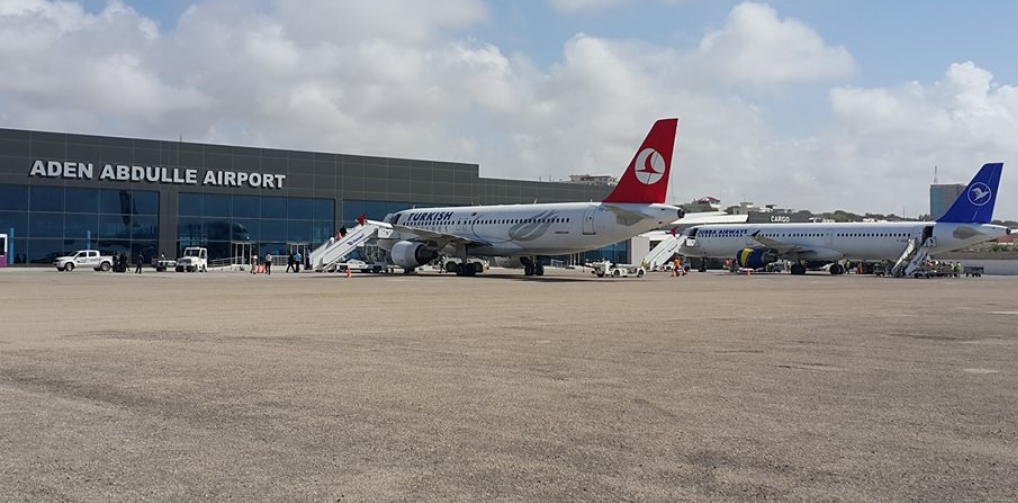
Following the Riyadh agreement in last year, presidential palace, airport, central bank and other government buildings in Aden were controlled by Mansour Hadi resigned government and Saudi coalition backed forces.
Following the trip of Aidarus al-Zoubaidi, head of the Southern Transition Council to UAE, the council decided to declare independency in southern provinces and state of emergency.
FM of resigned administration of Yemen (Hadi government) opposing this decision called this act of Southerners a withdraw from Riyadh agreement and demanded Saudi Arabia firm stance.
In previous hours, governors of Shabwah, Abyan, Mahra, Hadhramout and Socotra objected the STC’s decision. Even news broke out that the central bank of Aden was surrounded by Southerners but pushed back by Saudi troops.
Previously, the STC and Mansour Hadi resigned government had numerous struggles due to their deep discords. However, the conflicts halted by intervention of Saudi Arabia and UAE and the power shared in a Riyadh agreement, which never implemented and now each side accuses the other side.
For more information about the situation, please read these articles:
Following tension rise between Saudis and Southerners to control Aden airport, Mansour Hadi’s forces are gathering forces to help Saudis and Southerners also put their fifth brigade in areas Ber Ahmed (west of Aden), around presidential palace (Krater district) and Sabr area (Lahij province) and Karash.
If UAE does not mediate in Aden, soon there will be conflict between Southerners and resigned government.
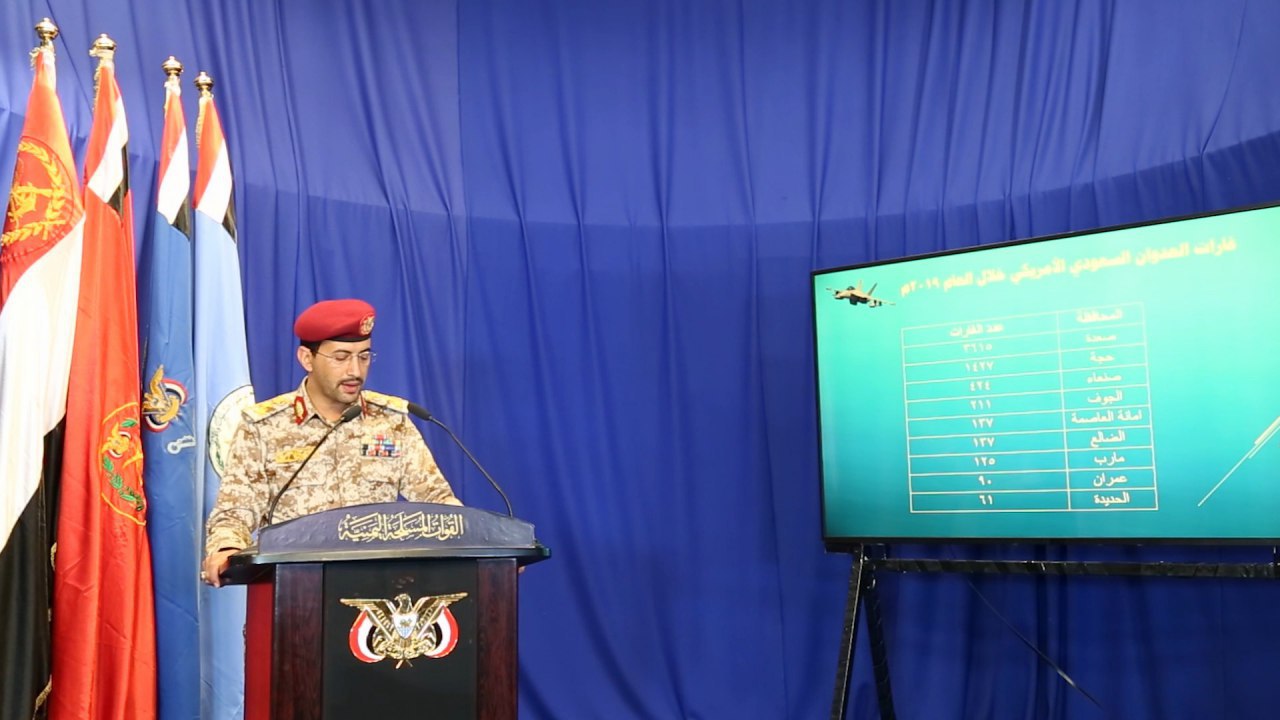
Gen. Yahya Sari’, in a press conference: – The army and people’s immobilization could impose new conditions on Saudi coalition. We target any hostile act against our nation, forces and country. – Any military operation by enemy will be answered likewise and the scale of response to crimes of Saudi coalition against Yemeni civilians will be increased. – Saudi coalition forces targeting Yemeni mercenaries is a war crime which should be answered properly. We have special order from commandment not to target anyone fleeing from the battle specially Yemeni mercenaries. – If commandment orders for an operation, Yemeni forces are ready to blow the enemy hard. – We consider plundering Yemen’s wealth in the season and ground as a war crime and will answer it properly. Foreign sides who help the enemy in plundering should take the warning seriously.
– The coalition launched 6,534 airstrikes against Yemeni provinces; 3,615 airstrikes against Saadah, 1,427 against Hajjah, 424 against Sanaa and 211 against Jawf. Other airstrikes, which count 857, were done in provinces Dhale. Marib, Amran, Hudaydah, Dhamar, Taiz, Baydha, Ibb, Lahij, Rimah, Aden, Abyan, Shabwah and Mahwit. – Our forces repelled 1,226 operations of Saudi coalition including 163 offensive, 656 defensive, 407 infiltrating operations. Also our forces performed 607 offensive, 1044 reclaiming and 35 infiltrating operations, among which the most prominent one was liberating north of Dhale province, “Nasr Min Allah” operation in Saadah.
– In 2019, Yemeni army missile unit performed 110 operations. Three operations using Burkan missiles, four using cruise missile Quds1, 43 using Nikal, 12 using Qasim and 47 using Badr missiles.
– Drone units also performed tens of offensive and surveillance operations targeting enemy inside and outside of Yemen. The attacking capabilities of the drones have increased up to 400%. 2,462 drone operations were launched, from which five were joint with missile unit and in 196 operations bases, infrastructures and airports of enemies were hit. 92 outstanding operations were launched using drones, including the targeting of the Al-Sheiba oil well, Operation Nine Ramadan and Operation Deterrence 2.
– Air defense could shoot down 69 aircrafts of Saudi coalition, from which 53 were spy drones, nine surveillance and seven warplanes.
– Sniper unit launched 16,643 operations, in which 228 Saudi soldiers, 142 Sudanese and more than 16 thousand local mercenaries were hit.
– The armored unit of Yemeni army targeted 192 military equipment, 138 armored vehicles, 40 tanks and 40 bulldozers of Saudi coalition.
– Engineering unit performed 2,752 operations including 1,803 operation against gathering and strongholds, 769 against equipment and armored vehicles and tanks of the coalition.
– 2020 is the year of air defense and Inshallah(God willing) is the year of victory. In this year we have plans of expanding military capabilities and industry and strategic reservoirs, on top of them the strategic defensive weapons. – Saudi coalition won’t have any security and stability if they continue the war and besieging Yemen. Our defense will continue until complete independence and security of Yemen are achieved.
1. Abyan: – Abdul Latif Sayyidi, a commander of Hizam al-Amni, asked protesting tribes of Marib to retreat and promised to support them. – Saudi forces to mediate between southern and Mansour Hadi’s forces reached Abyan.
2. Baydha: Ansar Allah and Mansour Hadi’s forces engagement in Zahir.
3. Aden: – Assassination of Dr. Shadi Hussein, a member of medical services of Mansour Hadi’s forces in Qat bazaar. – Assassination of Muhamad Salih, vice president of human resources of Hizam al-Amni forces in Mansurah neighborhood.
4. Al Hudaydah: – Saudi coalition artillery bombing residential areas of al Hudaydah. – Ansar Allah and Saudi coalition forces near Hays and Tuhayta.
5. Sanaa: Muhamad al-Bakhiti announced some of Mansour Hadi’s forces returning to Sanaa. They are from 3rd brigade of Saudi coalition led forces at border.
In recent days eight people are assassinated, among them are some high rank commanders of Mansour Hadi’s forces. This include: 1. Unsuccessful assassination of Ahmed Ali Salim in Sheikh Uthman area, dr. Sami Babad in Shaab town, Abdul Fattah Saadi a commander of Amaliqa in Taseen street. 2: Successful assassination of Majid Afif Yafei and Salah Hajili in Mansurah, Abu Sara and Muhsen al-Beiti, former chief of crime investigation in Sheikh Uthman, and Salim Lahtal, the current chief of crime investigation in Arish.