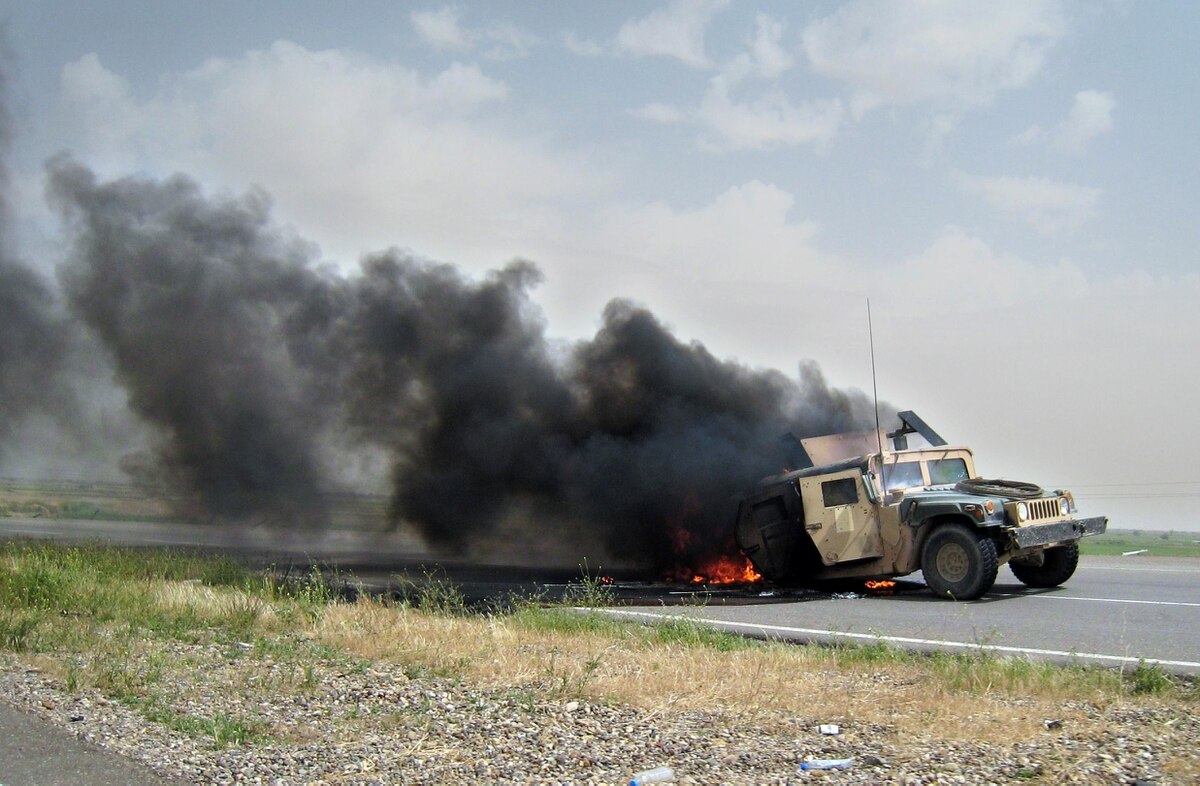
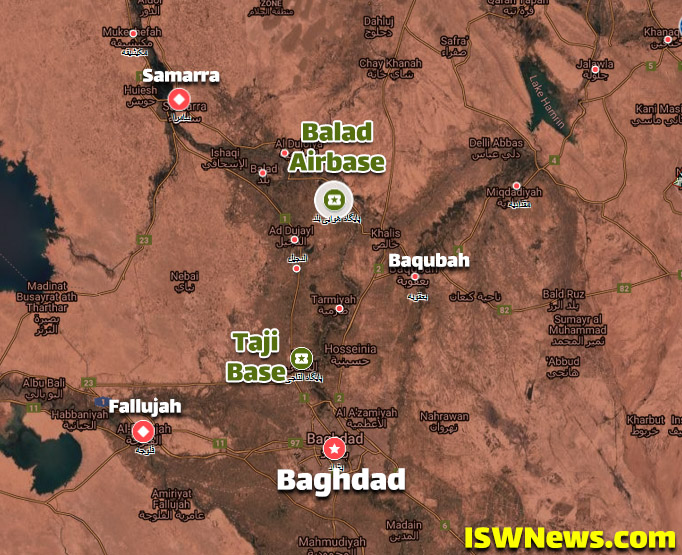
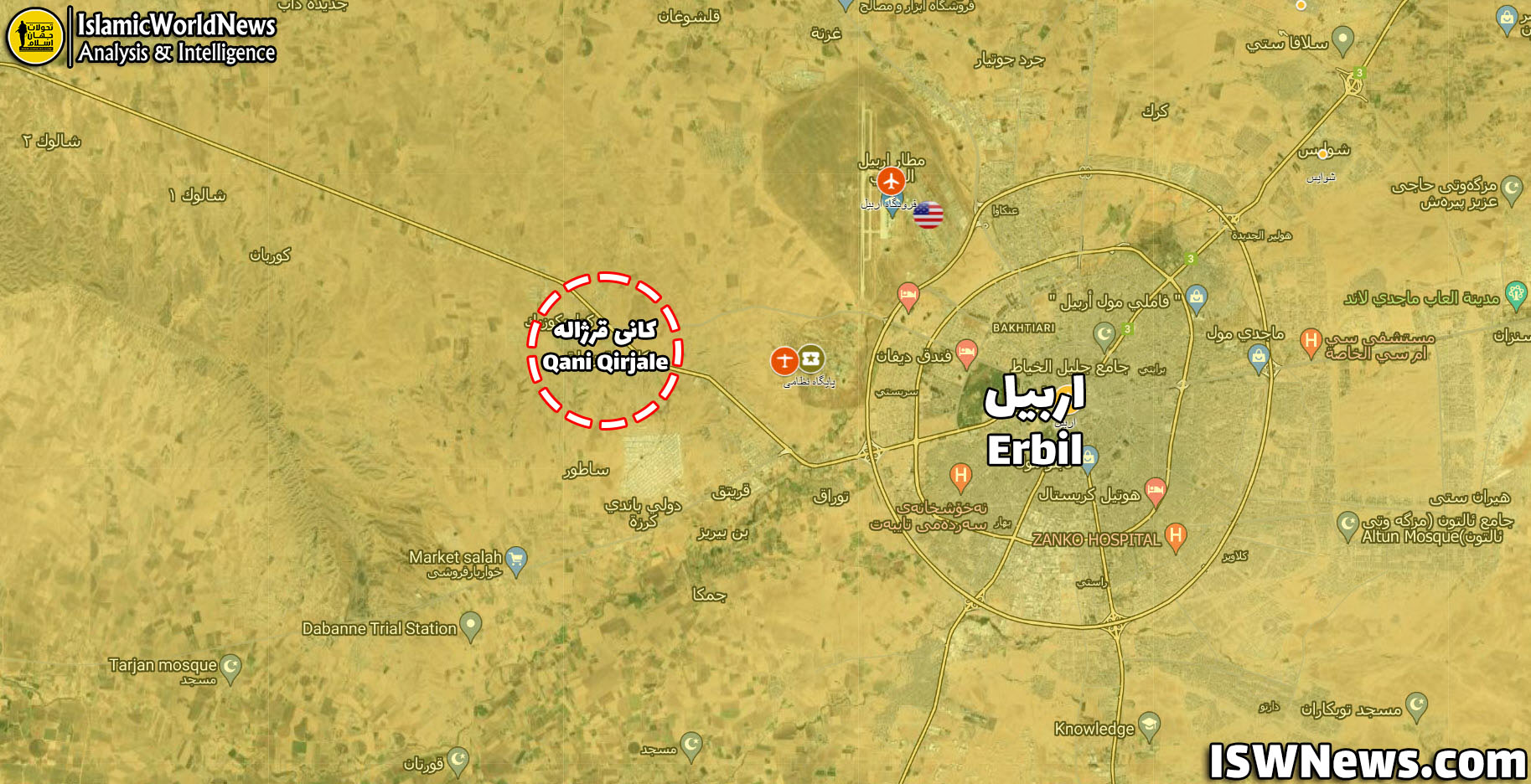
According to local sources, the attack was carried out at around 1 a.m. local time. So far, no information has been released about the amount of damage caused by this attack. This attack was the second attack on American convoys in Iraq since the beginning of 2023. Earlier, on January 12, a US logistical convoy was attacked in Al-Taji area, north of Baghdad.
This attack took place while a few days ago, “Mohammed Shia al-Sudani”, the Prime Minister and Commander-in-Chief of the Iraqi Armed Forces, in an interview with the “Wall Street Journal” stated that foreign forces are still needed and defended the presence of American forces in Iraq and did not set a timetable for their withdrawal.
It seems that if Iraqi officials and senior officials do not seriously pursue the issue of the expelling of foreign troops, especially American troops, the resistance groups will increase their attacks against American military positions and convoys in Iraq.
It is noteworthy that in 2022, Iraqi resistance groups carried out 102 IED, drone and rocket attacks against positions, logistical and military convoys of the American occupiers in Iraq.
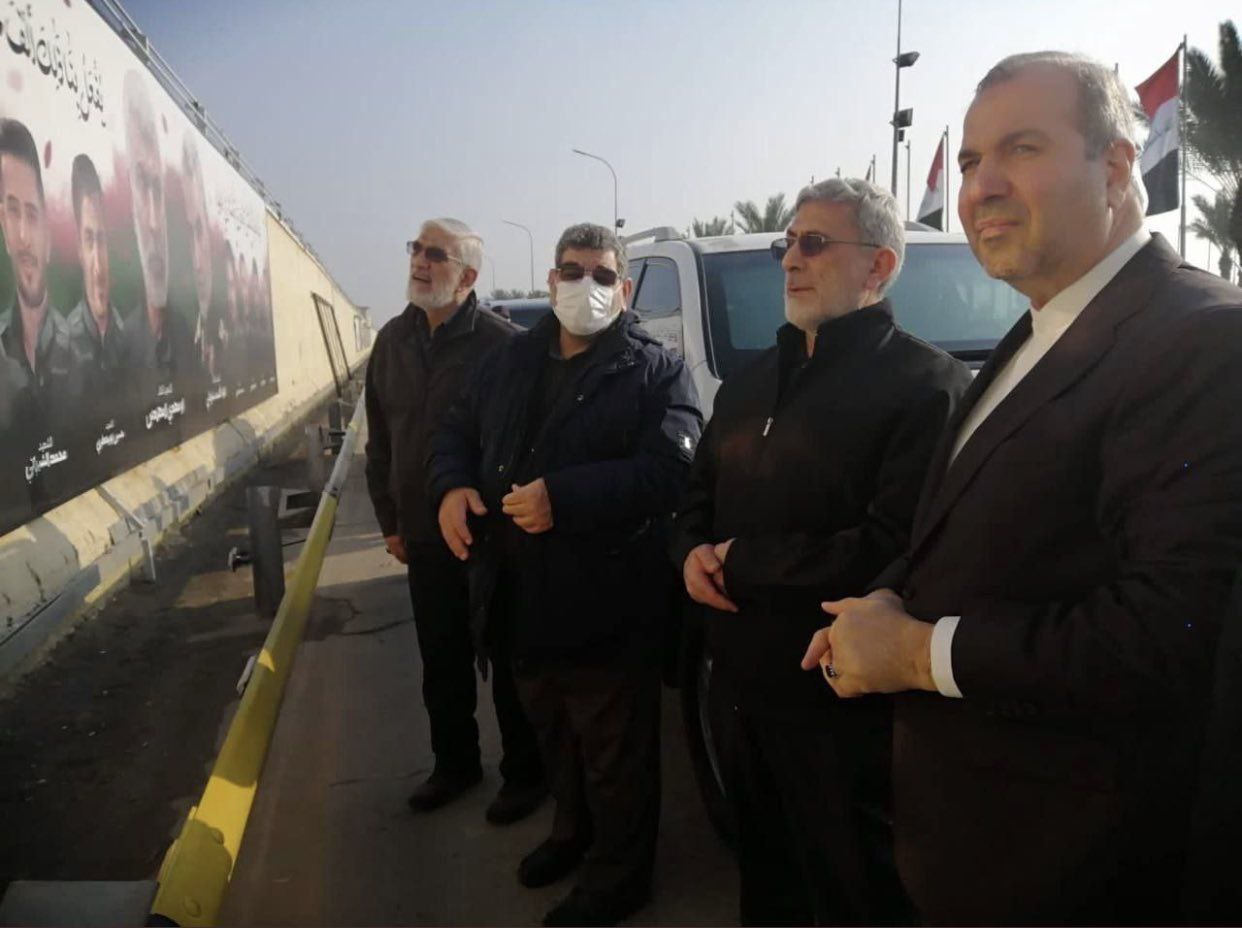
1- Baghdad – On January 11, Prime Minister of the Kurdistan Region of Iraq Masrour Barzani met and conferred with Iraqi Prime Minister Mohammed Shia Al-Sudani in capital Baghdad. In the meeting, the two sides held talks on the most significant national issues as well as the collaboration between the central government and the Kurdistan Region were discussed with the aim of providing better services to the Iraqi people throughout the country. – On January 11, Speaker of Iraq’s Parliament Mohammed Al-Halboosi met with his Jordanian counterpart Ahmad al-Safadi in the Iraqi capital. – On January 12, the Iraqi resistance groups attacked a logistics convoy belonging to the US invaders in al-Taji region of Baghdad province. – On January 13, the ISIS terrorist group issued a statement declaring that its elements attacked a joint patrol convoy, comprising of the Iraqi army and anti-terrorism forces in the Al-Tabi district of Tarmiya town in north of Baghdad. – On January 16, Commander of the Quds Force of the Islamic Revolution Guards Corps (IRGC) Esmail Qaani visited the location of martyrdom of General Qasem Soleimani and Iraqi Martyr Abu Mahdi Al-Muhandis in a trip to Baghdad. – On January 16, the personnel of the 12th Brigade of the Popular Mobilization Forces kicked off an operation in Taramiya area in north of the Iraqi capital to hunt and capture ISIS terrorists. – On January 16, Iraqi Prime Minister Mohammed Shia al-Sudani held talks with White House Coordinator for the Middle East and North Africa as well as US President Joe Biden’s envoy Brett McGurk on US-Iraq relationship and the ways to reinforce the ties at various levels and in different fields. – On January 16, Commander of the Quds Force of the Islamic Revolution Guards Corps (IRGC) Esmail Qaani took part in the funeral service of the wife of martyr Seyed Mohammad Baqir Hakim, a senior Iraqi Shia Islamic Scholar and the leader of the Supreme Council for Islamic Revolution in Iraq (SCIRI).
Esmail Qaani in the funeral service of the wife of martyr Seyed Mohammad Baqir Hakim
2- Salah Al-Din: The security officials of Salah Al-Din province announced that the Iraqi security forces and Hashd al-Shaabi are on high alert to repel any ISIS attack.
3- Sulaymaniyah: On January 13, Kormor gas field in the Chamchamal region of Iraqi Kurdistan, which is under the management of the UAE-based Dana Gas Company, was targeted by a rocket attack by unknown groups.
4- Diyala: On January 11, ISIS news sources announced the attack of elements of this terrorist group on the Iraqi police headquarters in al-Binkani village in al-Miqdadiyah region. According to ISIS, as a result of this operation, one police force was martyred and another person was injured.
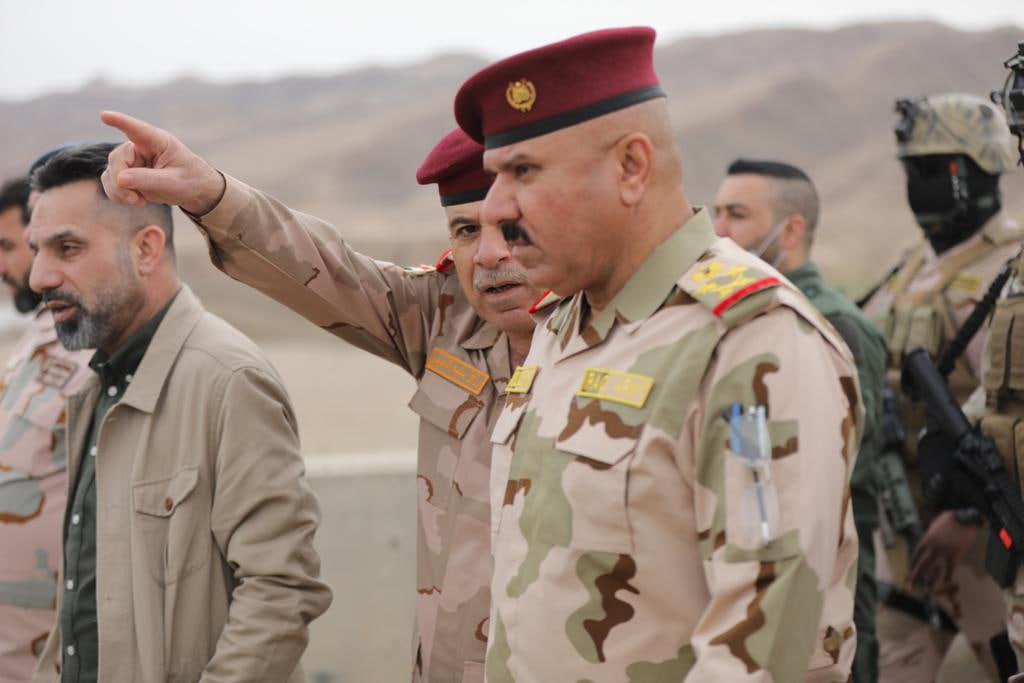
5- Kirkuk: On January 14, Abdul Amir Rashid Yarallah, Chief of the General Staff of the Army and Qais Al-Mohammadavi, Deputy Head of the Iraqi Joint Operations Headquarters, arrived in Kirkuk province to inspect the latest security situation.
6- Iraqi Interior Minister Abdul Amir al-Shammari announced the deployment of 6,000 auxiliary police forces at border bases with the aim of controlling Iraq’s borders with Iran and Turkey.
Al-Shammari noted that the decision has been made to enhance control of the joint borders with Iran and Turkiye, and that a budget has been allocated to pave the ground for protection of borderlines with Turkiye, the construction of military bases and watchtowers. The Iraqi borders are our red-line and we will not fail in protecting the borderlines, he added.
As to the coordination between Turkiye and Iraq, he said that the Turkish officials determined 17 points to be used for the construction of the military bases along with the borderlines, and that we are coordinating with Turkiye to control the borderlines despite the fact that these areas are mountainous and hard to go across.
The Iraqi interior minister also pointed to the coordination between Baghdad and the Iraqi Kurdistan region on monitoring border areas, saying that Peshmerga (the Kurdish military forces of the autonomous Kurdistan Region of Iraq) are participating in the operation to control borders, and that a center for coordination between the central border command and Peshmerga has been set up.
Yahya Rasool, the spokesman of the Iraqi military forces, declared on December 4 that Mohammed Shia’ Al Sudani, Prime minister of Iraq and Commander-in-Chief of the Iraqi Armed Forces, ordered the border guards to monitor borderlines with Turkiye and Iran. The decree came sometime after Iran issued serious warnings, when, the Iranian authorities cautioned the Iraqi officials and the Iranian armed forces conducted strikes against hideouts of terrorist groups in the autonomous Kurdistan Region of Iraq; and Iraqi Prime Minister Mohammed S. Al-Sudani and the high-ranking Iranian officials held a meeting recently.
In 2022, Iraqi resistance groups carried out 102 IED, drone and rocket attacks against positions, logistical and military convoys of the American occupiers in Iraq, the details of which are as follows:
The attack is the first of its kind after about four months by the Iraqi resistance group on the US’s logistic convoys and stations. The last strike on a US logistic convoy took place in Al Muthanna Governorate in late August.
It seems that after Prime minister of Iraq, Mohammed Shia’ Al Sudani took power and enhanced relative stability in the Arab country, the resistance groups made decisions to confront the US terrorists and put pressure on the American military forces to withdraw from Iraq.
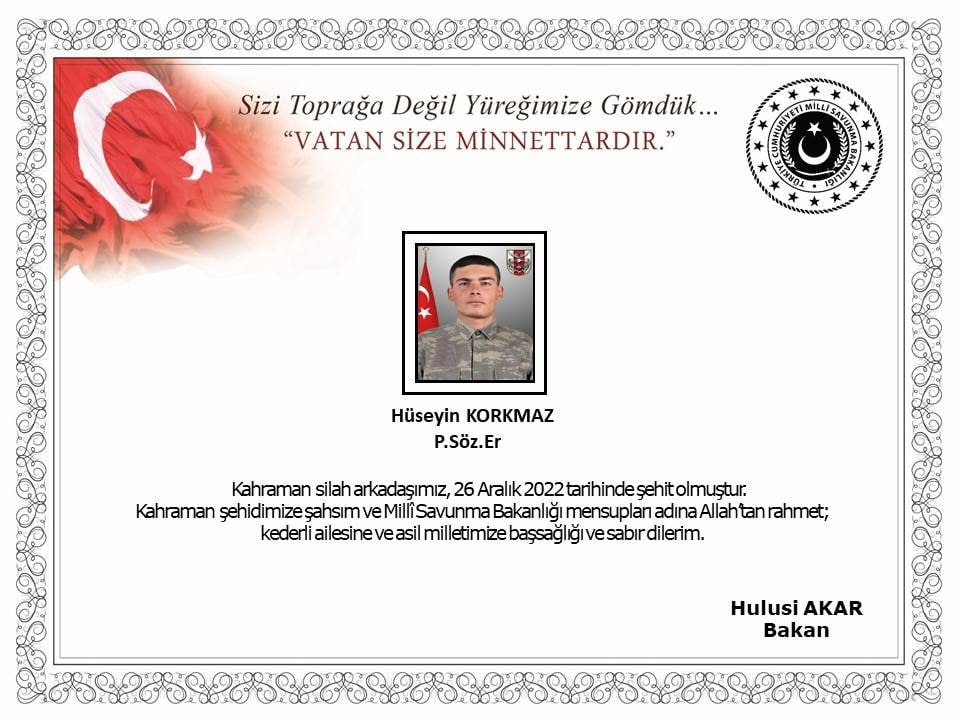
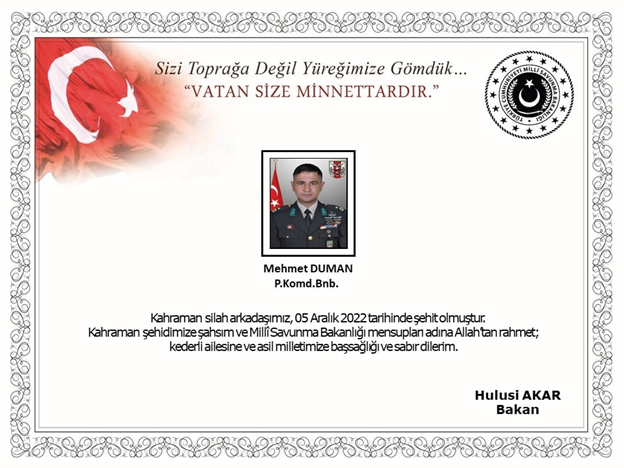
According to Turkish media, this soldier was killed during a conflict with Kurdish militias in northern Iraq. With the death of this Turkish soldier, the number of Turkish Army casualties in operation “Claw Lock” increased to 71 servicemen.
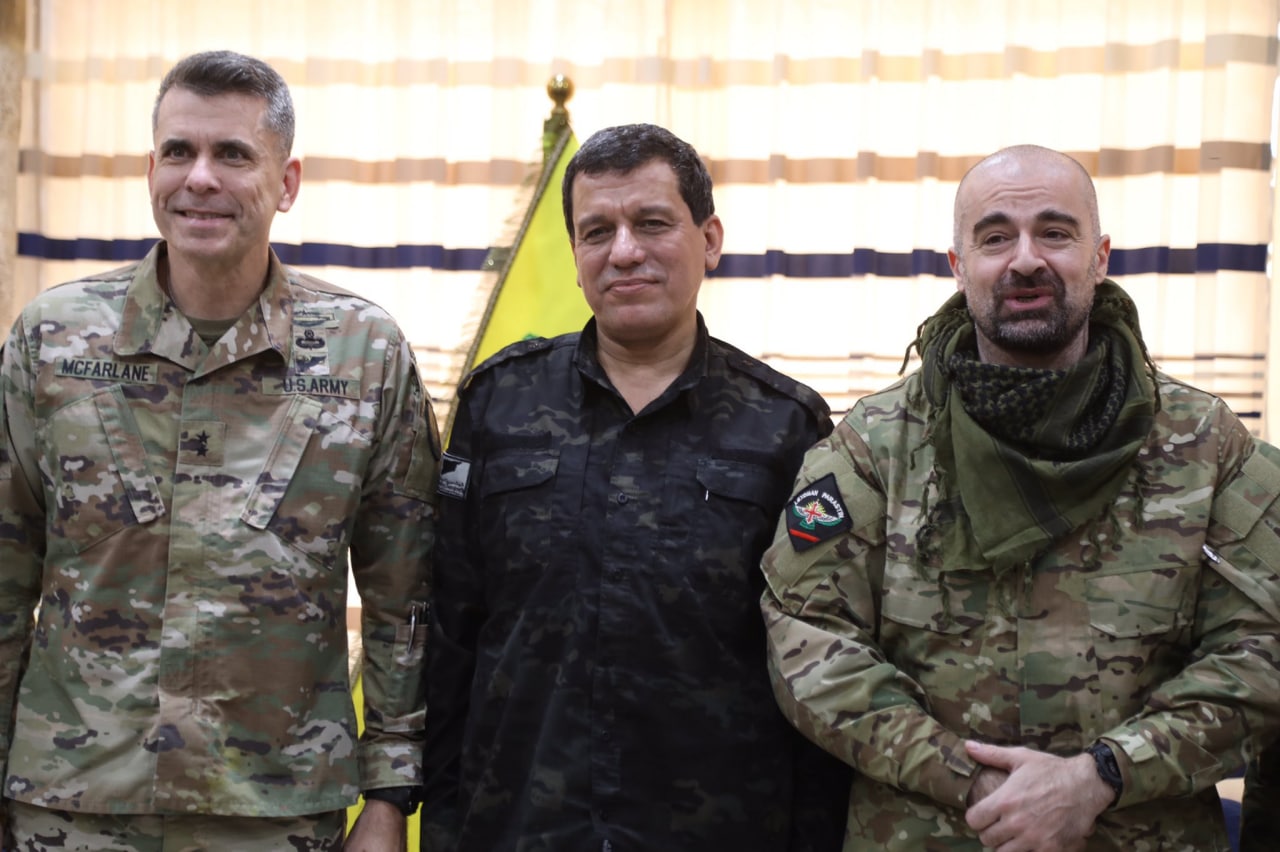
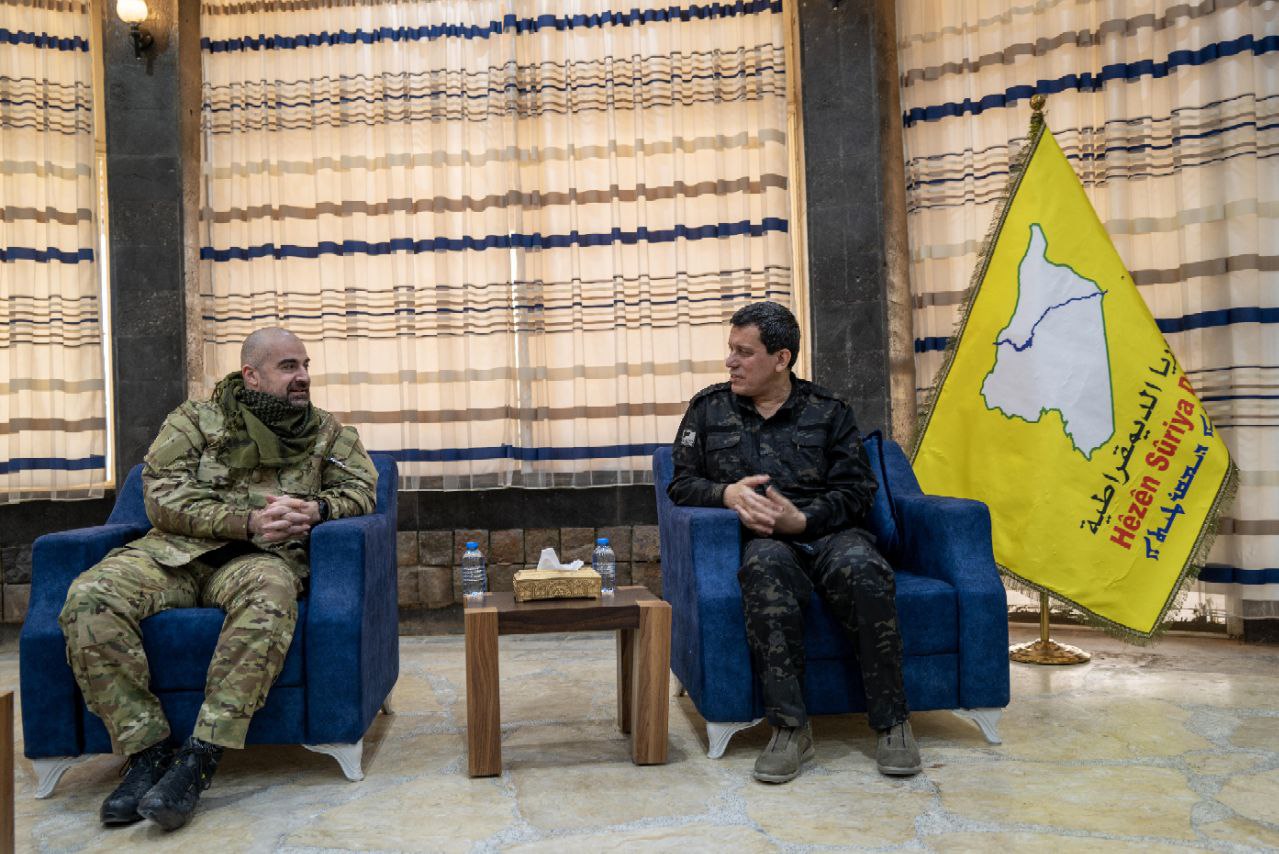
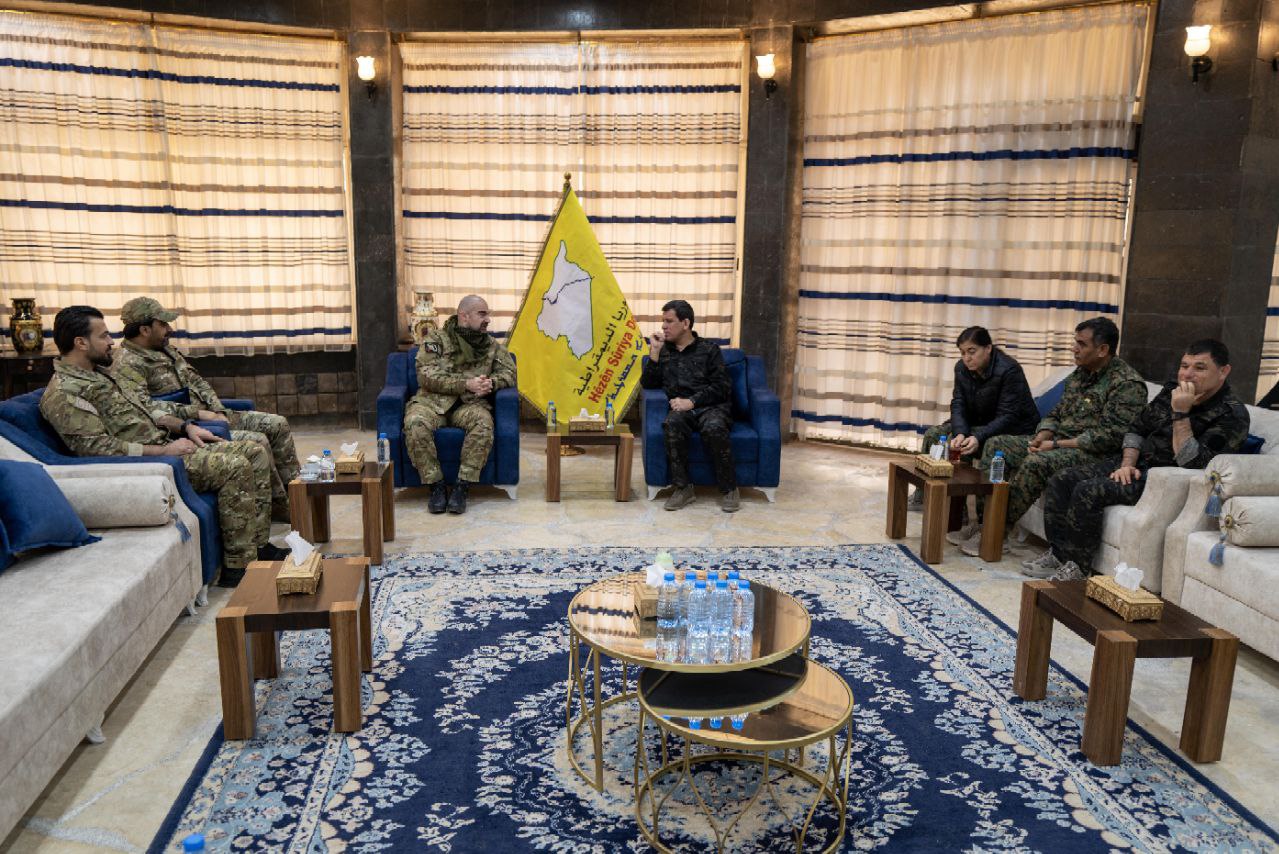
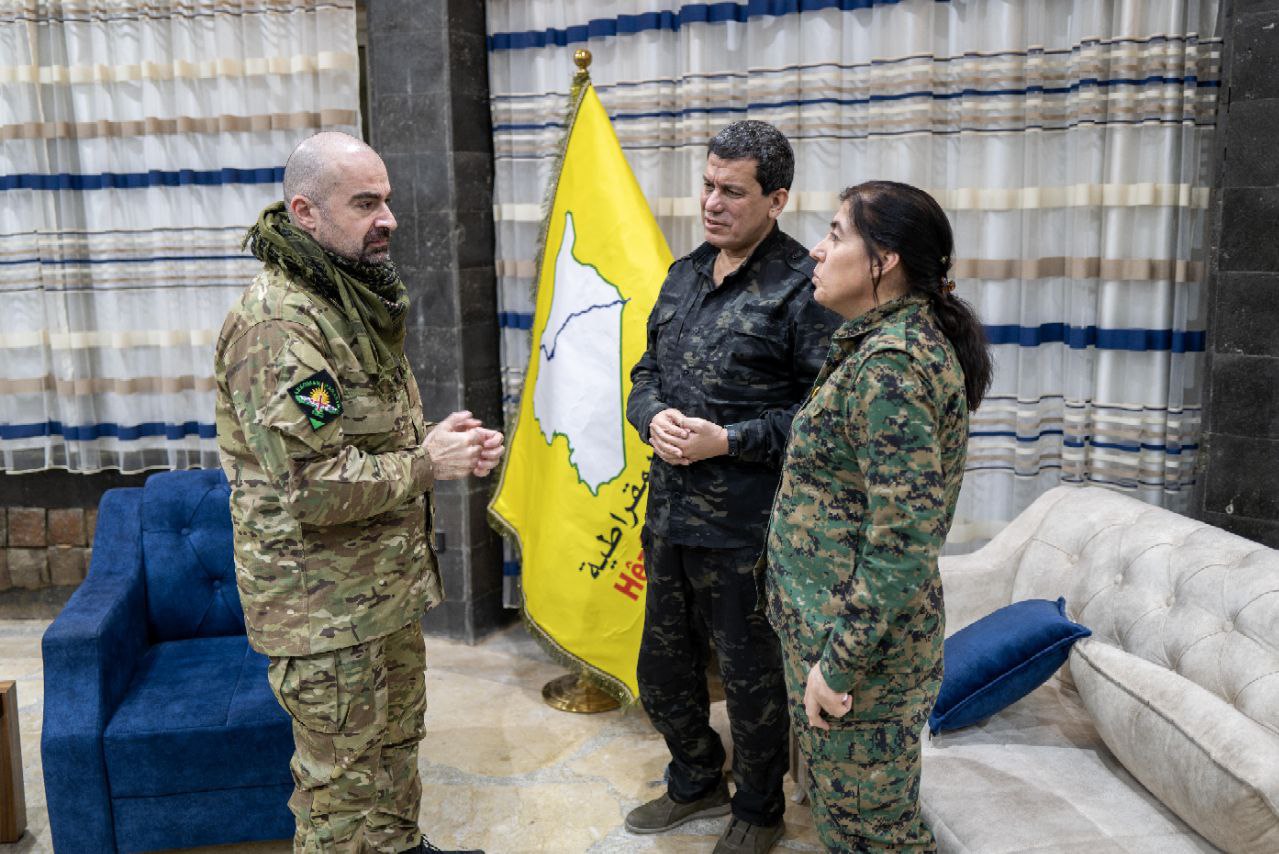
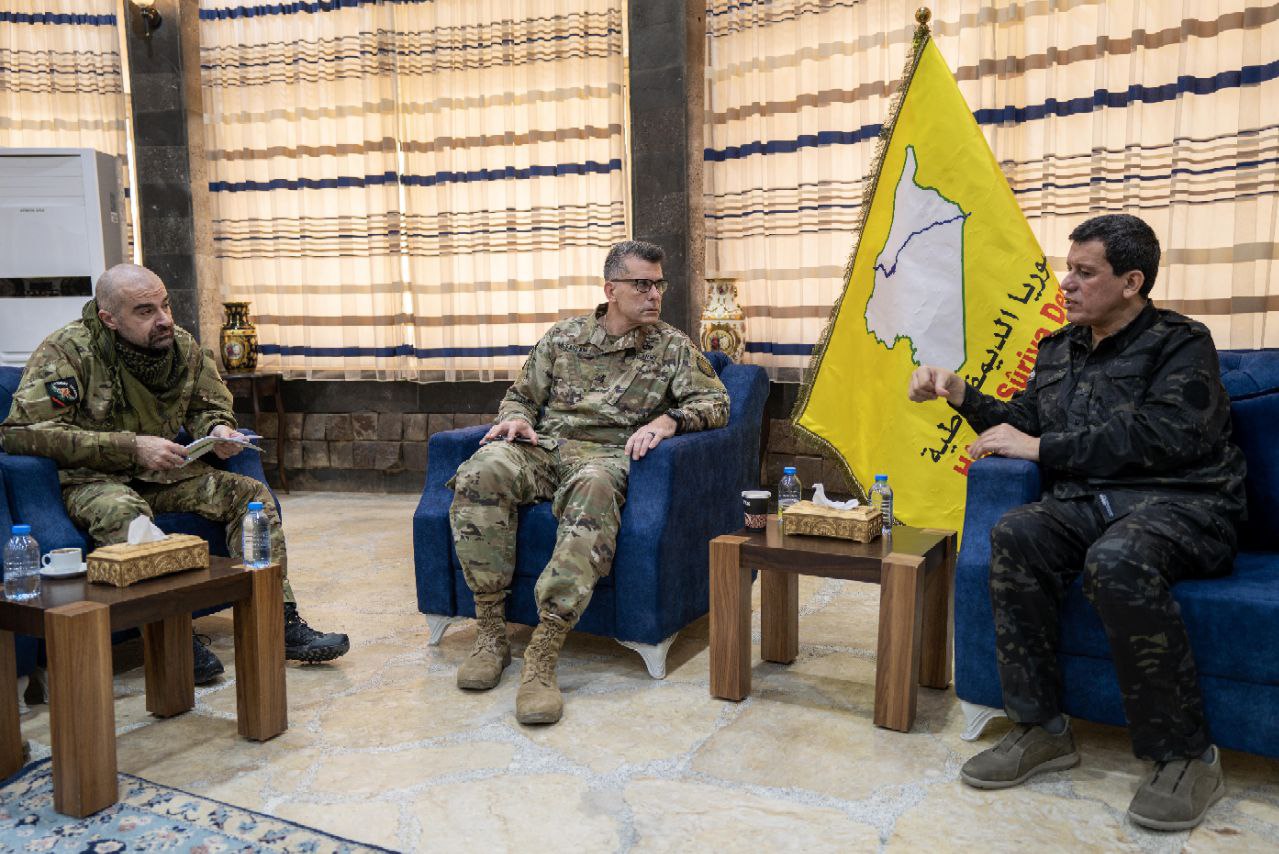
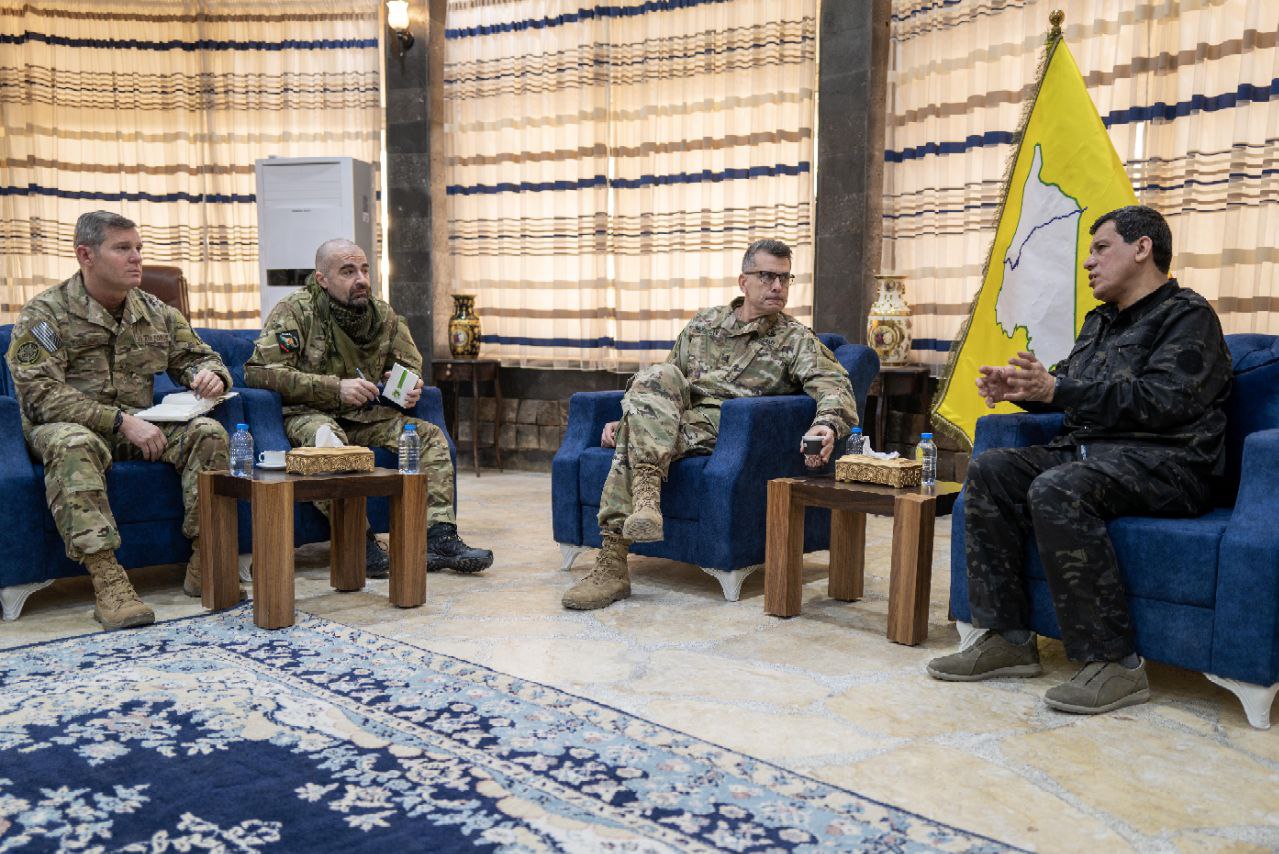
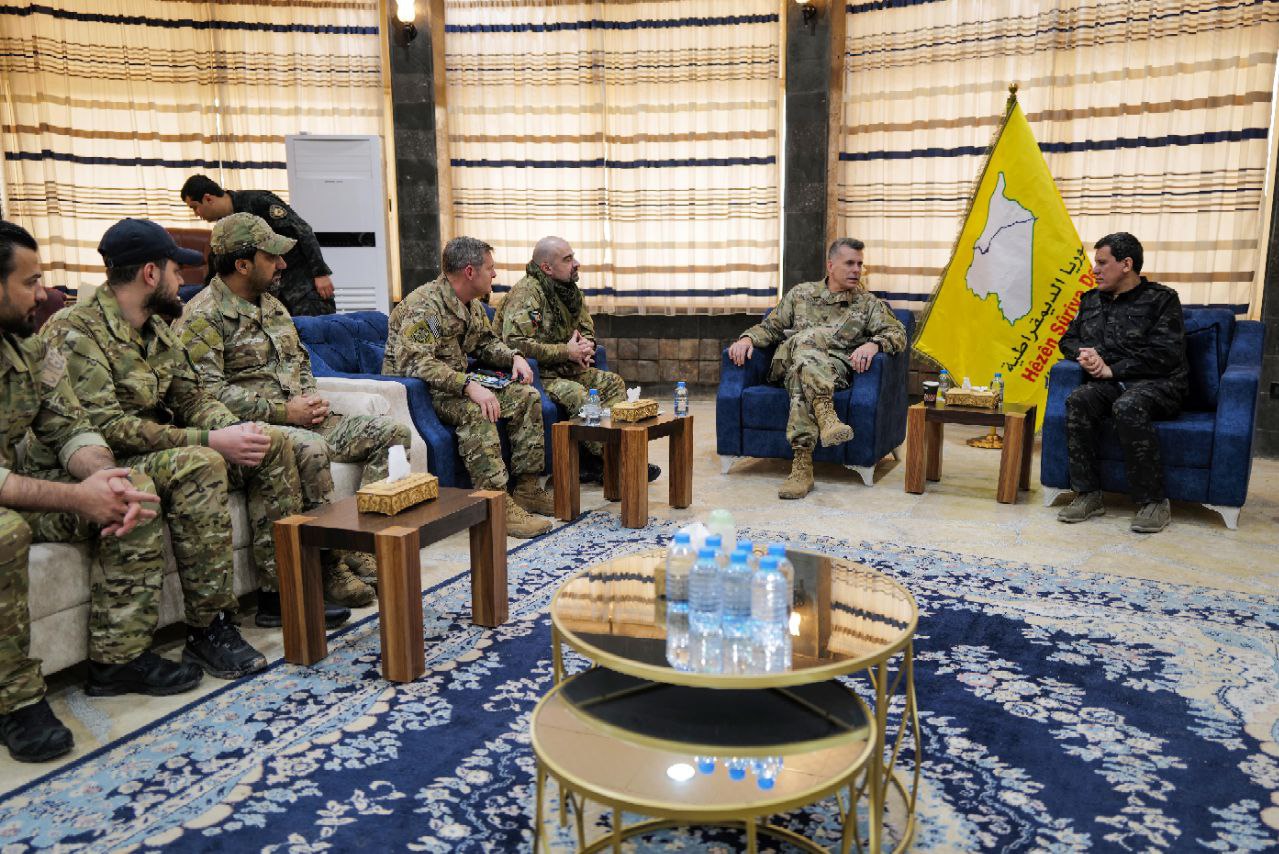
On December 20, Bafel Talabani, the head of the Patriotic Union of Iraqi Kurdistan and Wahab Halabjai, the head of counter-terrorism of Sulaymaniyah, met and talked with Mazloum Abdi, the commander-in-chief of the Syrian Democratic Forces (SDF) in Syria’s Hasakah province.
In this meeting, which was also attended by Matthew McFarlane, the US CJTF-OIR commander, the latest political and military developments in the northeast of Syria, solving the problems of the region peacefully, the danger of ISIS and its hidden cells, maintaining good relations with neighboring countries and the strengthening of relations between the SDF and the PUK were discussed.
It is worth mentioning that this is the first time that Talabani has traveled to the areas under the control of the Syrian Democratic Forces in the northeast of Syria. Talabani’s visit to Hasakah in this sensitive time period and at the same time as the whispers of the start of the new Turkish operation in northern Syria, shows that he seeks to strengthen relations and support the Syrian Democratic Forces. Abdi also thanked Talabani for his trip to Hasakah for this reason and understanding this issue and the sensitivity of his trip.
According to local sources, after the explosion, gunshots were heard from this base and the US aircraft made a reconnaissance flight over the area.
There is no information about the number of casualties and the details of this incident, and until this moment Iraqi and American authorities have not commented on this incident.
On December 5, the death of one of the Turkish army forces was announced. According to Turkish media, he was injured by an IED attack in northern Iraq and died after being transferred to a medical center due to the severity of his injuries. Following the death of this Turkish army commando, the number of casualties of the Turkish army in the “Claw Lock” operation increased to 70 people.
On December 4, Iraqi military spokesman Yahya Rasool announced that Mohammad Shia al-Sudani, the Prime Minister and Commander-in-Chief of the Iraqi Armed Forces, ordered border guards to take control of the borderline shared with Iran and Turkey.
Al-Sudani has also ordered to strengthen the Iraqi Border Guard Command with weapons, equipment and troops so that the border areas are under a suitable control.
He went on to say that Iraq does not allow its territory to be used to attack its neighboring countries, adding that Iraq has good relations with all neighboring countries and seek to develop the ties regarding the interests of Iraq and the neighboring countries.
According to Yahya Rasool, the purpose of this order is to end the conflict between the armed forces of Iran and Turkey with the terrorist groups.
It is worth mentioning that on November 23, the Iraqi National Security Council (INSC) during a meeting chaired by the Iraqi Prime Minister, Mohammad Shia Al-Sudani, examined the recent attacks carried out by Iran and Turkey on the northern regions of Iraq. The council made four new decisions for the deployment of Iraqi forces along the common borders of Iraqi Kurdistan Region with Iran and Turkey.
Following the order, two Iraqi military brigades were deployed along the common borders of Iraq with Iran and Turkey.
It is said that despite the presence of Peshmerga forces, the Iraqi border guards took control of the border areas. This measure was taken following several meetings and an agreement between the Baghdad authorities and Iraqi Kurdistan Region in recent days. According to this agreement, the Iraqi border guards will not enter the border crossings under the control of Kurdistan Region armed forces, known as the Peshmerga.
It is worth noting that deployment of Iraqi border guards along the common borders with Iran and Turkey was discussed in the recent meeting of Iraqi Prime Minister Mohammad Shia al-Sudani with senior Iranian officials.
On December 4 the Turkish Bashiqa military base in the Zelkan region, located in north of Mosul was targeted with eight rockets. No group took responsibility for the attack so far.
On December 3 also the Bashiqa military base was targeted by a rocket attack by the Islamic resistance of the “Ahrar al-Iraq” brigade.
On December 3, the Turkish Bashiqa military base in the Zelkan region, located in north of Mosul was targeted with four rockets. Ahrar al-Iraq group took responsibility for the attack.