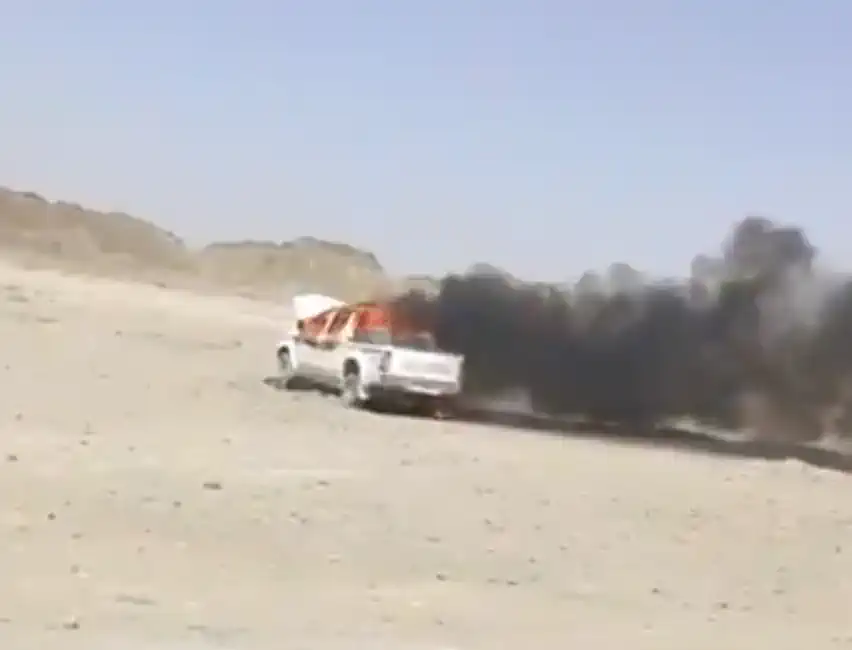
The operation, carried out as part of counterterrorism efforts in Sistan and Baluchestan Province, reportedly resulted in the elimination of six terrorists.
Recent reports indicate that the group’s activities have increased following the 12-day war between Israel and Iran. Some analysts emphasize that Western intelligence services—particularly Israel’s Mossad—are directing the group and using it to foment instability and unrest inside Iran.
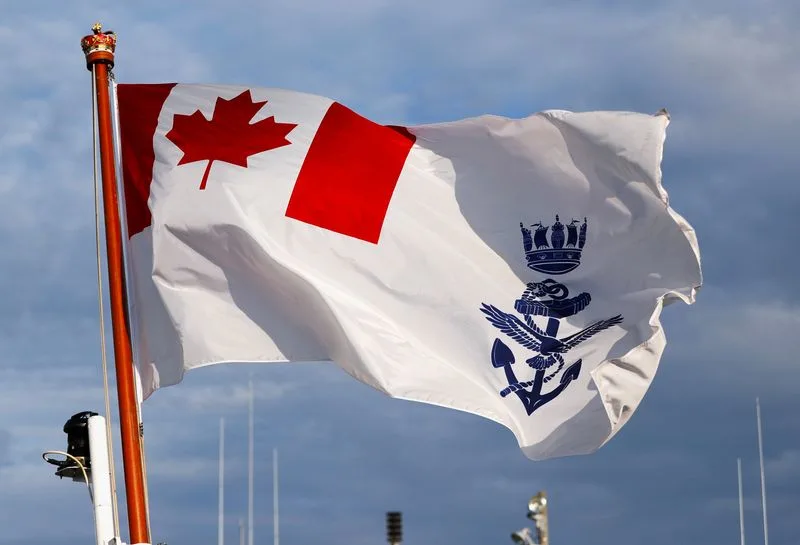
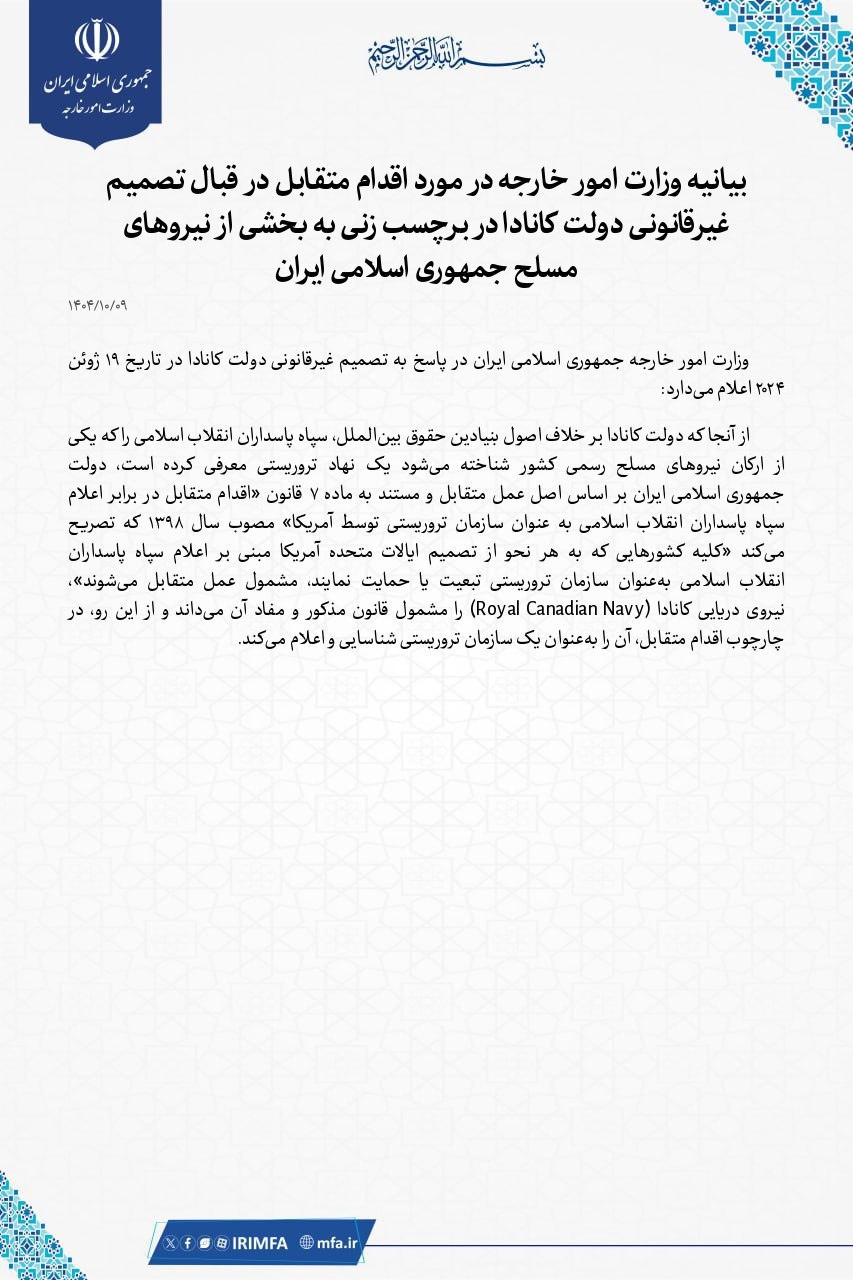
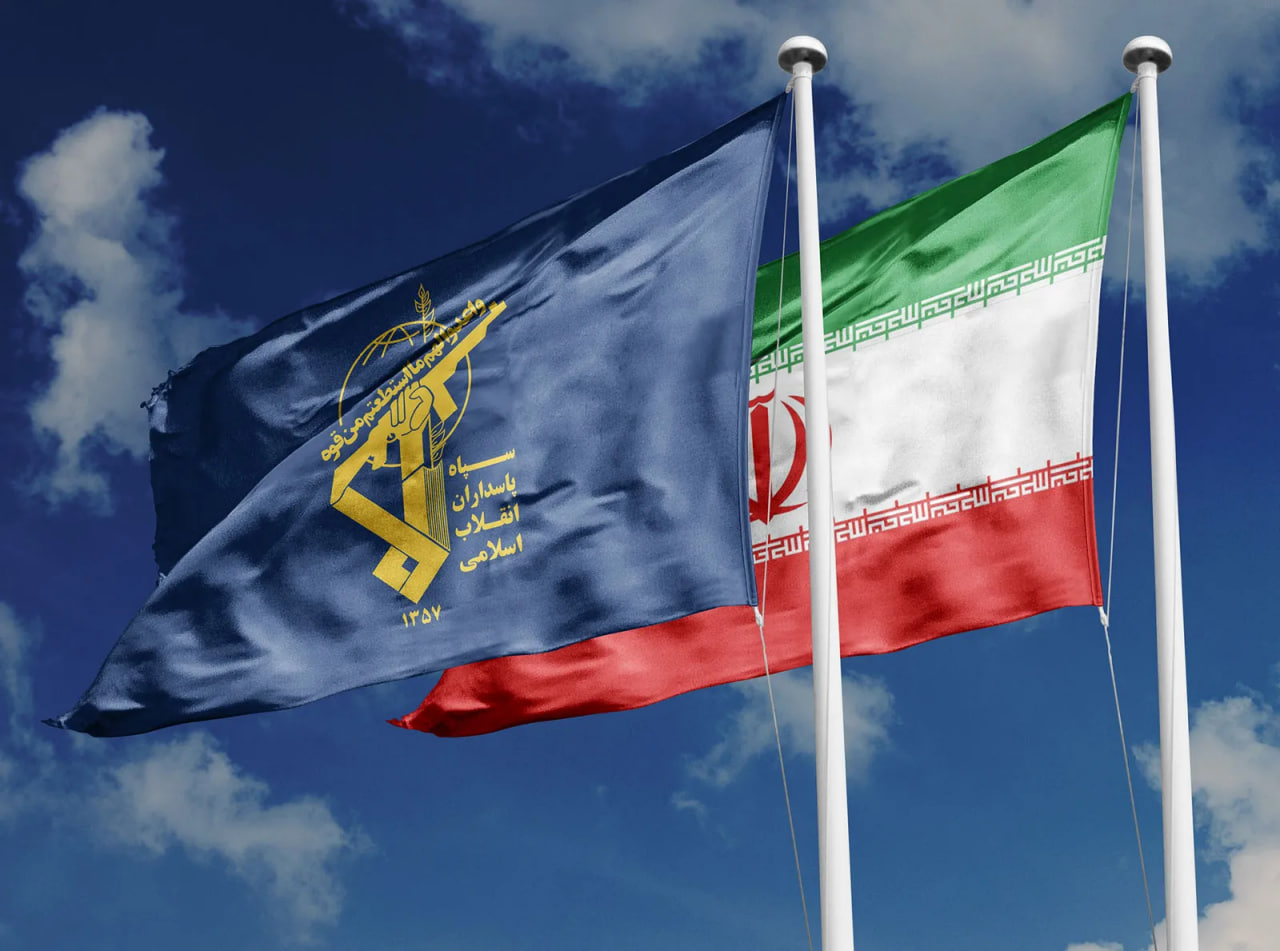
Following Canada’s decision to designate Iran’s Islamic Revolutionary Guard Corps (IRGC) as a terrorist entity, Iran’s Foreign Ministry announced a reciprocal measure.
The statement declared that since Canada labeled the IRGC—an official branch of Iran’s armed forces—as a terrorist group in violation of international law, Iran now recognizes the Canadian Navy as a terrorist organization.
This step was taken under the principle of reciprocity and Article 7 of Iran’s 2019 law on counter‑measures against countries adopting the U.S. designation of the IRGC as a terrorist organization.
The Foreign Ministry warned that Canada bears full responsibility for the legal and political consequences of this decision, while Iran reserves the right to take further actions to safeguard its national interests and security.
Statement by the Iranian Ministry of Foreign Affairs in response to Canada’s illegal action
According to the statement issued by the Public Relations Office of the IRGC Navy, rapid reaction units at 7:30 a.m. on November 14 intercepted the tanker Talara, sailing under the Marshall Islands flag, following a judicial order to confiscate its cargo.
The vessel was carrying 30,000 tons of petrochemical products and was en route to Singapore.
The IRGC Navy announced that the operation was conducted in line with its legal duties and to safeguard the national interests and resources of the Islamic Republic of Iran. It emphasized that full disclosure requires a thorough inspection of the cargo, the tanker, and its documentation. Following these checks, the vessel was confirmed to be in violation for transporting unauthorized goods.
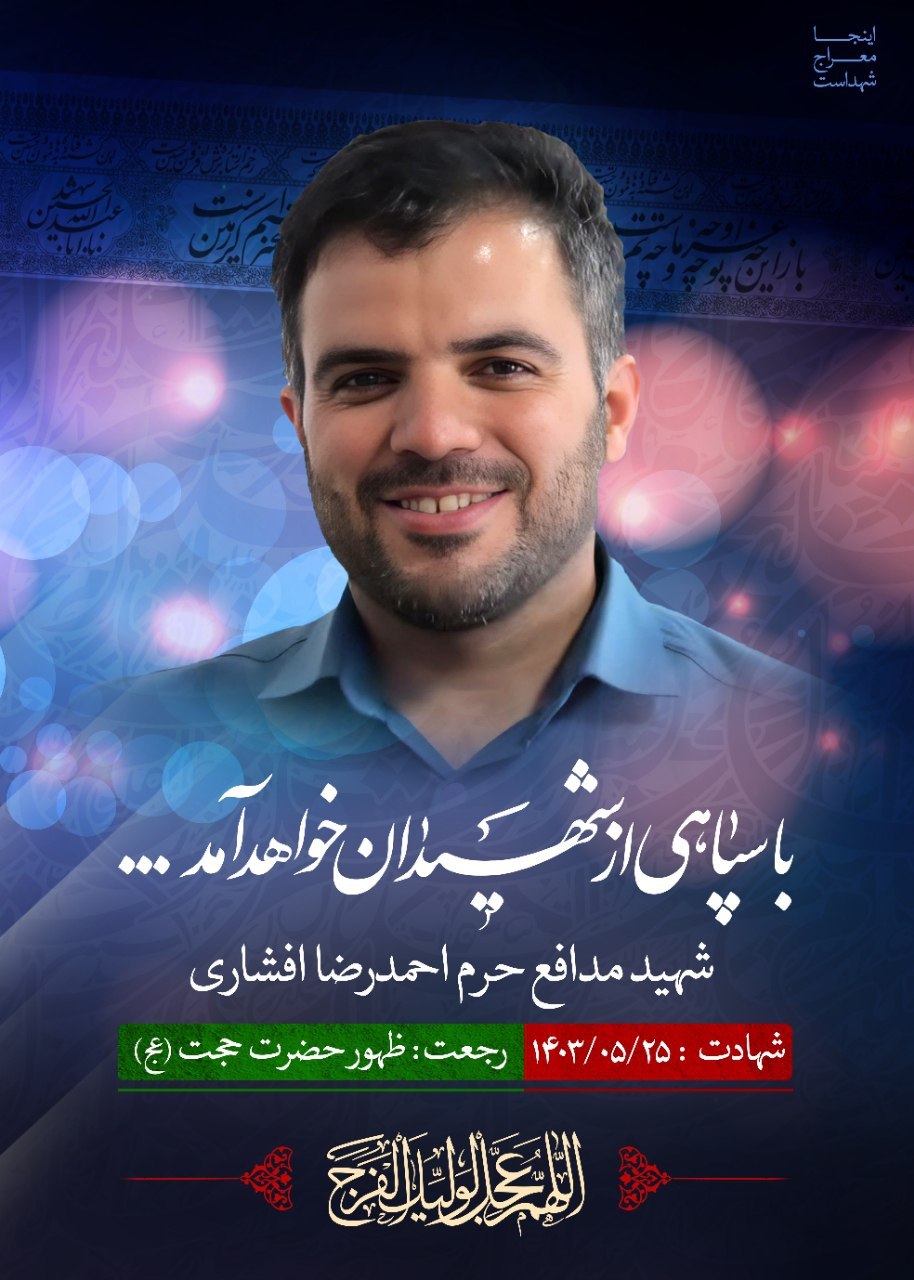
Ahmad-Reza Afshari, a member of the IRGC’s Aerospace Forces who was in Syria to conduct advisory mission, was martyred as a result of injuries sustained by aerial offensive.
Afshari, who was injured following the airstrike by the invading US-led coalition forces in the friendly Arab country a few weeks ago and was transferred to Iran for medical treatment, was honored to join his martyred comrades on Thursday because of the severity of his injuries.
Ahmad-Reza Afshari
In this respect, Head of the Islamic Revolution Guards Corps Major General Hossein Salami issued a message, emphasizing that once again, the IRGC strengthened the pillar of the Islamic Revolution of Iran by dedicating one of its forces, who was also defending the holy shrine in Damascus. Honored member IRGC’s Aerospace Advisory Forces in Syria Colonel Ahmad-Reza Afshari was martyred in consequence of injuries sustained by an air strike. This heavenly companion of Imam al-Hussain (3rd Shia Imam), who was honored to turn into a disabled veteran a few weeks ago flowing an aerial attack by the invading US-led coalition in Syria and was transferred to the Islamic Republic of Iran for medical treatment, joined his companions, who had been martyred, on Thursday due to the severity of his injuries.
At the end of his message, the IRGC chief stated that I voice my congratulations and offer my condolences over the martyrdom of the praiseworthy martyr, and pray for Almighty God’s Blessings, and wish for the dear martyr to accompany the martyrs of Karbala (the Battle of Karbala was fought on 10 October 680 between the army of the second Umayyad caliph Yazid I and a small army led by Imam Husain (A.S), the grandson of the great Prophet Muhammad); and I pray for his honorable family, relatives and comrades to be able to be patient, strong and steadfast in order to continue the path of martyrdom and jihad based on the tenets of the holy Quran as well as to pursue the way of the glory of Islamic Republic of Iran.
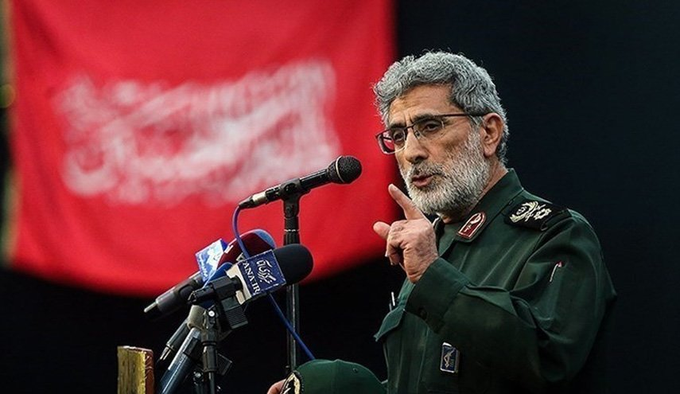
Brigadier General Qaani expressed his heartfelt condolences for Haniyeh’s martyrdom, recognizing him as a courageous figure in the Islamic Resistance and a respected leader who promoted unity among Muslims. The Iranian commander wrote in his message to al-Sinwar that those who were mastermind and perpetrators of the assassination of the former Hamas chief in Iran must be punished.
Qaani’s message is as follows:
“I offer condolences over the martyrdom General Ismail Haniyeh. Martyr Haniyeh was truly one of the brave leaders of the Islamic Resistance and the appreciated and modest personality who created unity in the Islamic world.
As the Leader of the Islamic Revolution stated, we consider it our duty to avenge Haniyeh’s blood for this bitter incident inside the Islamic Republic’s territory.
There is no doubt that the blood of the noble martyr will impact the severity of punishment of the Zionist regime at the hands of the Islamic Republic.
The heroic jihad of your brothers in the Islamic Resistance will amplify the effect of punishment more than what it was in the past and it will lead to the eradication of the evil phenomenon as soon as possible.
I express congratulations to all the heroes of Hamas, Gaza, and the Palestinian nation on your election as the leader and jihadi commander, who has a background of being a veteran and honorable figure.
By electing such a leader, Hamas proved with a different logic that it is handing over the proud flag of Hamas to the figure who has the most influence on the battleground, and who is a fighter in the path of Allah.”
In a statement, the Public Relations Department of the 2nd Naval District of the Islamic Revolution Guards Corps (IRGC) announced that it had seized an oil tanker carrying more than 1,500,000 liters of smuggled fuel under the flag of Togo and 12 crew members of Indian and Sri Lankan nationalities in the Persian Gulf and transferred it to the port of Bushehr. The operation was carried out on Sunday evening July 21.
The origin and destination of the oil tanker has been registered in the port of Sharjah in the UAE.
The Global Maritime Risk Management Ambry confirmed the ship’s information, saying the incident occurred on Sunday 61 nautical miles southwest of the Iranian port city of Bushehr and was unlikely to be politically motivated. Therefore, it is not evaluated as a war incident.
Fuel is one of Iran’s assets, and its trade outside the state system is illegal and is considered an act of smuggling. The seizure of the vessel is also in line with the IRGC Navy’s fight against the smuggling of fuel to neighboring countries. The IRGC Navy had previously seized three ships carrying fuel smuggled from Iran in the Persian Gulf in December and February last year.
– The destruction of Israel through military action is not sweet for the world. The people of the world must be enlightened and aware, the Gaza war is the cost for the enlightenment of the world, and the events that are taking place in the world today are all a result of the Gaza war.
– The expansion of the war was costly for the Zionist regime, and they were looking for an action with low cost and high effectiveness. The entry of the usurping regime into this crime against Iran was a miscalculation, and they thought that Iran would not respond to their crime and that the resistance forces would act instead of Iran.
– Israel sent a message through the Egyptian foreign minister that it would back down in the Gaza war to prevent Iran’s response.
– Martyr Amirabdollahian, the Foreign Minister, played an active role in the diplomacy of the Operation True Promise. Israel and the United States equipped the countries of the region to defend Israel in order to prevent the damage of Iran’s response. About 221 fighter jets were put on alert to prevent Iran’s attacks.
– According to the admission of foreign countries, the Operation True Promise was the largest missile and drone operation in the world. To overcome Israel’s Iron Dome, a large number of missiles and drones were needed; the operation was punitive, limited, and extensive, and two intelligence and operational bases that played a role in the martyrdom of Iranian military commanders in Syria were destroyed.
– The defeat of Israel’s deterrent power is equivalent to its collapse. Now the resistance axis has gained morale, and the history of the region has been divided into before and after the operation. The result of this operation is good deterrent power and an exemplary one for the Islamic Republic, and as a result of this victory, the economy and morale of the people have improved, and national cohesion in support of this operation has increased.
It is worth mentioning that in response to the Israeli attack on April 1 against the Iranian consulate in Damascus, which led to the martyrdom of some Iranian military advisors, the IRGC launched an extensive missile and drone strike on the Israeli-occupied territories that was dubbed Operation True Promise at midnight on April 13 and in the early morning of April 14.
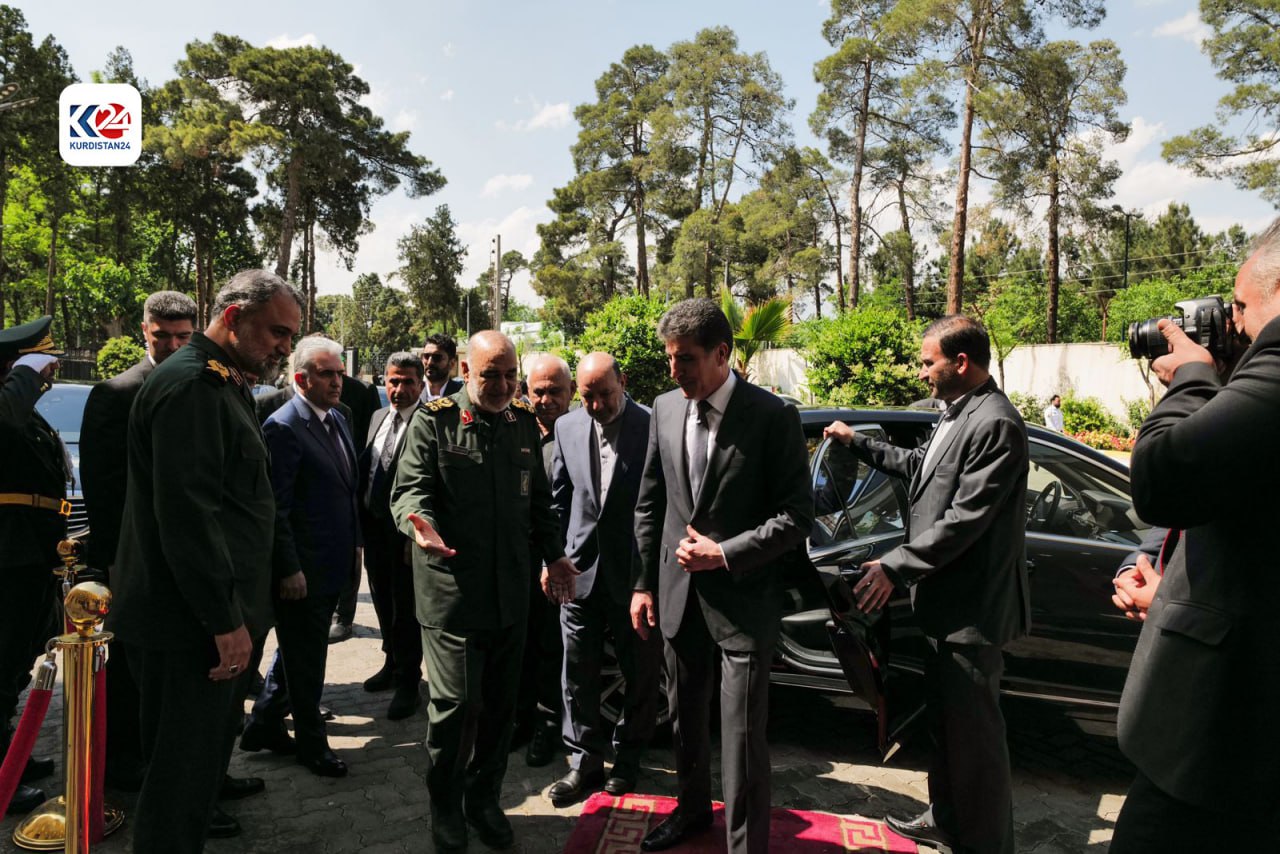
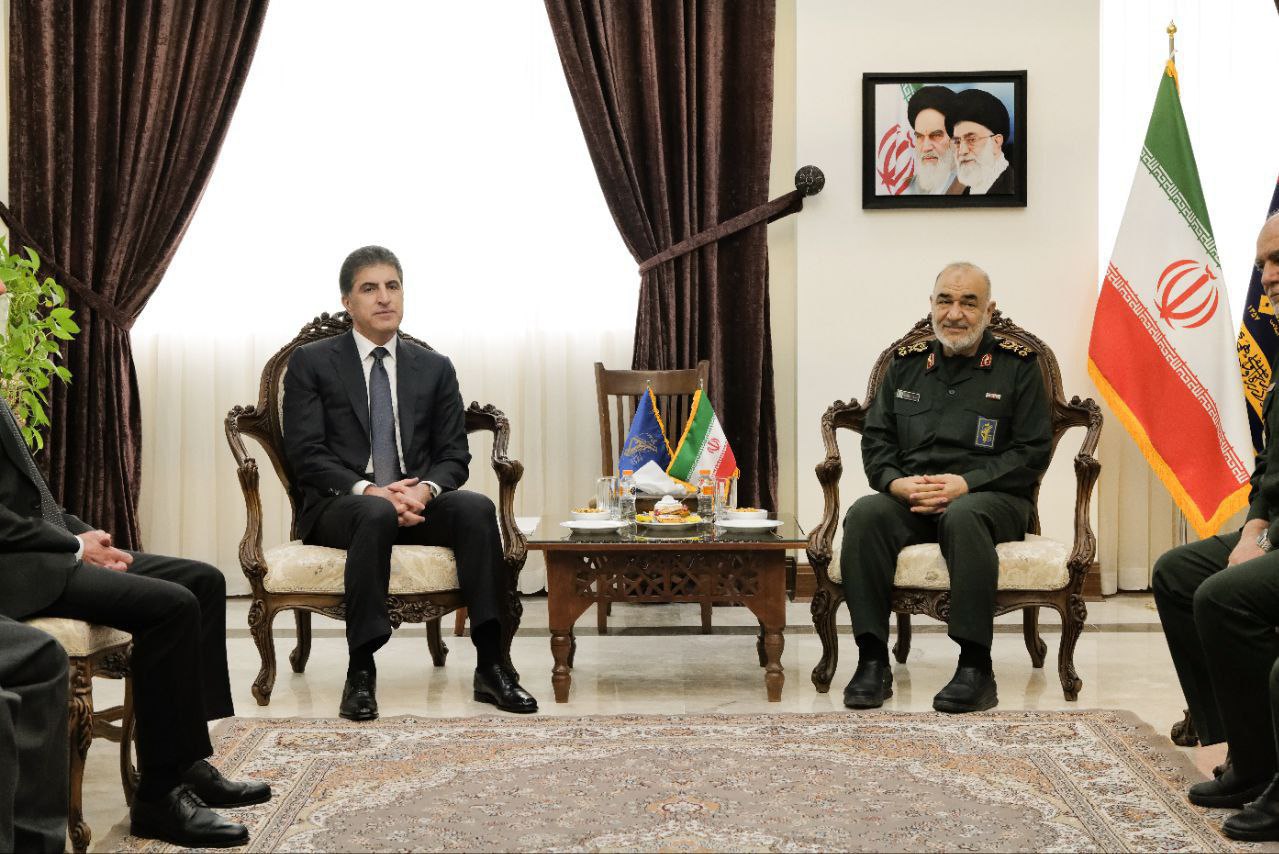
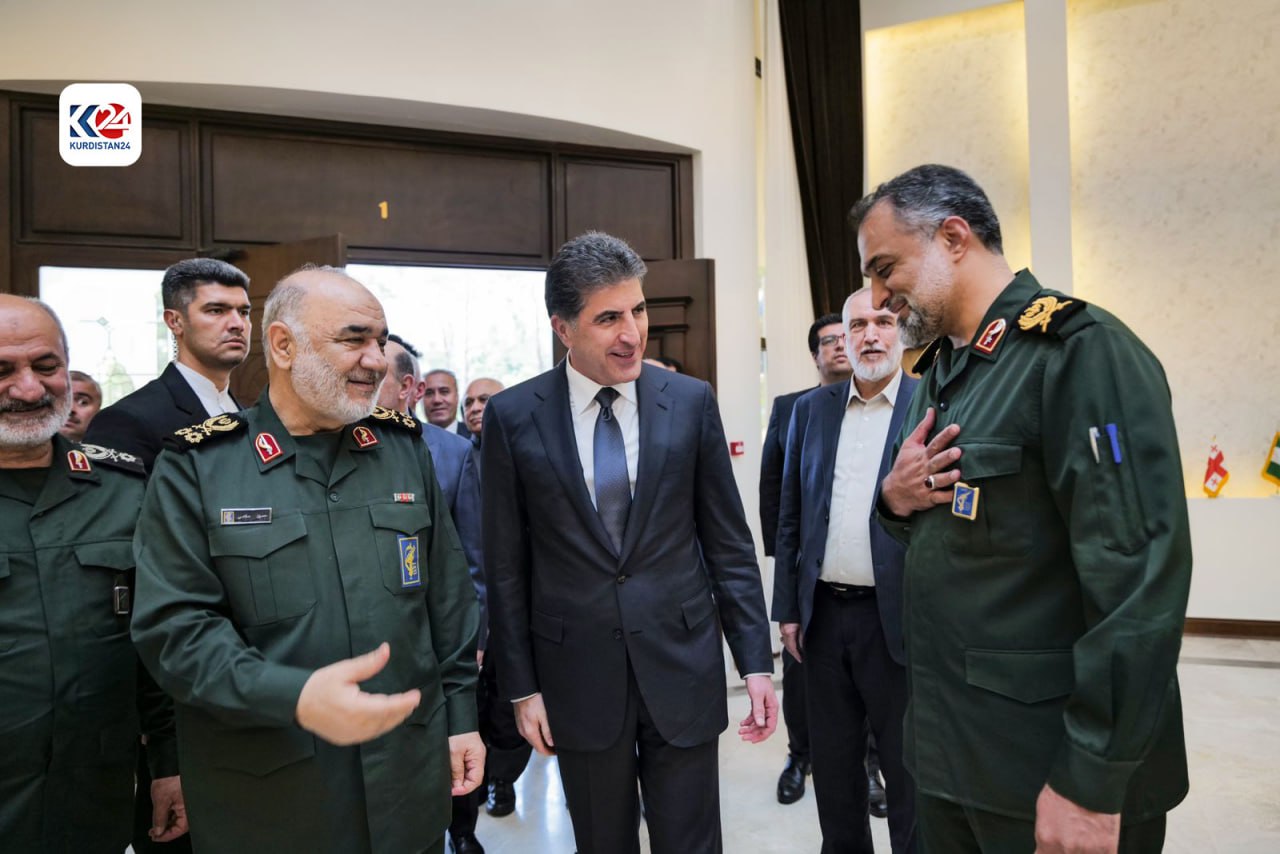
Nechirvan Barzani, the President of the Kurdistan Region of Iraq, met and held talks with Major General Hossein Salami, the commander-in-chief of the Islamic Revolution Guards Corps, in Tehran on May 7.
In this meeting, the two sides reviewed the relations between Iran and Iraq, especially the Kurdistan Region, particularly in the security field, and they emphasized the importance of further strengthening coordination and increasing cooperation to maintain security and stability on the borders as well as confront security threats.
The two sides also held talks on the impacts and consequences of the war in the West Asia region and agreed that regional countries should act to preserve stability in this region.
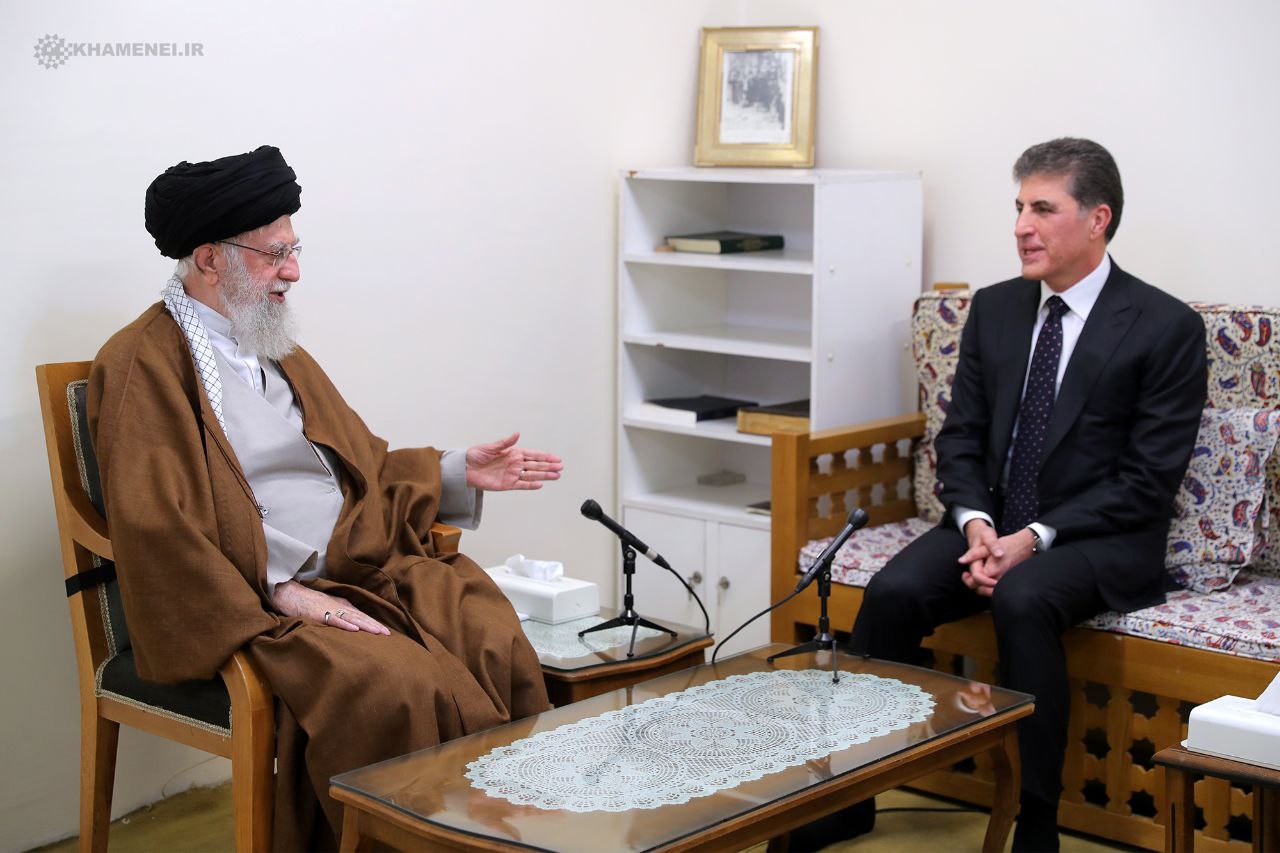
It is worth noting that the president of the Kurdistan Region of Iraq arrived in Tehran at the head of a high-ranking delegation three days ago, on May 5. Barzani had met with Leader of Iran’s Islamic Revolution Ayatollah Seyyed Ali Khamenei and President Ebrahim Raisi during this visit to Tehran.
The meeting of the president of the Kurdistan region with General Hossein Salami, the commander-in-chief of the Islamic Revolutionary Guard CorpsA picture of Nechirvan Barzani’s meeting with Imam Khamenei, the leader of the Islamic Revolution of Iran
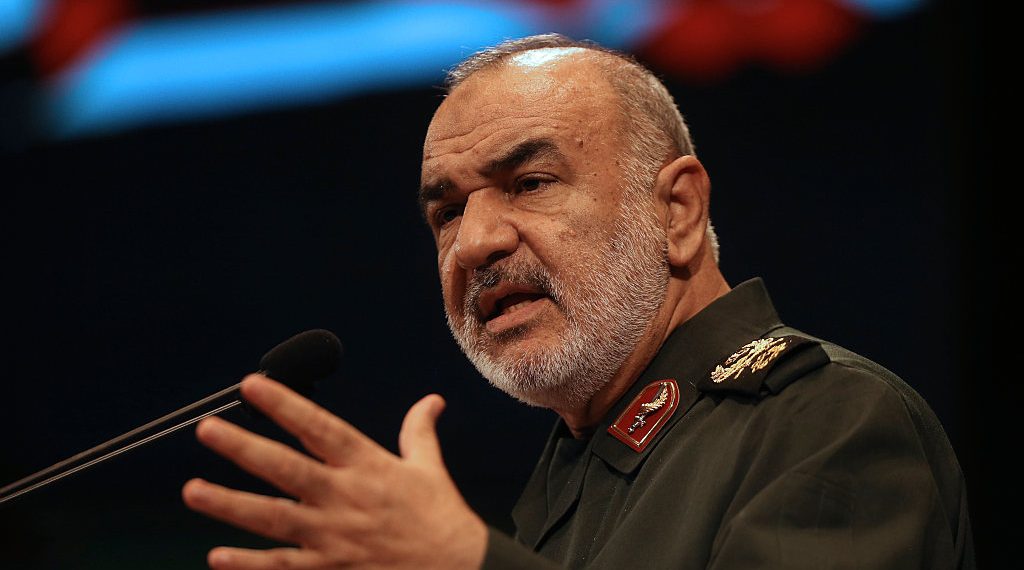
Parts of General Salami’s most important words are as follows:
— America has targeted the entire Islamic world. All Muslims are in the same boat. If the enemy is able to penetrate into an Islamic land, he will develop this infiltration and it must be blocked.
— We block the enemy in the eastern Mediterranean. We widen the front so that the enemy is divided. Islamic lands should be a field of jihad against the arrogant because we have a common enemy and a common destiny and ideal. We cannot live apart from each other.
— The task of the Quds Force is to prevent the enemy from infiltrating the Islamic world. By doing this, we have defended both the national security of our country and the security and dignity of other Muslims.
— The presence of the arrogant in the Islamic world is nothing but destruction. Wherever they set foot, they caused poverty, displacement and killing. They can only massacre and bury the bodies of Muslims under the rubble.
— This situation is unbearable for us. For this reason, these martyrs entered the field. Martyr Zahedi did not leave the scene of Jihad for 46 years. As Haj Qassim also did this. They sacrificed their lives and families for the peace of the Ummah.
— The ‘Operation True Promise’ was a fatal blow to the body of this brutal regime and showed how defeatable the most densely defended area in the world is against a limited attack despite the support of US, UK, France and some Arab countries.
— We are approaching the end of the political life of this (Israeli) regime. Today, America’s political geography has shrunk in the world, and America is morally bankrupt in the world. America falsely wants to show itself as the defender of human rights, democracy and prosperity. The downward spiral of US power has been going on for years.
Part of the remarks of Brigadier General Ahmad Haghtalab, commander of the IRGC unit responsible for safeguarding Iran’s nuclear sites, comes as follows:
– If the fake Zionist regime intends to use the threat of attacking our nuclear facilities to put pressure on Iran, reconsideration of the doctrine and nuclear policies of the Islamic Republic of Iran and distancing from past declarations is possible and conceivable.
– The nuclear facilities of the Zionist enemy are identified, and we have all the necessary information about their targets, and in response to their possible actions, we have fingers on the trigger to launch powerful missiles to destroy the specified targets.
– If the Zionist regime intends to take action against our nuclear facilities and installations, it will definitely face our reaction and will be confronted with advanced nuclear facilities for a like-for-like response, and will be targeted for invasion and operations.
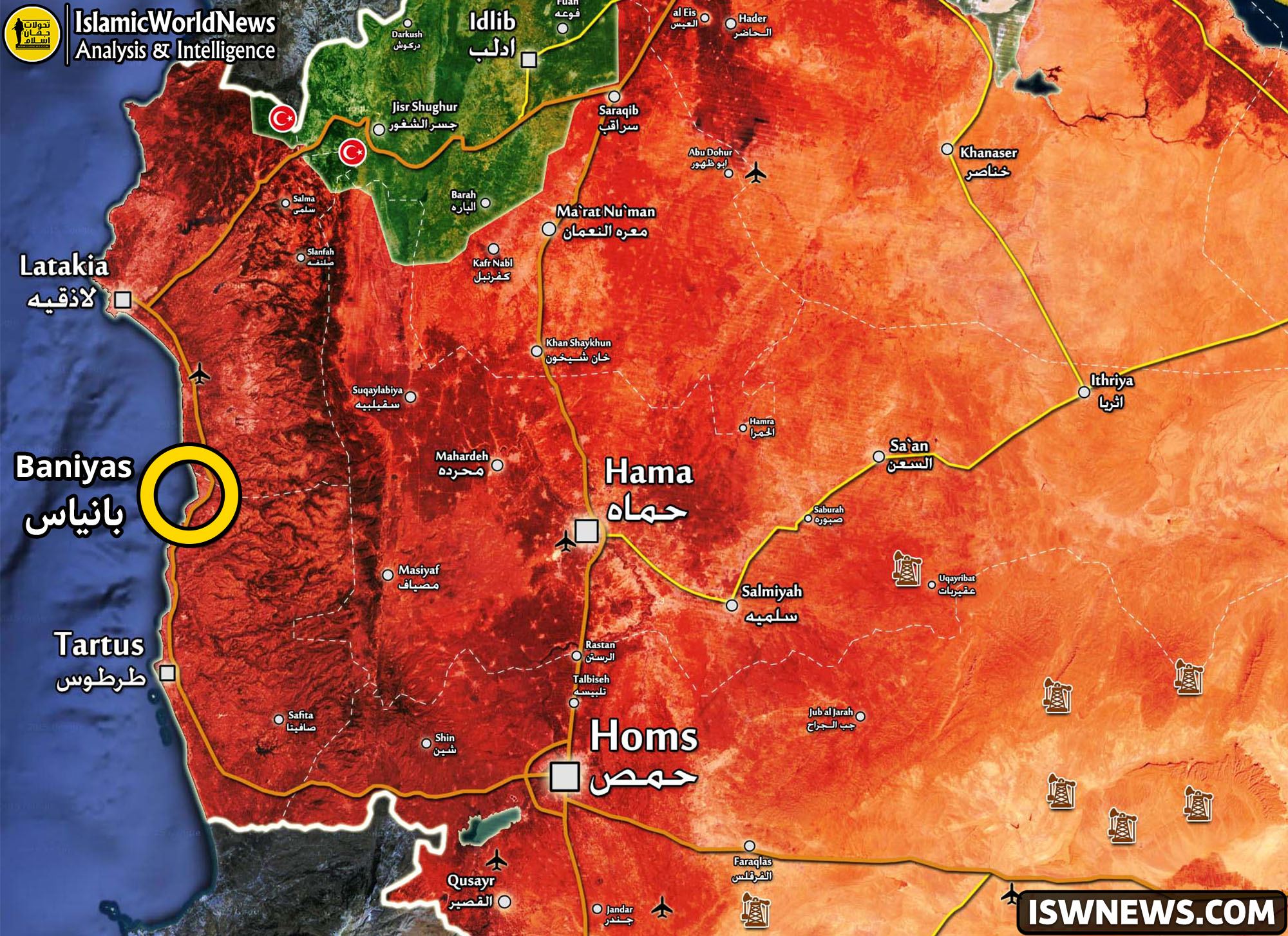
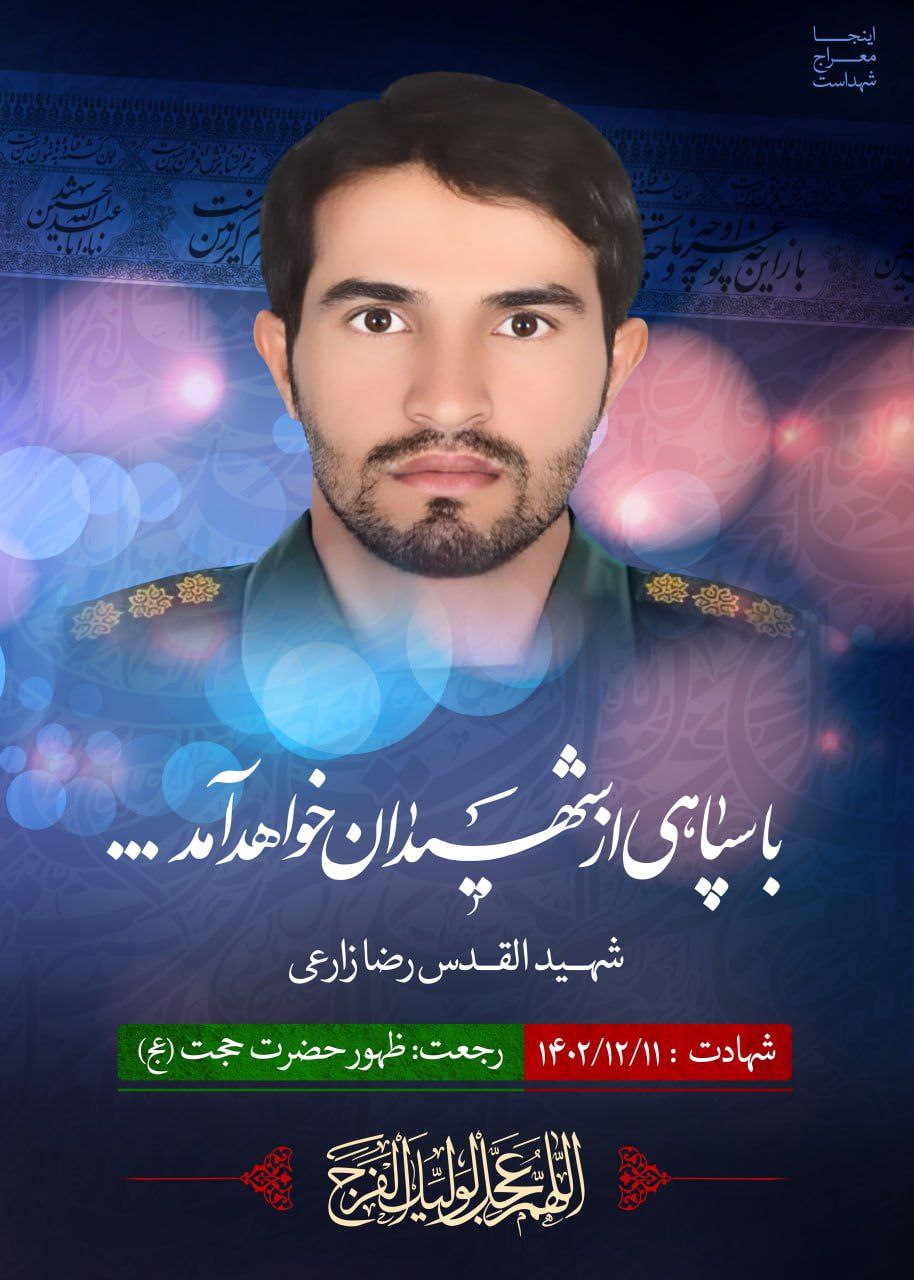
Early on March 1, the Israeli regime’s fighter jets targeted the Al-Bitariyah village in the southern suburbs of Baniyas. During this attack, one of the IRGC advisors named Reza Zarei was martyred.
No further details have been released so far, but it is said that Martyr Zarei was active in the field of maritime transportation between Syria and Iran.
It is worth noting that the Israeli regime’s fighter jets also fired a number of missiles at targets in the suburbs of capital Damascus, causing material damage.
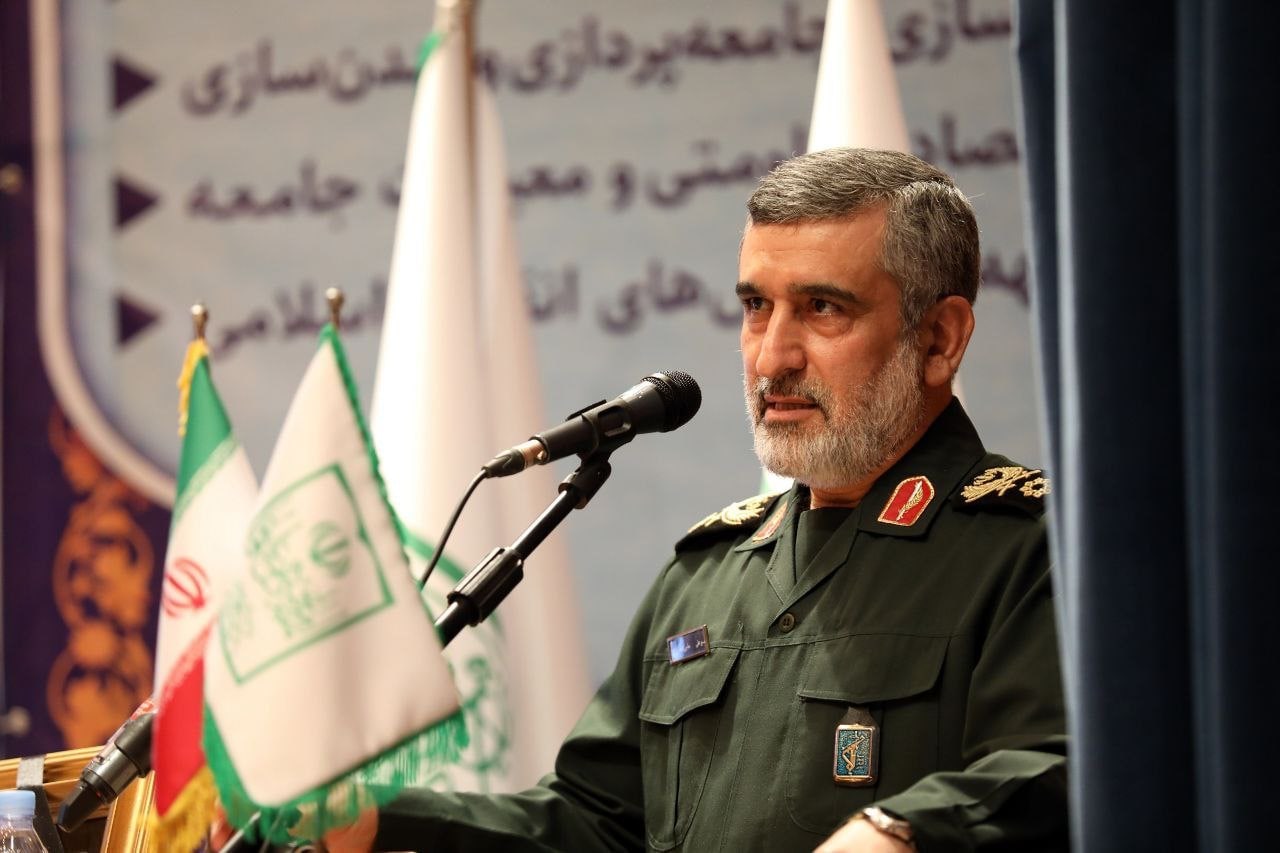
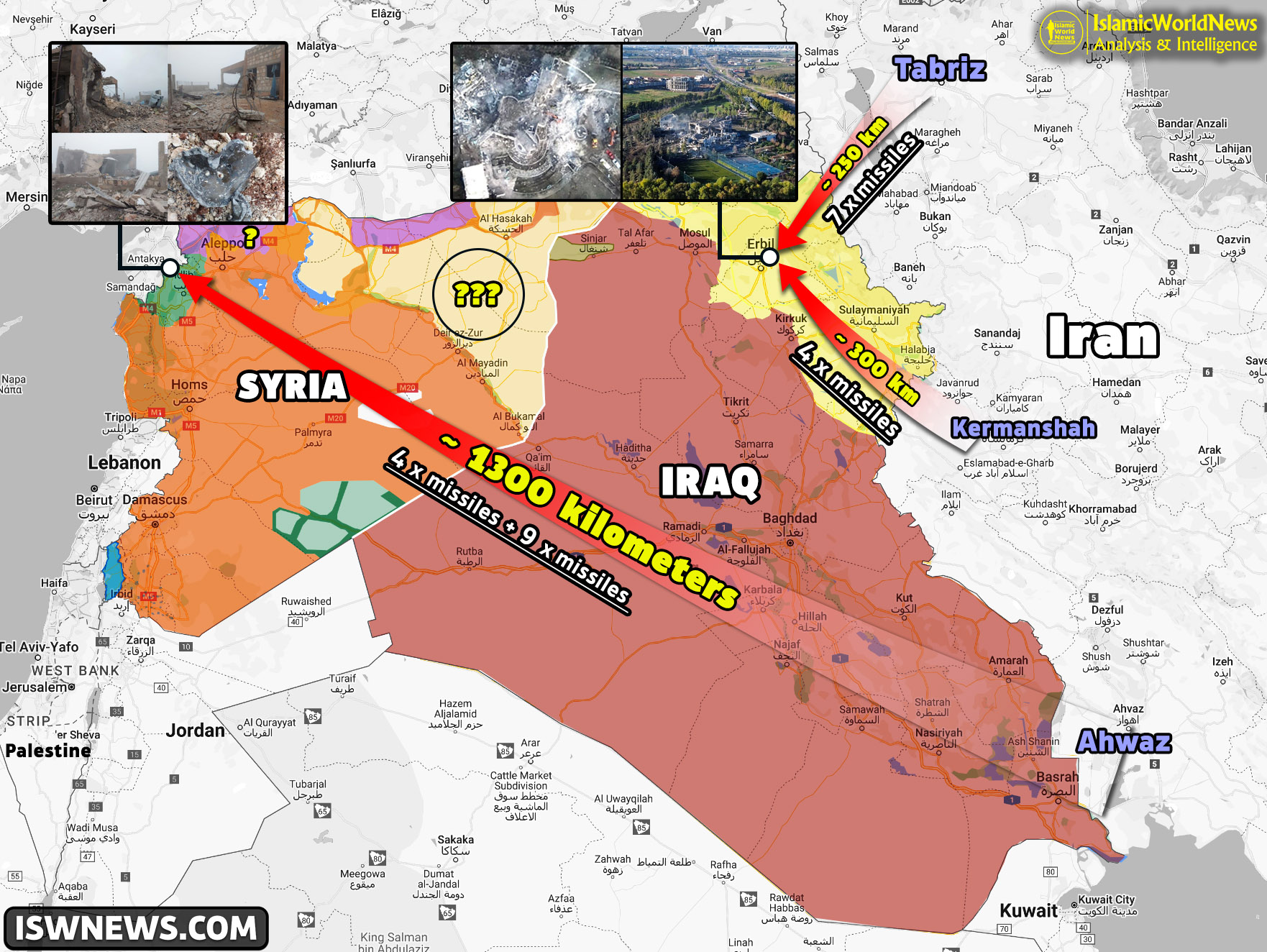
According to the statements made by General Amir Ali Hajizadeh, the commander of the Islamic Revolution Guards Corps Aerospace Force as well as the existing field information, these attacks were carried out against the command and espionage headquarters of the Mossad approximately 10 kilometers far from the Iraqi city of Erbil, and also against the hideouts and training centers of Takfiri groups associated with the ISIS Khorasan branch in the Kafr Takharim area in northern Idlib Governorate of Syria.
The attack on the Mossad headquarters in the Iraqi city of Erbil was carried out by firing 11 Fateh-110 and Fateh-313 missiles. Out of this number, four missiles were launched from western Iranian city of Kermanshah (Tange Kenesht military base) and seven other missiles were launched from the northwest Iranian city of Tabriz (Azarshahr missile site) to hit the targets. Additionally, according to the published videos regarding the Erbil attack, one or two suicide drones were also used, but the Islamic Revolution Guards Corps has not hinted to the drone attacks in their four statements; therefore, details about the number and type of suicide drones used in this operation are not available. Nonetheless, it is highly likely that these drones are of the Shahed 131 or 136 types.
It is worth mentioning that during the attack on the Mossad headquarters in Erbil, four people, including Peshraw Dizayee, a leading figure of the traders close to the Israeli regime as well as Ahzi Amin, who was a former intelligence commander of the Kurdish Peshmerga forces, were killed.
The attack on the terrorist groups in Syria was carried out by firing 13 missiles. Out of this number, four Khaybar-Shekan ballistic missiles were launched from the Darkhoveyn area in southern Khuzestan province, which is located in southwestern Iran. The ballistic missiles were fired towards Idlib Governorate in Syria to target the headquarters of terrorist groups in the Talteta area. Furthermore, nine other missiles were launched towards targets in Syria, but there is no information available about the type of missiles or the targets. However, General Hajizadeh announced in an interview that the terrorists’ positions in the east of the Euphrates River have also been targeted by missile attacks. It seems that based on field reports from the Idlib and Aleppo governorates as well as General Hajizadeh’s statements, some of these 9 missiles have hit the pre-planned targets in northern and eastern Syria.
What are the important points of these military operations?
The Islamic Republic of Iran utilized the tactic of “hybrid attack” during conducting of these strikes, which we had previously witnessed in the Aramco attack and over the course of the military operations carried out by the Russian army during the Ukraine war. This means that before the missile strike on Erbil, one or more drones were launched in a bid to engage the US C-RAM defense systems stationed at the Al-Harir air base, and then the ballistic missiles hit the Israeli regime’s headquarters. Additionally, with the firing of 24 missiles, these attacks have been the largest missile operation conducted by Iran up to date.
As stated in the statements of the Islamic Revolution Guards Corps, this operation was conducted in response to terrorist attacks in Kerman city and Sistan and Baluchestan province, as well as the assassinations of the IRGC commander Martyr Sayyed Razi Mousavi and senior leader of Hamas and founding commander of its military wing (the Izz ad-Din al-Qassam Brigades) Martyr Saleh al-Arouri by the Israeli regime. But more importantly, it displays Iran’s missile power and capabilities to the United States and the Israeli regime.
In this operation, the strategic ballistic missile Khaybar Shekan was launched against targets in the battlefield for the first time, which could accurately target objectives within a range of approximately 1260 kilometers (from Darkhoveyn in Khuzestan province to Talteta in northwestern Syria). As the name of this missile suggests, the experts of the Islamic Revolution Guards Corps developed this ballistic missile with the aim of creating the capability to target the Israeli regime’s positions, and the operationalization of Khaybar Shekan in the battlefield serves as a serious and clear warning to the Israeli regime. Furthermore, this operation marks the first missile attack by Iranian forces with a range exceeding 1200 kilometers from inside Iran, and such a missile attack has not been carried out before.