Israeli Minister Calls for Full Control Over Gaza and West Bank
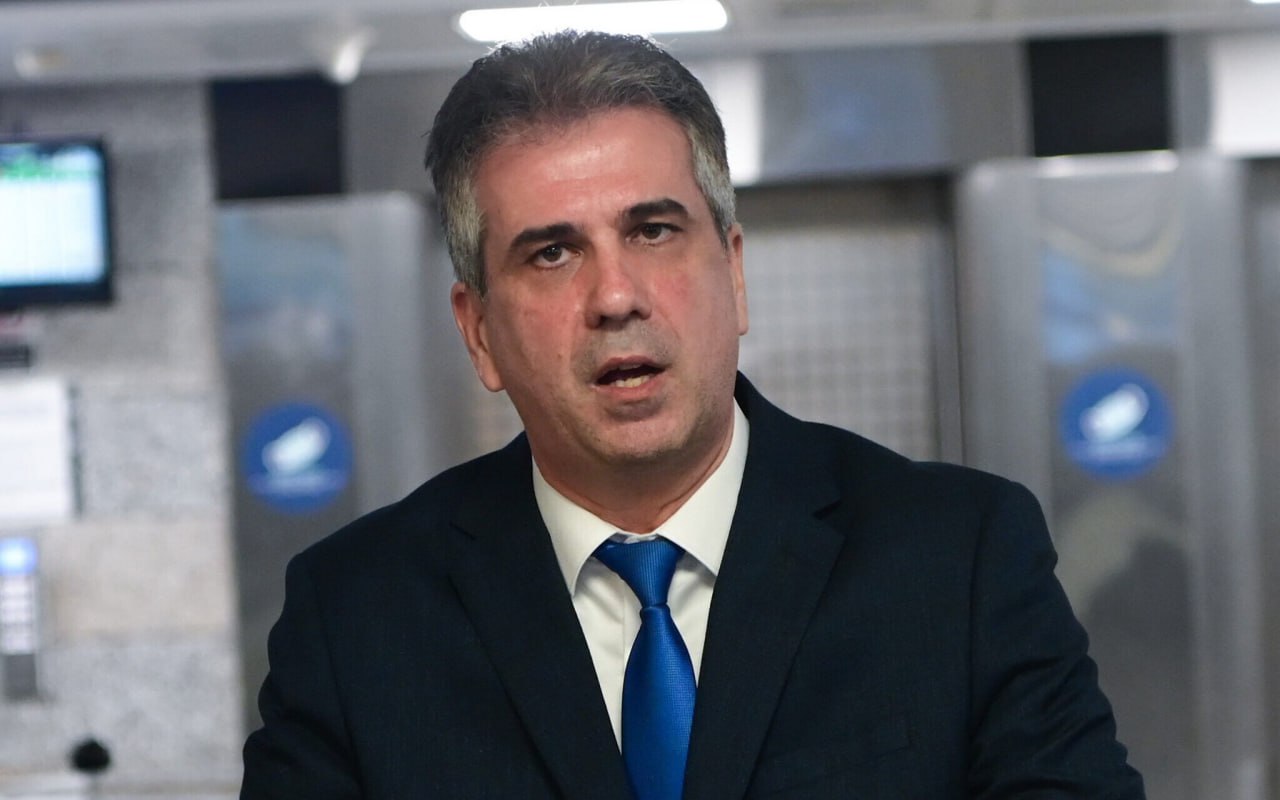
Israeli Energy Minister Eli Cohen has stated that Israel must assert full control over all occupied territories, including the West Bank and Gaza Strip, to ensure its national security.
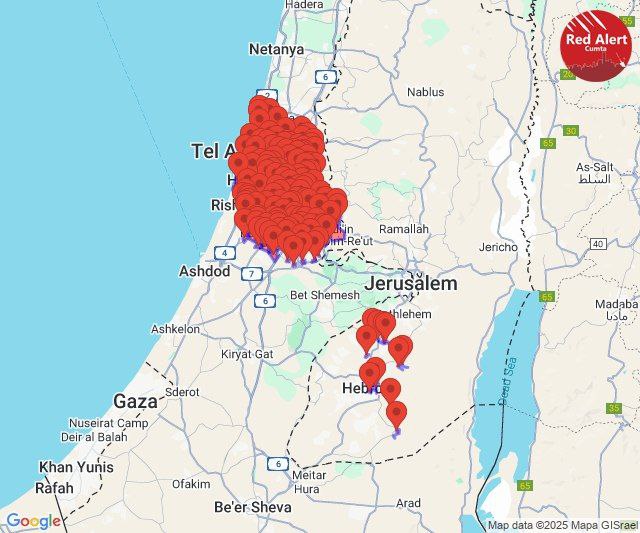
Early this morning, Yemeni Armed Forces launched a hypersonic ballistic missile Palestine-2 with a fragmentation warhead, targeting sensitive sites in Tel Aviv.
In the second part of this analysis, we explore key defensive strategies for countering threats posed by the Israeli regime.
In a powerful speech marking the first anniversary of the martyrdom of Sayyed Hassan Nasrallah and Hashem Safi al-Din, Hezbollah Secretary-General Sheikh Naim Qassem reaffirmed the group’s unwavering commitment to armed resistance and regional presence.
Recent negotiations between Israeli and Syrian officials have broken down after weeks of progress. The main sticking point was Tel Aviv’s request to establish a land corridor to deliver aid to residents of Syria’s southern Sweida province—a proposal Damascus rejected as a violation of its sovereignty. The disagreement derailed prospects for a security agreement expected this week.
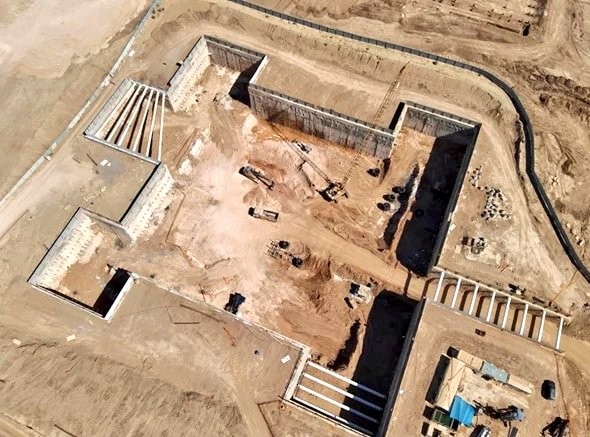
Recent assessments reveal that the U.S. military has enhanced Israel’s missile defense capabilities by relocating THAAD systems from the United Arab Emirates to the occupied territories. Satellite imagery shows the expansion of a U.S.-managed air defense site in occupied Palestine, with four new THAAD launchers added to the existing six.
In recent days, Yemeni armed forces have launched attacks on positions of the Zionist regime in southern occupied Palestine using at least four suicide drones.
According to local sources, the Zionist regime has established radar and early-warning systems on Zuqar Island in the western shores of Hudaydah in the Red Sea, with support from the UAE and forces of Yemen’s former government.
In a major televised speech, Ayatollah Khamenei, the Supreme Leader of the Islamic Republic, addressed key issues regarding the 12-day war and Iran’s nuclear energy program.
Several vessels from the humanitarian “Sumud” flotilla were struck by drone attacks in the Mediterranean Sea. At least 15 drones flew over the convoy, with 12 direct strikes hitting 9 boats. More than 13 explosions were heard near the ships, and unidentified objects were reportedly dropped on 10 vessels, causing damage.
In recent decades, both overt and covert tensions between the Islamic Republic of Iran and the Israeli regime have escalated into a new level of strategic complexity and confrontation. Israel’s renewed attacks ranging from precision strikes and cyber operations to targeted assassinations of key commanders, demonstrate its advantage in intelligence, modern air power, electronic warfare, and a strong alliance with the United States. This report, based on studies from RAND Corporation, CSIS, the Washington Institute, and IISS, first explores Israel’s core advantages and then proposes suitable defensive countermeasures.
The recent meeting in Damascus between Abu Mohammad al-Julani (Ahmed al-Sharaa), head of Syria’s interim government, and Ibrahim Kalin, chief of Turkey’s National Intelligence Organization (MIT), has reignited attention on Syria’s evolving political landscape and the flurry of regional and international negotiations surrounding it. The timing of this meeting—just days after Israel proposed a no-fly zone in southern Syria and following visits by U.S. envoy Tom Barrack and Jordanian Foreign Minister Ayman Safadi—suggests a coordinated diplomatic effort rather than coincidence.