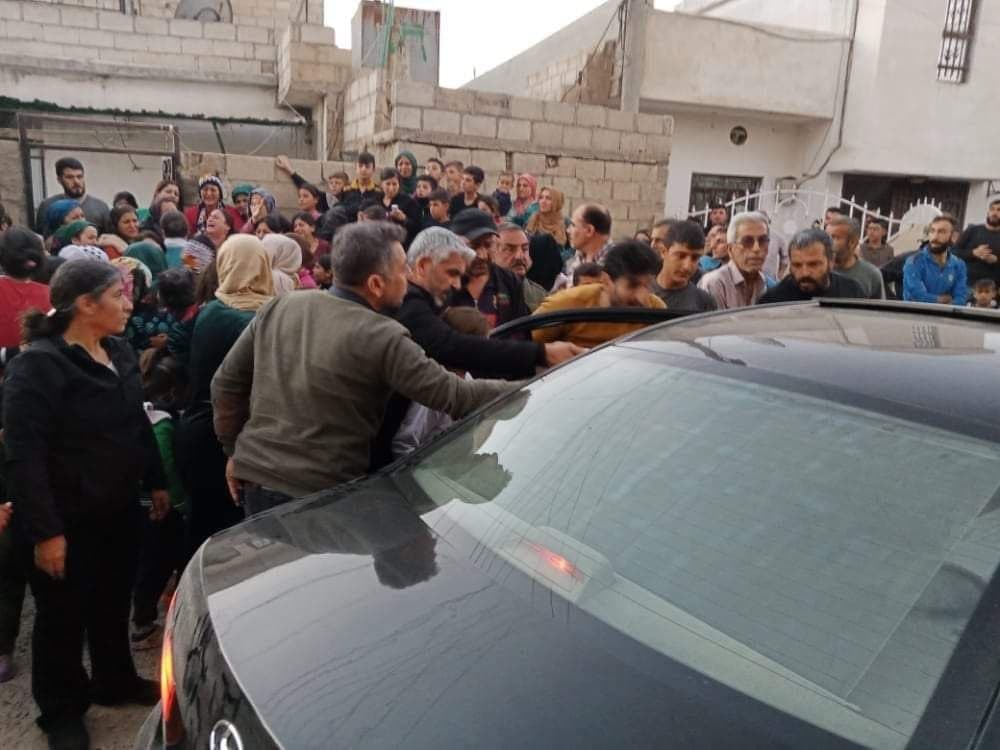
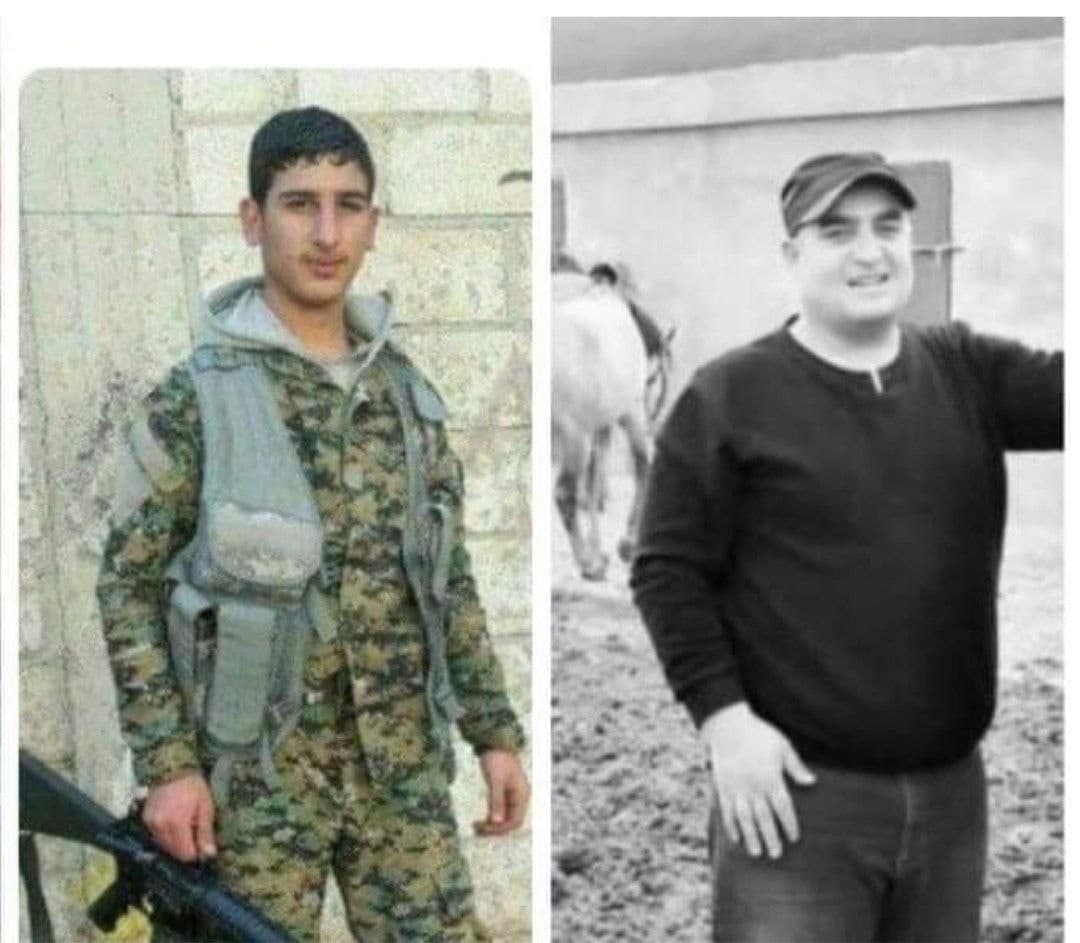
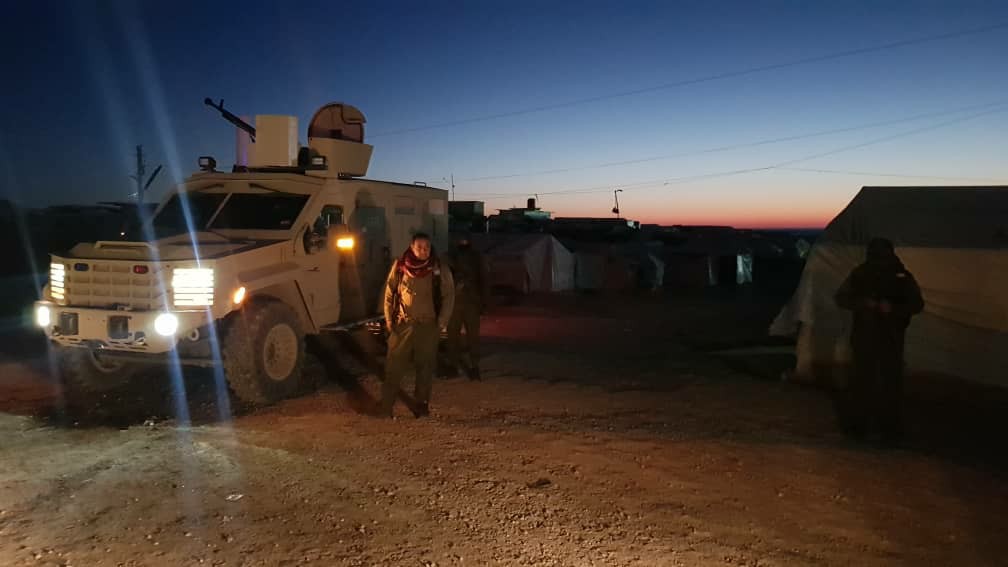
A Turkish drone struck a vehicle carrying the Syrian Democratic Forces (SDF) in the al-Hilaliya neighborhood of Qamishli city. An SDF field commander named “Yousef Golu” and two others named “Mazlum Golu” and “Mohammad Mahmoud Golu” were killed in the attack.
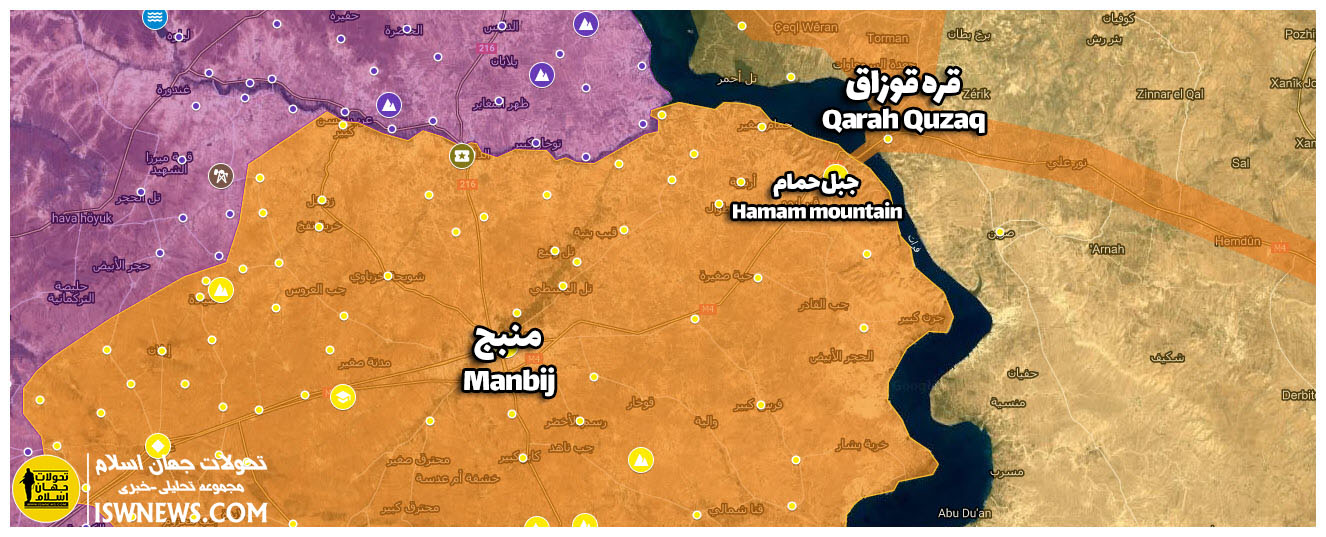
On October 30, a Turkish Army drone attacked a SDF checkpoint near Qara Quzaq bridge. Qara Quzaq bridge connects eastern and western parts of Euphrates.
No details have been released but it is said several SDF wounded and killed and some vehicles heavily damaged. Media close to SDF have not commented yet on it.
On October 23, a Turkish military drone targeted a vehicle belonging to the Syrian Democratic Forces (SDF) at the entrance to the city of Ain al-Arab, killing three SDF members.
Also on October 21, a YPG internal security (Asayish) commander was assassinated by a Turkish drone in front of the Social Justice Council building in the city of Ain al-Arab.
Given the escalation of tensions between Turkish military forces and the Kurdish militias in northern Syria, targeted attacks and assassinations by the Turkish military in Syria appear to be increasing.
On September 10, the commander of the US Central Command visited the northeastern regions of Syria and met with Mazlum Abdi the commander of the Syrian Democratic Forces.
The meeting focused on issues such as the effects of the US withdrawal from Afghanistan on the region, the continued presence of US forces in northeastern Syria, especially oil fields, and US military assistance to the SDF.
“US cooperation and support for the Syrian Democratic Forces will continue. The United States is determined to stay in northeastern Syria in cooperation with the Syrian Democratic Forces to continue the fight against ISIS, because ISIS remains a real threat!” Kenneth Mackenzie said during the meeting. “The Syrian Democratic Forces and the Afghan army are not alike at all,” he said.
Last night, the northern province of Aleppo witnessed the fiercest clashes between the Turkish army and its militants on the one hand and the SDF and YPG forces on the other. In these clashes, which are one of the most intense clashes in the past year in the northern province of Aleppo, two Turkish soldiers were killed.
After the Turkish Euphrates Shield operation in the north of Aleppo province and the occupation of large areas in this region by Turkey, the southern areas of Azaz and Shahba Dam have always become a place for scattered clashes and artillery duels between Turkish and Kurdish militants. Last night, following a series of incidents and clashes, a Turkish military vehicle was targeted and the killing of two Turkish soldiers brought the level of clashes in the area to a new level.
Following the incident, Turkish artillery shelled SDF/YPG positions around Minnagh Airbase, the town of Tal Rifat, around the village of Hazwan, west of al-Arimah, and north of Manbij. Clashes have also been reported between the SDF and Turkish militants near the village of al-jat in northern Manbij and the village of al-Hoshariyah in northeastern Manbij.
Clashes have escalated in northern Aleppo province, while tensions between the Syrian army and Turkish-backed militants have risen sharply in southwestern Aleppo province and the Idlib region. According to the latest news and information, Turkish-backed militants and Tahrir al-Sham are preparing to launch a possible military operation in the Idlib region.
According to a spokesman for the US Coalition in the region, the Syrian Democratic Forces were conducting an operation in the village of Kharbah Jamus against ISIS hideouts, and US airstrikes twice targeted a house in support of the operation. An ISIS member reportedly was killed in the operation.
On the other hand, according to Syrian state media, SANA, three people were killed in US airstrikes on the village of Kharbah Jamus. No further information is available on the identities of these individuals.
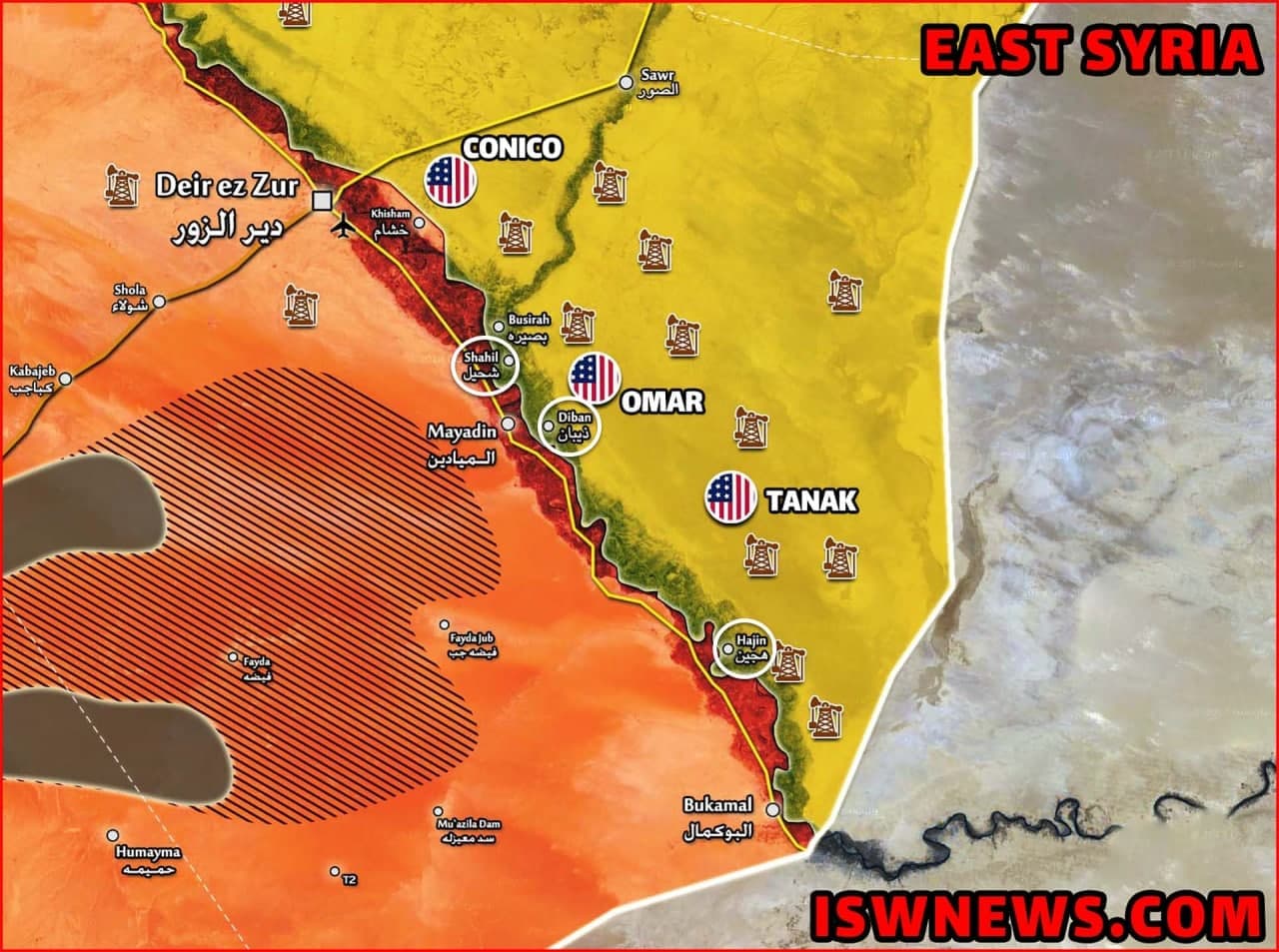
On Saturday morning, gunmen from the Al-Akidat tribe attacked two SDF checkpoints in the town of Dhiban, and clashes intensified between the two sides. Following the escalation of the conflict, the SDF decided to send reinforcements to the Dhiban, but the reinforcements were attacked by Arab tribes before reaching their headquarters in the town center.
Other Arab tribes in the towns of Al-Shahil and Hajin also attacked the Syrian Democratic Forces (SDF).
Clashes erupted after SDF forces, backed by US coalition helicopters, raided several houses in the town of Dhiban, killing two men. Residents of Dhiban, Al-Shahil and Hajin oppose the presence of SDF forces in their towns, but the Syrian Democratic Forces (SDF) continue to occupy these areas with the support of the US Army.
Following mass rallies and protests against the SDF/YPG, Asayish security forces opened fire on demonstrators in Manbij, killing and wounding several civilians. On Friday morning, 4,000 YPG/Asayish forces and counter-terrorism forces arrived in Manbij region with dozens of armored vehicles.
The situation has calmed down a bit after the widespread deployment of security forces in Manbij and talks with tribal elders and local officials. Following these events, the Asayish officials announced that from now on, the conscription will take place after consulting with the Manbij local authorities, and all the detainees of the last few days will be released. The forces that fired on the people will also be dealt with.
The city of Manbij has a population of about 100,000 and most of the population of Manbij is Arab. This alone is a major problem for the Kurdish separatist ideals in northern Syria. Hence, the Manbij city has been the site of many conflicts between regional and local powers in recent years. The city of Manbij has been under the control of YPG forces since 2016; However, some YPG policies, such as forced conscription from among the Arabs, have led to Arab dissatisfaction with the YPG and SDF, and on the other hand, the YPG is deeply concerned about the desire of a significant part of the people of Manbij to regain control of the region to the Syrian government.
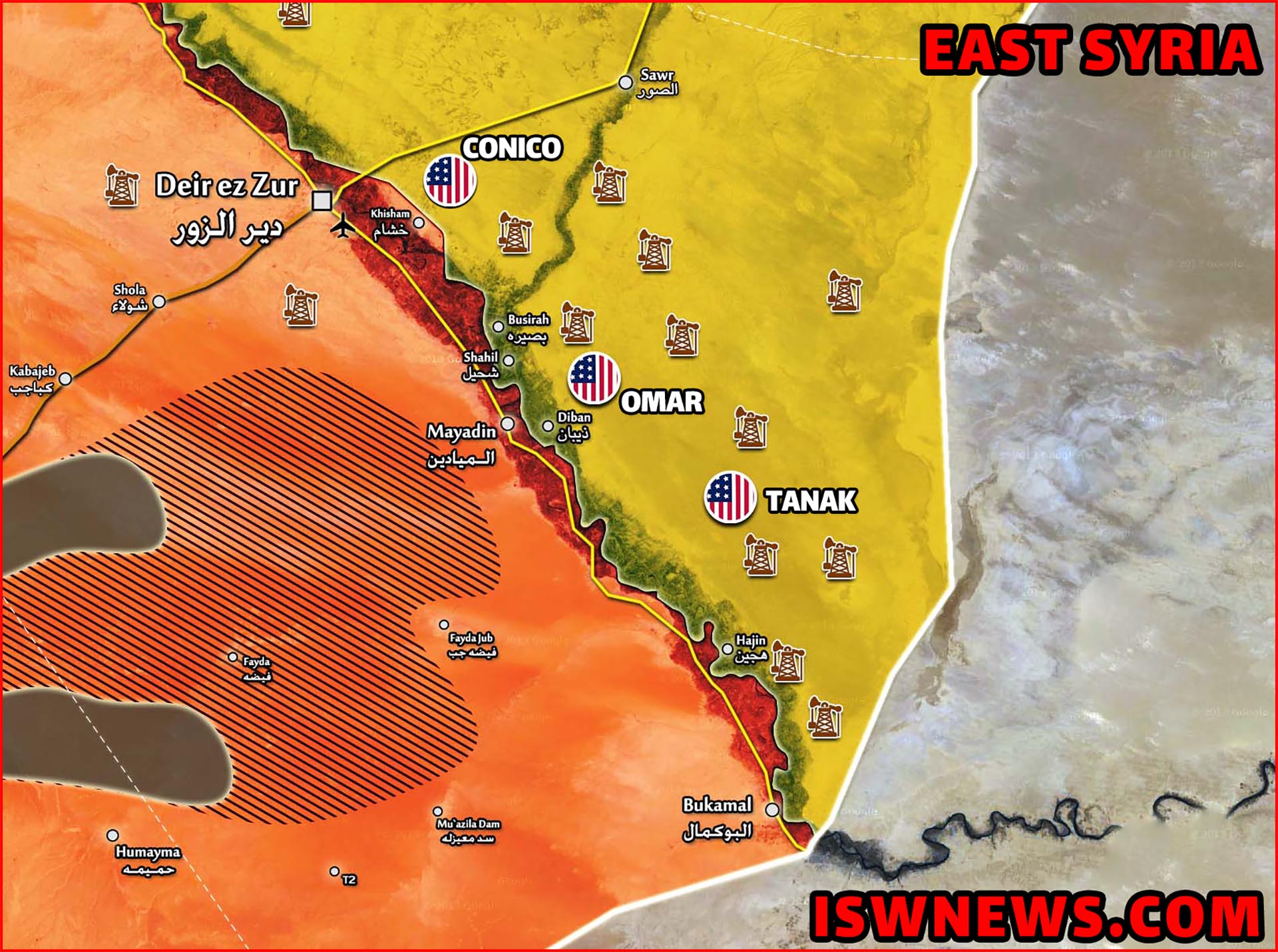
On February 27, the US coalition and SDF forces also conducted a joint military exercise near the Conico gas field on the eastern outskirts of Deir Ezzor.
In recent months, the movement of US forces in the oil and gas areas of Deir Ezzor province has increased. The construction of a new runway at the US military base at the Omar oil field is one of the signs of an increasing US presence in the region.
Asayish forces, along with forces of the Syrian Democratic Forces (SDF), began their deployment on the outskirts of Al-Hawl camp at 4 am today.
An informed source said that about 6,000 members of the Asayish forces and SDF are participating in security operations inside the camp with the aim of ending ISIS influence in the area.
The SDF operation in the al-Hawl refugee camp began after a series of assassinations, chaos and severe insecurity in the camp. In the past month, ISIS operatives killed at least 15 residents of the camp.
According to the SDF, in the last three days of fighting between the SDF and Turkish militants near Ain Issa, 37 Turkish-backed militants were killed and 18 others were wounded. The SDF also denied the Turkish Defense Ministry’s claim of SDF casualties, saying only four SDF members had been killed and four others wounded in recent fighting. Turkey has previously said that 35 SDF members have been killed in fighting in recent days.
According to latest updates on Hasakah city, after the deadline of SDF given to Syrian Army to withdraw from Hasakah city has been reached on 20 January 2021, Russia demands to extend it to find good agreement between sides.
Ghassan Khalil, governor of Hasakah , reported that the town is sieged by SDF and American occupiers since several days and Syrian Army has claimed to be ready to answer any assault by American led troops.
SDF and Syrian Army forces conflict in Hasakah is while Turkish Army and its proxies launched an operation Peace Spring on 9 October 2019 in north of Syria against SDF, which was unsuccessful due to intervention of Syrian and Russian armies and only some lands in the depth of 30 km inside Syria were occupied. However, Kurdish leaders in north of Syria still not willing to cooperate with Syrian government and put their hope on USA.