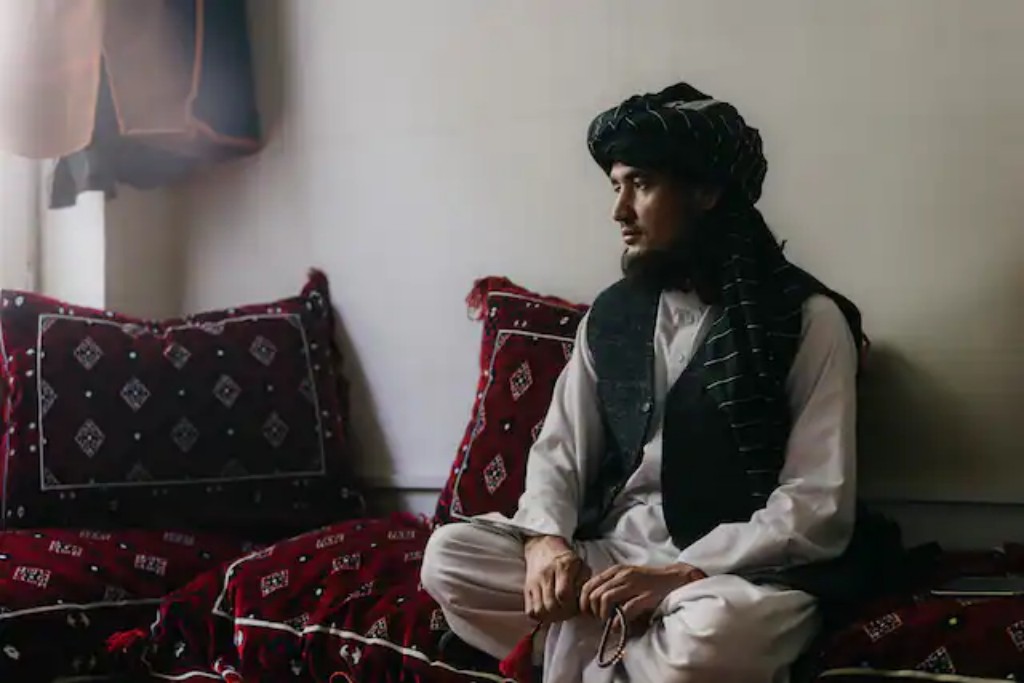
The Tajik Taliban militants in Afghanistan, led by Mehdi Arslan, created Tehreek-e-Taliban Tajikistan (TTT) with the aim of armed struggle against the Tajik government. These people were former members of Jamaat Ansarullah of Tajikistan, who were supported by this group after the Taliban came to power in Afghanistan and founded the Taliban of Tajikistan.
According to local sources, the number of armed men under the command of Mehdi Arslan is more than 250 people, all of whom are citizens of Tajikistan, and most of them are wanted by the government of Tajikistan for security and terrorist reasons. Mehdi Arslan has been appointed as the governor of five border districts in the Badakhshan province in the Afghan Taliban organization and is responsible for controlling the borders of Afghanistan and Tajikistan. Every day, these people shout slogans against the Tajik government in the watchtowers and border stations and invite the Tajik military to fight against the government of Emomali Rahmon.
“Mohammed Sharifov” known as “Mehdi Arslan” is a resident of Noorabad district of Badakhshan Autonomous Region of Tajikistan and a former member of “Jamaat Ansarullah Tajikistan” group, who has been wanted by the Tajikistan government for terrorist activity allegations for the past eight years.
It should be noted that some of these groups, such as ISIS-K and the Resistance Movement for Justice, were also active in Afghanistan before the fall of Ashraf Ghani’s government.
The list and details of anti-Taliban groups in Afghanistan are as follows:
1- Resistance Movement for Justice (under the command of Abdul Ghani Alipour): Start of activity in 2013. Activities in Maidan Wardak, Ghor, Daykundi, Ghazni, Uruzgan and Bamyan provinces. A part of the former forces of Hezb-e Wahdat-e Islami and under the influence of Martyr Abdul Ali Mazari are present in this group. Ethnicity: Hazara.
2- ISIS-K (Islamic State – Khorasan Province): Start of activity in April 2015. Activity in the eastern and northern regions of Afghanistan. With Salafi jihadist and Wahhabism tendencies.
3- Afghan National Resistance Front (forces loyal to Ahmad Massoud): Start of activity on 15 August 2021. Activity in Panjshir, Baghlan, Kapisa and Parwan provinces. Ethnicity: Tajik.
4- Afghanistan Freedom Front (forces loyal to General Yasin Zia, Chief of Army Staff of the former government): Start of activity on 4 February 2022. Activity in Takhar, Kunduz and Badakhshan provinces.
5- Afghanistan Free People Front: Start of activity on 7 February 2022. Activities in Khost, Kapisa, Kabul, Parwan and other provinces of Afghanistan. This group does not follow a single and specific commander and they are allies of Ahmad Massoud’s forces.
6- Turkestan Freedom Tigers (forces loyal to Yar Mohammad Dostum, son of General Abdul Rashid Dostum, leader of the National Islamic Movement of Afghanistan): Start of activity on 8 February 2022. Activities in Jawzjan and Faryab provinces. Ethnicity: Uzbek.
7- National Islamic Movement for the Liberation of Afghanistan (forces loyal to General Khaled Aziz, one of the army commanders in of the former government): Start of activity on 23 February 2022. Activity in Nangarhar, Kunar and Helmand provinces. Ethnicity: Pashtun.
8- Freedom and Democracy Front: Start of activity on 24 March 2022. Activities in the Shiite areas and central provinces of Afghanistan. The members of this group follow the thoughts of Martyr Abdul Ali Mazari. Ethnicity: Hazara.
9- Supreme Council of Resistance (forces loyal to Atta Muhammad Nur, one of the heads of Jamiat-e Islami party): Start of activity on 25 March 2022. Activity in the northern and central provinces of Afghanistan. Ethnicity: Tajik and Hazara.
10- People’s Democratic Party of Afghanistan: Start of activity on 9 April 2022. Activity in Kabul province. With the tendency and thoughts of communism.
11- Western Nuristan Liberation Front: Start of activity on 9 April 2022. Activity in Nuristan province.
12- Rise of Freedom: Start of activity on 5 May 2022. Activity in the Sang-2 Takht district located in Daykundi province. Influenced by the thoughts of Martyr Abdul Ali Mazari. Ethnicity: Hazara.
13- Wolf Units (forces loyal to General Abdul Rashid Dostum, leader of the National Islamic Movement of Afghanistan): Start of activity on 6 May 2022. Activity in Barkah district in Baghlan province.
14- Patriotic Front: Start of activity on 10 May 2022. Activity in Ghazni, Kabul and Herat provinces.
Taliban attacks on Balkhab district to arrest Mehdi Mojahed have started in the evening of June 23 in Dozdan Darreh, Qom Kotal and Abi Kalan areas.
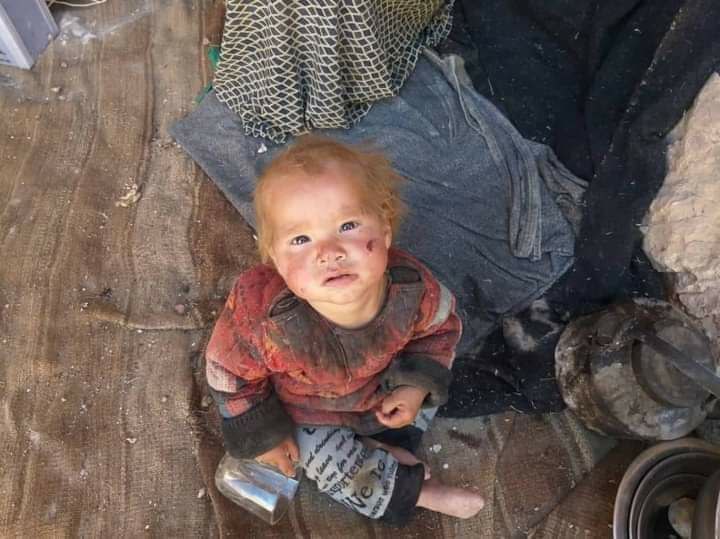
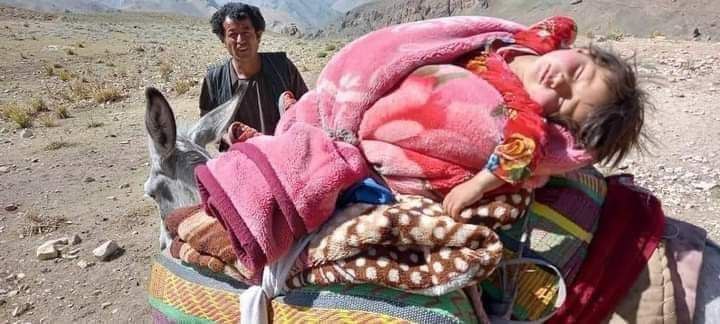
Since then, many people of Balkhab have been displaced and harassed by the Taliban forces. Also, there have been various reports of committing war crimes against the Shiites of Balkhab by the Taliban forces.
These people currently do not have any security and livelihood support, and they need the immediate support of countries and international institutions.
After the Taliban came to power in Afghanistan, pro-Taliban local commanders took control of various areas in Afghanistan, including the district of Balkhab, some of whom, like Mehdi Mojahed, were non-Pashtun. The arbitrary actions of these local commanders in some areas led to disputes with the central Taliban, and some of these commanders were dismissed or imprisoned. One of these rouge Taliban commanders is Mehdi Mojahed, a Hazara from Sar-e-Pol, who held the post of Bamyan intelligence commander in the Taliban government. He was ousted after criticizing the Taliban’s one-dimensional policies and behavior toward various ethnic groups in Afghanistan, and moved to Balkhab empty-handed after a few months in Kabul. Mojahed clashed with Taliban forces in Balkhab over control of the area’s mines, marking the beginning of his tensions with the central Taliban government. In his remarks, he described himself as a defender and representative of the Hazaras and Shiites in the Taliban government. But the Hazaras did not welcome him, and the Shiites did not support him in the recent tensions with the Taliban. But his supporters in Balkhab are working hard to support him, urging people to stand up to the Taliban.
Balkhab district is one of the districts of Sare-Pol province in northern Afghanistan. Balkhab is known as “Qom Sani” (the second Qom) in Afghanistan due to the existence of dozens of religious schools, And in the past, students and religious scholars from Shiite Afghanistan used to visit this district to study. The people of Balkhab stood against the Taliban during the fall of Ashraf Ghani’s government under the leadership of Seyed Hassan Safai, one of the most famous Shiite Mojahed commanders of Afghanistan, and finally reconciled with Taliban under a suitable conditions, But the Mehdi Mojahed’s misbehavior led to displacing of the oppressed people of this district and gave the Taliban an excuse to attack the holy places of Balkhab.
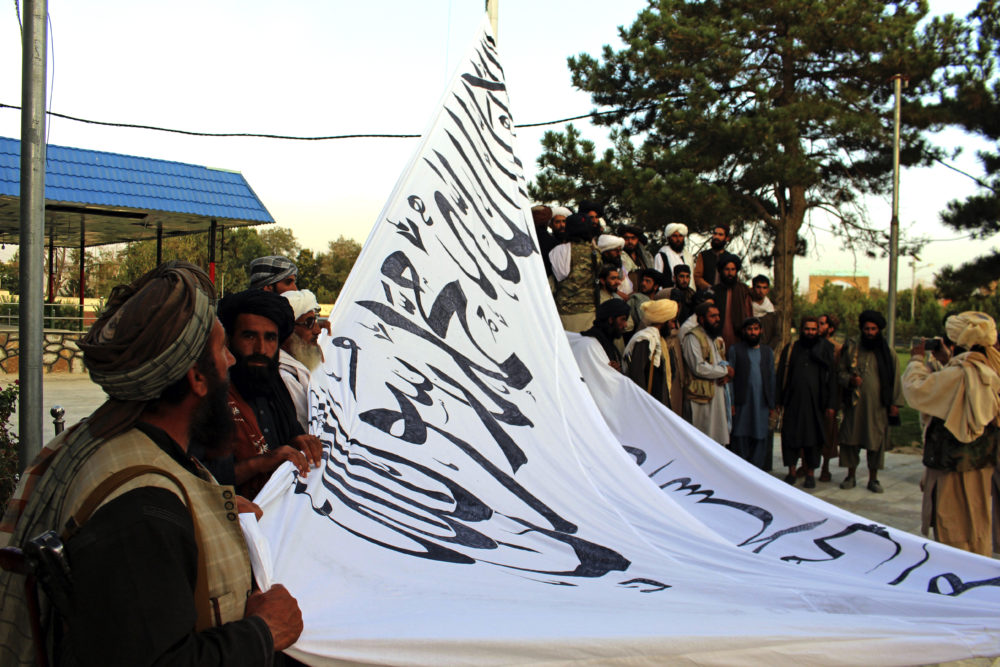
A video of the desecration of one of the mosques in Balkhab by Taliban militantsA video of the desecration of a Mahdiyah in Balkhab by Taliban militantsThe dire situation of the oppressed refugees of BalkhabThe dire situation of the oppressed refugees of BalkhabPictures of displaced children of Balkhab
According to local sources in Balkhab district, Taliban militants shot dead nine civilians on June 25, including five miners, two shepherds, and two other civilians in the Jah Mirk, Gowarz, and coal mines. On the other hand, hundreds of people fled from the villages of Takhshar, Qala-e-Gag, Larkord, Hoosh, etc, to the mountains for fear of Taliban armed violence.
Clashes and protests have also taken place in the districts of Darreh Suf in Bamyan province, Lal and Sarjangal in Ghor province and Yakawlang.
The exact number of people killed by Taliban is not known, but video evidence from Balkhab confirms the allegations of civilian casualties.
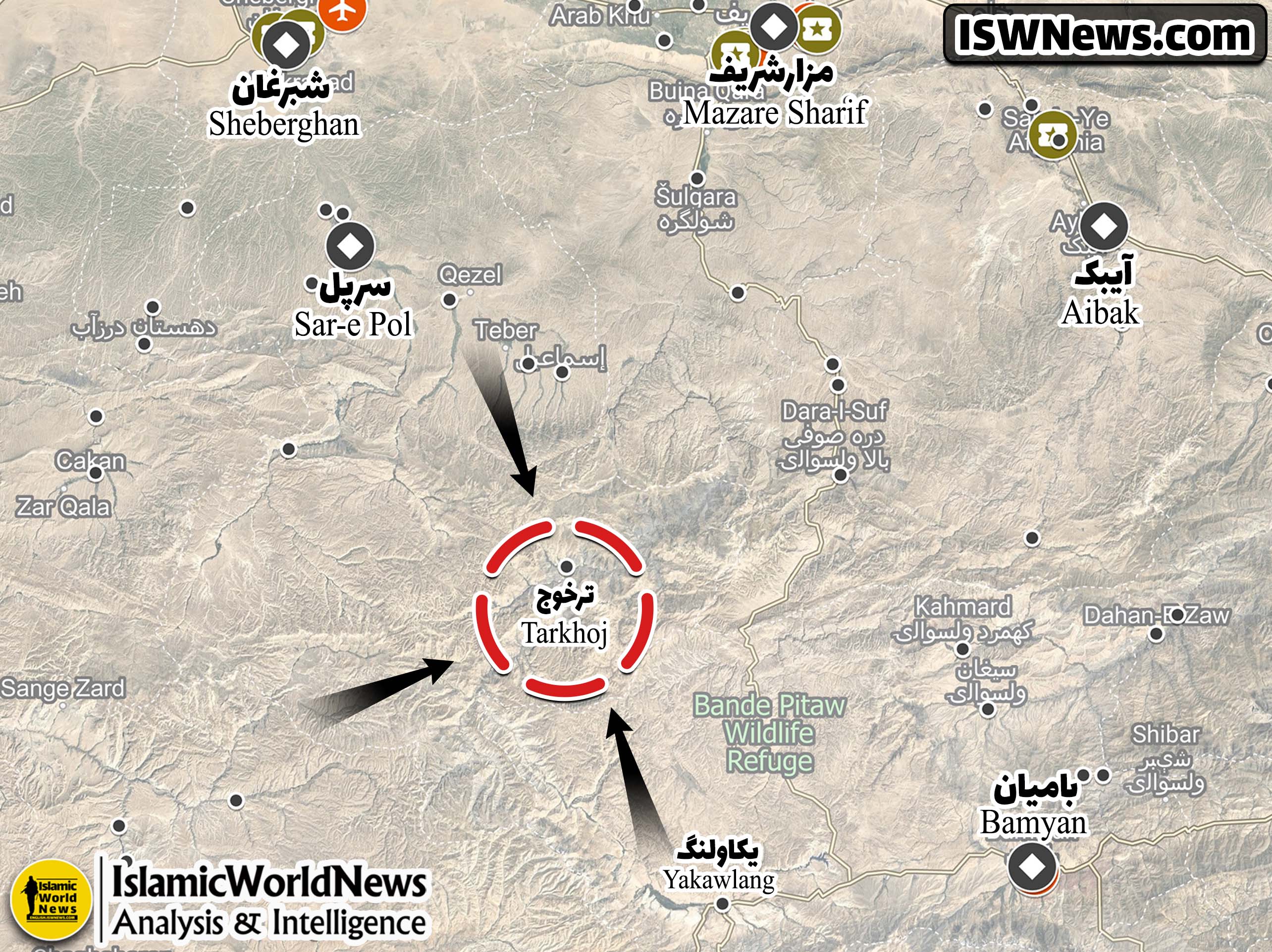
After controlling the city of Tarkhoj, the center of Balkhab district, the Taliban militants, with the cooperation of infiltrators, succeeded in identifying the dissatisfied residents and some supporters of Mehdi Mojahe. According to local sources, their homes were looted and most of them were captured and tortured on various charges and shot if they resisted. At the same time, the Taliban governor in Balkhab has announced that the government has no problem with the people and they can continue their normal lives!
Although the clashes between Mehdi Mojahed’s militants and Taliban in Balkhab were vicious, the killing of civilians is an unjustifiable crime that will be recorded in the history of Taliban crimes.
Video: Taliban shootings of civilians (probably in Balkhab)Pictures of the body of Mohammad Moradi and his family and several other residents of Lal and Sarjangal districts in Ghor province who were shot by the Taliban.
Taliban attacks on Balkhab district to arrest Mahdi Mojahed have started in the evening of June 23 in Dozdan Darreh, Qom Kotal and Abi Kalan areas. Forces loyal to Mehdi Mojahedi have claimed to have destroyed two Humvee vehicles and killed more than 43 Taliban members in the clashes.
Official Taliban news sources have not yet released a clear report on the clashes.
Local sources also confirmed the killing of “Mohammad Qomandan”, the commander of forces affiliated to Mehdi Mojahed, in the Qom Kotal area and the occupation of this area by the Taliban.
According to ISWNEWS source in Afghanistan, most of the clashes between the Taliban and Mehdi Mojahed’s militants have been sporadic. No city or military zone is under the control of Mehdi Mojahed’s militants, and the Taliban governor and the militants under his command have entered the city of Tarkhoj and the Balkhab governorate after occupying the Qom Kotal region.
Clashes between the Taliban and supporters of Mehdi Mojahed have been reported in other areas, such as Bamyan, Dara-e-Suf Bala and Yakawlang, but their nature is unclear.
The Council of Shiite Ulema and other prominent Shiite figures in Afghanistan, such as the head of the Tebyan Cultural Center, Seyyed Issa Hosseini Mazari, have called on people to stay away from the war and warn them against supporting Mehdi Mojahed.
As mentioned earlier, Mehdi Mojahid’s tension with the Taliban is an internal conflict within the Taliban, and the people of Sar-e-Pul and Bamyan provinces, from Shiites to Hazaras and Tajiks, have nothing to do with it.
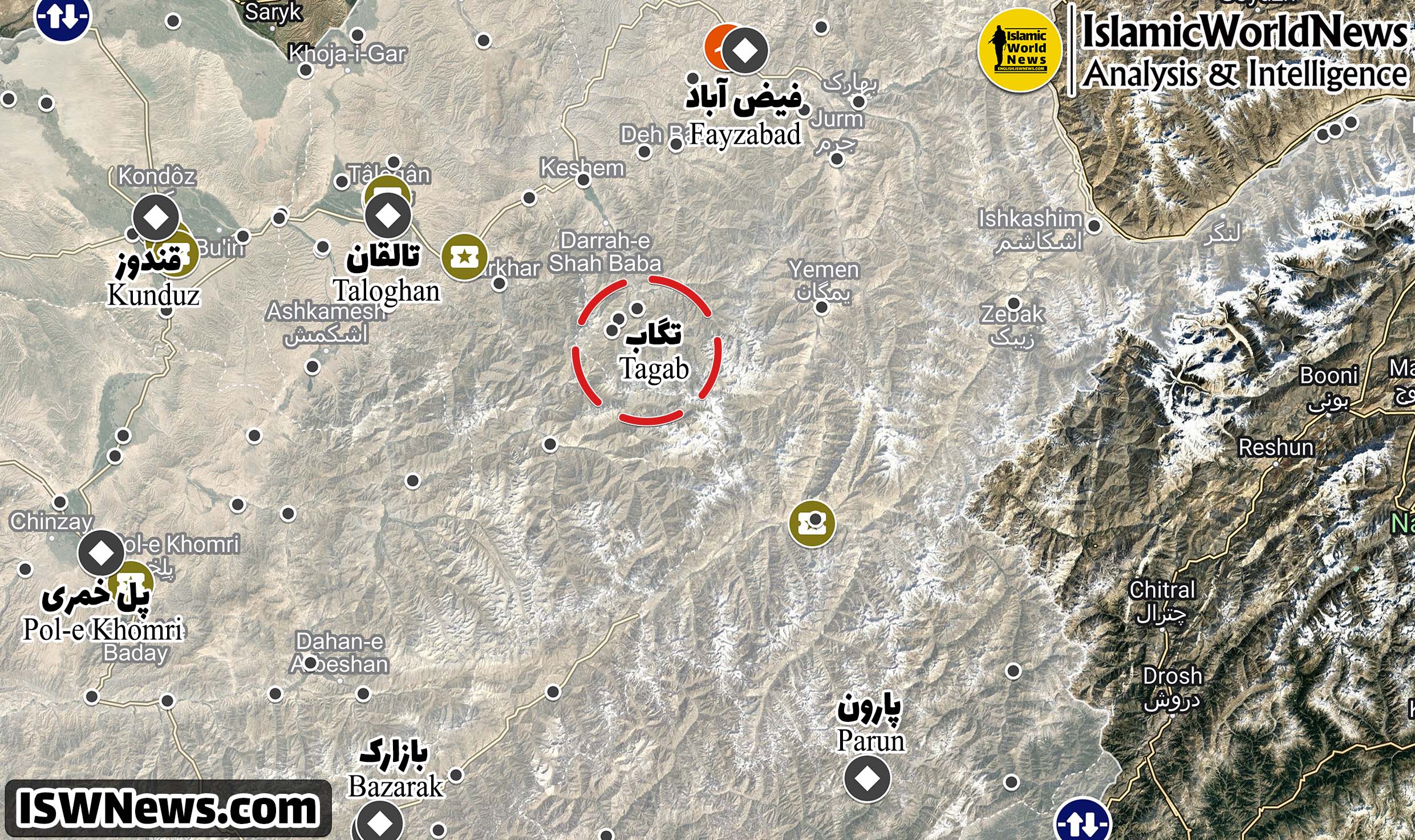
Seven Taliban members were killed and wounded in a clash between forces under the command of Qari Waqas, the Pashtun Tajik commander of the Badakhshan Red Unit in Tagab. After the clash, Qari Waqas, along with more than 300 members his forces, separated from the Taliban and joined the National Resistance Front (under the command of Ahmad Massoud). Following the clashes with the central Taliban militants, Qari Waqas has managed to control parts of Tagab district, including Khumbak, Kuri and Katubala areas.
Qari Waqas is the second senior Taliban commander after Maulvi Mehdi Mujahid to break away from the group and openly engage in armed struggle with it.
After the third Taliban delegation to Balkhab disagreed with “Mehdi Mojahed,” the Taliban’s Hazara commander, Taliban officials threatened to refer his case to the Ministry of Defense and use military force. After this threat, Mehdi Mojahed gathered forces in Balkhab district in Sar-e Pol province and attracted more than 500 armed and local people of Balkhab by chanting ethnic and popular slogans.
According to local sources, on June 13, Taliban officials sent Molawi “Abdul Rahim Akeh”, the Taliban governor in Sar-e Pol, along with forces from the Badri, Red and Suicide units, to arrest Mehdi Mojahed. However, this decision has been suspended through the mediation of Shiite scholars and elders in Sar-e-Pol province. The Council of Shiite Ulema of Afghanistan has met with Taliban officials in Kabul and Sar-e-Pol cities and with Mehdi Mojahed in Balkhab in various meetings and called for avoiding war and resolving disputes through dialogue. They have appointed a delegation headed by Ayatollah Vaezzadeh Behsudi to meet with Mehdi Mojahed and the Taliban government, and will continue their consultations to resolve the dispute.
Who is Mehdi Mojahed and what does he want?
After the Taliban came to power in Afghanistan, pro-Taliban local commanders took control of various areas in Afghanistan, including the district of Balkhab, some of whom, like Mehdi Mojahed, were non-Pashtun. The arbitrary actions of these local commanders in some of these areas led to disputes with the central Taliban, and some of these commanders were dismissed or imprisoned. One of these autonomous Taliban commanders is Mehdi Mojahed, a Hazara from Sar-e-Pol, who held the post of Bamyan intelligence commander in the Taliban government. He was ousted after criticizing the Taliban’s one-dimensional policies and behavior toward various ethnic groups in Afghanistan, and moved to Balkhab empty-handed after a few months in Kabul. Mojahed clashed with Taliban forces in Balkhab over control of the area’s mines, marking the beginning of his tensions with the central Taliban government. In his remarks, he described himself as a defender and representative of the Hazaras and Shiites in the Taliban government. But the Hazaras did not welcome him, and the Shiites did not support him in the recent tensions with the Taliban. But his supporters in Balkhab are working hard to support him, urging people to stand up to the Taliban.
Now, Taliban militants are blocking the roads leading to Balkhab district to the supporters of Mehdi Mojahed and strictly controlling their traffic.
Residents and local elders of Balkhab are worried about a war between Mojahed and the Taliban and have asked the Council of Shiite Ulema to mediate and resolve this issue.
Mehdi Mojahed is not the first and last autonomous Taliban commander, and before him Qari Salahuddin Ayoubi, Makhdoom Alam and Maulvi Ataullah Omari, were among the Taliban’s non-Pashtun tribal commanders who were ousted by senior Taliban officials.
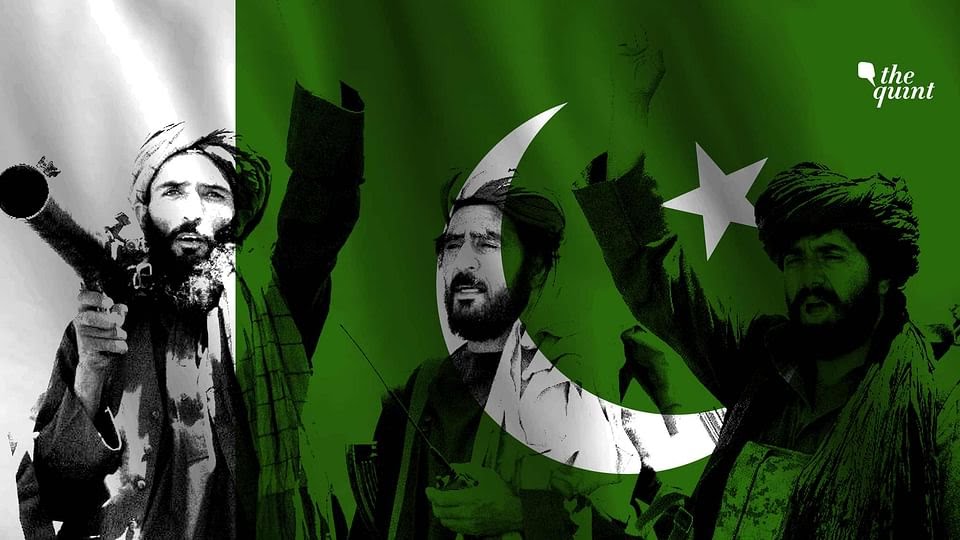
The Pakistani government and the Tehrik-i-Taliban Pakistan (TTP) have agreed to extend an indefinite ceasefire and are negotiating to end two decades of war in Pakistan’s tribal areas, according to Pakistani news agencies. But other local media outlets denied the agreement, citing the visit of a 50-member delegation of Pakistani tribal leaders to the Afghan capital, Kabul, and insisted that the Pakistani delegation begin talks with Pakistani Taliban leaders.
The Pakistani delegation, mediated by the Haqqani Network, met with Tehreek-e-Taliban Pakistan (TTP) leader Noor Wali Mahsud, his deputy Maulvi Faqir Mohammad and a number of other senior members of the group to discuss extending the ceasefire.
The talks coincide with the release of a UN report on the existence of eight military and training bases for the Jaish-e-Mohammad terrorist group and three military and training bases for the Lashkar-e-Taiba terrorist group in Nangarhar and Kunar provinces. The report also said that the Tehreek-e-Taliban Pakistan (TTP) is the largest terrorist group linked to members of the East Turkestan Islamic Movement, the Islamic Movement of Uzbekistan, Jamaat-e-Ansarullah Tajikistan and other terrorist groups in Afghanistan.
Negotiations between the Pakistani government and the Tehreek-e-Taliban Pakistan (TTP) are being mediated by the Afghan Taliban, while their previous talks have failed and resulted in bloody clashes.
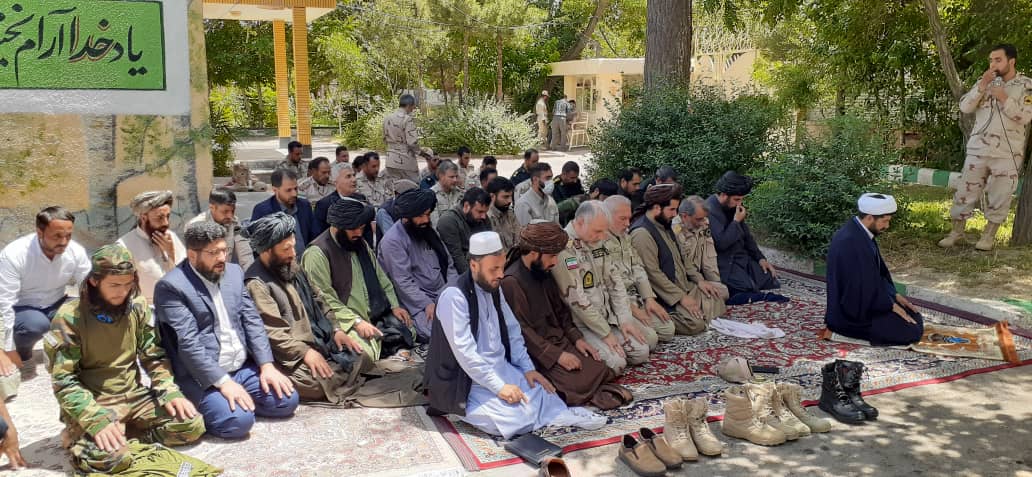
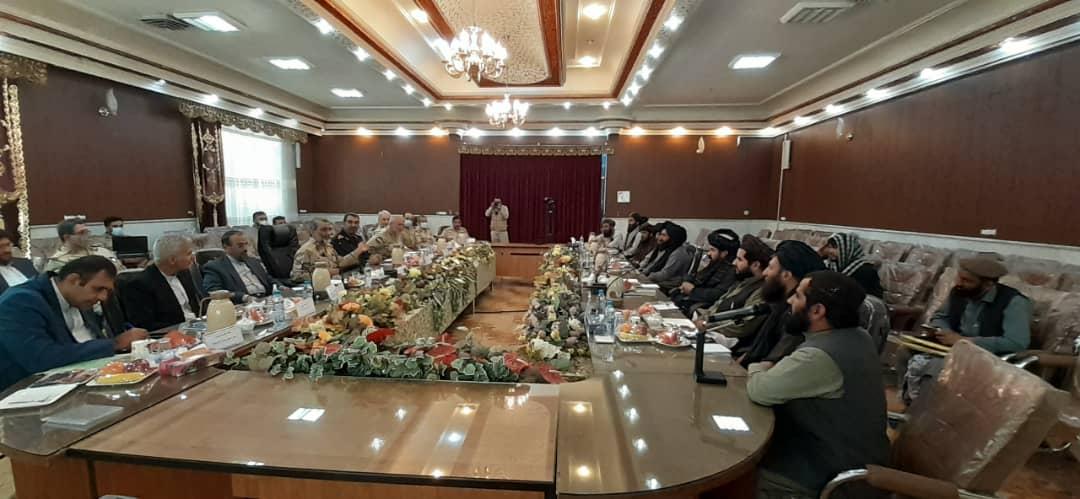
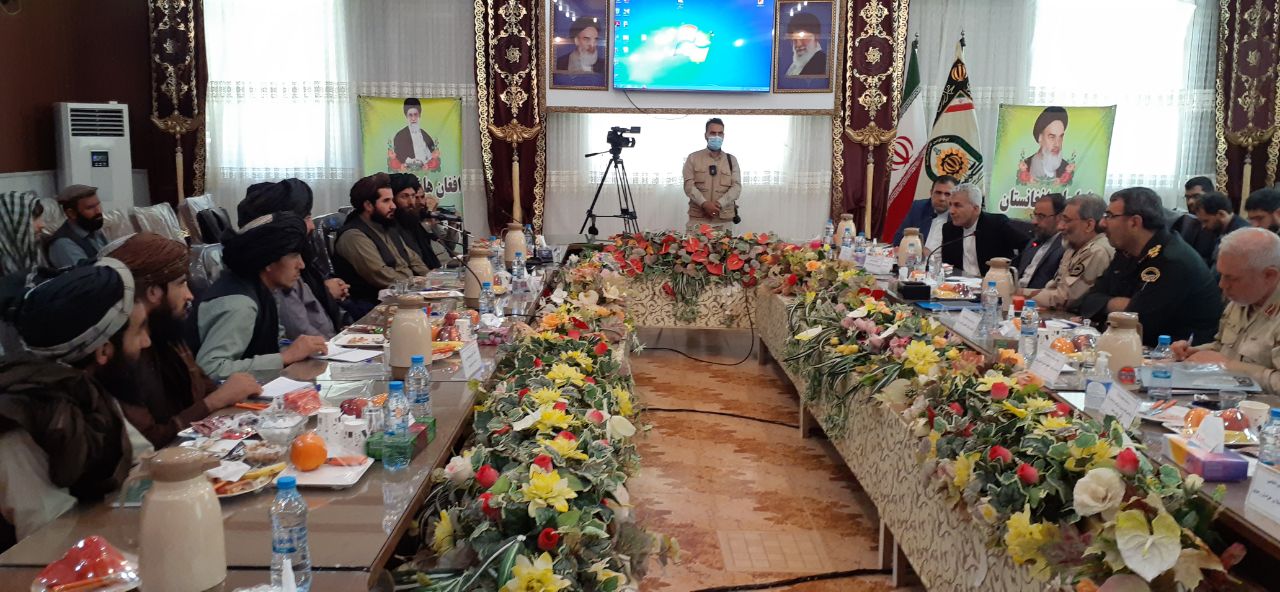
The meeting of Iranian police officials and Taliban representatives was held in the presence of Brigadier General “Ghasem Rezaei”, the deputy commander of the Iranian police and “Mawlawi Shabir Ahmad”, the head of Afghanistan Ministry of Defense in Taybad city in Iran’s Khorasan Razavi province.
General Rezaei said during the meeting: “Iran and Afghanistan are friends and brothers and have good political relations and trade exchanges. During the past years, we have been together in various events with a spirit of interaction and cooperation, and wherever the enemies wanted to damage these relations, they failed due to the goodwill and sense of brotherhood that governs the thinking of the two nations.” Regarding the foreign intervenes, Rezaei added: “The efforts of both countries should be focused on cohesion and unity, and by managing and planning for small incidents, we should not allow the enemies to magnify problems and prevent their abuse. Our borders are territorial, but our religion and culture have no borders, and the will of the Iranian nation and government is to support our friendly and brotherly country Afghanistan.” Emphasizing on ISIS danger he said: “ISIS is the common enemy of both nations and its annihilation is one of the common goals of both countries, and in this way, the free people of Iran and Afghanistan have sacrificed martyrs for the path of Islam.” The deputy commander of the Iranian police pointing the dark era of drug production in the past government of Afghanistan said: “Creating cultural solidarity among border residents and combating drug trafficking in order to develop stability and security at the borders should be our concern. We appreciate the will of the people and the new government of Afghanistan in the fight against drug production and change of the past policy toward this matter. The border guards of the Islamic Republic of Iran are ready to provide their experiences and training in the border area to the Afghan border guards. Increasing and strengthening joint security patrols is essential.”
Mawlawi Shabir Ahmad, the Taliban’s Ministry of Defense, thanking the Iranians for their hospitality, stated: “We do not forget the kindness and assistance of our neighbor Iran during the US invasion of Afghanistan and Iran’s assistance to its oppressed people. ISIS is the common enemy of both nations, and since arrogance (US and NATO) could not strike at the two countries in this way, it is trying to create divisions that we will not allow to succeed in this regard and to know that the unity of the two nations is impenetrable.”
On the sidelines of the meeting, Iranian and Taliban officials held joint congregational prayers as a sign of unity and empathy.
Joint meeting and prayer of Iran and Taliban in Taybad city
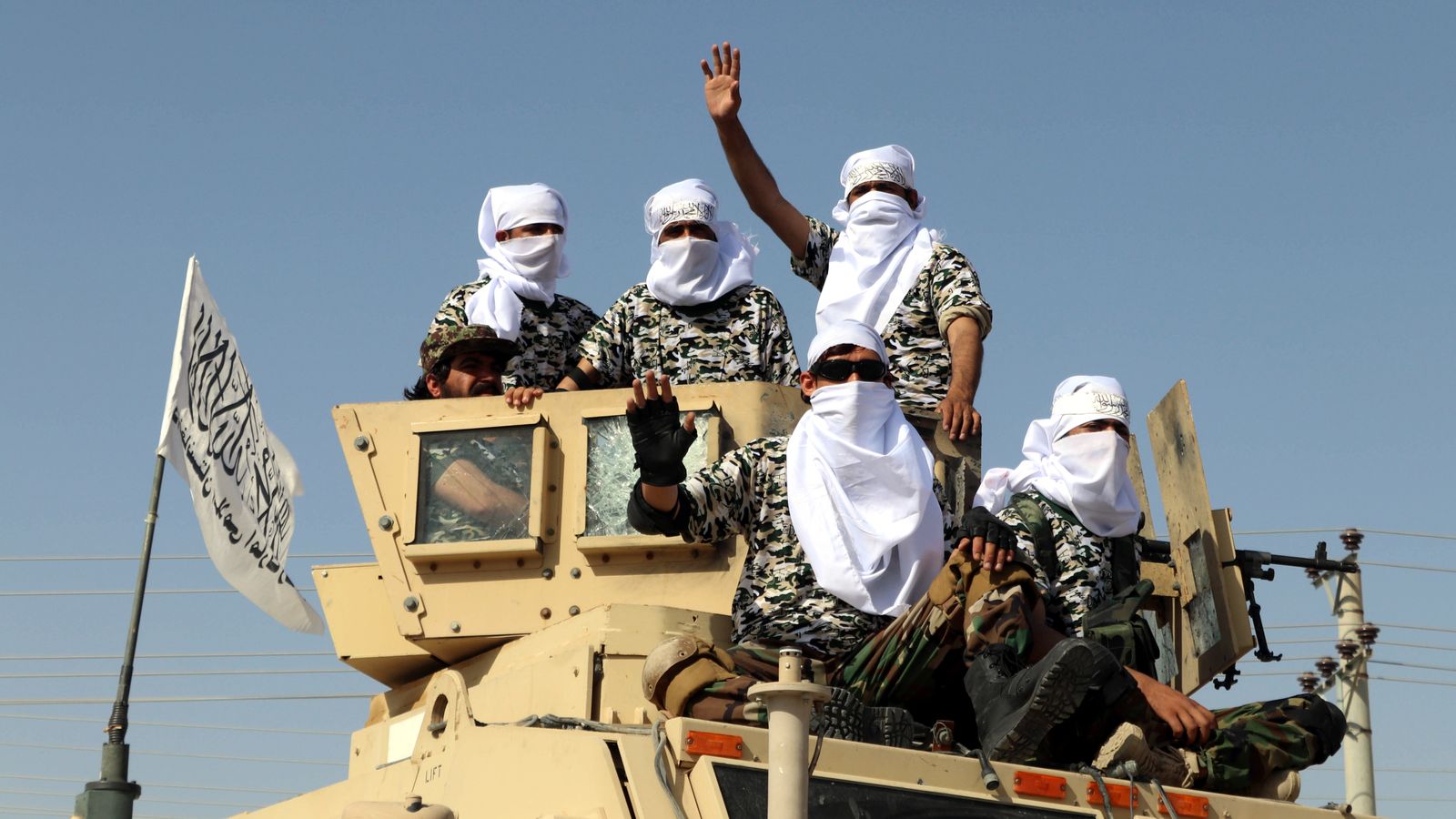
On May 15, Taliban militants opened fire on Tajik border post near the Sher Khan Bandar border in the Imam Sahib district of Kunduz province after verbal tensions with a Tajik border guards. The Taliban firing was met with a response from the Tajik military, which lasted more than four hours. Despite several hours of clashes, the two sides did not report any casualties.
This is the first time that Taliban militants have been directly involved in armed clashes with the Tajik military. Since taking power in Afghanistan, Taliban militants have repeatedly clashed with neighboring countries, including Pakistan, Iran, Uzbekistan and Turkmenistan, indicating that their militants are misguided and unfamiliar with international and border law.
On March 25, an armed group called the “High Council of Resistance” led by Atta Muhammad Nur, the executive chairman of the Jamiat-e-Islami Party of Afghanistan, announced its existence. The group has stated that its goal is to fight the Taliban.
Simultaneously with this event, another armed group called the “Hazara Military Front” announced its existence against the Taliban. The group has announced its organizational framework based on following the ideas of the martyred “Abdul Ali Mazari”, the leader of Hezb-e Wahdat-e Islami of Afghanistan, and its goal is the armed struggle against the Taliban.
These are the third and fourth armed groups to declare their existence against the Taliban in recent months.
Earlier, the Afghan Freedom Front and the Turkestan Freedom Tigers armed group had launched guerrilla operations against Taliban positions and announced their existence.
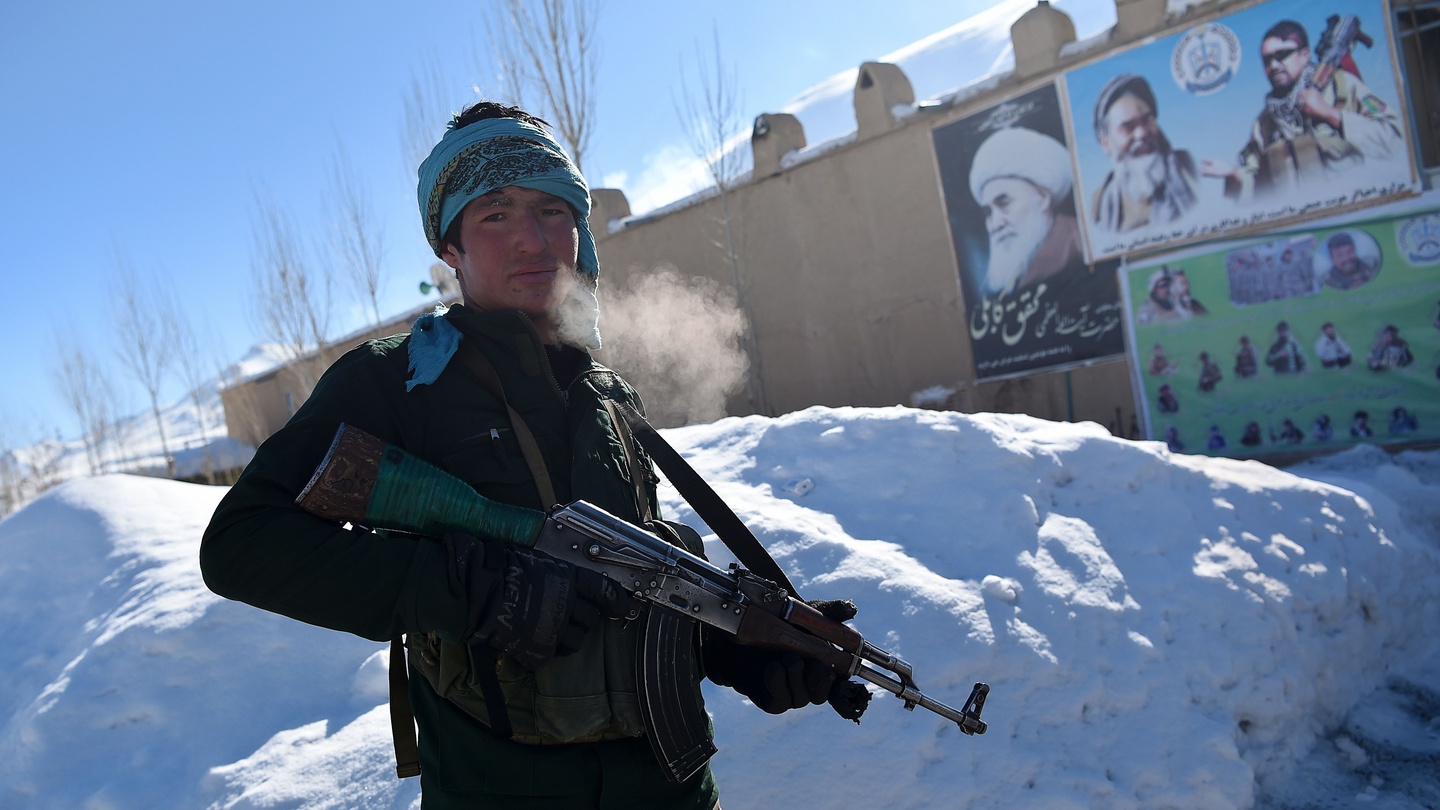
With the onset of winter and severe cold in Afghanistan’s mountains, Taliban insurgency in Afghanistan is on the rise. This, along with the weak Taliban government, has caused great concern among the Afghan people and increased migration to other countries.
On Tuesday, February 8, unidentified gunmen attacked a Taliban checkpoint in the Qara Kint neighborhood of Sheberghan. Four Taliban members were killed and two others were wounded in the attack. After the clash ended, unidentified gunmen wrote the words “Long live the Turkestan Freedom Tigers” on the checkpoint wall and fled the area.
The Turkestan Freedom Tigers is the second armed group to declare its existence in northern Afghanistan against the Taliban.
On February 4, also another armed group called the “Afghan Freedom Front” released a video announcing its existence. The group said its main goal is to fight the Taliban and defend the oppressed people of Afghanistan.
According to the latest investigations, these groups are active in the northern provinces of Afghanistan but, have denied any connection with the forces of “Ahmad Massoud”.
However, given the names and positions of these groups, the Afghan Freedom Front seems to be linked to Russia and Tajikistan, and the Turkestan Freedom Tigers to Turkish intelligence agencies.
On the other hand, the United States has left a lot of weapons in Afghanistan and by inciting ethnic and religious faults, it has established the mechanism of an endless war. Thus, the Afghanistan Civil War project is still underway with the creation of ISIS and other old and new groups.