Tag: Vladimir Putin

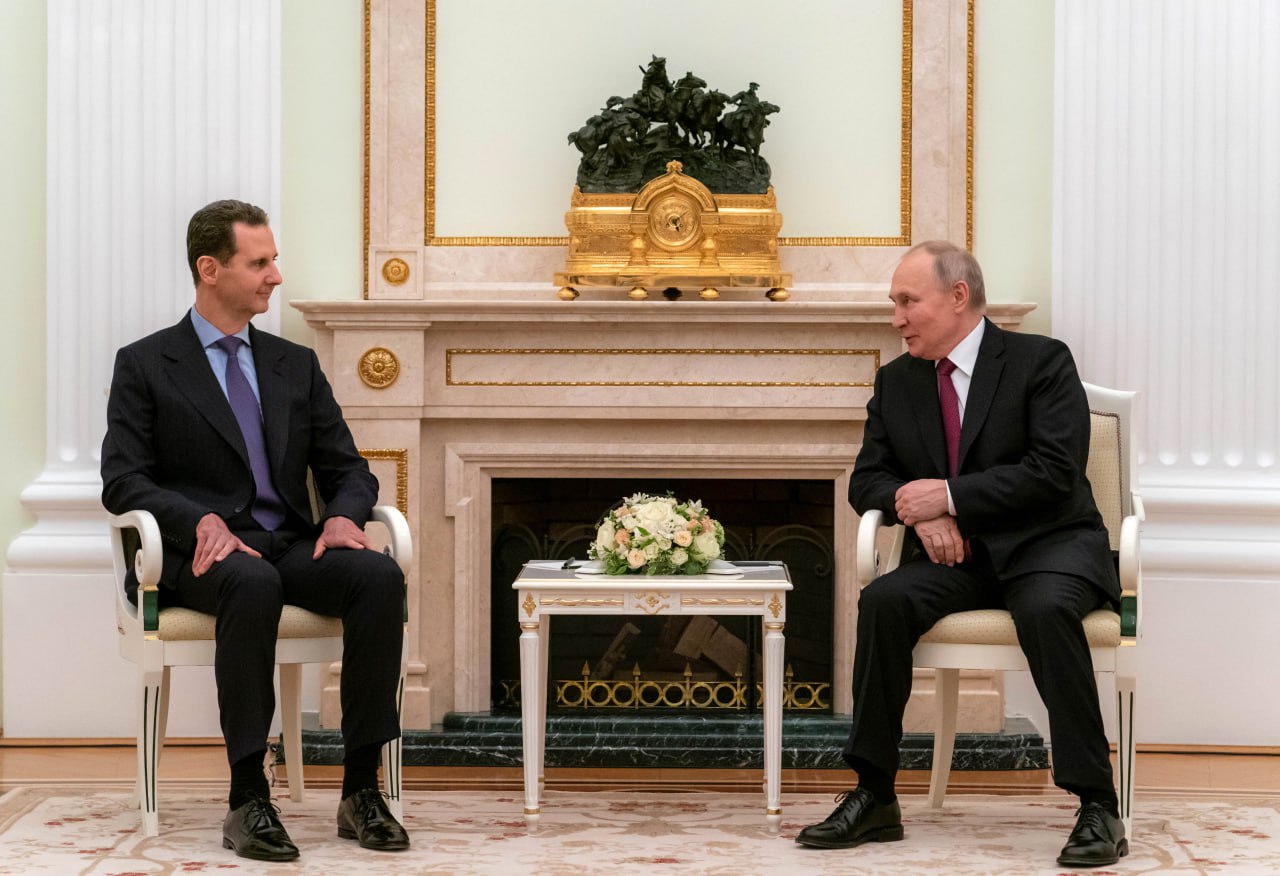
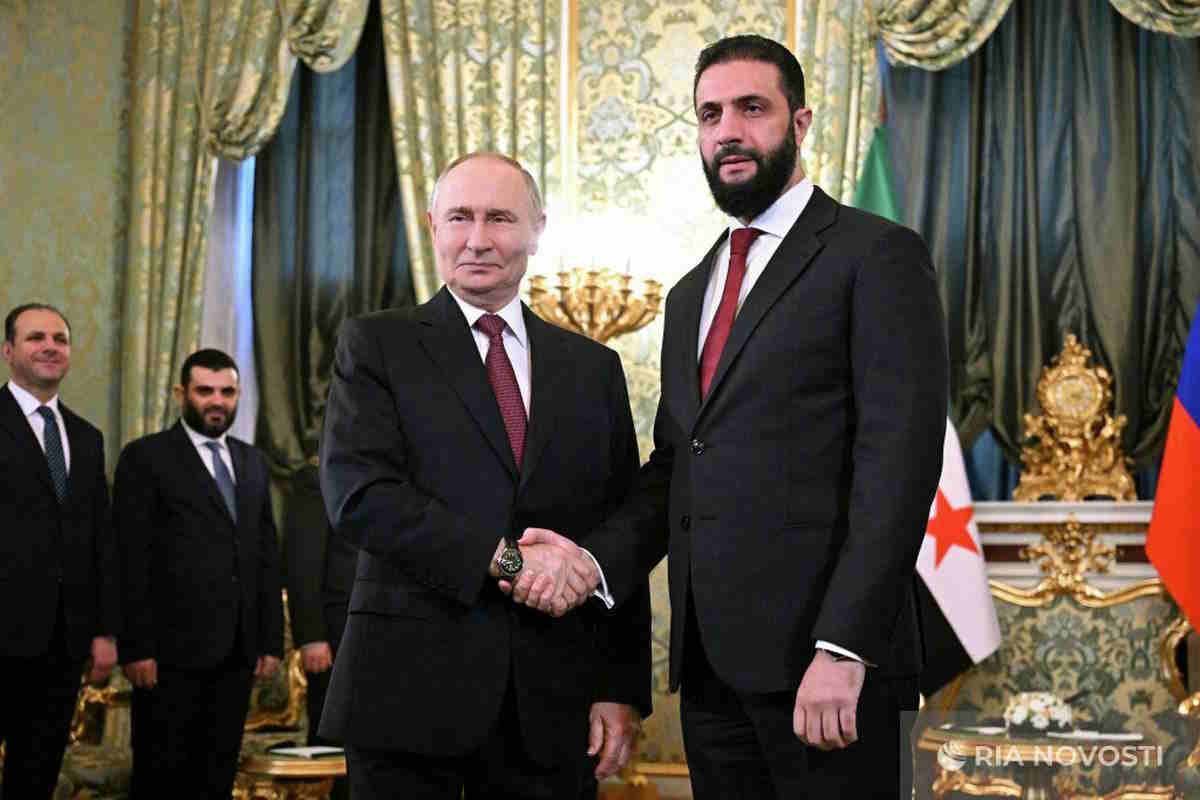
  • Meeting Between Al-Sharaa and Putin in Moscow

    Meeting Between Al-Sharaa and Putin in Moscow

    Ahmed Al-Sharaa, head of Syria’s interim government, stated:
    “Today, we are in a new Syria, and we are rebuilding our relations with all nations, especially the Russian Federation. We honor all past agreements and this great history, and we strive to redefine and present the nature of these ties in a renewed way. We respect our shared history, and our goal is to strengthen relations based on Syria’s sovereignty, unity, and stability.”

    The Kremlin meeting between Putin and Ahmed Al-Sharaa (Abu Mohammad Al-Jolani) marks a clear effort by Moscow to preserve and redefine its role in Syria’s political landscape following the fall of Bashar al-Assad’s government. Having supported Assad as a strategic ally for years, Russia now seeks to maintain its traditional influence within Syria’s new power structure through pragmatic diplomacy. The revival of the joint cooperation committee signals Russia’s intent to secure long-term economic and security presence in Syria.

    Putin also stressed joint economic projects, food supply support for Syria, and collaboration in energy and infrastructure. This shift indicates Russia’s strategy to transition from direct military involvement to sustainable economic engagement—leveraging its political influence for strategic gains without incurring the costs of past military operations.

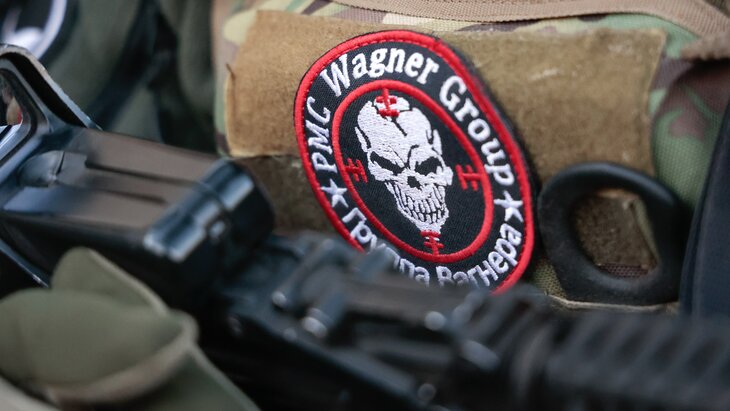
  • Putin Says Wagner Group Does Not Exist

    Putin Says Wagner Group Does Not Exist

    While attending a technology fair in Moscow, Putin was asked whether Wagner will continue operating as a combat formation.

    Putin said: “Well, PMC Wagner does not exist; We don’t have a law on private military companies. So it simply doesn’t exist. The group exists, but legally it does not. It’s a separate issue, related to legalization, that needs to be taken up by the State Duma and the government. A complicated question.”

    Led by their chief Yevgeny Prigozhin, Wagner fighters staged a mutiny on June 23 and attempted to advance towards Moscow. The mutiny ended the very next day, June 24, with an agreement brokered by Belarusian President Alexander Lukashenko. Under the agreement, many of the group fighters signed contracts with the Russian Ministry of Defense and the rest left for Belarus.

    Earlier this week, Kremlin spokesman Dmitry Peskov confirmed that Putin had met with 35 members of Wagner on June 29, several days after the group engaged in an armed rebellion. Putin was asked about the meeting.

    “I don’t have a version,” the Russian president replied. “You or NATO may have a version. I have what actually happened.”

    According to Putin, he wanted to meet with Wagner commanders who had fought honorably, more than with Prigozhin, though he was present as well.

    “At the meeting I gave an assessment of what they did on the battlefield, and what they did during the events of June 24,” Putin said. “Third, I showed them the possible variants of how they could continue their service, including in combat. That is all.”

    Putin added that he offered the men gathered at the Kremlin to continue their military service under the same commander they had served with for the past 16 months, known by his call sign “Grayhair”. While many of them nodded, Prigozhin spoke up on their behalf and said they did not agree.

    In a related development, the Russian MoD announced on July 12 that Wagner had surrendered more than 2,000 pieces of military hardware to the military. The ministry said in a statement that the transfer process is going “according to plan” and is nearing completion.

    The hardware handed over by Wagner included hundreds of heavy weaponry pieces, including main battle tanks of various types, multiple rocket launcher systems, self-propelled and towed artillery, anti-aircraft systems, and other combat vehicles.

    Dozens of combat vehicles transferred by Wagner “have never been used in a combat environment,” the ministry noted in its statement. The group also surrendered over 2,500 tons of ammunition of different types as well as around 20,000 firearms.

    The equipment is currently being transferred to rear field sites for maintenance, the ministry said, adding that it will be transferred to Russian military units for its “intended use”.

    The crisis provoked by Wagner has clearly come to an end. The group’s presence in Russia will likely dissolve in the near future as its fighters sign contracts with the Russian MoD, leave to Belarus or simply return to their civilian lives.

    Source: SouthFront
  • Putin Orders Russia Army To Confront Wagner Mercenaries

    Putin Orders Russia Army To Confront Wagner Mercenaries

    ISWNews Analysis Group – Vladimir Putin made the remarks in a televised speech about recent developments in Russia and the Wagner mercenaries’ rebellion, calling for the resolution of differences.

    The president also referred to the West’s military and intelligence warfare against his country, saying that Russia is fighting hard for its future, all Western military and intelligence apparatus is against Russia.

    “Now, our people’s fate is being determined and the unity of all forces is necessary, we must put aside any conflict,” Putin said.

    He described Wagner fighters, who fight in special operations (Ukraine War), as heroes, and considered those who organized the rebellion as traitors to the name and reputation of the mercenary group.

    Putin also threatened that anyone, who deliberately engages in treason, demonizing and preparing for an armed uprising, will be subject to inevitable punishment and that in this regard, the Russian armed forces have received the necessary orders to confront those who organized an armed rebellion.

    The Russian president emphasized that he would not allow a repeat of creating a rift in Russia and as a Russian citizen would do anything to defend the country and take decisive actions, including in respect of the situation in the southern city of Rostov-on-Don.

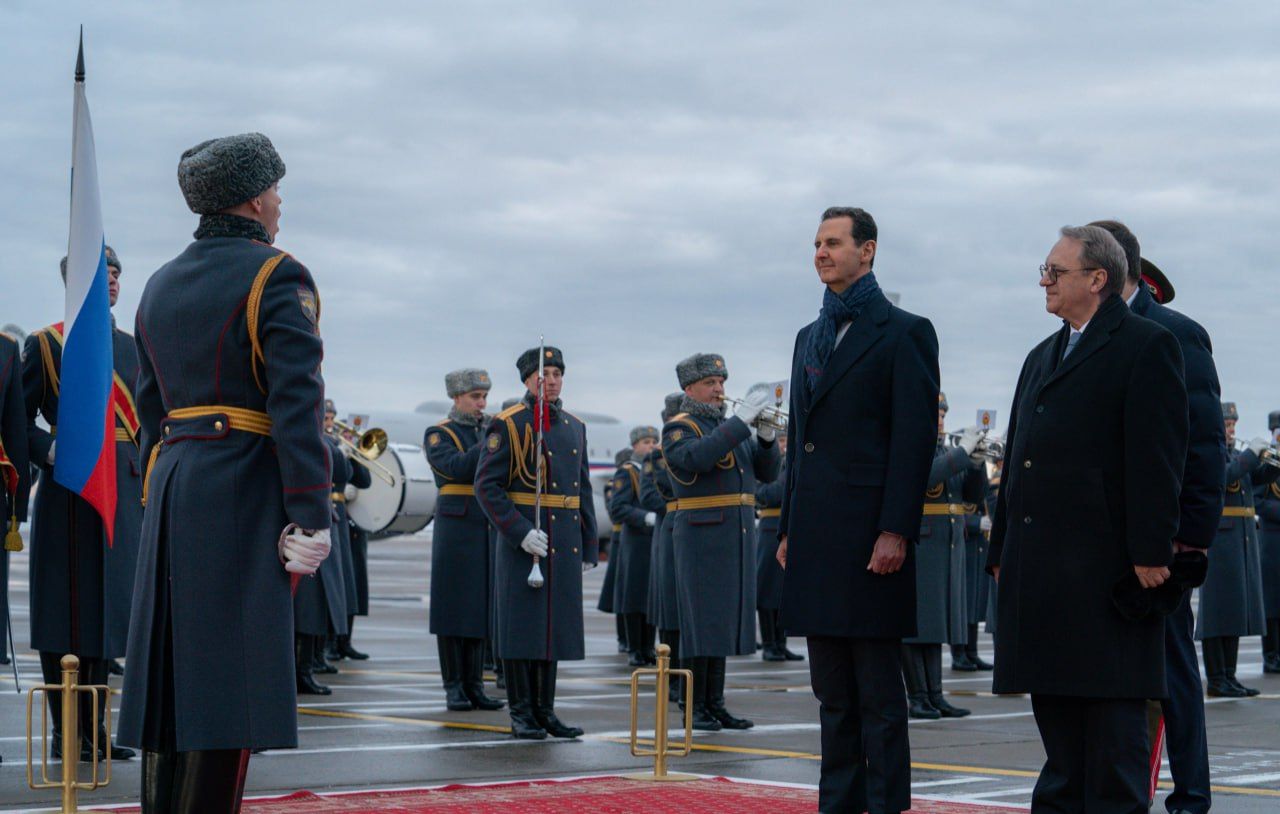
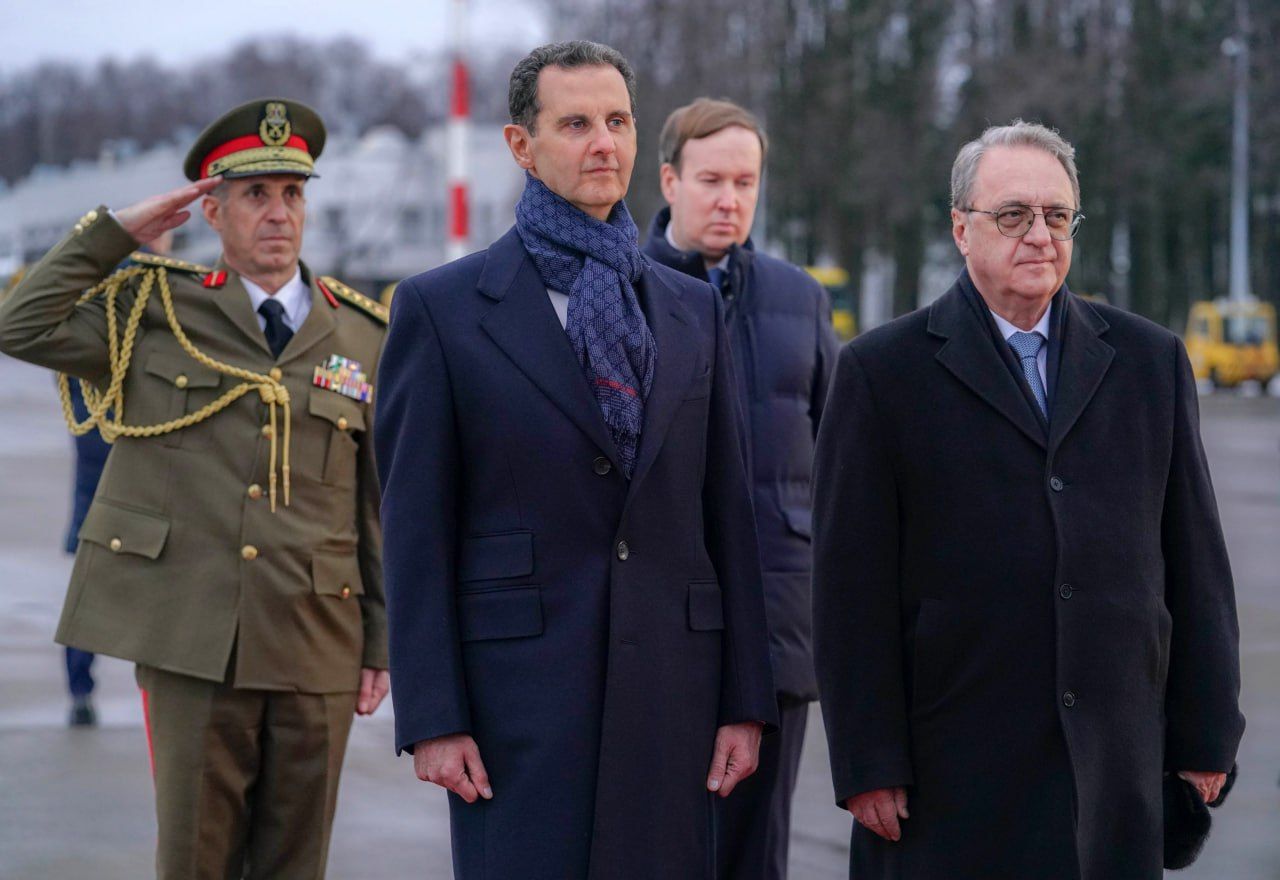
  • Syrian President Meets His Russian Counterpart

    Syrian President Meets His Russian Counterpart

    Al-Assad, who is visiting Russia in an official trip, emphasized that Damascus supports Moscow in the Ukraine war, adding that this is his first visit to Russia after the onset of the conflict.

    He underlined that he reiterates Damascus’ support for Moscow in the war against Nazism, which is backed by the West.

    According to the Syrian president, the Syrian nation appreciates the Russian government and people for their commitment in respecting sovereignty and territorial integrity of Syria.

    Al-Assad went on to say that he is grateful for Russia’s aides in the recent earthquake in Syria in particular the Russian Defense Ministry and Army who played a key role in assisting the quake-hit Syrians.

    Today the return of balance in the world is necessary, he said, warning that otherwise, the world would lead to explosion, bloodshed and destruction.

    We are happy with the results of the joint committee of Russia and Syria, the Syrian president said, noting that his visit to Moscow will be the onset of a new phase of relationship between Moscow and Damascus.

    Putin, for his part, expressed satisfaction with al-Assad’s visit to Russia, saying that we are constantly in touch and we witness a great progress in the ties of the two states.

    Unfortunately, the people of Syria were subjected to the earthquake calamity, which deteriorated their pains, the Russian president said, adding that we as the loyal friends of the Syrians will do our best to decrease their woes.

    According to the Russian chief executive, thanks to joint efforts made by the two countries and the firm contributions by armed forces of Russia in Syria, remarkable results have been achieved in the fight against terrorism, and these efforts pave the way for stabilizing social, economic and political circumstances in the Arab country; so, the bilateral ties is continuously developing and the trade exchanges are growing.

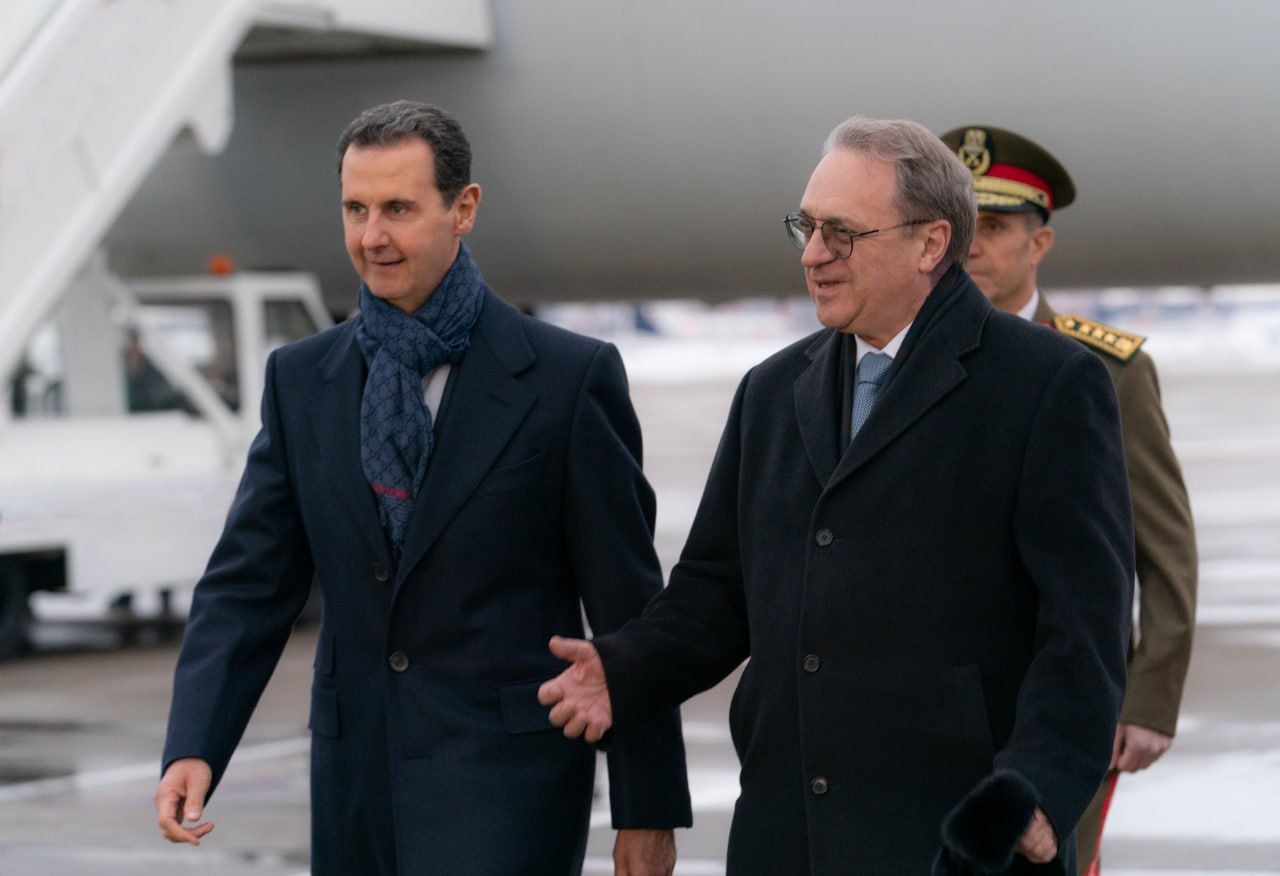
    It is noteworthy that Bashar al-Assad arrived in Moscow, heading a high-ranking delegation, on March 14. The Syrian president was welcomed by Deputy Minister of Foreign Affairs of the Russian Federation and Special Presidential Representative for the Middle East and Africa Mikhail Bogdanov, Russian Ambassador to Syria is currently held by Aleksandr Yefimov and Syrian Ambassador to Moscow Bashar Jaafari upon his arrival at an airport in the Russian capital.

  • Russian President Announced A One-Day Ceasefire

    Russian President Announced A One-Day Ceasefire

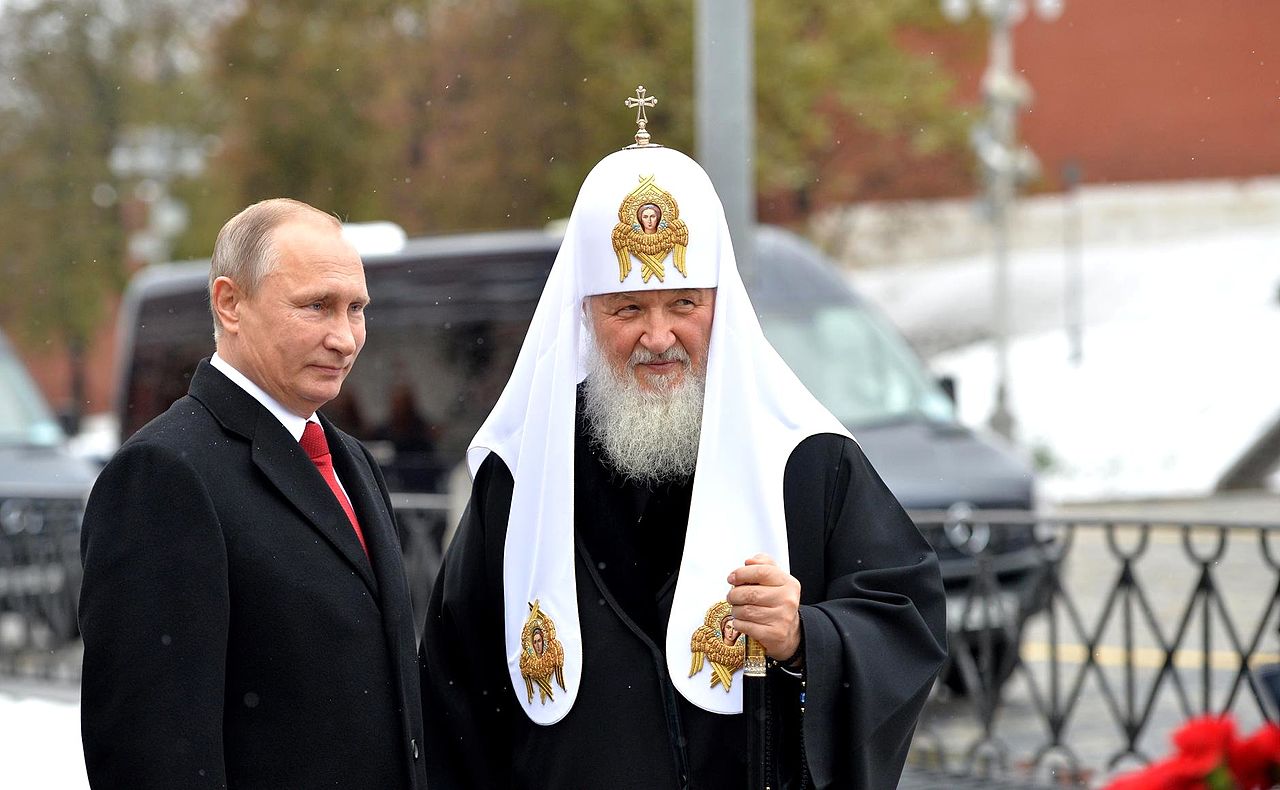
    In his message to the Russian Ministry of Defense, Putin said, “Considering the address of his holiness Patriarch Kirill, I commend the Minister of Defence of the Russian Federation to implement ceasefire from 12:00, 6 January 2023, to 24:00, 7 January 2023, along all the line of contact in Ukraine. Proceeding from the fact that the operations areas are inhabited by a large number of citizens who profess Orthodoxy, we appeal to the Ukrainian party to announc a ceasefire, and to give them an opportunity to attend the services on Christmas Eve, and on the Christmas Day.”

    Until now, Ukraine has not reacted to this Russian request.

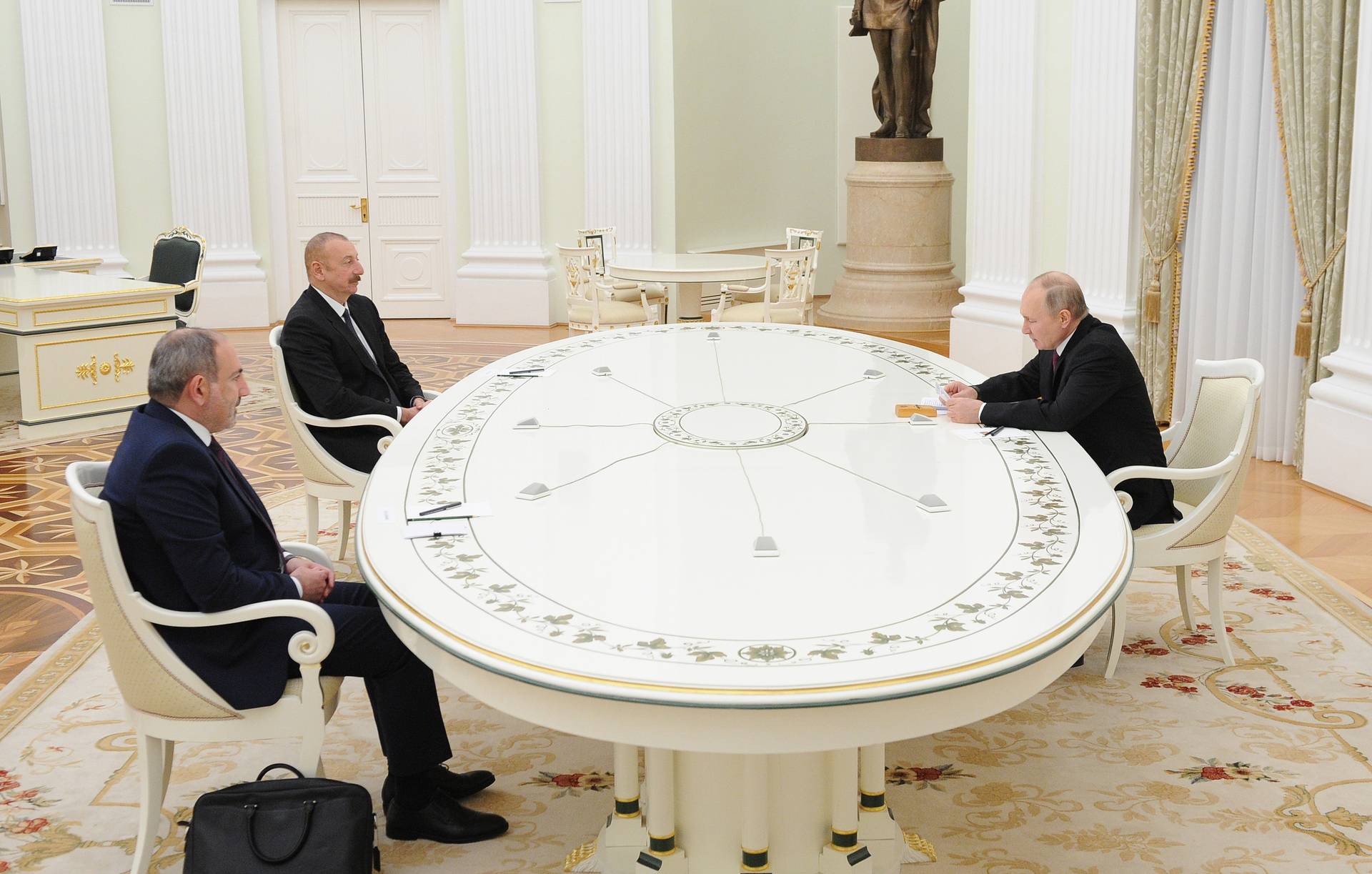
  • Historical meeting of presidents of Russia, Azerbaijan and Armenia; New chapter of collaboration in Caucasus

    Historical meeting of presidents of Russia, Azerbaijan and Armenia; New chapter of collaboration in Caucasus

    It was an interesting meeting specially after a 44 days war, in which more than six thousand people killed in Karabakh and then Aliyev and Pashinyan met like two good boys with their boss Putin and listened to him.

    Following this four hours meeting, three countries unveiled a joint statement to create a list of joint projects to open the borders. There are not much details regarding the new agreement but it is in the same direction as the previous Karabakh ceasefire agreement.

    Pashinyan spokesperson said before the meeting that important projects already are being investigated and talked over, one of which is to permit Armenia to cross Nakhchivan and transit to Iran, as well as using the railroad built in USSR era which was used to connect Yerevan to the southern regions of Armenia.

    According to this trilateral agreement, each country forms a committee of specialists led by the vice PMs to make a list of joint projects for the leaders of the countries.

    Russian paper Kommersant released a railroad map of Caucasus two days ago, which was the same railroad built in USSR era and was closed since the first Karabakh war in 1990. It is going to be open with the new agreement.

    Regarding opening this important railroad, which is one of the articles in Karabakh ceasefire agreement, we have mentioned in previous articles. Following Karabakh ceasefire agreement, some claimed the southern corridor means to cut Iran-Armenia border, which was wrong from the beginning.

    This railroad will connect Armenia to Russia through Azerbaijan and will be used for transit to Iran as well. On the other hand Azerbaijan will connect to Nakhchivan area and Turkey through Armenia.

    This new agreement will have huge impact on different aspects of Caucasus area and each side will get benefited. Although Putin said that the agreement will be useful for all the countries of Caucasus but obviously not on the same level.

    Russia and Turkey undoubtedly will get the most of it. Russia restored its hegemony after a 30 years period of weak presence in the area and Turkey as a new player in the Karabakh, has greatly strengthened its foothold in the region and will strengthen its ties with Central Asian countries by connecting the Caspian Sea; Azerbaijan, while regaining its vast occupied territories in the south of Karabakh, was directly connected to the Nakhchivan region and of course to Turkey, and largely overcame the previous problems; Armenia will also benefit from direct connection to Russia and better connection to Iran, and by opening its western border with Turkey will benefit from trades with this country too. And finally, Iran, as the civilization and cultural owner of the Karabakh region, will have the least benefit from the events in Karabakh and the reopening of a new transit route; and Iran political and economic influence in the Karabakh region will be greatly reduced.

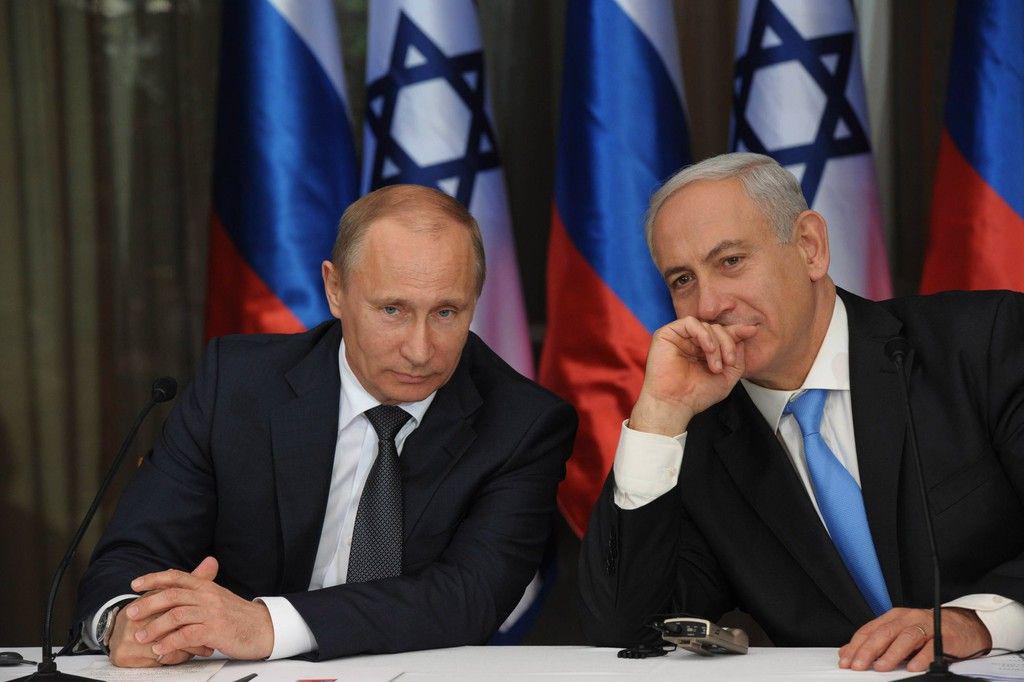
  • Netanyahu meets with Putin in Moscow

    Netanyahu meets with Putin in Moscow

    He will particularly talk with Putin about Israeli attacks to Resistance in Syria and Iraq and tries to convince Putin in this case.

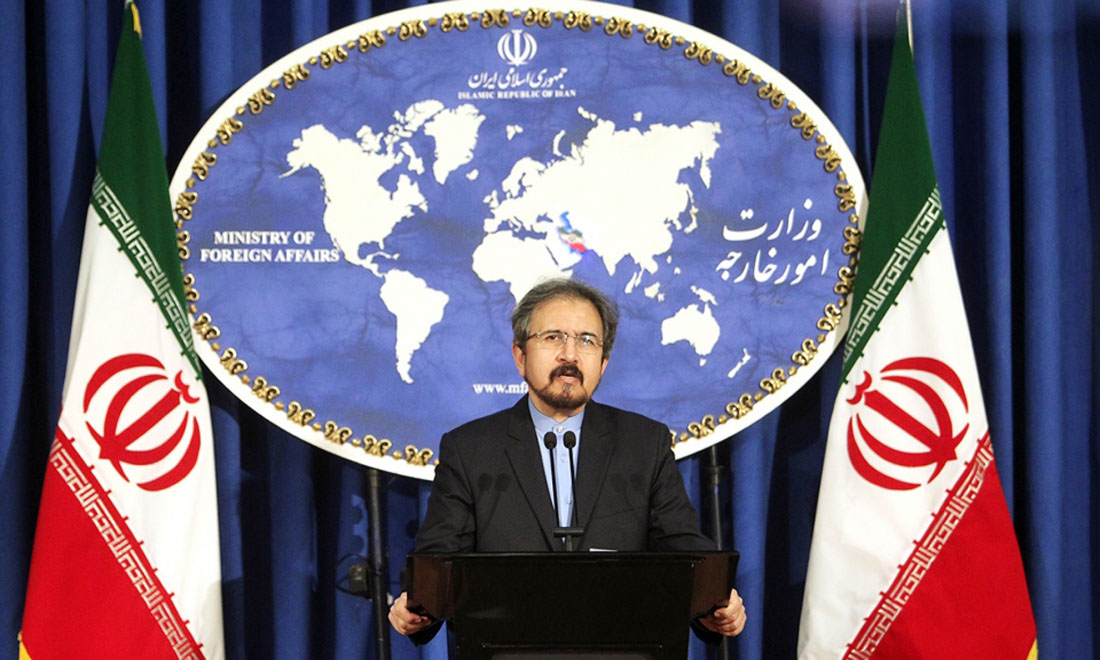
  • Iran Foreign Ministry: No One Can Force Iran to do Anything; Iran Will Help Syria as Long as Syria Wants It.

    Iran Foreign Ministry: No One Can Force Iran to do Anything; Iran Will Help Syria as Long as Syria Wants It.

    Bahram Ghasemi on May 21, in response to a question about recent reports of Russia’s call for the withdrawal of Iranian forces from Syria replied:

    ” Nobody can force Iran to do something against its will, Iran is an independent country that pursues its policies according to its own interests.

    The presence of Iran was with the invitation of the Syrian government to fight against terrorism and defend the territorial integrity of Syria and Iran will help Syria as long as Syria wants it.

    All those should leave Syria who entered the territory of the country without the approval of the Syrian government.”


    On May 17, Russian President Vladimir Putin met with Syrian President Bashar Assad in Sochi, Russia.

    During the visit, Vladimir Putin emphasized the withdrawal of foreign forces from Syria; however Putin did not specify precisely what he meant, but the next day Russian presidential envoy to Syria Alexander Lavrentiev said that the Iranian forces and the resistance forces should also leave Syria.


    These words, while caused a wave of reactions from Syrian allies, denied by the Syrian government media.


    Following this, the Kremlin spokesman Dmitry Peskov said that the foreign forces that are supposed to leave Syria are those forces that are “illegally” in the country.


    So today, Iran’s foreign ministry spokesman, while stressing the presence of Iran in Syria, said Iran was not among the countries that entered the country without the consent of the Syrian government and will remain in Syria as long as needed.