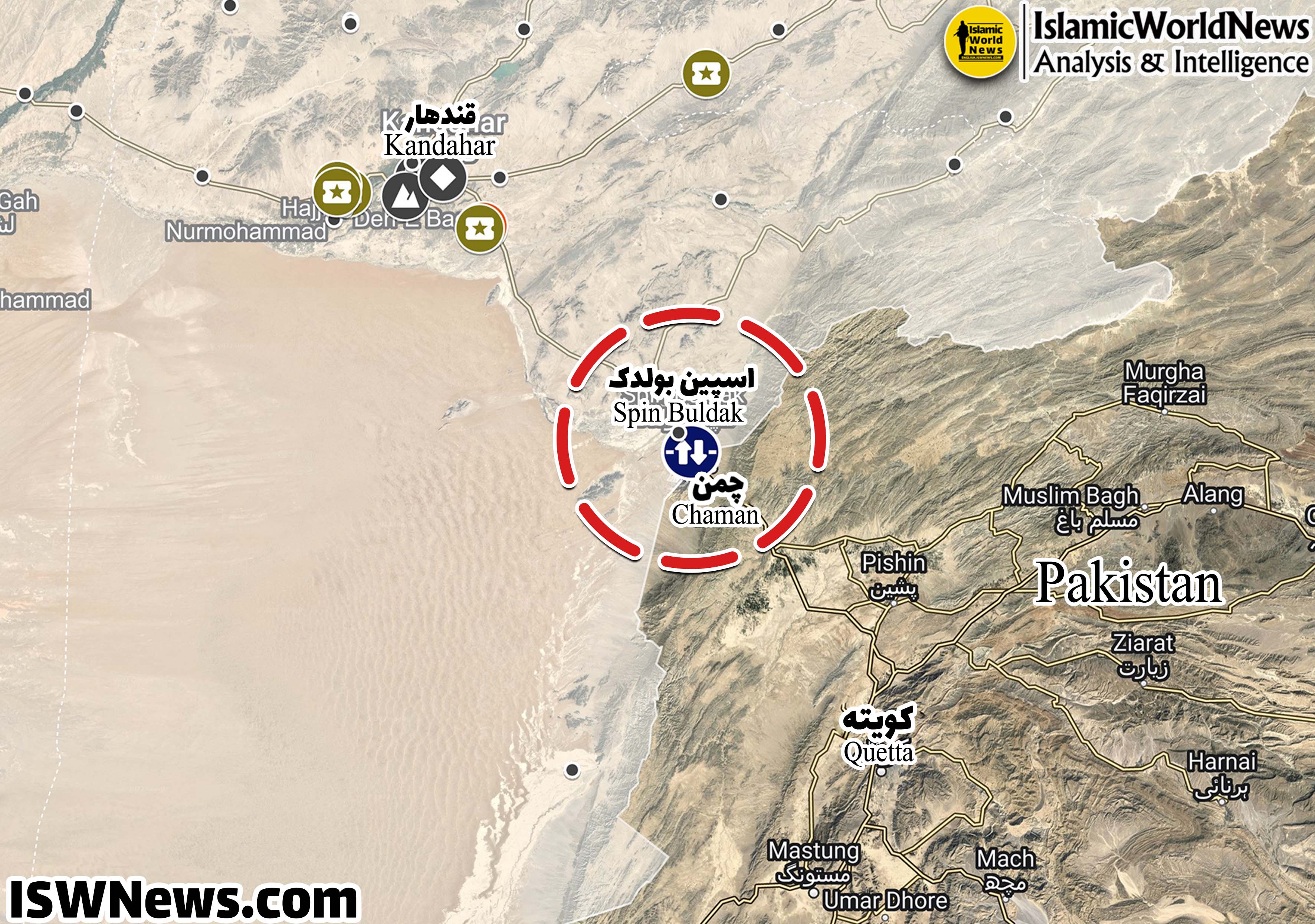
One Pakistani civilian was killed and 15 others were injured during the conflict between Taliban militants and Pakistani border guards on the border of Shir Ab village located in Spin Buldak district in Kandahar province on December 15. The Afghan side also mentioned eight Afghan civilian wounded, including three children.
The conflict started after the border guards of Pakistan prevented the establishment of a security point by Taliban militants in Shir Ab village on the border line with Chaman area.
In response to this conflict, the Ministry of Foreign Affairs of Pakistan announced in a statement that until the Taliban give a firm guarantee to Islamabad that there will be no further border clashes, Pakistan’s ambassador, Obaidur Rehman Nizami, will not return to Kabul.
This is the sixth border clash between Taliban militants and Pakistan’s border guards at the Spin Buldak-Chaman border crossing. The two sides had previously clashed with each other over border issues on December 11, during which 47 soldiers and civilians from both sides were killed and injured.
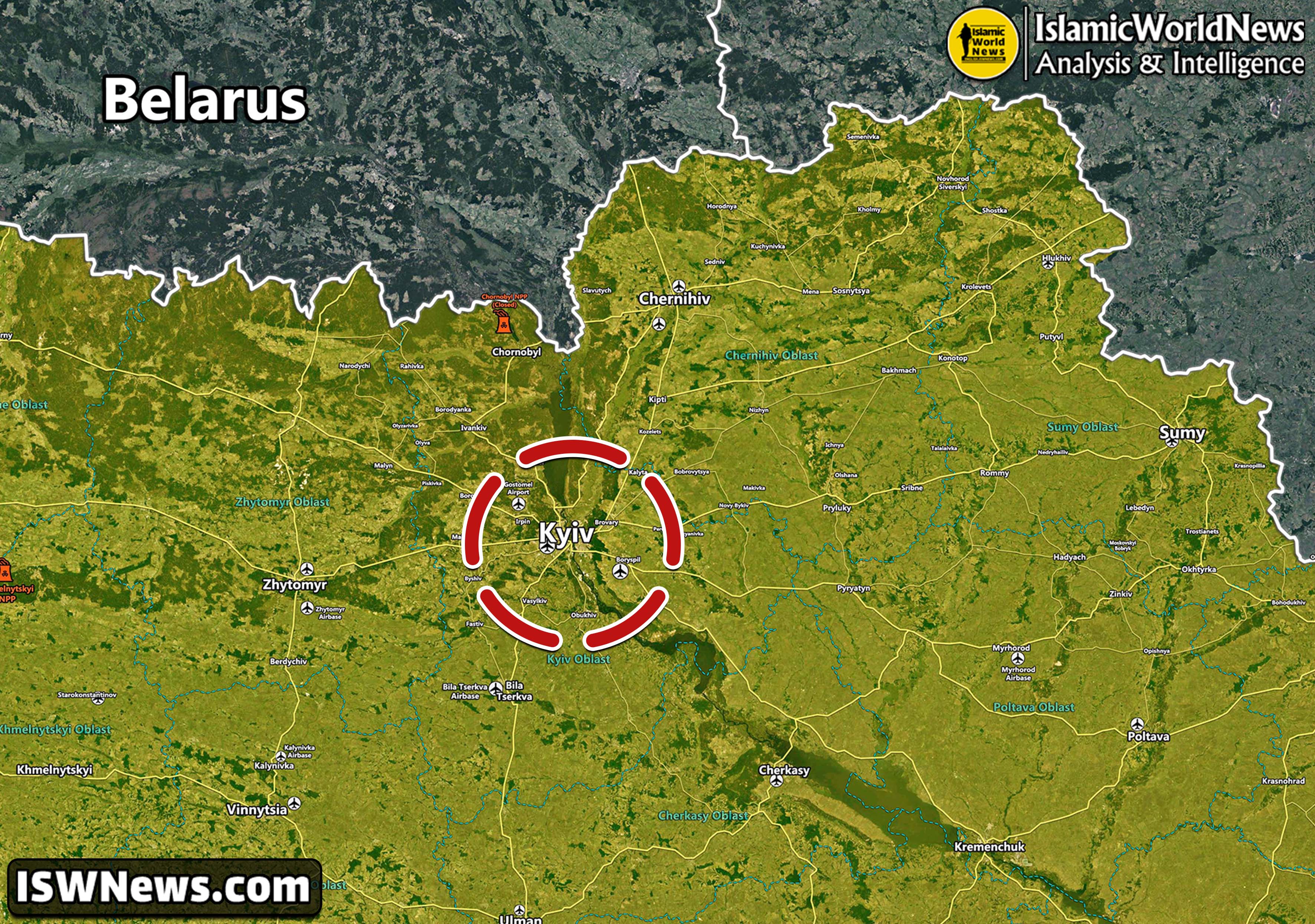
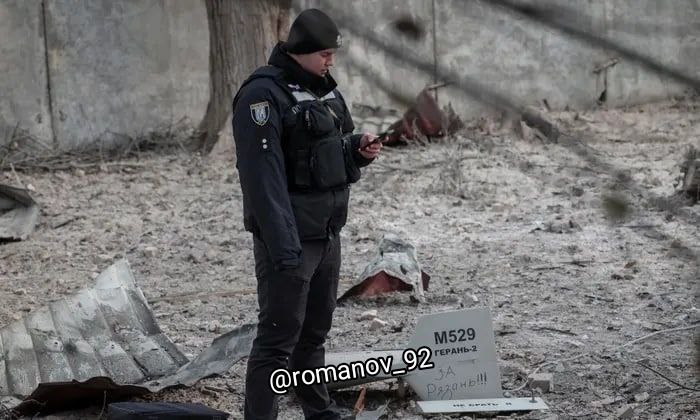
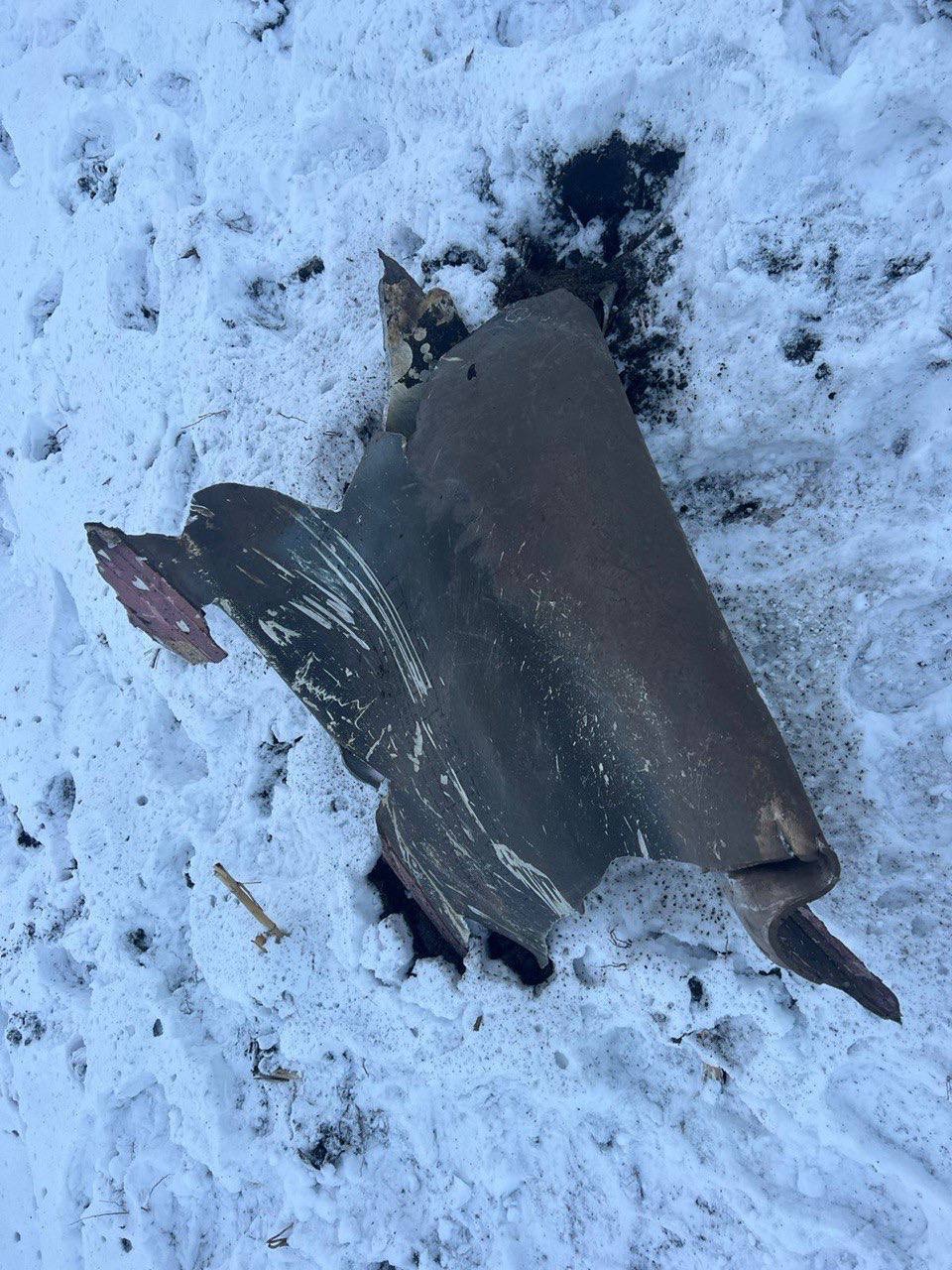
Ukrainian sources reported the sounds of several explosions in Shevchenkivs’kyi district and from the outskirts of Kyiv. In this regard, Vitali Klitschko, mayor of Kyiv and head of the Kyiv City State Administration claimed Ukrainian Army shot down 10 Shahed-136 suicide drones over the city.
The Ukrainian military has also said it shot down 13 Shahed-136 suicide drones over Kyiv and the surrounding region early on Wednesday, But there were no immediate reports of casualties.
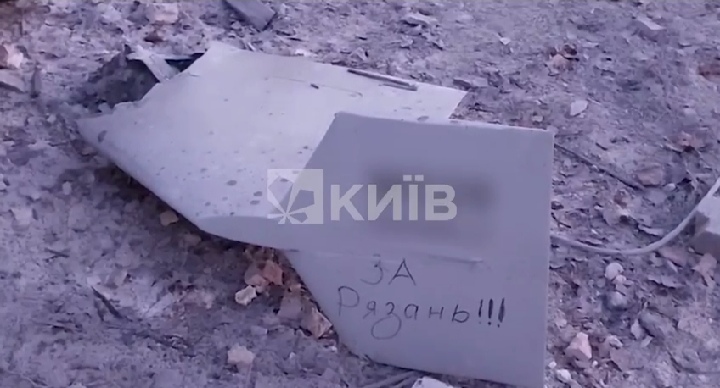
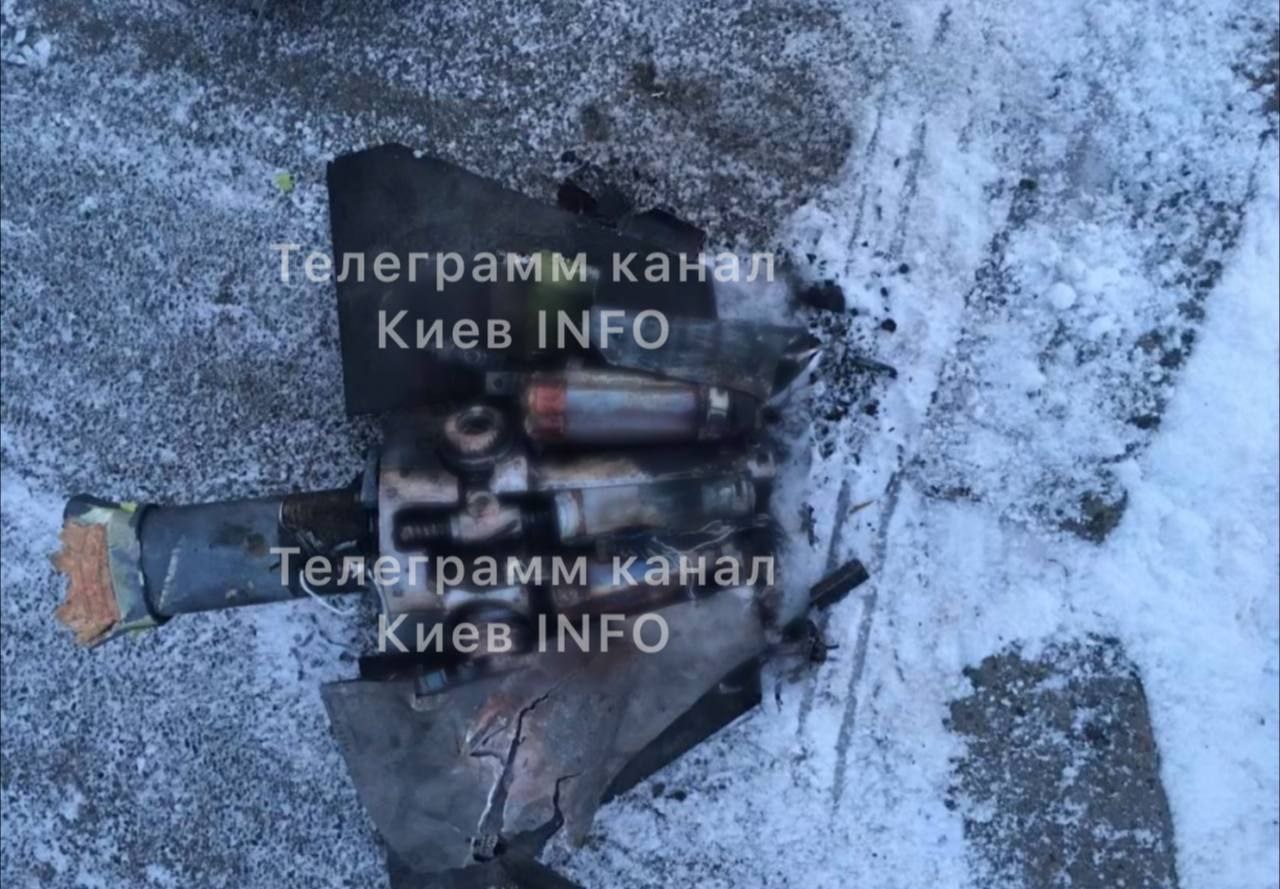
Also, some Ukrainian sources claimed that the Russian army also used the Arash suicide drone in this attack. If this claim is true and proven, today’s attack is the first operational use of Arash suicide drones in the war in Ukraine.
The moment when one of the suicide drones hit and exploded in the city of KyivThe moment when one of the suicide drones hit and exploded in the city of Kyiv
The attack was Russia’s first major drone attack on the capital in weeks. It should be noted that a wave of Russian drone and missile attacks since October has caused severe damage to Ukraine’s energy and electricity infrastructure as it enters the winter.
Ukraine has already received modern air defence systems from the west and the US, But so far, the interception and shooting down of Shahed-136 drones has not been so successful.
Some believe that the deployment of the US Patriot air defense systems can help; but, the US has previously resisted supplying Ukraine with the Patriot systems. However, the US officials, recently, after the repeated Russian airstrikes on Ukraine stated that the patriot missiles could/may be delivered to Ukraine in a matter of days. But there is still a big doubt about the effectiveness of Patriot system against the Iranian suicide drones. In the past, Iranian drones have managed to pass through Patriot defense systems many times in West Asia.
During the conflict on December 11, Taliban militants and the Pakistani border guards in the village of Shiro Obu, located in the town of Spin Buldak in Qandahar province, 10 Afghan and Pakistani civilians were killed and more than 37 individuals were injured. According to the local community, the conflict and exchange of fire ended after an hour and the injured were taken to the hospital. The casualties of Taliban militants and Pakistani border guards have not been announced yet.
Spin Buldak-Chaman border crossing is the second most important border crossing between Afghanistan and Pakistan after Torkham crossing. This is the fifth serious conflict between the Pakistani army and Taliban since the group came to power in Afghanistan.
Fire at the Spin Buldak-Chaman border crossingThe condition of the injured in Spin Buldak Hospital
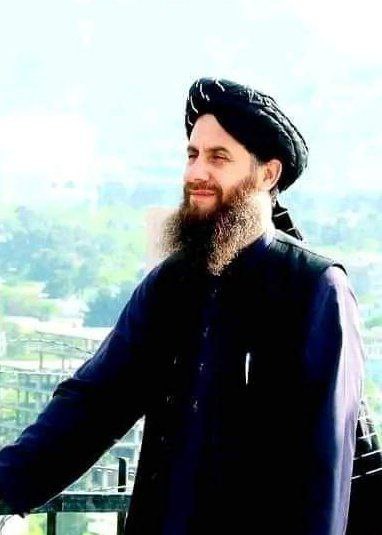
On December 8, Taliban news sources announced the arrest of five people involved in the assassination of Rahimullah Haqqani, one of the prominent Deobandi scholars in Nangarhar province and one of the most influential Taliban preachers in Afghanistan and Pakistan. Rahimullah Haqqani is an intellectual supporter of the Taliban and a critic of the ISIS . He was considered as one of the individuals close to Sirajuddin Haqqani, the Taliban Interior Minister. He was killed during an explosion by ISIS on August 11, 2022.
One of the arrested individuals by the Taliban intelligence department is Haji Bashirullah. He was responsible for the suicide attacks of the Haqqani Network and the Taliban in Kabul during the former government but the Qandahari network of Taliban intelligence department has arrested him on the charge of assassinating Rahimullah Haqqani.
Haji Bashirullah, the son of Mohammad Dawood, from the village of Padkhab Shani in the outskirts of the Pole Alam, the capital of Logar province, is one of the main leaders of the martyrdom groups in Taliban. On the order of Sirajuddin Haqqani, the leader of the Haqqani network, he carried out dozens of suicide attacks during former government of Afghanistan, which resulted in the deaths of hundreds of civilians.
Haji Bashirullah was appointed as the ISIS leader in Pole Alam in 2019. He worked and concentrated on the villages of Dashtak, Zakhil and Padkhab Shani in Logar province to attract manpower for ISIS. He was the leader of ISIS in the city of Pole Alam and also expanded his cooperation with the Haqqani network and reached a high position in the internal organization of the Haqqani network. At the same time as the fall of the former government and the rise of Taliban in Afghanistan, he started anti-Taliban activities within the Taliban organization by forming a military group in the city of Kabul.
The suicide attack on the religious school of “Sheikh Rahimullah Haqqani” in Wazir Akbar Khan neighborhood, located in the second district of Kabul city, is the biggest and perhaps the last operation organized by him, which led to the death of more than ten members of Taliban, including “Sheikh Rahimullah Haqqani.
The arrest of Haji Bashirullah is not an honor for Taliban, but a serious defeat because Taliban has arrested an ISIS-Taliban commander. Taliban leaders are in a situation where they can neither deny their own intelligence and intellectual failure nor the presence of ISIS in their group.
The pictures of Haji Bashirullah and the other assassins of Sheikh Rahimullah Haqqani
Ayoob Kara, politician and the former Israel’s minister of communications and a member of the Likud Party answers:
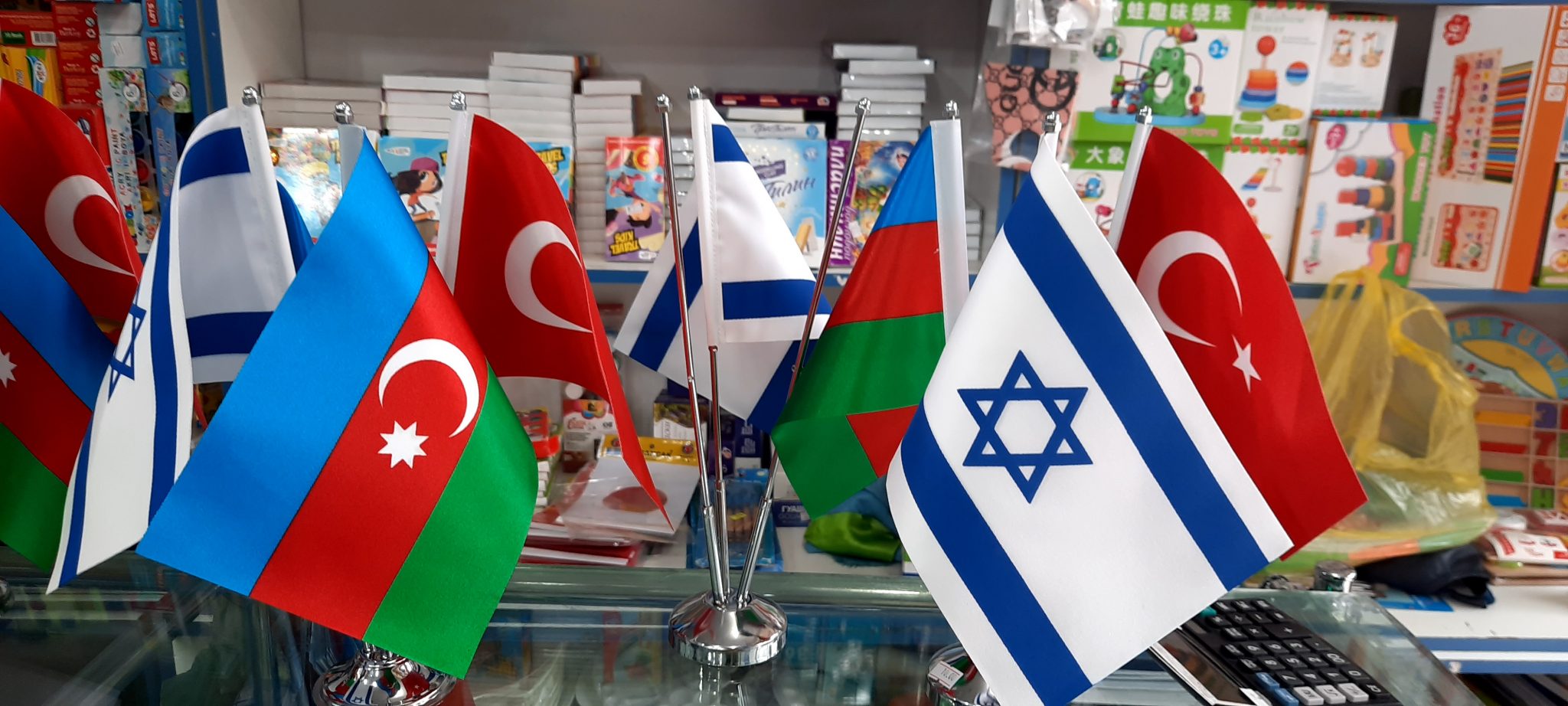
The governments of Azerbaijan, Georgia, Turkey, and Kazakhstan earlier in the year signed a declaration on improving the transportation potential throughout the region. Following that, the Azerbaijani, Kazakh, Georgian and Turkish foreign and transport ministries decided that there should be accelerated transport routes throughout the region, which will include the development of the Middle Corridor, a rail freight and ferry system that will link China with Europe.
It starts in Southeast Asia and China, and runs through Kazakhstan, the Caspian Sea, Azerbaijan, Georgia and Turkey before reaching southern and central Europe. This will permit trains to travel from China to Europe within 20-25 days, thus helping to reconnect the former Silk Road. As a former Israeli minister, I believe that Israel should be supportive of the establishment of the Middle Corridor, as it will help to strengthen the Abraham Accords if it is expanded to include Israel, the United Arab Emirates and other countries in the region.
The entire Middle East region used to be connected by train under the rule of the Ottoman Turks. There are a number of remnants of this wonderful train system in Israel, including the Ottoman train stations in Beersheba, Jaffa, and Jerusalem. These Ottoman train stations are historic landmarks from a bygone era when train travel across the Middle East was possible. Ottoman-era trains used to travel from Jaffa to Jerusalem, Haifa and other areas of the former Ottoman Turkish Empire, such as Medina and Damascus.
However, since Israel was declared to be independent, there has been no train travel between Israel and the Arab world. This was one of many causalities of the Israeli-Palestinian conflict. Yet in the wake of the Abraham Accords, this all has the potential to change, as the Arab countries no longer view Israel to be the pariah that they once viewed it to be. If anything, the Persian Gulf countries now view Israel to be a partner in the struggle against Iran, as do the Turkic republics like Azerbaijan, who greatly disdain how the mullahs are treating the Azerbaijani population in the Islamic Republic.
Thus, if this Middle Corridor is built, we Israelis can try to connect onto it as well, as it will help to counter the mullahs in Tehran by creating a stronger connection between the Turkic republics, Israel and the Arab world. We can connect to it via Turkey by ferry, and then from there, have another set of trains going from Israel to Jordan and Saudi Arabia and from there, to the United Arab Emirates. In our times, this is within the realm of the possible.
This will thus help to greatly expand trade between China, the Turkic republics, Israel and the Arab countries. Already, Israel, Saudi Arabia, and Jordan know that it is necessary to have a train that crosses from Israel to the Gulf states.They are talking about it and thinking about it. They are starting with trucks with containers that I arranged, where they bring containers from Abu Dhabi to Israel crossing from Saudi Arabia to Jordan to Haifa.They could continue from there to Turkey via ship and from there to Europe and anywhere else.
That means that we can have a train traveling from Europe to Turkey and from there, ships can go to Haifa, and from Haifa to Jordan, Saudi Arabia and from there, to the Gulf states, and they can go back in the opposite direction. I am in Bulgaria now to check how I can make it more relevant. After that, a Saudi Arabian agreement with Israel can start with a new train, like what existed in the Ottoman times with the Hijaz Railway. The people of Hijaz want to make it happen again. This is in the plan of the Abraham Accords Agreement and it will happen in the future.
Ayoob Kara, politician and the former Israel’s minister of communications
Postscript:
For many years, Israel has been seeking to establish deep relations with the Central Asian countries through different ways and models. For example, Israel’s relations with Kazakhstan in the fields of military, security and energy have been very strong and there have been high-level visits between the Zionist regime and Kazakhstan in the past.
In a country like Uzbekistan, the existence of a “large community of Tajik Jews from Bukhara” is very important for Israel and the regime has always sought to influence the community as well as the Central Asian society.
Needless to say, Israel has had more secret relations in Tajikistan. One of the reasons for these relations was to help the Government of the Republic of Tajikistan to suppress and destroy the Islamist groups close to Iran, so that they can compete with the position of the Islamic Republic of Iran in Tajikistan and overcome its influence.
Now, due to the sensitivity created on the countries of Central Asia, we are witnessing the presence and strong role of different countries in the developments of this geographical area. The activity and influence of America, European countries and Persian Gulf countries, especially Saudi Arabia, has been very impressive in the last few years and now Turkey is also displaying its influence and power in this region via various means.
One of Turkey’s initiatives in this region is the creation and implementation of the “Middle Corridor”, which has attracted the attention of other countries and has been seriously welcomed by the United States and the Europeans.
Israel’s attempt to get connected with the “Middle Corridor” plan is completely noticeable. There are two reasons for this fact: 1. Israel’s need for the Central Asian region regarding the required resources and the definition of a new playing field to confront the Islamic Republic of Iran 2. The influence of the Israel in the region, especially in Azerbaijan, which is one of the most important claimants in the “Middle Corridor” plan
According to Ayoob Kara, the former Israel’s minister of communications, we can surely say that this plan is basically aimed at isolating Russia and Iran in the region.
On the other hand, It is quite conceivable that China will go along with the Middle Corridor plan because it is important for China to maintain its economic power, export and the market for its products in the foreign relations.
Although the capacity of this corridor is debatable and the implementation of this plan is somewhat impossible, only these attemts can be considered as serious alarms for the position of Iran and Russia in the region, which requires more attention from the Iranian authorities to review the country’s regional policies.
These days, the state-affiliated media in Azerbaijan intend to convey to their addressees that Iranian armed forces have been deployed along the Azerbaijan border and are planning to attack this country.
Khazar TV, in a report on Monday announced the objectives of these military exercises: “The exercise is a response to the threats from the Islamic Republic of Iran and it is made up of 5 military units. If Iran trespasses the Azerbaijan border, it will face the armies of two friendly nations, Azerbaijan and Turkey.
This exercise is intended to practice modern battles by using a combination of artillery, commando forces and marines to penetrate the enemy lines and remove booby traps. This exercise also includes deployment of pontoon bridges over river, heliborne operations, using tanks and landing forces behind the enemy lines. The aerial bombardment is carried out using airplanes and helicopters.
According to the Turkish ministry of defense, Turkish F-16 jets have also joined this exercise and one of the training sites for bombing the simulated enemy was near Astara. The number of F-16 used in this exercise has not yet been mentioned.
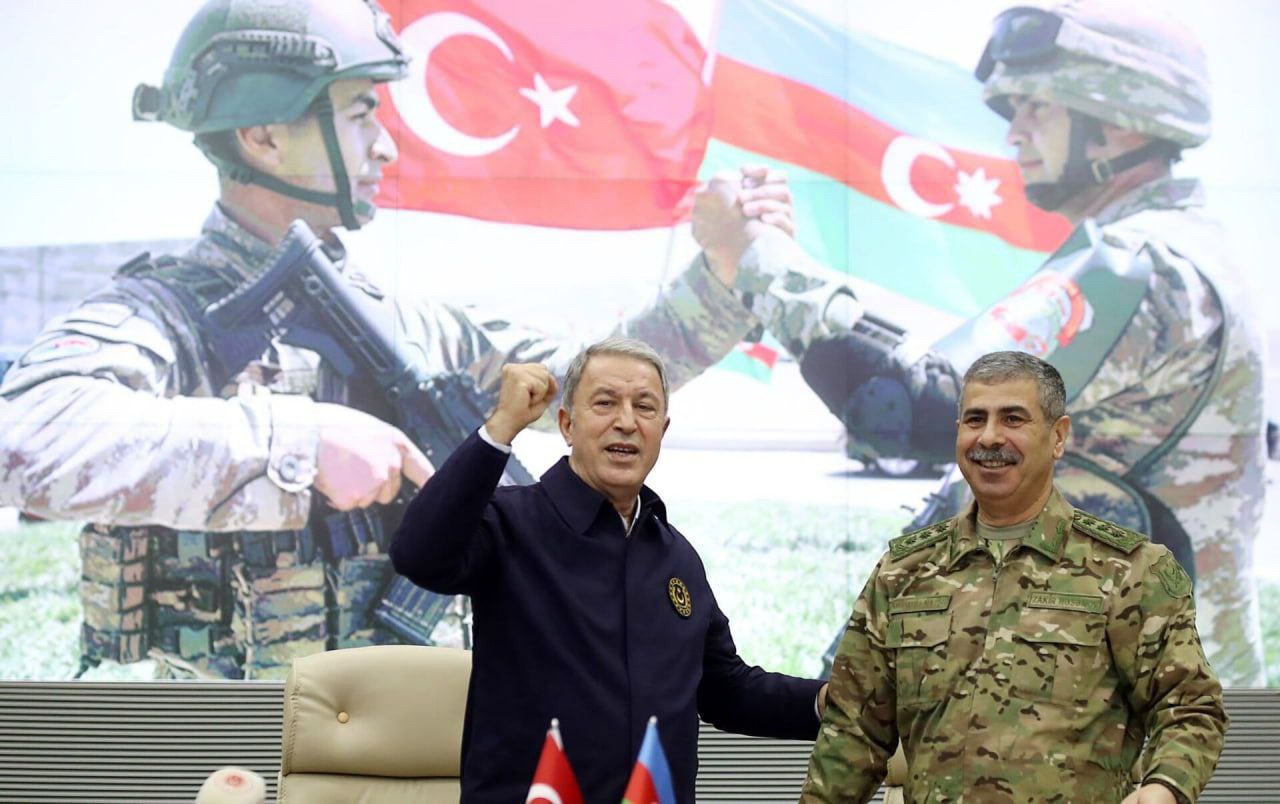
Turkish Defence Minister Hulusi Akar arrived in Baku, the capital of Azerbaijan on Tuesday, December 15, along with a military delegation. He is participating in this exercise along with Azerbaijani Defense Minister Zakir Hasanov.
1- Donetsk: On December 7, the Russian army heavily bombarded Avdiivka and Bakhmut areas in a new round of artillery attacks. Heavy clashes also going on in the Bakhmut fronts. The pro-Russian media claim that during the recent battles in Bakhmut fronts, the Russian army destroyed a battalion of Ukrainian forces consisting of Ukrainian militia and Georgian volunteers.
– On December 7, as a result of the Ukrainian army’s artillery and rocket attacks on Gorlivka and Donetsk city, at least 8 people, including the deputy of the Donetsk People’s Council were killed and more than 20 people were injured.
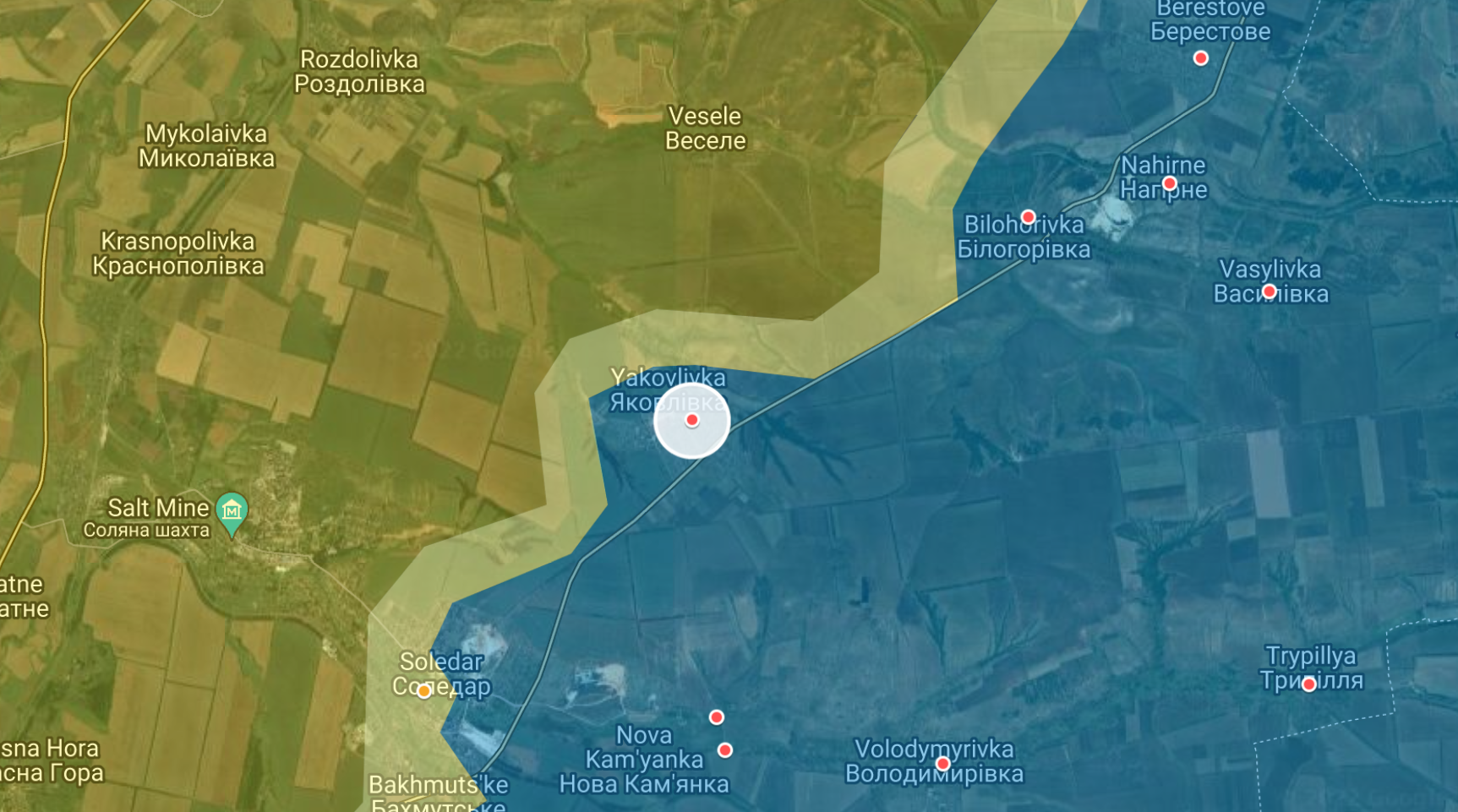
– On December 7, the Russian army, continuing its attacks on the northern regions of Donetsk oblast, captured the Yakovlivka village located on the northern axis of Soledar town. Advancement in this axis will lead to the withdrawal of Ukrainians from Soledar and weakening their position in Bakhmut. (View on the online map)
– On December 16, the artillery of the Russian army attacked the positions of the Ukrainian forces in the town of Toretsk. This settlement plays an important role in maintaining the lines of the Ukrainians in this axis (especially in preventing the advance of the Russians in the southern regions of Bakhmut).
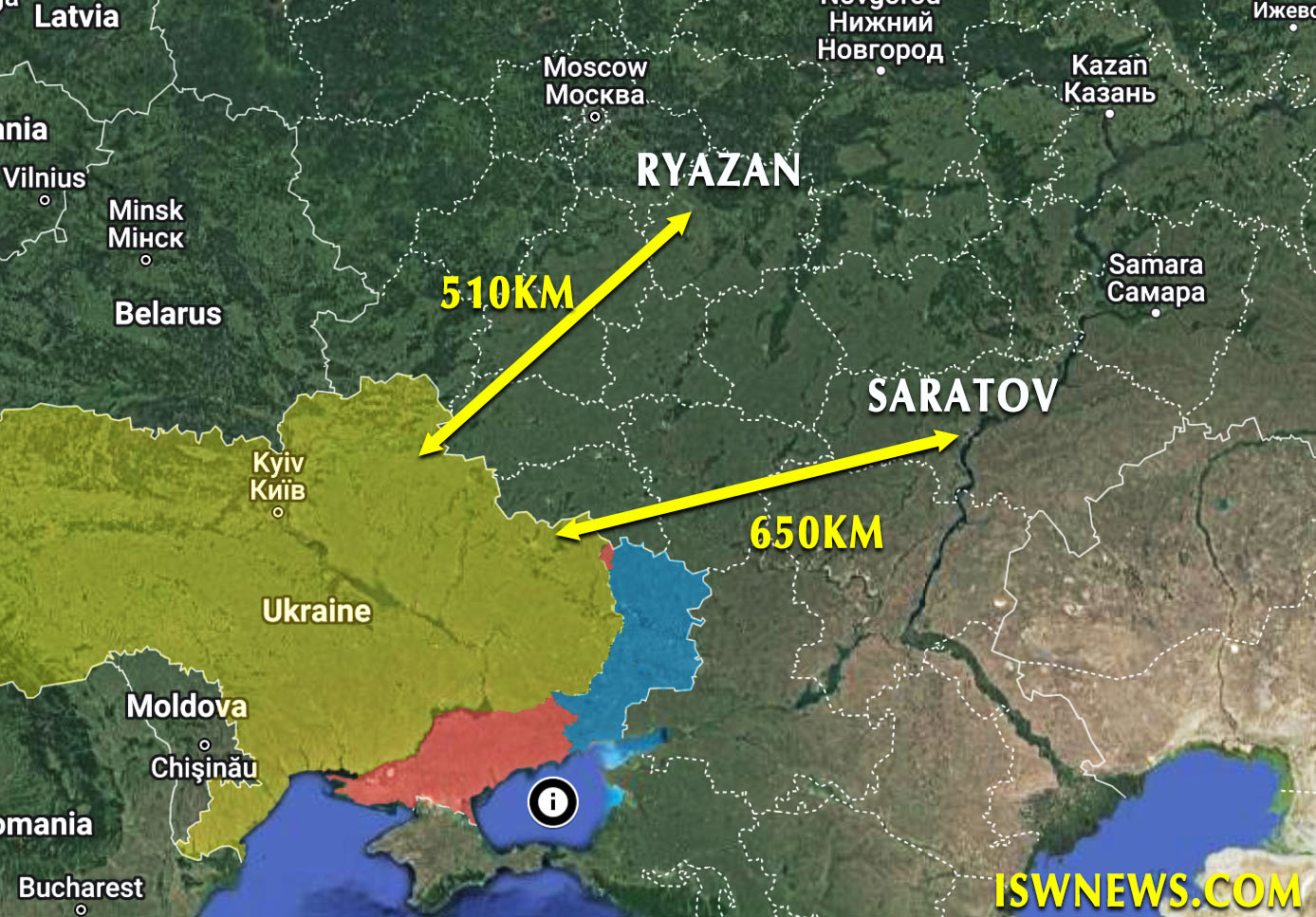
2- On December 5, the Ukrainian army attacked Dyagilevo military airport in Ryazan oblast and Engels airport in Saratov oblast deep in Russian territory with several suicide drones.
3- On December 5, Tupolev Tu-22M strategic bombers and submarines of the Russian army launched a massive attack on Ukrainian energy facilities in various cities using dozens of cruise missiles.
4- On December 7, Volodymyr Zelensky said in response to the Russian army’s missile attacks on Ukrainian energy facilities:
“Now it is impossible to revive Ukraine’s energy industry as it was before the massive (Russian) invasion. And that’s why the outages in the cities will continue.”
Zelensky previously claimed that one third of the energy sector was destroyed and 40% of Ukraine’s energy facilities were damaged in Russian attacks.
5- On December 4, as a result of the AFU drone attack on the city of Kursk located in the west of Russia, one of the oil storage tanks of the airport and another place in this city caught fire. According to the governor of the Kursk region, there were no casualties in this attack and the fire has been controlled, but the pictures and videos published show that the fire continues in these places.
6- The Russian army attacked positions of Ukrainian forces in the cities of Dnipropetrovsk and Zhytomyr with one or more Shahed-136 suicide drones. Local sources have also reported the occurrence of several explosions in these cities. The official details of this news have not been published yet, but some Russian sources, citing local sources, have reported that Zhytomyr energy facilities were hit in these attacks.
The decrease in Russian drone attacks in recent weeks has raised the suspicion that Shahed-136 drones are not capable of carrying out attacks in the winter due to the plastic parts and other materials that are not resistant to extreme cold. But these attacks questioned the Ukrainian authorities claims and put an end to the rumor about the Shahed-136 drones.
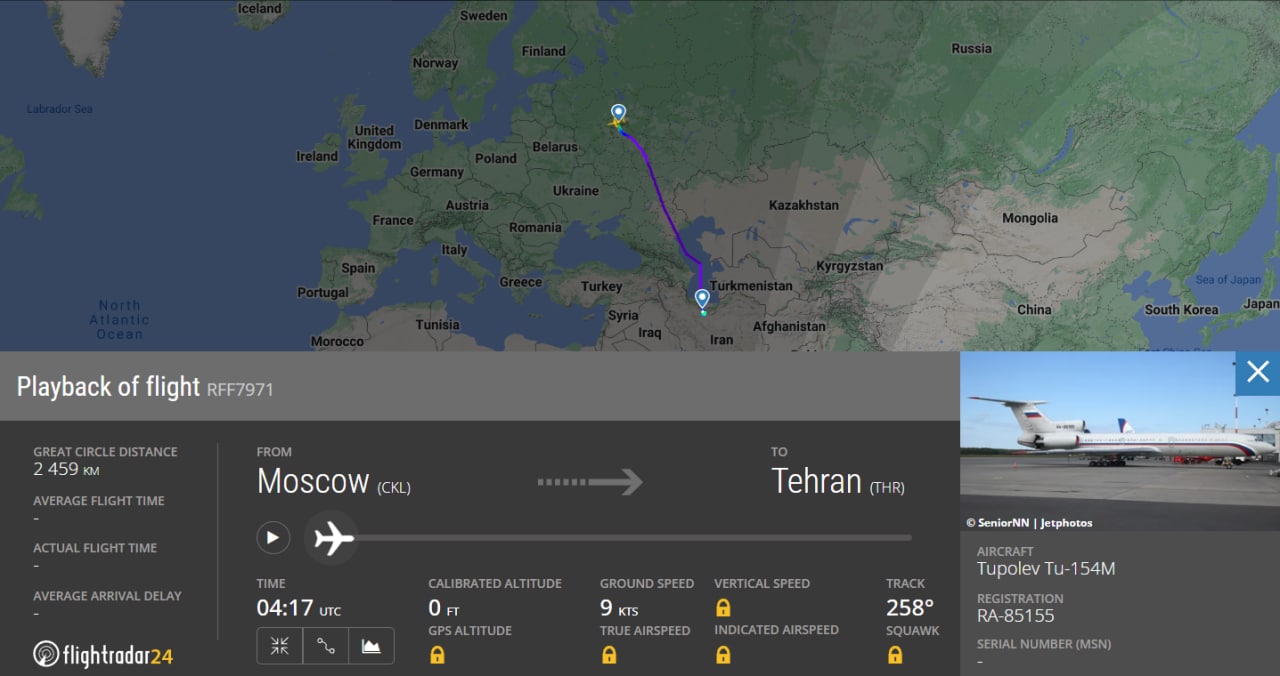
7- On December 3, a Tupolev-154 aircraft belonging to the Russian Ministry of Defense traveled from Moscow to Tehran, the capital of Iran, and returned to Moscow on December 4. According to Russian sources, this flight was carrying Alexander Fomin, the Deputy Minister of Defense of Russia and a number of other senior Russian military personnel to meet with Major General Mohammad Hossein Bagheri, the Chief of General Staff of the Iranian Armed Forces. Major General Bagheri said during the meeting, referring to the formation of the pillar of world power in the East.
“Today, the Americans admit that they have not been successful in the approach of unilateralism and creating a unipolar system. We emphasize the necessity of cooperation between Tehran and Moscow in bilateral, regional and international issues by maintaining the national interests of the two countries and maintaining the peace and security of the region, and negotiations in these areas should be carried out continuously.”
8- On November 30, following an explosion near the Ukrainian embassy in Madrid, the capital of Spain, one of the employees of the Ukrainian embassy was injured. According to Spanish media reports, an envelope containing explosives was sent to this embassy and the Ukrainian employee opened it.
9- The Ministry of Defense of Russia published a video of the operation of several Lancet suicide drones against military convoys and armored vehicles of the Ukrainian army in Kherson fronts. In this video, the moment when the Russian Lancet drones hit the P-18 and 36D6 radars, as well as a convoy of S-300 defense system launchers of the Ukrainian army are shown. This video shows that the Russian Lancet is successful in hitting fixed targets such as radars and has a low percentage in effectively hitting moving targets. The reason for this is due to the dimensions, weight and other technical characteristics of this drone.
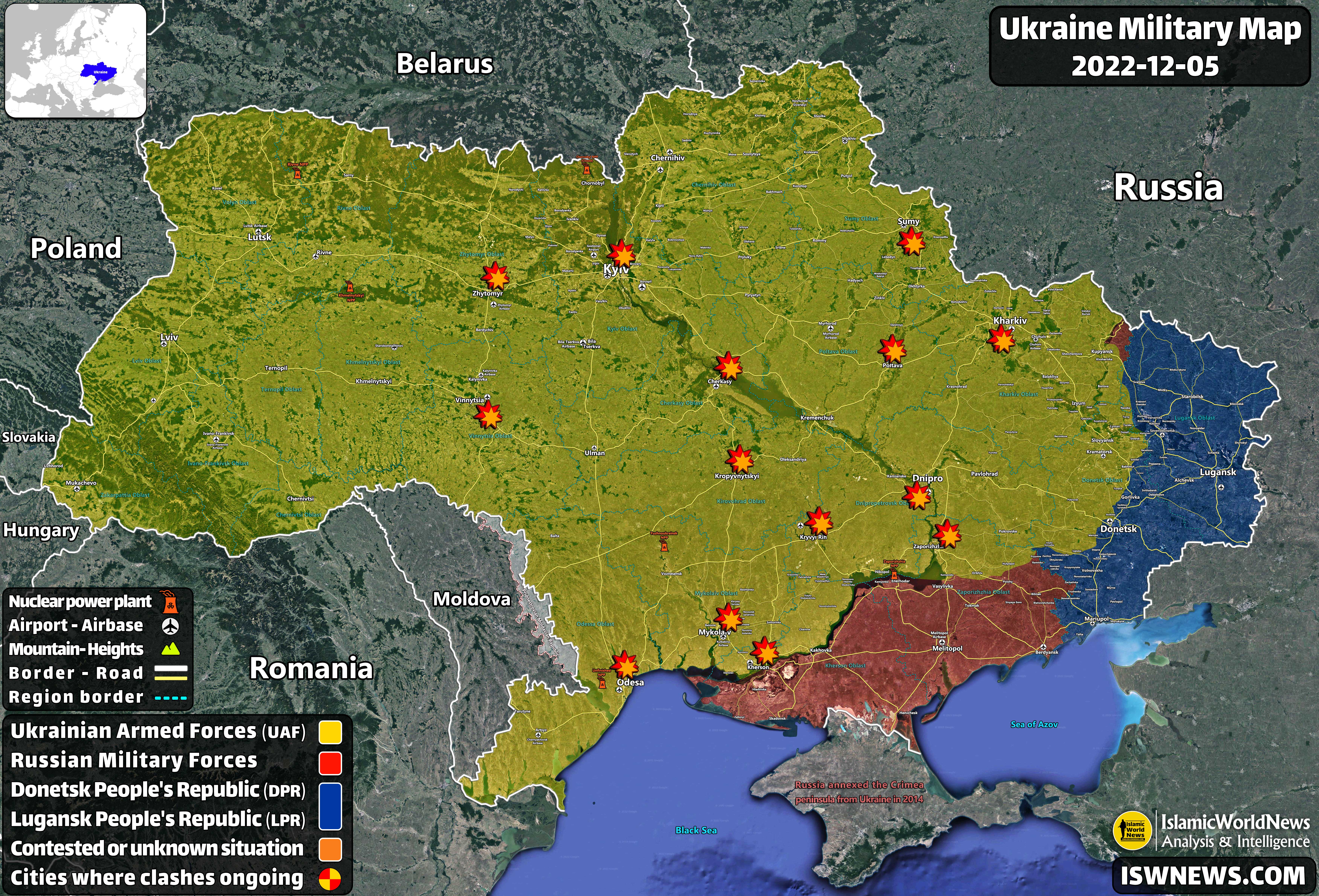
On December 5, the Russian army launched several Kh-101 and Kh-22 cruise missiles against Ukrainian cities by Tupolev Tu-22M Strategic Bombers and submarines located in the Black Sea. The missiles hit multiple energy facilities and positions in the cities of Kyiv, Dnipro, Zaporizhzhia, Cherkasy, Kremenchuk, Odesa and Kropyvnytskyi.
Following these attacks, the cities including Odessa, Sumy, Cherkasy, etc. have been cut off from electricity and water supply. Also, some Ukrainian sources in the cities of Zaporizhzhia and Cherkasy have reported hearing the sound of Shahed-136 suicide drones, but no picture or video has been published that proves the use of this drone by the Russians.
According to the report of the Russian Minister of Defense, the operation of the Russian army was carried out this afternoon (Dec 5) at 15:00 Moscow time, in response to the Ukrainian drone attack on Dyagilevo air base in Ryazan oblast and Engels base in Saratov oblast.
Ryazan and Saratov in Russia
In this operation, the Russian army has attacked 17 targets, including the command and control center,the facilities of Ukrainian defense complex, communication centers, power plants and military units of Ukraine by strategic bombers and submarines based in the Black Sea.
At the same time as the missile attacks of the Russian army on Ukrainian cities, the Moldovan media reported a missile falling in the border province of Briceni, located in the north of Moldova. The wreckage shown in the picture is a part of the S-300 missile system belonging to the Ukrainian army.
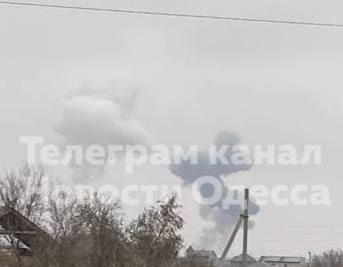
The wreckage of S-300 missile defense system falling in the territory of MoldovaImages of Russian missiles hitting the energy facilities of OdessaRussian missiles hit the energy facilities of OdessaRussian missiles hit the energy facilities of Odessa
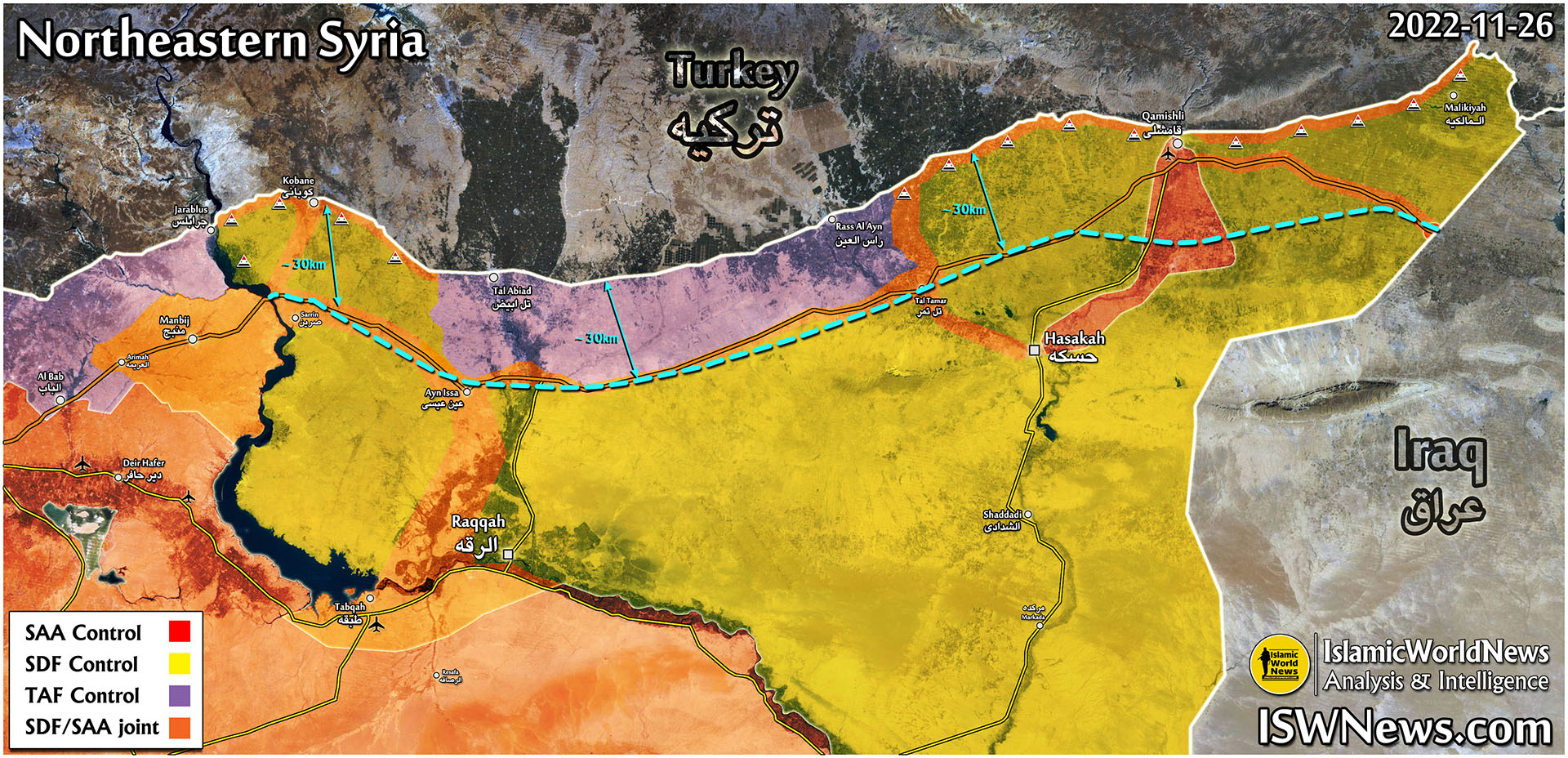
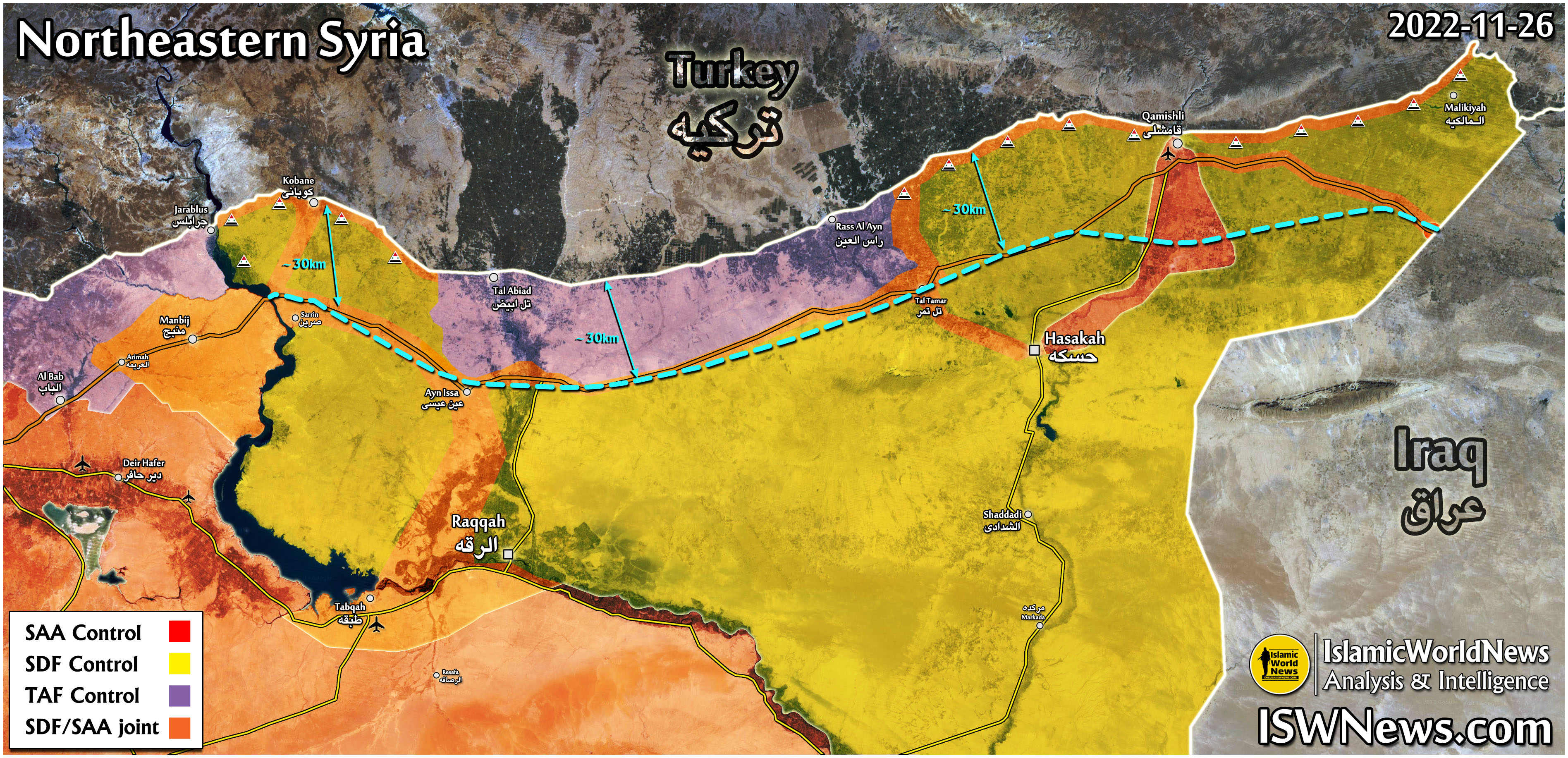
On November 25, General Aleksandr Chaiko, the commander of Russian forces in Syria met with a number of commanders of the Syrian Democratic Forces (SDF) at Qamishli Airport and warned them about the seriousness of Turkey’s threats to start ground military operations in northern Syria.
Chaiko told the Kurdish militias:
“The only way to protect the region from a new Turkish attack is to completely withdraw from the Syrian-Turkish border strip to the south of the international road (M4), create a 30-kilometer buffer zone and hand over this areas to the Syrian army.”
However, the Kurdish militias rejected the proposal made by Russia and declared their readiness to face any new attack by Turkey in northern Syria.
In this meeting, which lasted more than three hours, Syrian military commanders were also present. The details of this meeting have not been published.
It is worth mentioning that considering the rejection of the Russian proposal by the SDF and the recent threats of the Turkish president to start a ground operation against the Kurdish militias, as well as the increase of Turkish artillery and drone attacks on the northern regions of Syria, It is expected that the new ground operations of the Turkish army will begin as soon as possible after the green light of the international and regional parties in the northern regions of Syria.
As a result of the Russian army’s large-scale missile attack on Ukrainian cities, Ukrainian energy facilities were attacked and the electricity of 15 cities including Kyiv, Kharkiv, Odessa, Leviv, Rivne, Lutsk, Sumy, Mirgorod, Khmelnitsky, Zhytomyr, Kriviy Rih, Dnipropetrovsk, Poltava, Mykolaiv and Kherson were cut off.
According to Ukrainian media, the attacks were carried out by Tupolev Tu-95MS strategic bombers and dozens of Kha-101 and Kha-55 cruise missiles from the skies near the Kharkiv oblast. Ukrainian air defense has also claimed to destroy 51 Kha-101 and Kha-55 cruise missiles.
According to Oleksiy Kuleba, head of Kyiv Regional Military Administration and other Ukrainian government officials, one person was killed and more than 20 people were injured after one of the Russian missiles hit a residential area in Kyiv.
According to the past procedure, most of the pictures and videos related to the place where the missiles were hit have been censored, and until this moment no statistics have been published on the exact amount of damage and casualties of this attack. But the power cut in several cities and also the stoppage of the export of Ukrainian electricity to Moldova show the heavy blows of Russia to the energy facilities of Ukraine.
The images are related to Russian missiles hitting the Kremenchug hydropower dam and an unspecified point in the cities of Dnipropetrovsk and Kyiv.
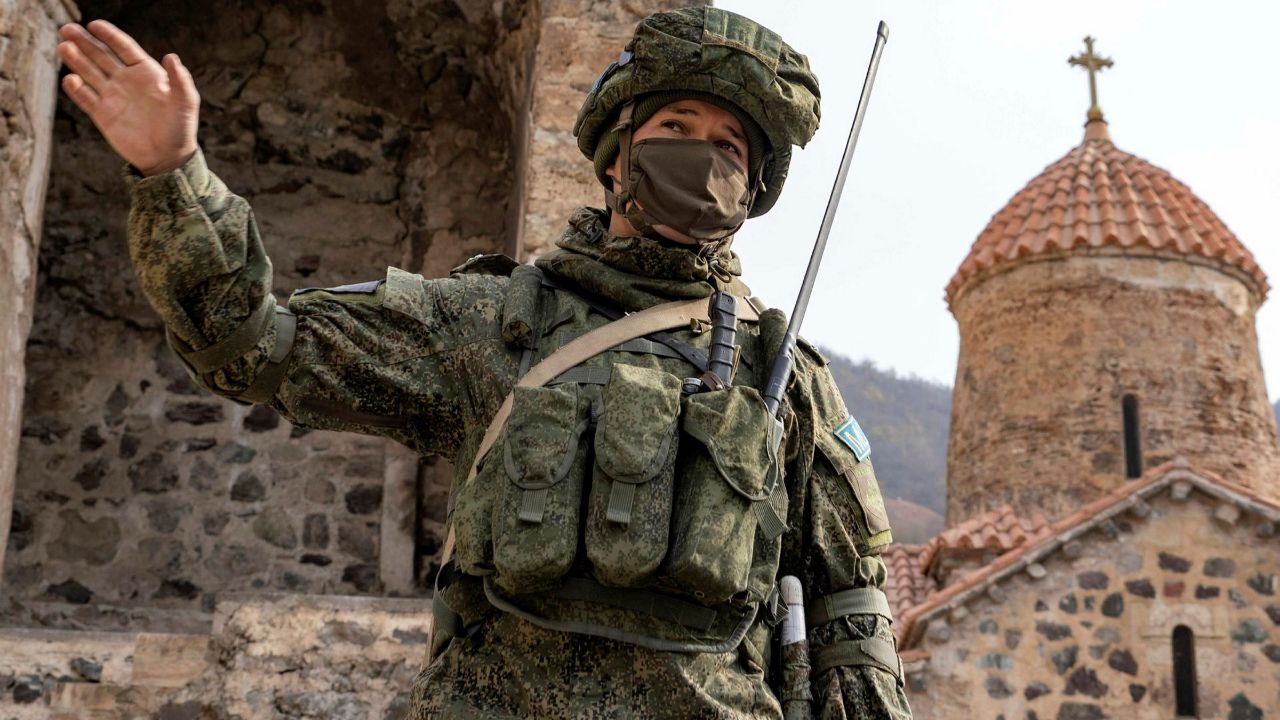
The Ministry of Defense of the Russian Federation, based on the reports sent by peacekeepers based in Nagorno-Karabakh, announced that the forces of the Republic of Azerbaijan violated the ceasefire by shooting at a tractor belonging to Armenian farmers at the beginning of this week.
However, the Ministry of Defense of Azerbaijan has a different story and says that the Armenian forces fired at them with light weapons in this area and from near the base of the Russian forces.
The government TV channel “Baku TV” responded to the statement of the Ministry of Defense of Russia and for the first time called the peacekeepers of this country as occupiers.
Baku TV added in its report:
“Russian peacemakers are starting to build Armenian churches and create centers, schools and Russian symbols. They are indifferent to the destructive activities of armed Armenians of Nagorno-Karabakh, and like the case of Donetsk and Luhansk regions in eastern Ukraine, they strengthen the separatists to implement a new form of fragmentation policy.”
According to local sources, the armed forces of Ukraine have gathered at least 25,000 troops in the northern front of Zaporizhzhia oblast, preparing for wider attacks on this front. In this regard, two battalions of the Ukrainian army have been transferred to Zaporizhzhia from Kherson front. A freight train is also said to have transported heavy artillery equipment, including several HIMARS multiple rocket launchers to Volnyansk railway station in Zaporizhzhia.
Currently, the conflicts are concentrated in Orikhiv and Goliapole fronts, and the attacks are limited to air bombardments by artillery and fighter jets.
The indifference of the Russian air and missile forces to these equipment transfers is one of the interesting points of the Russian-Ukrainian war, which was also observed earlier in the eastern and northern fronts.
According to the development in southern front of Ukraine, it seems that the AFU main target on this front is the city of Melitopol in the south of Zaporizhzhia oblast. Ukraine’s control over this city, in addition to pressuring Russia to evacuate the eastern half of Kherson province, provides the ground for a wider ground attack on other cities in southern Ukraine, such as Berdyansk, Mariupol and even the Crimean peninsula.
The Russian army also in order to stabilize the southern front, apart from the issue of negotiation, needs to advance on the bank of the Dnipro river and capture the city of Zaporizhzhia and the western half of Donetsk oblast, which is very unlikely considering the course of the war in Ukraine.