Category: Editor’s Picks

  • Operation True Promise II: Review On Iran’s Missile Attack On Israeli Regime

    Operation True Promise II: Review On Iran’s Missile Attack On Israeli Regime

    On Tuesday (October 1) at 8:00 p.m. local time, the Iranian Armed Forces attacked military positions of the Tel Aviv regime in various regions of occupied Palestine, when they fired dozens of ballistic and hypersonic missiles. The following is an assessment of the attack and an analysis of the areas targeted in the operation.

    Moments after the Iranian missiles were fired at 8:00 p.m., Spokesman for the Israeli army Rear Admiral Daniel Hagari claimed that our defense systems are fully operational and are detecting and intercepting threats wherever necessary, even at this moment.” Shortly after this claim, numerous videos were released showing Iranian missiles hitting Israeli positions, indicating a high success rate for the Iran-fired missiles. The large number of projectiles hitting the Israeli targets proved that the defense systems of the Israeli military, as well as those of the United States, failed to intercept the Iranian missiles.

    Operation True Promise I: Which Israeli positions were targeted in Iran’s retaliatory attack?

    According to the initial statement from the Islamic Revolution Guards Corps (IRGC), the Operation True Promise II was carried out in response to the assassination of Palestine’s Hamas political leader Ismail Haniyeh, Lebanon’s Hezbollah Secretary General Sayyed Hassan Nasrallah, and the senior advisor of the IRGC in Lebanon Major General Abbas Nilforushan. Significant military and security positions in the heart of the Israeli-occupied territories were targeted during the operation. The IRGC considered Iran’s military response to be in line with the Islamic Republic’s legal rights as well as international law, warning the Zionists that if they try to react to this retaliatory operation, they would face more devastating and crushing strikes.

    As more time passed following the missile attack, the spokesman for the Israeli army again claimed, “the IRGC used the Fattah hypersonic missiles for the first time in tonight’s attack. We will respond to this attack at the right time and place.”

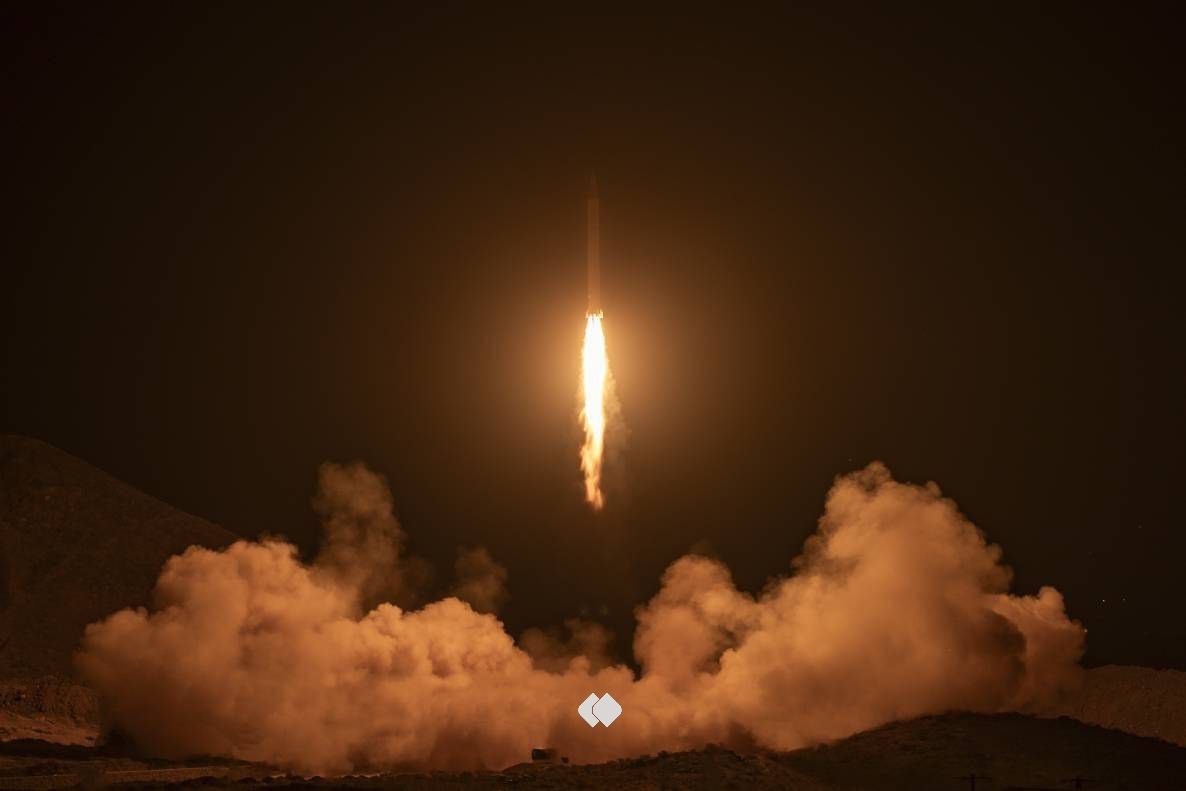
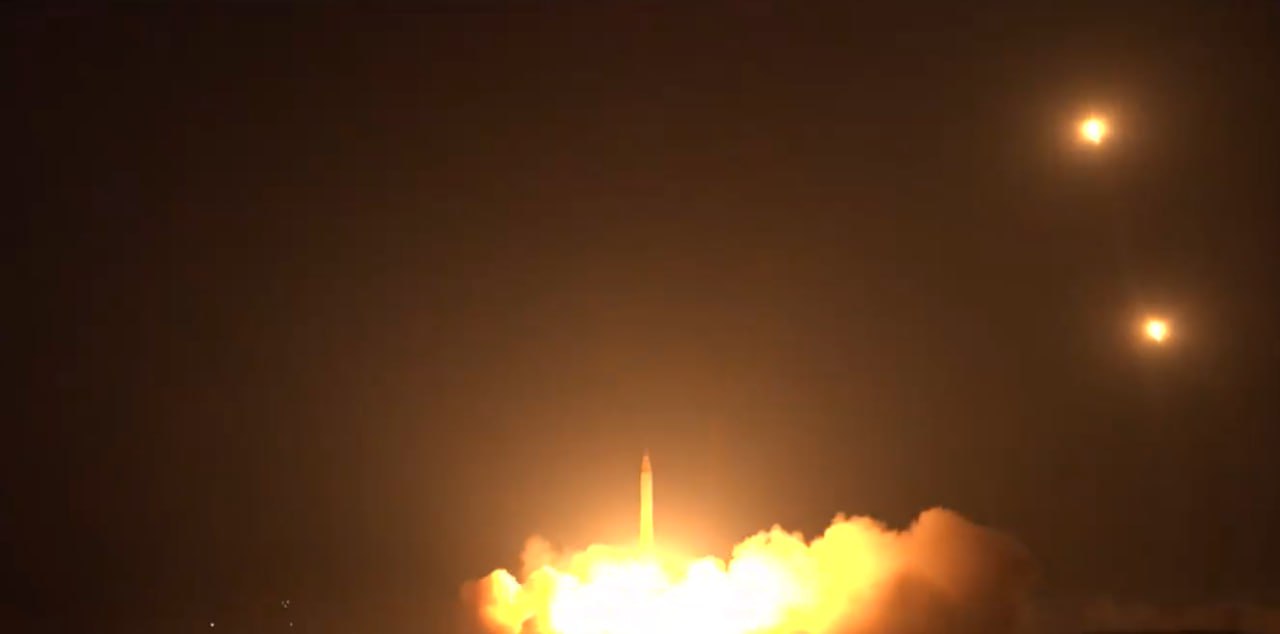
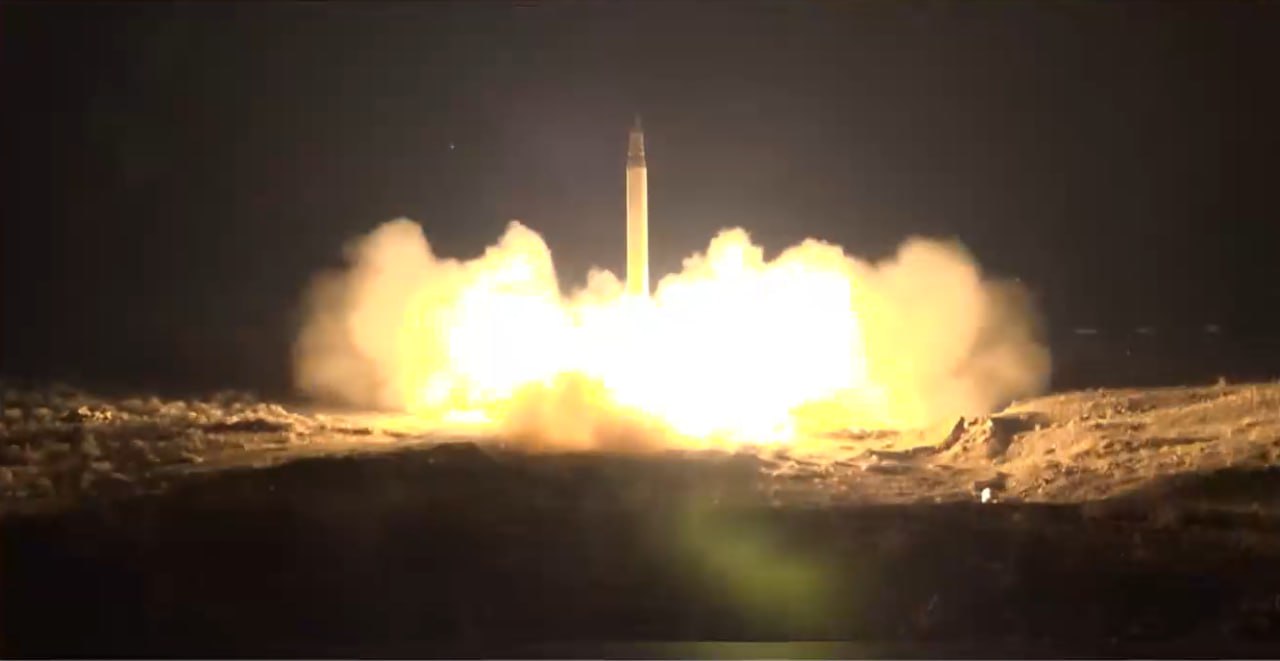
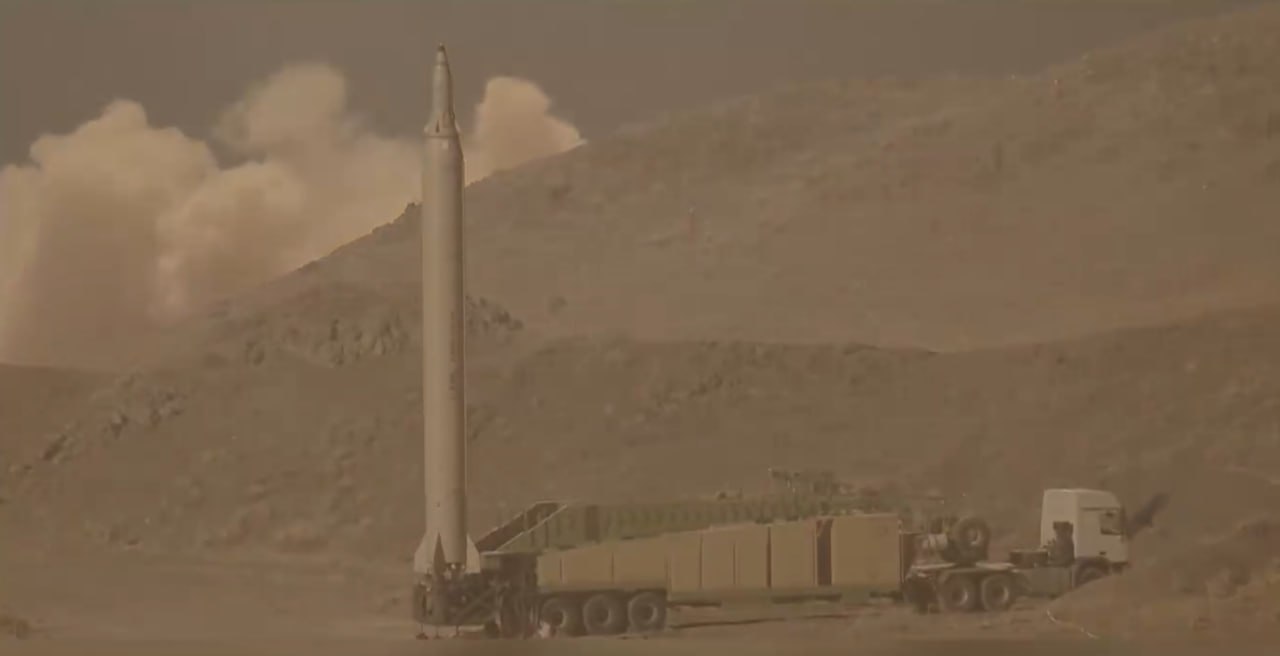
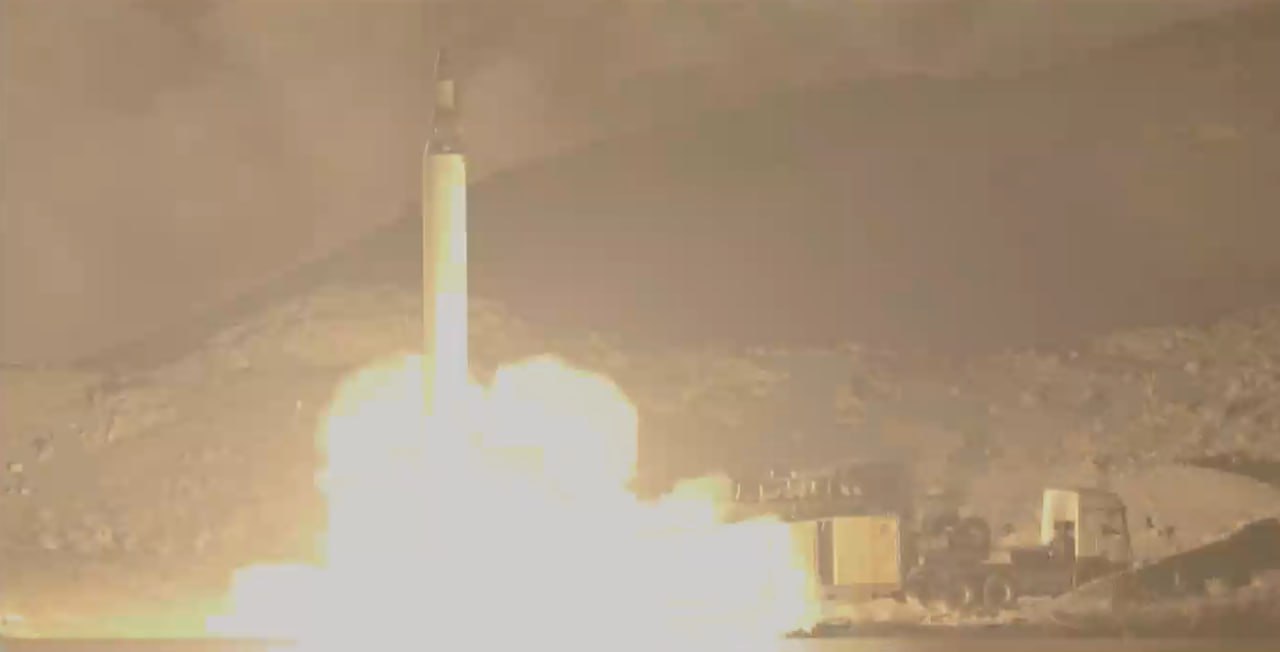
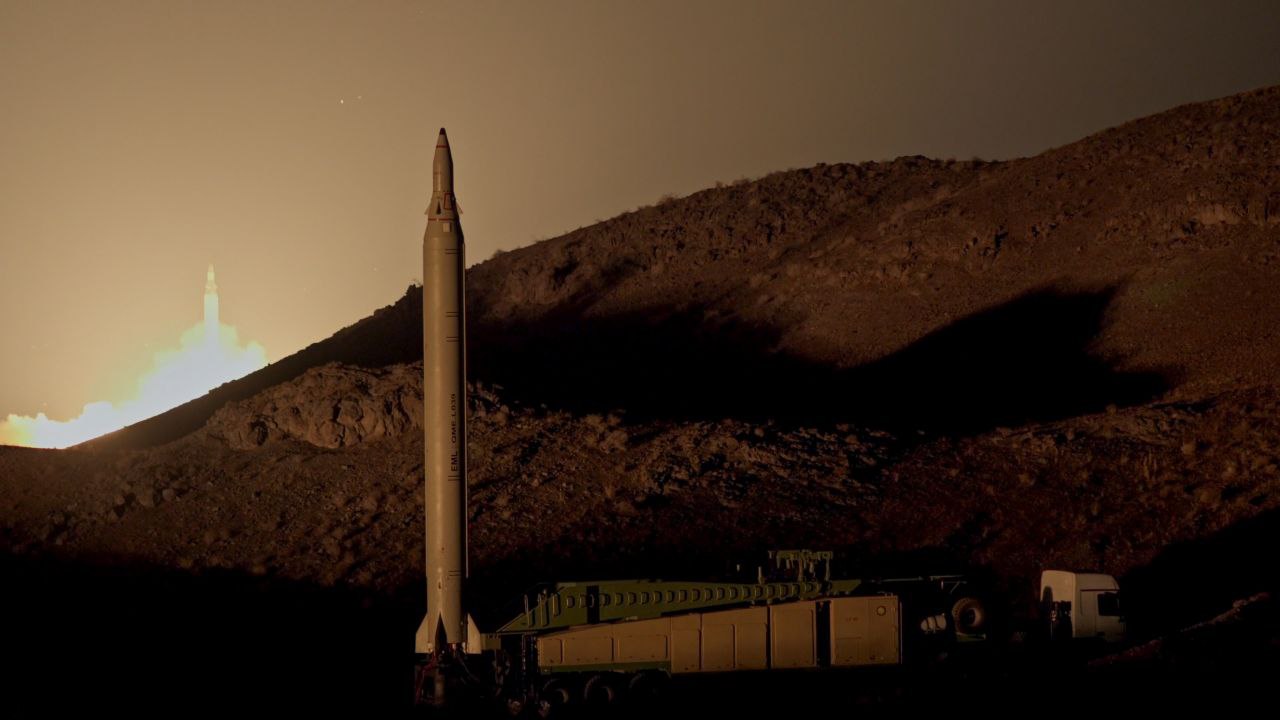
    Stunning video of firing a batch of Khaybar Shekan and Fattah-1 missiles in the Sadeq-2 operation towards the Zionist regime

    Read: Military Knowledge: Fattah Hypersonic Ballistic Missile

    According to the second statement from the Islamic Revolution Guards Corps, several air and radar bases, as well as centers that had been involved in hatching the plot of assassinating resistance leaders, were targeted during the aforementioned operation. Despite the fact that these areas are being protected by the most advanced and extensive defense systems, most of the Iranian missiles successfully hit their targets.

    Israeli media outlets reported that Iran fired 181 ballistic missiles toward the occupied territories of Palestine. Some Western sources estimated the number of projectiles to be between 200 and 250. Nevertheless, the official figure was declared by chief commander of the IRGC Major General Hossein Salami, who stated that 200 missiles were launched toward the occupied territories.

    It is worth noting that the missiles were launched from several locations across the Islamic country, including Tehran and its suburbs as well as other cities such as Kermanshah, Shiraz, Khorramabad, Tabriz, and Isfahan.

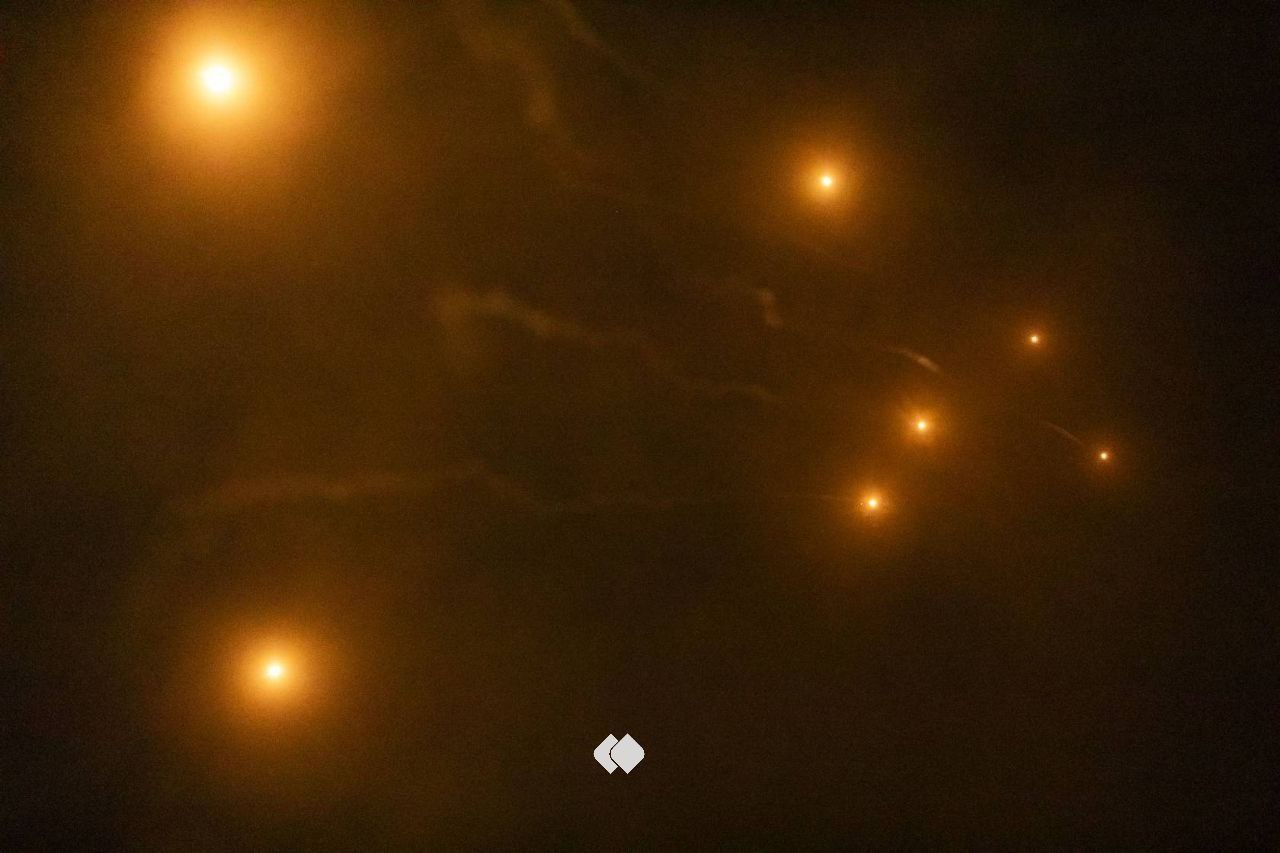
    Firing a batch of missiles from Tabriz
    Firing a batch of missiles from Kermanshah

    According to the released footages, most of the fired projectiles reached their targets, which indicates a very high success rate for the Iranian armed forces.

    One notable aspect of Operation True Promise II was the execution of targeted cyber operations and extensive electronic warfare by the use of jamming systems against the Israeli regime with the aim of disrupting its defense systems. Advisor to the IRGC commander General Ebrahim Jabari announced that a broad cyber operation was carried out simultaneously with the missile operation against Israel’s defense systems.

    Hours after the strike, the Islamic Revolution Guads Corps released images of several missiles used in Operation True Promise II. The released images showcased ballistic missiles such as Emad, Khaybar Shekan, Qadr-H and Qadr-F with upgraded warheads. Furthermore, analysis of videos released by the Israeli settlers indicated that the IRGC also utilized advanced hypersonic Fattah missiles in this operation.
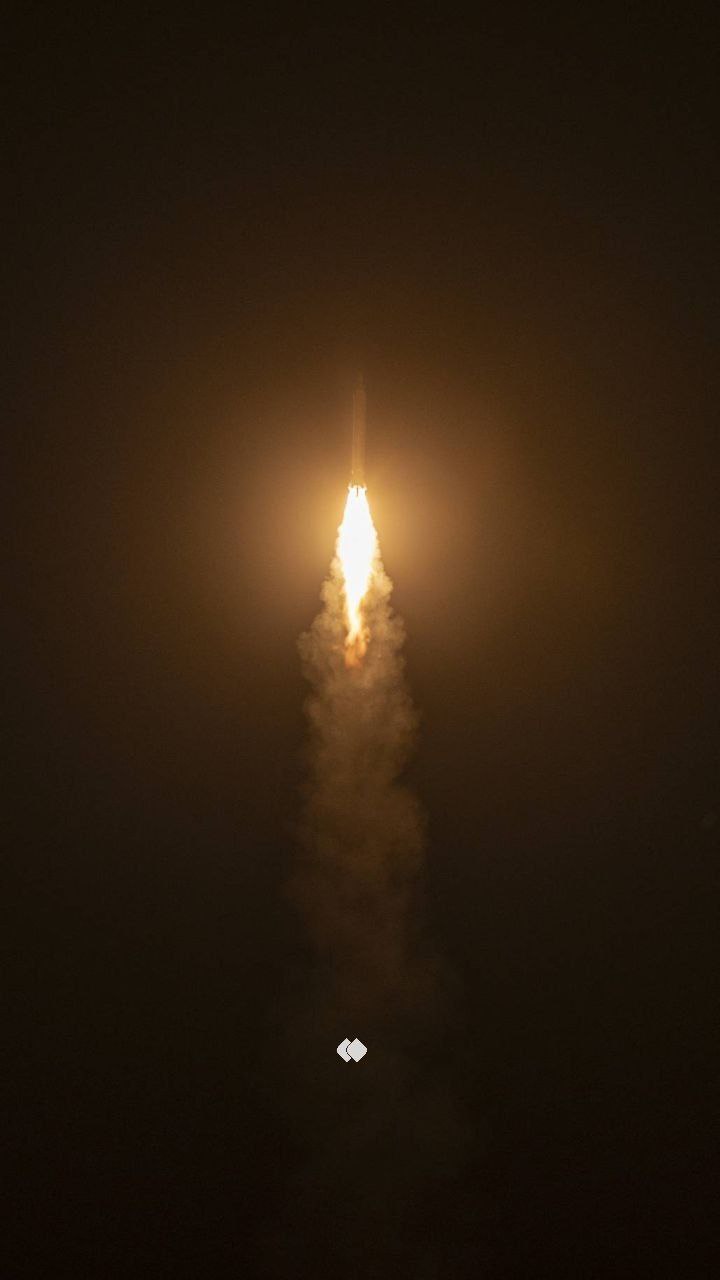
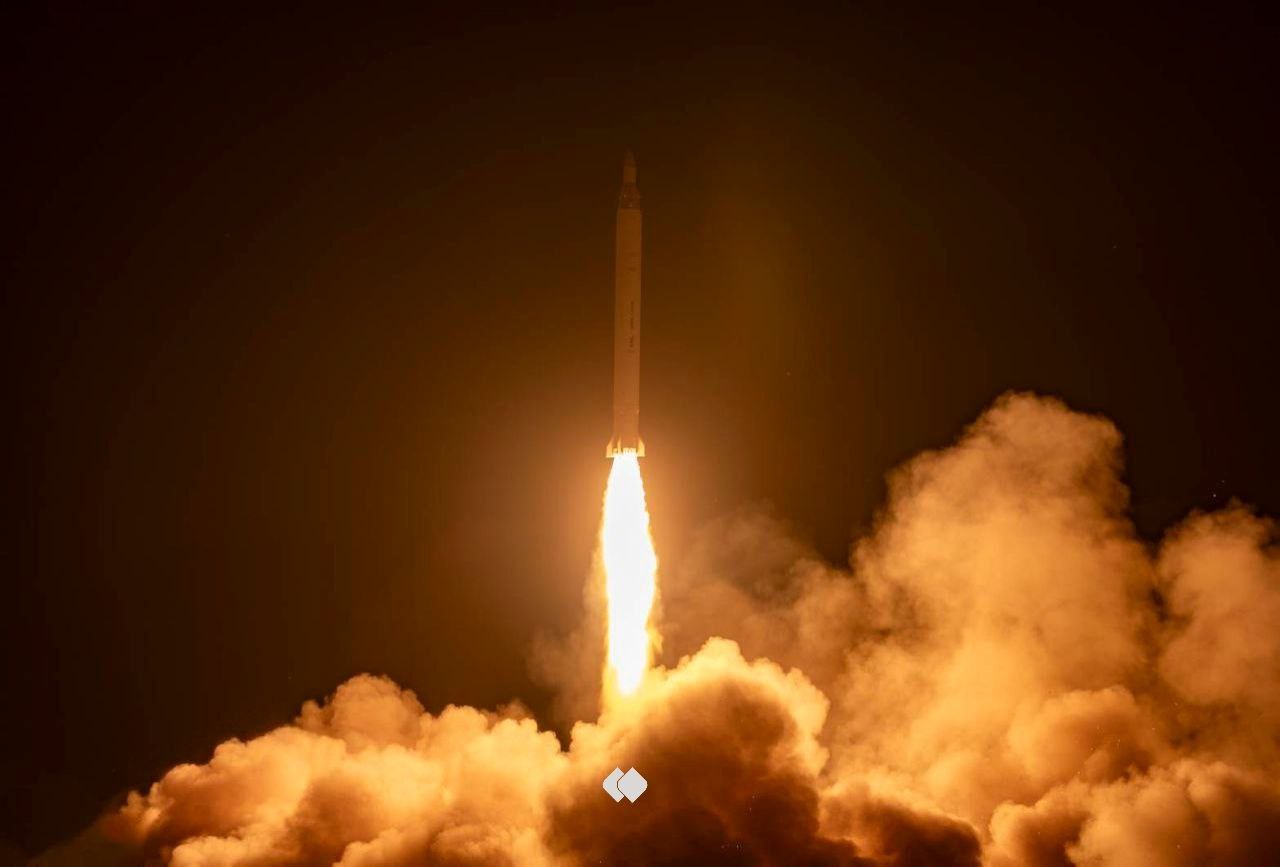
    Additionally, based on images released by Israeli settlers, the booster of the Fattah-1 missile was seen in the occupied territories. These images confirmed the claims of using hypersonic missiles.
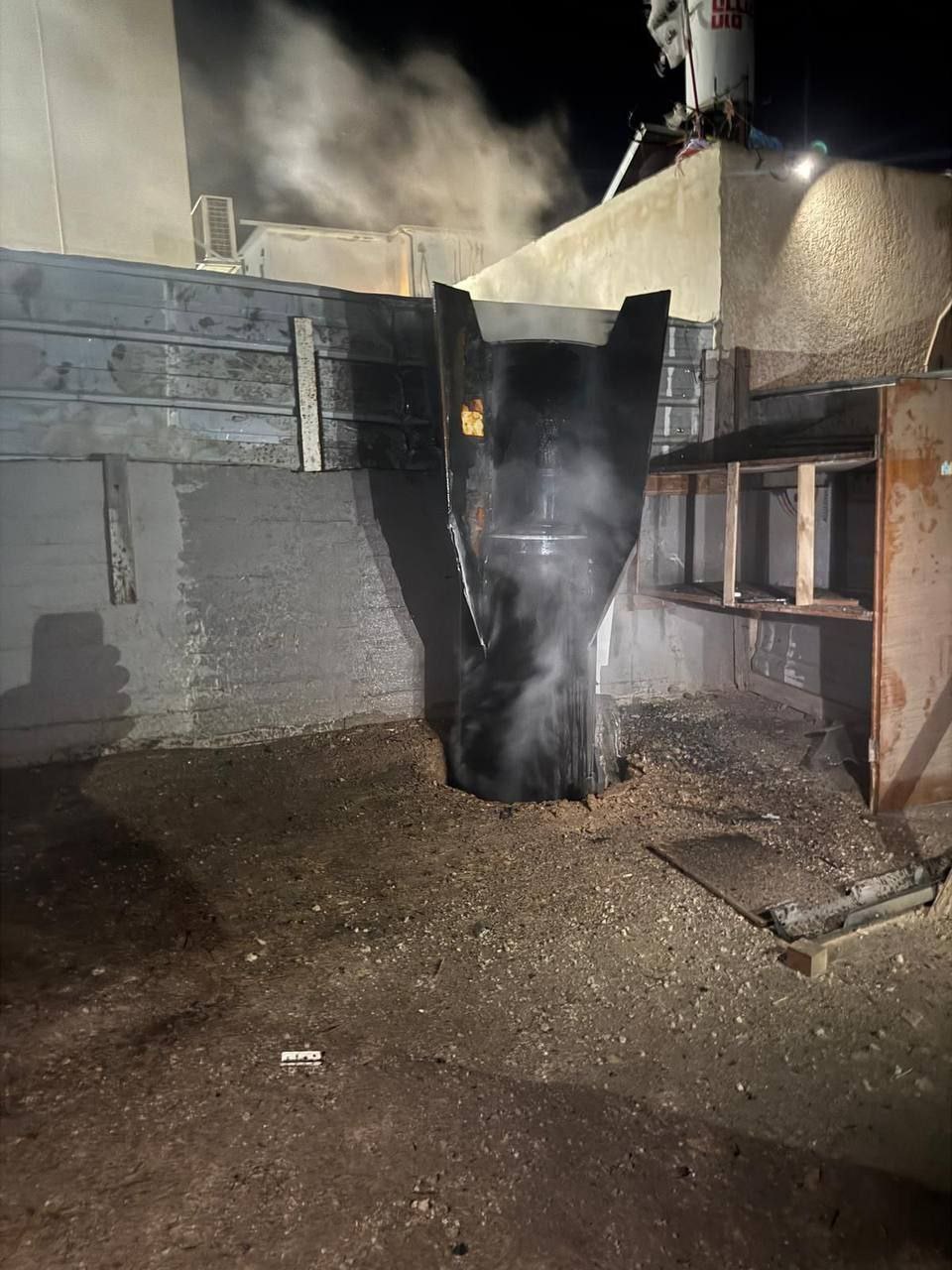
    Fattah missile’s booster

    On the other hand, the Israeli regime attempted to intercept the Iran-fired missiles using Arrow-2 and Arrow-3 anti-ballistic missile systems, while the United States fired at least 12 Standard Missile-3 (SM-3) anti-ballistic missiles from the USS Bulkeley and USS Cole. The number of successful interceptions remains unclear. An ambiguous footage of the interception of the Iranian missiles was also released, but it appears to be old and cannot be verified.

    The targets hit in Operation Promise II are as follows:

    1-Mossad Headquarters:
    The Mossad headquarters is located near the Glilot base in northern Tel Aviv city. This base is also the main site for the Unit 8200 or the Central Collection Unit of the Intelligence Corps (AMAN). Visual evidence show that the Mossad headquarters was targeted by two projectiles. Although these two missiles, for whatever reason (likely intentionally to warn Mossad), struck approximately 500 meters apart – one to the north and the other to the south of the building. However, this attack sends a clear message to the Israeli regime: Iran’s reach extends to the main intelligence hub of Israel, and if it makes a decision, it can target that site with a barrage of missiles; and there may not be any mistake next time.

    Missile struck approximately 500 meters north of Mossad HQs
    Missile struck approximately 500 meters north of Mossad HQs
    Missile struck approximately 500 meters north of Mossad HQs
    Missile struck approximately 500 meters south of Mossad HQs

    In addition, three other missiles struck several kilometers into the sea. One of these missiles hit the western area of the Mossad headquarters in the Mediterranean Sea, resulting in a fire in the water! Clearly, a specific target was struck in the strike.

    Two other missiles hit another point a few kilometers off the coast of Tel Aviv with an extraordinary accuracy. The precise impact of these two missiles on a specific point in the sea cannot be by chance. The nature of this target is still unclear.

    The missile (left) hits the sea and causes a fire in the sea! This video show the beach along the west side of the Mossad headquarters.
    Two missiles hit a specific point in the sea on the coast of Tel Aviv, precisely one after another.

    2-Tel Nof Airbase in Southern Tel Aviv:
    Apart from one video that clearly captured the missile strikes, no other videos have been released from this base so far. In the released video from this military base, several missiles hit the Tel Nof airbase. In one of the strikes, flames and white smoke rose from the targeted site, indicating that solid-fuel air defense systems, such as the Arrow missile defense system, were targeted.

    To date, no high-quality or even low-quality images of the Tel Nof Airbase have been released, and perhaps they never will be. The damages at Tel Nof were also quite remarkable!

    Missiles hit the Tel Nof air base

    It is also noteworthy that during the attack on Tel Nof base, one missile struck several kilometers south of this base, hitting the courtyard of an elementary religious school (Shalhavot Chabad) in Gedera, causing damage to the school building! This school is affiliated with the Haredi movement, a branch of Orthodox Jews in Israel.

    Shalhavot Chabad school
    Missile hit the courtyard of Shalhavot Chabad religious school in Godra

    3-Nevatim Airbase:
    Most of the attacks and recorded videos are related to the Nevatim Airbase. According to the videos, the Nevatim base has been targeted by a barrage of Iranian ballistic missiles, and it likely suffered the most damage from Iran’s missile attacks on Israel.

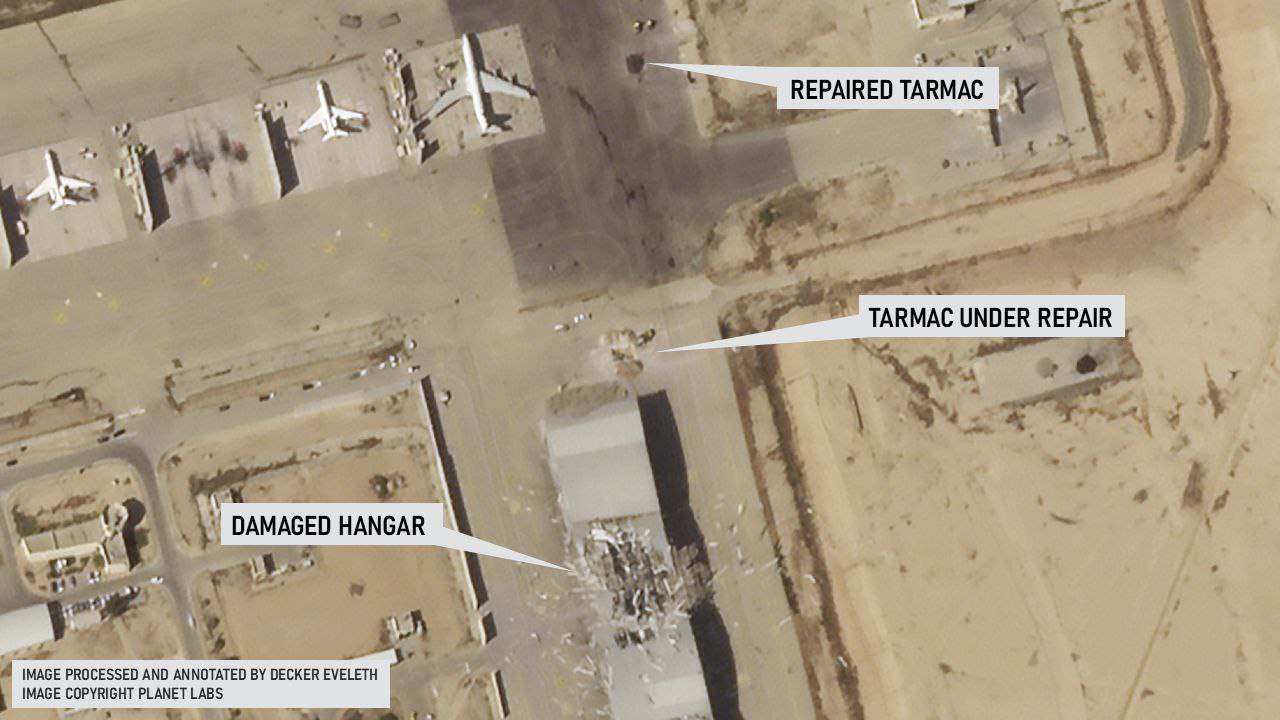
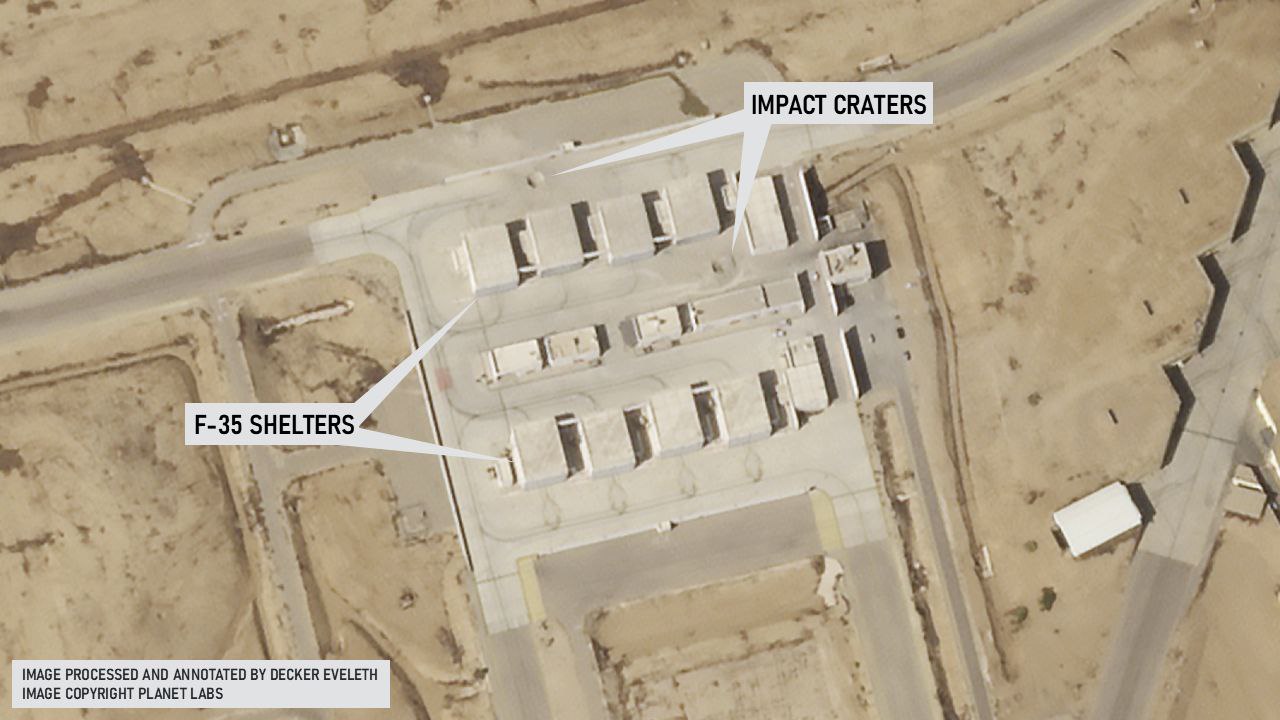
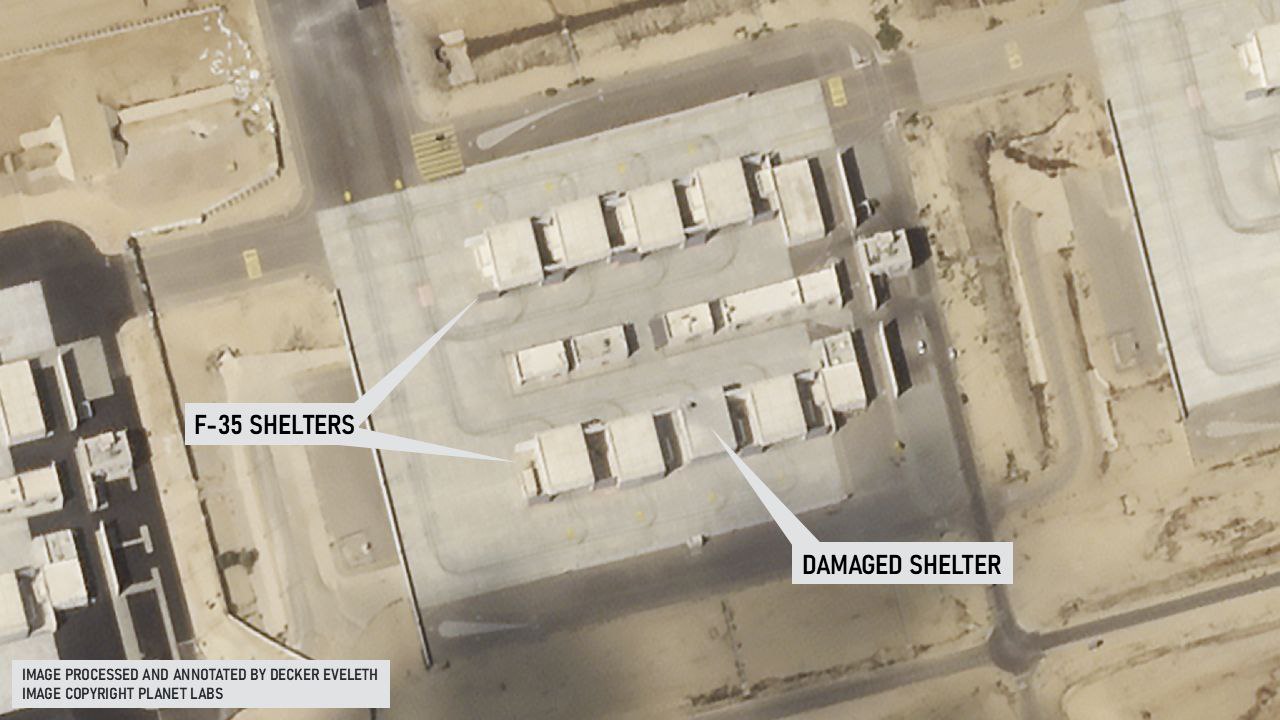
    Satellite images released after the attack on Nevatim base also indicate the damage inflicted on the base.

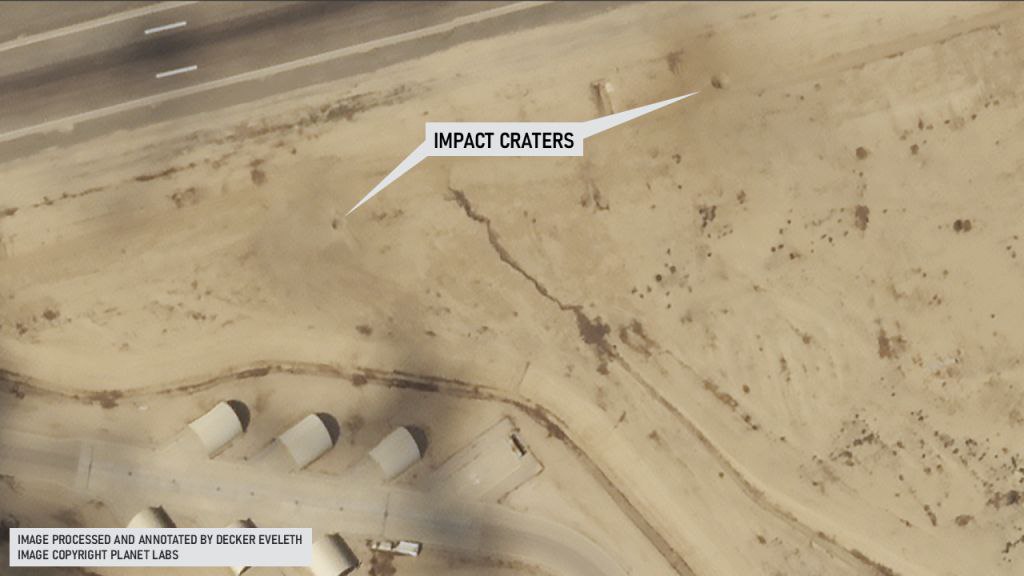
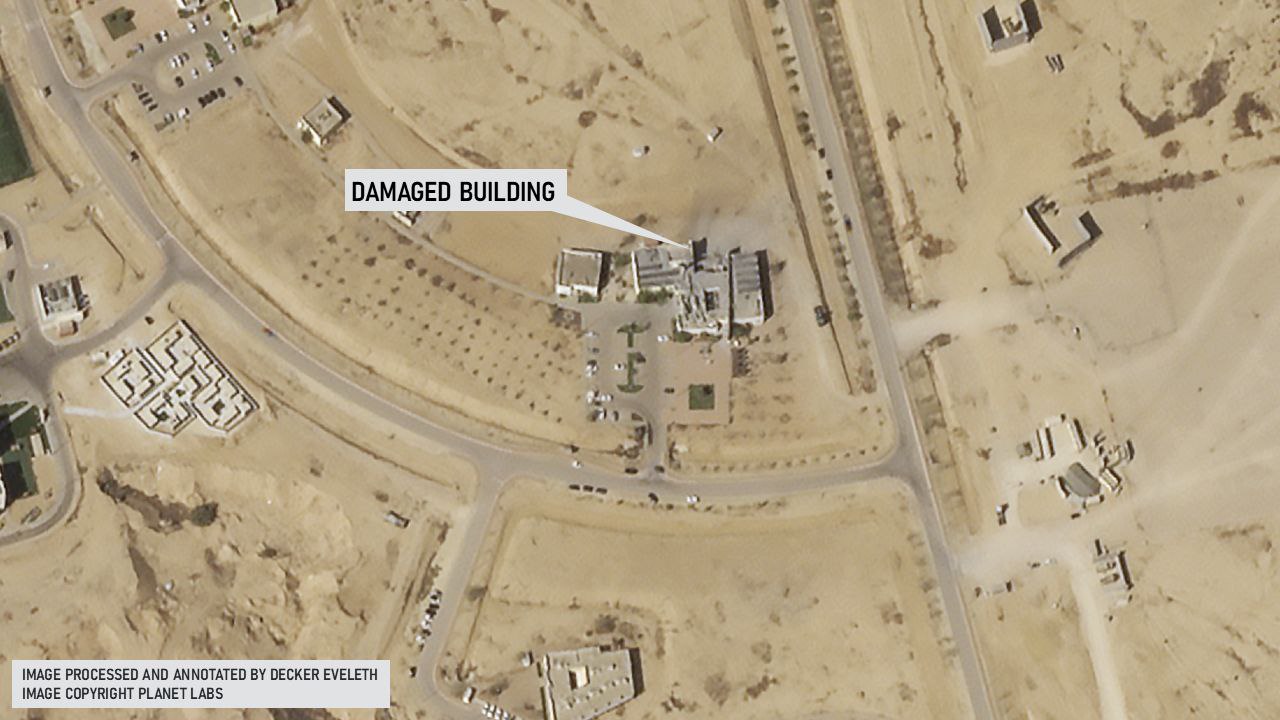
    The satellite images indicate that the location of the F-35 fighter jets at Nevatim was hit. One of the missiles struck one of the F-35 shelters with high precision. Additionally, a large hangar, administrative buildings, and other points within the airbase were also hit. The targeted areas show that it can be said that several types of missiles were used in the attack on Nevatim base, and the missiles that hit their targets with high accuracy were likely of the Khyber-Shekan or Fattah class.
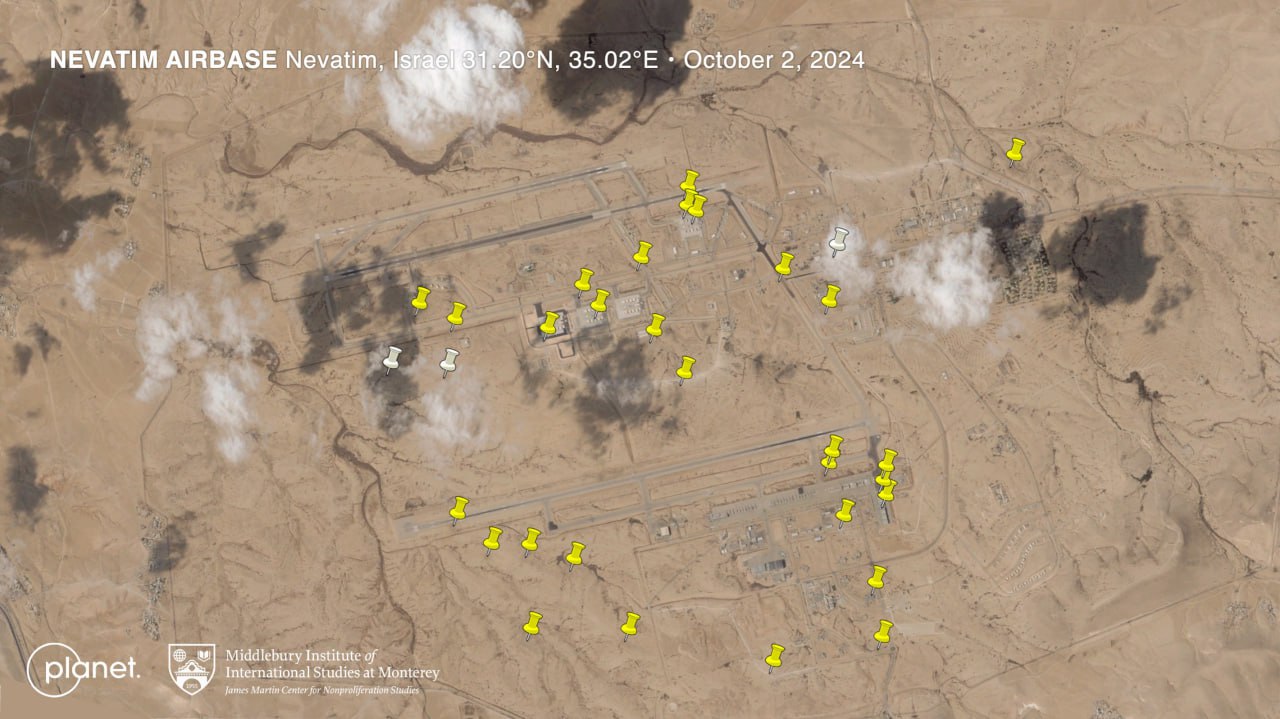
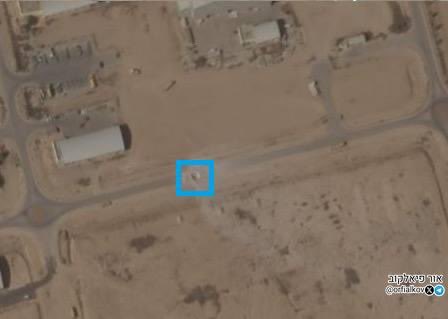
    A batch of missiles hit Nevatim Air Base
    A batch of missiles hit Nevatim Air Base
    A batch of missiles hit Nevatim Air Base

    4. Hatzerim Airbase:
    Another target of Iran’s missile attack was the Hatzerim Airbase near the city of Be’er Sheva. Reports confirm Iran’s attack on this base. According to Israeli media outlets, the city of Be’er Sheva sustained minor damages during the Iranian missile attack. This may have occurred due to the fall of missile boosters on Be’er Sheva.

    Furthermore, a video footage from inside the Gaza Strip has been released, confirming at least one projectile hitting the Hatezrim Airbase.

    A missile hit the Hatzerim Air Base

    5. Ovda Airbase:
    Among the areas in the occupied territories targeted by Iran’s missile attacks, less attention has been given to the Ovda Airbase. However, considering the rate of missiles fired at this base and the very precise hits, it could be said that the most successful attack on Israeli military bases was on the Ovda Airbase.

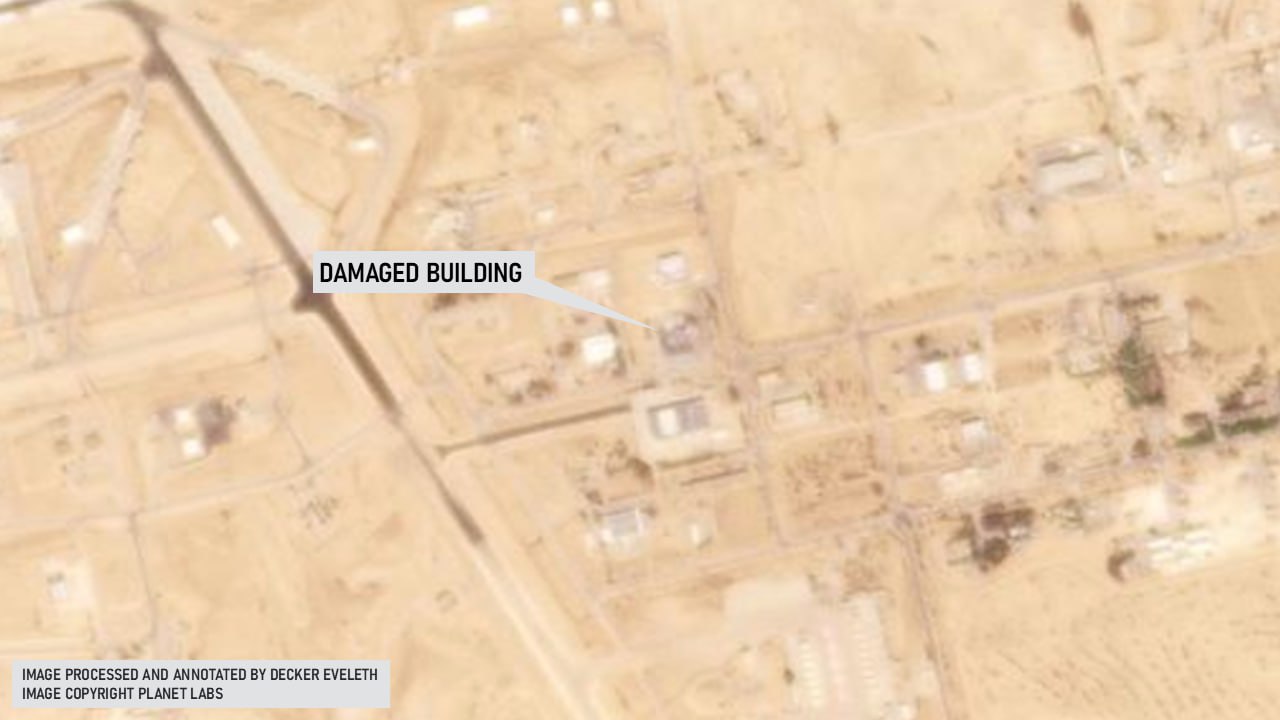
    Based on the low-quality satellite images available, it can be observed that seven missiles struck this base, and nearly all of them hit their targets with remarkable precision.
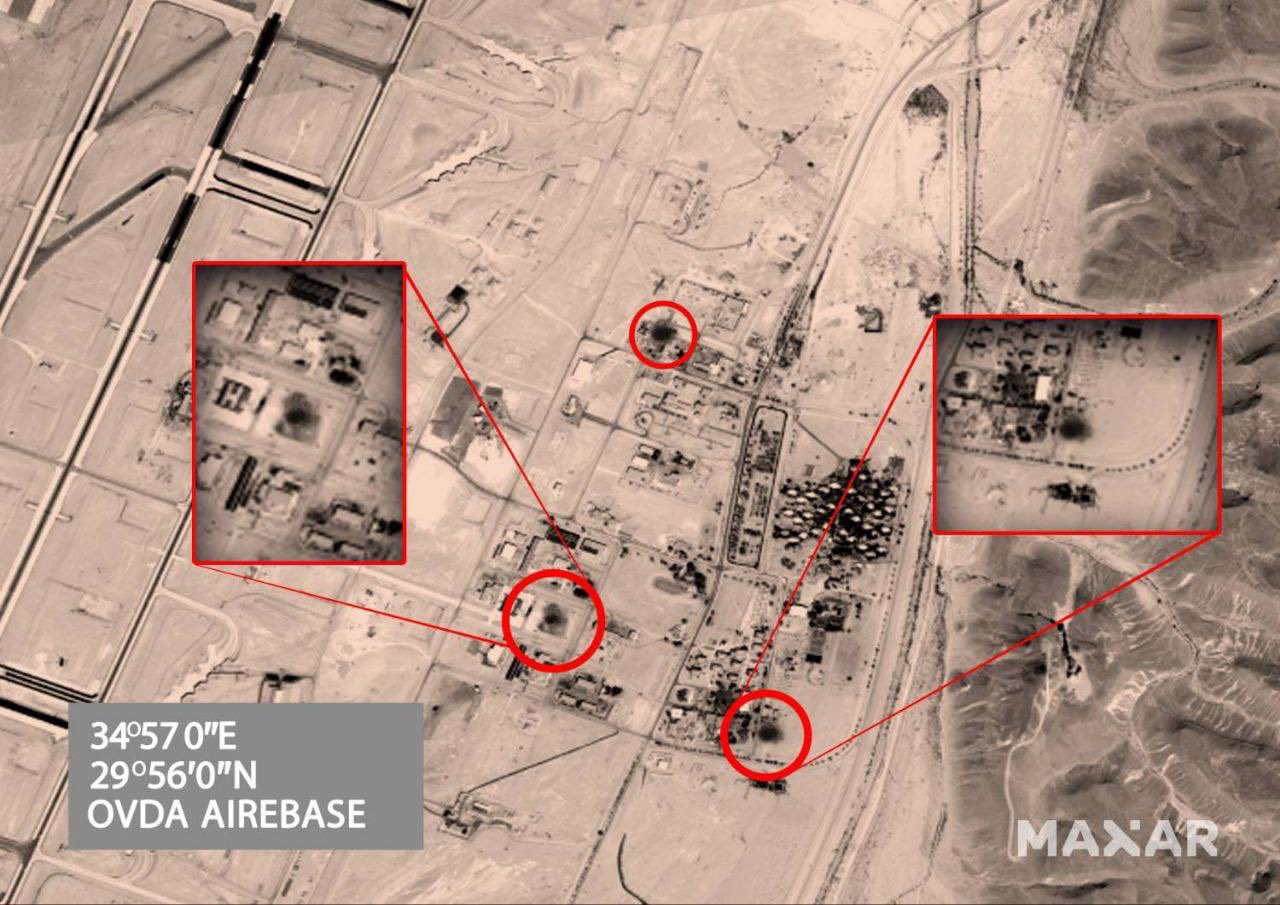
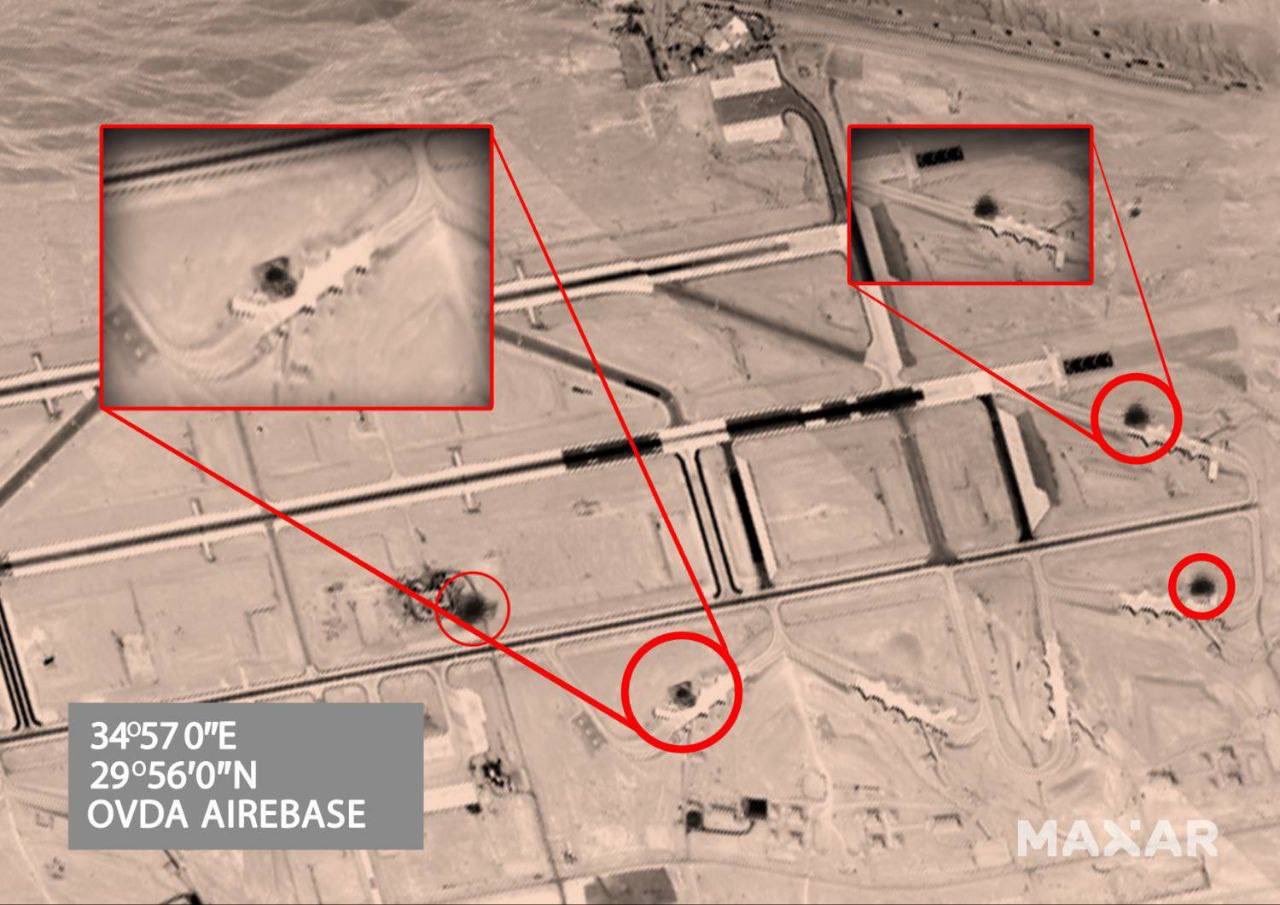
    If higher-quality satellite images are released, it may be possible to identify several other targeted sites. The main reason that no videos of the missile craters at this base have been released is that the Ovda Airbase is located kilometers deep in the desert, and unlike other bases, there are no nearby villages or towns where someone could film the moments of the attack. However, these satellite images are still valuable.

    The Ovda Airbase is located in the southernmost part of the occupied territories, in the southern Negev Desert, 40 kilometers north of the port city Eilat.

    This airbase houses Israel’s Squadron 115, which includes F-16C fighters (now retired) and F-16D Barak fighter jets. Additionally, the Israeli Air Force Flight Academy and the Air Force Officer School are part of the training programs for Air Force officers, which are operational at this airbase.

    Another important point is that the Ovda Airbase is officially the only air base authorized for the transportation of explosive materials for the Israeli regime. Therefore, this base is used for the export of military equipment and munitions to other countries.

    Overall, the missile Operation True Promise II marks a turning point in the developments in the West Asian region. This operation goes beyond being merely a “long whip” against the enemy; it not only inflicted heavy damage on the military bases of the Israeli army but also caused the collapse of the Israelis’ defensive structure, undermining their claims of being invulnerable.

    The assassination of commanders and leaders of Islamic resistance groups, especially Sayyed Hassan Nasrallah and Ismail Haniyeh, was an unforgivable sin, and a failure to respond to it would undermine Iran’s establishment and reputation within the resistance axis.

    Iran’s missile strikes also serve as a strong response to Israeli Prime Minister Benjamin Netanyahu’s threats; he should know that Iran is not defenseless, when it comes to his threats against the Iranian nuclear and oil facilities. In fact, Iran possesses greater, heavier, and faster capabilities, and certainly, Israel, with all its defensive and aerial resources, will be defeated in this competition in the face of Iran.
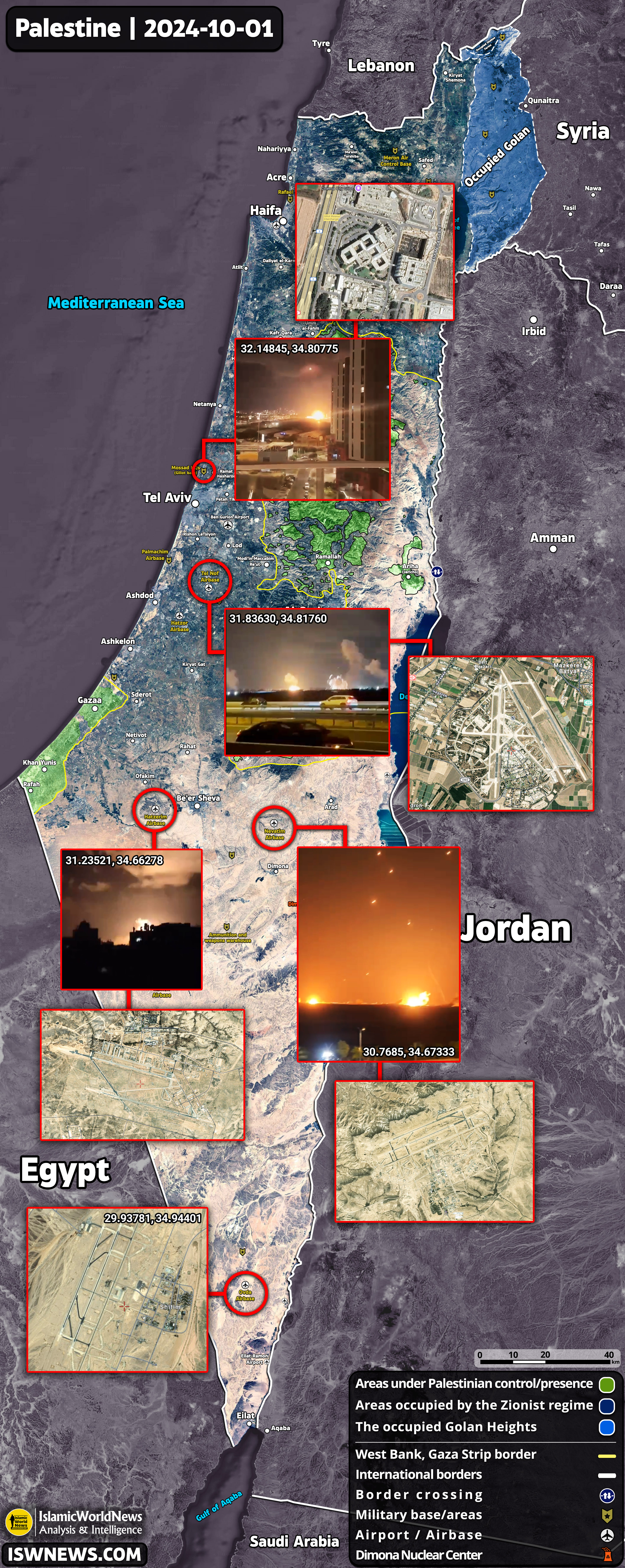
    The areas that were hit by Iranian missiles in the occupied territories.
  • Israel’s Ground Invasion Of Lebanon And Syria: What Would It Look Like?

    Israel’s Ground Invasion Of Lebanon And Syria: What Would It Look Like?

    Although the Israeli government claims that the current ground operation is limited, the evolving events ahead create the possibility of any incident, and the conditions of war depend on various factors.

    In the past month, the leaders of the Zionist regime have been paying more attention to the situation in southern Lebanon and northern occupied Palestine, as well as focusing on carrying out terrorist operations in Lebanon. This “attention and concentration” was the result of Hezbollah’s effective intelligence-security operations against Israel and the successful operations of Lebanese, Iraqi and Yemeni resistance groups. These actions have made the situation unbearable for the Israeli regime.

    The targeted killings of Ismail Haniyeh, Saleh al-Arouri, Fuwad Shukr, Ibrahim Aqil, Ali Karaki, Mohammad Hossein Sarour, and numerous field commanders and senior members of Hezbollah did not lessen the pressure on the Israeli regime. Instead, the psychological impact of the resistance’s response to these assassinations heightened the process of evacuating settlers from northern occupied Palestine.

    This pressure was so heavy for the Zionists that once Amos Hochstein, the special adviser and special envoy of the US President in Lebanon, said in his last sentence that Nasrallah chose to escalate the war by rejecting the ceasefire proposal based on UN Resolution 1701. Exactly 10 days later, we witnessed the assassination of Seyed Hassan Nasrallah along with other officials of Hezbollah and Iran in Beirut.

    In any case, the chaotic situation in the West Asian region, especially the southern Lebanon-northern occupied Palestine front, has reached a point where there are speculations about a ground attack on Lebanon and even southern Syria.

    Israel’s ground invasion of Lebanon is not new to Hezbollah, as a similar invasion occurred in 1982. During this war, Israeli forces attacked southern Lebanon under the pretext of avenging the assassination of its ambassador in the UK and pursuing the Palestinian Liberation Organization forces. With heavy air and artillery support, Israel quickly reached Beirut and surrounded the Palestinian, Lebanese, and Syrian forces in the west of the city.The war initially led to the expulsion of Palestinian forces from southern Lebanon and the suppression of Lebanese Islamist movements. However, with the formation of Hezbollah and the strengthening of other resistance groups in Lebanon, it turned into a war of attrition that eventually forced Israel to evacuate southern Lebanon.

    In 2006, in the second Lebanon war, which is also known as the 33-day war, the Israeli army launched a ground attack on southern Lebanon and advanced one kilometer along the border strip of southern Lebanon, but at the end of the war, it retreated from these areas, and the war ended with United Nations Resolution 1701.

    According to the UN Resolution 1701, Hezbollah must evacuate southern Lebanon and retreat to the north of the Litani River so that the Lebanese Army and UNIFIL forces can be deployed in these areas. Also, the Israeli army must withdraw its forces from the southern regions of Lebanon and adhere to the territorial integrity of this country.

    In general, Israel’s ground invasion of Lebanon is an idea that has serious supporters and opponents within the Israeli regime. The supporters of the ground attack view the situation positively, citing the assassination of senior Hezbollah commanders and the secretary general, the advancement of their military infrastructure, and the weak response of the resistance to consecutive attacks in Lebanon. On the other hand, opponents, reflecting on past events, present various reasons and urge the army to avoid taking risks in this area.

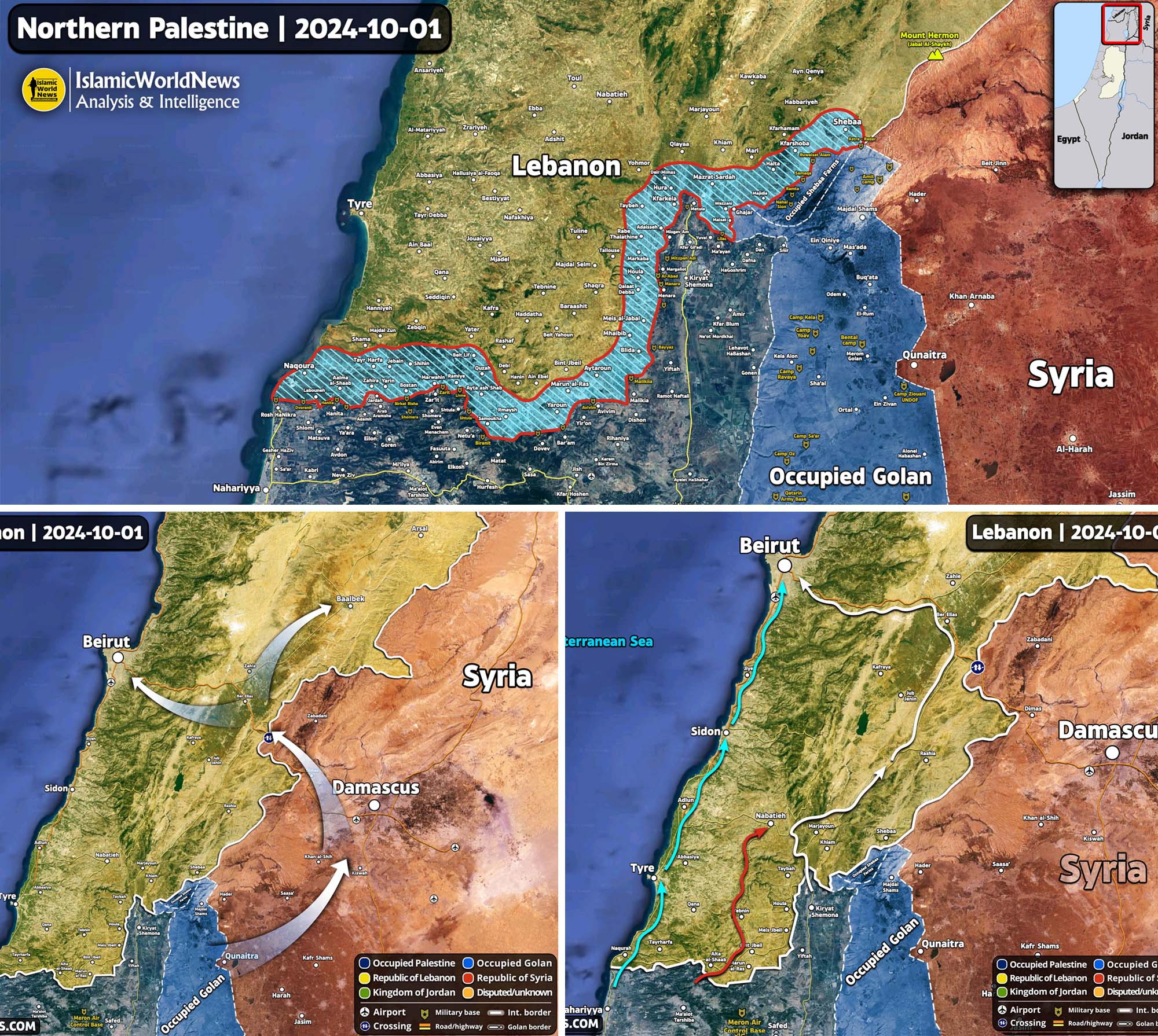
    The potential ground attacks by the Israeli army may include the following directions:

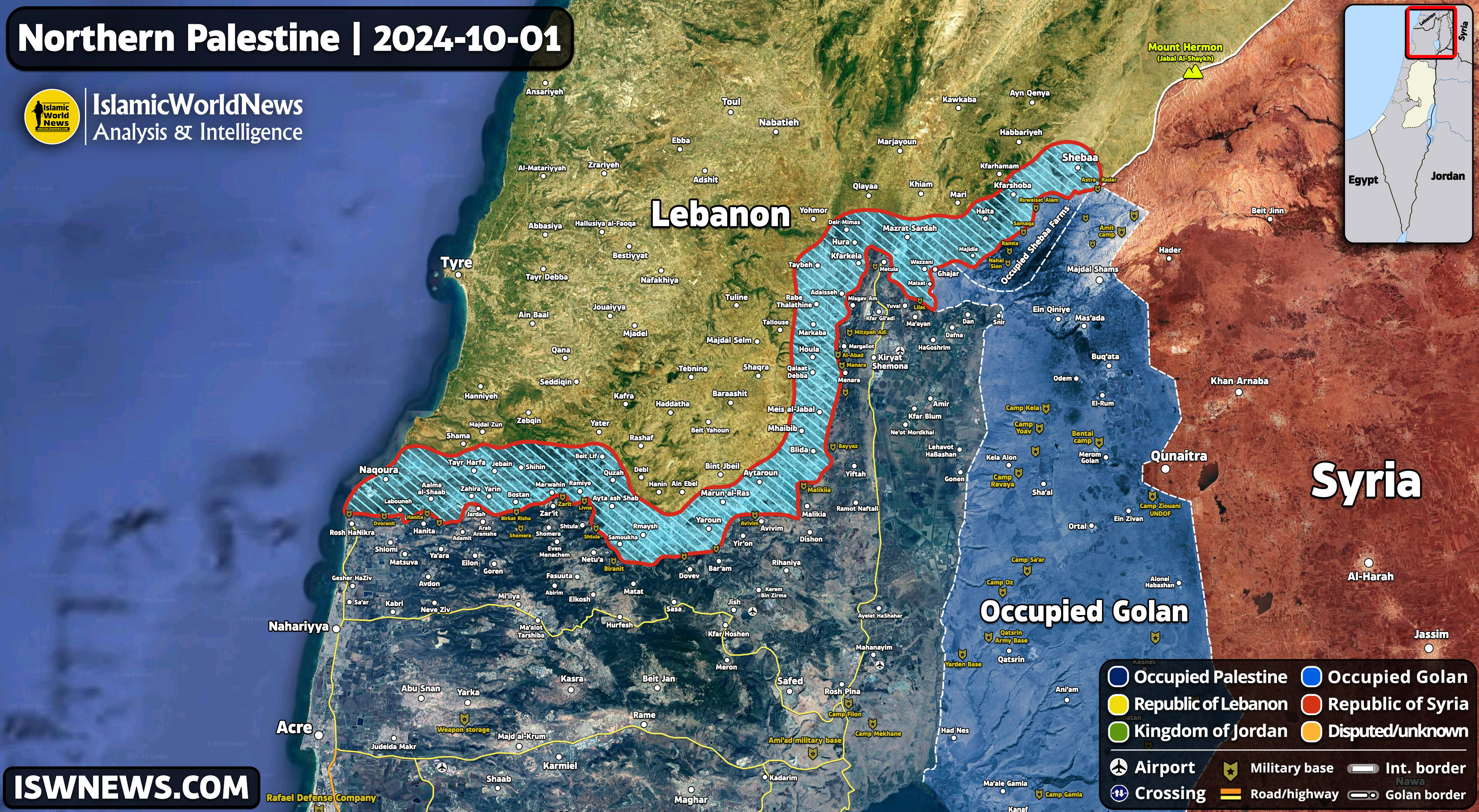
    1- Attacking southern Lebanon and creating a buffer zone across the southern border of Lebanon:

    In this scenario, Israel could create a 5-10 km security buffer zone in southern Lebanon, but this would involve occupying Lebanese settlements. This would expose Israeli attacking forces to Hezbollah’s anti-armor unit and could lead to significant losses for the Israeli military.

    Attacking southern Lebanon and creating a possible buffer zone across the southern border of Lebanon

    2- Massive attack in southern Lebanon:

    This scenario can be done from one to three axes:
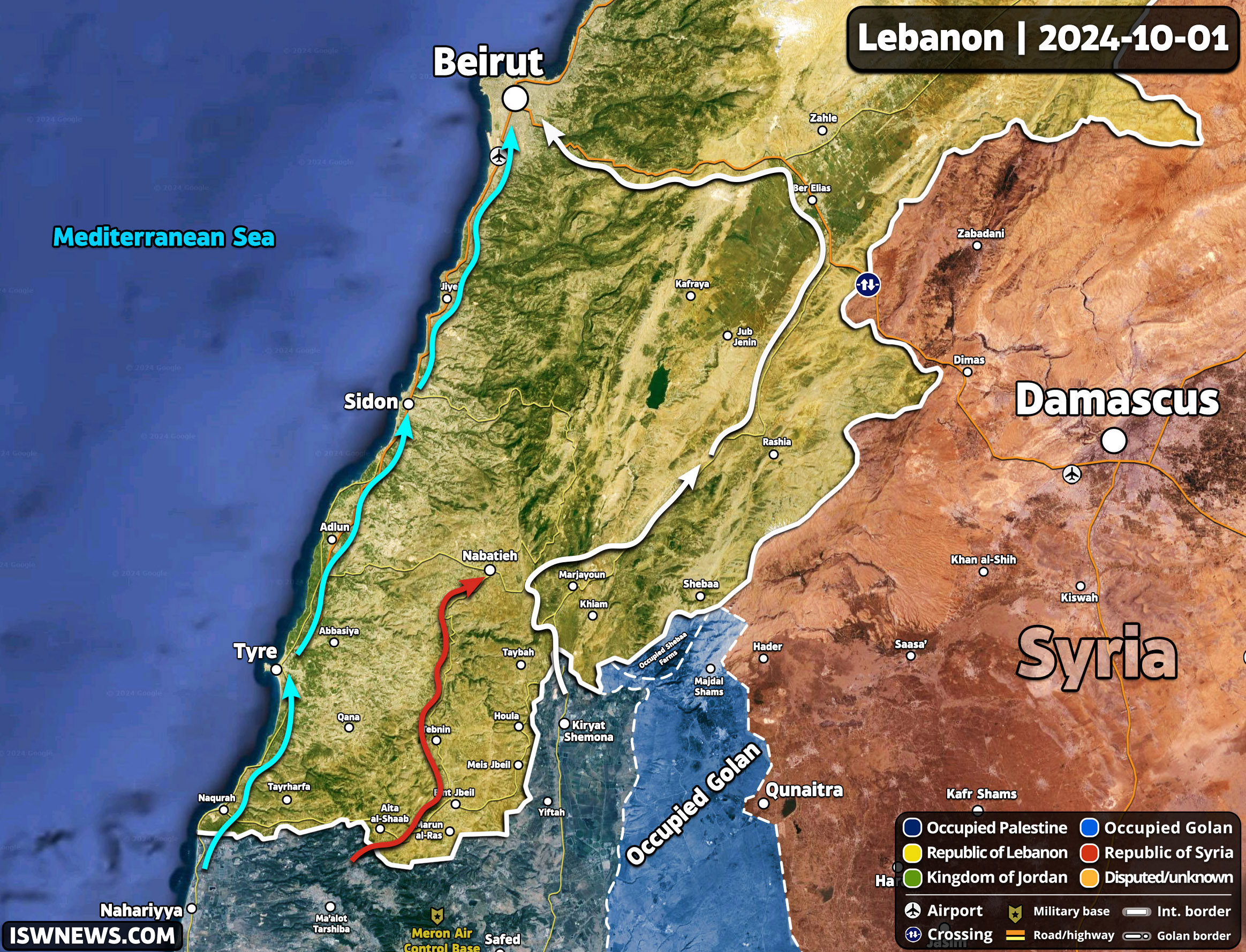
    A (blue arrows) – advance on the Al-Naqourah-Tyre road to Sidon and south of Beirut. (high probability)
    B (red arrow) – advance towards the towns of Maroun al-Ras and Bint Jubeil and then move towards the city of Nabatieh. (low probability)
    C (white arrows) – advance from the north of Kiryat Shemona to the town of Marjayoun and the city of Nabatieh and then continuing to the Bekaa province. (average probability)

    Possible routes of a massive attack in southern Lebanon

    3- Attack on southern Syria and eastern Lebanon:

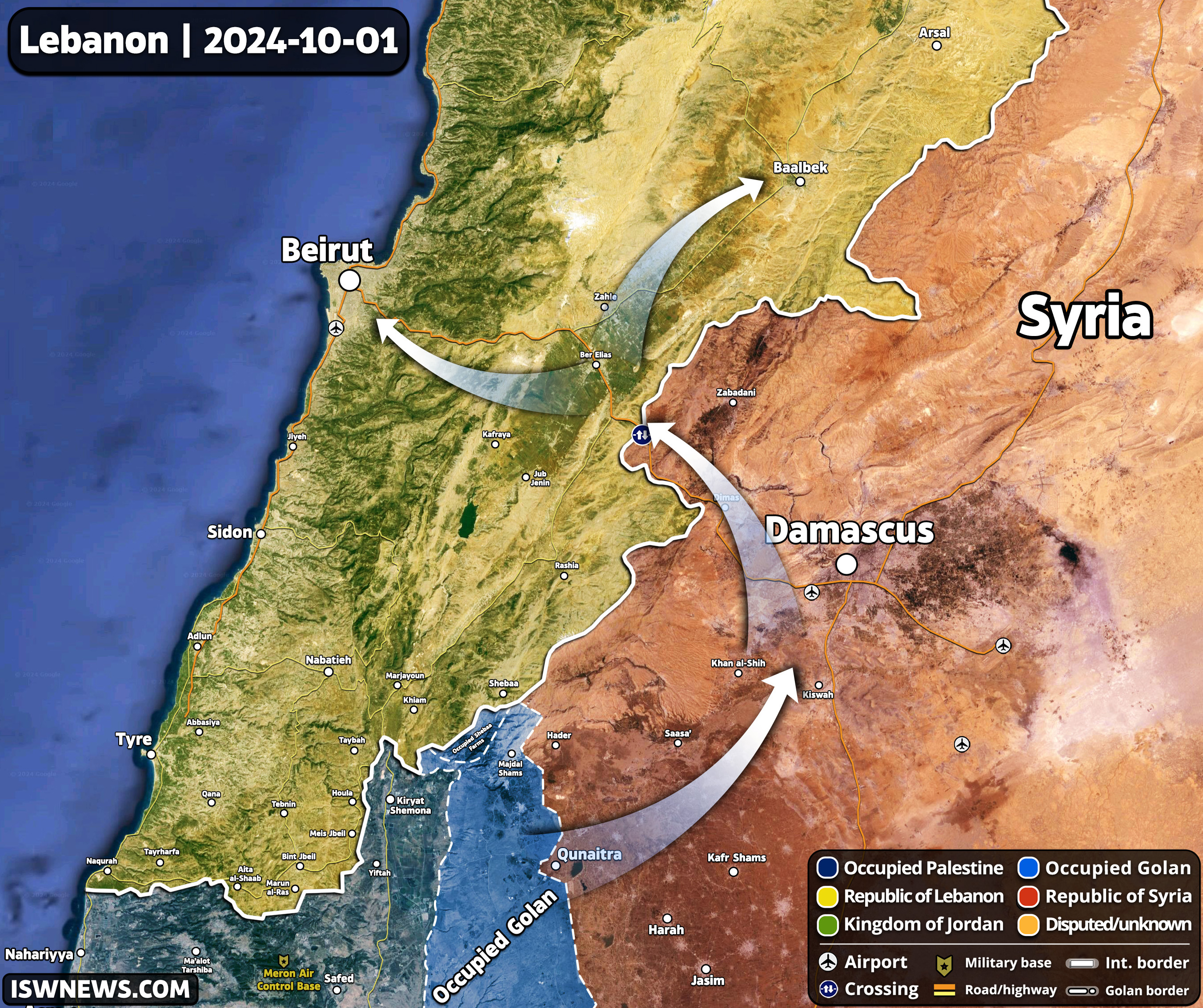
    Upon initial observation, this attack may not seem very likely. However, upon considering the unstable situation of the Syrian government and army, the troubled areas of southern Syria, and the significant silence of the Syrian militants and the old opponents of the resistance in Daraa and Sweida, it becomes apparent that Syria does not have enough power to handle all the chaos and a potential full-scale Israeli invasion.

    Israel’s advance with the help of Syrian militants and Takfiris in this area may proceed more quickly compared to southern Lebanon. Although the Israeli army will not only be fighting the Syrian army in Daraa and Quneitra, but the resistance groups also have a strong presence there. So Israel will be engaged in a multifaceted battle in southern Syria.

    The possible direction of Israel’s attack on southern Syria and eastern Lebanon

    In conclusion, it should be noted that the potential ground attack routes of the Israeli army have been assessed based on past Zionist movements and tactics in ground battles. The information provided is not definitive. It’s also possible that some of these routes may be executed in combination or that each route may complement the others.

    Israel’s ground attack on the countries of the region is a certain thing that first happened in the Gaza Strip, and then it will happen in Lebanon and Syria, and it may spread to other Arab countries. But how and when it is not clear.

    The Zionists advance based on the existing conditions. When they feel unable to advance and fight, they enlist the support of America and the Europeans to establish a ceasefire as a last resort. They observe the other party’s reaction and analyze it. If they encounter strong determination, they retreat from conflict. However, if they sense any discord or weakness in the other party, they proceed to dismantle their enemy’s foundation. The current situation in Palestine and Gaza, as well as the future situations in Lebanon and Syria, along with Netanyahu’s dreams for the future of Iran and Yemen, support this perspective.

  • Military Overview: Israel Wages Terror Throughout The Region (Map Update)

    Military Overview: Israel Wages Terror Throughout The Region (Map Update)

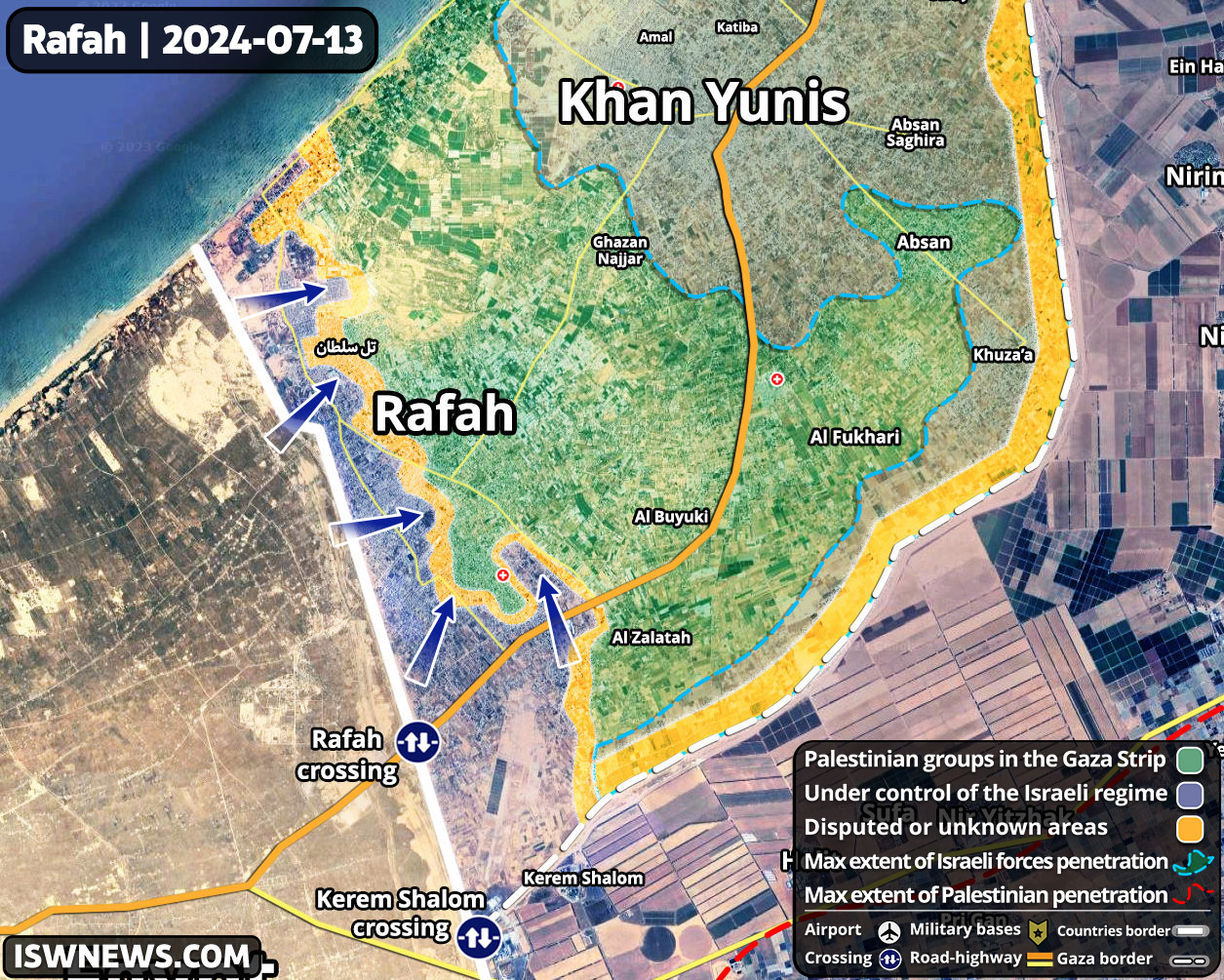
    The military situation in Gaza and Rafah has not changed much. Israeli forces have not been able to completely clear Rafah after weeks of fighting. Around 70% of the town is currently under Israeli control.

    Fighting continues in the central areas of Rafah, in Tal al-Sultan, around the Saudi project and in the southern areas of the city.

    The situation in other parts of the Gaza Strip remains unchanged. Israeli forces are stationed in the central axis of the Gaza Strip, known as the Netzarim axis. In addition, Israeli engineering units are demolishing buildings and clearing areas in the northern and southern parts of the Netzarim axis.

    Military situation in the Rafah area

    Israeli forces recently destroyed six tunnels belonging to Hamas and Islamic Jihad in the Shujaiyeh area. One of the tunnels destroyed was Islamic Jihad’s main tunnel in Gaza City, which was 2.5 kilometres long and used for command and control operations. In total, at least six kilometres of tunnels were destroyed in Shujaiyeh.

    The tunnels and underground facilities used by Palestinian resistance groups pose a significant challenge to the Israeli regime. Despite the Israeli army’s efforts to secure Gaza City and other areas of the Gaza Strip, the extensive network of underground facilities makes this task seem impossible.

    Palestinian fighters use these tunnels on a daily basis to launch surprise attacks against Israeli forces and equipment.

    Ambush of Palestinian forces against the occupiers in Gaza City

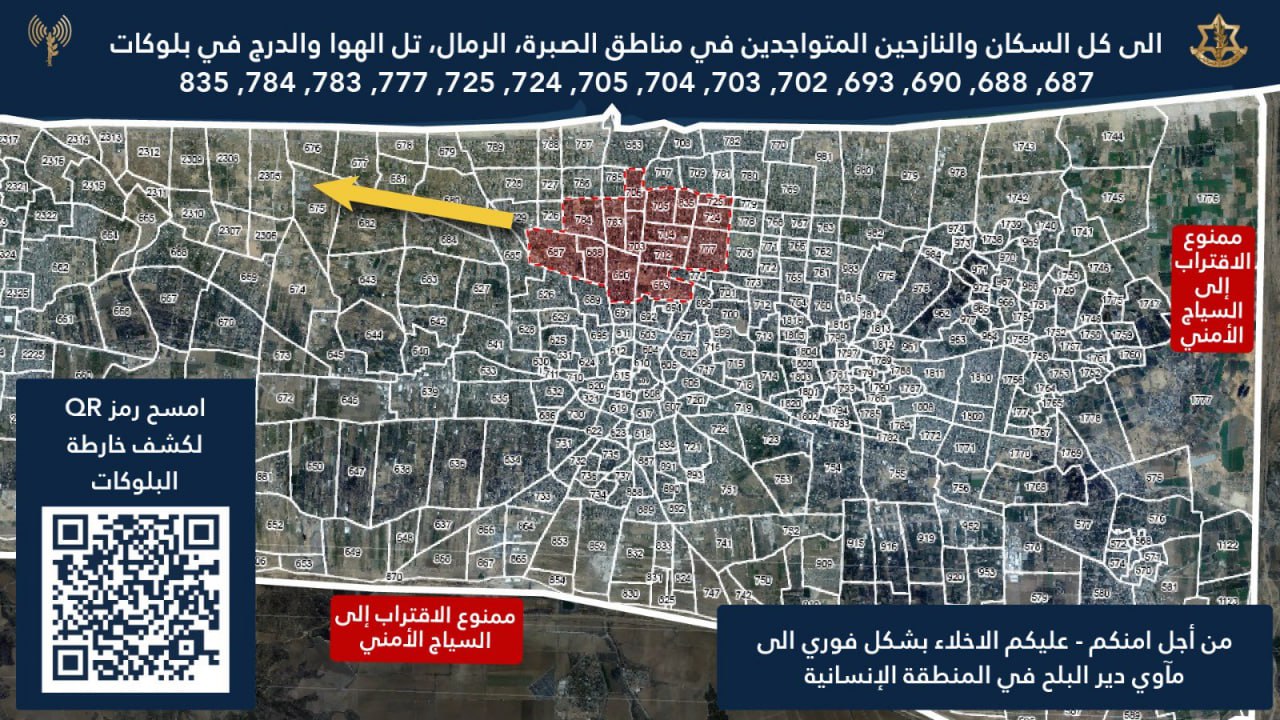
    Yesterday, the Israeli army ordered Palestinians in several neighbourhoods of Gaza City to evacuate the area and move to designated humanitarian zones. The zones are located in the al-Mawasi area on the southern coast of the strip, the western districts of Khan Yunis and Deir al-Balah in central Gaza.

    Colonel Avichay Adraee, the IDF’s Arabic-speaking spokesman, has published a list of areas for evacuation. Among the areas to be evacuated are the neighbourhoods of Sabra, Rimal, Tal Al-Hawa and Daraj in Gaza City.

    The announcement of the Israeli regime army to evacuate a part of Gaza City

    These announcements are made as bombardment of civilian targets and infrastructure continues. At least 50 Palestinians have been killed in Israeli attacks over the past 24 hours.

    In just one of these attacks, 17 Palestinians were martyred. In this crime, the house of Abu Farih’s family in the Nusairat refugee camp was bombed by Israeli warplanes. 14 of those killed were women and children.

    Today, also the fighter jets of the Israeli regime targeted the so-called humanitarian area of ​​Mawasi. In this crime, more than 70 Palestinians were martyred and 290 others were injured. A large number of martyrs and injured are women and children, including children less than two years old.

    The video contains heartbreaking scenes

    A glimpse of the Israeli regime’s crime in Mawasi, Khan Younes

    In recent months, the Israeli army has issued statements calling on civilians to evacuate certain areas. However, these evacuations do not appear to have had a significant impact on the Israeli army’s operations in Gaza. Palestinians return to their homes after some time, and the Israeli army does not actually send troops to the evacuated areas. So these announcements mainly mean more air strikes, more destruction and more casualties in Gaza.

    So far, Israeli air strikes have killed at least 38,243 Palestinians and wounded 88,033, most of them women and children.

    Yesterday there was a major change in the command of the Israeli army in the West Bank.

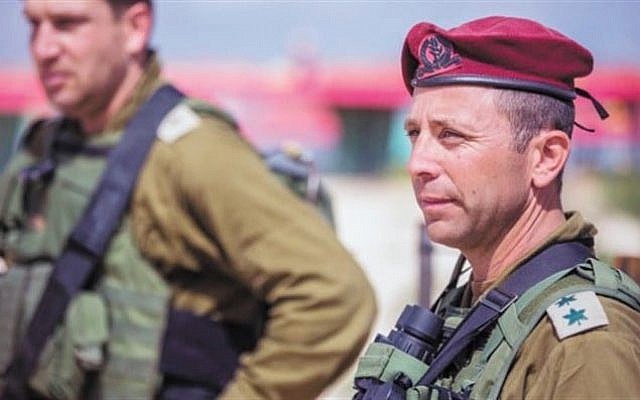
    Major General Avi Blot took over the Israeli army’s Central Command in a handover ceremony at the unit’s headquarters in Jerusalem, becoming the new general in charge of the West Bank region.

    Major General Avi Blot will be replaced by Major General Yehuda Fox, who is retiring from the IDF, ending a 36-year military career.

    Major General Avi Blot

    Following the 7 October attacks, tensions and conflicts in the West Bank have escalated significantly, leading to dire security conditions. The Israeli army carries out military operations in the area on a daily basis. In a recent incident, 13-year-old Palestinian Ghassan Gharib Zahran was fatally shot by Israeli soldiers in the town of Deir Abu Meshaal, near Ramallah.

    The Palestinian Prisoners’ Club announced that the Israeli army has arrested 16 Palestinians in different areas of the West Bank since yesterday. Israel has arrested more than 9,600 Palestinians in the West Bank since the start of the war on Gaza.

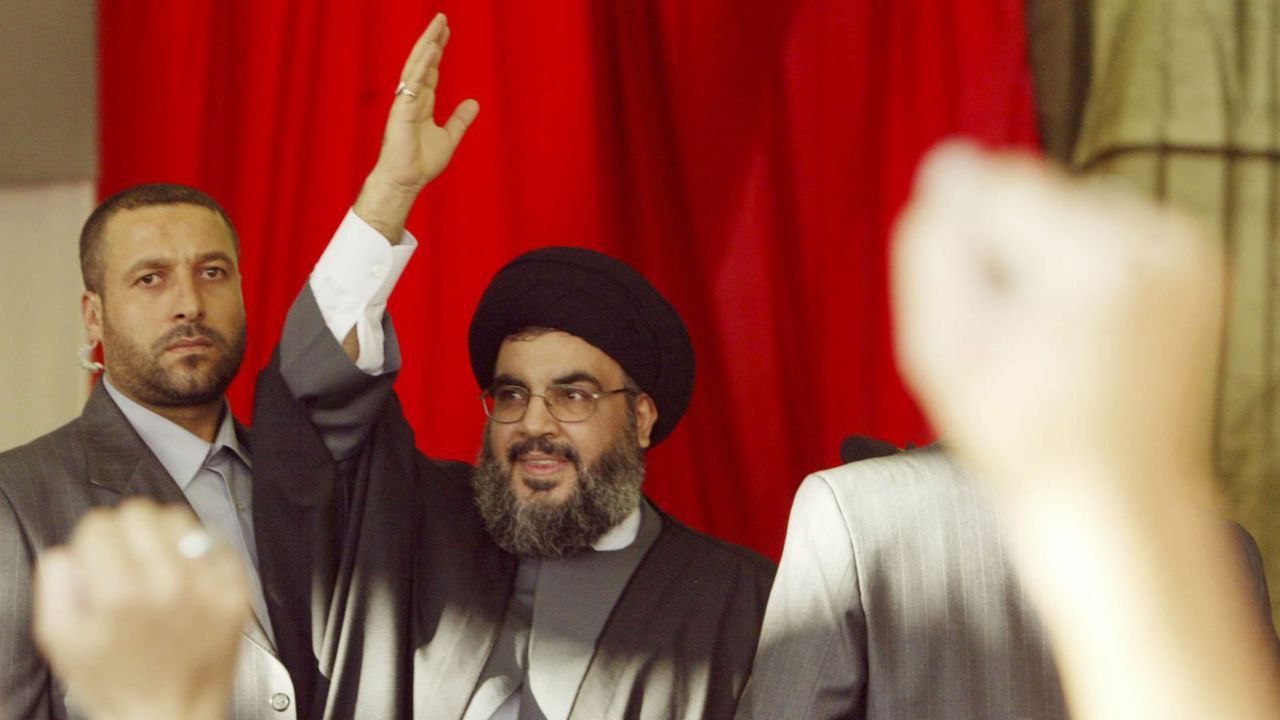
    The situation on the northern front remains tense: despite repeated Israeli threats to launch military operations into Lebanese territory, no attacks have been carried out. Earlier, Lebanese Hezbollah leader Sayed Hassan Nasrallah warned in a televised speech that any Israeli military operation into Lebanese territory would be met with a strong response from Lebanese resistance groups and Hezbollah. The message seems to have gone down well in Tel Aviv.

    However, the Israeli military has stepped up its drone strikes and assassinations against key Hezbollah figures in recent weeks. Israel is attempting to raise the cost of the war for Lebanese Hezbollah by targeting Hezbollah field commanders and key figures with assassination attempts.

    On July 9, an Israeli airstrike against a vehicle on the Beirut-Damascus highway, near a checkpoint between Lebanon and Syria killed Yasser Qarnabash, a senior Hezbollah member close to the Seyed Hassan Nasrallah.

    On July 3, a senior Hezbollah military commander, Muhammad Na’amah Nasser, was assassinated by Israeli drones in the city of Tyre in southern Lebanon. Na’amah played a major role in the liberation of southern Lebanon in 2006 and in the battles in Syria and Iraq against ISIS and Al-Qaeda terrorist groups. He also led and supervised dozens of operations against the Israeli army during the recent fighting in northern occupied Palestine.

    Alongside targeted assassinations, artillery and airstrikes continue in southern Lebanon.

    Israeli warplanes bomb Lebanon’s southern regions and towns on a daily basis. Hezbollah fighters also use heavy rockets, anti-tank missiles and suicide drones to target Israeli positions and bases in northern occupied Palestine.

    On July 6, for example, Hezbollah carried out a series of targeted attacks on key Israeli army positions in southern Lebanon. Hezbollah fired dozens of rockets at the Nimra base west of the Sea of Galilee and the Mount Meron air traffic control base. They also targeted Israeli troops in the Birkat Risha area with guided missiles, hit surveillance equipment in the al-Rahib area, and shelled the Bayad Blida and al-Baghdadi areas.

    Part of Hezbollah’s operations in northern occupied Palestine

    Military operations along the northern borders have led to widespread evacuations of settlements. The Israeli Ministry of Housing and Immigration reports that hundreds of thousands of settlers have left the occupied territories since the start of the war.

    According to the latest reports, more than 250,000 Israeli citizens have been displaced by the war, with some 164,000 ordered or recommended to evacuate with government compensation and nearly 150,000 evacuated without being asked.

    The number of Israeli refugees increases daily...

    According to a report by Israel’s Channel 12, social media has been filled in recent weeks with posts from Israeli settlers to their friends who are considering leaving Israel. The ongoing 10-month war has produced unclear results, prompting some settlers to consider leaving the country.

    Channel 12 TV reported that a new survey shows that the number of Israelis who want to emigrate from Israel has increased by two and a half times.

    It is worth noting that 500,000 Israelis have left the country since the start of the Gaza conflict.

    The disastrous political situation in Tel Aviv, the unfavourable and critical security situation in the West Bank, the war in the Gaza Strip and Israel’s failure to achieve its set goals in the Gaza Strip, the war and tense situation on the northern front and the possibility of a full-scale war with Hezbollah are challenges that have made Israel more vulnerable to collapse than ever before.

    All this, together with the massive wave of emigration from Israel, has left the outlook for the political and security situation in the crisis-ridden country in a cloud of uncertainty.

    Published on SF

  • Military Knowledge: Shahed-238 Suicide Drone; Advanced Version Of Shahed-136 Equipped With Jet Engine

    Military Knowledge: Shahed-238 Suicide Drone; Advanced Version Of Shahed-136 Equipped With Jet Engine

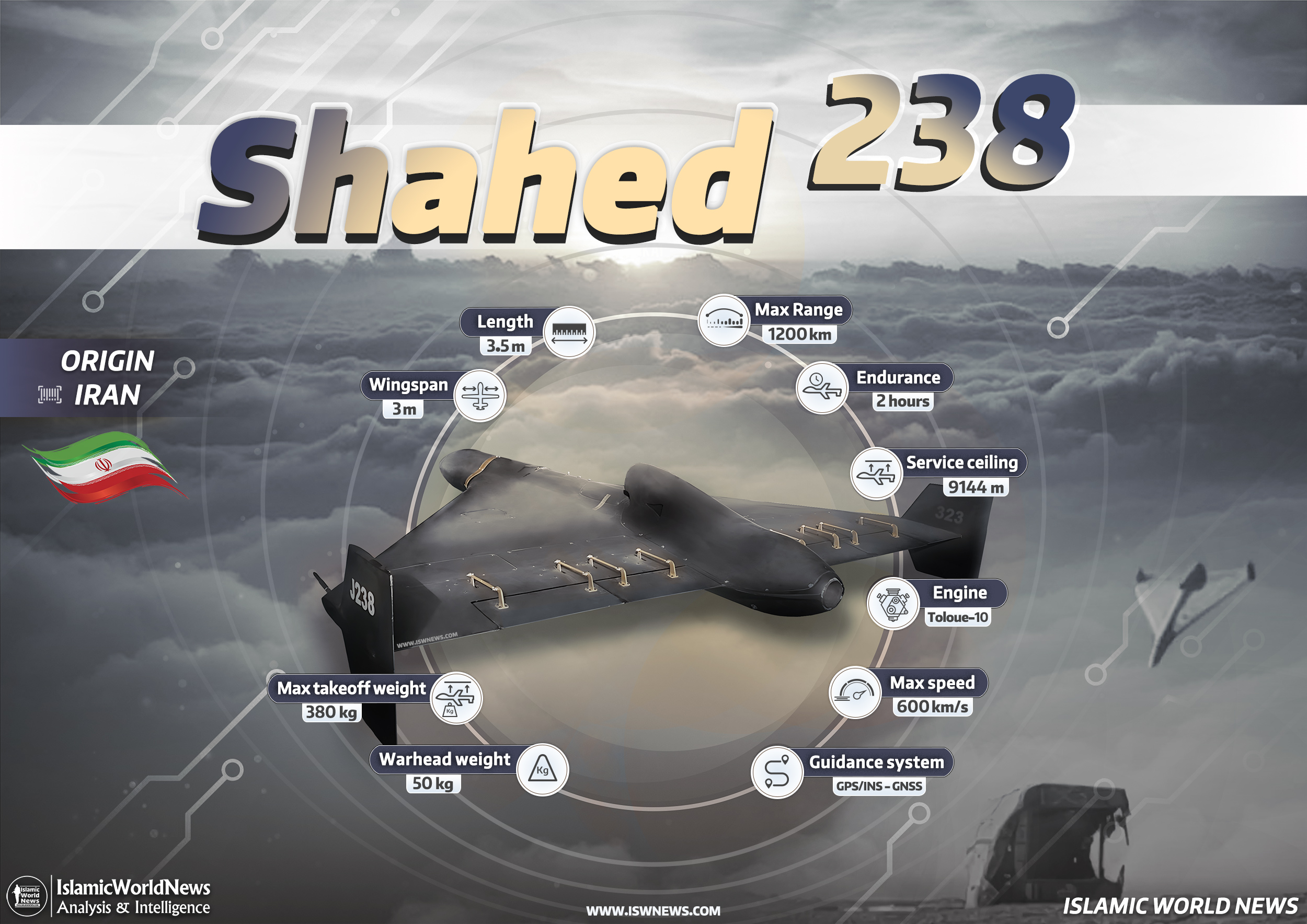
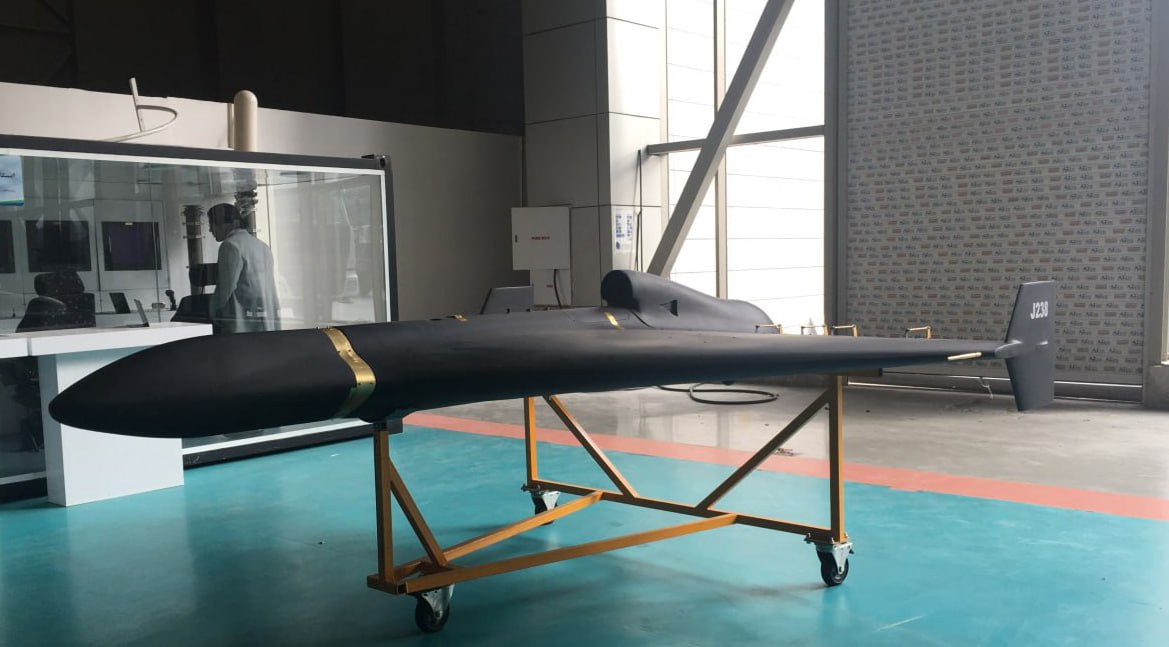
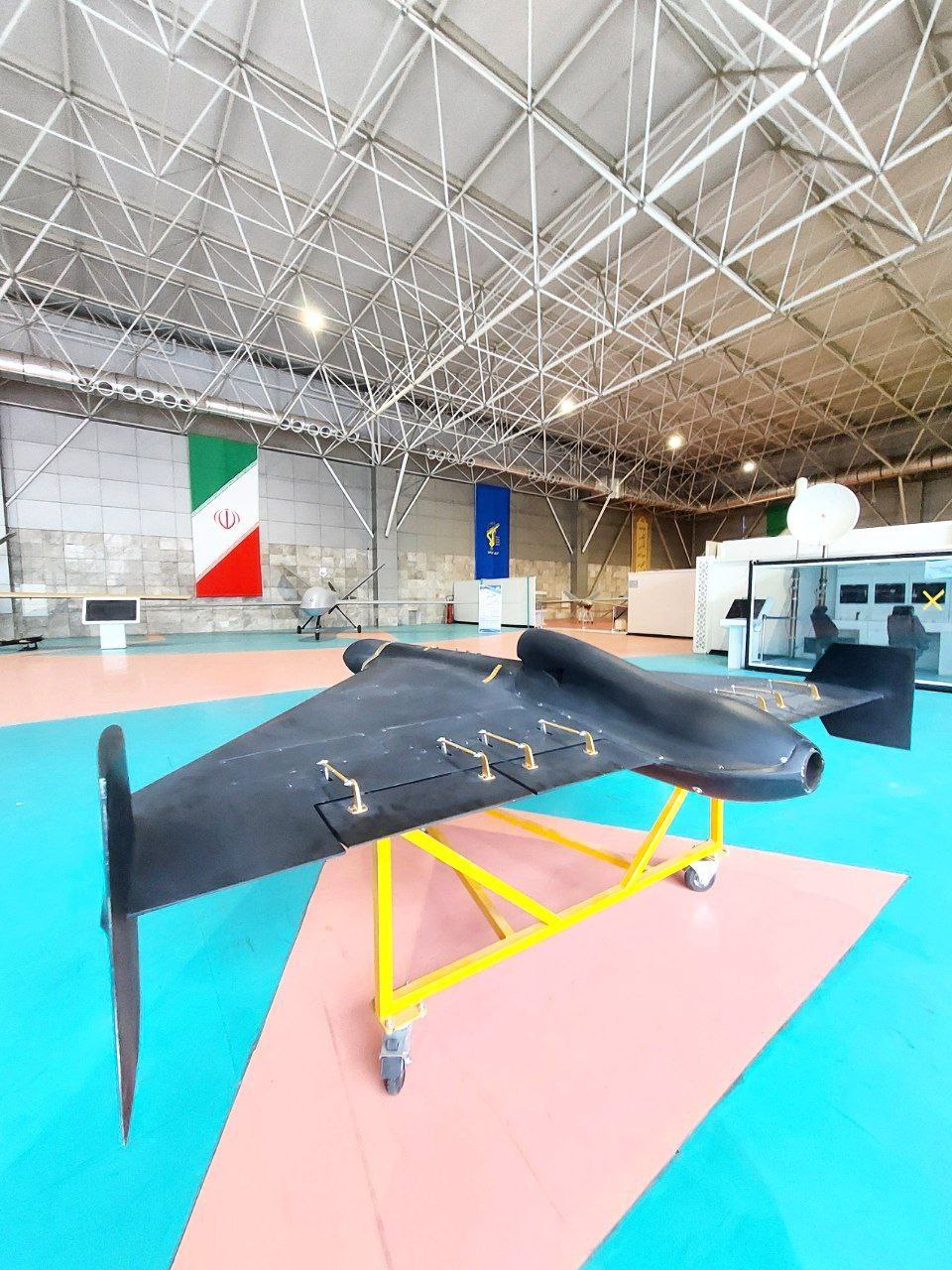
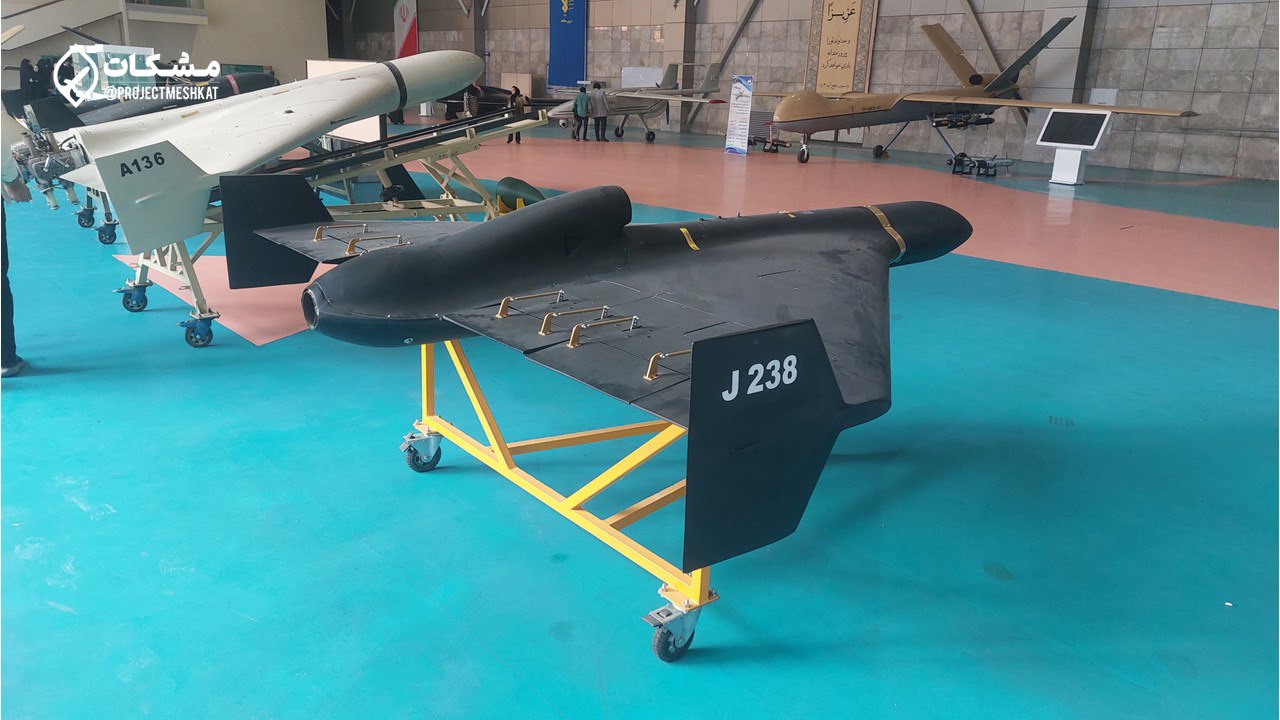
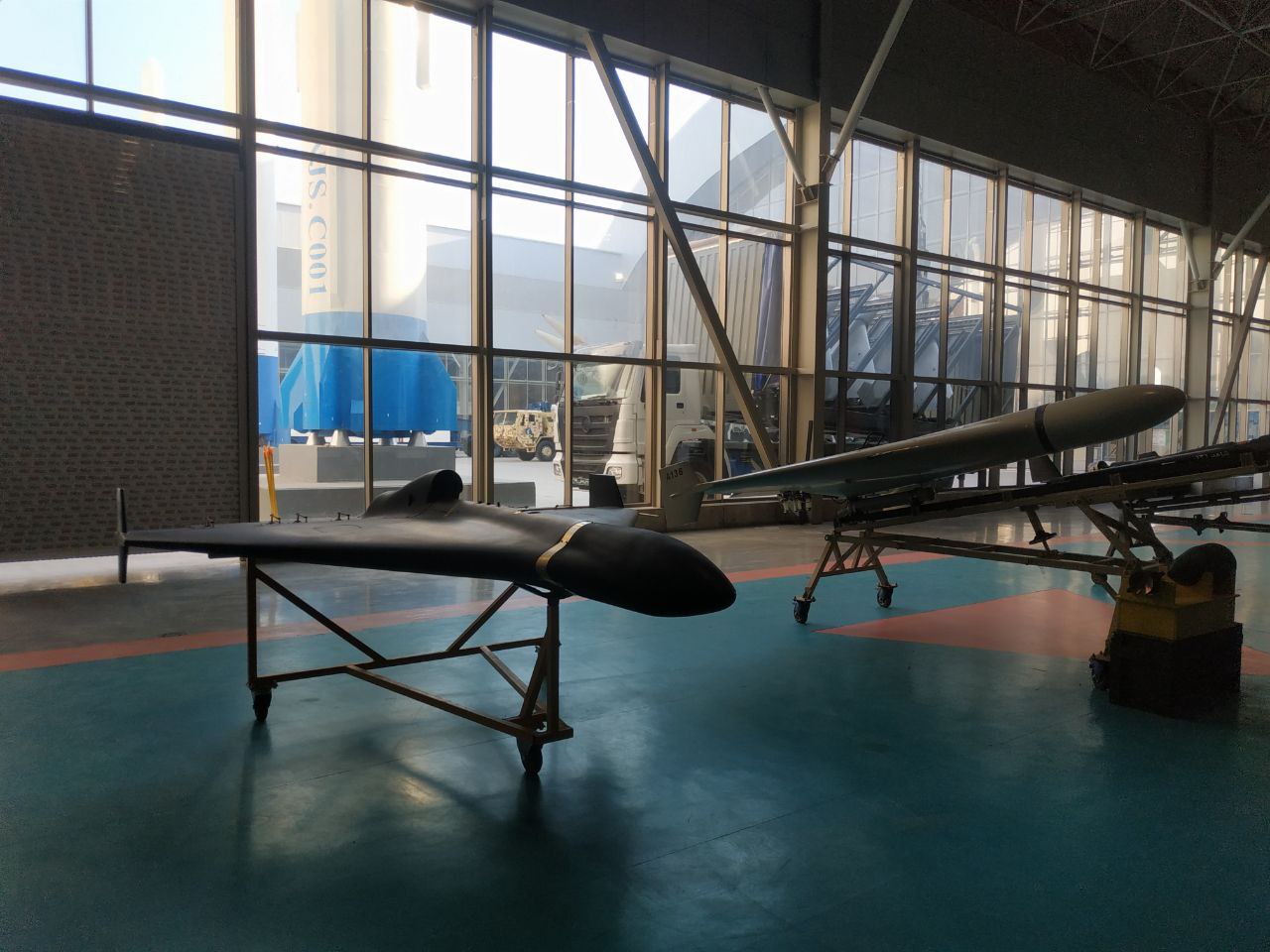
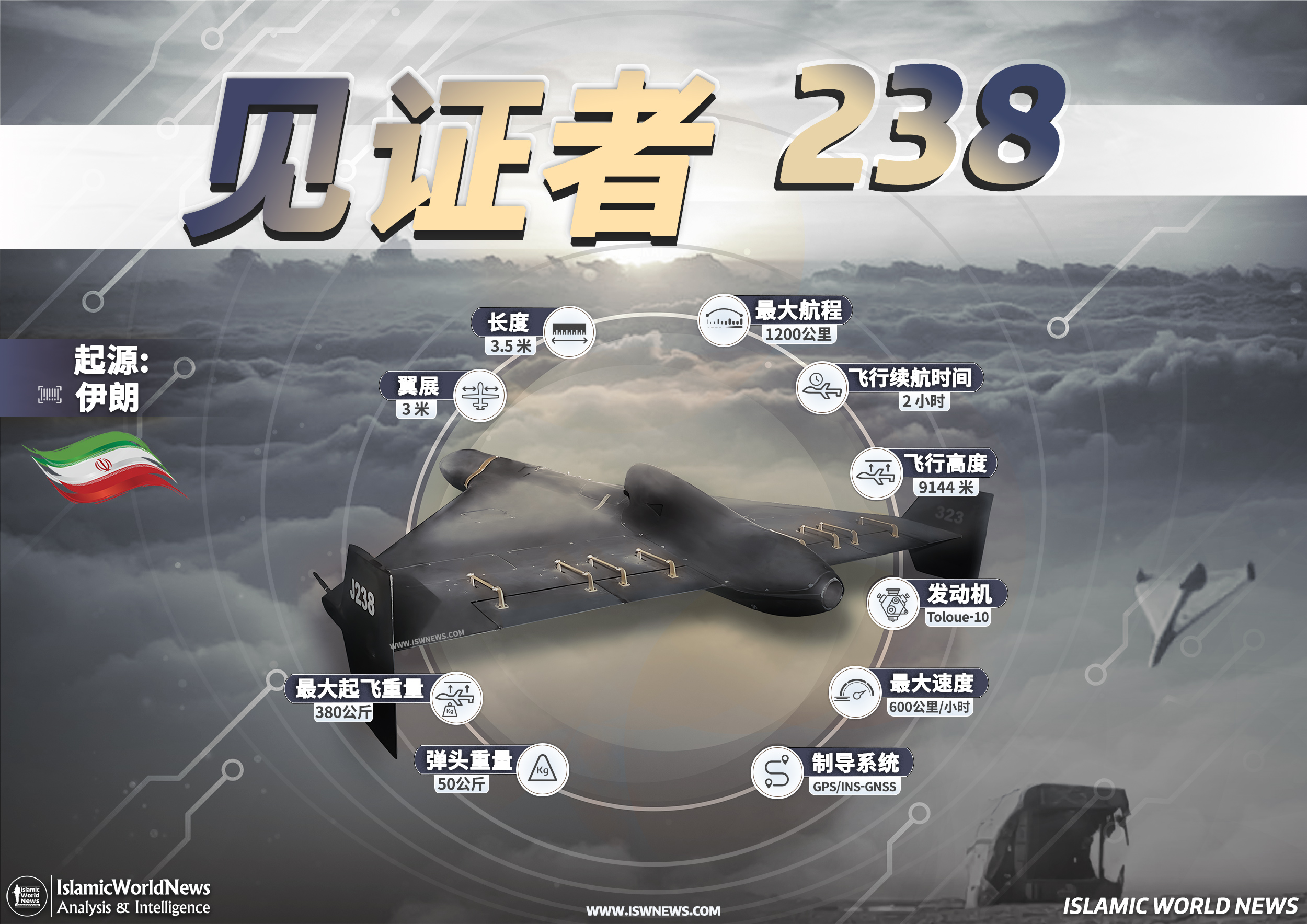
    The Shahed-238 suicide drone was first unveiled informally in October 2023 in the Parchamdar (Flagship) Documentary. This drone has a similar platform and the same dimensions to the Shahed-136, but the fundamental difference is the use of a mini-turbojet engine instead of a piston engine.

    The Shahed-136, despite its low radar cross-section (RCS), due to its piston engine, low speed, and distinctive loud noise, provided the enemy’s air defense systems and even ground forces with enough time to identify it. However, the use of a turbojet engine in the Shahed-238, while increasing the speed and reducing the noise, along with the drone’s specialized airframe, provides much better protection against heavy machine guns and anti-aircraft cannon, improving the overall success rate of the drone.

    Read more: Military Knowledge: Shahed-136 Loitering Munition

    A video of the flagship documentary in which the new version of Shahed-136 (now, known as Shahed-238) with micro-turbojet engine can be seen.

    Examination of the available turbojet engines produced in Iran, as well as images of the Russian version of this drone from the Ukraine war, suggests the likelihood of using the Toloue-10 engine on the Shahed-238 drones.

    The Tolou-10 turbojet engine with a thrust of 1100 to 1200 Newtons increases the speed of the Shahed-238 to 500 to 600 kilometers per hour.

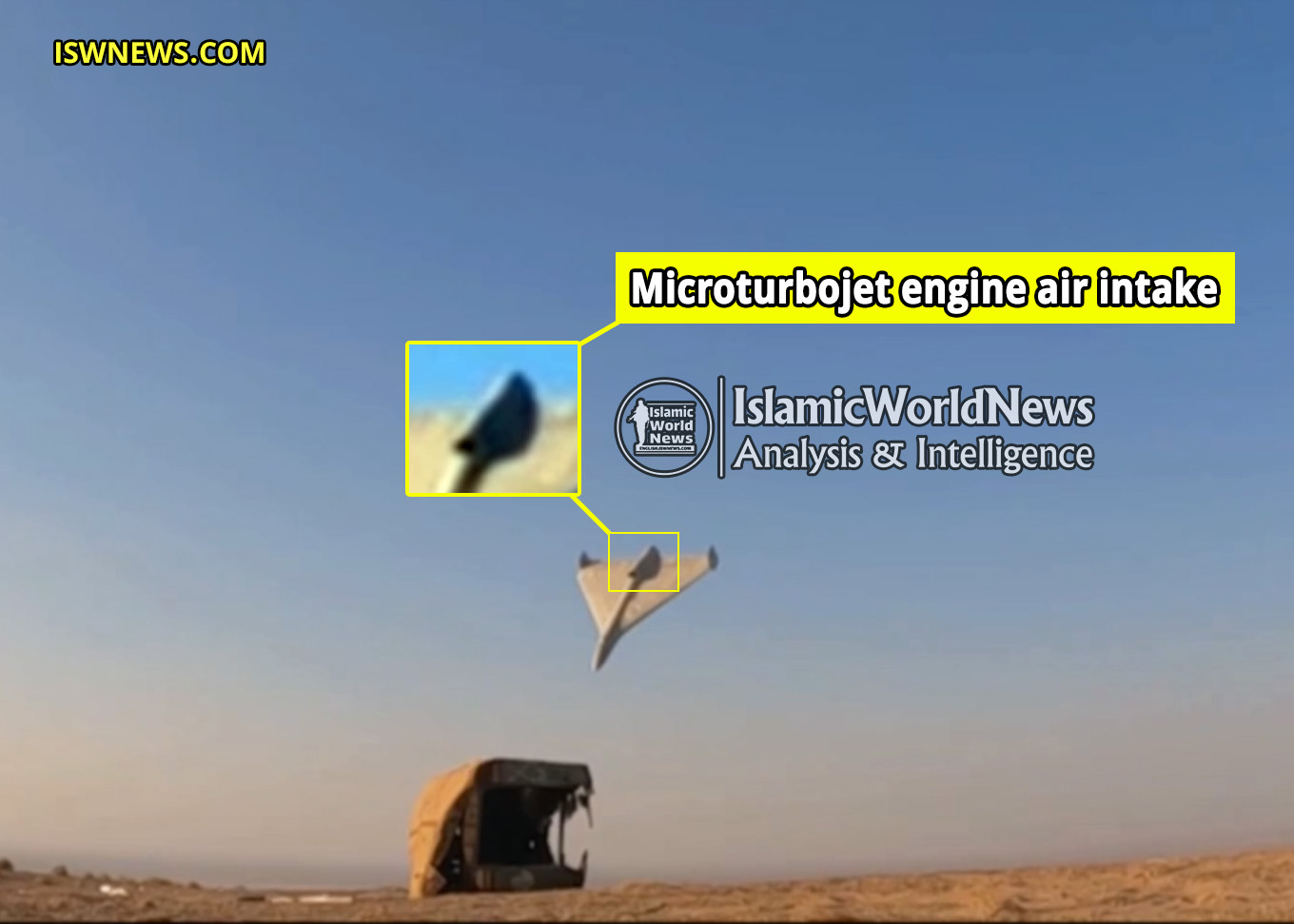
    The change in propulsion and engine design increases the weight of the drone. The piston engine MD550 or a similar engine used in the Shahed-136 weighs 17.59 kilograms, while the Toloue-10 turbojet engine weighs around 20.5 kilograms. Additionally, the placement of the micro-turbojet engine within the airframe reduces the space available for carrying fuel. Modifications have also been made to the upper part of the fuselage to accommodate the air intake, which further increases the weight and reduces the drone’s fuel carrying capacity. The fuel type has also been changed from gasoline to Jet-A, primarily due to the fuel requirements of the new engine.

    All of these factors, in addition to the increased speed, mean a reduction in the endurance of this drone. It is worth noting that with the changes made, the maximum takeoff weight has increased from 250 kilograms to 380 kilograms.

    Air intake for the micro turbojet engine in the Shahed-238 drone

    This is not the first time the Toloue-10 engine has been used in Iranian drones. In the past, the Toloue-10 engine had also been used on the Shahed-191 drone.

    Read more: Military Knowledge: Shahed 171 (Simorgh) And Shahed Stealth Drones Family

    The use of a jet engine, while turning the Shahed-238 into a fast suicide drone, also has its disadvantages. The piston engine of the Shahed-136 has a very low thermal signature, which made it difficult for infrared-guided missiles like shoulder-launched missiles to lock onto the drone. However, with the change from a piston to a jet engine, more heat is generated, making it easier for infrared-guided missiles to lock onto the drone.

    Shahed-238 variants:

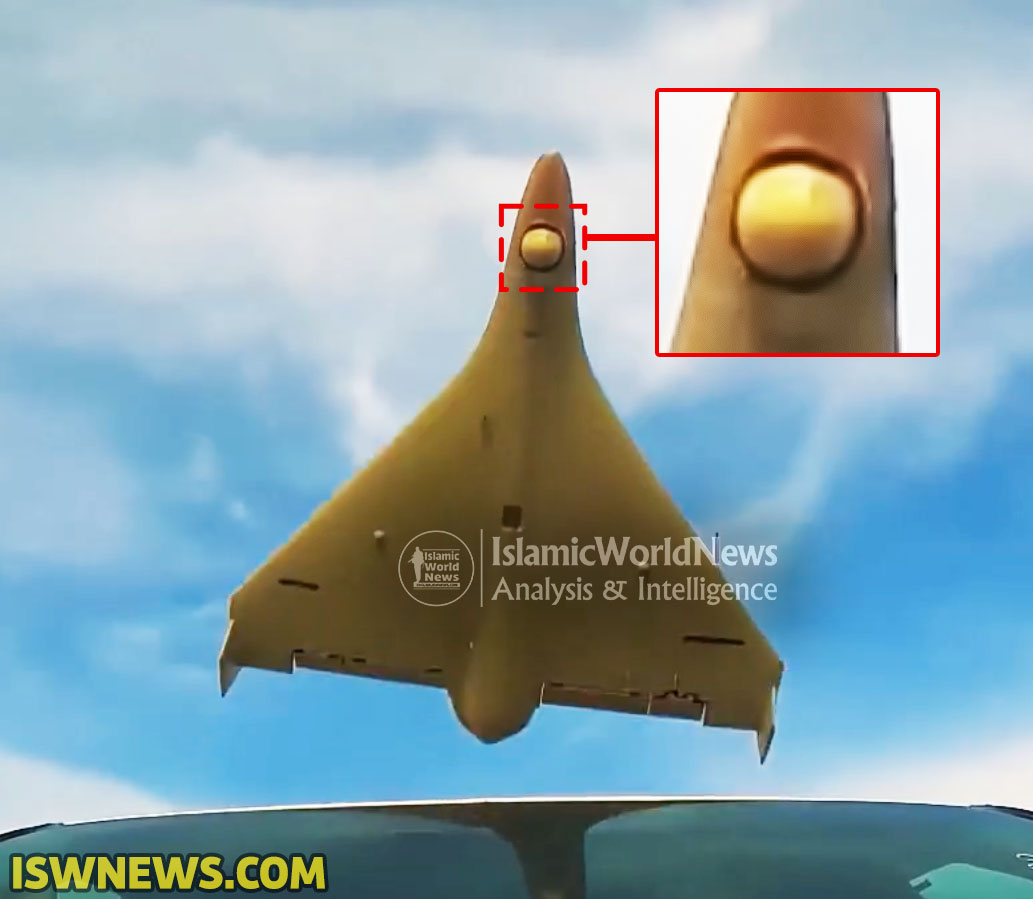
    The jet-powered Shahed-238 suicide drone has been displayed in three classes so far: a basic and standard model, a model equipped with an imaging infrared (IIR) seeker in the nose, and a model (possibly) equipped with a passive anti-radar seeker.

    From right to left: the model equipped with an imaging infrared seeker in the nose, the basic and standard model, and the model equipped with a passive anti-radar seeker.

    The standard version of the Shahed-238 drone, like the Shahed-136, is equipped with inertial and satellite guidance and is used to attack fixed ground targets.

    The model equipped with a thermal seeker is guided by inertial and satellite navigation to the target area and uses the seeker in the final dive phase to select and lock onto the target. The use of the imaging infrared seeker in the nose significantly increases the accuracy and allows the drone to be used against moving targets as well.

    Shahed-238 equipped with thermal seeker

    The model equipped with a passive anti-radar seeker is used to suppress the enemy’s radar systems. In this version, the drone enters the target area using inertial and satellite guidance, and then the anti-radar seeker, after detecting radar signals, locks onto the enemy’s radar systems or radio towers and attacks them.

    Shahed-238 equipped with anti-radar seeker

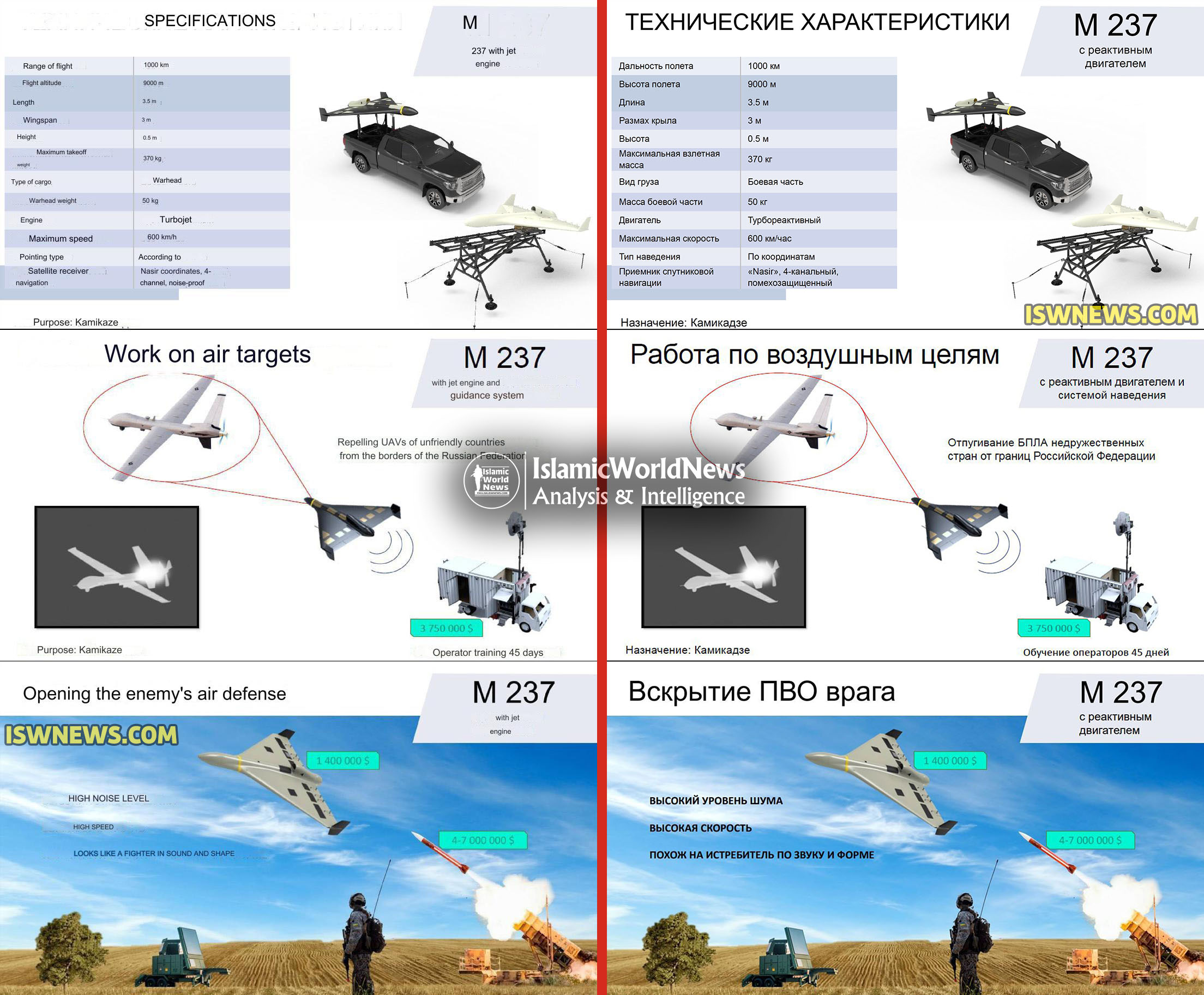
    It should be noted that the leaked documents show that a drone similar to the Shahed-238, which has been supplied by Iran to Russia and is being produced in that country, is known as the M-237 in the Russian Federation.

    After the release of these documents, due to the presence of thermal seekers in the Russian drones, some people mistakenly thought that this drone was a new and different version of the Shahed-238, and therefore the name of the Iranian drones equipped with thermal seekers is also Shahed-237. However, it should be noted that according to the official information published by Iran, the official name of all versions of this drone is the Shahed-238, and only the exported or licensed version is known as the M-237, which can be renamed again in the destination country. Changing the name of exported weapons is a common and normal practice in Iran’s military industries.

    All the information published in these documents is almost completely consistent with the information presented on the banner of the Shahed-238 drone at the Iranian National Aerospace Park. But an interesting point that was not available before is that the thermal seeker-equipped version of this drone, in addition to the ability to attack ground targets, also has the ability to attack air targets such as drones. The leaked document shows that the Shahed-238, or the M-237, has locked onto a US MQ-9 Reaper drone.

    In addition to all the mentioned models, there is another version of the Shahed-238 drone that has been displayed in one of the promotional videos, but has not been exhibited in any exhibitions so far and no information about it is available. In this model, the Shahed-238 is equipped with an electro-optical camera under the nose. One can speculate that the features of this drone are similar to other Shahed-238 models, and the only difference is the version of camera. Therefore, this model, in addition to the capability of being a suicide drone, also has reconnaissance and surveillance capabilities, and helps the operator in selecting visual targets.

    Shahed-238 equipped with an electro-optical camera

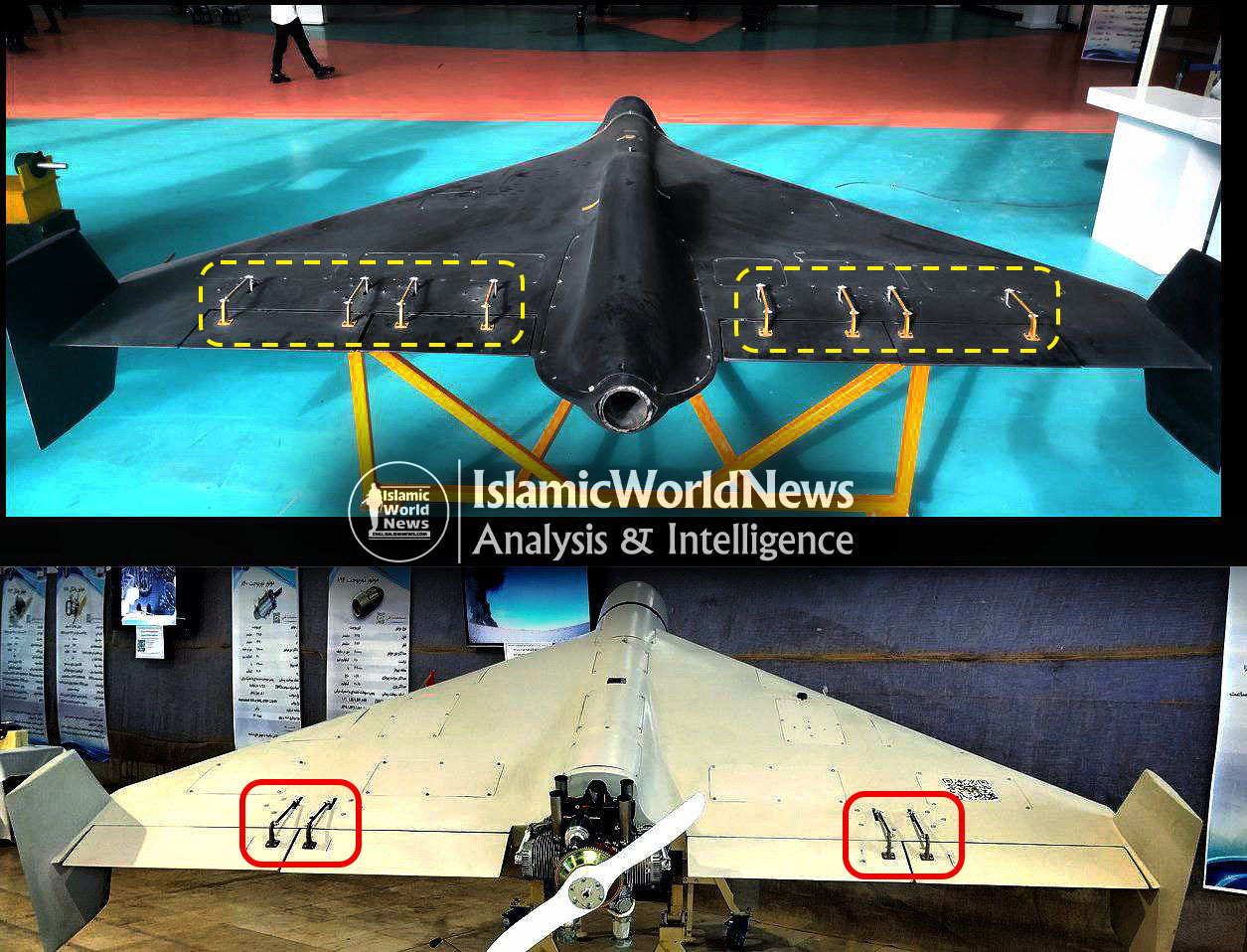
    Due to the use of a jet engine and increased power, the flap actuators (high-lift devices) also need to be reinforced. For this reason, the Shahed-238 uses eight actuators on the wings, while the Shahed-136 had four actuators on its wings.

    The difference between the actuators in Shahed-238 and Shahed-136

    According to the available information, the maximum takeoff weight of the Shahed-238 drone is around 380 kilograms, and it is equipped with a 50-kilogram warhead.

    The launch and take-off method of the Shahed-238 drone is similar to the Shahed-136. This drone can be launched with the help of a vehicle or using a rocket booster (JATO). There are also speculations about the launch of this drone from fighter jets, which, given the limitations of this task, will most likely remain speculative. However, if this is true, the limitation of the reduced range of this drone compared to the Shahed-136 model will also be eliminated.

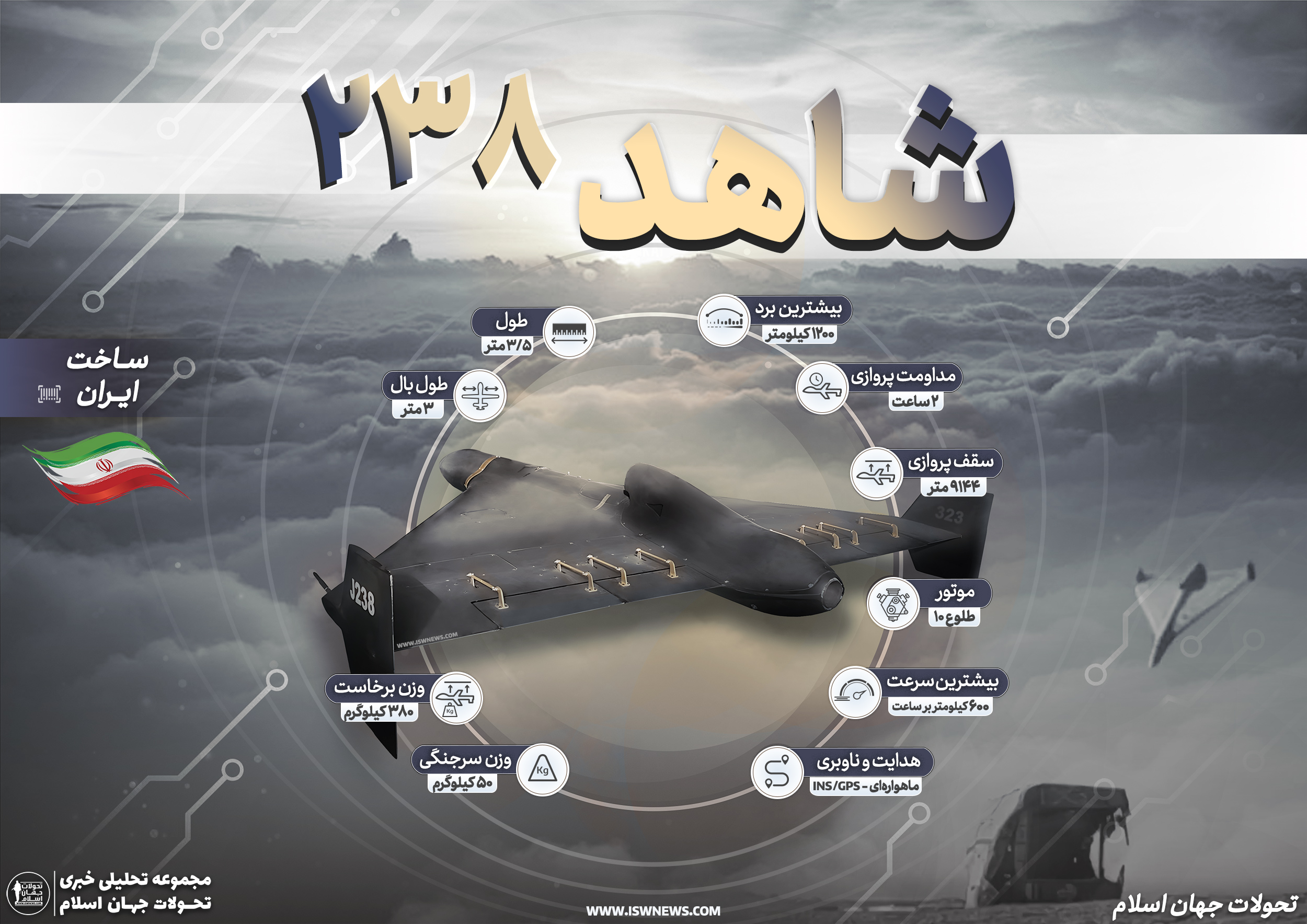
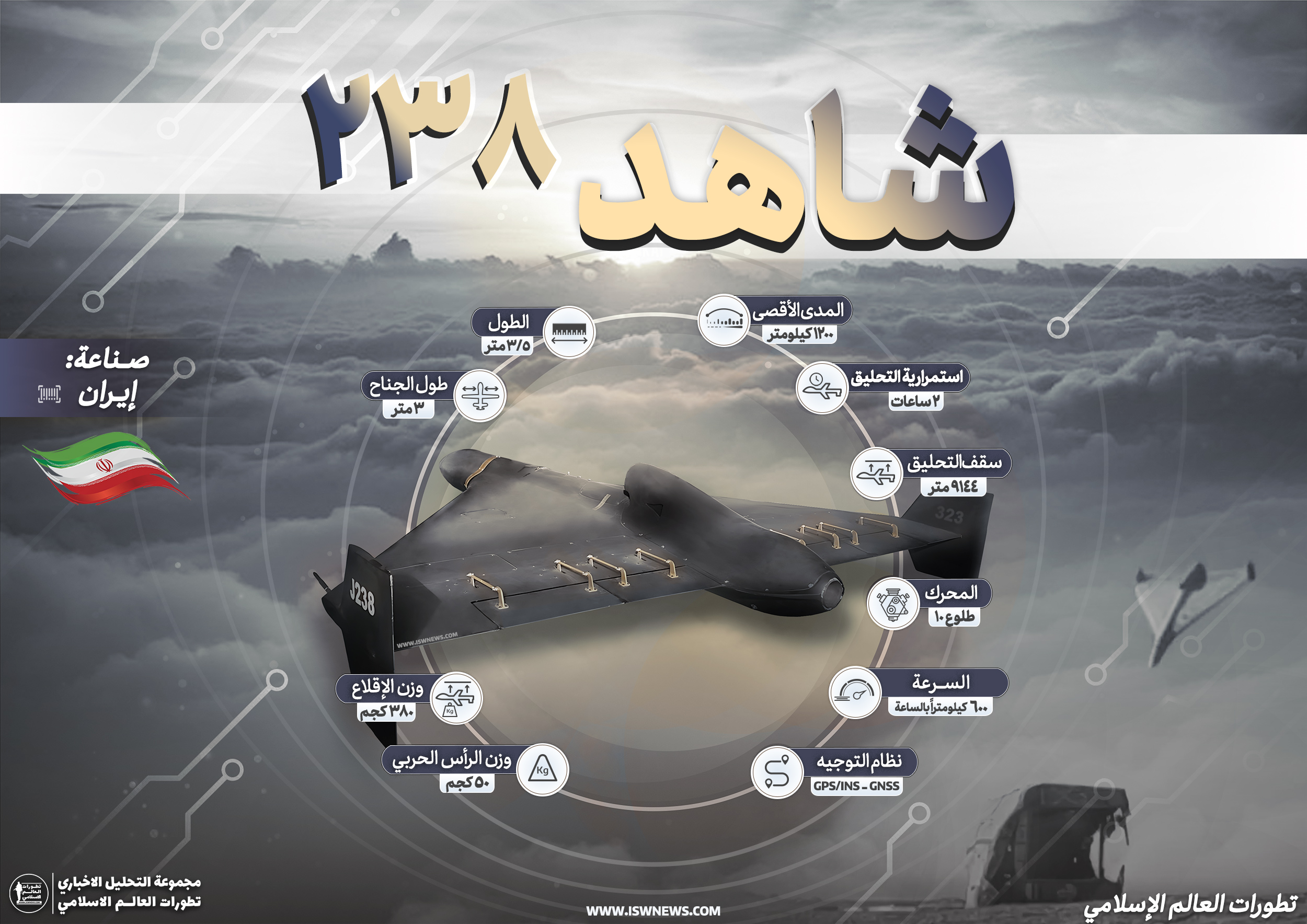
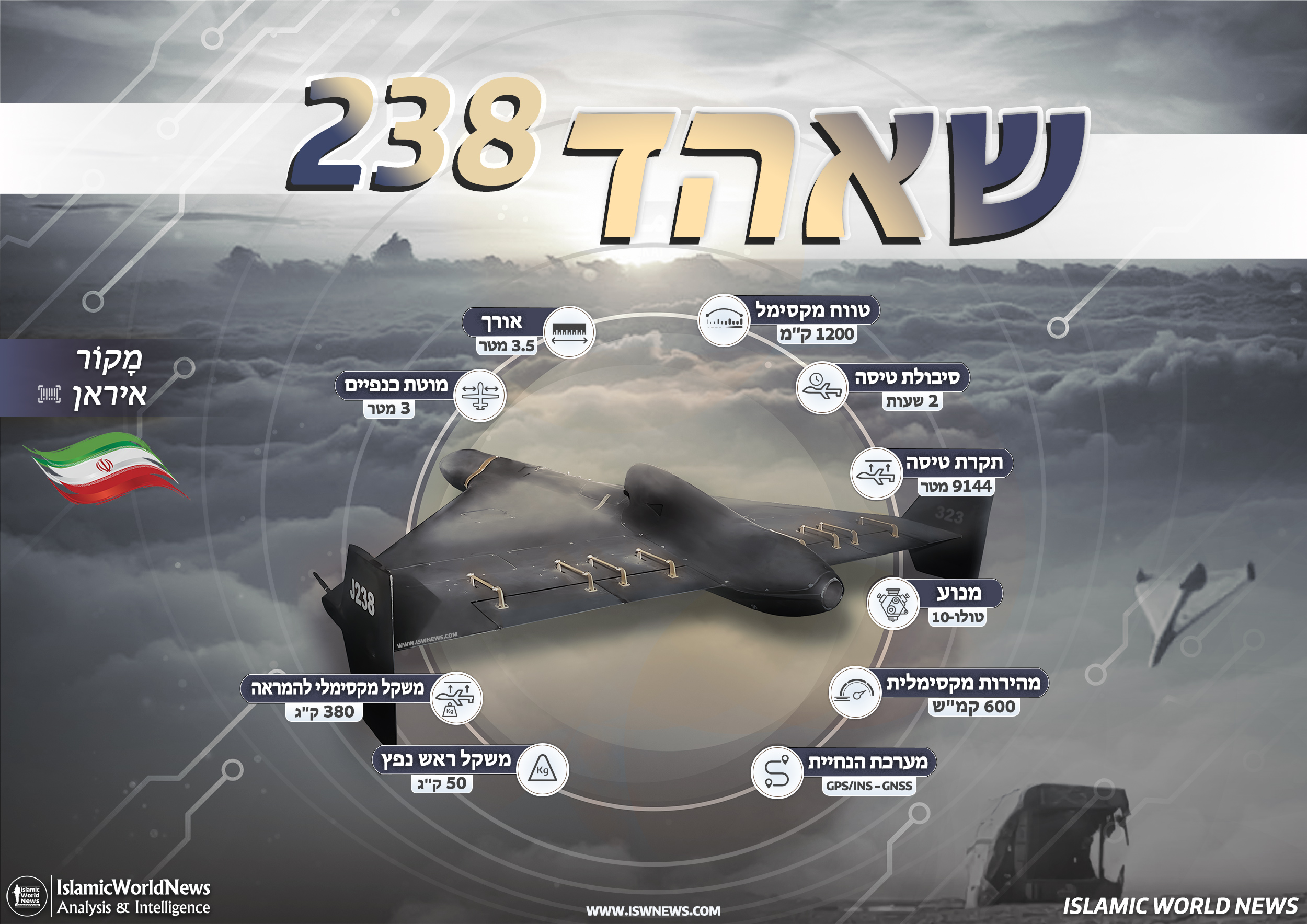
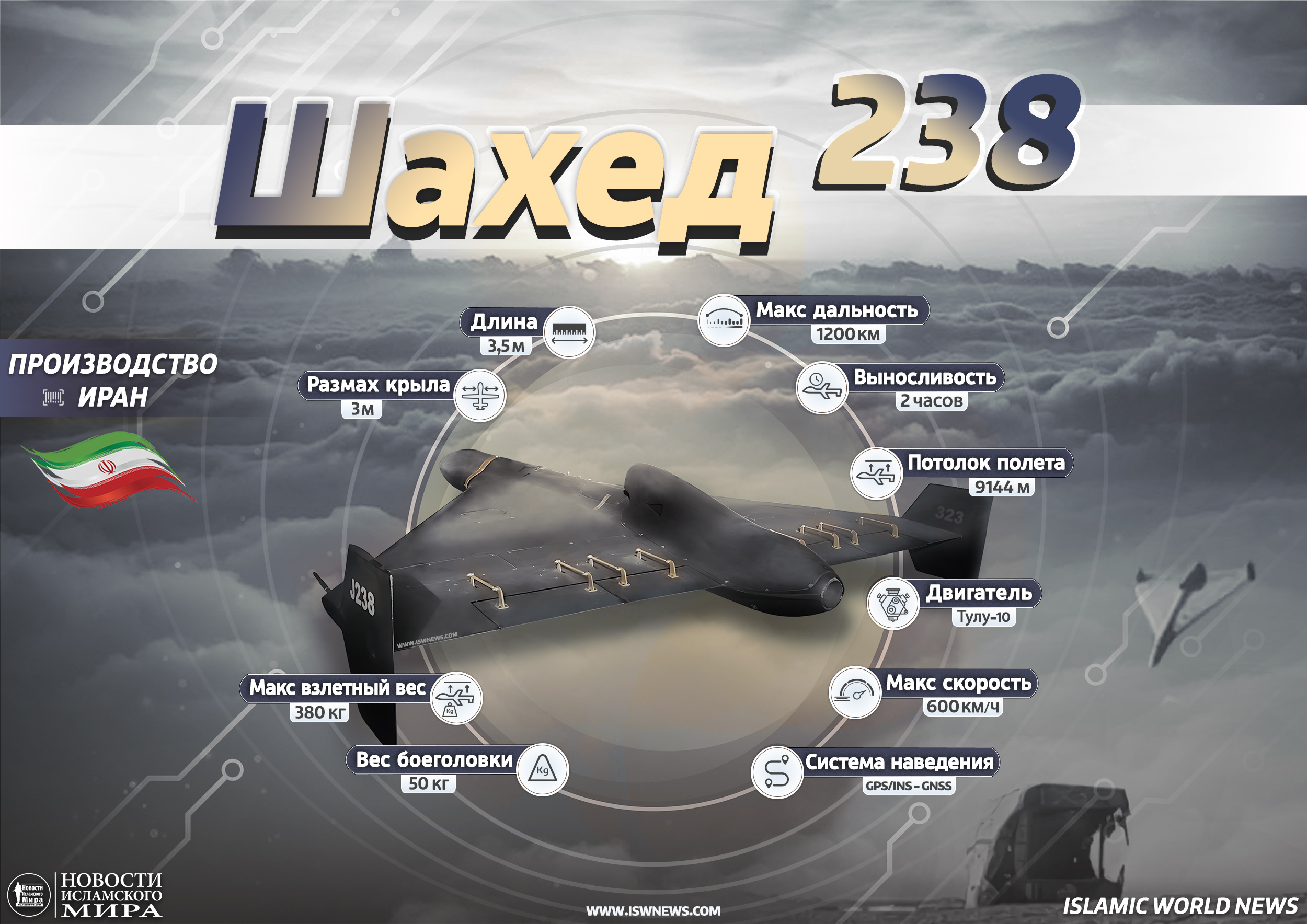
    Specifications of Shahed-238 suicide drone:
    Type: Suicide drone
    Country of Origin: Iran
    Unveiled: 2023
    Length: 3.5 meters
    Wingspan: 3 meters
    Engine: Toloue-10 jet engine
    Range: up to 1200 km
    Speed: up to 600 km/h
    Impact speed: + 700 km/h
    Flight ceiling: 30 thousand feet (9144 meters) (equivalent to Shahed-191)
    Flight endurance: 2 hours
    Guidance system: GPS/INS – GNSS
    Warhead weight: 50 kg
    Max take-off weight: 380 kg
    Launch platform: JATO or vehicle-assisted
    Landing type: With parachute

    Shahed 238 suicide drone – click to view in larger size

    More images of Shahed 238 suicide drone:

    Shahed-238 posters in Persian, Russian, Chinese, Arabic and Hebrew:

  • Operation True Promise; Which Of The Israeli Bases Targeted In The Retaliatory Missile And Drone Attack By Iran?

    Operation True Promise; Which Of The Israeli Bases Targeted In The Retaliatory Missile And Drone Attack By Iran?

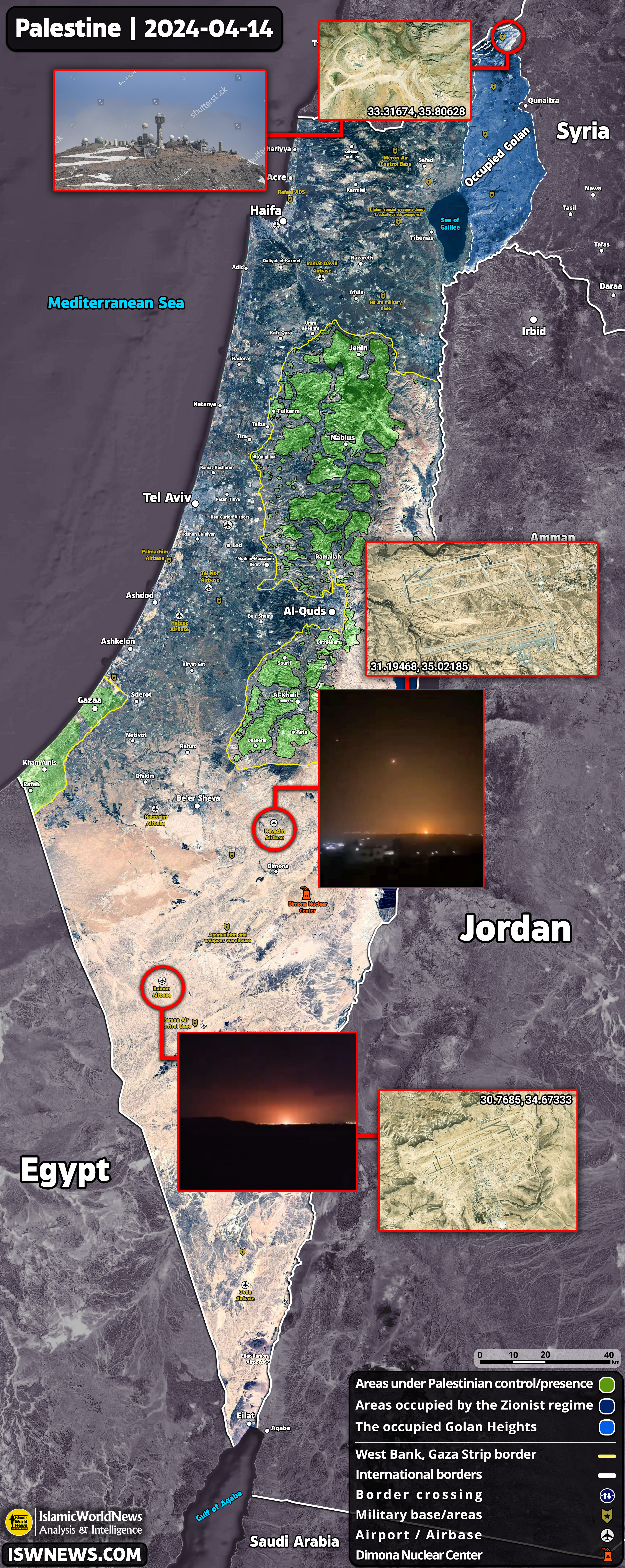
    – The Nevatim Airbase in southern occupied Palestine
    – The Ramon Airbase in southern occupied Palestine
    – An intelligence and espionage base of the Israeli regime in Jabal al-Sheikh (Mount Hermon) in the northern occupied Golan Heights

    It should be noted that the rest of the explosions or hits in other areas of the occupied territories are related to the confrontation of the Israeli air defense systems with the projectiles in the sky or the falling of the wreckage of the interceptor missiles or the wreckage of Iranian missiles.

    The map of the military and intelligence bases of the Israeli regime that were targeted by Iran’s missile and drone operations

    There are several very important points about last night’s retaliatory attacks that need to be paid attention to: According to Western sources’ claims, Iran fired 185 drones, 110 ballistic missiles, and 110 cruise missiles towards the occupied territories in the attacks last night, and it is claimed that most of these missiles and drones have been intercepted; but the ground reality is different!

    The first important point; Iranian missile and drone attacks took place while the Israeli regime’s air defense network was in the most prepared state possible, and all military combat information capabilities of the regime, from defense systems to fighter jets, were 100% mobilized to counter Iran’s attacks. In addition, all military capabilities of the US and its allies, such as the treacherous country of Jordan, also came to the aid of the Israeli regime. On the other hand, all attacks were carried out from the Iranian soil, and it were coordinated with other axis of resistance countries such as Iraq and Yemen to refrain from carrying out extensive missile and drone attacks; And in fact, Iran did not use the potential of the resistance in Iraq and Yemen to saturate the enemy’s defense systems! And alone, with the launch of dozens of suicide drones and cruise missiles, it saturated the defense systems of Israel and the United States. Of course, there is an exception regarding the targets hit in the northern occupied Golan Heights, where Lebanon’s Hezbollah helped to saturate the air defense systems in this area by targeting some positions of Israel in northern occupied Palestine with its attack.

    The point is that most of the cruise missiles, suicide drones, and even ballistic missiles were “fired with the aim of saturating the air defense systems,” and predetermined targets were hit by a number of other ballistic missiles that passed through the Israeli regime’s defensive barrier. This method and approach are quite common in the world for dealing with air defense systems. So, do not be deceived by the lies and false propaganda of the MSM about the lack of success and interception of all missiles and drones!

    The second very important point; last night’s attack “was only one wave of attack,” and the subsequent waves of breaking and destroying were not carried out! In the conventional military dimension, these types of attacks are carried out in several waves for ultimate and real effectiveness. In the final moments of last night’s attacks and as the first wave of attacks was nearing its end, the Israeli regime’s air defense systems began to experience saturation, and it was at that point that some of the ballistic missiles, by passing through the defensive barrier, hit the Nevatim and Ramon airbases. This is exactly the moment when the second, third, and subsequent waves should have been carried out for the destruction of the targets, but Iran, in the true sense of the word, “restrained” itself. The reason for this is very clear and obvious. The purpose of the “single wave” attack was to send a clear warning message to the Israeli regime, the West, and its lackeys to understand the power of Iran and to know that if the Islamic Republic of Iran wishes, it is capable of crushing its enemies and ill-wishers, and they should not mess with Iran any further!

    The third important point; in last night’s attack, “none” of the powerful and advanced Iranian hypersonic missiles such as the types of Fattah 1 and 2, or the Khorramshahr missile, and so on, were used. Last night’s attacks were carried out using inexpensive and cost-effective HESA Shahed 136 drones, simple cruise missiles, and low-cost liquid-propellant Rezvan missiles, which were stored in large quantities in warehouses and remained unused for a long time. In fact, these armaments were mostly used to saturate the air defense systems, and among them, a few solid-propellant missiles like Haj Qasem and Kheibar Shekan were also used for attacking and hitting the targets. The result is that if Iran’s decision was to use more advanced missiles, with this same single wave of attack, the casualties and damage to the Israeli regime would have been much greater than what we witnessed last night. 

    When it comes to the financial burden and staggering costs that Israel has incurred, there are also very important points to consider. You can pay attention to the estimated figures for last night’s operations. Quoting FieldMarshal, an independent analyst of Iranian defense and industrial technologies, the approximate cost to Iran for carrying out last night’s attacks is estimated as follows: 110 ballistic missiles: $30-50 million, 45 cruise missiles: $4-7 million, and 170 Shahed drones: $4-5 million, totaling approximately $38-62 million for Iran.
    On the other hand, however, the Israeli costs will be staggering: Considering an estimated number of 300-400 aircraft that were likely in operation for 4-10 hours, with an average hourly cost of $30,000 to $40,000, the cost would be $50-160 million. The cost of intercepting cruise missiles and suicide drones: $100-150 million, and the cost of intercepting ballistic missiles: $500-700 million. Taking into account the estimated damage caused by the ballistic missiles, somewhere between $100 million to $500 million, the Israeli regime has incurred a total of $750 million in the most pessimistic scenario, or $1.5 billion in the most optimistic scenario!

    This amount of staggering cost “just for enduring one night of attack only for repelling one wave of attack” translates into the complete economic collapse of the Zionists. If the battles continue for just a few days, the economy of the Israeli regime will be completely paralyzed and destroyed! This is another clear and obvious example that the Zionists do not have the capability to engage in long-term warfare, or better yet, even short-term warfare with the Islamic Republic of Iran, and that is why they are extremely concerned about responding to Iran’s last night attacks.

    The fourth important point; as mentioned, Iran did not at all utilize the potential of other Axis of Resistance countries for extensive missile and drone attacks against the Zionist regime’s child-killing regime or to saturate its air defense systems in last night’s attack, and Iran alone carried out the operation. Now, imagine if attacks were carried out simultaneously and extensively from Syria, Lebanon, Iraq, and Yemen, and if Iran also entered the battlefield with a large number of missiles and drones in several waves of attacks; even the thought of this scenario is debilitating and very painful for the Israeli regime. In any case, this stage has currently come to an end to see what would happen later and for a rainy day!

    Ultimately, all the last night events conveyed several important messages to Israel and the West; the Israeli regime must understand that even if the entire West mobilizes all its defense capabilities to defend the despicable Zionist regime, Iran’s hand is still open for any retaliatory operation, and whenever it wills, it can accurately and intensely hit the targets and punish the Israeli regime for its crimes. The “military objective” of last night’s operation was the attack on the most important airbase of the Israeli regime, namely the Nevatim airbase near the Dimona nuclear facility!! was successfully carried out despite the presence of the most concentrated defense systems in the world, and the pre-determined airbase was hit. The Israelis must know that every point of the Israeli regime’s entity is under Iran’s control and strike, and the bluster and threats against Iran never go unanswered…

  • Leader Of Ansar Allah Urges Arab States To Abandon US, Israel To Avoid Being Involved In Direct Conflict With Yemen

    Leader Of Ansar Allah Urges Arab States To Abandon US, Israel To Avoid Being Involved In Direct Conflict With Yemen

    It has been 75 days since the Zionist-Jewish-Israeli enemy continued its aggressions against the people of Palestine in the Gaza Strip and committed the most heinous crimes. The Zionist enemy targets the people of Palestine with all the tools of brutal slaughter, hunger, siege, and prevention of the delivery of food and medicine. Countries at war usually declare strategic and military bases as their targets, while the Israeli enemy shamelessly declares all hospitals as its targets.

    The Israeli enemy targeted all patients, the wounded, and medical staff in Gaza hospitals, and this was the only achievement it could be proud of. The Israeli enemy targeted refugee camps even in UN-supported schools. The Israeli enemy continues its savagery and when it is defeated in the battlefield, it resorts to indiscriminate bombing of civilians in the Gaza Strip.

    The hunger situation in Gaza has reached a point where deaths from starvation have been recorded, and access to medicine has been completely prevented in the very heinous crime. The targets of the Zionists even include premature infants hospitalized in hospital care units, which is a testament to the reality of Jewish Zionists.

    The American authorities have been involved in all the crimes of the Zionists from the very beginning. They sent their military experts to manage and plan, and provided the Zionists with thousands of destructive bombs and internationally banned weapons. Americans provided financial support for military operations and sent spy drones to provide information. Americans warned all countries in the region to avoid any cooperation with the people of Palestine so that they could massacre the people in Gaza without protest.

    When we see the heartbreaking scenes of thousands of children and women killed by US-made bombs and the severe hunger situation, we must remember the United States’ role in all of this. The US plays the role of the other arm of international Jewish Zionism that the US president has proudly honored and declared his dependence on. Those who support Israel in the US are American Zionists, and the Jewish Zionist lobby controls the US based on its own interests.

    Americans turned their bases in the region into a stronghold for the Zionist enemy and used all their weapons depots, even in Arab countries, to support the Israelis. Any ceasefire resolution in the United Nations is protested by the US and it emphasizes the continuation of the massacre and crime in Gaza.

    England, which was at the forefront of the establishment of the Zionist regime from the beginning, continues to support the Zionist enemy today. We are also witnessing the movements of some European countries, including France, Italy, and Germany, in support of the Zionists, each of which has a dark history and a heinous criminal record. Regimes and governments support the enemy that have a dark and notorious history are known for moral bankruptcy, who have removed ethics and values from their political vocabulary.

    But responsibility of the Islamic world is a great obligation, and today it is up to all Muslims who consider Palestine as part of their lands geographically. Today, it is the duty of Muslims to take a serious, practical, and effective position in support of the people of Palestine with a sincere approach.

    Certain Arab countries have cut off their relations with Western countries due to using a word in their behavior or insulting a king or prince. But we see their complete indifference to important issues of the Islamic Ummah such as oppression of the people of Palestine. These countries have reached a point where they are busy with dancing, singing, dog competitions, and very funny things and ignore the great massacres in Palestine.

    Sometimes, ugly voices from Arab countries appear to criticize the people of Palestine and their resistance fighters and insult anyone who supports them. Arab countries not only shirked their responsibility to support the people of Palestine, but also betrayed them and the Palestinian resistance fighters, insulted them, and distorted any support for them.

    The duty of Muslims towards Palestine is a serious position and comprehensive material and military support for the people of Palestine, and this is their duty. If Americans and Europeans have come from the end of the world to cooperate with the oppressive occupying regime, why don’t our nations support the oppressed people of Palestine? The axis of resistance is active at various levels of military, media, and popular support and holding rallies, while in some Arab countries, even demonstrations were prohibited!

    Was there any scientific movement in the work of those who issued a decree for jihad during the war in Syria or the attack on the people of Yemen, Iraq, and others? Where are the voices of scholars who issue decrees to support the people of Palestine? What justifies silence, ignoring, and even criticizing the people of Palestine and their resistance fighters?

    We have made explicit requests to countries that have geographically separated us from Palestine to open land crossings so that hundreds of thousands of our people can go to Palestine. Our people continue to help the people of Palestine with their financial assistance despite very difficult living conditions because we are essentially a besieged people and still in a state of war. Our political and media position is clear, and all our media fronts have prioritized support for the people of Palestine and their resistance fighters.

    Compare our media with Saudi Arabia, the United Arab Emirates (UAE), and other mercenaries, and the simplest comparison shows a huge difference in the amount of support for the ideal of Palestine. Every Friday millions of our people come out and pour onto the streets, shouting against the arrogant powers. The popular movement in our country may be unique in the Arab and Islamic world and even in other parts of the world.

    Four countries, including Arab countries and their military forces, are trying to prevent our drones and missiles from reaching their targets in addition to supporting the enemy. Unfortunately, some Arab countries are alongside the Zionist enemy instead of moving to protect the people of Palestine and even use their military power to protect them against Yemeni missiles. We are looking to develop our military capabilities to overcome obstacles and do bigger things to support Palestine. Our target is the Israeli enemy, and we have not targeted any other country, and we were patient against the tracking operations of some Arab countries.

    Some ignorant and despicable people ridiculed our people’s positions in the naval war until the Zionist enemy became angry and shouted that these attacks had affected their economy. The battlefield is open for the movement of commercial ships in the Red Sea, the Arabian Sea, the Gulf of Aden, and the Bab al-Mandab Strait, and hundreds of ships continue to move. Our acts do not target international ships, our goal is exclusively Israeli or Israel-bound ships, or those that go to the occupied ports of Palestine and provide supplies to the Zionist enemy.

    The one who threatens all countries’ navies is the US, which serves Israel. Anyone who goes in line with Americans and engages in protecting Israeli ships knows that they provide exclusive services to Israel and harm international navigation. The Red Sea coastal countries should take a clear position against the US, which violates their rights and threatens their security and stability. I recommend that all countries that are with Americans do not engage themselves, do not sacrifice their interests, and do not lose the security of their ships in the service of the Zionists.

    The recent action of the United States will not deter us from our firm, principled, and ethical position in supporting the people of Palestine. The US movement is not new, they have been moving their warships, aircraft carriers, and all their capabilities since day one, but now they are looking to engage with others in this war. If the Americans are inclined to intensify the war and do any foolishness with the aim of targeting our country or starting a war against Yemen, we will not remain idle. Any US attack on our country will be answered, and we will target their warships and US interests with our missiles, drones, and military operations.

    We are not the ones who will take action after the enemy’s attack, we are the people who reject oppression, rely on God, and are not afraid of US threats and direct attacks. We are not among those who surrender to the threat of direct war with the United States. The US has mobilized regional countries to fight us, mobilized Takfiri militants to engage us, and committed the most heinous crimes against our people. We have been affected by the wars that the Americans have launched against us through their agents in the region. What we most wanted and hoped for from the beginning was a direct war between us and the Americans and Israelis, not through their agents.

    We ask all Arab countries to be aware, be watchful, and abandon the Americans and Israelis in order to avoid being involved in a direct war with us. We ask Arab countries to abandon us in a direct war against the Israeli and American enemy, if they want to dance, they can dance, but they should not have military and financial cooperation with them. If the Arabs want to clap for the Americans, they can clap, and if they want to dance on the bodies of the victims, they can dance, but they should not participate in the war against us along with the Americans.

    When the Americans want to enter into a direct war with us, we make it clear to them that we are not among those who are afraid of them, and we are facing them with a united nation, not a special group. If the Americans send their soldiers to Yemen, let them know that, God willing, they will face a harder situation than what they faced in Afghanistan and suffered in Vietnam. The Americans think they can start a direct war with us, but they will face a united nation that is not afraid of them.

    The job that the US is currently doing something that is a “loss” because it fires a missile worth two million dollars to counter a two-thousand-dollar drone.

    We rely on God and trust in Him. He is the Lord of the worlds, and we support the oppressed. We have embarked on supporting the truth as a manifestation of God’s command and His true promise. Thank God we have the power to confront the enemy and we stand firm against constant attacks. Our people have stood up to massive invasions for 9 years. We hope that the Islamic world will reconsider its calculations regarding the continued oppression and injustice of the US and Israel against Gaza and adopt stronger positions than what they take now.

    We say to the people of Palestine and the triumphant resistance fighters of Gaza that you are not alone, God is with you, and He is the best supporter, and the people of Yemen are also with you in whatever they can. I address my dear people and ask them to continue all activities in our country and be prepared for all possibilities. Our people will not retreat from their position due to threats, intimidation, and pressure.

  • Military Knowledge: Fattah-2 Hypersonic Missile

    Military Knowledge: Fattah-2 Hypersonic Missile

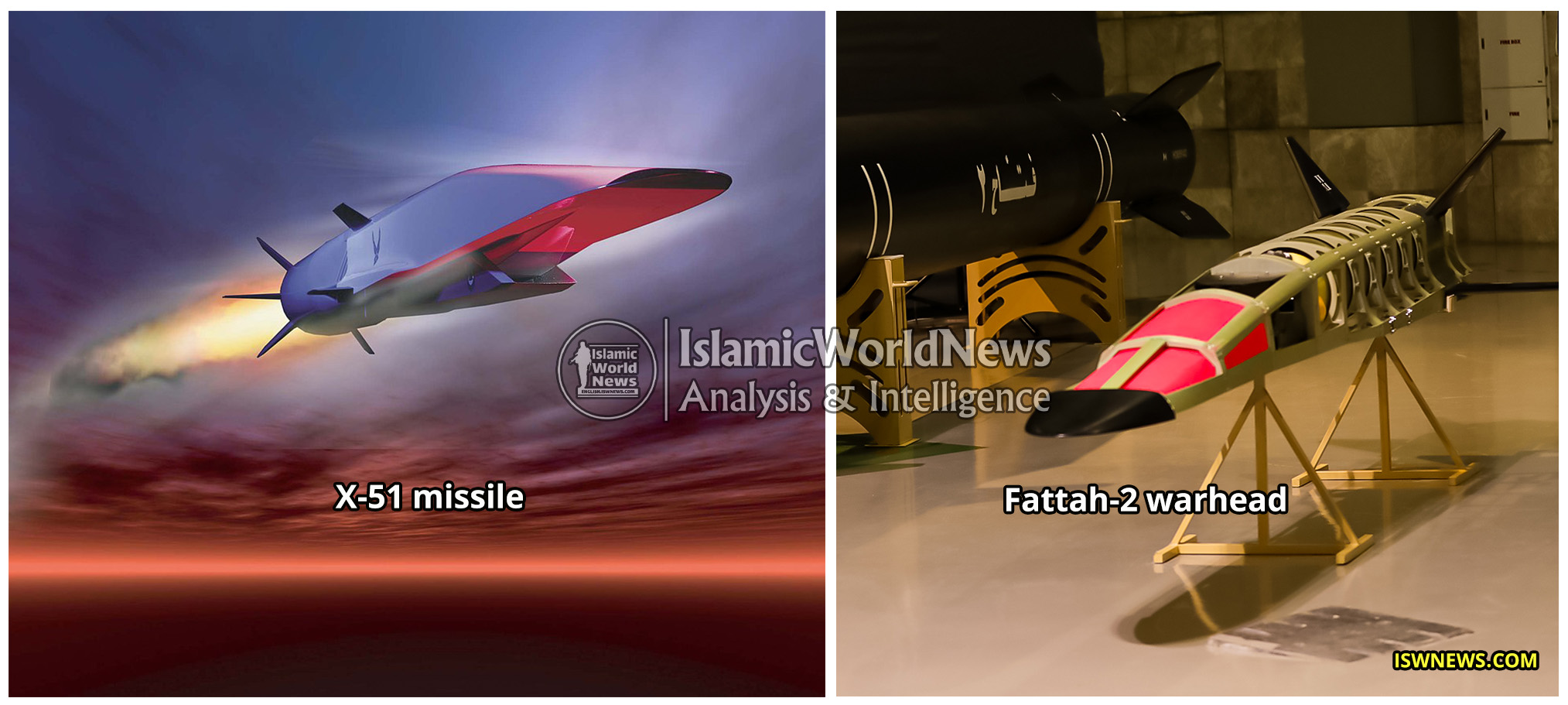
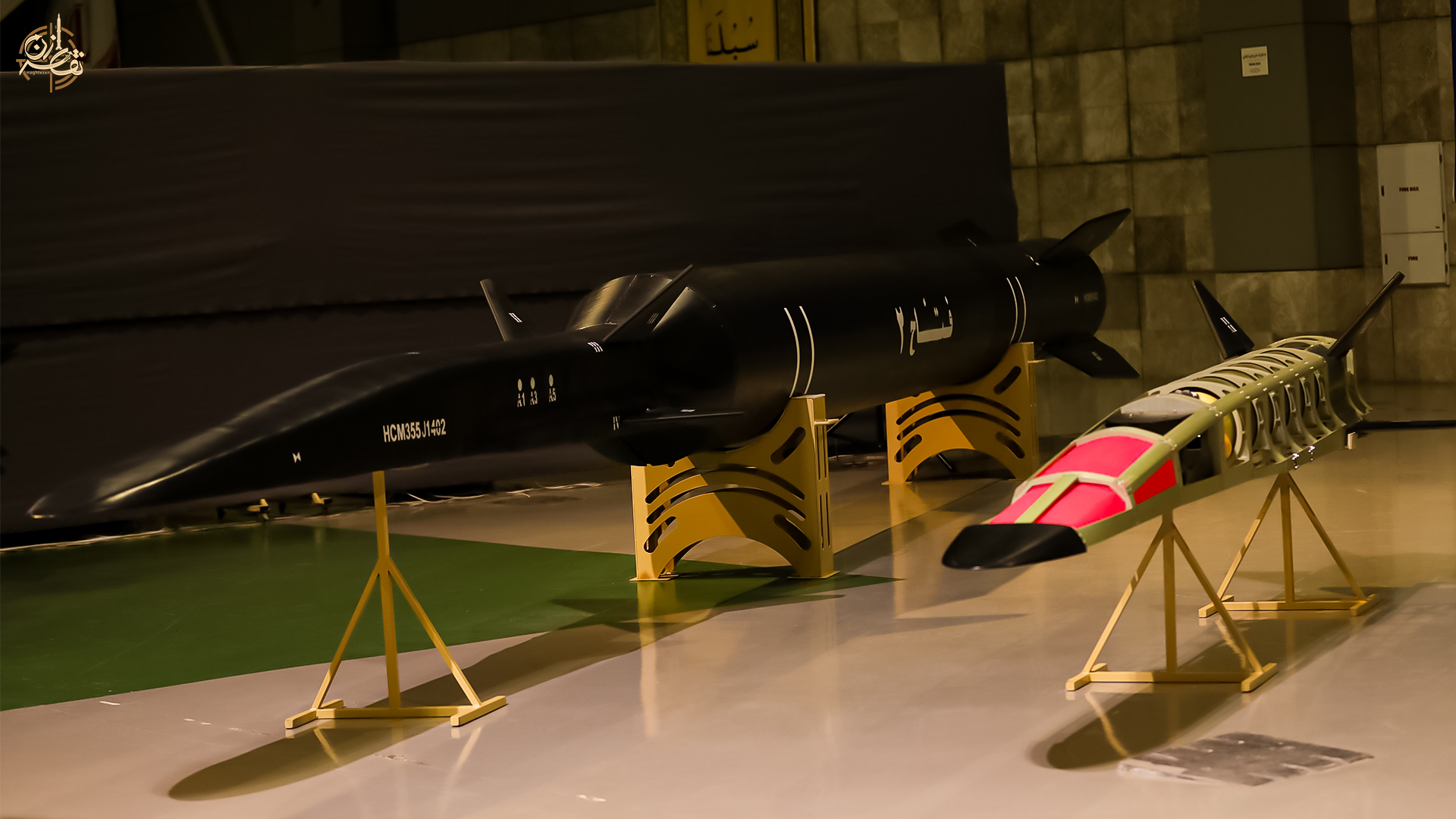
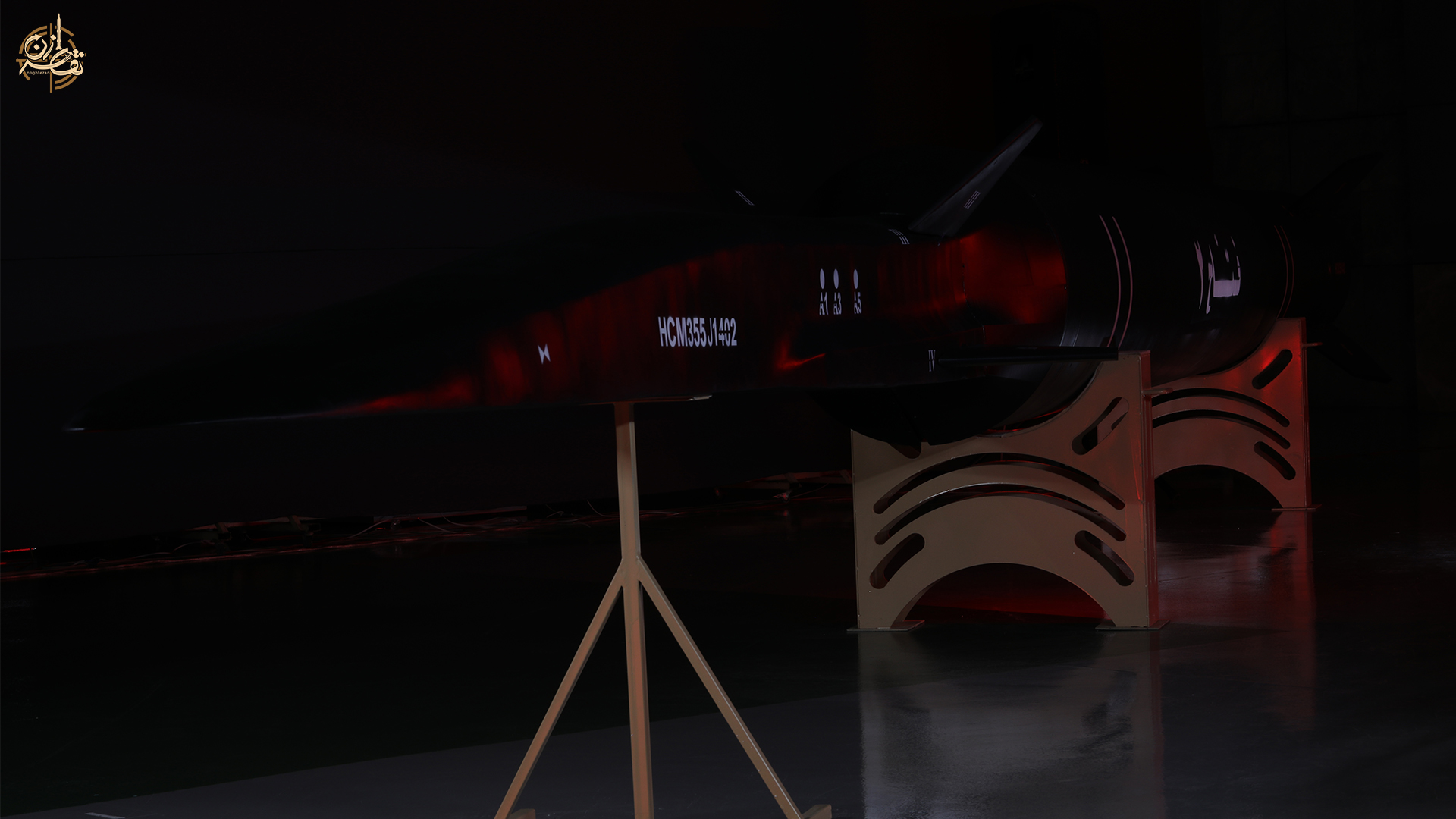
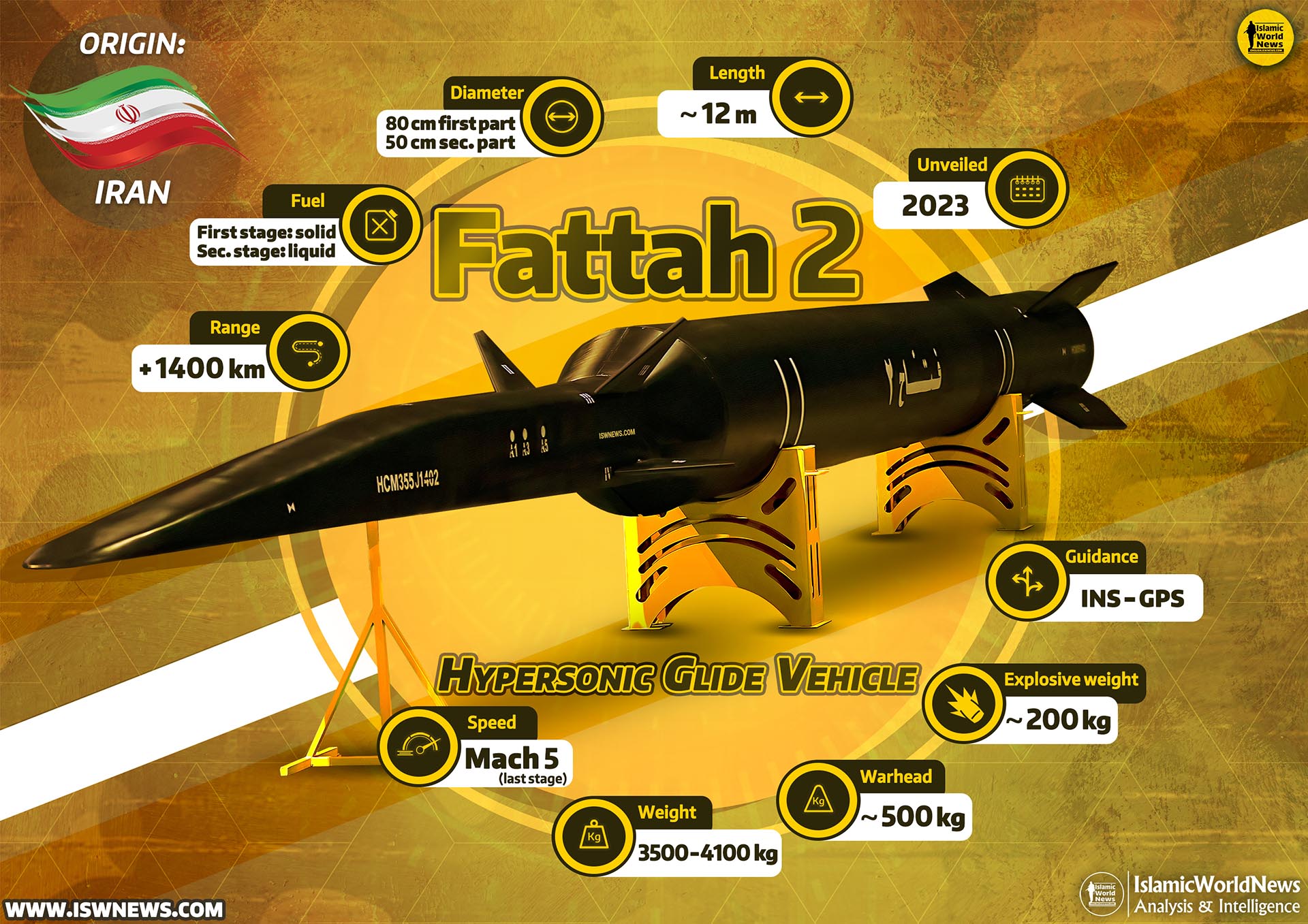
    The Fattah-2 missile utilizes the configuration of hypersonic cruise missiles. The acronym HCM, which stands for Hypersonic Cruise Missile, is written on its nose cone. The shape and combination of the nose cone is similar to the X-51 hypersonic cruise missile. However, the X-51 missile uses a ramjet engine that requires air intake, whereas in the Fattah-2 missile, air intake and ramjet engines are removed, and instead, a liquid fuel rocket engine is used. This will not affect the missile’s performance.

    Phrase “HCM” meaning hypersonic cruise missile on Fattah-2 body

    Design:
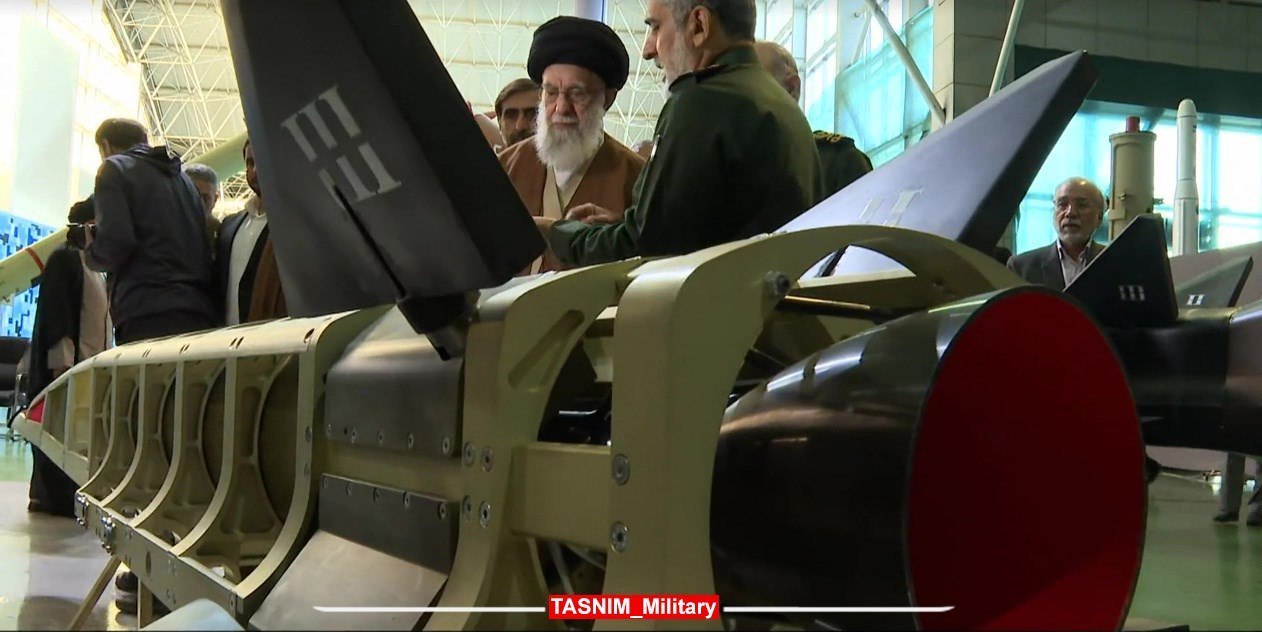
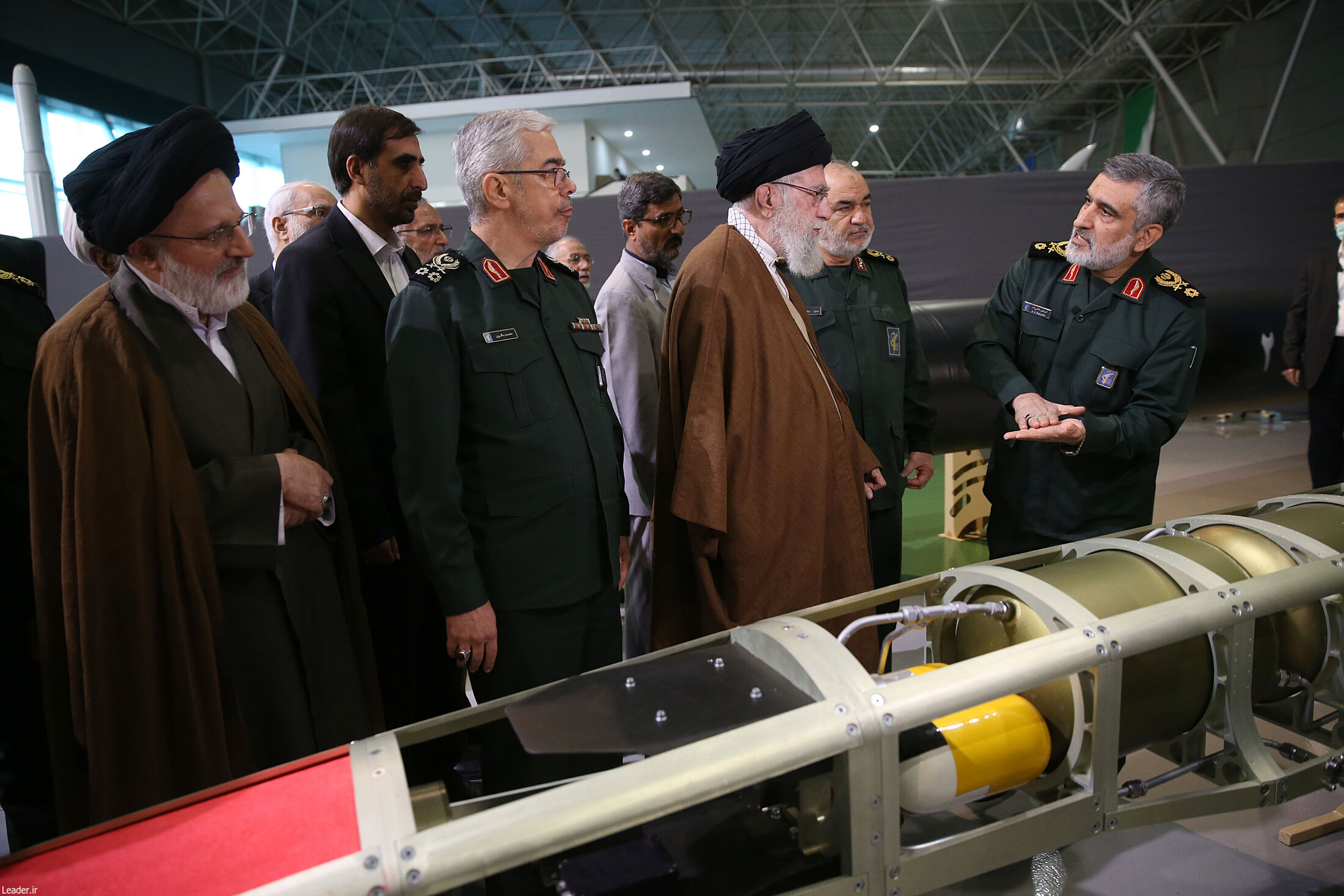
    The Fattah-2 missile consists of two parts. The first part is the Fattah solid fuel booster, which has not changed from the initial version. The second part is the gliding warhead, which separates from the booster and has a liquid fuel rocket engine.
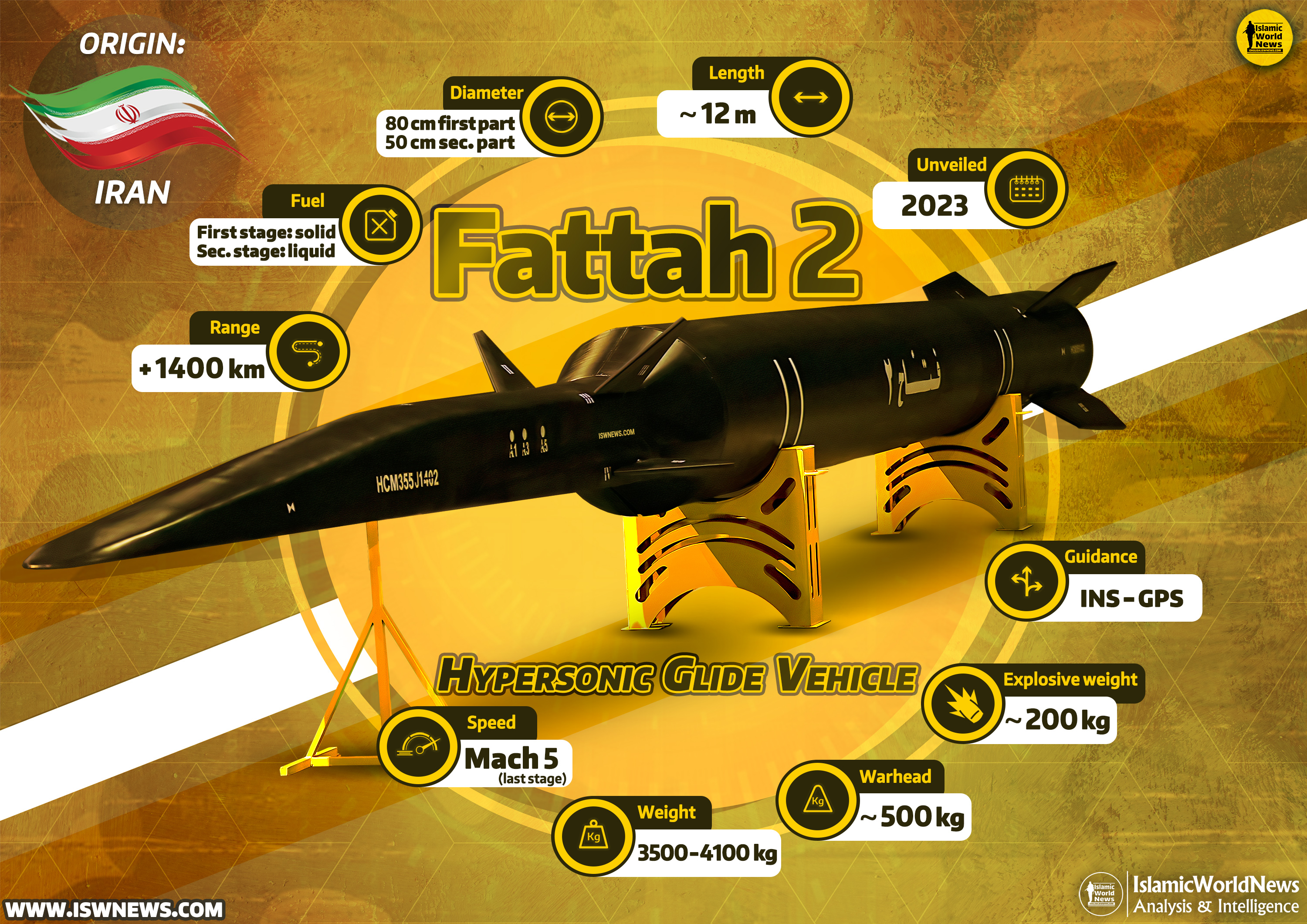
    The overall shape of the Fattah-2 gliding warhead is very similar to the Boeing X-51 missile, but with the difference that its air intake has been eliminated and a rocket engine is used instead of a ramjet engine.

    Similarity of Fattah-2 and X-51 warheads

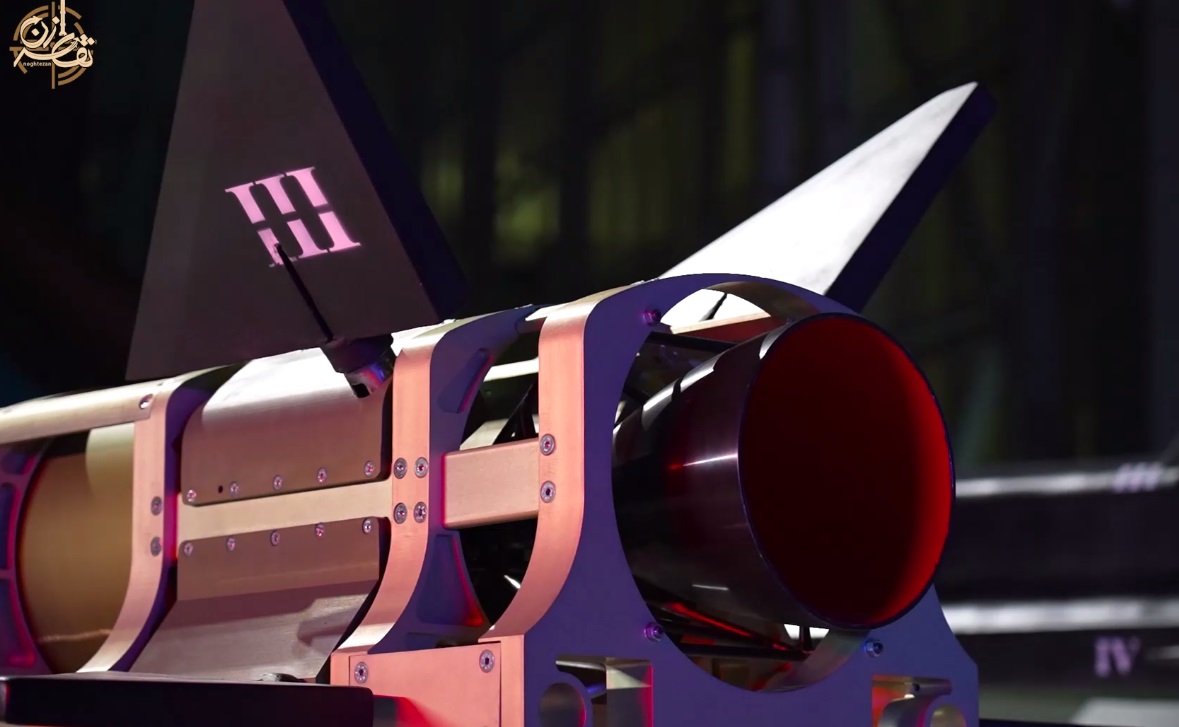
    The explosive material is located at the beginning of the warhead, followed by an inertial guidance and GPS system along with a computer that is responsible for guiding the warhead to the final stage of impact. After the guidance system, there is a detonator container (yellow piece), followed by a liquid fuel tank and an oxidizer tank, and finally a rocket engine that appears to have the ability to change the missile’s trajectory.

    Various components of Fattah-2 warhead

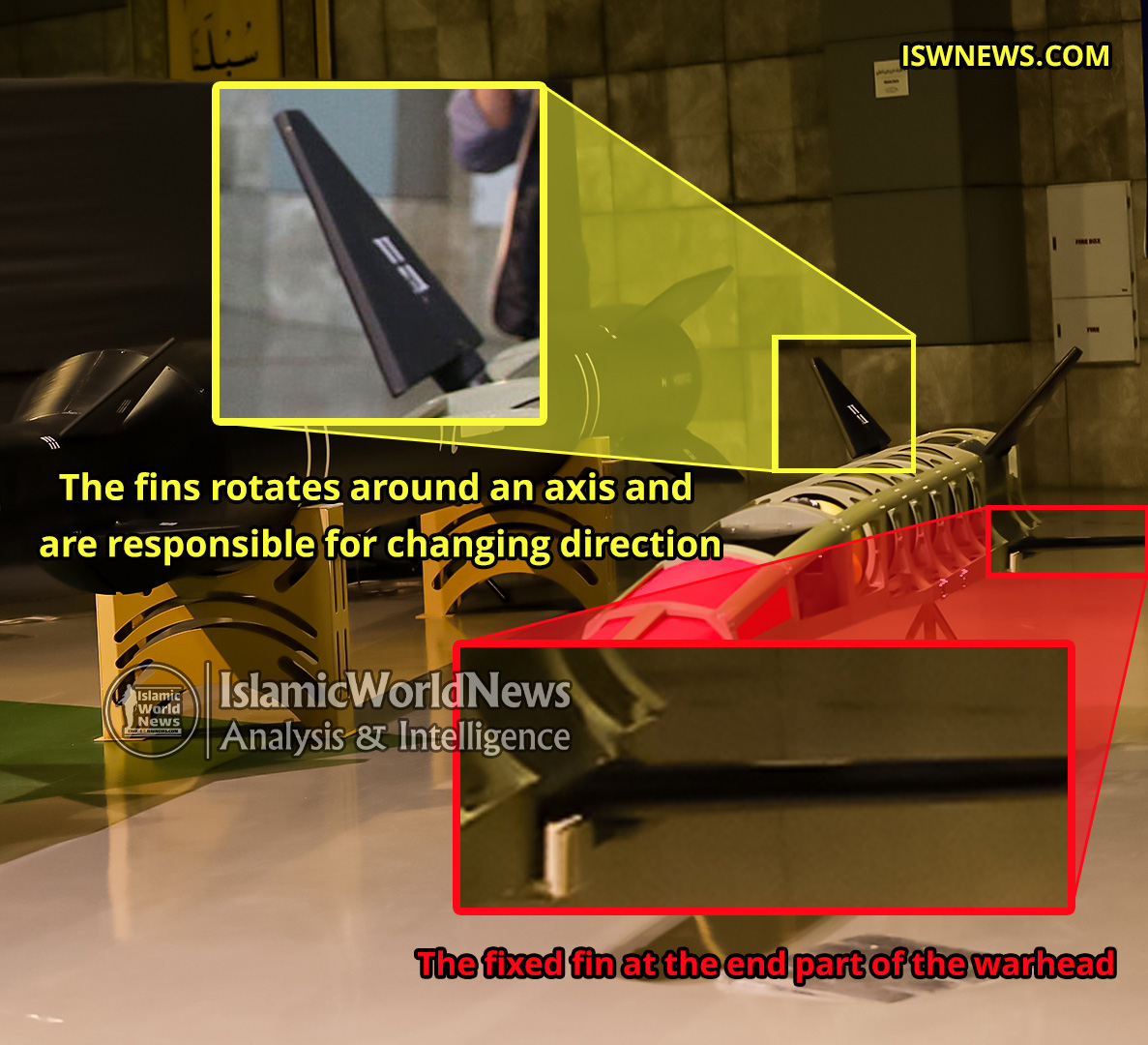
    At the end of the warhead, there are four fins, two of which form a line with the bottom of the warhead and are fixed, responsible for producing lift force. The other two fins are designed to change direction and have the ability to rotate around an axis connected to the body.

    Four fins, two of which are fixed and two other fins with the ability to change the direction

    The speed of this missile is stated as Mach 10 in some sources, but it is unclear for how long this speed can be sustained. However, it can be assumed that the speed exceeds Mach 5 at the moment of impact.
    The range of the missile has been reported as 1500 to 1800 kilometers by some news agencies, but it is unlikely that the range will be significantly different from that of the Fattah-1 missile, and a range of less than 1400 kilometers does not seem reasonable for Iran’s operational needs.

    Read more: Military Knowledge: Fattah Hypersonic Ballistic Missile

    The operation of the Fattah-2 missile:
    The solid fuel booster of the Fattah-2 missile carries it to a certain altitude from space, and then the warhead separates from it and moves towards the atmosphere. In this state, the missile will travel at a fast falling rate until it reaches the atmosphere, and then, like an HGV (Hypersonic Glide Vehicle), it will glide to the ground in the atmosphere at an altitude of less than 100 kilometers. Considering the high speed announced for the Fattah booster in Fattah-1, it must be more than Mach 15 at the time of entering the atmosphere. Therefore, due to the high lift force of the Fattah-2 warhead, it must spend a considerable amount of time gliding in the atmosphere and continuously reduce its altitude.

    In a part of the middle stage and at the end of the warhead, it drastically reduces its altitude and its speed also decreases. In this stage, the rocket engine embedded in the warhead turns on and stabilizes the warhead’s speed at Mach 5 or higher. The Fattah-2 warhead spends a lot of time at low altitudes and will cruise through the final stage of its path like cruise missiles thanks to its engine. A significant point is the amount of drag force and tolerance for high-speed entry into the atmosphere because aerodynamically, the warhead is not designed for such speeds.

    Conventional designs of hypersonic cruise missiles use a booster for initial speed and a ramjet engine for further movement along their path, and they are often launched from aircraft. These engines have a risk of reducing their speed to less than Mach 5 at their maximum range due to fuel shortages. However, Fattah-2 uses a solid fuel ballistic missile booster for movement in a part of its path and reaching an initial speed of more than Mach 15, which provides the missile with a considerable speed for a long time. Then, at the end of its path or near the point of impact, it uses an engine to compensate for the speed reduction and stabilize its speed at Mach 5. This is an interesting and very creative idea that has been implemented by Iranian experts. This initiative eliminates the limitations of HGVs for the Aerospace Force of the Islamic Revolution Guards Corps (IRGC).

    Unlike conventional HGV versions, the Fattah-2 warhead is more suitable for flying at low altitudes. Most HGVs travel much of their path at an altitude of less than 100 kilometers and more than 30 kilometers, where air density is lower. However, the Fattah missile can fly in an altitude of less than 12 kilometers due to its aerodynamic shape, but it seems to try to maintain itself at an altitude between 12 and 30 kilometers to experience less speed reduction. Overall, the Fattah-2 missile is more of a hypersonic glide vehicle than a hypersonic cruise missile. However, its performance includes both types of hypersonic missiles.

    It can be said that the operation of the Fattah-2 missile is a completely unconventional definition compared to other conventional hypersonic missiles, and the Fattah-2 missile has created a new classification and standard in this field: Hypersonic Cruise Glide Vehicle (HCGV).

    It should be mentioned that the feature of not using a ramjet engine does not exclude this warhead from the hypersonic category. Also, using a rocket to start flight and fly into space cannot prevent the cruise flight of intermediate and final stages. Iran’s technology in making ramjet engines for use in long-range hypersonic weapons has not yet reached its final evolution. Therefore, having all the components available and the ability to mass-produce Fattah-2 is a suitable and creative solution to overcome the current technological gap. Clearly, this technological bottleneck will also be resolved in the near future.

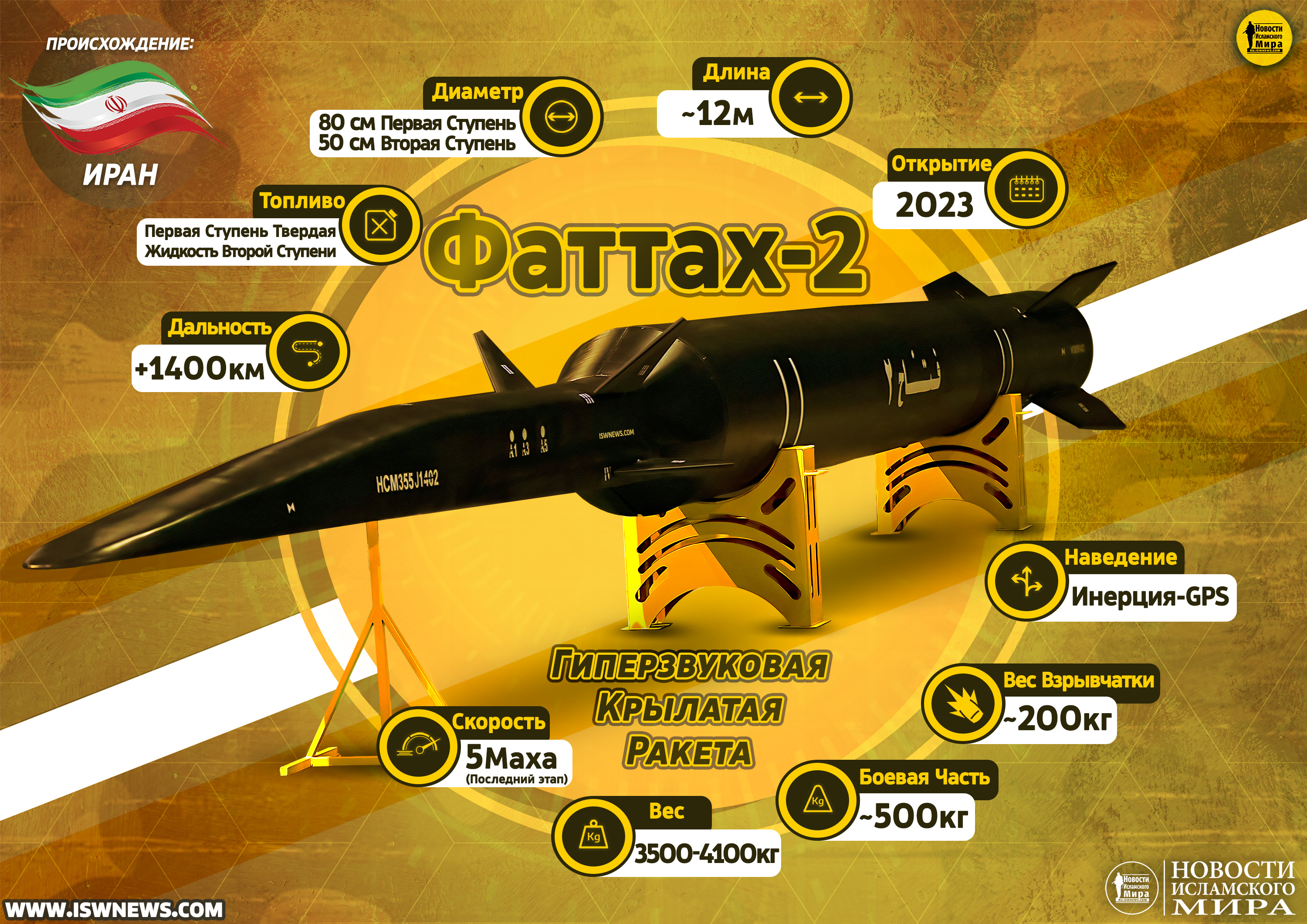
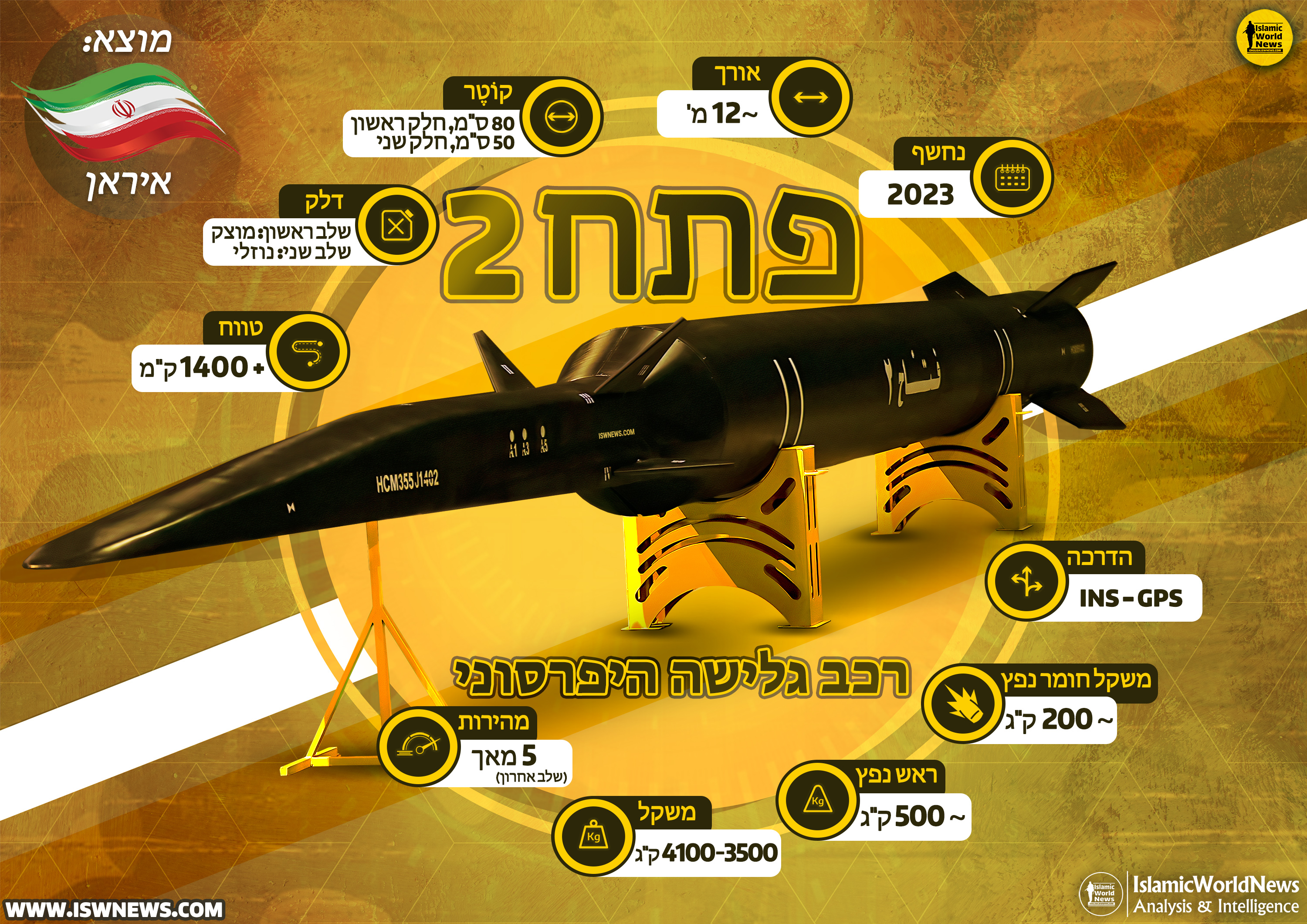
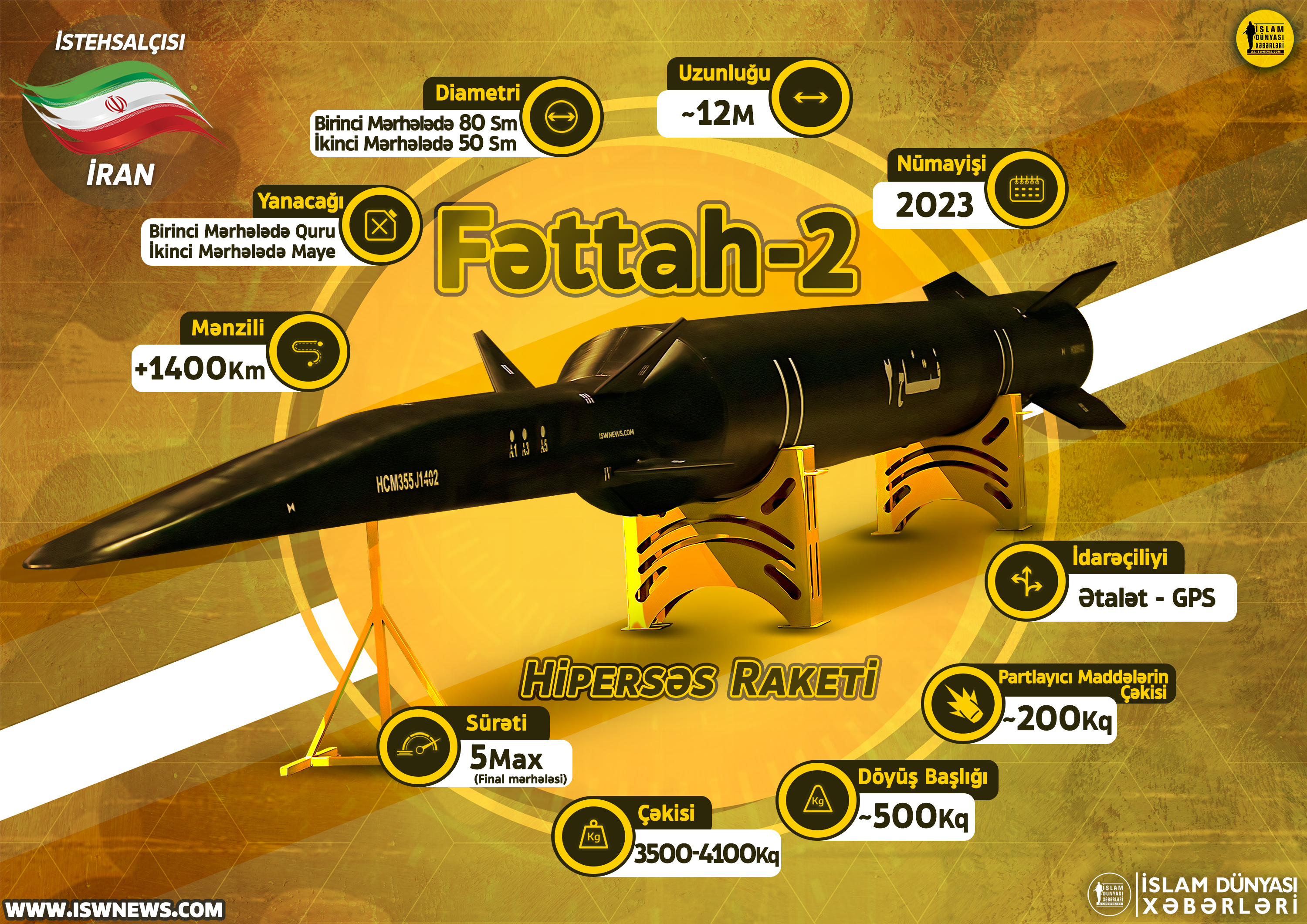
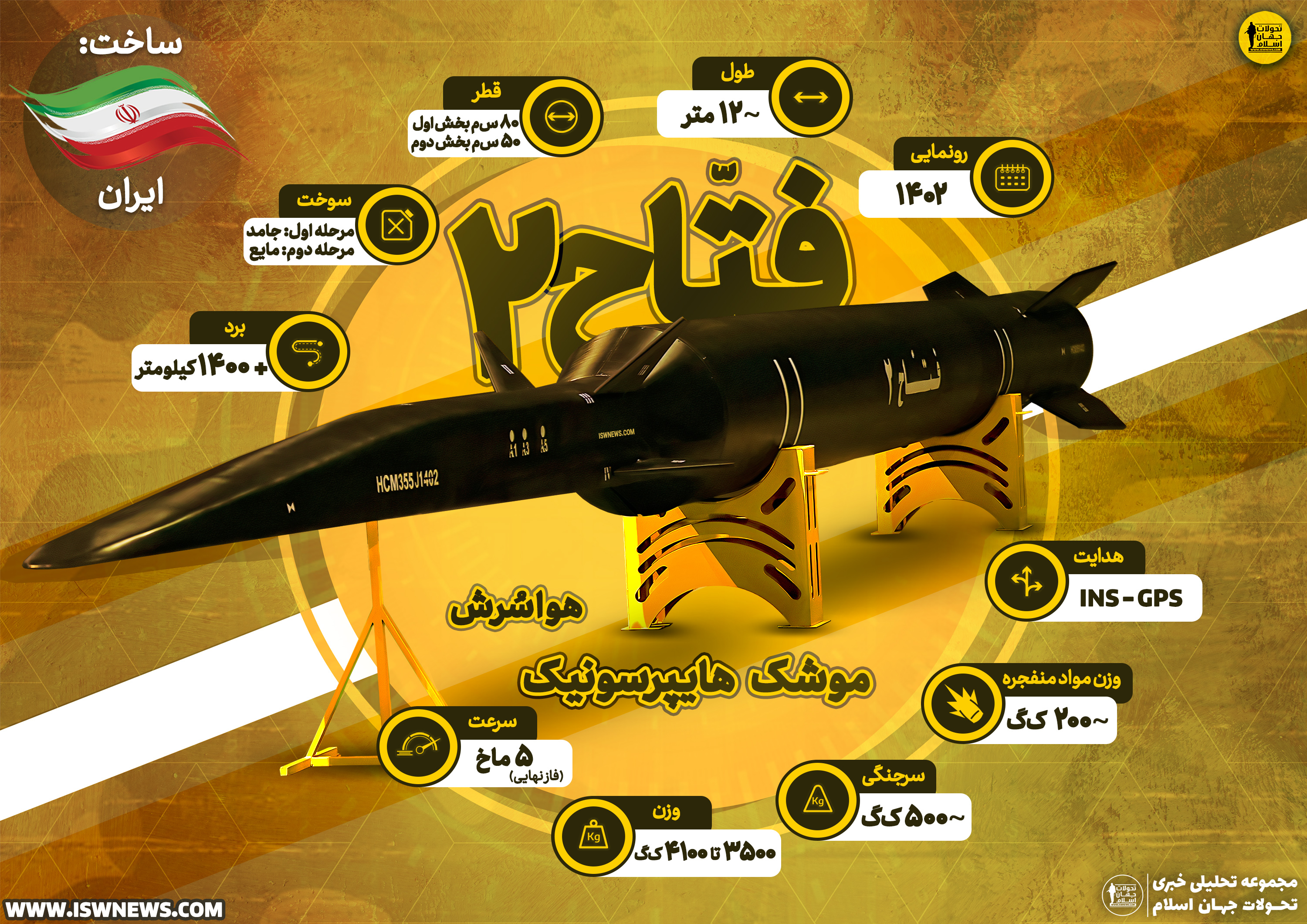
    Specifications of Fattah-2 hypersonic missile:
    Type: Hypersonic Glide Vehicle (HGV)
    Country of Origin: Iran
    Producer: IRGC Aerospace Force
    Unveiled: 2023
    Length: ~ 12 meters
    Diameter: 80 cm first part, 50 cm second part
    Fuel:
    First stage: solid
    Second stage: liquid
    Range: more than 1400 km
    Speed: ~ Mach 5 (in the last phase), ~ Mach 15 (in the first phase)
    Weight: 3500 to 4100 kg
    Warhead: ~ 500 kg
    Explosives weight: ~ 200 kg
    Guidance: combination of INS and GPS

    Fattah 2 hypersonic missile – click to view in full size

    More images of Fattah-2 missile:

    Infographics of Fattah-2 hypersonic glide vehicle in Russian, Hebrew, Farsi and Azeri:

  • An Overview Of Recent Actions Taken By Islamic Resistance Against US In West Asia Region

    An Overview Of Recent Actions Taken By Islamic Resistance Against US In West Asia Region

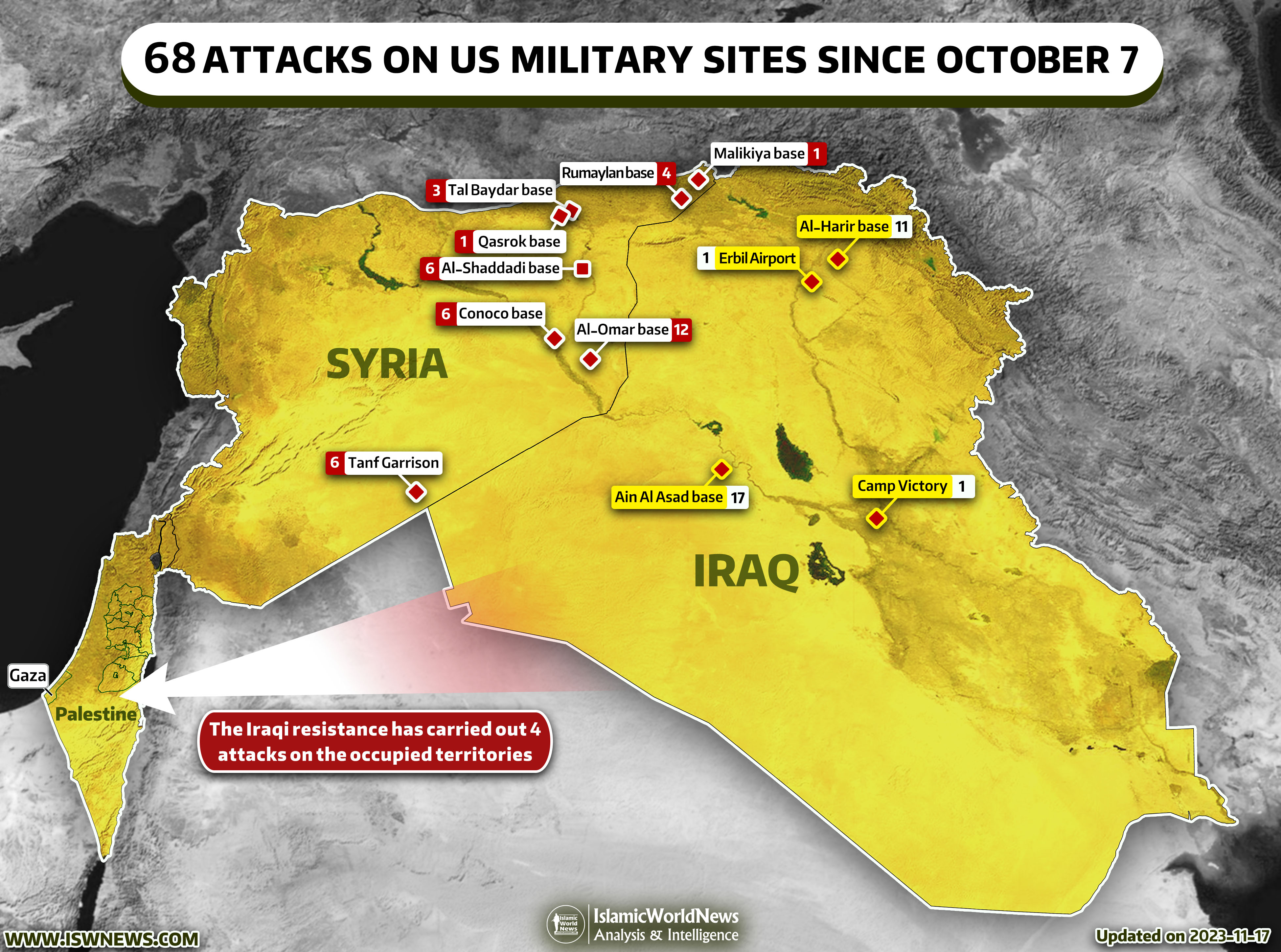
    During this period, the resistance factions have targeted the US bases in Iraq and Syria at least 68 times. In addition, the Islamic Resistance Groups in Iraq have targeted Israeli regime’s positions in the occupied territories of Palestine four times.

    The Islamic resistance groups in Iraq and Syria have launched a series of attacks against the forces supporting the Israeli army in the region (such as the United States Central Command or CENTCOM) and in the Zionist-occupied territories in response to the regime’s brutal attacks on the Gaza Strip.

    In the course of these attacks, the resistance groups have targeted US occupiers’ military bases in the West Asia region, as well as the positions of the Israeli army in occupied Palestine, by the use of rockets, drones, and various types of missiles.

    Based on analyses of ISWNEWS, the Islamic resistance groups have targeted the following military bases in Syria: three attacks against the Tell Beydar base in Al-Hasakah Governorate, six attacks against the Al-Shaddadi base in southern Al-Hasakah Governorate, six attacks against the CONOCO base in the northeastern Deir Ezzor Governorate, 12 attacks against the Al-Omar base in east of Deir ez-Zor Governorate, six attacks against the Al-Tanf base in Homs Governorate, four attacks against the Al-Rumaylan base (Kharab Al-Jir) in northern Al-Hasakah Governorate, one attack against the Al-Qosrak base in Homs Governorate, and one attack against the Al-Malikiyah base in Al-Hasakah Governorate.

    In Iraq, the Camp Victory at the Baghdad International Airport as well as US positions at the Erbil International Airport (EIA) were targeted each on one occasion, while the Al-Harir Air Base in Erbil Governorate was attacked 11 times, and the US army positions at the Ain al-Assad base in al-Anbar Governorate were targeted 17 times with rocket and drone attacks by the Islamic resistance groups.

    Furthermore, the Iraqi resistance groups have targeted Israeli-occupied territories, particularly the city of Um al-Rashrash “Eilat”, four times with their missile and drone attacks.

    The point that is noteworthy in recent strikes by the resistance groups, is the unveiling of new weapons by these groups during their raids on the conflict zones and the utilization of their updated arms in attacks against the US occupiers’ positions in the region.

    The Islamic Front for the Iraqi Resistance, an umbrella group of anti-terror fighters, has recently unveiled two new missiles named Al-Quds 1 and Sarem. The simultaneous unveiling of these missiles along with the recent amplified actions taken by the resistance axis against the United States indicates the beginning of a new phase in their confrontation with the enemies.

    Attacks on US bases in the region since October 7 – click to view fulls size
  • Military Knowledge: Al-Yassin 105 Anti-Tank Rocket, The Zionists’ Nightmare in Gaza!

    Military Knowledge: Al-Yassin 105 Anti-Tank Rocket, The Zionists’ Nightmare in Gaza!

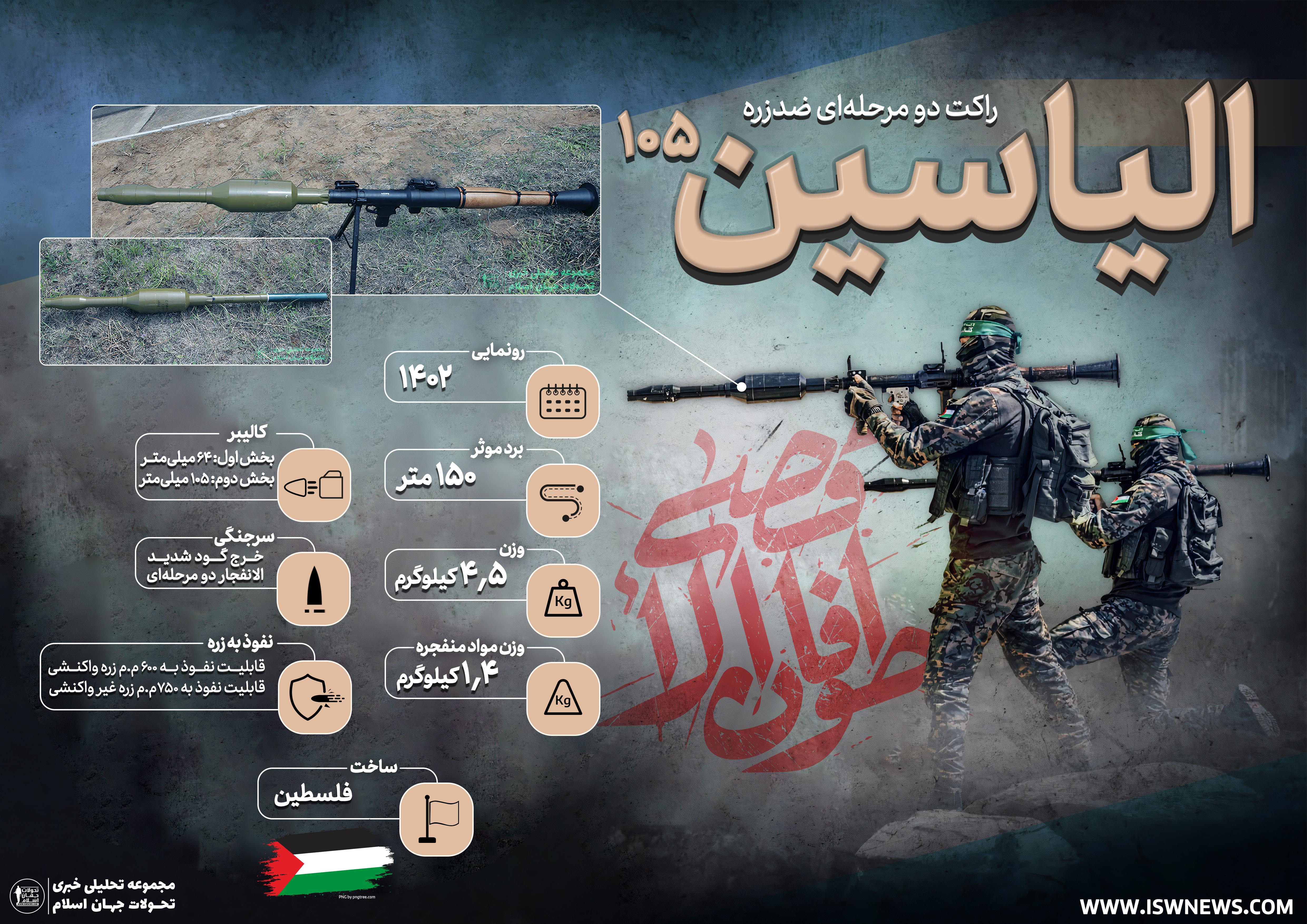
    On October 14, the Izz ad-Din Al-Qassam Brigades, the military wing of the Palestinian resistance movement, Hamas, unveiled the two-stage anti-tank rocket Al-Yasin 105.

    The Al-Yasin 105 is a type of two-stage anti-tank rocket for the use on RPG7 weapons and is made based on the pattern of the two-stage RPG-7VR portable, reusable, unguided, shoulder-launched, anti-tank, rocket-propelled grenade launcher.

    In a video released by the Izz ad-Din Al-Qassam Brigades, the construction and specifications of this rocket were displayed. Based on the released video, it seems that the knowledge of making this two-stage rocket has been transferred to the Gaza Strip and Palestinian fighters have become self-sufficient in this area.

    The video published by Al-Qassam Brigades about the unveiling of Al-Yasin105

    The two-stage Al-Yasin 105 rocket is designed to overcome explosive reactive armor (ERA) and composite armor installed on the Merkava. In the first stage, the rocket penetrates the reactive armor and neutralizes its effect, and in the second stage, the rocket’s second part hits the main body of the tank.

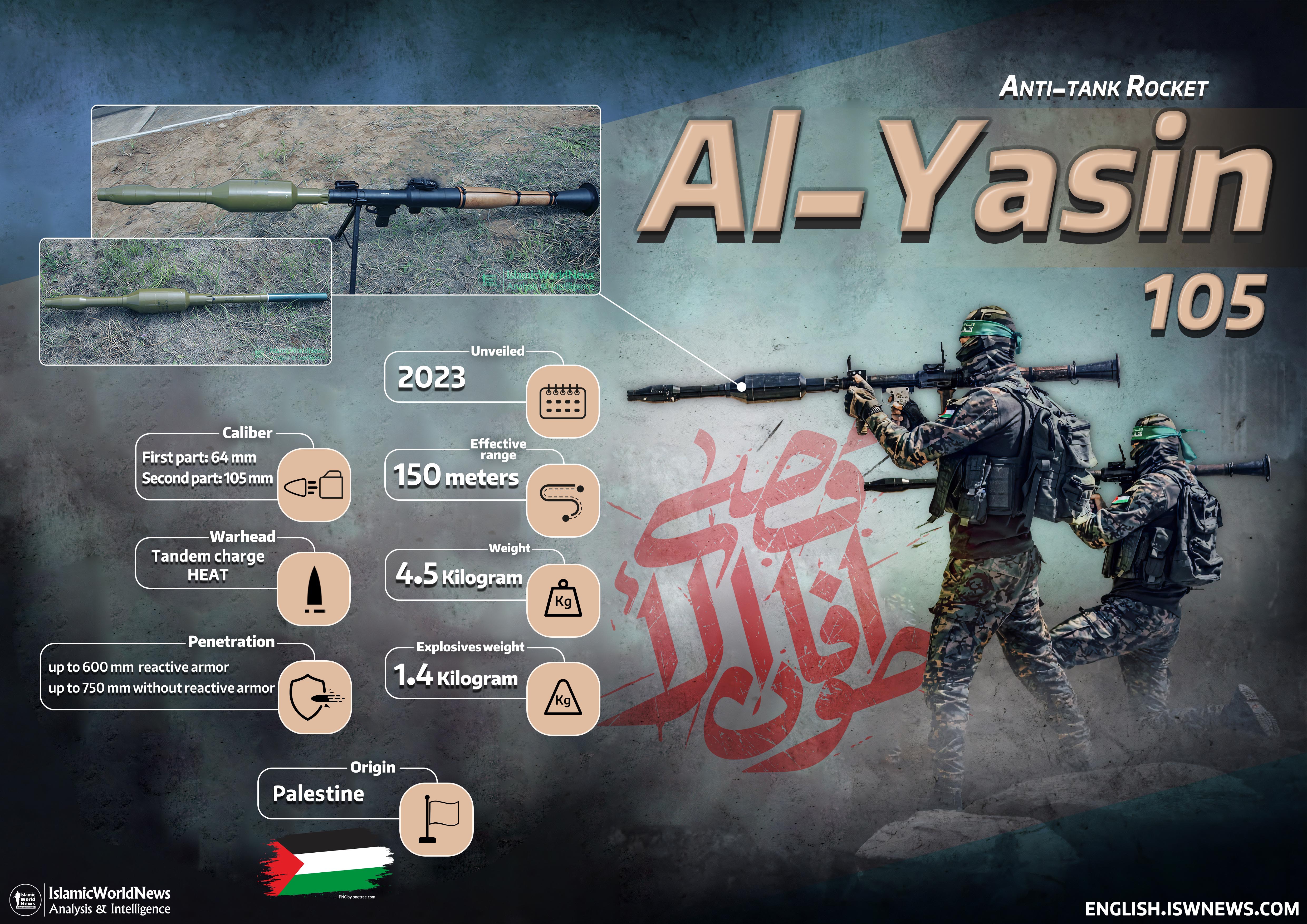
    The Al-Yasin 105 rocket is a two-stage HEAT (High Explosive Anti-Tank) warhead designed for use on RPG7 weapons. It is made up of a 64mm precursor warhead for penetrating reactive armor and composite armor, followed by a 105mm main warhead for penetrating the tank’s main armor. The secondary warhead has a penetration capability of 600mm of rolled homogeneous steel, or 750mm without reactive armor. If there is no reactive armor, this warhead can penetrate 750 mm rolled steel.

    Different components of Al-Yasin 105 rocket

    The effective range of the rocket is up to 500 meters, with a lethal range of 150 meters, and a speed of approximately 300 meters per second.

    The Al-Yasin 105 rocket was used by Hamas in the early battles to reclaim Palestinian territories and has successfully penetrated the composite armor of the Israeli Merkava Mark 4 tank. This demonstrated that the Trophy active protection system installed on the tank is ineffective against the Al-Yasin 105 rocket, which can successfully penetrate the tank’s armor. According to the images released so far, after the impact of the Al-Yasin 105 rocket on a Merkava tank, one crew member was killed and the other crew members were injured. This incident showed that the Trophy system is unable to deal with this rocket, and the Al-Yasin 105 rocket can successfully penetrate the armor of the Merkava tank. In fact, the Al-Yasin 105 rocket has once again shattered the myth of the invincibility of the Merkava tanks!

    Merkava tank after a hit by Al-Yasin 105 rocket

    The above image clearly shows that the composite armor of the tank has been penetrated and the second stage charge has reached the main armor of the tank. Therefore, this rocket has sufficient power to deal with the armor of the Israeli regime. According to the evidence, a direct hit will disable the tank. However, hitting from the sides will have the potential to destroy the tank turret, which can either completely take the tank out of service or significantly increase its repair time.

    A picture of the destruction of a Namer heavy armored personnel carrier based on the Merkava Mark 4 chassis by Al-Yasin 105 rockets

    Al-Yasin 105 Thermobaric and Anti-Bunker version:

    The Al-Yasin 105 rocket also has another version called TBG. The TBG stands for Thermobaric Anti-Bunker. In this type of rocket, thermobaric is used instead of the precursor warhead in the second stage.

    The important point about this version of the rocket is that due to the use of a precursor warhead in the first stage, this rocket can penetrate concrete and earth bunkers, and then the thermobaric warhead in the second stage can have a very significant impact on inflicting casualties on the enemy.

    Al-Yasin 105 thermobaric and anti trench version

    Al-Yasin 105 anti-tank rocket specifications:
    Type: Two-stage anti-tank munition
    Origin: Palestine
    Unveiled: 2023
    Effective range: 150 meters
    Warhead: Tandem charge HEAT
    Weight: 4.5 kg
    Explosive weight: 1.4 kg
    Caliber:
    The first part: 64 mm
    The second part: 105 mm
    Penetration rate:
    Up to 600 mm reactive armor
    Up to 750 mm without reactive armor
    Speed: ~ 300 m/s

    Al-Yasin 105 anti-tank rocket – click to view full size

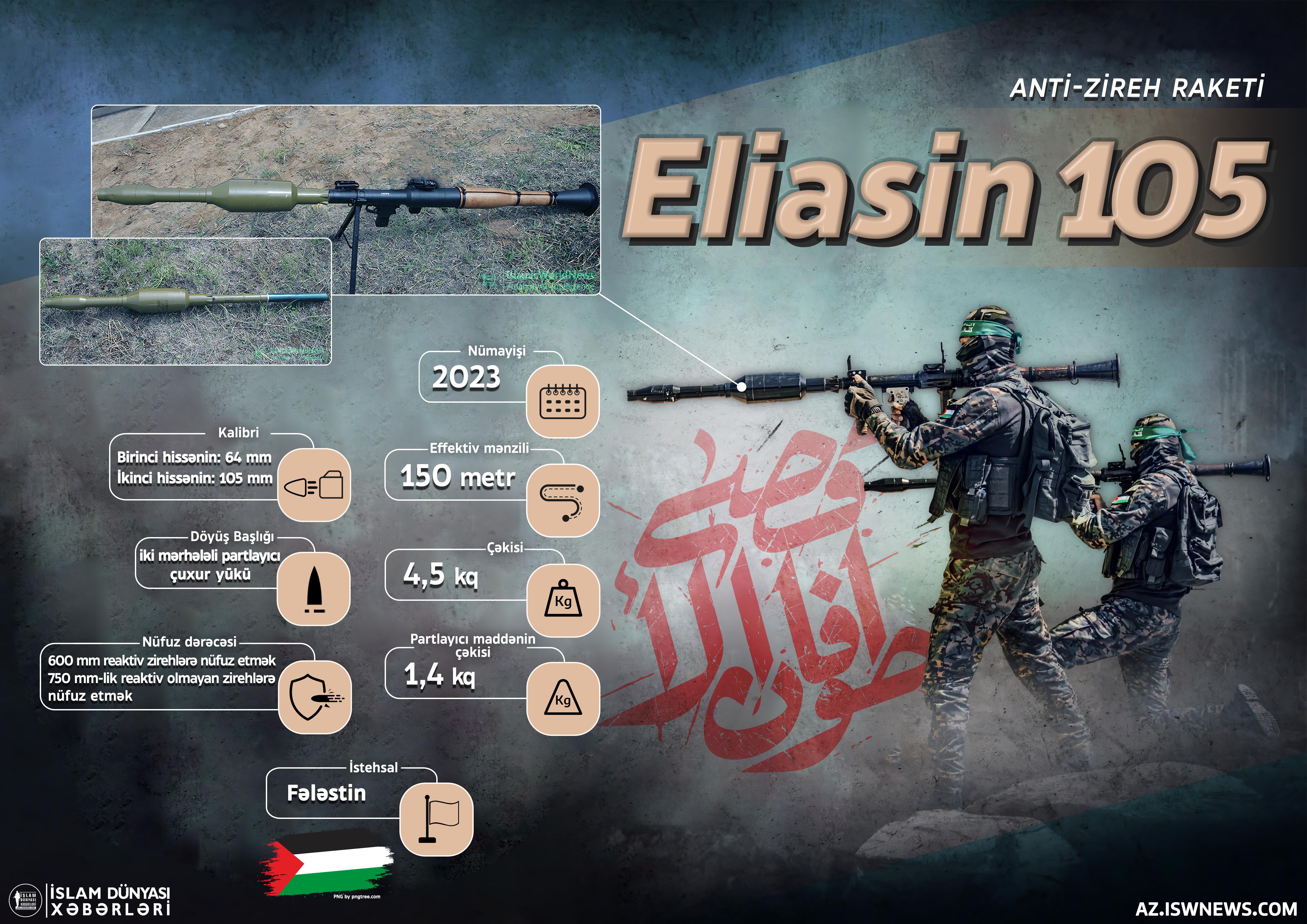
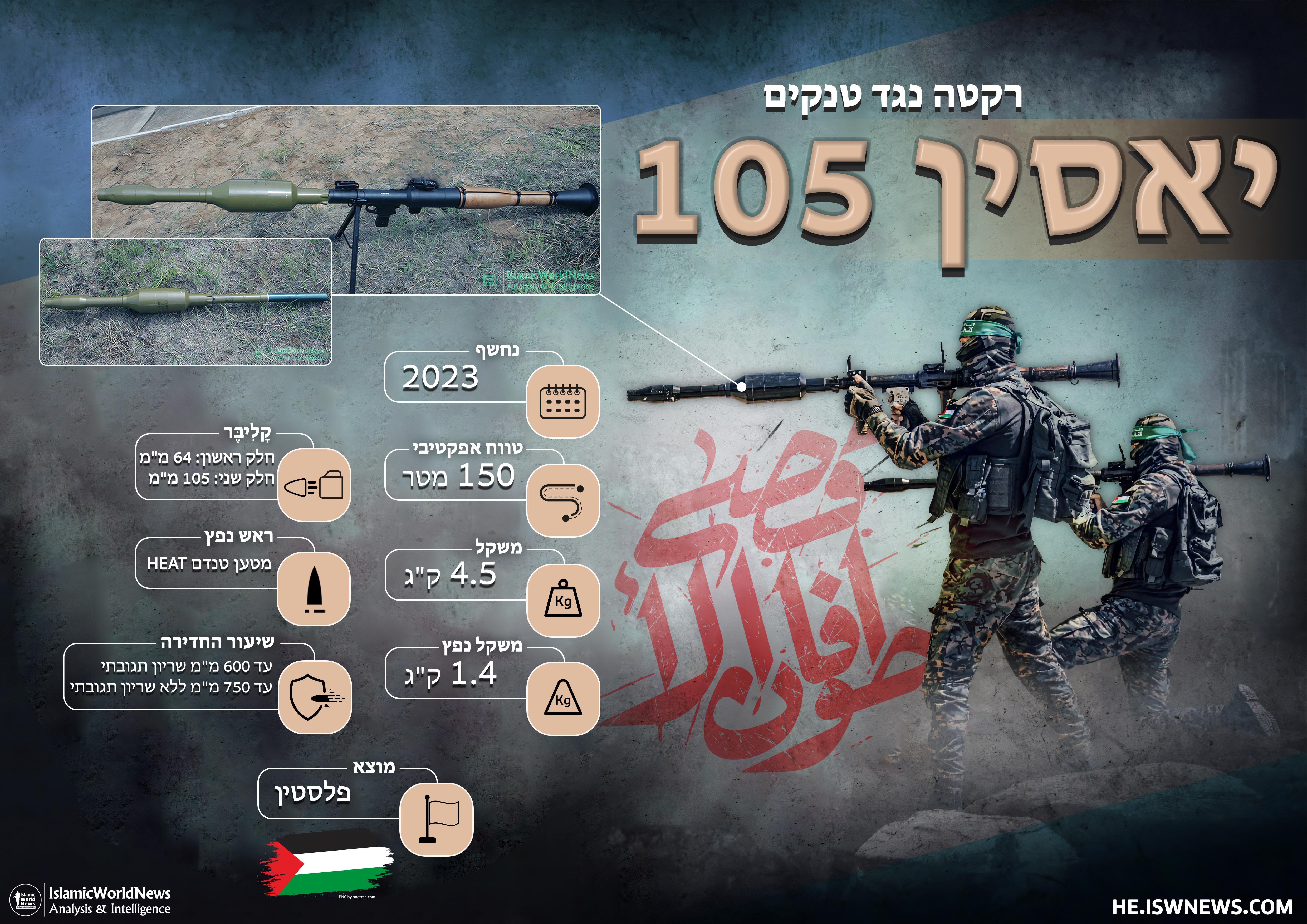
    Infographics of Al-Yasin 105 anti-tank rocket in Russian, Hebrew, Farsi and Azeri:

  • Israeli Army Kicks Off Ground Invasion Of Gaza; How Resistance Front Emerged Victorious On First Day?

    Israeli Army Kicks Off Ground Invasion Of Gaza; How Resistance Front Emerged Victorious On First Day?

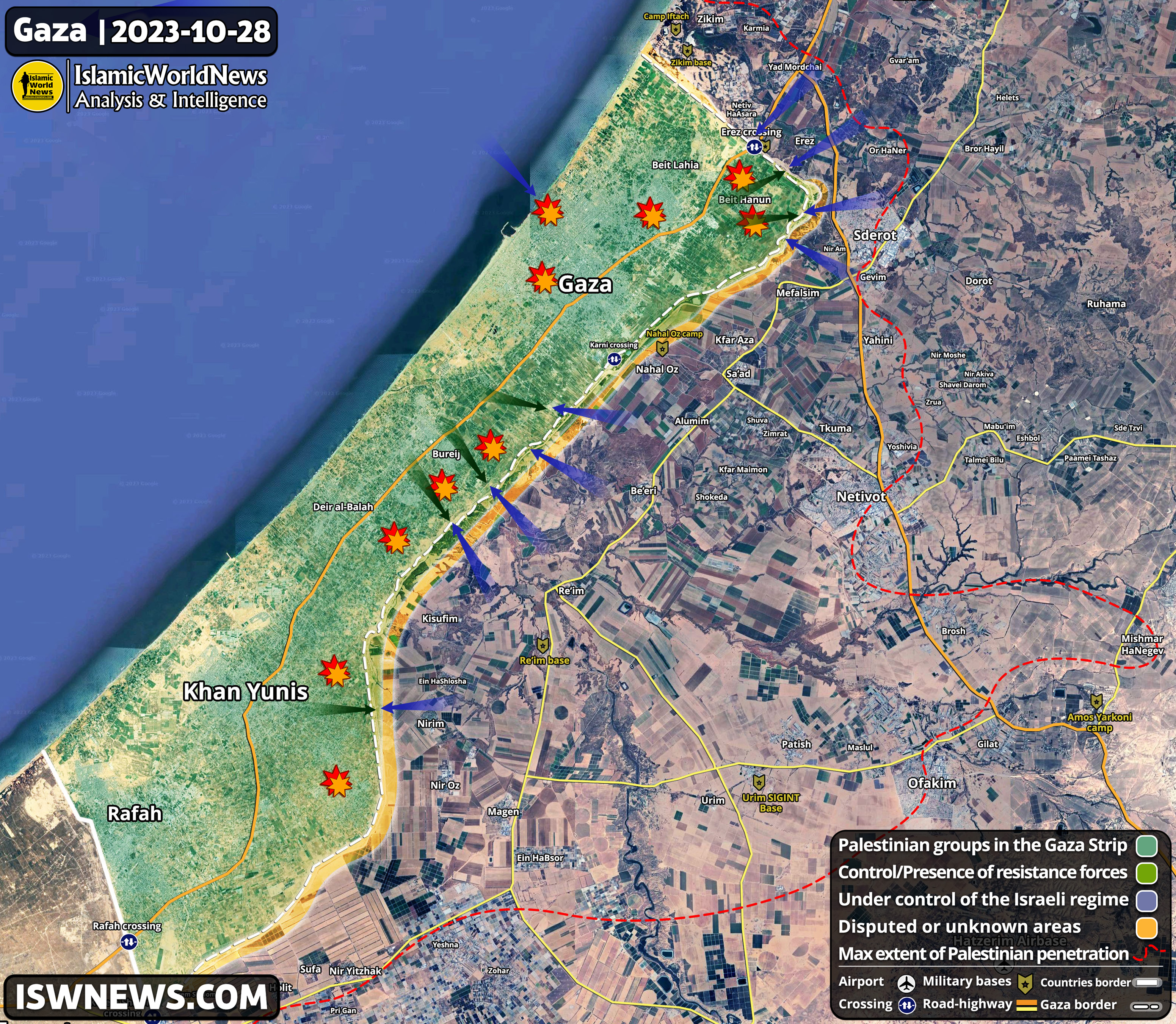
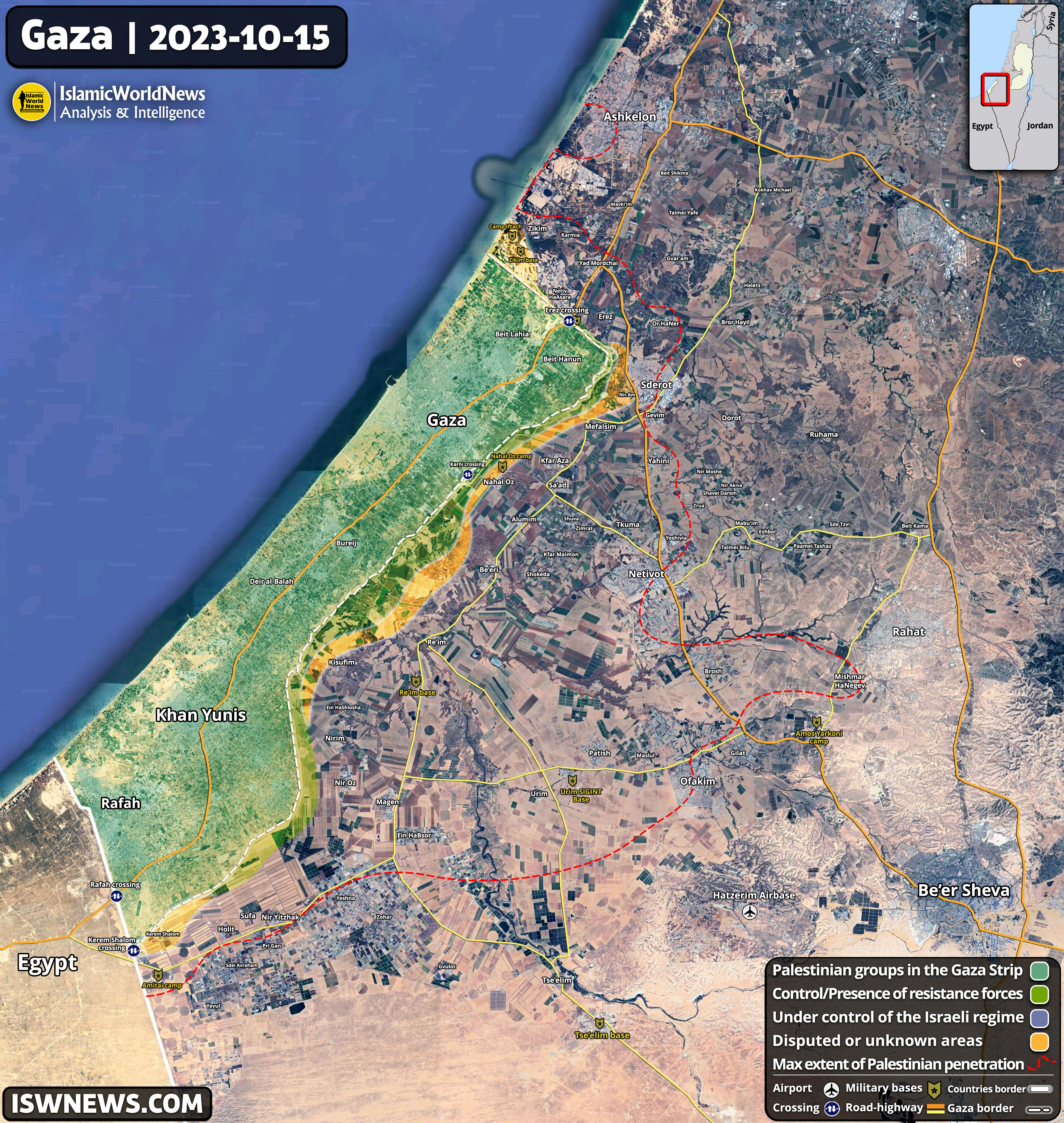
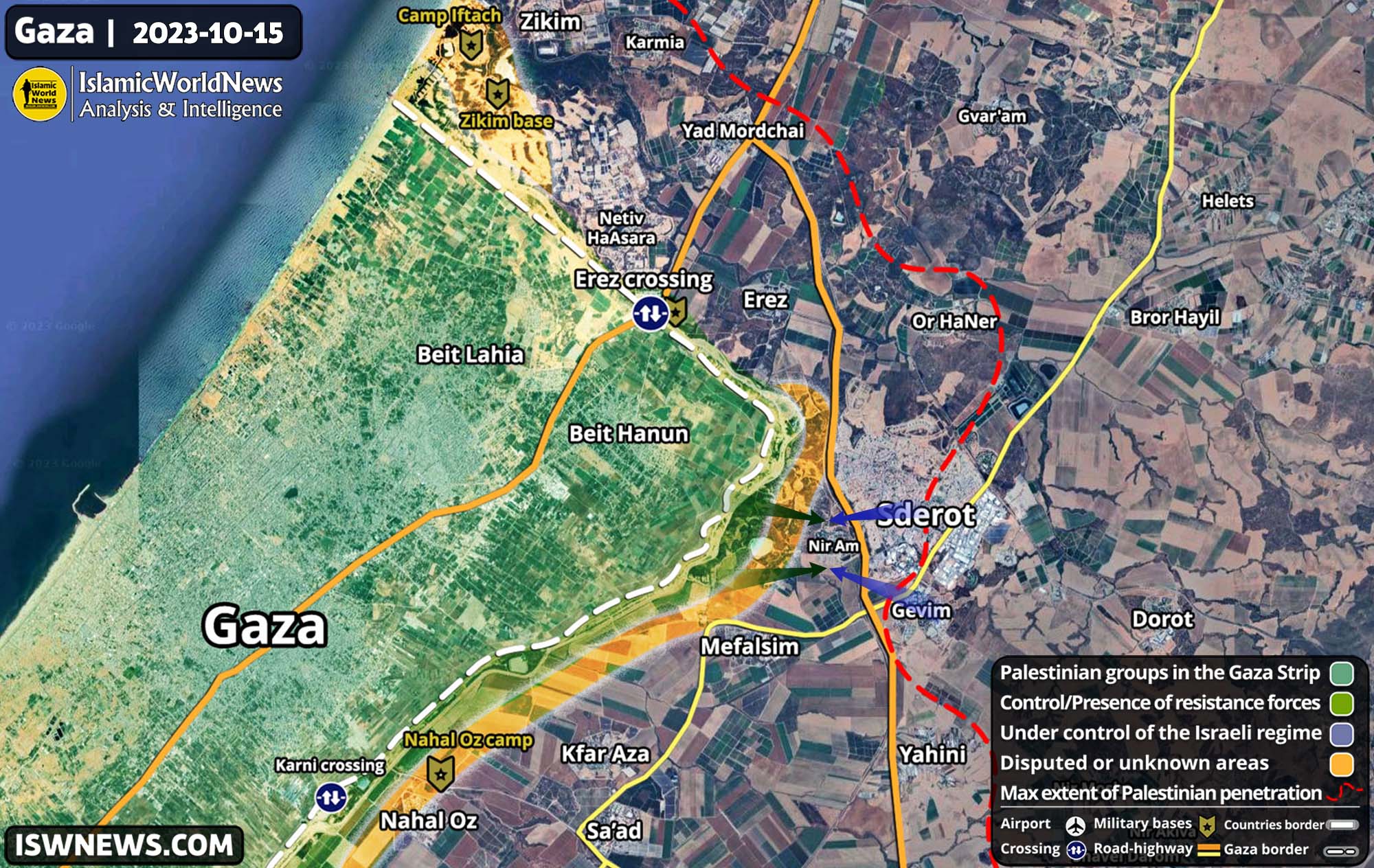
    Friday night, the Israeli army launched attacks on three fronts in the northern, eastern, and southeastern areas of the Gaza Strip. These attacks were focused on Beit Hanoun city in the northern front, Al-Bureij refugee camp in the eastern front, and the eastern outskirts of Khan Yunis city in the southeastern front.

    According to statements by the Hamas-affiliated Izzedine Al-Qassam Brigades and the Islamic Jihad-affiliated Al-Quds Brigades, the Israeli army’s attempts in the Al-Bureij and Beit Hanoun fronts were more than other fronts, and all their attempts to enter Gaza were unsuccessful.

    Some news stories have been reported about Israeli forces advancement in the Al-Bureij front, but they have not been confirmed by any official sources of Palestinian resistance groups. If these news stories were factual, it seems that resistance forces have left some parts of Gaza’s territory as a sort of a trap for Israeli forces to reduce the intensity of their attacks and repel them by causing more damage to the enemy.

    Overall, Israel’s first ground attack has not yielded any specific results, and most of the tank and armored vehicle movements in these fronts have received a strong response from anti-armor units of Palestinian resistance groups. The resistance forces are said to have fired six anti-armor missiles at Israeli tanks in the Beit Hanoun and Al-Bureij fronts.

    In general, the Israeli army has a simple but difficult path to control the Gaza Strip through a ground invasion. They know that to eliminate Palestinian resistance, they must cut Gaza and besiege its main cities, and then gradually engage in hard and expensive urban warfare. Along with this strategy, aerial and naval support, media warfare, political support from the United States and European countries in the international arena, and various other military and economic measures would play essential role.

    In addition to these measures, Israel faces external attacks from the four directions of north, south, east, and west. To neutralize these attacks, they need the participation of important regional countries such as Saudi Arabia, Egypt, and Turkey, in addition to the extensive presence of the United States.

    It should be noted that Saudi Arabia’s defense and NATO radar station in Turkiye rushed to help with the USS Carney missile destroyer in countering the first operation by Yemen’s Ansar Allah movement against the Israeli regime, and the Egyptian army also has extensive cooperation with the Tel Aviv regime in besieging the Gaza  Strip and preventing drone attacks.

    In general, the likelihood of success for the Israeli army’s ground attack on the Gaza Strip will increase with external pressure from the resistance axis, while it will also enhance cooperation from the United States and regional countries with Israel, and other aforementioned measures. Therefore, at this stage of the Gaza war, the role of Hezbollah and Iranian forces in Syria will become more prominent, and it is expected that attacks from these fronts will be carried out at higher levels.

    Read more: Latest Military Developments Of Gaza And Northern Palestine, 28 October 2023

    Illustrative image of Israeli airstrikes and the direction of ground invasion of Gaza – click to view in full size
  • Israel Or Palestinian Resistance; Who Is Responsible For Air Strike On Al-Ahli Arab Hospital?

    Israel Or Palestinian Resistance; Who Is Responsible For Air Strike On Al-Ahli Arab Hospital?

    Checking of videos and images published by local sources and social media platforms prove that at the same time when the Palestinian resistance groups were conducting rocket attacks on occupied territories of Palestine on Tuesday night, Israeli fighter jets carried out air strikes on targets in the Gaza Strip.

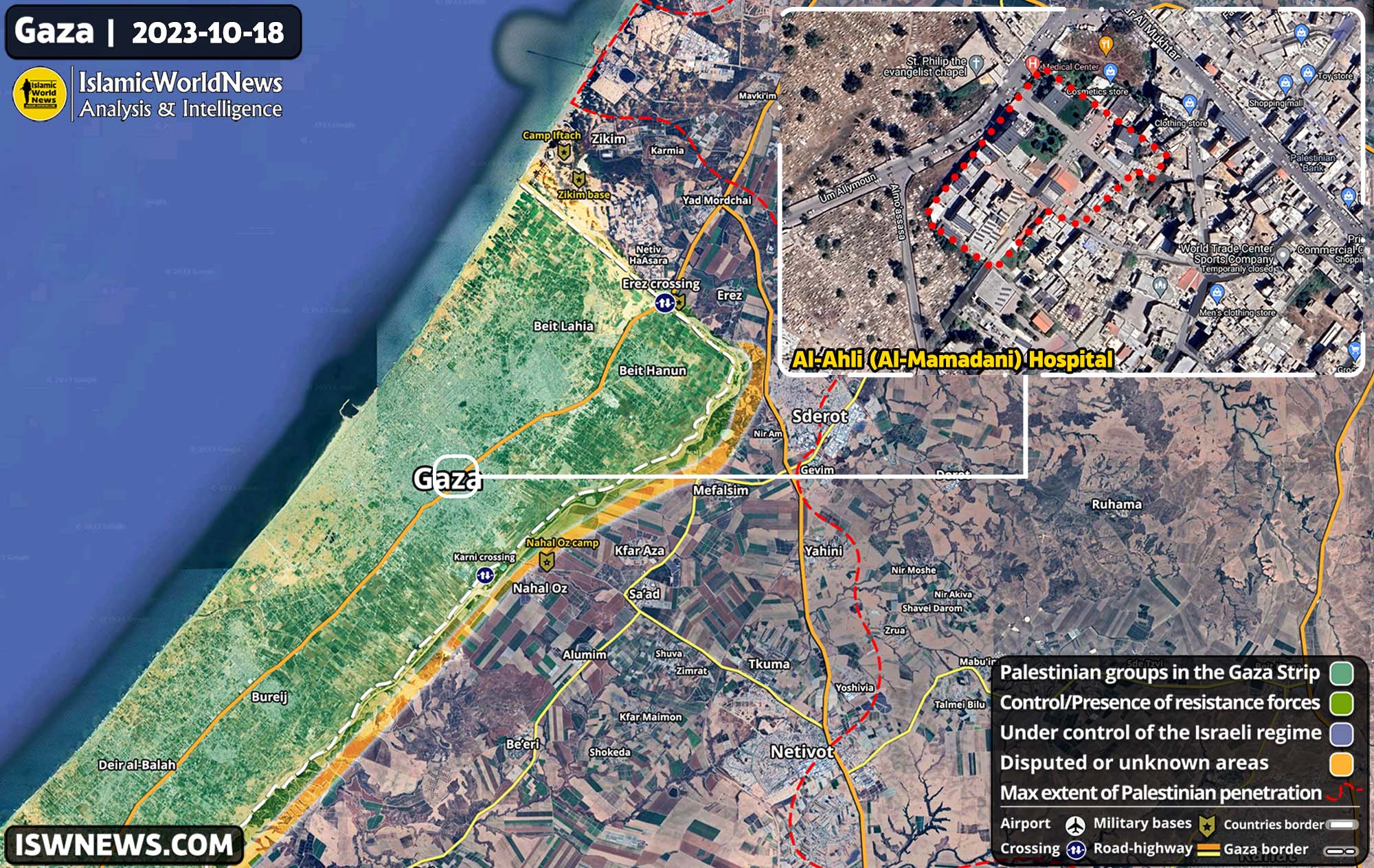
    The Israelis’ attacks also include Al-Ahli Arab (Al-Mamadani) Hospital, but the Israeli authorities have spent the past 24 hours attempting to clear their tracks in this crime by using media tools and casting doubt on their role in this heinous war crime! In this article, we examine evidence that proves this attack was carried out by the Israeli regime.

    The released video of the moment of targeting Al-Ahli Arab Hospital in Gaza shows that at the same time as this attack, Palestinian resistance forces were also carrying out rocket attacks on occupied lands.

    Moments before the explosion in al-Ma’madani hospital and the releasing of flares by an Israeli fighter jet in the sky of Gaza

    The simultaneous rocket attacks by the resistance and Israel’s aerial attack on Al-Ahli Arab Hospital have prompted Zionist media outlets and officials to portray themselves as innocent in this war crime and attribute the reasons for this fatal incident to the misfiring of rockets launched by the Palestinian resistance group Al-Quds Brigades, which is the military wing of the Islamic Jihad Movement in Palestine, and their accidental hitting of the hospital.

    In the above video, it is clear that “exactly” at the same time as the rockets were fired by the Palestinian resistance groups, an Israeli fighter jet, using a flare system, leaves the air space of the Gaza Strip by lighting up its afterburner.

    The Palestinian rocket attack was carried out in a direction that would not harm residential areas of the Gaza city and its vital points. The explosion of the hospital occurred in the opposite direction of the resistance rockets’ firing, and this “fact” was clearly obvious in the video and does not require any further interpretation.

    At the moment of firing rockets in the sky of Gaza, we see an Israeli fighter jet flaring up, and at the same time, a large explosion occurs. The timing of the explosion and flare indicates that the Israeli fighter jet was taking off and taking necessary security measures to escape from a possible attack by a thermal missile after dropping the bomb.

    Another explosion can also be seen in the video, which is very small and further away from the camera in comparison to the first blast. Based on the fact that the Palestinian resistance movement did not launch another rocket in the second moment, it is unlikely that Palestinian groups’ rockets could misfire, and the claim about Palestinians’ rocket misfiring is rejected. Therefore, it is clear that this explosion is the result of another attack.

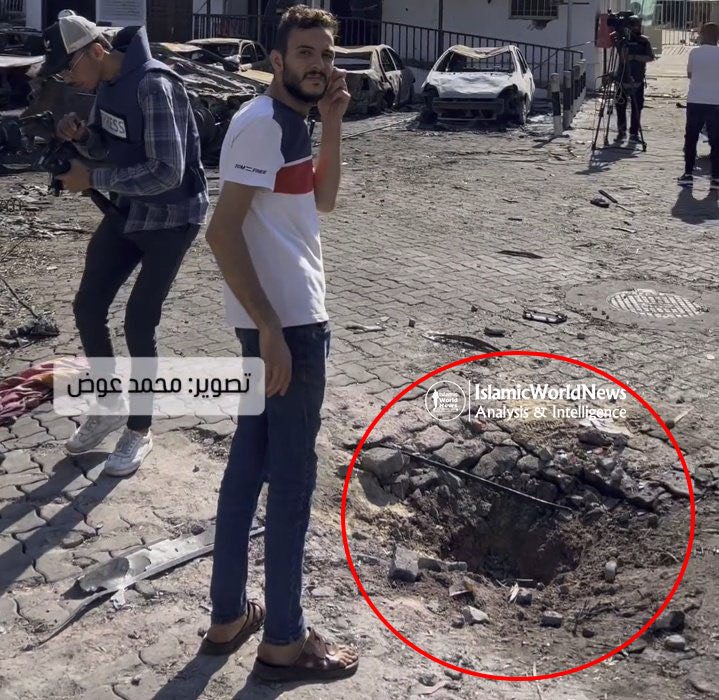
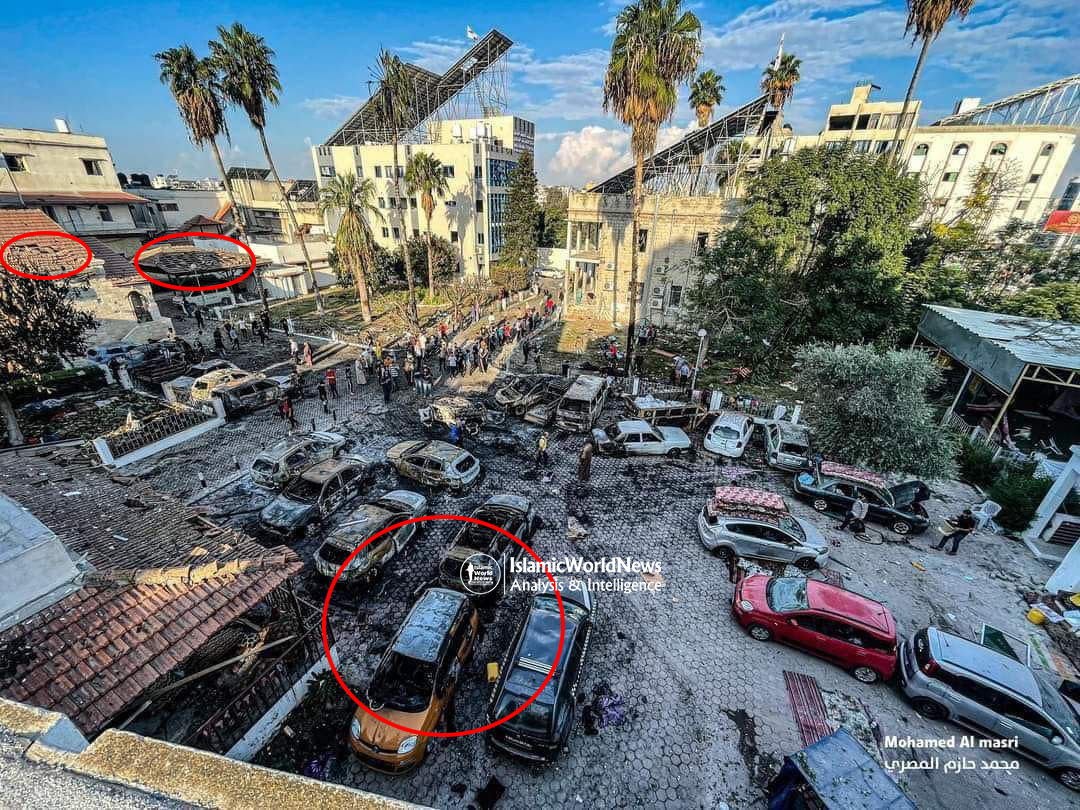
    Another very important point is a video showing the hospital compound after the attack and explosion. According to the video showing the hospital compound and its parking lot, there is not any crater resulting from the impact of a heavy missile or rocket can be seen. This is the point that Western media resort to it in order to claim that the attack was carried out by low-power Palestinian rockets.

    Inside the courtyard of Al-Mamadani Hospital and the place where the attack took place

    But the point is that due to the changes that have taken place in the environmental structure, it can be said that the explosion was carried out at an altitude above ground level and with a high volume, which seems to have been aimed at causing maximum human casualties. Given the extensive burning effects in that area, it is very likely that the ammunition used in this attack was of the Airburst type, which is not available to Palestinian resistance groups; moreover, the rockets of Al-Qassam Brigades and al-Quds Brigades do not have the capability of carrying this level of explosive material.

    According to the published picture of the collision site, the soil of the collision hole is not burnt. This strengthens the hypothesis that the bomb exploded before hitting the ground. This hole is probably the remains of the initial part of the airbrust bomb that hit the ground.

    To clarify how this type of bomb works, pay attention to the video below. The video below shows how a Mark 84 bomb with a GBU-32 JDAM kit explodes at a height of 10 meters above the ground.


    Therefore, when we consider: 1- Clear evidence of a fighter jet’s presence in the area at the time of the explosion and its maneuver to escape after dropping the bomb; 2- Examination of the situation of the attacked area and existing field evidence, these two strong arguments show that the attack was carried out by the Israeli army.

    However, the story becomes more interesting when after hours of various speculations and dissemination of conflicting news stories, spokesman for the Israeli regime’s army Daniel Hagari announced on Wednesday morning that the Israeli army only bombed the hospital parking lot, but no damage was done to the hospital building itself! This statement and confession alone confirm the above explanations and proves that the airstrike was carried out by the Israeli regime.

    Confession of the spokesman of the Zionist army to the bombing of the hospital

    The image below is a view from above of the hospital area; The burn marks on the roof of the cars, the damage to the roof and the lack of high destruction of the environment once again indicate the use of airbrust bombs, which are mostly used to injure people and cause more human casualties. Daniel Hagari, the spokesman of the Israeli army, also admitted this morning that the fighter jets of this regime bombed the parking lot of the hospital, but there was no damage to the hospital building. The photo below shows exactly this facts.

    And finally, another video that proves all the things presented above in the field. The location of the explosion, the way the explosion affects the environment, the range of the explosion, the bending of the roofs of the cars inward due to the explosion from above, etc., all indicate the explosion by Israeli airbrust ammunition!

    Read more: Over 500 Martyrs, 600 Wounded In Israeli Army Attack On Al-Ahli Arab Hospital

    Geo location of al-Mamadani Hospital in Gaza City – click to view full size
    The moment when the Zionist fighter jets targeted the al-Ma’amdani hospital in Gaza
  • Latest Military Developments Of Gaza And Northern Palestine, 15 October 2023 (Map)

    Latest Military Developments Of Gaza And Northern Palestine, 15 October 2023 (Map)

    On the ninth day of the fighting, Palestinian fighters attacked positions of the Israeli army in the Nir Am area near Sderot. This news was confirmed by the Hebrew media. The Israeli media reported the occurrence of an armed conflict between the Palestinian resistance forces and the Israeli military in Nir Am.

    This type of offensive attacks by the resistance fighters against the Zionists, which has been repeated several times in recent days in different axes and conflict zones, is aimed at disrupting the Israeli concentration and opening a new line or front.

    It is likely that with the increase of speculations about the imminent start of Israeli ground offensive in the Gaza Strip, the attacks of Palestinian resistance groups in the occupied territories will also increase.

    Palestinian attacks on Nir Am area – click to view full size

    On the 9th day, like the previous day, there was no special and significant conflict in other lines of the Gaza Strip. The movements of the Israeli army’s ground forces around the Gaza Strip are currently still defensive.

    On this day, rocket attacks by Palestinian forces against Israeli areas and towns continued. But compared to the previous days, the intensity of rocket attacks has decreased. In one of these attacks, the resistance forces targeted the city of Haifa with more than 30 rockets.

    According to some reports, the US has asked the Israeli regime to delay the start of ground operations in Gaza for a few days. It should also be noted that tonight’s meeting of the Israeli regime’s cabinet, which was supposed to be held at 20:30 local time, was canceled.

    On the other hand, the heavy bombing of various areas of Gaza and the destruction of buildings and infrastructure facilities in the Gaza Strip continue. According to the Palestinian Ministry of Health in the Gaza Strip, the number of martyrs in Gaza has increased to 2,670 and the number of wounded has reached more than 9,600.

    On the ninth day of the battles, unlike the southern front, the conflicts on the northern front have increased significantly. Since this morning, the border areas of Lebanon and occupied Palestine have witnessed intense artillery clashes and missile and air attacks, and each side has targeted each other’s positions on several occasions.

    At noon today, Palestinian groups fired several rockets from the south of Lebanon towards the Israeli occupation in Nahariya and other settlements in the West Galilee region in the north of occupied Palestine.

    During the battles of this day, the Lebanese Hezbollah targeted two Merkava tanks and an Israeli personnel carrier in the Hanita region using an anti-tank guided missiles. According to Hezbollah’s announcement, several Zionist soldiers were killed and wounded in this attack. Also, in another battle, Hezbollah forces targeted the Israeli border base called Raheb with ATGM missiles and artillery near the town of Ayta ash Shab in southern Lebanon. Also, images were published by the resistance-oriented media claiming that the Hezbollah flag was raised in this base.

    Israeli border post near Ayta ash Shab

    One of the highlights in the northern front is the increase of casualties of Israeli forces. With the increase of tensions in this region, the number of Israeli dead and wounded is also increasing. Yoav Zeitoun, an Israeli journalist, recently said in this regard: “The fifth Israeli soldier was killed by Hezbollah in less than a week on the northern borders; This issue may lead to war, but the army is responding in a balanced way so as not to escalate the situation on the northern border.”

    According to the comments of Israeli reporters and media, as well as the way the Israeli regime operates in this front, it seems that the Israeli regime is afraid of the activation of a new broad and comprehensive war front in northern Palestine And tries to avoid increasing tensions as much as possible by giving limited and measured answers.

    Read more: Latest Military Developments Of Gaza, 14 October 2023 (Map)

    Latest military situation in the Gaza region – click to view full size map