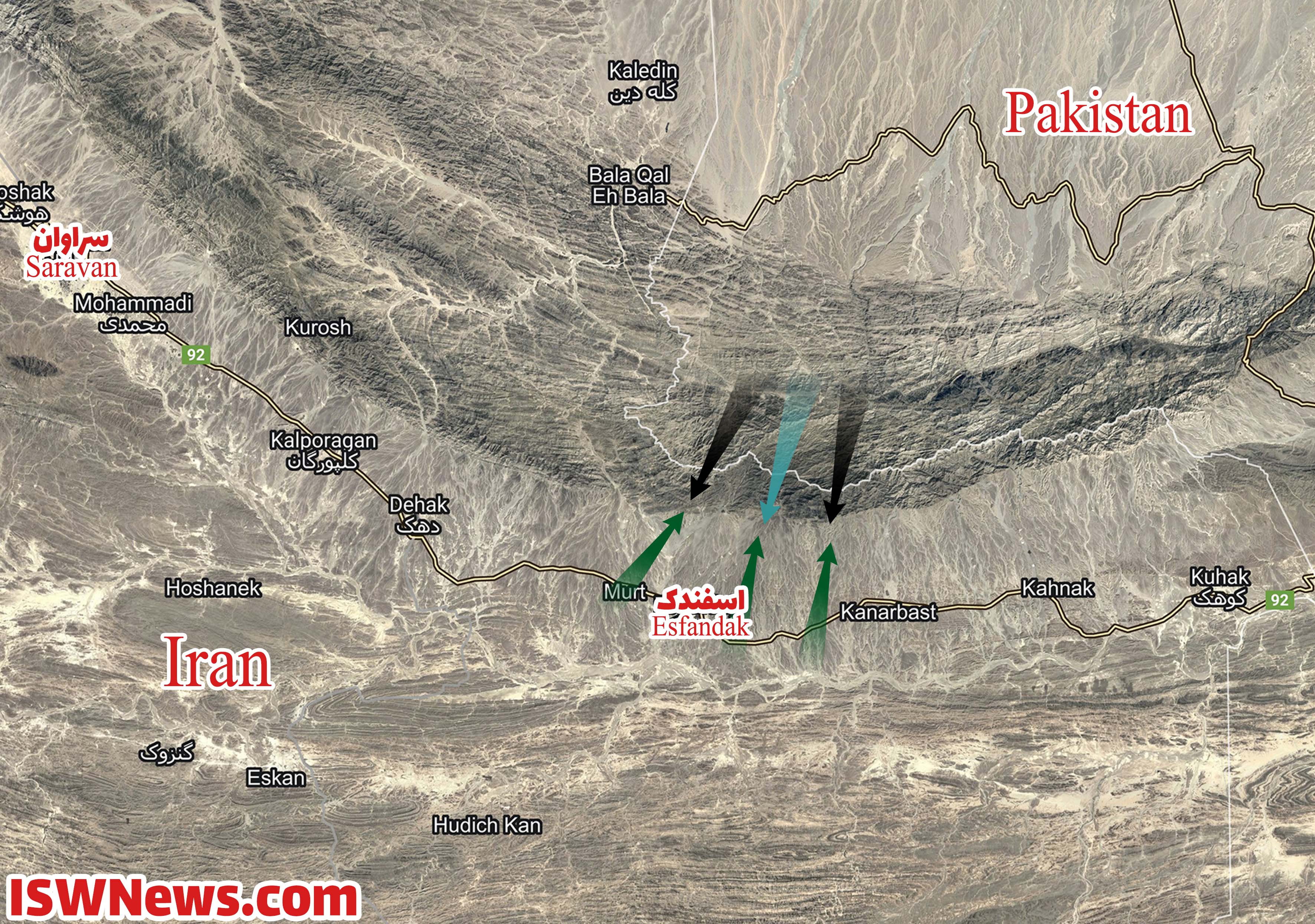
According to the public relations report of Quds headquarters in the southeastern region, the terrorist attackers left the area after heavy resistance from the Iranian forces and fled into Pakistan. No details have been published about the exact losses and damages inflicted on the terrorists. Colonel Hossein Ali Farahi, commander of the Saravan Border Regiment, referring to the prevention of the border guards stationed in the “Esfandak” region from the entry and sabotage acts of terrorist groups, said:
“Terrorists did not have the strength to resist the heavy fire of the border guards and fled towards the opposite country (Pakistan) using the mountain grooves. During the clearing of the conflict area, border guards also discovered 340 Kalashnikov bullets, 190 other bullets with two M16 magazines, eight hand grenades, 24 40 mm anti-personnel bullets, one 40 mm anti-armor bullet, one Kalashnikov bayonet, one wireless communication device, a compass, three sleeping bags, a blood supply pack and two tourniquets.”
It should be noted that during these clashes, four Iranian servicemen including 2nd Lieutenant Mohammad Gudarzi was martyred along with three members of the Basij, namely Rahim Bakhsh Paraki (Sunni), Hamidreza Abedi and Mahmoud Nikkhahzadeh.
Saravan is one of the cities of Sistan and Baluchistan province, which is located in the easternmost point of Iran and borders with Pakistan. Most of the residents of this city are Sunni Muslims, and this has caused terrorist and separatist groups based in the deserts of Pakistan to direct most of their activities to this city.
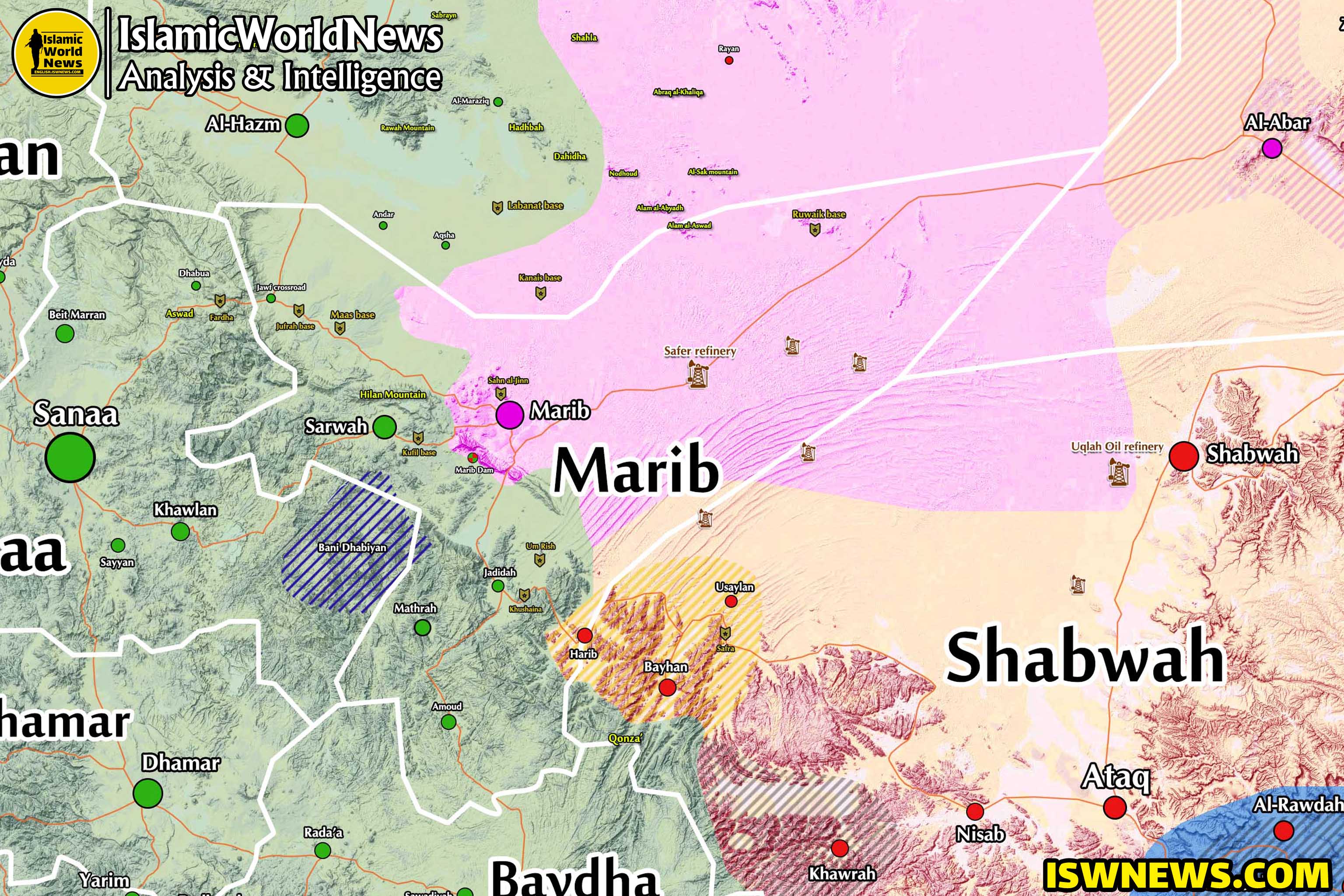
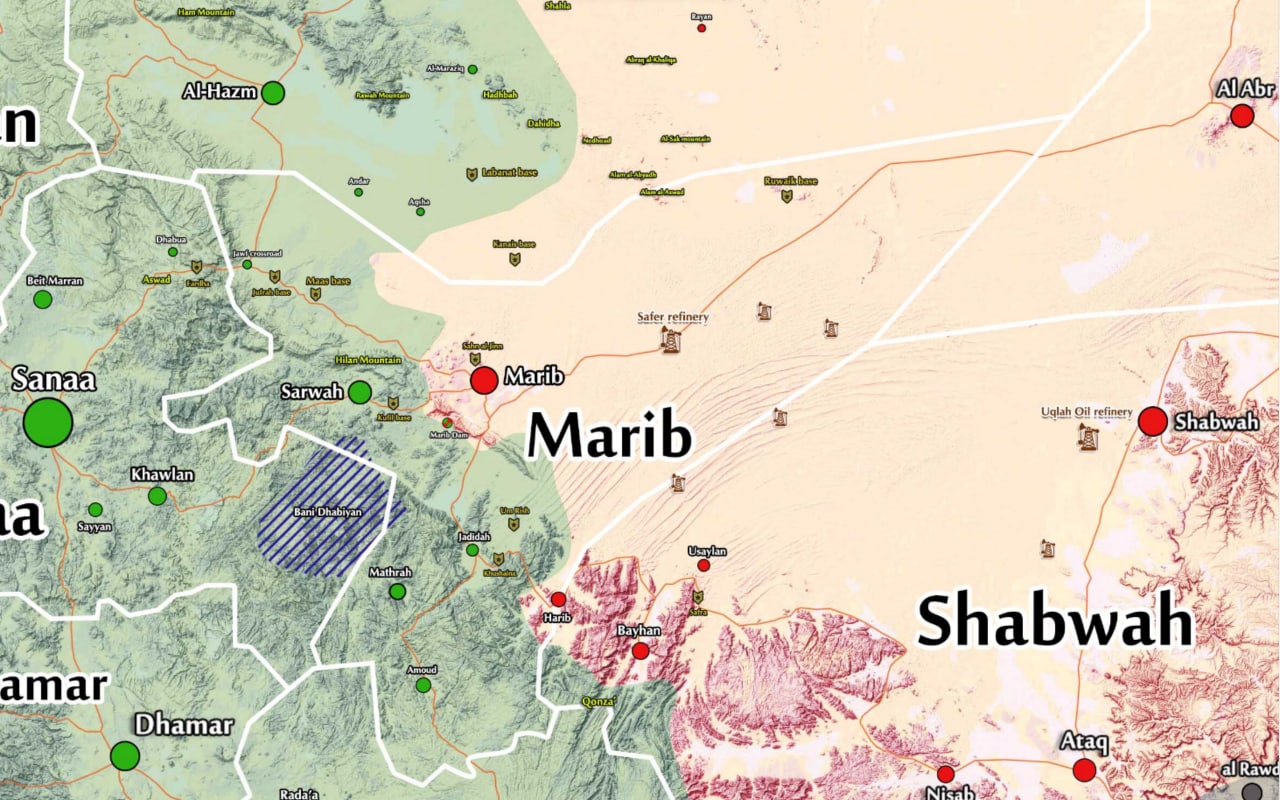
After the implementation of intelligence-security operations of the Islah party in Marib and the occurrence of numerous conflicts between the forces loyal to the resigned government of Mansour Hadi (Sagheer bin Aziz forces) and the Marib tribes, tensions have increased over the control of oil fields in the Marib province. In this regard, Lt. Gen. Sagheer bin Aziz has ordered the expulsion of the Islah Party militants from the Sixth Military District. Also, some local sources have reported the intention of Saghir bin Aziz to attack Al-Safer oil field and refinery.
Islah Party has arrested or killed some people related to Saghir bin Aziz during intelligence-security operations in recent days.
At the same time as these tensions, the armed tribes of Al Fajij and Al Rashid Manif have clashed with each other in the Wadi Ubaidah region. This conflict has resulted in casualties and damages among the armed men of both sides.
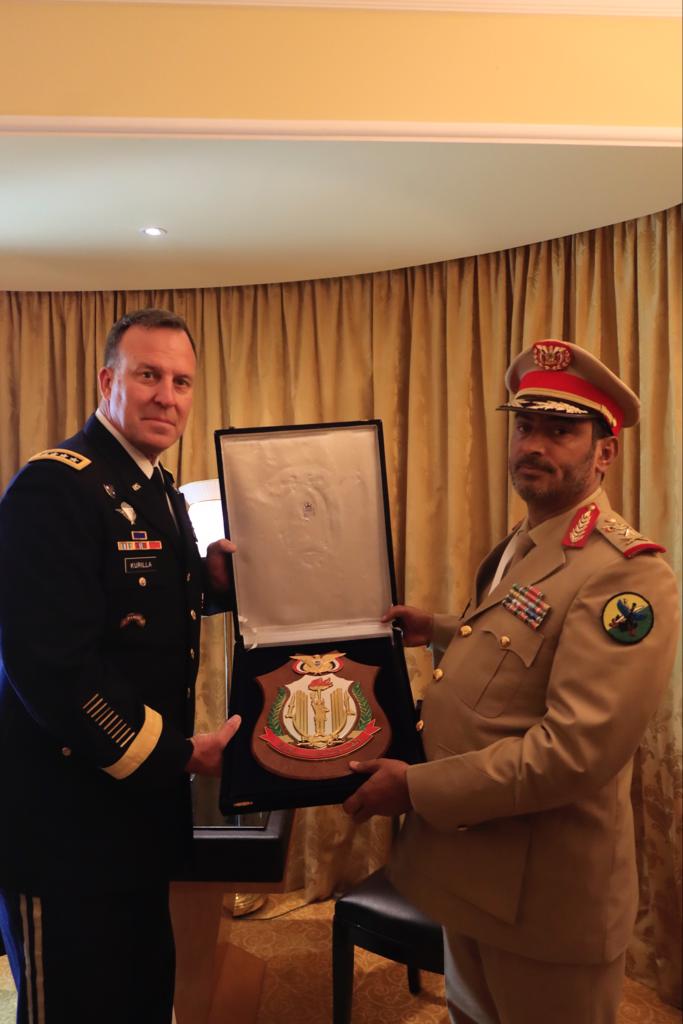
Lieutenant General “Sagheer bin Hamoud Ahmed Aziz” is the current chief of the Saudi-backed Yemeni Armed Forces Staff (the resigned government Mansour of Hadi), who also has a history of being a member of the Yemeni People’s Congress Party. During the battles of Ansar Allah and the Saudi coalition in Marib, Sagheer bin Aziz was sent to Marib with the support of the UAE and Tariq Saleh and took control of some fronts. His presence in Marib continued after the announcement of the ceasefire in Yemen and entered a new phase with the tension between Islah Party and the forces loyal to the resigned government.
Sagheer bin Hamoud Ahmed Aziz, chief of the Saudi-backed Yemeni Armed Forces Staff (the resigned government of Mansour Hadi)
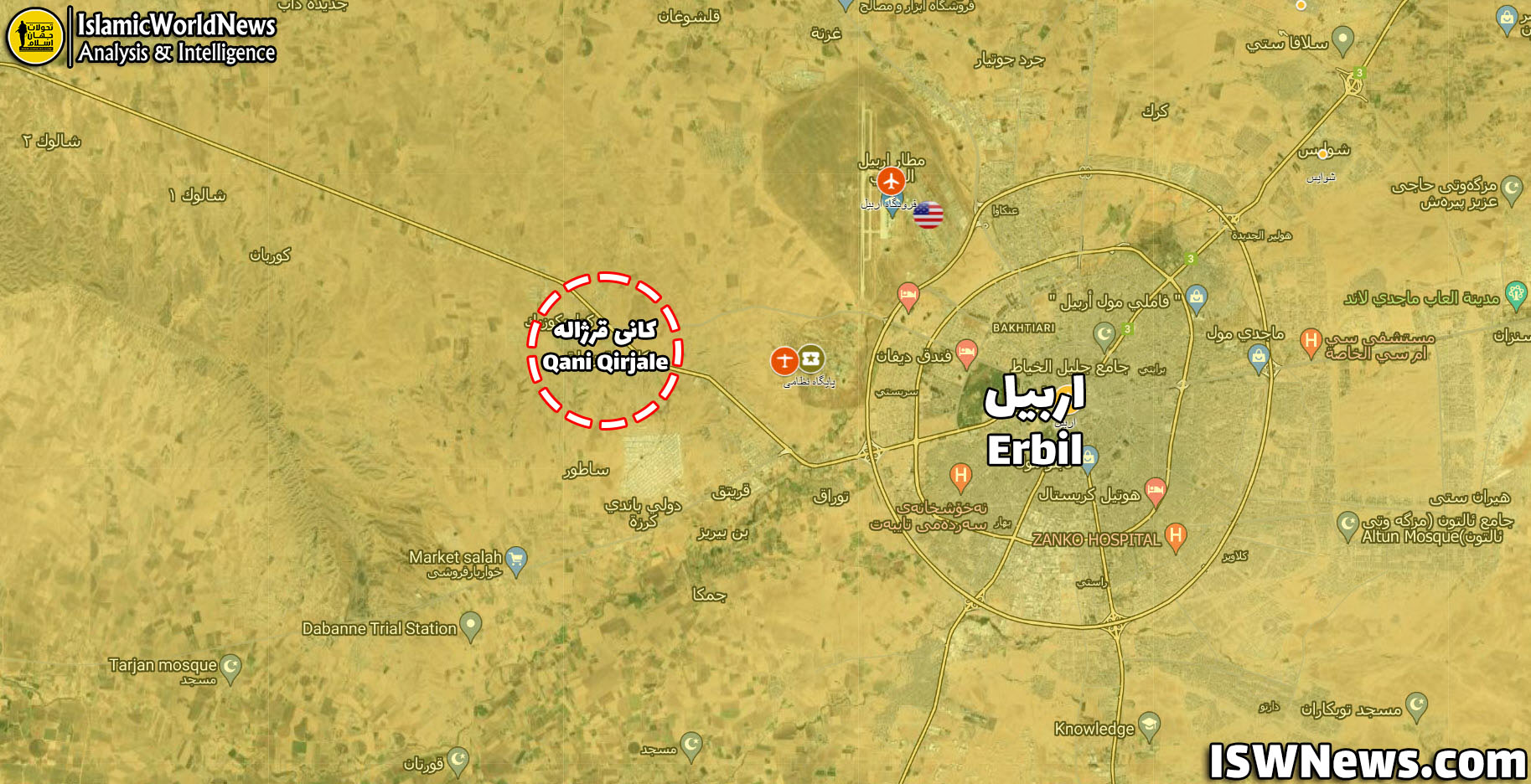
According to local sources, after the explosion, gunshots were heard from this base and the US aircraft made a reconnaissance flight over the area.
There is no information about the number of casualties and the details of this incident, and until this moment Iraqi and American authorities have not commented on this incident.
The US Embassy in Yemen announced in a statement that it has set a five million dollar reward for reliable information about Ibrahim al-Banna, known as Abu Ayman al-Masri, one of the prominent leaders of the Al-Qaeda terrorist group.
Ibrahim al-Banna is one of the most senior leaders of the Al-Qaeda terrorist group, who, in addition to playing a key role in the establishment of this group in the Arabian Peninsula (AQAP), is also responsible for the security affairs of this group and provides military and security orders to the leaders and members of this group.
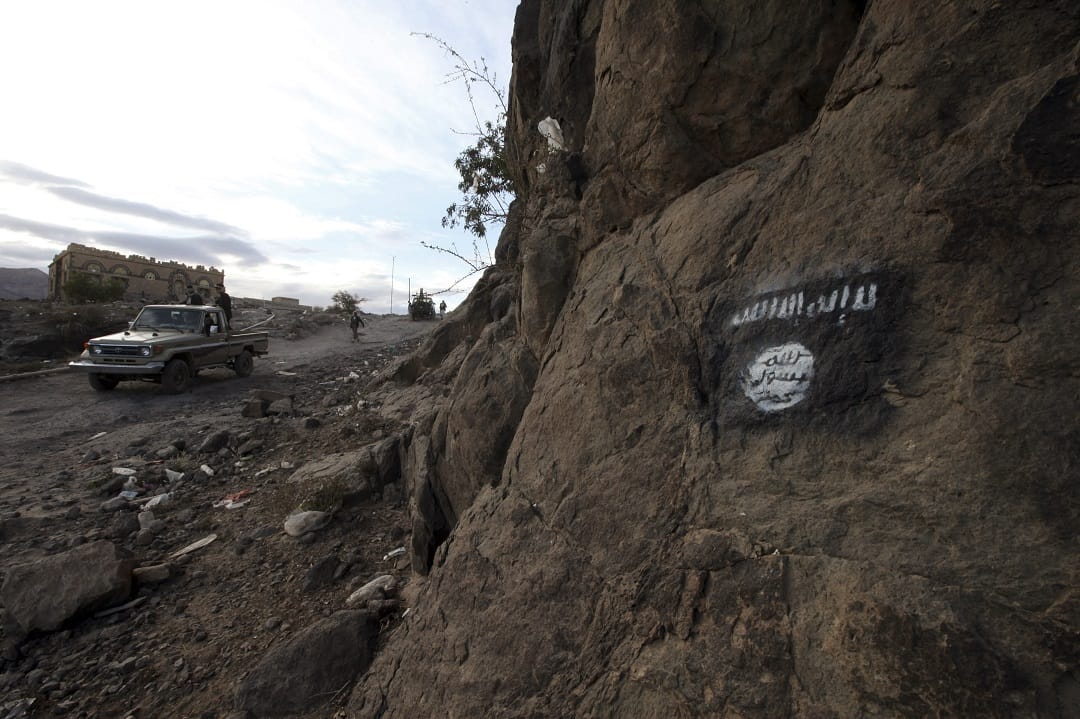
Al-Qaeda in the Arabian Peninsula is a branch of the Al-Qaeda terrorist group that began its serious activities in Yemen and Saudi Arabia in 2009. After the resignation of Ali Abdullah Saleh and the presidency of Abd-Rabbu Mansour Hadi, this group acted in a more organized manner in Yemen and took control of some points, but Ansar Allah’s advance in taking control of the cities of Sana’a, Saada and… prevented them from advancing and Al-Qaeda was forced to move to the remote areas of Yemen, including the deserts of eastern Yemen, the north of Al-Baydha province and several other places.
AQAP has a close relationship with Abd Rabu Mansour Hadi, the former president of the resigned government, Ali Mohsen Ahmar, the former vice president of the resigned government and several other Yemeni figures.
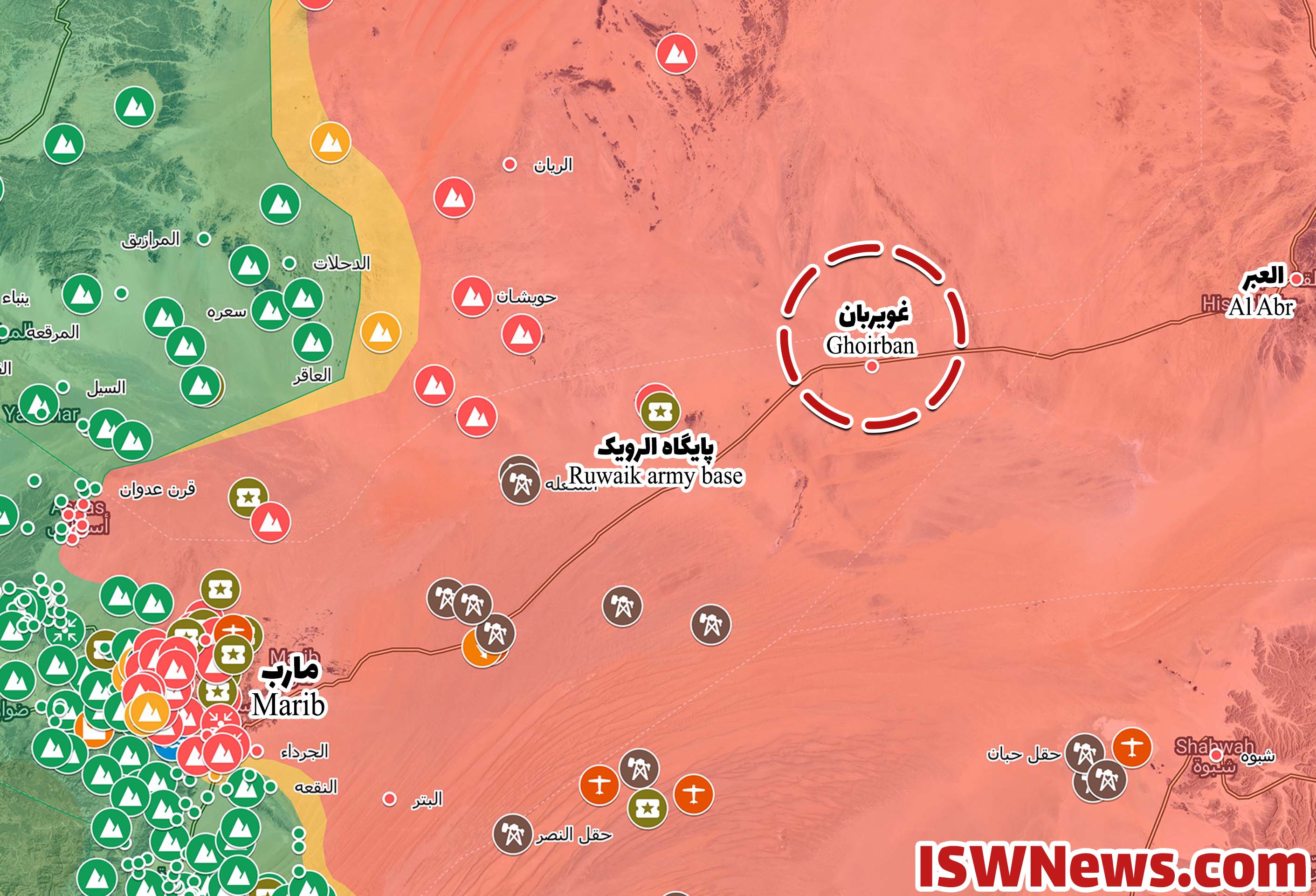
Following the attack by Al-Hariqdan tribesmen on the oil tankers of the resigned government of Hadi and their control over the Ghoirban fuel station and complex near Al-Ruwaik area, a heavy conflict erupted between Al-Damashiqa and Al-Hariqdan tribesmen and forces loyal to the resigned government of Mansour Hadi in the area.
According to local sources, at least 22 militia members from both sides were killed and a number of others were injured in these clashes. Also, two armored vehicles and two oil tankers were set on fire by the armed tribes.
Al-Damashiqa and Al-Hariqdan tribes had demanded to increase their share of Marib oil in recent talks with Hadi government officials, but their request was met with indifference and opposition.
The tension between the two sides continues and the Marib tribes and Islah Party militants are gathering forces and military equipment for possible clashes with forces loyal to the resigned government of Hadi in the coming days.
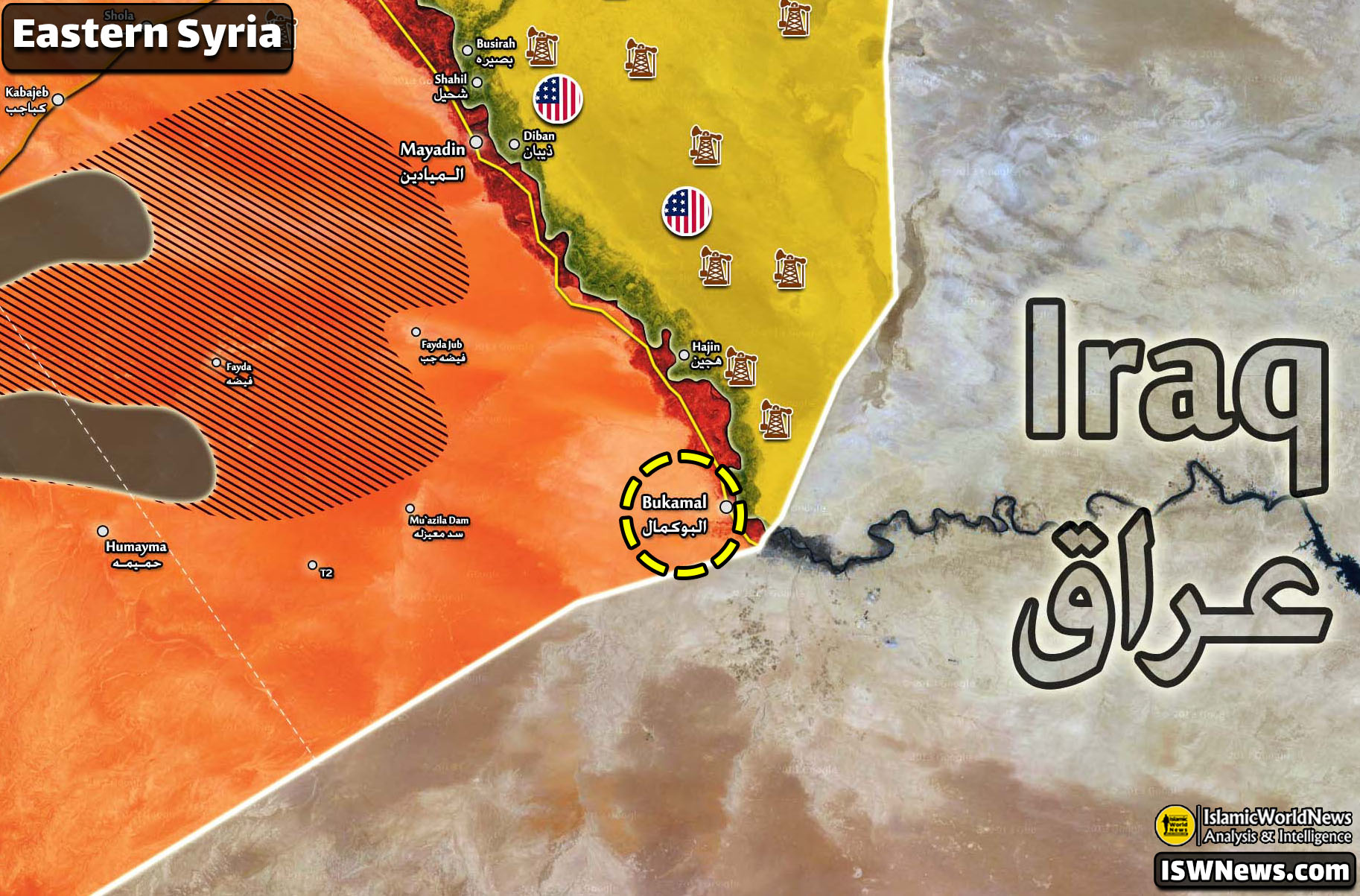
On December 16, the ISWNEWS field source reported the attack of unknown aircraft (probably belonging to the US coalition) on a truck near the border town of Al-Bukmal located in Deir Ezzor province of Syria. As a result of this attack, the truck was completely destroyed.
Although more details of this attack have not been published yet, some sources claimed that this attack was carried out by Israeli aircraft and as a result, a trailer vehicle belonging to Iran was destroyed. So far, the Syrian authorities have not commented on this incident.
It is worth mentioning that on November 8, a convoy carrying fuel belonging to the Islamic Republic of Iran, was attacked by unknown aircraft after crossing the border crossing of al-Qaim and entering Syria. And later, nn December 14, Chief of Staff of the Israeli regime defense forces, Lieutenant General Aviv Kochavi claimed responsibility for the November 8 strikes that hit a convoy of 25 trucks at the Syrian part of al-Qaim border crossing.
Following the recent attacks of the US drones on the gatherings of the Al-Qaeda terrorist group and numerous explosions in the positions of the Islah party in Marib, the Islah party militants began to implement a security-intelligence operation in the city of Marib. This operation has started since Sunday, December 20, with increasing the number of checkpoints, inspecting homes and hotels, and also prosecuting the UAE-affiliated individuals.
In the initial stage of this operation, the Islah party militants arrested Saeed Al-Farwi Al-Waeli, an individual close to Lt. Gen. Saghir Bin Aziz, the army commander of the resigned government, and the Al-Yaman al-Saeed forces (affiliated to the Saudi coalition) along with a number of his companions. Folowing the arrest, they were all executed by firing squad. This event led to the anger of Saghir Bin Aziz and finally a clash broke out in Marib between his forces and the Islah party militants.
The Islah party news sources held Saeed Al-Farwi Al-Waeli responsible for the bomb attack on the gathering of military commanders and Islah party vehicles route.
There has been an increase in the movements of the Islah party in Marib and Hadhramaut provinces while the UAE-affiliated factions, including the Southern Transitional Council (STC) and Tariq Saleh forces, intend to clear the positions that are under the control of this party. The Islah Party is supported by some al-Qaeda elements in Yemen and these individuals were previously transferred to Marib by the Saudi coalition to confront Ansar Allah.
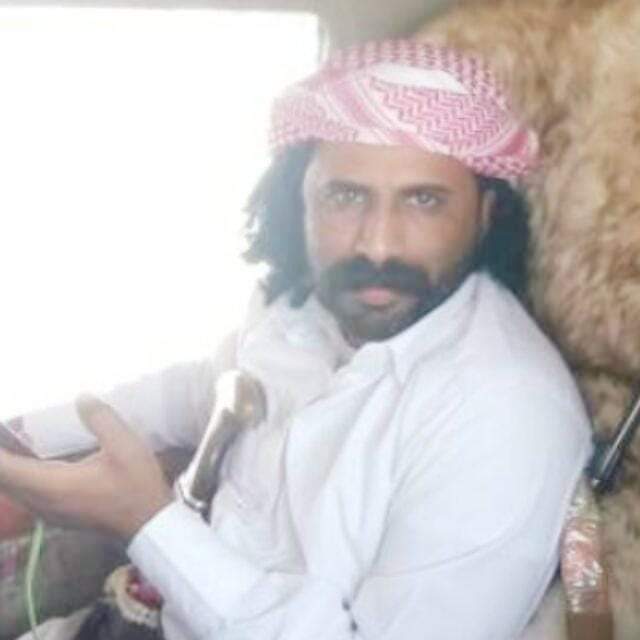
A picture attributed to Saeed al-Waeli affiliated with Saghir bin Aziz
On December 11, The Israeli militants raided the Barqin town, located in the west of Jenin and arrested two Palestinian brothers named ” Tariq ” and “Nabil Abu Shadouf “.
Tariq and Nabil Abu Shadouf
A few hours later, a large number of special forces of the Israeli regime raided the east of Jenin and following the arrest of a Palestinian youth named Thaer Abu Amsha, began a violent armed conflict with the Palestinian Resistance forces.
During the exchange of fire, a 16-year-old Palestinian girl named ” Jana Majdi Assam Zakarnah ” was shot dead by Israeli soldiers and three others were seriously injured.
It is worth mentioning that the armed conflicts between the Palestinian Resistance groups and the Israeli forces have increased significantly compared to the recent months. By publishing a report in this regard, the Hebrew-language newspaper Yedioth Ahronoth announced the unprecedented increase in shooting operations in the West Bank and announced that since the beginning of this year, there have been about 300 shootings in the West Bank, during which 31 Israeli forces were killed.
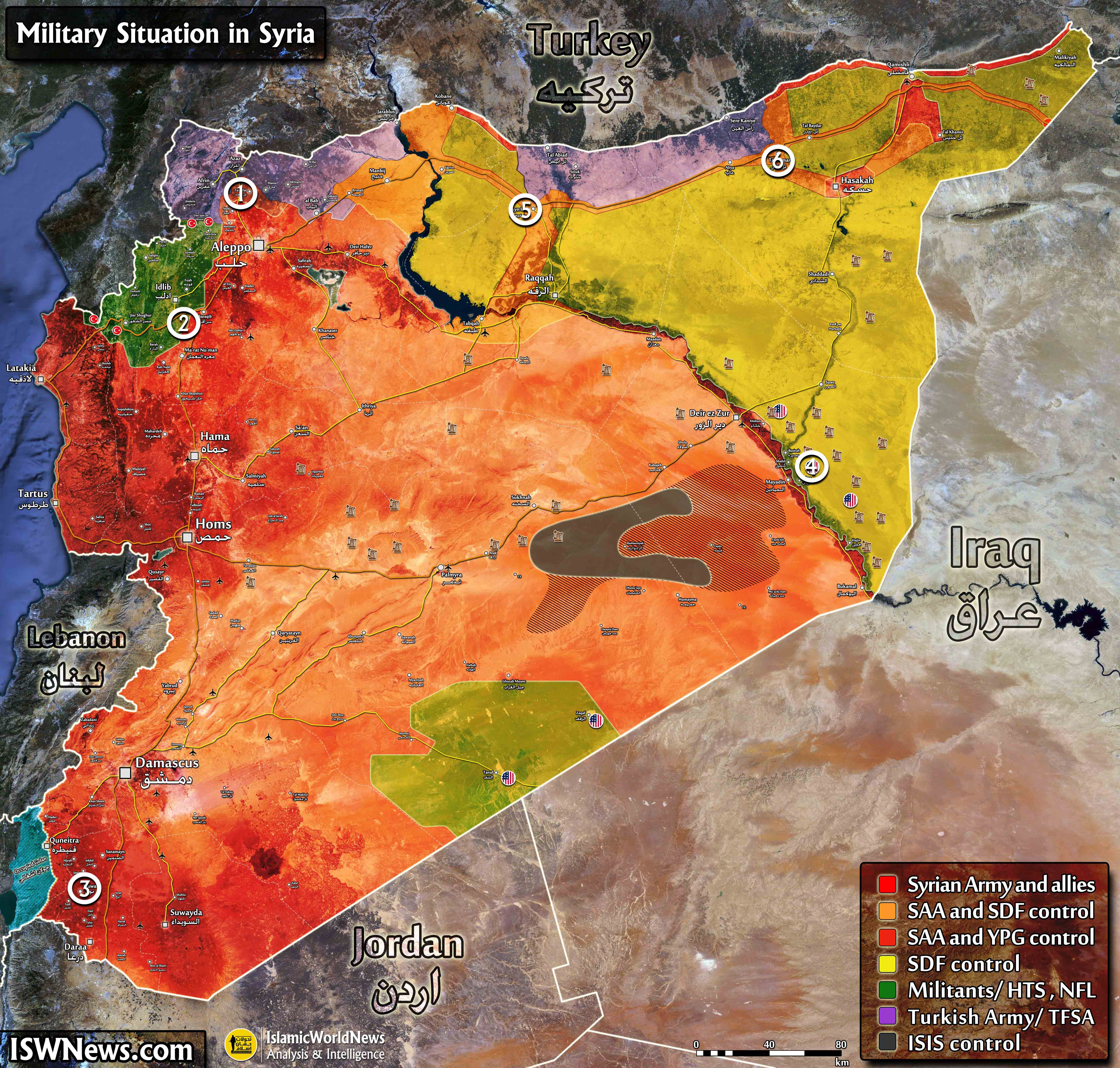
1. Aleppo: -On December 9, Turkish-backed militants targeted the village of Harbul, located in the southeast of Tal Rafaat with artillery attacks. -On December 11, the positions of militants in the villages of Kafr Taal and Kafr Amma, located in the west of Aleppo, were targeted by Syrian army artillery. -On December 11, The Russian army reconnaissance drones were seen flying over the cities of Afrin and Azaz located in Aleppo province.
2. Idlib: On December11, the positions of the militants in the Kadura, located in the south of Idlib, were targeted by the Syrian army artillery.
3. Daraa: -On December 9, one of the Syrian security forces named “Muhammed Mahmoud Al-Janadi” was martyred by unknown armed individuals in Nawa. -On December 10, two members of the Syrian Army were martyred by unknown armed individuals on the Namr-Samlin road.
4. Deir Ezzor: On December 11, two individuals were killed during a heliborne operation carried out by the US forces in al-Zar village, located around Omar oilfield. No further details have been released in this regard. On December 11, ISIS news sources reported targeting a checkpoint belonging to the Syrian Democratic Forces (SDF) in al-Zar village located in Al-Basira region in the east of Deir Ezzor province. In this conflict, one of the SDF forces was killed.
5. Raqqa: -On December 8, Turkish-backed militants targeted the M4 highway and Ain Issa suburbs with artillery. -On December 10, a military convoy for the Syrian Army was sent from the Tabqah military airport to Ain Isa city.
6. Hasakah: -On December 10, Turkish-backed militants targeted the positions of the Syrian Democratic Forces (SDF) in the village of Kozaliyah in the west of Tal Tamar. -On December 11, positions of Kurdish militias in the village of Tal al-Laban, located in the north of Hasakah, were targeted by the artillery attacks of Turkish-backed militants.
7. On December 10, the Turkish ministry of defense announced the death of one of the Kurdish militia commanders named “Fahmi Muhammad” in the northern regions of Syria. According to the Turkish media, he was one of the commanders of the Afrin Liberation Force (ALF).
8. On December 10, the US Department of State announced its strong opposition to any military action by Turkey against the northern regions of Syria
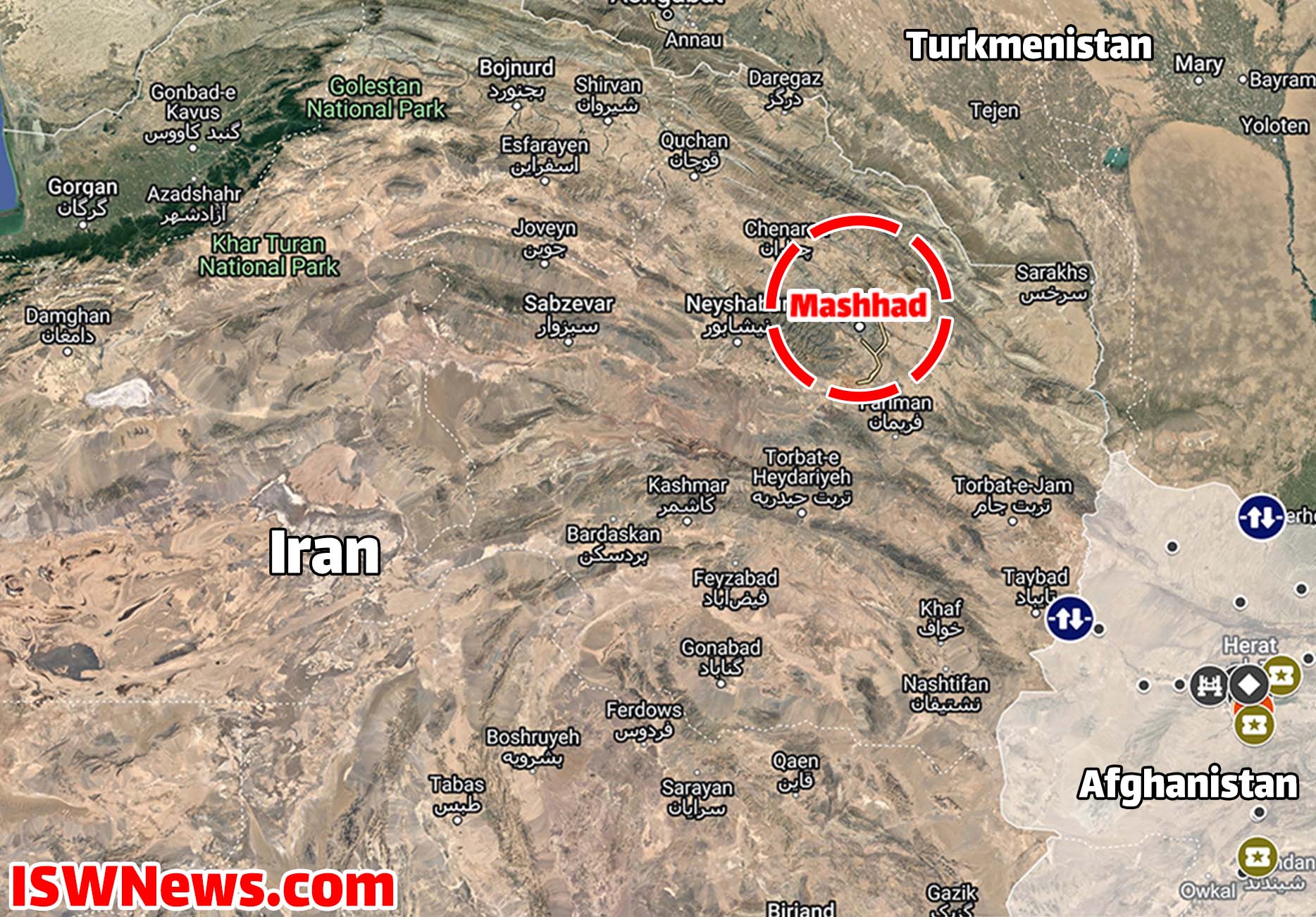
According to the announcement of the Imam Reza Corps in Razavi Khorasan Province, a team affiliated with the Jaish ul-Adl terrorist group was identified and arrested in the city of Mashhad. Also, the related people and the support agents have been identified and prosecuted in other provinces.
This team intended to carry out various terrorist operations, including the attack on the office of the Governor General of Razavi Khorasan Province and the assassination of the Friday Prayer leader of Mashhad, Ayatullah Sayyid Ahmad Alamolhoda. Huge amounts of weapons, ammunition and explosives have been discovered from the hideout of the terrorists.
The Jaish ul-Adl terrorist group also confirmed the arrest of its agents in Mashhad by announcing a statement. Jaish ul-Adl claims that its other agents will soon avenge the blood of Zahedan martyrs.
The coincidence of the failure of the Jaish ul-Adl terrorist attack with the assassination of Maulvi Abdulwahid Rigi, one of the Sunni clerics of Sistan and Baluchestan Province, indicates the common plan of the terrorist groups to create discord among Sunnis and Shi`ites.
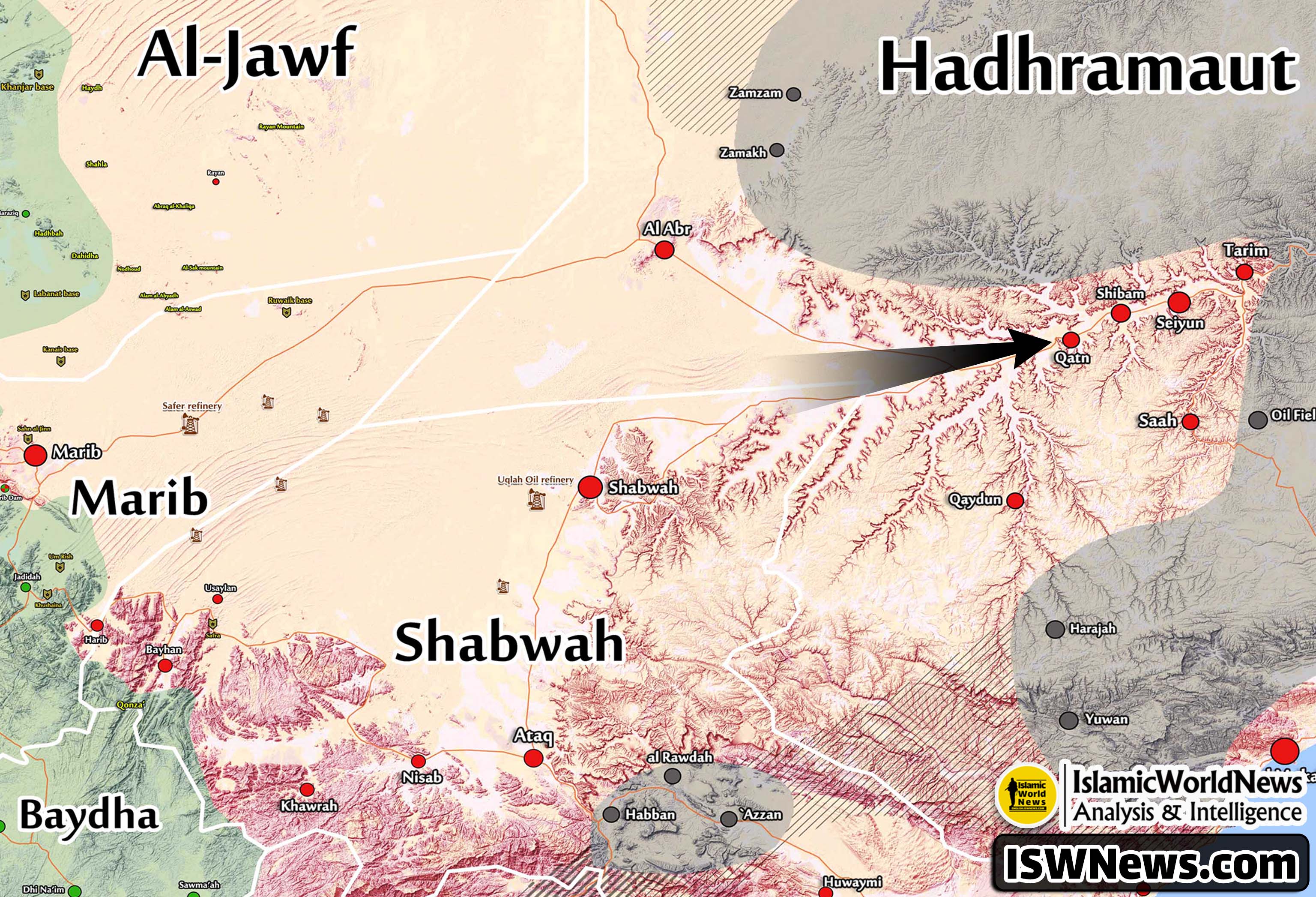
At present, most of the northern areas of this province are under the control of slah Party militants, and its central and southern areas are under the control of the UAE-affiliated groups, especially the Southern Transitional Council (STC). This situation is the result of the latest resignation of Abdrabbuh Mansur Hadi from the presidency of the resigned government, followed by tension and competition between the powerful parties in the presidential council of the resigned government, especially the Southern Transitional Council and Islah Party.
The battle between the Southerners and Islah Party over the sovereignty of Hadhramaut has also brought Ansar Allah into the fray, and in recent months, the Salvation Government authorities of Yemen (based in Sanaa), backed by Ansar Allah’s drones, have carried out effective threats in order to stop the oil export from the coasts of this province. In the ceasefire negotiations mediated by the United Nations, Ansarullah asked for allocating Yemen’s oil revenues to the salaries of government employees and won’t make an extension on the agreement unless they keep up with their demand.
However, the representatives of Saudi Arabia and the United States consider this demand excessive and are not ready to pay a certain amount of Yemen’s oil revenues to the government based in Sana’a.
The tension between the southerners and the Islah Party has been intensified after the large-scale deployment of Al-Qaeda terrorist militants in Seiyun, as well as the dismissal and appointment of a number of Islah Party members in Hadhramaut by Rashad al-Alimi, the head of the presidential council of the resigned government. It seems that Rashad al-Alimi intends to establish an apparent balance in the resigned government by handing over the north of Hadhramaut to the Islah party and granting oil concessions and the southern areas of this province to the UAE faction (and the US-affiliates) and gradually reducing the share of the Islah party in the resigned government.
In the latest developments in this province, supporters of the southerners staged demonstrations in the cities of Seiyun, Tarim and al-Qatn and demanded the withdrawal of Islah Party militants and their foreign supporters (al-Qaeda) from these cities. On the other hand, the Islah party militants, who have been strengthened with the help of al-Qaeda, while arresting the protesters, are trying to take control of the roads and consolidate the communication line with Marib.
In general, with the continuation and possible increase of tension between STC (supported by the UAE) and the Islah Party (supported Al-Qaeda), we will witness more conflicts in Hadhramaut province in the coming days.
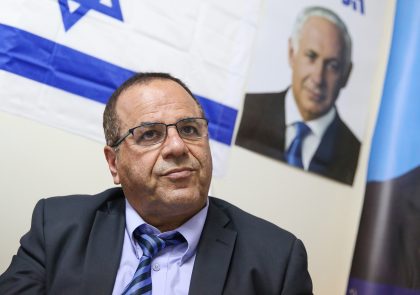
Ayoob Kara, politician and the former Israel’s minister of communications and a member of the Likud Party answers:
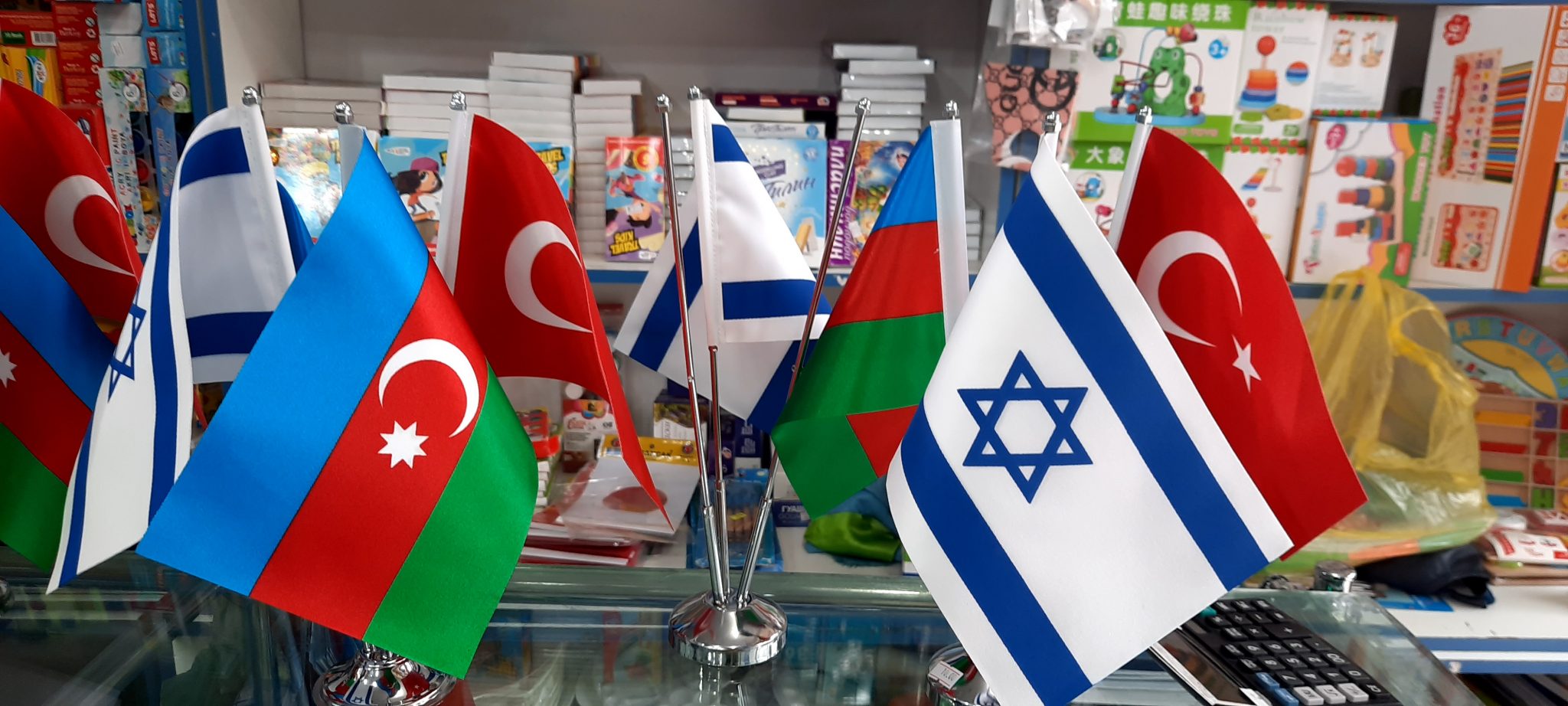
The governments of Azerbaijan, Georgia, Turkey, and Kazakhstan earlier in the year signed a declaration on improving the transportation potential throughout the region. Following that, the Azerbaijani, Kazakh, Georgian and Turkish foreign and transport ministries decided that there should be accelerated transport routes throughout the region, which will include the development of the Middle Corridor, a rail freight and ferry system that will link China with Europe.
It starts in Southeast Asia and China, and runs through Kazakhstan, the Caspian Sea, Azerbaijan, Georgia and Turkey before reaching southern and central Europe. This will permit trains to travel from China to Europe within 20-25 days, thus helping to reconnect the former Silk Road. As a former Israeli minister, I believe that Israel should be supportive of the establishment of the Middle Corridor, as it will help to strengthen the Abraham Accords if it is expanded to include Israel, the United Arab Emirates and other countries in the region.
The entire Middle East region used to be connected by train under the rule of the Ottoman Turks. There are a number of remnants of this wonderful train system in Israel, including the Ottoman train stations in Beersheba, Jaffa, and Jerusalem. These Ottoman train stations are historic landmarks from a bygone era when train travel across the Middle East was possible. Ottoman-era trains used to travel from Jaffa to Jerusalem, Haifa and other areas of the former Ottoman Turkish Empire, such as Medina and Damascus.
However, since Israel was declared to be independent, there has been no train travel between Israel and the Arab world. This was one of many causalities of the Israeli-Palestinian conflict. Yet in the wake of the Abraham Accords, this all has the potential to change, as the Arab countries no longer view Israel to be the pariah that they once viewed it to be. If anything, the Persian Gulf countries now view Israel to be a partner in the struggle against Iran, as do the Turkic republics like Azerbaijan, who greatly disdain how the mullahs are treating the Azerbaijani population in the Islamic Republic.
Thus, if this Middle Corridor is built, we Israelis can try to connect onto it as well, as it will help to counter the mullahs in Tehran by creating a stronger connection between the Turkic republics, Israel and the Arab world. We can connect to it via Turkey by ferry, and then from there, have another set of trains going from Israel to Jordan and Saudi Arabia and from there, to the United Arab Emirates. In our times, this is within the realm of the possible.
This will thus help to greatly expand trade between China, the Turkic republics, Israel and the Arab countries. Already, Israel, Saudi Arabia, and Jordan know that it is necessary to have a train that crosses from Israel to the Gulf states.They are talking about it and thinking about it. They are starting with trucks with containers that I arranged, where they bring containers from Abu Dhabi to Israel crossing from Saudi Arabia to Jordan to Haifa.They could continue from there to Turkey via ship and from there to Europe and anywhere else.
That means that we can have a train traveling from Europe to Turkey and from there, ships can go to Haifa, and from Haifa to Jordan, Saudi Arabia and from there, to the Gulf states, and they can go back in the opposite direction. I am in Bulgaria now to check how I can make it more relevant. After that, a Saudi Arabian agreement with Israel can start with a new train, like what existed in the Ottoman times with the Hijaz Railway. The people of Hijaz want to make it happen again. This is in the plan of the Abraham Accords Agreement and it will happen in the future.
Ayoob Kara, politician and the former Israel’s minister of communications
Postscript:
For many years, Israel has been seeking to establish deep relations with the Central Asian countries through different ways and models. For example, Israel’s relations with Kazakhstan in the fields of military, security and energy have been very strong and there have been high-level visits between the Zionist regime and Kazakhstan in the past.
In a country like Uzbekistan, the existence of a “large community of Tajik Jews from Bukhara” is very important for Israel and the regime has always sought to influence the community as well as the Central Asian society.
Needless to say, Israel has had more secret relations in Tajikistan. One of the reasons for these relations was to help the Government of the Republic of Tajikistan to suppress and destroy the Islamist groups close to Iran, so that they can compete with the position of the Islamic Republic of Iran in Tajikistan and overcome its influence.
Now, due to the sensitivity created on the countries of Central Asia, we are witnessing the presence and strong role of different countries in the developments of this geographical area. The activity and influence of America, European countries and Persian Gulf countries, especially Saudi Arabia, has been very impressive in the last few years and now Turkey is also displaying its influence and power in this region via various means.
One of Turkey’s initiatives in this region is the creation and implementation of the “Middle Corridor”, which has attracted the attention of other countries and has been seriously welcomed by the United States and the Europeans.
Israel’s attempt to get connected with the “Middle Corridor” plan is completely noticeable. There are two reasons for this fact: 1. Israel’s need for the Central Asian region regarding the required resources and the definition of a new playing field to confront the Islamic Republic of Iran 2. The influence of the Israel in the region, especially in Azerbaijan, which is one of the most important claimants in the “Middle Corridor” plan
According to Ayoob Kara, the former Israel’s minister of communications, we can surely say that this plan is basically aimed at isolating Russia and Iran in the region.
On the other hand, It is quite conceivable that China will go along with the Middle Corridor plan because it is important for China to maintain its economic power, export and the market for its products in the foreign relations.
Although the capacity of this corridor is debatable and the implementation of this plan is somewhat impossible, only these attemts can be considered as serious alarms for the position of Iran and Russia in the region, which requires more attention from the Iranian authorities to review the country’s regional policies.