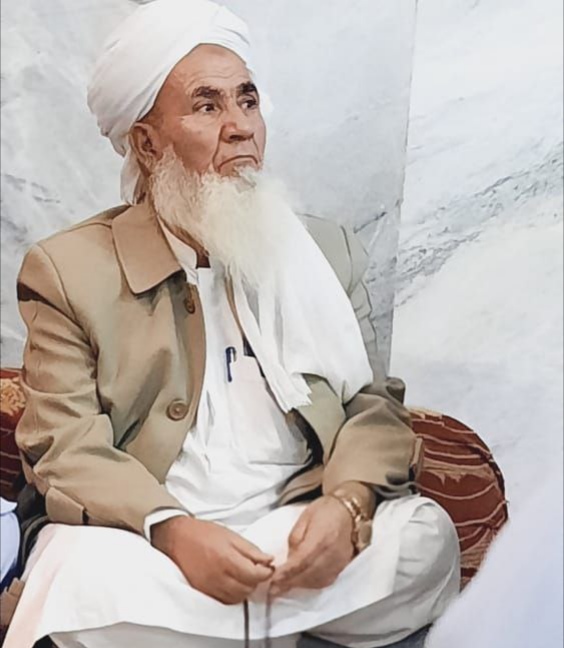
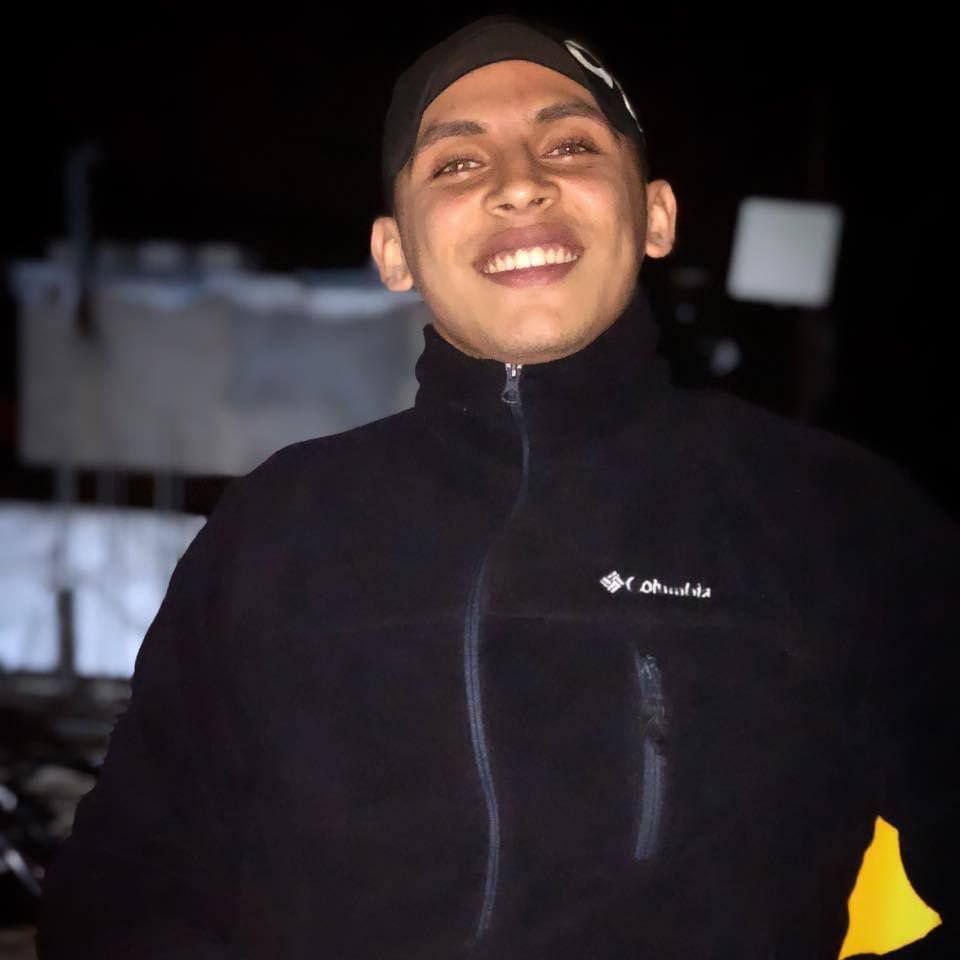
According to the statement of the Security Council of Sistan-Baluchestan province, Molavi Rigi was kidnapped and martyred by unknown individuals on December 13.
Molavi Abdulvahed Rigi was the Friday prayers leader of Imam Hussein Mosque in Khash and one of the famous Sunni clerics in Sistan-Baluchestan province. He was also a seminary teacher.
According to the province’s prosecutor, Molavi Abdolvahed Rigi was present at his mosque on Thursday, but unknown individuals called him from the rear door, making him sit in a car that had no license plate.
Following his abduction, the prosecutor’s office and the police carried out the investigation on the case and they came to the conclusion that unknown individuals had killed Maulvi Abdulwahid after his abduction.
His dead body was found on a roadside in Khash with three bullet wounds to his head.
So far, no individual or group has claimed responsibility for this unfair assassination.
It all started with the visit of Khalil al-Haya to Damascus, where the parties discussed the resumption of relations. Prominent Hamas figure Mahmoud Zahhar stressed that “Hamas has returned to Syria to realize a common goal – to end Zionism”. Then, in the capital of Jordan, activists of the Islamic Action Front held a pro-Palestinian rally, where party leaders demanded that the king open a branch of Hamas in Jordan. At this event, Sheikh Trad al-Fayez said that “the liberation of Palestine will begin from the territory of Transjordan.” Finally, a meeting was held in Iraq between the head of the Quds Forces (IRGC), Ismail Kaani and the Mufti of Iraq, Mahdi al-Sumadai.
Iraq and Syria have long been part of the regional anti-Zionist resistance. The IRGC and Hezbollah bases plus their Palestinian and Iraqi proxies are located in Syria. In Iraq, everything is ready to create a “revolutionary front” for the liberation of the holy al-Quds. Despite the intra-Shiite differences, the parties are similar in the need to create “special military forces for the battles for Palestine.” The Sunni region of the country also has authoritative figures for the liberation campaign for al-Quds, which was shown by the visit of Ismail Kaani. The Sunni environment of Iraq is on the verge of major changes, which are closely related to the dynamics of the Palestinian resistance. Among the followers of the Ahlu-Sunnah of Iraq, there is a sufficient number of pro-Palestinian figures, organizations and parties who jointly acted against the American occupation, the fight against ISIS, and then took a common position on the self-proclaimed referendum of the Barzani regime in Kurdistan. Now it’s the turn to fight the Zionists.
Based on the recent rally in Amman, we can say that Jordan is ready to make a revolutionary U-turn towards Palestine. It is worth recalling that the Islamic Action Front is a great friend of Hamas, so any activity of the Jordanian “Muslim-Brotherhood” adds advantages to the leading Palestinian party.
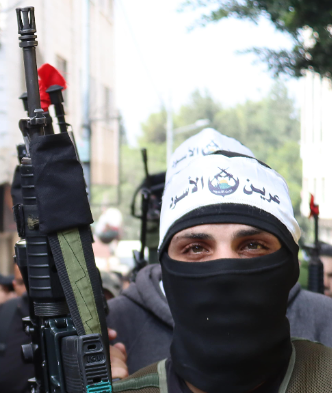
The Lion’s Den uprising initiated a major shift in the regional situation, now the King of Jordan is forced to go out of his way to prevent the radicalization of the Jordanian public, and at the same time support the efforts of the Palestinian Authority to curb the growth of revolutionary sentiments in the West Bank. The king is assisted in this by the leader of the Egyptian junta, Sisi. These efforts are doomed to failure, because now the principle of “local concentration” is operating inside the Axis of Resistance. While the Zionists are trying to suppress resistance in the West Bank, the Islamic Resistance in Syria is destroying the remnants of insurgency in the south of the country, and the Iraqis are expanding their presence on the border with Jordan right under the noses of the American-British occupiers.
Palestinian Reports mentioned that the Zionist force that stormed Jenin this morning had lost military maps while raiding the area
These days, the state-affiliated media in Azerbaijan intend to convey to their addressees that Iranian armed forces have been deployed along the Azerbaijan border and are planning to attack this country.
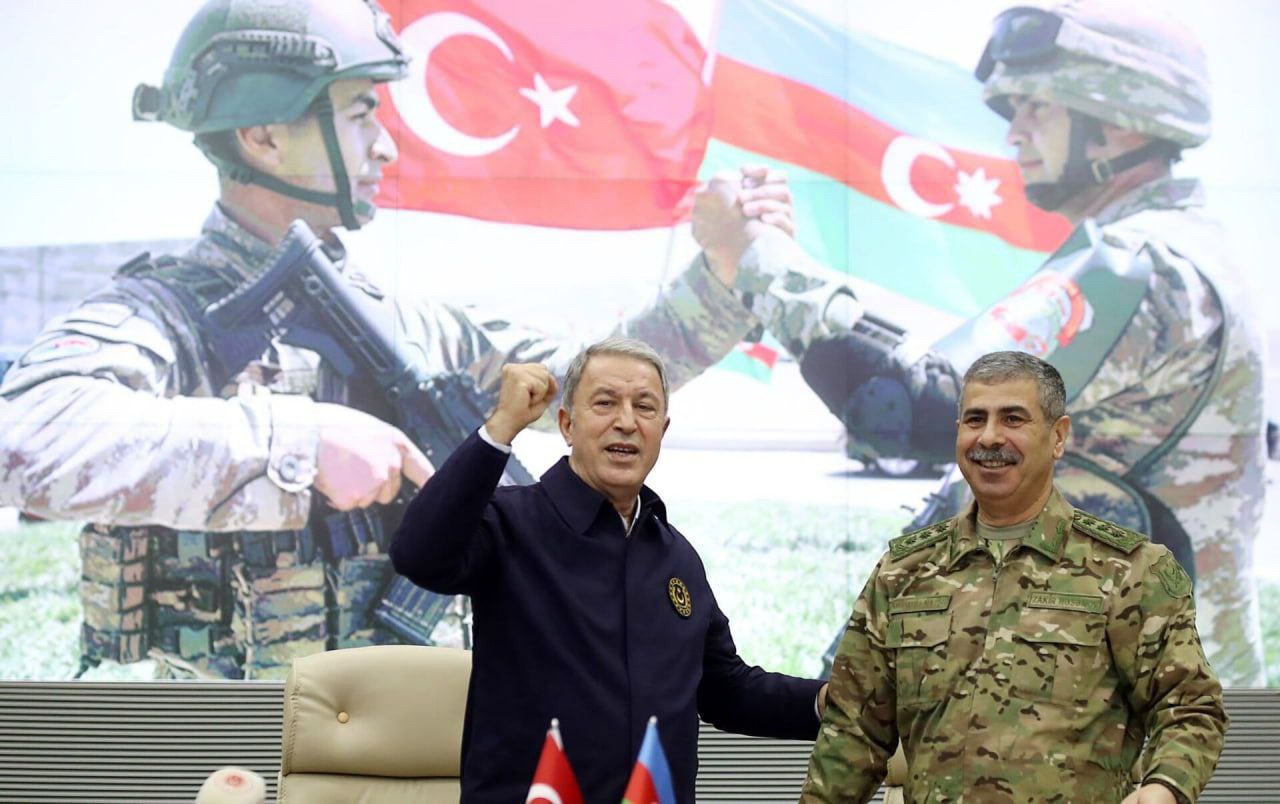
Khazar TV, in a report on Monday announced the objectives of these military exercises: “The exercise is a response to the threats from the Islamic Republic of Iran and it is made up of 5 military units. If Iran trespasses the Azerbaijan border, it will face the armies of two friendly nations, Azerbaijan and Turkey.
This exercise is intended to practice modern battles by using a combination of artillery, commando forces and marines to penetrate the enemy lines and remove booby traps. This exercise also includes deployment of pontoon bridges over river, heliborne operations, using tanks and landing forces behind the enemy lines. The aerial bombardment is carried out using airplanes and helicopters.
According to the Turkish ministry of defense, Turkish F-16 jets have also joined this exercise and one of the training sites for bombing the simulated enemy was near Astara. The number of F-16 used in this exercise has not yet been mentioned.
Turkish Defence Minister Hulusi Akar arrived in Baku, the capital of Azerbaijan on Tuesday, December 15, along with a military delegation. He is participating in this exercise along with Azerbaijani Defense Minister Zakir Hasanov.
1. Aleppo: -On December 7, Russian military forces patrolled around the city of Ayn al-Arab. -On December 6, Turkish military base in Kafarjana, located on the outskirts of Afrin, came under rocket attack by Syrian Democratic Forces (SDF). So far, no information has been published on the exact number of casualties and damages of this attack.
2. Idlib: On December 4, the so-called Syrian Salvation Government (SSG) in Idlib which is under the control of the Hay’at Tahrir al-Sham (HTS) militants, announced the establishment of a police academy in the heart of the residential areas of this province. The construction of the police college in Idlib, which was carried out in the residential areas under the supervision of the Syrian Salvation Government (SSG) interior ministry, has aroused the dissatisfaction among residents of this province.
3. Daraa: On December 6, a Syrian child was martyred and two others were injured due to a mine explosion in Qarfa.
4. Deir Ezzor: On December 6, the US forces held an exercise at the military base located in Koniko gas factory in Deir Ezzor.
5. Raqqa On December 5, Turkish-backed militants launched artillery attack on the M4 international highway in Ayn Issa countryside.
6. Hasakah: -On December 5, a Russian helicopter carrying a Russian military delegation landed at al-Qamishli airport to meet with the top commanders of the Syrian Democratic Forces (SDF). -On December 7, the US coalition carried out a patrol in the Rumailan area.
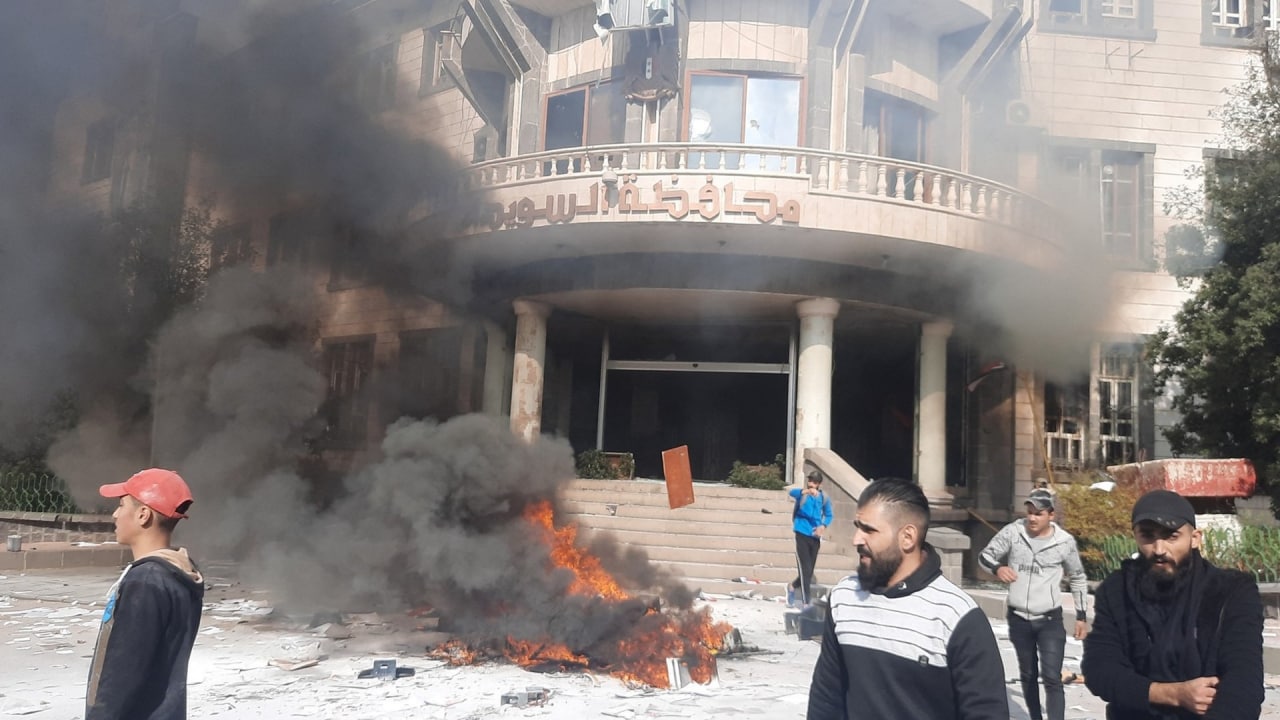
7. Suweyda: On December 4, some residents of Suwayda protested against the decisions of the Syrian authorities, livelihood problems, frequent power outages, water supply and lack of fuel. In the continuation of this rally, the protesters took control of the governor’s building by storming it and resorted to violent behavior.
8. On December 5, the SDF resumed their joint operations with the American coalition after it was stopped due to the intensification of Turkish attacks.
9. On December 5, Turkish Defense Ministry announced the death of 5 Kurdish militias in the operational areas of Euphrates Shield and Olive branch.
10. On December 7, Russian Reconciliation Center for Syria announced that the militants violated the ceasefire in Idlib two times, of which one case was related to Idlib province and the other was related to Latakia.
In recent months, some residents of Suwayda province protested against the inappropriate management by the Syrian officials and livelihood problems. Southern Syria has always been the focus of attention by many intelligence agencies, including the Mossad. Therefore, these gatherings were managed and intensified by the Israeli intelligence agencies, and after a short period of time, the protests turned into armed conflicts.
Although some of these elements were arrested by the Syrian security forces and the allies, the available evidence and the examination of the recent gatherings in Suwayda confirm the role of intelligence agencies.
These elements were able to turn the gatherings into violence only by inciting the existing faults and highlighting the weaknesses of the Syrian government and their presence in the events. The main problem that paved the way for the foreign elements in Suwayda is the unfavorable economic conditions and the failure to address the demands of the people. This province is controlled by the Syrian authorities.
Considering the arrival of winter and problems such as lack of fuel, frequent power outages, as well as the increase in violence and tensions in Suwayda, it is likely that livelihood problems turn into a dangerous security problem and we may witness a serious challenge similar to the beginning of the Syrian conflict in Daraa province.
Currently, the intensity of the conflicts in Suwayda has decreased and the deployment of security forces and military police in this city has established relative peace but the evidence indicates that opposition groups are planning a new round of riots and we may see a series of disturbances in the coming days.
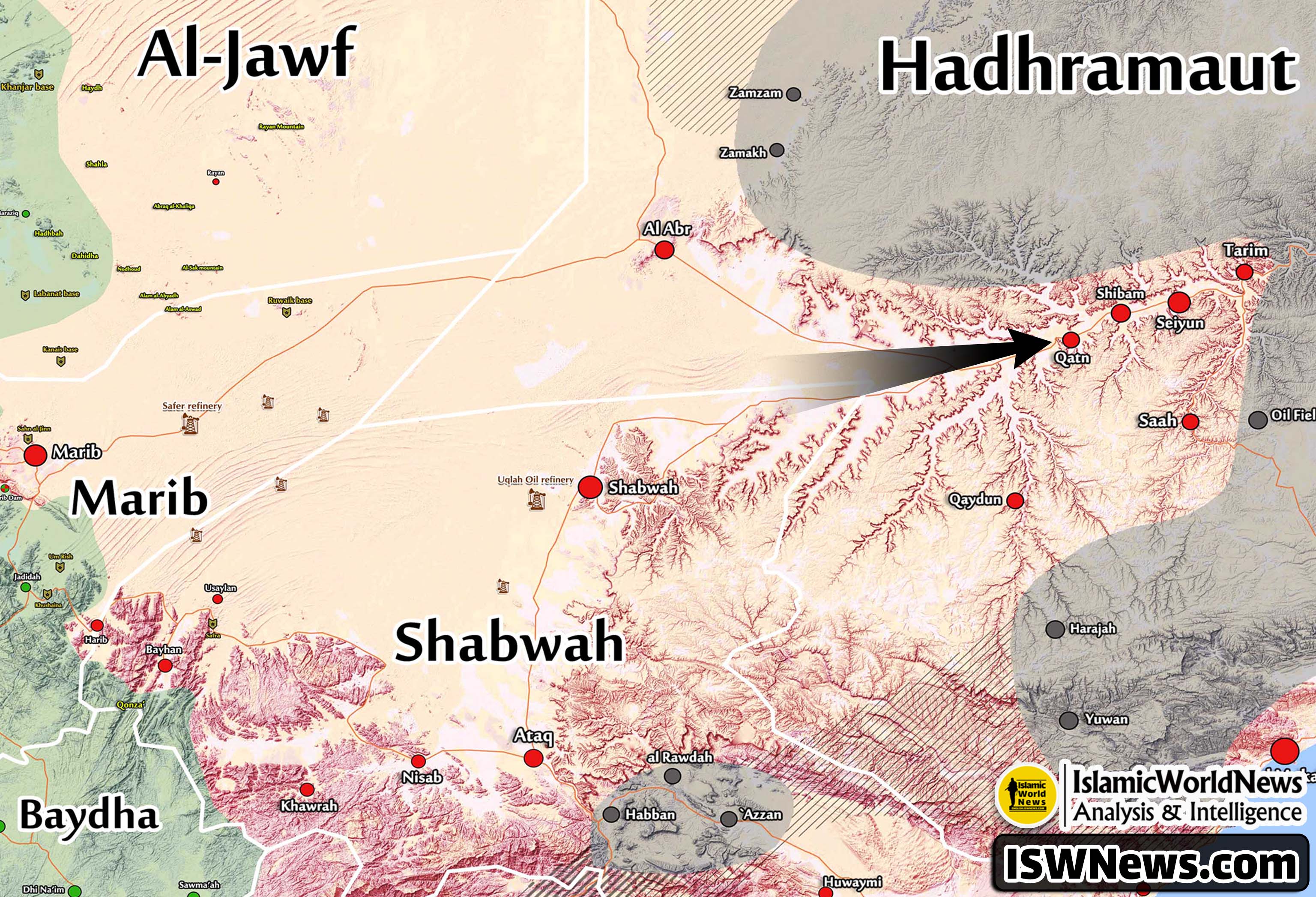
Local sources reported the large-scale deployment of Al-Qaeda terrorist militants in the city of Seiyun. According to this report, a large number of Al-Qaeda members have been transferred from the city of Marib to Wadi Al-Ain and Al-Qatn in order to strengthen the positions of the Reform Party (Islah Party) in Hadhramaut province.
It should be noted that in recent days, the armed forces of Al-Hadhramiyah and Al-Janoub Resistance brigades (affiliated to the UAE) issued a public warning to attack the positions of the armed forces of Al-Islah party in Seiyun.
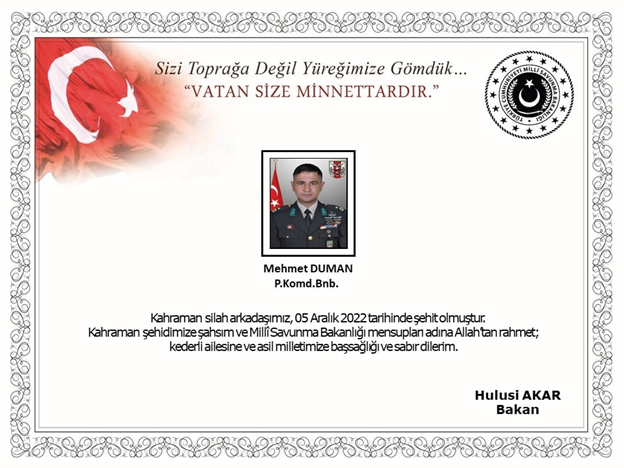
On December 5, the death of one of the Turkish army forces was announced. According to Turkish media, he was injured by an IED attack in northern Iraq and died after being transferred to a medical center due to the severity of his injuries. Following the death of this Turkish army commando, the number of casualties of the Turkish army in the “Claw Lock” operation increased to 70 people.
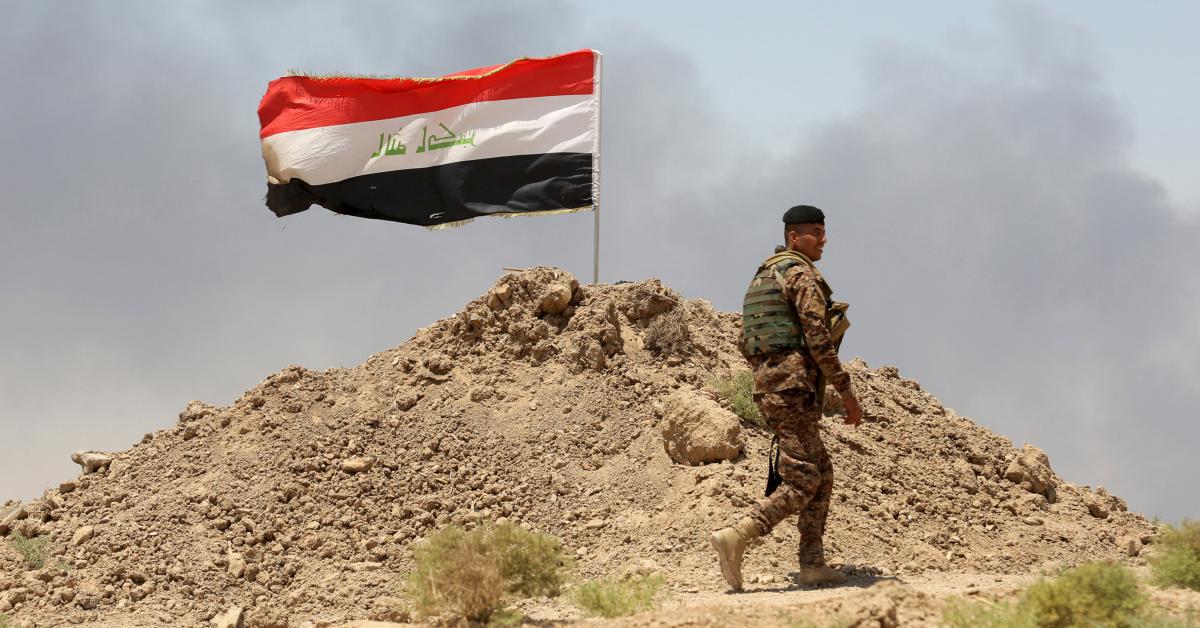
On December 4, Iraqi military spokesman Yahya Rasool announced that Mohammad Shia al-Sudani, the Prime Minister and Commander-in-Chief of the Iraqi Armed Forces, ordered border guards to take control of the borderline shared with Iran and Turkey.
Al-Sudani has also ordered to strengthen the Iraqi Border Guard Command with weapons, equipment and troops so that the border areas are under a suitable control.
He went on to say that Iraq does not allow its territory to be used to attack its neighboring countries, adding that Iraq has good relations with all neighboring countries and seek to develop the ties regarding the interests of Iraq and the neighboring countries.
According to Yahya Rasool, the purpose of this order is to end the conflict between the armed forces of Iran and Turkey with the terrorist groups.
It is worth mentioning that on November 23, the Iraqi National Security Council (INSC) during a meeting chaired by the Iraqi Prime Minister, Mohammad Shia Al-Sudani, examined the recent attacks carried out by Iran and Turkey on the northern regions of Iraq. The council made four new decisions for the deployment of Iraqi forces along the common borders of Iraqi Kurdistan Region with Iran and Turkey.
Following the order, two Iraqi military brigades were deployed along the common borders of Iraq with Iran and Turkey.
It is said that despite the presence of Peshmerga forces, the Iraqi border guards took control of the border areas. This measure was taken following several meetings and an agreement between the Baghdad authorities and Iraqi Kurdistan Region in recent days. According to this agreement, the Iraqi border guards will not enter the border crossings under the control of Kurdistan Region armed forces, known as the Peshmerga.
It is worth noting that deployment of Iraqi border guards along the common borders with Iran and Turkey was discussed in the recent meeting of Iraqi Prime Minister Mohammad Shia al-Sudani with senior Iranian officials.
On December 4 the Turkish Bashiqa military base in the Zelkan region, located in north of Mosul was targeted with eight rockets. No group took responsibility for the attack so far.
On December 3 also the Bashiqa military base was targeted by a rocket attack by the Islamic resistance of the “Ahrar al-Iraq” brigade.
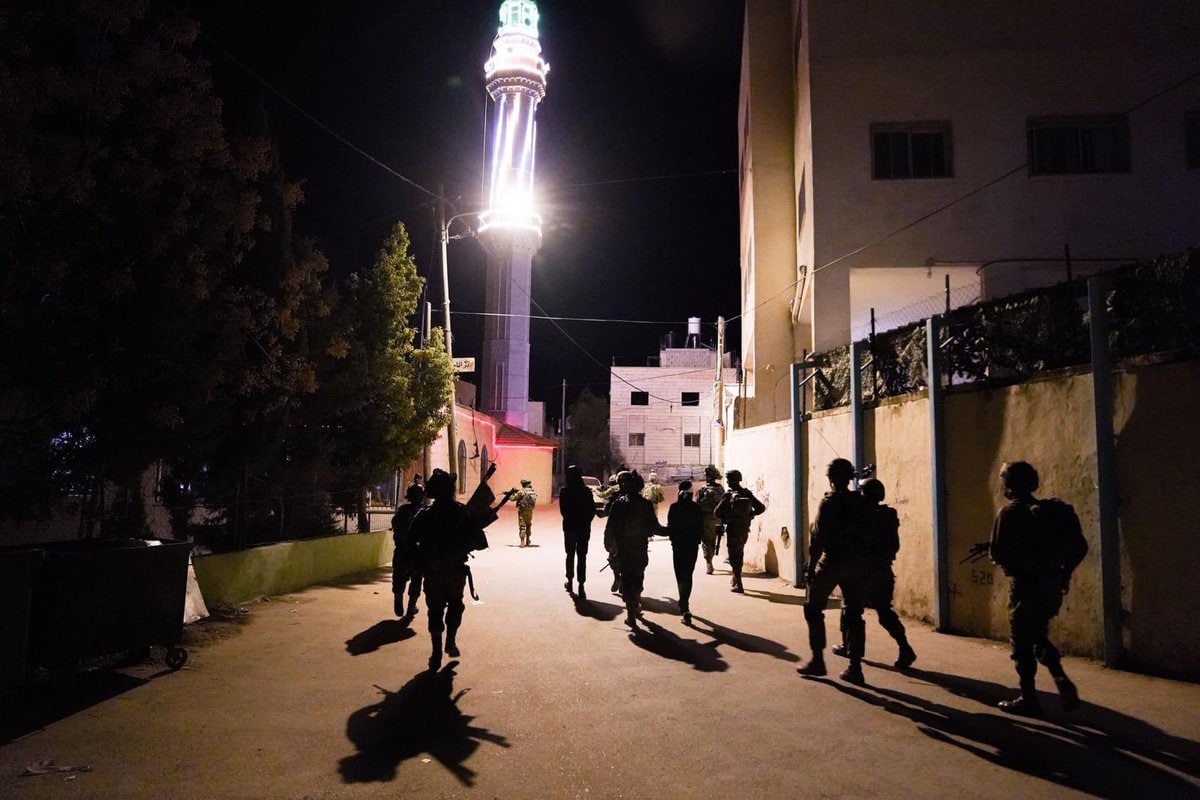
On December 5th, following the attack of the Israeli soldiers on Al-Hadaf neighborhood in Jenin, a violent armed conflict took place between them and the Palestinian resistance forces.
A video of the conflict between the Palestinian resistance forces and the Israeli soldiers in Jenin (1)A video of the conflict between the Palestinian resistance forces and the Israeli soldiers in Jenin (2)
At the same time as this conflict, the soldiers of the Zionist regime captured Yahya Al-Saadi, the son of Sheikh Bassam Al-Saadi, one of the leaders of the Palestinian Islamic Jihad movement in the Jenin camp. Following this event, they completely retreated from the Jenin camp.
In addition to Jenin, Israeli soldiers also attacked Dahishah camp located in the West Bank, during which a Palestinian youth named “Omar Mana” was martyred and six people were injured.
Picture of Martyr Omar Mana
It is worth mentioning that in addition to the mentioned operations, during a series of security operations in the last 24 hours, Israeli regime forces arrested at least 14 Palestinians on charges of attempting anti-Israeli operations in the West Bank.
On December 4, some residents of Suwayda city protested against livelihood problems, frequent power outages, water supply problems and lack of fuel and blocked several streets of this city by burning tires. Following the protests, the rioters stormed the governor’s building and took control of it and started violent behavior. However after the arrival of the security forces, the protesters were forced to withdraw from the Suwayda governorate building, but the armed conflict between the protesters and the security forces continued in the streets of Suwayda, including around the police headquarters in the center of the city. The clashes ended after several hours with the large presence of Syrian security forces in the streets of Suwayda.
A video of the protesters storming a governor’s office in the southern Syrian city of Suwayda
According to the announcement of the interior ministry of Syria, one of the Syrian security forces and a protester have been killed during the clashes in the southern Syrian city of Suwayda.
It is worth mentioning that some time before and after the beginning of the demonstrations in Shahba and Majdal towns in the north of Suwayda, the Israeli elements took over the management of the gatherings, but the observations carried out by Hezbollah security forces led into arresting a number of groups related to Israel.
This event indicates that the unrest in southern Syria is one of the favorite subjects of the Israeli intelligence agencies. The recent protest gatherings were organized under the pretext of the difficult living conditions in Suwayda province and it is controlled by the Mossad.
It’s likely that lack of proper management of the riots by the Syrian authorities, the influence of intelligence services, directing the protests and abusing the people’s demands can cause a widespread insecurity and conflicts in the south of Syria again.
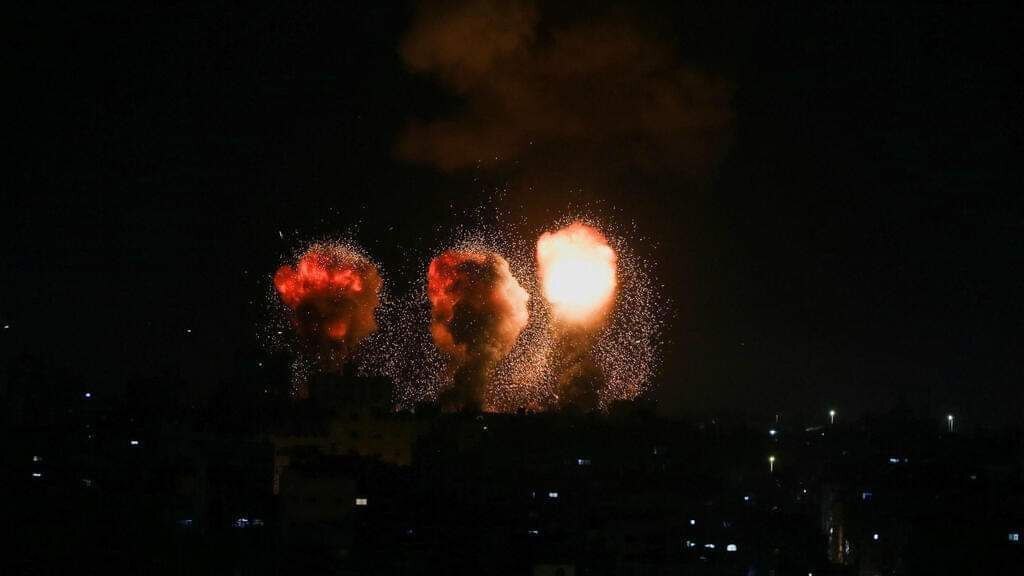
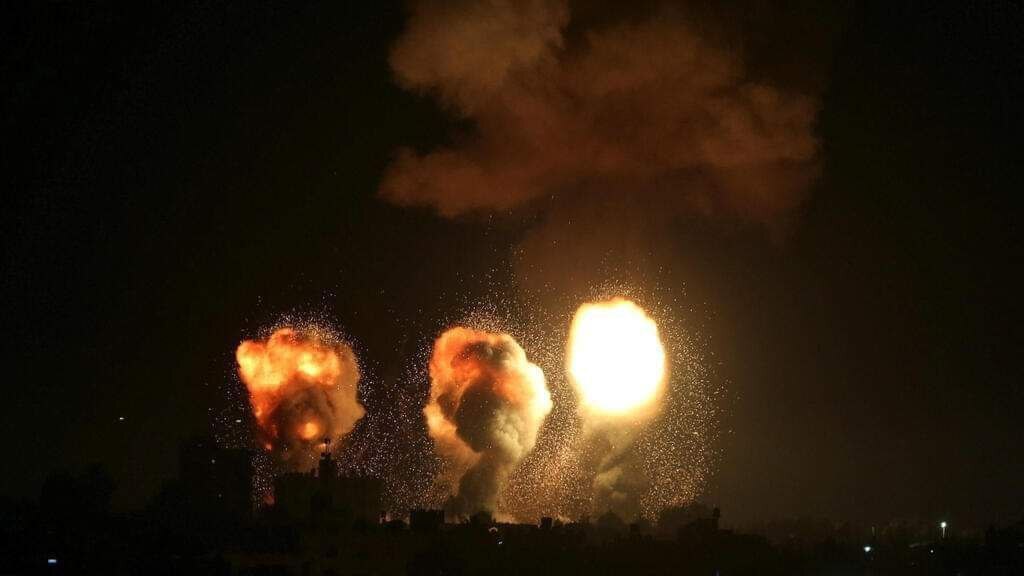
After last night’s rocket attack by the Palestinian resistance on the Zionist settlement in Nahal Oz, the Israeli army decided to retaliate and targeted several positions in the Gaza Strip.
The fighter jets of the Israeli regime struck the Qadisiyah base belonging to al-Qassam Brigades, the military branch of the Hamas movement in west of Khan Yunis, an agricultural land in east of the Rafah crossing and an observation tower belonging to the Palestinian resistance in east of Khan Yunis with several missile. The initial reports indicates that there were no casualties in these attacks.
After these attacks, al-Qassam Brigades issued a statement and announced:
“The resistance air defense has confronted Israeli fighter jets during the early morning attacks on the Gaza Strip and opened fire on them.”
According to the published videos, it seems that the Palestinian resistance forces have used SAM-7 to repulse the Israeli fighter jets on the Gaza Strip. This is the fourth time that the Palestinian resistance has used this weapon to target Israeli aircraft. Previously, on January 2, April 19 and April 21, the Palestinian resistance used SAM-7 to confront the Zionist regime’s helicopters and fighter jets in the sky of the Gaza Strip.
Palestinian resistance groups firing surface-to-air missiles at Israeli fighter jets in the sky of Gaza
According to the Israel TV channel 12, the Israeli army bombed another Hamas base in response to the direct firing of SAM-7 at Israeli fighter jets in the Gaza Strip. According to the statement, a Hamas rocket production center, a tunnel and a military base belonging to the Palestinian resistance were targeted.
It is worth mentioning that some Hebrew media have identified Saraya Al-Quds, the military wing of the Islamic Jihad movement, as responsible for firing rockets from the Gaza Strip towards the occupied territories. They believe that Saraya al-Quds has done this action in response to the martyrdom of two resistance commanders in Jenin by the Israeli military.
Images of Israel airstrikes on targets in the Gaza StripThe video published by the Israeli army regarding the air strike this morning in the south of the Gaza Strip