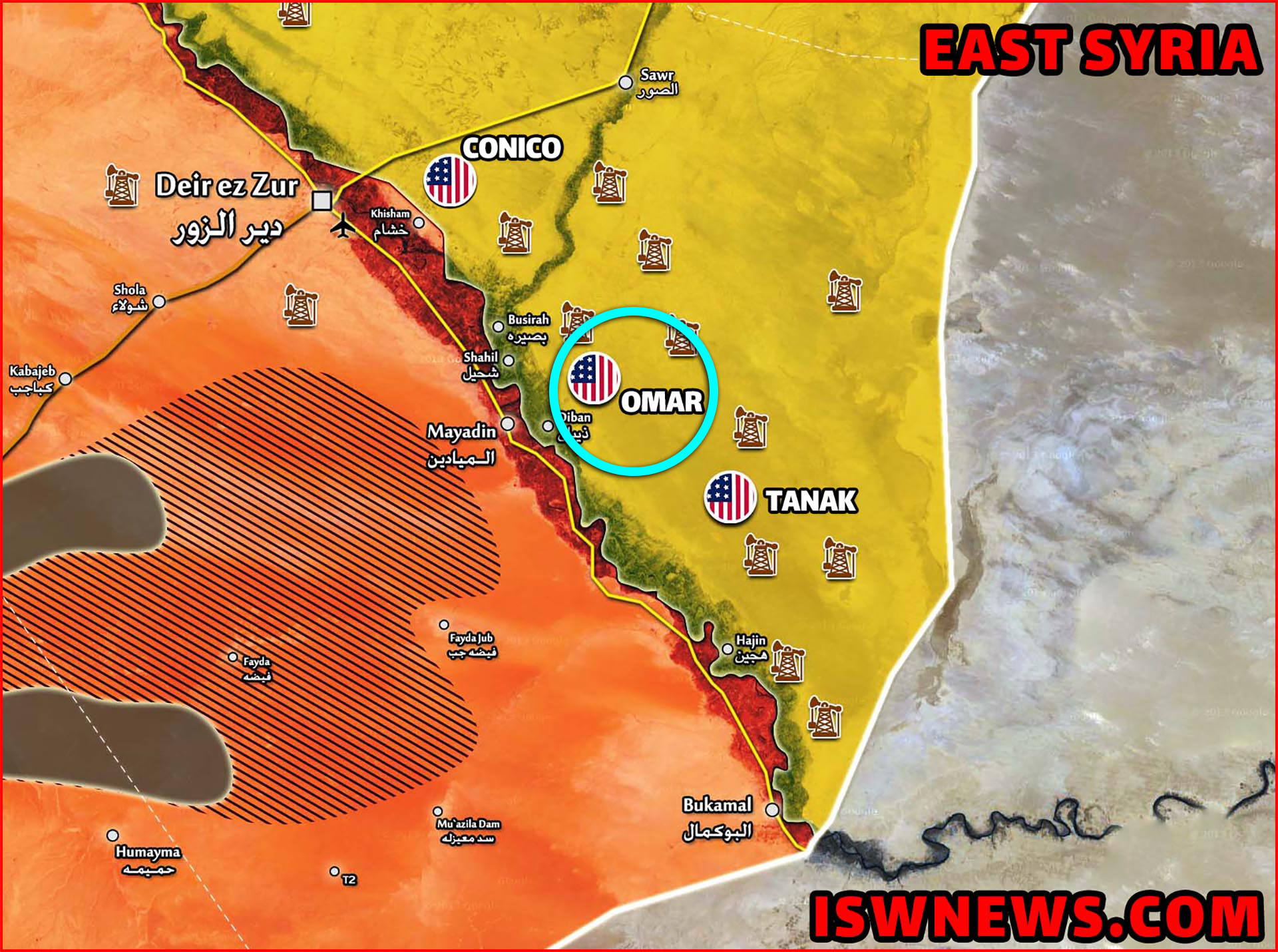
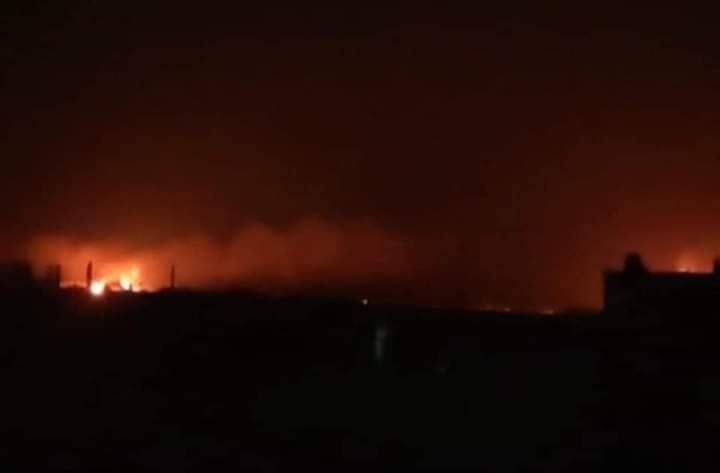
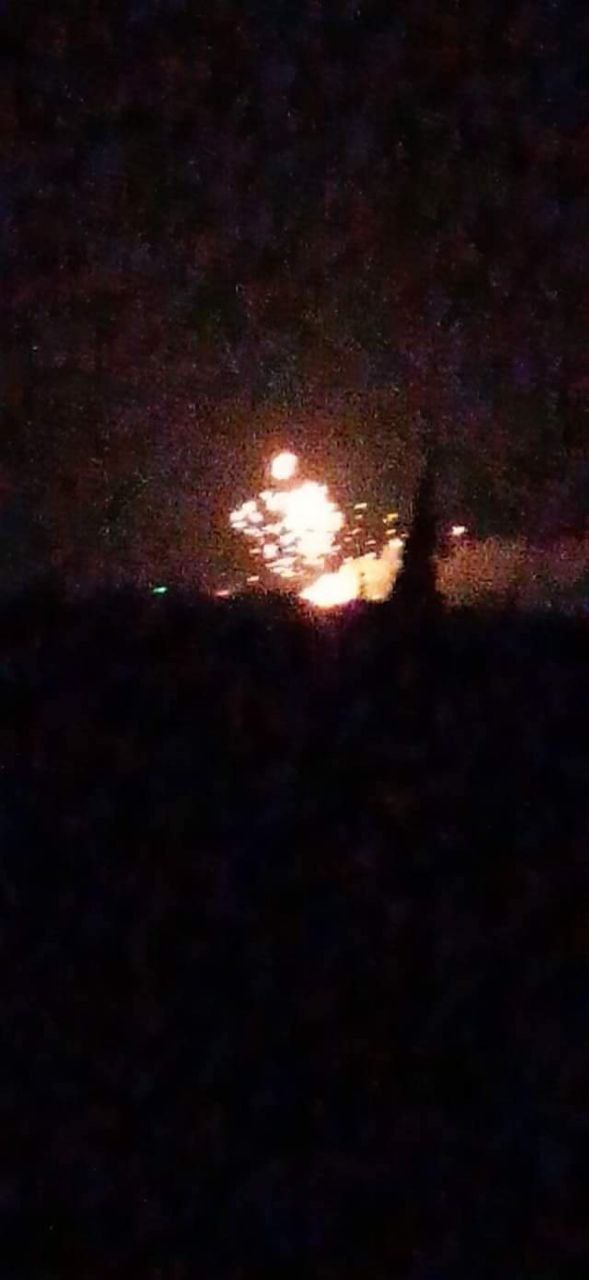
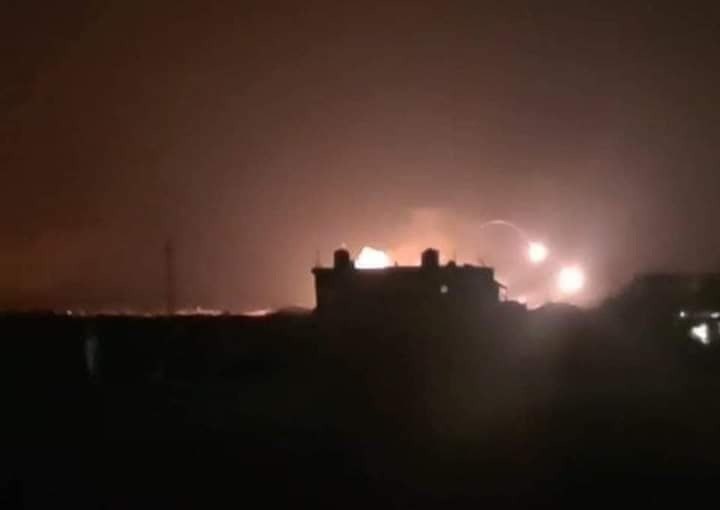
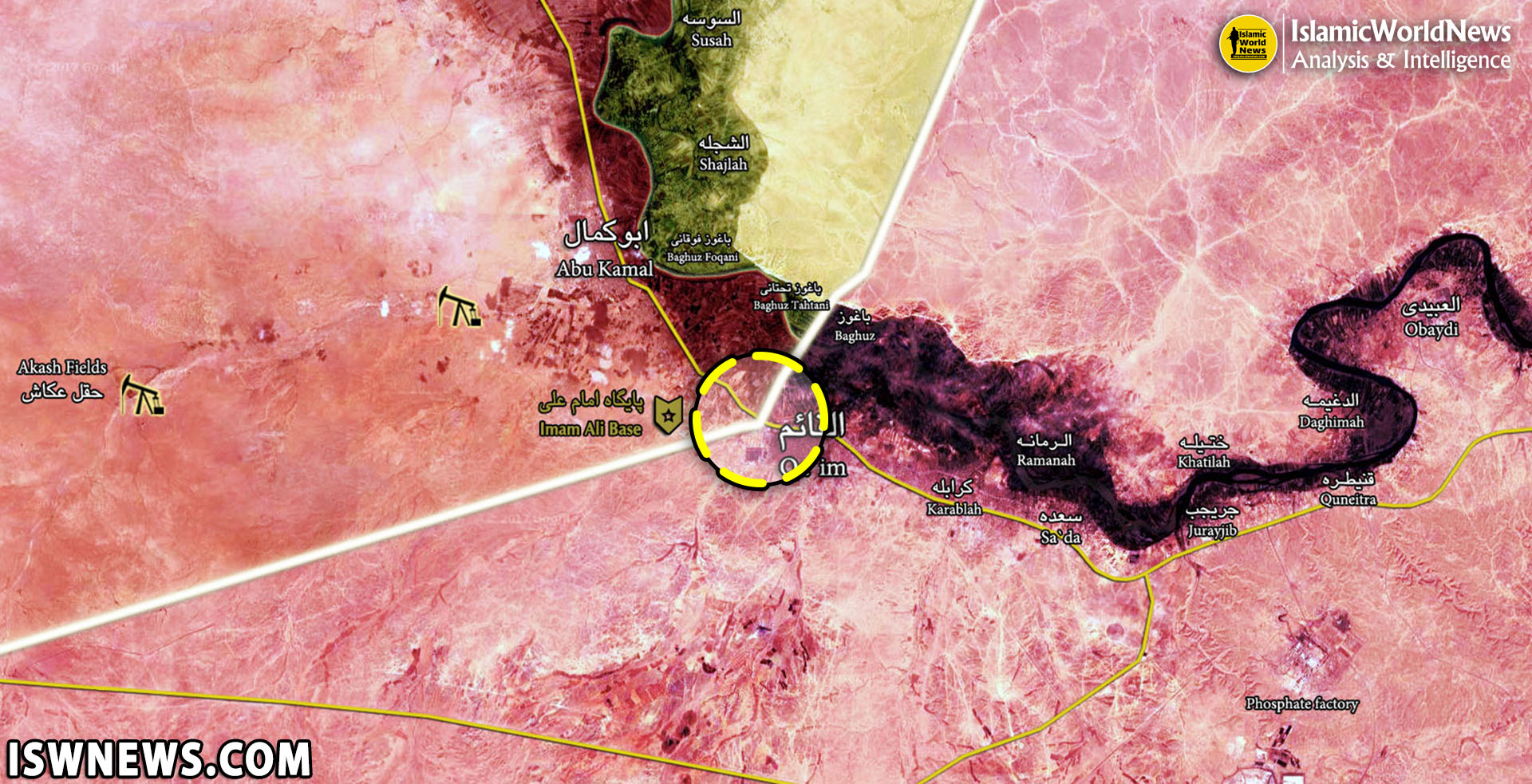
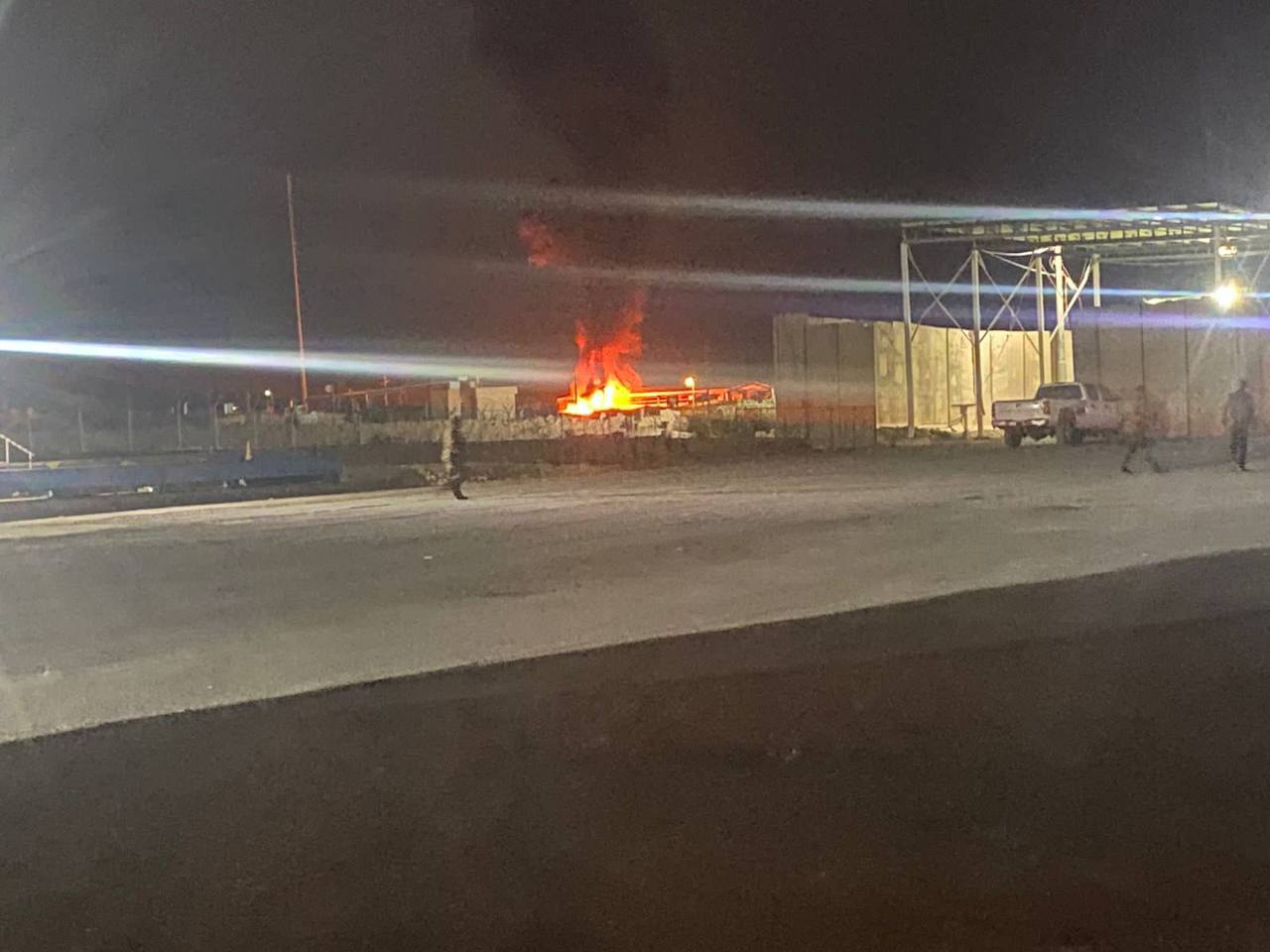
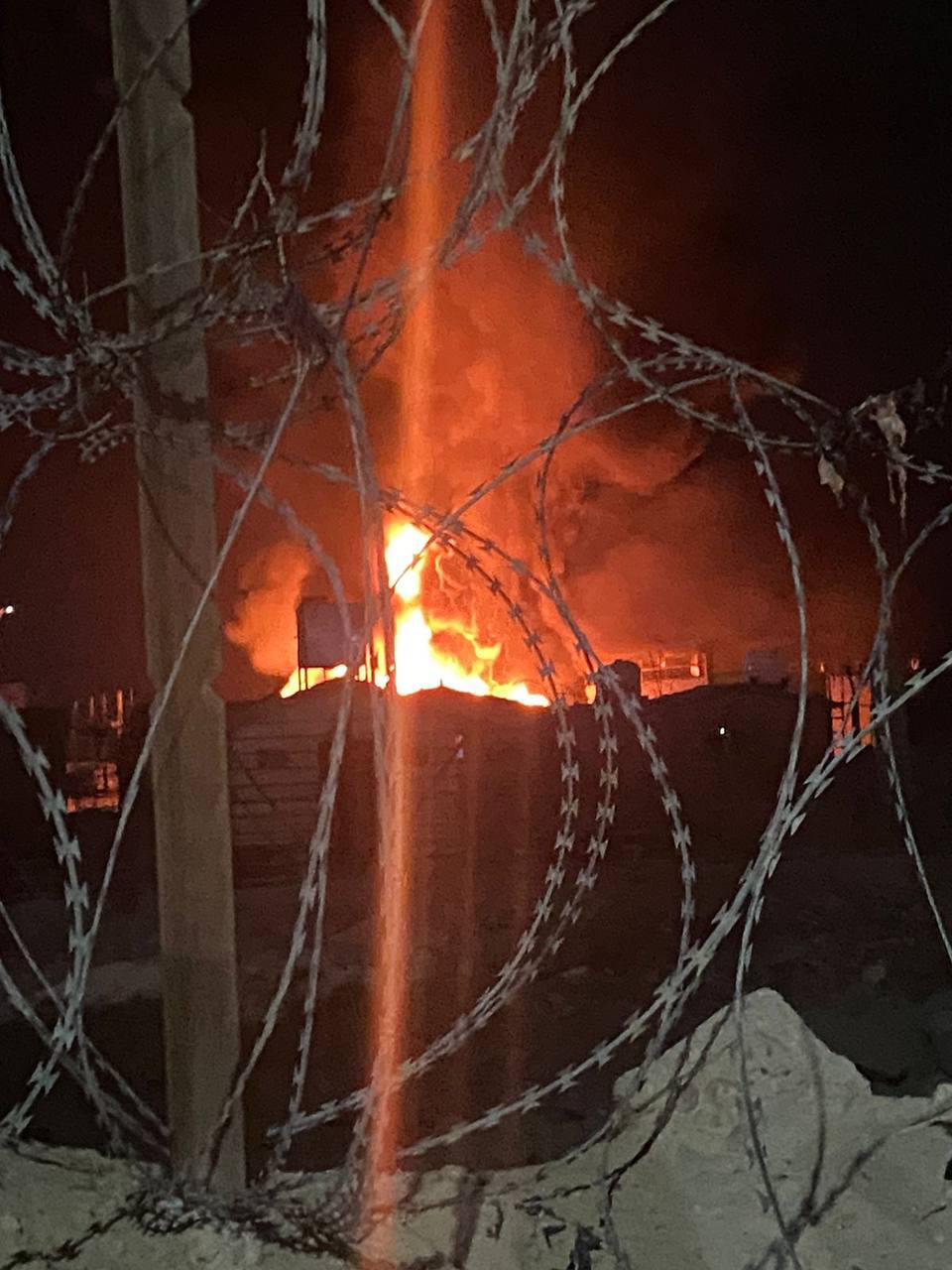
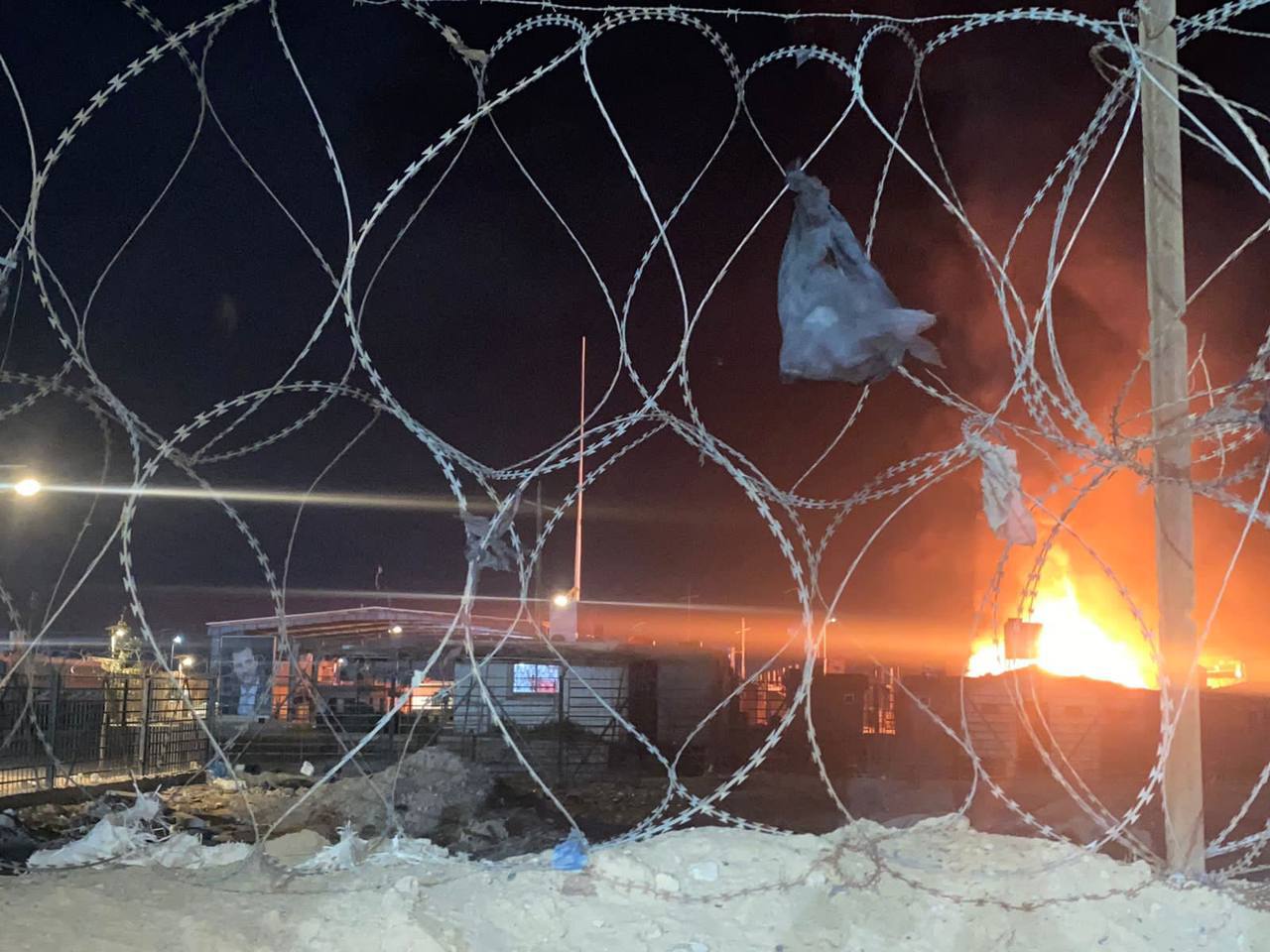
The fired rockets hit the green village area. After this attack, the US fighter jets and drones conducted reconnaissance flight in the area. So far, no group officially has claimed responsibility for this attack.
In this regard, the United States Terrorist Headquarters in West Asia (CENTCOM) issued a statement confirming the rocket attack and announced that,
“at 21:32 (November 17) local time, several rockets were fired at the Al-Khadra area on the outskirts of the Omar oil field. This attack did not cause any casualties and the US forces are investigating this attack.”
It is worth mentioning that on October 22, an unknown armed drone targeted positions of the US coalition forces based in the Omar oil field with several missiles.
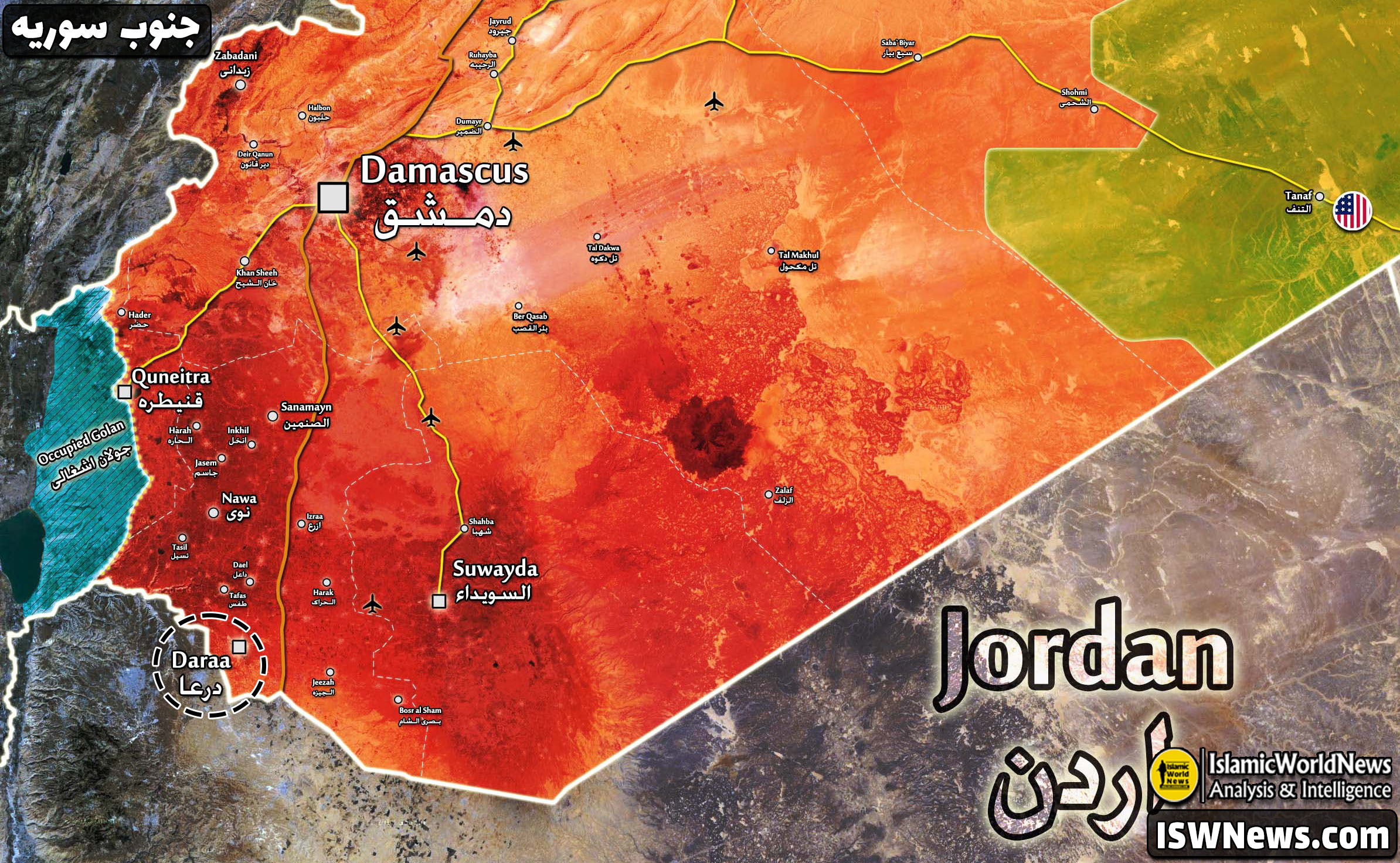
After increasing the terrorist activities of the ISIS group in Daraa province, on October 31, the local gunmen bakced by Syrian army started a series of security operations against ISIS elements in “Al-Sadd” neighborhood of Daraa city.
During these operations, at least 30 ISIS field commanders were killed. On the other side, 8 members of the Syrian army and local gunmen, as well as two civilians were killed.
According to local sources, Al-Sadd neighborhood is now secured after the killing of ISIS elements and the escape of two of the field commanders of this terrorist group, named “Abrazham Moyed Harfoosh” nicknamed “Abu Tajah” and “Mohammed Masalamah” nicknamed “Hafu” from the city to al-Naimah town.
It is worth noting that the increase of the activities of ISIS elements in the city of Daraa in recent weeks caused the Syrian security forces to plan and implement an operation with the aim of arresting the elements of this terrorist group and cleaning the areas of the city of Daraa. Considering the insecurity situation and the spread of terrorist elements in Daraa province, it is likely that after the end of operations in Daraa city, the Syrian military will go to other cities of this province such as “Jasem” and “Al-Musayrafa” and will start a series of security operations aiming to confront illegal armed groups and terrorist elements.
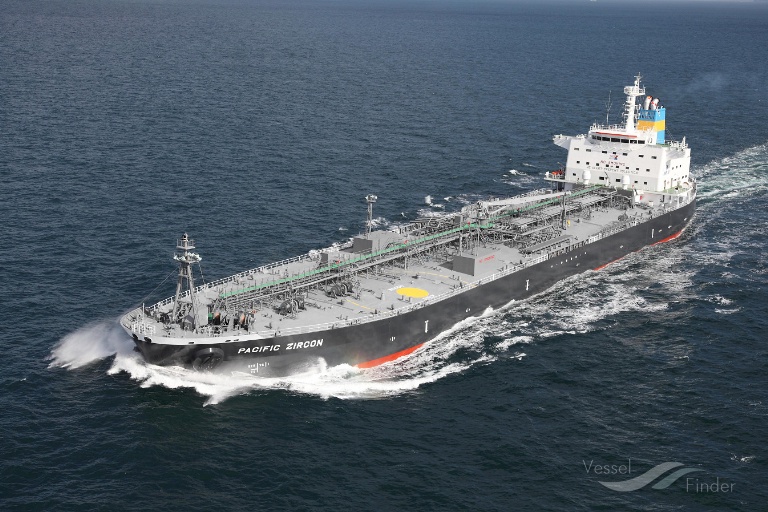
According to the information published by the western media, the name of this oil tanker is PACIFIC ZIRCON with the flag of Liberia. This oil tanker was traveling from Sahar port on the coast of Oman to Buenos Aires in Argentina when it was attacked by an unknown suicide drone. According to Israeli regime media reports, this ship belongs to an Israeli billionaire named “Idan Ofer”.
The Pacific Zircon tanker is operated by Singapore-based Eastern Pacific Shipping. The company stated that there had been “minor damage to the vessel’s hull but there was no spillage of cargo.”
Israeli media, citing officials of this regime claim that the Pacific Zircon oil tanker was attacked by Iran’s Shahed suicide drone (131 or 136). In addition, a US official said in an interview with Al Jazeera: “Iran attacked an oil tanker associated with Israel in the Gulf of Oman using a suicide drone at 22:00 local time last night (November 15). The ship was damaged above the water level and was able to move.”
It should be noted that in the summer of last year, two Israeli ships named “MERCER STREET” and “CSAV TYNDALL” were targeted by unknown drone and suicide drone boat off the coast of Oman. Considering the tensions created by the US-Israeli coalition in the West Asian region, it is possible that these attacks were carried out by the Iranian armed forces.
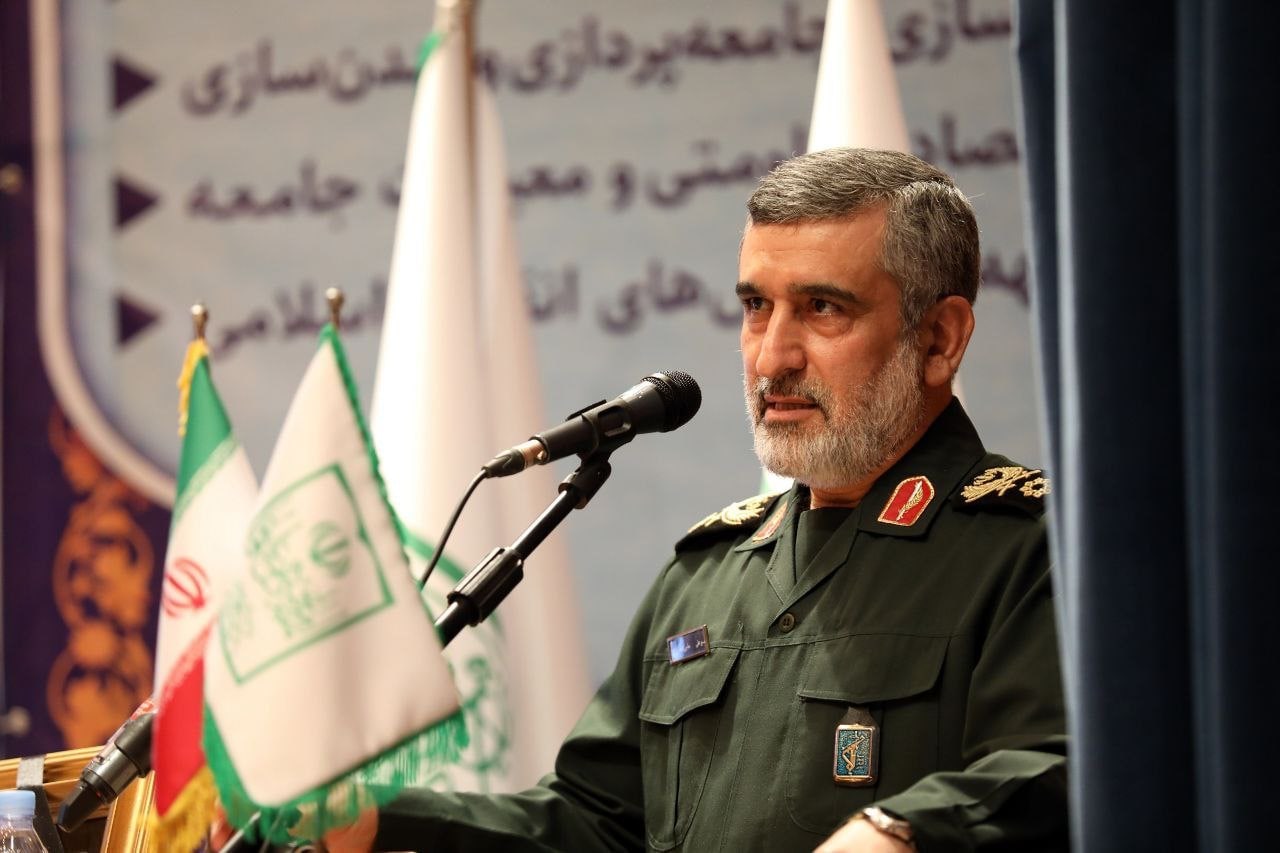
Brigadier General Amir Ali Hajizadeh, commander of the IRGC Aerospace Force, said on the sidelines of the 11th anniversary of the martyrdom of Hassan Tehrani Moghaddam: “By God’s grace, we managed to obtain an advanced hypersonic ballistic missile, which is capable of operating in the space that there are the most important and advanced missile defense systems, pass through them and target the same missile defense systems which can be among the most important elements of the enemy’s defense. This system has a very high speed and has the ability to maneuver in and out of the atmosphere. Both the defense systems that defend inside the atmosphere and the extremely expensive systems that deal with missiles outside the atmosphere, this new missile of the Islamic Republic of Iran will pass all of them, and I don’t think that technology will be found in the next few decades that can deal with it. This missile targets the enemy’s anti-missile systems and is a big generational leap in Iran’s missile field.”
A hypersonic ballistic missile is a missile that travels at a speed 5 to 25 times higher than the speed of sound. The United States, Russia, China, North Korea and India have so far announced that they have built or purchased this type of missile. In addition, the United States has claimed to build a missile defense system to deal with hypersonic missiles, but no evidence or images have been published about this claim.
The hypersonic missile is one of the latest missile power technologies, which makes Iran’s hand more open to deal with the US or Israeli defense systems. In recent days, Iran has issued three important military messages to Western countries, which are of great importance: 1- The launch of Qaim-100 satellite carrier, which is a prerequisite for the launch of a long-range or intercontinental ballistic missile. 2- The unveiling of the Sayyad-4 air defense missile, which is capable of dealing with air targets at a range of more than 300 kilometers. 3- Building hypersonic or supersonic missiles.
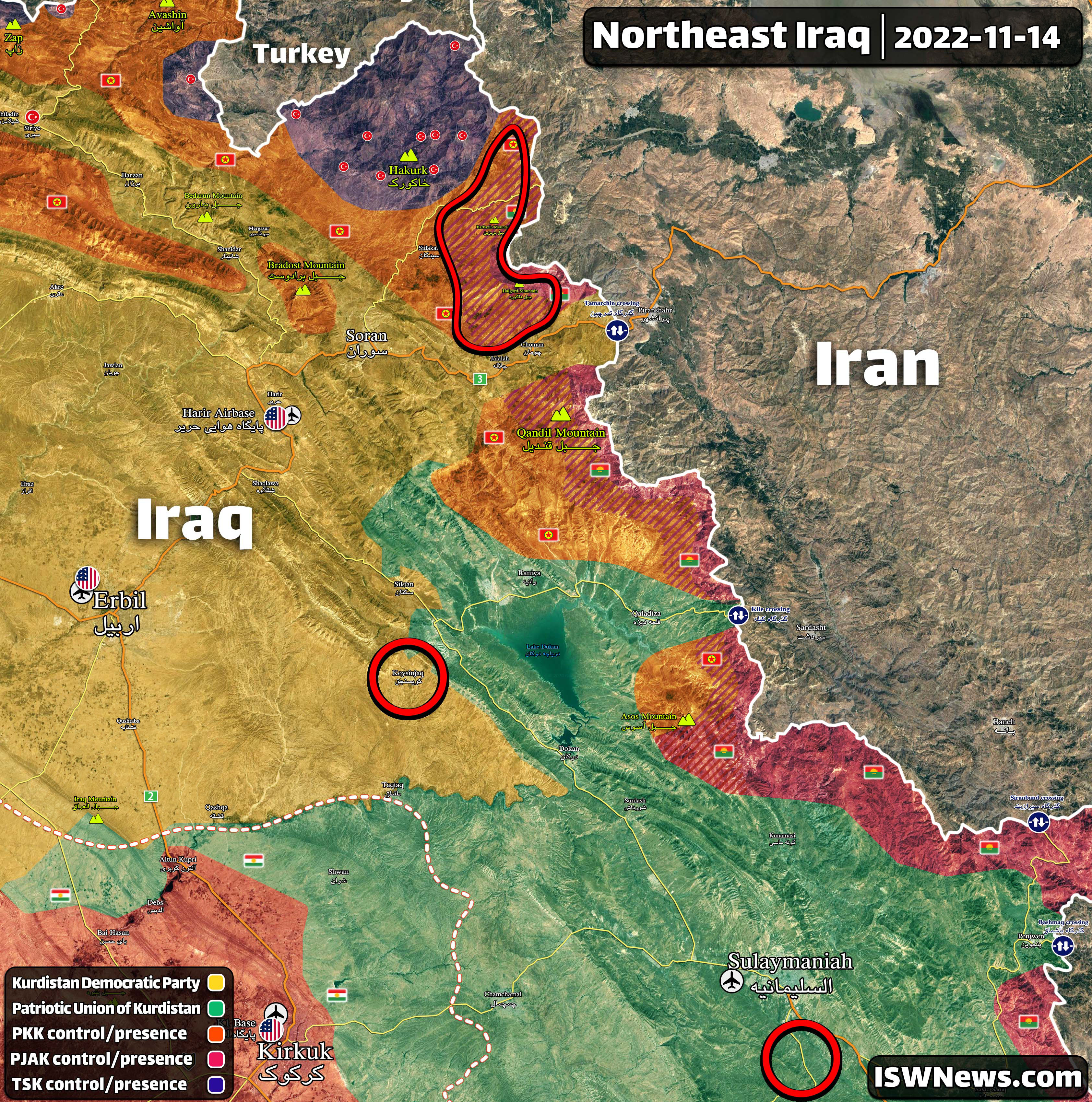
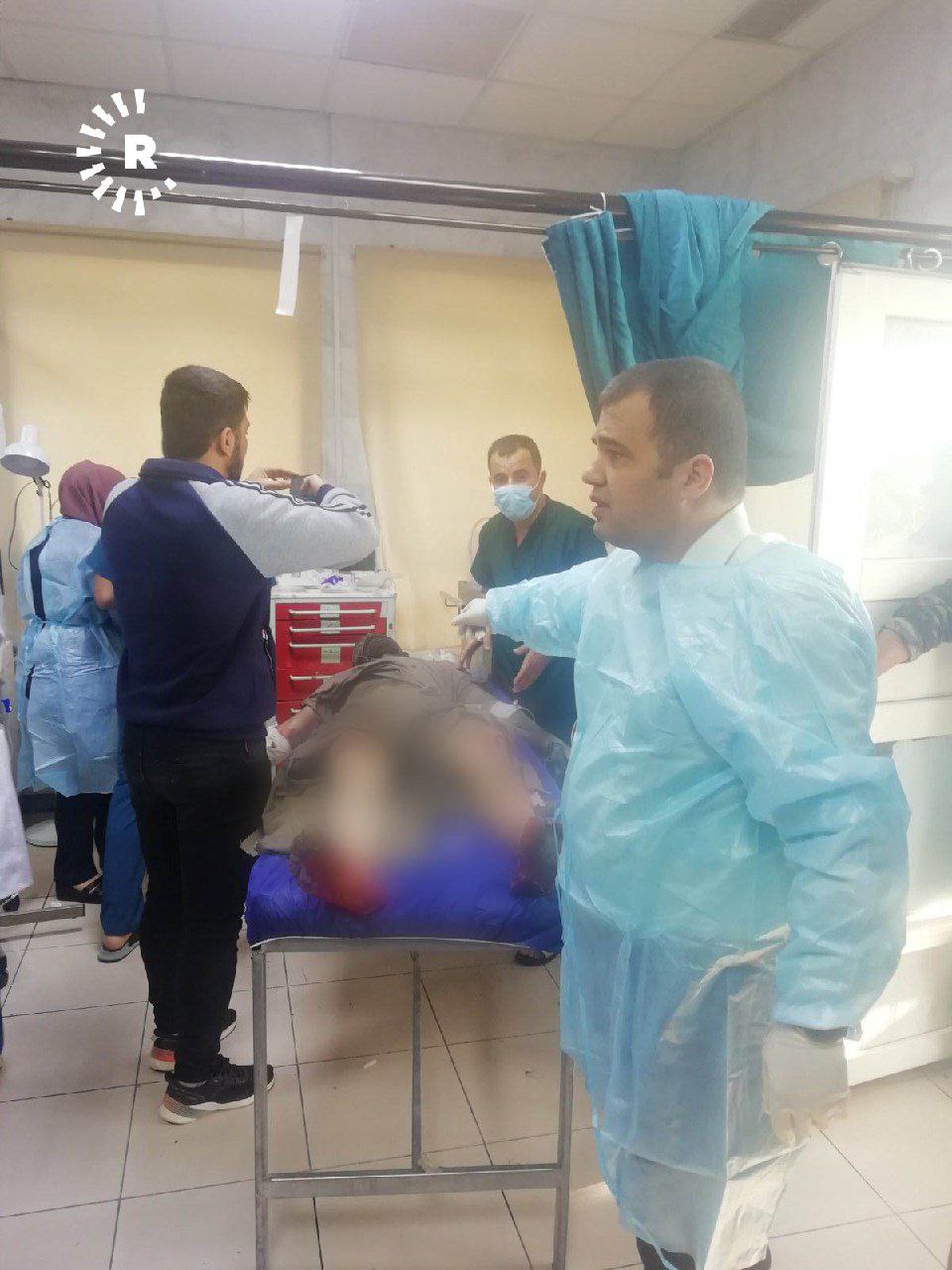
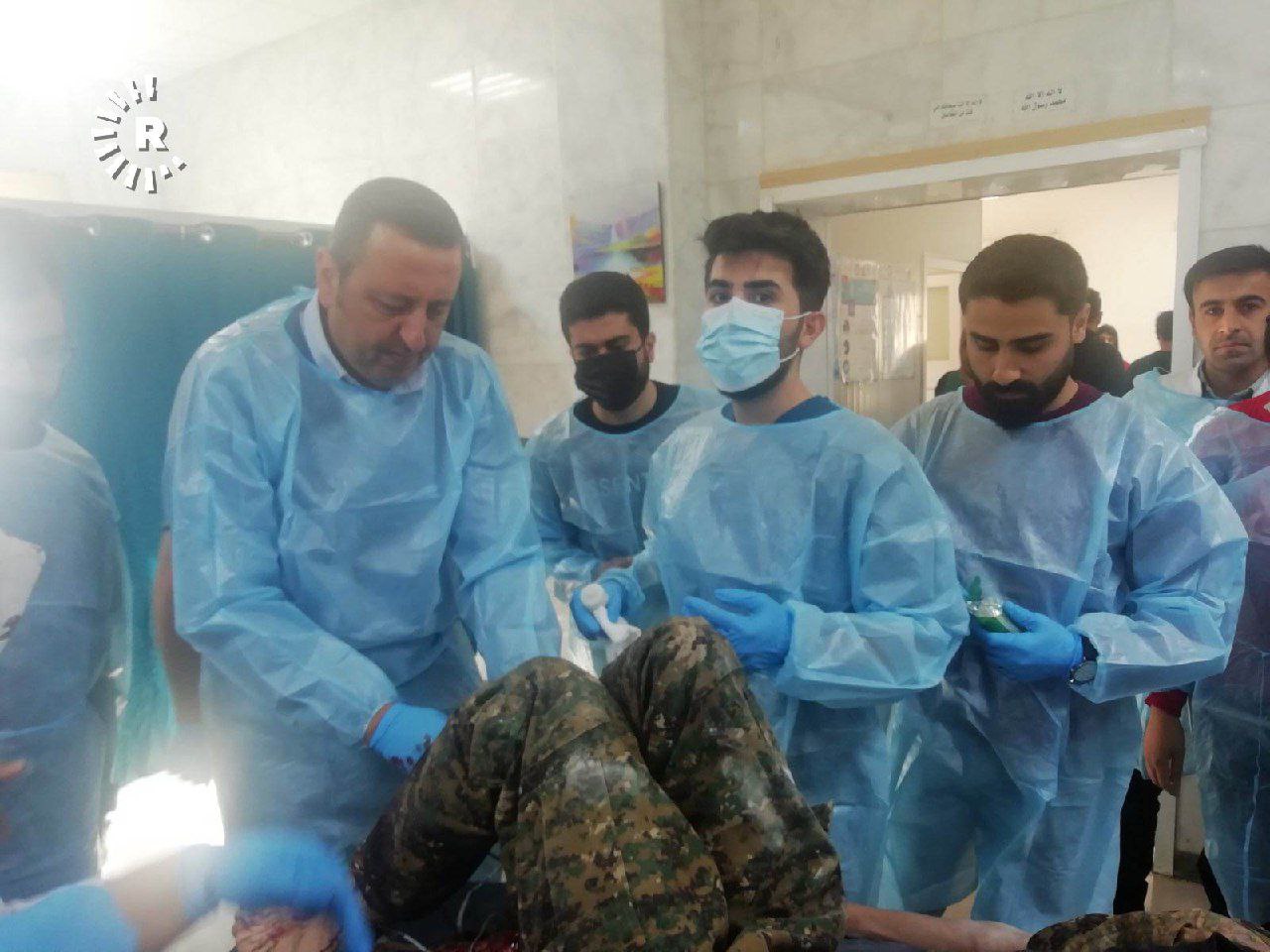
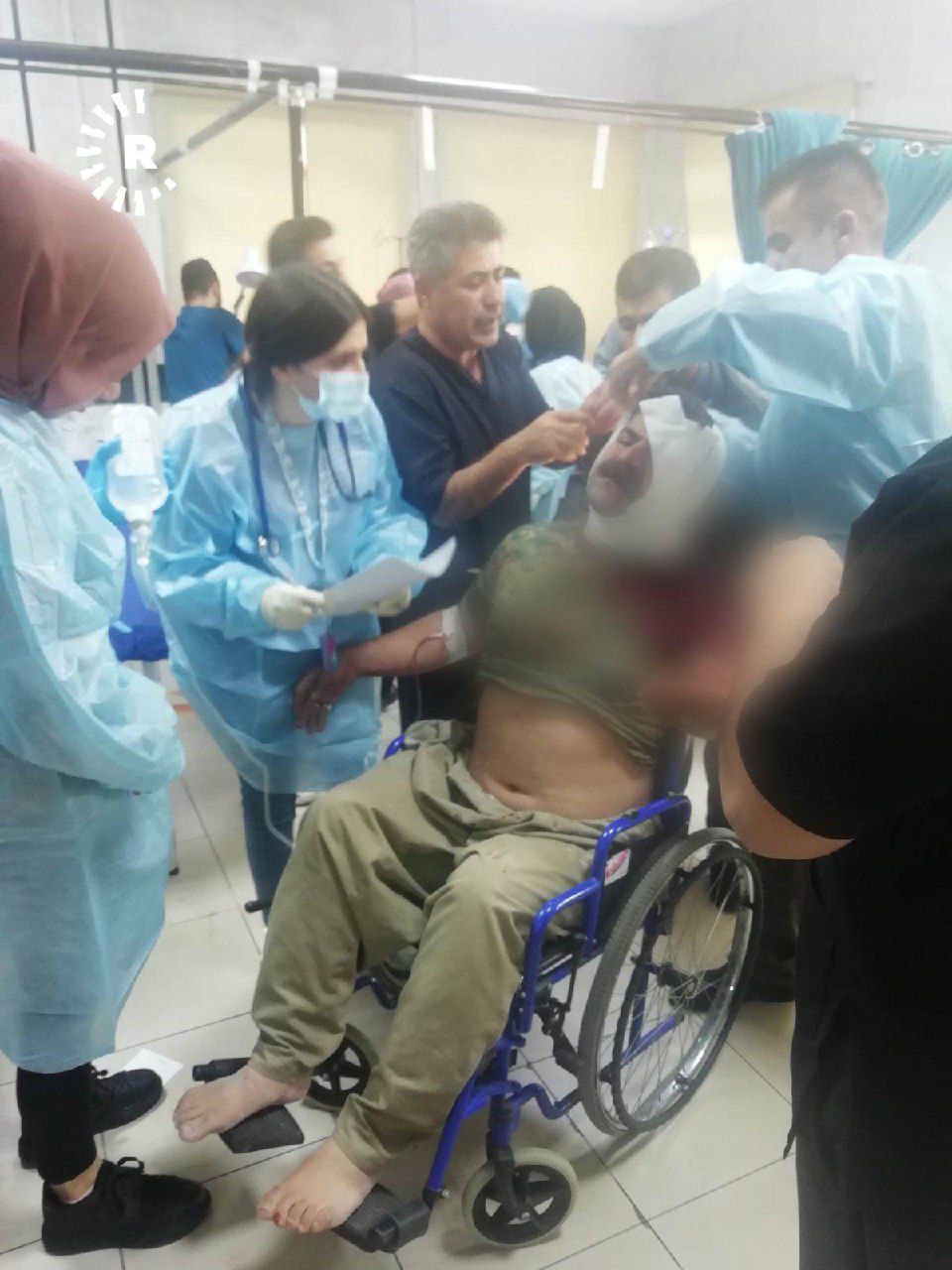
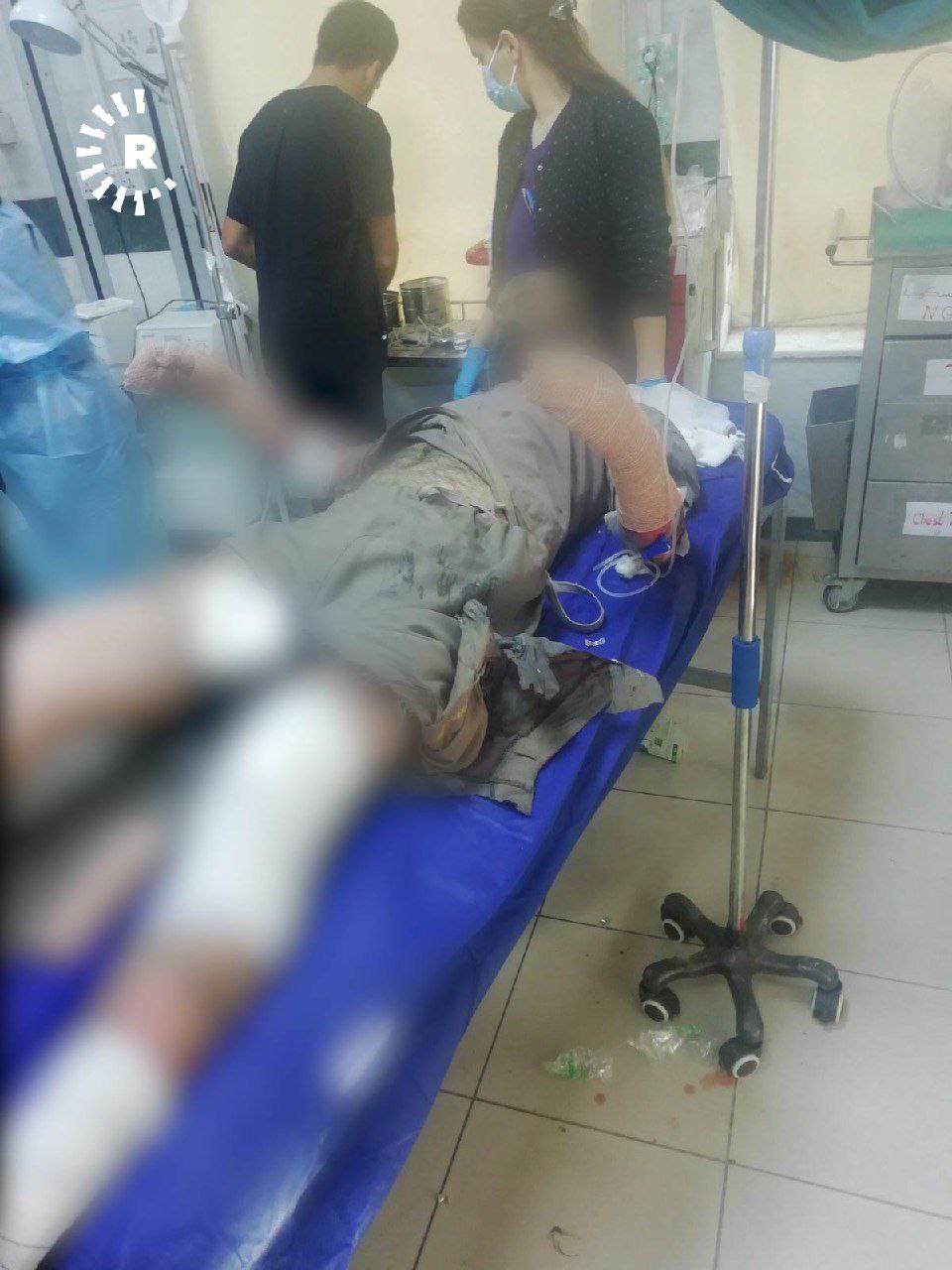
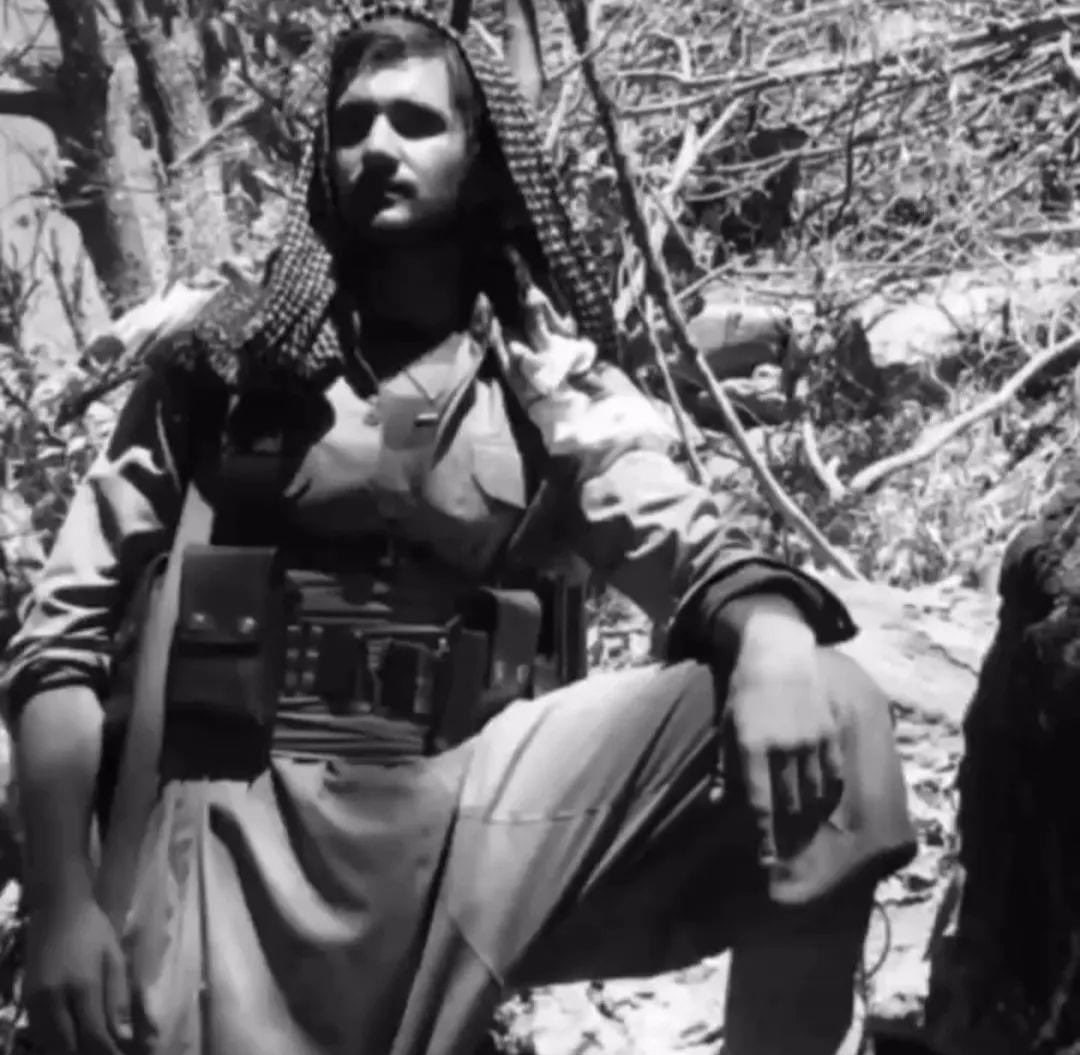
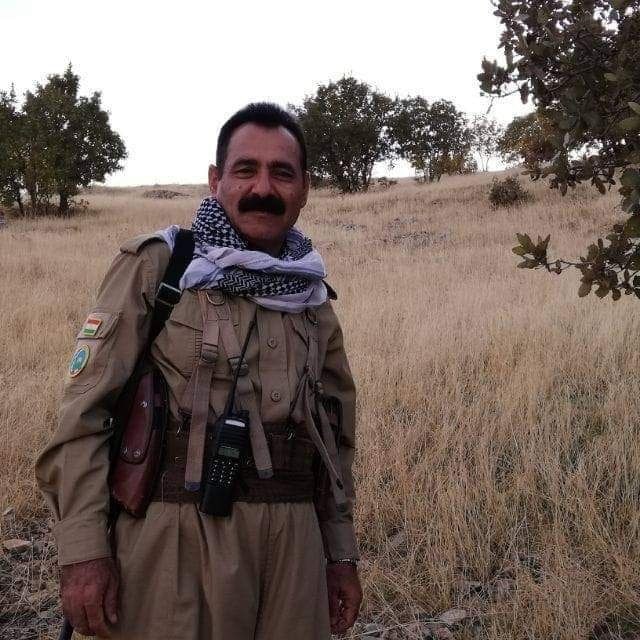
According to local sources, at least two militia members were killed and 10 others were injured since the start of attacks by Iranian armed forces on the positions of terrorist groups in the Kurdistan region.
Images of members of terrorist groups who were injured during the IRGC attacksRibwar Abdi (right) and Asu Tavana (left), two members of the Kurdistan Democratic Party of Iran terrorist group, who were killed by the IRGC strikes on Koysinjaq
In this operation, the IRGC attacks mostly focused on Sidakan heights, south of Sulaymaniyah and the outskirts of Koysinjaq. Currently, the attacks have stopped and new areas will be announced and updated in case of the new round of attacks.
Naser Kanani, the spokesman of Iran’s Ministry of Foreign Affairs, confirmed this attack this morning during a meeting with reporters without providing further details and said that “Iran will not remain silent regarding the threat to territorial security, especially border threats, and separatist groups and will defend its security.”
It is worth mentioning that since the end of September, Iran’s armed forces have launched a new round of operations and missile and drone attacks against the terrorist groups of the Democratic Party of Iranian Kurdistan (KDPI), Kurdistan Free Life Party (PJAK), the Komala Party of Iranian Kurdistan (Komala) and the Kurdistan Freedom Party (PAK). Iran’s armed forces have always warned the Iraqi government and the Iraqi Kurdistan government about the activities and destructive behavior of terrorist groups based in the Kurdistan region against Iran’s national security and wants the bases and military positions of these groups to be dismantled. Therefore, it seems that due to the negligence of the Iraqi side, the Islamic Republic of Iran, in accordance with the right to legitimate defense of its national security, is taking the necessary measures to destroy the positions and bases of terrorists in these areas near Iran’s border.
The moment the IRGC suicide drone hit one of the positions of the terrorist groupsInitial pictures of IRGC missiles hitting the positions of terrorist groups in KoysinjaqtownA video of the moment one of the IRGC’s suicide drones hit the positions of terrorist groups in the Kurdistan region of Iraq.Click to view full size
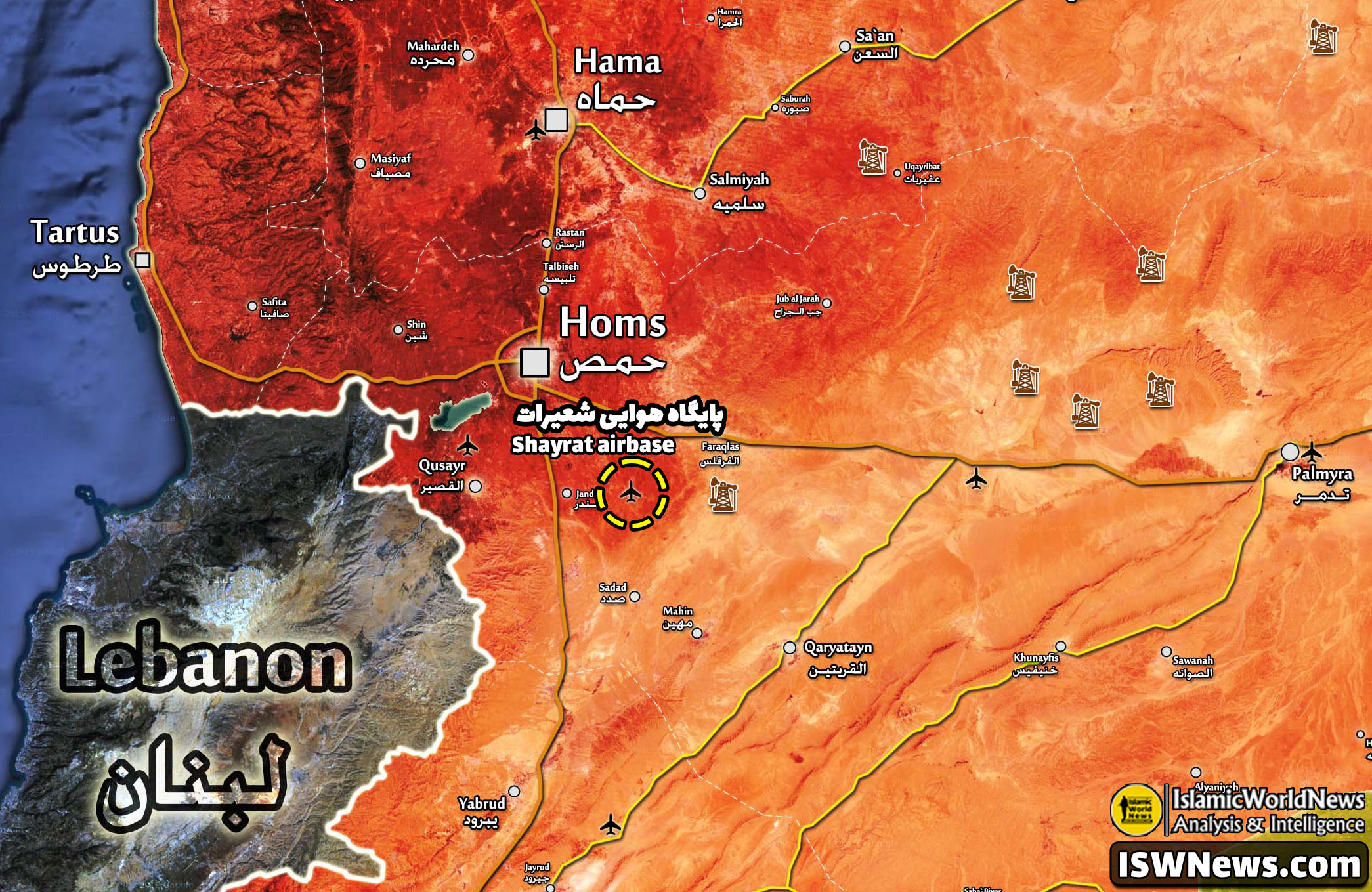
According to a Syrian military source, “around 18:23 local time on Sunday (November 13), the Israeli enemy fired several missiles from Tripoli-Al Harmel, located in northern Lebanon, and targeted Shayrat military airport in Homs province. Air defense systems were activated and intercepted some of the missiles. This attack resulted in the martyrdom of two Syrian army forces, the injury of three others and the occurrence of material damages.”
Respecting to the occurrence of secondary explosions, it is possible that an ammunition warehouse in this airbase was targeted by Israeli fighter jets.
It is worth mentioning that on October 27, Israeli fighter jets fired a number of missiles at targets in the suburbs of Damascus. There were no casualties in this attack.
Also an Israeli strike on Damascus International Airport and nearby military posts outside Damascus on September 17 killed five Syrian army servicemen.
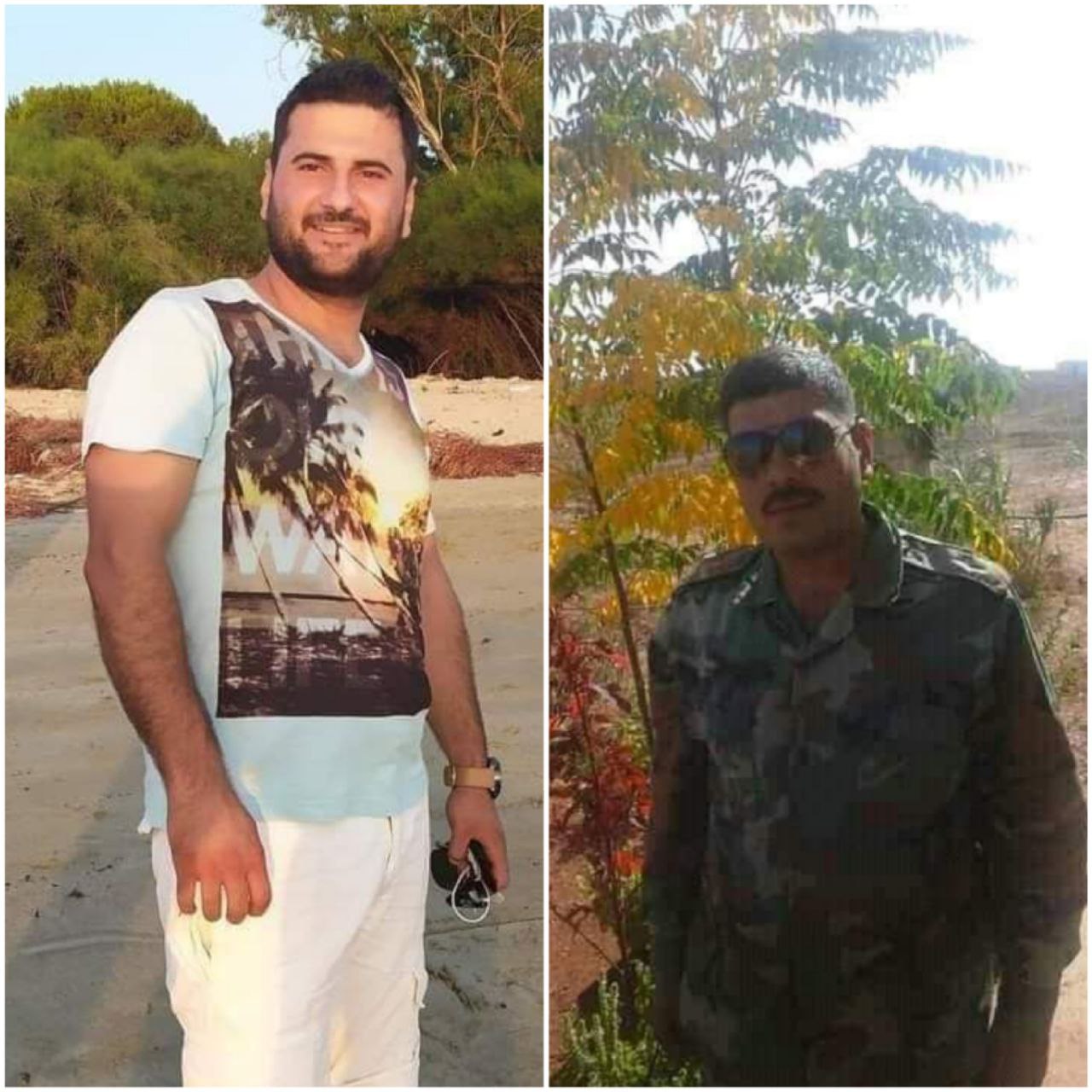
Images of the air attack of the Israeli regime on the Shayrat air baseA picture of two soldiers of the Syrian army who were martyred in the attack of the Zionist army on Shayrat airportA video of the interception of an Israeli missile by the air defense of the Syrian army
Last night, unidentified aircraft attacked a convoy carrying fuel near Al-Qaim crossing in Iraq and destroyed a significant part of this convoy. According to local information, a number of border guards lost their lives in this attack. So far, no further information on the amount of casualties and damages has been published.
It is said that this fuel convoy belongs to the Islamic Republic of Iran. Iranian authorities have not commented yet.
The US Terrorist Central Command in West Asia (CENTCOM), while confirming the news of the attack, said that the attack was not carried out by the United States and that the center is investigating the origin of the airstrike. Considering the denial of the attack by the US, the fingers are pointing towards the Israeli regime and it can be concluded that the attack was carried out by Israel.
In the past, the Israeli regime has repeatedly carried out attacks against the positions of the resistance forces and the Syrian army with the help and cooperation of the United States and using Iraq airspace. Also, the CENTCOM stating that the US does not know about aforementioned aircraft in the sky under its control or that it is investigating the main cause of this attack, is actually a lie and hypocrisy.
Intercontinental ballistic missiles (ICBM) are a type of ballistic missiles that can travel a distance of more than 5500 km. These missiles have the ability to reach a flight height of more than 300 km.
In the past years, Iran has also built many rockets in different classes and with different fuels to develop its space technology infrastructure and has been able to reach a flight height of 500 km.
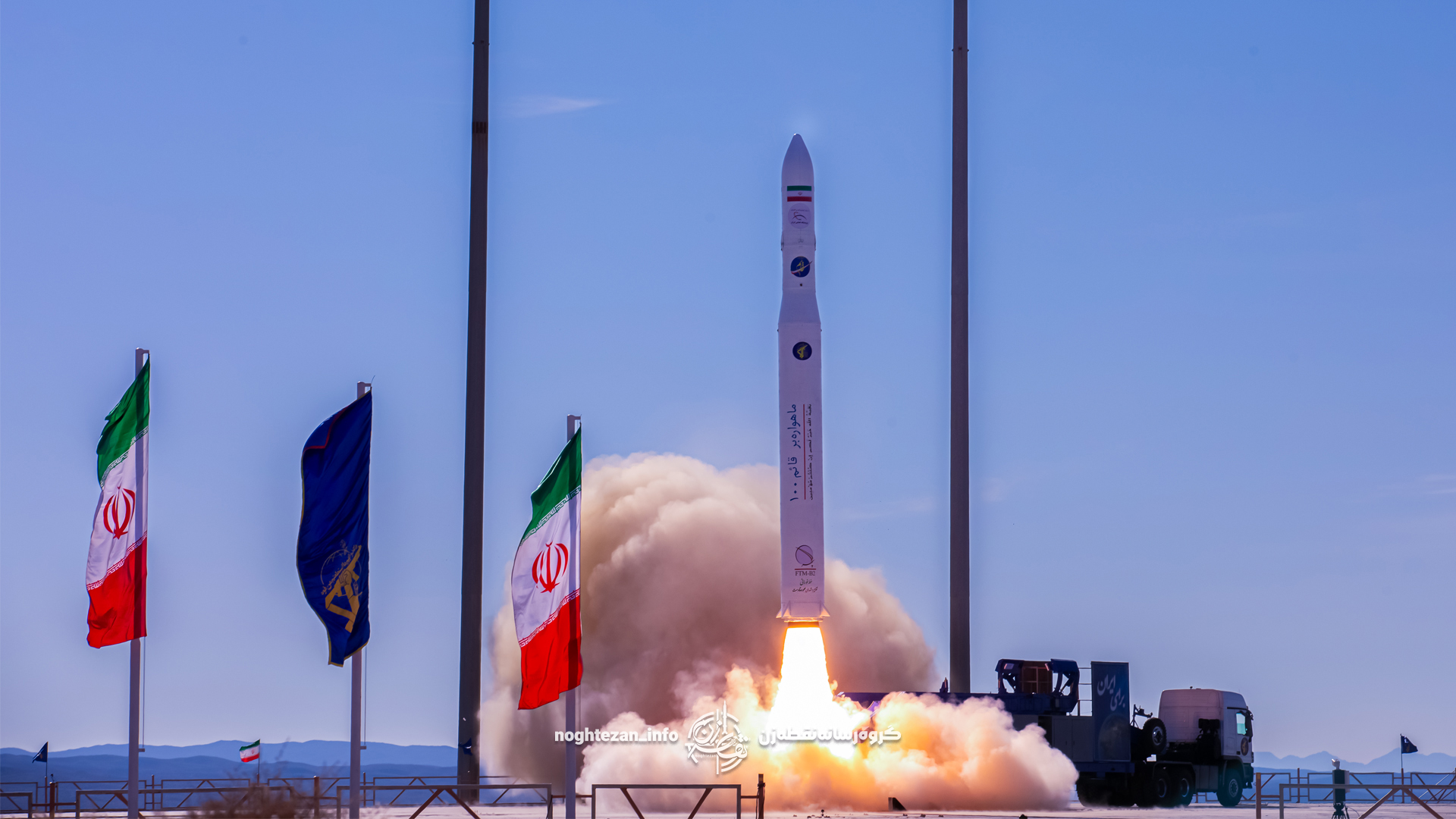
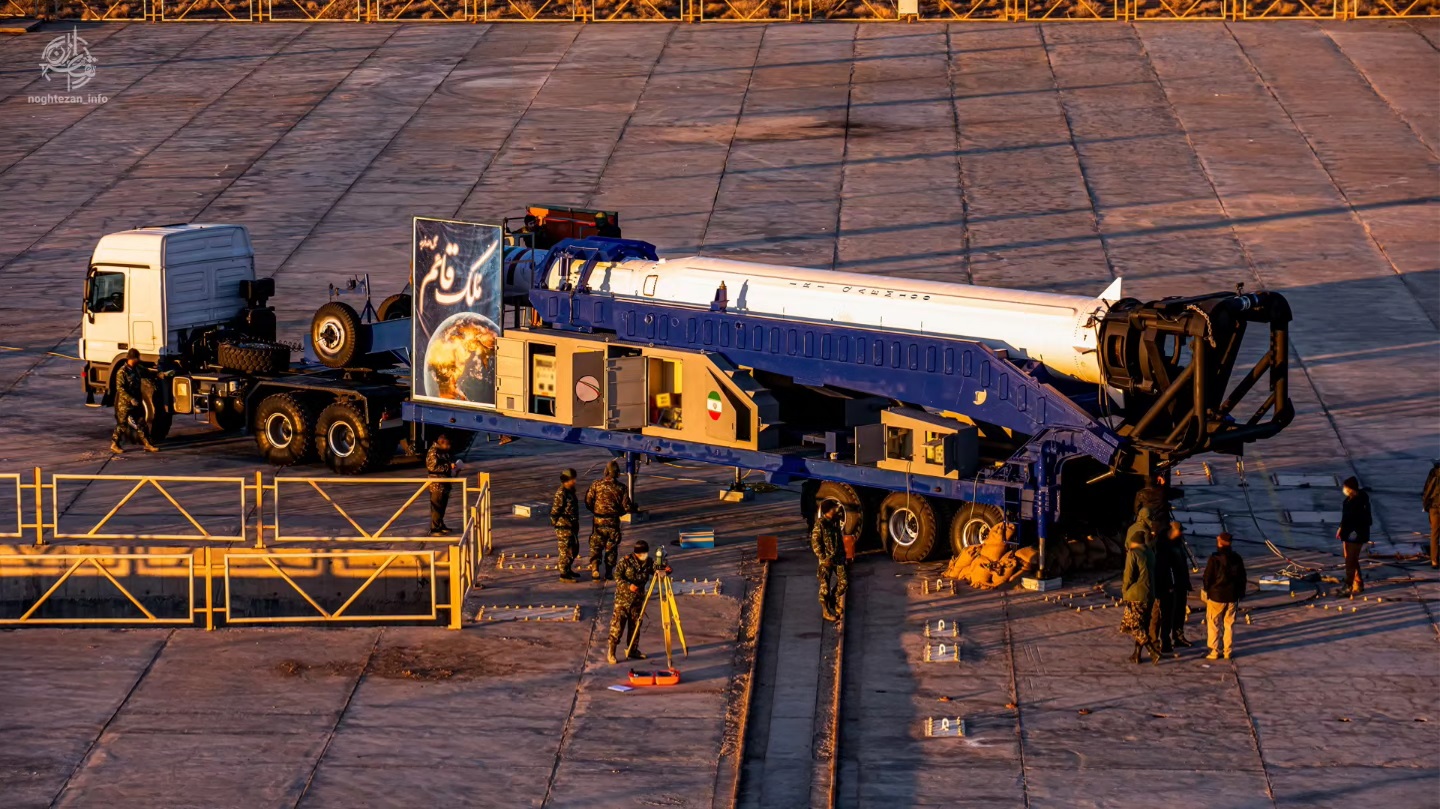
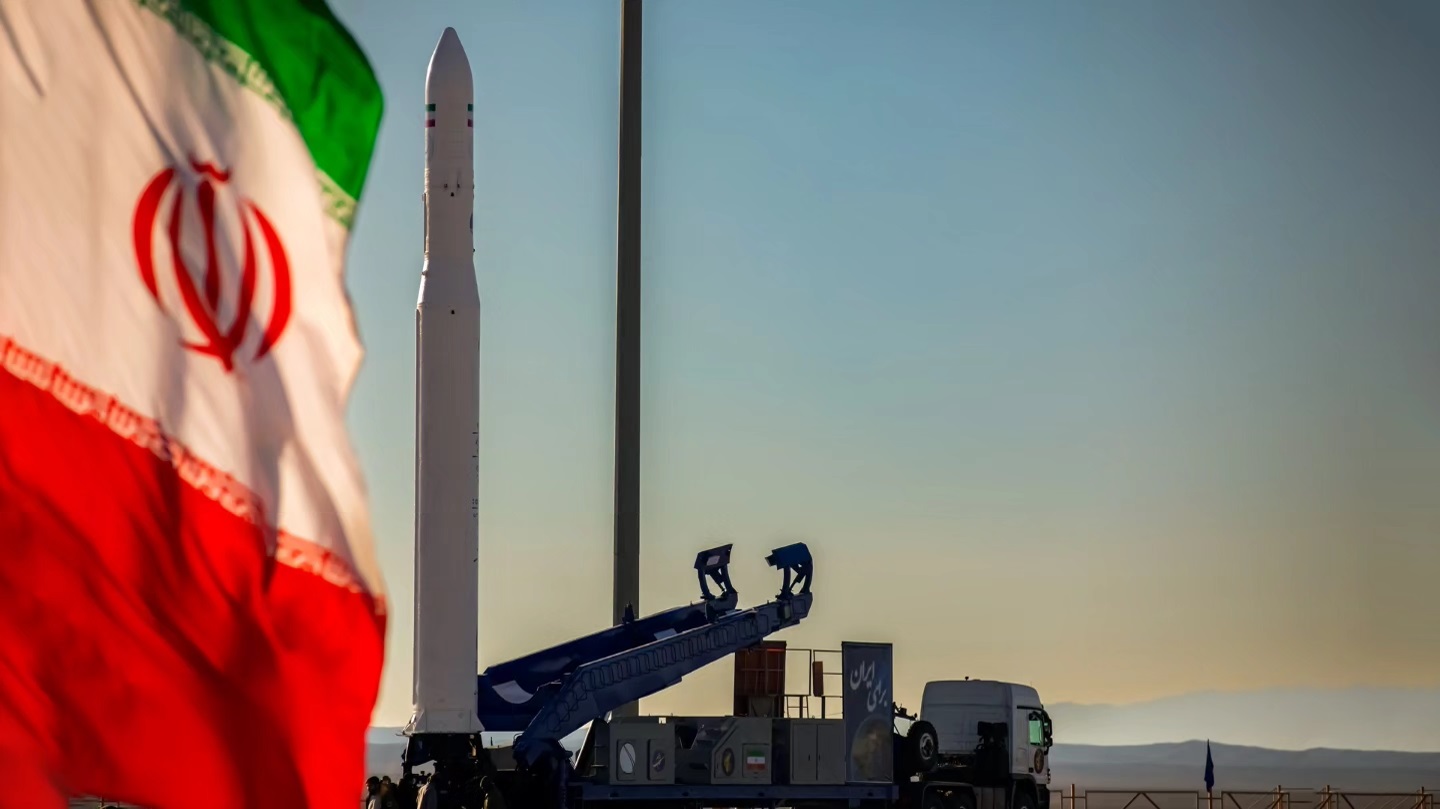
In the latest example of the Iranian satellite launch vehicle (SLV), this missile has changed significantly compared to its previous example. The Qaem 100 satellite carrier with the capacity of carrying 80 kg of cargo has had many changes compared to the previous Qaem SLV.
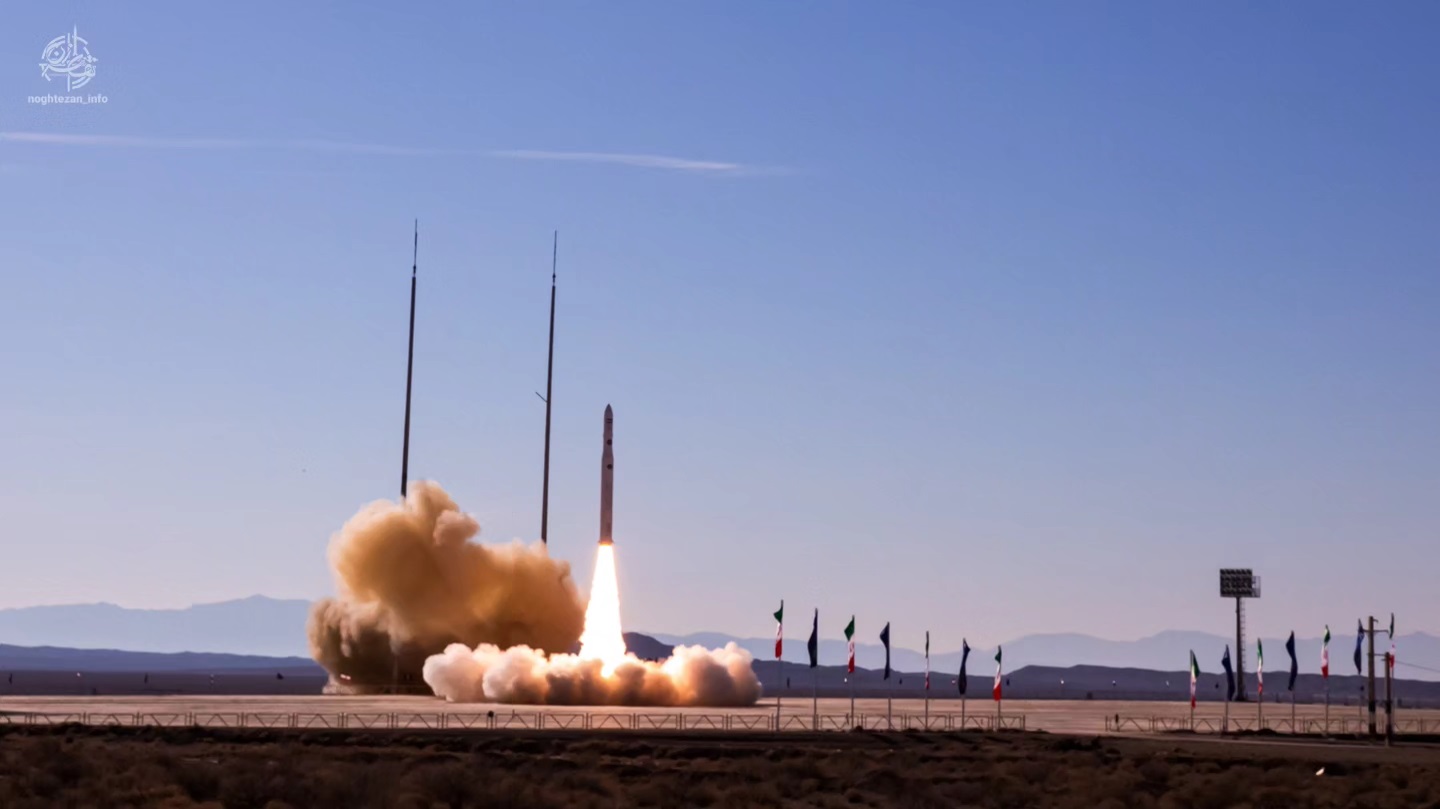
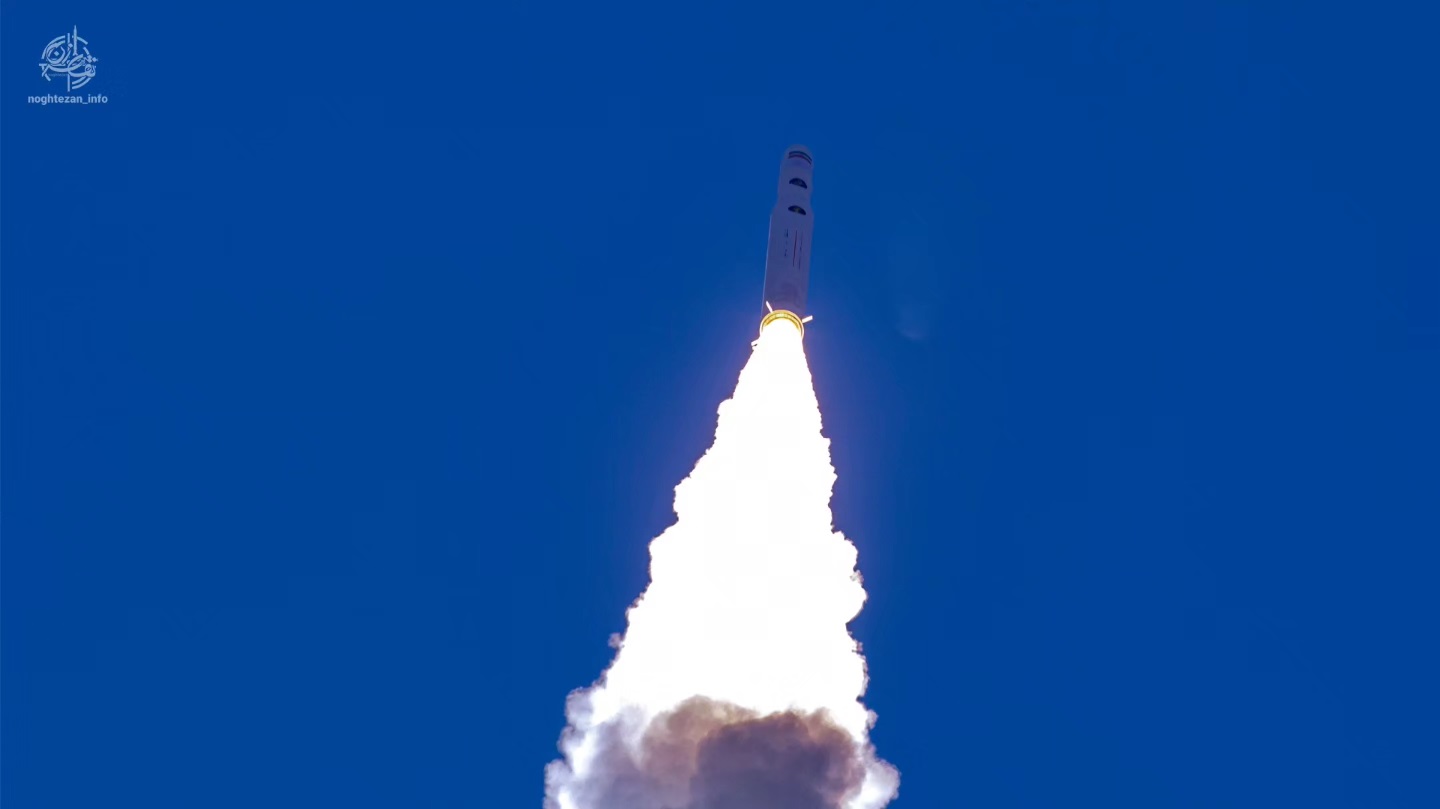
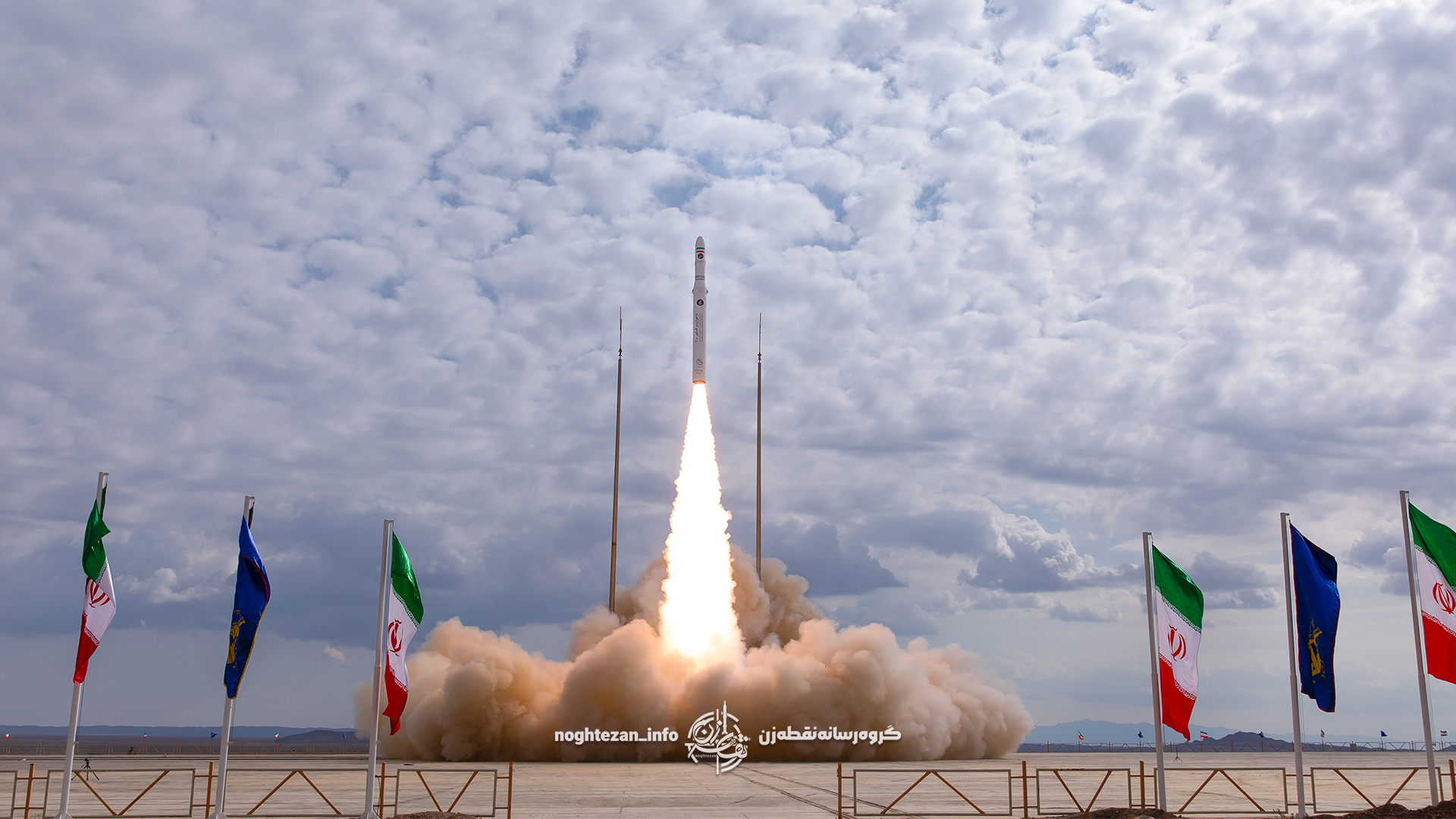
In the released footage of the launch of the Qaem-100 satellite, shortly after the launch, the rocket quickly changes direction; Therefore, a solid fuel engine with a moving nozzle has been used. Iran has a type of this engine called the ‘Raafe’ (lifter) engine.
The launch moment of Qaem-100 SLVThe launch moment of Qaem-100 SLV
As it is clear in the video, due to the composite body and the high power of the Raafe engine, the Qaem-100 satellite carrier has great acceleration. The lightness of the engine, the moving nozzle for the engine and possibly the use of a new combined solid fuel can be mentioned as the new technologies used in the Qaem-100 satellite carrier. As a result, due to the use of new fuel with high energy density, extreme thrust, and the use of an all-composite engine, which has reduced the overall weight of the missile, the acceleration has increased greatly, and Iran has practically reached a range of over 5,500 kilometers.
#Iran Today, Iran successfully launched Qaem-100 Satellite Launch Vehicle from the #Shahroud space center. Qaem-100 is a three-stage solid fuel SLV that will be able to place satellites weighing 80 kg in an orbit of 500 km. pic.twitter.com/DjnC04cPZU
It is worth mentioning that the launch of the missile that was carried out in the form of the Qaem 100 satellite carrier test is very similar to the US MGM-134 Midgetman missile with a range of 11,000 km.
Qaem-100 SLV
In this way, respecting to the ability of the Islamic Revolutionary Guard Corps, if Iran intends to produce intercontinental ballistic missiles, it will have all the necessary technologies. Modern technologies at the disposal of the Islamic Revolutionary Guard Corps allow the construction of missiles with a range of 5,500 to 12,500 kilometers in the form of two-stage and three-stage solid fuel, and it will be possible to attack the desired targets in Europe and even in the American continent.
This huge achievement has made Iran one of the few countries that have this technology. The Hebrew-Arab and Western axis have also felt threatened by understanding this fact and have become extremely afraid of what Iran has achieved in the field of “deterrence power” through intercontinental ballistic missiles.
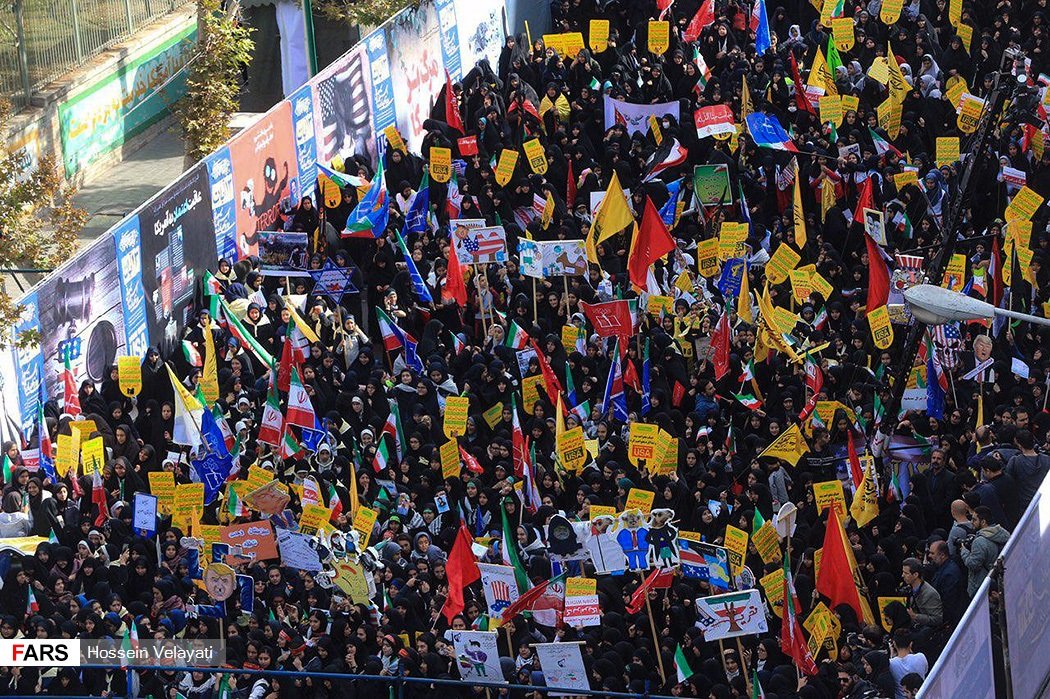
On November 4, Millions of people from different sections of the Iranian people, especially students and young people, celebrated the anniversary of the capture of the US embassy i.e. “den of espionage” in Tehran in 1979, by gatherings and demonstrations in all cities.
The national demonstrations were held in more than 900 cities from 9:30 to 12 a.m. local time, with the large attendance of students and other people. On this day, the people of Iran once again demonstrated their vigilance, unity and empathy by participating in the march against the long-standing plots of global arrogance and especially the recent disturbances in the country.
In order to honor the memory of martyred students in 4 November 1978, this day has been named “Pupil Day” in the history of the Islamic Revolution. Also, one year after the martyrdom of the students at the beginning of the revolution and during the rule of the interim government, the people, especially the students of the universities of Tehran, captured the American embassy on the same day in 1979 in protest of the destructive efforts of the United States in the path of the revolution. Imam Khomeini (RA) praised this popular movement and called the capture of the spy nest the second revolution and bigger than the first revolution.
According to estimates, more than 10 million Iranians participated in the 13 Aban (4 November) march across the country. More pictures of the magnificent march of Iranian people on this day:
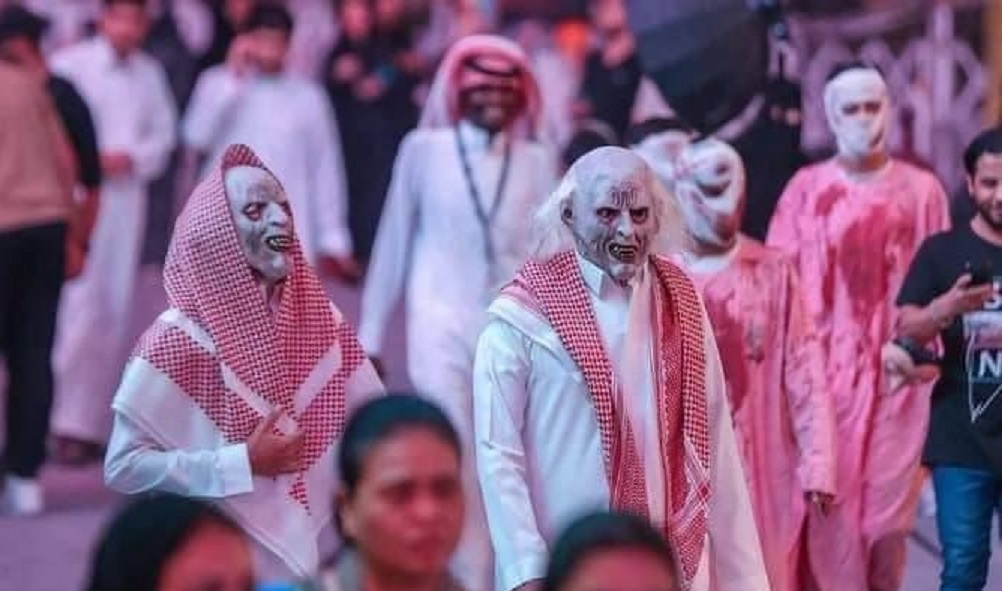
Dubbed the “Scary Weekend” which took place on Thursday and Friday in Riyadh’s Boulevard, revellers dressed up in scary costumes and fancy dress and posed for pictures which have been widely shared on social media. The event was held as part of the ongoing Riyadh Season in the Saudi capital.
The Saudi capital, looked like creatures from a haunted house had escaped and taken over the city. Monsters, witches, bank robbers and even sultry French maids were everywhere, leaning out of car windows and lounging in cafes.
“Saudi is changing,” said Abdulaziz Khaled, 23, a finance student awaiting his turn in line. Switching seamlessly midsentence between Arabic and English, Mr. Khaled said he planned to dress up as a wizard this year.
Waiting beside him, Reema al-Jaber, also 23, and sporting caramel-blond bangs, wanted to go as a white-winged angel for a gathering at a friend’s house. “But I could be a black angel,” she fretted. “We have to see what they have in stock!”
It is not surprising that celebrations have drawn criticism from many Muslim social media users over permitting once-banned non-Muslim festivals, while others have accused Saudi Arabia’s religious establishment of having double standards by not permitting the celebrations of the Prophet Muhammad’s (peace be upon him) birthday, known as Al Mawlid.
Celebration of Halloween in Riyad, Saudi Arabia. The GEA of Saudi organized an event called "Horror Weekend", meanwhile celebration of Mawlid is still banned.
Imagine a country that forbids the commemoration of the Prophet ﷺ because it is more evil than celebrating Halloween… pic.twitter.com/gulK99yO8q
— Musa al-Maghribi ?? ⵣ | مُوسَى المَغْرِبِي (@Musa_Maliki_) October 29, 2022
In 2016, Prince Mohammed announced an economic diversification plan that called for turning the kingdom into an investment powerhouse and global business hub.
The current changes were welcomed with delight by the nourished Saudi youth. Many young Saudis grew up on Western culture, have a Western education, and have spent a long time in the United States, the EU, and the British Commonwealth. They no longer perceive traditional Saudi culture as their own.
However, while they rejoice in the changes on the streets of Riyadh, they forget that the world is also changing. The new neoliberal order is no longer the absolute fate of the World. The peoples of the Earth are waking up and looking around for other cultural pillars. Islam is certainly one of these pillars, and a conservative one at that.
If the political leadership of Saudi Arabia thinks that in this way, step by step, in the best traditions of the “Overton Window,” they can change Islam, they are very much mistaken. They can change a part of their local society, but not the religion.
The Islamic Ummah has long been wary of developments in Saudi Arabia and other Gulf monarchies. It is highly likely that if the trend continues, yes, Islam will change, but in a way where the centers of the Muslim world will be Turkey, Iran and Russia, while Saudi Arabia will be perceived as a territory temporarily occupied by unfaithfuls.
1- Shabwa: – On October 25, the Shabwa Defense Forces claimed to have shot down an unidentified drone over the Ataq Airport. Also, another drone was observed over the Haradh base, which the Shabwa Defense Forces failed to shoot down. The Shabwa Defense Forces claimed that these drones belongs to the Islah Party and made by Turkey. – On October 27, several members of Hizam al-Amni forces were killed and injured due to a bomb explosion in the Al-Musayna’a area located in Al-Saeed district. The Ansar al-Sharia group (the ally of ISIS in Yemen) has taken responsibility for this attack. – On October 29, the process of oil production in the oil fields of Shabwa province has been halted since two days ago due to the filling of tanks in Al-Nashimah port, the inability of foreign ships to transfer oil, and the threats of Ansar Allah. – On October 29, local sources in the oil fields of Ayaz region announced that the companies operating in the oil fields of Al-Janah and Al-Aqlah are planning to leave these areas within the next two weeks due to the threats of Ansar Allah. These companies asked the resigned government of Hadi to find serious solutions to solve this problem.
Ansar al-Sharia attack on the vehicle of Hizam al-Amni militants in Al-Musayna’a area
2- Hadhramaut: On October 25, after the flight of unknown drones (most likely Ansar Allah) over the city of Al-Mukalla, the electricity supply of this city was cut off and the operation of the port was disrupted. Also, the attempt of the Saudi coalition forces to shoot down the drones were unsuccessful.
3- Aden: Ahmad Bin Brik, Chairman of the National Assembly of the Southern Transitional Council, called for the separation of the southern regions from Yemen and said: “Ansar Allah drones enter the areas controlled by Ansar Allah through containers imported from the port of Aden.”
4- Hudaydah: – On October 26, the Saudi coalition released two ships carrying diesel, one ship carrying gasoline and one ship carrying gas after a week of seizure. This illegal seizure took place while these ships had received permission to enter Hudaydah port from the United Nations. – The Saudi-led coalition forces violated the ceasefire 123 times in the last 48 hours in this province.
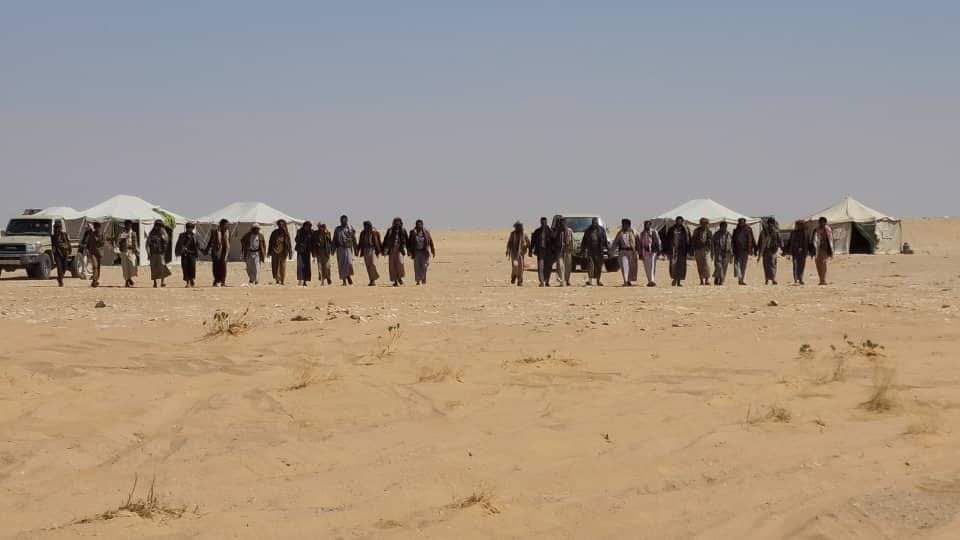
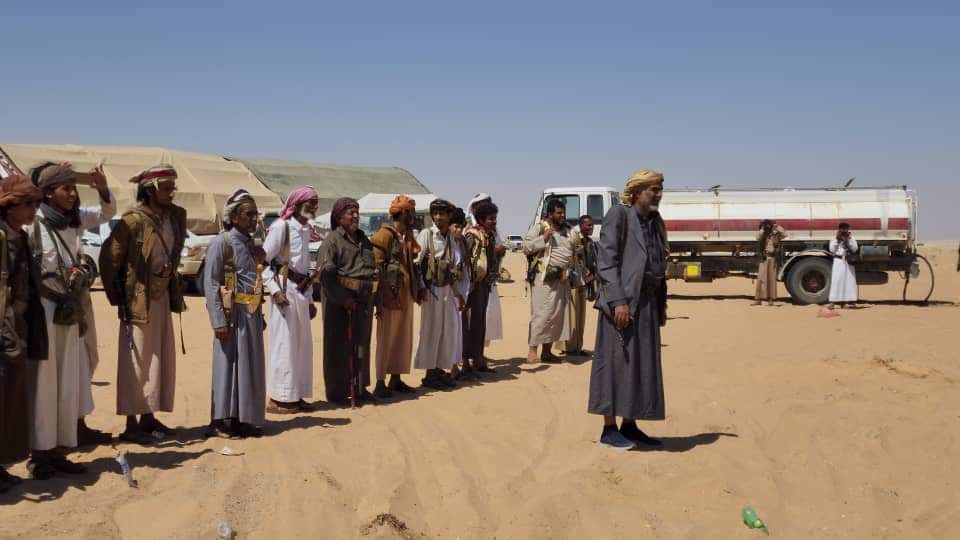
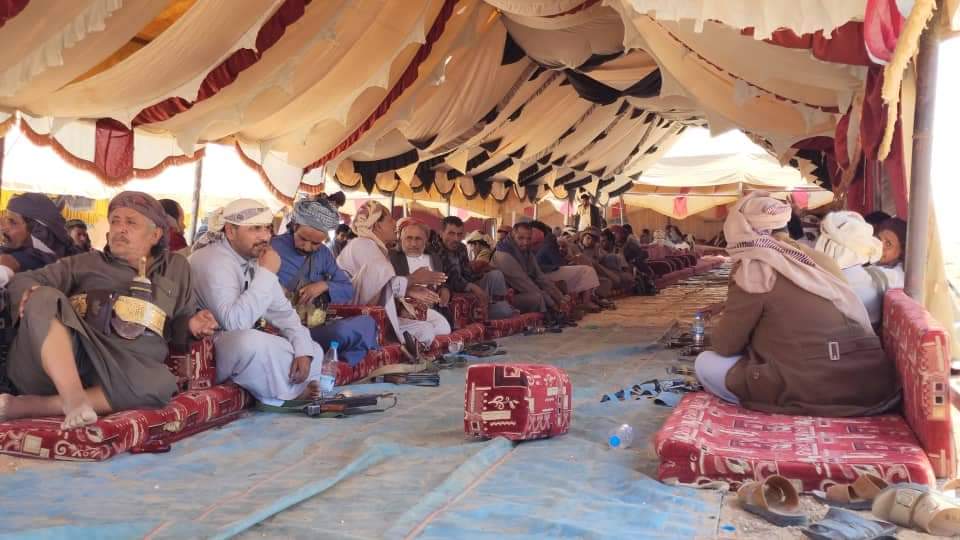
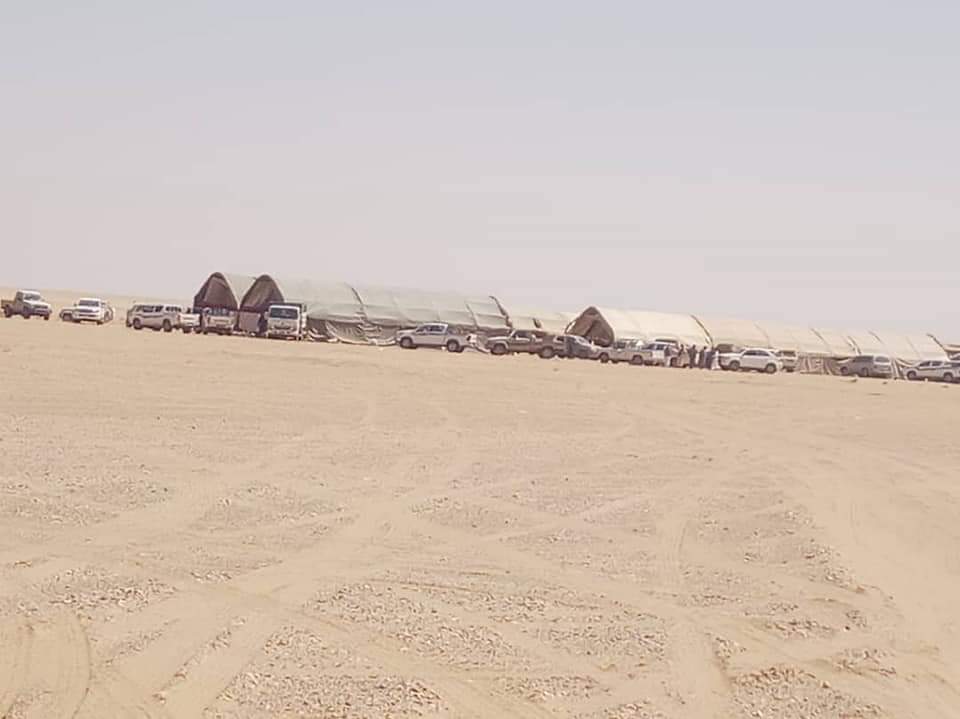
5- Marib and Al-Jawf: – On October 29, the tribes of Marib and Al-Riyan region in the east of Al-Jawf province gathered and protested for the release of Sheikh Amin Al-Akimi, the governor of the resigned government of Al-Jawf. – On October 29, the armed men of the Dahm and Bakil tribes gathered and held a military maneuver in support of the Islah party in the border areas of Al-Jawf province with Saudi Arabia, demanding the release of Sheikh Amin al-Akeimi. These tribes have also requested support from Kholan and Arhab tribes in Sana’a province on behalf of Islah Party. (More about Sheikh Amin Al-Akeim)
Gathering of the Dahm tribe in Al-Jawf province in protest against the arrest of Sheikh Amin Al-Akimi
6- Lahij: On October 30, as a result of the clashes between Ansar Allah and the Southern Transitional Council militants on the Krash front in Lahij province, a number of southern militants, including Mohammad Suwayd Al-Ba’sousi, one of the STC field commanders were killed and several others were injured.
7- Al-Baydha: On October 30, a reconnaissance drone of the Saudi coalition was shot down over the southern front of Al Baydha province.
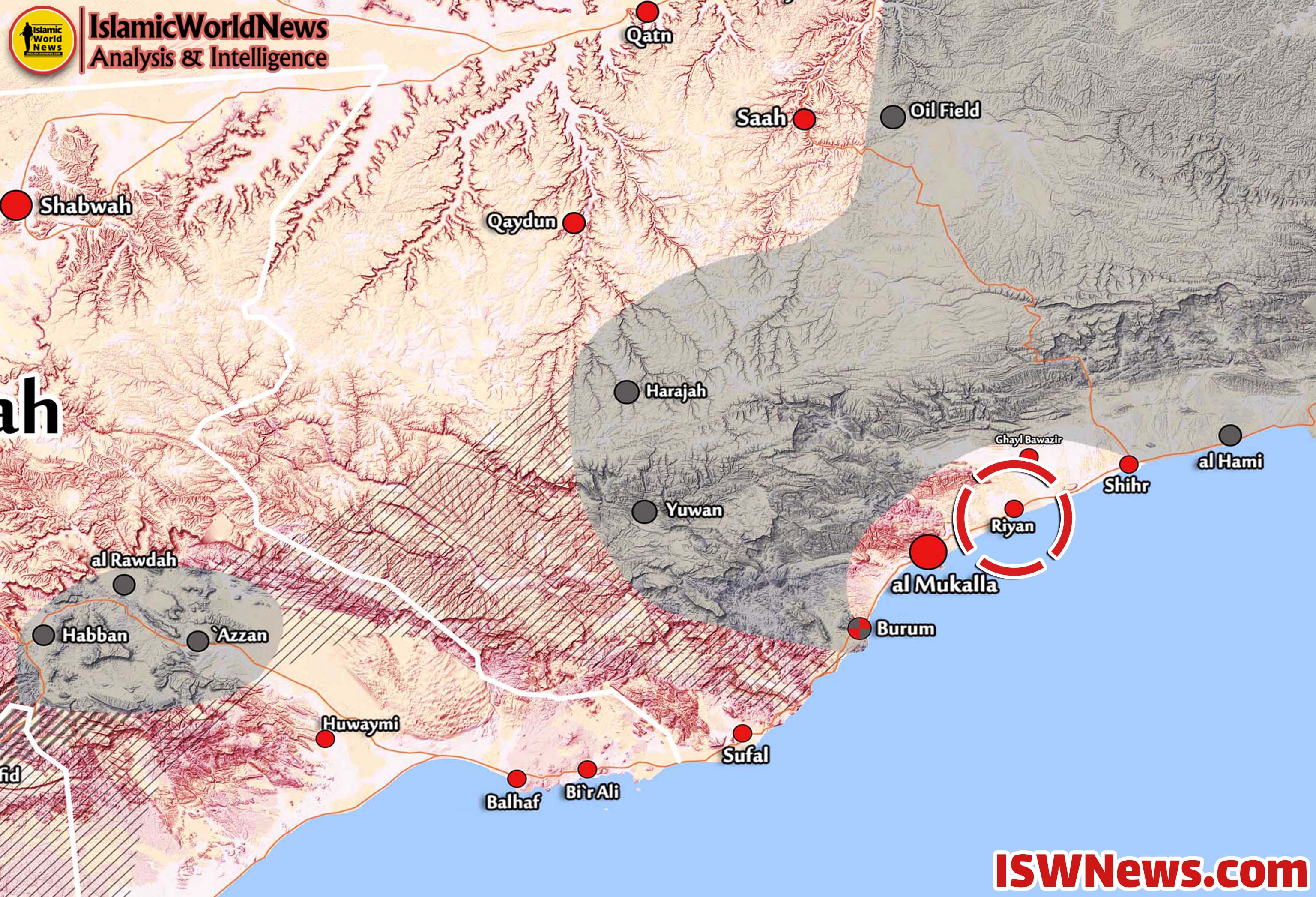
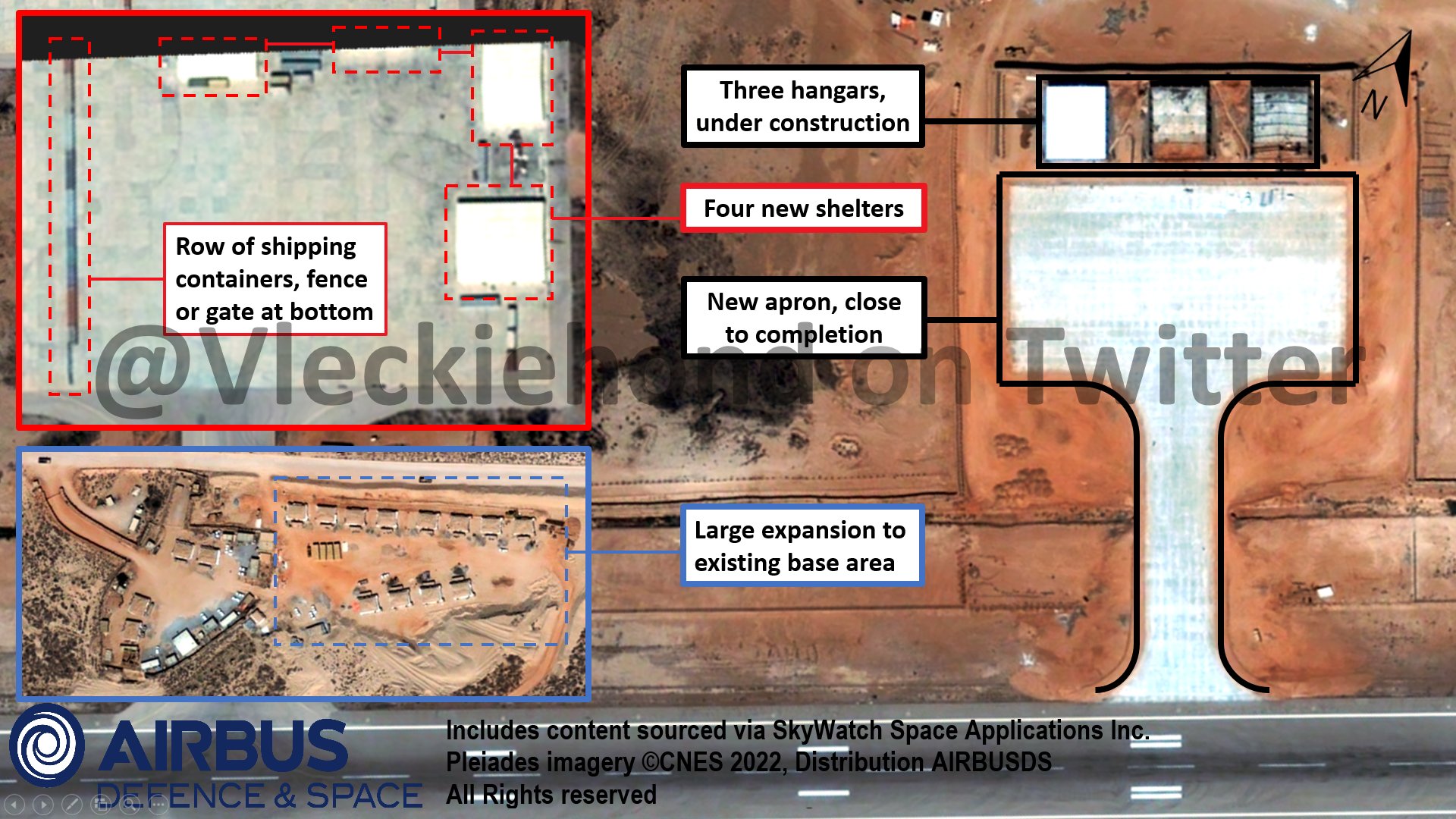
As it is evident from the satellite images of Al-Rayan airport, the UAE has increased its activities on the coasts of Hadhramaut province. The runway and buildings around the airport and Al-Rayan port have been fully developed in recent years, and various other projects are being built around the airport, which shows the UAE’s long-term plan for the coast of Hadhramaut.
A part of Al-Rهyan airport development plan shows the rebuilding of the runway and several hangars and buildings around this airport.
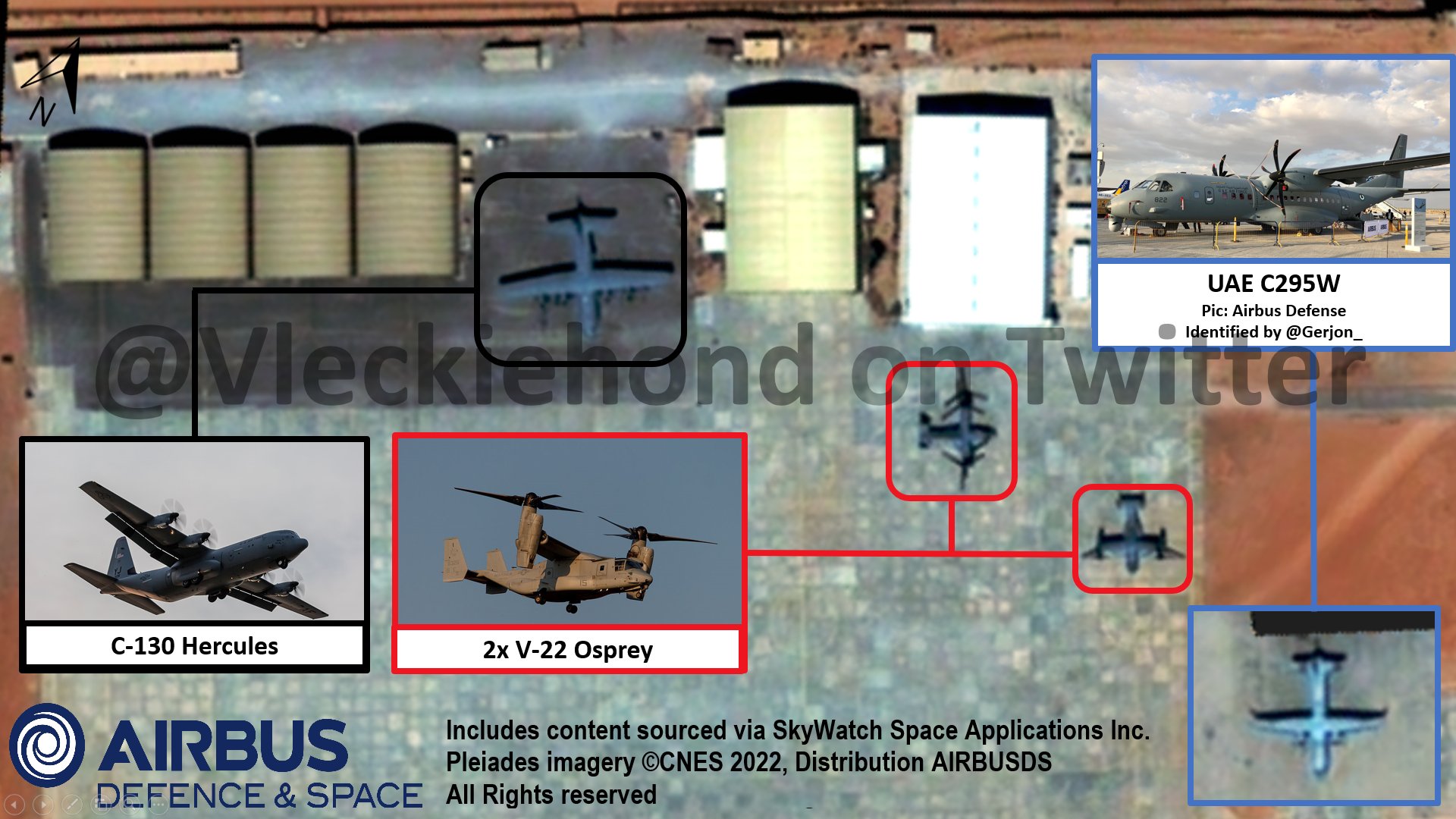
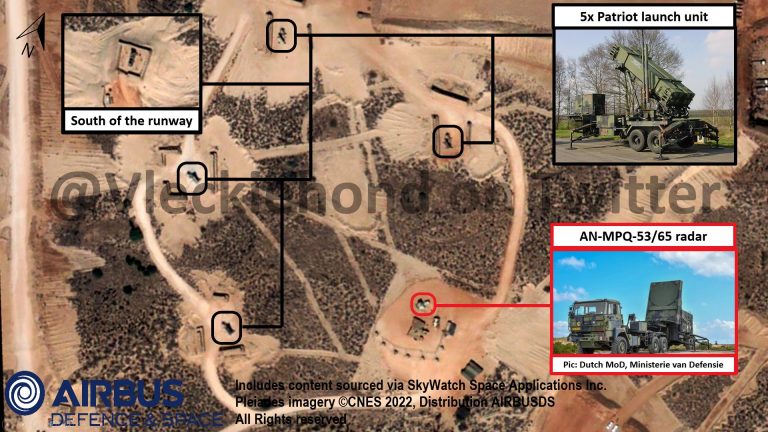
By examining the satellite images of the airport, or rather Al-Rayan military base, we see the the Patriot air defense systems deployed by the UAE in this base. This issue, along with the flight of military transport planes of the United Arab Emirates or the United States (C17 Globemaster, C295W, a C-130 Hercules and V-22 Osprey) to this airport, determines the participation of the US companies and the presence of their advisers in Al-Rayan. This is contrary to the UAE’s alleged plan to withdraw its military from Yemen in 2019 and is proof of their serious activity in exporting/looting Hadhramaut oil and gas in Shabwah province. Of course, at that time, Ansar Allah and the analytical media rejected the claim of the UAE’s withdrawal from Yemen by providing documentation and stated that their plan is a kind of purposeful military presence in Yemen.
Flights and deployment of UAE army planes at Al Riyan AirportDeployment of the Patriot Air Defense System around Al-Riyan Airport
The deployment of the Patriot air defense system is not a new issue in Yemen, and we have seen it before in Marib, Aden and several other places in Yemen. But the interesting thing is that the distance between al-Dhaba and al-Rayan base is less than 12 kilometers, and these systems did not show any activity in the recent Ansar Allah drone attack on al-Dhaba port!
In general, the coastal city of Al-Rayan has become a source for the export of petroleum products in Yemen, especially in Hadhramout province, and Ansar Allah cannot ignore this issue. Countering the looting of Yemen’s wealth is one of the main slogans of Ansar Allah leaders in their speeches, and with the end of the ceasefire announced by the United Nations, these points can be considered as new legitimate targets of Ansar Allah’s missile and drone attacks.