On December 3, the Turkish Bashiqa military base in the Zelkan region, located in north of Mosul was targeted with four rockets. Ahrar al-Iraq group took responsibility for the attack.
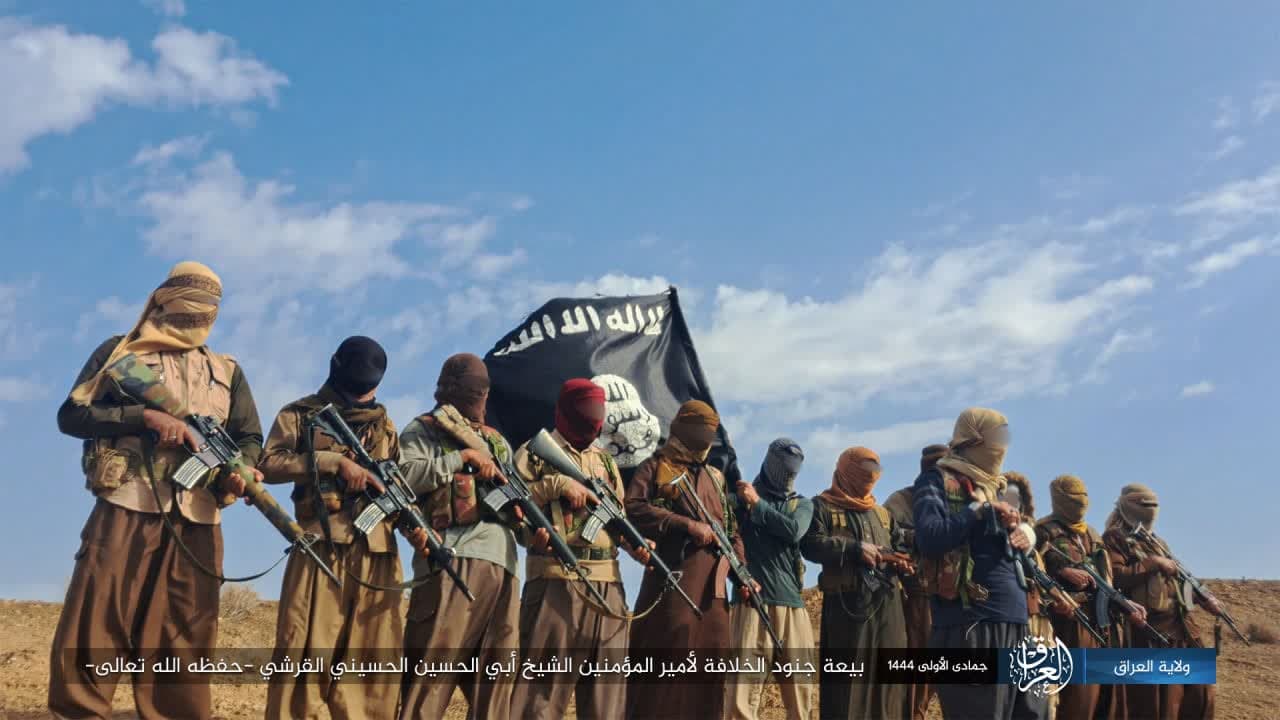
The audio message did not make it clear who killed the group commander or where, but according to a Syrian military source, Abul Hasan al-Hashemi who goes by the aliases “Abdul Rahman al-Iraqi” and “Sif Baghdad” was killed in the north of Jassim, located in Daraa province after the conflict with the Syrian security forces and local armed groups.
It is said that Abul Hasan al-Hashemi blew himself up with a suicide belt after the Syrian security forces encircled him.
After the release of the audio message, CENTCOM spokesman Colonel Joe Buccino announced in a statement that the leader of ISIS was killed in an operation conducted by The Free Syrian Army in Daraa province located in southern Syria. No further details have been mentioned in this statement.
It is worth mentioning that considering the previous measures of ISIS and operations such as “Al-Tha’ar al-Sheikheen” which was carried out in revenge for the killing of its former leaders (Abu Bakr al-Baghdadi and Abu Hamza Al-Qurashi), it is likely that this terrorist group will take a series of retaliatory measures in the areas under its control, especially in Syria and Iraq.
A video that is said to be related to the clashes between the Syrian security forces and Abul Hasan al-Hashemi al-Qurashi, the former leader of ISIS, in the city of Jassim, located in Daraa province
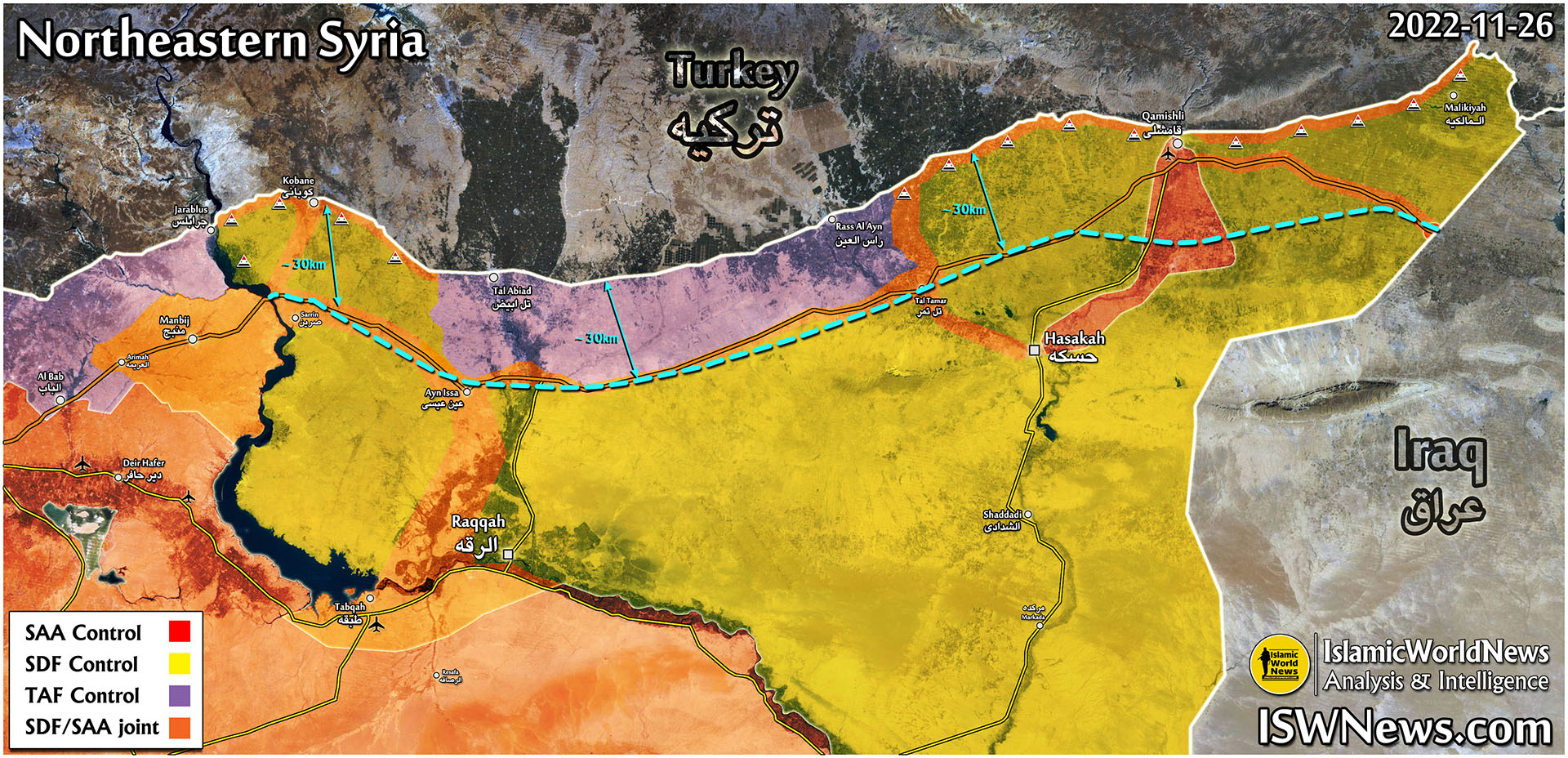
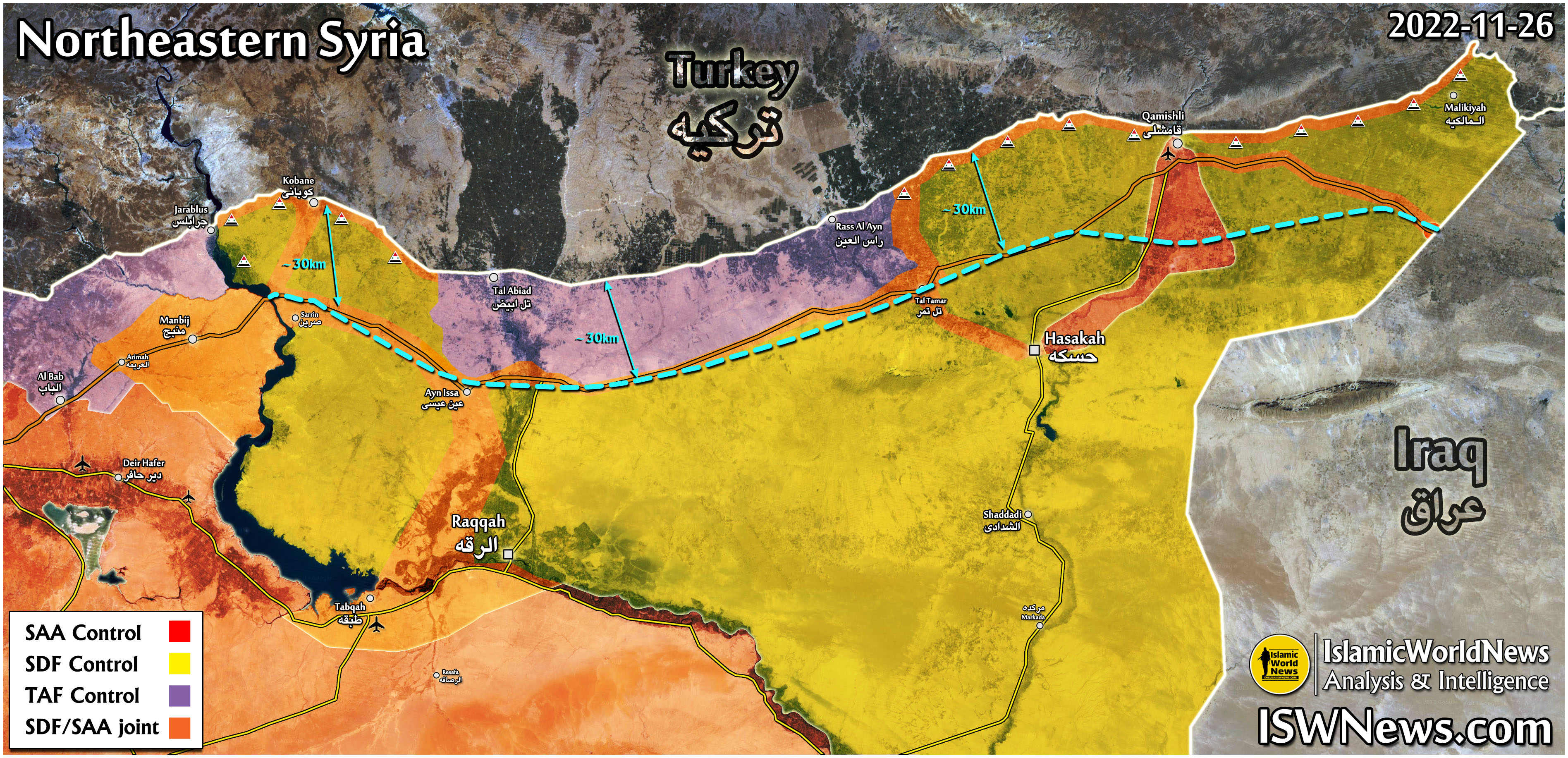
On November 25, General Aleksandr Chaiko, the commander of Russian forces in Syria met with a number of commanders of the Syrian Democratic Forces (SDF) at Qamishli Airport and warned them about the seriousness of Turkey’s threats to start ground military operations in northern Syria.
Chaiko told the Kurdish militias:
“The only way to protect the region from a new Turkish attack is to completely withdraw from the Syrian-Turkish border strip to the south of the international road (M4), create a 30-kilometer buffer zone and hand over this areas to the Syrian army.”
However, the Kurdish militias rejected the proposal made by Russia and declared their readiness to face any new attack by Turkey in northern Syria.
In this meeting, which lasted more than three hours, Syrian military commanders were also present. The details of this meeting have not been published.
It is worth mentioning that considering the rejection of the Russian proposal by the SDF and the recent threats of the Turkish president to start a ground operation against the Kurdish militias, as well as the increase of Turkish artillery and drone attacks on the northern regions of Syria, It is expected that the new ground operations of the Turkish army will begin as soon as possible after the green light of the international and regional parties in the northern regions of Syria.
On November 25, the US military base in the Shaddadi town in Hasakah province was attacked with two rockets. No group has claimed responsibility for this attack, but the Resistance groups are the main suspects.
Also on November 18, forces affiliated with Resistance groups targeted the US military positions at the al-Omar oil field in Deir Ezzor province with several rockets.
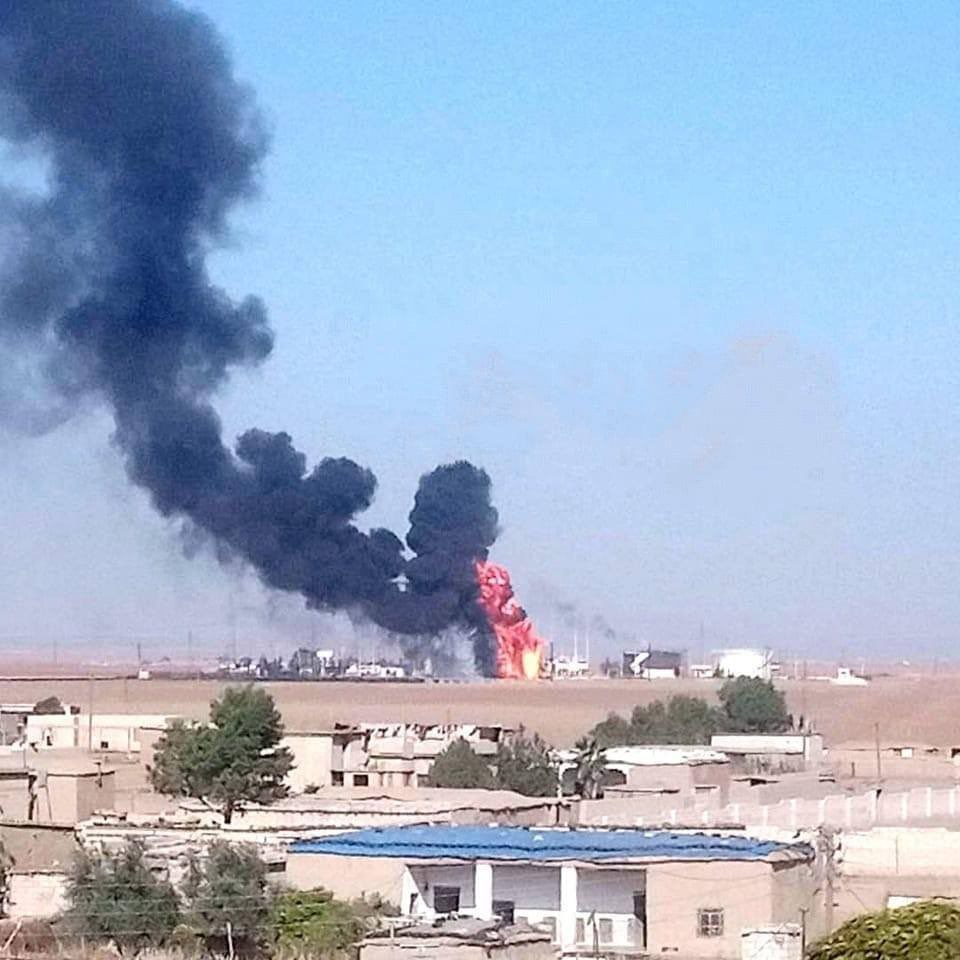
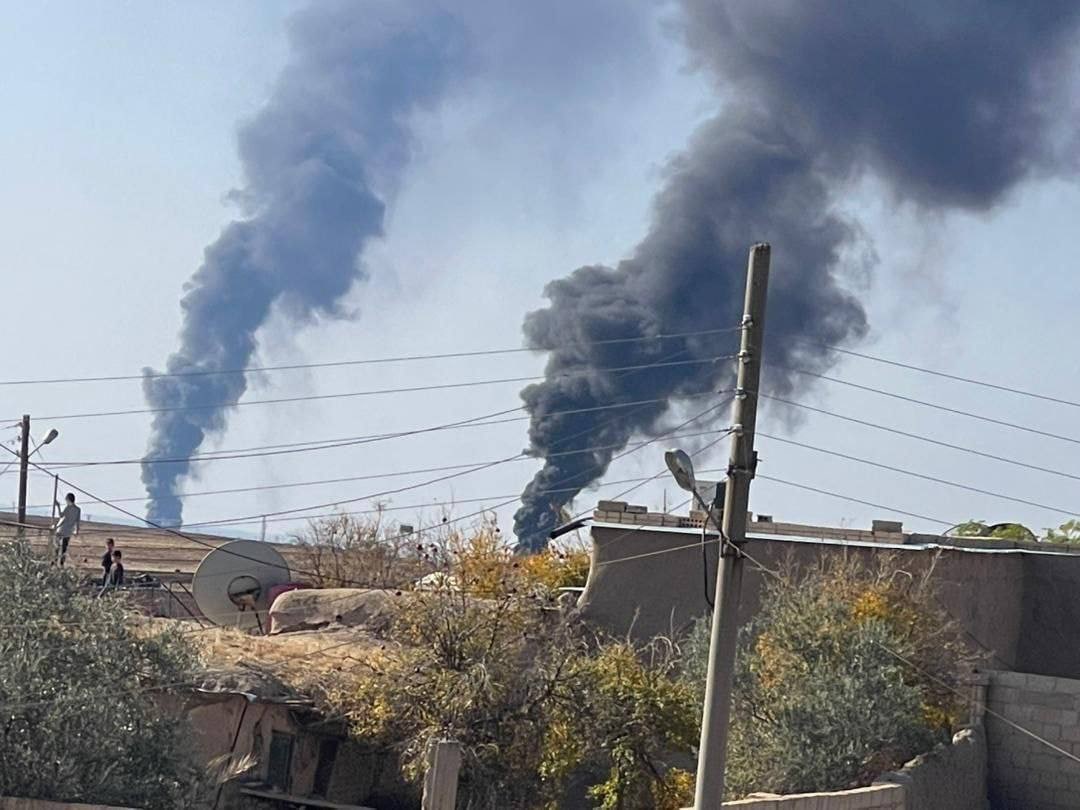
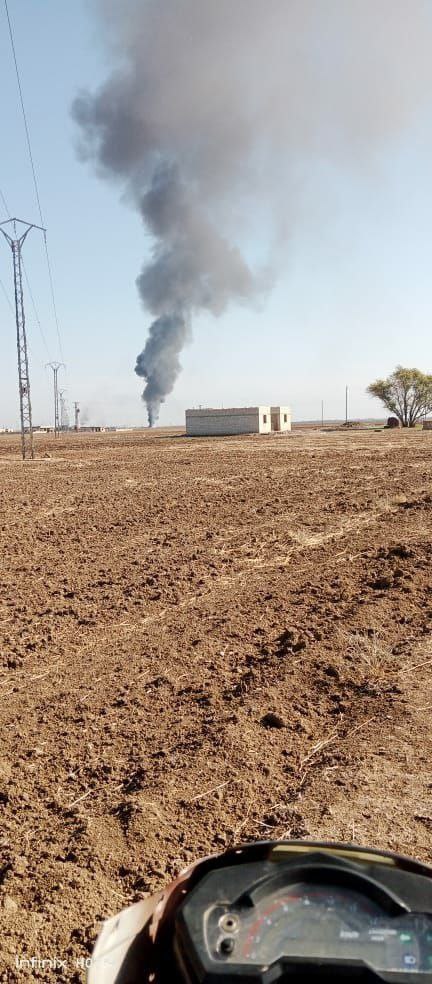
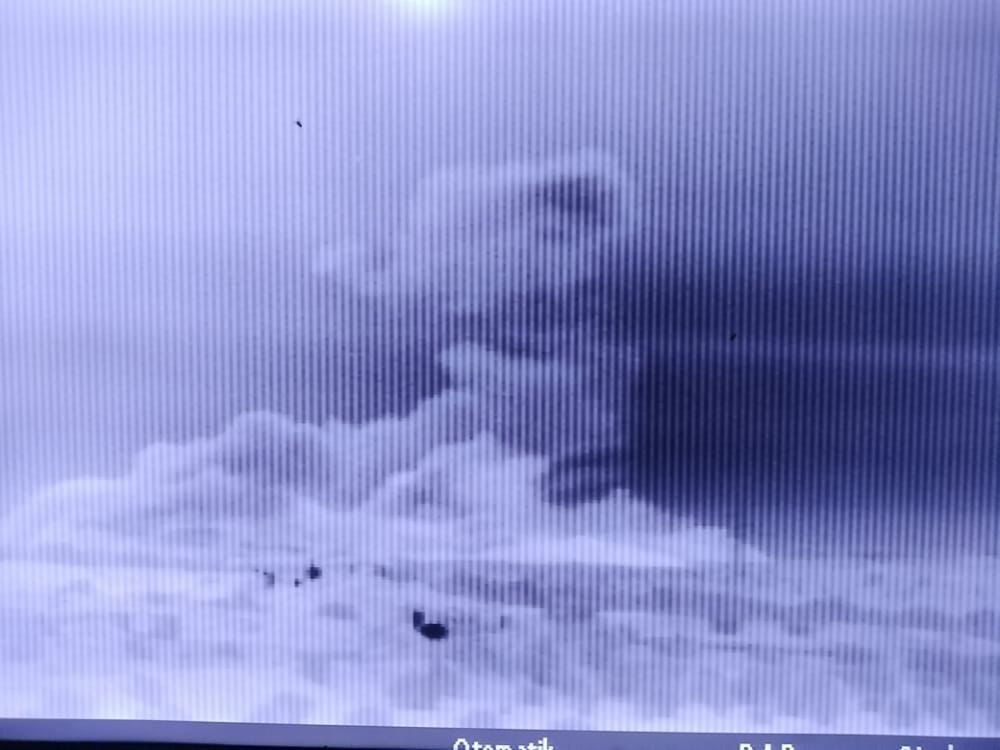
Following the Turkish army air strikes on the northern regions of Syria with the pretext of Operation Claw-Sword, Turkish drones targeted two oil fields near the village of Mulla Abbas and the northern outskirts of Qahtaniyah in east of Qamishli in Hasakah province. These attacks caused fires in the oil fields. Also, a checkpoint belonging to the Syrian Democratic Forces (SDF) near Hemo village in west of Qamishli city was targeted by Turkish drones.
Images of the attacks on two oil fields near Mulla Abbas village and the northern outskirts of Qahtaniyah in east of Qamishli.
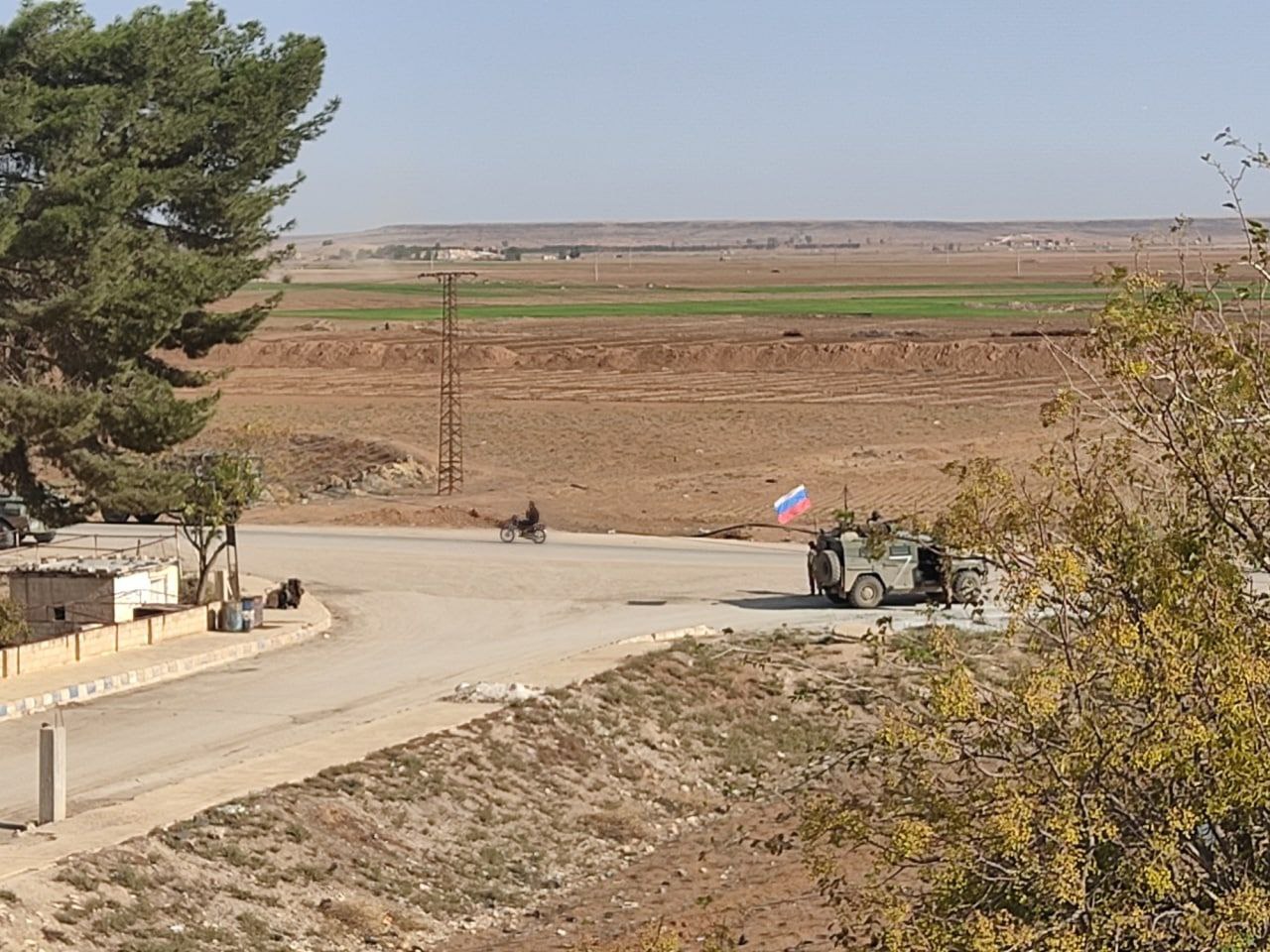
After the first round of attacks, the Turkish drones targeted the joint base of the Russian military and the SDF in the outskirts of the town of Tal Tamar, during which one SDF member was killed and two others were injured. After this attack, the Russian military began the process of evacuating their headquarters from the Tal Al-Hamra region.
The withdrawal of Russian soldiers from their headquarters in Tal Al Hamra area
In addition to the drone attacks on Tal Tamar, the Turkish army and its militants targeted the two villages of Umm al-Khair and Tal Tawil in the outskirts of Tal Tamar with artillery attacks.
On the other hand, at the same time as the Turkish armed forces attacks on northern Syria, the President of Turkey, Recep Tayyip Erdoğan, said to the parliamentarians of the Justice and Development Party:
“We will find and punish all those who were involved in the explosion of Istiklal Street in Istanbul. Turkey will not remain silent in the face of these attacks. Recent events have shown that the parties who guaranteed that Turkey would not be attacked from Kurdish-controlled areas didn’t kept their promises.”
He said about Turkey’s military operations in northern Syria:
“Air operations in northern Syria have just begun. We will also begin ground operations at the most appropriate time. We will begin clearing northern Syria of Kurdish militias from the cities of Tal Rafaat, Manbij and Ain al-Arab, and the steps we take will guarantee the territorial integrity and security of Syria and Iraq.”
It is worth noting that the increase of these attacks simultaneously with the threats of the Turkish president to start ground operations in the northern regions of Syria is considered a serious warning for the Kurdish militias and the Syrian government. Therefore, it is likely that the senior commanders of the Syrian Democratic Forces (SDF) will negotiate with Iran, America, Russia, and even the Syrian government to get help and get rid of this crisis, just like what we have seen in the past years.
On November 22, the public relations department of the Islamic Revolutionary Guard Corps announced:
“The brave guardian of Islam, General Dawood Jafari, one of the advisors of the Islamic Revolutionary Guard Corps Aerospace Force in Syria, was martyred by the accomplices of the Zionist regime due to the explosion of a roadside bomb near Damascus.”
Up to this moment, more details about the exact manner and place of his martyrdom have not been published, but it is possible that Martyr Jafari was identified by Zionist elements and killed in a targeted assassination, and the announcement by the IRGC that the Israeli regime was involved in the incident strengthens this possibility.
On November 22, the Turkish army and its militants struck positions of the Syrian Democratic Forces (SDF) in the city of Tal Rafaat, Shahba area, the eastern and western suburbs of Ain al-Arab city, the Sherawa area in the outskirts of Afrin, the north of the city of Manbij located in Aleppo province, the east of the city of Qamishli and a joint base of the US coalition and the SDF counter-terrorism unit located in Hasakah province.
Following these attacks, the Turkish aircraft entered the northern territory of Syria and struck positions of the Syrian Democratic Forces near the city of Tal Tamar, oil installations in Qahtaniyah area in the east of Qamishli, the village of Tal Tawil and Zarkan in the Hasakah province. It is said that the Menagh military airport was also targeted by the Turkish aircraft , and as a result, several Syrian army forces were martyred and injured. So far, no information has been published on the exact amount of casualties and damages of these attacks.
In response to these attacks, the Kurdish militia targeted the Turkish army base in the Kaljabrin village and the city of Azaz (under the control of Turkish-backed militants), during which several people were killed and wounded.
Aftermath of the Kurdish militia’s rocket attack on the city of Azaz
The Kurdish militia also targeted the Salama border crossing and the city of Kilis in the south of Turkey with rocket attacks. It is said that seven rockets were fired from inside Syria to the south of Turkey, and so far no statistics on the casualties of this attack have been published.
A video of several rockets hitting southern Turkey
The Turkish airstrikes on northern Syria have increased while taking into account the words of the President of Turkey, Recep Tayyip Erdogan, at the opening ceremony of the Yusuf Ili dam and hydropower plant, regarding the eradication of terrorists using weapons and military forces, the possibility of starting Turkish ground operations in the north Syria has dramatically increased. Turkish President has said Turkey’s actions would not be limited to aerial strikes.
“We have been on top of the terrorists for the past few days with our planes, artillery and drones, As soon as possible, we will root out all of them together with our tanks and soldiers. From now on, there is only one measure for us. There is only one border. (And that is) the safety of our own country, our own citizens. It is our most legitimate right to go where this security is ensured,” Erdogan said.
This issue has made Russia and America react.
The spokesperson of the White House stated in this regard:
“Turkey is suffering from a terrorist threat and has the right to defend itself, but the US positions regarding Turkish ground operations in northern Syria are firm. We are worried that the new operations of the Turkish army will weaken our partners (Syrian Democratic Forces) and this will affect their fight against the ISIS terrorist group.”
Dmitry Peskov, the spokesman of the Kremlin also said:
“Turkey’s military operation in northern Syria is a legitimate right, and Moscow respects and understands Ankara’s security concerns. We call on all parties to refrain from any destabilizing actions.”
It is worth mentioning that after the bomb attack in the Istiklal Street of Istanbul city, Turkish authorities blamed the attack on the PKK and its Syrian affiliate the YPG. Turkish authorities claims that the order for this explosion was issued from the Syrian city of Ain al-Arab. Following the incident, from the morning of November 20, the Turkish army started an air campaign called “Operation Claw-Sword” against the Kurdish militias on northern regions of Iraq and Syria.
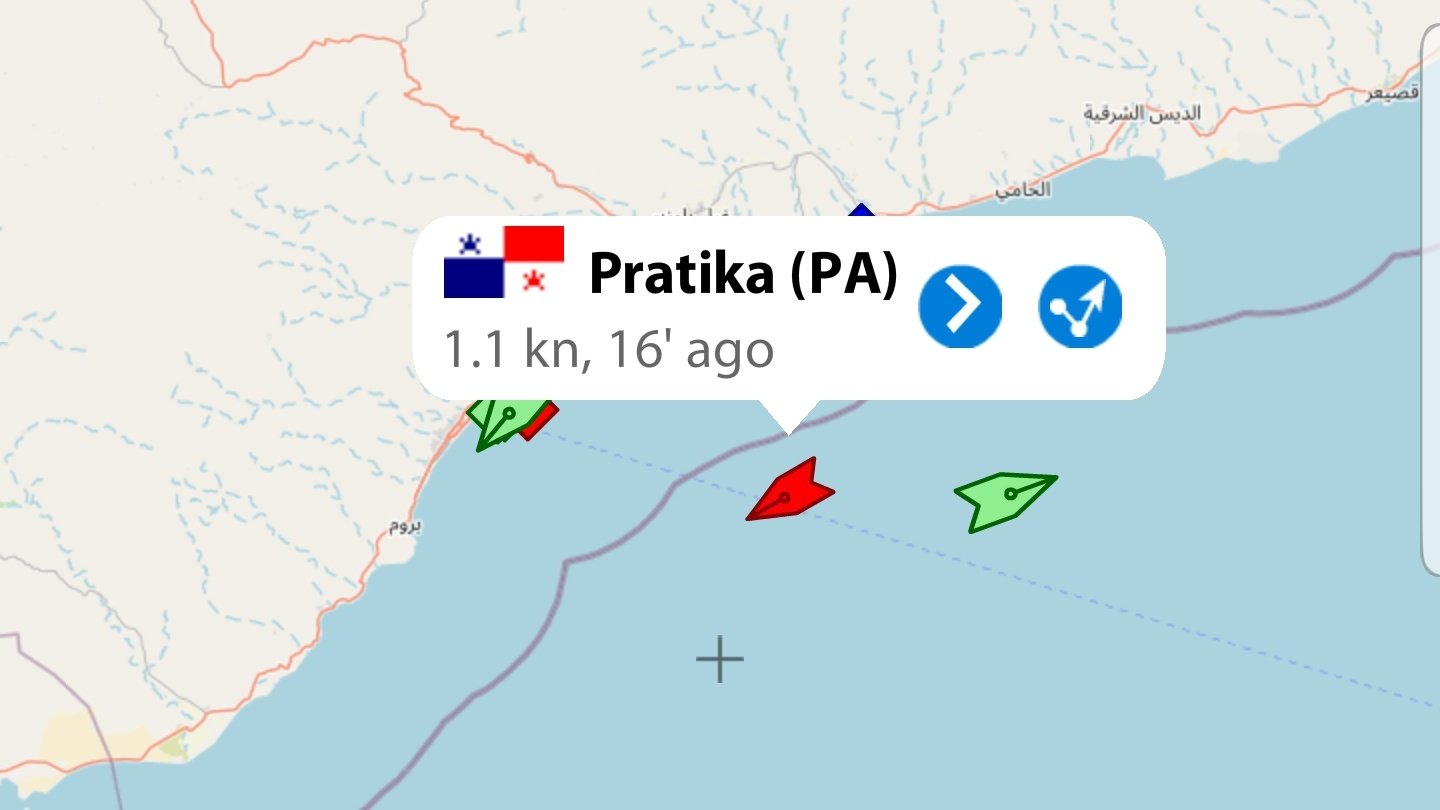
According to information published by local sources, Ansar Allah attacked Pratika oil tanker off the coast of al-Dhaba port with a drone at noon on November 21. The Panama-flagged Pratika oil tanker was intended to dock at the Al-Dabah port and transfer the Hadhramout oil towards the Suez Canal.
Al-Dhaba port is located near the UAE base in al-Rayan town and on the coast of Hadhramaut province, and in recent months it has become a place for exporting oil from the occupied areas of Yemen. This is the third warning of Ansar Allah against foreign oil tankers and the second attack on Al-Dhaba port. Ansar Allah previously attacked the oil tanker Nissos Kea on the shores of al-Dhaba port on October 22.
Brigadier General Yahya al-Sari’, the spokesman of the Yemeni armed forces, confirmed the Ansar Allah attack on the foreign oil tanker and wrote in a news statement:
“With the help of God and His success, the Yemeni armed forces forced an oil ship that was going to approach the port of Al-Dhaba in the south of the country to leave this area. This ship had the mission of looting a large amount of oil and refused to respond to the warnings of the armed forces. The enemy tried to carry out actions that the armed forces are not able to observe and deal with properly. The Yemeni armed forces continue to protect the national wealth so that its revenues serve the Yemenis and cover the salaries of all employees in all regions of Yemen.”
According to the latest information obtained from the early morning attack of the Iranian Armed Forces on the military positions of terrorist groups in the Kurdistan Region, the Koysinjaq area, the Jazhnikan camp in northern suburbs of Erbil city and two other headquarters in the Zargoiz and Bangora areas in southern suburbs of Sulaimaniyah city were targeted with several missiles and Shahed-136 (or 131) suicide drones.
So far, no information has been released about the exact amount of casualties and damages of these attacks, but it is said that a member of the Kurdish Democratic Party of Iran (KDPI) terrorist group named “Behzad Iskat” was killed in the attacks.
Behzad Iskat, a member of the KDPI terrorist group which was killed as a result of attacks on terrorist positions in the Kurdistan region of Iraq
Nasser Kanani, the spokesman of the Ministry of Foreign Affairs of Iran said this morning during a meeting with journalists in response to today’s attacks by the Iranian armed forces on terrorist positions in the Kurdistan Region of Iraq:
“Iran’s expectation is definitely that there will be no threat to Iran’s national security from Iraqi territory and that Iraq should not be used as a place and base of threat against Iran. We expect that the Iraqi government and local government officials of the Kurdistan region to fulfill their international responsibilities and fulfill the commitments they made in the framework of bilateral negotiations with Iran. However, despite the repeated promises that we received from the Iraqi and regional government officials, this did not happen, and as a result, Iran is acting based on its legal rights to protect the security of its borders, land and citizens, to provide security and repel threats.”
On the other hand, the Kurdistan Regional Government issued a statement strongly condemning today’s attack by Iran’s armed forces and considered it a repeated violation of Iraq’s territorial sovereignty and against the principles of good neighborliness. In this statement, they asked Iran to end these attacks.
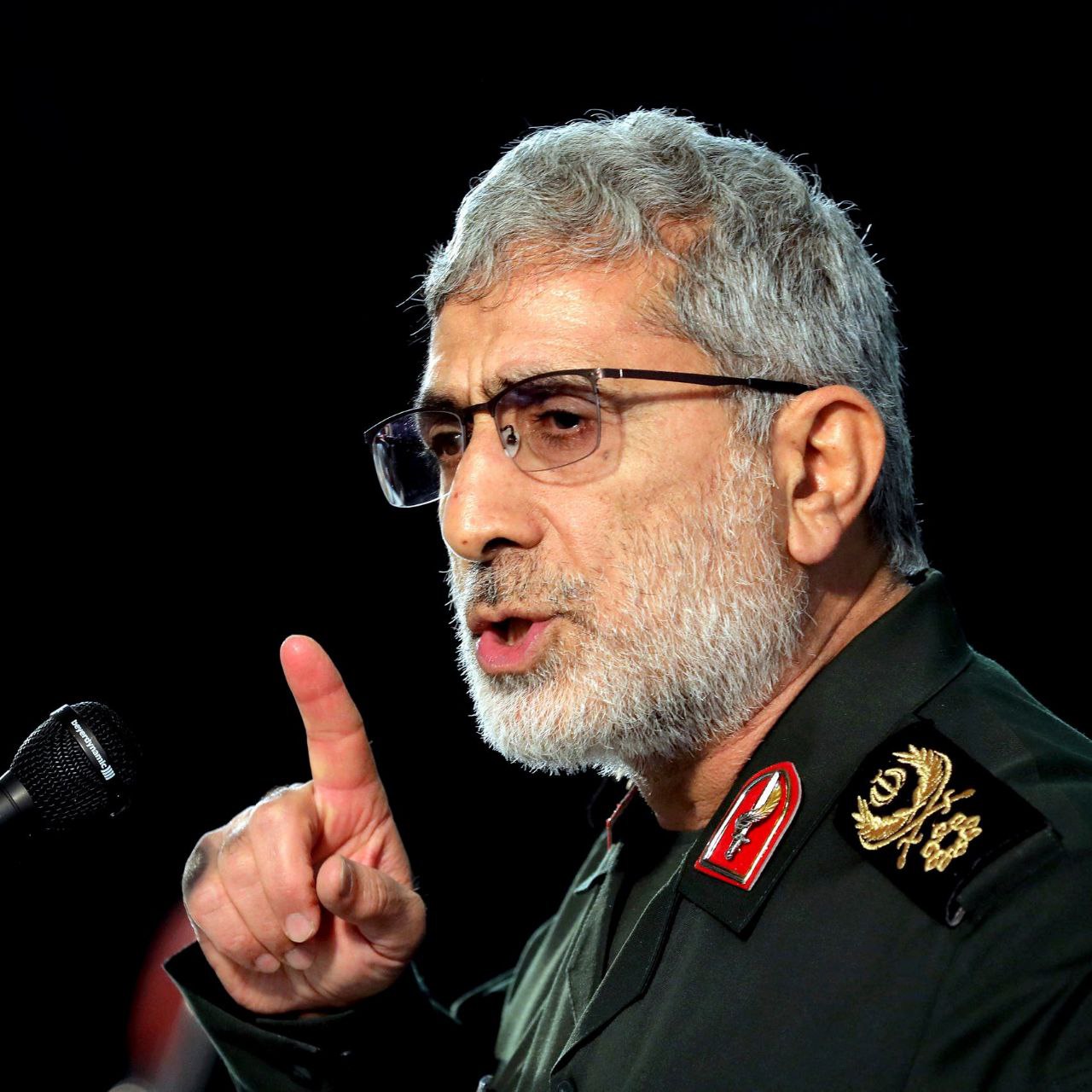
The new round of attacks by Iran’s armed forces on the positions of terrorist groups based in the Kurdistan region of Iraq began while a while ago the US media “Associated Press” quoted informed sources and claimed that General Ismail Qaani, the commander of the IRGC Quds Force, in his recent trip to Iraq, in addition to warning the Iraqi authorities, has stated that if the terrorist groups in the Kurdistan region are not disarmed and the Iraqi army forces are not stationed on the common border between Iran and the Kurdistan region, the Iranian armed forces will start ground operations in northern Iraq!
It is worth mentioning that last night’s attacks were the third round of attacks by Iranian armed forces against terrorist groups in northern Iraq. The first round of attacks took place on September 28, during which 15 militia members were killed and 24 others were injured. In the second round of attacks on November 14, Sidakan heights, south of Sulaymaniyah and the outskirts of Koysinjaq were targeted and at least two members of the Kurdistan Democratic Party of Iran terrorist group were killed and 10 others were injured.
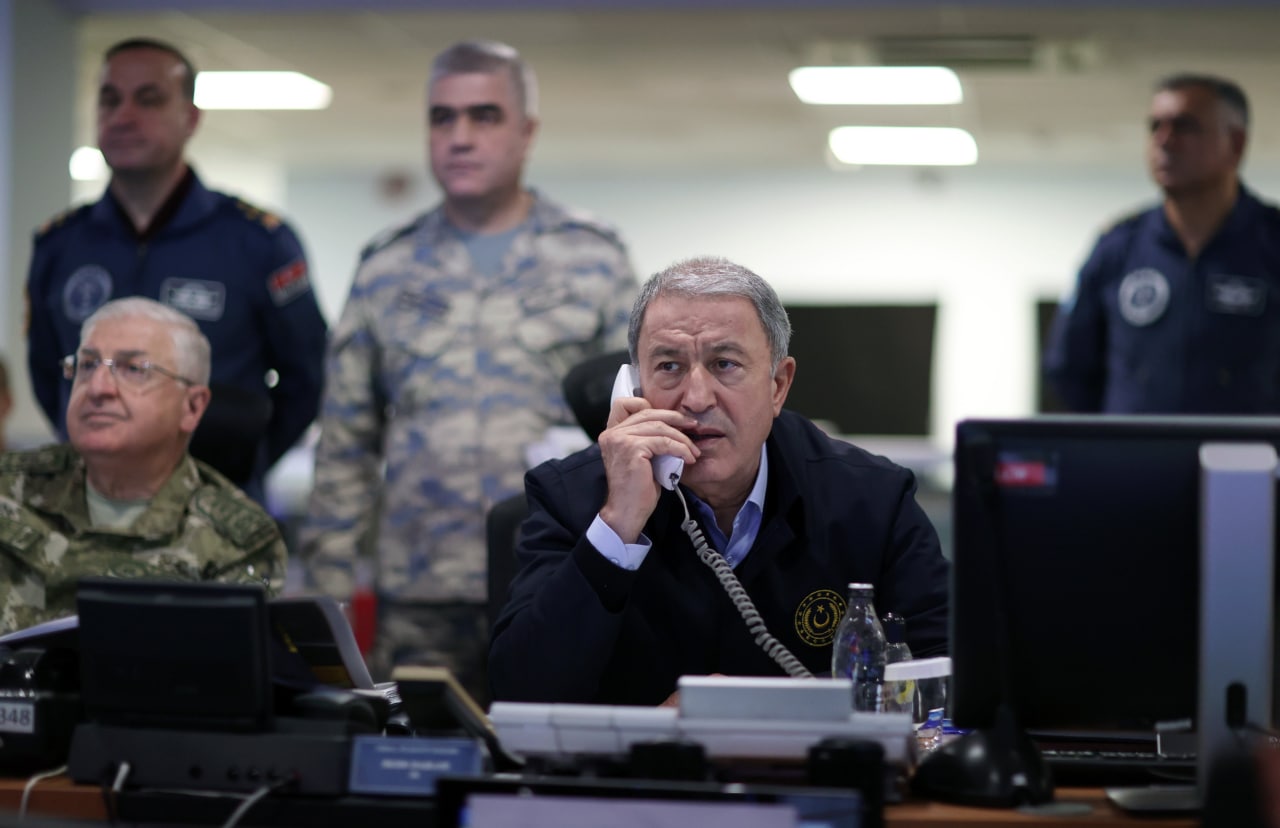
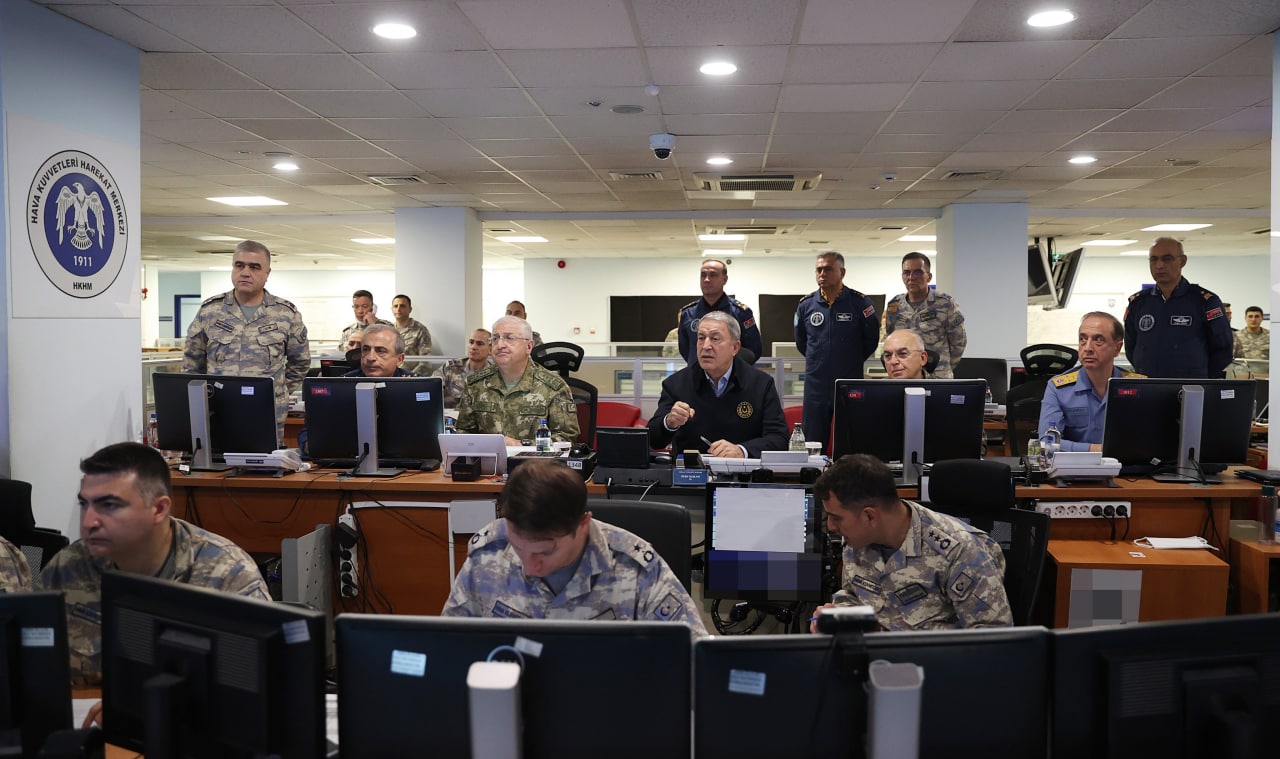
In the morning of November 20, Turkish Defense Minister Halusi Akar, along with General Yashar Güler, Chief of the General Staff of the Turkish Armed Forces, General Musa Avsever, Commander of the Turkish Land Forces and several other Turkish military commanders attended the Turkish Air Force Operation Center and minutes later an operation called “Claw-Sword” was started by the order of the Minister of Defense of Turkey.
Turkish Air Force Operations Center
During this operation, Turkish warplanes simultaneously attacked targets in the areas of Menagh airport, Ain Daqna, Ain al-Arab, Ain Issa, Tal Rafaat, Maraanaz, Al-Bayluna and Malekiyah in northern Syria. In Iraq, Turkish warplanes bombarded areas including Sanksar located in the east of Erbil and Qandil mountain.
Although official sources have not released information on the exact amount of casualties and damages of these attacks, local sources reported that 11 people were killed as a result of Turkish airstrikes in the northern regions of Syria. According to the announcement of the Syrian Ministry of Defense, a number of Syrian soldiers were also martyred as a result of these attacks.
Hours after the start of Operation “Claw-Sword”, Turkish Defense Minister Halusi Akar said to the Turkish military,
“You have successfully completed Operation Claw-Sword.”
Mazloum Abdi, the commander-in-chief of the Syrian Democratic Forces (SDF), said in response to Turkey’s attacks on northern Syria,
“The bombing of these areas threatens the security of the entire region, and these attacks are not in the interest of any party.”
It should be noted hours before the start of Turkish airstrikes in northern Iraq and Syria, Turkish Interior Minister Suleyman Soylu, during a speech in the parliament of this country, considered the Kurdistan Workers’ Party (PKK) to belong to the CIA spy organization and stated that the United States supports this group.
The Turkish airstrikes came after a bomb rocked Istiklal Street in the heart of Istanbul on November 13, killing six people and wounding over 80 others. Turkish authorities blamed the attack on the PKK and its Syrian affiliate the YPG. The Kurdish militant groups, however, denied involvement. According to the claims of senior Turkish officials, the orders for the bombing incident in Istanbul were issued from the city of Ain al-Arab located in Aleppo province of Syria. This caused the Turkish military to attack areas in northern Syria and Iraq in response to this attack.
Turkish airstrikes on the northern regions of SyriaThe video published by the Turkish Ministry of Defense regarding Operation Claw-SwordImage of one of the Syrian army forces named “Martyr Muhammad Yunus al-Rifai” who was martyred in the air attack of the Turkish army in the northern regions of Syria.
Late last week, after the Iranian armed forces drone and missile attacks against the positions of terrorist groups in the Kurdistan region of Iraq, General Ismail Qaani, the commander of the IRGC Quds Force arrived in Baghdad to meet and talk with senior Iraqi officials. During this trip, General Qaani met and talked with the President Abdul Latif Rashid, Mohammad Shia al-Sudani, the Prime Minister of Iraq, as well as some other Iraqi officials and personalities.
After these meetings, the US media “Associated Press” quoting informed sources claimed that “General Qaani, while warning the Iraqi authorities, stated that if the terrorist groups in the Kurdistan region are not disarmed and the Iraqi army forces are not deployed on the common border between Iran and the Kurdistan Region, the Iranian armed forces will begin ground operations in northern Iraq!”
The Associated Press continued to write, “It is not clear how serious Iran’s warning is, but this is the first time that Iranian authorities, after months of conflict with armed groups based in the Kurdistan Region and asking Iraq to disarm terrorist groups active in northern Iraq, openly threaten to start a ground operation.”
Although the senior officials of Iran and Iraq have not commented in this regard, but assuming the truth of the claim of this US media and considering the recent attacks of the Iranian armed forces against the terrorist groups based in the Kurdistan region, we understand that these actions show a serious determination, And the new decisions of the Iranian authorities are to deal with terrorist groups in this region. This decision has become more serious, especially after the revelation of the role and involvement of these terrorist groups in the recent unrest in Iran. Therefore, it seems that in the near future, the Iranian armed forces will start a new round of attacks against terrorist groups in the Kurdistan region of Iraq, and the terrorists in the region must wait for the hot days to come!
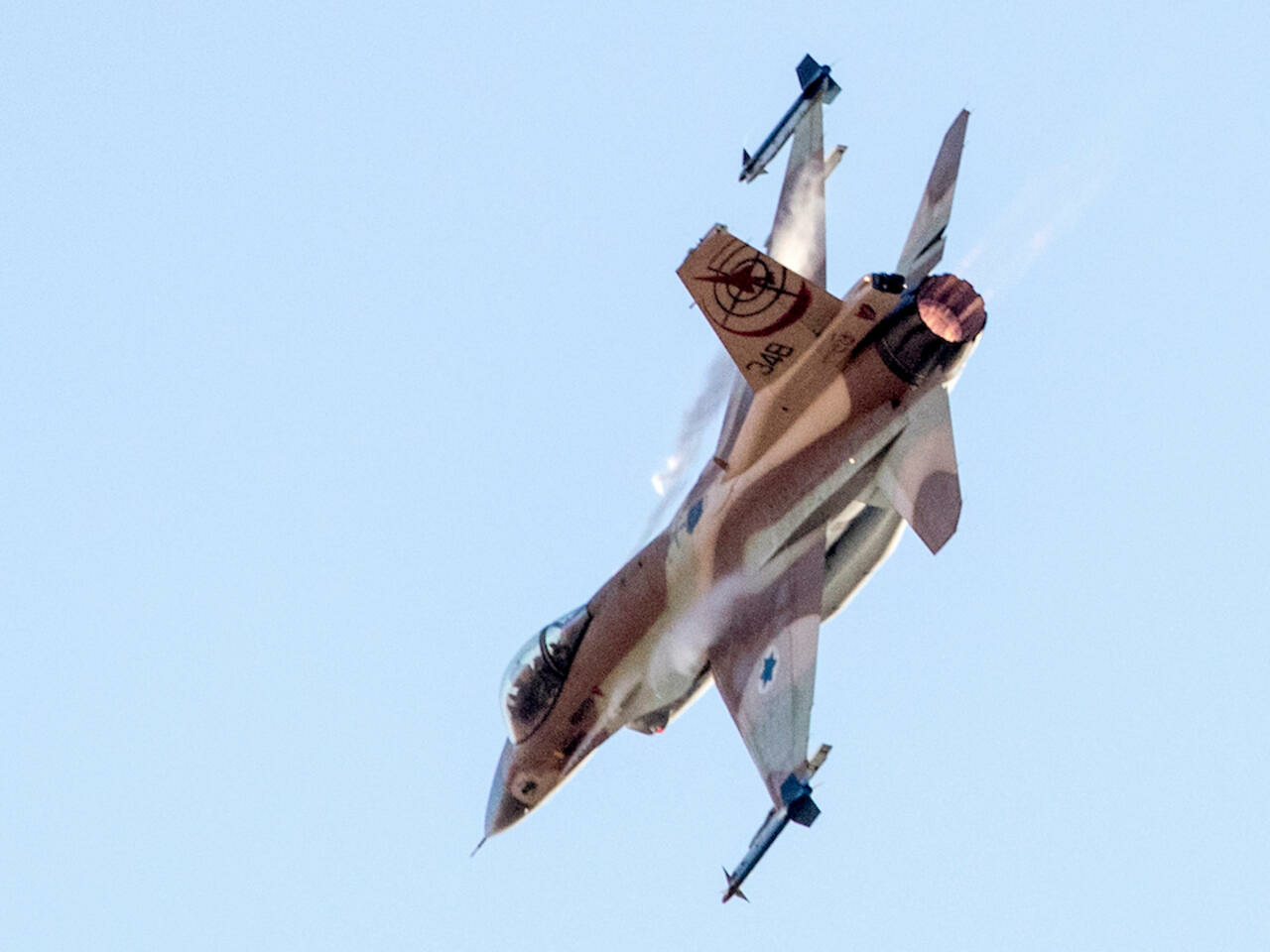
According to a Syrian military source, “at around 06:30 Saturday local time, the Israeli enemy targeted the central and coastal areas of Syria by firing several missiles from the direction of the Mediterranean Sea. Syrian air defense systems were activated and intercepted a number of them. This attack led to the martyrdom of four members of the Syrian army, the injury of another person, and the occurrence of material losses.“
It should be noted that on November 13 also, the Israeli regime fighter jets fired a number of missiles towards the Al-Shayrat airbase in Homs province, during which two Syrian army servicemen were martyred.
Israel attacks and the violation of the sovereignty of the Syrian state take place while international organizations and the United Nations close their eyes on this issue. Considering this issue, it should be said, basically, considering the fact that the law of the jungle governs the world and not the rule of law, what is the need for the existence of the organization like United Nations?!