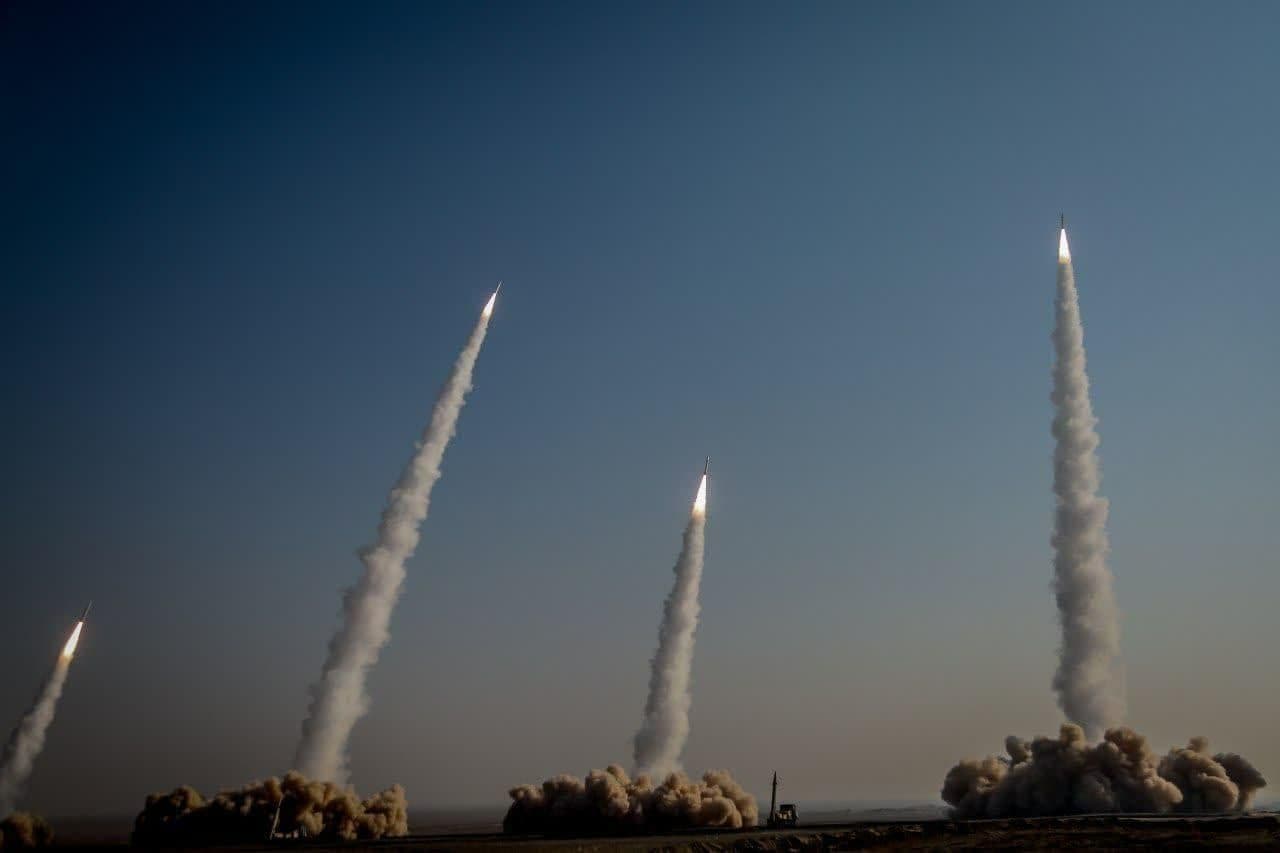
At this stage, the new generation of IRGC ballistic missiles were fired in Zulfiqar, Zilzal and Dezful classes and successfully hit the targets. The mentioned missiles are equipped with detachable warheads and the ability to be guided out of the atmosphere, as well as the ability to disrupt and pass through the enemy missile defense systems.
On the sidelines of the IRGC missile exercise, the IRGC Aerospace Force Commander, General Amir-Ali Hajizadeh said: “The missiles used today are a new generation of ballistic missiles and their capabilities are new, and the combination of these with drone operations and the use of achievements and technologies of artificial intelligence has created a new possibility and power.”
The commander-in-chief of the Islamic Revolutionary Guard Corps (IRGC), General Salami also stated the successful test of new technologies in missile and UAV guidance and control systems and very precise command and control of the joint strategic operation scene as salient features of Payambar-e Azam 15 (The Great Prophet 15) Military Exercise.
This morning, in the first phase of the IRGC’s “Payambar-e Azam 15 (The Great Prophet 15) drill, a combined operation of firing ballistic missiles of the new generation of the IRGC was carried out along with the combat, reconnaissance and suicide drones, which you can see in the following pictures.
IRGC suicide drones diving on targets in “The Great Prophet 15) drill”
According to the information provided by Gen. Hajizadeh, in this drill, the use of artificial intelligence is more on the agenda than the previous drills. An example of this can be seen in the formation of Shahed-161s. IRGC suicide drones have also become more effective using AI.
Shahed-161 drones in “The Great Prophet 15) drill”
– Early on January 13, Israeli warplanes targeted several positions of SAA and its allies in the cities of Deir Ezzor and Al Bukmal. The attack was the second attack of the Zionist regime on Syria in 2021.
– A US intelligence official said the Israeli attack on Syrian army positions in Deir Ezzor province was based on US intelligence reports. Mike Pompeo spoke with the Mossad chief on Monday about the attack on Deir Ezzor.
– Official sources in the Iranian Armed Forces have denied any Iranian casualties in the recent Israeli attack on Syria. Earlier, the Syrian anti-regime media stated in unison with lying US officials about the martyrdom of about 50 members of the Syrian resistance and army, including Iranian forces.
– The media unit of Fatemiyoun Division denied the news published in some channels about the mass martyrdom of Afghan fighters in the recent Israeli attack on Syria.
– Artillery of Turkish-backed militants bombed Syrian Democratic Forces (SDF) positions near Ain Issa.
– An American convoy consisting of several tanks, armored vehicles and ammunition to strengthen illegal US bases in Syria with the help of the Syrian Democratic Forces (SDF) entered Hasakah through the Iraqi Kurdistan border via the illegal al-Walid crossing.
– The US-led coalition and the Syrian Democratic Forces (SDF) held a joint military exercise at the US base in the Conoco gas facility in Deir Ezzor province
– Hayat Tahrir al-Sham(HTS), an Al Qaeda-affiliated group carried out a security operation against ISIS elements in the Kafar Takharim area in the west of Idlib province near the Turkish border. In recent week also another security operation carried out in the same area against ISIS by HTS.
– According to the Russian Center for Reconciliation in Syria, the militants violated the ceasefire 27 times in the Idlib region, including 3 in Aleppo, 10 in Latakia, 3 in Hama and 10 in Hama.
– US forces conducted a military patrol in the neighborhood of Ghowairan in the city of Hasakah.
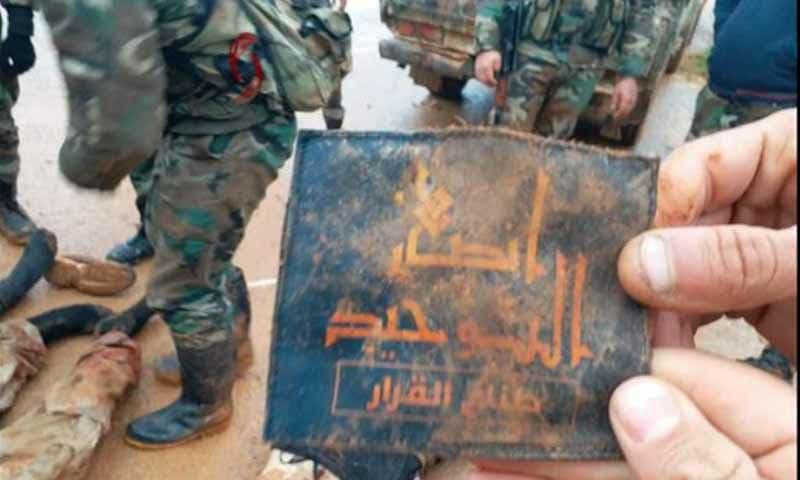
– Tahrir al-Sham-affiliated Ansar al-Tawhid terrorists claimed to have targeted a number of Russian soldiers at the al-Zaytoun military camp near the village of Hazarin in southern Idlib province. The statement from the terrorist group said that three Russian troops were killed and eight others were wounded in the operation, although this has not yet been confirmed by Russian officials.
Al-Saedi said: If anyone is killed or injured in these attacks, the government is responsible for the bloodshed due to the obligation and justification of the Americans to stay away from these areas. The government and the commander-in-chief of the armed forces must be aware of what is happening in the skies of Iraq, because the lack of control over the airspace is a tragedy that is unbearable and the media cannot remain silent in this regard.
He added that the Iraqi Popular Mobilization Forces, which are present on the border with Syria, are often attacked by US and Zionist air forces, while the government is in hibernation.
The security expert stressed that the government should inform the American side of the Hashad al-Shaabi bases in these areas and oblige them to stay away from these areas.
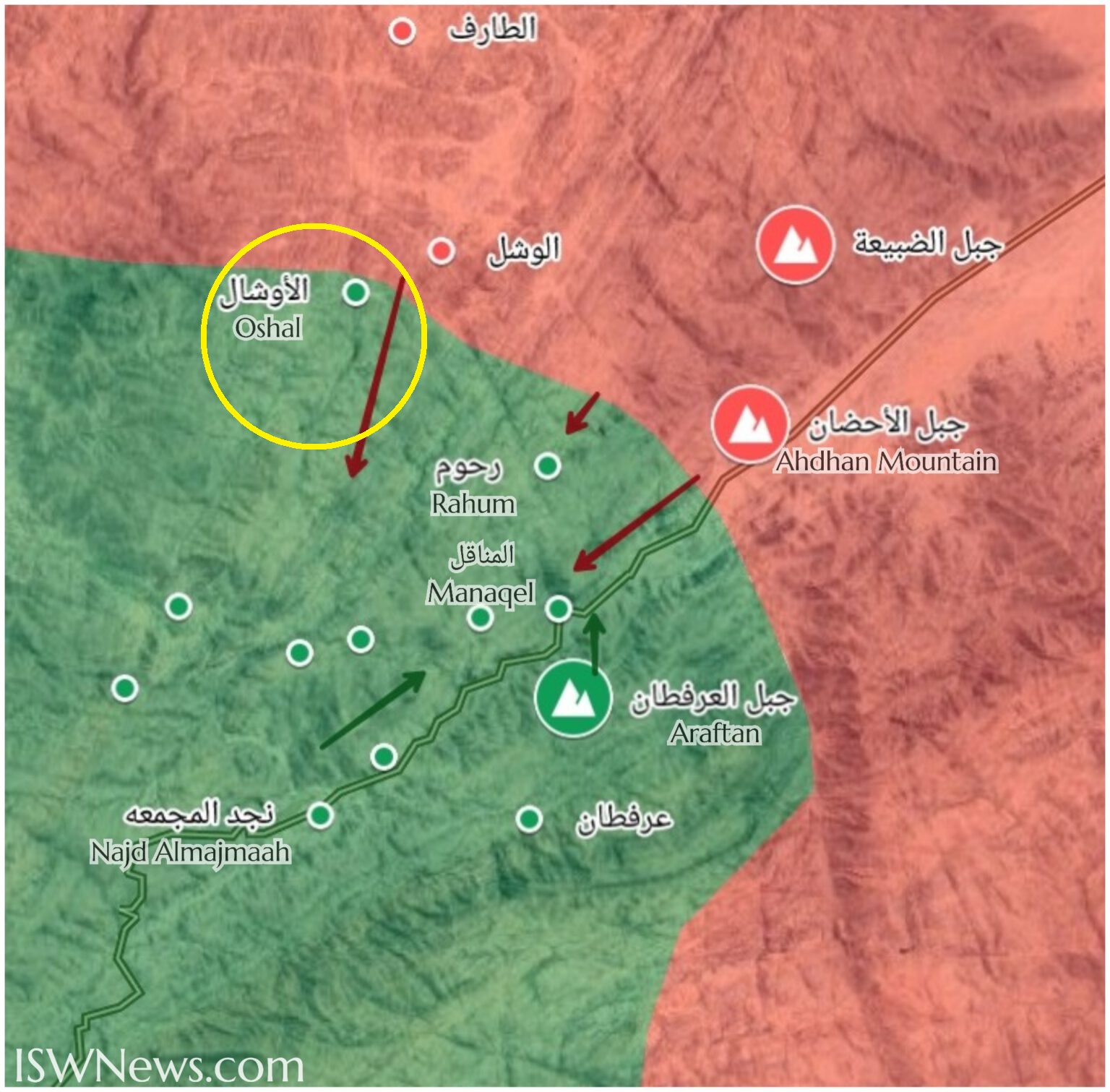
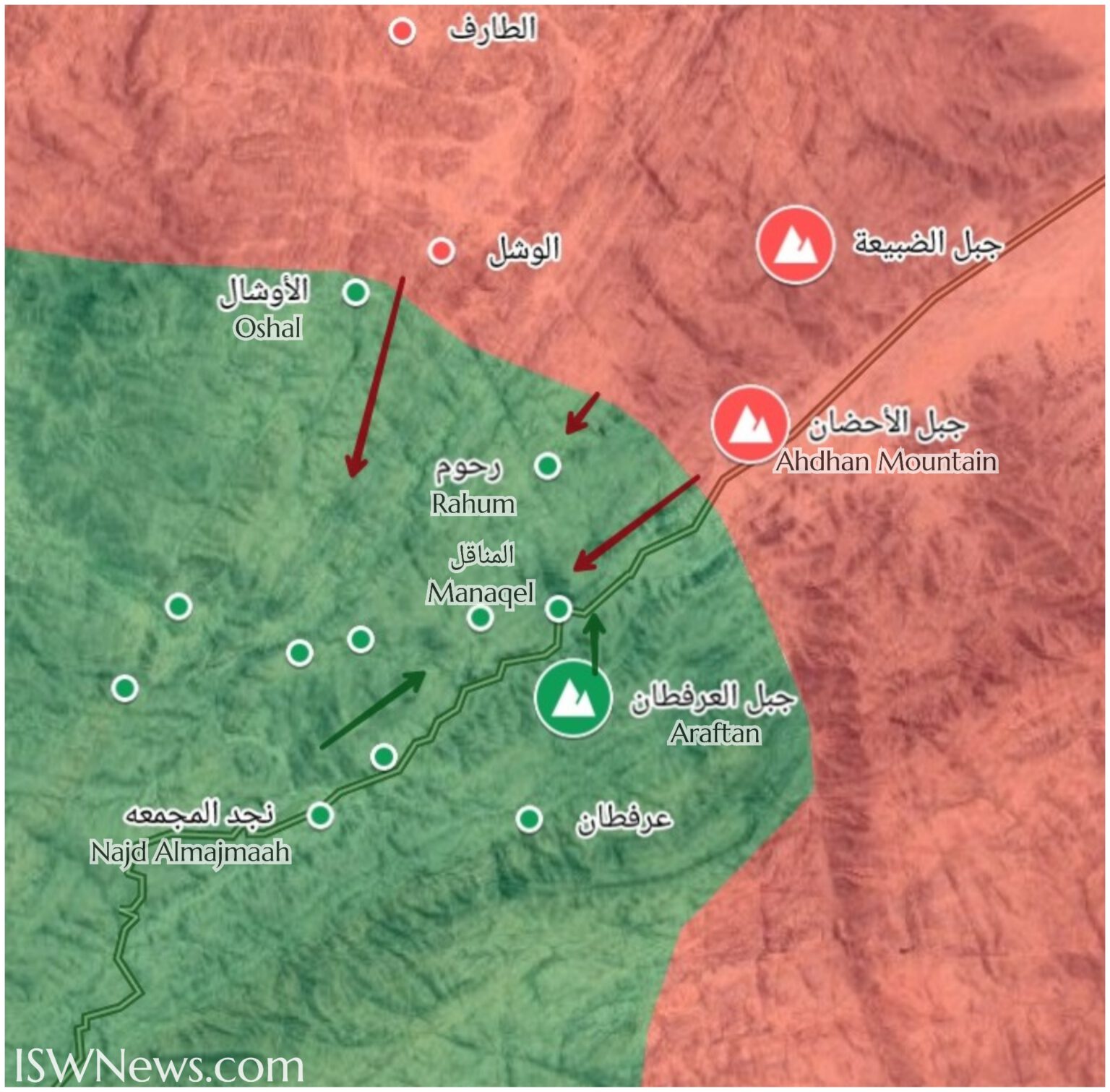
1- Marib: The massive attacks by the Saudi-led forces on the southern fronts of Marib, from al-Ahdhan mountain to Rahum, was repulsed by Ansar Allah, however Ansar Allah has retreated only from the al-Oshal area. According to Ansar Allah sources, Saudi-led forces suffered heavy losses including more than 15 killed and several others wounded.
2- Saadah: Nine people were wounded due to artillery fire of Saudi-led forces on the Raqu area of Munba district
3- Saudi coalition air strikes: In the past 24 hours, Saudi coalition warplanes bombed Jabal Murad in Marib province 1 time, al-Zahir in Saada province 4 times, al-Mahashamah area in al-Jawf province 1 time.
4- Al-Hudaydah: Saudi-led forces violated the ceasefire 310 times in the past 48 hours.
5- Abyan: The Saudi military committee in charge of monitoring the ceasefire in Abyan province left the city of al-Shuqra. The committee arrived in Abyan on December 11, 2020, to implement the Riyadh agreement and the ceasefire between Mansour Hadi’s forces and the southerners.
In the past few days, Falih Al-Fayyadh the head of the Hashad al-Shaabi (PMF) delegation, was also included in the list by the US Treasury Department, which provoked many reactions. Lebanon’s Hezbollah, Yemen’s Ansar Allah and several Iraqi parties condemned US sanctions against the Iraqi Popular Mobilization Forces.
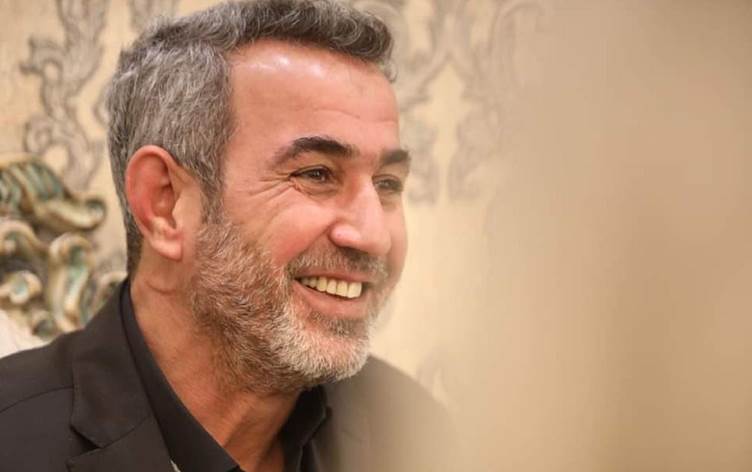
Abdulaziz al-Muhammadawi is a former secretary general of Iraqi Kataib Hezbollah and a member of Kataib Hezbollah council. He has established missile units in Iraq and has been responsible for overseeing the localization of missile production in Iraq.
Abu Fadak also commanded the Hashad al-Shaabi forces in many of Syria’s battles, including the liberation of Maliha, al-Hujairah square, al-Ghouta in Damascus, and the lifting of the siege of Nubl and al-Zahra in Aleppo province.
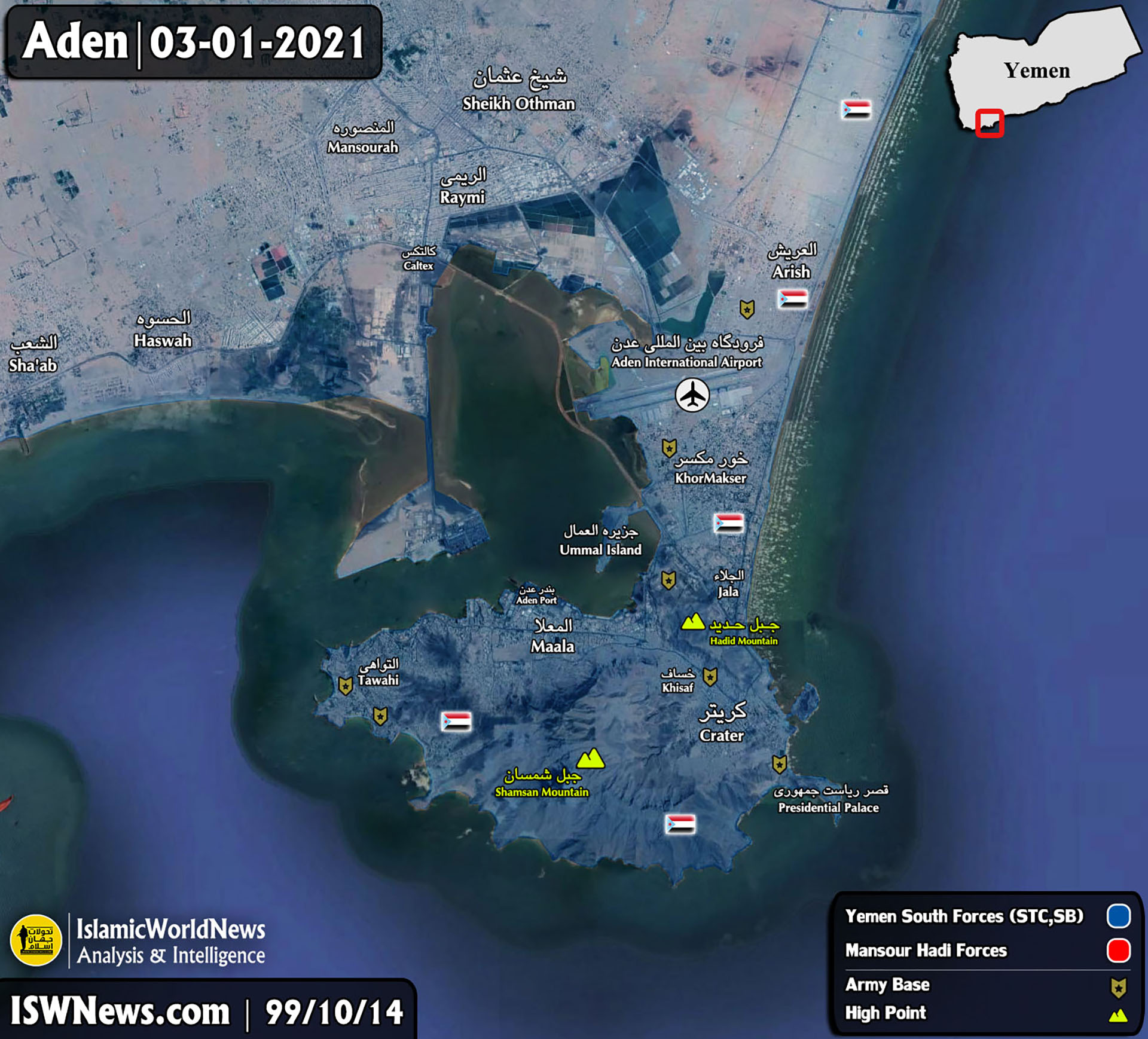
On December 30, when the new cabinet of the resigned government of Mansour Hadi arrived in Aden, the sound of explosions shook Aden airport, killing 26 people and injuring 84 others. So far, no group or individual has claimed responsibility for the attack, and the Saudi coalition media, as usual seeks to accuse Ansar Allah and Iran. The allegations come as the Iranian Foreign Ministry and embassy in Yemen, as well as the Yemeni rescue government, have condemned the rocket attack on Aden airport and denied the allegations.
Following a rocket attack on Aden Airport and drone attack on the Aden Presidential Palace, various parts of Aden have come under attack again in recent weeks. The number of these attacks has reached 15 since the arrival of the new cabinet of the resigned government in Aden on December 30. These 15 attacks are generally bombings, landmines, assassinations, etc., which are different from the methods of used by Ansar Allah, and as mentioned in the past, these attacks can be the work of two groups:
1. The Muslim Brotherhood, whose share of power has now diminished with the removal of two of their key ministers in the Hadi government. During the Riyadh Agreement, out of a total of 24 ministries, half of the ministries were transferred to the Southerners. Former Interior Minister “Ahmad al-Maysari” and former Transport Minister “Saleh al-Jabwani”, representatives of the Muslim Brotherhood in Mansour Hadi’s government, were ousted. Mansour Hadi also withdrew from introducing “Ahmad al-Issa”, the Brotherhood option for the Ministry of Economy. In fact, the Muslim Brotherhood in the new cabinet has been severely weakened and this level of isolation could lead to recent actions in Aden.
2- But the other accused are the southern separatists who have problems with the unity of Yemen from the beginning and saw their goal in the division of South Yemen, and this goal has now been seriously overshadowed by the formation of a joint cabinet and the establishment of the government in Aden. This could be the best reason for the recent attacks and explosions in Aden which is similar to previous southerners attacks in these areas.
Right now, this level of sabotage does not hinder the implementation of the Riyadh agreement, and it seems that the next step in the new cabinet of Mansour Hadi’s government is the Joining of the southern military and the army of the current government, as well as the consolidation of their weapons. The aim of this action is to launch new ground attacks against Ansar Allah positions under the leadership of the Saudi coalition. The coalition’s lack of manpower for a variety of reasons, including the cancellation of direct US involvement in the Yemeni war (following Trump’s defeat in the presidential election), the Sudanese refusal to participate in the fighting, and the inefficiency of Saudi and Emirati ground forces. Therefore there is currently no better alternative for them than the Yemeni mercenaries.
The Saudi-led forces advanced through the areas of Oshal, Rahum and al-Manaqel to the Najd al-Majma’ah area, but according to the released footages, the Saudi-led forces faced heavy resistance by Ansar Allah and the attacks were repulsed. As usual, Saudi coalition warplanes bombed the southern fronts of Marib 12 times in the past 48 hours, providing air support for the Saudi-led forces on the ground.
However, as long as Araftan mountain and Najd al-Majma’ah are under Ansar Allah control, Saudi coalition attacks can be easily repulsed, so it can be said that the situation in the south of Marib province is under Ansar Allah control and the possible fall of these areas can be reversed by Ansar Allah limited attacks.
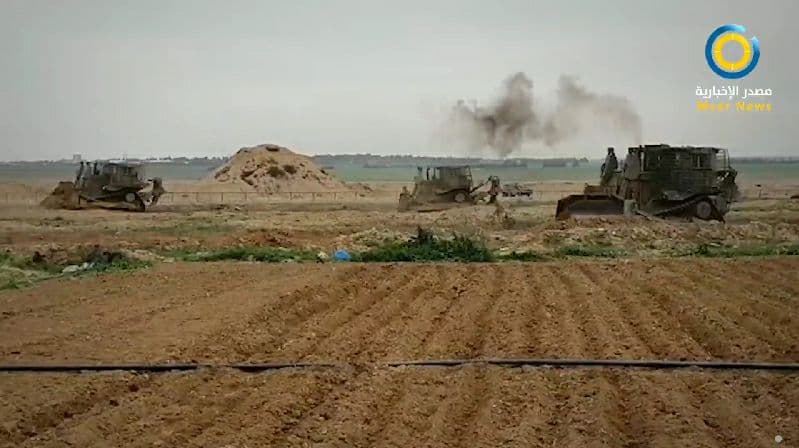
Israeli bulldozers crossed the Gaza Strip border and destroyed Palestinian farmland east of Khan Yunis. The Palestinians then fired at the Israeli bulldozer in response to the aggression. Zionist Channel 12 also confirmed the news of the shooting at the Israeli Bulldozers.
The Israeli army has also targeted a resistance watchtower in the Absan area east of Khan Yunis.
Earlier, the Zionist regime tried to annex the Palestinian agricultural lands to the occupied territories by destroying them. The regime is taking advantage of the difficult situation caused by the Corona outbreak to settle and occupy Palestinian lands in the West Bank.
In 2020, 729 Palestinian buildings were demolished and 1,006 Palestinians, including 519 children were displaced.
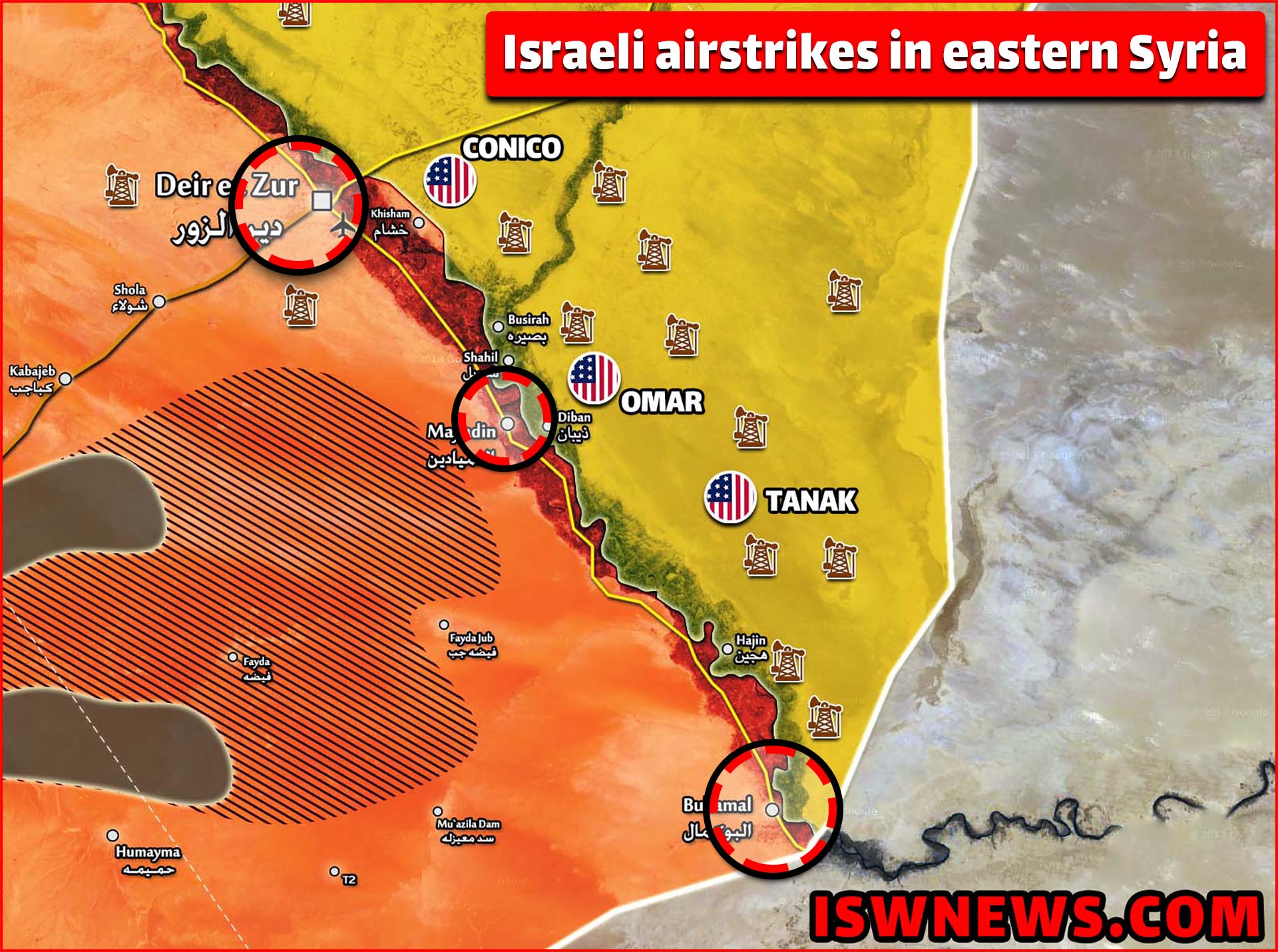
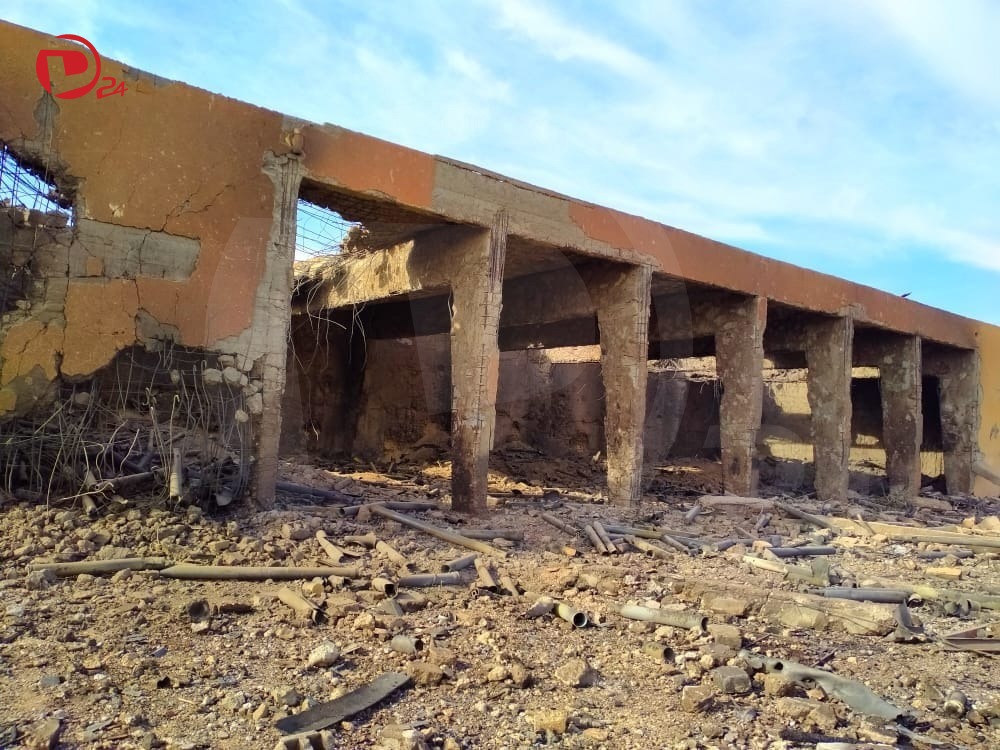
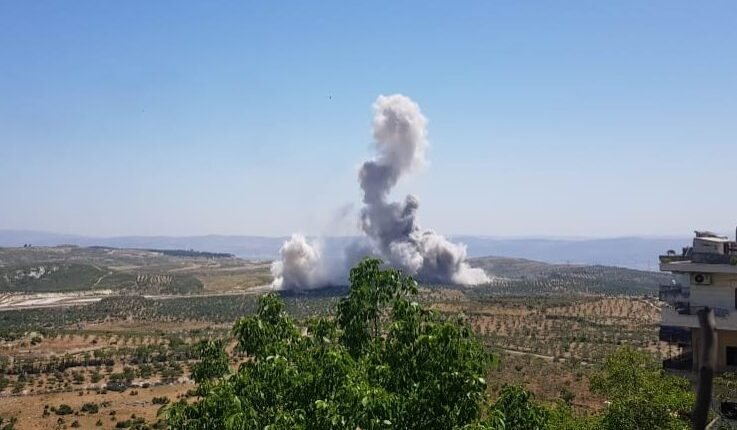
On January 13, at 1:10 a.m. (local time), Israeli warplanes targeted parts of the city of Deir Ezzor, Al Bukamal and areas near the town of al-Mayadin in the eastern Syrian more than 40 times.
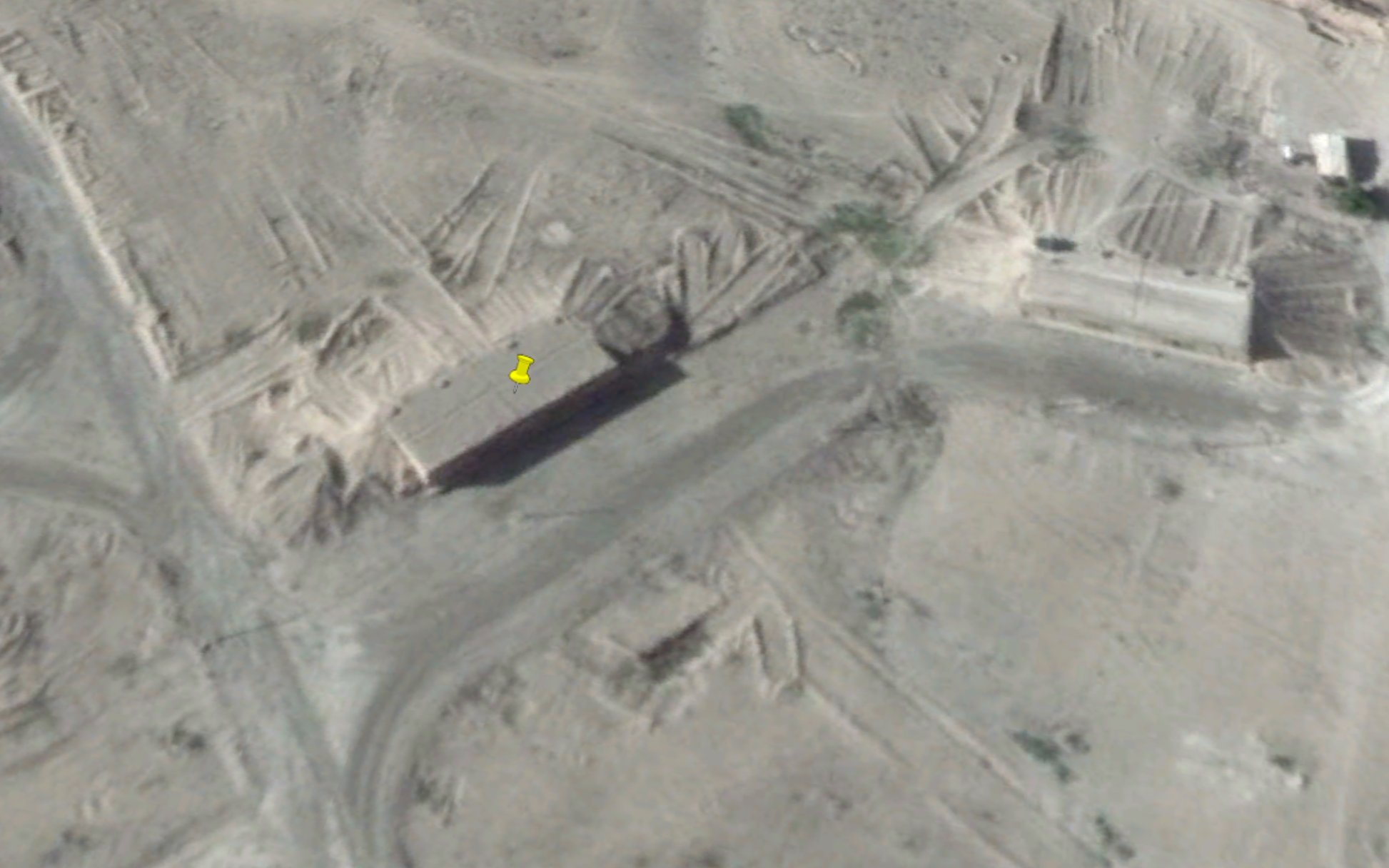
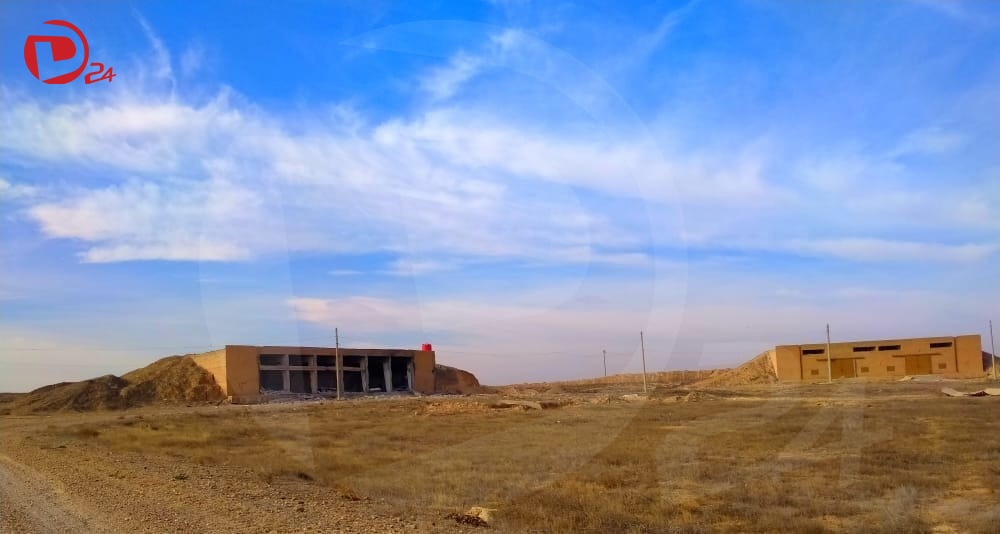
According to reports, the attacks which lasted more than 30 minutes, targeted Ayyash ammunition depots west of Deir Ezzor, Syrian army positions in al-Panorama, Thardah mountain and Tal al-Hajif south and west of Deir Ezzor, points in Workers neighborhood (al-Ummal) and Pour Saeid Street and Ghazi Ayyash neighborhood in Deir Ezzor city; Resistance positions in the Al Bukamal area, including al-Hurri village and Hamdan airport and area near Qaem border crossing, as well as areas near al-Mayadin city.
The exact number of casualties has not yet been released by officials, but according to field information, at least five people have been killed and more than 20 injured so far. Due to the recent tensions in the region and the high probability of Israeli attacks on Syria, the resistance forces were on standby, and also due to the relatively long time of the attacks, many places were evacuated before the bombings, which largely prevented an increase in casualties.
– According to the Russian Reconciliation Center in Syria, the militants violated the ceasefire 21 times in the Idlib region, of which 3 are in Aleppo province, 8 are in Latakia province, and 10 are in Idlib province.
– The Syrian Army attacked the positions of the terrorist Turkish-backed “Jaish al-Nasr” militants in the village of “al-Ankawi” in the “Ghab Plain” area in the northwestern part of Hama province, killing 11 members of the group.
Jaish al-Nasr casualties in al-Ankawi village
– Joint patrol of Russian and Turkish Army forces in the east of Ain Al-Arab
– For more than a week, the city of Qamishli has been witnessing clashes between Kurdish internal security forces (Asayesh) and the Syrian Army. The two sides detained a number of opposing forces. Asayesh forces stressed that Syrian Army forces should not move in the area without prior coordination and approval. On December 27, Russian forces intervened to control tensions between the Syrian Army and the Asayesh in Qamishli, and the two sides released the detained forces. However, some of the detainees have not been released, which has led to escalating tensions between the two sides.
– A number of citizens, including several children, were injured in a fire at a Syrian refugee camp in the Sarmada area of Idlib province.
– Turkish-backed militants bombed Tal Rifat and the Shahba Dam area north of Aleppo.
– Turkish-backed militants bombed positions of SAA in the Jurin village in the northwestern part of Hama.
– The Syrian Democratic Forces (SDF) arrested a civilian in the al-Busaira area east of Deir Ezzor.
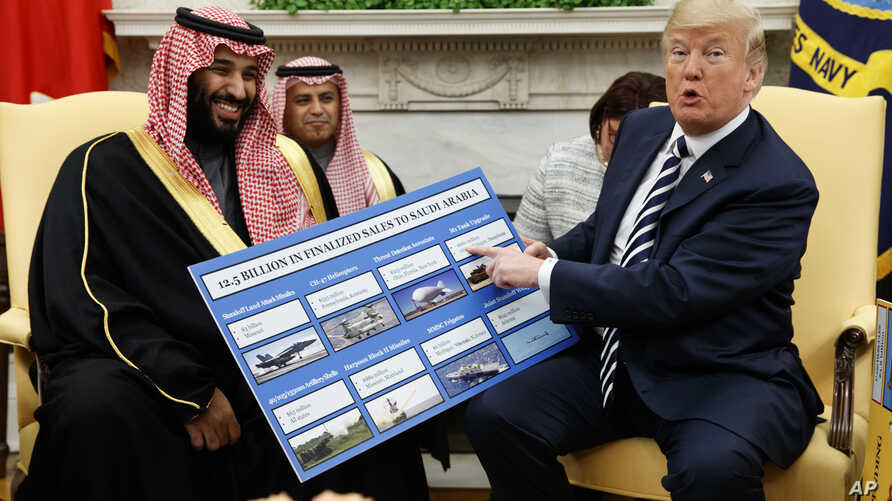
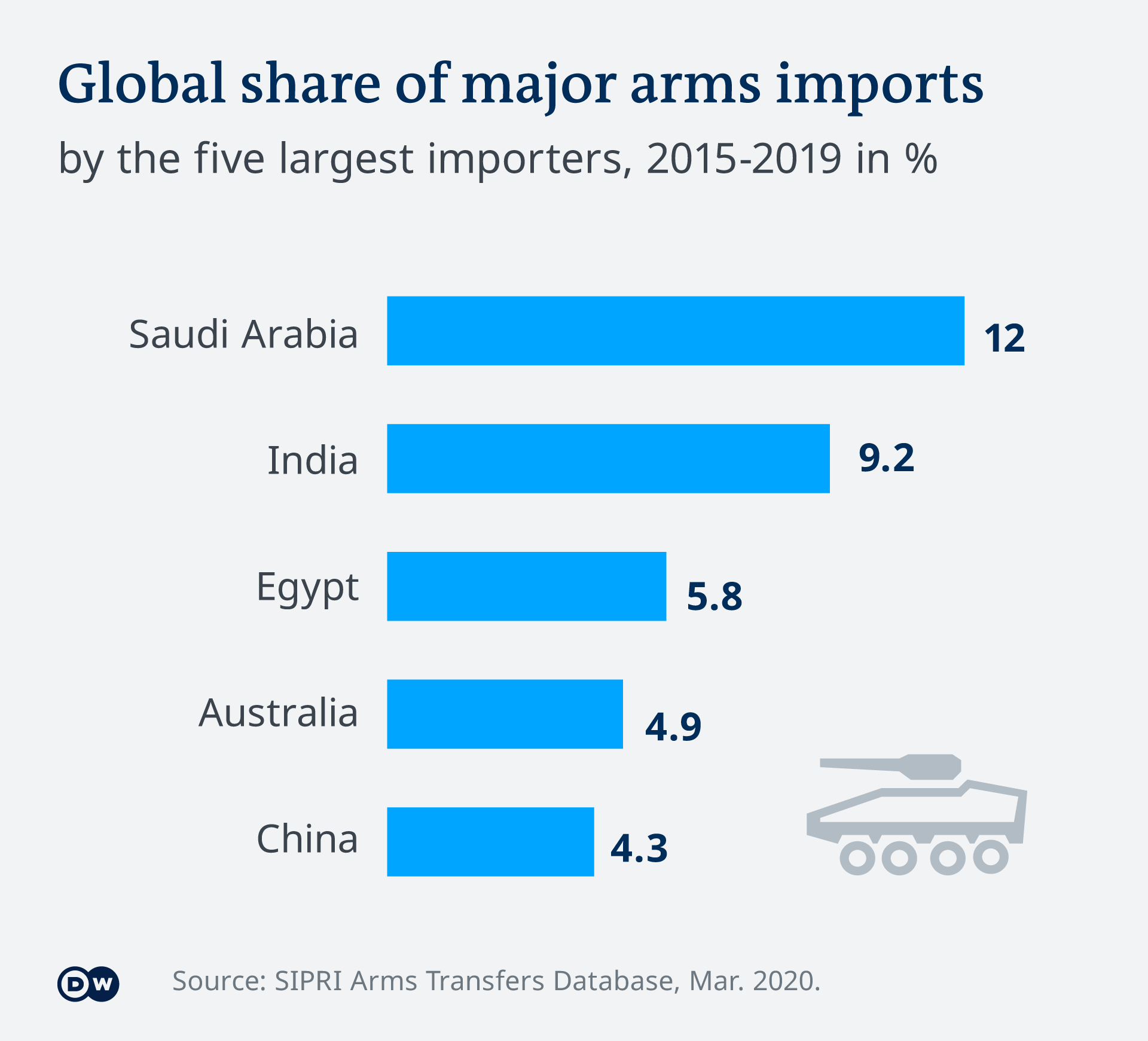
According to Western statistics, Saudi Arabia’s military budget after the invasion of Yemen, from 2015 to 2020, has grown by 61 percent to more than 270 billion dollars, which is about 21 percent of the annual budget of the government. These figures make Saudi Arabia the world’s largest arms importer and a top US customer. According to a report by the Stockholm International Peace Research Institute, Saudi Arabia’s military imports from 2015-2019, was 73 percent from the United States, 13 percent from Britain and 4.3 percent from France, indicate widespread Western support for the provocative and War-mongering policies of Saudi Arabia and the war in Yemen.
Right: SIPRI statistical report of the largest importers of military weapons in which Saudi Arabia ranks first, left: Statistics of the largest exporters of military weapons in which the United States ranks first.
In late 2020, the US State Department announced that it had agreed to sell 3,000 GBU-39 SDB I satellite bombs to Saudi Arabia for $ 290 million. This type of satellite-guided bomb was purchased for use in F-15E Strike Eagle fighters of the Saudi Air Force and for bombing fixed targets such as defense systems, hangars, infrastructure targets, etc. with an accuracy of less than 6 meters and range of 110 km. The US State Department statement also said that the agreement was made to strengthen Saudi Arabia’s ability to respond to current and future threats and has no compensatory provisions, in other words, an after-sales commitment for the United States.
The United States had previously announced on November 12, 2020 a contract to sell 150 F-15E Strike Eagle fighters worth approximately $ 9 billion and $ 750 million.
US State Department report on a deal to sell 3,000 satellite-guided missiles to Saudi Arabia
In recent years, despite international restrictions on the export and sale of military weapons, as well as European sanctions against Saudi Arabia for a complete cessation of military arms sales to the Saudis, such agreements have been re-signed and arms deliveries to Saudi Arabia have resumed.
Some of these contracts include the following: 1- The contract for the sale of heavy vehicles of the French-German company “Kamag” with Saudi Arabia in April 2019. 2- Canada’s $ 14 billion contract with Saudi Arabia for the sale of military weapons, including light armored vehicles, etc. which was unimpeded in November 2019. 3- Raytheon (USA) Patriot Air Defense System Optimization and Localization Agreement with Saudi Arabia in December 2019. 4- Lockheed Martin (USA) contract with Saudi Arabia to sell the Thaad system worth $ 5 billion and 360 million in July 2019. 5- Boeing (US) contract with Saudi Arabia for the sale of one thousand surface-to-air missiles and anti-ship harpons worth one billion and 972 million dollars in May 2020. 6- The contract for the sale of 48 British Typhoon fighters with Saudi Arabia worth 10 billion pounds in March 2018. 7- A $ 23 billion contract to sell 50 F-35 fighter jets, MQ_9B drones and US air-to-air missiles to the United Arab Emirates.
Given the long history of violations of international law, human rights and etc, in Saudi Arabia, as well as their current war against Yemen, the sale of military weapons to Saudi coalition, especially Saudi Arabia and the UAE, has always been controversial; But European and American governments, regardless of these issues, have continued to sell their military weapons to the Saudis and have expanded their influence and presence in the Arabian Peninsula region through various wars and the Iranophobia project. Examining the US and European arms deals with the Arab countries, one can understand why the Yemeni war should continue and why Ansar Allah should be included in the list of terrorist organizations. The inclusion of the Yemeni Ansarullah People’s Movement in the list of American terrorist groups, even after years of Saudi crimes against the Yemeni people and daily bombing and killing of the Yemeni people, and continuing to equip Saudi Arabia with all kinds of military equipment and bombs is a clear indication of the US hypocrisy and false claim of democracy by the United States and Western countries.
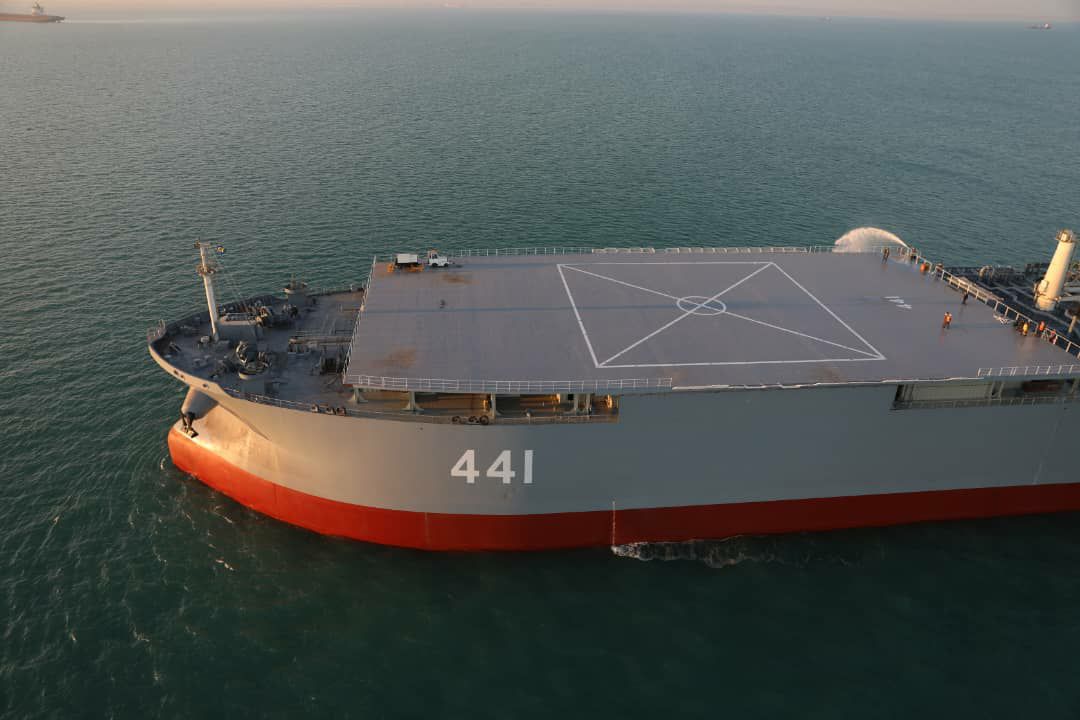
This vessel can deliver fuel to other vessels and conveying food, water, medicine, humanitarian aids and weapons.
Makran can bring helicopters, drones and fast boats. With capabilities such as sailing in free seas, fighting with pirates, mine sweeping and anti-submarine can provide support for a large portion of Iran’s transportation fleet. In addition Makran has hospital and can provide maintenance for other vessels.
The main purpose of Makran Forward Base is to provide support for Iran’s commercial fleet, which is very critical for Iran since Iran doesn’t have insurance for its commercial naval fleet.