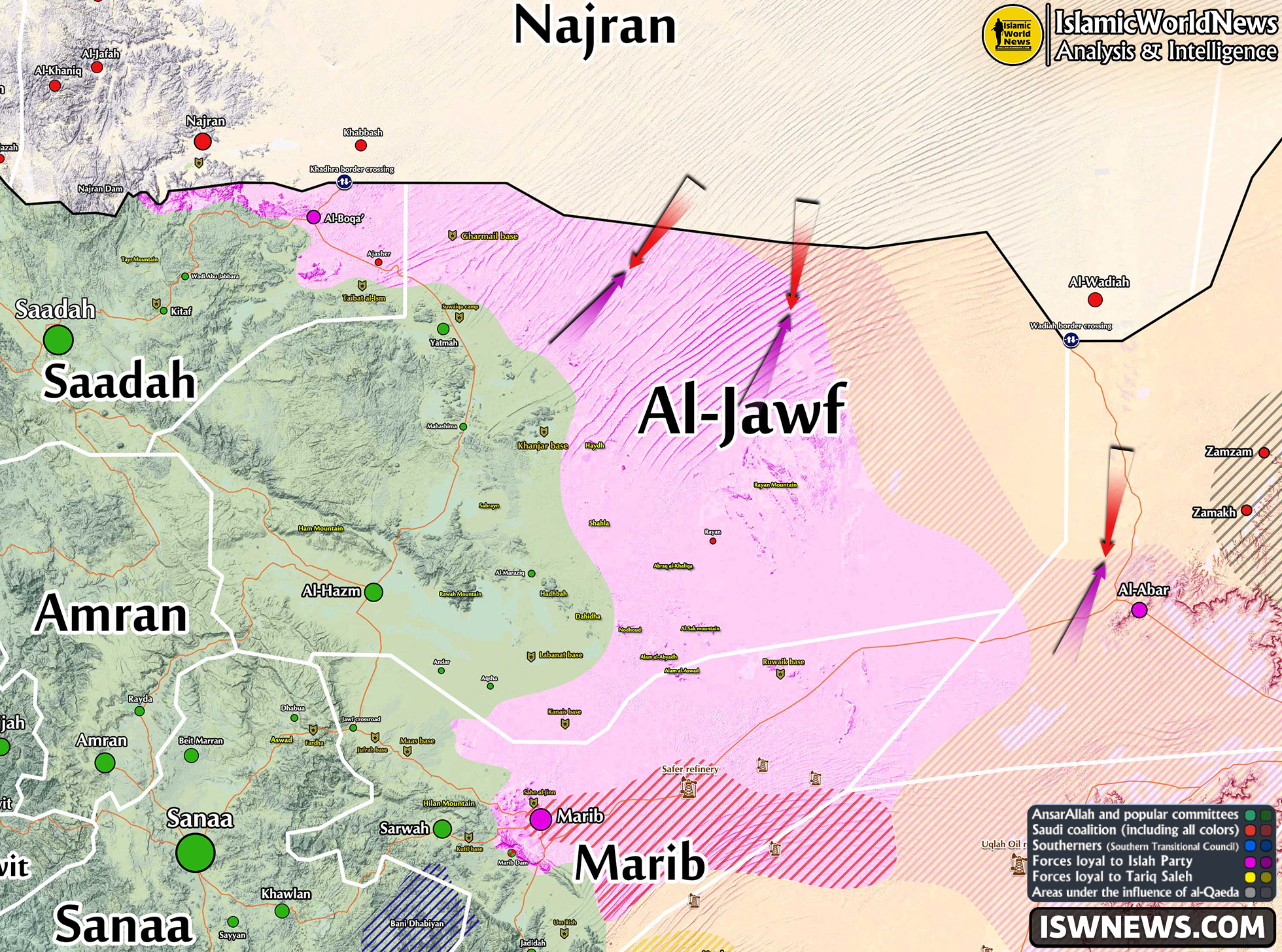
According to local Yemeni sources, divisions of the Dar al-Watan forces, who are affiliated with Saudi Arabia, have started entering the desert of Al-Jawf Governorate in northern Yemen to take control of the border military sites between the war-torn country and Saudi Arabia.
The Yemeni sources also confirmed that the process of replacing Al-Dara’ al-Watan forces with armed members of the Al-Islah Party (the Yemeni Congregation for Reform) is part of a security plot, which also comprises the city of Marib that is the headquarters of the Al-Islah Party.
The plan for deploying Al-Dara’ al-Watan forces in Hadhramaut, Al-Jawf, Marib, and Shabwa governorates reflects the Saudi kingdom’s attempt to dominate Yemen’s oil-rich regions prior to achieving any potential political accord.
Al-Dara’ Al-Watan (Nation Shield) forces are militants, who formed in November 2022 with the support of Saudi Arabia to pursue its plans in Yemen.
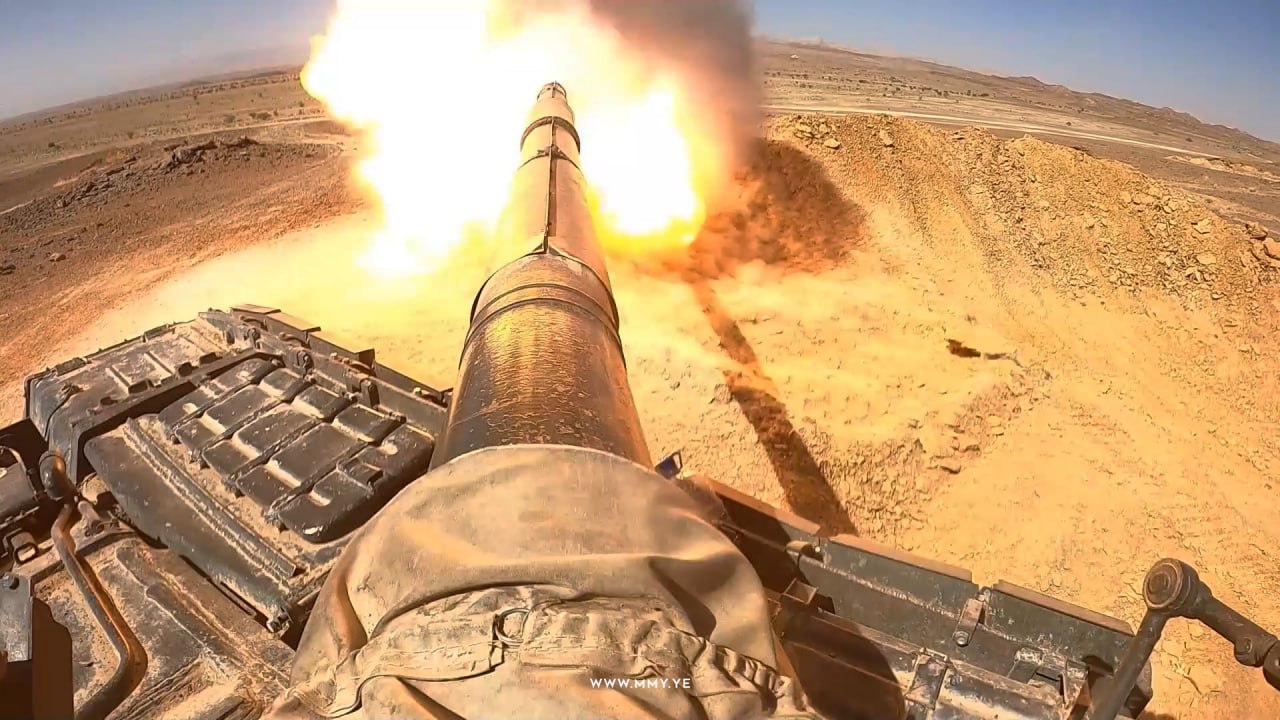
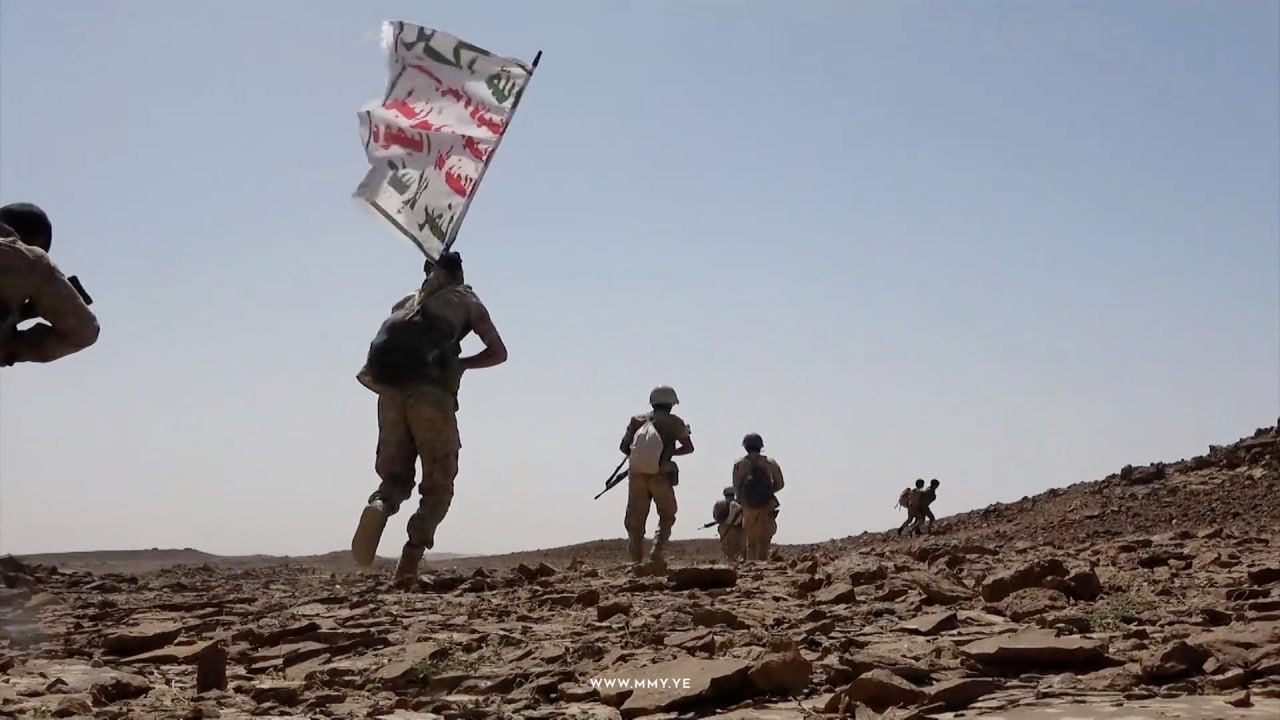
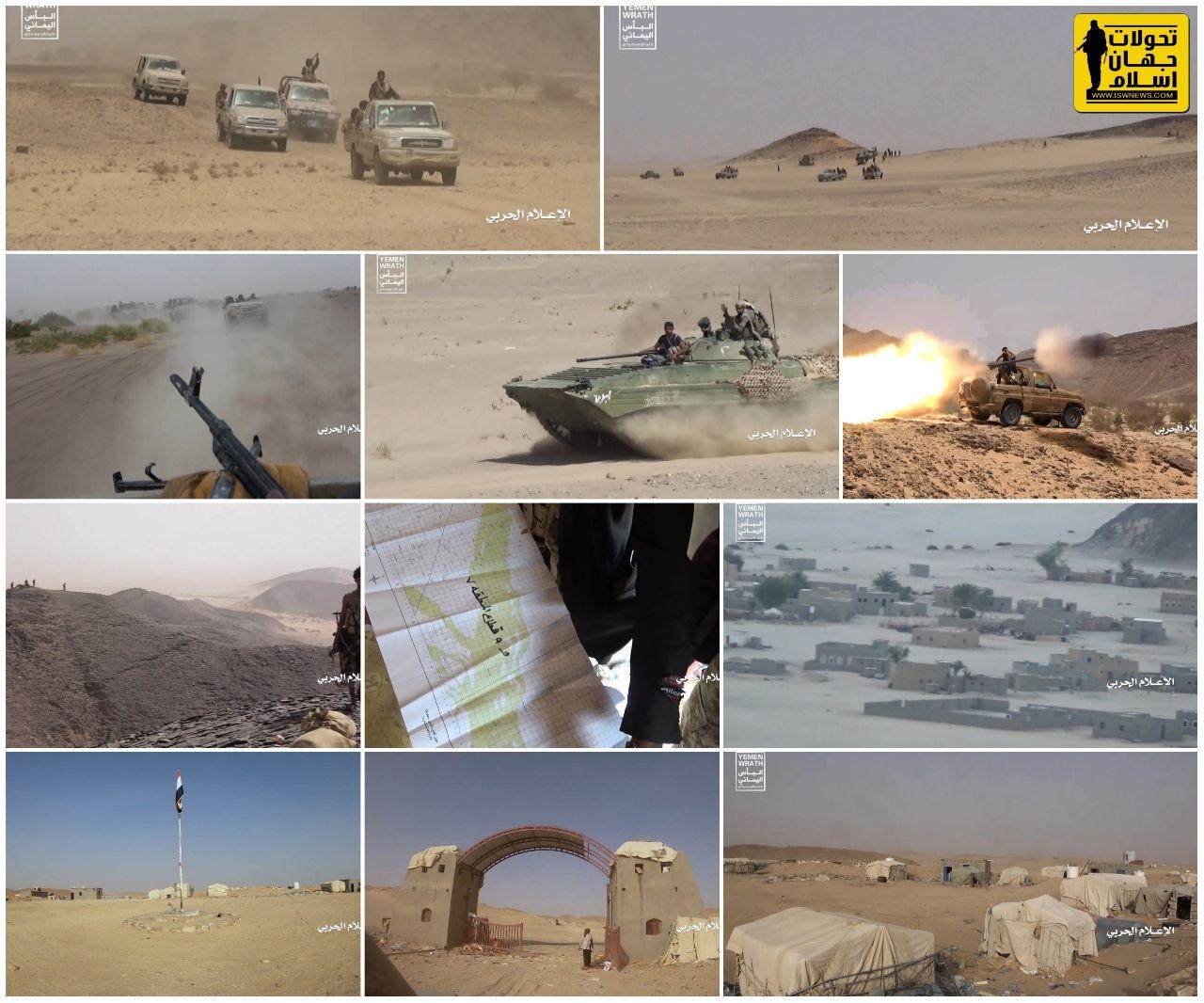
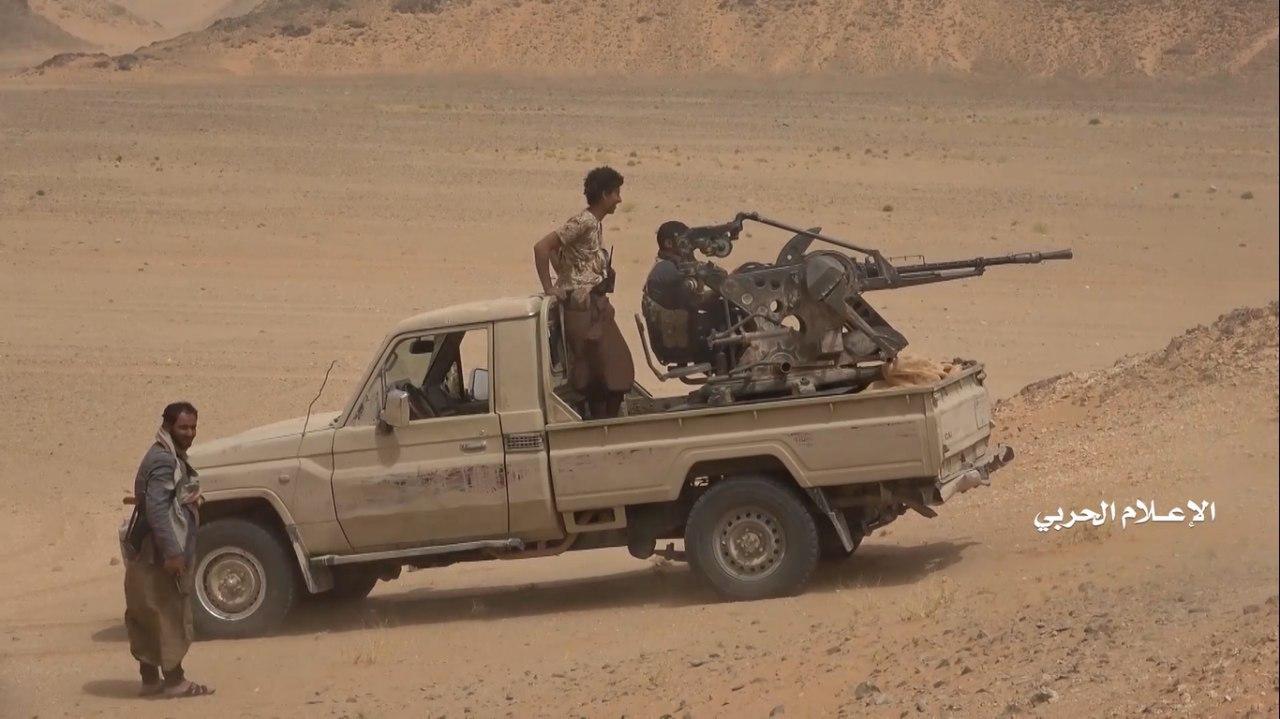
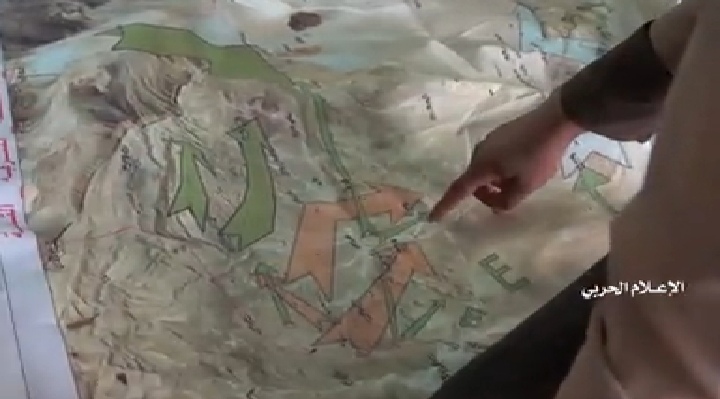
On Wednesday, March 2, the Yemeni armed forces (Sanaa-based government) released images of a large exercise under the title “standing against the aggressors”. This exercise was carried out in an area of 60 square kilometers with the participation of armored, engineering, defense, drone and missile units of the Yemeni army in several directions against simulated targets in the desert and mountainous areas of Al-Jawf province.
One of the interesting scenes of this exercise was the targeting of the US flag and the Zionist regime with the Rajum drone, which is a symbol of Israel’s role and the failure of their project in the Yemen war.
Yemeni armed forces used Mi-8 helicopter, Rajum hexacopter, Zilzal rockets, T55 tank and other armored vehicles in this exercise.
This exercise is the first large-scale exercise of the Yemeni armed forces in recent years. Yemeni armed forces have held various military parades in the provinces of Sana’a, Saada, Hodeidah, etc. Undoubtedly, the holding of these exercises will affect the decision of the heads of the Kingdom of Saudi Arabia to end their aggression against Yemen.
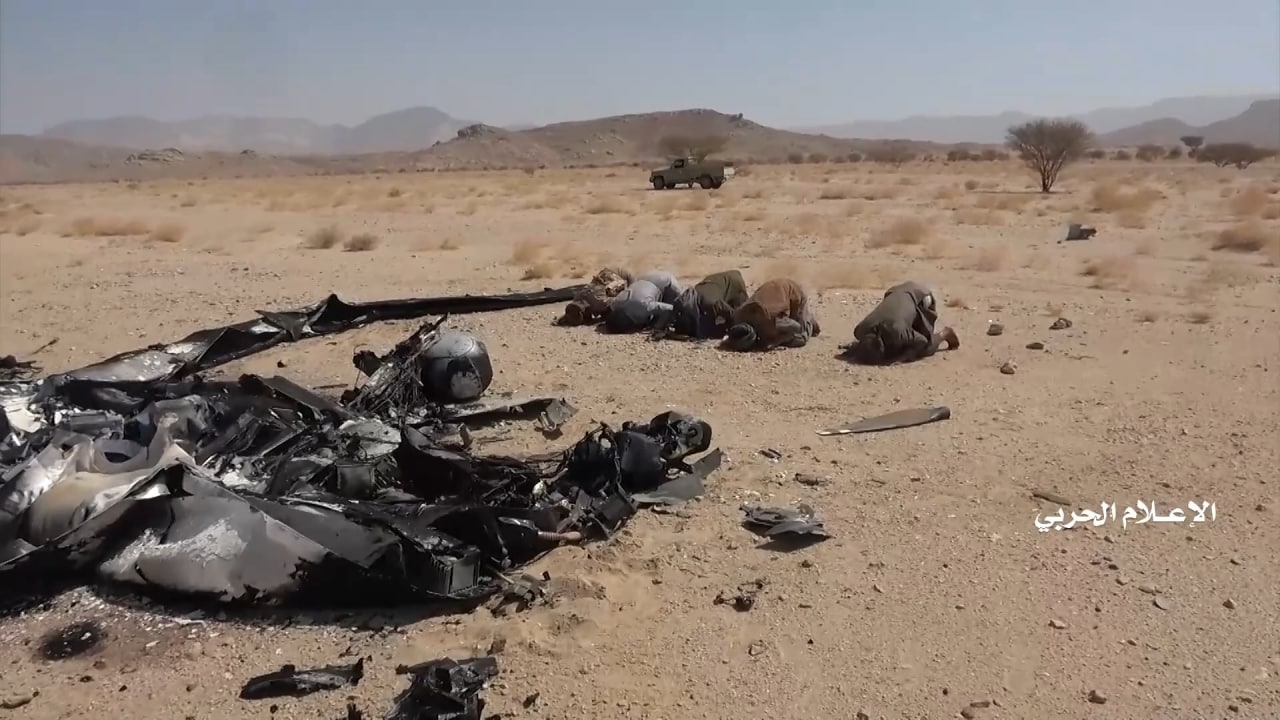
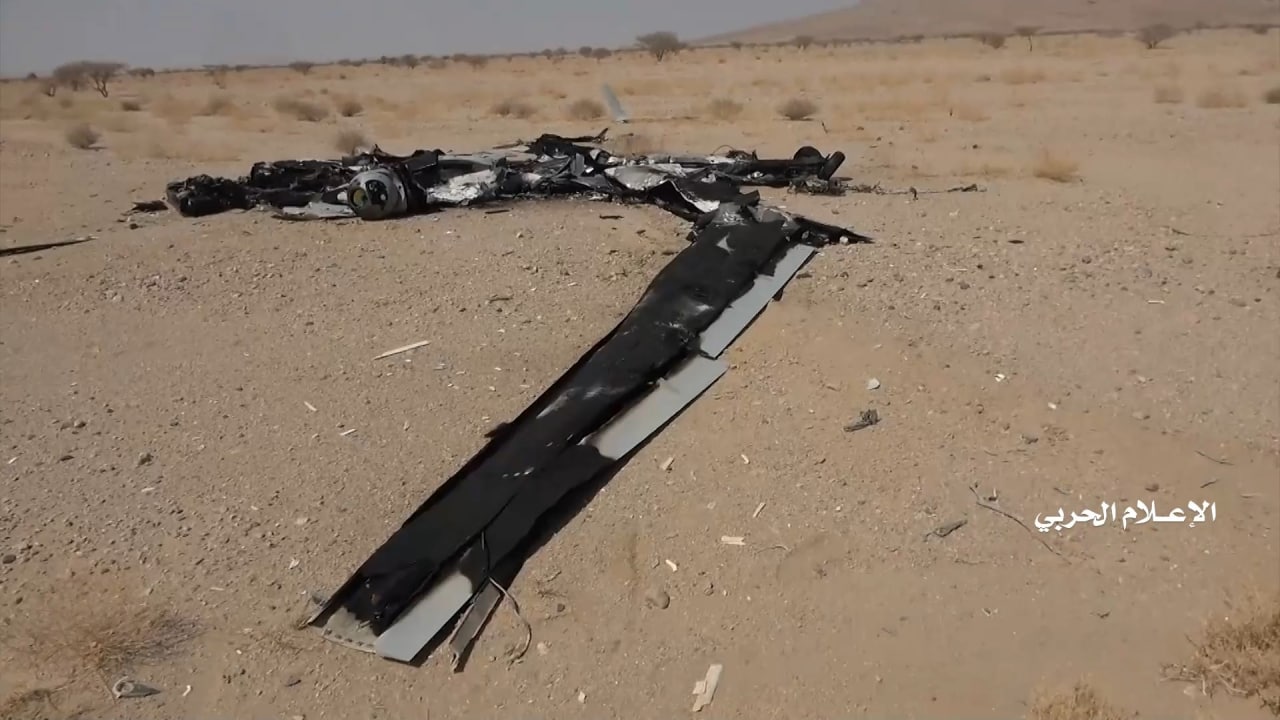
This is the fourth such drone to be shot down by Ansar Allah air defense during the Yemeni war.
Ansar Allah has already shot down three MQ-1 drones on January 19, 2016 in Sanaa, on February 14, 2017 in the al-Manin area of Marib province, and on May 15, 2019, in the Bani Matar disttrict of Sanaa province.
The wreckage of the Saudi coalition MQ-1 droneThe wreckage of the Saudi coalition MQ-1 drone that was shot down by Ansar Allah air defense in al-Jawf province.
After the end of Operation Faamkana Minhom in March 2020, the clashes in al-Jawf province continued in the northern axis from al-Khanjar camp to al-Yatmah town and the eastern axis from the eastern desert of al-Maraziq to al-Labanat base. The Saudi coalition equipping local forces under the command of Sheikh Amin al-Akimi, the governor of Mansour Hadi in Jawf province, had focused its attacks on the northern heights of al-Jawf and the al-Khanjar camp. Al-Akimi, with the support of the Saudi coalition and the Yatmah tribes, repeatedly attacked Ansar Allah positions, and despite several limited Ansar Allah operations in the al-Dhahra and Qash’an heights, his attacks on Ansar Allahcontinued.
Finally, with the escalation of the clashes on this axis from December 4, Ansar Allah started Operation Fajr Al-Sahra.
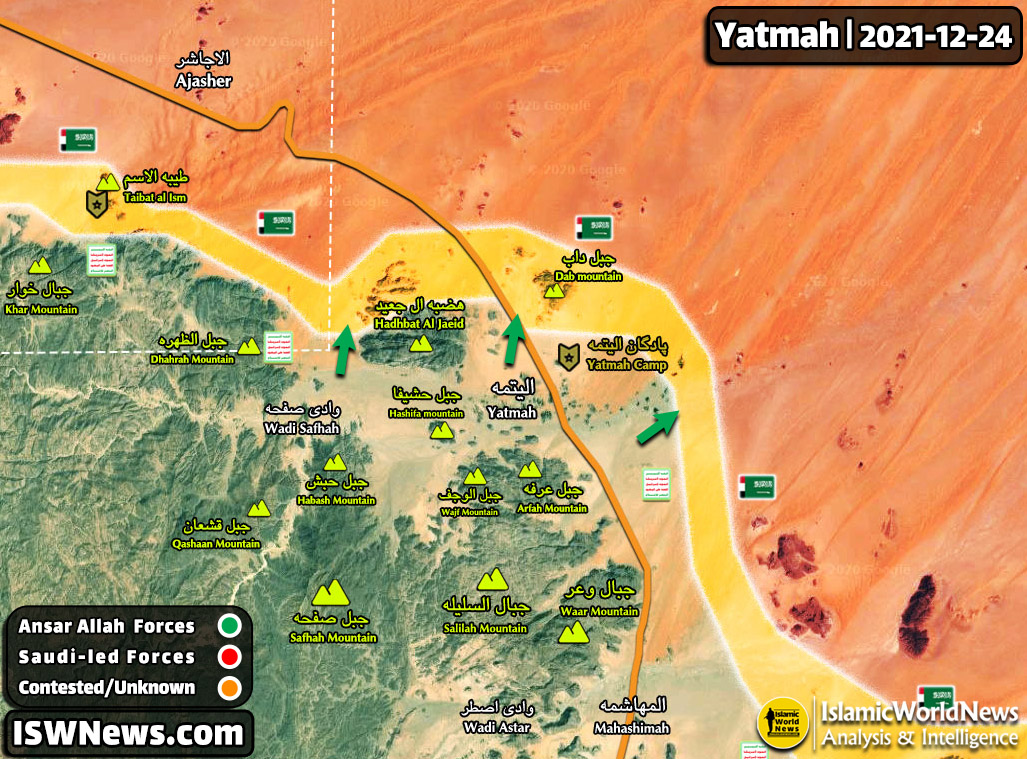
In its initial stages, Ansar Allah succeeded in liberating the areas of Qarn Ibn Shaman, Qarn al-Hijra, and Malawi, and consolidated its fire control over the area by strengthening its positions in Jabal Arafah. This was followed by clashes in Jabal al-Hashifa and al-Ja’id, and the news of the coalition commanders fleeing from the Yatmah led the leaders of the Yatmah tribes to talk and compromise with Ansar Allah.
According to the agreement reached between the Yatmah tribes and Ansar Allah, it was decided that Ansar Allah would not enter the Yatmah and that the representatives of the tribes in the area would control and prevent the entry of Saudi-led forces into the area. However, this agreement failed with the deployment of the Saudi coalition forces to the Yatmah and the inability of the tribes against them. Ansar Allah also took the opportunity and on December 16, by launching several ground attacks, succeeded in pushing the Saudi coalition back from the Yatmah and Hadhbat Al-Jaid areas on the evening of December 23, and Ansar Allah forces and popular committees entered the Yatmah on December 24.
According to a statement from the Yemeni Armed Forces, Ansar Allah destroyed 15 military and armored vehicles in the operation. The death toll from the Saudi-led forces was 35, with 37 wounded and 45 captured. Saudi coalition warplanes have also bombed northern al-Jawf more than 60 times, with little effect on Ansar Allah advances. During the operation, Ansar Allah air defense shot down the 11th US-made Scan Eagle drone over the skies of Yatmah and in several other operations, prevented Saudi warplanes from entering the battles north of al-Jawf.
In the eastern axis of al-Jawf, clashes continue in the suburbs of al-Khanjar camp to the eastern desert of al-Maraziq and the hills of al-Alam.
As Brigadier General Yahya al-Sari’ pointed out in his statement, Ansar Allah has taken control of all important urban areas in al-Jawf province with the liberation of al-Yatmah, and the Saudi coalition has no control over any important point other than the eastern deserts of Khab and Shaaf district.
Clashes between Ansar Allah and Saudi-led forces in the north of al-Jawf province began on December 4th and intensified with airstrikes by coalition warplanes. Finally, on December 16th, Ansar Allah launched an operation to liberate the Yatmah area and its suburbs, And finally on December 24th, Ansar Allah succeeded in liberating the important Yatmah area in the north of al-Jawf province.
After the liberation of the town of Hazm during Operation Fa’amkan Minhom on March 1, 2020, Sheikh Amin al-Akimi, the governor of Mansour Hadi for the Jawf province, made the al-Yatmah area a center for preparing new attacks against Ansar Allah. So, the al-Yatmah area became one of the main targets of Ansar Allah in al-Jawf province.
Therefore, it can be said that with the liberation of Yatmah, in addition to controlling important points in the north of al-Jawf province, Ansar Allah has removed the Saudi coalition leverage on the Marib and Jawf fronts.
The provisions of this agreement are as follows: 1- Ansar Allah fighters will not enter the town of Yatmah and the control of these areas will be handed over to the elders and representatives of the Yatmah tribes. 2- The weapons left behind by the Saudi coalition in their bases in Yatmah will be handed over to the tribal fighters to ensure the security of the region. 3- The Yatmah tribes have also pledged not to follow the Saudi coalition and to prevent the Saudi-backed figures from entering the Yatmah and attacking the Ansar Allah positions.
Currently, the clashes continue in the northern areas of al-Jawf province, and Ansar Allah is stabilizing the progress in this area.
Clashes between Ansar Allah and Saudi-led forces in the north of al-Jawf province began on December 4th and intensified with airstrikes by coalition warplanes. Finally, on December 16th, Ansar Allah launched an operation to liberate the Yatmah area and its suburbs, which is still ongoing.
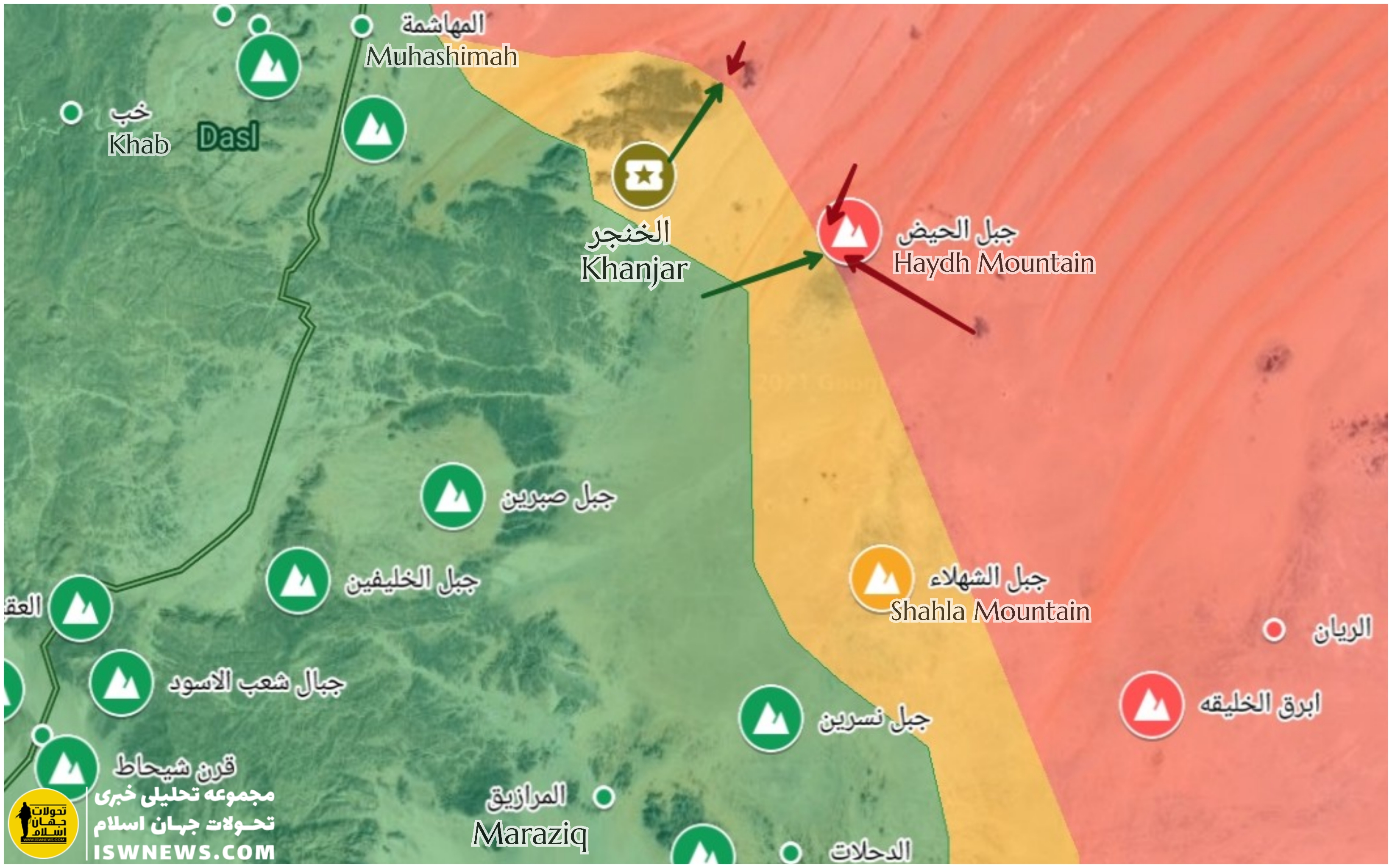
These clashes started on the September 28th and have continued until today. During the attacks, the western and eastern heights of Khanjar camp came under the control of Ansar Allah. Saudi coalition warplanes have bombed the Khanjar fronts nine times during this period, which has had little effect on the course of Ansar Allah operation due to the low accuracy of the strikes.
The Khanjar camp was liberated from the control of Saudi-led forces by Ansar Allah on May 18, 2020, and has since changed twice between the parties. The Saudi coalition is using Khanjar camp as a base to attack the western half of al-Jawf province and the city of al-Hazm, and Ansar Allah use this camp as a place to launch hit and run attacks on the Saudi-led forces in the area.
Question: Hello, i have some questions about Yemen. First of all, what do you think about General Yahya Sari’s statement that 95% of al-Jawf province has been liberated? Because according to your maps 95% of al-Jawf is not liberated and it is being said that Ansar Allah through al-jawf to Rub’ al Khali and then by connecting themselves to Oman can bring in weapons and… My second question is whether Ansar Allah has advanced in Hadhramaut? What is your opinion?
Answer: Hello, the al-Jawf province consists of 12 districts which 11 of it is in western hemisphere and one district named “Khab and al-Shaaf”, which includes 82% of this province, is in eastern hemisphere of this province. The geography of al-jawf is mostly desert and inhabitable. The density and concentration of population is in western hemisphere. This is why that the spokesman for Yemen’s Armed Forces said that 95% of al-Jawf province is liberated. Consider that cleaning the remaining regions of al-Jawf is not of priority and is not necessary for Ansar Allah. Becasuse this desert region is not of use and strategic role in the process of war. Also entering the vast desert regions in order to gain access to Oman is not logical for Ansar Allah.
And about the second question the news of Ansar Allah’s entrance to Hadhramaut is false and the Ansar Allah forces have not entered this province from the beginning of the war. If you watch the Yemen map you will see our points more comprehensible and tangible.
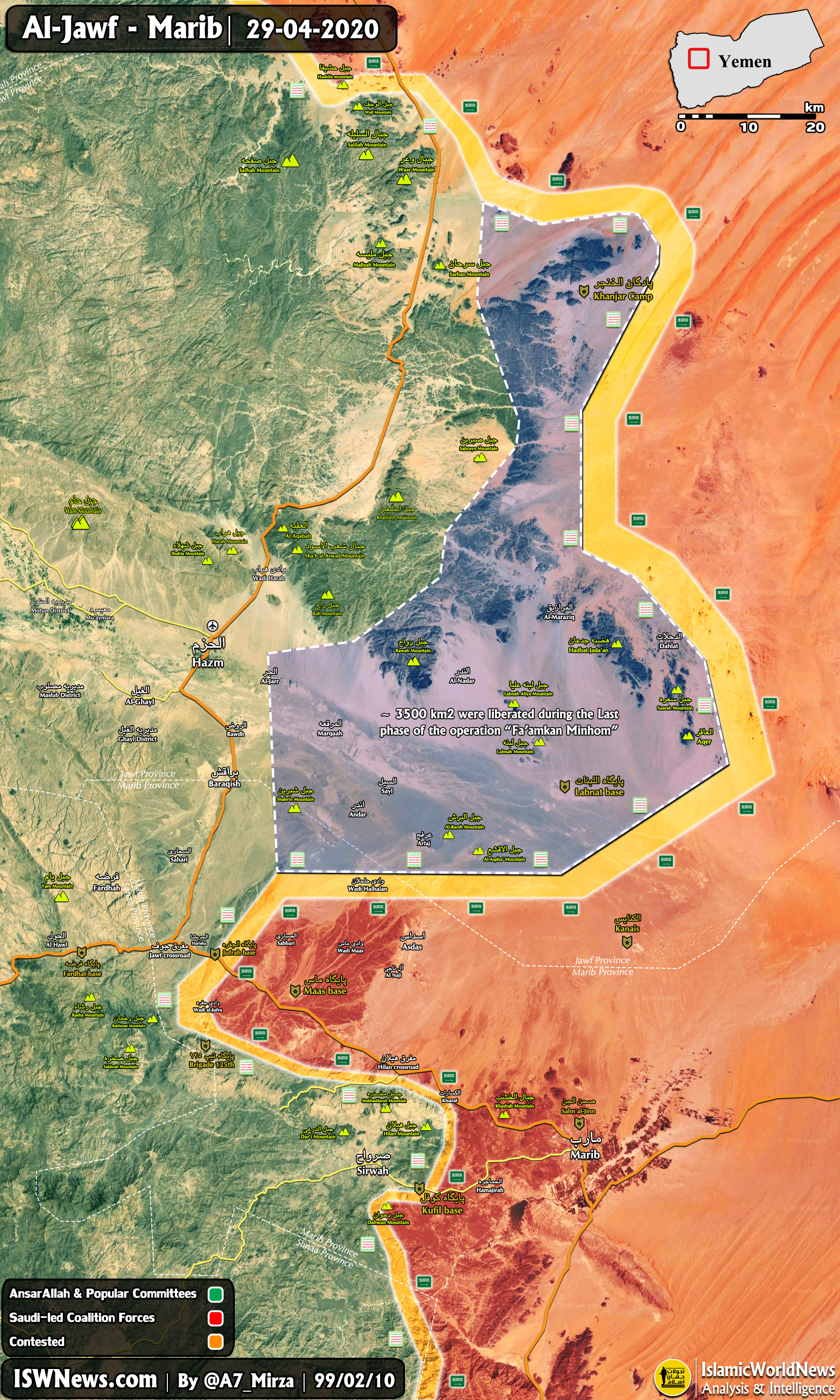
During the Last phase of the operation “Fa’amkan Minhom”, near 3500 km2 were liberated in the southwest of al-Jawf province.
General al-Sari’ said: – We announce the end of Fa’amkan Minhom operation, in which 95% of al Jawf province was liberated. – In the last stage of the operation al-Labanat base, Aqsha’, Khasaf, Maraziq and Mahashima liberated. – 1,200 traitors were killed in this operation. – 3,500 km2 of area of al-Hazm desert and some areas in districts Khab and Shaaf liberated. – The importance of al-Jawf desert was the establishment of ISIS and al Qaeda under support of USA, Saudi Arabia and UAE. – Labanat base was the last stronghold of traitors in al Jawf and the gate to Marib province. – Enemy forces launched heavy attacks numerous times which were repelled by the army and people’s immobilization. – We have strategic options which makes the enemy to regret from the war and consequences are due to them. – Enemy warbirds launched more than 256 airstrikes in al Jawf from end of March to first of April.
The distance of al-Labanat base with al-Hazm city is 50 kilometer and 90 km with Ma’rib. This base was kind of a connecting point between Ma’rib and al-Jawf and the presence of Saudi-led coalition forces in that area would be equal to fall of al-Hazm once again.
Ansar Allah for taking control of the al-Jawf province must first liberate the three bases, al-Labanat & al-Kanayes & al-Khanjar, from the hands of the Saudi-led coalition. Right now al-Labanat and al-Khanjar are liberated and the operation in al-Jawf still continues.
After the falling of al-Labanat base, the Saudi coalition forces attacked several times on this axis that were failed, and finally, Ansar Allah positions were stabilized in these areas after April 10th.
In this operation, districts Ghayl, Maslub, Motun, Hazm, Khalaq and parts of Khab and Shaaf were liberated by Ansar Allah from Saudi-led coalition forces. According to ISWNews local sources, in this operation, more than 220 armored and military vehicles, 32 tanks and tens of rockets and cannons were seized by Ansar Allah.
According to this footage, is U.S. right about who does arm Ansar Allah? Iran’s forces or Saudi coalition with their running aways?!