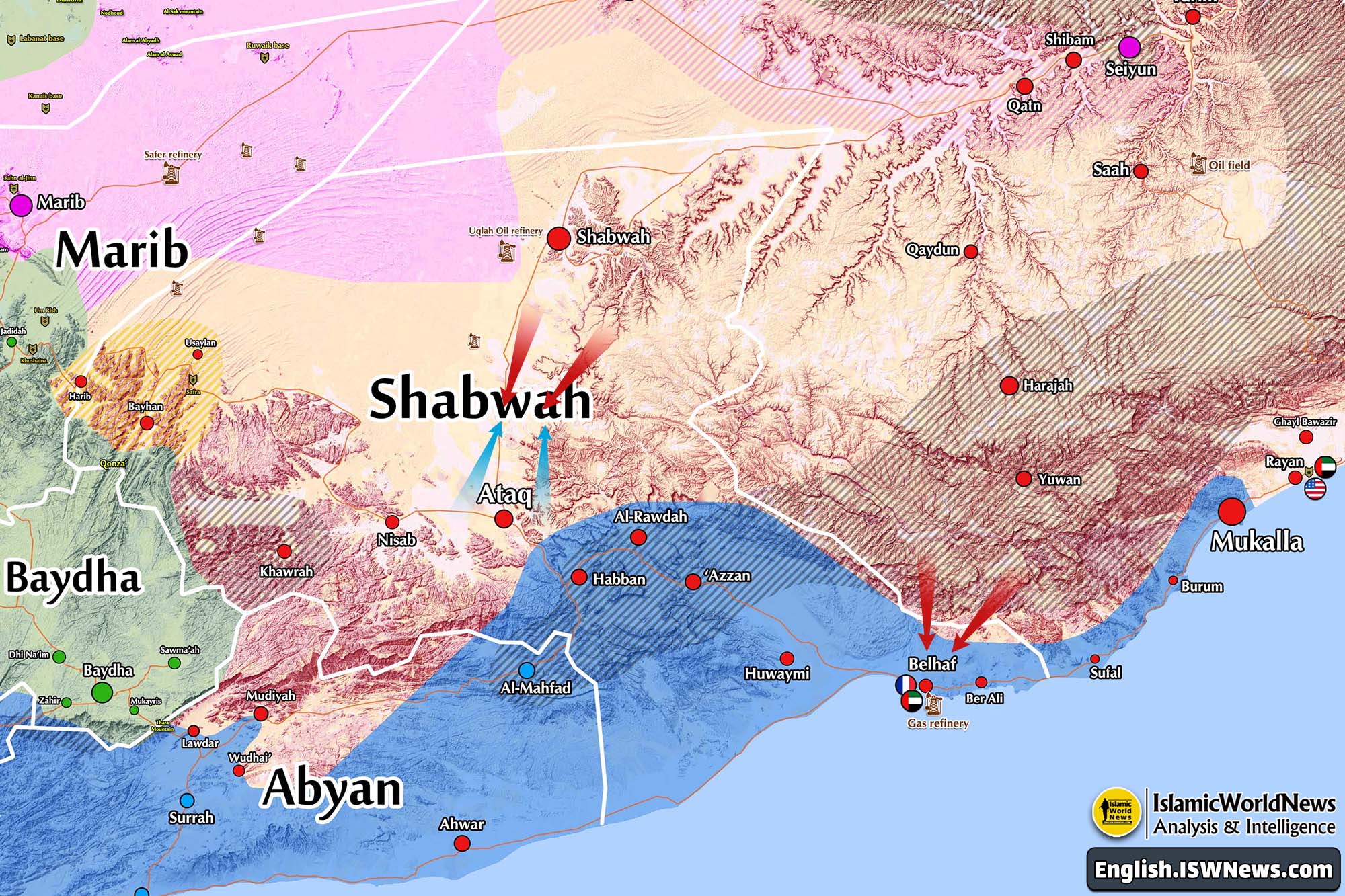
Following the recent tensions and power struggle among fractions affiliated to the Saudi-led coalition in the occupied territories of Yemen, Saudi Arabia ordered the deployment of the Ataq Military Axis and Al-Dara’ Al-Watan militants in Jardan district, located in northern areas of Ataq city, on April 11.
The forces embarked on setting up a field military base in the mentioned regions, and they also prepared and accumulated military equipment to start advances to Ataq city.
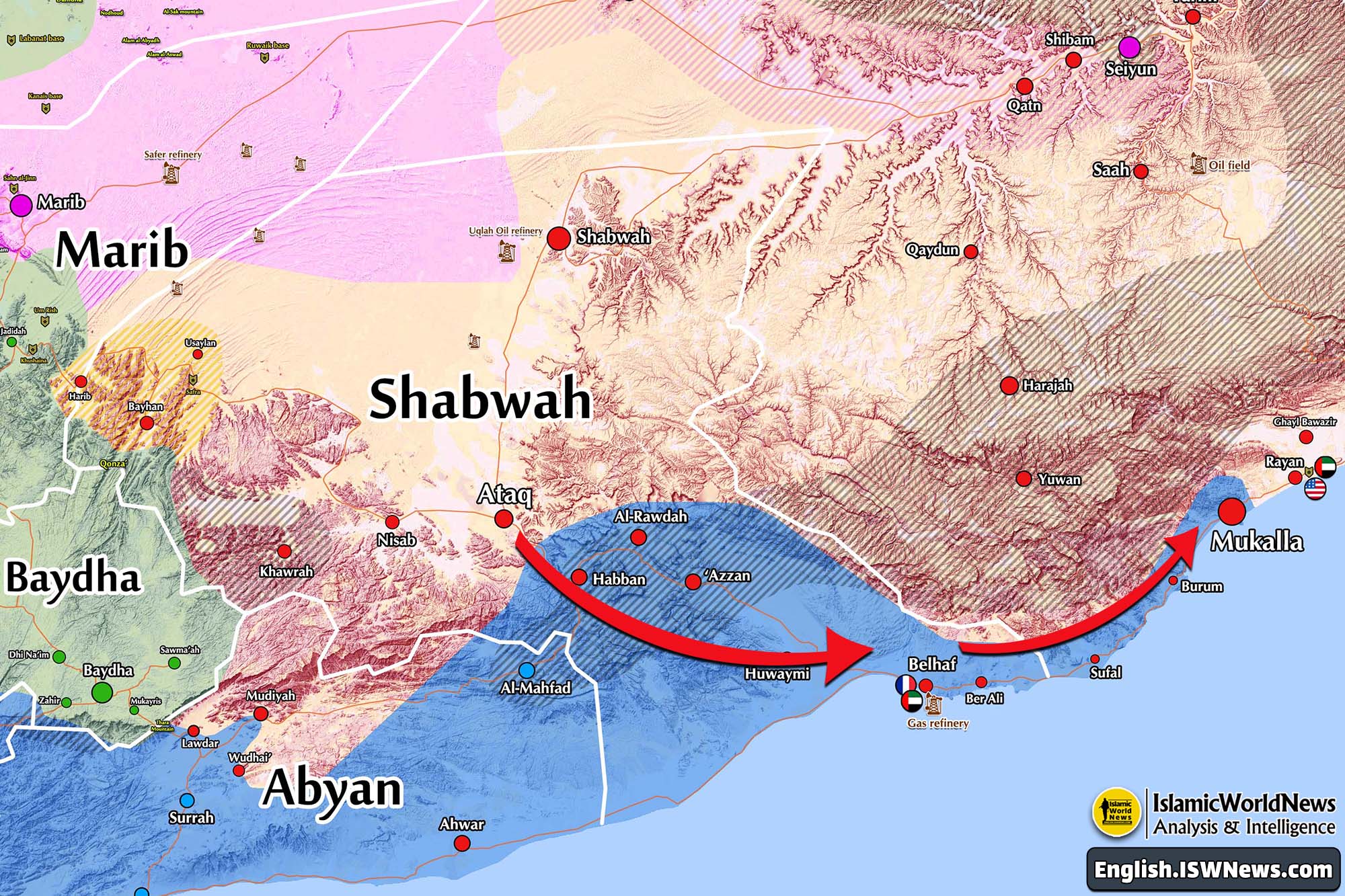
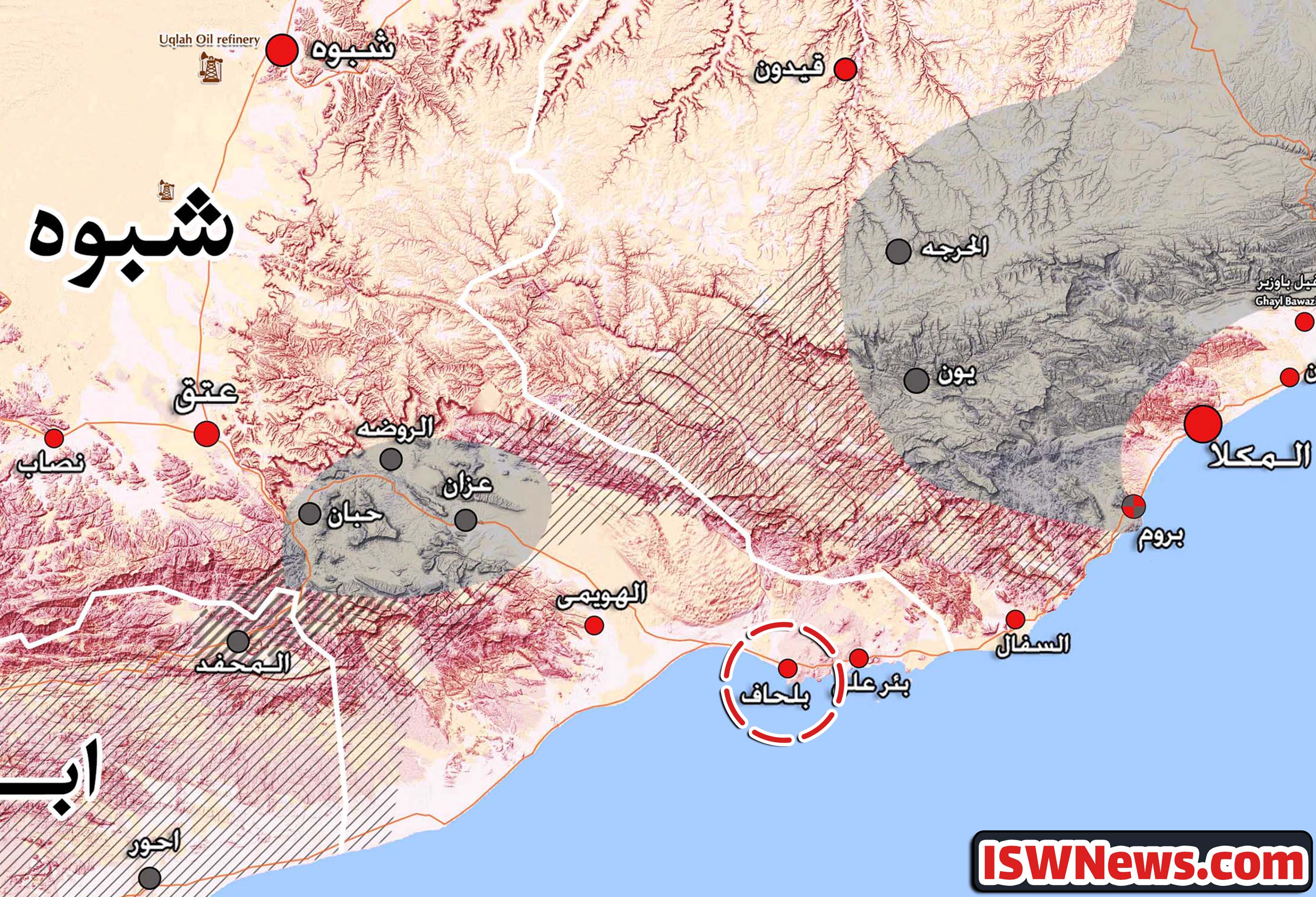
The move comes simultaneous with dispatching some battalions of the Al-Dara’ Al-Watan militants to the port city of Balhaf in a bid to take control of the gas facilities in the city as well as to force the military units of the United Arab Emirates (UAE) to retreat from Shabwah Governorate.
It is noteworthy that in early March, Saudi Arabia recruited certain commanders of the Yemeni Congregation for Reform ie. Islah Party, such as Abd Rabbah Laqab in order to strengthen Al-Dara’ Al-Watan militants.
They are expected to take part in the potential operation by Al-Dara’ Al-Watan militants in Shabwah Governorate.
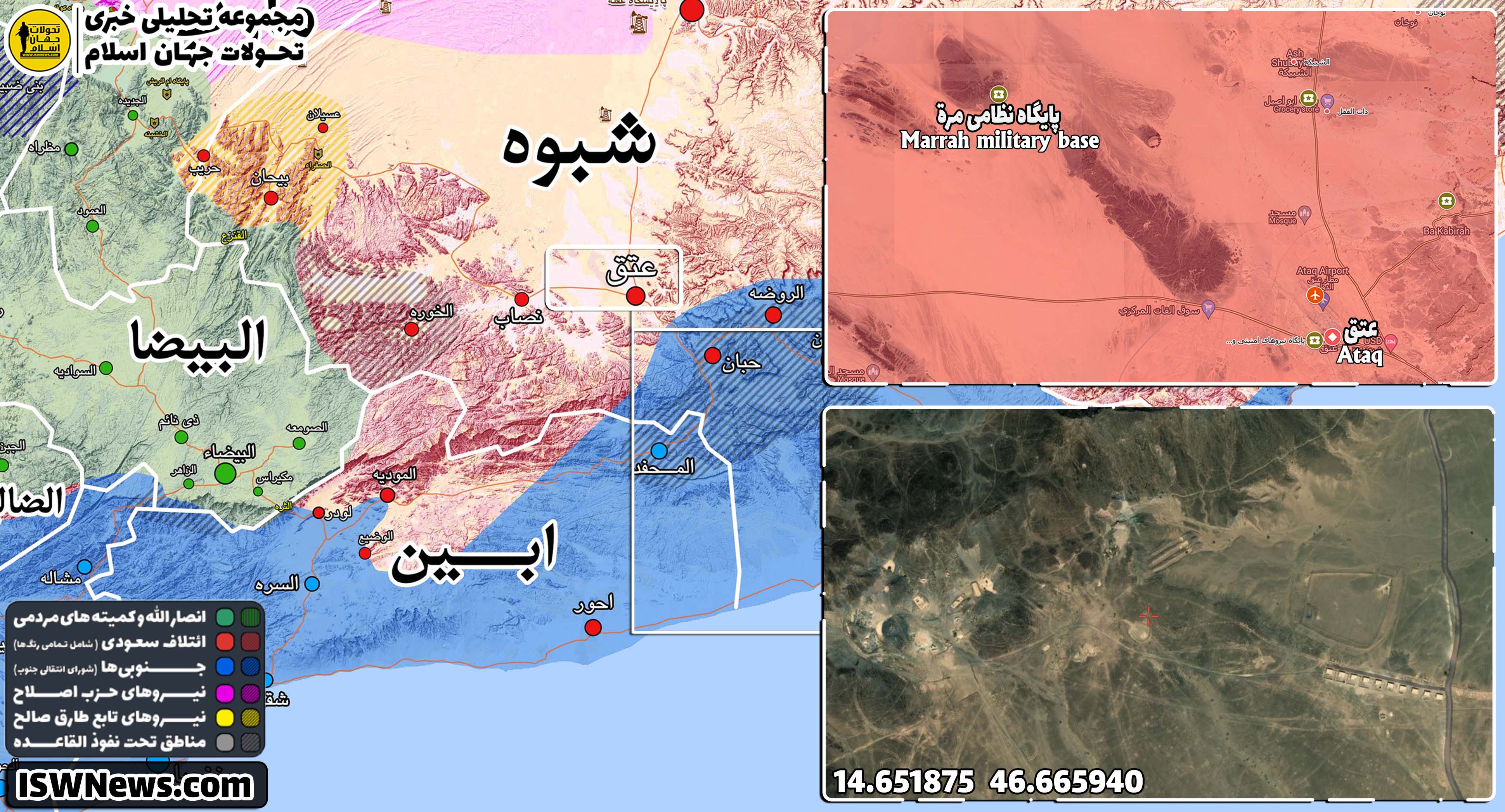
Following the recent progress in the Yemen peace negotiations, local sources reported that the UAE pulled out its forces from Marah and Balhaf military bases in Shabwah Governorate. According to the report, the UAE ordered its military forces to withdraw their troops and equipment from these bases in last days; so, the UAE forces moved towards Al Mukalla city in Hadhramaut Governorate on April 10 just after pulling out from their positions in Shabwah Governorate.
Earlier, the UAE pulled out a number of its military equipment and vehicles from the Al Riyan airport, which was turned into a military base by the UAE forces, as well as Rabwah Khalaf military base and it moved them to the Al Mukalla port and then, it transferred them by the use of a freight vessel to an unknown destination.
The reason behind the movement of the UAE forces and equipment has not been specified so far, but local sources are of the opinion that the efforts by the UAE are in line with the recent agreements between the Saudi-led coalition and the Ansar Allah movement of Yemen.
It is worth mentioning that the Ansar Allah authorities emphasized on the necessity of the withdrawal of all foreign troops from Yemen’s soil as the main condition to reach peace in the war-stricken country.
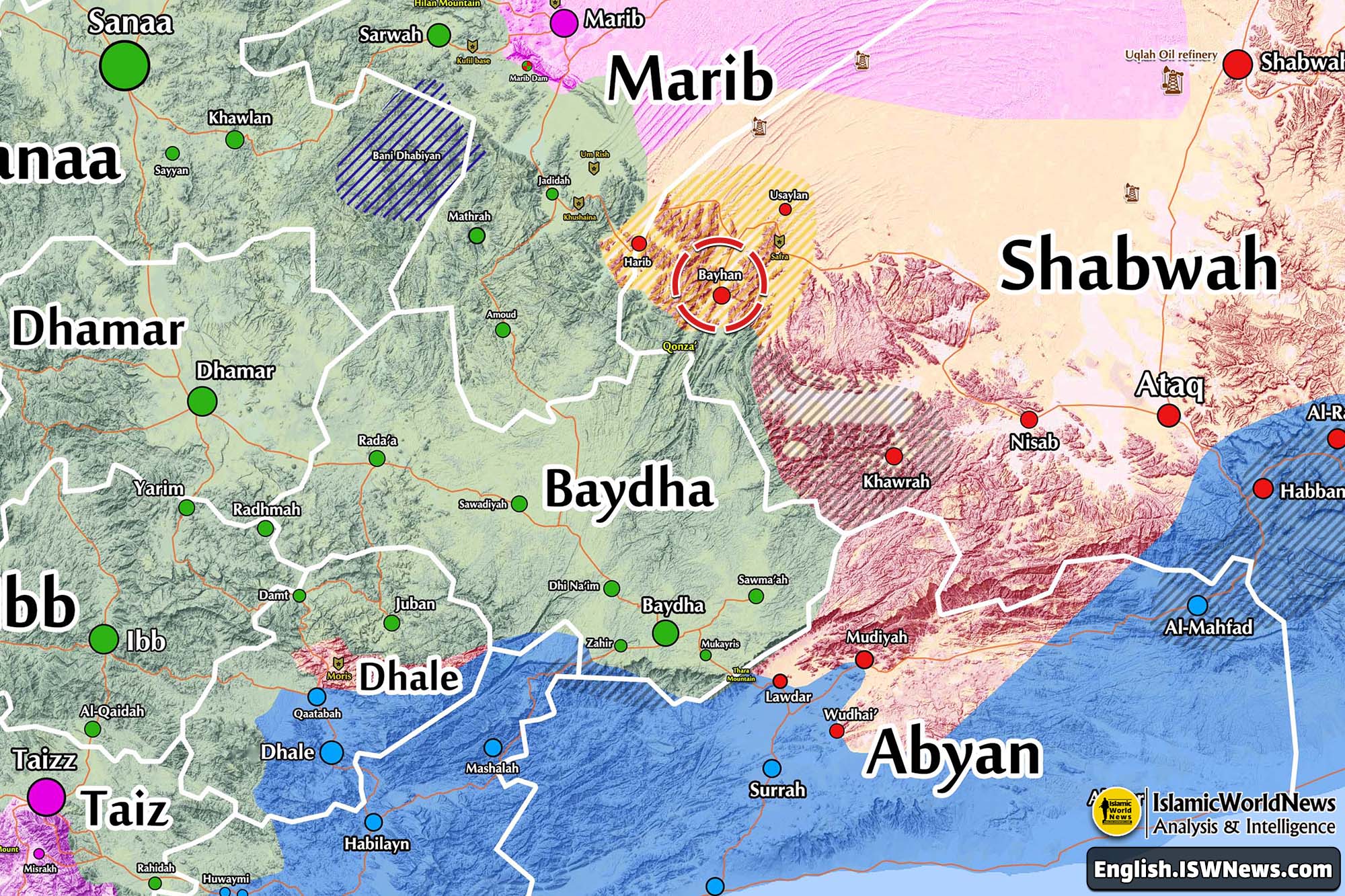
On April 8, Al Amaliqah Brigades succeeded in taking control of Bayhan al Qisab, a town in western Yemen, after confrontation with militants of a son of Governor of resigned government in Shabwa Awad bin Al-Wazir Al-Awlaki.
The conflict was triggered by a dispute over collecting tolls in al-Alia market; then, the forces of the Shabwa Defense withdrew from Bayhan al Qisab.
Bayhan al Qisab town is one of the oil-rich regions in Shabwah Governorate, which has been under the control of militants affiliated to the Saudi-led coalition; so, its oil revenues and other incomes of the region are being paid to the Al Amaliqah Brigades and the Southern Transitional Council (STC).
Recent conflicts in the areas, which have been usurped by the Saudi-led coalition, have turned into a routine activity of different fractions affiliated to the coalition, and each of the forces make their all-out efforts to expand their control on towns in southern and eastern governorates of the war-hit Arab country.
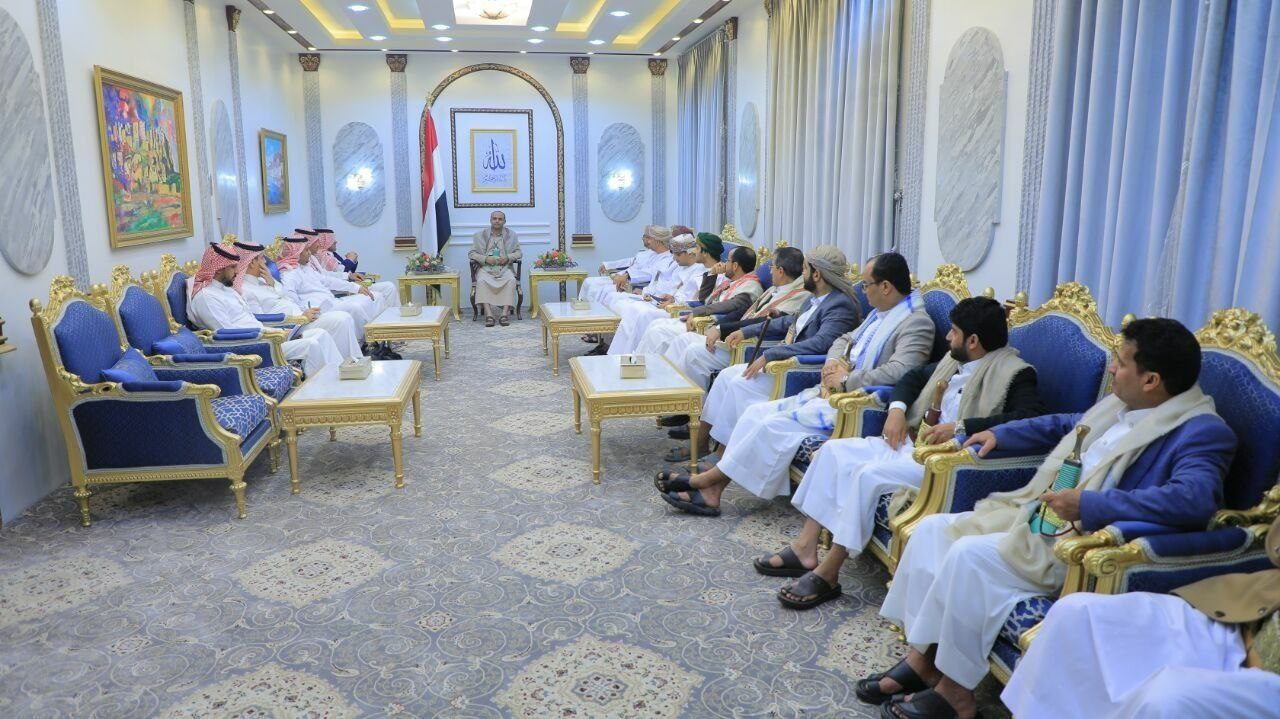
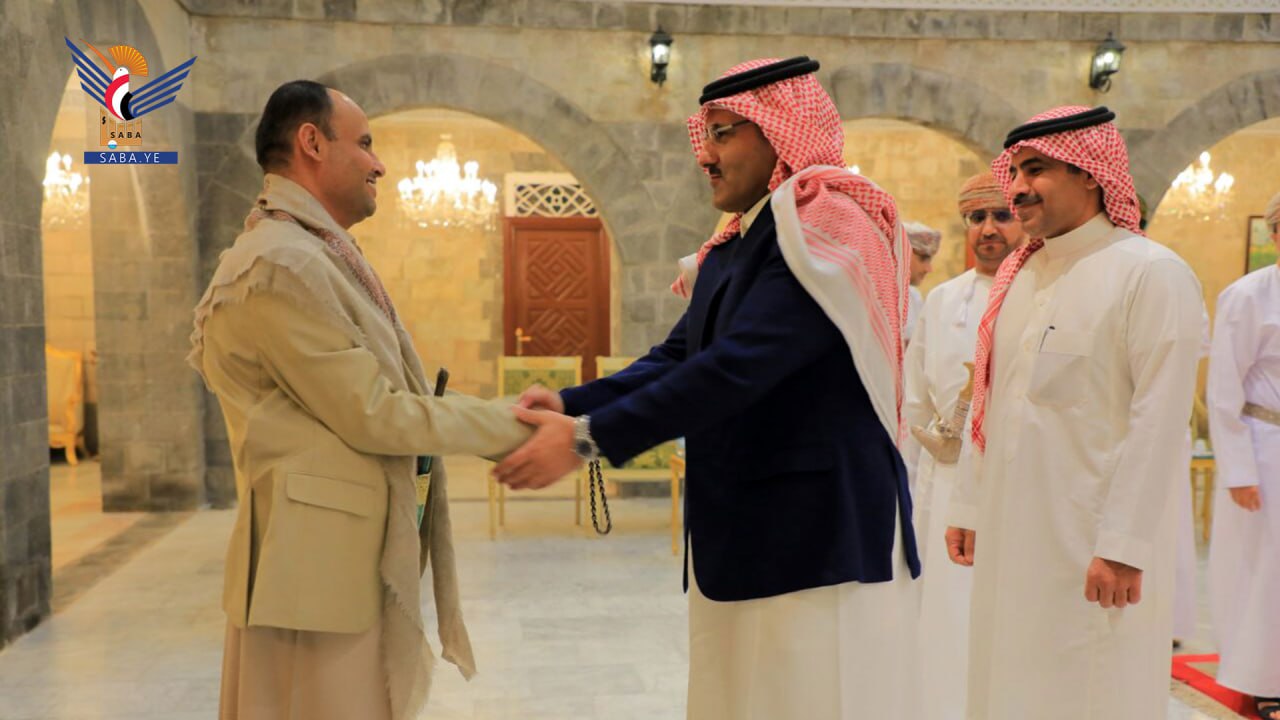
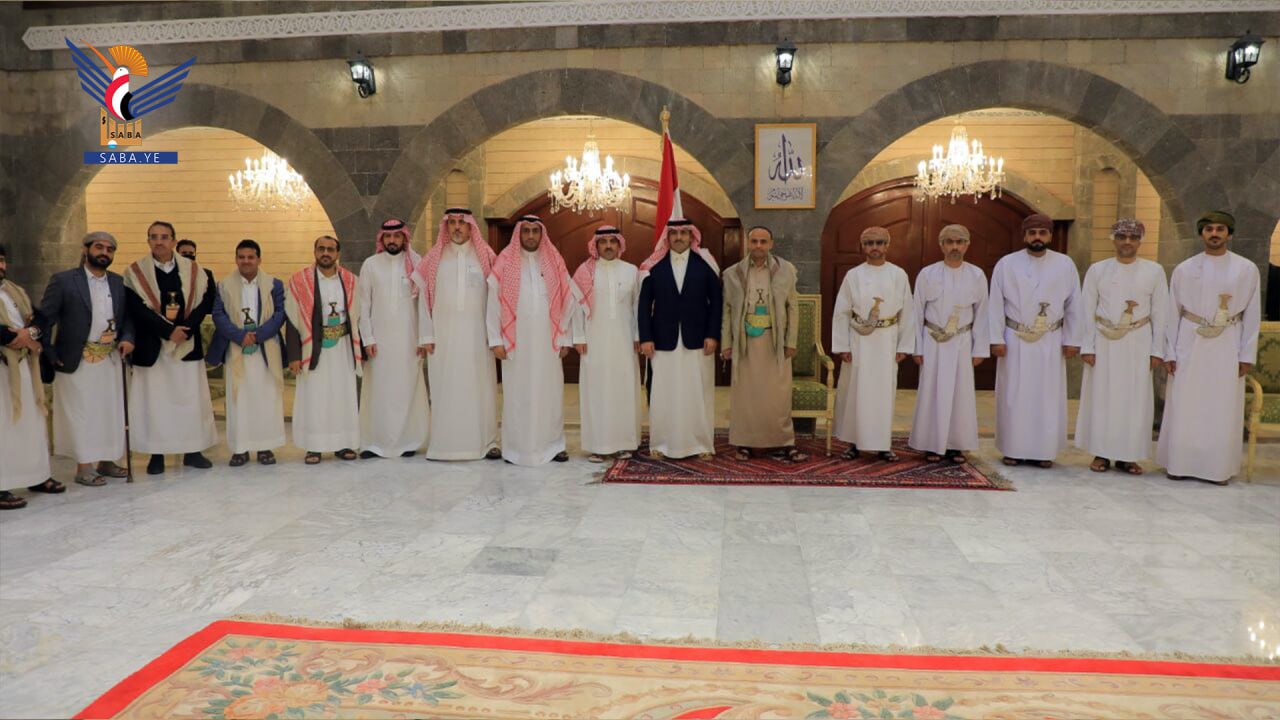
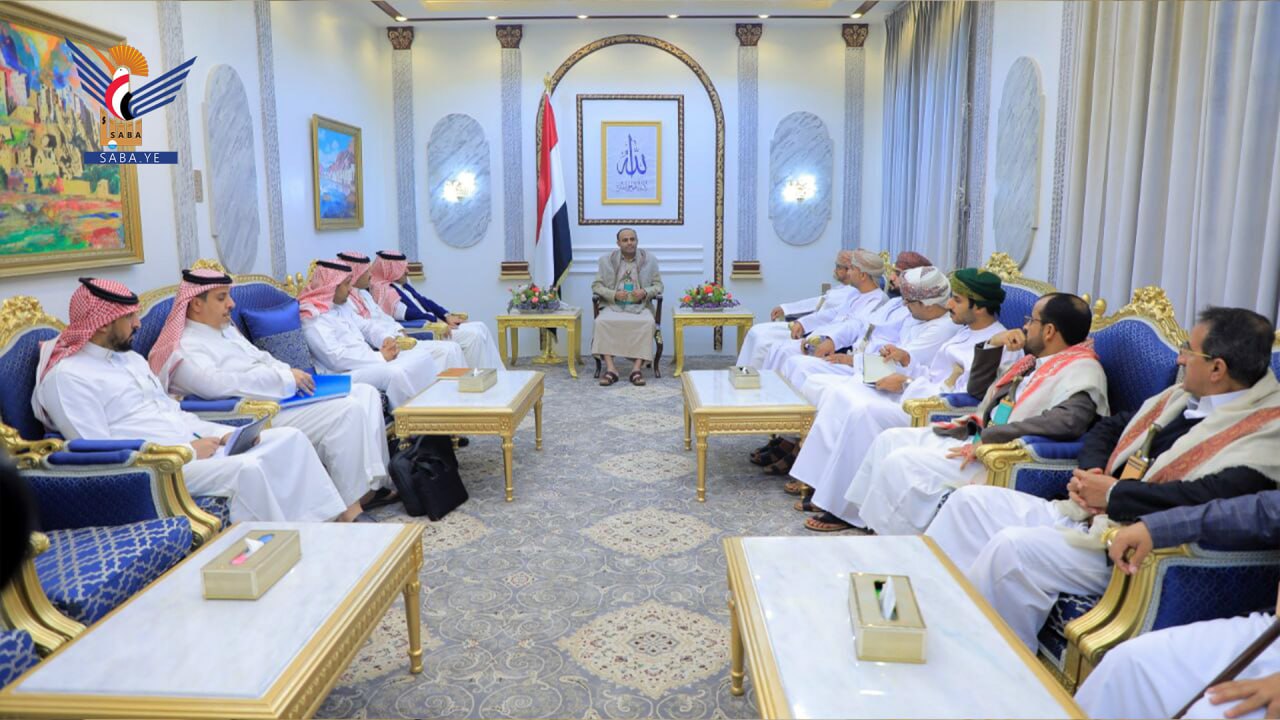
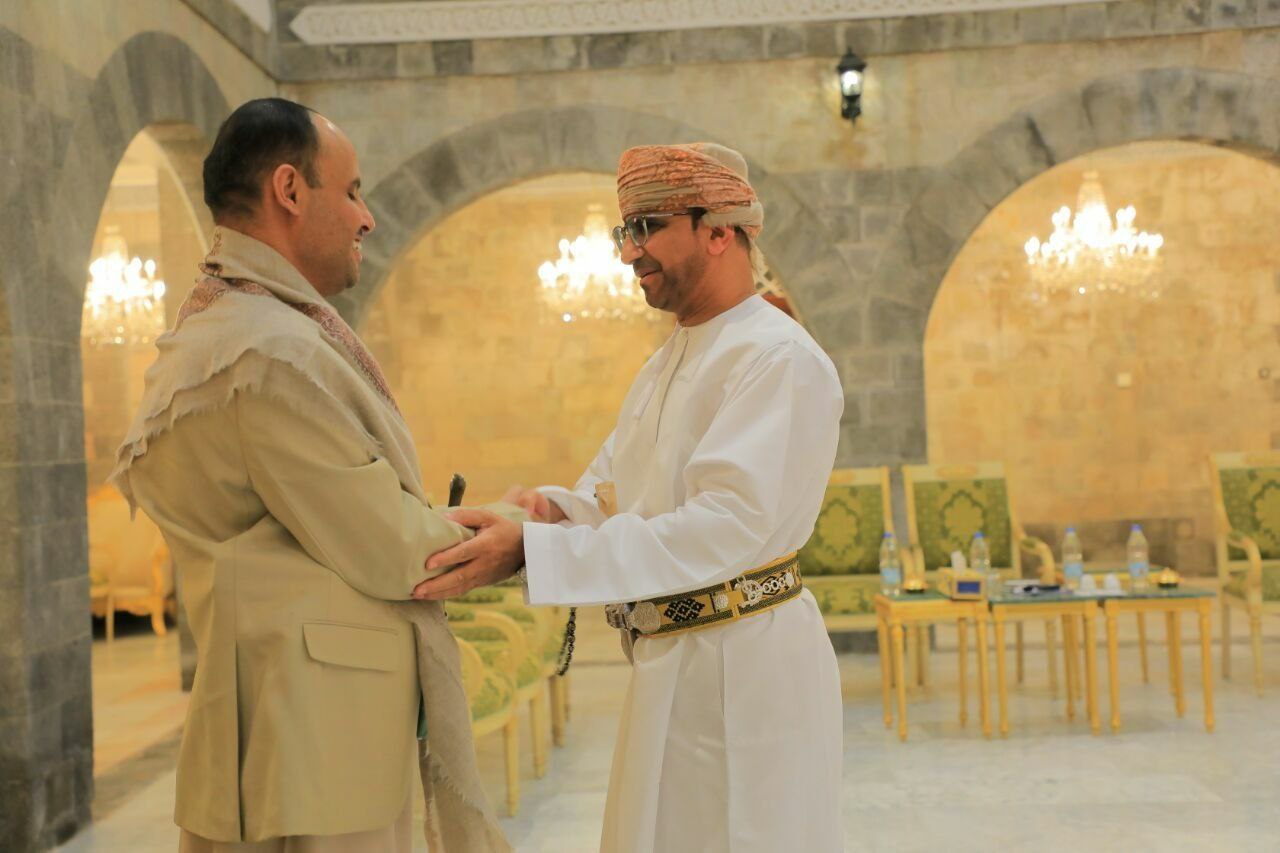
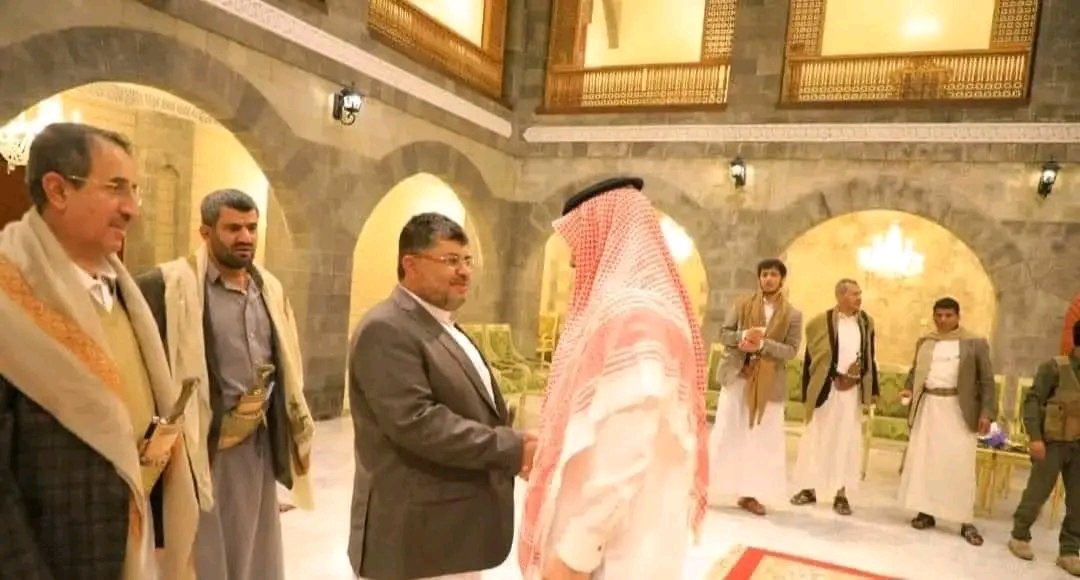
As part of Yemen peace talks with the mediation of Oman, a diplomatic delegation from Saudi Arabia headed by Saudi Arabia’s Ambassador to Yemen Mohammed bin Saeed Al-Jaber and along with some Omani and Yemeni diplomats arrived in the capital city of Sanaa.
Al-Jaber was welcomed by member of the Supreme Revolutionary Committee Mohammed Ali al-Houthi, Deputy Prime Minister of Yemen in defense and security affairs Jalal al-Rowaishan; then, the Saudi envoy met with the Yemeni president of the Supreme Political Council.
The first video of the meeting of the diplomatic delegation of Oman and Saudi Arabia with the head of the Supreme Political Council of Yemen
Mahdi al-Mashat expressed gratitude to Oman for its mediation and positive role in approaching point of views as well as efforts for establishing peace in the war-stricken country, underlining the decisive stance of the National Salvation Government concerning liberation and independence of his country, when he talked to the Saudi delegation.
According to local sources, the Saudi delegation’s trip to Sanaa is in line with their effort to hold talks with the authorities of the Ansar Allah movement to pave the way for fully reopening of airports and ports in Yemen, payment of salaries of all government employees and processes of political transition in the war-torn country. It is expected that the meeting will help speed up the process of implementing ceasefire and lifting the siege of Yemen.
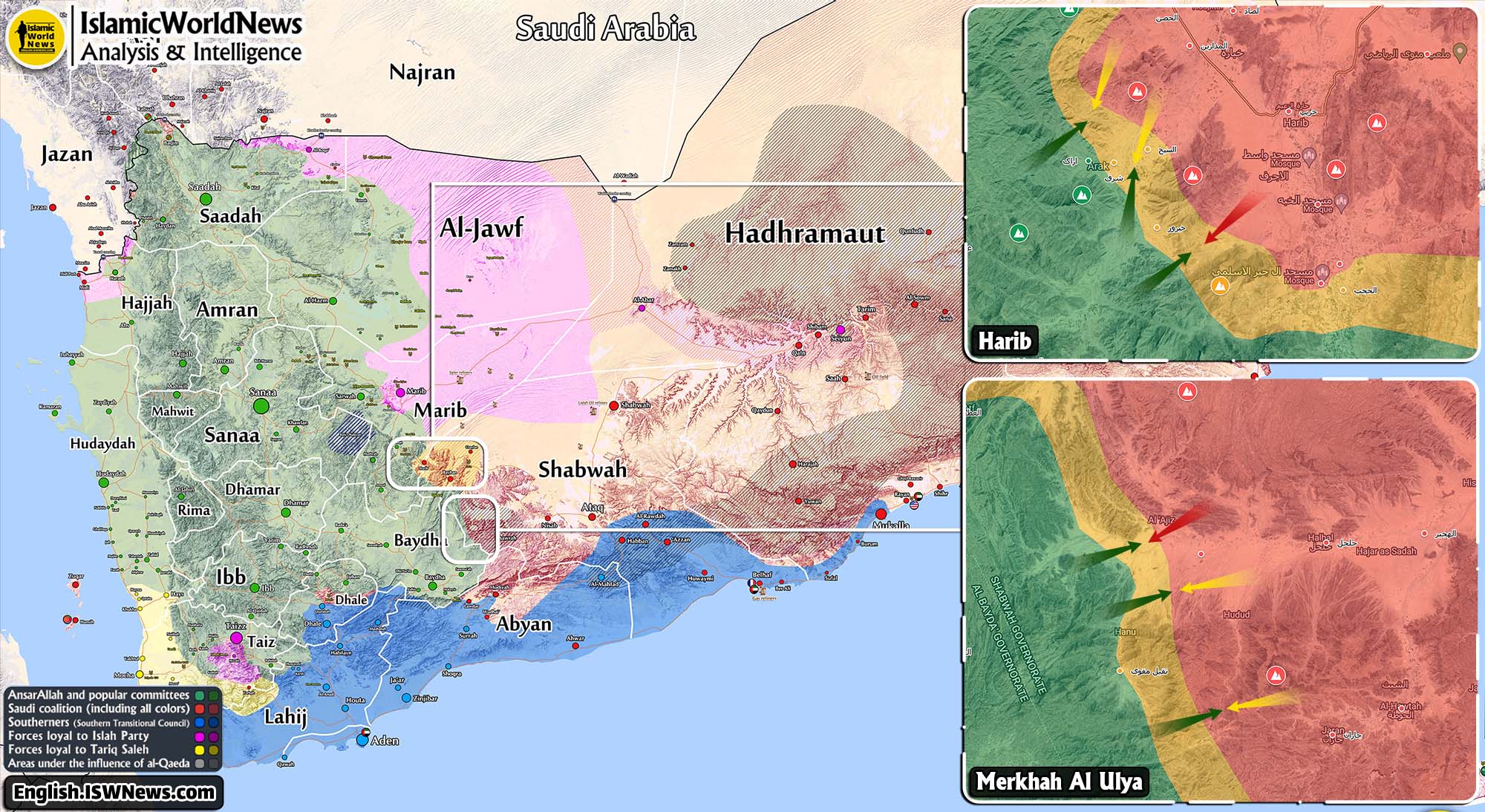
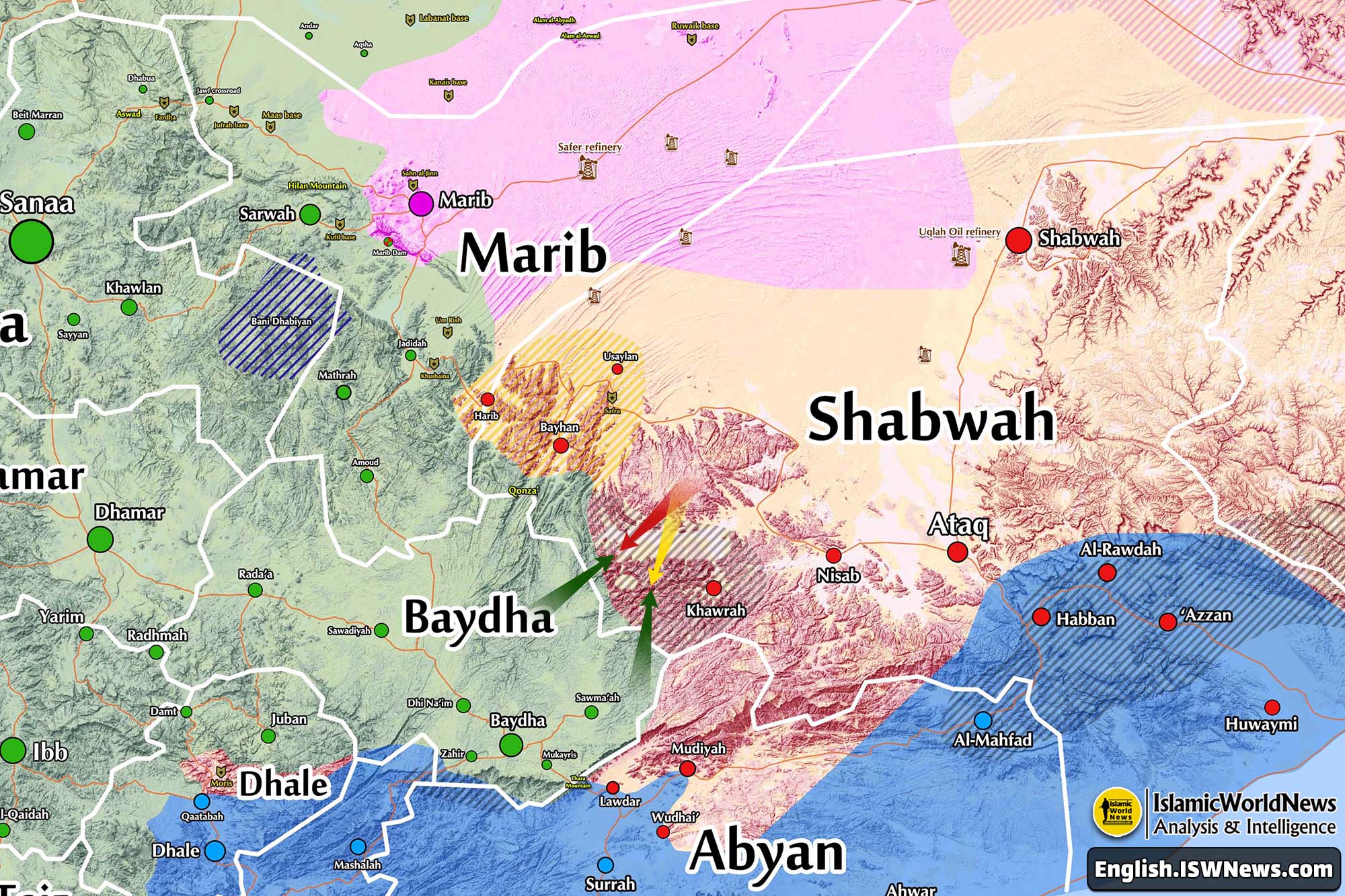
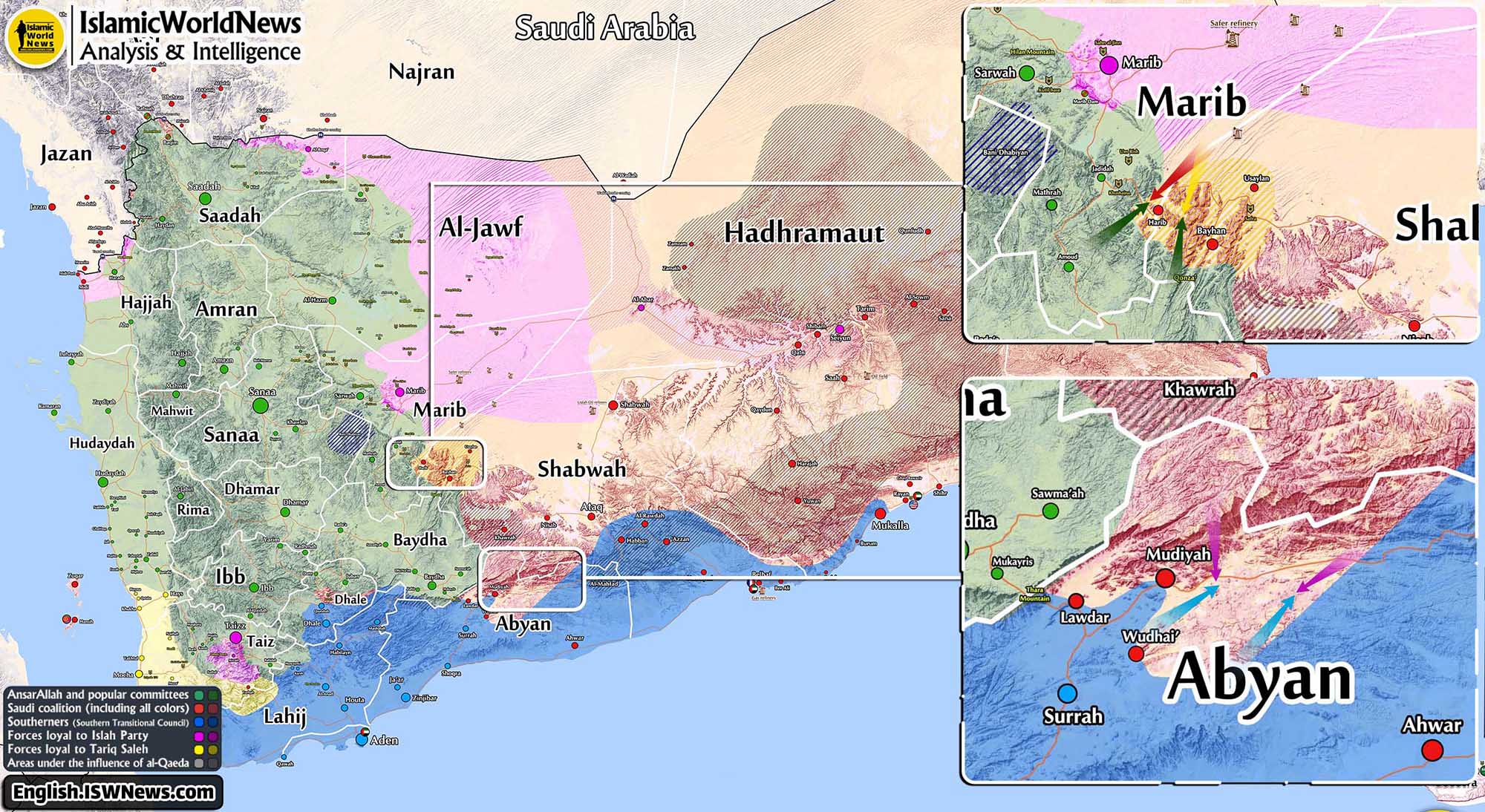
ISWNews Analysis Group – The recent strikes by the Saudi-led coalition forces to retake defense lines of Harib district in southern Marib Governorate as well as Markhah al-Oliya district in western Shabwah Governorate have faced strong resistance by Ansar Allah movement; so, the attacks doomed to failure.
After two weeks since the onset of clashes between Ansar Allah forces and the militants affiliated to the Saudi-led coalition in Harib front in southern Marib and Markhah al-Oliya front in western Shabwah, the attacks by the Amaliqah Forces and Shabwa Defense Forces came to an end without any progress; so, it can be said that Ansar Allah fighters’ advancement has been consolidated in these axes.
Harib Front
The confrontation in Harib front erupted after the Amaliqah Forces presumed that ceasefire has been on place in some fronts; so, they retreated from some areas, but the Ansar Allah took the opportunity and entered some regions such as Arak, Sharq, al-Sih, Jebel Ba’ra and Hiror. Then, the Amaliqah Forces began fighting Ansar Allah movement in order to retake its lost defense lines, but the confrontation has not yet borne any fruit and the Ansar Allah has still upper hand in this front.
According to sources on the ground, who are working with the Islamic World News, the Ansar Allah movement has consolidated its grip on western and southwestern heights of Harib region; so, fire control by the movement on this axis has led to the situation that the Amaliqah Forces and other units under the supervision of the Saudi-led coalition have lost their grip on these areas.
Markhah al-Oliya Front
Movements of the Amaliqah Forces and their affiliated forces towards the Harib front have prompted the Ansar Allah fighters to carry out some hit-and-run attacks with the aim of hindering potential military operation by these enemies.
Naturally, the confrontations have inflicted death tolls and material losses on both sides; however, the news stories published in recent two weeks show that the Saudi-led coalition forces particularly the Amaliqah Forces have suffered from heavy blows and they experienced more difficult condition in comparison to other Saudi-led forces.
Are the conflicts a sort of violating the existing ceasefire?
Undoubtedly, the clashes will affect the Yemen peace negotiations, but they have nothing to do with the ceasefire and even violation of the foreign-mediated truce. Given the fact that the Yemen ceasefire has not been renewed since September 2022, there is not any kind of accord or obligation to refrain confrontations in different fronts in the war-stricken country; thus, the recent advances by the Ansar Allah movement cannot be considered as a violation of any truce and agreement.
Would the advances lead to unity among the Saudi-led coalition groups?
The Saudi-led coalition forces are in a deep power struggle. Saudi Arabia has created Al-Dara’ Al-Watan and the Islah Party and dispatched them to southern governorates of Yemen in a bid to decrease the might of the Southern Transitional Council (STC). On the other hand, political tension between officials of the resigned government of Yemen and heads of the Islah Party still continues; so, there are some speculations that chairman of the Presidential Leadership Council Rashad al-Alimi may dispatch militants to Marib Governorate and other regions that are under the control of the Islah Party.
Therefore, the clashes between the Ansar Allah movement and the Amaliqah Forces or other militants affiliated to the resigned government of Yemen can decline the pressures imposed on the STC; then, it can maintain power balance among different Saudi-led groups.
In conclusion, the control of the resigned government on Shabwah and Marib governorates, which possess abundant resources of oil and gas, would not be in favor of the Ansar Allah. The population of areas under the control of Ansar Allah is much more than the number of inhabitants in the occupied territories, and the movement is in dire need of oil resources to meet demands of this part of Yemen in order to revitalize its economic power. Despite the fact that Ansar Allah tries to prevent looting of oil resources by the resigned government, the economic warfare is still looming, and the pressures by the US and the UK gets in the way of pursuing Saudi Arabia to give concessions in peace negotiations with Yemen.
In the new round of offensive attacks on the positions of the Amaliqa Brigades and Shabwa Defense Forces, Ansar Allah movement succeeded in capturing Khashiba Ridge, Shamakh Arba’a and Al-Hillah areas in Markha al-Oliya district. The regions are among the defense lines of the Saudi-led militants in the western parts of Shabwah Governorate. The Ansar Allah movement retreated from these regions after inflicting heavy losses and tolls on the Amaliqa Brigades and Shabwa Defense Forces as well as destroying the trenches and defense facilities of the coalition forces.
The second round of the offensive attack by the Ansar Allah fighters kicked off on March 27 in Markha al-Oliya district and they concluded the strike on March 28.
The Amaliqa Brigades released images to claim that they could shoot down a Rased reconnaissance drone and a Rajum hexacopter.
The offensive attacks by the Ansar Allah movement in Harib district, located in southern Marib Governorate, as well as the western front of Shabwah Governorate started following provocation and violation of the ceasefire by the Amaliqa Brigades in middle of March 2023. The scale of tolls and losses has astonished the authorities of the Shabwah Governorate.
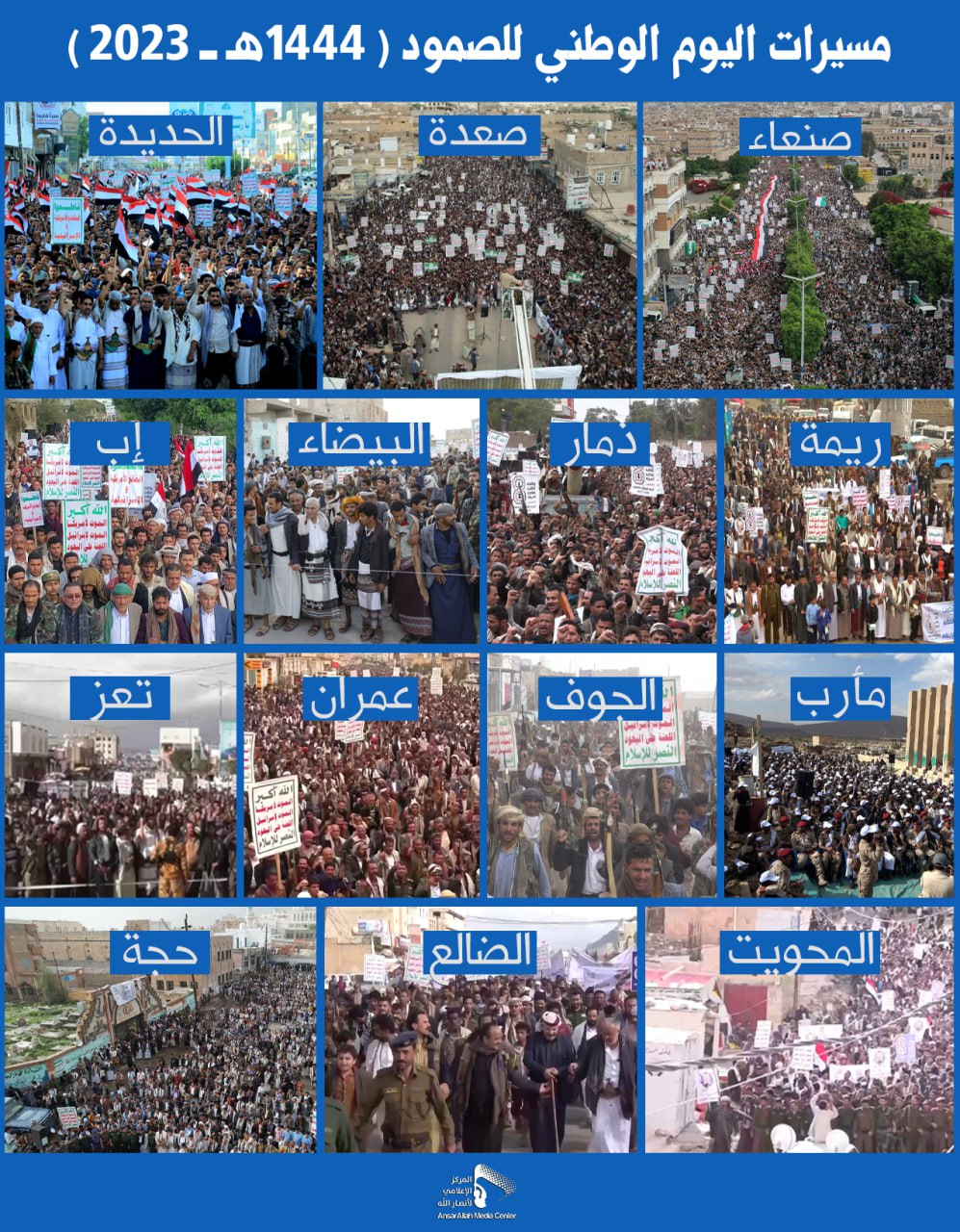
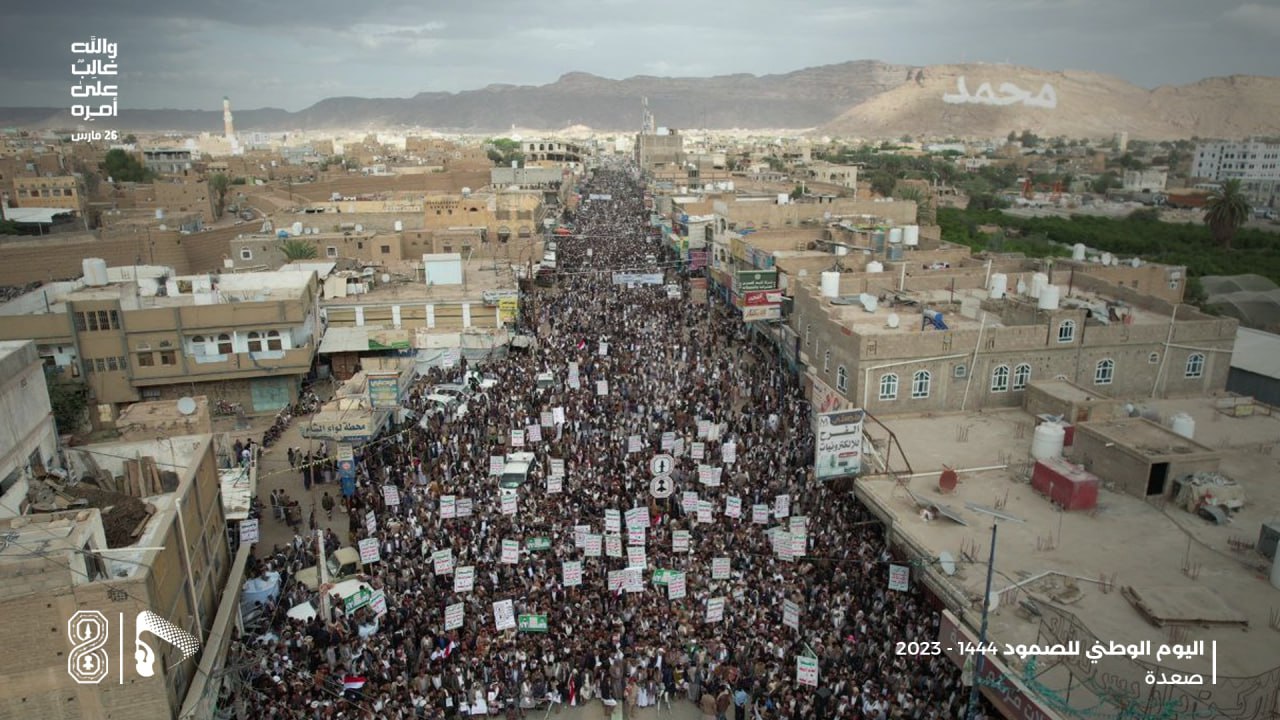
Following the invitation of Seyed Abdul Malik Badr al-Din al-Houthi, the leader of Ansar Allah, to the people of Yemen to participate in the march on the occasion of the 9th anniversary of the National Day of Resistance, different sections of the Yemeni people held a march and a massive rally in the cities of Sana’a, Saada, Hudaydah and other cities under the control of Ansar Allah.
In the final statement of this rally, the Yemenis, while condemning the continued aggression against this country and America’s support for the aggressors, warned the Saudi coalition and the Western countries about the continuation of the siege, war and occupation of Yemen and emphasized their unity to deal with the aggression. While appreciating the victories of the Yemeni army in the fight against the aggressors, they asked the armed forces to give a sharp response to the crimes of the aggressors against the Yemeni people.
After the air attack of Saudi warplanes on Sana’a airport on March 26, 2015, massive demonstrations took place in the cities of Yemen, which became known as the “National Day of Resistance and Stability” march (Ilyum al-Watani al-Samud). Every year on this day, the people of Yemen condemn the aggression and siege of Yemen and hold massive rallies.
In the past eight years, more than 18,000, including 4,079 children and 2,485 women have been killed and more than 30,254 wounded in the Saudi-led coalition attacks on the Yemeni nation.
1- Marib: 46 members of Amaliqah forces were killed and injured during the clashes between Amaliqah and Ansar Allah forces in Harib Front. No details have been published about the casualties and damages of Ansar Allah. This conflict started after the withdrawal of Amaliqah forces from some places in the outskirts of Harib town, including Jabal Yahmum, Jabal Jandalah, Maimanah, Arak, Sharq, al-Sih and Hirour and the deployment of Ansar Allah forces in these areas. Currently, Ansar Allah has retreated from most of the areas and there have been sporadic clashes between the two sides. The media affiliated to the Saudi coalition claim that the Amaliqah forces are preparing for the recapture operation of the remaining points.
2- Shabwa: On the 23rd of March, following the arrival of dozens of dead and wounded soldiers from Harib administration to Usaylan and Bayhan districts, the clinics of these cities requested immediate help and medical supplies from the resigned government of Yemen. Also, some of the casualties of Amaliqa forces have been sent to the city of Ataq and district of Markha al-Sufla.
3- Abyan: On the 17th of March, pro-Saudi forces consisting of Islah party militants and al-Qaeda members were deployed in most of the western and eastern areas of Wadi Omran in the district of Mudhyah. This advance was made after the Southern Transitional Council’s militants withdrew from the important area of Wadi Omran due to failure to deal with al-Qaeda’s roadside bombs and ambushes.
4- Aden: On March 21, as a result of an attack by unknown armed men on Aden airport, Abdul Samad al-Omari, the commander of the Hizam al-Amni airport security unit (affiliated to the Southern Transitional Council), was seriously wounded.
5- Hadhramaut: On March 23, as a result of clashes between pro-Saudi and Marib tribesmen in front of the central hospital of Seiyun city, five militants from both sides were killed.
6- Socotra: On March 19, some local sources reported the withdrawal of UAE forces from Abdul Kuri Island and handing it over to the Saudi military. According to these sources, this move was made following Saudi Arabia’s pressure on the UAE to limit the Southern Transitional Council.
Read more: Forced evacuation of the residents of Abdul Kuri Island by the UAE
7- Hudaydah: – The Saudi coalition forces violated the ceasefire 122 times in the last 48 hours in this province. – In the last 48 hours, the Saudi coalition drones bombarded the Al-Jabaliya area twice and once the positions of Ansar Allah in the district of Hays.
8- According to local sources, quoted by the officials of the Salvation Government of Yemen, the agreement of the exchange of prisoners between the Salvation Government of Yemen and the Saudi coalition by making several flights from Sana’a to Aden and Riyadh and vice versa, will be implemented on the 20th of Ramadan (11th of April) under the supervision of the International Red Cross and the United Nations.
The Ayn al-Ansaniyah Research and Statistics Center has released statistics on the crimes and atrocities committed by the Saudi coalition against Yemen during the 2920 days of war.
Statistics of the Saudi coalition aggression on Yemen after 2920 days: The total number of martyrs and wounded in these 8 years is 48,349 people, including 18,140 martyrs and 30,254 wounded. Out of this number, the total number of martyrs and injured children is 4079 martyrs and 4790 injured. The number of men martyrs and wounded is 11,603 martyrs and 22,476 wounded. The number of women martyrs and wounded is 2458 martyrs and 2988 wounded.
During the 2,920 days of aggression and siege, the Saudi coalition has damaged or destroyed 15 airports, 16 ports, 346 power stations and generators, and 617 communication networks and stations. Also, 3095 reservoirs and water supply stations, 2105 government facilities and 7293 roads and bridges have been targeted or destroyed.
During the eight years of aggression, 409 factories, 390 fuel tankers, 12,088 commercial units, 466 poultry and livestock farms, 10,279 means of transportation, 485 fishing boats, 1,020 food stores, 427 fuel stations, 704 markets and 1,040 food trucks were damaged or destroyed.
The number of destroyed and damaged civilian houses has also reached 603,110. 182 academic centers, 1714 mosques, 384 tourist centers and 417 hospitals and health centers have been damaged or destroyed by the Saudi coalition. The attacks of the Saudi coalition have also led to the destruction and damage of 1,265 schools and educational centers, 11,350 agricultural lands, 141 sports centers, 258 historical places, and 61 media centers.
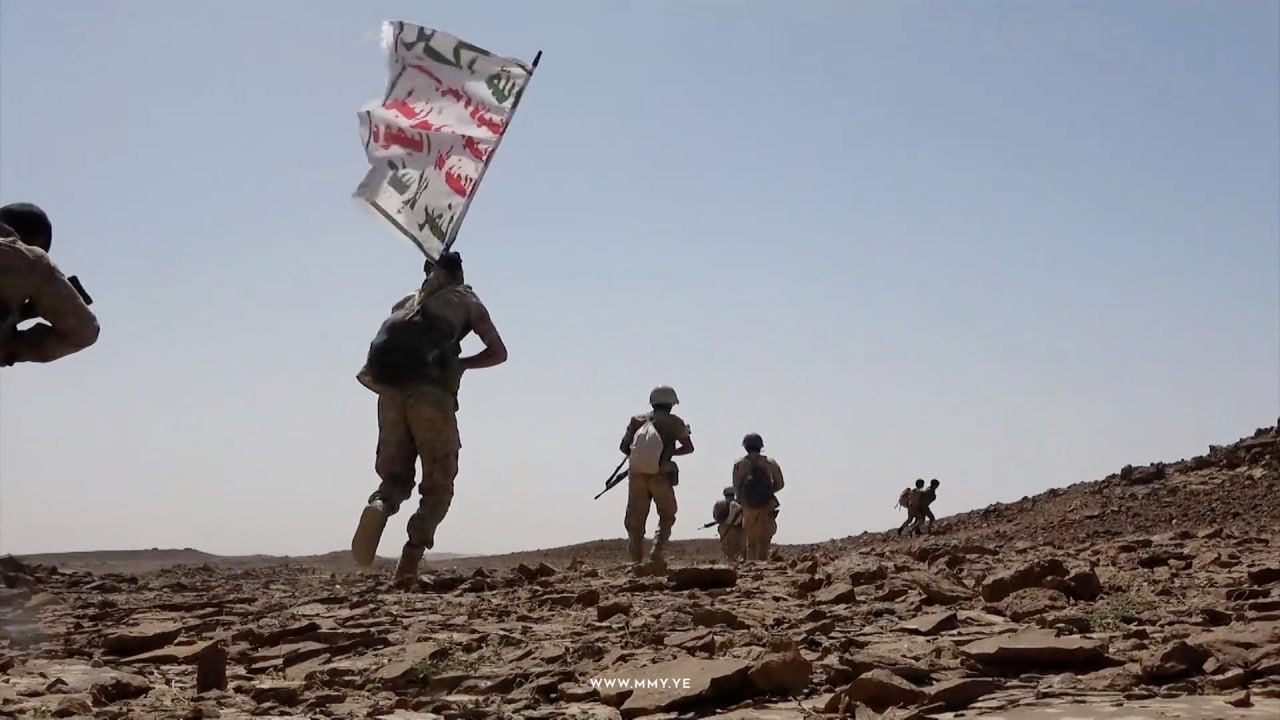
On Wednesday, March 2, the Yemeni armed forces (Sanaa-based government) released images of a large exercise under the title “standing against the aggressors”. This exercise was carried out in an area of 60 square kilometers with the participation of armored, engineering, defense, drone and missile units of the Yemeni army in several directions against simulated targets in the desert and mountainous areas of Al-Jawf province.
One of the interesting scenes of this exercise was the targeting of the US flag and the Zionist regime with the Rajum drone, which is a symbol of Israel’s role and the failure of their project in the Yemen war.
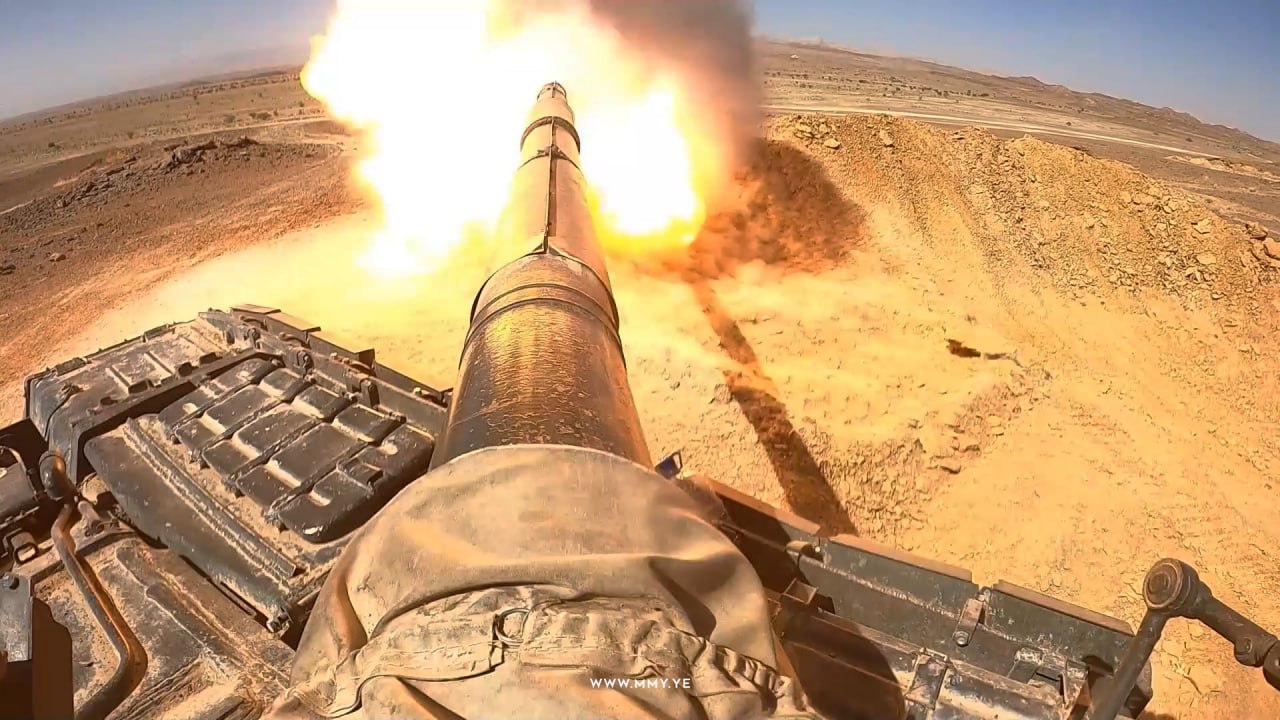
Yemeni armed forces used Mi-8 helicopter, Rajum hexacopter, Zilzal rockets, T55 tank and other armored vehicles in this exercise.
This exercise is the first large-scale exercise of the Yemeni armed forces in recent years. Yemeni armed forces have held various military parades in the provinces of Sana’a, Saada, Hodeidah, etc. Undoubtedly, the holding of these exercises will affect the decision of the heads of the Kingdom of Saudi Arabia to end their aggression against Yemen.
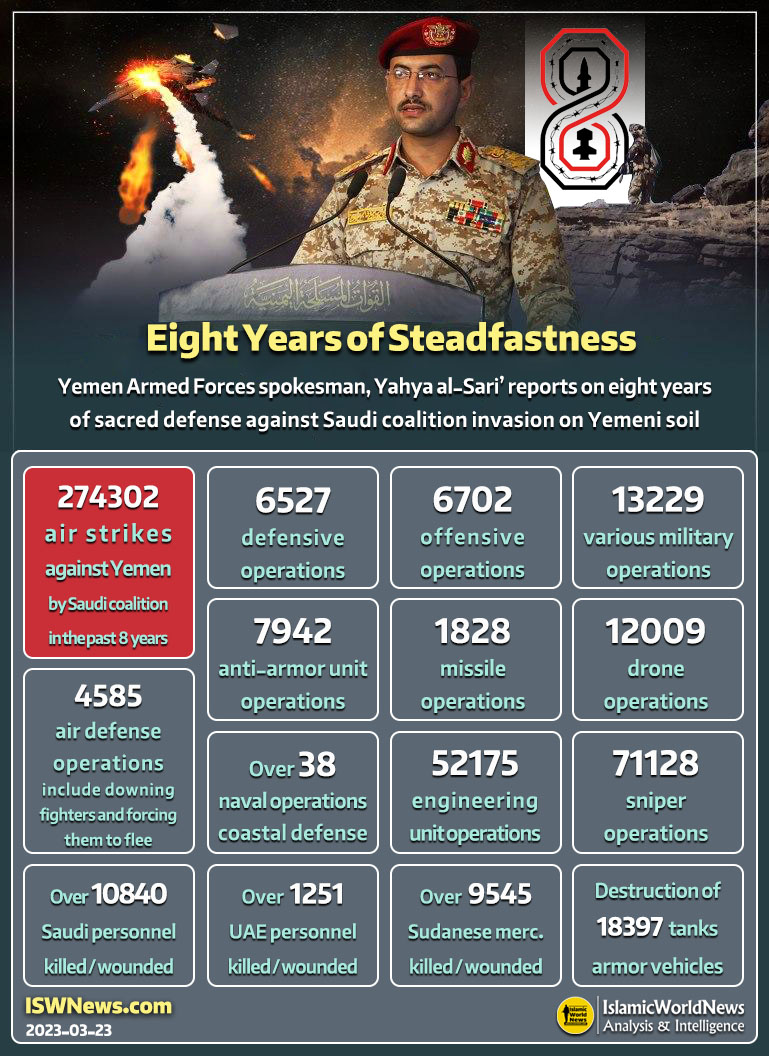
The spokesman for the Yemen Armed Forces, Brigadier General Yahya al-Sari’, on the occasion of National Resistance Day presented the statistics of eight years of fighting with the Saudi coalition.
General Yahya al-Sari’: “With God’s help, our forces were able to stand firmly by our people and neutralize the declared and undeclared goals of the aggressors.
The number of attacks by aggressor fighter jets has been more than 274,302 attacks, including 59 attacks last year.
The invasion and siege of our country was carried out under the leadership and supervision of the US and with the participation of Westerners. In the past years, we have monitored the participation of each country in the aggressor coalition. We ask the educational, media and cultural institutions of our country to document all the crimes of the aggressors and the resistance of our people.
Our forces performed more than 13,229 military operations during the battle against the enemy’s brutal attack. Among these operations, we can mention 6702 offensive operations, 6527 defensive operations, neutralizing offensive efforts and enemy advances.
The missile force has carried out 1,828 military operations, including 1,237 operations targeting enemy gatherings inside Yemeni territory. 589 missile operations against the enemy were targeted outside of our geography, which included operations in the depth of the Saudi and Emirati enemies.
We continue to multiply our strategic missile stockpile as a deterrent that has proven effective over the years.
In the last 8 years, the Air Force has conducted 1,2009 operations, including 3,264 offensive operations and 8,745 reconnaissance operations. UAVs have carried out 2,267 operations inside Yemen and 997 operations abroad.
The total air defense operations in the last 8 years reached 4585 operations, including 2022 destruction and hits and 2565 defensive operations. Air defense managed to shoot down 165 reconnaissance and offensive drones.
13 fighter jets, 10 Apaches and 6 helicopters, including the Black Hawk helicopter, were shot down.
48 US Air Force drones were shot down and 123 other spy drones were shot down.
The Navy and Coastal Defense have carried out 38 special operations in the last 8 years, targeting Saudi and UAE naval vessels was a part of it.
The total number of operations performed by ground units in their different units has reached 25,000 different operations.
The total number of sniper operations since entering the battle line reached 71128 operations. The operations of the eighth year amounted to 5213 sniper operations, of which 3374 operations were recorded in audio and video form.
Among the operations of engineering units, 22,854 were enemy gatherings and 24,907 offensive and defensive operations. The number of operations of the engineering unit that targeted enemy tanks, personnel carriers and military vehicles was more than 4414 operations.
The total number of operations of the anti-armor unit during the last eight years amounted to 7942 operations.
From anti-armor operations, 3082 enemy fortifications, gatherings and barracks and 4860 vehicles were targeted by the enemy.
The total number of operations carried out by the artillery Unit during the last eight years amounted to 85,634 operations. Out of this number of operations, 1150 joint operations were carried out with UAVs and 15269 operations were carried out with Zilzal-1 missiles.
The losses of the Saudi enemy army have been more than 10,840 people killed and injured in eight years. We announce the killing of 36 Saudi officers and soldiers and the wounding of 45 others in the eighth year of the aggression. The losses of the Emirati enemy are more than 1,251 killed and wounded, including senior officers. The number of dead and wounded of the Sudanese army reached more than 9545. More than 40 Sudanese officers and soldiers were killed and 65 others were wounded in the eighth year of the aggression.
The casualties of Yemeni mercenaries have been more than 261,243 killed and injured in eight years. In the eighth year, the number of dead Yemeni mercenaries exceeded 2,500 and more than 5,550 were injured.
Our forces managed to destroy or set fire to more than 18,397 armored personnel carriers, tanks, vehicles, bulldozers and weapons. More than 10,618 cases have been documented including the operations that led to the destruction, damage and burning of enemy vehicles, bulldozers and armored vehicles.
During the eighth year, more than 1,000 vehicles, armored vehicles and military equipment were destroyed or damaged.
Continued aggression and blockade means that the aggressor countries and their followers will suffer more losses. Continuing the battle will only lead to more conflict and work on other legal options to defend our country. The regimes that started the aggression should learn lessons from the strengthening of Yemen and what happened in these years. We emphasize on redoubled efforts to prepare for future developments and increase combat readiness to deal with aggressor and enemy forces.
We reject any presence of foreign forces inside our territory and emphasize that the presence of foreigners is illegal and in line with the attempt to occupy our country. We emphasize that any foreign military presence inside the territory of Yemen is a legitimate goal for our forces and for all Yemeni people.
We send greetings to all the free people of our country and among them the proud tribes who rose up for defense.
We renew our agreement with our beloved people that the armed forces remain loyal to their duties and responsibilities, the most important of which is the liberation war.
We tell our Seyed leader that your people are more determined today to see the battle through to its end.
We emphasize our readiness to implement any order against foreign military presence in Yemen. We are ready to deal decisively with any scenario and neutralize any movement of the aggressors and their mercenaries.
We will continue to develop our military capabilities and increase our combat expertise. We will continue to monitor and deal appropriately with all attempts to loot the national wealth within the framework of our duties and responsibilities.”
According to the spokesman of the Yemeni Armed Forces, Brigadier General Yahya al-Sari’, Ansar Allah air defenses managed to destroy a Chinese-made Wing Loong 2 drone over the al-Jawf province on March 21st. This drone reportedly was destroyed by a surface-to-air missile.
It should be noted that this is the sixth drone to be shot down by Ansar Allah after the implementation of the ceasefire agreement in Yemen.
Also, according to data obtained by ISWNEWS, this is the ninth Chinese Wing Loong 1 or 2 drone to be shot down by Ansar Allah since the start of the war in Yemen.
Details of the shot down of these nine drones are as follows: 1- UAE-owned Wing Loong in the Kholan region of Sanaa province, on September 26, 2016. 2- UAE-owned Wing Loong in Saada province, and on April 19, 2019. 3- Saudi-owned Wing Loong in the district of Hayran in Hajjah province, on November 30, 2019. 4- Saudi-owned Wing Loong in the north of Saada province, on May 21, 2021. 5- Saudi-owned Wing Loong in the district of Kataf in the north of Saada province, on September 13, 2021. 6- UAE-owned Wing Loong in the Usaylan district in Shabwa province, on January 5, 2022. 7- UAE-owned Wing Loong in the Ain district in Shabwa province, on January 11, 2022. 8- Saudi-owned Wing Loong in the Kitaf district in the north of Saada province, on May 24, 2022. 8- Saudi-owned Wing Loong 2 in the al-Jawf province, on March 21, 2023.