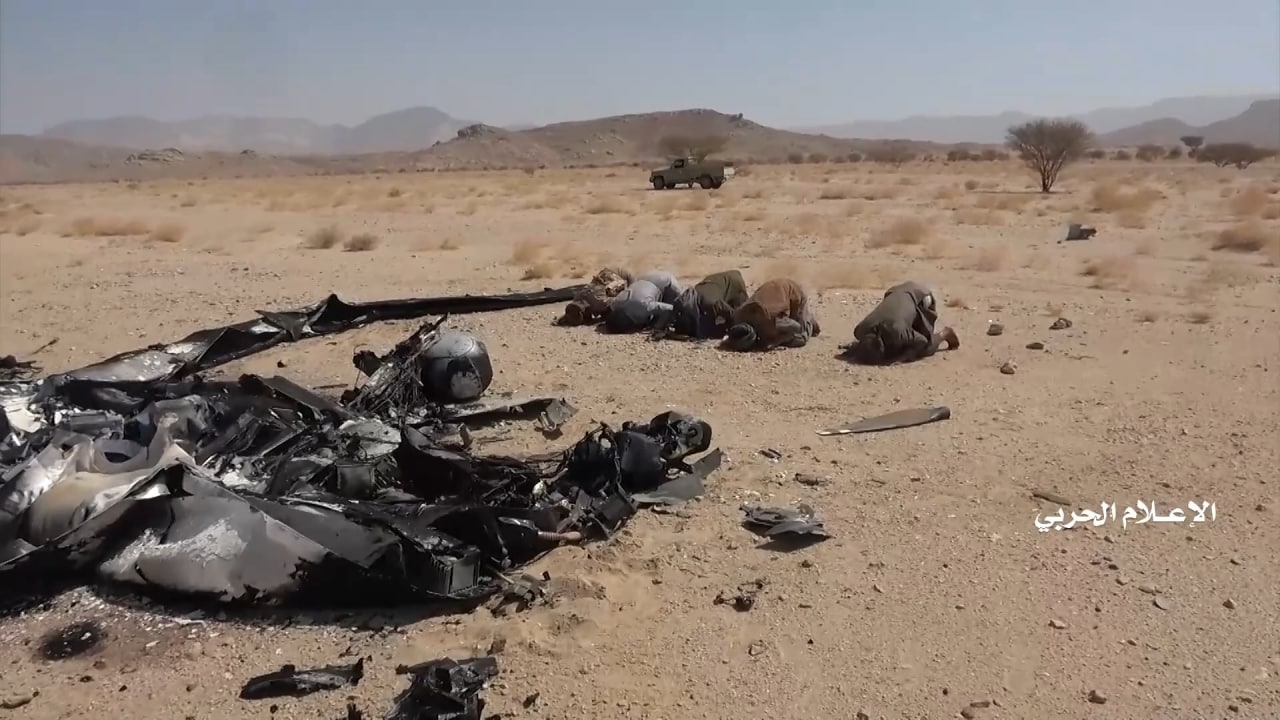
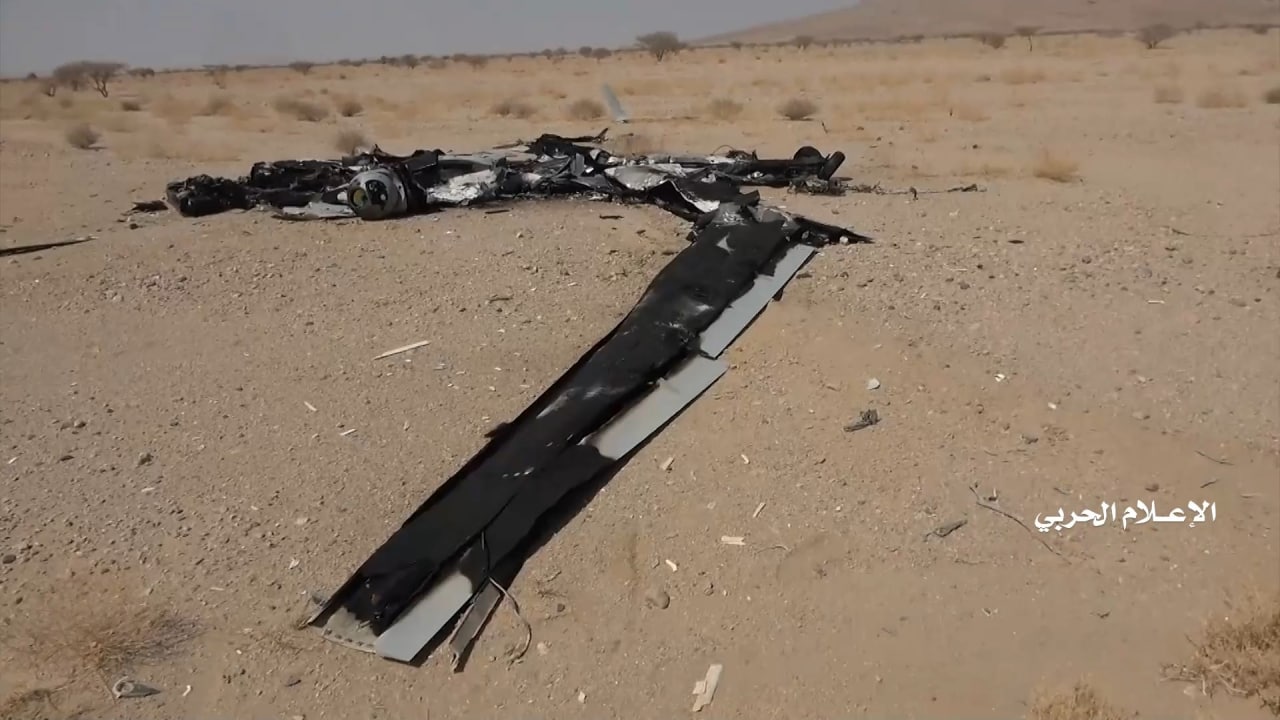
This is the fourth such drone to be shot down by Ansar Allah air defense during the Yemeni war.
Ansar Allah has already shot down three MQ-1 drones on January 19, 2016 in Sanaa, on February 14, 2017 in the al-Manin area of Marib province, and on May 15, 2019, in the Bani Matar disttrict of Sanaa province.
The wreckage of the Saudi coalition MQ-1 droneThe wreckage of the Saudi coalition MQ-1 drone that was shot down by Ansar Allah air defense in al-Jawf province.
According to the Saudi coalition, this morning, an Ansar Allah suicide drone (possibly Qasef 2K) crashed for unknown reasons in the al-Ma’bouj area east of Jizan Airport. The attack did not cause any casualties, according to local media.
The second attack took place this evening, injuring 16 people, including two pilots.
Following the recent drone attacks on southern Saudi Arabia, the Saudi coalition has threatened to retaliate, calling for Ansar Allah to be added to the US list of terrorist groups. Therefore, Saudi coalition warplanes are expected to bomb Sanaa and other Ansar Allah positions in Yemen in the coming hours.
1- Marib: – Clashes between Ansar Allah and Saudi-led forces continue in the al-Balaq al-Sharqi and the southern entrance to the city of Marib. – Al Jalal tribe clashes with the Mansour Hadi forces in the Marib city.
2- Hajjah: Clashes between Ansar Allah and Saudi-led forces continued on the fronts of Midi, Abs and Haradh.
3- Saada: – Ansar Allah repulsed the Saudi-led forces attacks south of the Alab crossing. – 11 civilians, including 9 women, were wounded as a result of Saudi artillery attacks on Shada and Baqim districts.
4- Saudi coalition airstrikes: Saudi coalition warplanes have bombed Ansar Allah areas 42 times in the past 48 hours.
5- Al-Hudaydah: The Saudi-led forces violated ceasefire 332 times in the province in the past 48 hours.
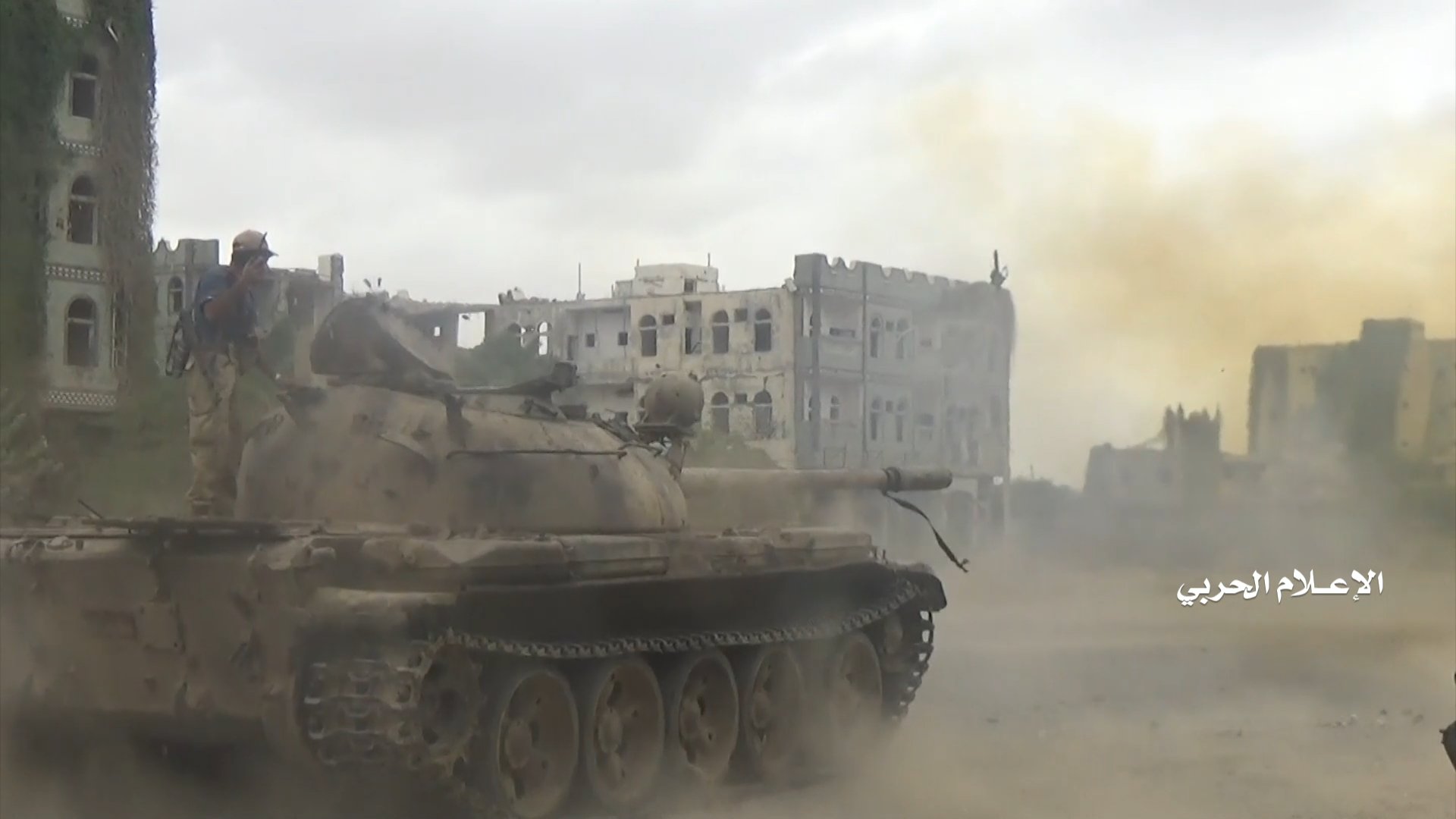
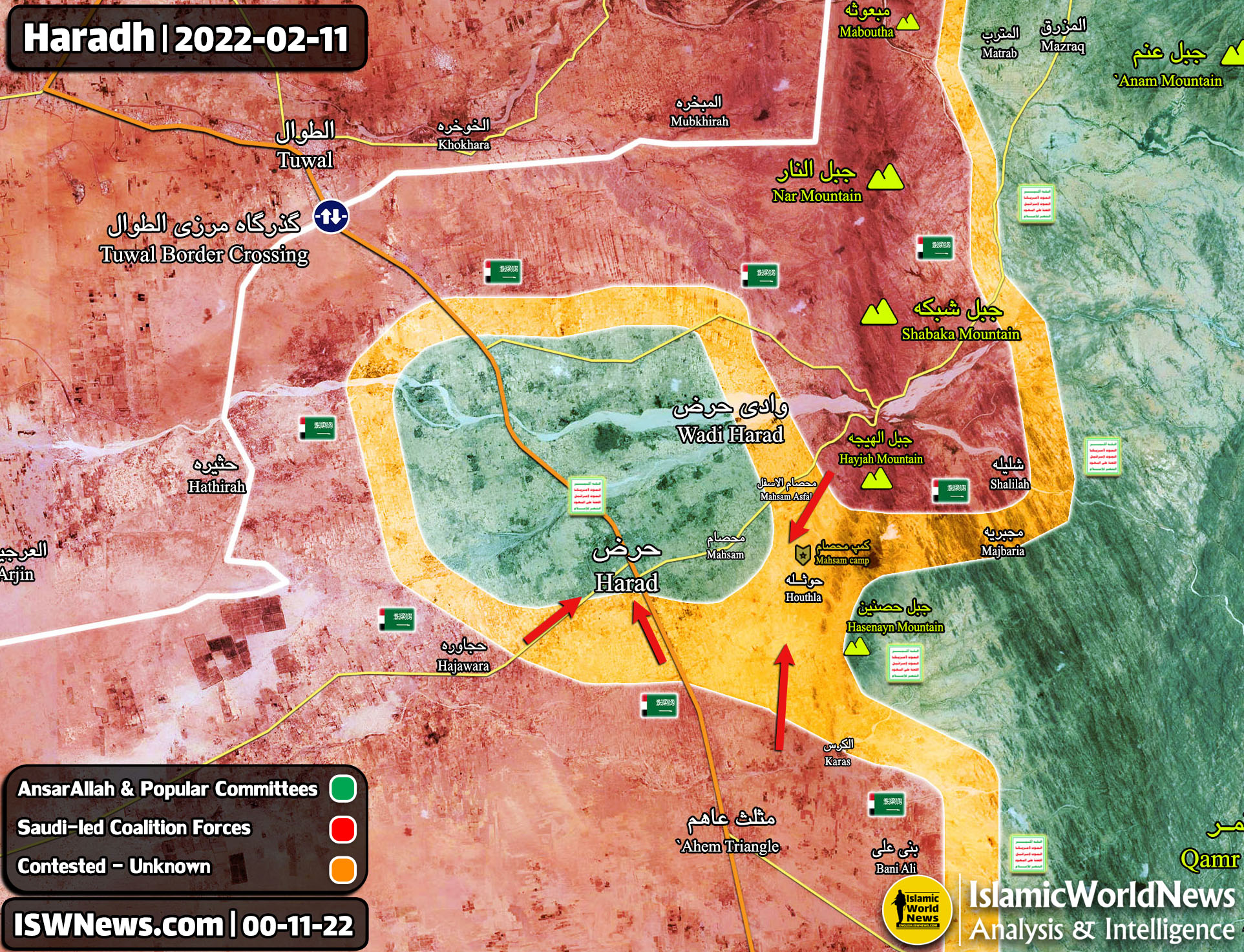
Image: clashes of the past few days in the city of Haradh.
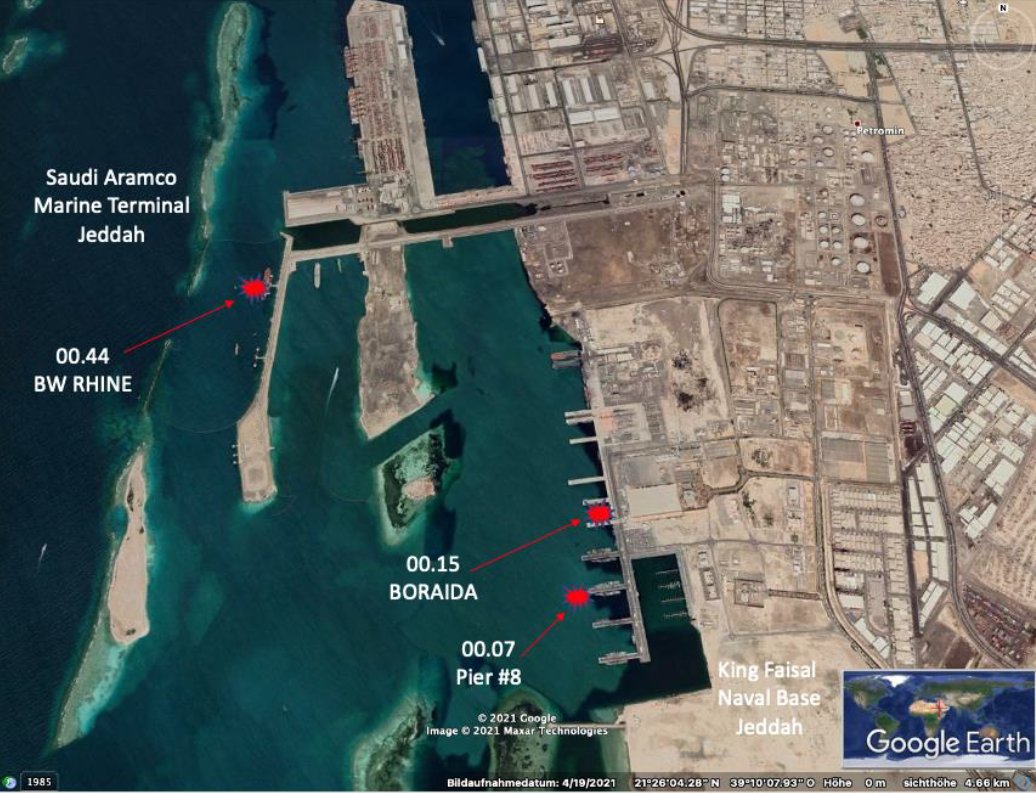
Another ship was also subjected to WBIED attack on Jeddah port on December 14, 2020, according to the United Nations.
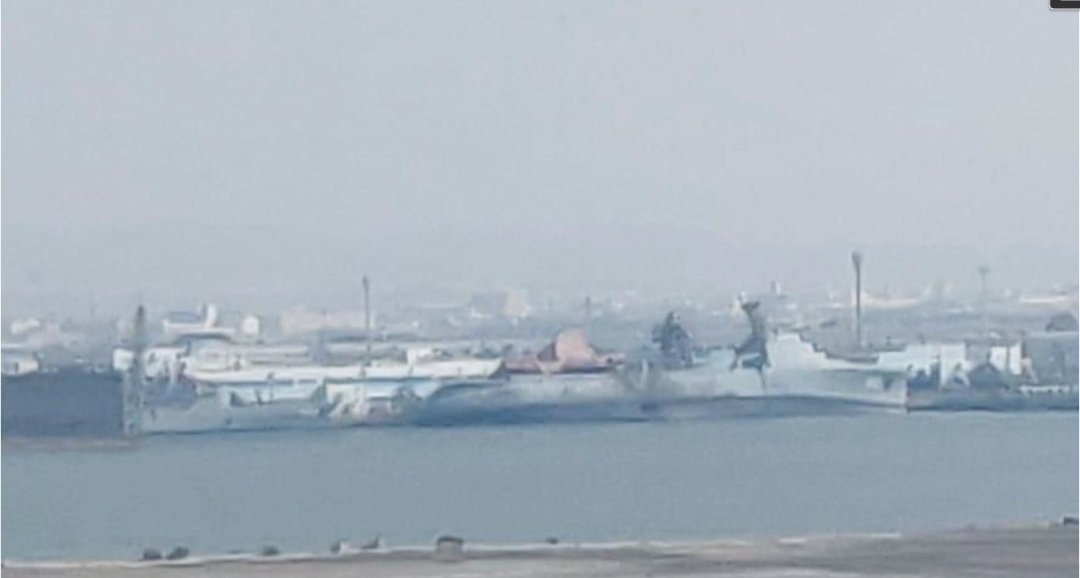
The tanker is named “BORAIDA” and belongs to the Saudi Navy. As a result of this explosion, the hull on the right side of the “BORAIDA” tanker was seriously damaged, and a year after the attack, it is still anchored at Pier #8 of the King Faisal Naval Base.
It should be mentioned that the BW Rhine tanker belonging to Hafnia Singapore Company was unloading diesel fuel loaded from Yanbu refinery in Jeddah port in the morning of December 14, 2020, when it was attacked by Ansar Allah suicide boat. The blast did not cause oil spills or pollution to the sea, but the ship’s hull was severely damaged by the fire.
Following the escalation of clashes in the southern axis of the city of Marib, the Ansar Allah Missile Force last night fired several missiles at positions of Saudi coalition in the city of Marib, including the Third Military Zone.
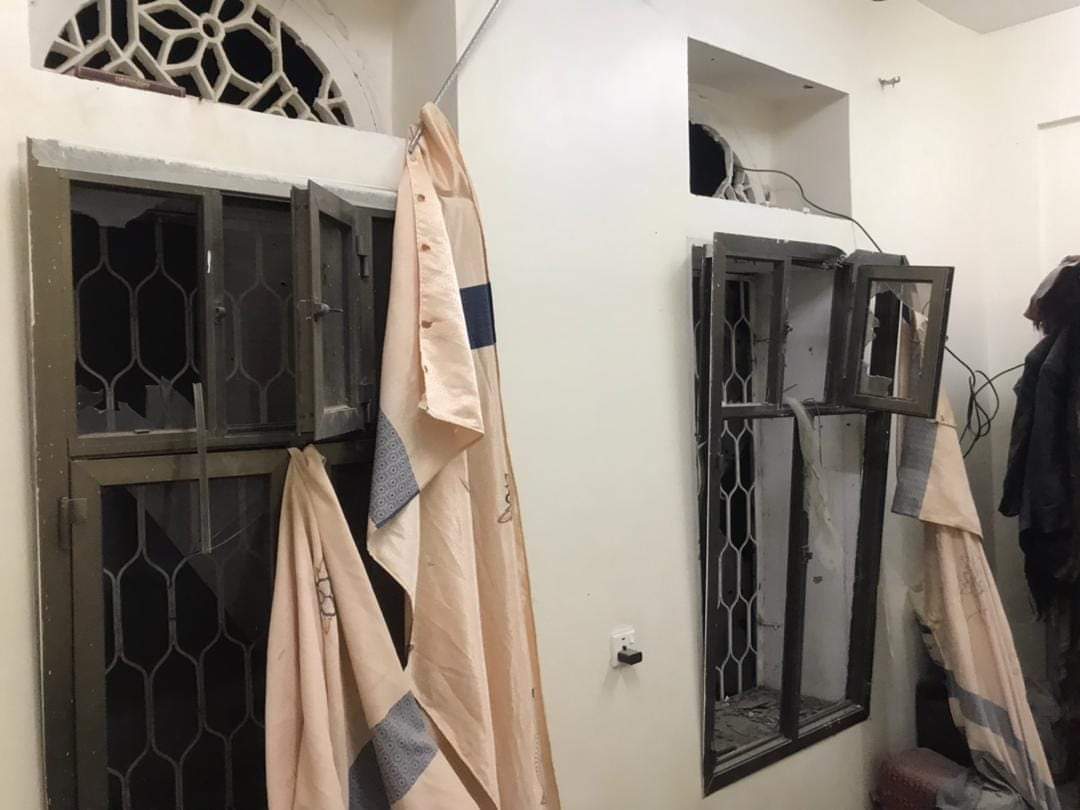
According to local sources in Marib, Ansar Allah used seven missiles to attack different areas in Marib in two stages. These media outlets have claimed that a number of missiles hit residential houses but it seems the damages caused by missiles shock waves.
The Saudi coalition operation in the north of Hajjah province began on February 4, with the focus on Mansour Hadi and Sudanese forces and the support of the Saudi army, with the aim of taking control of the town of Haradh. In the first step of the operation, the Saudi coalition managed to completely encircle the town of Haradh, but the resistance and the adoption of appropriate tactics by Ansar Allah prevented the Saudi coalition from infiltrating the town and ultimately broke the siege of Haradh. With the completion of the liberation of the heights and villages east of Haradh by Ansar Allah, it can be said that the Saudi coalition operation to capture Haradh has completely failed.
According to ISWNEWS analysis, Ansar Allah destroyed a CH-4 drone during the operation and carried out four missile and drone attacks on Saudi coalition positions and gatherings, the details of which are as follows:
1- Attack with three missiles on positions and gatherings of the Saudi coalition at the Tawwal crossing and the Ahem triangle. By these attacks, more than 20 members of the Saudi coalition, including Maj. Gen. Majid al-Riyadi, the financial director of the Fifth Military Zone, and Brig. Gen. Yahya Heikal al-Samini, one of the commanders of Mansour Hadi forces were killed. Date: February 5. 2- Ansar Allah drone attack on the gatherings of the Saudi coalition forces in the south and west of Haradh town. Date: February 7. 3- Attack with two missiles on positions of the Saudi coalition in the towns of Midi and Hayran located in the north of Hajjah province. Date: February 7. 4- Ansar Allah drone attack on Abha Airport. The Saudi coalition claims 12 people were injured in the attack. Date: February 10.
Video: Report by Yahya Al-Shami, a reporter for Al Masirah Network from Haradh town
The Saudi coalition has used at least 6,000 ground troops in the operation, including the 1st Brigade, al-Asifa (Storm) Brigade, Armored Battalions, Special Forces and Cavalry Forces under the command of Mansour Hadi army. Several battalions of the Sudanese and Saudi armies have also provided support to operations and battles in al-Tawwal area, the number of which is unknown. Saudi coalition warplanes also bombed the northern fronts of Hajjah province 115 times during this period, which seems very heavy due to the small size of the area.
In general, the reasons for the failure of the Saudi coalition operation in Haradh can be summarized as follows:
1- Ansar Allah’s appropriate tactics and resistance in the urban war. Ansar Allah easily thwarted coalition ground attacks by building embankments, ditches, and setting up traps, etc. 2- The superiority of the engineering unit and Ansar Allah snipers in ground conflicts. 3- Ansar Allah precise missile and drone attacks on the gatherings and positions of the Saudi coalition in the suburbs of Haradh. 4- The general weakness of the Saudi coalition in carrying out military operations against Ansar Allah.
It should be noted that this operation was the second serious attempt by the Saudi coalition to capture the town of Haradh. Prior to the operation, the Saudi coalition had completely besieged Haradh town in December 2018, but the siege was broke by Ansar Allah’s attacks from the eastern flank and the coalition was forced to retreat.
Haradh district has a population of more than 100,000 and is located in the north of Hajjah province and the south of Saudi Arabia’s Jizan province. The center of this district, the town of Haardh has been under a quasi-siege since April 2018 and is currently uninhabited by civilians. After the battles of the city of Aden, the battle of Haradh can be considered the second urban warfare in Yemen; with the difference that Ansar Allah succeeded in defeating the coalition in the battle of Haradh.
Ansar Allah started its attack on February 11 to break the siege of Haradh town and continued until yesterday evening. Eventually, the Saudi coalition was forced to retreat from the eastern part of the town, and the siege of Ansar allah forces in the town was broken.
Currently, the al-Mahasam camp, al-Mahasam mountain, the villages of al-Houthalah, al-Awjara and al-Raha are out of the control of the Saudi coalition, and clashes are taking place in Hayjah mountain and the surrounding villages of the Ahem triangle.
Saudi coalition warplanes have also bombed Haradh fronts 101 times since the beginning of the conflict.
Ansar Allah is currently focusing on the al-Mazraq road, and the liberation of Hayjah mountain, Shabaka and al-Nar heights could be Ansar Allah’s next steps in this direction.
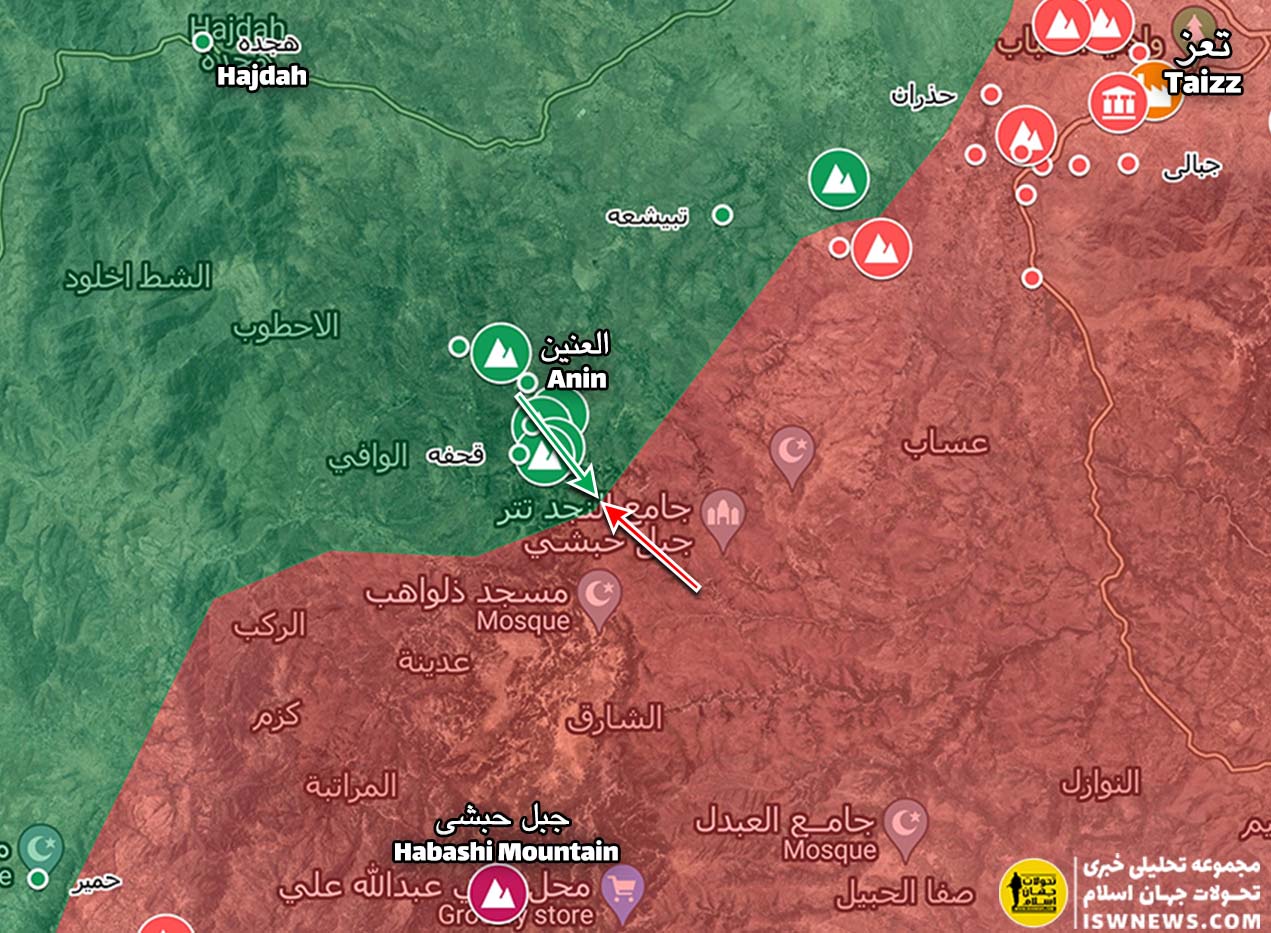
Following Mansoor Hadi forces attacks to north of Jabal Habashi district from February 6th, they captured heights and southern villages of Anin area. Later Ansar Allah forces dispatched from Hajdah to Anin front to reclaim the area. Finally after days of fights, AnsarAllah ground force reclaimed south of Anin area and the front lines are back to before the conflict.
According to local sources, elders of Jabal Habashi district demanded ceasefire and cease of operation in a message to Ansar Allah. And the request is welcomed by Ansar Allah.
The northern fronts of Taiz province have witnessed sporadic clashes after battles of 2017, and most of these attacks have been launched by Mansour Hadi and Tariq Saleh’s forces.
Clashes between Ansar Allah and Saudi-led forces on the Anin front
According to the latest updates on north of Hajjah front, Saudi coalition defeated AnsarAllah attacks yesterday, sieged Haradh again. At the moment Mahsam base and villages Houthala, Awjarah and Raha in control of Saudi coalition and conflict continues in Mahsam al-Asfal and Hasenayn mountain.
The Saudi-led forces intensified attacks on northeast of Haradh from today morning and brought the front line to Wadi Haradh by passing Hasm village. In the southern and western outskirts of Haradh town, the front lines are unchanged and Ansar Allah still resists.
The Saudi coalition warplanes bombed Haradh fronts 75 times since the conflict started. Ansar Allah did not perform any missile or drone operation in the last 24 hours.
Some local sources have reported that Ansar Allah is mobilizing and preparing for the operation to retake the northern areas of Hajjah province. If Ansar Allah does not take serious step to defeat the siege and reclaim north of Hajjah, fall of Haradh is imminent.
Overall situation in Hajjah province – Click to see the full size map
Ansar Allah has started a heavy counterattacks to retake the eastern areas of the town of Haradh since February 8. The counterattacks led to the withdrawal of the Saudi-led forces from the villages around Hasenayn mountain and the al-Mahsam base.
Currently, clashes continue in the Hayjah mountain and the villages of Rawdha, al-Qaim and al-Karas.
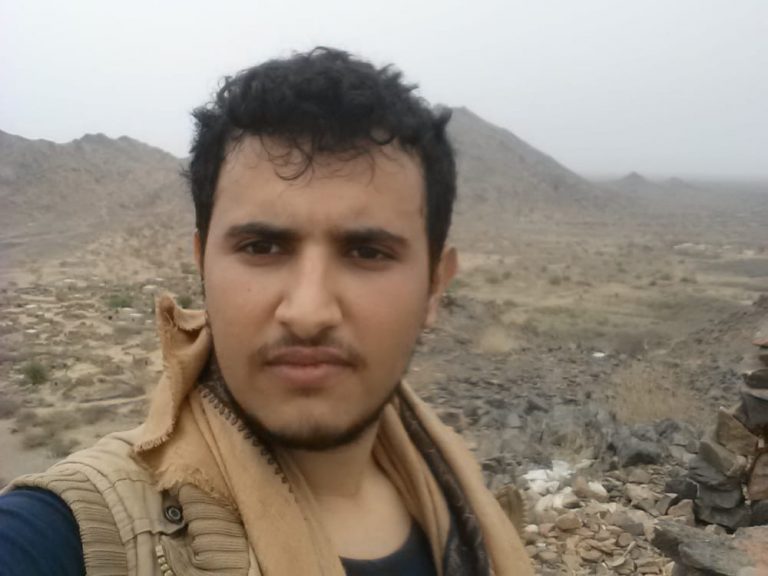
Ansar Allah fighter around Hasenayn mountain located in the eastern direction of Haradh town
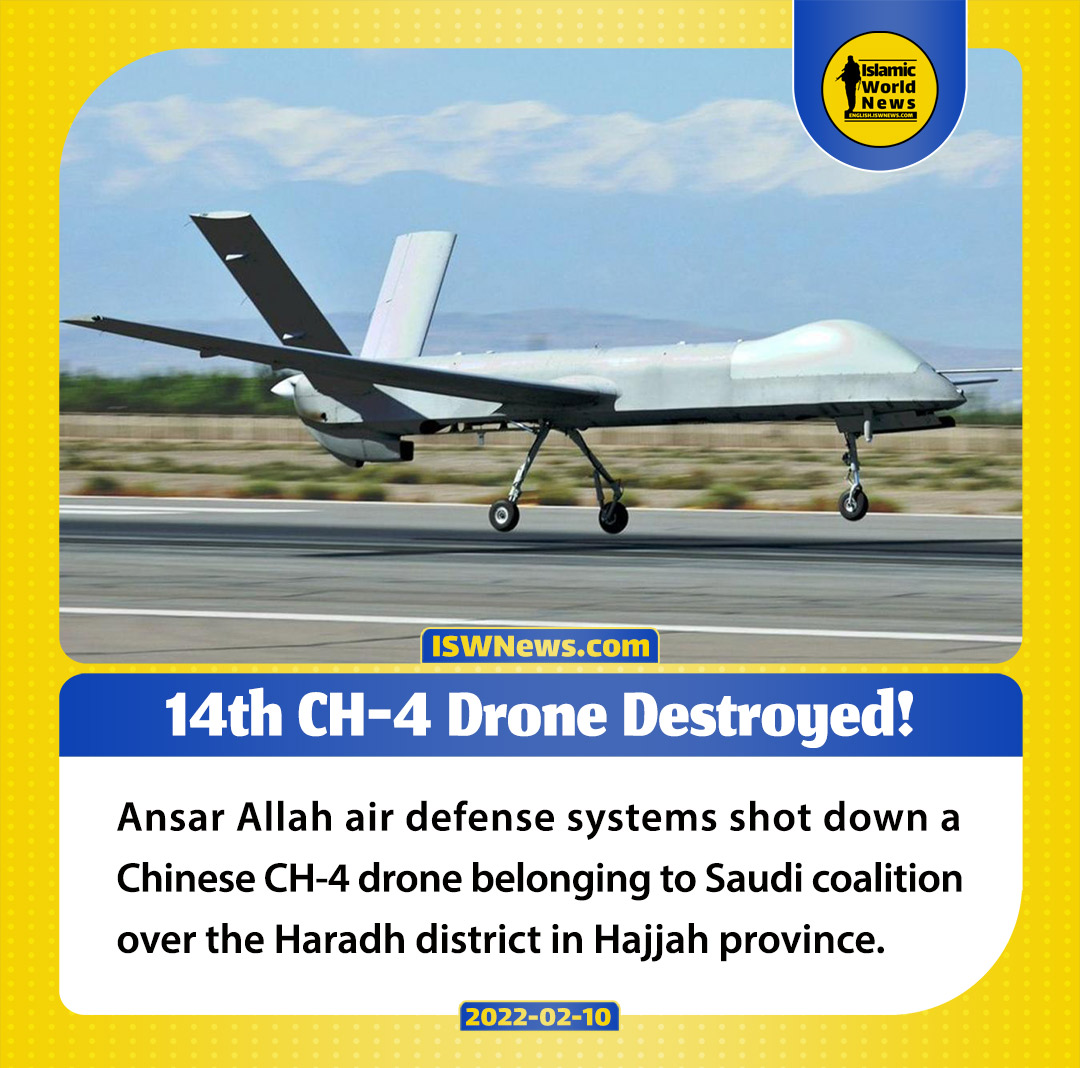
The number of airstrikes by Saudi coalition warplanes has risen to 60 since the beginning of the conflict. Ansar Allah Air Defense also destroyed the 14th CH-4 drone over the Haradh district on February 10.
Ansar Allah must liberate Mazraq road and the Ahem triangle from the control of the Saudi-led forces in order to maintain the control of Haradh. Otherwise, the occasional coalition attacks to Haradh will continue.
The heavy attacks of the Saudi coalition airstrikes in recent days have put a lot of pressure on the northern fronts of Hajjah.
It should be noted that Ansar Allah has destroyed 14 CH-4 drones since the beginning of the Yemen war. This drone is made in China and is similar to the US MQ-9 drone, which can carry 250 kg bombs and fly for up to 40 hours and has a range of up to 5,000 km.
1- Hajjah: – Clashes between Ansar Allah and the Saudi-led forces continued in the southern and western suburbs of Haradh town. – The Saudi-led forces withdraw from al-Mahsam camp east of Haradh town.
2- Saada: – As a result of Ansar Allah ambush against the Saudi-led forces in the al-Ajasher desert, five military vehicles were destroyed and a number of Mansour Hadi forces were killed and wounded. – Ansar Allah thwarted the Saudi-led forces attacks on Marbaa al-Sharfa border area. – One person was killed and four others, including an African immigrant were wounded in the Saudi coalition artillery attacks on Munbah area, in the past 48 hours.
Ansar Allah Engineering Unit ambushes Saudi military vehicles in deserts north of al-Jawf and east of SaadaAnsar Allah thwarted the Saudi-led forces attacks on Marbaa al-Sharfa border area
3- Saudi coalition air strikes: The Saudi coalition forces have bombed AnsarAllah-controlled areas 52 times in the past 48 hours.
4- Al-Hudaydah: The Saudi-led forces violated ceasefire 271 times in the province in the past 48 hours.
5- “Abdulqadir Murtedha”, the head of the prisoners affairs committee of the Yemeni rescue government, announced the release of ten Ansar Allah prisoners in exchange with the mediation of local elders.