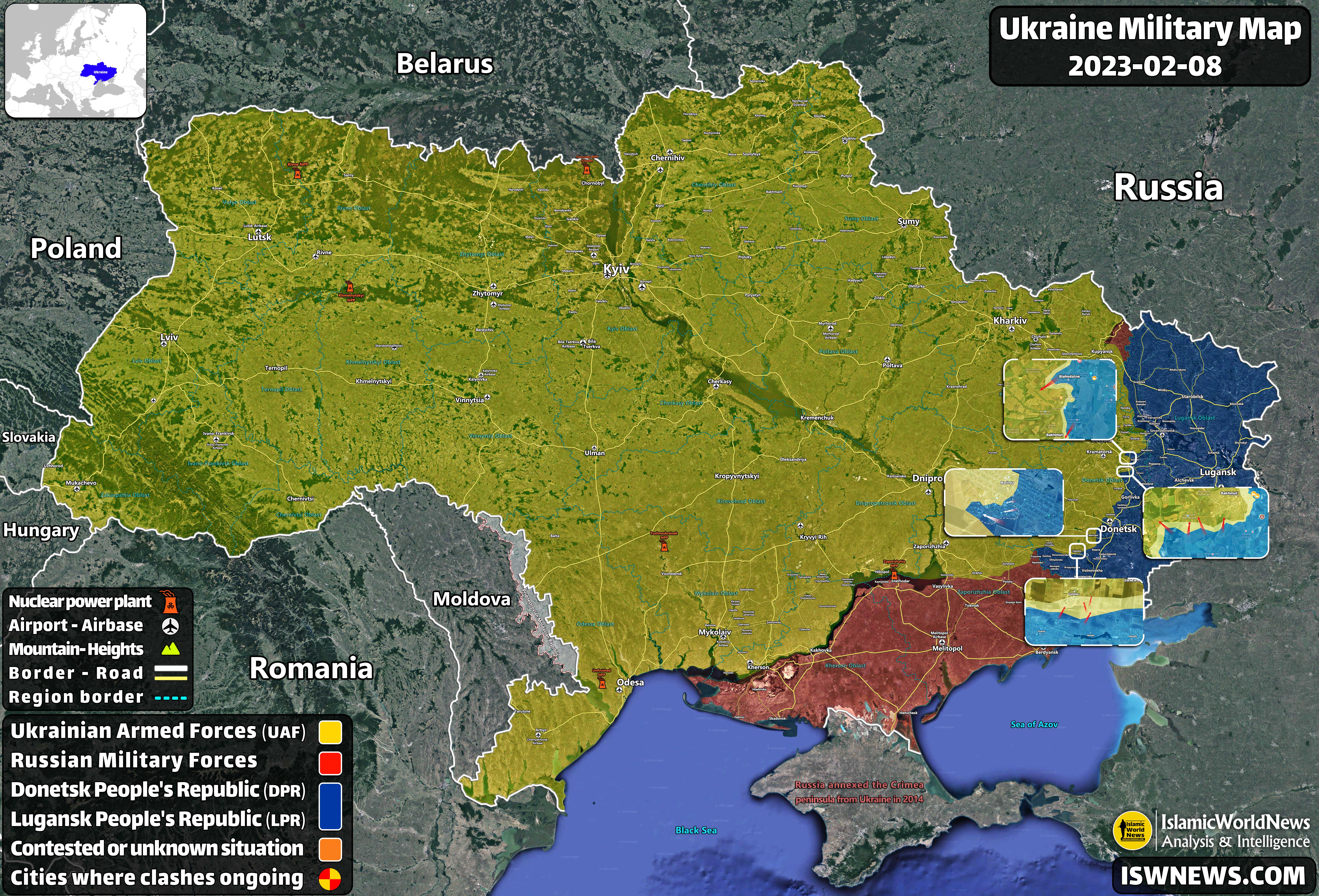
Clashes continue in all axes of Bakhmut between the Russian and Ukrainian armies. In the city of Bakhmut, Russian army forces have entered the Miasokombinat district in the north of this city and have taken control of almost half of this area. Clashes continue inside the village of Krasna Gora on the northeastern outskirts of Bakhmut. Also, Russian forces have advanced to the northwest of Blahodatne and are trying to physically block the northern road of Bakhmut city. In the southern and southwestern suburbs of Bakhmut, clashes continue at the southern entrance of the city and near the city’s cemetery. Also, the conflicts have reached the southern outskirts of Ivanivske, and Russian army forces are trying to physically cut off the western road of Bakhmut city by advancing on this axis.
In the northern axis of Luhansk, Russian army forces have succeeded in capturing a number of heights in north of Dibrova. There are also news about the advance of Russian forces in Synkivka area and the capture of this village near Kupyansk, which cannot be confirmed. Scattered clashes continue along all frontlines of Luhansk oblast.
On the southern axis of Donetsk, clashes continue in Marinka between Russian and Ukrainian forces. In the latest Russian advances in this axis, a number of buildings in the south of this village have been captured by Russia. Mariinka has practically become a ruin due to the intensity of the conflicts. No special progress has been made in Ugledar, and ground attacks by Russian forces on this village have been repelled, and most of the attacks are in the form of artillery attacks.
In the Zaporizhzhia and Kherson axes, in the south of Ukraine, no specific changes have been made in frontlines, and the clashes continue in the form of exchange of artillery fire between the parties.
After the announcement of the mobilization by the Abyan Tribal Affairs Coordinating Committee and the gathering of the armed men of these tribes against the Southern Transitional Council in the Mudiyah district on January 28, the Abyan tribes demanded the withdrawal of the armed members of the Southern Transitional Council from this province. But STC rejected this request and increased its military activities to strengthen military positions in Abyan province. Therefore, finally, the attacks of the Abyan tribesmen on the positions of the southerners in the Wadi Omran region officially started on the evening of Monday, 6th of February.
It should be noted that the Abyan armed tribesmen are equipped with military vehicles and light rocket launchers with the support of Saudi Arabia. Also, Sheikh Hassan Al-Sheikh, one of the elders of the Mudiyah tribes, has been assigned to form a new brigade of Al-Dara al-Watan forces in this region.
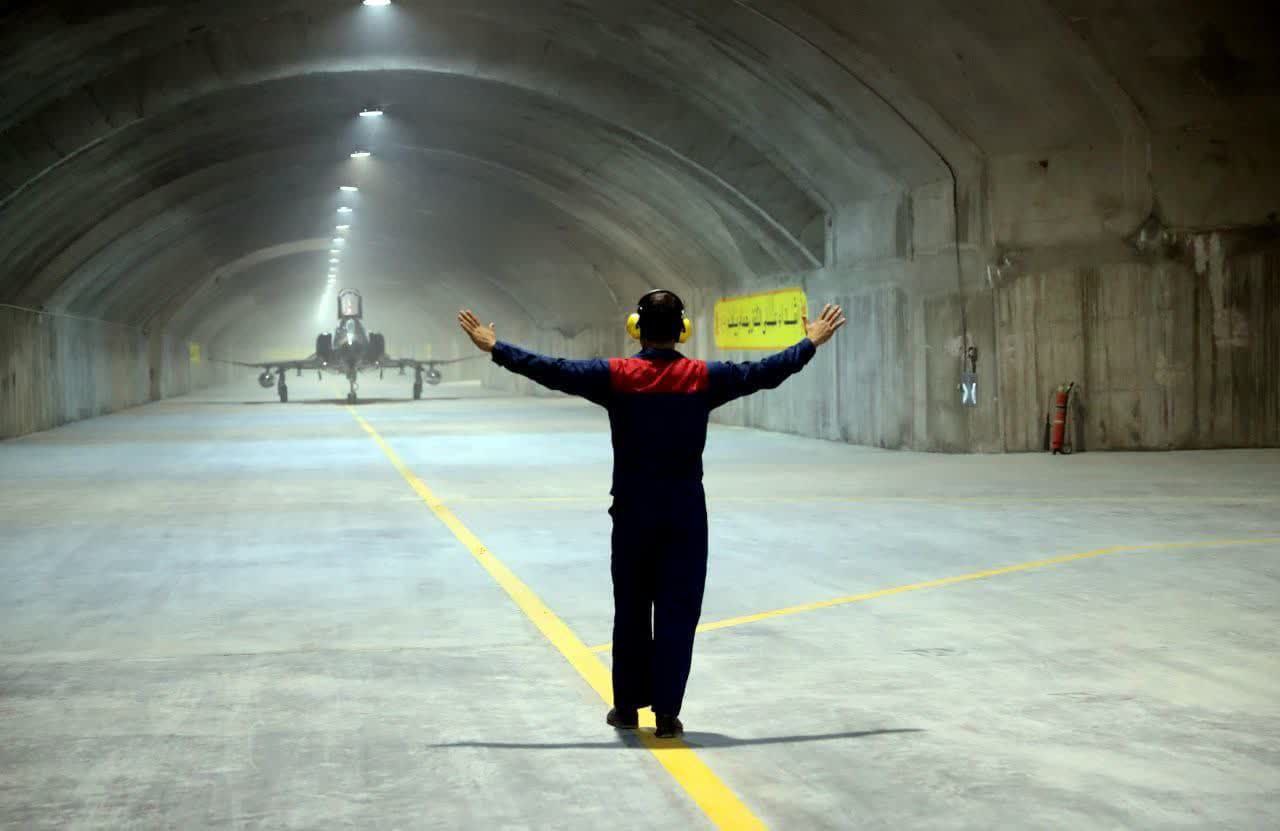
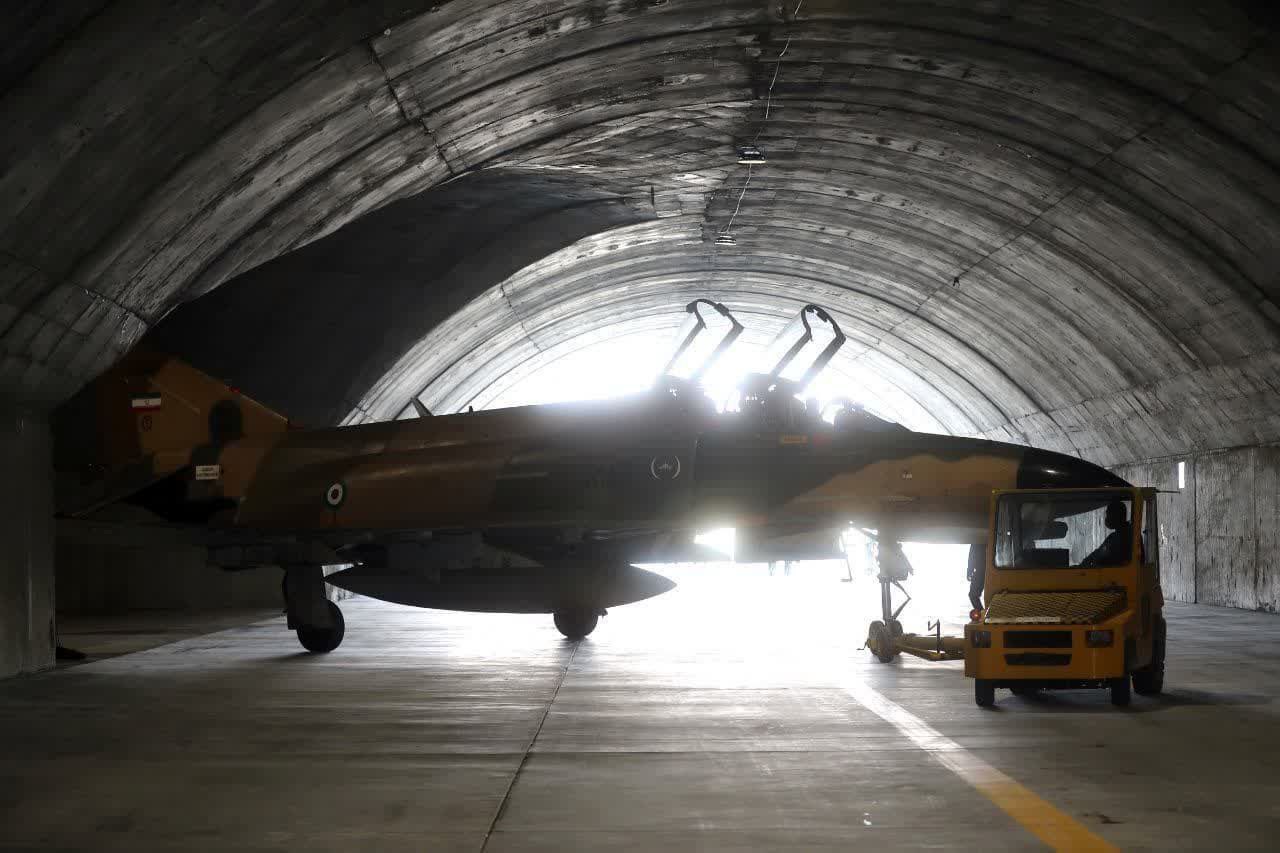
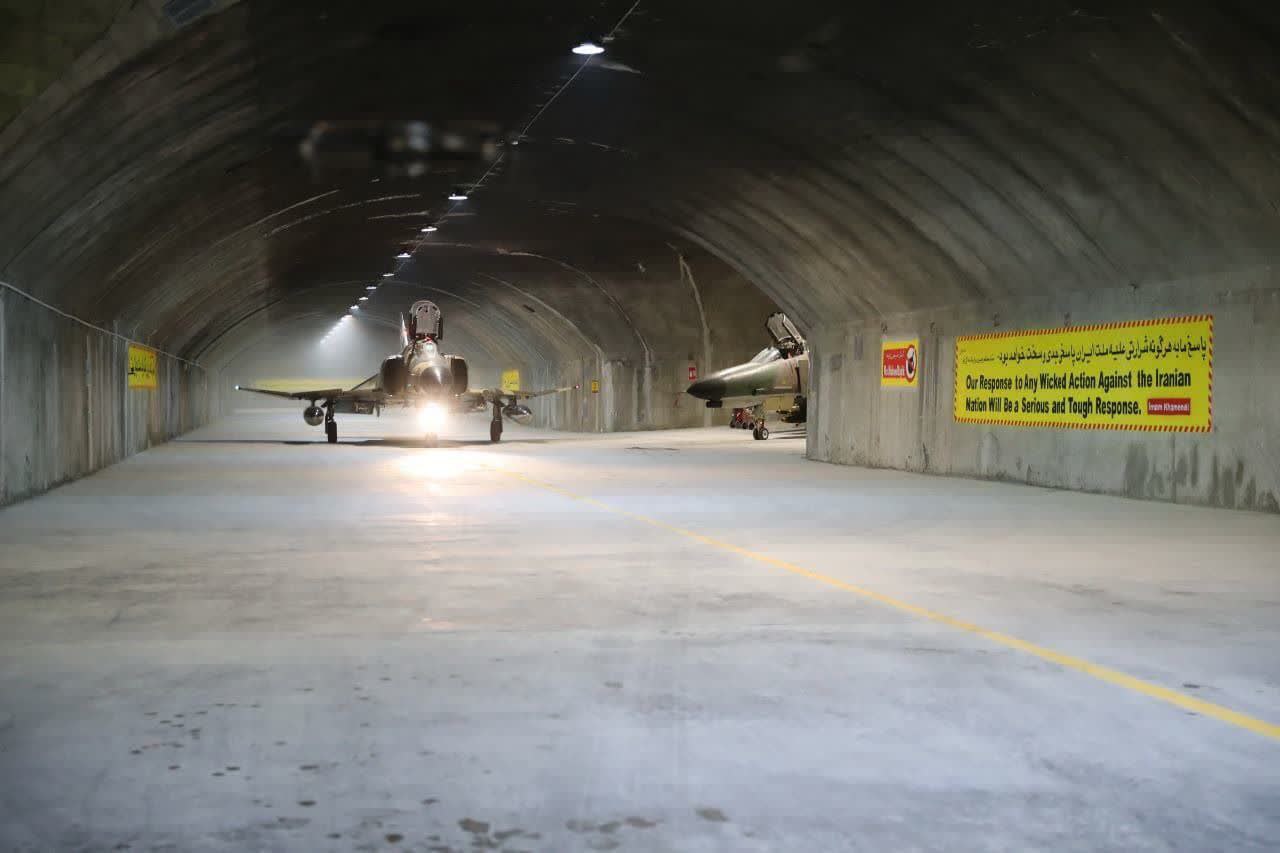
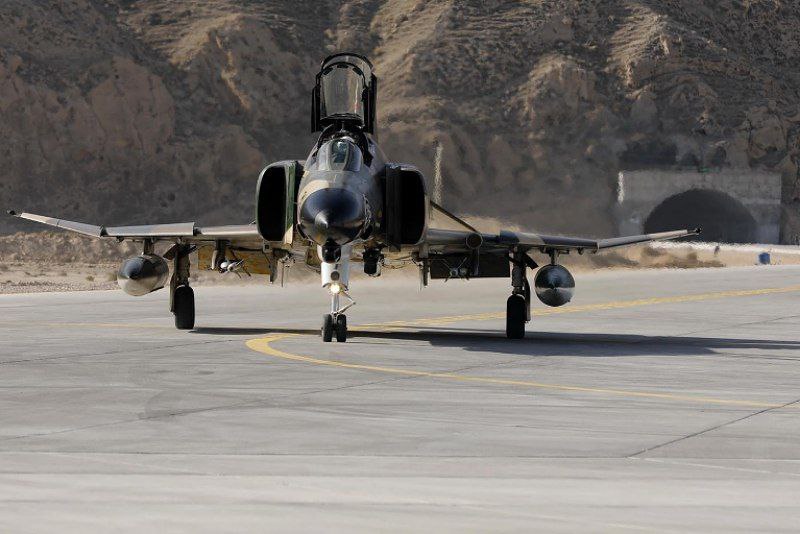
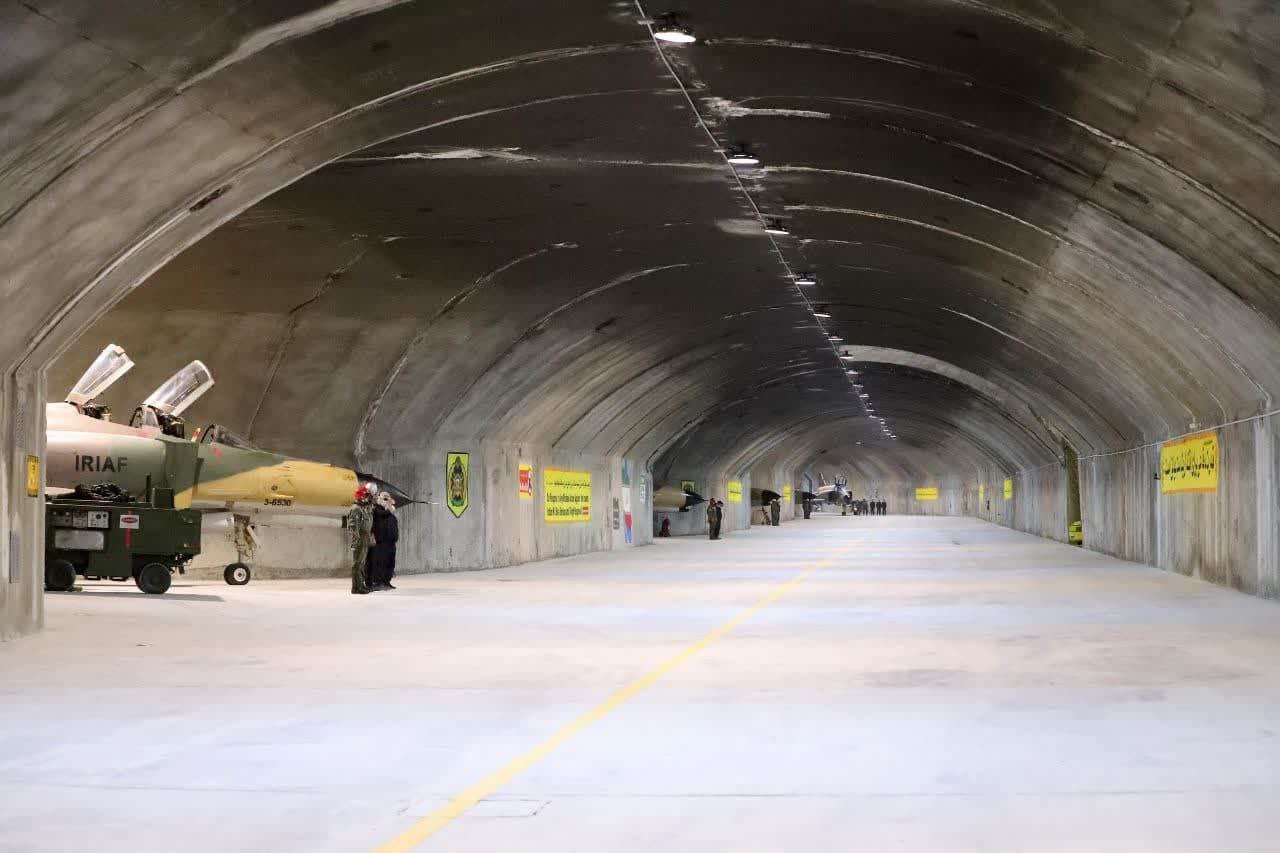
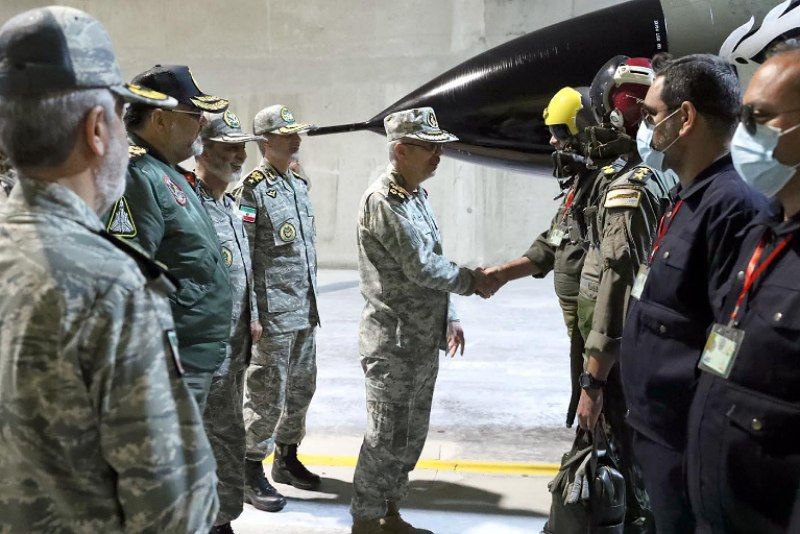
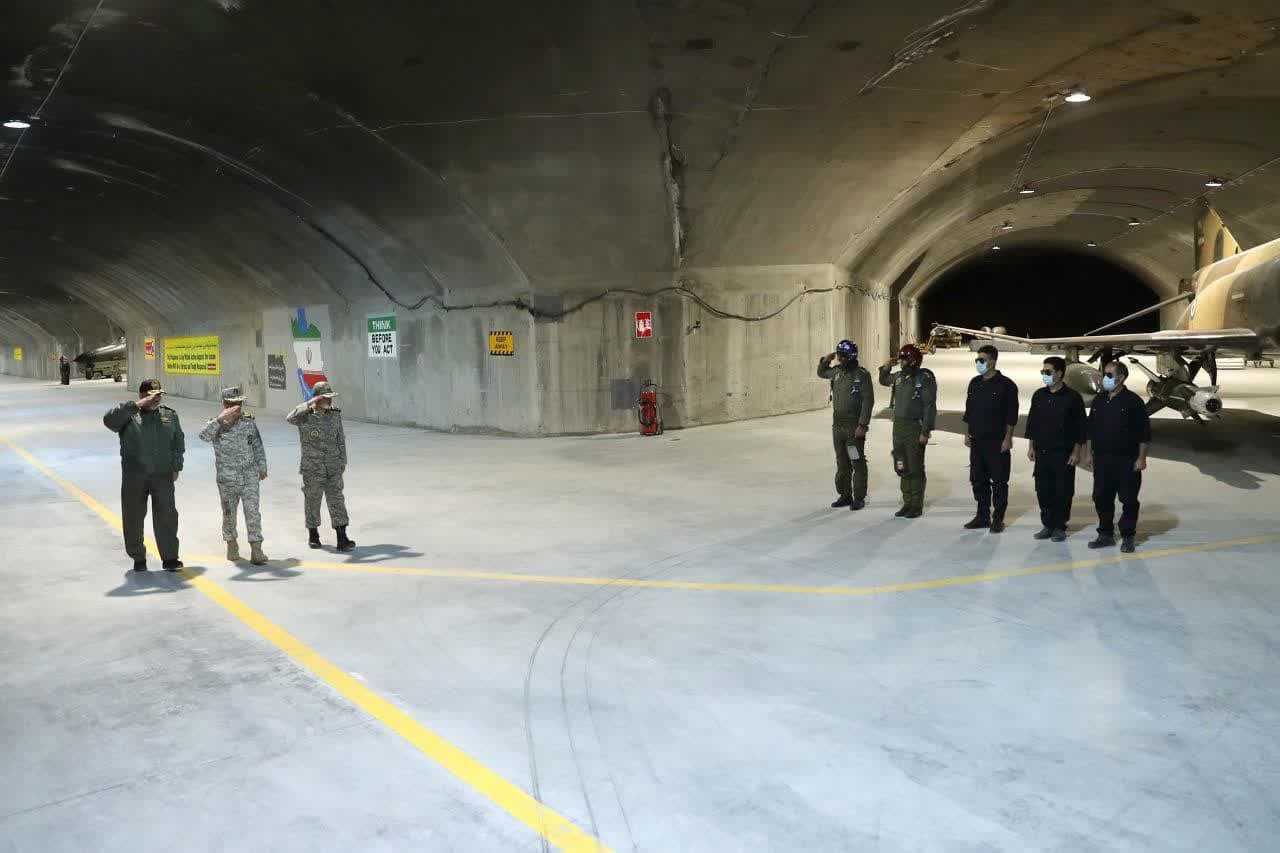
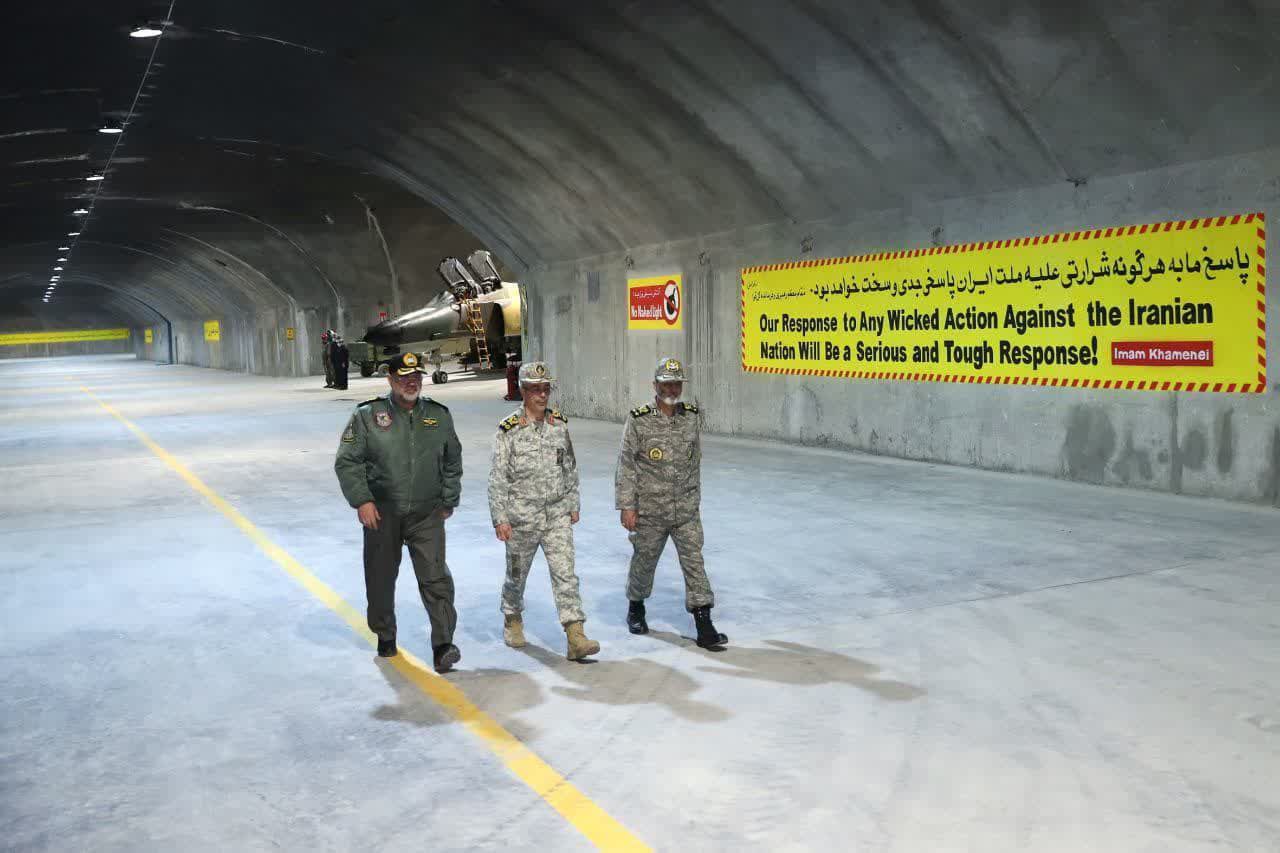
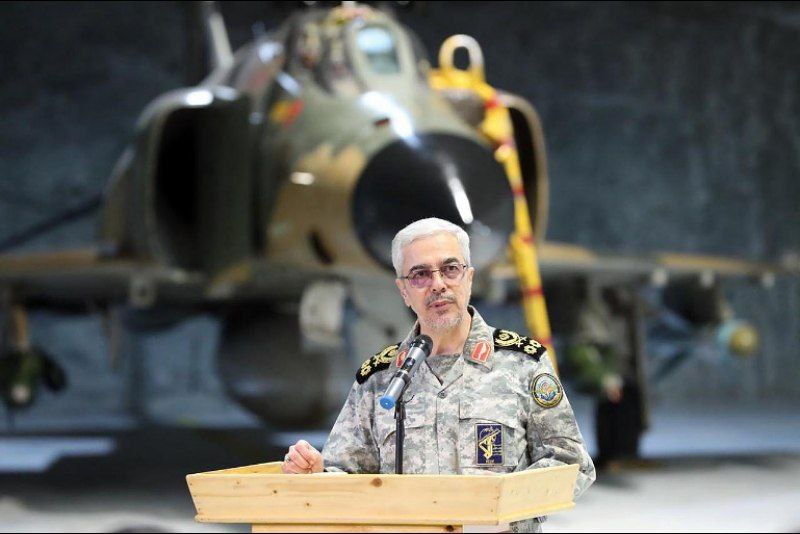
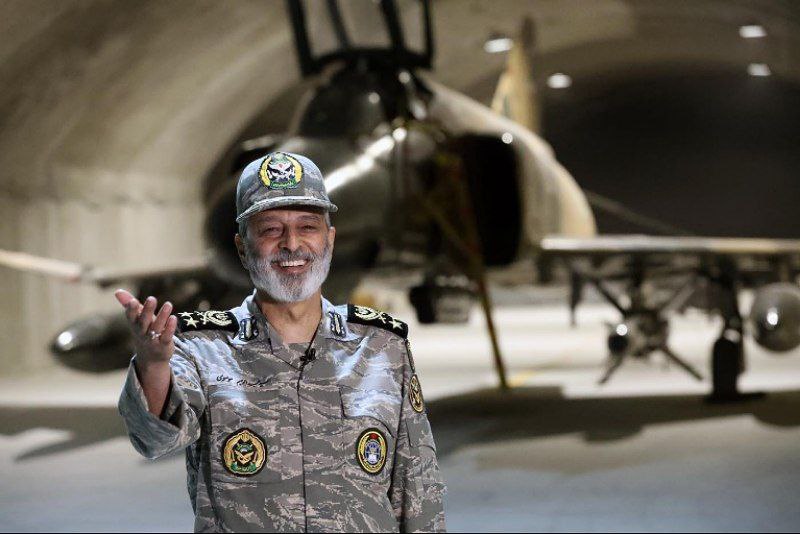
The vast underground airbase possesses facilities such as alert area, command post, fighter jet maintenance hangars, aircraft repairment and maintenance centers, navigation and airport equipment, fuel tanks, and so on. Moreover, the airbase has the capability to receive and make operational all types of fighter jets, bombers as well as all sorts of drones belonging to the Islamic Republic of Iran Air Force. In accordance to a report by the Army’s public relations department, the underground airbase will also be capable of receiving the state-of-the-art Sukhoi 35 fighters.
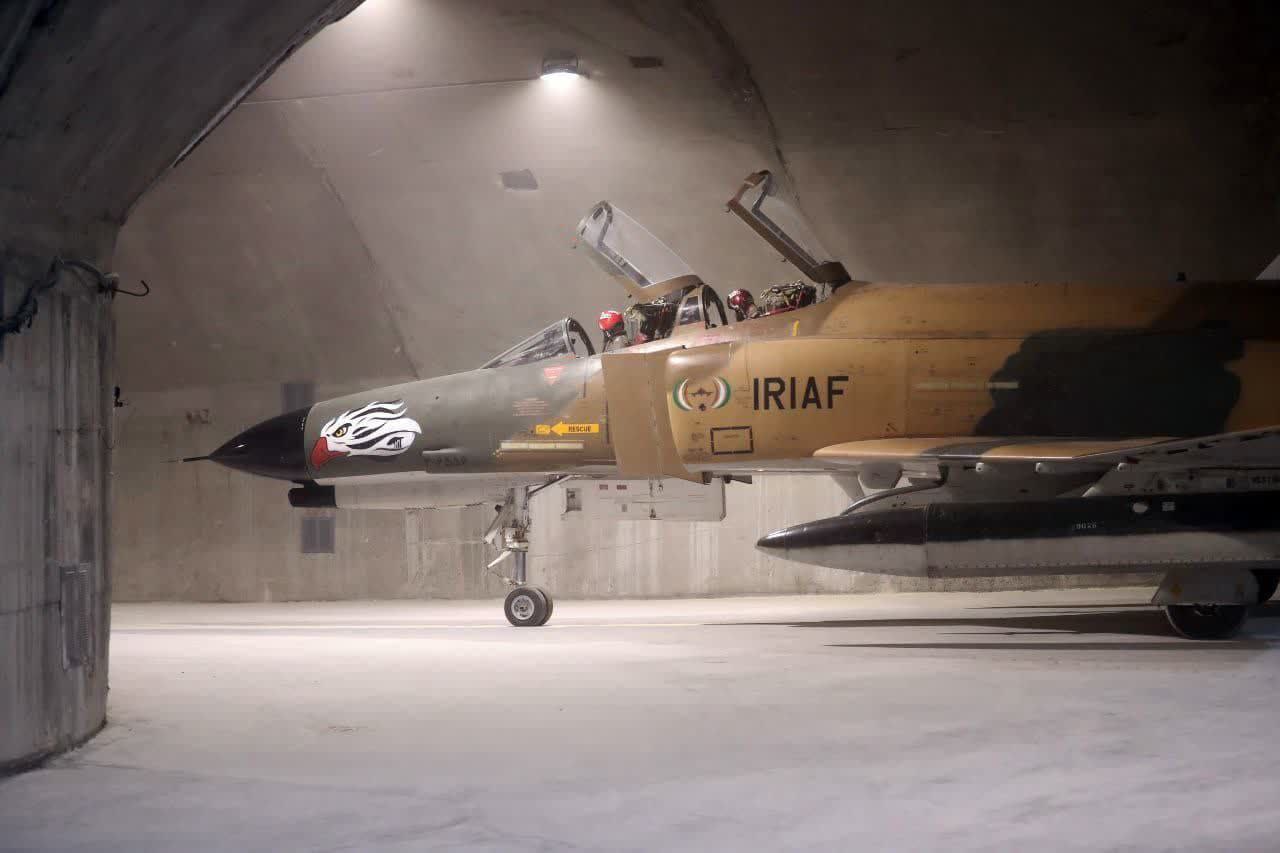
The fighter jets, which are stationed at the airbase, are equipped with electronic combat systems, bombs and long-range missiles named Yasin, Ghaem and Asef, enabling long-range operations and intensifying the range of striking far targets.
The Eagle 44 Airbase is one of numerous underground tactical airbases of the Islamic Republic of Iran Air Force, which have been constructed in various areas of the Islamic country over the last years on the basis of the passive defense principles.
As a result of the construction of such airbases under the mountains, the military equipment stationed in the underground airbases are very unlikely to be vulnerable in any surprise strikes by the foes, and it would be unpredictable and hard for the enemies to distinguish the place and timing of arrangements for any surprise aerial operation by the Iranian forces.
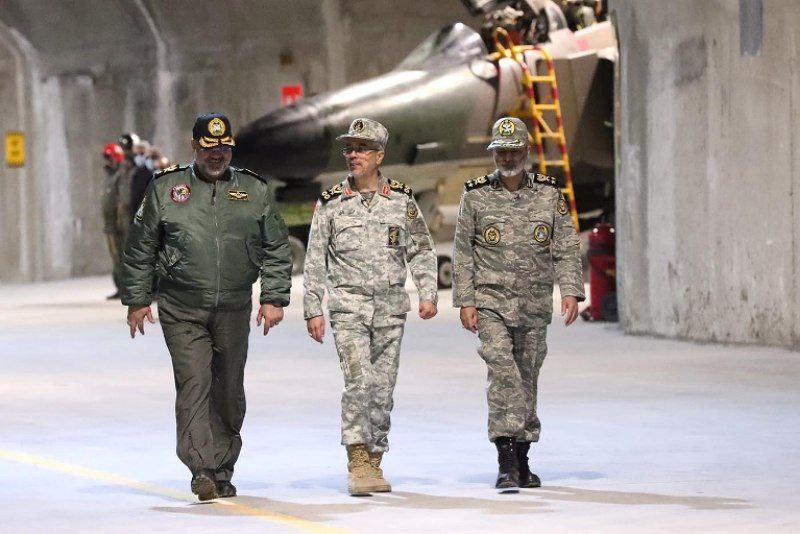
Eagle 44 underground air base
Deputy Commander-in-Chief of the Iranian Army Brigadier General Mohammad Hossein Dadras, Advisor to the Commander-in-Chief of the Iranian Armed Forces Brigadier General Amir Hatami and Commander-in-Chief of the Iranian Air Force Brigadier General Hamid Vahedi took part in the inaugural ceremony as well.
Constructing military underground cities, including the missile cities of the Islamic Revolution Guards Corps (IRGC), as well as the Airbase 313 and the Eagle 44 Airbase of the Islamic Republic of Iran Air Force, is one of the major plans to develop the military might and protect the military equipment of the country’s armed forces over the past decades.
The construction of these airbases is of great significance in numerous ways, which are being mentioned briefly:
1- Abiding by the passive defense principles
2- The necessity of protecting military equipment in particular fighters and bombers
3- Thwarting and lowering the harms inflicted by potential strikes by the foes on the Iranian airbases, because defense systems and equipment will not be capable of completely repelling the enemies’ air strikes even though the defense systems are very advanced; so, that was proven in recent conflicts particularly in the Ukraine war.
4- Lowering the expenses of procuring equipment and training forces to install defense systems in airbases as well as relocating the existing defense equipment in other sensitive positions.
5- Concealing the data of air force equipment and facilitates, including the number and type of fighter jets, UAVs, defense systems and so on from being detected by the foes’ satellites.
Publicizing the construction of the Islamic Republic of Iran Air Force’s underground airbase at this point of time, when particular developments are happening in the region, is certainly conveying a message to the United States, Israel and their allies in the Azerbaijan Republic and the certain littoral Arab states of the Persian Gulf.
The ultra-regional enemies and the regional rivals of the Islamic Republic of Iran are attempting to attain the most advanced aerial and missile weaponries at expensive costs, so that in case of any potential confrontation with Iran, they can strike the military facilities belonging to the IRGC and the Army. Thus, the best method to defuse the hostile tactic of the foes as well as shield precious arms in particular the Army’s fighter jets from Tomcat and Phantom to Sukhoi 35 and MiG 29, is to construct and develop as numerous underground airbases as possible in different areas of Iran.
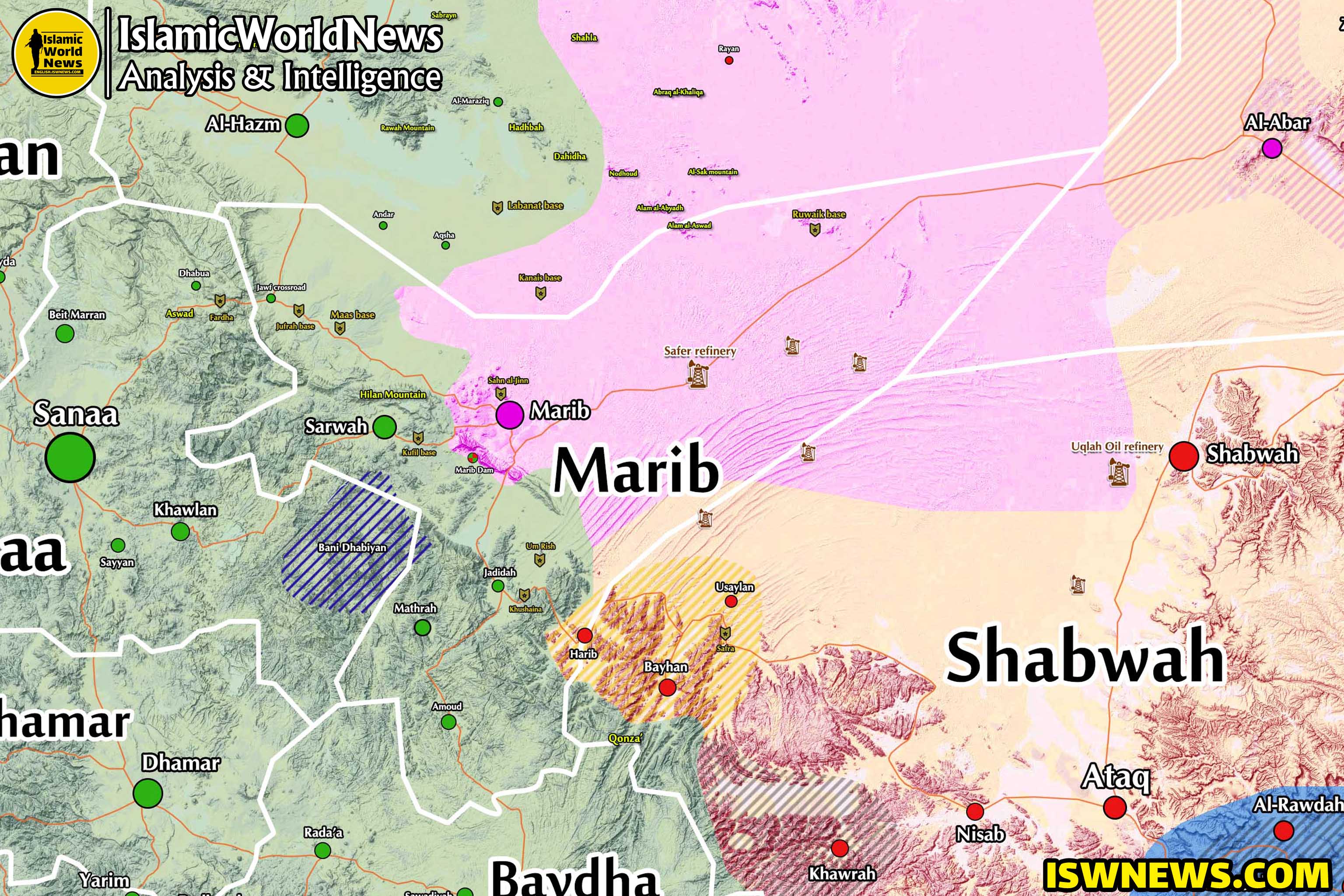
Following the fresh victories of Al-Dara’ al-Watan militants in light of supports made by Saudi Arabia and Tareq Mohammed Abdullah Saleh, a Yemeni military commander and the nephew of the late President Ali Abdullah Saleh, there are rumors about dispatching Al-Dara al-Watan’s militants to Marib with the aim of assisting Lieutenant General Sagheer bin Aziz, a Yemeni politician, member of parliament and military officer who is the current chief of the Yemeni Armed Forces Staff.
Such informal news stories have led to the formation of a checkpoint of Al-Islah Party militants at the eastern entrance of Marib as well as the supervision of traffic in the military front. It is also asserted that Al-Islah Party militants embarked on blocking the eastern roads of Marib city since Saturday February 4.
As a result of the exacerbation of the advances by Al-Islah Party militants in the eastern districts of Marib city, the militants of the Al Ma’ili tribe, who were displeased with the movements of Al-Islah Party in the past time, erected a checkpoint in Al-Ardamia district and engaged in confrontations with Al-Islah Party militants. The fighting between Al-Islah Party and Al Maiili tribe left a number of militants from both sides killed and injured.
The Saudi-led coalition’s failures in confronting the Ansar Allah fighters ended up in the surge of chaos in the occupied territories of Yemen, paved the way for different factions under the command of the Saudi-led coalition in particular the Southern Transitional Council and the Al-Islah Party to find an opportunity to seek more power. And nowadays, Saudi Arabia and the UAE are attempting to create a new pawn via training fresh mercenary forces such as Al-Dara’ Al-Watan and Al-Amaliqa militants in order to control older militant groups such as the Al-Islah Party and the Southern Transitional Council, and it is worth mentioning that the strategy has been effective so far.
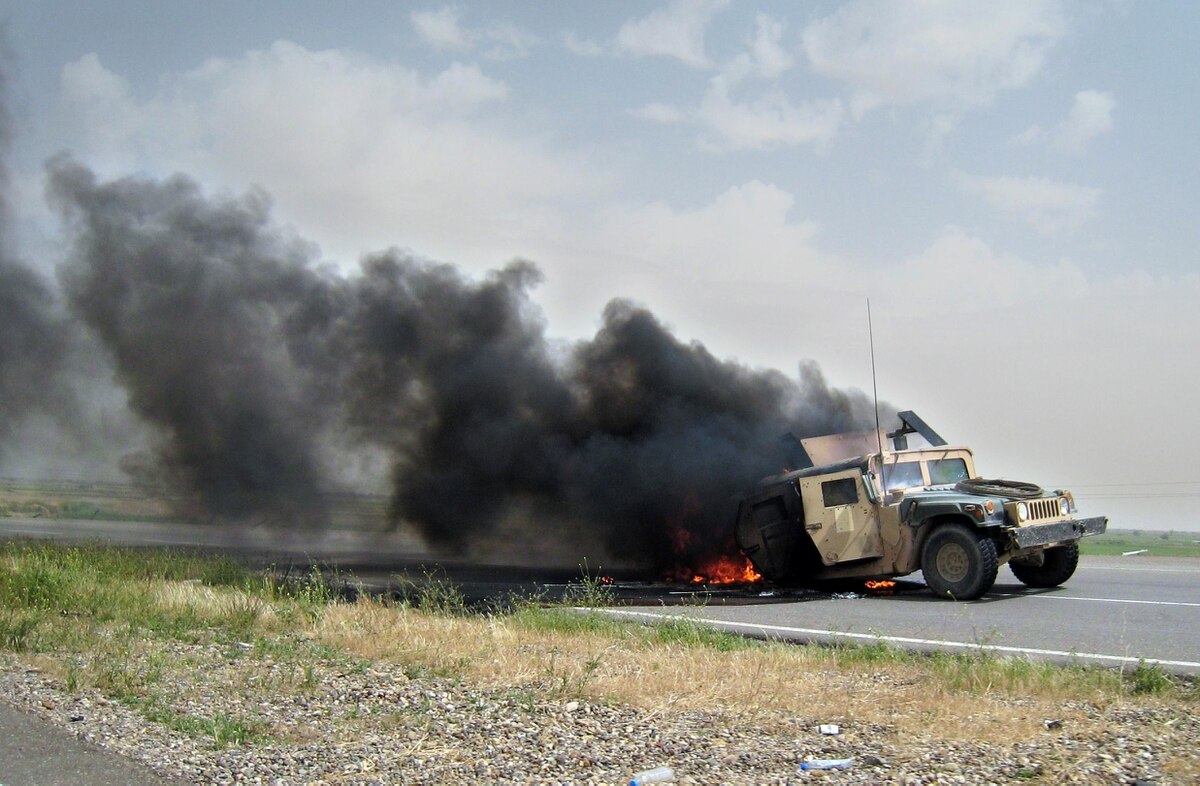
On February 6th, at 21:30 local time, a US military logistical convoy was attacked by the “International Resistance” group in Samawah, in the Muthanna province. Earlier on January 26th, another US logistical convoy was attacked by the same group in the Baghdad’s Yousufiya area.
It is worth mentioning that this attack was the fourth attack on American convoys in Iraq since the beginning of 2023.
Last year, in 2022, Iraqi resistance groups carried out 102 IED, drone and rocket attacks against positions, logistical and military convoys of the American occupiers in Iraq.
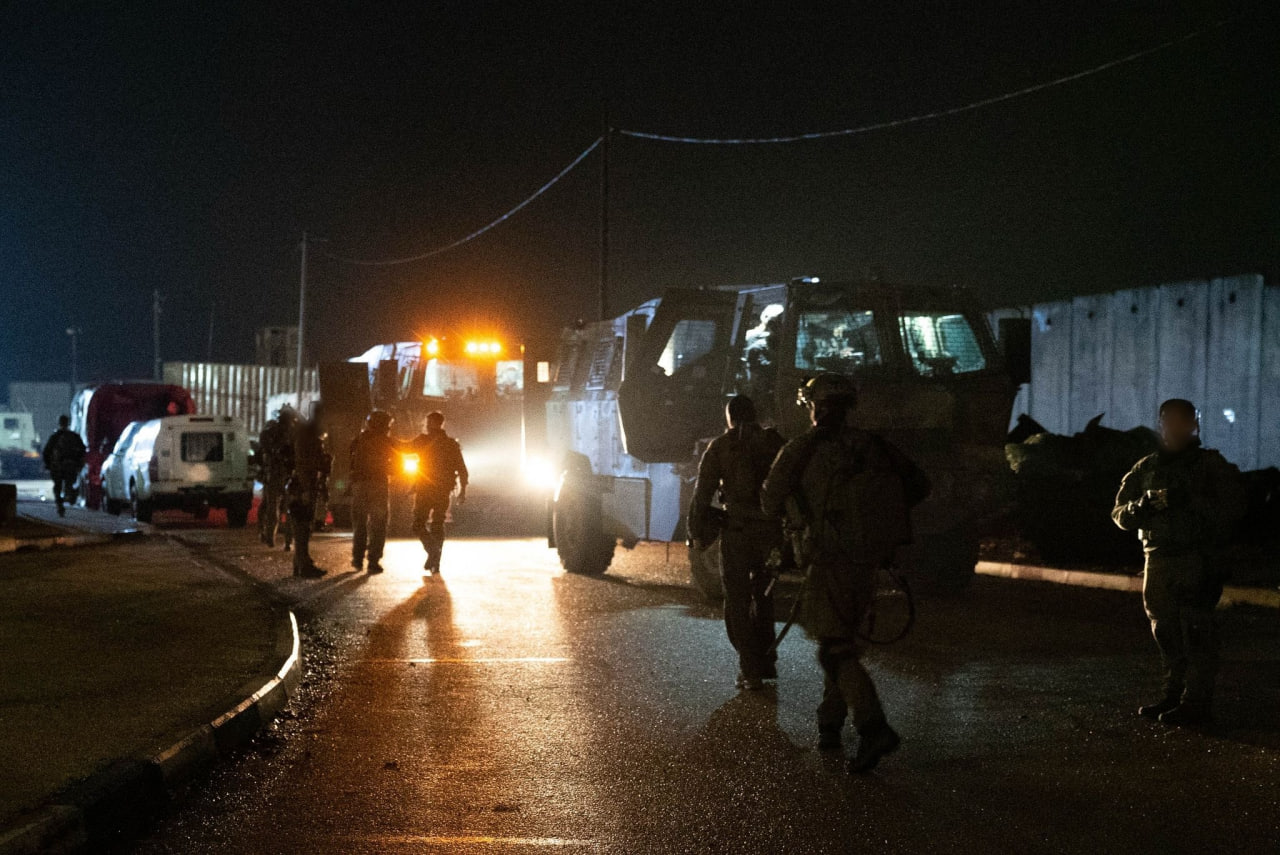
Some Hebrew language media outlets alleged that the Israeli security forces succeeded in detecting Ra’fat Awaizat and Malik Lawi, the two fighters who organized the recent shooting operation in the Aqabat Jabr camp, and killed them along with three other fighters of the Palestinian resistance movement, after nearly two weeks of tracking the Palestinian fighters. Moreover, the Zionist soldiers nabbed Shakir Amara, one of the leaders of Hamas resistance movement, in Aqabat Jabr camp.
An hour after the conclusion of the clashes, the Israeli regime formally declared that the regime seized the five corpses of the today’s martyrs in the Aqabat Jabr camp and it will not hand over the corpses to the Palestinian people.
On this subject, Israeli journalist Yossi Yehoshua acknowledged that following today’s events in Jericho, the Israeli side should expect retaliatory strikes by the Palestinians, in the same way that occurred after the bloody clashes in Jenin refugee camp.
Ismail Haniyeh, head of Hamas’s Political Bureau and a former Palestinian prime minister, reacted to the assassination of a number of Palestinian resistance fighters in the Aqabat Jabr camp in Jericho, underlining that the resistance-oriented fighting keeps on in the area despite the heinous crime committed by the Zionists and that the resistance factions will continue their operations until they expel the occupiers from the Palestinian territories.
It is noteworthy that the Israeli armed forces raided the Aqabat Jabr camp on February 6 aimed at arresting a fighter who carried out an anti-Israeli operation, and the raid ended up in a fierce armed confrontation between the Israeli forces and the Palestinian resistance fighters. Following the fight, the newly formed resistance group of Kataeb Aqabat Jabr (affiliated to the Izz ad-Din al-Qassam Brigades, the military branch of the Hamas movement) declared that the group will fight the Israeli occupying troops in their raid on the Aqabat Jabr camp in the Palestinian city of Ariha – Jericho.
Over the past 300 days, the United States and European countries have sent dozens of military, financial and economic aid packages to prevent Ukraine from falling under Russia’s control, but these aids have not resulted in any specific results for the Ukrainian government and they are still under the fire of Russia’s heavy attacks. Now, one of the solutions proposed by senior Ukrainian generals to change the balance of the war is to obtain at least 300 battle tanks.
Recently, this proposal has been approved by the United States and most European countries, and the Americans have announced that they will send 31 Abrams tanks to Ukraine in the coming months to encourage the Europeans to send more of their tanks to Ukraine.
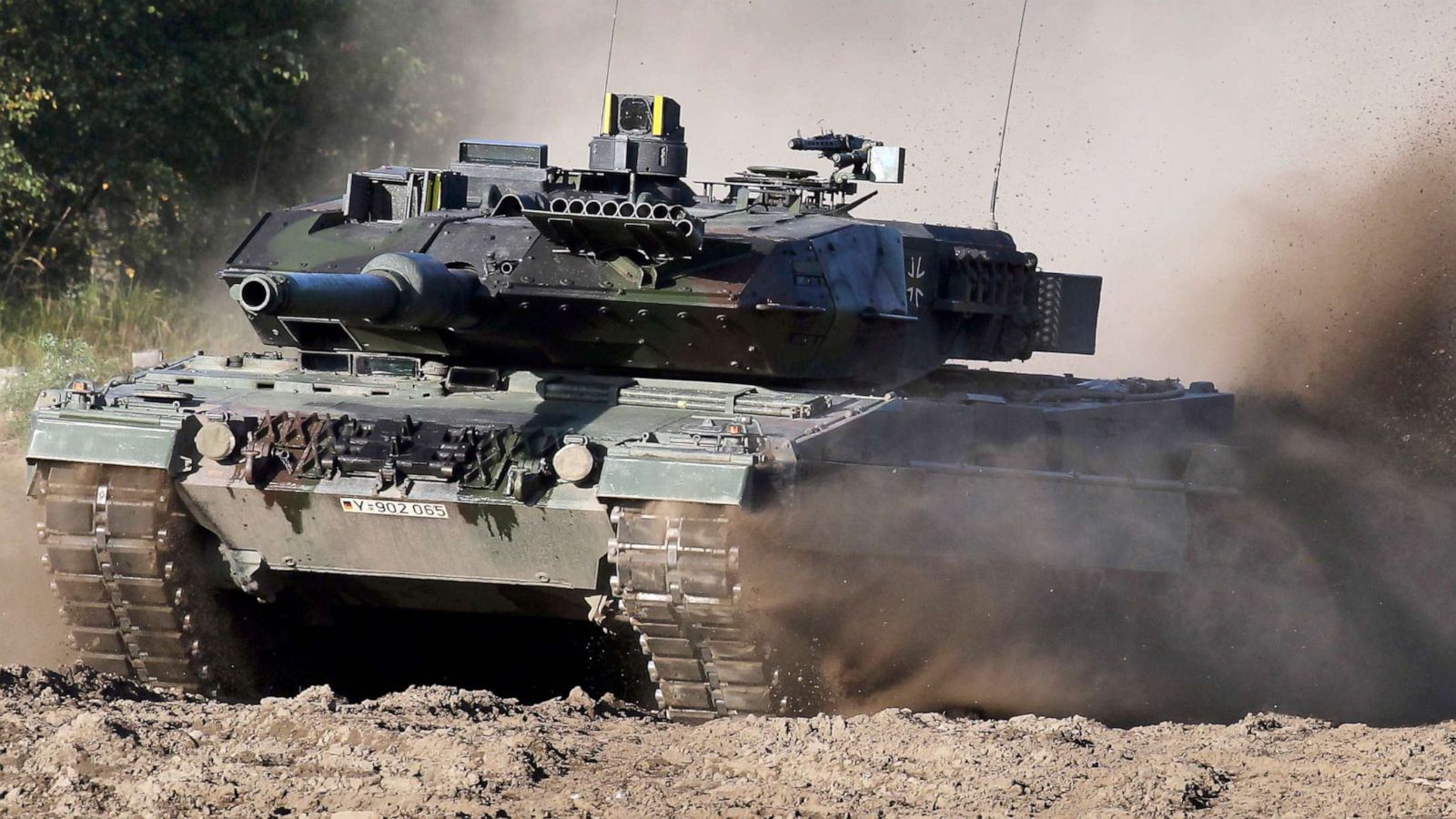
German Chancellor Olaf Scholz, after avoiding sending advanced German weapons to Ukraine for some time, finally on January 25, while announcing his agreement to issue a license to send Leopard tanks from other countries to Ukraine, announced that this country will provide Ukraine with 14 Leopard tanks in the first phase. This German decision has paved the way for other countries, including Poland, Canada, Norway, etc. Therefore, the supply of Leopard tanks to Ukraine has started by sending four Leopard 2 tanks from Halifax airport in Canada on February 5.
Canada sends Leopard tanks to Ukraine
In this regard, the UK has also announced the transfer of 14 Challenger 2 battle tanks (the main tank of its army), self-propelled artillery and thousands of rounds of ammunition to Ukraine, and other European countries have also announced the preparation of similar measures.
The Leopard 2 tank is one of the effective weapons made by Germany, and in the past years, 3,000 units of it were sold to Austria, Canada, Chile, Denmark, Finland, Greece, Holland, Norway, Poland, Portugal, Singapore, Switzerland, Sweden, Spain and Turkey. Therefore, its equipment and ammunition are available to the Ukrainians, and it is a more suitable option than the Abrams tank, which has a smaller number in Europe.
Western analysts believe that sending 300 battle tanks to Ukraine in the current situation is not possible and cannot completely change the outcome of the war, however, it may temporarily affect the course of the war and prolong the resistance of Ukrainians against Russia for a while. The southern and eastern regions of Ukraine are often composed of flat and hilly terrain, and the Ukrainian army needs a lot of tanks to carry out offensive operations and recapture these areas. Of course, the goal of the Westerners in sending these weapons is to prevent the defeat of Ukraine and the erosion of the war. The higher the cost and losses of Russia in this war, the weaker their eastern rival will be.
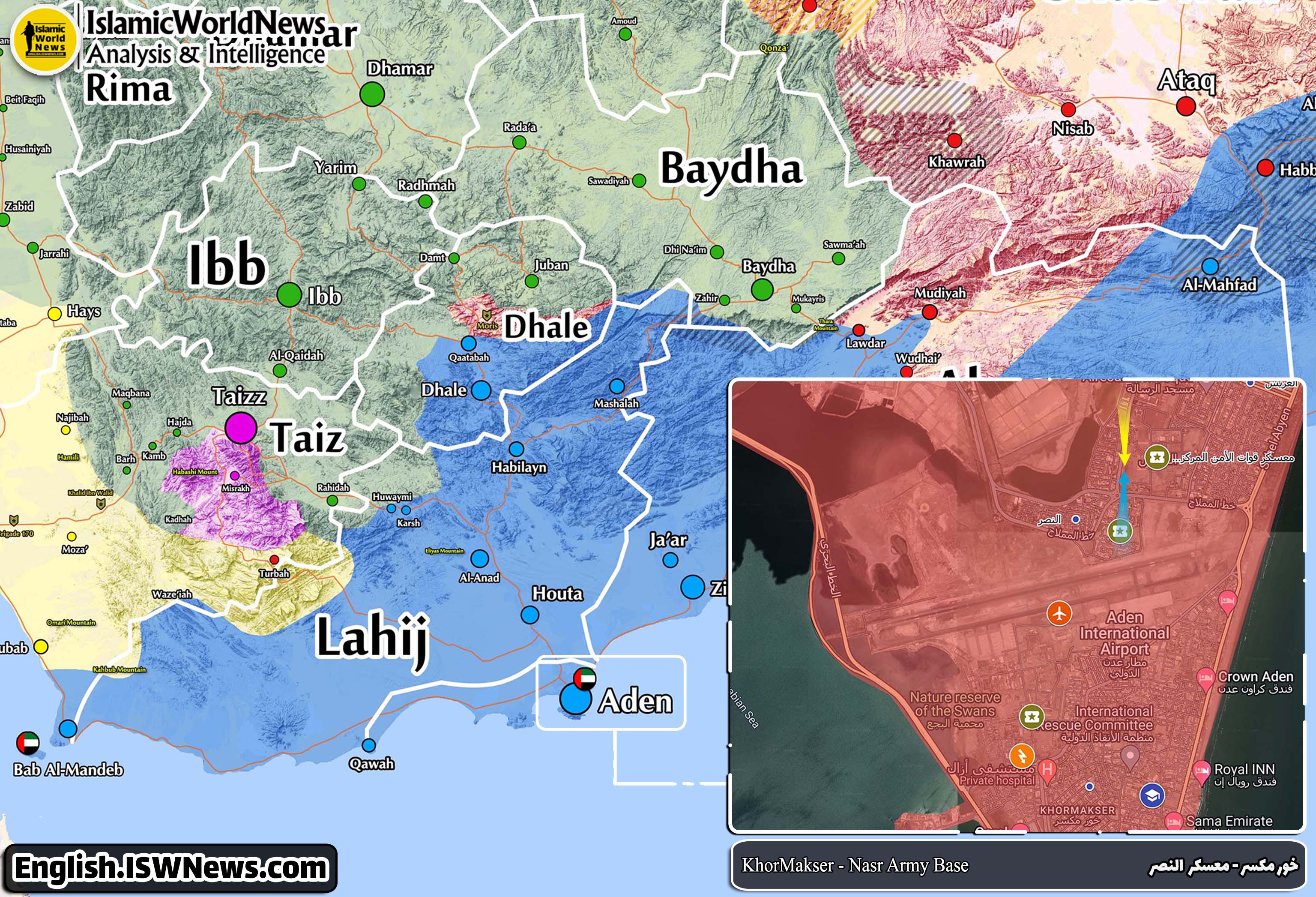
Following the dispatch of a section of the Southern Transitional Council troops from Aden to Lahij Governorate, the Al-Dara’ Al-Watan (National Shield) militants attempted to take advantage of the proper opportunity and initiated new military pushes to take the control of positions and headquarters of the Southern Transitional Council’s forces in the city of Aden based on the order of the Saudi-led coalition command from Saturday on February 4.
As a result of the military advances, the Al-Dara’ Al-Watan militants headed towards the military strongholds of the Southern Transitional Council in Aden, and an armed confrontation erupted between the forces and the Southern Transitional Council’s militants at the Al-Nasr base in Khormaksar District as well as some other areas. To this point, the militants of the Southern Transitional Council deterred the Al-Dar Al-Watan military forces from trespassing into the base and stopped their advance in that area.
The militants of Hizam al-Amni (affiliated to the Southern Transitional Council) have started accumulating forces to repel a potential raid by Al-Dara’ al-Watan forces on Sheikh Osman district.
The southern city of Aden has witnessed unprecedented tensions among the Saudi-led coalition militants over the last few days. The Saudi kingdom is trying to diminish the military might of the Southern Transitional Council through forming a new alliance under the name of Al-Dara’ Al-Watan; so, the Southern Transitional Council makes all-out efforts to defend its main stronghold in southern areas of the war-stricken Arab country.
It is noteworthy that Al-Dara’ Al-Watan (Nation Shield) forces are militias that formed in November 2022, with the support of Saudi Arabia and the key role of Sagheer bin Aziz and Tareq Saleh, from the pro-Saudi tribal armed forces in Hadhramaut province, the forces of Al-Yaman Al-Saeed (subordinate to Saghir bin Aziz) and part of Pro-Tareq Saleh forces in the west of Lahij province.
Alla Al-Fazah, a Jordanian journalist and political activist, alleged that the Jordanian General Intelligence Directorate and Israel’s Mossad Agency constructed a secret airbase in the region between al-Ruwayshid and al-Safavi in the north of the Amman-Baghdad Road aimed at monitoring the movements of the resistance fighters as well as enhancing the overlooking of the southern Syria, Iraq and even Lebanon, where the Israeli troops and drones are deployed.
In accordance with the reporter’s assertion, the Israeli drones, which have been stationed at the airbase, possess special capabilities and they are hard to be detected by radar systems because of they can fly in high altitude. Moreover, the undisclosed airbase is protected by Jordan’s security troops.
In case that the correspondent’s story is true, the operational capability of the Israeli army’s drone unit will increase greatly to carry out military operations in different areas of Iraq and Syria, and it seems to be probable that the recent drone strikes on targets in vicinity of the border Syrian city of Al Bukamal in Deir ez-Zor Governorate have been also planned and conducted from the secret airbase with the help of the United States.
The allegation has been raised in a situation that following the US President Joe Biden’s tenure and in accordance with an agreement between the United States and Jordan, the American troops have been deployed in more than 15 bases and military camps in the Arab country, and they turned the Muwaffaq Salti Air Base into major air base and headquarters of the American drone command in the West Asia region.
As a result of the deployment of the Israeli troops on the Jordan-Syria border and because of the significant military presence of the US terrorists in that region, it seems that the Arab state of Jordan has turned into a hub for the command and control of the Hebrew-Western-Arab front in following up the direction and implementation of their operations against the resistance movements.
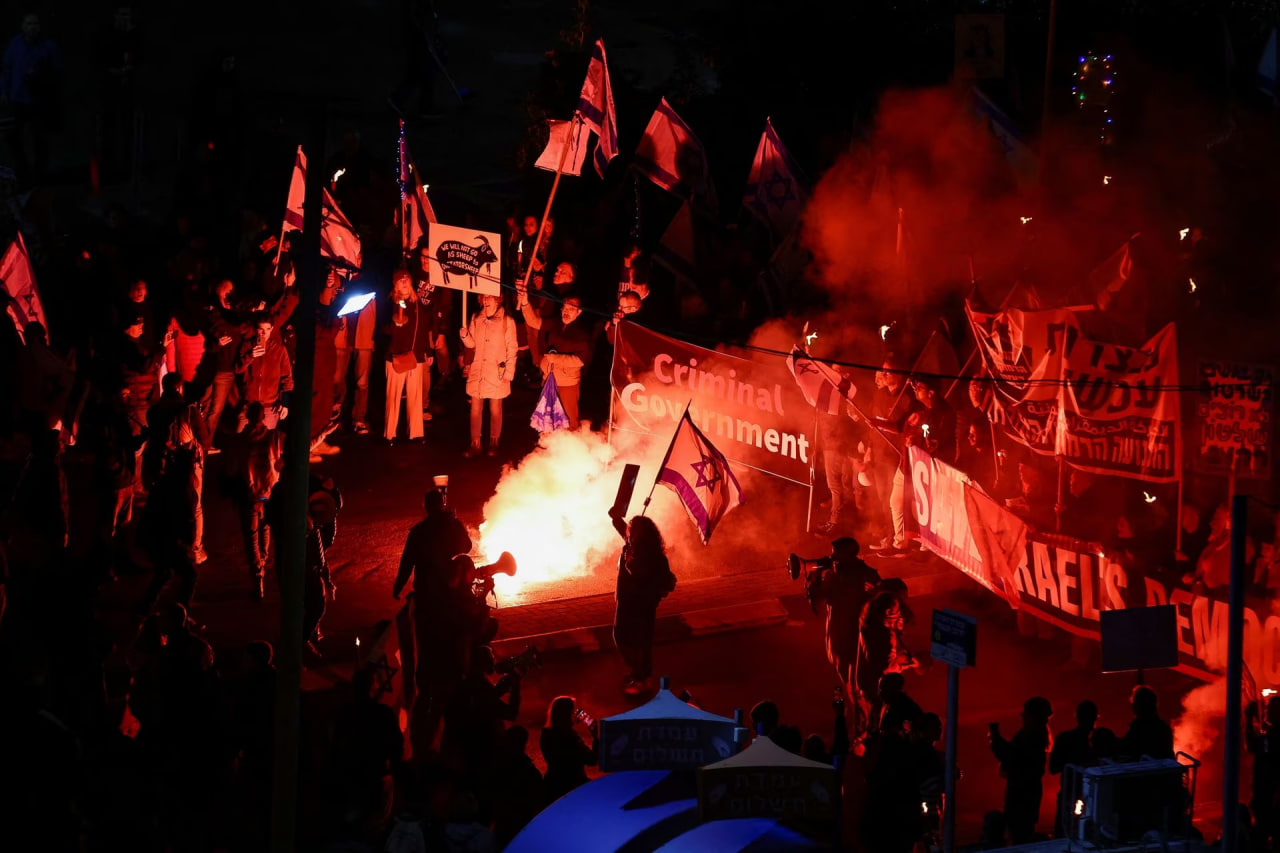
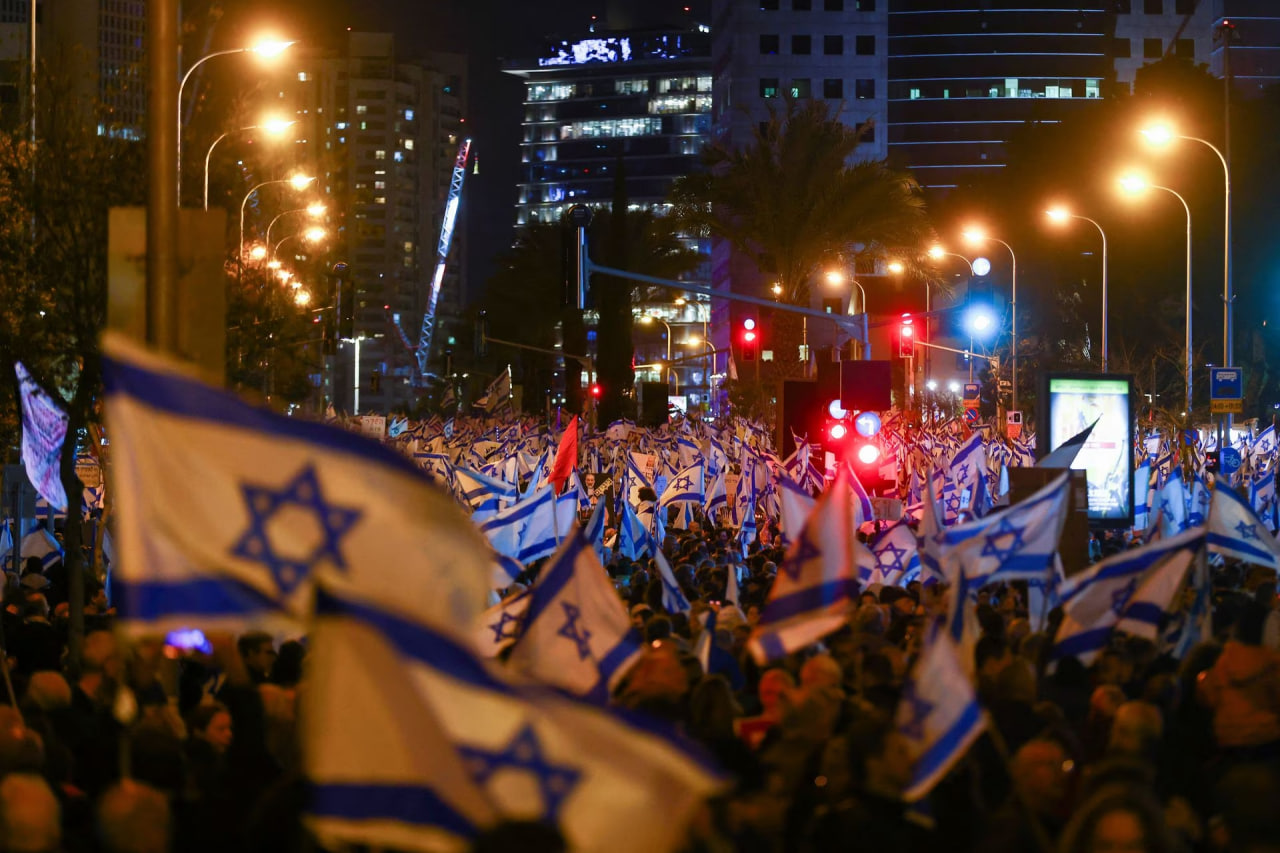
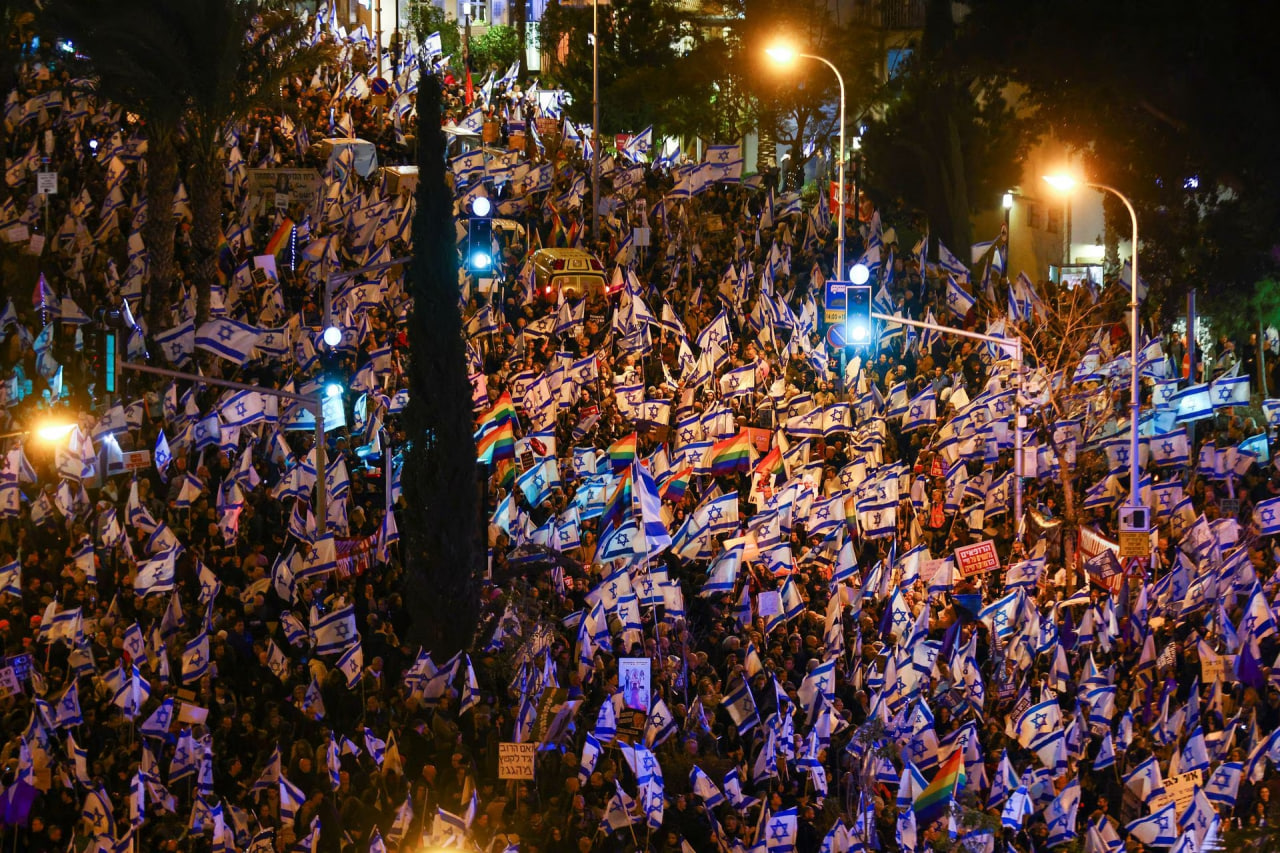
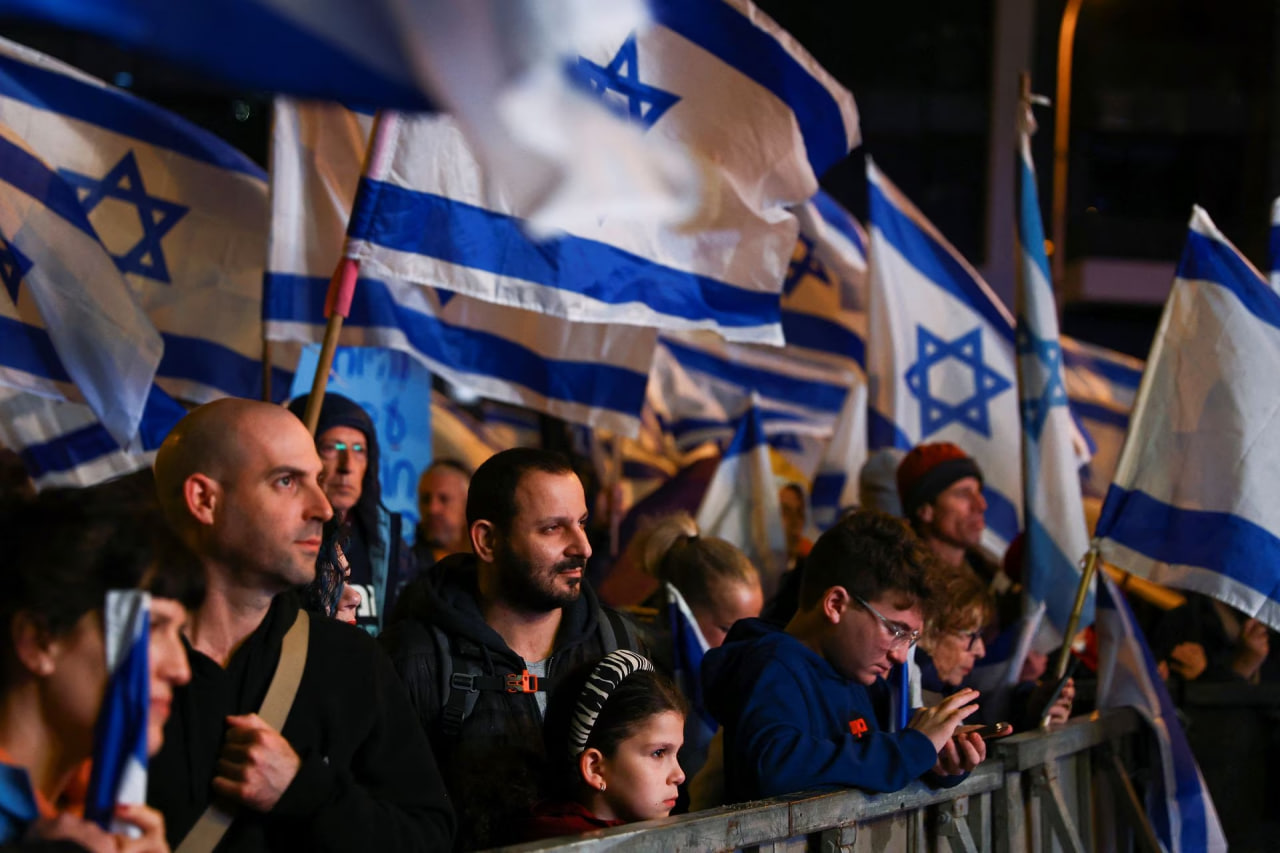
The participants of this rally once again announced their opposition to judicial reform plan and accused Benjamin Netanyahu of weakening Israel’s democratic institutions.
Yair Lapid, the former prime minister of the Israeli regime, also said, “We will fight in the streets, the Knesset and the courts; We will save our country because life in a non-democratic country will not be bearable.”
Saturdays have become Netanyahu’s nightmare because every week on this day, hundreds of thousands of settlers come to the streets to protest the extremism, illegal actions and decisions of the extreme cabinet of the Israeli regime, and they intend to continue the protests until the complete defeat of the new Israeli cabinet.
It is worth mentioning that the occupied territories have witnessed the largest protest gatherings in recent years. The protest gatherings intensified after the new decision of the new Tel Aviv cabinet to reform the judicial system and continues until now.
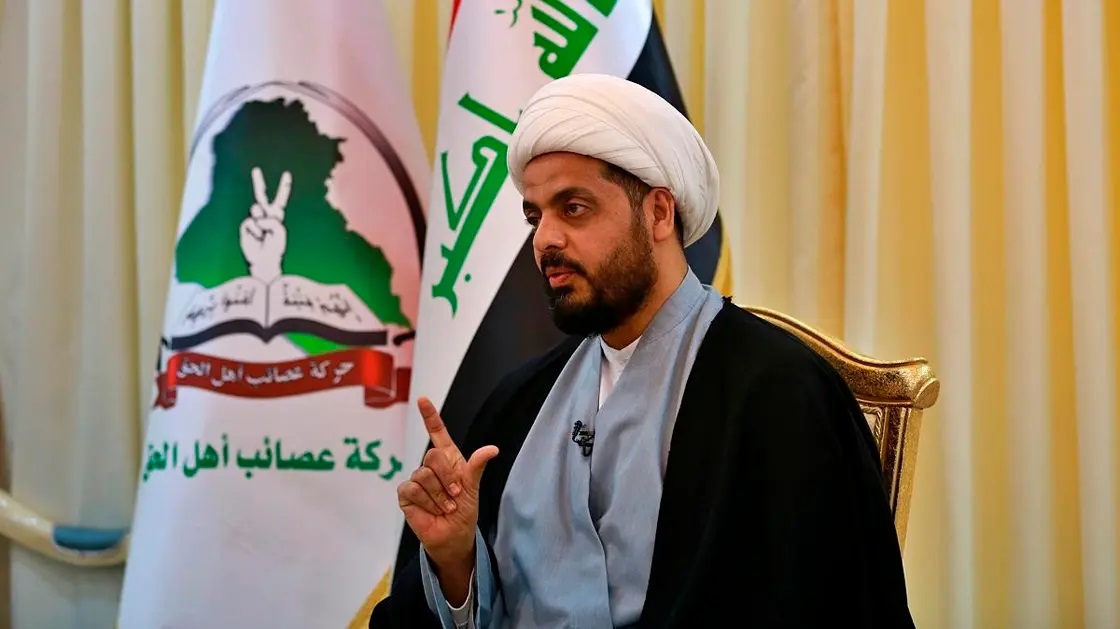
It seems that another resistance faction and a veteran of the jihad during the NATO occupation have exchanged the tactics of resistance for political gain. Asaib al-Haq slowly repeats the path of the BADR organization, only if the former military wing of the ISCI (Islamic Supreme Council of Iraq) has never claimed the status of a “leader of jihad”, and the League of the Righteous has been positioning itself as such for a long time. It all started with the fact that at the very beginning of the work of the new Prime Minister Muhammad Shia al-Sudani, there was information that there was competition between Asaib and Kataeb Hezbollah for the position of head of intelligence in Iraq. But Sheikh Khazali does not stop and then it became known about the appointment of other representatives of the “League of the Righteous” to a number of government positions by the Prime Minister Al-Sudani(this is reported by the telegram channel “Larsa”).
Apparently, Sheikh Khazali is trying to kill three birds with one stone. Firstly, the head of Asaib al-Haq wants to enjoy power for the first time in a long time and impose his vision of “the development of Iraqi society.” 2 – Sheikh Khazali is trying to overshadow absolutely all the leaders of the “coordination structure”, and in the future “help” to complete their political career. 3 – The Sheikh sees himself as a counterweight to the popular charismatic cleric Muqtada Sadr. Therefore, strengthening their positions at the state level should help Sheikh Khazali to confront the “always oppositional” Sadr.
Personally, I was not surprised by the behavior of Sheikh Khazali, it is enough to recall the strange words of the leader of Asaib al-Haq immediately after the murder of the legendary Suleimani and Muhandis. At that moment, in an interview, the sheikh said that allegedly the local resistance was ready to immediately strike at the Americans, but due to the fact that the Iranians “delayed the signal”, the Iraqis did not attack the occupiers. That is, does Sheik Khazali need to get an order from Tehran once again to organize the elimination of colonialism? In any case, even if the Iranians have conceived other measures to avenge Suleimani, this does not remove responsibility from the Iraqis!!!! For Iraq is a separate “independent country” and the Muslims there are obliged to form their own response to the occupiers, but this did not happen. Another curious incident of the sheikh occurred a year after the murder of Suleimani and Muhandis. Then, in an interview with the al-Ahd channel, the sheikh said that the alleged Turkish intervention is more dangerous than the American presence….. Here, as they say, no comments. It is difficult to imagine how the influence of the United States and Turkey on world politics and Iraq in particular can be compared.
Analyzing the behavior of the leader of the League of the Righteous, we see that he is only interested in political capital, respectively, his ideas for “transforming the country” are ordinary populism. The Sheikh is not going to take revenge on the Americans for the murder of Suleimani and Muhandis, and after his organization received a number of government posts, the Sheikh even put on pause the question of Turkish intervention. About Zionism in self-proclaimed Kurdistan, also not a word.
It seems that the Iraqi theater of political absurdity has been replenished with a new actor, which once again proves the rottenness of the quota system and the lack of Islamic revolutionary thinking among yesterday’s jihad leaders. Critics from the Islamic movements of Iraq were right again when they said that the leaders of the coordination structure needed only power and oil revenue. Their second thesis will be confirmed very soon – “only religious figures can change Iraq for the better.”
In conclusion, it is necessary to ask a rhetorical question. Do the Americans know that Sheikh Khazali is trying to fill the government in Al-Sudani with his people? Of course they do. Is it possible to say that there is some kind of coordination of the actions of the Sheikh and the Americans? Of course, if Washington was not satisfied with something, then surely the Americans would have followed active actions specifically against Asaib al-Haq, but this does not happen. Conclusion – everyone is satisfied with everything.
Publishing infographics is one of the methods that extremist armed groups use in the best way to prove their existence. Meanwhile, it can be said that ISIS is both the pioneer and the most creative in this field. Every week, ISIS publishes an infographic of the results of its operations in the “Al-Naba” weekly newspaper, which seems to have a vital aspect for ISIS, because ISIS can say that it is still present in the field through this weekly constant infographic.
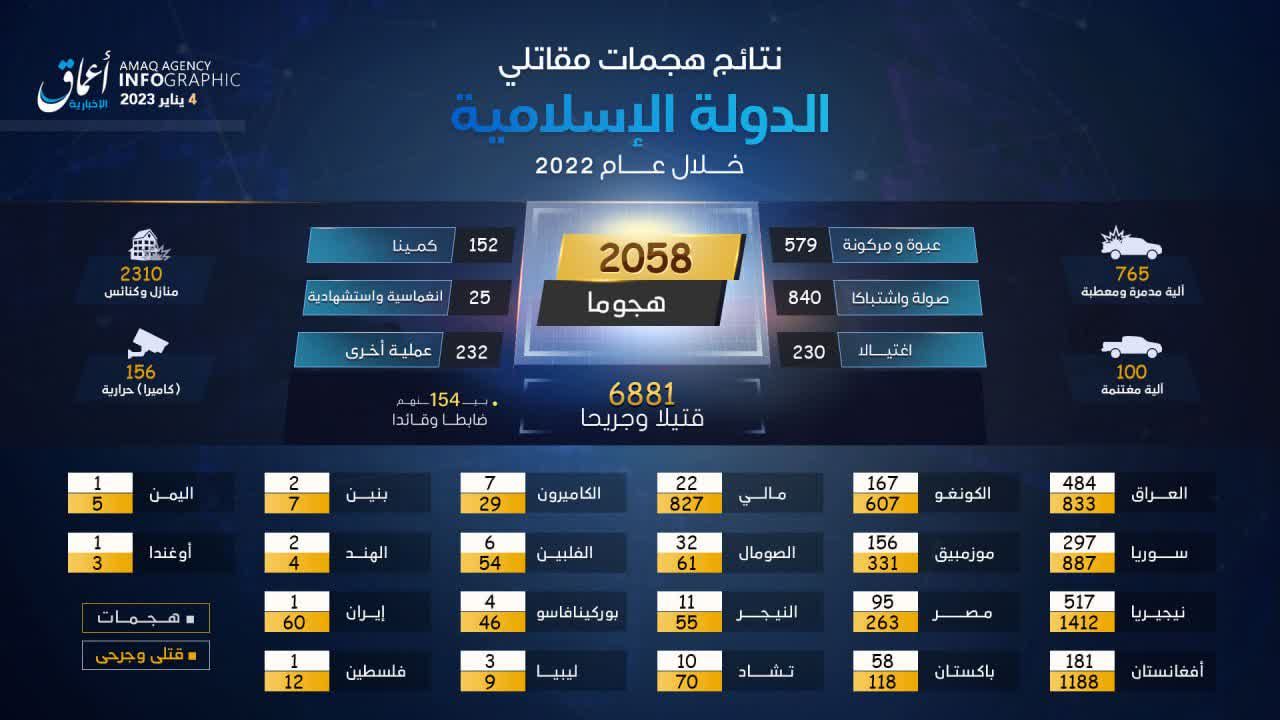
At the end of each year, one of the media activities of extremist groups is to publish annual statistics in the form of infographics. ISIS, as the leader of these groups, annually publishes a detailed infographic of its operations and their results, which can provide good information compared to previous years’ statistics. Accordingly, at the beginning of 2023, Amaq news agency (affiliated to ISIS) has published a detailed infographic of its operations during the past year (from 2022 to 2023).
According to the statistics, this terrorist group has carried out 2,058 terrorist operations in different regions of the world in 2022. These operations have killed and injured 6,881 people, including 154 officers and field commanders. The statistics included in this infographic are:
According to their types, ISIS operations include 579 bombing and roadside bombs, 840 attacks and armed conflicts, 230 assassinations, 152 ambushes, 25 inghimasi and suicide operations and 232 other types. Other results of these operations include the destruction and disabling of 765 vehicles, looting of 100 vehicles, the destruction of 2,310 houses and churches, and the destruction of 156 night vision cameras.
Most operations have been carried out in Nigeria, Iraq and Afghanistan. Its details by region are as follows: Nigeria: 517 operations, 1412 killed and wounded Iraq: 484 operations, 833 killed and wounded Afghanistan: 181 operations, 1188 killed and wounded Syria: 297 operations, 887 killed and wounded Congo: 167 operations, 607 killed and wounded Mozambique: 156 operations, 331 killed and wounded Egypt: 95 operations, 263 killed and wounded Pakistan: 58 operations, 118 killed and wounded Mali: 22 operations, 827 killed and wounded Somalia: 32 operations, 61 killed and wounded Niger: 11 operations, 55 killed and wounded Chad: 10 operations, 70 killed and wounded Cameroon: 7 operations, 29 killed and wounded Philippines: 6 operations, 54 killed and wounded Burkina Faso: 4 operations, 46 killed and wounded Libya: 3 operations, 9 killed and wounded Benin: 2 operations, 7 killed and wounded India: 2 operations, 4 killed and wounded Iran: 1 operation, 60 killed and wounded Palestine: 1 operation, 12 killed and wounded Yemen: 1 operation, 5 killed and wounded Uganda: 1 operation, 3 killed and wounded
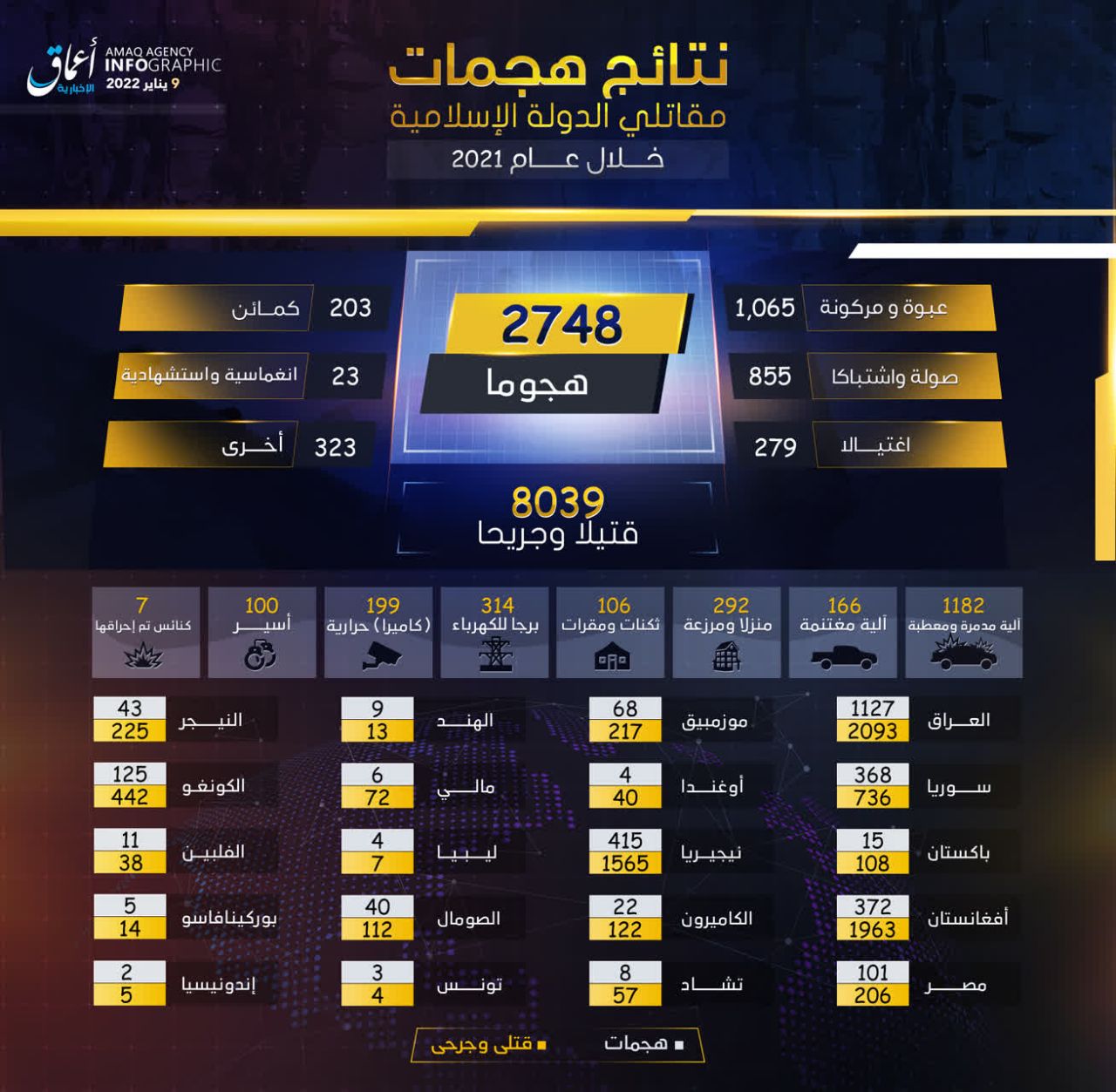
At the first look at the statistics of 2021 and 2022, we notice that the number of ISIS operations in 2022 is 690 less than in 2021, and this is a sign of the weakening of ISIS in 2022. Also, the number of ISIS victims in 2022 is 1,158 less than in 2021. This decrease also shows that not only the quantity but also the quality of ISIS operations has declined compared to last year.
ISIS statistics from 2021 and 2022
In the section of types of operations, we can see that ISIS had a better situation in various types of operations in 2021; The only thing in 2022 that is more than 2021 is the suicide and inghimasi operations, which are only two more. The most important difference in this section is the use of bombs and roadside bombs between 2021 and 2022. In 2022, ISIS used bomb and roadside bombs 486 times less than in 2021. This issue is worthy of consideration considering the significant reduction of ISIS operations in Iraq, because ISIS mostly uses roadside bombs in Iraq.
With the decrease of using roadside bombs by ISIS, it is natural that the number of vehicles destroyed by ISIS in 2022 will be much less than in 2021, a fact that is clearly visible when comparing the statistics of 2022 and 2021.
In the meantime, what attracts more attention, is the statistics of destroyed houses and churches in 2022. This increase is due to the targeting of Christians in Mozambique, Congo and Nigeria.
Another important aspects of the statistics about the regions is the significant reduction of ISIS operations in Iraq. Although ISIS operations in Iraq have increased in recent days, we can see that these operations have decreased in a long-term process. During 2022, ISIS has conducted 643 operations in Iraq less than in 2021. The number of ISIS victims in Iraq this year was 1,260 less than the previous year. This statistic clearly shows that the ISIS strength has decreased in Iraq.
It is noteworthy, although ISIS operations in Afghanistan, Syria and some other areas have decreased, but this trend has been insignificant. Therefore, the number of “operations” in Nigeria, and the number of “operations and victims” in Chad, Mozambique, Mali, Congo and Pakistan, and the number of “victims” in Syria, Egypt, the Philippines, Burkina Faso, and Libya have increased in 2022.
In the end, it should be said that despite the reduction of ISIS “operations” in Syria, the number of “victims” in Syria has increased, undoubtedly, this increase is due to ISIS operation on Ghuwairan prison in Hasakah and other ISIS operations against the Syrian Democratic Forces (SDF). The high number of victims in Mali and Burkina Faso is also due to the confrontation of ISIS with Jama’at Nasr al-Islam wal Muslimin and the overall increase of operations and victims in Mozambique, Congo, and Nigeria is also due to the new approach of ISIS to Sub-Saharan Africa, meanwhile, the increase of victims in Egypt and the increase of operations and victims in Pakistan is also interesting.