According to Syrian military sources, at 00:56, Zionist warplanes launched several missiles from southeastern part of Beirut. In addition, at 01:10 several ground to ground missiles were launched from occupied Golan to Damascus outskirts. Syrian air defense activated and could intercept several of the missiles, however, one Syrian soldier was martyred and five wounded.
During the attack, Syrian air defense launched a missile toward Israeli warplanes which entered occupied Palestine airspace. Syrian missile exploded over occupied Palestine airspace without being intercept by the Israeli regime air defense. This incident rang the alarm in Umm al-Fahm, southeast of Haifa.
Israeli Army said: One Syrian air defense missile entered the occupied Palestine and exploded without being engaged with Israeli air defense.
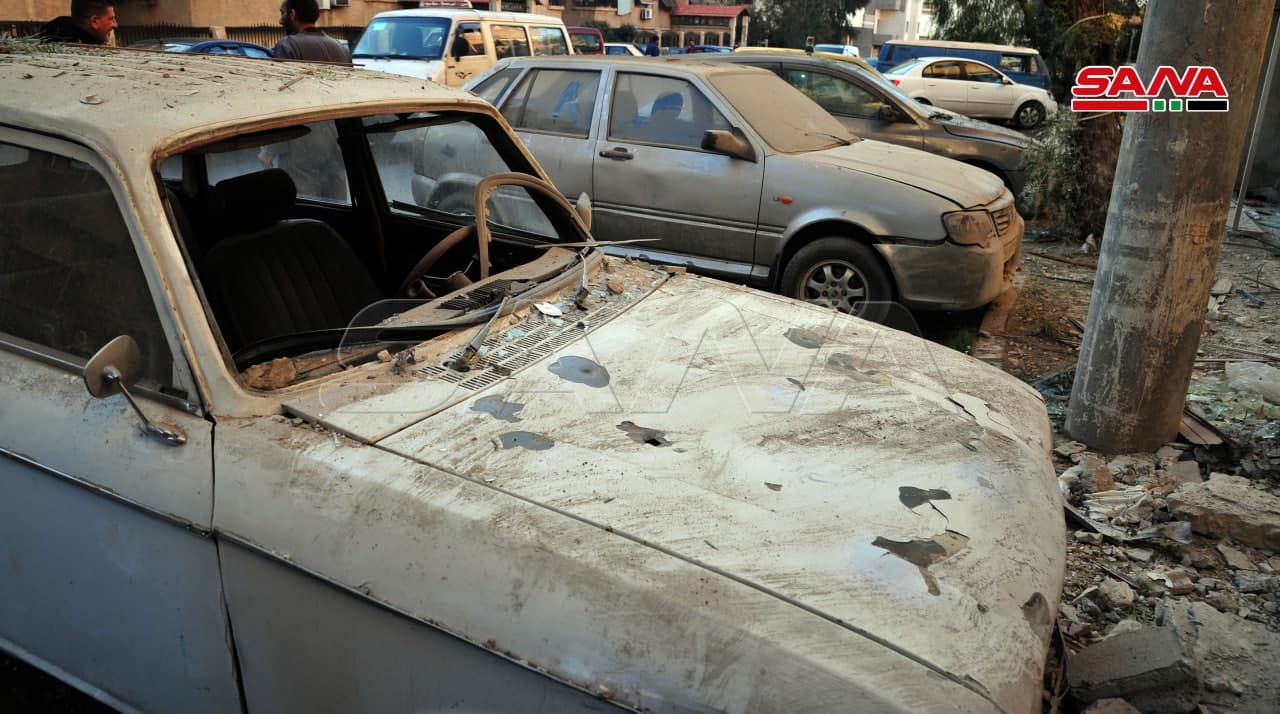
According to the images released from the incident, some of the civilian residents in Damascus were heavily damaged.
On January 31, Zionist regime warplanes launched an attack from east of Beirut to Damascus outskirts, which were intercepted mostly by Syrian air defense and did not have casualties.
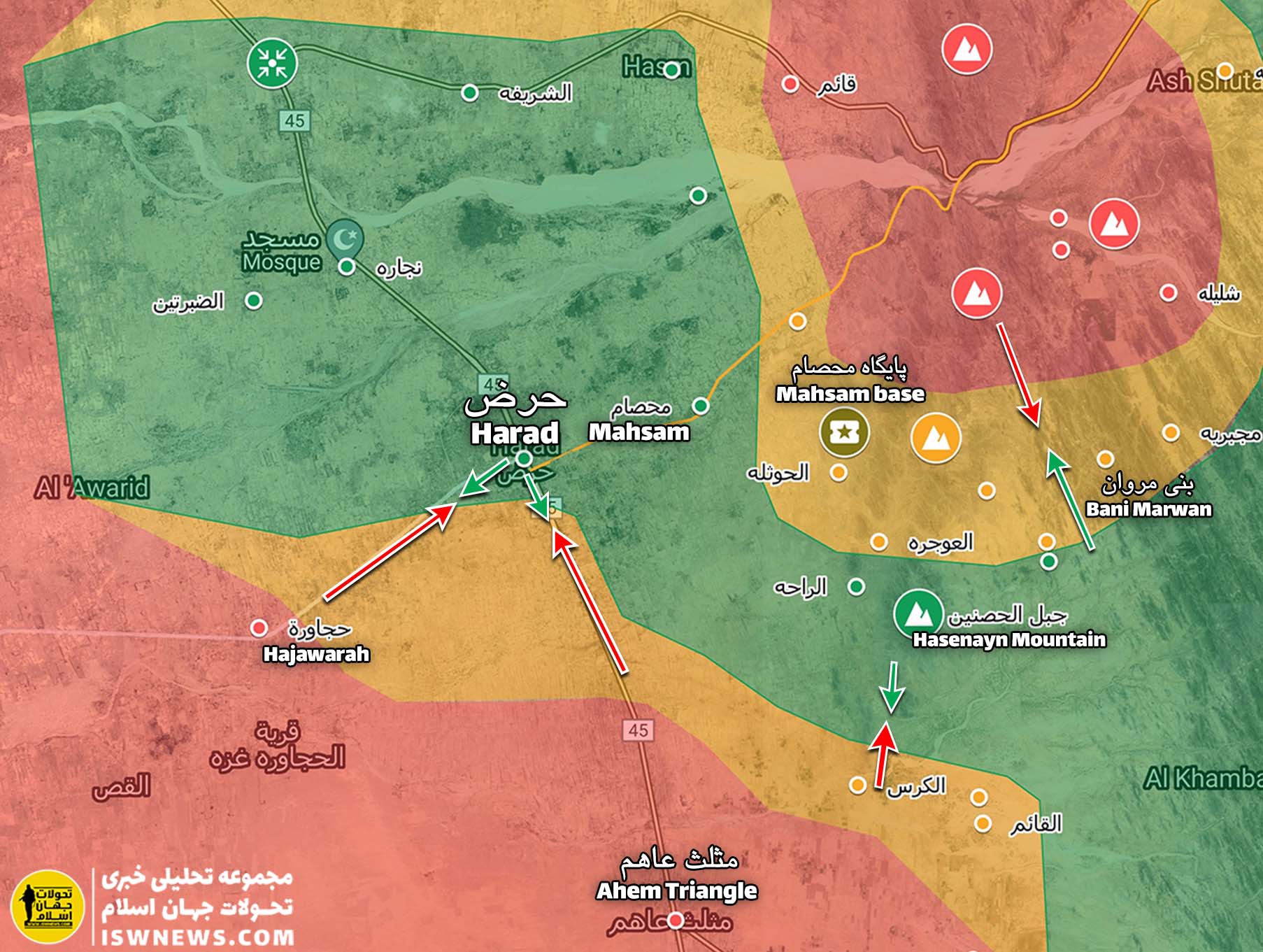
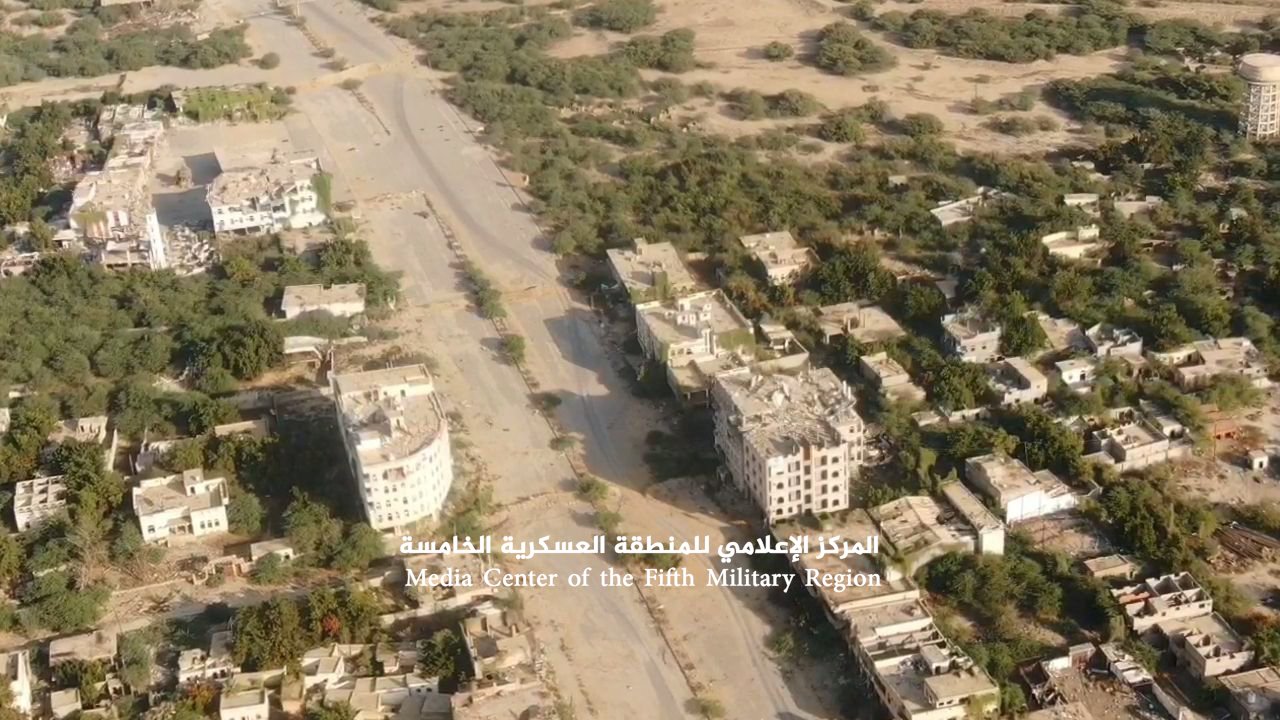
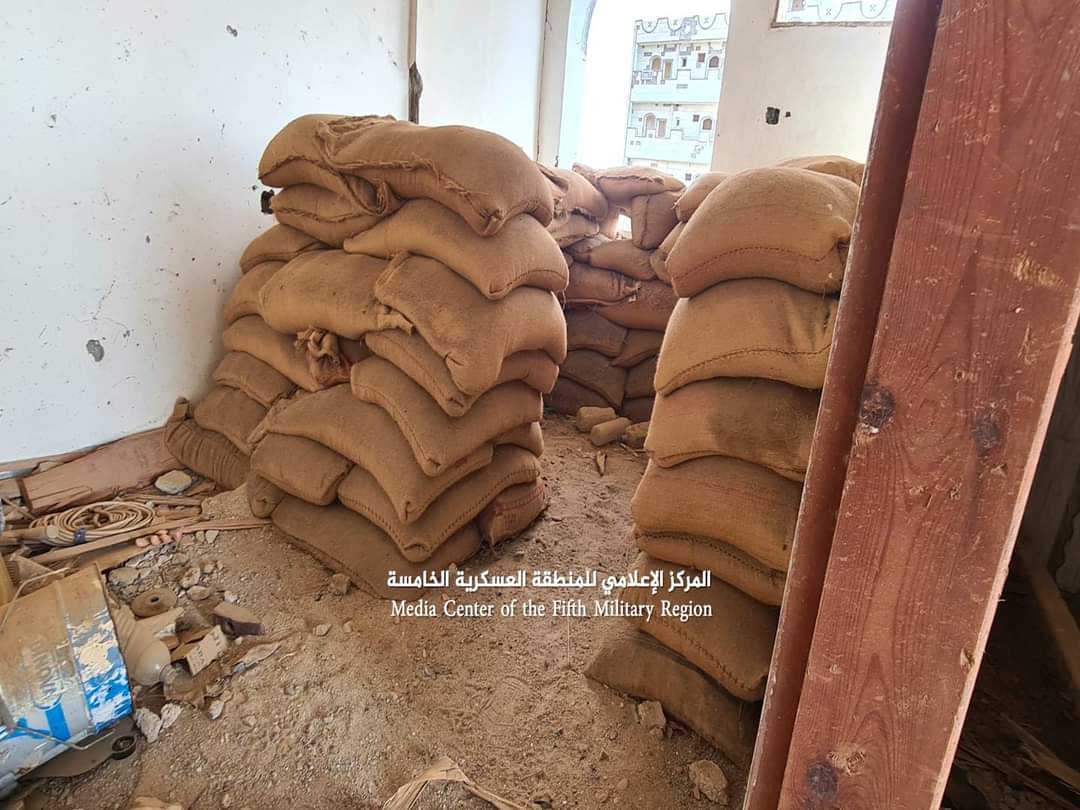
1- Hajjah: – Clashes between Ansar Allah and the Saudi-led forces continued in the southern and western suburbs of Haradh town. – The Saudi-led forces withdraw from al-Mahsam camp east of Haradh town.
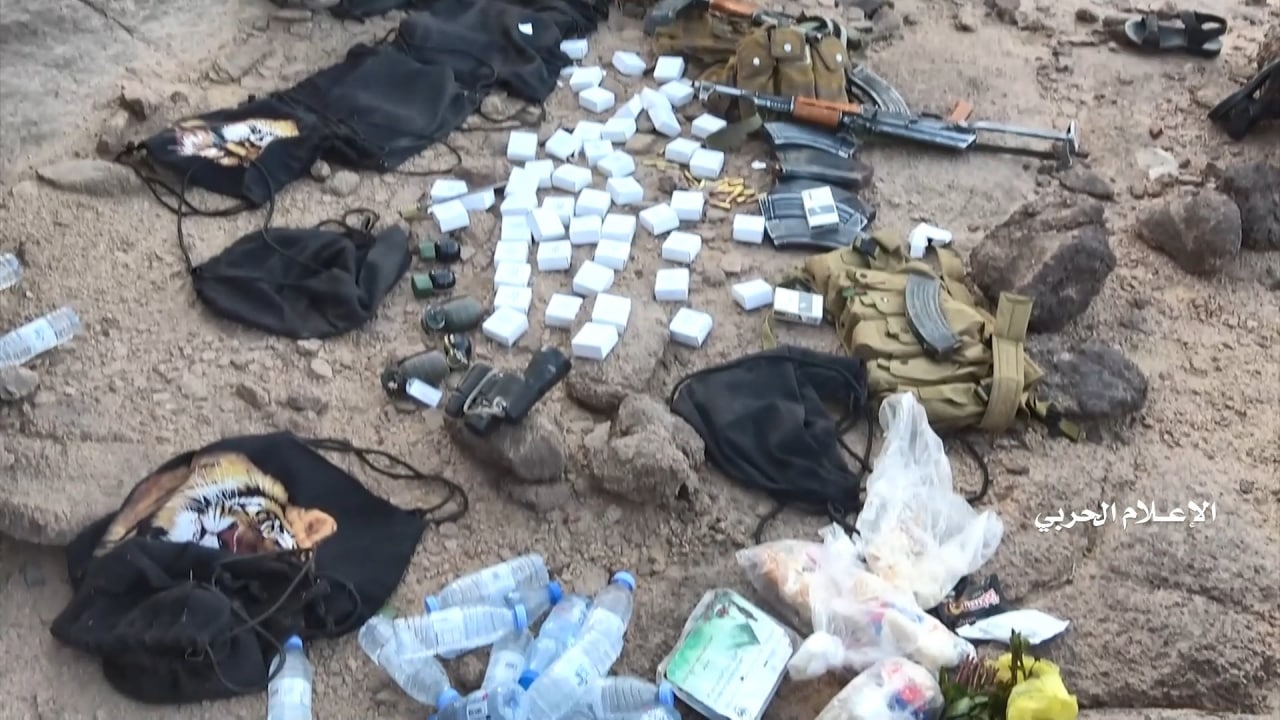
2- Saada: – As a result of Ansar Allah ambush against the Saudi-led forces in the al-Ajasher desert, five military vehicles were destroyed and a number of Mansour Hadi forces were killed and wounded. – Ansar Allah thwarted the Saudi-led forces attacks on Marbaa al-Sharfa border area. – One person was killed and four others, including an African immigrant were wounded in the Saudi coalition artillery attacks on Munbah area, in the past 48 hours.
Ansar Allah Engineering Unit ambushes Saudi military vehicles in deserts north of al-Jawf and east of SaadaAnsar Allah thwarted the Saudi-led forces attacks on Marbaa al-Sharfa border area
3- Saudi coalition air strikes: The Saudi coalition forces have bombed AnsarAllah-controlled areas 52 times in the past 48 hours.
4- Al-Hudaydah: The Saudi-led forces violated ceasefire 271 times in the province in the past 48 hours.
5- “Abdulqadir Murtedha”, the head of the prisoners affairs committee of the Yemeni rescue government, announced the release of ten Ansar Allah prisoners in exchange with the mediation of local elders.
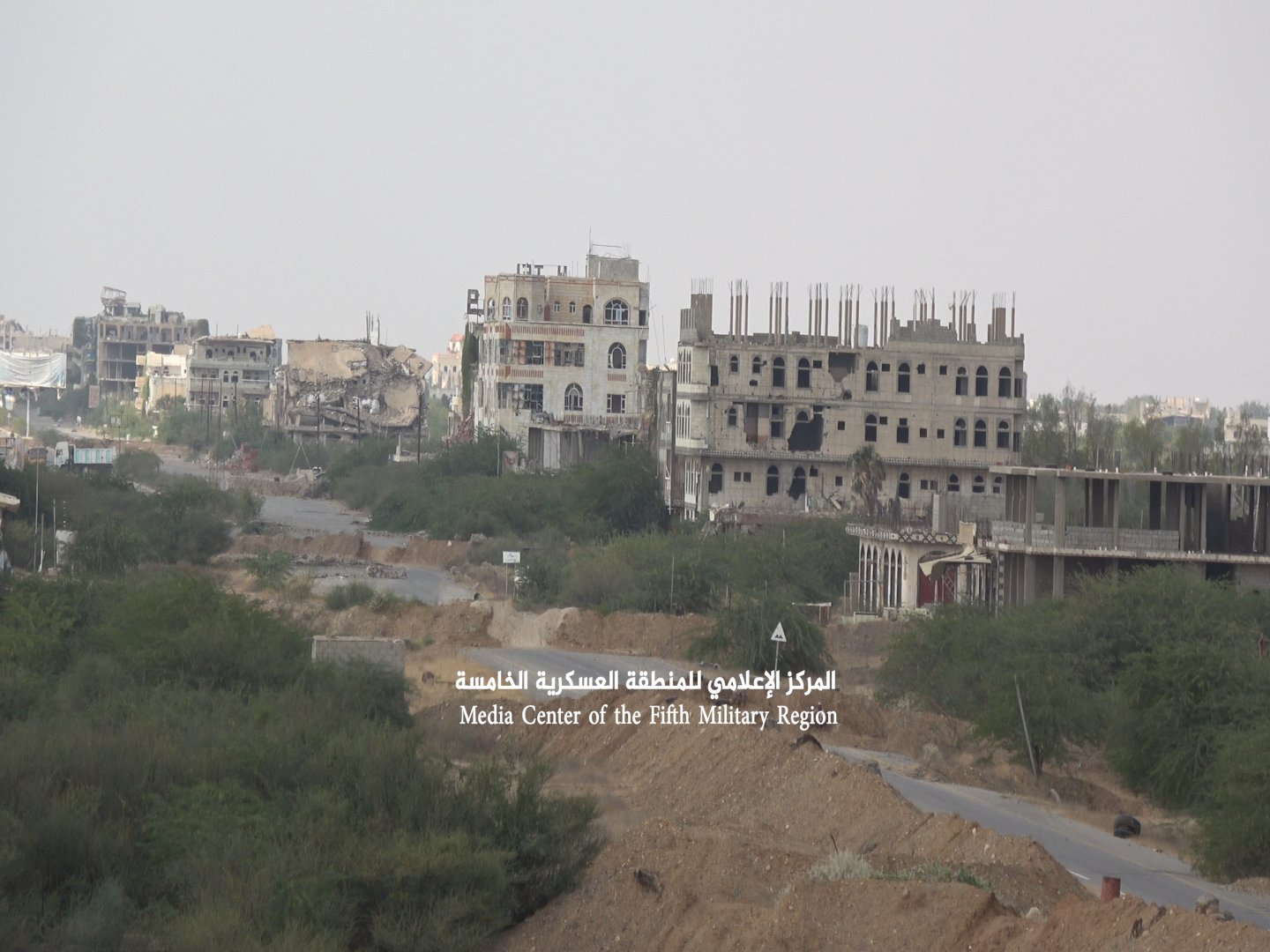
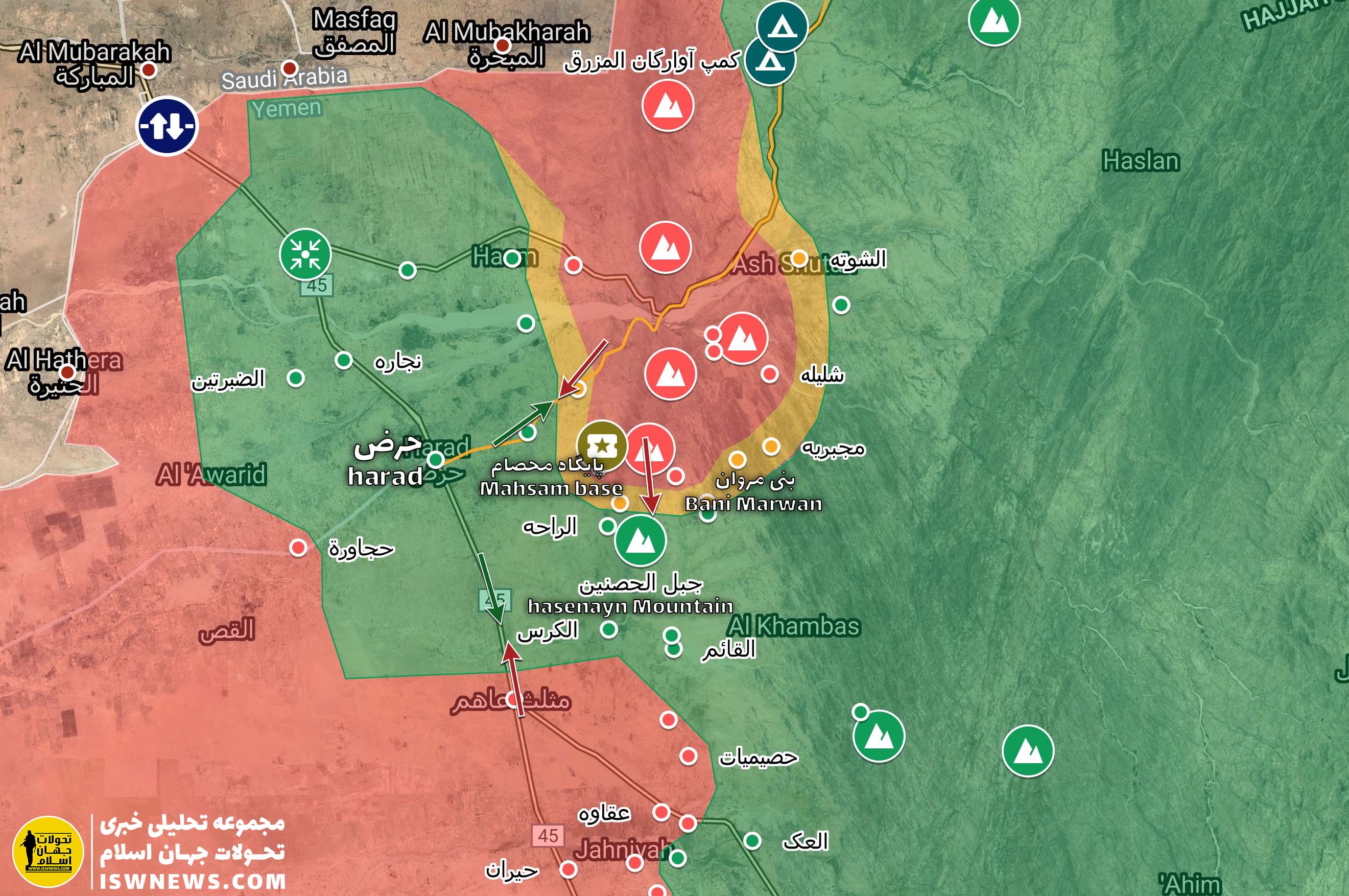
According to the Saudi coalition media, clashes are still going on in the southern and southwestern areas of Haradh town, and Ansar Allah fighters have put up a strong resistance to prevent the town from collapsing. Last night, Mansour Hadi forces entered the southern areas of Haradh, using the night and the support of Saudi warplanes and drones, and there is currently a heavy urban war going on in these areas.
The claim of the Saudi coalition regarding the completion of the siege of the town of Haradh is not true, and due to the Ansar Allah counterattacks, the village of Bani Marwan and the heights of Mahsam and al-Hasenayn are not under the control of the Saudi coalition. However, due to the recent clashes, all the roads leading to Haradh have been blocked and the connection of Ansar Allah fighters in Haradh with the east of this district has been cut off.
Ansar Allah from the morning of February 8 to this moment, with two missiles and an unknown number of suicide drones has attacked the positions and gatherings of the Saudi-led forces in Haradh, Midi and Hayran districts. These attacks have inflicted heavy casualties on Mansour Hadi forces and Sudanese mercenaries, and the details will be revealed in the coming days.
The number of airstrikes by Saudi coalition warplanes in the northern part of Hajjah province has risen to 36 in the past week.
Ansar Allah forces are expected to intensify ground and air attacks on the Jizan border fronts in the coming hours to lesser the Saudi coalition pressure on the Haradh town.
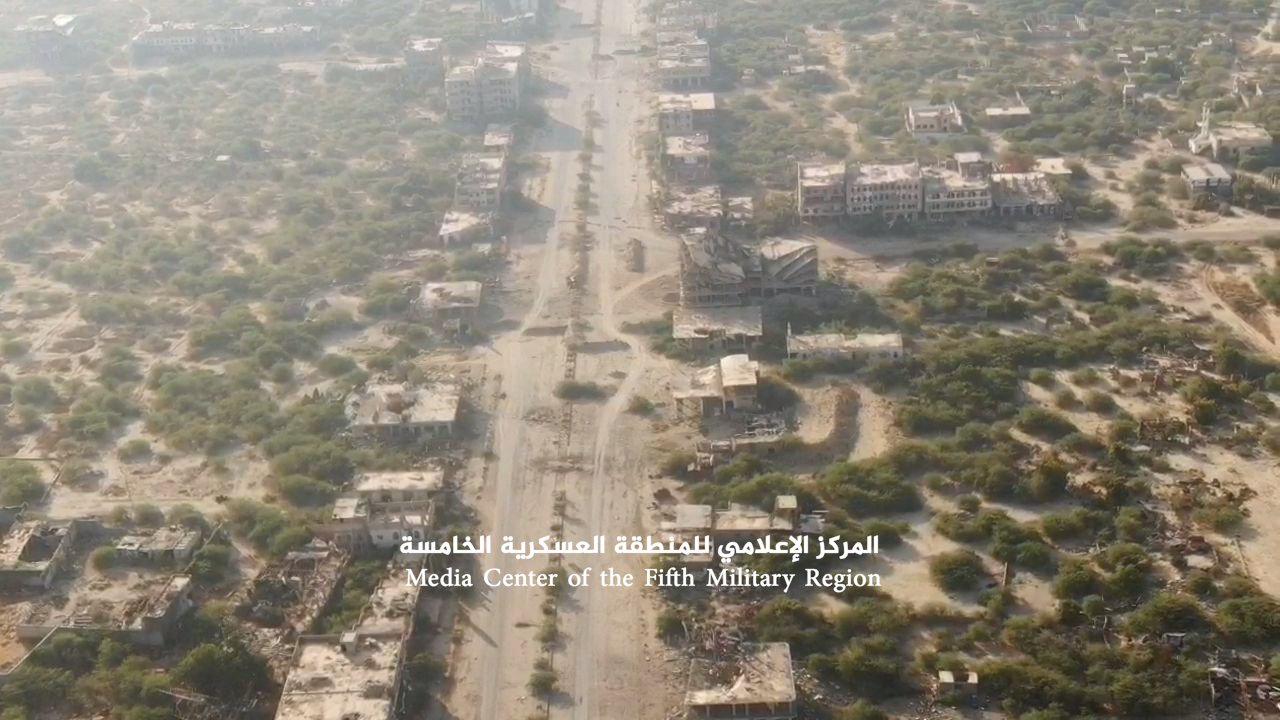
The Haradh district center has been under a quasi-siege since April 2018, and the town is currently uninhabited by civilians. After the battles of the city of Aden, the battle of Haradh can be considered the second urban warfare in Yemen. Therefore, Ansar Allah sniper and anti-armor units have the most important role in these battles.
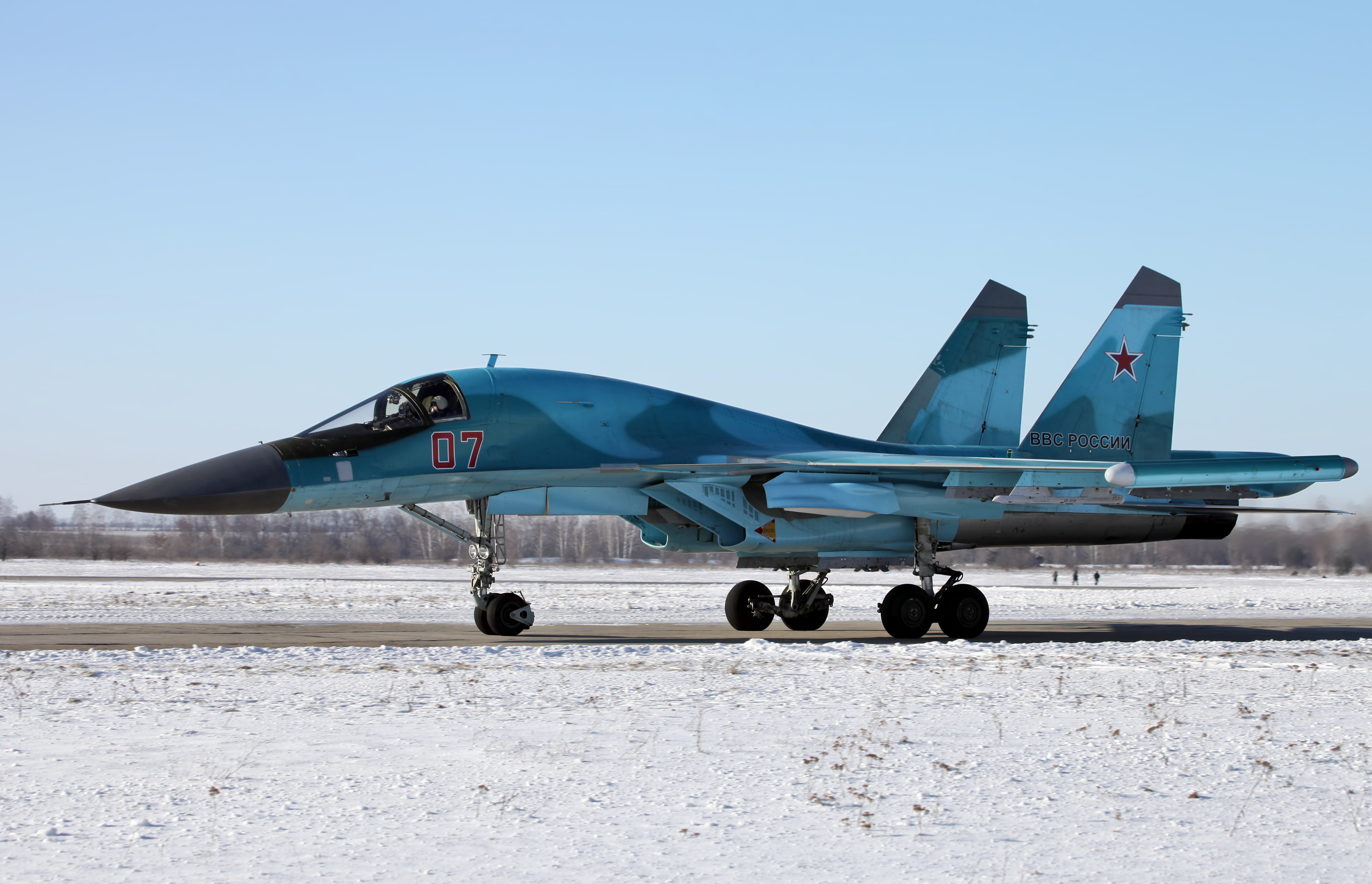
The Su-34, despite being derived from the Sukhoi Su-27 Flanker, is equipped with a cockpit with two seats next to each other; Due to its different role from other fighters in this family, it does not have the title of Flanker.
This fighter is primarily designed to attack ground and naval tactical targets and is capable of bombing, attack and air support operations. The fighter is capable of operating in any weather conditions and electronic warfare environments.
The main purpose of producing the Su-34 fighter is to replace the old Su-24 fighters and Tu-22M3 bombers in the Russian Air Force.
Su-34 fighter development
The design and development of the Su-34 fighter has a long history. Sukhoi first began a new design in the mid-1980s to replace the old Su-24 fighters. Next, the Su-27 fighter design was selected, which had a high maneuverability.
The original design of the Sukhoi 34 was known as the T10KM-2. The T10KM-2 is a Navy-derived version of the Sukhoi Su-27K. The design of the project was known in the Soviet Union as the T-10V, which was introduced in the late 1980s along with the design of the Soviet aircraft carrier Ulyanovsk.
In 1990, a photo of a prototype fighter landing on a Tbilisi aircraft carrier was released, which Western officials mistakenly identified as a Su-27KU fighter.
Tbilisi aircraft carrier: Admiral Kuznetsov aircraft carrier was first built under the name Riga, then launched under the name Leonid Brezhnev, then under the name Tbilisi conducted its naval tests and finally, it entered the service under the name of Admiral Kuznetsov.
Finally, the first flight of the Sukhoi 34 fighter jet was performed on April 13, 1990 by pilot Anatoliy Ivanov.
This version used a new nose, but the overall structure of the fighter was similar to the Su-27UB.
In 1992, the Su-27IB (Sukhoi 34 prototype) was unveiled at the MAKS Airshow and refueled from an Il-78 refueling tanker. The aircraft was officially unveiled on February 13, 1992 in Machulishi, Belarus. A year later, the fighter was re-introduced to the public at the MAKS Airshow.
The first version of this fighter, known as the T10V-2, first flew on September 18, 1993. The initial test version differed in appearance from the original because it was manufactured in Novosibirsk, the production site of the Sukhoi 24 fighter jet.
The first standard version of the Sukhoi 34 fighter jet flew on December 28, 1994, equipped with the Leninets OKB-designed V004 passive electronically scanned array radar system. This version, because it was different from the original versions, was once again introduced at the 1995 Paris Air Show under the name Su-32FN. This version was designed to serve off the coast of Russia to operate against naval targets. Sukhoi also produced another version called the Su-32MF, but it was canceled due to budget constraints.
The Russian military currently has two different versions of the Sukhoi 34, one for electronic warfare, equipped with the L700 Tarantul ECM pod, and the other for intelligence, surveillance and reconnaissance operations.
The modern version of the Sukhoi 34 is known as the Su-34M, which is equipped with a new electro-optical infrared targeting pod, a Kopyo-DL rearward facing radar that can warn the pilots if missiles are approaching, combined with automatic deployment of countermeasures and jamming
The difference between the two designs of Su-34 and Su-27KUB
The Su-27IB fighter (prototype Sukhoi 34) and the Su-27KUB, which is a naval training version, are not related to each other and each has a separate design. In appearance, the nose of the Su-27KUB design is quite round, but the nose of the Su-34 (Su-27IB) is like a duck tip.
Appearance difference between Sukhoi 34 and Sukhoi 27
Orders and delivery
The first batch of eight of these fighters was built at the Novosibirsk plant and was ready for delivery in 2004. In 2006, Russia’s defense minister announced the purchase of five Su-34 fighter jets. In late 2008, a contract was signed for the purchase of 32 Sukhoi 34 fighters until 2015.
According to reports from the Russian Ministry of Defense, by 2015, 70 Sukhoi 34s were to be replaced by 300 Sukhoi 24s, after which the program was canceled and the old Sukhoi 24s were upgraded.
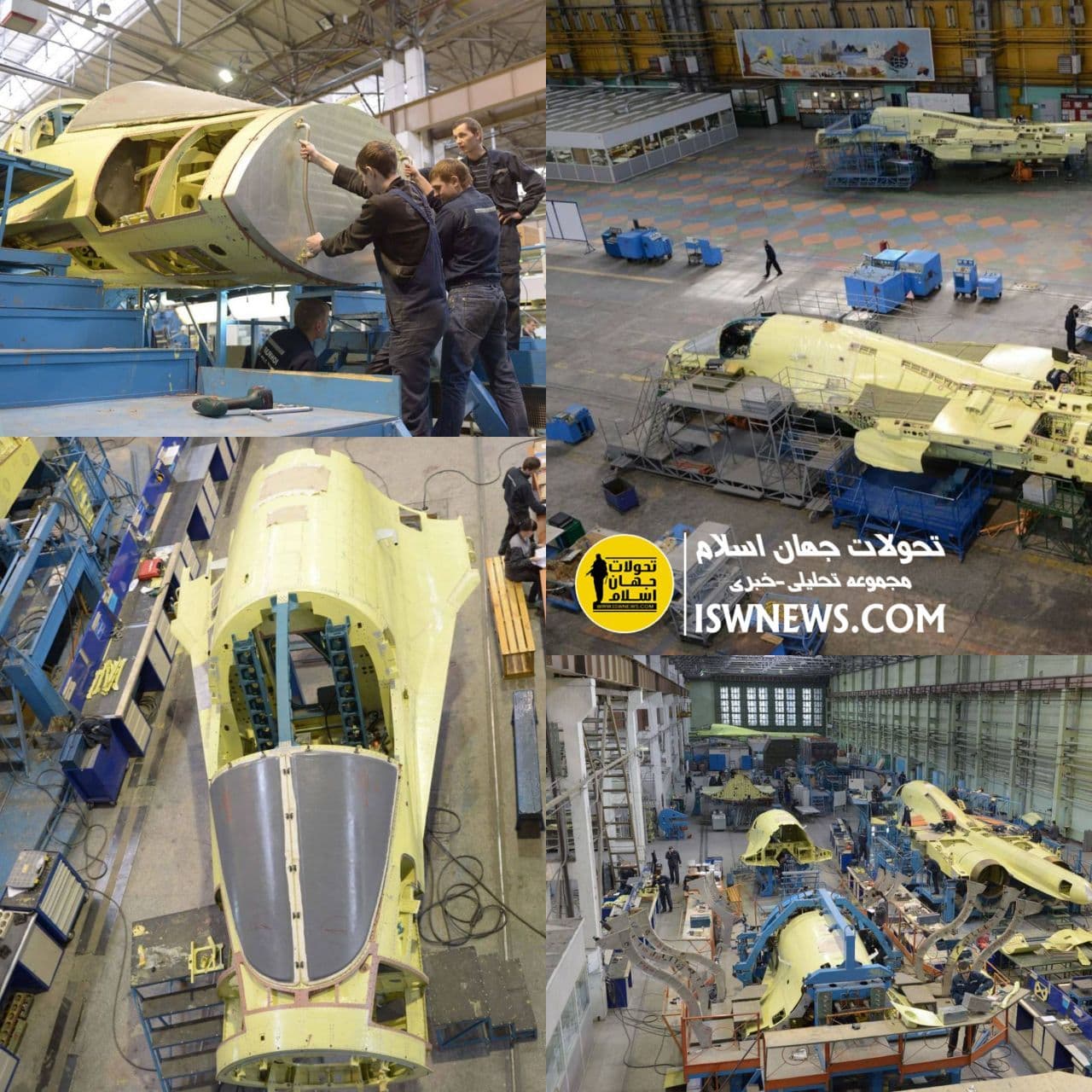
Production line/assembly of Su-34 fighter
Su-34 fighter design
The Sukhoi 34 is similar in structure to the Su-27 and Su-30 in wing, tail and engine nozzles, and similar to the Su-30MKI in the Canards. The engine of this fighter is Saturn AL-31FM1 turbofan, which is also installed on the Su-27SM fighter.
The operational range of this fighter is 4000 km with one time refueling and it is capable of carrying 8000 kg of all kinds of ammunition and weapons.
This fighter is also known by the nickname Duckling or Duckbill due to the fact that two pilots are placed next to each other. In the cockpit, the pilot is on the left and the weapons operator is on the right. One of the advantages of this design is that it is not necessary to use duplicate equipment for every pilot.
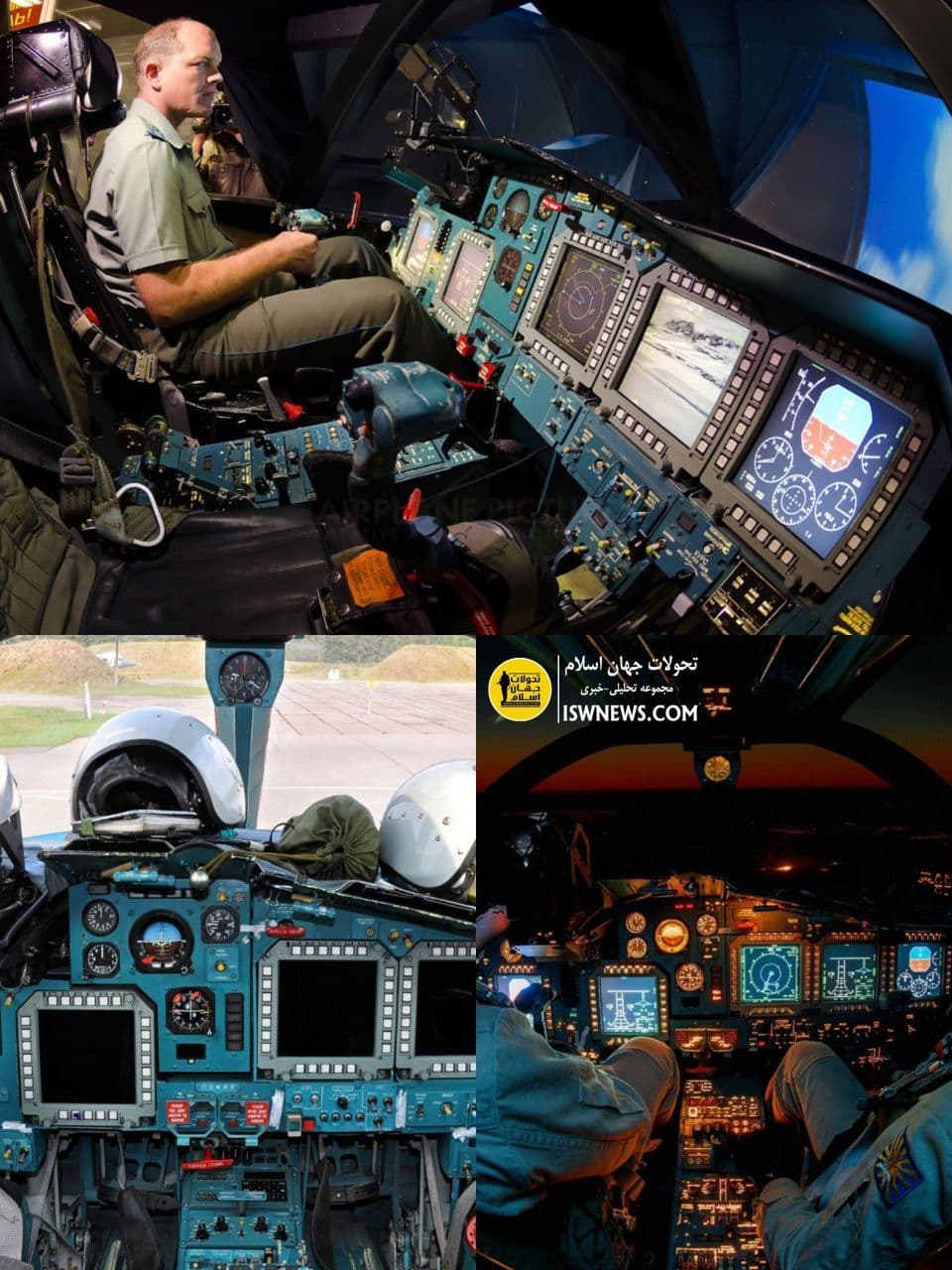
Su-34 fighter cockpit
Fighter crews are able to stand and walk inside the cockpit during long missions. Even the size of the cabin is so large that the pilot and operator have the ability to lie down and sleep on the floor. There is also a toilet and a small kitchen behind the crew seats.
Toilet inside the Su-34 fighter
The crew enters the fighter through a ladder from under the cockpit. The entire cockpit is covered with 17mm armor to withstand a variety of threats.
Ladder under the cockpit of the Su-34
The Su-34 fighter is equipped with the Helmet Mounted Display System (HMDS). HMDS is a device used in aircraft to project information to the pilot’s eyes. It provides the pilot with situation awareness, an enhanced image of the scene and cue weapons systems to the direction their head is pointing.
Su-34 fighter helmet
The radar of this fighter is Leninets OKB-designed V004 passive electronically scanned array radar, which has the ability to detect a variety of targets. The detection range of this radar is 200 to 250 km and it has the ability to detect 10 targets simultaneously. It also has the ability to engage with 4 targets simultaneously. In addition to the main radar, a N012 rearward-facing warning radar is used behind the fighter, which has a range of 120 km.
Sukhoi 34 front and rear radarVideo of Su-34 fighter flying, maneuvering, takeoff, landing, firing various missiles, rockets, etc.
Su-34 fighter-bomber specifications: Length: 23.34 m Wing length: 14.7 m Height: 6.09 m Empty weight: 22500 kg Gross weight: 45100 kg Engine: 2 × Saturn AL-31FM-1 turbofan Speed: 2200 km/h Range: 1100 km Service ceiling: 17,000 meters Crew: 2 Origin: Soviet Union (Russia) First flight: 13 April 1990 Produced: 2006–present Hardpoints: 12 × on wing and fuselage with a capacity of 8000 kg
Su-34 Armament:
Guns: 1 × 30 mm Gryazev-Shipunov GSh-30-1 autocannon with 180 rounds
KAB-500KR and KAB-1500KR TV guidance bombs KAB-500L and KAB-1500L laser guided bombs KAB-500OD guided bombs KAB-500S-E satellite guidance bombs RBK-500 and SPBE-D cluster bombs BETAB-500SHP concrete-piercing bombs ODAB-500PM, OFAB-100-120 and OFAB-250-270 free-fall bombs
80 mm S-8 missiles with a range of 1 to 4.5 km 122 mm S-13 missiles with a range of 1 to 4 km 340 mm S-25 rockets
Vympel R-73 short-range air-to-air missile with a range of 30 km All versions of the Vympel R-27 medium-range air-to-air missile with a range of 40 to 170 km Vympel NPO R-77 medium-range air-to-air missile with a range of 80 to 200 km
Kh-29 air-to-surface missile with a range of 10 to 12 km Kh-25 air-to-surface missile with a range of 11 to 60 km Kh-38 air-to-surface missile with a range of 70 km Kh-58 air-to-surface missile with a range of 120 km Kh-59 air-to-surface missile with a range of 200 km
Kh-36 cruise missile with a range of 120 km Kh-65SE cruise missile with a range of 600 km Kh-SD cruise missile with a range of 300 to 1,900 km
Kh-31A / AD anti-ship missile with a range of 25 to 105 km Kh-41 anti-ship missile with a range of 120 to 240 km Kh-35U anti-ship missile with a range of 300 km Kh-61 anti-ship missile with a range of 300 to 600 km
Kh-25MP anti-radar missile with a range of 60 km Kh-31P anti-radar missile with a range of 110 km Kh-58 anti-radar missile with a range of more than 120 km
According to the latest news from the Hajjah province, the Saudi-led forces are advancing on the southern road of Haradh, and have clashed with Ansar Allah at the southern entrance of the city. Meanwhile, drones and fighter jets of the Saudi coalition continue to attack Ansar Allah’s defensive positions in and outside of the city.
Clashes heavily continuing in the area and during Ansar Allah missile attacks on Ahem Triangle and al-Tawwal area, more than 20 members of the Saudi coalition, including Maj. Gen. Majid al-Riyadi, the financial director of the Fifth Military District, and Brigadier General Yahya Heikal al-Samini, one of the commanders of Mansour Hadi’s forces on the Hajj front were killed.
In general, the Saudi coalition has cut off the logistical roads of the city of Haradh, putting Ansar Allah in the district of Haradh in a quasi-siege. This situation will not be promising, despite Ansar Allah’s readiness for ground battles. Haradh is the most important base of Ansar Allah on the borders of Jizan.
On the other hand, Ansar Allah attacked the positions of the Saudi-led forces on the outskirts of al-Khuba town on the western borders of Saada province. This harassing attack has resulted in casualties and damage to the Saudi coalition but has not changed the military map so far.
According to the latest news from the northern front of Hajjah province, the Saudi coalition has launched new attacks since yesterday, February 5, to complete the siege of the city of Haradh. Accordingly, the Al-Mahsam military point in the eastern direction of the city of Haradh came under the control of the Saudi-led forces. The Mahsam point used to be the border point of the Yemeni army in the northern province of Hajjah, and has been completely destroyed by Saudi warplanes in recent years. Therefore, the announcement of the domination of this point has a media aspect and does not affect the process of conflicts.
Currently, clashes are taking place in the suburbs of Bani Marwan village, Jabal al-Mahasam and north of the Ahem triangle, and the town of Haradh is under the control of Ansar Allah. The Saudi coalition has declared the Haradh district a military zone, and its warplanes have bombed the Haradh fronts 15 times in the past 48 hours.
As long as Hasenayn mountain, the village of Mahsam and the valley of Haradh are under the control of Ansar Allah, the fall of the city of Haradh is not possible. Aware of this, the coalition has focused its attacks on Hasenayn mountain and the surrounding villages to complete the siege or force Ansar Allah to retreat.
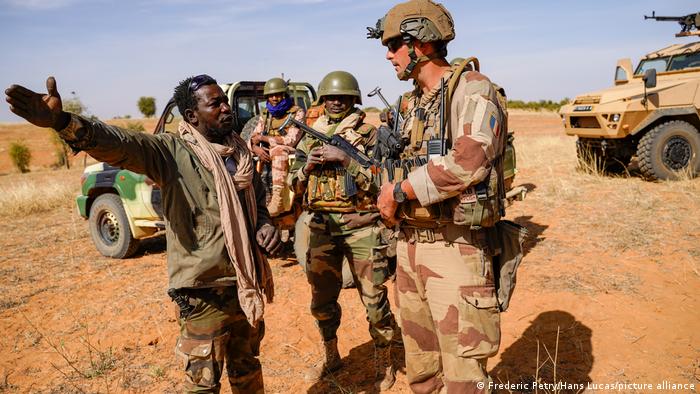
On January, relations between Mali and France escalated following a request by the Malian government from France to review bilateral defense agreements. Malian Prime Minister Choguel Kokalla Maïga has criticized the flight of Malian planes over Mali with the permission of France and called for the abolition of the framework. According to France’s defense agreements with the former Malian government, all domestic and international flights at the country’s airports must be coordinated with the French.
In the following, Jean-Yves Le Drian criticizing the Malian government for death of a high-ranking French soldier, Brigadier General Alexandre Martin, in a rocket attack on a French base in Gao, escalated the tensions between the two countries’ officials, and eventually the Mali government On Monday, January 31, ordered the expulsion of the French ambassador, Joel Meyer, from the Malicapital, Bamako. Following this order, the French ambassador must leave Mali within 72 hours after the message is sent, that is, by Thursday, February 3rd.
France also declared the Malian government an illegitimate government and announced the imposition of EU sanctions on its officials.
Given the severance of diplomatic relations between Mali and France, the next step in this tension is the expulsion of French troops from military bases in northern Mali. The Mali government is also likely to call for the withdrawal of European troops in response to possible EU sanctions, ending a rivalry between Russia and France.
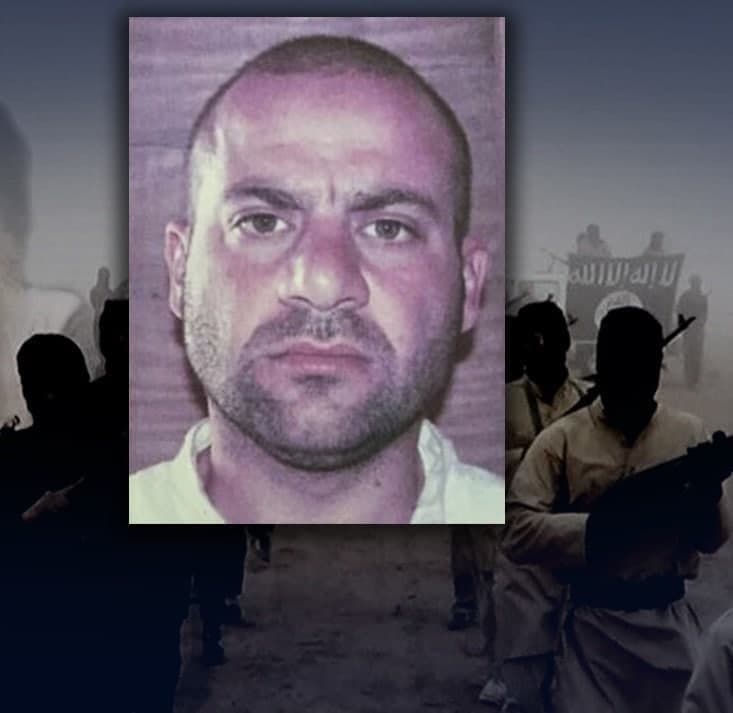
US President Joseph Biden said in a statement: “Abu Ibrahim al-Hashimi al-Qurayshi, the leader of ISIS, was killed in a US-led operation in Idlib province this morning.” The US president also said there were no US casualties in the attack.
Abu Ibrahim al-Qurayshi was appointed to lead the terrorist group after the assassination of Abu Bakr al-Baghdadi, a former ISIS leader, in October 26, 2019. “Abdullah Qardash” and “Haji Abdullah” were his other names.
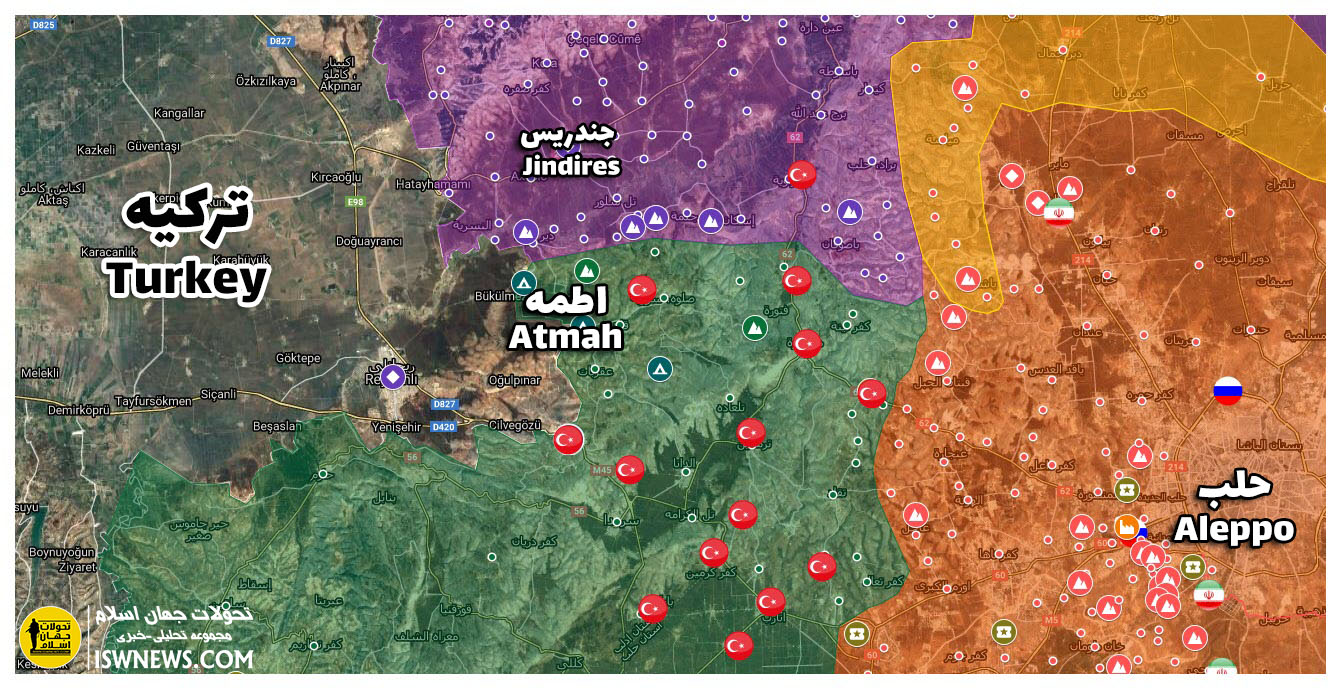
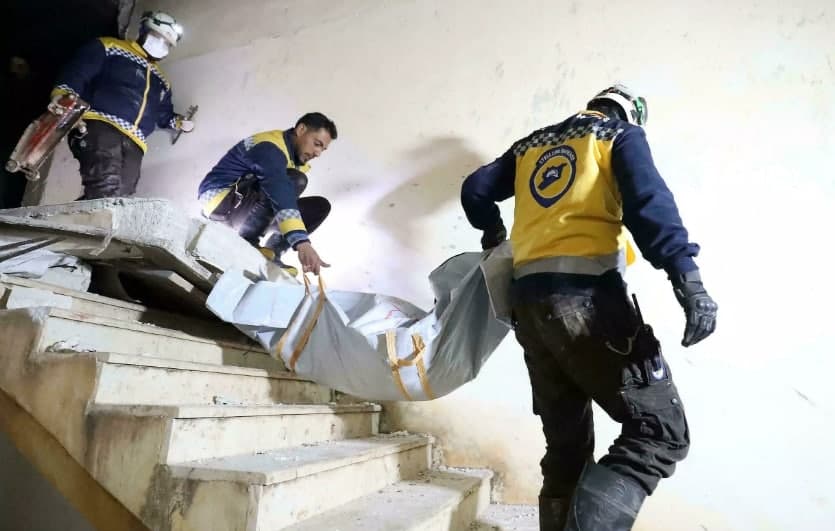
At around 1 a.m. on February 3, US Special Forces surrounded a house on the outskirts of the town of Atmah in Idlib province, near the Turkish border, during an air drop operation, sparking heavy fighting between US troops and the militants. Finally, after hours of fighting, US troops left the area. The operation was backed by several attack helicopters, combat drones and warplanes.
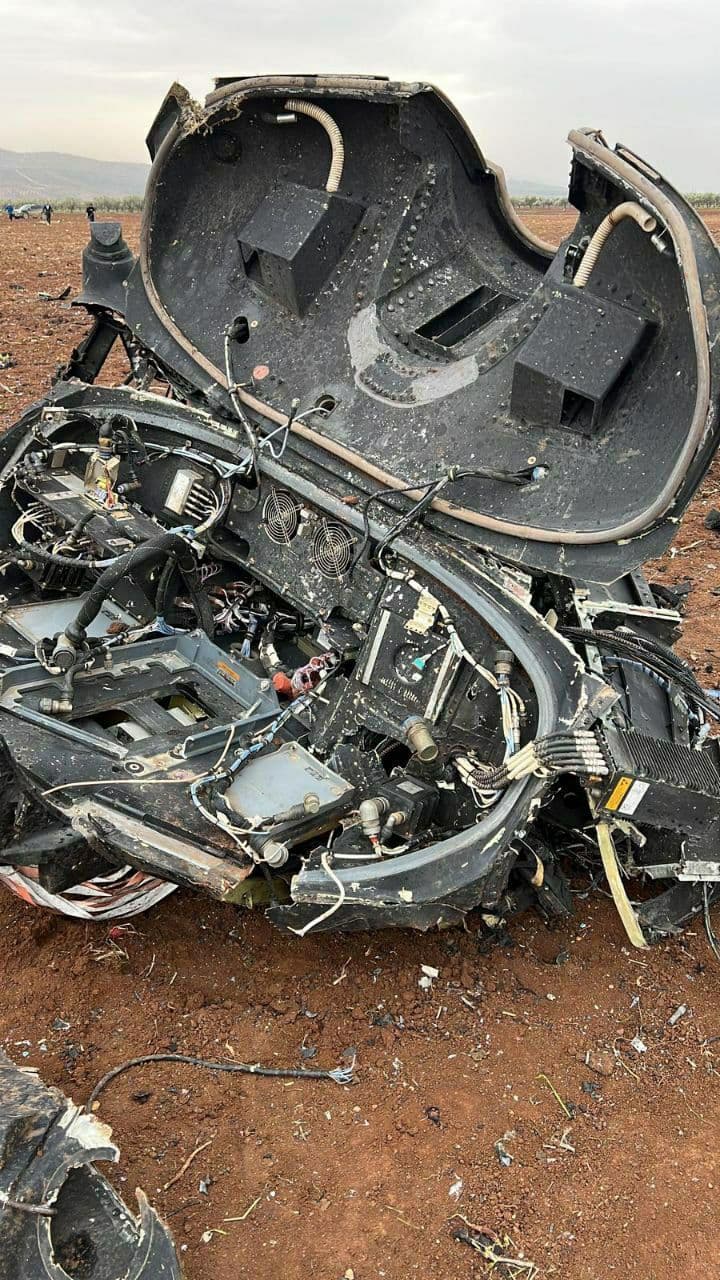
During the operation, a US helicopter also had a technical problem and was destroyed by US forces. After the operation, US helicopters entered Turkish territory. This reflected the full intelligence and military cooperation of Turkey and the United States during the operation.
According to local sources, the US military operation met with heavy resistance from the militants, and the clashes lasted for three hours, with the possibility of casualties among US forces.
Following the operation, Pentagon spokesman John Kirby said in a statement that US Special Operations Forces, under the control of US Central Command, had carried out a counter-terrorism mission against a prominent terrorist in northwestern Syria. The mission was successful and there were no casualties for US troops.
US President Joseph Biden will also address the operation.
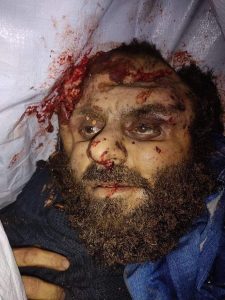
The Pentagon has said that the target of the operation was a terrorist commander in Syria, but released images show that at least 13 people, including four women and six children, were killed in the attack.
It should be noted that the operation and the amount of support was similar to the US operation on October 26, 2019 to assassinate ISIS leader Abu Bakr al-Baghdadi in the village of Barisha in the Syrian province of Idlib. The city of Atma is located 24 kilometers from the place where Abu Bakr al-Baghdadi was killed.
No details have been released about the man killed by the United States. But it is possible that the operation was carried out to assassinate high-ranking commanders of Tahrir al-Sham or ISIS.
The results of the US military attack on the city of AtmahThe results of the US military attack on the city of AtmahThe results of the US military attack on the city of AtmahA video of the moment the US military clashed with the militants in the city of AtmahImages of the helicopter that was destroyed by American forces after a technical problem
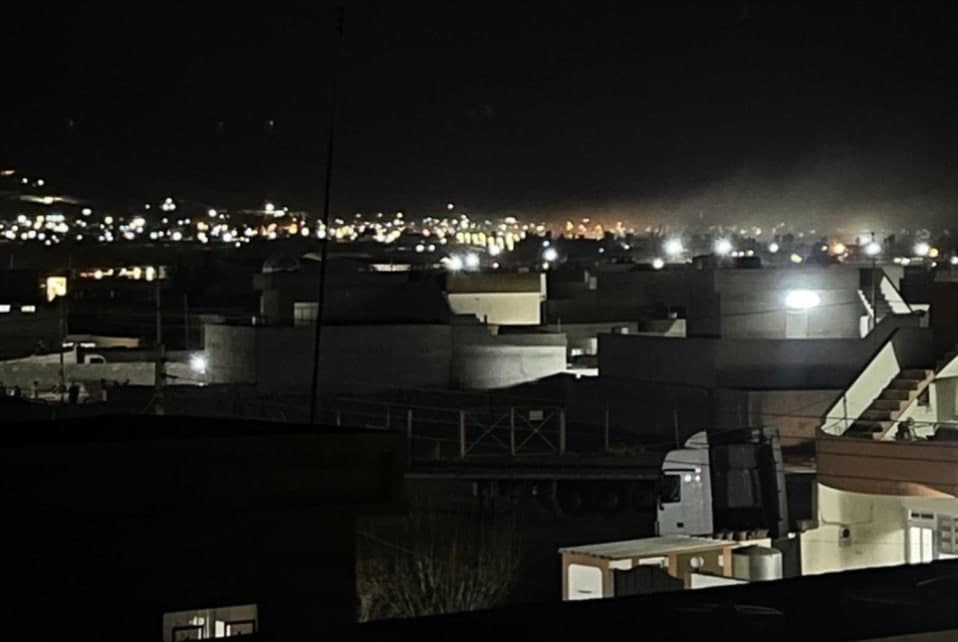
Late on February 1, Turkish warplanes pounded alleged positions of Kurdish militant in south of Malikiyah in Syria’s Hasakah province, as well as several other points in Iraq such as the Makhmour refugee camp in the Makhmour region and the Sinjar Resistance Forces (YBS) positions in the Sinjar region.
The Turkish Ministry of Defense announced that Turkish military aircraft had attacked targets belonging to PKK, including training bases, shelters and ammunition depots in Iraq and northern Syria.
So far, no exact information has been released about the casualties caused by this operation.