According to preliminary information, the Turkish military base “Ba’ashiqa” in the Zelkan area north of the city of Mosul was targeted by four rockets. No casualties have been reported so far.
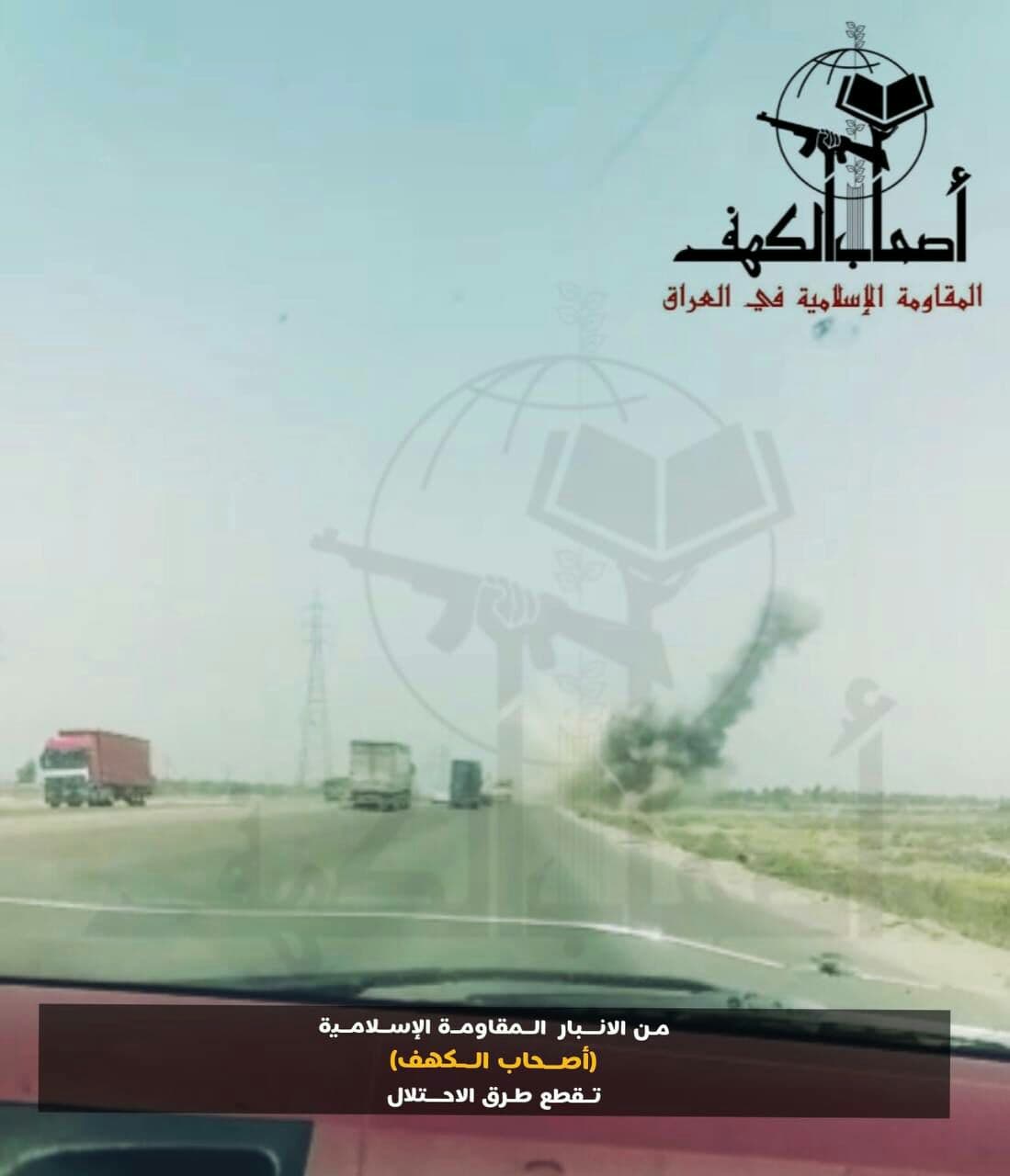
This is the first time that Iraqi resistance groups have used RPG9 to target American convoys. Ashab Al-Kahf group also announced that the highway to southern Iraq is part of the Islamic Resistance operation area and that any convoy belonging to the United States will be targeted.
With the beginning of the New Year, the confrontation with the American occupiers seems to have entered a new level.
According to data obtained by ISWNews, this is the 262nd attack by Iraqi resistance groups on US logistical convoys on 2021.
In the early hours of 3 January 2020, , Hajj Qasem Soleimani, commander of the IRGC Quds Force and Abu Mahdi al-Mohandes, deputy head of the Popular Mobilization Organization, and their companions were assassinated in an airstrike by the US regime near Baghdad Airport. After this attack, resistance groups and prominent figures in the region, while emphasizing and appreciating the actions of martyrs Hajj Qasem Soleimani and Abu Mahdi al-Mohandes in the fight against terrorism and increasing security in the region, threatened the United States to receive a proper response to this crime.
The Iraqi people and groups also called for the expulsion of the United States from Iraq and revenge for the blood of the martyrs of this terrorist attack, given the oppressed martyrdom of their compatriots by the United States in recent years and the repeated violations of their country’s sovereignty.
Therefore, shortly after this crime, new Iraqi resistance groups emerged in this country. These groups declared that their main goal is a more serious military confrontation against the United States and its interests in all parts of Iraq until the complete expulsion of the occupying forces from the country.
So far, 19 Iraqi resistance groups have announced their presence in the country to counter the US occupation. The names of these groups are as follows: 1- “Qasim Al-Jabbarin Resistance” Group 2- “Ashab Al-Kahf Resistance” Group 3- “Saraya Oliya Al-Dam Resistance” Group 4- “International Resistance Faction” Resistance Group 5- “Saraya Thurat Al-Ashrin Al-Thaniyah” Resistance Group 6- “Usbat Al-Thaireen” Resistance Group 7- “Ulu Al-Azm” Resistance Group 8- “Katibat Al-Sabequn” Resistance Group 9- “Liwa Khaybar” Resistance Group 10- “Thar Al-Muhandis” Resistance Group 11- “Quwat Al-Zulfiqar” Resistance Group 12- “Kataib Abolfazl Al-Abbas” Resistance Group 13- “Saraya Al-Muntaqim” Resistance Group 14- “Martyr Karim Dar’am” Resistance Group 15- “Liwa Al-Montaqimun” Resistance Group 16- “Liwa Al-Thaireen” Resistance Group 17- “Saraya Ababil” Resistance Group 18- “Tashkil al-Warithin” Resistance Group
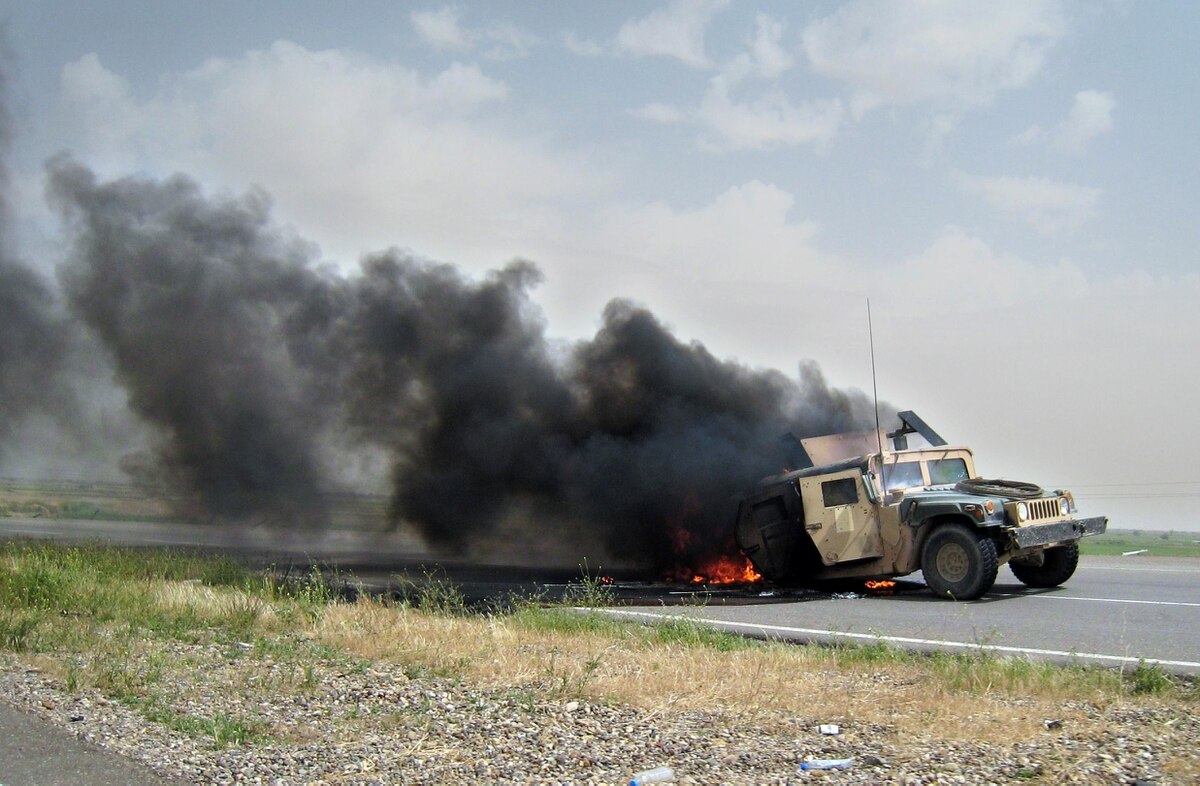
In 2022, Iraqi resistance groups directly and indirectly carried out 102 attacks against the U.S. troops and U.S. interests on Iraqi soil. Most of these attacks were carried out in the form of roadside bombs against American logistical convoys.
Click to see the full size image
Iraqi Resistance Groups collection of posters in Persian, Arabic, Kurdish, Azerbaijani, Russian for Social Media:
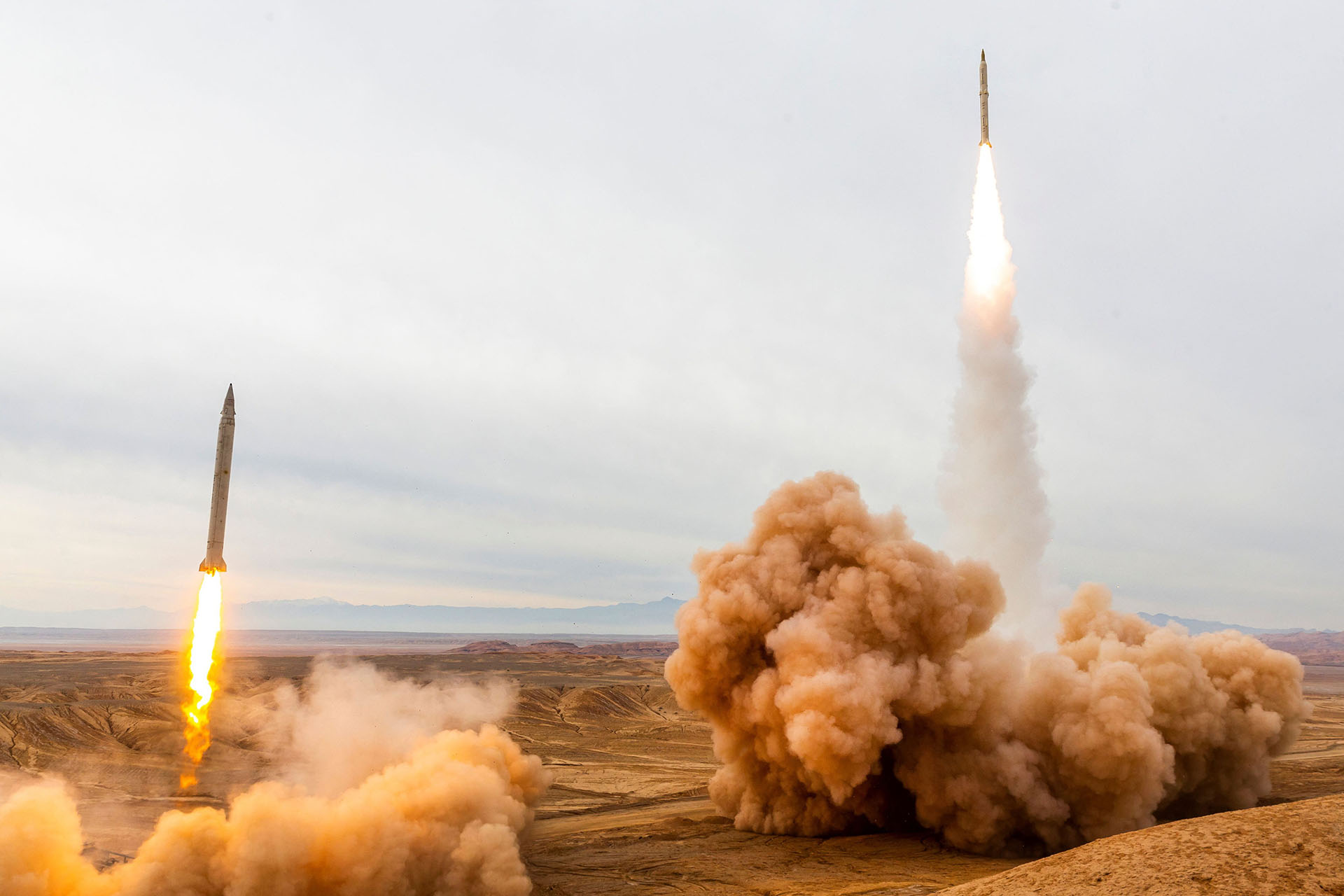
This Sejjil mid-range ballistic missile has an operational range of 2000 – 2500 km and has a great accuracy in hitting its target. Accuracy, short preparation time, portable launcher, capability of transporting ready missile and using TVC system are among the extraordinary properties.
Sejil is the first mid-range solid fueled missile of Iran. Some experts consider it the best Iranian ballistic missile. This missile has a mobile launch system capable of carrying a ready-to-launch missile.
The solid-fueled missile needs only a few minutes to prepare and the launcher leaves launching point immediately which gives the missile ultimate stealth mode. Sejjil has high acceleration which makes it difficult for enemy to track it at the initial stage of launch and thus intercepting.
Sejjil 1 did not have a guided warhead and its error was between 100 and 150 meters. However, in Sejjil 2, which was unveiled on December 15, 2009, fins were added to the Sejjil 2 warhead to guide it until it hit the target, which reduced the missile’s error to less than 10 meters.
Sejjil ballistic missile has a speed of Mach 12 to 14 (about 3400 to 4300 km/h) when entering the atmosphere and will hit the target at Mach 5.
Sejjil missile specifications: Length: 17.57 meters Diameter: 1.25 meters Weight: 23623 kg Warhead: High Explosive materials from 500 kg Fuel: Solid (two-stages) Range: 2000 to 2500 km Flight trajectory: Ballistic Accuracy: Error below 10 meters
Ashab al-Kahf resistance group claimed responsibility for the attack.
According to data obtained by ISWNews, this is the 204th attacks by Iraqi resistance groups on US logistical convoys since March 21. Of these, 23 attacks were carried out in Anbar province.
After the end of Operation Faamkana Minhom in March 2020, the clashes in al-Jawf province continued in the northern axis from al-Khanjar camp to al-Yatmah town and the eastern axis from the eastern desert of al-Maraziq to al-Labanat base. The Saudi coalition equipping local forces under the command of Sheikh Amin al-Akimi, the governor of Mansour Hadi in Jawf province, had focused its attacks on the northern heights of al-Jawf and the al-Khanjar camp. Al-Akimi, with the support of the Saudi coalition and the Yatmah tribes, repeatedly attacked Ansar Allah positions, and despite several limited Ansar Allah operations in the al-Dhahra and Qash’an heights, his attacks on Ansar Allahcontinued.
Finally, with the escalation of the clashes on this axis from December 4, Ansar Allah started Operation Fajr Al-Sahra.
In its initial stages, Ansar Allah succeeded in liberating the areas of Qarn Ibn Shaman, Qarn al-Hijra, and Malawi, and consolidated its fire control over the area by strengthening its positions in Jabal Arafah. This was followed by clashes in Jabal al-Hashifa and al-Ja’id, and the news of the coalition commanders fleeing from the Yatmah led the leaders of the Yatmah tribes to talk and compromise with Ansar Allah.
According to the agreement reached between the Yatmah tribes and Ansar Allah, it was decided that Ansar Allah would not enter the Yatmah and that the representatives of the tribes in the area would control and prevent the entry of Saudi-led forces into the area. However, this agreement failed with the deployment of the Saudi coalition forces to the Yatmah and the inability of the tribes against them. Ansar Allah also took the opportunity and on December 16, by launching several ground attacks, succeeded in pushing the Saudi coalition back from the Yatmah and Hadhbat Al-Jaid areas on the evening of December 23, and Ansar Allah forces and popular committees entered the Yatmah on December 24.
According to a statement from the Yemeni Armed Forces, Ansar Allah destroyed 15 military and armored vehicles in the operation. The death toll from the Saudi-led forces was 35, with 37 wounded and 45 captured. Saudi coalition warplanes have also bombed northern al-Jawf more than 60 times, with little effect on Ansar Allah advances. During the operation, Ansar Allah air defense shot down the 11th US-made Scan Eagle drone over the skies of Yatmah and in several other operations, prevented Saudi warplanes from entering the battles north of al-Jawf.
In the eastern axis of al-Jawf, clashes continue in the suburbs of al-Khanjar camp to the eastern desert of al-Maraziq and the hills of al-Alam.
As Brigadier General Yahya al-Sari’ pointed out in his statement, Ansar Allah has taken control of all important urban areas in al-Jawf province with the liberation of al-Yatmah, and the Saudi coalition has no control over any important point other than the eastern deserts of Khab and Shaaf district.
According to local sources in Shabwa province, on the evening of Tuesday, December 28, a gathering of Saudi-led forces at the airport in the city of Ataq was targeted by unknown strikes. Details of the attack have not yet been released officially, but local sources believe the attack was carried out by Ansar Allah.
Ansar Allah reportedly used a missile (possibly Nikal or Sa’ir and Qasim 2) and a suicide drone (possibly Qasef 2K) to attack the gathering, killing 12 and wounding 14 Saudi-led forces. Some other sources also put the death toll at more than 46.
It should be noted that Amaliqah forces have recently entered the city of Ataq on the orders of the Saudi coalition command and to take part in the operation to retake districts of Usaylan, Bayhan, Ain, Markha Olia and Markha Sofla from Ansar Allah.
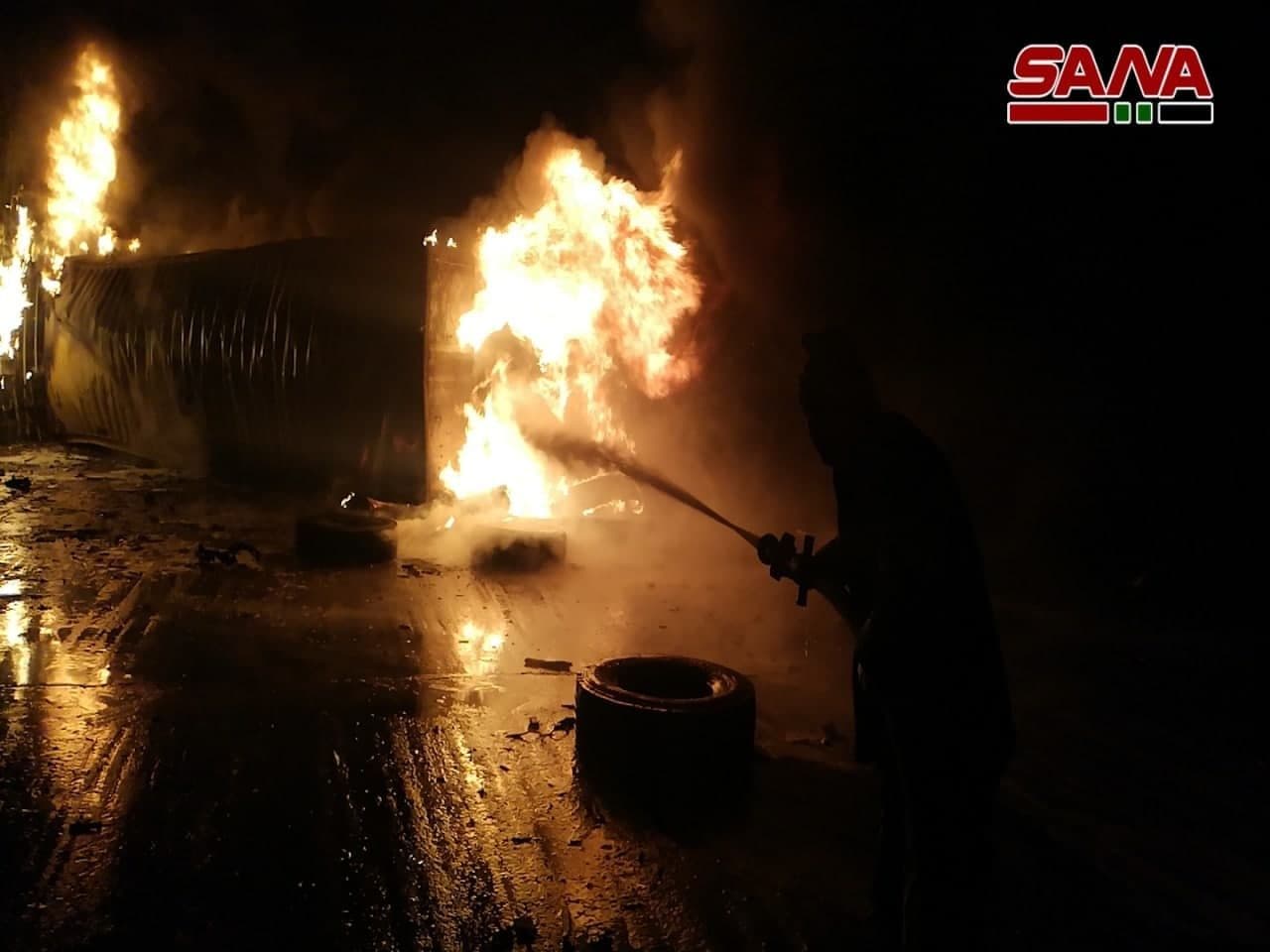
According to Syrian military sources “At 3:21 a.m. (local time), Israeli regime carried out attacks with missiles from the depth of the Mediterranean, west of Latakia, targeting the container yard in the commercial port in Latakia, which led to fires in the place and causing great material damages.”
Also on December 6, Israeli warplanes fired several missiles from the Mediterranean Sea at the container area of the commercial port of Latakia, causing fire in the area. One person was killed and nine others were injured in the attack.
The Latakia Fire Brigade Commander stated that the containers that were attacked contained milk powder, engine oil and car tires. Also, the area of fire is wider than the previous Israeli attack on the port of Latakia, so the firefighting operation took a long time. He said al-Nada hospital and some buildings and shops near the port were also damaged in the attack.
Aftermath of this morning’s attack by Zionist regime fighters on the port of Latakia
Aftermath of this morning’s attack by Zionist regime fighters on the port of LatakiaAftermath of this morning’s attack by Zionist regime fighters on the port of LatakiaAftermath of this morning’s attack by Zionist regime fighters on the port of Latakia
According to data obtained by ISWNews, this is the 201th attacks by Iraqi resistance groups on US logistical convoys since March 21. Of these, 43 attacks were carried out in Qadisiyah province.
According to General Abbas Nilforooshan, Deputy Chief of operations of the Islamic Revolutionary Guard Corps and spokesman of the IRGC Great Prophet 17 exercise, this exercise was carried out in order to increase the level of combat readiness of the IRGC and based on the simulation of one of the most advanced offensive plans in combined wars and various war conditions.
In general, during the five days, the IRGC’s ground, naval and aerospace forces carried out various stages of naval, land, drone and missile exercises.
On the second day of the exercise, missile units from the coast and Zulfiqar-class speedboats in the sea simultaneously firing five anti-ship cruise missiles destroyed predetermined targets.
The “Mohajer-6” drones also destroyed the targets of hypothetical enemy with 100% accuracy by launching Qaem air-to-ground glide bomb and Almas smart missile.
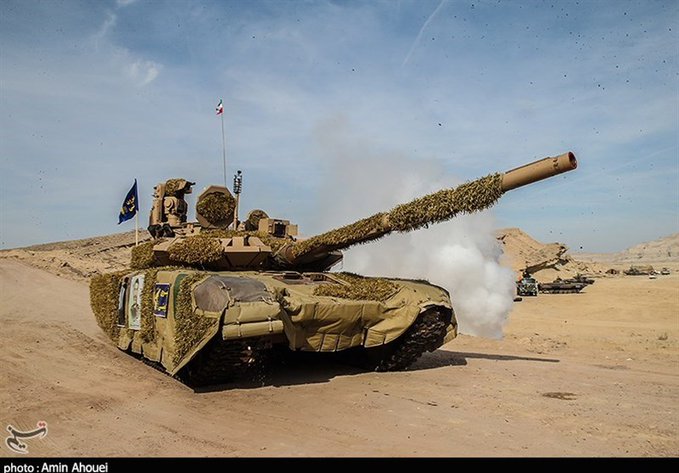
It should be noted that the advanced Karrar tank (upgraded T72M) was delivered to the IRGC ground forces and was used for the first time in this exercise.
Karrar tank
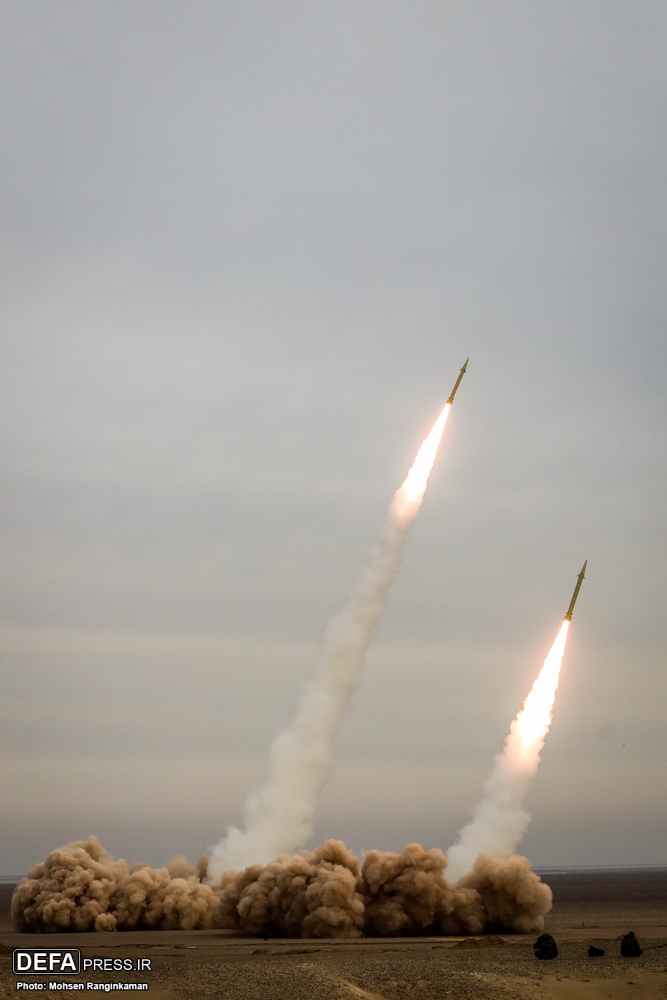
In the final phase of the joint exercise of the Great Prophet 17, 16 missiles of Emad, Qadr, Sejjil, Dezful and Zulfaqar and Zelzal were fired at the simulated targets and destroyed the designated positions with 100% accuracy. Simultaneously with the firing of the missiles, 10 Shahed-136 suicide drones of the IRGC Air Force were fired at the designated targets.
Launch of “Shahed-136” suicide drones from a 5-launcher pod
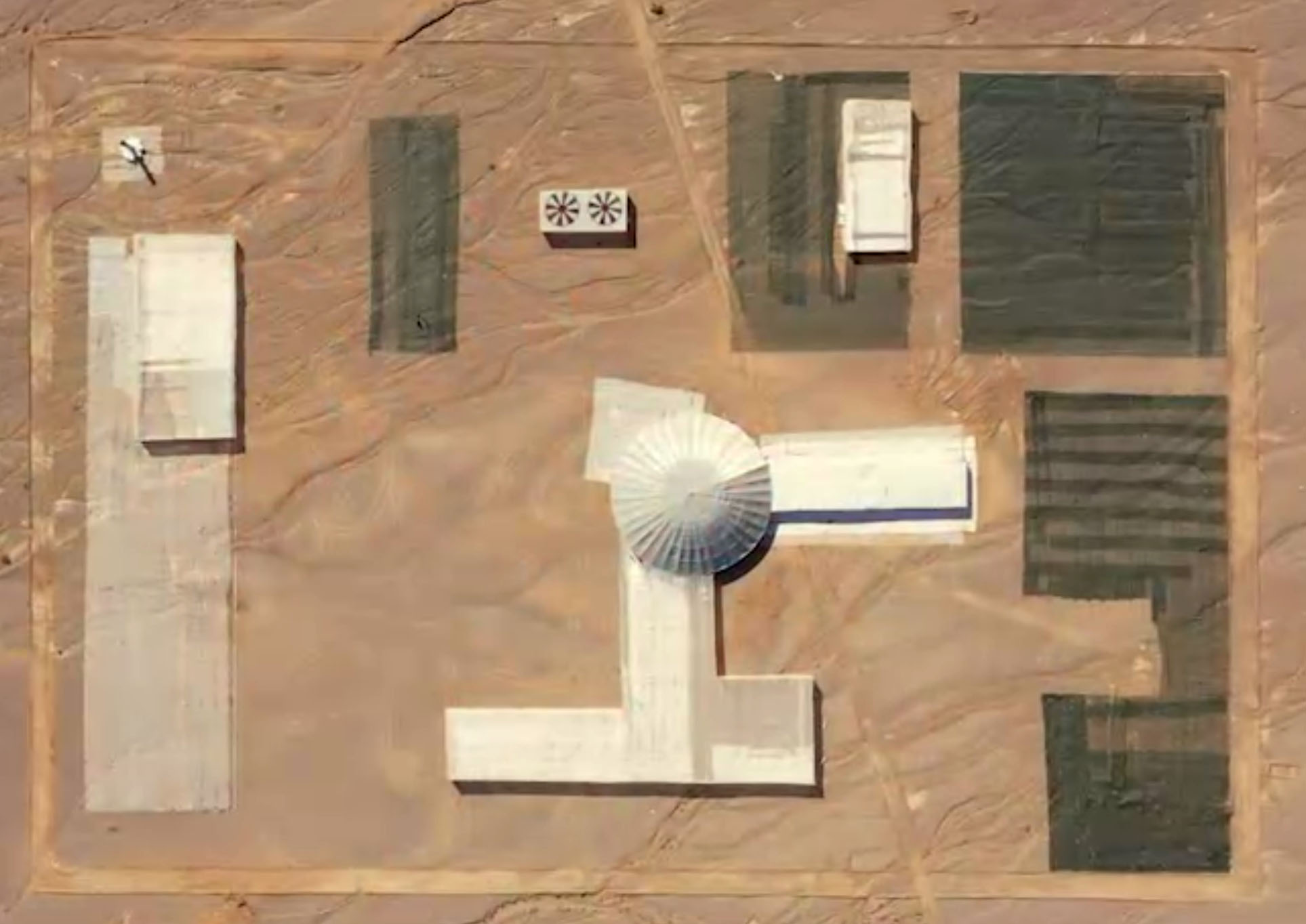
One of the highlights of the operation was the use of a replica of Israel’s Dimona nuclear power plant. The move was in response to recent Israeli threats against Iran. Israel has threatened Iran in recent months to bomb Iran’s nuclear facilities.
Simultaneous firing of 16 long-range, medium-range and short-range missiles of Emad, Qadr, Sejjil, Dezful, Zelzal and ZulfaqarSimulation of the attack on the Zionist regime’s weapons of mass destruction center during the Great Prophet 17 exerciseReplica of Dimona nuclear plant
General Mohammad Bagheri, Chief of General Staff of the Armed Forces, said: “When 16 missiles hit a target, it is a small part of hundreds of missiles that can simultaneously target enemy country (Israel) that intends to fight and attack the Islamic Republic of Iran. The Islamic Republic of Iran does not accept these threats and is currently negotiating with countries to advance the country’s goals and will not tolerate such threats.”
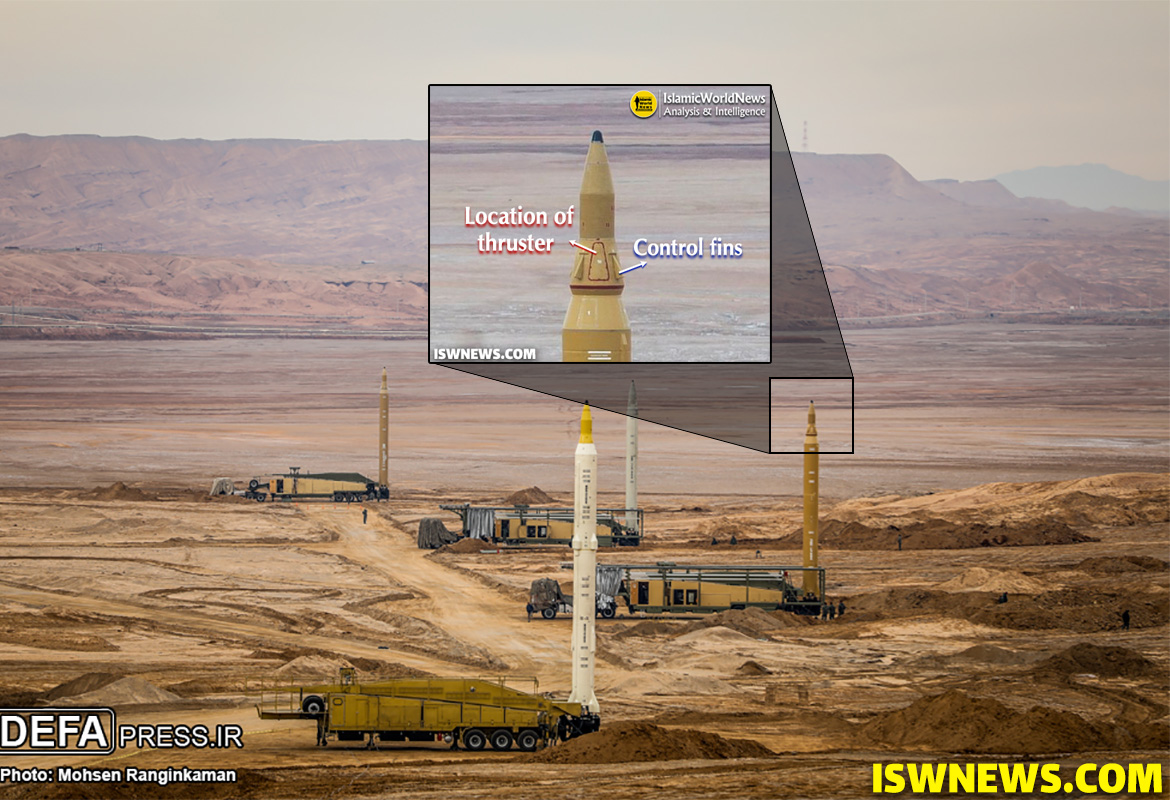
Regarding the missile exercise, Iran unveiled for the first time the exo-atmospheric trajectory maneuvering technology of its warheads for Qadr medium range ballistic missiles. The exo-atmospheric trajectory maneuvering technology, in addition to increase accuracy, guiding and maneuvering of Qadr missile in the atmosphere enhances its penetrability against missile defense.
Interview with General Amir Ali Hajizadeh, commander of the IRGC Aerospace Force – Credit: @AbuReza1990M
Brigadier General Amir Ali Hajizadeh, commander of the IRGC Aerospace Force, said: “It is very difficult to hit ballistic missiles for defense systems and they can hit a small percentage of the missiles, So the hundreds of billions of dollars spent by our enemies are gone and became zero. We have been able to direct ballistic missiles to move and maneuver in different directions, and this phenomenon makes the intercept for the enemy very difficult.”
Dropping Yasin Bomb by Sukhoi-22 FightersCovering the airspace of the Persian Gulf with the Sevvum(3rd) Khordad air defense systems
The technology or maneuverability of warhead outside atmosphere is performed with the help of pressurized gas thrusts or dual liquid fuel, and by changing the direction of the warhead, the trajectory is variable and the exact direction of the warhead is unpredictable. Therefore, this capability greatly reduces the chances of an air defense missile hitting a warhead.
The exo-atmospheric trajectory maneuvering technology, in addition to increase accuracy, guiding and maneuvering of Qadr missile in the atmosphere enhances its penetrability against missile defenses.
The maneuverability of medium- to high-range ballistic missile warheads can be achieved in two ways: maneuverability outside the atmosphere and hypersonic flight in the atmosphere. Considering the challenges of hypersonic wave rider warheads such as temperature management, guidance, materials and manufacturing process, the exo-atmospheric maneuvering method seems to be the most optimal option considering the performance, cost and time to upgrade conventional ballistic missile warheads in order to escape the air defense missiles.
For example, in this method, the old warheads can be upgraded and there is no need to use new complex and expensive refractory materials; The base design of the warheads does not change much and there is no need to design from the base.
According to studies, apparently the only country that has officially unveiled and used exo-atmospheric maneuvering technology so far is Russia and the Topol-MR intercontinental ballistic missile. Now, with this unveiling, Iran is one of the owners of this technology.