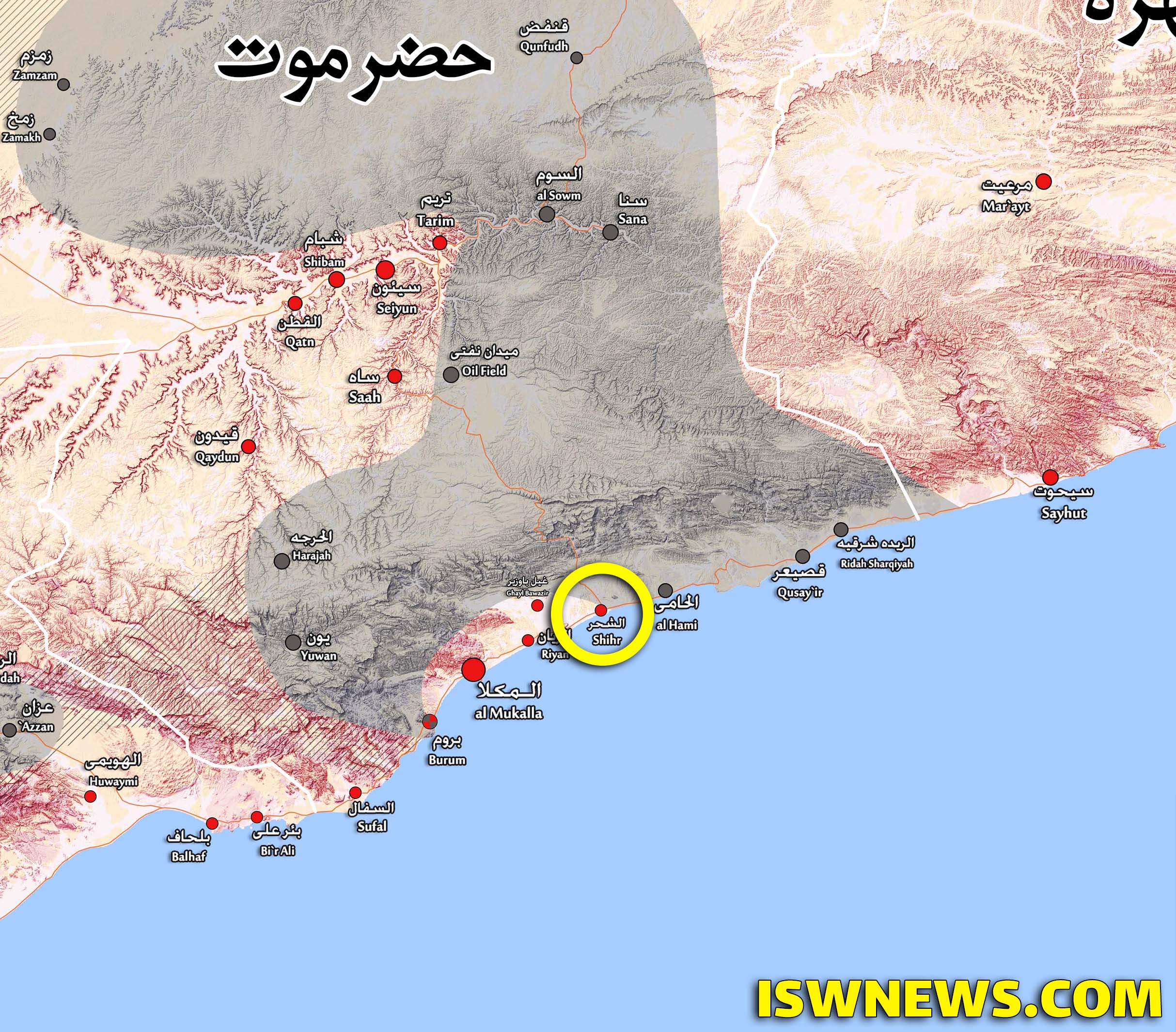
According to the Yemeni Rescue Government oil ministry, the Chinese tanker APOLYTARES entered the port of Al-Shihr on the coast of Hadhramaut province to load oil which was extracted from the Saudi coalition-occupied oilfields in the eastern provinces of Yemen.
This is the second time that Chinese tankers have entered the southern coast of Yemen to plunder crude oil. The APOLYTARES tanker also entered the port of Al-Shahar on April 10, transporting 2,375,090 barrels of oil worth $ 251 million to China.
On this account, the Chinese have so far looted about 5 million barrels of Yemeni oil through the mediation of the Saudis and the UAE and handed over the money at a low price to the resigned and illegal Yemeni government. According to the Yemeni Rescue Government oil ministry, this amount of money is enough to pay the salaries of all Yemeni employees for more than two months!
China’s support for Saudi Arabia and the UAE in the Yemeni war has not been limited to oil purchases, and the introduction of CH-4 and Wing Loong 1 and 2 reconnaissance and combat drones has been on the agenda in recent years.
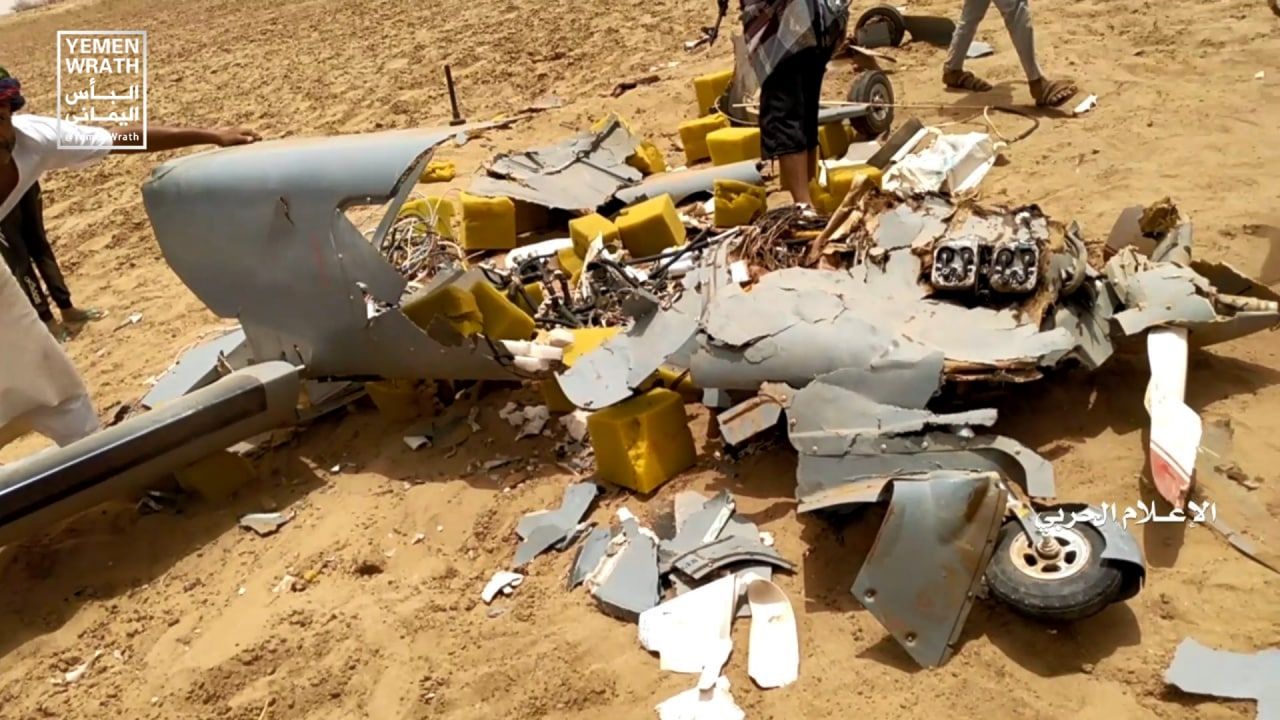
According to the spokesman of the Yemeni Armed Forces, Brigadier General Yahya al-Sari’, Ansar Allah air defenses on the morning of May 24th, managed to destroy a Wing Loong 2 drone at the borders of Kitaf distict. The drone crashed after being hit by an Ansar Allah air defence missile inside Najran province in southern Saudi Arabia.
It should be noted that this is the fifth drone to be shot down by Ansar Allah after the implementation of the ceasefire agreement in Yemen.
Also, according to data obtained by ISWNEWS, this is the eighth Chinese Wing Loong 1 or 2 drone to be shot down by Ansar Allah since the start of the war in Yemen.
Details of the shot down of the six drones are as follows: 1- UAE-owned Wing Loong in the Kholan region of Sanaa province, on September 26, 2016. 2- UAE-owned Wing Loong in Saada province, and on April 19, 2019. 3- Saudi-owned Wing Loong in the district of Hayran in Hajjah province, on November 30, 2019. 4- Saudi-owned Wing Loong in the north of Saada province, on May 21, 2021. 5- Saudi-owned Wing Loong in the district of Kataf in the north of Saada province, on September 13, 2021. 6- UAE-owned Wing Loong in the Usaylan district in Shabwa province, on January 5, 2022. 7- UAE-owned Wing Loong in the Ain district in Shabwa province, on January 11, 2022. 8- Saudi-owned Wing Loong in the Kitaf district in the north of Saada province, on May 24, 2022.
Despite the ceasefire agreement announced by the United Nations and 50 days after its start, the Saudi coalition continues to conduct military and reconnaissance flights over Yemen. In response to this blatant violation of the ceasefire agreement, Ansar Allah air defense systems shot down a Saudi coalition drone in the skies over the areas under its control for the third time since the agreement was implemented.
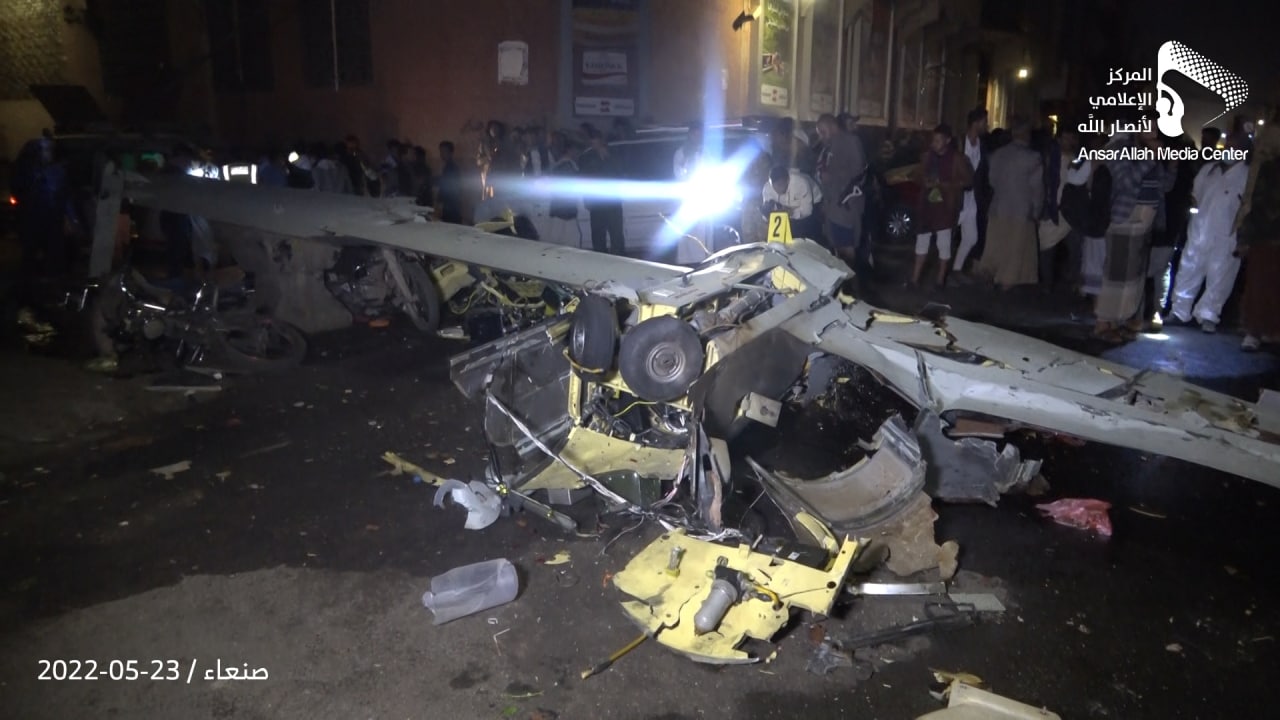
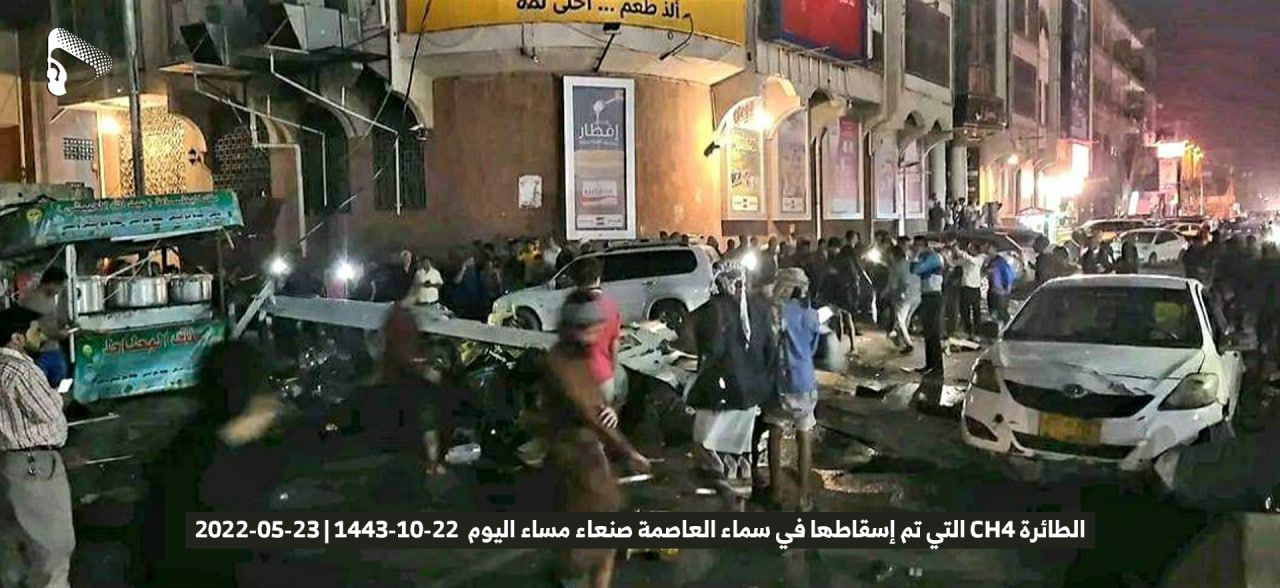
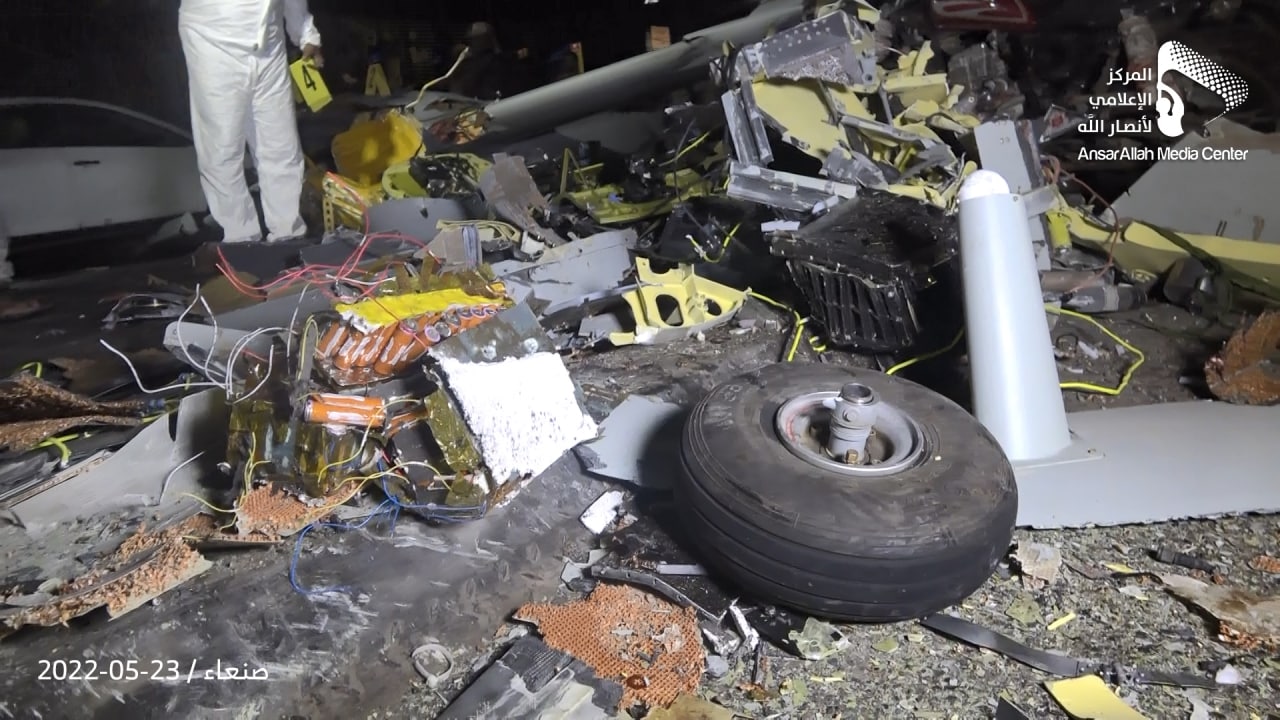
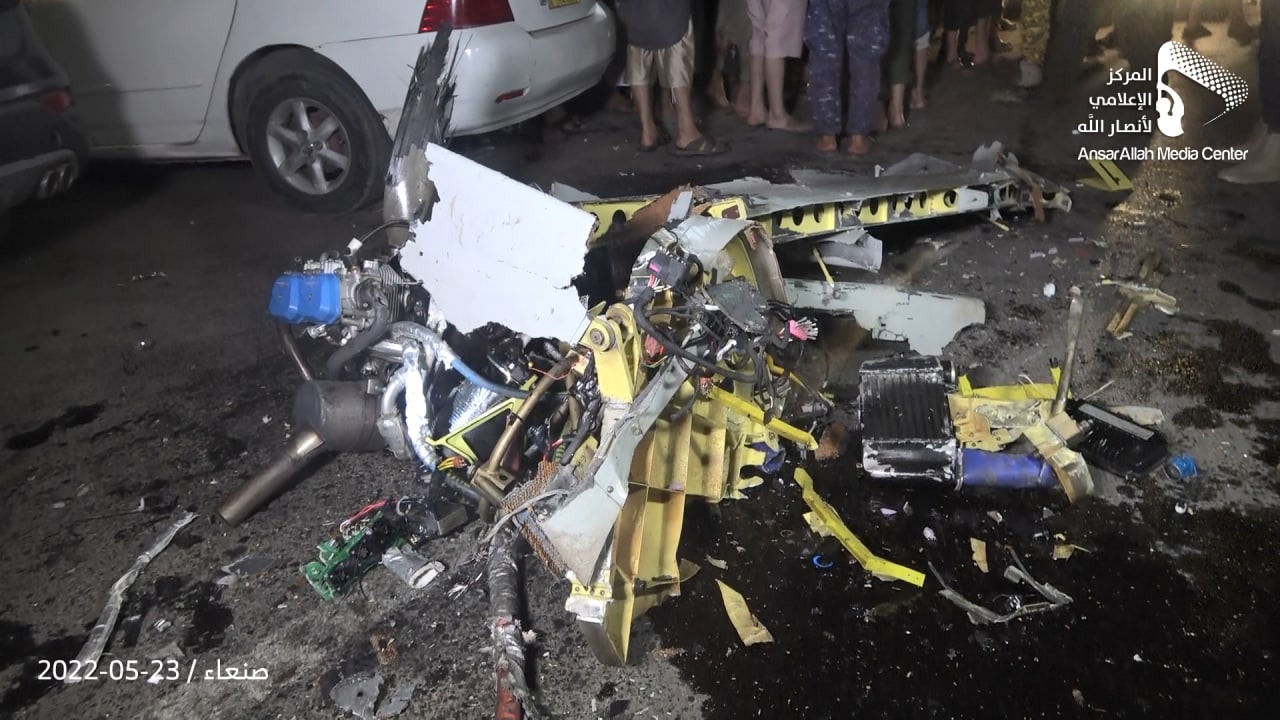
This is the 16th CH-4 drone to be shot down by Ansar Allah since the start of war in Yemen.
It should be mentioned that three civilians lost their lives and three others were injured when the drone carcass fell in a populated area in the city of Sanaa.
A video of the wreckage of the Saudi coalition CH-4 drone in the city of Sanaa, which resulted in the martyrdom of three civilians and the wounding of three others.The wreckage of the Saudi coalition CH-4 drone in the city of Sanaa
The drone is the fourth Turkish Vestel Karayel combat reconnaissance drone to be shot down by Ansar Allah during the Yemeni war.
Ansar Allah has already destroyed three other Karayel drones in January 2, 2020 in the al-Salif area of al-Hudaydah province, January 6, 2021 in the al-Mahashimah area of al-Jawf province and in March 7 in the al-Maraziq area of al-Jawf province.
1- Saada: On May 12, local sources reported the martyrdom of seven civilians by Saudi border guards in the al-Raqo border area of Munbah. These people were first tortured by electricity and then martyred.
2- Marib: The Saudi-affiliated media reported that Ansar Allah’s drone had attacked the house of Sheikh Hassan Mohammad Shafaan in the Raghwan district center. Three people were injured in the attack.
3- Hudaydah: The Saudi-led coalition forces have violated the ceasefire 108 times in the past 48 hours in al-Hudaydah region.
4- Aden: On May 15, the assassination of Brigadier General Saleh Ali Hassan, the head of the joint operation of the Saudi coalition forces in the fourth military zone of Yemen, in the al-Ma’la area in the city of Aden, was failed.
Picture of his car after explosion in Aden
5- Dhale: – On May 15, local sources reported the sound of an explosion in the city of Dhale. – On May 16, the UAE-backed Hizam al-Amni (Security Belt) forces claimed to have shot down an Ansar Allah drone over the Al-Fakhir area.
Picture of the downed Ansar Allah drone in Al-Fakhir area
6- Shabwa: – On May 15, unidentified gunmen blew up an oil pipeline in the Shaqah area in the Mayfa’a district. – A bomb blast near the governorate building of Shabwa province in the city of Ataq resulted in minor damages to the forces of “Awad Ibn Al-Wazir”, the new governor of Shabwa.
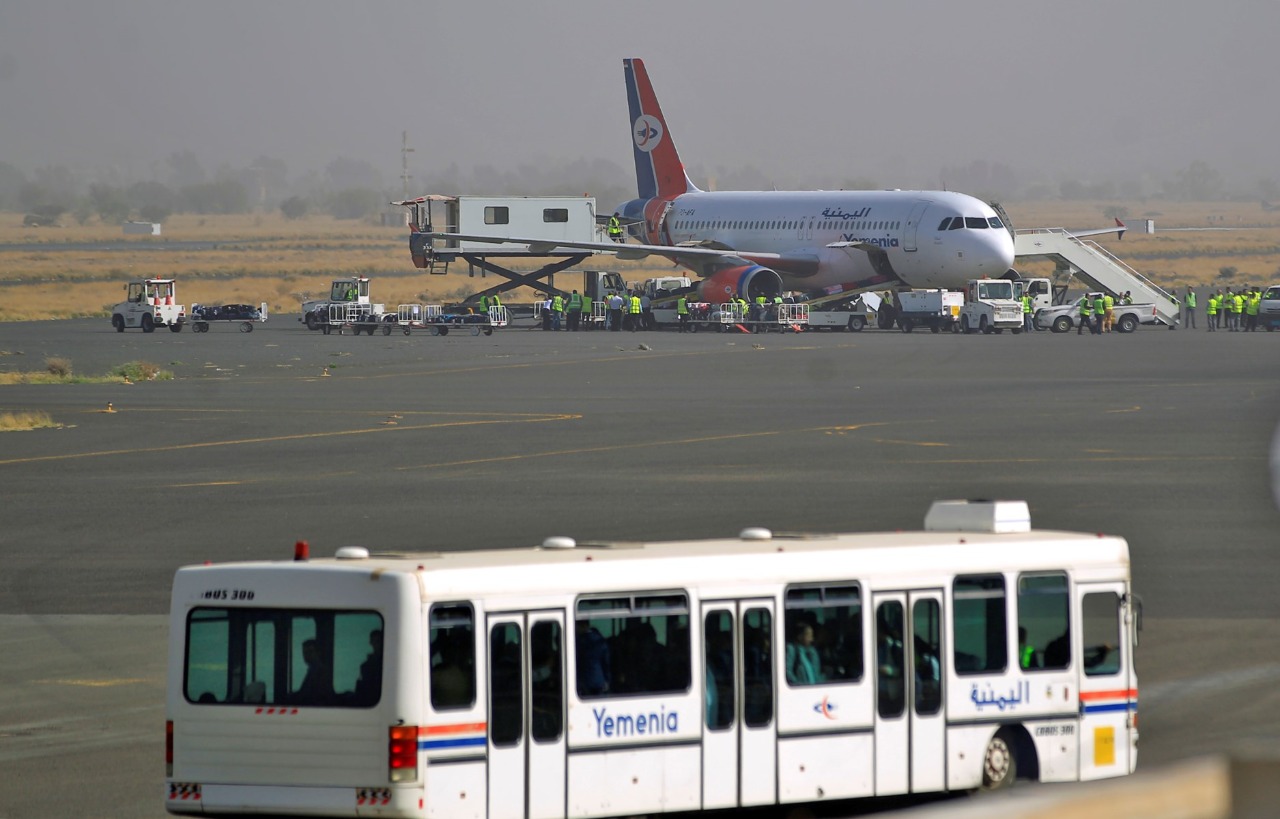
7- Sanaa: – On May 16, the first commercial flight from Sanaa Airport to Amman Airport in the Jordanian capital took place at 8:00 am local time. Under the two-month ceasefire agreement announced by the United Nations, 16 commercial flights to Sanaa Airport will be operated. – According to the officials in Sanaa Airport, if the Saudi coalition does not prevent it, the second and third flights will be operated to Amman Airport on May 18 and May 25.
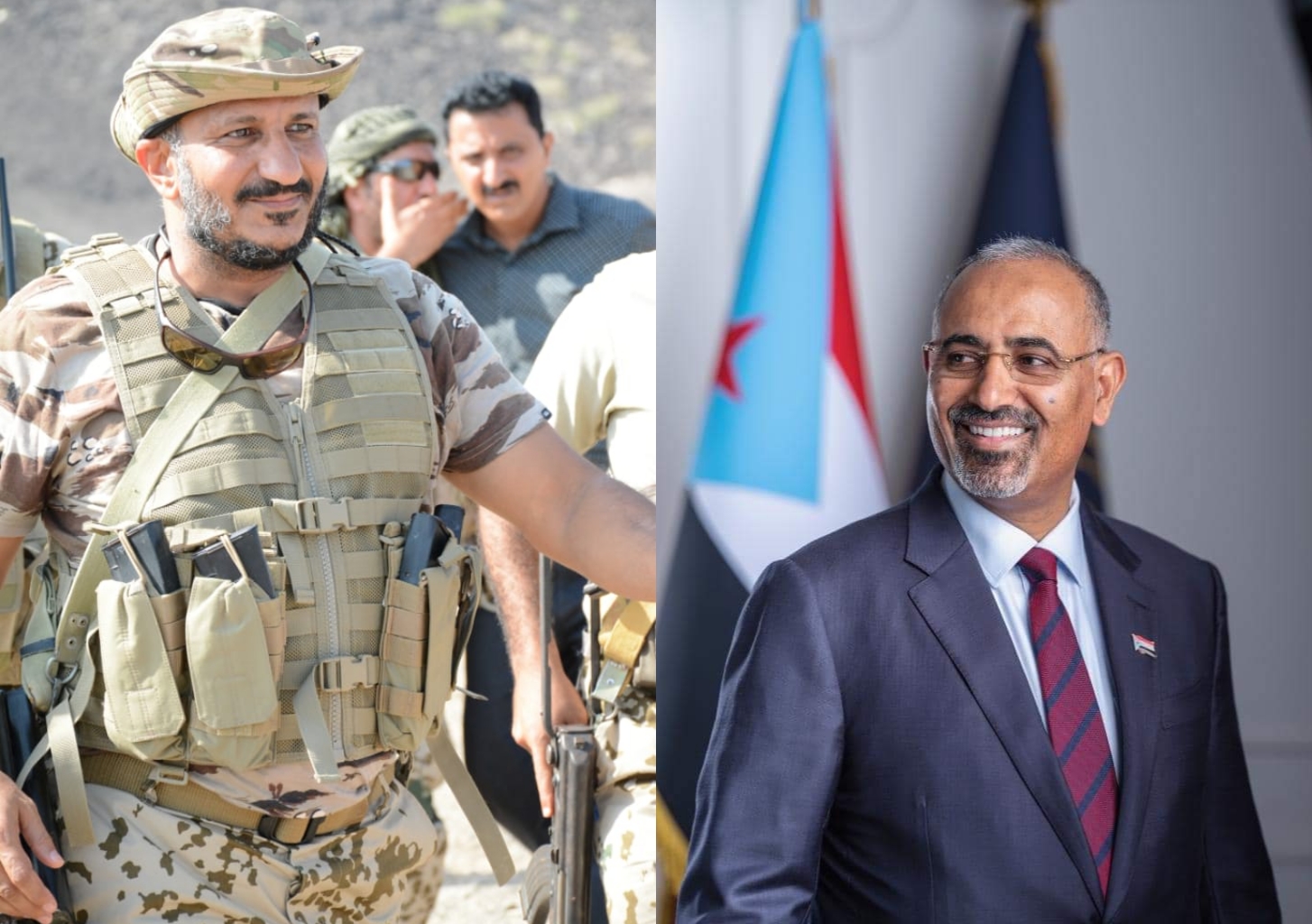
Following the arrest of 20 members of the Presidential Guard by the forces of Southern Transitional Council (STC) in Aden, new tensions have begun between supporters of Tariq Saleh and Aidarus al-Zoubaidi in areas controlled by the Saudi coalition in Yemen. In response to the arrest of his troops, Tariq Saleh issued an order to confront the STC militants. With this order, the Al-Amaliqa forces, which are under the command of Tariq Saleh, in retaliation arrested five members of the STC in the city of Ataq, the capital of Shabwa province.
Following the resignation of Mansour Hadi, the power struggle between members of the Presidential Council of the resigned government, including Tariq Saleh and Aidarus al-Zoubaidi , has intensified. The rivalry began with tensions over control of the oil resources of Marib and Shabwa provinces on April 17, and has continued until recently, when the Southern Transitional Council threatened to arrest Tariq Saleh. Prior to the threat, the Southern Transitional Council protested the entry of Tariq Saleh’s forces into Aden and warned that he would be arrested if he continued to infiltrate Aden.
Simultaneously with the threat, one of the STC forces, Salem Seif al-Radfani, was assassinated in the city of Aden. News sources in STC believe that the assassination was carried out by agents affiliated with Tariq Saleh. There was also another clash in the city of Ataq between the forces of the Southern Transitional Council and Awad al-Awlaki, the governor of Shabwa, which left one dead and one wounded.
The weakening of Mansour Hadi’s supporters and the Islah Party has led to an increase in the power of other currents in the Yemeni opposition. This has led to a power struggle between the UAE-affiliated factions, including Tariq Saleh and Aidarus al-Zoubaidi, and each of these influential people in the southern regions is seeking more power to attract foreign support, especially from the UAE sheikhs.
It should be noted that the “Yemeni National Resistance” (YNR) is an armed organization in southwestern Yemen led by Tariq Saleh, which has more than 10,000 troops and includes several groups, including former members of the Republican Guard (of Ali Abdullah Saleh), army soldiers and security forces separated from the Sanaa government, al-Amaliqa and al-Tihama forces.
One month after the UN announced a ceasefire agreement and its repeated violations by the Saudi coalition, Ansar Allah air defense this morning shot down a Chinese-made CH-4 drone belonging to the Saudi coalition. The flight and operation of reconnaissance and combat drones during the ceasefire period are among the violations, and Ansar Allah, after numerous warnings to the coalition, responded strongly to this blatant violation. This could be the end of a ceasefire agreement that has not been fully implemented. Among the terms of the agreement are the arrival of fuel ships in the port of Al-Hudaydah and the reopening of Sanaa Airport, which the Saudi coalition has refused to fulfill.
It should be noted that Ansar Allah has destroyed 15 CH-4 drones since the beginning of the Yemen war. This drone is made in China and is similar to the US MQ-9 drone, which can carry 250 kg bombs and fly for up to 40 hours and has a range of up to 5,000 km.
Following the resignation of Mansour Hadi and the formation of a new presidential council, Islah Party called the results of the Riyadh consultations a coup against the law. Following this announcement, the Islah Party forces operating under the name of “People’s Resistance” in the city of Marib attacked Ansar Allah positions in the al-Balaq al-Sharqi heights on the morning of April 8. The attack was met with Ansar Allah’s response, and the Saudi coalition eventually prevented Islah Party militants to continue the offensive.
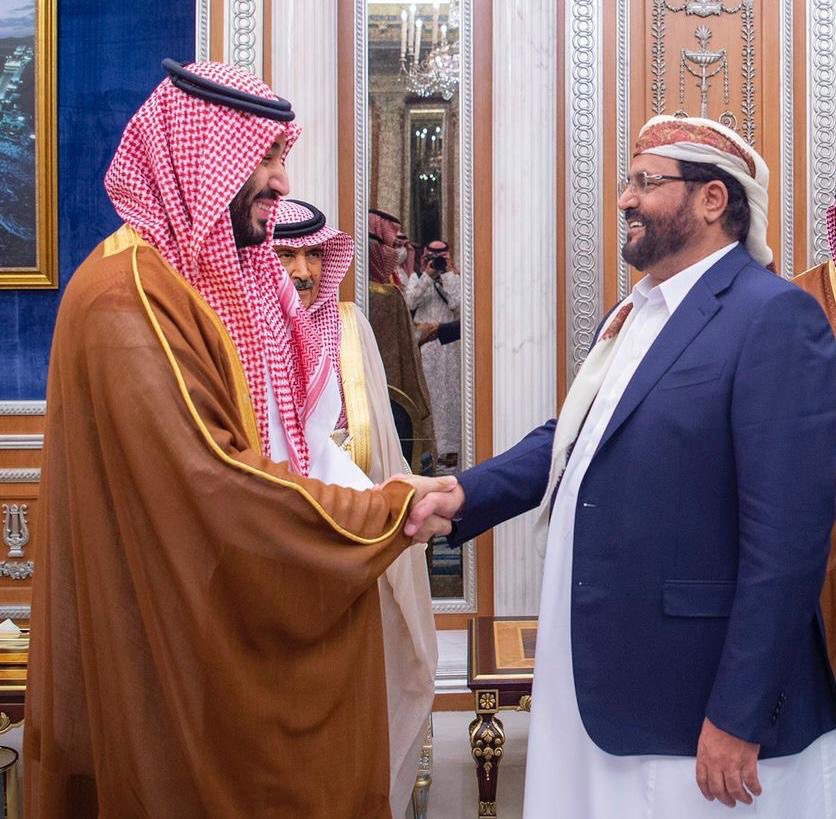
The Islah Party’s disagreement with the Saudi coalition did not end there, and Marib Governor Sultan al-Arada, a member of the resigned government’s presidential council, was outraged by the decision to change Marib’s governor and left Riyadh for Marib.
The Presidential Council intends to replace Al-Arada with a person named “Diab bin Mu’ayli”, and this decision means the removal of another key member of the Islah Party in the structure of the Yemeni government.
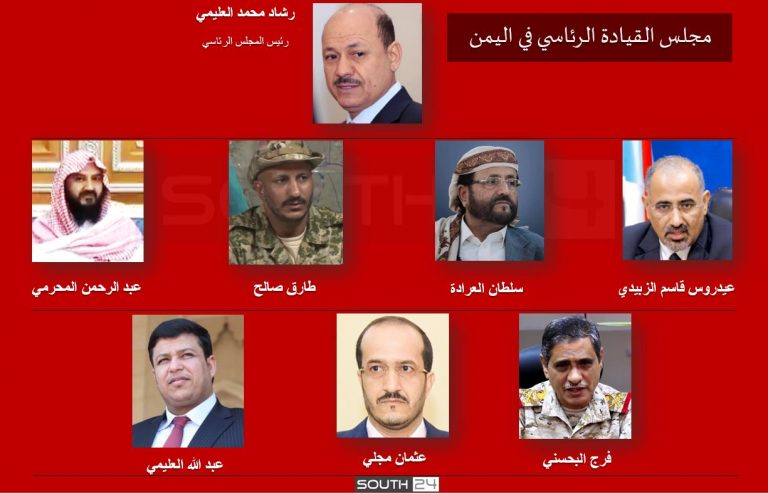
Following the resignation of Mansour Hadi from the presidency on April 7, the appointment of the members of the Presidential Council was announced on Friday in Riyadh. But disagreements among council members have hampered the transfer of power to the presidential council.
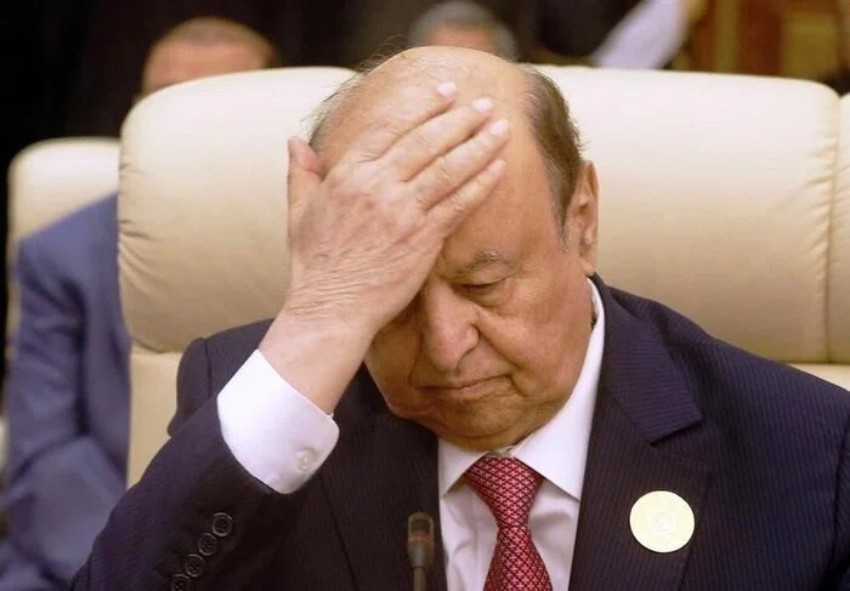
This morning, April 7, Mansour Hadi, after a decade in charge of the Yemeni government and opposition movements, announced the transfer of his powers to the Presidential Council headed by Rashad Al-Alimi.
The members of this council are: 1- Aidarus al-Zoubaidi (Chairman of the Southern Transitional Council) 2- Sultan Al-Aradeh (Governor of Marib) 3- Tariq Saleh (nephew of Ali Abdullah Saleh and commander of the Patriotic Resistance Forces) 4- Abdul Rahman Abu Zara’a Al-Muharrami (Commander of Al-Amaliqa Forces) 5- Abdullah Al-Alimi (Head of President Mansour Hadi’s Office) 6- Osman Hussein Majli (member of the People’s Congress Party and Minister of Agriculture of the resigned Yemeni government) 7- Faraj Salmin Al-Bahsani (Governor of Hadramaut)
According to this action, the Presidential Council, having the powers of the President and the First Vice President, is responsible for carrying out the duties of the transitional period according to the initiative of the Persian Gulf Cooperation Council.
Mansour Hadi had previously fired his first deputy, Ali Mohsen al-Ahmar. Al-Ahmar is wanted by Ansar Allah on charges of suppressing the Yemeni revolution and collaborating with the Saudi intelligence service in establishing al-Qaeda, Ansar al-Sharia and ISIS terrorist groups in Yemen.
In his recent speeches, Mansour Hadi stressed the need to rely on the results of the National Dialogue Conference in 2013 and 2014, the Persian Gulf Cooperation Council initiative and the UN Security Council resolution in 2015. These plans have been among the points of contention in previous years’ negotiations with Ansar Allah.
The reaction of “Mohammed Al-Bukhaiti”, the governor of Dhamar and one of the field commanders of Ansar Allah, to the resignation of Mansour Hadi and the formation of the presidential council: “Before the start of the war, we proposed the formation of a presidential council, agreeing on all the political components to implement the main components (of the government). Were it not for the aggression announced under the pretext of restoring the legitimacy of the Hadi government, we would have almost reached an agreement and they would not have refused to form a presidential council. Now, after eight years of war, the United States has overthrown Hadi, formed a presidential council and put its first agent in Yemen at the helm.”
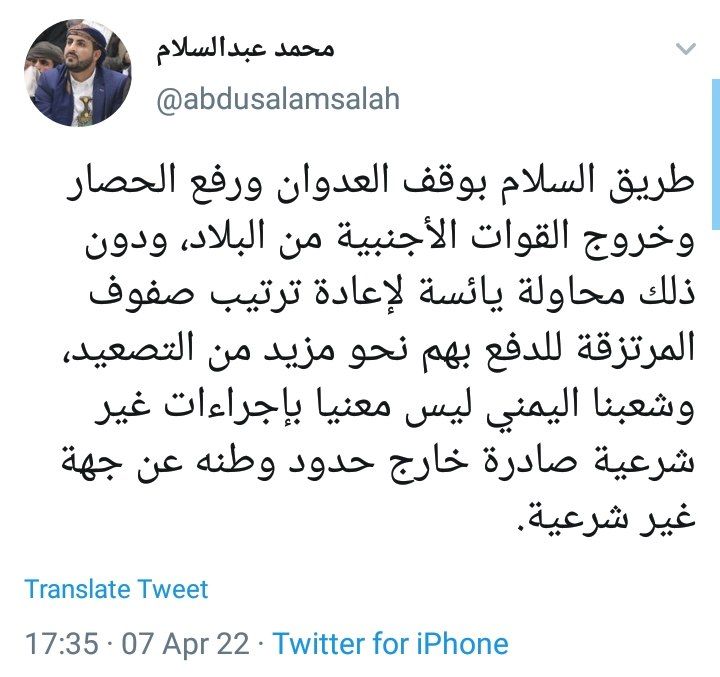
Ansar Allah spokesman and head of negotiations for the Yemeni Salvation Government, Mohammed AbdulSalam, in response to the resignation of Mansour Hadi and the formation of the Presidential Council: “The present and the future of Yemen are determined inside Yemen, and any activity outside its borders is a ridiculous show and entertainment for the aggressor countries. The way to peace is to stop the aggression, remove the siege and withdraw the foreign forces, and without it there is a futile attempt to reorganize the mercenaries to lead them to more tension and war. The Yemeni people have no worries about illegal actions outside the borders of their country by an illegal party (Saudi Arabia).”
The Ayn al-Ansaniyah Research and Statistics Center has released statistics on the crimes and atrocities committed by the Saudi coalition against Yemen during the 2555 days of war.
Statistics of the Saudi coalition aggression on Yemen after 2555 days: The total number of martyrs and wounded is 46,262, of which 17,734 are martyrs, of which 2434 are women and 4017 are children. 26931 people were injured, of which 2910 were women and 4586 were children.
In the past 2555 days, the Saudi coalition has destroyed 15 airports, 16 ports, 340 power stations and generators, and 609 networks and communication stations. Also, 2799 reservoirs and water distribution system, 2091 government facilities and 6743 bridges and roads were targeted or destroyed.
The number of destroyed and damaged factories reached to 404. 378 fuel tankers, 11901 business establishments, 433 poultry and livestock, 9770 transport means, 482 fishing boats, 999 food stores, 416 fuel stations, 696 markets and 965 food trucks were destroyed and damaged.
The number of destroyed and damaged civilian houses has reached 590,069. 182 university centers, 1612 mosques, 375 tourist centers and 410 hospitals and health centers were destroyed and damaged. The Saudi coalition attacks also destroyed and damaged 1214 schools and institutes, 9721 agricultural lands, 139 sports facilities, 253 historical sites and 60 media centers were destroyed and damaged.
The spokesman for the Yemen Armed Forces, Brigadier General Yahya al-Sari’, on the occasion of National Resistance Day presented the statistics of seven years of fighting with the Saudi coalition.
General Yahya al-Sari’: “Today, we are still standing on the eve of the eighth year of steadfastness and after seven years of resistance. This is a historic achievement that the children of a free Yemen have achieved with the help of God. In this battle, tens of thousands have been martyred and wounded, and millions of people have been affected by the enmity and siege of the enemies, and these sacrifices will not be lost, and we will fulfill our covenant with the martyrs and there will be no retreat from our achievements. On March 26, 2015, the Yemenis were surprised by the enemy’s all-out military offensive on land, sea and air. The aggression in the first year was at an unprecedented rate, and in that year the armed forces were unable to monitor the various attacks of the enemy due to the large number of attacks. We faced 100 to 400 airstrikes in one day, and in addition to the bombing, the invasion from the sea and border areas continued fiercely. The total number of air strikes that the armed forces managed to observe is 274,243.
We do not forget the scenes of horrific massacres. We do not forget the scenes of our children when they are pulled out from under the rubbles. We do not forget the murder scenes of our women. We will never forget the tears of the mothers of the martyrs. We will not forget the horrible crimes of what has happened to us and what is happening to us. Proud and lofty homeland, Yemen… Yes Yemen… We will not forget the history, identity, culture, economy and foundations of Yemen.
Despite the pain and terror created by the enemy, we did not cry! But we shouted. From American crimes in the region and their stupid mercenaries like: criminal Saudi and others in Abu Dhabi and other countries. We have not seen anything in Yemen except American bombs and use of prohibited weapons. Stop interfering in the internal affairs of Yemen, in order to gain security. Security must be for everyone!
The Armed Forces, with the help of God Almighty, carried out more than 13,208 military operations during the battle to counter the brutal aggression, of which 6,681 were offensive operations and 6,527 were repelling and neutralizing enemy attacks. Among our most prominent military operations are Operation Nasr Min Allah in three phases, a large military operation whose details have not been announced, Operation Bonyan al-Marsous, Operation Famkana Minhom, Baas al-Shadid, Operation Rabi al-Intisar, Operation Al-Bayda, Al-Dhala, Shabwa, Marib, Operation Deterrence Balance, Operation Aasar al-Yemen (Storm of Yemen) in three phases, Operation Kasra Al-Hesar (breaking the siege of Yemen) in three phases, and ten other operations, the details of which have not been disclosed.
Yemen Armed forces operations have killed and wounded 10,759 members of the Saudi army, 1,251 members of the UAE army, 9,440 Sudanese mercenaries and more than 253,693 Yemeni mercenaries.
More than 17,397 vehicles, armored vehicles, personnel carriers, tanks, bulldozers and military machinery were destroyed and set on fire. Of these operations, 10518 operations have been documented visually.
The missile force conducted 1,826 military operations, including 1,237 operations inside Yemen and 589 operations outside Yemen.
The number of operations of the Air Force UAV unit is 11562 operations, which includes 2176 operations inside and 953 operations outside Yemen and 8433 reconnaissance operations.
The operations of the Air Defense Forces are 4221 operations, of which 1971 operations led to enemy aircraft destruction and losses, and 2250 operations that forced the enemy aircraft to withdraw. Air defense operations have resulted in the downing of 158 UAVs, 13 fighter jets, 10 Apache helicopters, and 6 military transport helicopters. 34 American drones and 95 spy drones were destroyed.
The Navy and Coast Guard conducted 35 operations during the seven-year battle, the most important of which were attacks on the Saudi Medinah Frigate, the Saudi-owned Dammam Frigate, and the UAE HSV-2 Swift warship, as well as the seizure of the UAE-owned Ravi military cargo ship in the Yemeni waters.
The total number of operations carried out by the ground forces are 211,136. In these operations, the engineering unit has performed 52,175 operations, including 22,854 operations against enemy gatherings, 24,907 offensive and defensive operations and targeting enemy fortifications, and 4414 operations of enemy armored and military vehicles.
The anti-armor unit carried out 7412 operations, including 2689 operations against enemy fortifications, gatherings and barracks, and 4723 attacks against military and armored vehicles.
The artillery unit carried out 85,634 operations, including 1,150 joint operations with UAVs, 15,269 operations with Zilzal-1 missiles, which resulted in fires, damage and destruction of more than 1,078 vehicles, armor, tanks, artillery, rocket launchers and weapons depots.
The total operations of the sniper units since entering the battles has reached 65,915 operations. Over the past two years, this unit has been able to increase its presence on the northern and eastern fronts and, with God’s help, has achieved significant achievements. Since the unit became active, 941 Saudi soldiers, 1,127 Sudanese mercenaries and 54,417 Yemeni mercenaries have been attacked. Also, 9298 attacks on armored and military vehicles, 124 enemy snipers and 8 UAVs were attacked by the sniper unit.
The Yemeni people and armed forces are using their legal right to defend themselves against foreign aggression and will continue to defend their land, sovereignty and independence. It does not matter what our cost is, what matters is the cost to the enemies. The Yemeni Armed Forces, with God’s help, are conducting a test operation for new quality weapons that will enter the battlefield in the next phase. We renew our covenant with God and promise the oppressed and victorious people that, God willing, the eighth year will see a quality military operation that will lead to the further liberation of the occupied territories and the enemy’s territory. Our target bank will include the aggressors’ assets and its most prominent vital features. The Armed Forces calls on all the free people of Yemen to fully preserve the achievements of the past years and to build on them as the resistance continues until freedom and independence are achieved.
According to Hans Grundberg, the UN special envoy to Yemen, Ansar Allah and Mansour Hadi’s ousted government agreed to a UN proposal for a temporary ceasefire. This agreement will be effective from 7 pm on April 2 until June 2, 2020 and can be extended.
The details of this temporary ceasefire agreement are as follows:
1- According to this agreement, all ground, air and naval military operations inside and outside Yemen will be stopped. 2- 18 ships, including oil tankers, will arrive at Al-Hudaydah port within two months. 3- Sanaa Airport will have a total of 16 commercial flights with Jordan and Egypt during this period. 4- Exchange of all prisoners of war between the two sides, including foreign prisoners.
Coinciding with the implementation of the agreement, the United Nations has called on the Yemeni side to begin negotiations to reopen the blocked routes in Taiz, Marib, Al-Jawf and other provinces to facilitate the movement of civilians. If the ceasefire is successful, the Yemeni side can consider the next steps.
One day after the implementation of the ceasefire agreement, in the last 48 hours, 167 ceasefire violations in Al-Hudaydah province, 7 attacks on the fronts of Saada province, 2 attacks in Hajjah province, 2 attacks in Taiz province, 3 attacks in Al-Jawf And one case occurred in Al-Bayda province. In the most prominent case of ceasefire violation, the Saudi coalition has killed three civilians in an artillery attack on Shada district in Saada province. The Saudi-affiliated media have also claimed that Ansar Allah attacked the positions of the Saudi coalition forces on the Taiz and Al-Hudaydah fronts during the past hours.
Despite the ceasefire violation, the Cylinder Sapphire tanker, carrying diesel fuel, arrived in the port of Al-Hudaydah after a 88-day detention.
In general, the Saudi coalition and the Yemeni armed forces have supported the agreement and committed themselves to a ceasefire. Iran, the United States, Oman and other countries have also welcomed the ceasefire. But what threatens this agreement is its time limit.