Tag: Omar al-Bashir

  • Latest Updates on Sudan, 13 November 2021

    Latest Updates on Sudan, 13 November 2021

    Following the October 25th coup d’état in Sudan, the Sudanese Army Commander, General Abdel Fattah al-Burhan reappointed himself as leadership of the transitional council.

    Abdel Fattah al-Burhan has also appointed Mohamed Hamdan Dagalo as his deputy, claiming that as long as Sudan’s political problems persist, the military-led transitional council will run the country. Also, since October 23, more than 100 government officials and political leaders supporting the transitional government have been detained by the Sudanese army.

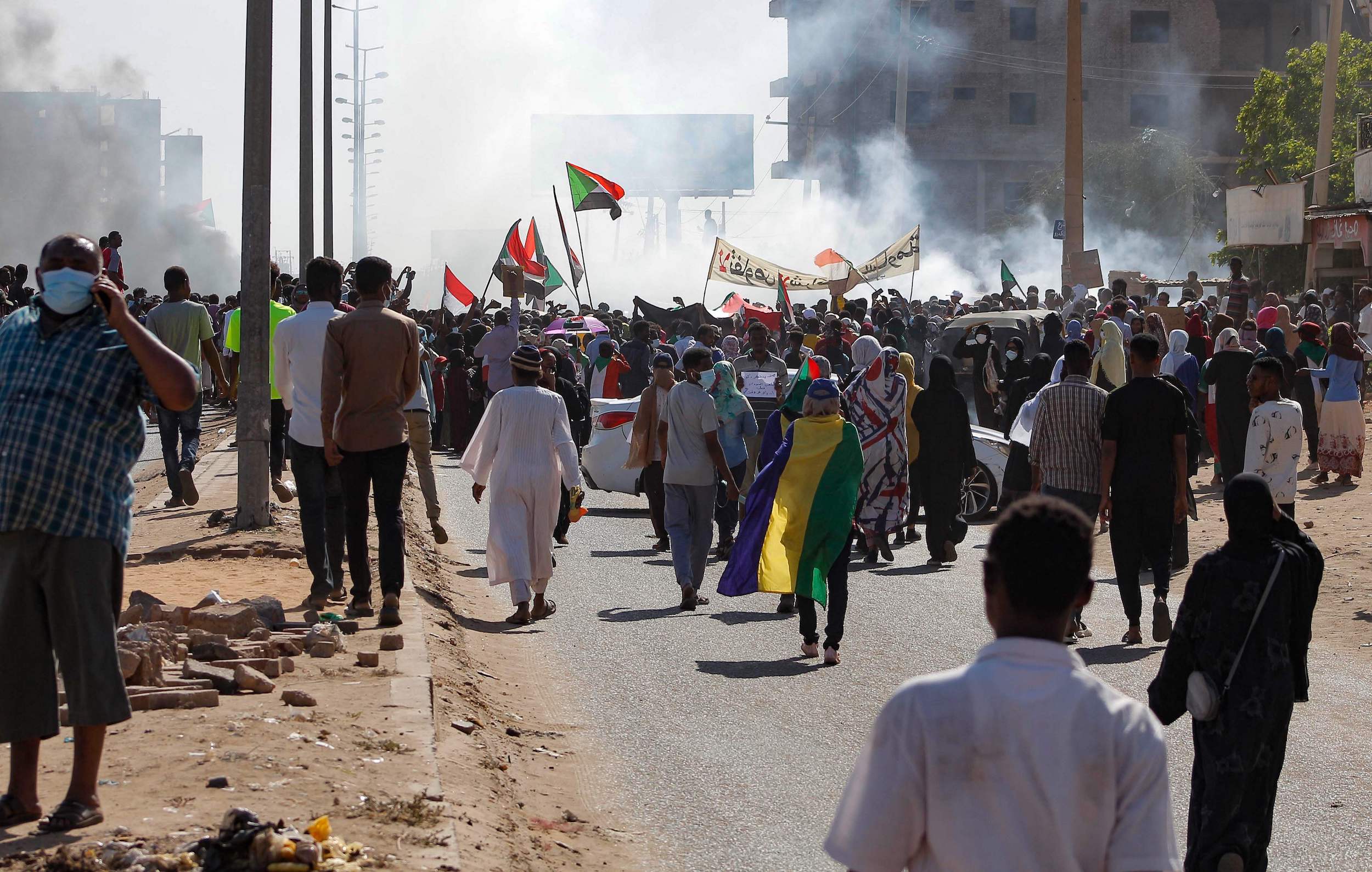
    Protesters and supporters of the transitional government led by Prime Minister Abdalla Hamdok are still on the streets, and protests ongoing in several Sudanese cities.

    Sudan’s internal situation has deteriorated again since the recent coup, and fuel and food prices have risen sharply as the country’s ports have been closed. UN officials have also, as usual, expressed concern over the developments in Sudan! Human rights activists and UN envoys have also reported that 14 people have been killed by security forces since the beginning of the protests.

    The Sudanese military-led transitional council was formed after the 2019 military coup and the ouster of Omar al-Bashir, with 11 members of military officials and politicians (along with the army).
    The civilian-led transitional government was formed in August 2019 with the participation of the army and the political coalition of Freedom and Change for three years, which was again faced with a military coup. Since then, the people and supporters of the transitional government have begun protesting against the army. In response to popular protests, the commander of the Sudanese army, General al-Burhan, claimed that he would not run for office after the elections and the establishment of the Sudanese government, and that he would hand over power to a civilian government.

    Read more: Another Coup d’état in Sudan
  • Strange Verdict for Omar al-Bashir

    Strange Verdict for Omar al-Bashir

    According to Sudan’s laws, people older than 70 years old, who are convicted to punishment other than execution, will be sent to rehabilitation centers.
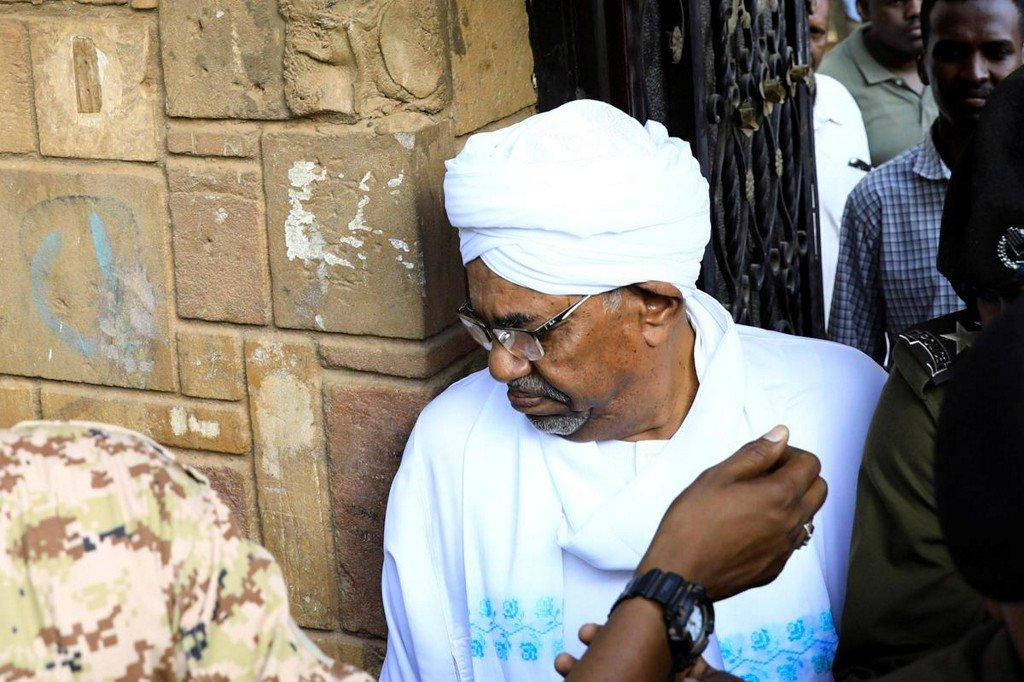
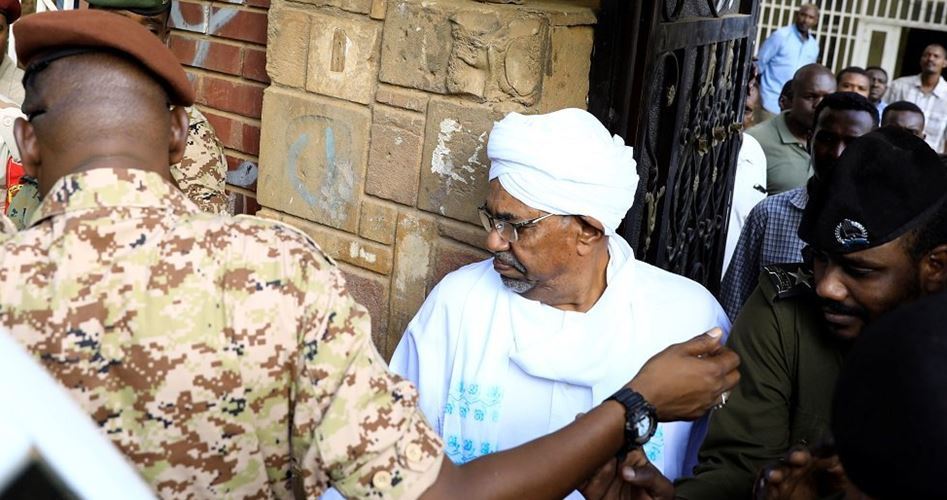
    Omar al-Bashir is 75 years old who committed massacring protesters, war crime, genocide, etc. and now is only found guilty for corruption and money laundering and spending two years in rehabilitation center.
    It is said that people of Sudan are gathering in the capital and other towns to protest to this verdict.

  • Sudanese Army in Yemen

    Sudanese Army in Yemen

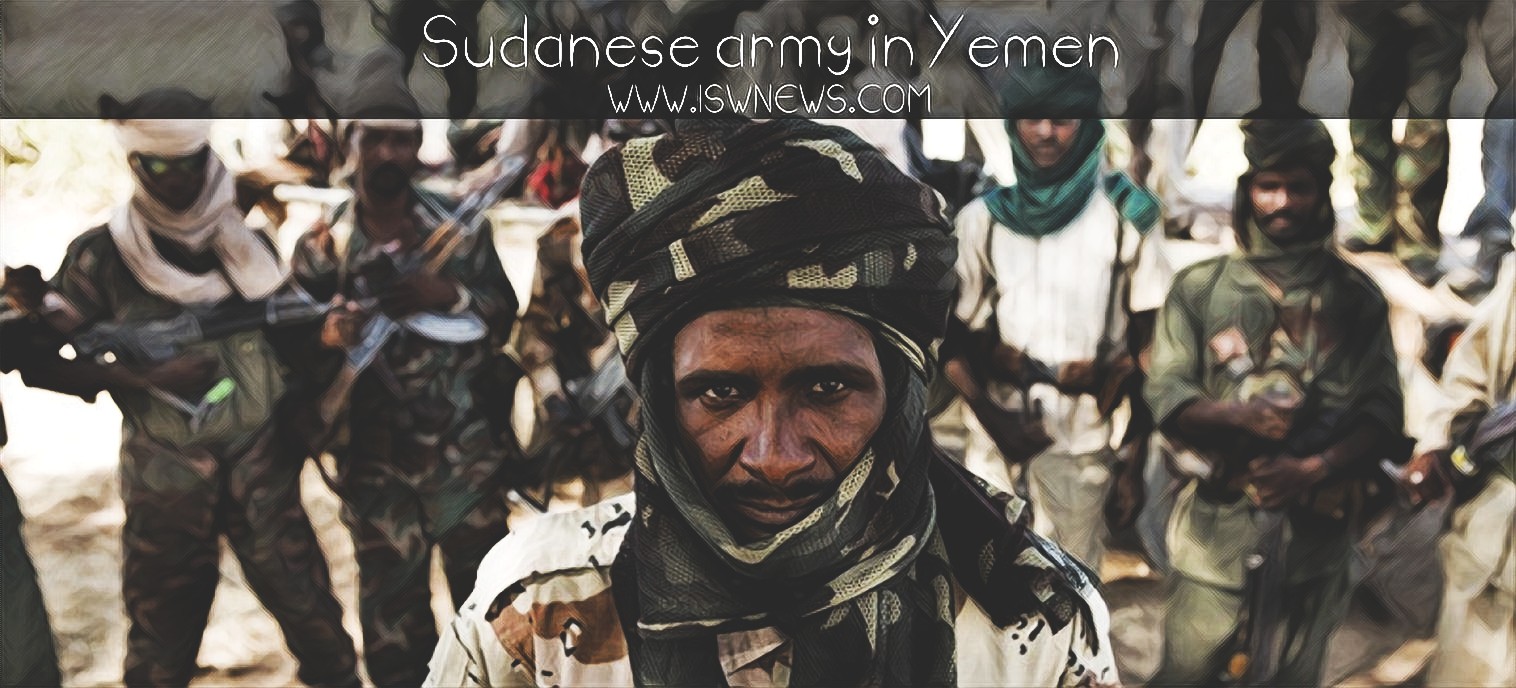
    Experiences in Iraq and Syria and at the beginning of war with AnsarAllah gave Saudis and Emirates the lesson they can’t count on Takfiris. Therefore to enrich their ground army they turn to Sudanese who have 20 years of war experience in Darfur and south of Sudan.

    Chaotic situation of Sudan inside and outside forced Omar al-Bashir to form alliance with countries, with which he had great idealogic and political differences.
    Omar al-Bashir thought the situation of Sudan which was result of separation of southern Sudan (with 75% of oil income), tribes protests, foreign sanctions, etc., will be fixed by financial support of Saudi and UAE.

    This coalition, which was formed by attacking Yemen, caused gap inside Sudan. Many parties including Ummah party, National Congress, Communists and People’s Congress showed opposition against Sudan’s participation in this war.

    As Muhamad Ali al-Houthi said in his recent message, Sudanese officials called the goal of their irrelevant participation in assaulting Yemen as defending Islam and holy shrines which was shown as to be absurd after several years of war.

    Now Omar al-Bashir is captured by revolutionists and cruel generals of Military Council who are only after their personal benefits, cannot tolerate a 8 thousand killed and injured persons casualty. Since this heavy casualty imposed enormous domestic pressure on them and they don’t see any solution other than pulling out of Yemen.

    According to Gen Mohamed Hamdan Dagalo(Hamidti)vice president of Military Council, they have returned 10 thousand troops of 30 thousand troops present in Yemen and they will continue the war in Yemen.

    Continuing this wrong move by Sudanese might result in AnsarAllah’s drone and missile reaction. Since AnsarAllah considers Sudan the source of ground force to the coalition and as airport and refineries of Saudi and UAE are sources of financial support for the assault and thus being targeted by AnsarAllah, there are enough strength to attack Sudanese army.

    If the war against AnsarAllah continues in presence of Sudanese, we should see more pressure and weakening imposed on the leaders of Military Council.

  • Sudan’s Omar Al Bashir charged with corruption

    Sudan’s Omar Al Bashir charged with corruption

    He was charged with corruption and prosecutor Alaa al-Din Abdallah told media that Bashir would be given the chance to respond to the accusations.

  • Revolution in Africa; Power Transfer in Sudan! – Part Two

    Revolution in Africa; Power Transfer in Sudan! – Part Two


    Read: Revolution in Africa; Power Transfer in Sudan! – Part One


    According to latest news, African Union suspended Sudan’s membership until transition government is formed, due to civilians’ suppression by Army (more than 100 deaths and 500 injured). Saudi officials said they do not let a civil war to happen while supporting the Army.
    On Friday, Abiy Ahmed Ethiopian Prime Minister traveled to Khartoum to mediate between Sudan Army and protestors.
     
    At the moment Sudan’s struggling sides are as follows:
    1. Omar Al Bashir fans, 2. Army, 3. Protestors under “Change and Freedom”.
     
    1. Omar Al Bashir fans:
    Omar Al Bashir and his supporters in despite of his complaisance to Saudi and UAE do not have any power in Sudan and trying to revive using political means.
     
    2. Army:
    The Army after a soft coup and dismissing Omar Al Bashir formed a military council and Abdel Fattah al-Burhan as head and General Mohamed Hamdan Dagalo, also known as Hemedti as deputy.
    Al-Burhan is close to Omar Al Bashir and one of two Sudanese commanders in Yemen who gained power under UAE’s and Saudi’s support.

    He canceled the negotiations after differences raised with protesters.

    Protestors on the other hand questioned eligibility of the military council and resumed their protests.
    Hemedti is also commander of Rapid Support Forces and the second element under support of Saudi and UAE and most of Sudanese forces are under his command. Most of Rapid Support Forces are militia who are accused of massacre in Darfur.
    With these two persons in military council, Omar Al Bashir with Muslim Brotherhood trends stepped down from power and the power is now controlled by Saudi Coalition.
     
    3. Protestors under “Change and Freedom”:
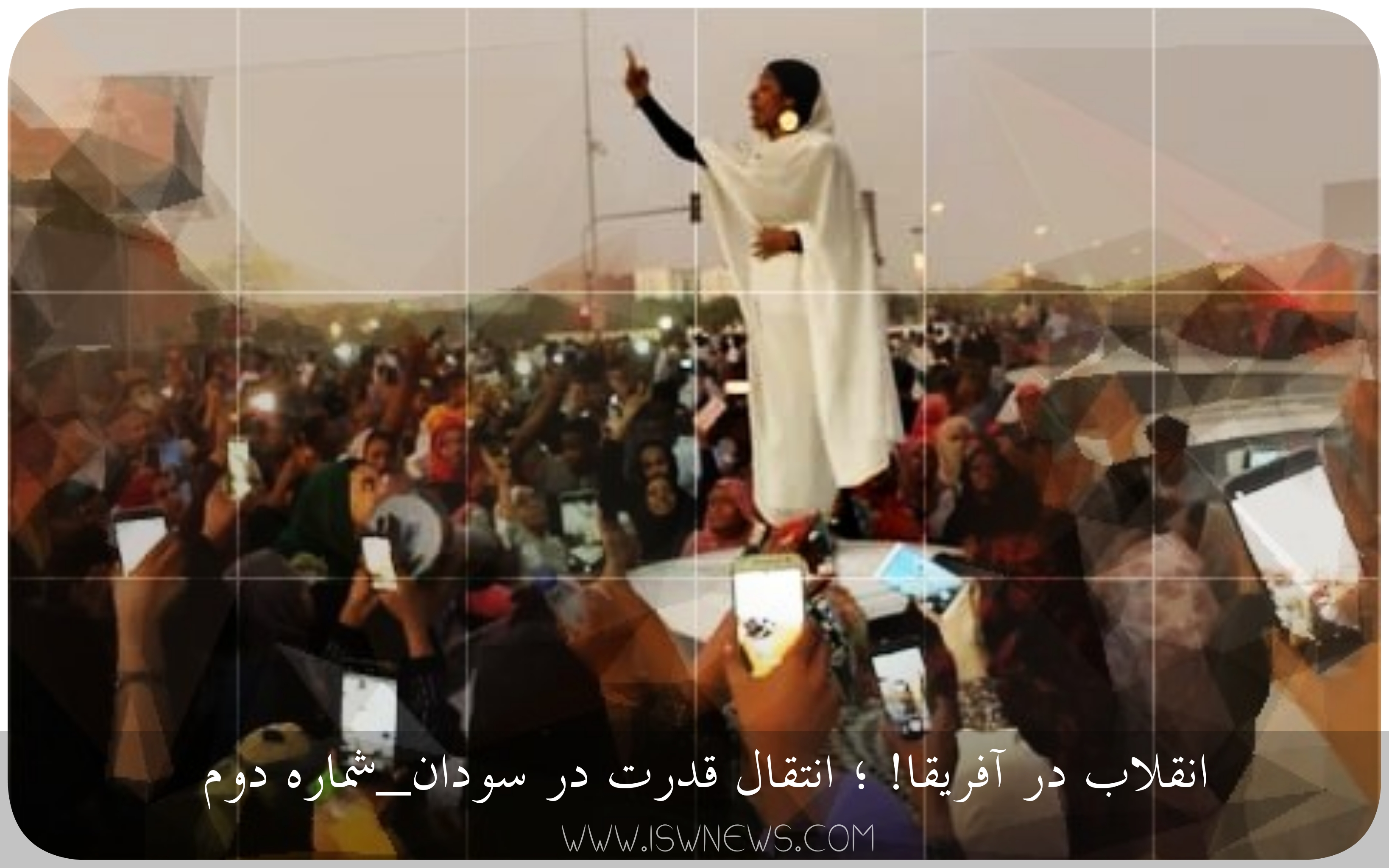
    The coalition of protestors which is entitled Change and Freedom has the support of most of Sudanese people and is using this lever to get political privileges.
    Change and Freedom after Al Bashir dismissal, first stabilized its political position and then started the negotiations with military council and now the negotiations of power have reached dead end and civil war is breaking out in the streets.
    The disagreements are mainly on power division in the transition government. Army wants half the council and protestors two third of it. The differences intensified after Mecca Summit and Al-Burhan and Bin Salman supported each other resulted in armed struggles.
     

    Sudan is a poor country with long history of civil war and dissociation and considerable oil resources, now caught in coup by Saudi and Nahyan supported Army. “Change and Freedom” on the other hand with liberal and secular idealogies which do not have any plan for Sudan if gain power.
     

    P.S. Rapid Reaction Forces are the most experienced and elite forces of Sudan who fight against Ansar Allah in Yemen. When we say Ansar Allah’s fighting capability is extraordinary, it is not only due to their resistance under all aspect siege, but also their military knowledge and ingenuity in fighting against the most elite and experienced forces in the world from Black Water to ISIS and mercenaries such as Sudan Army.

  • Sudan Unrest Continues; More than 100 dead

    Sudan Unrest Continues; More than 100 dead

    On the other hand, Sudan’s military sources announced the death toll of 61 people.


    Omar Al Bashir was removed from power on April 11, after months of protests and civil uprisings by the Sudanese Armed Forces, after which power was transferred to the Transitional Military Council headed by General Abdel Fattah Al-Burhan.

    Sudanese thought the Transitional Council would open a different future for them, but it soon became clear that the policies of General Abdul Fattah Al-Burhan were no different from Omar Bashir.

    In fact, the Sudanese Armed Forces mounted their coup d’état on the people revolution in Sudan and by abusing the revolution, removed Omar Al Bashir.

    Hence, Sudan’s protests and demonstrations have risen again in different parts of Sudan to fulfill civil demands and it continues. The transitional military council also uses military power to crack down on protests.


  • Sudan Transition Council Supports Saudi Royal Family

    Sudan Transition Council Supports Saudi Royal Family

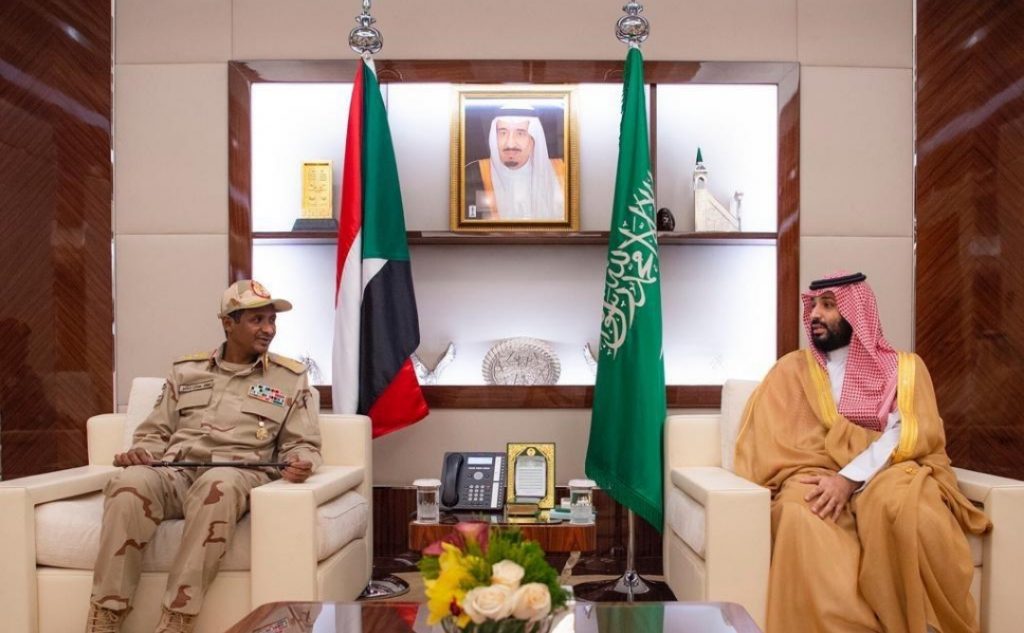
    General Mohammad Hamdan, deputy of the Transition Council after this meeting, condemning Ansar Allah’s recent attack to Saudi Arabia positions, said in a statement that they support Saudi Regime against Iran’s threats and in war against Yemen.

    Sudan Army in a coup overthrew Omar al-Bashir, Sudan’s Muslim Brotherhood Governor recently.
    More information about Sudan: Revolution in Africa; Power Transfer in Sudan!

  • Revolution in Africa; Power Transfer in Sudan!

    Revolution in Africa; Power Transfer in Sudan!

    Hidden effort of the West in dividing and forming multiple power cores in Islamic World caused the battles to be crucial for different countries.
    In this context, Saudi Coalition after being defeated by Islamic Resistance(Iran, Syria, Iraq, Lebanon and Yemen), tries to confront Qatari axis which seems political and has spread to Algeria, Libya and Sudan.

    Sudan:
    After 4 months of people protesting against Omar al-Bashir Government (from bread and fuel price to participating in war against Yemen), the Army occupying Omar al-Bashir’s Palace and Islamic Movement(close to Omar al-Bashir) and other official buildings, cancelled the Government and Parliament in a statement.
    Sudan Army assigned a military council as head of a two years transition government.
    Sudan was cutting ties with Iran, getting closer to Al Saud and coalescing with them in war against Yemen and AnsarAllah in recent years. On the other hand, negotiating with USA to lift some sanctions which was halted in the next step. They accused US prerequisites and return of the sanctions. The result of these political chaos was army’s coup.

    Algeria:
    Political stance of Abdelaziz Bouteflika was to collaborate with Islamic groups (close to Muslim Brotherhood) which resulted in opposing Saudi stances mainly.

    Algerians set supporting Palestinian as a primary goal, supported Assad in Syrian war, which resulted in not having Muslim Brotherhood in election and unlike most countries do not consider Hezbollah a terrorist group.
    Algeria does not have troops in Saudi Coalition and opposes war against Yemen. They have strong financial ties with Turkey and opposes sanctions of Qatar and has ties with Qatar.
    Algeria accuses Saudi for oil’s unstable price and opposes Saudi in OPEC. So it is obvious Algeria has the potential for Arab Spring and substantial political changes which started by Bouteflika resignation.
    Confrontations between Islamic powers have intensified and leaders of the countries trying to act according to their own interests and sometimes forget about the threat of West against Islamic World.

    Conclusion:
    Abdelaziz Bouteflika resignation after 20 years, General Haftar’s operation to claim Libya and oust the Government of National Accord, and now coup or forced power transfer in Sudan and forcing Omar al-Bashir to resign after 30 years, they all show a new Arab Spring is arising under support of Saudi Arabia and Emirates against Qatar.
    African countries with their rich resources, independent of their political stance, are always interesting to Al Saud and Al Nahyan and we see that Omar al-Bashir after cutting ties with Iran, fighting against Ansar Allah and even having open doors policies and having ties with USA could not hold his power and lost to his mistakes.
    Qatar, Turkey, Tunisia, Palestine, Eritrea and etc. can be future targets for Saudi Coalition changes; the most important of which is gaining power against Islamic Resistance.