Tag: PMU

  • American Hashd al‑Shaabi!

    American Hashd al‑Shaabi!

    Return of Trump’s Personal Diplomacy

    Al‑Arab Weekly reported that Savaya’s appointment—made without congressional approval—signals Donald Trump’s intent to restore direct control of foreign policy to his inner circle in the White House. This reflects a recurring pattern in his foreign policy: major international decisions bypassing the State Department and pursued through personal and political ties with loyal associates. As seen in direct talks with North Korea’s leader or the Abraham Accords, Trump favors “personal, fast‑track diplomacy” over formal channels. In Iraq, choosing a non‑diplomat close to the president shows his preference for informal but controllable pathways. Savaya thus embodies a model where the president directly manages foreign relations to advance political, security, and electoral goals. His appointment marks the return of Trump’s personalized diplomacy to the Middle East—enhancing Washington’s direct influence but risking the weakening of professional, institutional foreign policy structures.

    Redefining Sovereignty in Iraq

    In his first official statements, Savaya stressed the need for centralized command and ending the activities of armed groups outside government control—remarks clearly aimed at Hashd al‑Shaabi and Iran‑aligned forces. From Washington’s perspective, curbing these groups is a prerequisite for Baghdad’s “real sovereignty” and future security and economic cooperation. At a deeper level, this policy redefines sovereignty itself: Iraqi independence is framed as alignment with U.S. policies. Analysts argue this is part of Trump’s broader plan to contain Iran from within Iraq’s structures, not through direct confrontation but via reconstruction, investment, and minority support. A symbolic example is the reintegration of the Christian “Nineveh Plains Protection Units” into the army, signaling centralization of power and weakening of non‑state actors. Savaya’s mission can thus be seen as an effort to reconfigure Iraq’s security architecture to serve Western interests—ostensibly strengthening the central government but in practice shifting the balance toward Washington’s preferred order.

    Linking Security Policy with Economic Reconstruction

    Savaya’s statements place economic recovery on par with security reform. He repeatedly emphasized the need for foreign investment, rebuilding Iraq’s worn‑out infrastructure, and opening the economy to international companies. For Washington, economic development is a prerequisite for political stability and central government authority. Observers note, however, that deeper political and strategic aims lie behind this economic agenda. U.S. reconstruction plans are not merely humanitarian or technical—they are part of a wider policy to redefine Iraq’s role in the regional order and secure American access to its energy resources. Linking reconstruction with Western economic presence ensures continued U.S. political influence while reducing rivals’ roles in energy. Analysts highlight similarities with past U.S. experiences in rebuilding crisis‑stricken states, where investment and infrastructure projects became tools of political and security engineering. With about 11% of global oil reserves, Iraq holds a special place in this strategy. Savaya spoke of “reviving Iraq’s historic role in the region,” suggesting economic engagement as a prelude to “restoring state authority and social trust.” Yet in practice, foreign corporate expansion and concentrated reconstruction projects may reshape Iraq’s economy in ways more aligned with external powers than with national priorities.

    Soft Power Through Religious Minorities

    Savaya’s appointment carries a clear political message: reasserting U.S. influence in Iraq’s social fabric via religious minorities. He hails from a Chaldean‑Assyrian family rooted in Tal Afar, Nineveh, and maintains close ties with Iraqi Christian diaspora communities in the U.S. Analysts see this as a cultural and social lever in areas once dominated by resistance groups and Iran‑aligned forces. Assyrian media outlets such as Syri Press and Baghdad Tribune framed his appointment as “the return of Iraq’s Christian voice.” In reality, it represents an attempt to build a new social base for Washington’s policies in northern Iraq, particularly in regions where sectarian tension and ethnic divides facilitate external involvement. In this context, the revival of the “Nineveh Plains Protection Units” within the Iraqi army—coinciding with Savaya’s mission—carries symbolic weight. Though presented as enhancing minority security and rebuilding war‑damaged areas, it may in practice foster military and social structures aligned with Western‑oriented currents. Thus, leveraging religious minorities serves not only humanitarian purposes but also as part of America’s soft‑power strategy to re‑embed its political and economic presence in Iraq.

    Dual Function of Savaya’s Appointment

    The timing of Savaya’s appointment, coinciding with Iraq’s parliamentary elections, adds another dimension. Reports suggest the move aims to exert indirect influence on Iraq’s political landscape, steering it toward coalitions more aligned with Washington’s policies. Savaya’s mission includes mediating among Sunni, Kurdish, and minority groups, encouraging their participation in a U.S.‑backed political framework. While presented as fostering stability and reducing armed groups’ influence, this is part of a broader strategy to reshape Iraq’s power balance so that future government decisions align more closely with Western interests.

    Iraq’s Role in the New U.S. Strategy

    Regionally, Sawaya’s appointment is seen as part of Trump’s overarching plan to reconfigure Middle Eastern order. Analysts link it to Washington’s efforts to advance normalization between Arab states and Israel. Iraq, with its geographic position between Saudi Arabia, Jordan, the UAE, and the Kurdistan Region, is viewed as a potential connecting hub for America’s allies. Sawaya’s mission thus extends beyond economic cooperation and reconstruction—he is positioned to facilitate Baghdad’s political and security ties with regional coalitions favored by Washington.

    In summary, Sawaya’s appointment represents a multi‑layered initiative pursuing political, economic, and symbolic goals simultaneously. Individually, he embodies the use of minority social capital in U.S. policy; politically and security‑wise, he is tasked with limiting armed groups and strengthening central authority; strategically, his mission consolidates Washington’s foothold in Iraq’s economy and energy sector, aligning the country more closely with the Western bloc. His slogan of a “Strong Iraq” reflects a broader ambition: to reintegrate Baghdad into an order designed to secure U.S. and allied interests in the region.


    Would you like me to refine this into a policy brief format (executive summary + key implications) or keep it as a long‑form analytical translation?
  • Conflicting Stories On US Drone Attack On Iraqi PMU Headquarters (Video)

    Conflicting Stories On US Drone Attack On Iraqi PMU Headquarters (Video)

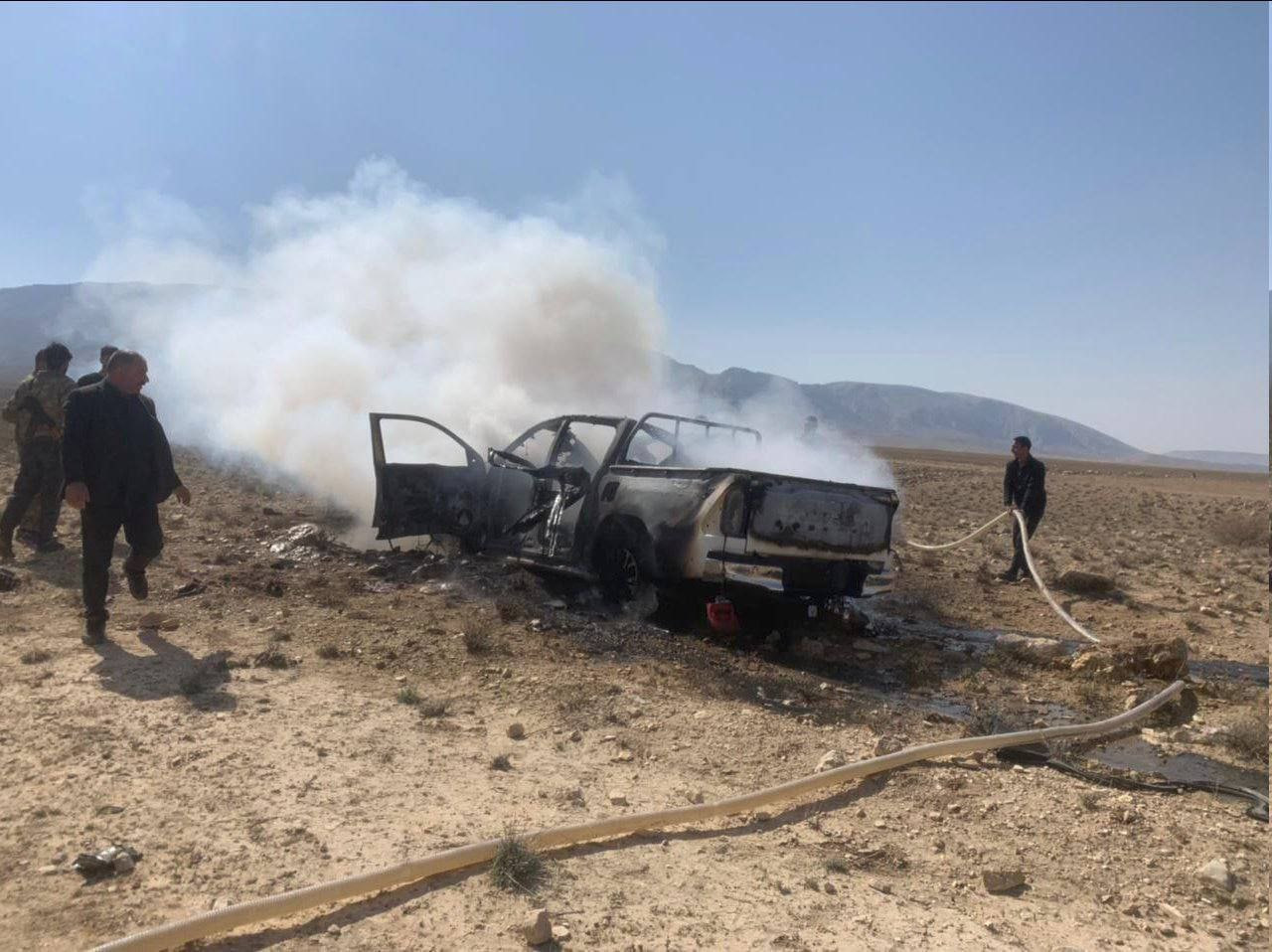
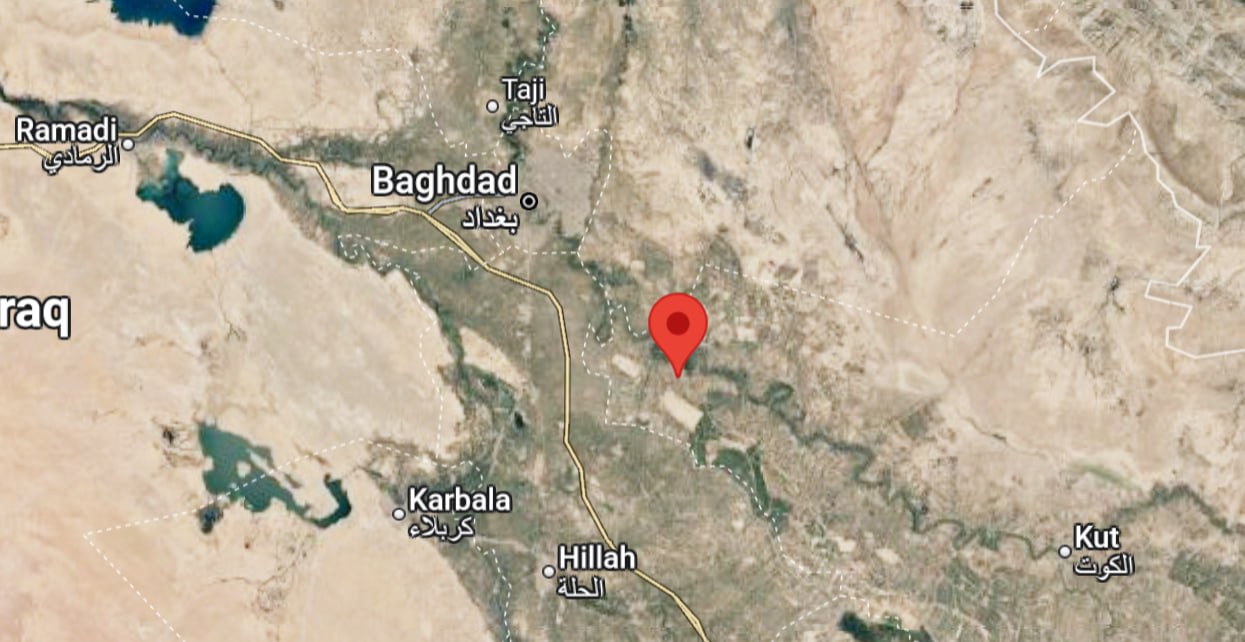
    Minutes after the alleged assault, the Iraqi Ministry of Interior (MOI) denied the likelihood of a drone strike on the headquarters of the Popular Mobilization Units (PMU) and announced that the thick smoke that was seen between the city of Al-Suwaira and the town of Al-Aziziyah was caused by a bushfire in a meadow, which had spread to some equipment. The fire has been contained and the incident has not led to any casualties among the residents of that region.

    Although, the Ministry of Interior in Iraq issued a statement rejecting the possible US drone strike on the headquarters of the Popular Mobilization Units in the Al-Suwaira area, a video footage released from that area shows that the smoke from the scene of the incident resembles fires after being pounded by a projectile.

    Video from the scene of the incident
    Video from the scene of the incident

    Furthermore, local Iraqi sources spotted a General Atomics MQ-1C Gray Eagle drone belonging to the terrorist US army over the affected region minutes before the fire broke out.

    The mentioned issues enhance speculation about a drone strike by the terrorist US army. Moreover, the Iraqi Ministry of Interior does not possess any radar system to detect drones, and the ministry denied several US air strikes in the past, despite the existence of sufficient documentation and eyewitnesses.

  • Head Of Popular Mobilization Units Meets With President Of Syria

    Head Of Popular Mobilization Units Meets With President Of Syria

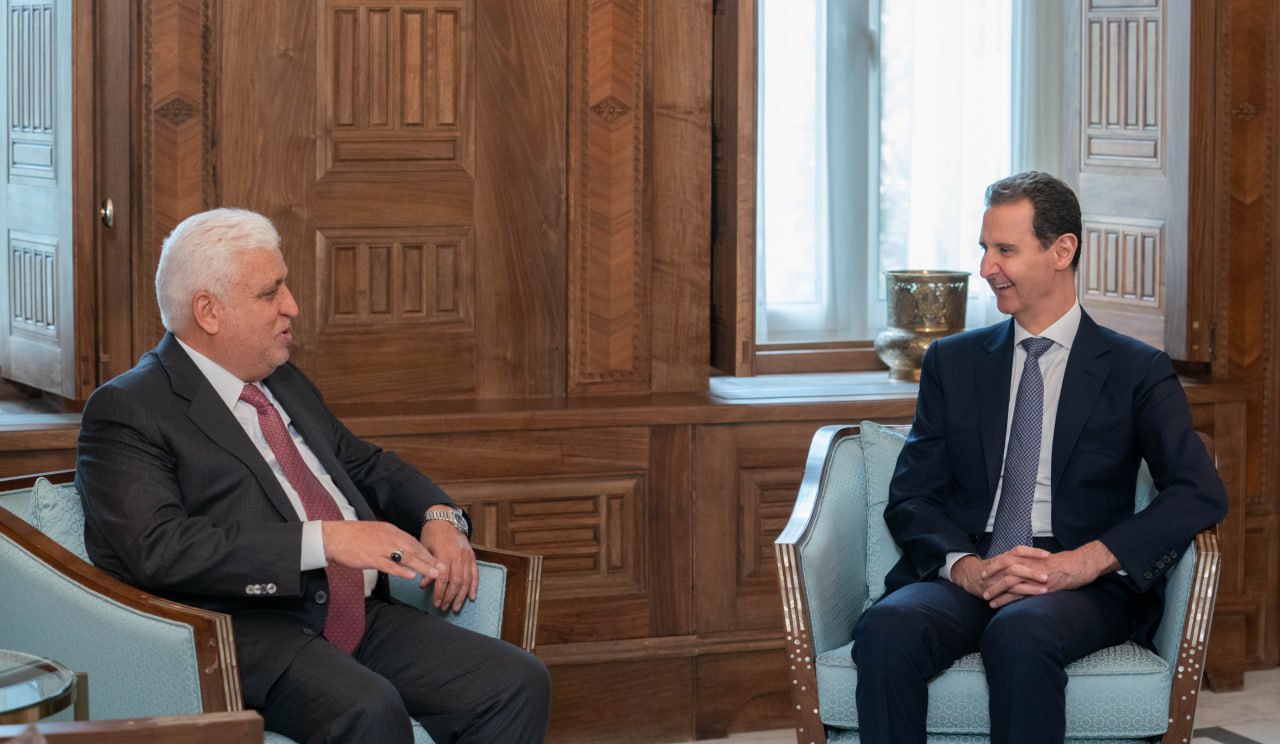
    During this meeting, the Syrian president and the head of the PMU discussed cooperation between Syria and Iraq in the areas of combating terrorism, coordinating border control, and hunting terrorist groups.

    Bashar al-Assad emphasized that the terrorist nature based on killing and bloodshed is similar everywhere in the world, and those, who sponsor terrorism in Syria and Iraq, are the same ones who back this phenomenon in other regions.

    Pointing out to the fact that the terrorists only have different names, the president of Syria stressed that the steadfastness and strength of the armed forces of Syria and Iraq have been the main factors behind the successive victories against the terrorists and their supporters.

  • Technical Committee In Charge Of Investigating Explosion At Kalso Military Base Says No Attack Occurred!

    Technical Committee In Charge Of Investigating Explosion At Kalso Military Base Says No Attack Occurred!

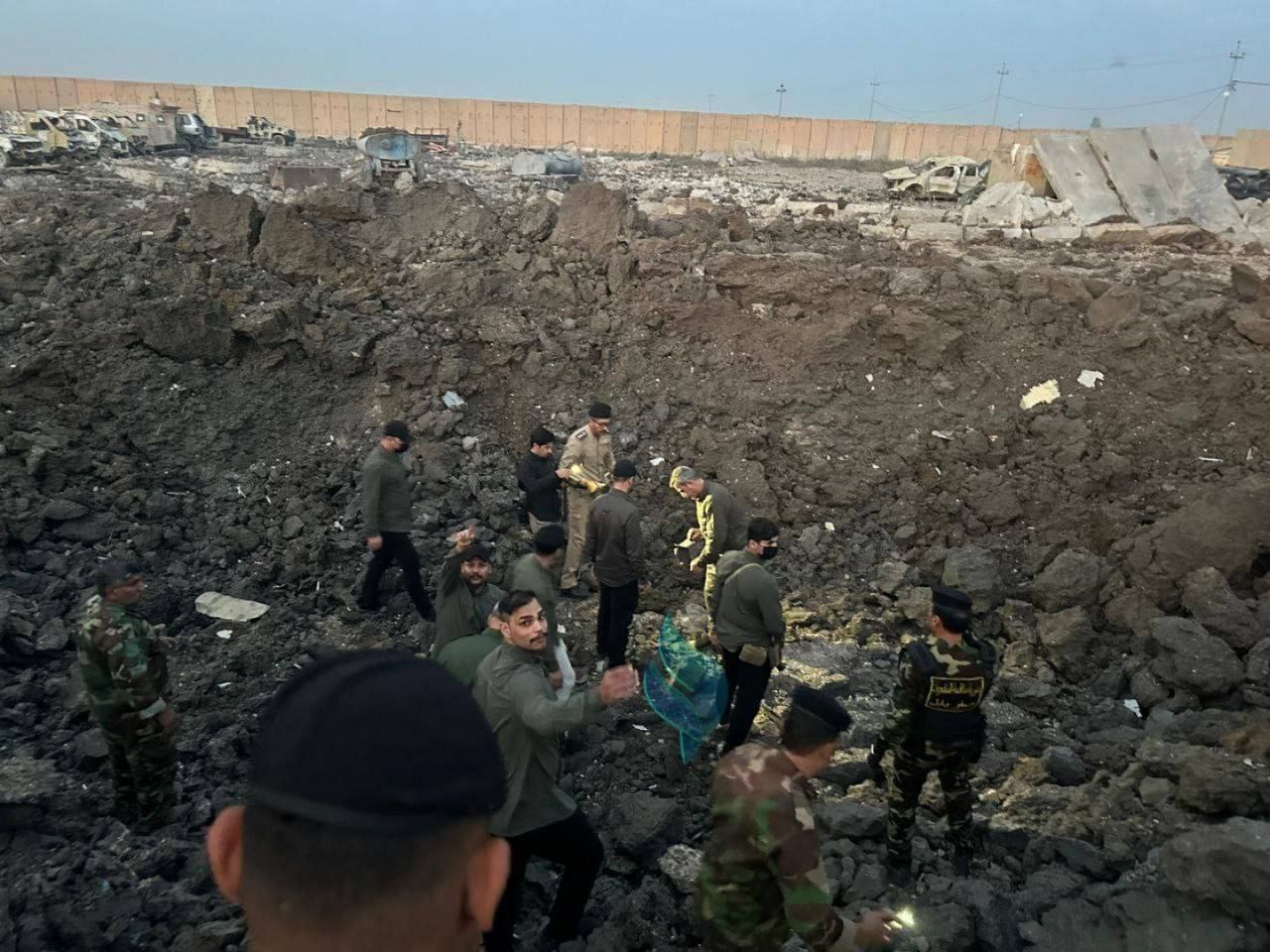
    The Technical Committee responsible for investigating the explosion at the Kalso base issued a statement on April 23, announcing: The explosion at this base created a very large irregular crater at the site of the incident, which was previously used to store ammunitions, missiles, and various explosive materials. The remains of five destroyed and scattered missiles were found within 150 meters of the incident site, and debris from 22 other missiles were also found within a hundred meters of the explosion site.

    The report further states: The size of the crater indicates that a very powerful explosion occurred among the weapons and explosive materials. All reports from the air defense command indicate that before, during, and after the explosion, no movement or flight of fighter jets and drones was observed in the airspace of Babylon province. However, the intensity of the explosion and the size of the scattered and destroyed materials from the launchers, missiles, and explosive materials cannot indicate that the explosion was caused by an airborne missile or multiple missiles.

    Finally, the report states that through sampling and examining the soil of the crater and some of the remaining metal parts of the missiles in the laboratories, it was proven that not only one but three materials, TNT, ammonium nitrate, and DBP (Dibutyl phthalate), all of which are highly explosive materials used in the production of military ammunition, were used in the manufacturing of the explosive materials and missiles.

    It is worth mentioning that in the early morning of April 20, the Popular Mobilization Unit officially announced the occurrence of an explosion at the Kalso military base in the northern province of Babylon. In this incident, one individual was martyred, and six others were wounded.

  • Head Of Iraqi PMU Meets Türkiye Foreign Minister

    Head Of Iraqi PMU Meets Türkiye Foreign Minister

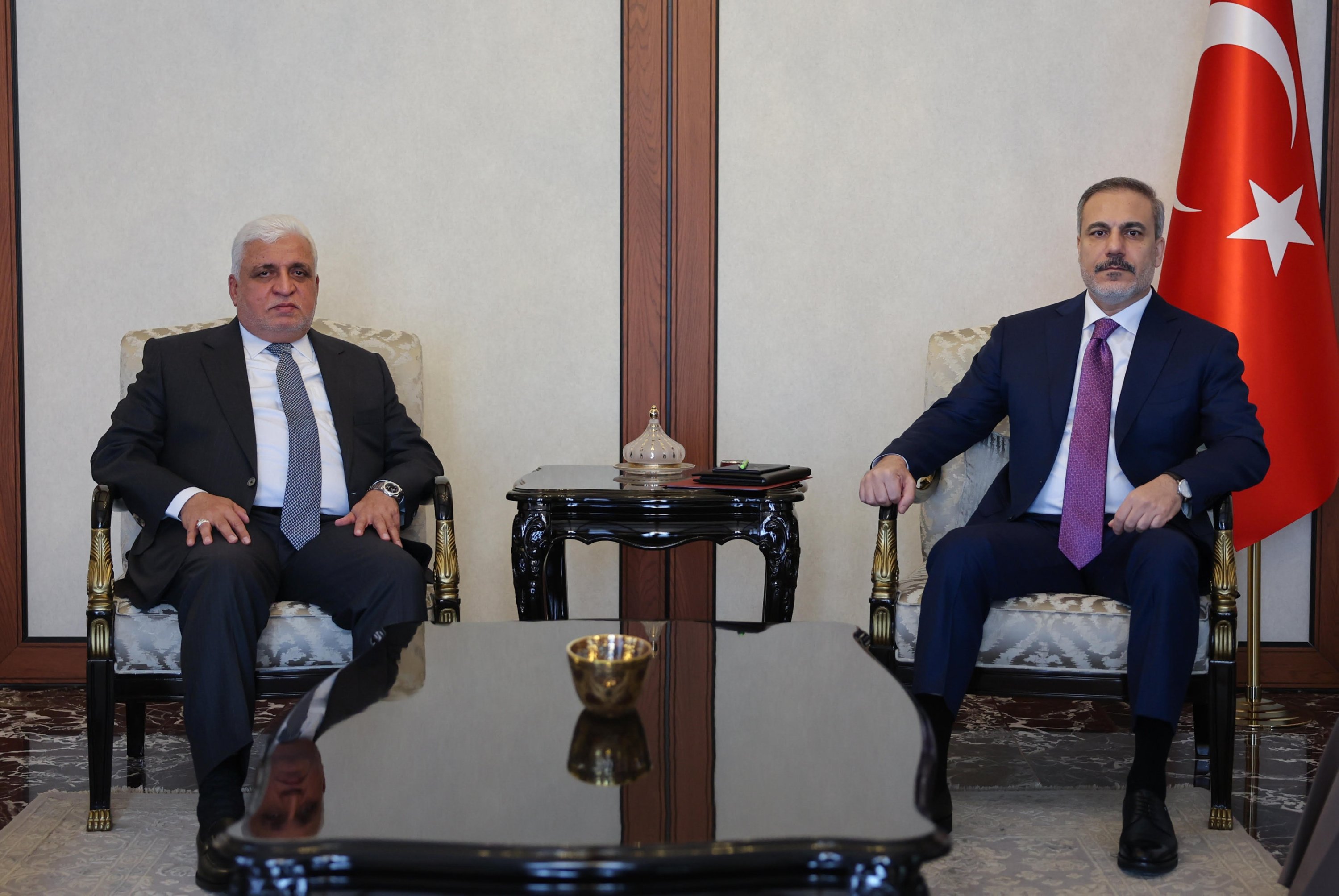
    Falah Al-Fayaz, the head of Hashd al-Shaabi, met with Turkish Foreign Minister Hakan Fidan in Ankara on February 19.

    There is no more information about this meeting, and the Turkish media have not published any details about the focus of the talks between the parties.

  • Head Of PMU Organization: America’s Aggression Will Not Go Unanswered

    Head Of PMU Organization: America’s Aggression Will Not Go Unanswered

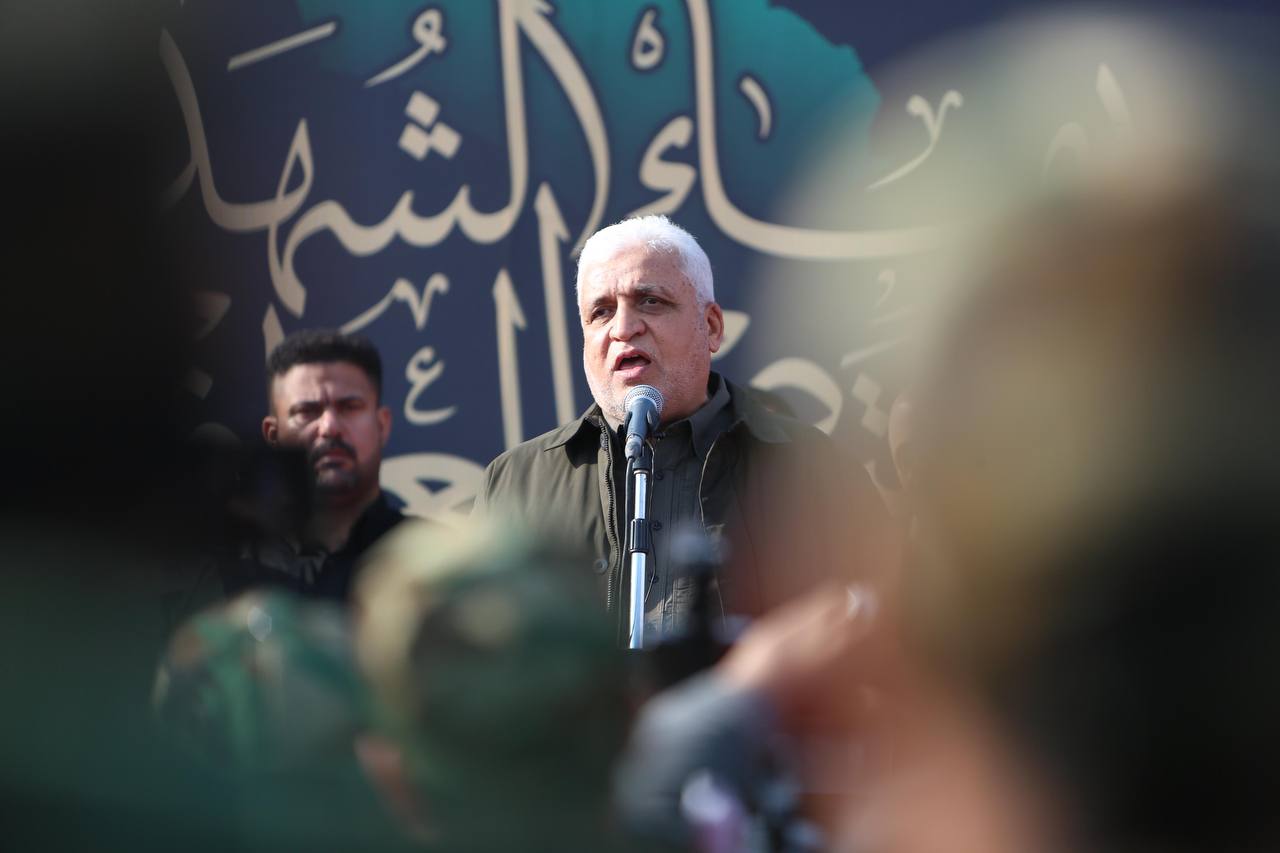
    On February 4, the funeral ceremony for the martyrs of the recent US aggressions on Al-Qaim and Akashat areas in western Iraq was held with the presence of a number of people, soldiers and some Iraqi political figures, including the Minister of Health and the head of the Popular Mobilization Organization.

    Falih Al-Fayyadh, the head of the Hashd al-Shaabi organization, said in this ceremony: “America played with fire by targeting the Hashd al-Shaabi and this aggression will not go unanswered. In this aggression, America directly targeted the Hashd al-Shaabi forces.”

    He said: “We will not allow the blood of our children to be a cheap political material. Hashd al-Shaabi is the pride of the armed forces and all Iraqis. Our country must be cleared of the presence of foreigners.”

    It is worth mentioning that according to the PMU announcement, as a result of the US airstrikes on the Al-Qaim and Akashat areas, at least 16 Iraqis were martyred and 36 others were injured.

    Read more: US Launches So-Called “Retaliatory Airstrikes” In Iraq And Syria

  • US Conducts Drone Attack On Headquarters Of PMU In Baghdad, Killing Its Commander, Aide + Video

    US Conducts Drone Attack On Headquarters Of PMU In Baghdad, Killing Its Commander, Aide + Video

    During the drone attack on the logistical support headquarters of the Popular Mobilization Units near the Iraqi Police Academy and east of capital city Baghdad, the commander of the 12th Brigade of the Popular Mobilization Units and the military official of the Harakat Hezbollah al-Nujaba Movement in Iraq Hajj Musghtaq Talib al-Saadi along with his assistant, were martyred.

    The United States’ terrorist forces carried out this attack by firing four missiles, three of which were launched at once, and the fourth missile hit the vehicle carrying al-Saadi.

    The US drone attack comes as Sheikh Akram al-Kaabi emphasized during a speech in Tehran’s Grand Mosque on Wednesday that if the American occupiers do not leave Iraq, the Iraqi resistance will take unprecedented actions against the US.

    As mentioned earlier, the Israeli regime and its eternal ally, the United States, have begun a new round of assassinations and physical removal of influential commanders and individuals of the Islamic resistance axis by the use of division of labor.

    It seems that unfortunately, the scale of assassinations may increase if a decisive response is not received, and the US and the Israeli regime may push the region towards a widespread confrontation.

  • Iraq’s Popular Mobilization Units Obtain Iran-Made Mohajer-6 UAV (Video)

    Iraq’s Popular Mobilization Units Obtain Iran-Made Mohajer-6 UAV (Video)

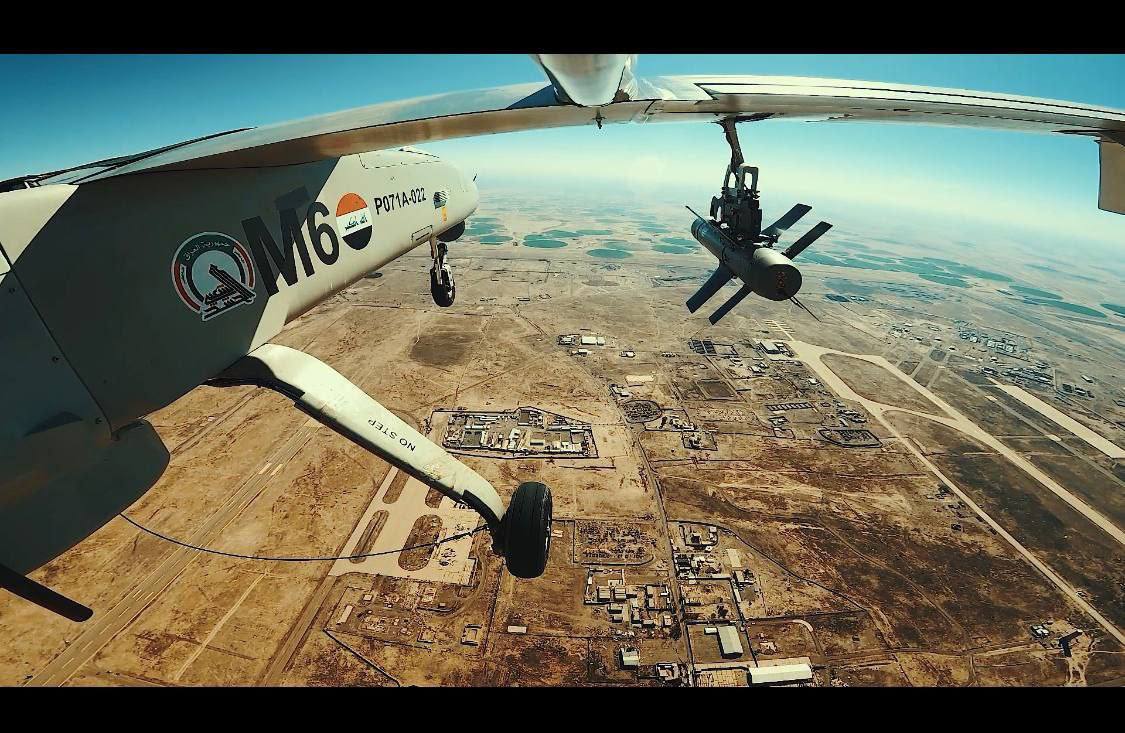
    On June 14, the Iraqi Popular Mobilization Units announced the participation of the “M6” UAV in one of their military exercises in a video footage.

    It is said that the drone is the export version of the Iranian “Mohajer-6” drone, but transformations have been made to the Iran-made UAV by the specialized forces of the Popular Mobilization Units in the Arab country.

     In that video, which was released by the Popular Mobilization Units, the “Mohajer-6” drone precisely destroys two of its targets with the usage of two Qaem-5 bombs during a training mission.

    Its high accuracy in the targeting mission and the easy guided performance of the drone are clearly visible in the released video. 

    Read more: Military Knowledge: Mohajer-6 Reconnaissance Combat Drone

    Earlier in 2021, Mohajer-6 drone along with other Iranian military equipment such as the Toofan MRAP armored vehicle, Jeep Safir, Chamroosh drone and Ra’ad rocket launcher were displayed in a parade, which was held by the Popular Mobilization Units forces at the Abu Montazar Al-Mohammadi Camp (previously known as MKO terrorists’ Ashraf Camp) in Diyala province, Iraq. 

    The Mohajer-6 Combat Surveillance Drone is a medium-class UAV, which has been built by the Ministry of Defense of the Islamic Republic of Iran. The drone was officially unveiled in March 2017 during an inspection by the then President of Iran Hassan Rouhani of the exhibition of the achievements of the Ministry of Defense.

    The Mohajer-6 drone can be considered as the most successful Iran-made exported drone. The UAV has been exported to Iraq (Popular Mobilization Units) and Ethiopia. 

    It seems that the Popular Mobilization Units with the help of Iranian specialists have achieved the capacity and capability to control and employ drones, as well as make changes to the drones.

    In recent years, the Popular Mobilization Units planned to strengthen their air force units, because Martyr Abu Mahdi al-Mohandes had emphasized the need for setting up an air force unit in the organization.

    The video published by Hashd al-Shaabi about the use of Mohajer-6 drone
  • Popular Mobilization Units One Of Main Pillars Of Iraqi Security, Military System: Iraq PM

    Popular Mobilization Units One Of Main Pillars Of Iraqi Security, Military System: Iraq PM

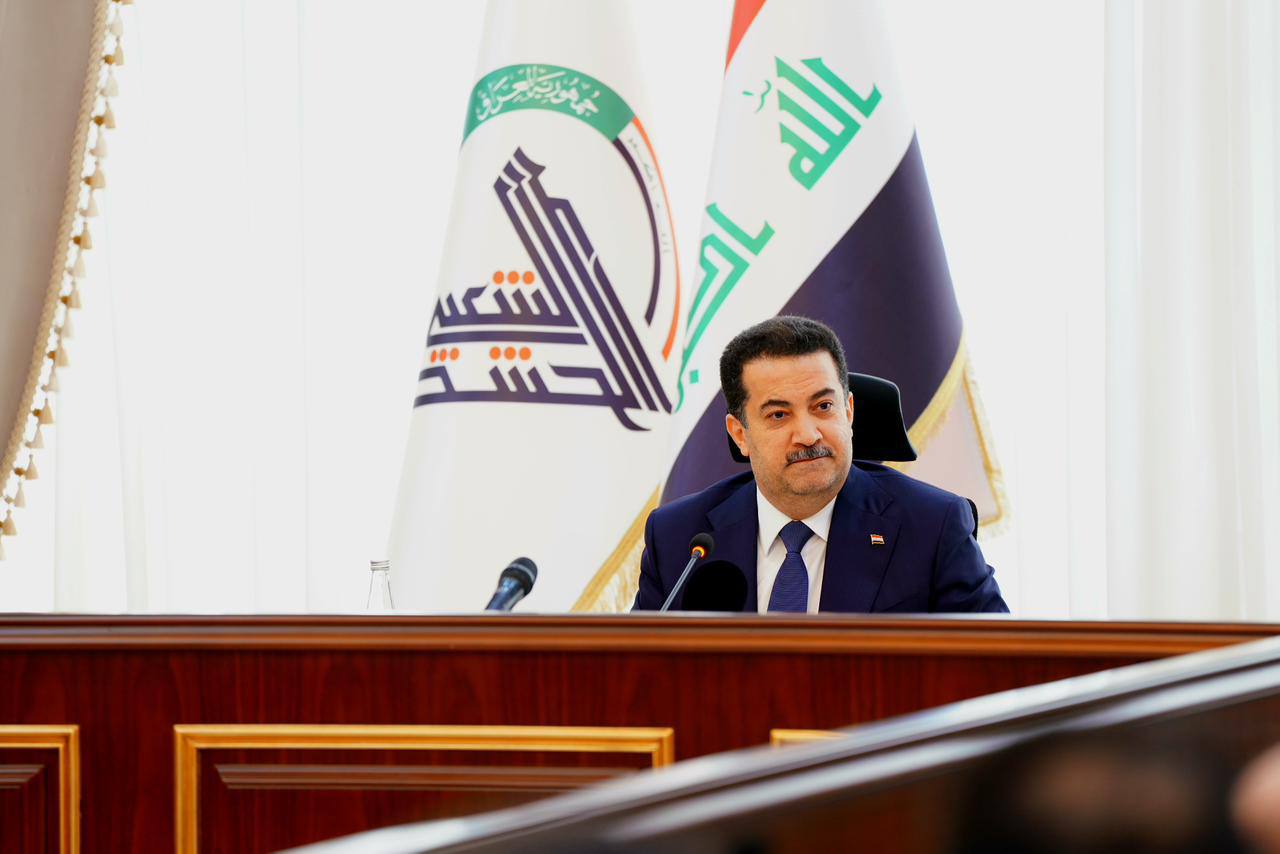
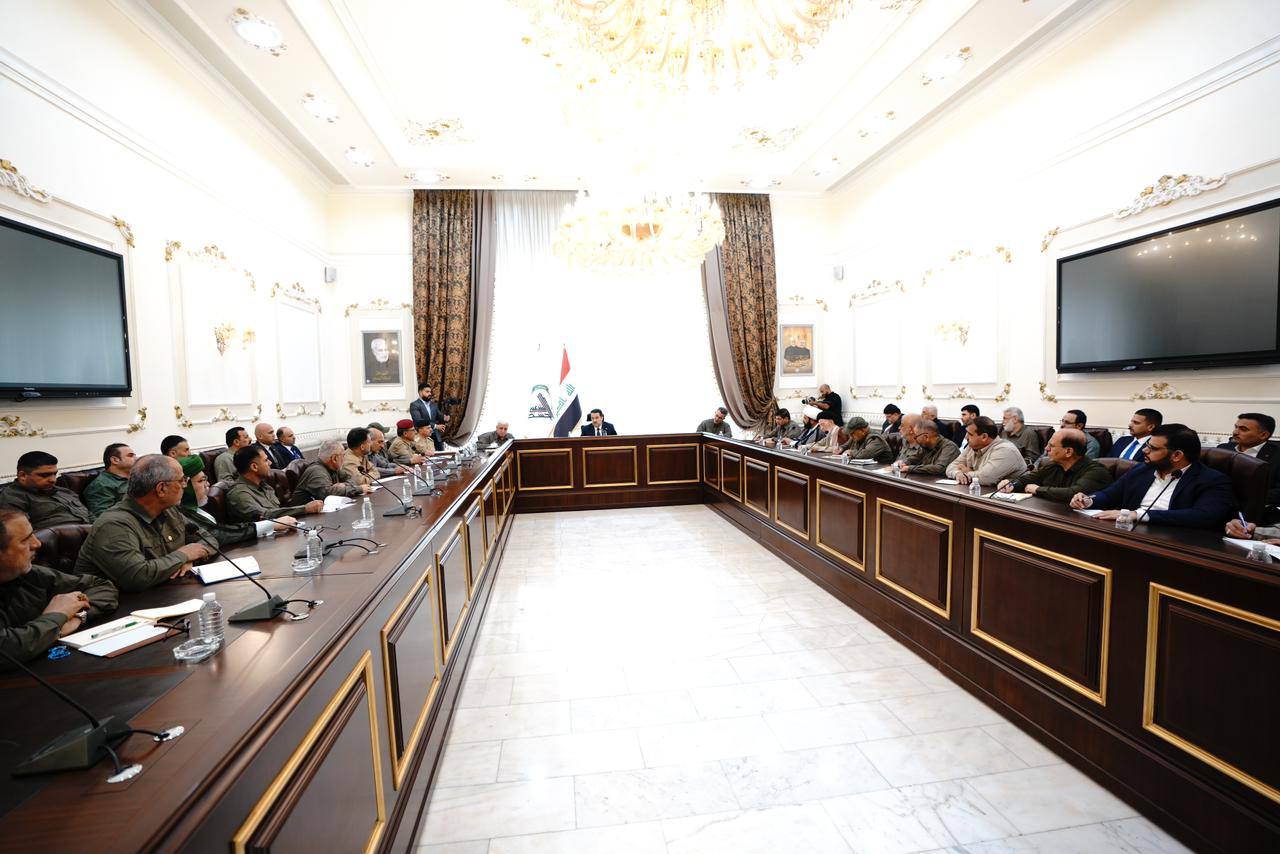
    Al-Sudani congratulated the members of the organization on the occasion of the ninth anniversary of the establishment of the PMU, and recalled their heroic epics, which were recorded along with their great sacrifices in the fight against terrorism.

    The prime minister also emphasized that a decree by the highest Shia cleric Ayatollah Ali Sistani, thwarted enemy’s plots and reversed equations on the ground, which resulted in the formation of the national force that neutralized terrorist conspiracies.

    Al-Sudani went on to say that this move was the root cause of the triumph achieved against the ISIS terrorist group and also a new beginning for Iraq and its people towards unity and prosperity as well as a message of peace from the Iraqi nationals to all walks of life.

    The Iraqi premier underlined that the fight against terrorism following a wave of extremist plots that targeted Iraq’s social structure could unite the people of the country.

    He further stated that the decree of jihad was adorned with the blood of Iraqi martyrs and injured fighters and ended with the expulsion of Takfiri extremist groups.

    To commemorate the occasion, we must remember the martyrs and commanders who made all-out efforts to achieve victory in the fight against terrorism, as well as their great sacrifices in defending their country and its democratic system.

    The commander-in-chief of the Iraqi Armed Forces praised the Popular Mobilization Units, which turned into a fundamental pillar in Iraq’s security and military structure, and emphasized that the Iraqi government is working to pass a military retirement law, which would guarantee the rights of all security forces, including members of the Popular Mobilization Units.

  • Popular Mobilization Units Prepare To Form New Brigade In Sinjar

    Popular Mobilization Units Prepare To Form New Brigade In Sinjar

    Kurdish language media outlets, citing sources among the Hashd al-Shaabi Units, declared the forces’ measure to establish a new brigade in the town of Sinjar in Nineveh Governorate will comprise 2,000 resistance fighters.

    According to the unidentified sources, head of Iraqi popular mobilization units Faleh al-Fayaz has succeeded in obtaining the Iraqi Prime Minister Mohammed Shia al-Sudani’s approval to form a new brigade in Sinjar, which will be made up of native residents of this area. The Popular Mobilization Units had previously established a brigade of over 2,000 fighters in the Sinjar County.

    Some speculations have been made, saying that the format of the mentioned new brigade of the PMU in Sinjar has not been finalized so far, and it may comprise of four regiments of native volunteers from Sinjar. Moreover, one of the commanders of the Badr Organization who is also the current advisor to the head of the Popular Mobilization Units in the northern regions and is named Murad Sheikh Kalo has been assigned to establish the new brigade in Sinjar.

    Member of the Kurdistan Democratic Party in the Iraqi Parliament Majid Shankali said that the new brigade would comprise of the residents of Sinjar as well as the Arab people of the area. This move is considered a threat and I informed the relevant institutions on the issue, he warned.

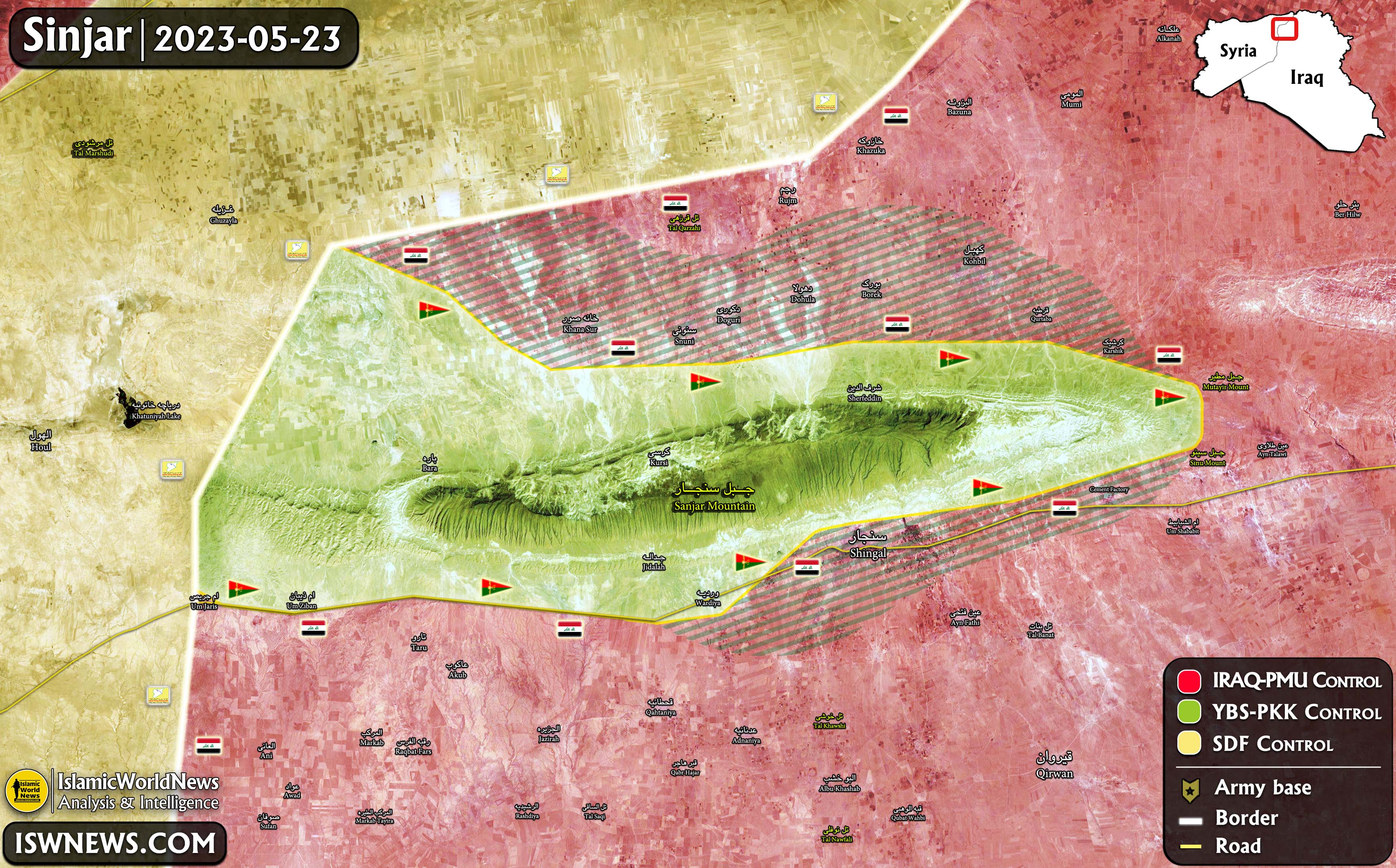
    It is worth mentioning that the Sinjar County is one of the areas of Nineveh Governorate, which is located 120 kilometers west of the Iraq city of Mosul, and most of its residents are Yazidis, who are a Kurmanji-speaking endogamous minority group to Kurdistan region.

    At present, it is believed that more than five groups of Iraqi armed forces and militia groups, including the Popular Mobilization Units, the Sinjar Resistance Units (YBS), local police forces, the Iraqi Army and Peshmerga (Kurdish military forces) are present in Sinjar County, and the paramilitary groups and militias have been fighting each other for years with the aim of having a say and dictate their plans in the region.

    Sinjar map in northwest of Iraq – Click to view full size
  • Turkish Drone Attack On Sinjar; A PMU Field Commander Was Martyred

    Turkish Drone Attack On Sinjar; A PMU Field Commander Was Martyred

    On February 27, Turkish drones targeted a car in Khana Sor area in the suburbs of Sinjar city, located in the west of Nineveh province, during which, Pîr Çeko, the commander of the PMU 80th Brigade along with two other forces were martyred.

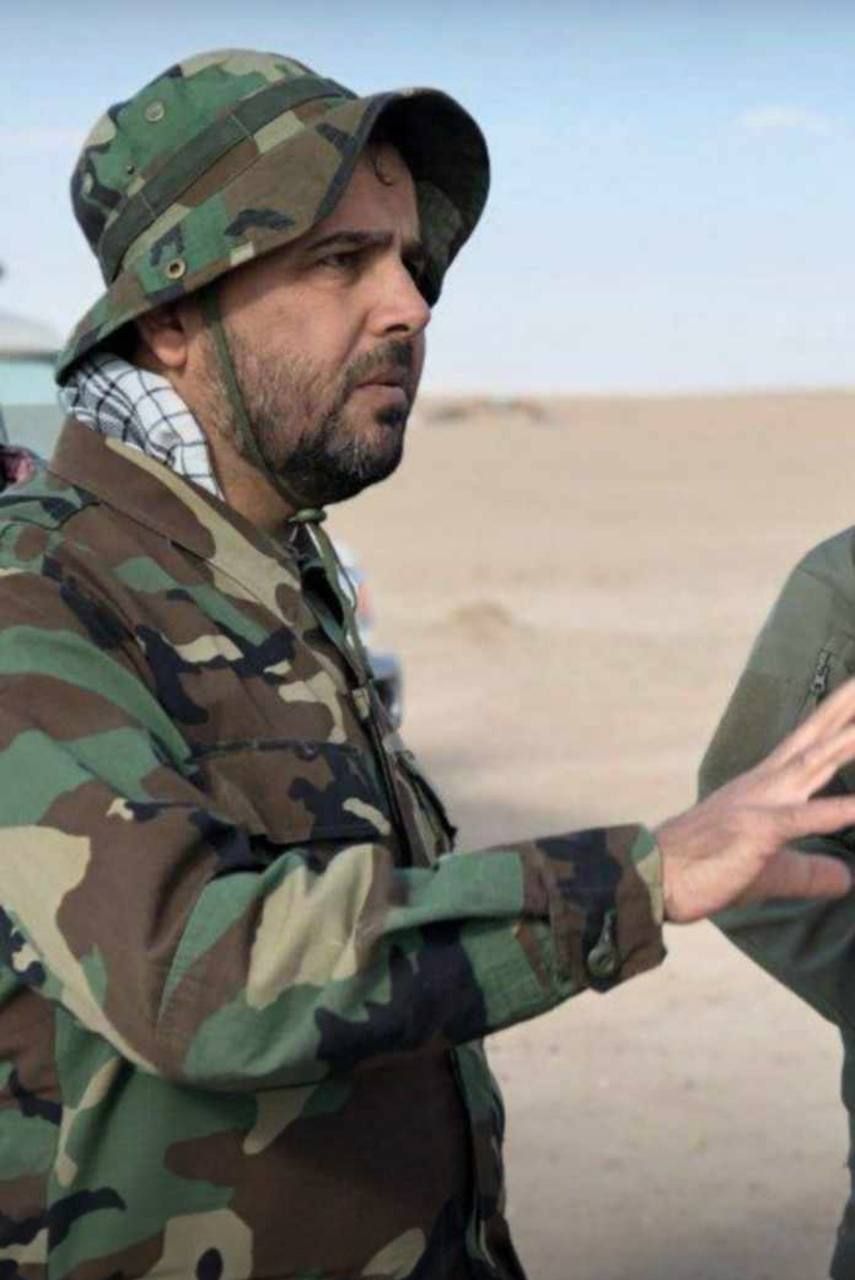
    A picture of Pîr Çeko (Pir Cheko), commander of the 80th Brigade of the Popular Mobilization Organization

    On the other hand, the Iraqi Kurdistan Region’s Counter-Terrorism Group announced: “At 12:10 today local time, a Turkish drone targeted a vehicle belonging to the PKK elements in Khana Sor area of Sinjar city, as a result of which In this attack, a commander and two PKK forces were killed.”

    According to the statement, it seems that these people were from the former Sinjar Resistance Units (YBŞ), which after some time were organized in the form of the 80th Brigade of the Iraqi Popular Mobilization Organization (PMU).

    After this attack, the “Islamic Resistance Ahrar al-Iraq Brigade” reacted by publishing a harsh statement. According to the Ahrar al-Iraq previous activities against the Turkish positions in northern Iraq, it is likely that the “Ahrar al-Iraq” group, in response to this attack, will organize a new round of attacks against the Turkish bases in Iraq.

    Statement by Islamic Resistance Ahrar al-Iraq Brigade

    It is worth mentioning that this is Turkey’s first targeted drone attack against the PMU’s 80th Brigade in Nineveh province this year. Last year in 22nd of January, 2022, Turkish drones attacked two vehicles of the YBS forces in the Bab Shalo area on the outskirts of Sinjar, during which two YBS militias were killed and several others were injured.

    Read more: Assassination of two YBS forces by Turkish drone in Sinjar

  • Attack on Hashd al-Shaabi headquarters in Basra with 16 rockets + Video

    Attack on Hashd al-Shaabi headquarters in Basra with 16 rockets + Video

    Around 02:30 local time on October 4, unknown armed elements attacked the headquarters of Hashd al-Shaabi (PMU) in al-Tanouma area of Basra city. During this attack, 14 Katyusha rockets hit near the presidential palace complex in Basra.

    This conflict ended around 05:30 in the morning and the attackers were forced to retreat after the resistance of Hashd al-Shaabi forces. So far, no report has been published about possible casualties and damages caused by this attack.

    In this regard, a high-ranking security delegation headed by Abdul Amir Rashid Yarallah, Chief of the General Staff of the Army and Abdul Amir Al Shammari, Deputy Commander of the Iraqi Joint Operations Headquarters, entered this province to investigate the recent security events in Basra. During this visit, the Chief of General Staff of the Iraqi Army, in order to increase the security factor of Basra province, ordered that a brigade of the Iraqi army be sent to Basra province.

    So far, no group has claimed responsibility for the attack on the Hashd al-Shaabi headquarters in Basra, but some sources have named the Saraya al-Salam militants, affiliated with the Iraqi Sadr Movement, as the main culprits of this attack.

    A video of the attack on Hashd al-Shaabi headquarters in Basra