Tag: UK

  • Britain Deploys New Military Satellite in Space

    Britain Deploys New Military Satellite in Space

    The satellite weighs about 100 kilograms and orbits the Earth once every 90 minutes. Titania is the second satellite in Britain’s expanding constellation of military satellites and was launched after the Tyche satellite. Both satellites are part of the ISTARI program, which aims to develop space-based reconnaissance capabilities.

    The UK Ministry of Defence has also launched Project Inaros to test a network of ground-based sensors. The network will include three advanced sensors to be deployed in the UK, Australia, and the island of Cyprus. By detecting changes in light and the movements of space objects, these sensors will make it possible to spot unusual activity and potential threats against British satellites.

    The development of these capabilities is part of London’s investment program of more than £3 billion in the space domain over the next four years.

  • UK-Russia Rivalry in the Arctic

    UK-Russia Rivalry in the Arctic

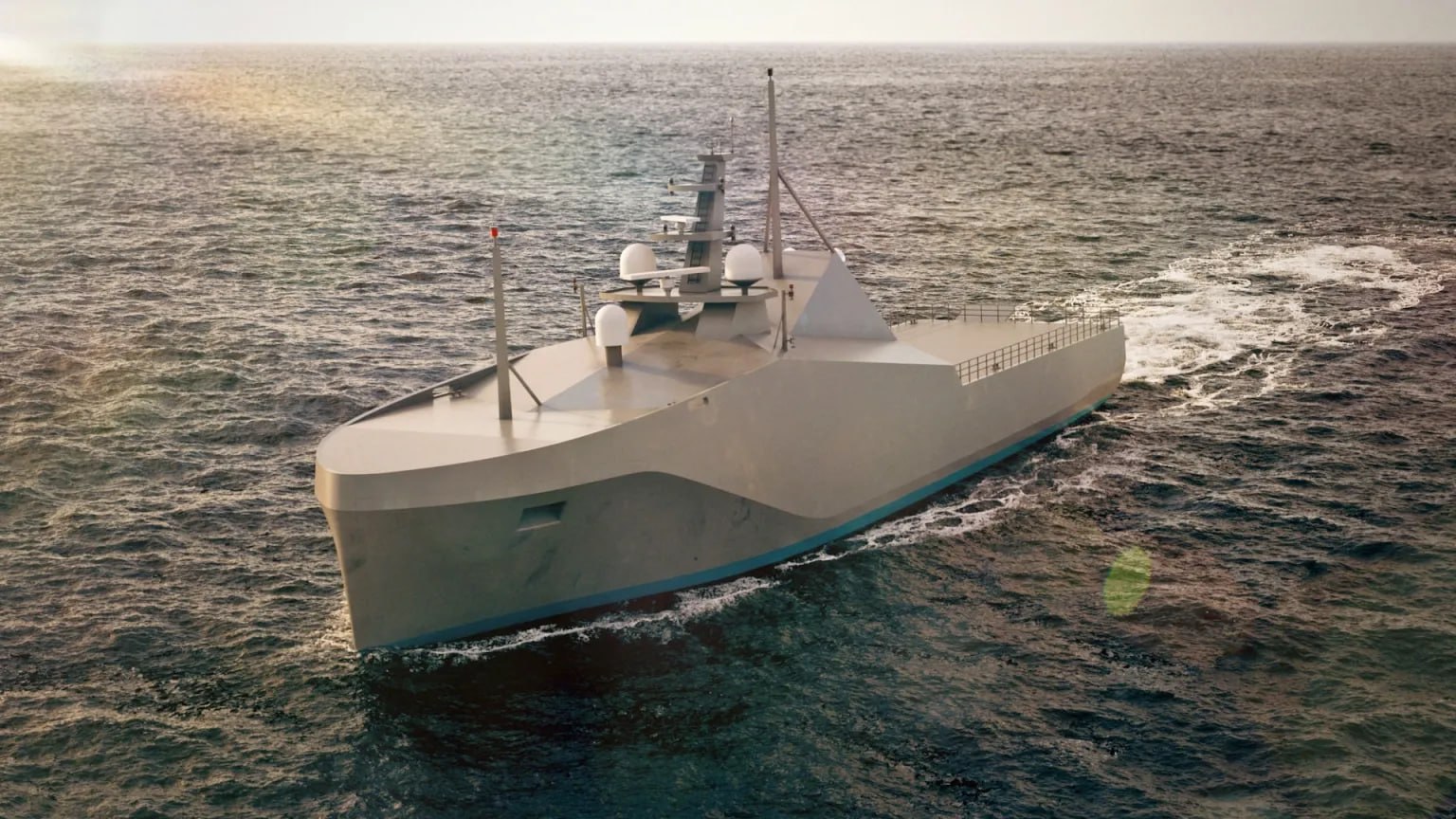
    The vessel is based on the hull design of a fishing boat built for cold-water operations and measures approximately 56 meters in length.

    Its key feature is the Sonar 2087 system, developed by Thales. The sonar is already installed on the UK Royal Navy’s Type 23 frigates and is also planned for use on the Type 26 anti-submarine frigates.

    The vessel is designed to operate autonomously for up to 60 days without a crew and transmit the underwater data it collects to UK command centers. Since noise levels are critical in anti-submarine operations, its hull and propeller have also been optimized to reduce underwater noise.

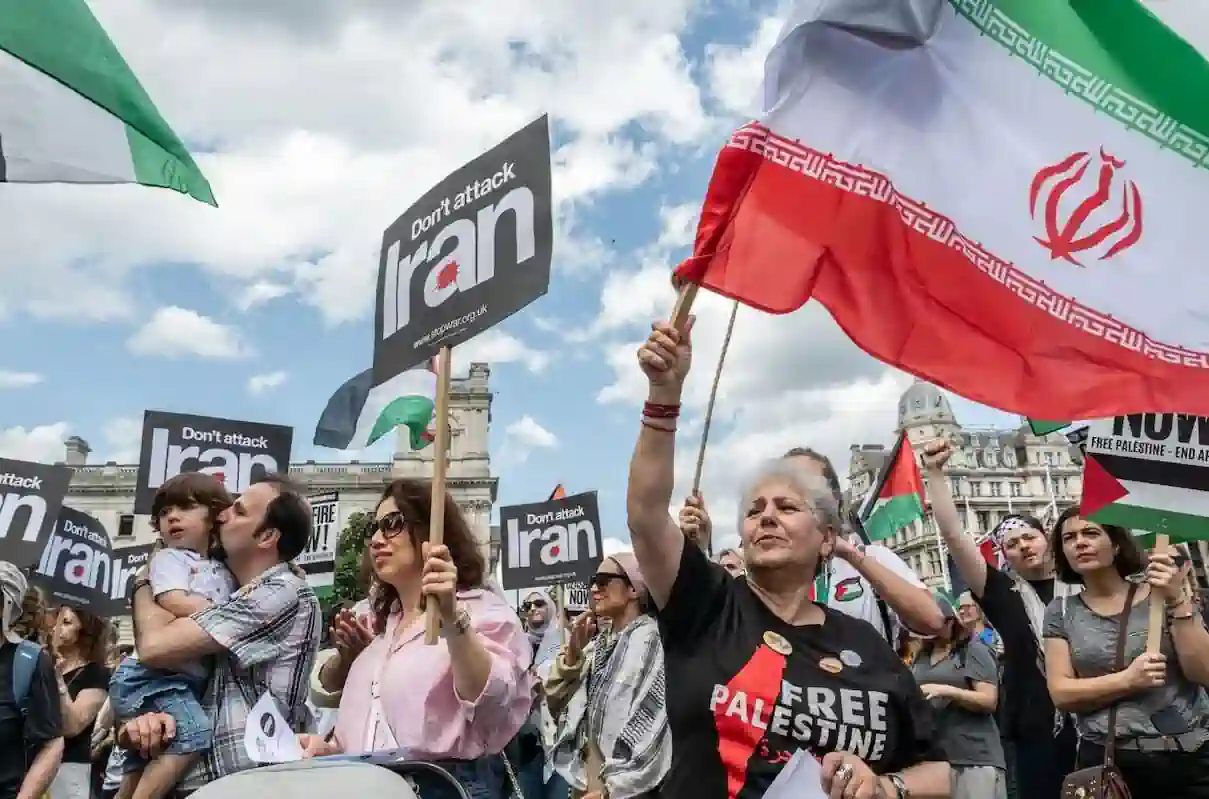
  • 58% of the British public oppose launching an attack on Iran from UK bases

    58% of the British public oppose launching an attack on Iran from UK bases

    58% opposed: including 38% “strongly opposed” and 20% “somewhat opposed.”
    Party breakdown among opponents: 68% of supporters of the Green Party, 48% of Labour Party voters, and 47% of Liberal Democrats supporters.

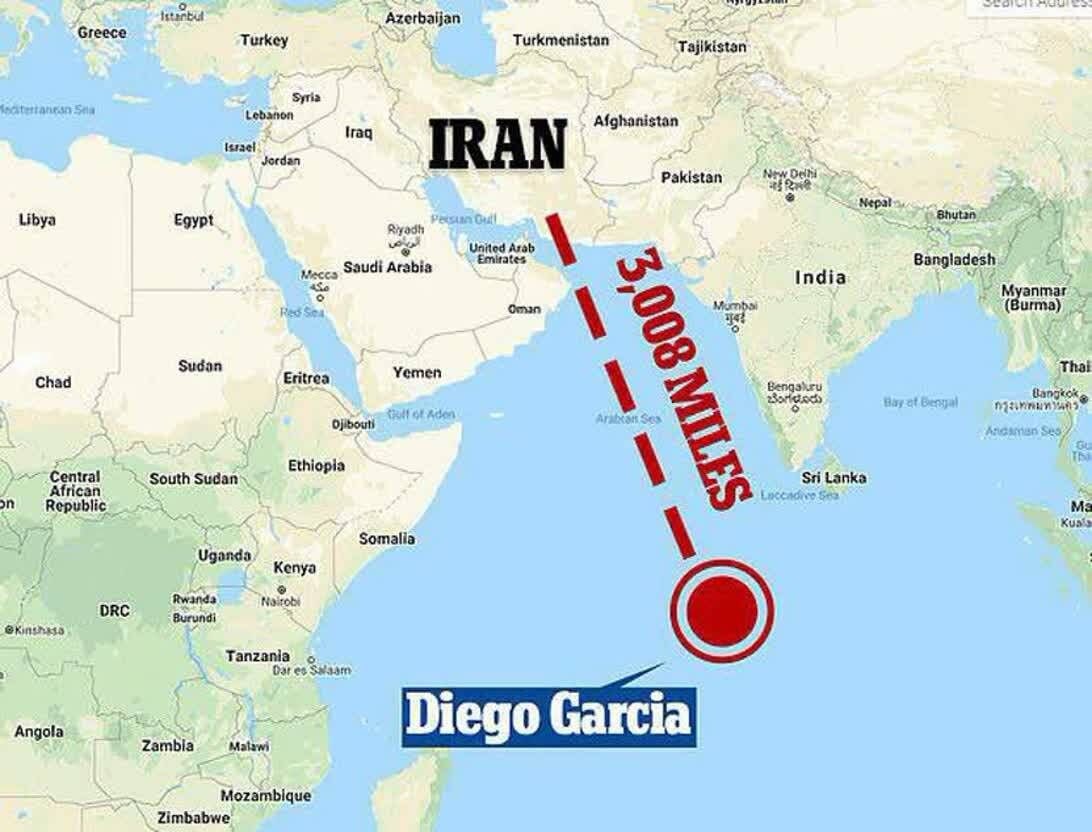
    These figures come as the British government has also expressed hesitation about authorizing potential operations against Iran, amid recent disagreements with Washington over sovereignty of the Chagos Archipelago and the status of the Diego Garcia base.

  • Britain Opposes Potential U.S. Military Action Against Iran — But Why?

    Britain Opposes Potential U.S. Military Action Against Iran — But Why?

    Britain’s opposition to the use of Diego Garcia is reportedly linked to its prior plans to return sovereignty of the Chagos Archipelago to the Mauritius. Keir Starmer, the British Prime Minister, pledged in May 2025 to hand over the Chagos Archipelago to Mauritius in accordance with a ruling by The Hague court. However, Donald Trump has opposed the move, citing the strategic importance of the Diego Garcia air base and its 100-year lease arrangement.

    Consequently, launching attacks on Iran from Diego Garcia would effectively signal British support for military action and could carry significant repercussions. Such consequences could jeopardize British interests in West Asia, particularly maritime shipping routes in the Persian Gulf, the Sea of Oman, the Arabian Sea, and the Red Sea. For this reason, London is currently opposed to any potential move by Trump to strike Iran.

    It is worth noting that Diego Garcia lies approximately 3,800 kilometers from Iran and about 3,400 kilometers from Yemen. The island has served as a primary base for U.S. strategic bombers during previous operations in Iraq, Afghanistan, and Yemen, and it could play a central role in any potential confrontation between Washington and Tehran.

  • Saudi-UK Joint Initiative to Counter Yemeni Naval Operations

    Saudi-UK Joint Initiative to Counter Yemeni Naval Operations

    The initiative was unveiled during a summit hosted by the Saudi Foreign Ministry in Riyadh, attended by representatives from over 35 countries—including the U.S., UK, Canada, Australia, China, Japan, the European Union, Gulf Arab states, and Yemen’s exiled government.

    British Ambassador to Yemen, Abdo Sharif, explained that the goal of this maritime security partnership is to address serious threats such as smuggling and piracy, while also promoting regional stability and safeguarding global trade routes.

    Under the ten-year plan, participating nations will provide financial aid and military equipment to enhance the capabilities of Yemen’s coast guard. Saudi Arabia has taken the lead by pledging $4 million in aid, along with a package of training and military gear for the Yemeni forces.

    The initiative, titled “Partnership for Yemen’s Maritime Security,” is being spearheaded by Saudi Ambassador Mohammed Al Jaber and British Ambassador Abdo Sharif. Despite broad international participation in the launch event, substantial military and financial support is unlikely to materialize within the current calendar year. However, growing economic pressure from the naval blockade in the Red Sea and Gulf of Aden may eventually compel the EU and other U.S.-Israeli allies to take more decisive action in Yemen.

    Over the past two years, the Red Sea and Gulf of Aden have become focal points for Yemeni armed forces targeting commercial and military vessels linked to Israeli, American, and British interests. These operations—carried out in solidarity with the Palestinian cause—have included more than 215 maritime attacks using ballistic missiles, cruise missiles, drones, and explosive-laden unmanned surface vessels.

    Yemen #Saudi #UK

  • US-UK Coalition Conduct Fresh Airstrikes on Yemen, 18 Civilians Killed

    US-UK Coalition Conduct Fresh Airstrikes on Yemen, 18 Civilians Killed

    The US-UK coalition airstrikes hit several locations in the Yemeni governorates of Taiz and Al-Hudaydah, according to reports on Thursday.

    The attacks are detailed as follows:

    – Three airstrikes on the Al-Nahdin area in the Al-Sabain district of Sana’a Governorate.
    – An airstrike on the vicinity of Sana’a International Airport.
    – Two airstrikes on the Jerban area in the Sanhaan district of Sana’a Governorate.
    – An attack on the communications network in the Al-Abous area in the Haifan district of Taiz Governorate.
    – An attack on a radio headquarter in the Al-Hawak district of Al-Hudaydah Governorate.
    – An attack on a building in the Al-Salif port in Al-Hudaydah Governorate.
    – An attack on the Ghaylfaqah area in Al-Hudaydah Governorate.

    Additionally, field sources in Al-Hudaydah told the IWN that the US-UK coalition airstrikes also targeted:
    – Two airstrikes on the Al-Jabanah area in northern Al-Hudaydah.
    – The bombing of civilian buildings in the Al-Salif port and Al-Hawak district.

    As a result of the attack on the radio building in Al-Hawak district, two civilians were killed, and ten others were injured. A released footage shows the rescue of the injured from the rubble of the building.

    The total casualties from the US-UK coalition airstrikes in Al-Hudaydah Governorate so far are 14 killed and more than 30 injured. The strikes come a day after a US MQ-9 Reaper drone was reportedly shot down in Yemen.

    Pulling out the bodies of the martyrs and the wounded civilians from the rubble of the radio building in Hudaydah

    Furthermore, the terrorist forces of the US Central Command (CENTCOM) for the West Asia regime issued a statement regarding the airstrikes carried out in Yemen this morning, stating that between 3:15 PM and 5:00 PM (Sana’a time) on May 30, US forces successfully destroyed 8 suicide drones in areas under the Ansar Allah movement’s control in Yemen and over the Red Sea. The statement also mentioned that US and UK forces conducted strikes against 13 Ansar Allah targets in various locations in Yemen.

    This is the fifth time that the US and UK militaries have carried out a combined operation against the Ansar Allah movement since January 12. But the US also has been conducted almost daily strikes to take out Ansar Allah targets, including incoming missiles and drones aimed at ships, as well as weapons that were prepared to launch.

    American officials announced that the US F/A-18 fighter jets launched from the USS Dwight D. Eisenhower aircraft carrier in the Red Sea. Other US warships in the region also participated in these attacks.

    Last November, the Ansar Allah movement began launching anti-ship ballistic missiles and drones, targeting what were ships with links to the Israeli regime transiting through the Red Sea. They said this was a show of solidarity with Palestinians in the Gaza Strip.

    In recent months, the Ansar Allah movement stepped up attacks on shipping in the Red Sea, the Mediterranean Sea, the Gulf of Aden and the Indian Ocean, demanding that the end the Israeli onslaught on Gaza, which has killed more than 36,000 Palestinians.

  • British Warships Went To Indian Ocean; What Is The Mission HMS Diamond?

    British Warships Went To Indian Ocean; What Is The Mission HMS Diamond?

    According to the BBC report, the HMS Diamond has 224 military personnel who work 8 to 12 hours with little time for rest. The BBC also talked to Peter Evans, the commander of HMS Diamond, and quoted him as saying: “The Yemenis are currently using advanced and deadly weapons in the Red Sea and the Gulf of Aden. The operations in the Red Sea is fast-paced and the high level of concentration is exhausting, and your life could be on the line in a few short moments.“

    This British commander also detailed Ansar Allah’s attacks with new missiles and said: “When we first entered the Red Sea, drones were the main threat, but now the Yemenis have moved to missiles that are difficult to defend against and If hit, they cause more damage.“

    According to this report, HMS Diamond is having problems to deal with Ansar Allah’s missiles. The reason for this is that the new Yemeni missiles have three times the speed of sound and the crew has a short time to deal with them.

    The HMS Diamond is the third ship of the Type 45 destroyers of the British Royal Navy which has been operating since 2007. This destroyer entered the Red Sea through the Suez Canal on December 14, 2023, and during the US air aggression in Yemen faced some drone attacks by the Yemeni armed forces. As mentioned in the BBC report, HMS Diamond does not have the ability to fully deal with the Yemeni’s missile attacks on its own and must cooperate with others warships.

  • Results Of Ansar Allah’s Anti-Israel Operations; Reasons, Results Of US-UK Invasion Of Yemen

    Results Of Ansar Allah’s Anti-Israel Operations; Reasons, Results Of US-UK Invasion Of Yemen

    1- What have been the results of the military operations of the Yemeni armed forces?
    The armed forces in Yemen began their actions in support of Palestine and against the Israeli regime on October 19. These actions are pursued in three categories, which include:

    – Missile and drone operations against Israeli positions in occupied Palestine, with 16 operations officially announced so far.

    – Maritime operations, including the seizure as well as missile and drone attacks against ships belonging to Israel, the US, the UK, and their affiliated vessels. This part of Ansar Allah’s actions, following the seizure of the Israeli ship Galaxy Leader on November 19, entered a phase of extensive maritime operations in the Arabian Sea and the Red Sea, with the number reaching 44 operations against commercial and military ships belonging to the US, the UK, the Israeli regime, and their affiliates.

    – Countering the airstrikes of the US-UK coalition is another action of the Yemeni armed forces, the detailed specifics of which are not available, but in general, the Yemeni army’s air defense has successfully destroyed two MQ-9 drones of the US army in the western skies of Yemen.

    These operations have had various results, as the cessation of shipping towards Israeli-occupied territories and economic damages to the Israeli regime have been the most significant outcomes. Additionally, the hegemony of the US and the power of their military fleet, which has always been accompanied by other allied countries, have been seriously challenged.

    Western media and analysts have considered this tension as the most different and new type of naval warfare due to Ansar Allah movement’s innovations inspired by Iranian military tactics. In this war, ballistic missiles have been used for the first time to target moving targets like unlawful ships. Suicide drones, unmanned underwater vehicles (UUV), remotely operated underwater vehicle (ROVs), and other submersibles have been used in the battlefield, conducting complex and coordinated attacks against the US-UK coalition fleet, posing new and different challenges for the US military authorities.

    2- What are the reasons and results of the US-UK coalition’s invasion of Yemen?

    As repeatedly stated in the statements and remarks of American and British authorities, the main reason for their attacks on Yemen has been cited as securing the seas and protecting international shipping. However, it is clear that support for the Israeli economy and countering Ansar Allah movement’s presence in the Red Sea and the Arabian Sea are the general and main reasons for the aerial invasion of Yemen by the Western powers. These attacks have not significantly impacted the quantity and quality of missile and drone strikes by the Yemeni armed forces. Unlike the media hype that the United States usually creates after its attacks, Yemenis did not become intimidated by the US in the media arena.

    The US and the UK have no solution other than clearing the Red Sea route for Israeli ships to meet the Israeli regime’s economic needs. However, the conditions and military tactics of the Ansar Allah movement in this region show their superiority in the face of the US-UK coalition’s circumstances. The Ansar Allah movement has control over the most important territories in Yemen and can deploy its diverse arsenal, from ballistic and cruise missiles to suicide drones and UAVs, for its desired attacks from these areas. In contrast, the US has stationed its military fleets in the Red Sea and the Gulf of Aden and is constantly moving on water to achieve its goals. They are limited to launching airstrikes against Yemen from bases in Saudi Arabia and the United Arab Emirates (UAE) and have stationed the aircraft carrier USS Eisenhower in the region for this purpose. Furthermore, the execution of these operations requires constant monitoring and identification of points, which bring about heavy costs for the US.

    Overall, these attacks may have impacted the quantity of the Ansar Allah movement’s strikes and led to the destruction of military positions and other infrastructure in Yemen, but they have not yielded significant results and have failed to achieve the United States’ objectives.

    3- How will the future of the Yemeni armed forces and the US-UK coalition be?

    The latest situation in the region is such that the war in the Gaza Strip and the Lebanese front still continues. The Islamic resistance groups in Iraq and Syria have halted their attacks on US positions, but they keep on pounding Israeli-occupied territories. Given this situation, the attacks by the armed forces in Yemen will also continue as the Yemeni front supports the resistance in Palestine. In turn, the US-UK coalition’s attacks on Yemen will persist.

    In general, the military operations of the armed forces in Yemen have resulted in the cessation of Israeli shipping and the movements of the regime’s affiliated ships, which is a significant reduction in the activities of occupied Palestinian ports, especially the Eilat port, and a considerable diversion of US military capabilities. The duration of war, escalation of tensions, and geographical extent of the Yemeni front depend on the conditions of the conflict in the Gaza Strip. Actions in this front may not end or halt the war, but they significantly impact economic pressure on the Israeli regime and the US. The Ansar Allah movement can conduct effective attacks on the US-UK coalition’s military fleet and even on US bases and positions in the region, especially on the coasts and islands of Yemen. They can expand the range of attacks on ships to the Arabian Sea or even declare a ban on the passage of European vessels through the Red Sea. All of these depend on the war in different fronts of Palestine, and if the Israeli regime expands the war into Lebanon, the possibility of executing these measures exists.

  • Rubymar Ship Sinks In Red Sea

    Rubymar Ship Sinks In Red Sea

    The resigned government of Yemen announced in a statement about the latest status of the Rubymar ship, stating that this UK vessel, after 12 days of being hit by Yemeni armed forces’ missile in the Gulf of Aden, came to a halt in the waters of Al-Mokha and completely sunk.

    Officials of the resigned government of Yemen consider the sinking of the Rubymar ship as an environmental disaster in the territorial waters of the Arab country and the Red Sea, and have called for a meeting to investigate the next steps.

    Read more: Yemeni Army Attack Sinks UK-Registered Ship Rubymar (Video)

    The officials emphasized that the sinking of the UK ship was due to the lack of response from various parties to their requests to prevent the disaster, and they are currently looking into the issue and implementing the best ways to address and deal with the environmental disaster.

    The US terrorist headquarters in West Asia (CENTCOM) also confirmed the complete sinking of the British ship Rubymar in a statement. According to this statement, the approximately 21,000 metric tons of ammonium phosphate sulfate fertilizer that the vessel was carrying presents an environmental risk in the Red Sea. As the ship sinks it also presents a subsurface impact risk to other ships transiting the busy shipping lanes of the waterway.

    It is worth mentioning that the British maritime security firm Ambrey also reported another incident regarding the Rubymar ship that occurred on Friday, 16 miles west of Al Mokha.

    Read more: Yemeni Army Missiles Set UK-linked Vessel On Fire!

  • U.S. Military Conducts Third Large-Scale Airstrikes On Yemen (Video)

    U.S. Military Conducts Third Large-Scale Airstrikes On Yemen (Video)

    The details of last night’s attacks are as follows:

    • 13 attacks in Sana’a province (Al-Nahdayn, Atan, Bani Hashish district, etc.)
    • 9 attacks in Hudaydah province. (Jabal al-Jada’ in the Al-Lahiya district, Al-Salif district and Aqban Island)
    • 11 attacks in Taiz province. (Al Barah and communication networks of Muqbanah and Haifan districts)
    • 7 attacks in Al-Baydha province. (Rada’ and Al-Sawadiya districts)
    • 7 attacks in Hajjah province. (Al-Jar area)
    • 1 attack in Saada province.

    In his message, Brigadier General Saree emphasized that these attacks will not go unanswered, and Yemen will not give up on its moral, religious and humanitarian position of “supporting the Palestinian people in the Gaza Strip”.

    The areas that were targeted last night by the US-British airstrikes in Yemen, according to ISWNEWS assessment – click to view full size

    The United States army’s terrorist headquarters in the region (CENTCOM) said in a statement that this operation is in line with the so-called international efforts to respond to increased Iranian-backed Houthi destabilizing and illegal activities in the region; And the strikes are intended to degrade Houthi capabilities used to continue their attacks on U.S. and U.K. ships as well as alleged international commercial shipping in the Red Sea, Bab Al-Mandeb Strait, and the Gulf of Aden.

    Of course, the term “international commercial shipping” by the United States means ships affiliated with Israel or destined for Israeli ports!

    According to this statement, the U.S. coalition operation was carried out with the participation of British fighter jets and with the support from Australia, Bahrain, Canada, Denmark, the Netherlands, and New Zealand at 23:30 (Sanaa time) against 36 Houthi targets in 13 locations in different areas of Yemen. These targets included multiple underground storage facilities, command and control, missile systems, UAV storage and operations sites, radars, and helicopters.

    This operation is the third large-scale invasion of the American and UK armies in Yemen in support of Israel’s interests in the Red Sea. According to the published images and information, this operation was carried out by four Eurofighter Typhoon fighter jets of the British Army and 24 U.S. F-18 fighter jets, as well as warships equipped with Tomahawk missiles.

    Also, a few hours after this attack at 4 a.m. on February 4, the US military allegedly conducted a strike against an anti-ship cruise missile prepared to launch against ships in the Red Sea.

    According to Brigadier General Yahya Saree’s short message and the available evidence, the Yemeni Armed Forces will respond to this attack. The responses of the Yemeni army are currently limited to the level of missile and drone attacks on ships and naval fleets, and there is a possibility that it will become more widespread as tensions increase.

    Air attacks by American and British fighter jets on the city of Sana’a
    Air attacks by American and British fighter jets on the city of Sana’a
  • Yemeni Army Strikes British Oil Ship MARLIN LUANDA In Gulf Of Aden

    Yemeni Army Strikes British Oil Ship MARLIN LUANDA In Gulf Of Aden

    Brigadier General Yahya Saree, the spokesman of the Yemeni armed forces, announced in a statement that the Yemeni navy attacked a British oil ship called MARLIN LUANDA in the Gulf of Aden using several naval missiles.

    As a result of the missiles directly hitting the Marlin Luanda oil tanker, this British ship suffered a fire and significant damage. The U.S. Central Command also confirmed this news and added that a Houthi (Ansar Allah) missile damaged the mentioned oil tanker, but no casualties were reported.

    Trafigura company (the owner of this ship) in a report denied the sinking of Marlin Luanda oil tanker and the casualties in the missile attack. Trafigura announced that the ship’s crew, supported by US coalition warships, are trying to contain the fire.

    The Yemeni armed forces emphasized the continuation of operations in the Red and Arab seas against Israeli ships or Israeli-linked ships bound for occupied Palestinian ports until the end of the aggression and the delivery of food and medicine to the Gaza Strip. The spokesman of the Yemeni armed forces also clarified that all their military actions were carried out within the framework of the right to defend Yemen and practical solidarity with the Palestinian people.

    Statement of the Yemeni Armed Forces regarding the attack on MARLIN LUANDA tanker

    In response to this attack, on the morning of Saturday, January 27th, the US fighter jets bombed the Ras Issa area in the north of Hudaydah city twice. The US military claims that this airstrike destroyed an anti-ship missile ready to be launched on the shores of the Red Sea.

    Marlin Luanda is a British oil tanker that has been operating under the Marshall Islands flag since 2018. The action of the Yemeni army against the British ships was carried out after the authorities of this country, in addition to participating in the American coalition against Yemen, adopted harsh positions against Ansar Allah and the Yemeni National Salvation Government.

  • UK claims seizing Iranian weapons en route to Yemen

    UK claims seizing Iranian weapons en route to Yemen

    Britain’s Ministry of Defence on Thursday said one of its warships on patrol in the Persian Gulf earlier this year seized the arms shipment en route to Yemen.

    According to Britain’s Ministry of Defence claims, the HMS Montrose warship with the support of attack helicopters and the US Navy USS Gridley destroyer, succeeded in discovering and confiscating Iranian weapons shipments in the smugglers’ speedboats in the morning of January 28 and February 25, 2022 en route to Yemen.

    The seized weapons included 358 surface-to-air missiles and 351 land attack cruise missile engines with a range of 1,000 km. The British Ministry of Defense believes that these weapons are the same that Ansar Allah used in recent years attacks on Aramco’s facilities in Saudi Arabia and last year’s attacks on the UAE.

    The British authorities have considered Iran’s action as a violation of United Nations Security Council Resolution 2216 and demanded compliance with international law obligations and maintaining order in the seas.

    Iran also responded to this late news and rejected the Britain’s claim.

    Nasser Kanani, an spokesman for the Iran’s foreign ministry announced the Britain’s claim as “baseless” and slammed the UK of being complicit in the war in Yemen.

    Nasser Kanani said: “By continuously selling advanced weapons to the self-proclaimed military coalition against the defenseless people of Yemen, Britain has been a partner in the war and aggression against Yemen.”

    The United States, Saudi Arabia, and now the United Kingdom have repeatedly claimed to seize Iranian weapons shipments in the Red Sea and other international waters, but these claims are one-sided and have not been confirmed by Iran and Yemeni authorities. On the assumption of the correctness of sending weapons in this way, it should be said that in the situation where all the eastern and western countries are supplying all kinds of weapons to Iran’s regional enemies, including the Israeli regime and the member countries of the Saudi coalition; sending military aid to Yemen by Iran seems to be a reasonable and logical action.