Author: Mirza

  • The US Coalition Arrest Campaign Intensifies In Deir Ezzor

    The US Coalition Arrest Campaign Intensifies In Deir Ezzor

    Following the complete blockade of Al Shahil town, the SDF militants have been stationed at the entrances and main streets of the town and the US’s helicopters have been flown as well.

    A few minutes after the measures, The US-led coalition and the SDF forces raided the house of a Syrian citizen named “Hamid al-Madad” and they arrested the civilian over unidentified reasons.

    It is noteworthy that the US-led coalition and the SDF forces carried out a heliborne operation in Al Shahil town in December, when a person called “Hussein Al-Alawi Al-Osman” was detained.

  • Yemen: UAE Launches Military Operation Against Islah Party In Shabwah

    Yemen: UAE Launches Military Operation Against Islah Party In Shabwah

    On January 22, the Shabwah Defence Forces, assisted by UAE drones, kicked off a military operation in the areas under the control of militants of the Islah Party in Nisab and Markhah As Sufla districts.

    Following a recent failure attempt in the city of Ataq, the militants of the Islah Party succeeded in inflicting numerous casualties on the defending forces of Shabwah and the militants of the Southern Transitional Council by conducting hit-and-run assaults. The casualties can be considered as the root cause of the new operation by the UAE-backed militants in the west of Shabwah Governorate.

    In spite of capturing Ataq city and most of the regions of Shabwah Governorate by the UAE-backed militants, Nisab and Markhah As Sufla districts in western Shabwah as well as Jardan and Arma districts in northern Shabwah Governorate are still under the control of Islah Party’s forces. After clearing the mentioned regions, the UAE would be able to mobilize its militants to seize the oil fields in northern Shabwah Governorate and eastern Marib Governorate.

    Read more: The governor of Shabwah defeated Islah Party with the help of UAE

    Click to view full size
  • Iraq Plans To Buy Drone To Monitor Joint Borders With Iran, Turkiye

    Iraq Plans To Buy Drone To Monitor Joint Borders With Iran, Turkiye

    In an interview with Al-Sabah daily, the Iraqi politician pointed to the increase of budget and number of border guards in the joint borders with Turkiye and Iran.

    The Iraqi border guards face challenges in monitoring the borderlines, particularly in the eastern borders with Iran and in the northern borderlines with Turkiye, he said.

    According to the official, the Iraqi border guard requires more personnel, advanced technologies as well as night vision cameras and thermal imagers.

    He went on to say that important areas of the eastern and northern borderlines of Iraq are mountainous and impassable; thus, full control of that areas is hard in comparison to the flat ground of the western borders, and that specialized and trained border guards have to be deployed in the eastern and northern borderlines.

    The Iraqi border guard command is responsible of protecting border areas, he said, adding that the border guards require different sorts of supports, including advanced armaments, modern drones and the construction of new roads in mountainous borderlines.

    It is worth noting that last week, Iraqi Interior Minister Abdul Amir al-Shammari announced the deployment of 6,000 auxiliary police forces at border bases with the aim of controlling Iraq’s borders with Iran and Turkey. In this regard, Al-Shammari stated that decisions and measures have been taken regarding the control of the border between Iran and Turkey, and funds have been allocated to maintain the border with Turkey, build checkpoints, install cameras and border surveillance towers.

    Read more: Iraq Deploys 6000 Iraqi Soldiers On Iran-Turkey Borders

  • 100k Israelis Stage Rallies Against PM Netanyahu

    100k Israelis Stage Rallies Against PM Netanyahu

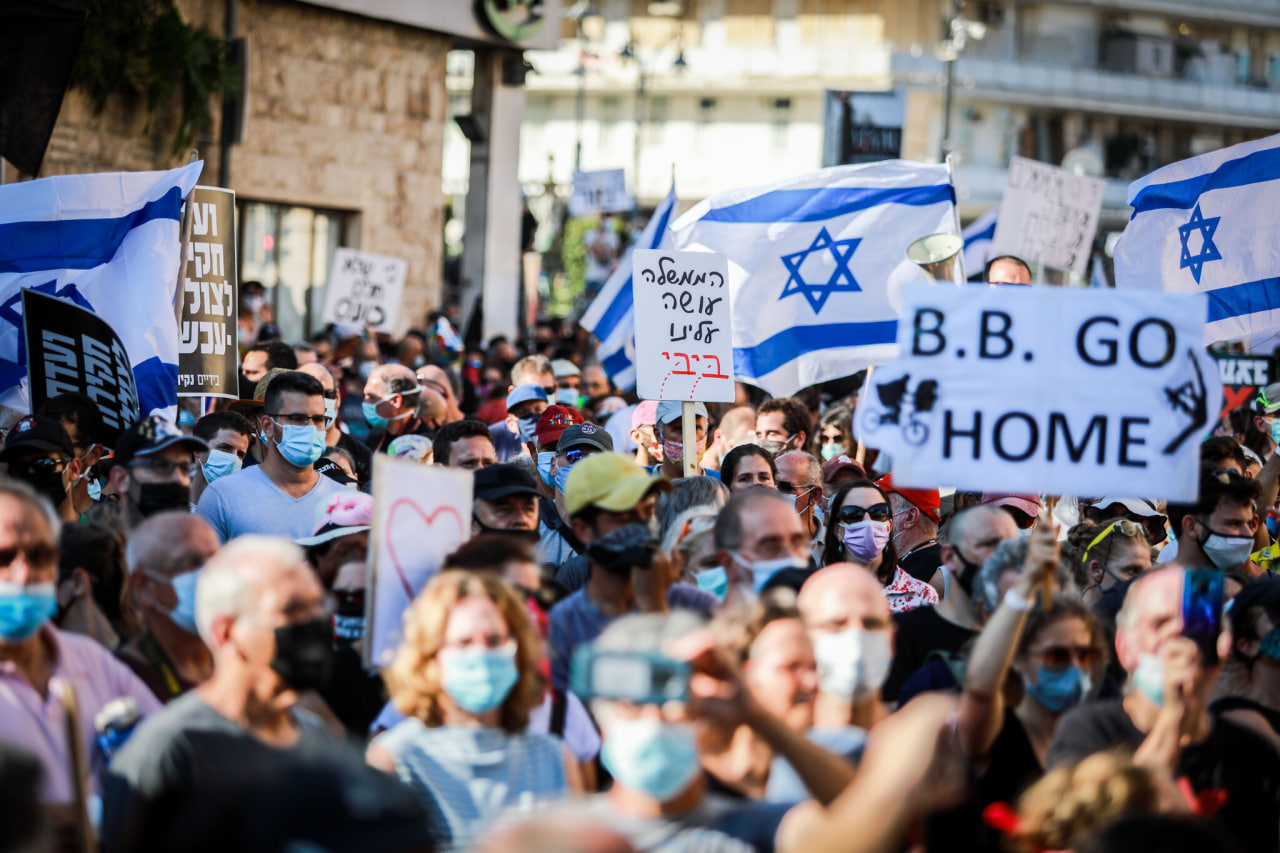
    In recent days, the occupied territories of Palestine experienced the largest protest rallies, which were held in protest against the judicial reform program of the Israeli premier’s new cabinet, and now the rallies entered the third consecutive week.

    The Israeli protestors staged rallies in several major cities of the occupied territories of Palestine, including Tel Aviv, al-Quds, Haifa and Beer Sheva, against Netanyahu’s plans last night. The protestors accused Benjamin Netanyahu of enfeebling the regime’s democratic institutions and they are of the opinion that the reforms proposed by the new Israeli government will strike a deadly blow to the independence of the judicial system of the regime.

    The protests against Netanyahu and disputes among the parties of the Israeli regime intensified after the new Israeli cabinet headed by Benjamin Netanyahu offered a plan on December 5 to modify the judicial system of the regime. Apparently, the incumbent Prime Minister of the regime, who has been charged with corruption, bribery and breach of trust for years, plans to call off his trial by instigating the reform and with the support of the Minister of Justice Yariv Levin. Correspondingly, some critics of the Supreme Court criticize that the power of the entity is too much, and that all stakeholders’ viewpoints are taken into account.

    In contrast, some demonstrators opine that the purpose of the reform plan is to change the immunity law targeting Knesset members, ministers and the premier in front of the parliament with the aim of preventing them facing certain risks like interrogation and trial when they still continue their time in office.

    It seems to be interesting to note that some former Israeli officials, who are at present among Netanyahu’s opponents, had previously declared unprecedented rallies against the incumbent cabinet. The opponents also proclaimed that they will pour into the streets to protest against the new prime minister’s policies, which threatens the freedoms of the Israeli society!

    A picture of the protest rally against Benjamin Netanyahu’s judicial reform program

    It is noteworthy that differences among political parties, incompetency and provocations made by Netanyahu’s cabinet are three main elements, which have been slammed in the recent rallies. The differences among Israeli political factions and groups increased seriously in recent weeks, in such a manner that Israeli President Isaac Herzog assessed the disputes profound and predicted the skirmishes would lead to serious rifts in the Israeli society. Likewise, a former Israeli war minister warned about a potential civil war in the occupied lands if the incumbent cabinet of the regime continues such policies.

    Nonetheless, if the measures and incidents remain, the lifespan of Netanyahu’s new cabinet, which is described as the most extreme cabinet in Israel’s history, will not last long, and perhaps the occupied territories of Palestine will witness re-election in a short period!

  • Russian Military Kicks Off New Operation In Zaporizhia

    Russian Military Kicks Off New Operation In Zaporizhia

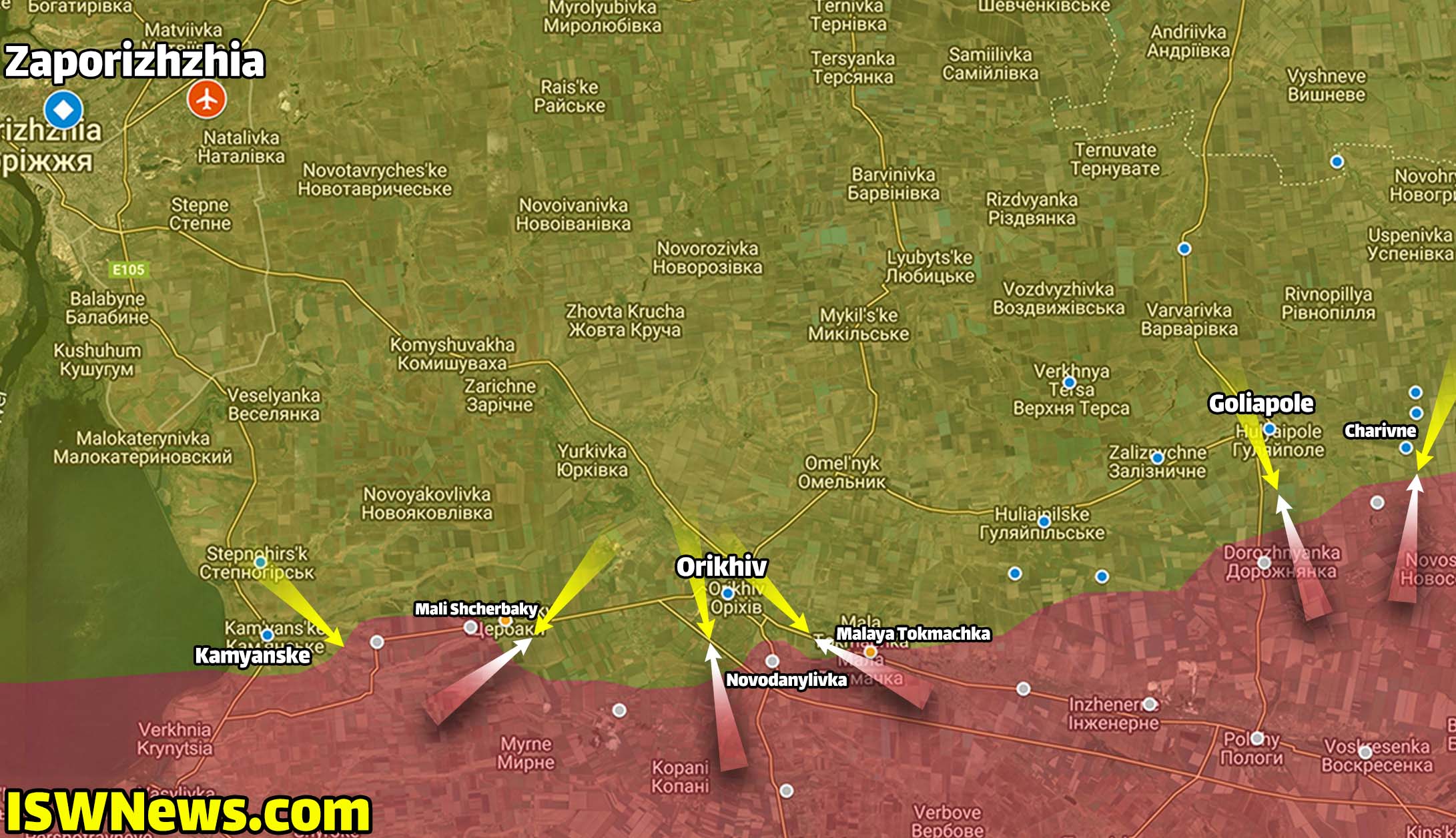
    The Russian armed forces have intensified attacks on the fronts in Zaporizhzhia since January 20 And according to the latest information has managed to advance in several points. The conflicts on this front are concentrated in the two main axes of Goliapole and Orikhiv.

    In the Orikhiv axis, conflicts are going on in all the eastern, western and southern axes of the Orikhiv town. According to the latest information, the village of Mali Shcherbaky in west of Orikhiv has been captured by Russia and the conflicts have been transferred to the adjacent village named Shcherbaky. Also, the Russian army claims to occupy the regions of Novodanylivka and Malaya Tokmachka in south and southeast of Orikhiv.

    In the Goliapole axis, artillery attacks on the Goliapole front have been stepped up. Most of the clashes are directed to east of Goliapole and the villages of Chervone and Malynivka. The Russian army claims to have captured a strategic hill near Malynivka.

    According to the local officials in Zaporizhzhia province, the Russian army has significantly amplified the intensity of the air and artillery strikes on the Zaporozhye front, and the Russians carried out 224 air and artillery attacks on the conflict zones with the Ukrainian army merely over the last 24 hours.

    If the Russian army succeeds in capturing Orikhiv and Goliapole counties, the front line of the Ukrainian army in defending the city of Zaporizhzhia will collapse.

    It is worth mentioning that after the retreat of the Russian army from the west bank of the Dnieper river, this axis (Zaporizhzhia) is one of the most important axes active in the southern front of Ukraine. In the past few months, the western media reported on the preparation and equipping of the Ukrainian army to carry out a major operation in this axis with the aim of recapturing the southern regions of Zaporizhzhia and Kherson oblasts in southern Ukraine. Considering the fragile situation of the Bakhmut front and the possibility of the defeat of the Ukrainian army, and the recent statements of Western officials and their advice to Ukraine to carry out military operations in other more important and sensitive fronts (such as Zaporizhzhia), it seems that the Russian army knowing about this issue and the possibility of the start of Ukrainian operations in this axis, has somehow preempted and by advancing in this axis, it intends to neutralize the plans of the Ukrainian army and NATO.

    See on interactive map

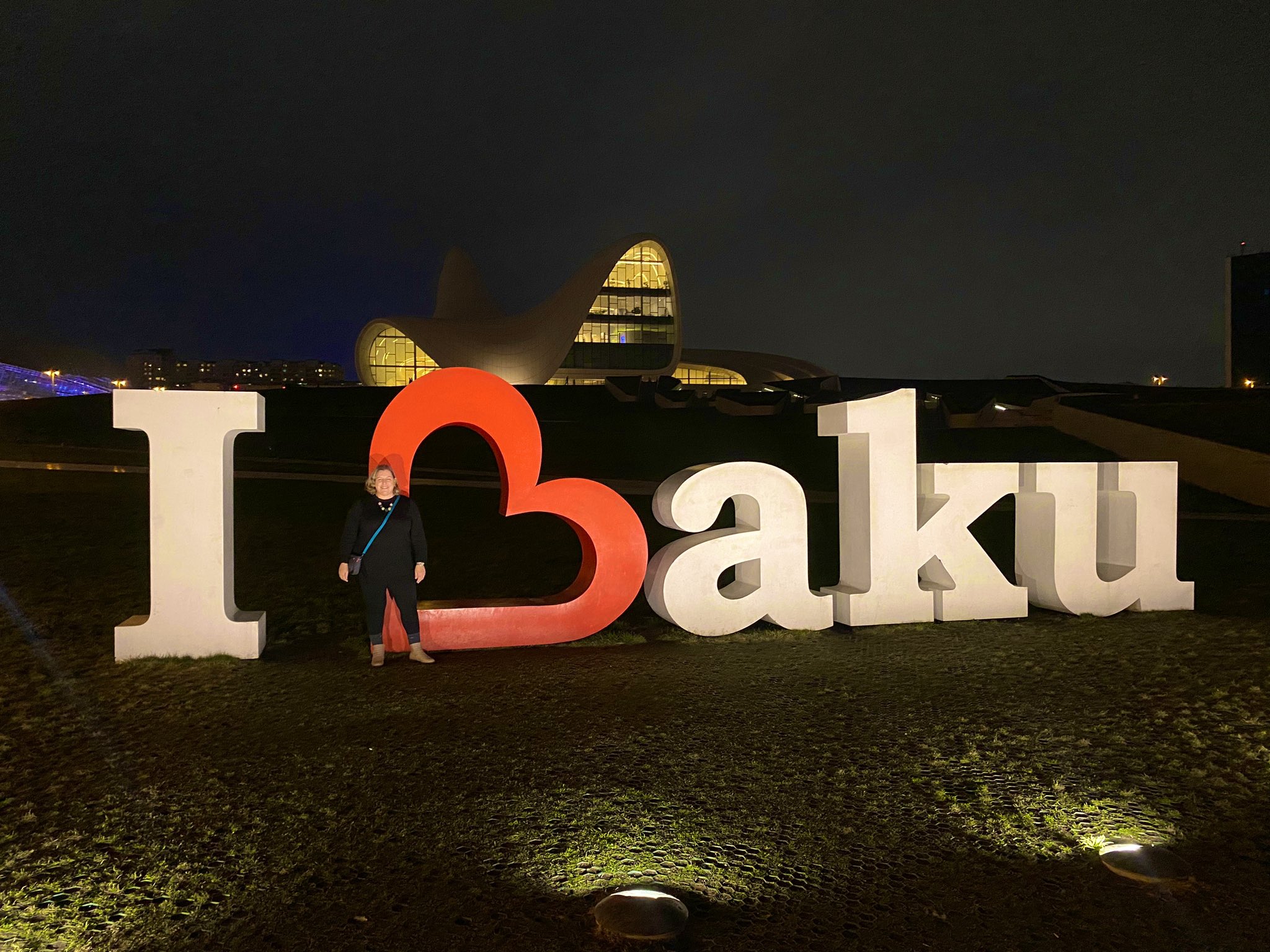
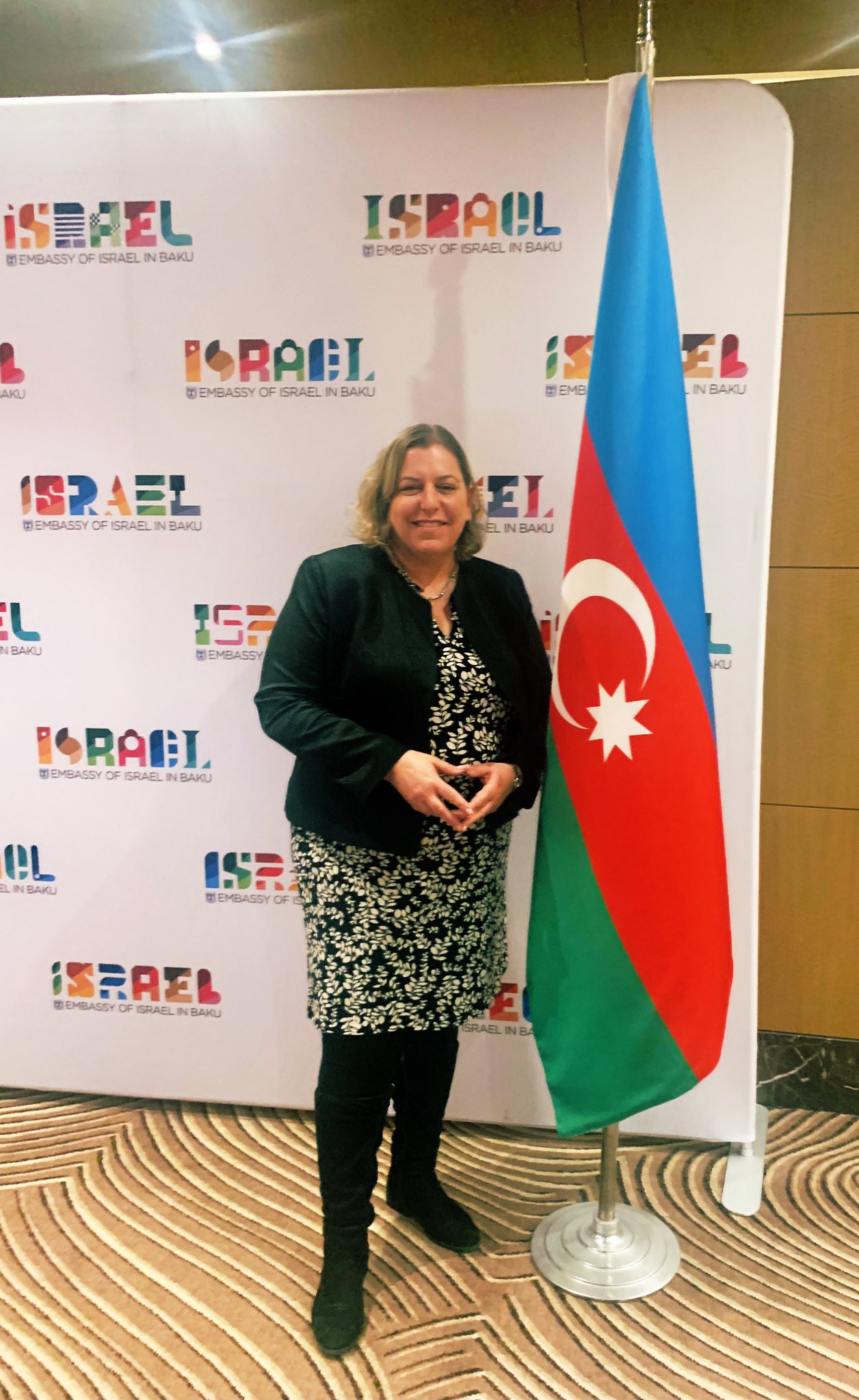
  • The Annual Meeting Of The Israeli Regime’s Ambassadors In Baku!

    The Annual Meeting Of The Israeli Regime’s Ambassadors In Baku!

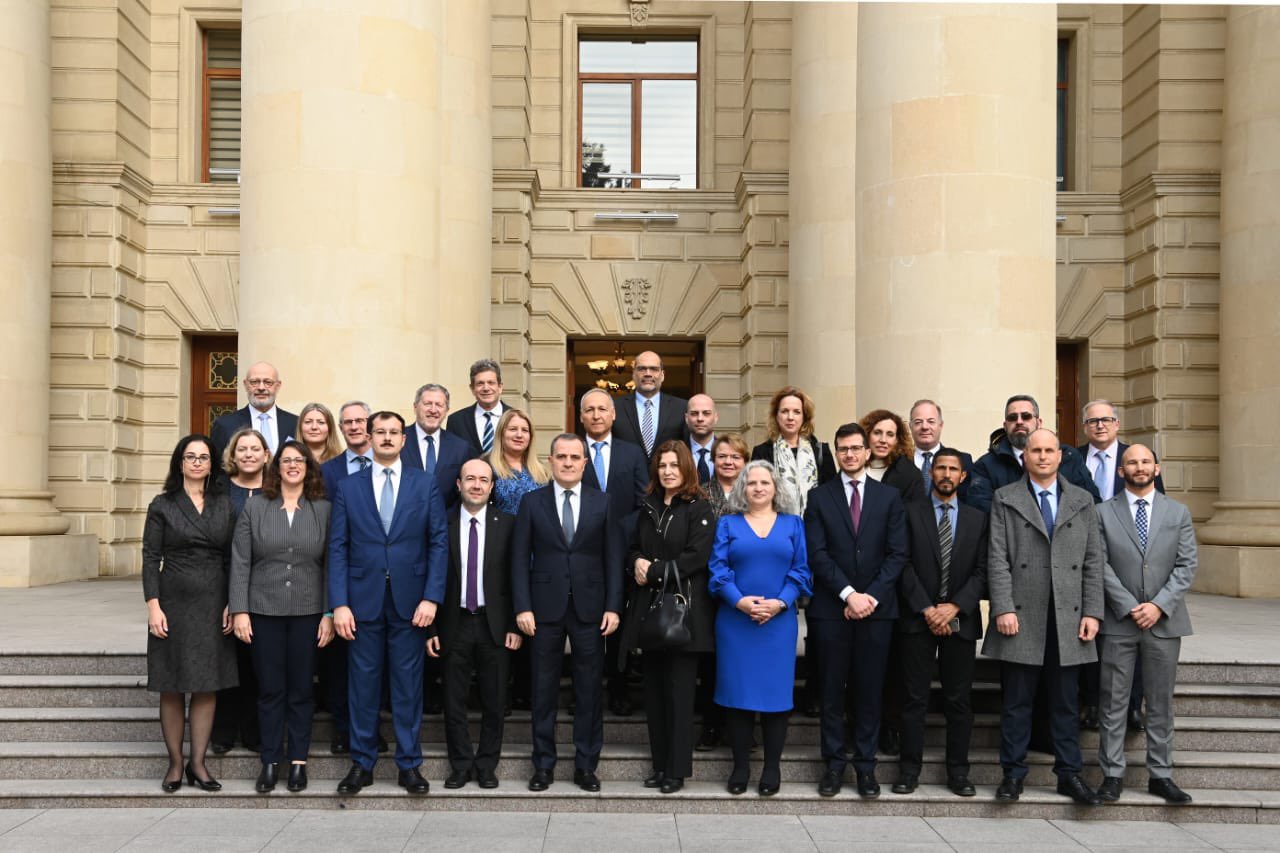
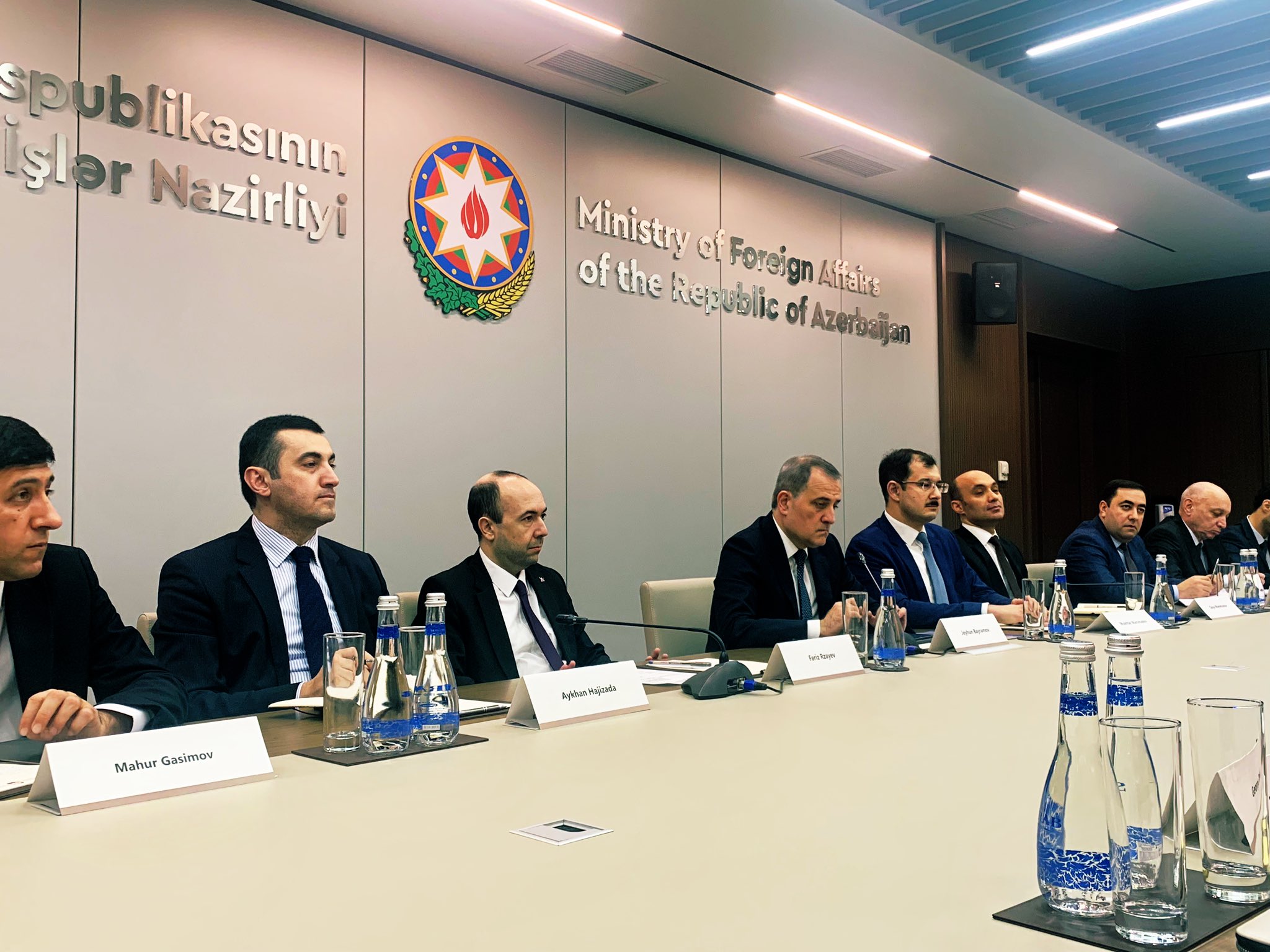
    Director General of the Ministry of Foreign Affairs Aliza Bin Noun and other ambassadors of the Israeli regime, including Israel’s Ambassador to Uzbekistan and Tajikistan Zehavit Ben Hillel, Israeli Ambassador to Azerbaijan Republic George Dick, new Israeli Ambassador to Armenia Joel Lion, Israeli Ambassador to Ukraine Michael Brodsky, Israeli ambassador to Russia Alexander Ben Zvi, Israeli ambassador to Georgia Hadas Meitzad, Israeli ambassador to Albania and Bosnia Galit Peleg as well as other Israeli ambassadors took part in the event.

    After the event, the Israeli diplomats held talks with Jeyhun Bayramov and his deputies, including Mukhtar Mammadov, Aykhan Hajizadeh, describing Baku’s hosting of the conference as a real indication of friendship and strong ties between Azerbaijan Republic and Israel. Bayramov expressed satisfaction with the talks on the issues of bilateral and multilateral collaborations with the Zionist regime’s envoys in the Eurasian region, underlining the need for further development of strategic ties between Azerbaijan and the regime.

    The Israelis’ measures in the Central Asian states and the Caucasus region led to important developments in terms of military, political and economic arenas in the past one year, and the consequences of the process are in a tangible way against the Islamic Republic of Iran and its interests. On the basis of the viewpoint, holding such a meeting of Israeli ambassadors in the capital city of Azerbaijan Republic is of great significance.

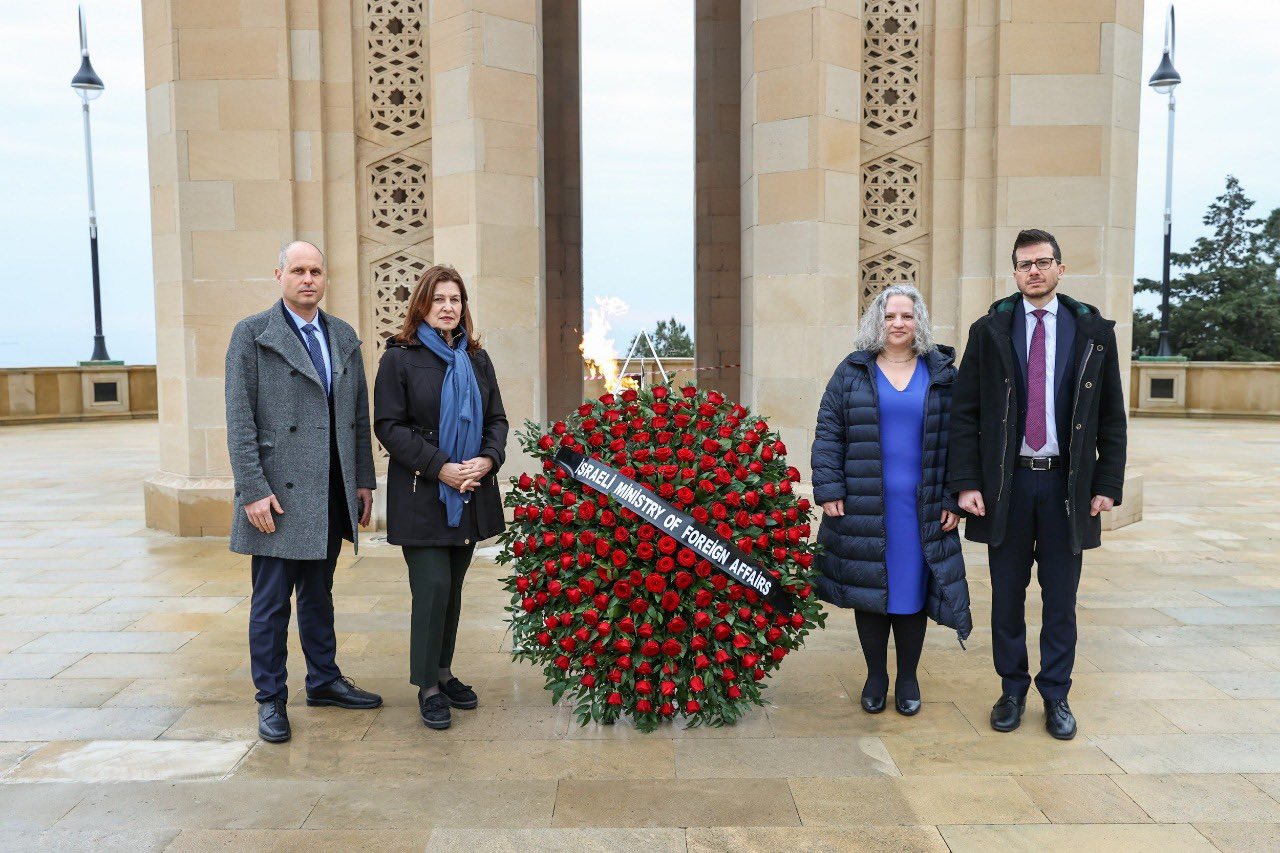
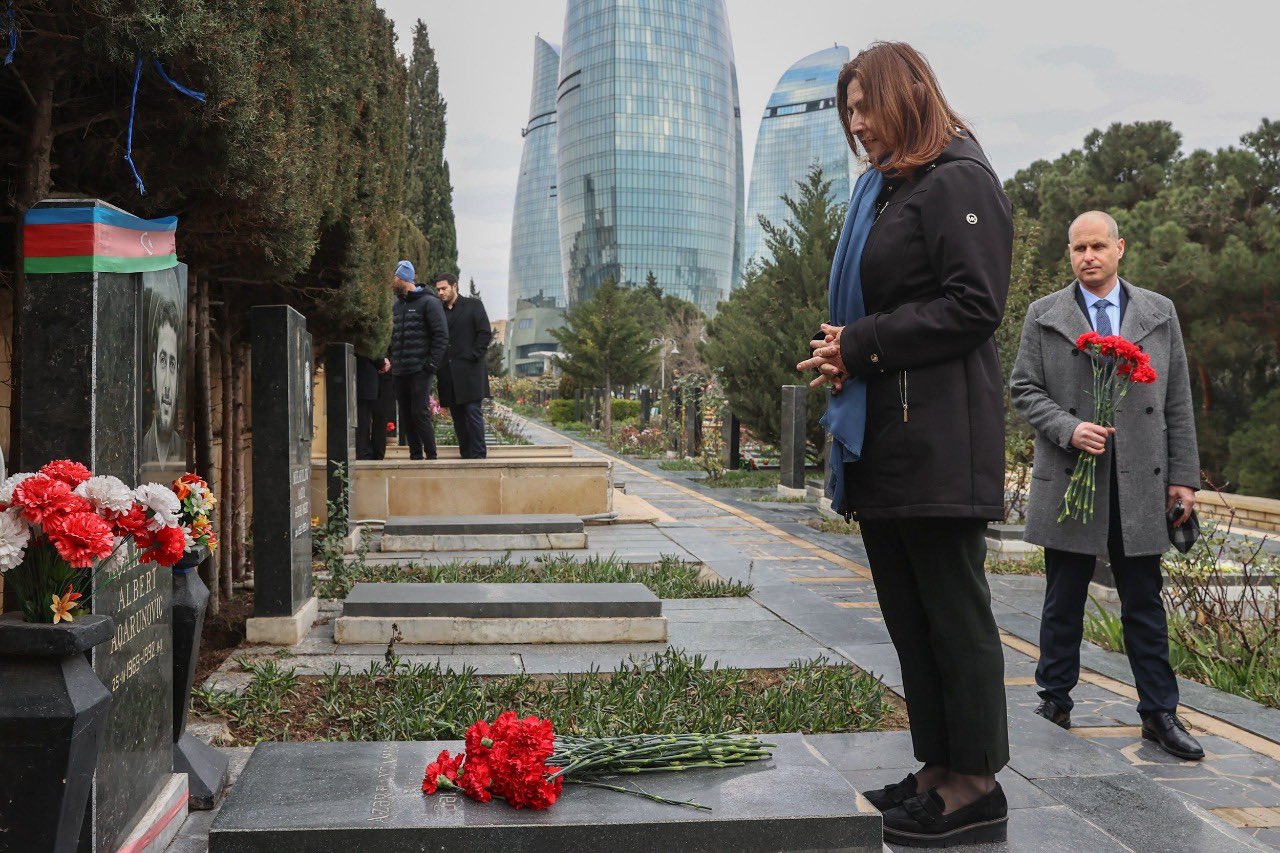
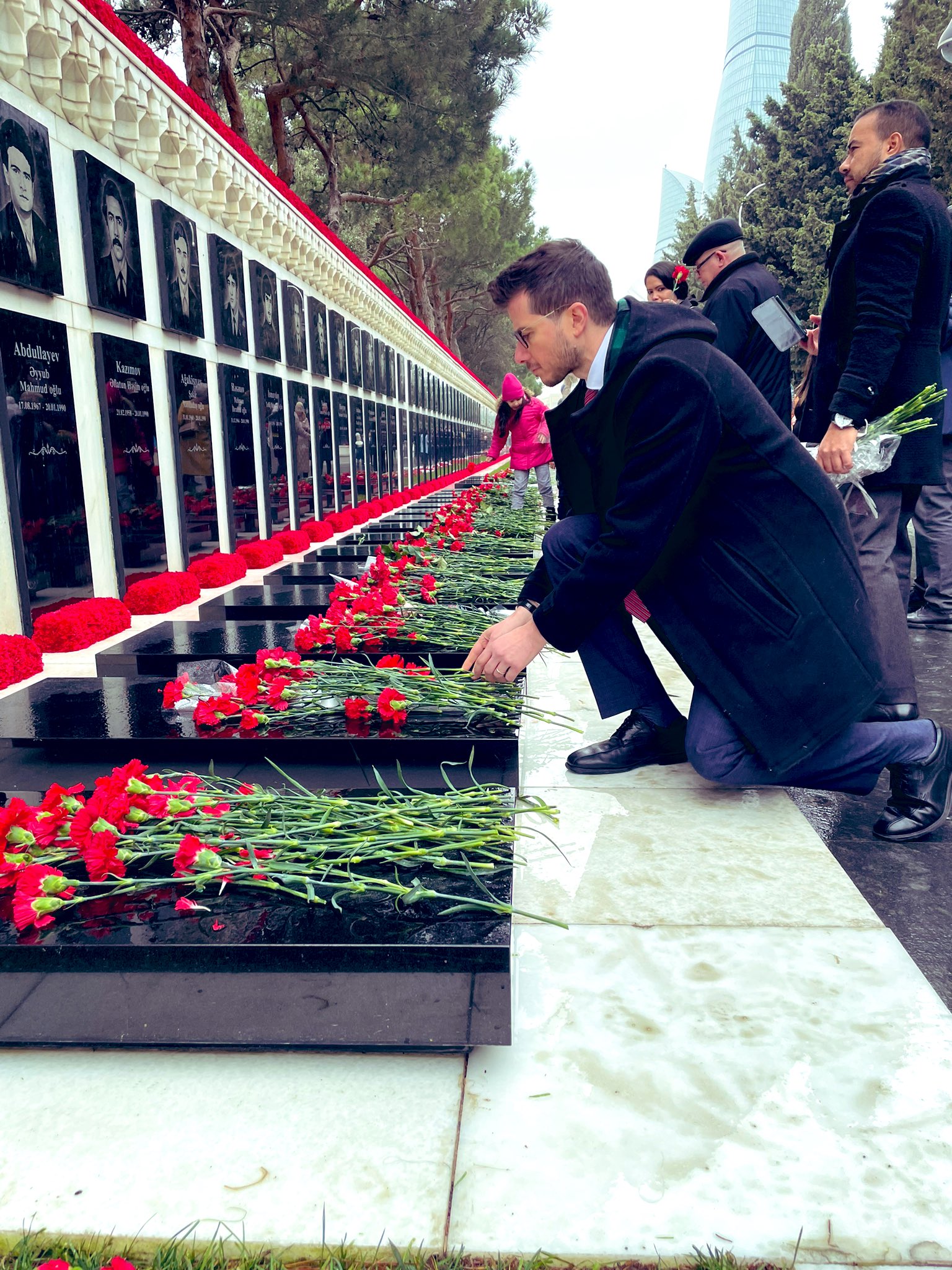
    After holding their annual meeting in Baku, the ambassadors of Israel visited the graves of the victims of Black January (the suppression of Azerbaijani independence activists by the Soviet Union in 1990) and laid flowers on their graves.

  • Syria: ISIS Commander Killed In Southern Syria

    Syria: ISIS Commander Killed In Southern Syria

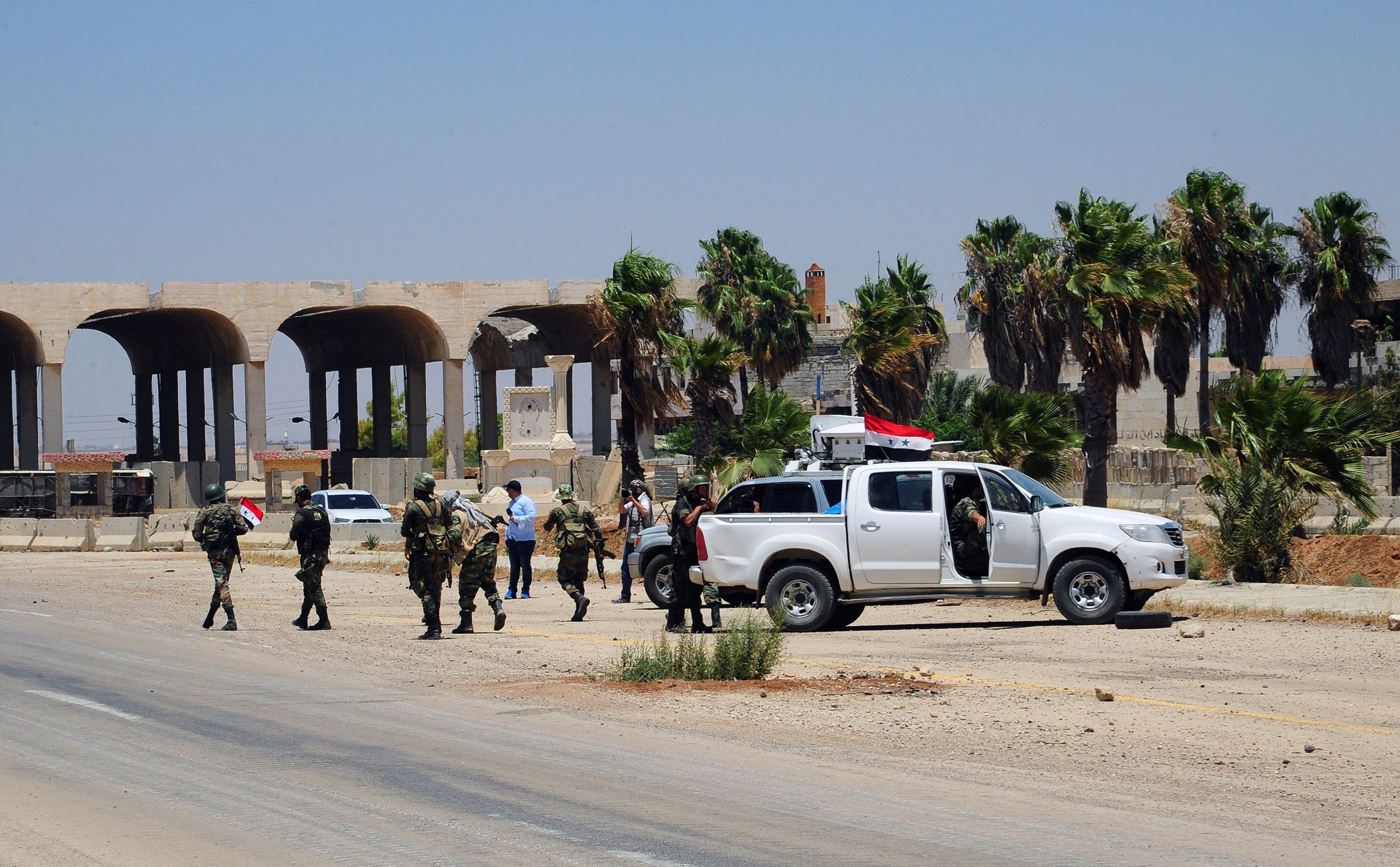
    At about 10 o’clock on Friday local time, the Syrian security forces raided the house of Muhammad Ali al-Shaghori also known as Abu Omar in vicinity of Al-Alaf school in the north of Muzayrib town, which led to an armed conflict with ISIS terrorists.

    Al-Shaghori was killed along with two other ISIS terrorists and several others were wounded in the conflict. By all accounts, the elements were the source of insecurity and strikes against the Syrian army in Muzirib and its surrounding regions.

    It is notable that Daraa Governorate experienced several security attacks on the ISIS terrorists over the recent months. At least 30 ISIS terrorists were killed in a series of security operations conducted by the Syrian army and the local armed militias in al-Sad district of Daraa city in November, and the neighborhood was totally cleared of the terrorist elements.

    Read more: The complete cleansing of al-Sadd neighborhood in Daraa city from ISIS elements!

  • Ansar Allah-Saudi coalition agreement; What are the outline and impediments of recent negotiations on Yemen?

    Ansar Allah-Saudi coalition agreement; What are the outline and impediments of recent negotiations on Yemen?

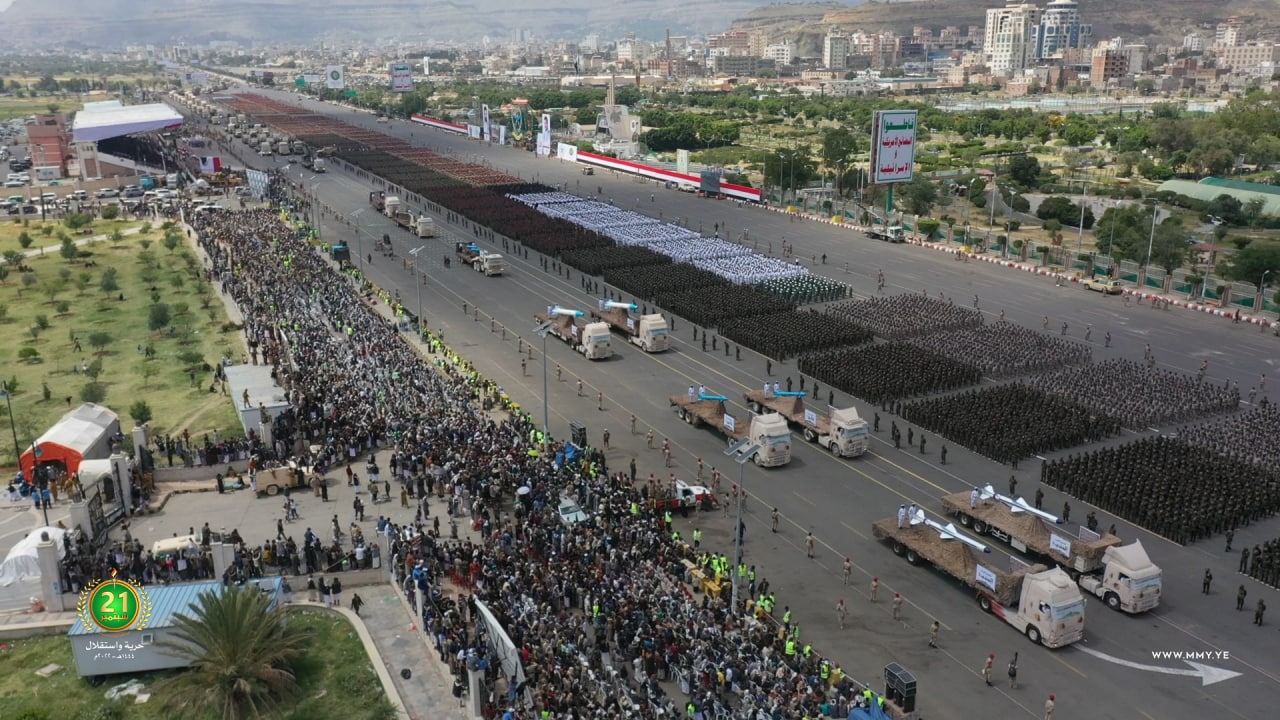
    In contradiction of several reports on an agreement between the Saudi-led coalition and Ansar Allah to extend the truce and agree Ansar Allah’s conditions; no agreement has been reached in this respect so far, and dialogs between the two sides are still ongoing mediated by the UN and Oman. Ansar Allah’s most vital conditions to reach the extension of the temporary ceasefire are subjects such as a comprehensive end of hostilities, prisoner swap, paying salaries of employees from oil incomes, lifting Yemen siege through reopening Sana’a Airport and Al Hudaydah Port. The conditions have been among the issues, which have been discussed in the last years negotiations, but the conditions have never been approved by Saudi Arabia and the UAE, or they proposed different conditions to accept the Yemenis’ suggestions.

    Nonetheless, the circumstances of the Saudi-led coalition have deteriorated as a result of the past year tensions among the factions, who are backed by the coalition; thus, Ansar Allah has become more powerful. The feebleness of the Saudi-led coalition and the failure of their military operation pushed them towards pursuing negotiations. The situation forced the US, Russia and the European countries to follow the attitude of Saudi Arabia and the UAE to interact with Ansar Allah.

    Potential provisions of agreement between Ansar Allah-Saudi-led coalition:

    The most significant matters debated in the talks between Ansar Allah and the Saudi coalition are issues such as an all-inclusive truce, prisoner swap, paying employees’ salaries from oil incomes, lifting Yemen siege by reopening Sana’a Airport and Al Hudaydah Port.

    Foreign media outlets quoted an Ansar Allah official as saying that the Saudis promised to pay all the remaining salaries of Yemeni employees; while a Saudi diplomat said that the payment of civil servants’ wages is conditional on accepting security assurances such as setting up a buffer zone on northwest border of Yemen with Saudi Arabia. Concerning the prisoner swap, the two sides offered their own lists in March 2022 and finalized the prisoner swap agreement of 2,223 inmates following personal visiting of the detainees, but despite Ansar Allah announced its willingness, the Saudis have not taken any step to enforce the deal. The issue of reopening and developing flights at Sana’a Airport and the lifting of limits at Al Hudaydah Port are also matters that have faced buts and ifs by the Saudi-led coalition, when it comes to inspection; so, the agreements have not been entirely implemented.

    There are also similar disagreements in other issues, and as said by Ansar Allah officials, if the Saudis and Emiratis show willingness to reach an agreement, the process to achieve this goal and end of the conflict and establish peace in Yemen seems not be a hard work.

    What are the impediments to the Ansar Allah-Saudi agreement?

    Besides the Saudi-led coalition’s hesitation and lack of seriousness in reaching a peace agreement with Yemen, the tensions among the various groups under the Saudi-led coalition, from the Southern Transitional Council and the Reform Party to the militants of Tareq Saleh and other factions and influential figures, are stumbling block in the way of achieving an agreement. The struggle between the Islah Party and the militants of the resigned government has been spread to the Yemeni city of Sion in northern Hadhramaut Governorate and the city of Marib in Marib Governorate, and the struggle over controlling oil fields and administrative offices remain in an indirect way.

    The Southern Transitional Council, following clashes with the Islah Party and the Al-Qaeda terrorist group in Abyan Governorate and their retreatment from the city of Al-Mukalla and the Al-Anad base and the Ras al-Ara area in Lahij Governorate, backed away from its claim to split the southern governorates and focused on maintaining its current position in order to aggregate its forces in the occupied areas of Yemen.

    Another matter that gets in the way of the peace process in Yemen is the colonizing and usurping efforts made by foreign states, particularly the United Arab Emirates (UAE) and the United States, as well as the destructive role of European and Zionist companies, when it came to looting wealth in the war-torn country. For instance, the Emiratis have extended their presence on Yemen’s southern coastal areas.

    They constructed numerous military bases between Aden and Abyan with the support of Abdul Latif al-Sayed militants on the beaches and oil-rich zones of Shabwah occupied with the support of Al-Amaliqa militants and in Al-Mahrah Governorate backed by Mohsen Mursa’s militants following their moves in Socotra Island, Mayun, Abdul Kori, Al-Rayan base and Ras Sherwin beaches in recent months.

    Read more: Where is the UAE’s biggest military base on the coast of Hadhramaut?

    The United States and Israel with the support of the UAE and some Yemeni factions are pushing forward their secret projects in Yemen’s eastern and central areas. The essence and details of the plans are not fully clear, but the continuation of the conflict, the looting of oil and other precious resources, the control of strategic locations and lastly the breakup of Islamic states are the outlines of their plot.

    Concerning the Al-Ghaydhah Airport, Saudi Arabia is pursuing the plan of annexation of eastern Yemen to its territories and the construction of an oil pipeline from the Saudi kingdom to the coastal areas of the Al-Mahra Governorate, while the Saudi have experienced less success in pushing forward their objectives in the central and southern regions of Yemen. To this end, they have misused Europe’s requirement for oil resources and provided the European companies with the opportunity to contribute to the projects of exploration and extraction of crude oil in Yemen.

    Read more: Latest Military Map of Yemen; Knowing the Parties Involved in the Yemen War (Map Update)

    Conclusion:

    Given the unproductive experience of the Stockholm Agreement in December 2018 and the imperfect employment of the three truce periods from April 2 to October 3, 2022, the possibility of direct achievement of an inclusive agreement by Ansar Allah and the Saudi-led coalition seems to be unrealistic and out of reach. Seemingly, the two sides chose a temporary period of several months of ceasefire and after successful implementation of the plan, they would resolve Yemen’s external problems through signing an agreement, and then they would form a new government and resolve internal problems with the Saudi-backed factions to pave the way for reaching a comprehensive agreement.

    Iran’s positive participation and the negotiations with Saudi Arabia seem to be complementary to the intra-Yemeni talks as well. Iran-Saudi Arabia negotiations’ development or stoppage would not change the framework of Ansar Allah’s demands, but the talks are expected to affect the process, and even Ansar Allah’s measures in this path would assist Iranians’ stances.

  • Syria: US-led Coalition Training SDF Militants In Al-Hasakah

    Syria: US-led Coalition Training SDF Militants In Al-Hasakah

    The Al-Shaddadi strategic base, which is located near the Al-Jabsa oil fields in the southern outskirts of Al-Hasakah Governorate, is considered one of the most vital weaponry and fuel depots of the US-led coalition.

    Read more: The United States is increasing its military infrastructure in Syria

    Within recent weeks and following Turkiye’s threats to initiate ground military operations in northern areas of Syria, the number of joint drills by the US-led coalition and the SDF militants has significantly amplified. The training of the SDF militants is carried out by the US-led coalition trainers, who focus on Tactics of urban warfare as well as the usage of anti-tank arms, including the TOW guided missiles.

    It is noteworthy to mention that the military drills are the second joint exercises between the US-led coalition and the SDF militants in Al-Haskah Governorate in the past week. The US-led coalition and the Syrian Democratic Forces held another joint military exercise in the neighborhood of “Ghuwairan” in the south of the capital city of Hasakah in the Al-Hasakah Governorate a few days ago.

  • Syria: Drone Attack On US Base At Al-Tanf Region

    Syria: Drone Attack On US Base At Al-Tanf Region

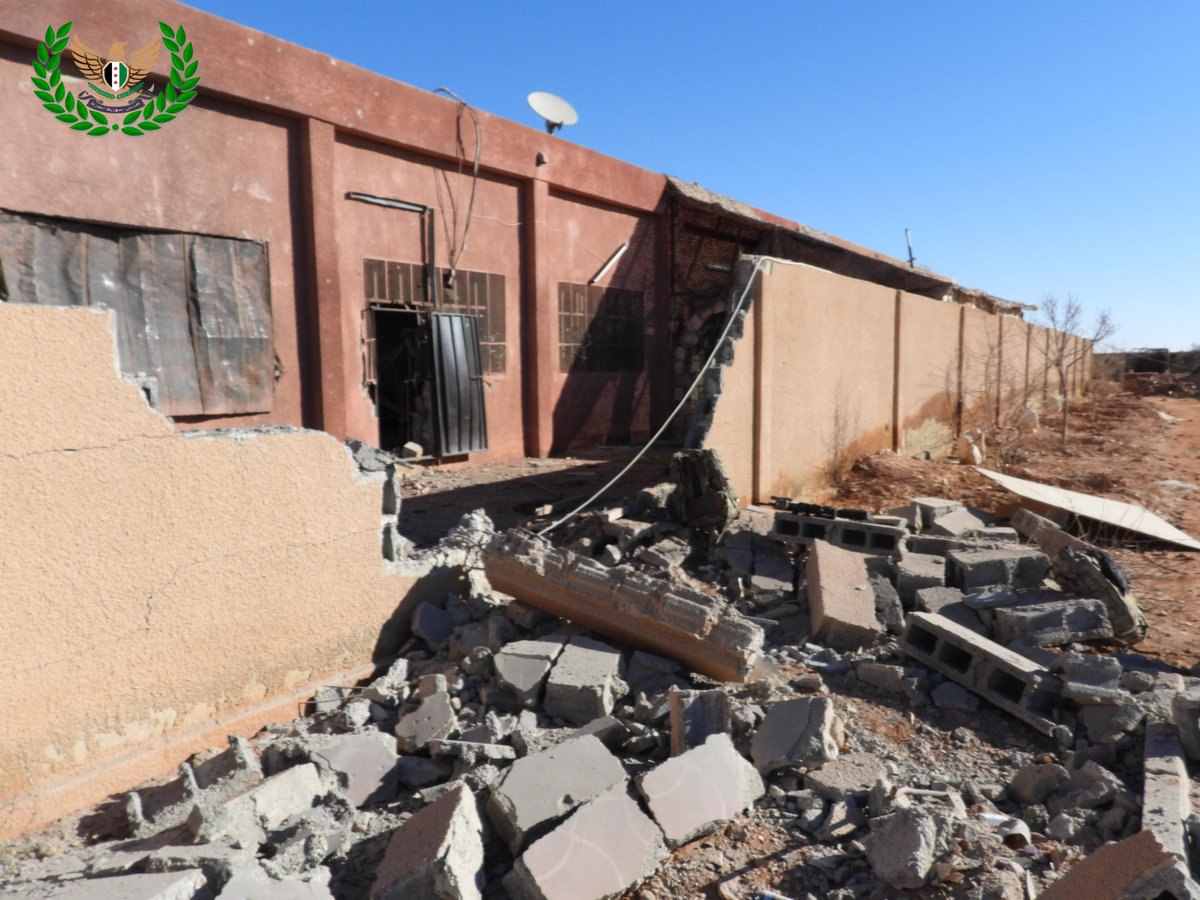
    Jaysh Suriya al-Hurra (Syrian Free Army) militants AKA Maghaweir al-Thowra, have a common base with the American occupying forces in the Tanf region. As a result of this attack, two Jaysh al-Hurra militants were injured.

    In this regard, the US terrorist headquarters in West Asia (CENTCOM) issued a statement confirming the drone attack on Al-Tanf base and announced:

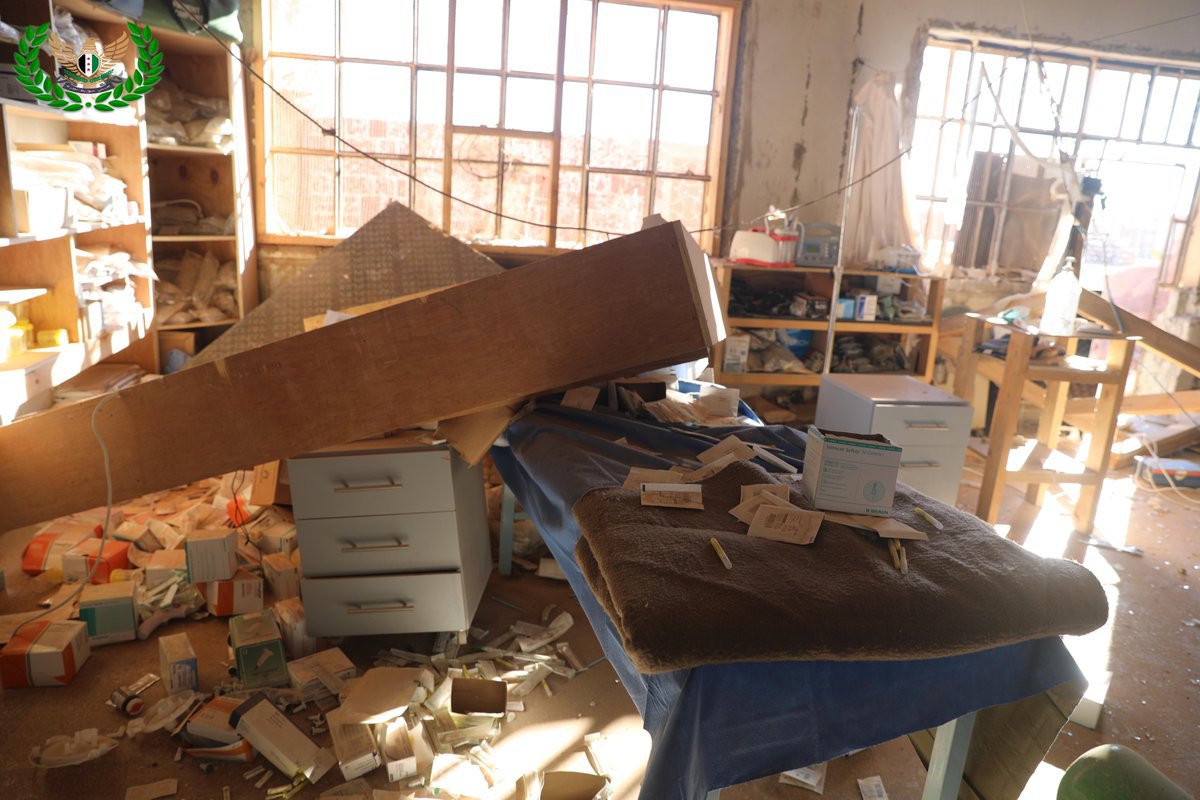
    “This morning, three one-way attack drones attacked the At Tanf Garrison in Syria. Two of the drones were shot down by Coalition Forces while one struck the compound, injuring two members of the Syrian Free Army partner force who received medical treatment. No US forces were injured.”

    Jaysh al-Hurra militants also published pictures and claimed that a medical center in Al-Tanf base was targeted and serious damage was done to it.

    So far, no group has claimed responsibility for this attack, but considering the history of attacks by the resistance forces on the positions of the American coalition and the Maghaweir al-Thowra militants in al-Tanf region, it is possible that this attack was also carried out by resistance groups.

    It is worth mentioning that on the 15th of August, positions of the US forces and its militants in Al-Tanf base were targeted with a drone attack by the Iraqi “International Resistance Faction” group. The al-Tanf region in the southeast of Syria has been occupied by American forces for years, and the Syrian army and resistance forces are not allowed to approach the 55-kilometer radius of this area.

    Read more: Iraqi groups drone attack on US Tanf base

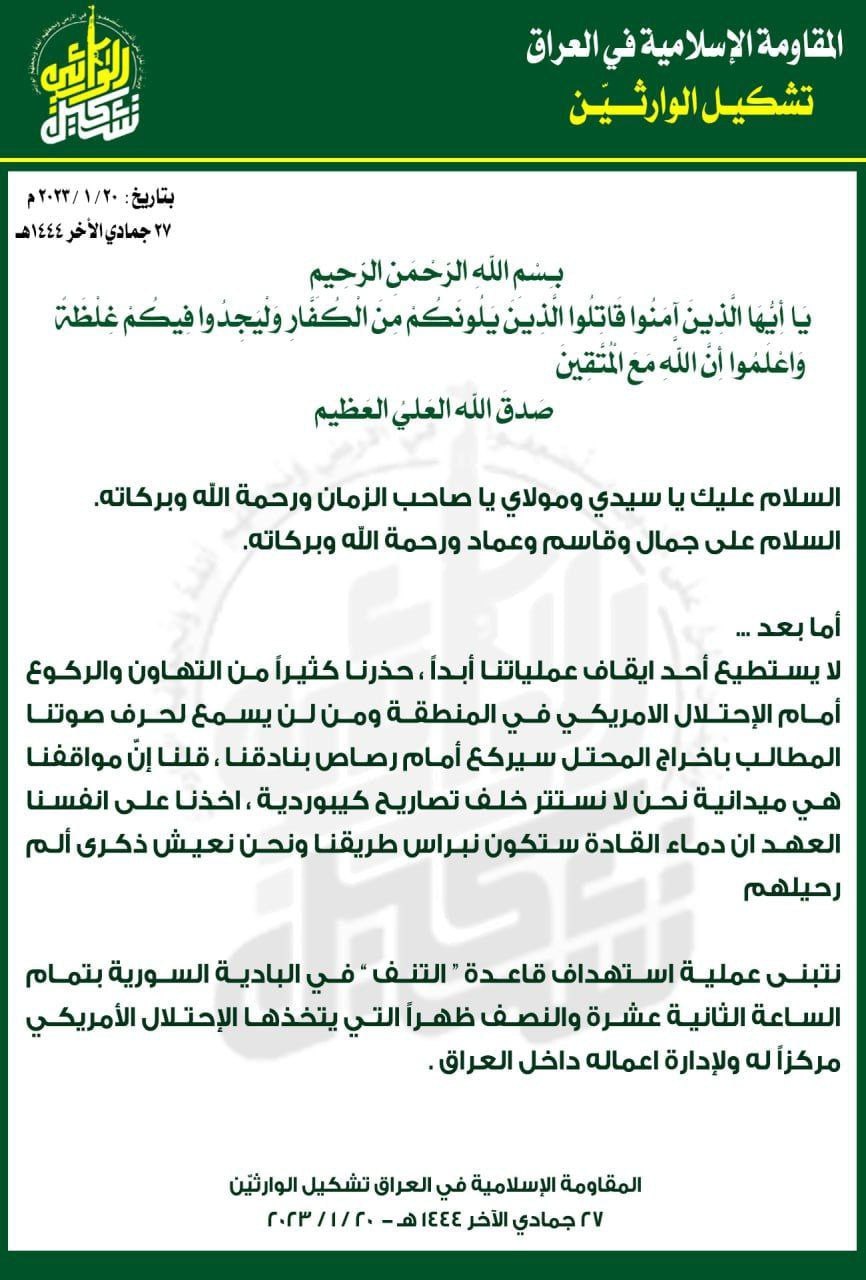
    P.S. On January 21, the Iraqi resistance group “Tashkil al-Warithinn” published a statement and claimed responsibility for the drone attack on the US base in al-Tanf area.

  • A Bomb Explosion In Daraa Kill One SAA Serviceman

    A Bomb Explosion In Daraa Kill One SAA Serviceman

    Following the blast, the engineering units of the Syrian army were deployed at the site of the incident and monitored the region to detect any other potential explosive materials.

    Some hours before the blast, unknown militants targeted one of the employees of Dael town in Daraa Governorate, who was seriously wounded.

    It is noteworthy that in spite of the implementation of reconciliations and determination of the status of previous elements of the militants in Daraa Governorate, different cities of the governorate still experience threats, including bombings, assassinations and terrorist measures against Syria’s army, security forces and administrative employees.

  • Latest Updates On West Bank, 19 January 2023

    Latest Updates On West Bank, 19 January 2023

    Early January 29, the Israeli military forces raided the Jenin camp, which led to a fierce armed conflict between the Israelis and the Palestinian resistance fighters.

    The exchange of fire between the two sides, two Palestinian fighters named Javad Farid Boaqaneh (57) and Adham Mohammad Bassem Jabarin (28) – a member of the al-Aqsa Martyrs’ Brigades – were shot dead by Israeli forces, and several other fighters were seriously wounded. During the clash, two Israeli military forces were also wounded and were immediately taken to a hospital.

    The Thursday clashes took place at the same time that the Israeli newspaper Yedioth Ahronoth acknowledged in a story that the West Bank is considered the main challenge for the new chief of the General Staff of the Israeli Army.

    The attacks and operations are mounting in the West Bank, and what causes more concern is that the Palestinians’ individual operations that are hard to recognize, monitor and control in comparison to the operations, which are being carried out by a group of Palestinians, the ynetnews warned.