Author: Mirza

  • Military Knowledge: Lancet-3 Suicide Drone

    Military Knowledge: Lancet-3 Suicide Drone

    Lancet-3 loitering munition is a Russian drone made by the ZALA AERO GROUP. Since 2004 ZALA AERO GROUP is the leading Russian developer and manufacturer of unmanned aerial systems, unique payloads and mobile systems. Starting from January 2015, the Zala Aero Group became a subsidiary of the famous Russian arms company Kalashnikov. Hence, the Lancet-3 is also known as the Flying Kalashnikov.

    ZALA AERO GROUP has recently developed the Lancet-3 loitering munition, And its seems the drone was inspired and modeled on other competitors.

    The Zala Lancet drone was announced in late June 2019 at the Russian Army Expo exhibition with the development trials already being completed. The Lancet attack drones were deployed successfully by the Russian Armed Forces in Syria targeting Idlib militants in November 2020.

    A loitering munition (or suicide drone) is a weapon that loiters around the target area for some time and attacks only once a target is located. This process can be self-reliant based on artificial intelligence or based on target approval by the operator. Loitering munitions enable faster reaction times against concealed or hidden targets that emerge for short periods without placing high-value platforms close to the target area, and also allow more selective targeting as the attack can easily be aborted. Loitering munitions fit in the niche between cruise missiles and unmanned combat aerial vehicles (UCAVs), sharing characteristics with both. They differ from cruise missiles in that they are designed to loiter for a relatively long time around the target area, and from UCAVs in that a loitering munition is intended to be expended in an attack and has a built-in warhead.

    Video published by ZALA AERO GROUP on performance of the Lancet-3 suicide drone

    The Lancet-3 suicide drone appears to have been modeled on the Israeli regime’s Hero family drone. Lancet-3 offers the ability to hunt targets with a range of 40 km with the ability to confirm the target before hitting. In this method, through the data link, the images of the drone electro-optical system are transmitted to the operator and the operator, after confirming the target, gives the order to engage.

    The warhead fuse of this drone is of the proximity type in order to increase its effectiveness against soft targets such as tents, gatherings of enemy personnel, etc. This fuse is activated before the weapon hits the target.

    According to information released by the manufacturer of this drone, the built-in laser protection device embedded in the Lancet-3 drone can effectively resist the laser weapons which are used to shoot down drones. Lancet-3 uses dual X-shaped tail design that increases its stability and maneuverability based on aerodynamic principles. This design has also helped to reduce the size of the drone effectively.

    Kalashnikov’s promotional video of the Lancet-3 drone

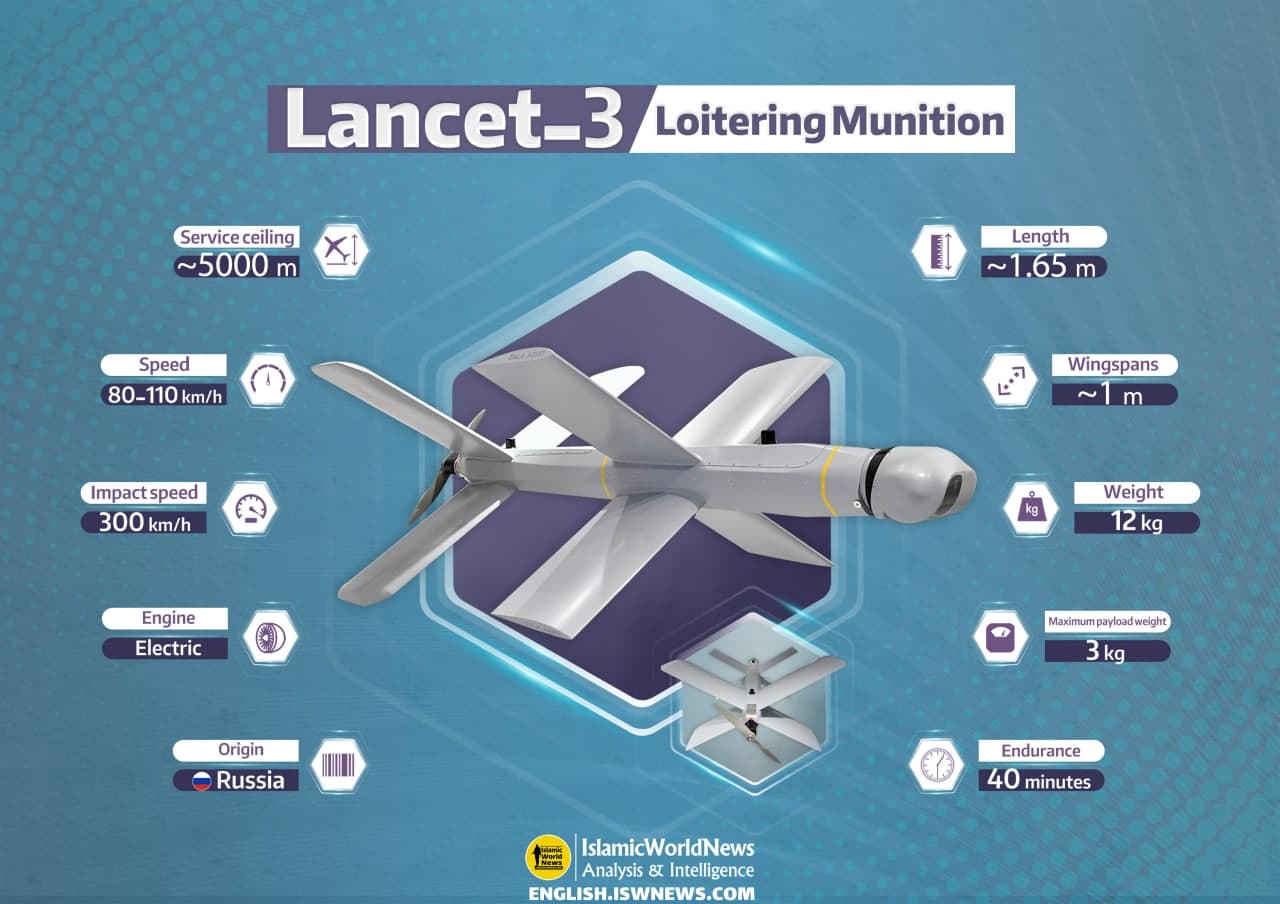
    The Lancet-3 drone weighs 12 kg and is easily portable. Also, the maximum amount of cargo (warhead) carried by this drone is 3 kg. The Lancet-3 drone can fly for 40 minutes at a speed of 110-180 km / h.

    The previous version of this drone, the Lancet-1, weighs 5 kg with a payload of 1 kg and a flight time of 30 minutes and smaller dimensions. Comparing the Lancet-3 and Lancet-1 drones, it can be seen that the new version has a much better offensive capability.

    The drone uses an electric motor to operate at the lowest noise level. This type of electric motor uses for surprise attacks and this method has a significant psychological effect on the enemy. Lancet-3 is launched from a catapult. The drone has no provision for landing as it is designed to self-destruct when it hits enemy targets. The drone is also capable of crashing into enemy drones.

    It should be noted that Lancet-3 has earned the nom La Guerre “flying Kalashnikov” (or flying AK-47) for its simplicity, usability, and reliability.

    Read more: Testing of a new Russian suicide drone in Syria

    Lancet-3 suicide drone specifications:Length: ~ 1.65 m
    Wingspans: ~ 1 m
    Weight: 12 kg
    Maximum payload weight: 3 kg
    Endurance: 40 minutes
    Service ceiling: ~ 5000 m
    Speed: 80-110 km/h
    Impact speed: 300 km/h
    Engine: Electric
    Origin: Russia

    Click to view full size

    “Lancet-3 Suicide Drone ” collection of posters in Persian, Arabic, Kurdish, Azeri, Russian for Social Media:
  • Yemen: Ansar Allah gains more ground in the north of Hajjah province

    Yemen: Ansar Allah gains more ground in the north of Hajjah province

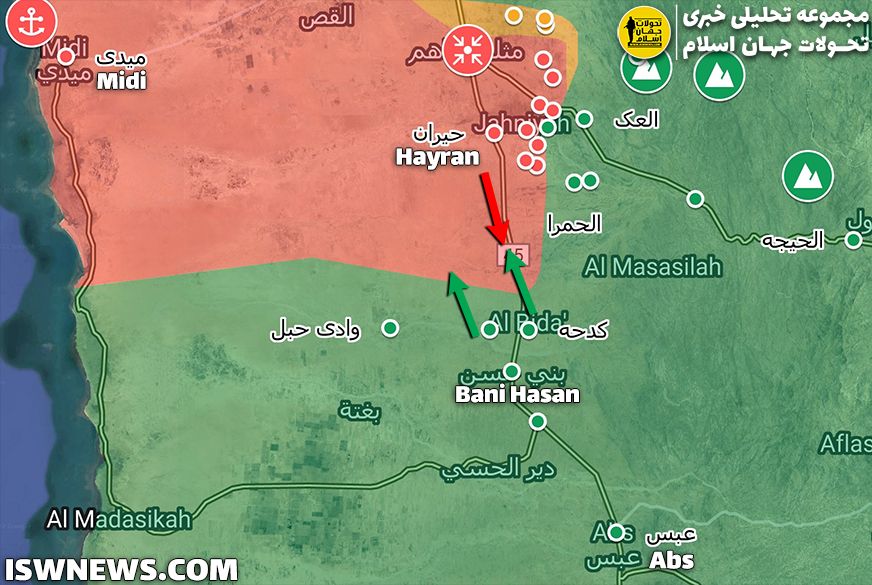
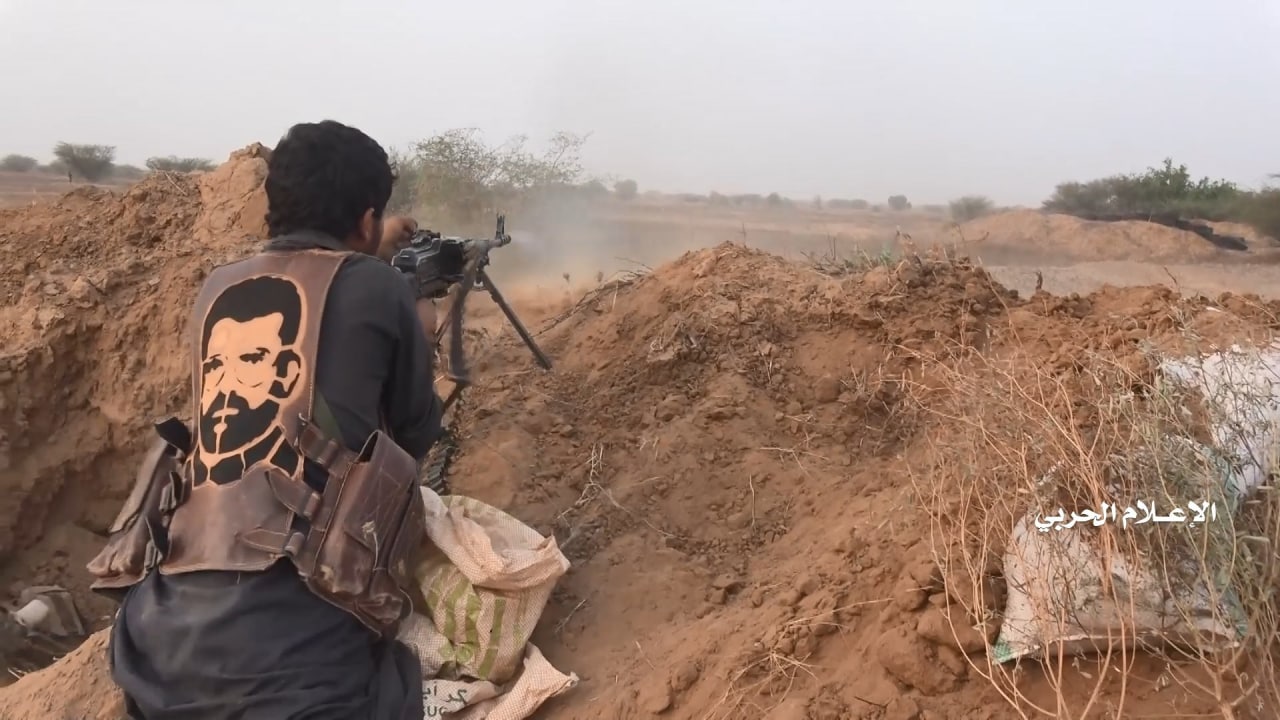
    The villages of al-Dhahr, Akashiyah, al-Naqarma, Jarb al-Mahjim, al-Mu’taf, al-Manjura, Bani Kina Sharqi, al-Fandoq, al-Baydha and al-Shabaka were liberated, according to Ansar Allah.

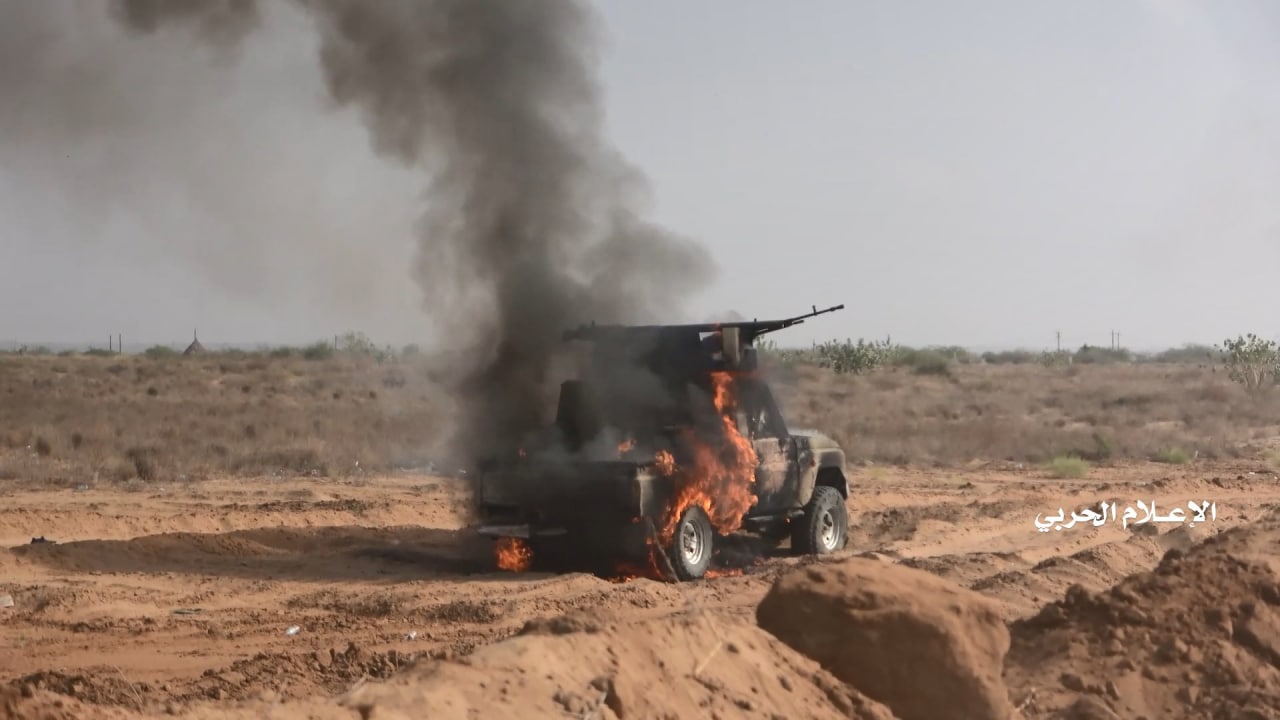
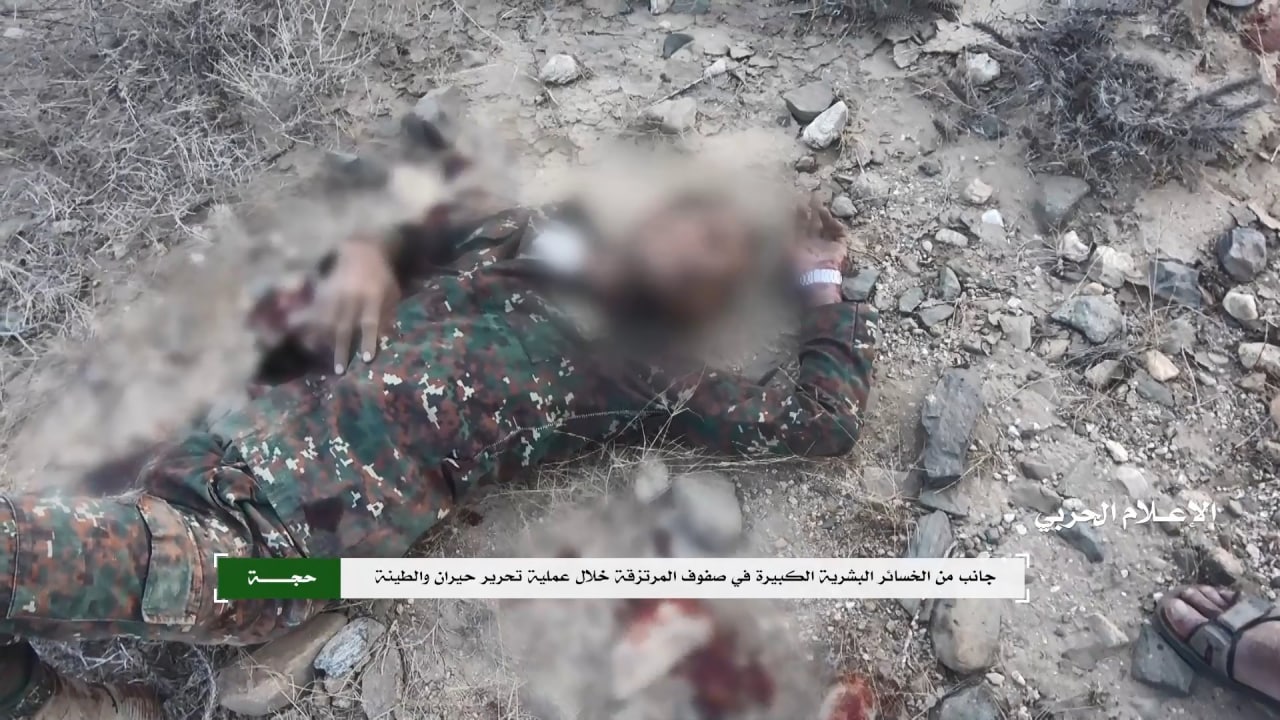
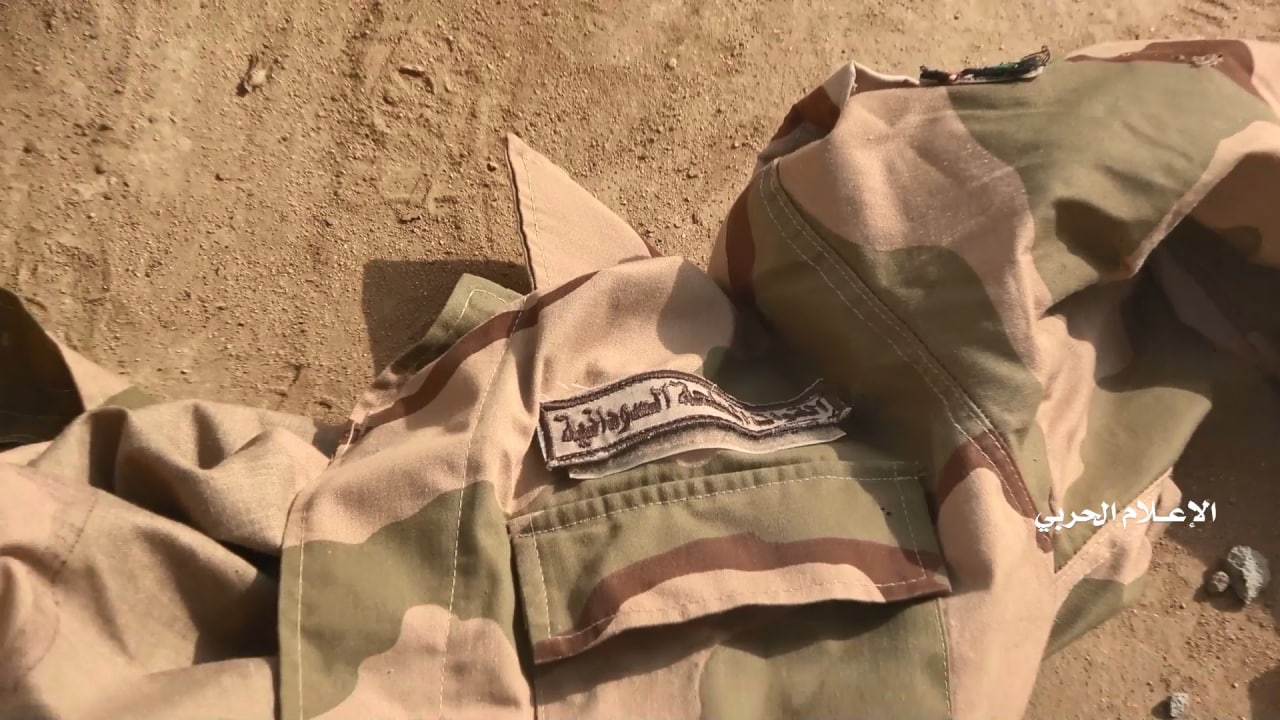
    According to Ansar Allah media, more than 200 Saudi-led forces, including Mansour Hadi and Sudanese mercenaries, were killed and wounded in the operation.

    This operation can be considered as the second part of the recent Ansar Allah operation in the north of Hajjah province. In fact, the advance of Ansar Allah after the defeat of the siege of Haradh town was followed in two axes: 1- The western axis of Haradh district, 2- The northern axis of Abs district. Clearing these areas is still on Ansar Allah’s agenda, and the Saudi coalition is trying to stop Ansar Allah attacks by heavily bombing Ansar Allah positions in the Hajjah province.

    Read more: Ansar Allah captures 54 km2 west of Haradh + Map

  • Ansar Allah captures 54 km2 west of Haradh + Map

    Ansar Allah captures 54 km2 west of Haradh + Map

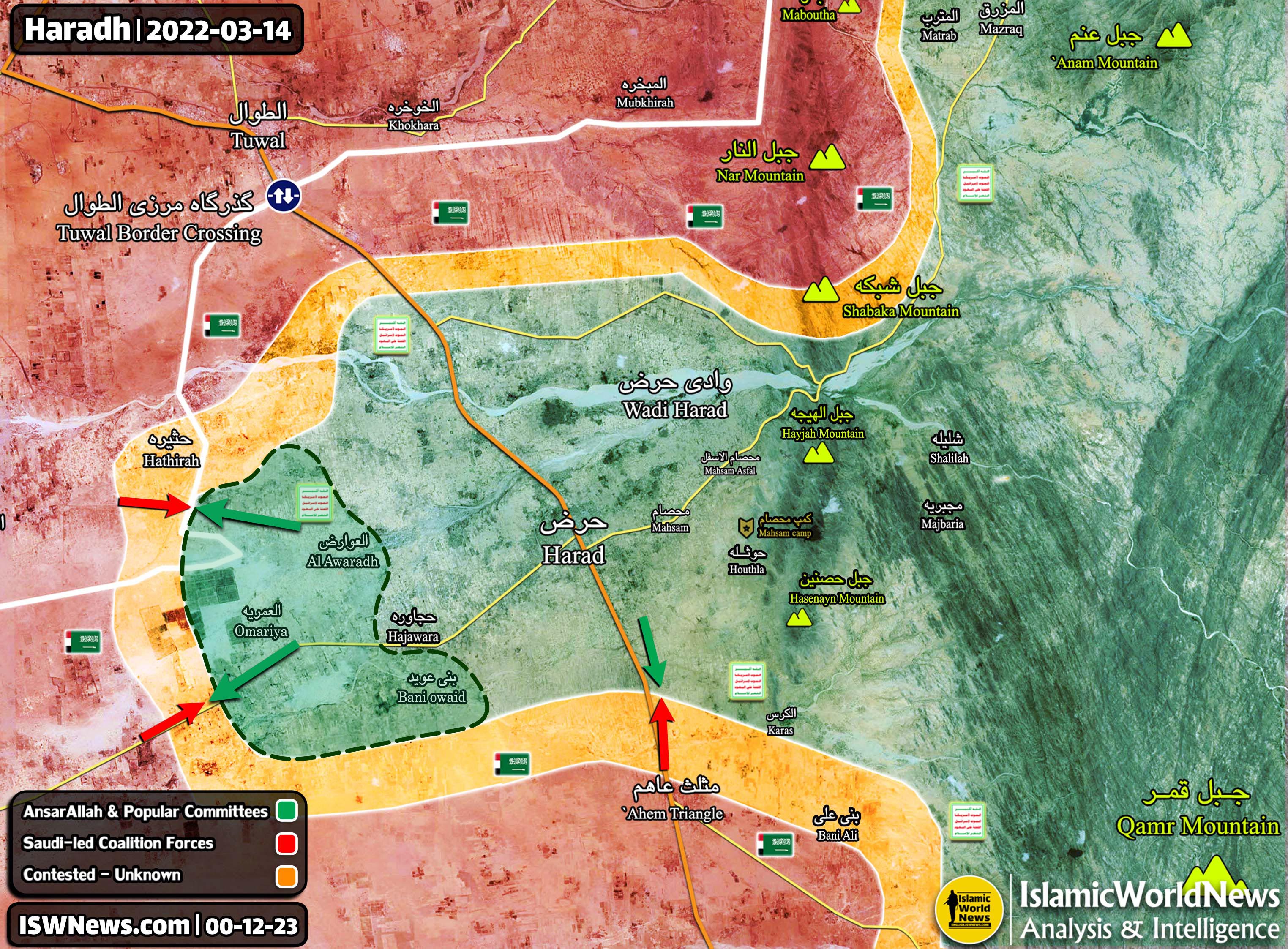
    According to the latest news from the northern front of Hajjah, the Ansar Allah operation in the western axis of Haradh town lasted for two days, during which Ansar Allah fighters succeeded in liberating the villages of al-Rakab, al-Asila, Bani Uwaid, al-Awaridh, Bani Qaras, al-Adhir and al-Umariya from the Saudi coalition. These areas are located in the west of Haradh and northeast of Midi districts.

    According to Ansar Allah media, more than 500 Saudi-led forces were killed and wounded during the operation. The bodies of 15 Saudi soldiers and more than 80 Sudanese mercenaries have been identified.

    Ansar Allah had previously defeated the siege of Haradh town on February 14. Haradh is a strong and strategic base in northwestern Yemen, and Ansar Allah must clear the adjacent areas bordering Jizan province to keep the Saudi coalition away.

    Read more:
    Yemen: Latest Updates on Hajjah Fronts, 14 February 2022 (Map Update)
    Why did the Saudi coalition operation fail in Haradh? Map + Video

    Click to see the full size map
  • Two IED attacks on US convoys in Iraq

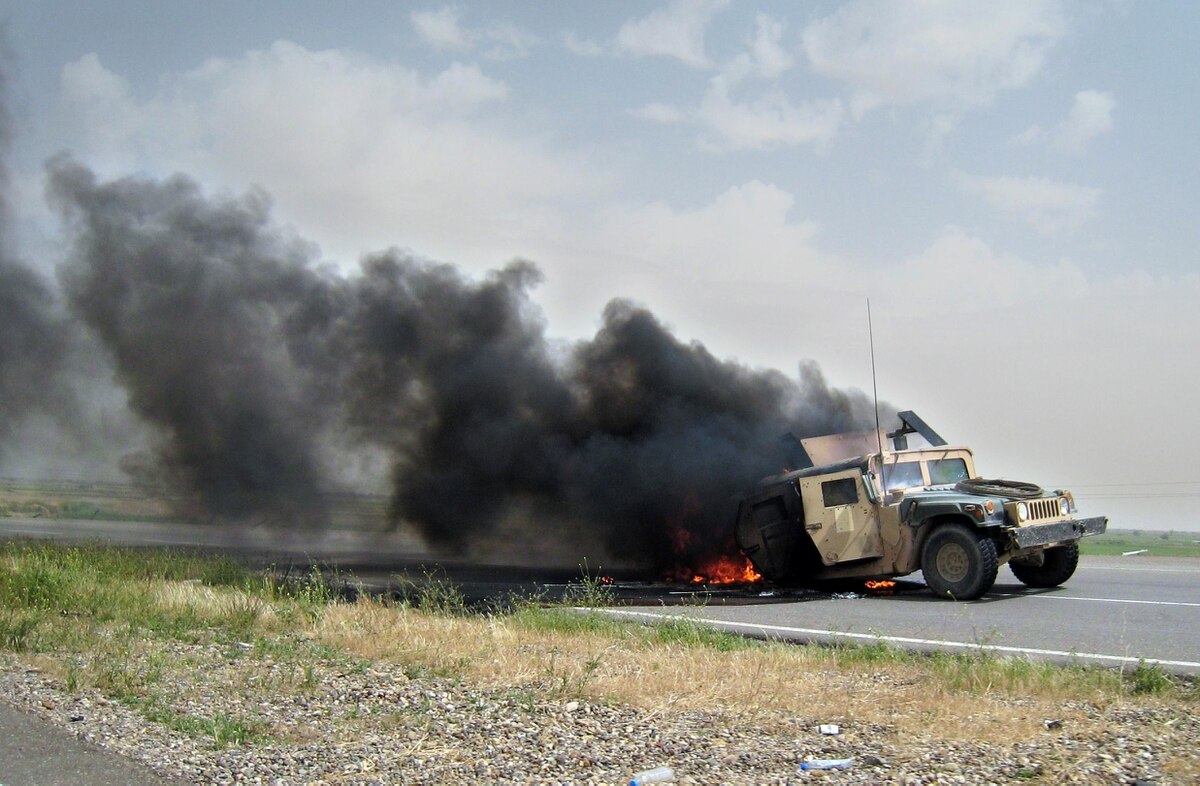
    Two IED attacks on US convoys in Iraq

    The Iraqi resistance group “Katibat al-Sabiqun” claimed responsibility for the attack in Basra province by releasing a video.

    According to data obtained by ISWNews, this is the 52nd attack by Iraqi resistance groups on US logistical convoys in 2022.

    Read more:
    Infographic: Iraqi Resistance Groups Operations Against the US in 2021
    Infographic: Iraqi Resistance Groups

  • IRGC neutralizes Israeli sabotage in the Fordow nuclear facility

    IRGC neutralizes Israeli sabotage in the Fordow nuclear facility

    An Israeli Mossad-backed network that planned to sabotage in the Fordow nuclear facilities were arrested by IRGC intelligence. A two-minute report broadcast late on Monday promised more details to come soon, but outlined a purported attack that involved an agent paid by Israel attempting to approach a person working with advanced IR-6 centrifuges at the plant.

    The Israeli agent, who was reportedly provided with secure communications and was paid in cash and cryptocurrencies, tried to approach the plant employee using a contact at an unnamed Hong Kong company as a mediator.

    The “major” sabotage attack was said to be set to happen before Nowruz on March 20.

    It should be noted that in April, Iran’s underground Natanz nuclear facility experienced a mysterious blackout that damaged some of its centrifuges. In 2020, unexplained fires struck the advanced centrifuge assembly plant at Natanz, which authorities later described as sabotage. Iran is now rebuilding that facility deep inside a nearby mountain.

    But why is this report and this news published one day after the IRGC missile attack on the Mossad headquarters in Erbil? Also at the same time as this news, the Israeli regime has faced an extensive and unprecedented hack, and most of its sensitive and security sites have been hacked. The coincidence of these events and the explicit announcement of the IRGC regarding the continuation of Iran’s severe revenge is not a coincidence and there are goals behind it. Look forward to the next controversial days!

  • New video of IRGC missile attack Mossad headquarters in Erbil

    New video of IRGC missile attack Mossad headquarters in Erbil

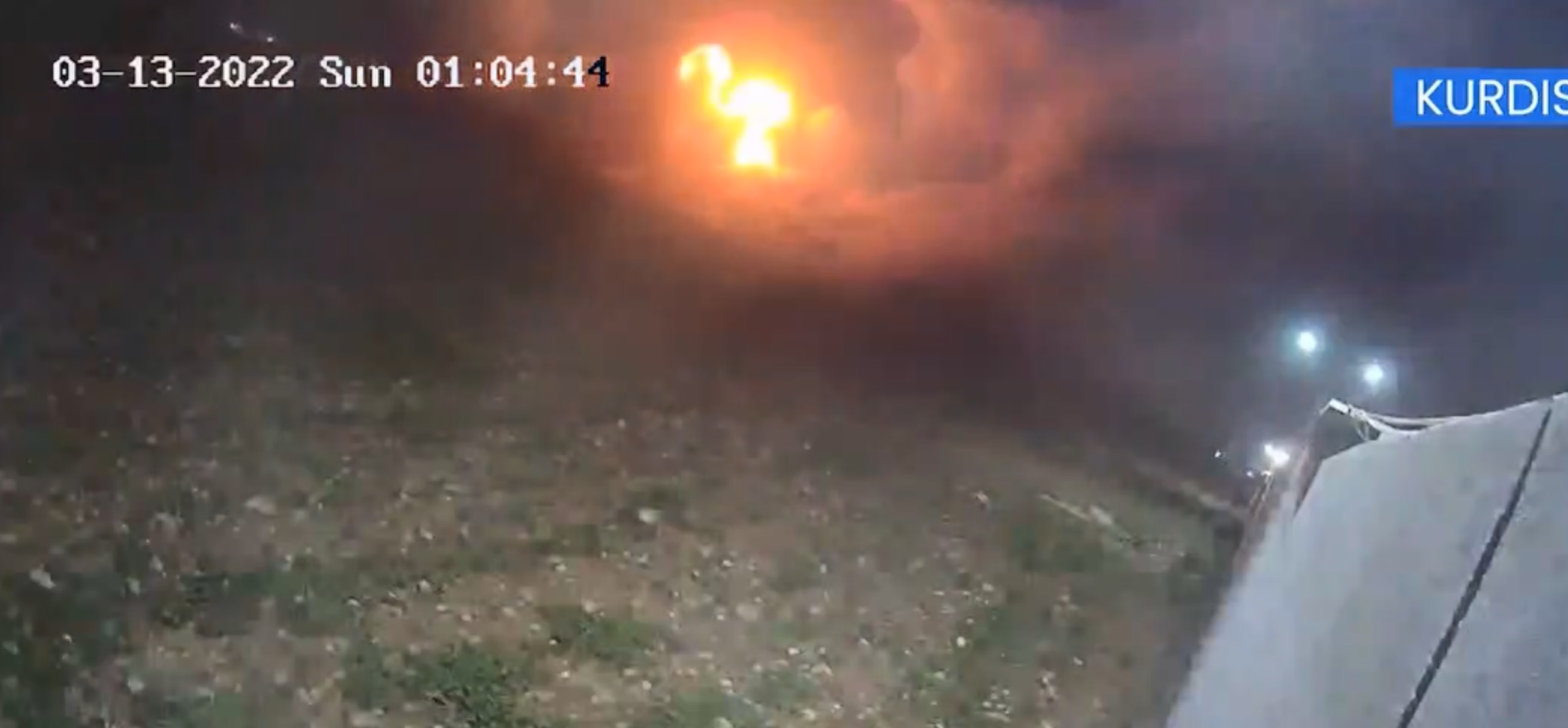
    Based on the time of the CCTV cameras, it is possible to confirm that eight missiles hit the building (villa).

    A secondary explosion in the final seconds of this video could indicate the presence of ammunition or explosives in the Mossad headquarters.

    Some media outlets have quoted Iranian military sources as saying that Israeli and other countries intelligence forces were present at the time of the attack, and hence the possibility of casualties is very likely.

    Read more:
    Iranian precise missile attacks on Israeli secret places in Erbil + Video
    IRGC Claims Responsibility For Missile Attack on Erbil

  • Three IED attacks on US convoys in Iraq

    Three IED attacks on US convoys in Iraq

    One convoy was attacked in Dhi Qar and another two convoys were attacked in the Qadisiyah province.

    According to data obtained by ISWNews, this is the 50th attack by Iraqi resistance groups on US logistical convoys in 2022.

    Read more:
    Infographic: Iraqi Resistance Groups Operations Against the US in 2021
    Infographic: Iraqi Resistance Groups

  • IRGC Claims Responsibility For Missile Attack on Erbil

    IRGC Claims Responsibility For Missile Attack on Erbil

    The IRGC public relations department said in a statement:

    The Islamic Revolutionary Guard Corps (IRGC) has claimed responsibility for a rocket attack on a Zionist base in Erbil.

    The IRGC’s public relations department said in a statement, referring to the targeting of the strategic center of the Zionist conspiracy and evil by point missiles:

    “In the Name of God, the Merciful, the Compassionate
    Following the recent crimes of the Zionist regime and the previous announcement that the crimes and evils of this infamous regime will not go unanswered; Last night, the “Strategic Center of Conspiracy and Evil of the Zionists” was targeted by powerful and pin-point missiles of the Islamic Revolutionary Guard Corps.
    Once again, we warn the criminal Zionist regime that the repetition of any evil will face harsh, decisive and destructive responses.
    We also assure the great nation of Iran that the security and peace of the Islamic homeland is the red line of the armed forces of the Islamic Republic of Iran and we will not allow anyone to threaten or attack it.

    Public Relations of the Islamic Revolutionary Guard Corps»

    Read more: Iranian precise missile attacks on Israeli secret places in Erbil + Video

    According to a statement issued by the IRGC, this morning attack was carried out against Israeli conspiracy and sedition centers that are used for sabotage operations in Iran, and this attack is not a response to the martyrdom of two IRGC forces who were martyred in Syria last week.
    This is what we said in previous article, that the attack had nothing to do with the recent Israeli operation in Syria, and that it was a response to the previous Israel operation against Iran, which was carried out from Iraqi Kurdistan, and that Iran response to the martyrdom of two IRGC members in Syria will be there at the right time.

    The IRGC also appears to have adopted a new tactic, and in the event of an Israeli attack on Iranian assets in the region, Israeli assets in the region will also be targeted.

  • Iranian precise missile attacks on Israeli secret places in Erbil + Video

    Iranian precise missile attacks on Israeli secret places in Erbil + Video

    According to local sources, at 1:20 a.m., 12 ballistic missiles were fired from Iranian territory at the city of Erbil, hitting US military positions in the city. Also Reuters quoted US officials as saying the attacks did not cause any casualties or damage to the US consulate or troops.

    However, based on data analyzed by ISWNEWS, the missile attacks were carried out in two stages and were concentrated on Israeli assets and not the US. The first stage was at 1:03 a.m and the second stage at 1:20 a.m.

    Read more: New video of IRGC missile attack Mossad headquarters in Erbil

    Also Iraqi sources revealed names of some of Israeli intelligence agents who were killed or wounded in the missile attacks. ISWNEWS can not confirm the validation of these information but the names are as follow:
    1- Mattis Datris
    2- Smith
    3- Adam Butler in charge of traffic coordination in Erbil
    4- Saul, an Israeli commander in Erbil
    5- Mellis Robert, nicknamed Afniz
    6- Johnny
    7- Jones
    8- Gabriel Talker
    9- Mark Zal, manager of the an economic company

    So far, officials in Iran have not yet commented on the attack.

    Some see the attack in retaliation for Israel’s March 3 attack on Syria. An attack that killed two Iranian IRGC members.

    However, al-Mayadin quoted a security official as saying that “the attack had nothing to do with the recent Zionist operation in Syria. This operation is a response to the previous Zionist operation against Iran, which was carried out from Iraqi Kurdistan. Iran’s response to the martyrdom of two members of the Islamic Revolutionary Guard Corps in Syria will be made at the appropriate time. The attack also did not target any Iraqi or American positions in Iraqi Kurdistan.”

    Read more: IRGC Claims Responsibility For Missile Attack on Erbil

    Launching of missiles from western Iran at Israeli positions in Erbil
    Launching of missiles from western Iran at Israeli positions in Erbil

    The Kurdistan 24 TV CCTVs shows the blast waves of the first stage of the attack:

    This point is located on Al-Harir Road, 7 km from Erbil. The location of Kurdistan 24 network is also located near this area and this has caused damage to the building of this network. Coordinates of this area: 36.2648, 44.1066

    Aerial footage of Mossad headquarters in Erbil
  • What shoulder-launched systems are Ukrainian forces using to counter Russia?

    What shoulder-launched systems are Ukrainian forces using to counter Russia?

    Before the start of Russian military operation in Ukraine, as well as in the last two weeks, the United States and European countries, including Germany, the Netherlands and Lithuania, etc. sent man-portable air-defense systems and Anti-tank missiles to Ukraine. These missiles have played an important role in preventing the advance of Russian Army armored columns in Ukraine, and have so far caused significant damage to Russian armored vehicles and equipment.

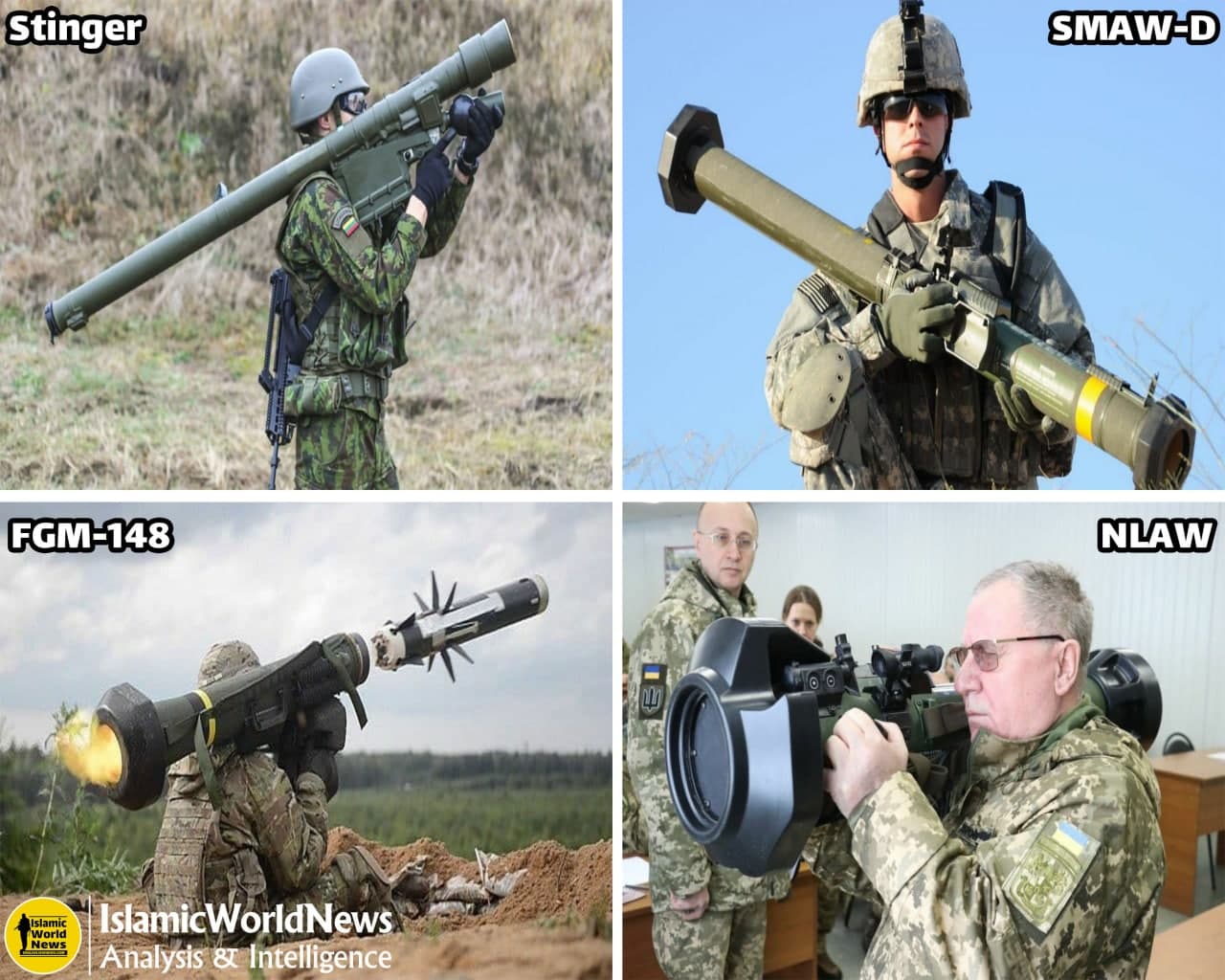
    The most important systems donated by European countries to the Ukrainian army are the NLAW missile, the FGM-148 Javelin missile, the SMAW-D missile and the Stinger missile, the details of which are as follows:

    1- NLAW missile:
    The NLAW is a top attack anti-tank, fire-and-forget missile system. Its penetration is not exactly known, but its effective firing range is between 20 and 600 meters and with maximum firing range of 1000 meters. The missile operates in such a way that it explodes on top of the target and its fragments penetrate the target. The ability to fire from inside buildings makes this missile suitable for urban warfare. The NLAW is a joint product of Sweden and Britain. According to European sources, Britain has sent more than 2,000 such missiles to Ukraine.

    Read more: Military Knowledge: NLAW short-range anti-tank missile

    Next generation Light Anti-tank Weapon (NLAW)

    2- Javelin FGM-148 missile:
    The Javelin FGM-148 is a top attack anti-tank, fire-and-forget missile system made by United States. Its effective firing range is between 75 to 2500 meters. The penetration rate of this missile is between 600 to 800 mm on RHA. This missile also has the ability to fire from inside buildings and closed places. The United States and Lithuania have sent more than 2,000 such missiles to Ukraine.

    Read more: Javelin FGM-148 anti-tank missile

    Javelin FGM-148 missile system

    3- SMAW-D missile:
    The SMAW-D (Disposable), or M141 Bunker Defeat Munition is a single-shot, shoulder-launched weapon designed to defeat hardened structures. The effective firing range of SMAW-D missile is between 15 to 1000 meters. SMAW-D is made by the United States exclusively for its Army to fill the void in the United States Army inventory of a bunker buster weapon. The United States has delivered 100 such missiles to the Ukrainian army so far.

    Read more: Military Knowledge: M141 Bunker Defeat Munition

    SMAW-D missile system

    4- FIM-92 Stinger missile:
    The FIM-92 Stinger is an originally US-made man-portable air-defense system that operates as an infrared homing surface-to-air missile. Its effective range is between 180 to 3800 meters with a maximum range of 4800 meters. Germany has sent more than 500 of these missiles and the Netherlands more than 200 of these missiles to Ukraine.

    Read more: Military Knowledge: FIM-92 Stinger MANPADS

    FIM-92 Stinger missile system

    PS: The date of this text is March 1, 2022, and the number of missiles donated to Ukraine will be higher after this date.

  • General Haftar held a missile exercise in eastern Libya! + Images

    General Haftar held a missile exercise in eastern Libya! + Images

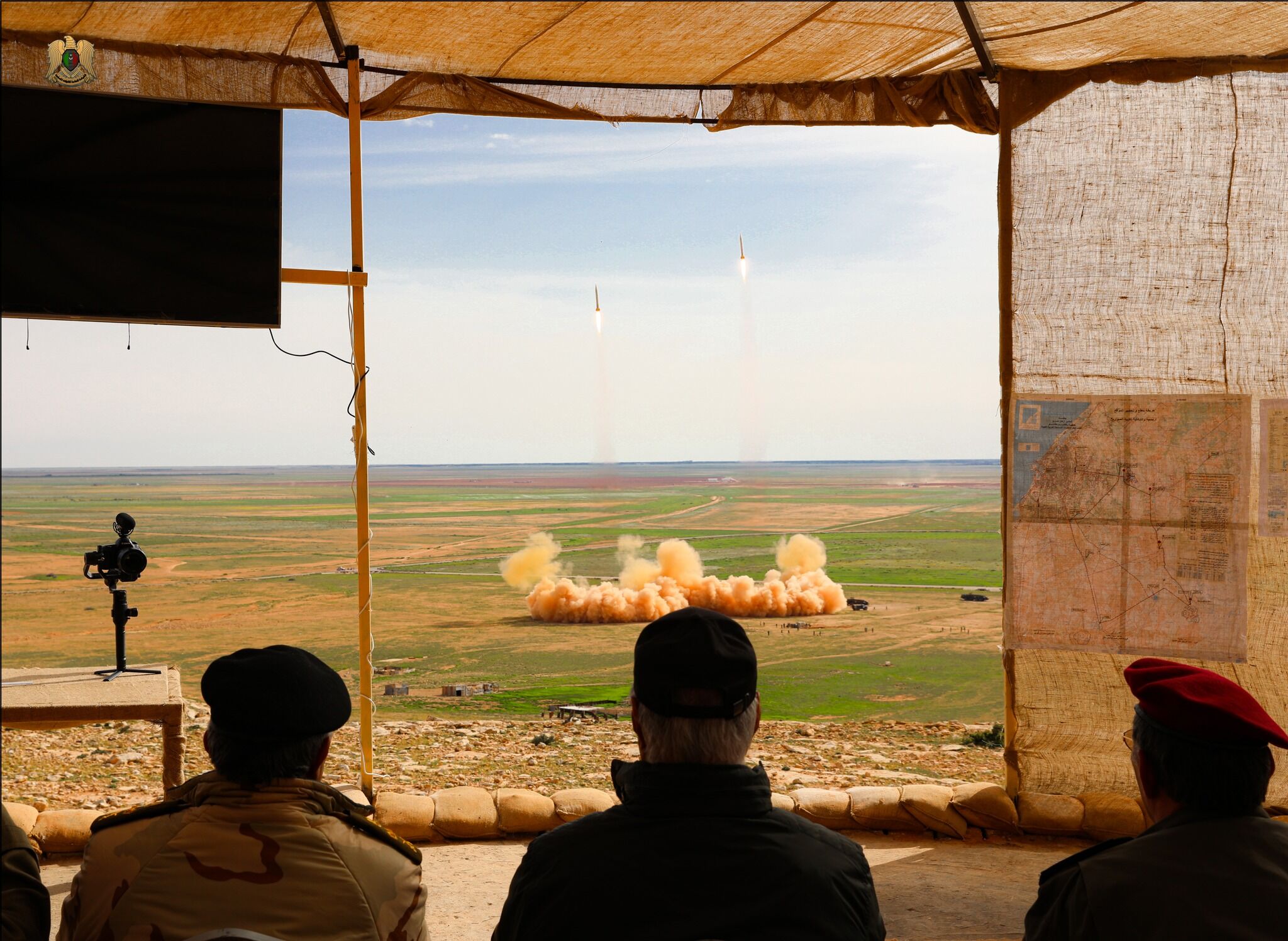
    During the exercise, the Al-Karama Missile Battalion fired four Scud missiles at targets southwest of Tobruk, 200 and 242 kilometers south of Benghazi.

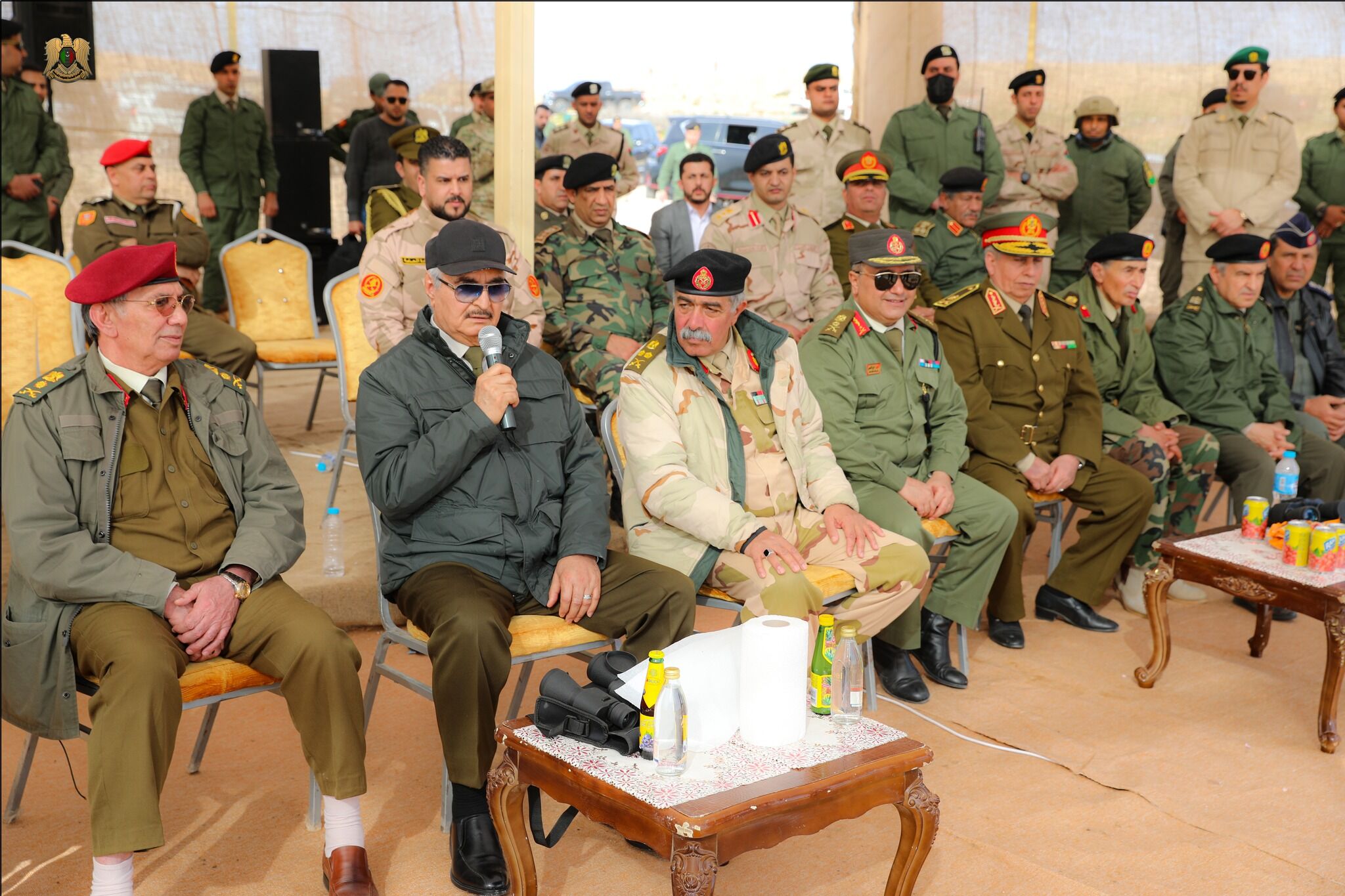
    The Al-Karama exercise was held with the presence of commander of the LNA, Khalifa Haftar, Chief of General Staff, Chiefs of Staff, and a number of LNA officers.

    The Scud missile is a short-range ballistic missile built by the Soviet Union from 1957 to 1989 in four models. The engine of this missile uses liquid fuel and its range is between 180 and 700 km.

    Political tensions in Libya have risen again following the election of Fathi Bashagha (Interior Minister of the Tripoli-based Government of National Accord) as the new Prime Minister of Libya by the Libyan parliament, as well as the failed assassination of the current Prime Minister of the transitional government, Abdul Hamid Dbeibeh. These differences have led to the postponement of the presidential election in Libya several times and have made the future of the country more uncertain. Hence, General Haftar seeks to demonstrate his power in Libya by firing Gaddafi-era missiles.

  • Ansar Allah Revealed Details of ‘Operation Break Siege 1’

    Ansar Allah Revealed Details of ‘Operation Break Siege 1’

    The summary of the statement of the Yemeni Armed Forces is as follows:
    “In response to the escalation of attacks during the brutal siege on our people, as well as the prevention of the entry of oil derivatives into Yemen by enemy(Saudi), the Yemeni Armed Forces conducted a large-scale military operation called ‘Operation Breaking the Siege 1’ with nine drones:
    Targeting the Aramco refinery in Riyadh, the capital of the Saudi enemy, with three Samad-3 drones.
    Targeting Aramco facilities in Jizan, Abha and other sensitive areas with six Samad-1 drones.”

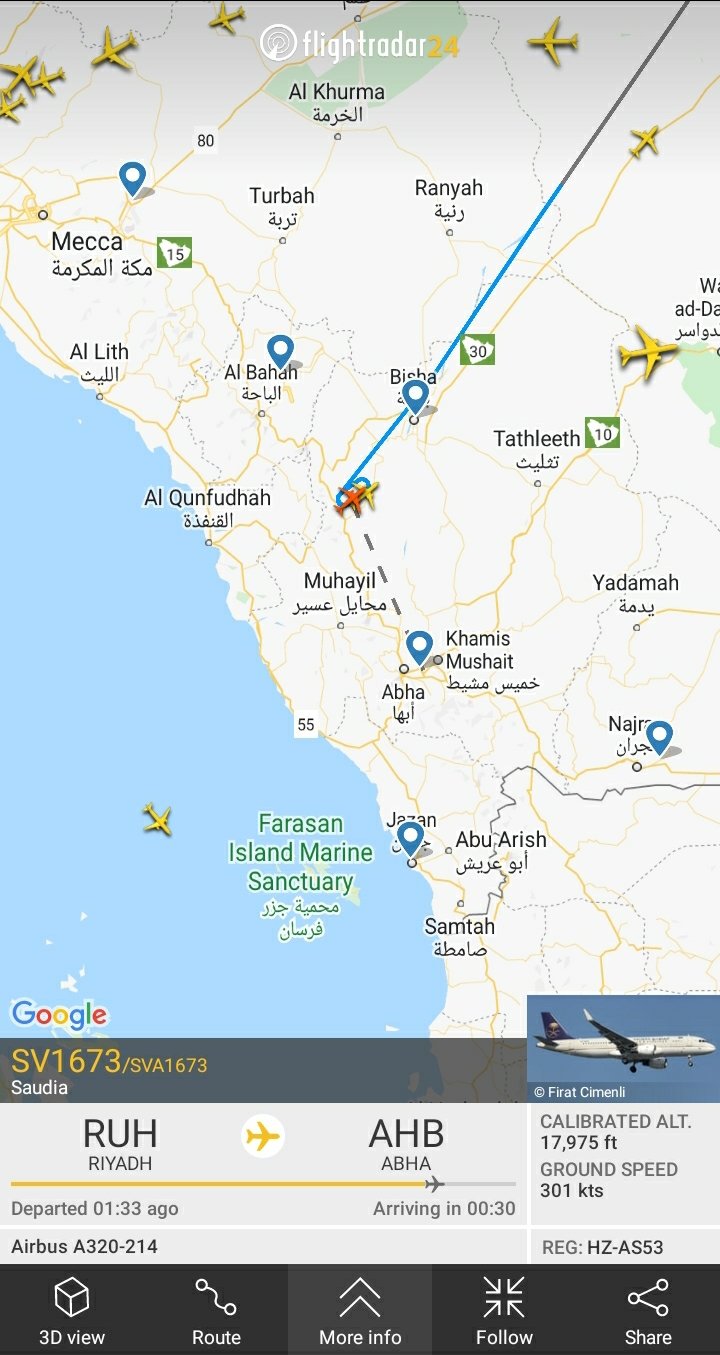
    According to data obtained by ISWNEWS, during Ansar Allah drone attacks on Saudi Arabia, the Aramco refinery in Riyadh caught fire and flights from Riyadh and Dammam to Abha Airport were delayed. No other casualties were reported so far.

    Read more:
    Infographic: Ansar Allah Drone and Missile Operations in 2021
    Military Knowledge: Sammad-3 Reconnaissance and Suicide Drone