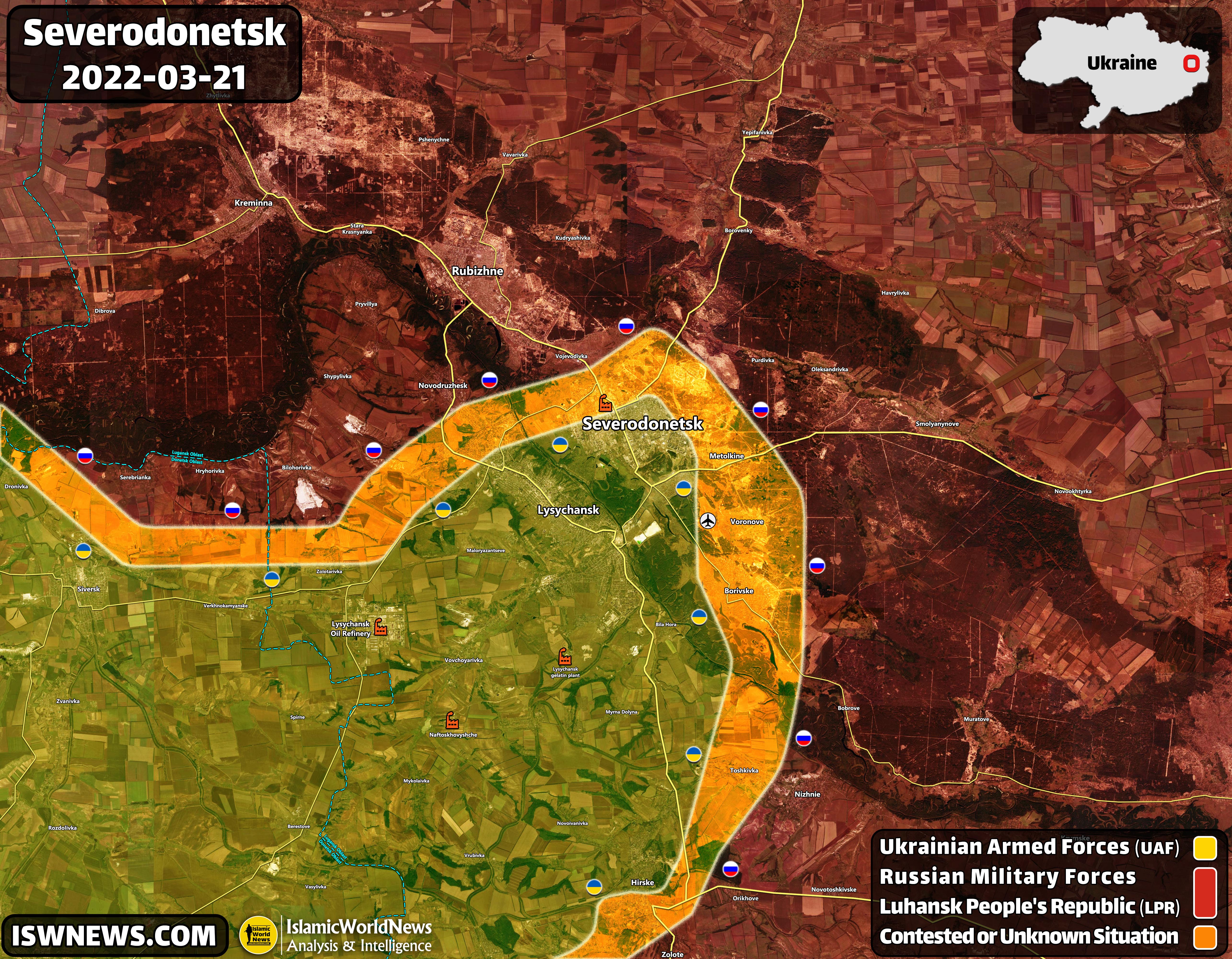
On March 19, Russian and Luhansk (LPR) forces took control of the town of Rubizhne in northern Severodonetsk. With the new advances, the siege of the city of Severodonetsk tightened, And the Russian and LPR forces reached the outskirts of Severodonetsk city.
Severodonetsk is located northwest of Luhansk city, the capital of Luhansk Oblast. Following the declaration of autonomy in Luhansk Oblast in 2014 and the seizure of Luhansk city by separatist forces, the Ukrainian government chose the city of Severodonetsk as the acting administrative center of Luhansk Oblast.
With the capture of the city of Severodonetsk and the surrounding areas, Luhansk Oblast will be completely under the control of Russia and Luhansk forces.
Ahead of the UN General Assembly emergency meeting on March 2, European countries sent threatening messages to representatives of various countries, including Pakistan, urging them to vote against Russia. Following these pressures, Imran Khan addressed European countries: “Are we your slaves to do whatever you say? Did any of you cut off trade and relations with India when India violated the law of occupied Kashmir? We have friendly relations with the United States, Russia, China and Europe, we will not enter any bloc, because our position is based on neutrality and we will try to work with all countries to end the war.”
In the end, the resolution was passed with 141 votes in favor, 5 against and 35 abstentions. The resolution called for the creation of safe corridors for civilians outside Ukraine, the facilitation of humanitarian aid, and the withdrawal of Russian troops from Ukraine.
But taking neutral positions has not been cheap for countries such as Pakistan, and pro-Western political parties and movements in the country have staged large-scale demonstrations against Imran Khan’s government. Opposition groups called for Imran Khan’s government to be ousted from office, and for his resignation as Prime Minister of Pakistan.
Undoubtedly, such actions are carried out with the green light of the West in neutral and opposition countries. Over the years, they have used various tactics to put pressure on governments, including coups, the colored revolutions, and political and economic pressure.
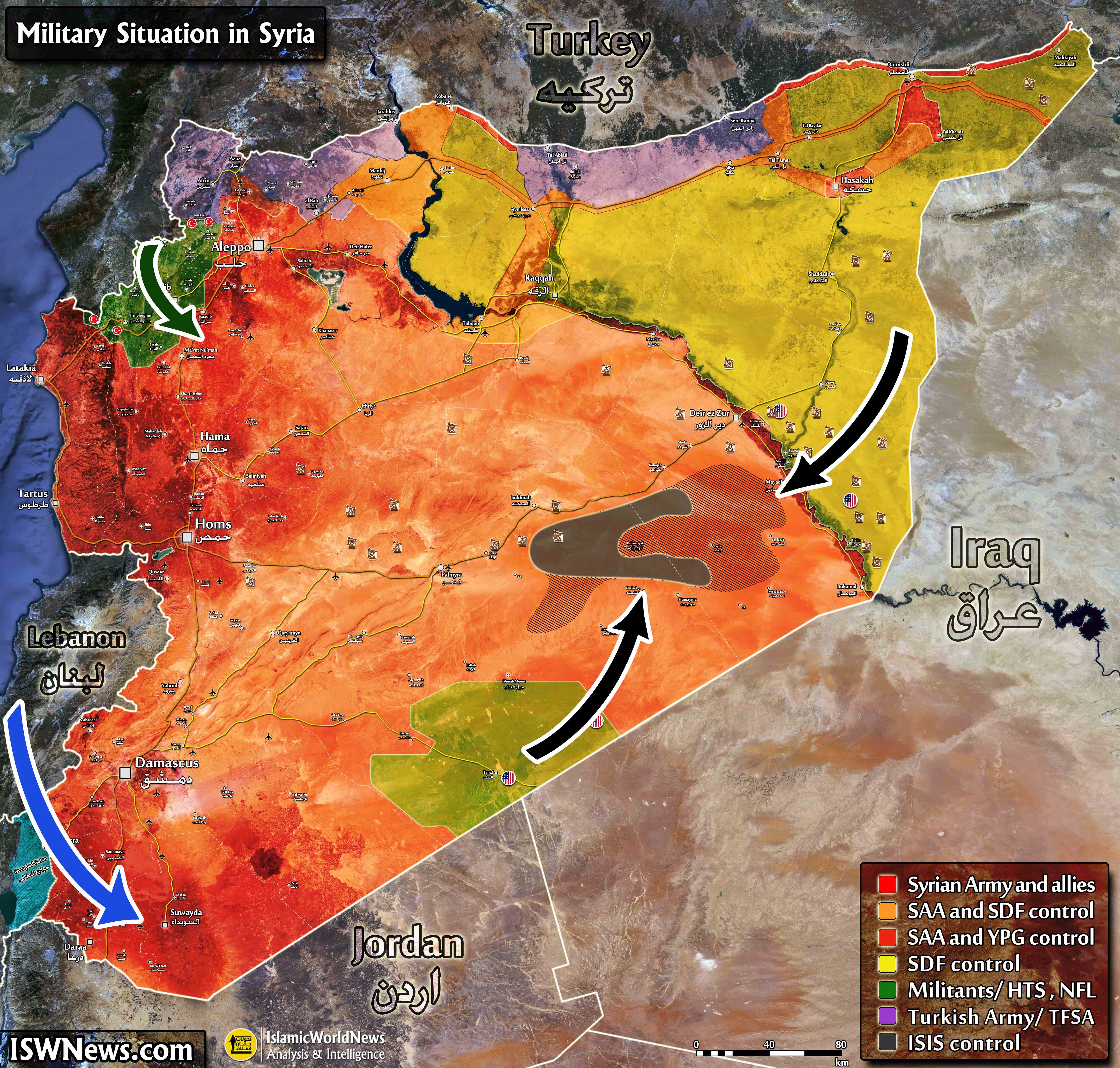
The difficult living conditions in the southern regions of Syria, especially in the province of Suwayda, have become a recurring but new excuse for disrupting Syrian security. In February, protesters in Suwayda blocked the Damascus-Suwayda highway holding placards and chanting anti-government slogans. This recurring theme is significant as the protests turned into armed activities.
According to ISWNEWS field sources, after the start of the demonstrations in the towns of Shahba, Majdal, etc., north of the city of Suwayda, Israeli-linked security cells took control of the demonstrations and rallies. But with Hezbollah surveillance, a number of Israeli-linked cells were arrested by Hezbollah security forces.
On the other hand, according to the usual routine of the Syrian media, the incident was silenced and the security forces of the Syrian government did not get involved. But after investigating and interrogating the protest leaders, Hezbollah found clues in the city of Suwayda and an armed group linked to Walid Jumblatt, the Druze leader of the Progressive Socialist Party in Lebanon.
Similar security activities were observed in Daraa province, and on February 9, an explosion and several armed assassinations took place in Daraa.
In general, the suspicious activities in southern Syria signal a security warning to the Axis of Resistance, which is being carried out at the behest of Israel and by groups affiliated with Walid Jumblatt. In this regard, Hezbollah drone operation against Israel, which was carried out by flying ‘Hassan drone’ to a depth of 70 km in the territory of occupied Palestine and the inability of the Israeli army to counter it; It is a clear warning and message to the Zionist sedition in southern Syria. A message that was well received on the Israeli side.
In Deir Ezzor province, new organized activities have been carried out by the ISIS terrorist group in the past months. The scenario in this area is related to several issues: 1- The escape of more than 200 ISIS members from the Ghowairan prison in Hasakah city. The probability of their transfer to the deserts of Deir Ezzor and Homs is very high. 2- Continuous intelligence flights of American aircraft in the skies of Deir Ezzor province. 3- In recent months, the Syrian government with the help of Iranian advisers, has established close relations with the tribes of Deir Ezzor province. This is certainly not to the liking of the United States and the SDF.
According to the above-mentioned points, the intelligence and operational forces of the resistance are expected to start security operations in the coming days in the provinces of Suwayda, Daraa and Deir Ezzor.
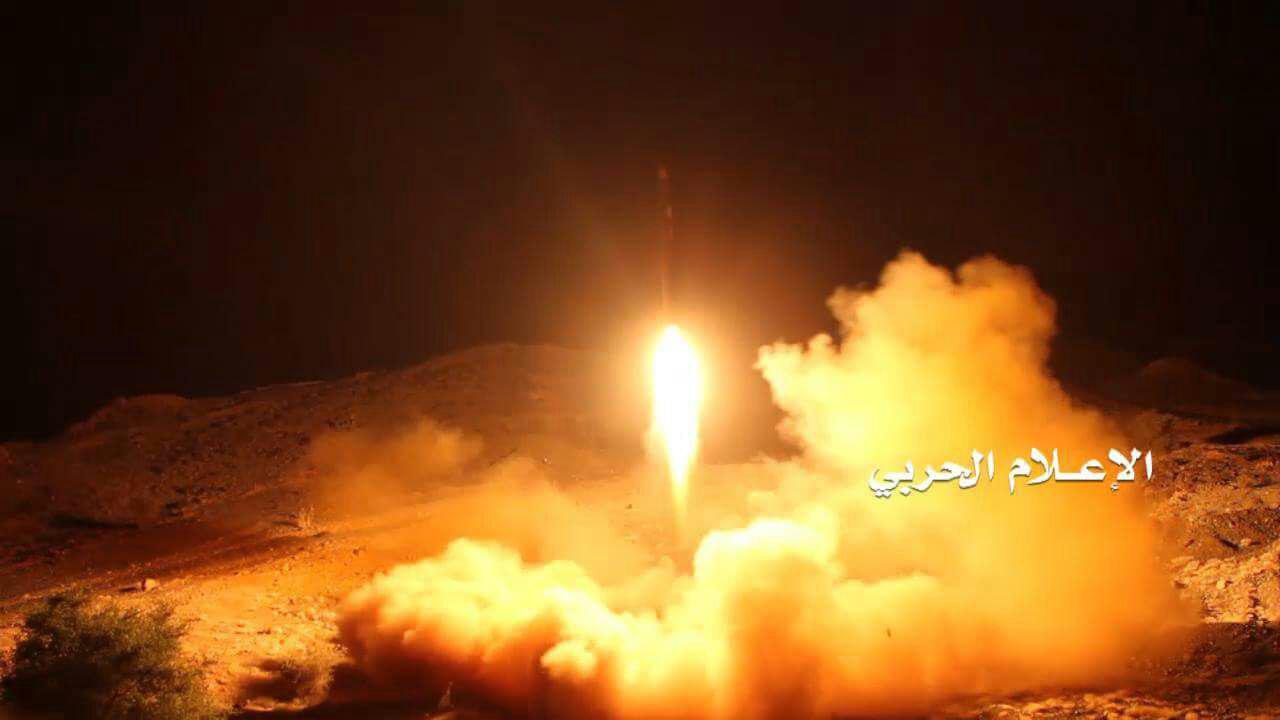
Late on March 19, Ansar Allah attacked Khamis Mushait, Jizan, Dhahran Al Janoub and Yanbu areas in Saudi Arabia with several missiles and suicide drones. The summary of statement of the Yemeni Armed Forces regarding the operation is as follows:
“In the first phase of Operation Break Siege 2, Aramco facilities in the Saudi capital Riyadh, the port of Yanbu, etc. were attacked with suicide drones, ballistic missiles and cruise missiles. In the second phase, vital and important targets in the areas of Abha, Khamis Mushait, Jizan, Samtah, Dhahran Al-Janub were attacked with suicide drones, ballistic missiles and cruise missiles.”
The operation resulted in the destruction of various positions in the southern cities of Saudi Arabia, including the power plant of Dhahran Al-Janub, the Shuqaiq desalination plant and the Aramco facility in the city of Jizan. Also, flights at Jeddah and Abha airports have been severely disrupted, indicating the effectiveness of Ansar Allah attacks.
Ansar Allah had previously carried out ‘Operation Break the Siege 1’ against the Aramco refinery in Riyadh, the Aramco company in Jizan and the Abha Airport on March 10, 2022.
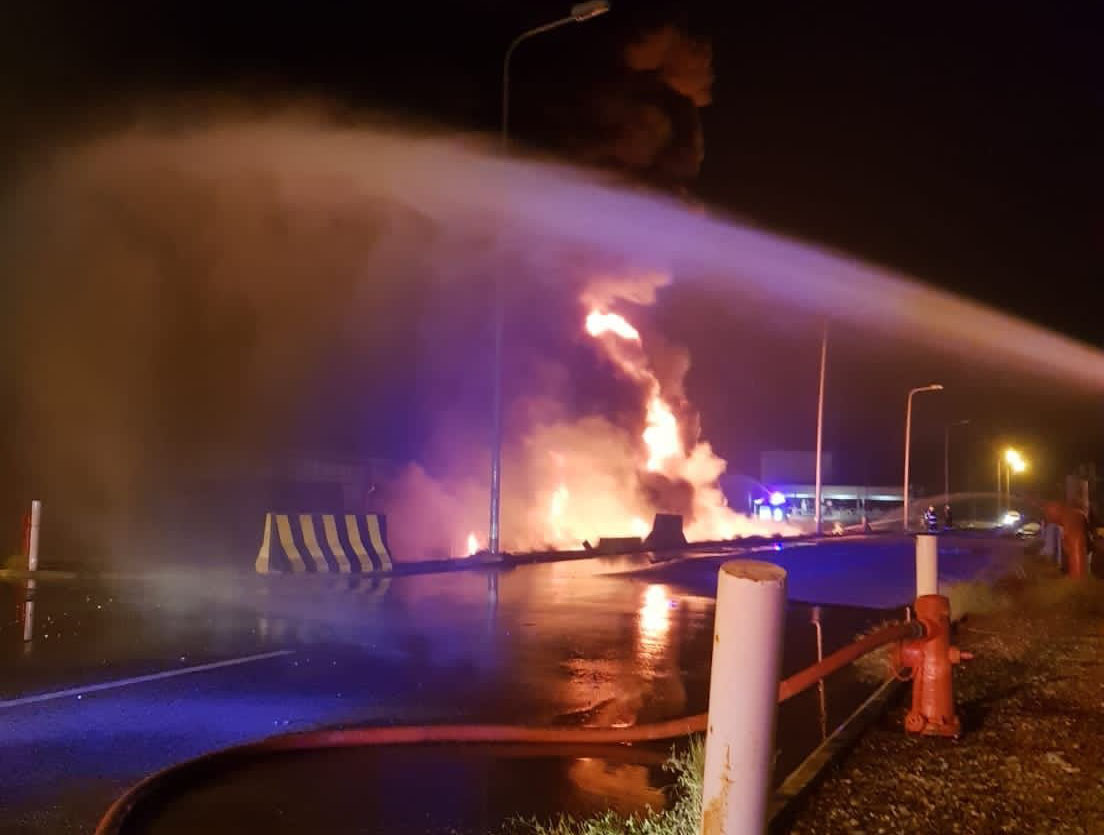
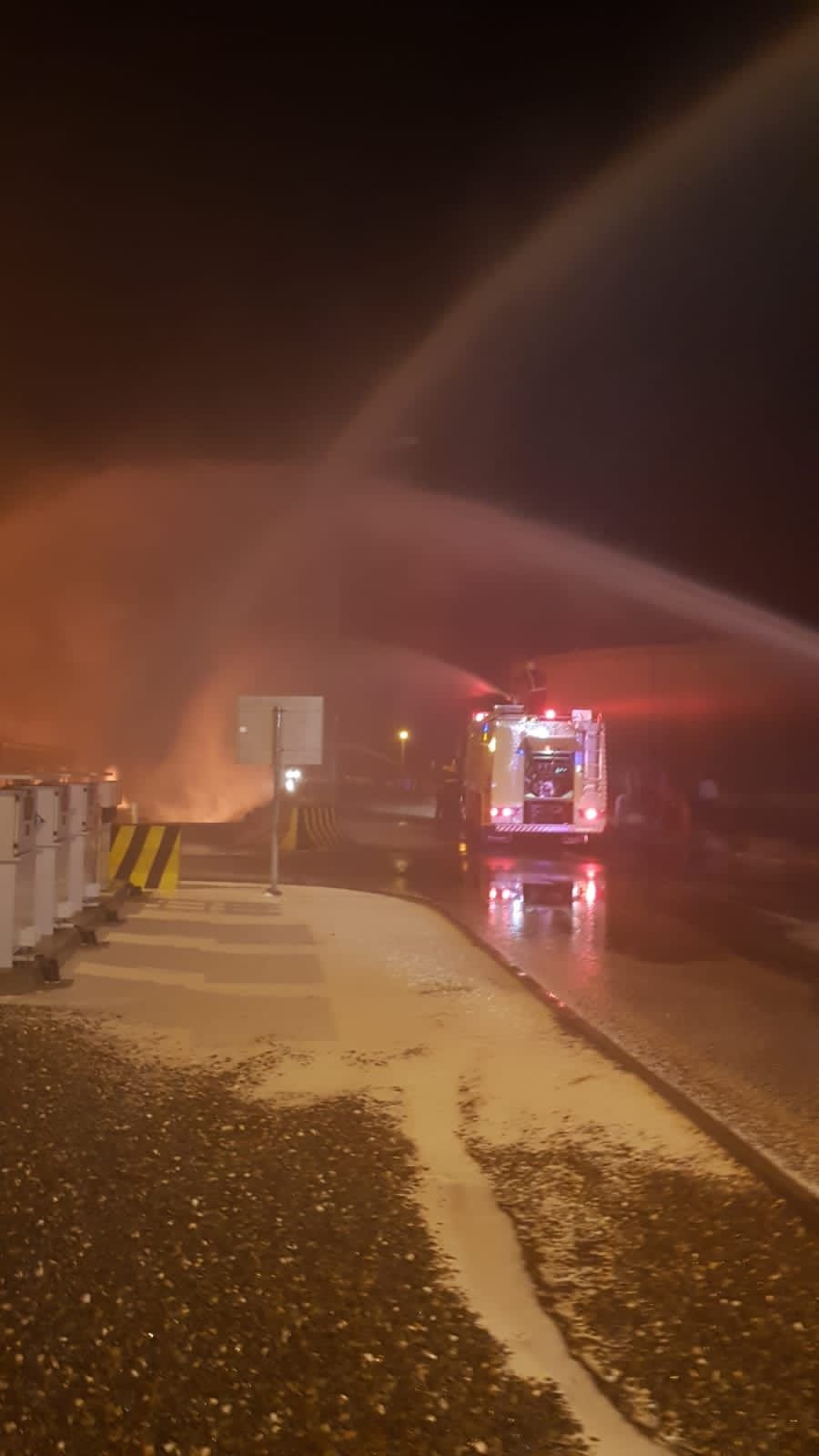
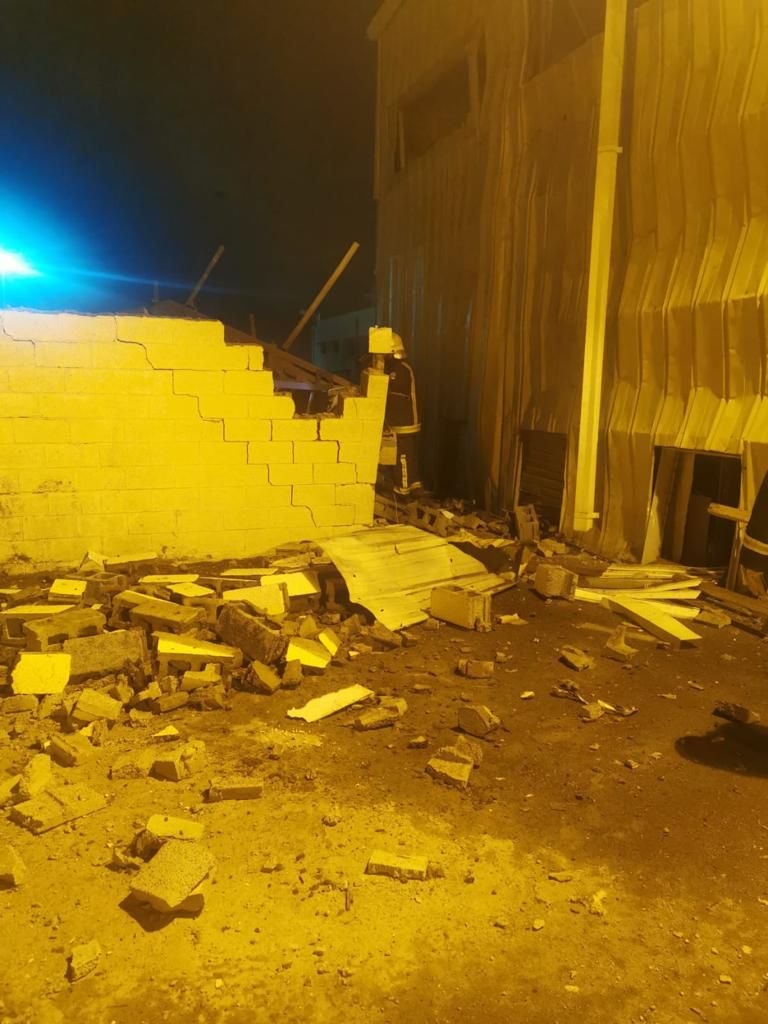
According to Saudi media reports, Ansar Allah attacked a gas station in Khamis Mushait, a power station in the southern city of Dhahran, a liquefied gas plant in the port of Yanbu, a Shuqaiq desalination plant and the Aramco facility in Jizan with at least seven suicide drones and several missiles.
As a result of these attacks, the mentioned facilities were damaged and set on fire.
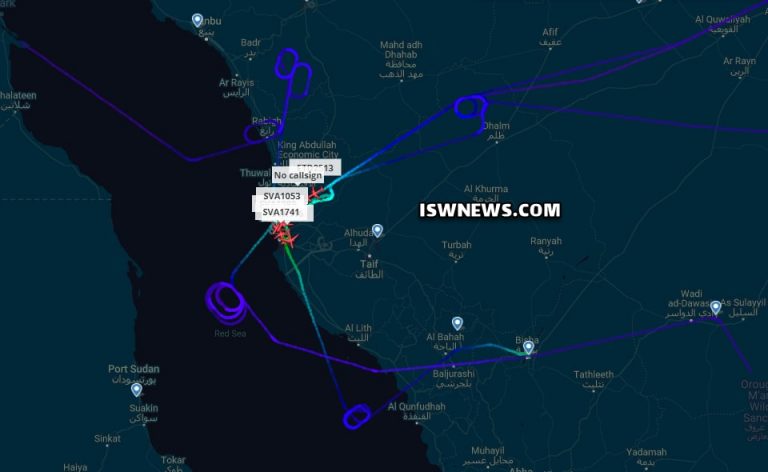
Some local sources have also claimed that another attack took place at Jeddah airport. Due to severe disruption of flights such as: Airbus A321-211, Boeing 777-3FG (ER), Boeing 787-9 Dreamliner, Airbus A321-211, Airbus A321-231, Boeing 777-368 (ER), it can be said that Jeddah airport was also one of the targets of Ansar Allah.
Fire in Shuqaiq water desalination plant in JizanDamage caused by Ansar Allah attack on Khamis Mushait gas stationDamage caused by Ansar Allah attack on Jizan
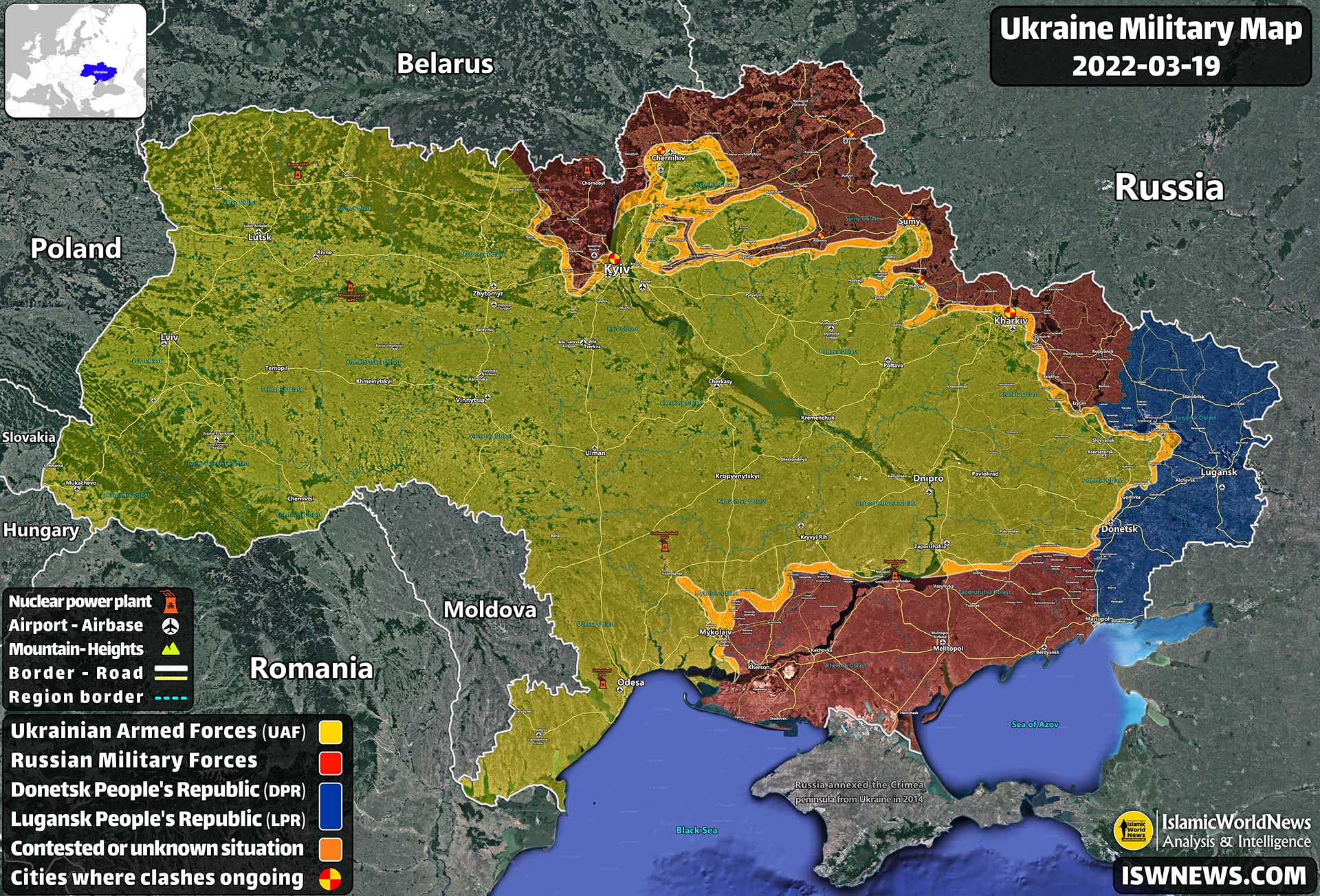
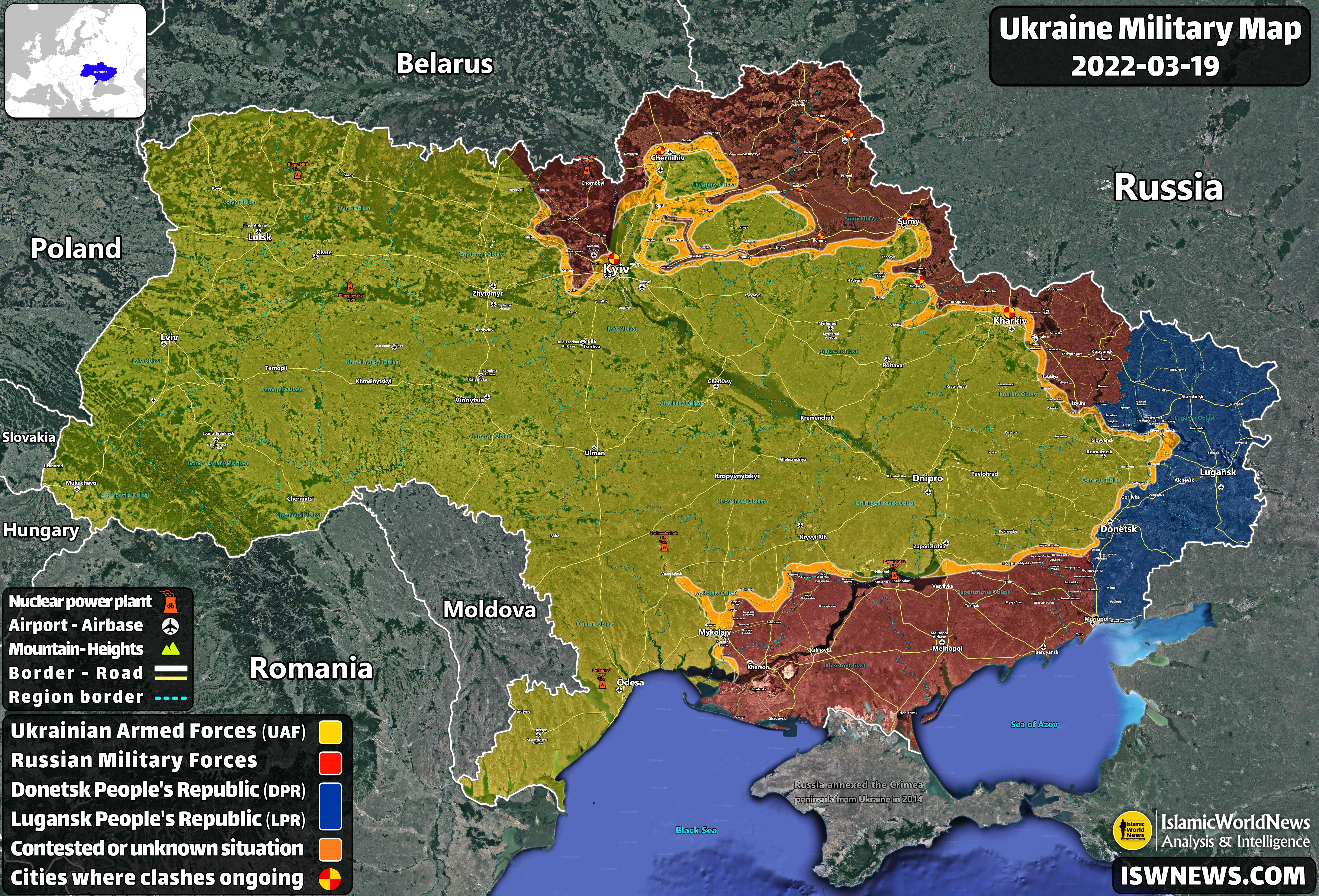
In northern front, the military situation on the Kyiv and Chernihiv fronts is almost unchanged, and fighting continues around the city of Kyiv. It seems that the Russian army has no serious intention of infiltrating the city of Kyiv at the moment, and all movements are aimed at besieging the city.
In western front, the military situation on the Sumy and Kharkiv fronts remains unchanged.
In southeastern front, the town of Izyum on the Kharkiv-Donetsk road and Rubizhne town north of Severodonetsk is under Russian control. The city of Severodonetsk is on the verge of a complete siege, and the cities of Slovyansk and Kramatorsk are the next targets of the Russian army on this axis.
In southern front, clashes continue in the coastal city of Mariupol, with Russian and Donetsk troops advancing on the city’s neighborhoods. In the Mykolaiv and Kherson oblasts, the Ukrainian army launched a counterattack to retake lost positions east of Mykolaiv. On the other hand, the Russian army is establishing military positions and sending equipment to launch a new military operation on this axis.
In general, the progress of the Russian army has slowed down over the past 10 days, the goals are being achieved slowly, and missile attacks on Ukraine’s infrastructure and military bases have increased. Of course, this does not mean that Russia has failed and that the situation on the fronts has changed in favor of the Ukrainian army. Contrary to what the Main Stream Media reports about the high armor and human casualties of the Russian army, the reality on the ground is something else, and the situation on the fronts is in favor of the Russian army. The Russian military has already incurred heavy costs, but Ukraine and its military have suffered far greater losses. It has been 23 days since the beginning of the war, and much of Ukraine’s military and economic infrastructure has been destroyed by Russian missile strikes, and if the war continues, Ukraine will be virtually destroyed.
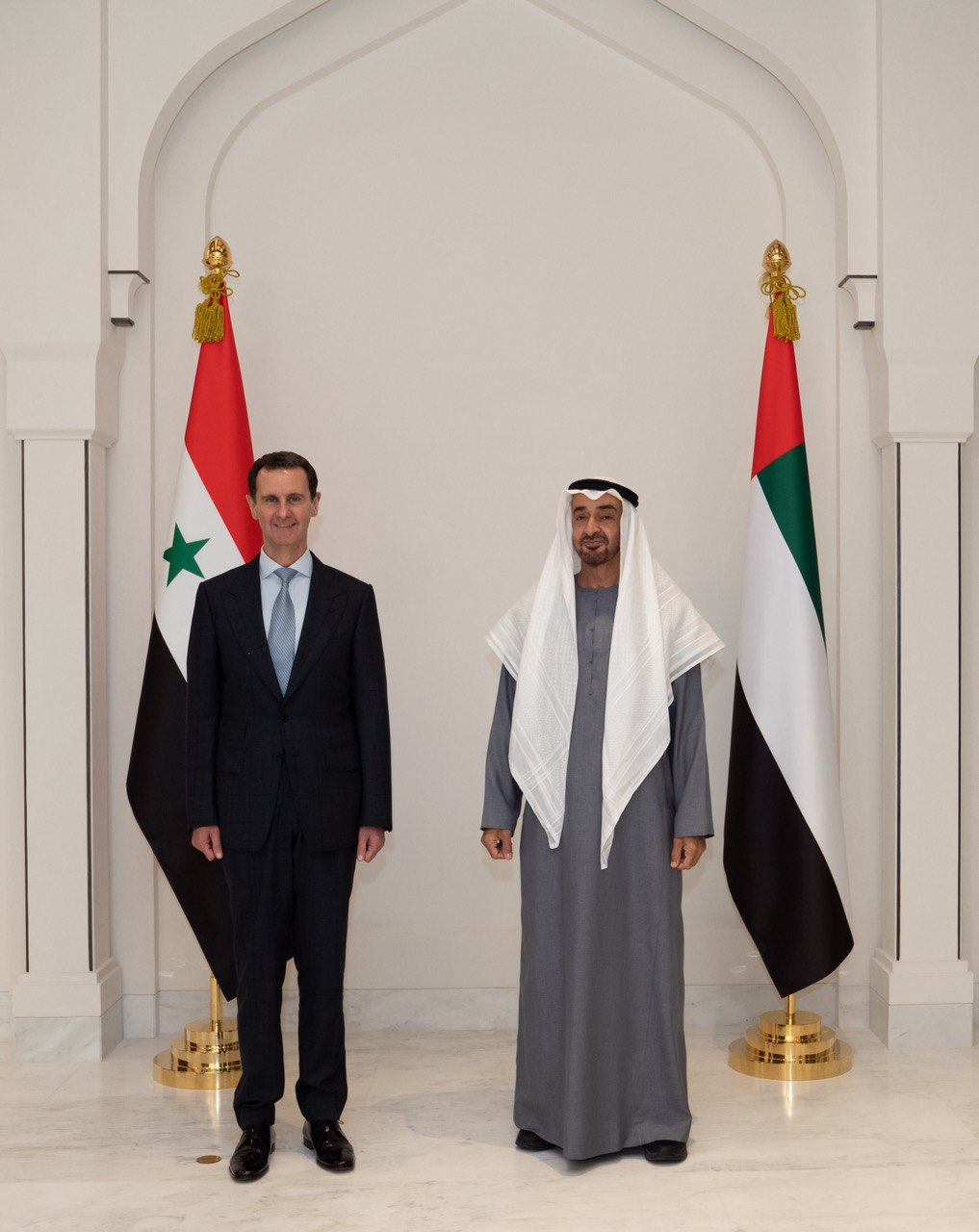
Upon arrival in the UAE, Bashar al-Assad was welcomed by the Crown Prince of Dubai, followed by a meeting with Hamdan bin Mohammed bin Rashid Al Maktoum, Crown Prince of Dubai, Mansour bin Zayed Al Nahyan, Deputy Prime Minister of the UAE, Ali bin Hamad Al-Shamsi, Deputy Secretary of the Supreme Council National Security and Talal Hamid Balholul Al-Falasi, Director General of the Dubai Security Service.
During the meeting, issues such as increasing bilateral cooperation in the economic and trade fields were discussed. “I hope that security and peace will be established throughout Syria,” bin Rashid said.
Foreign Minister Faisal al-Maqdad, Minister of Presidential Affairs Mansour Azzam and Syrian Deputy Foreign Minister Bashar al-Jaafari accompanied Bashar al-Assad on the trip.
It is worth mentioning that on November 9, 2021, a high-ranking Emirati delegation headed by the UAE Foreign Minister arrived in the Syrian capital Damascus. “The UAE is always ready to support the Syrian people,” said UAE Foreign Minister Abdullah bin Zayed Al Nahyan during a meeting with the Syrian president.
This shows that senior Emirati officials, after a decade, have concluded that continuing the previous path and hostile actions against Syria are of no use to them and that they should start a new relationship with the Syrian government.
The visit of the UAE Foreign Minister to Syria in November can be considered as the beginning of a new chapter in the various relations between the UAE and Syria.
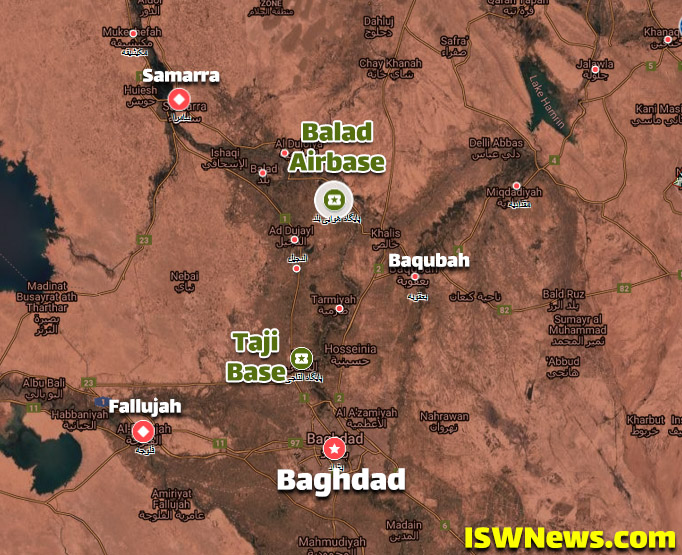
Balad Air Base has a long history of being targeted by resistance rockets and drones. The base was also targeted by a drone strike by Iraqi resistance groups on January 15.
In this video, a collection of confidential documents, personal information and financial documents of “David Barnea”, the head of Mossad, the Israeli spy agency, has been released.
On Wednesday, Open Hands published a video that showed several personal photos, flight tickets under David Barnea’s name, his ID card, tax documents addressed to his wife and satellite imagery of his private home in the central city of Hod Hasharon.
According to the group, the leaked information is the result of covert intelligence gathering operations against Israeli targets, including senior Israeli security and military officials, who play a significant role in the present and future of Israeli security services. The group also began operations and overseeing David Barney since 2014.
According to Open Hands, in addition to David Barnea, several other senior Mossad officials, whose names have not yet been revealed, as possible future heads of the organization, are under the groups’s radar.
The Zionist regime has witnessed the largest cyberattacks in recent days, and most of its sensitive and security websites have been targeted and have been out of service for hours. The regime’s security agencies and cyber security organizations have so far not had significant success in combating hacker attacks and infiltration. This shows that the large investment of the Israeli regime in its cyber security has failed!
After the collapse of the Soviet Union in December 1991, Ukraine became an independent state. Its geography included the deployment of a third of the Soviet nuclear missiles, which led to controversy in the West against Ukraine.
Ukraine’s nuclear arsenal was equipped with 130 intercontinental ballistic missiles with a range of 5,000 to 10,000 kilometers, each of which was equipped with 10 nuclear warheads. There were also about 1,700 nuclear warheads and 33 aircraft capable of carrying nuclear bombs stationed on Ukrainian soil, posing a serious threat to Eastern and Western powers. Of course, the nuclear bombs switches was under Russian control, and Ukraine had no control over the use of nuclear weapons.
Under such circumstances, the Budapest Agreement was signed on December 5, 1994 between the United States, Britain and Russia (permanent members of the UN Security Council) and the countries of Ukraine, Kazakhstan and Belarus. The agreement was in fact a UN Security Council guarantee to three countries, Ukraine, Kazakhstan and Belarus, in exchange for accepting the Non-Proliferation of Nuclear Weapons treaty (NPT) and handing over nuclear weapons to Russia.
Despite these guarantees being on paper and Russia, the United States and the United Kingdom never living up to their commitments, Ukraine was able to attract investment to develop nuclear power generation at its plants. These power plants include the following:
1- ZaporizhzhiaNuclear Power Plant: Zaporizhzhya NPP is located on the outskirts of the town of Enerhodar in the Zaporizhzhia oblast. It is the largest nuclear power plant in Europe and one of the top 10 power plants in the world. Zaporizhzhya NPP was commissioned in 1985 and has six light water nuclear reactors. The Zaporizhzhya power plant supplies one-fifth of Ukraine’s electricity. The capacity of this power plant is 5700 MW.
2- Rivne Nuclear Power Plant: Rivne NPP is located near Varash in Rivne oblast in northwestern Ukraine. The Rivne power plant was commissioned in 1981 and has four reactors. The capacity of this power plant is 2350 MW.
3- Khmelnitsky Nuclear Power Plant: Khmelnitsky NPP is located in the north of Khmelnitsky oblast. The Khmelnitsky power plant was commissioned in 1987 and has two reactors. The capacity of this power plant is 1900 MW.
4- Yuzhnoukrainsk Nuclear Power Plant: Yuzhnoukrainsk NPP (or South Ukraine NPP) is located near the city of Yuzhnoukrainsk in Mykolaiv oblast. The capacity of this power plant is 2850 MW.
5- Chernobyl Nuclear Power Plant: Chernobyl NPP was shut down after the Chernobyl nuclear disaster on April 26, 1986. The three other reactors remained operational after the accident but were eventually shut down by 2000, although the plant remains in the process of decommissioning as of 2021. Nuclear waste clean-up is scheduled for completion in 2065.
6- Odessa Nuclear Power Plant: Odessa NPP is an unfinished nuclear power plant, located near the town of Teplodar, west of Odessa. After the accident at the Chornobyl NPP, construction of the Odessa NPP has been stopped. National Nuclear Power Generating Company Energoatom (NNEGC) is holding discussions on the restoration of the construction. However, the construction and completion of this power plant has not started yet.
On March 16, US President Joseph Biden announced $ 800 million military aid to Ukraine. And with this decision, the total US military aid to Ukraine last week alone reached one billion dollars and since the inauguration of the Biden government to two billion dollars! The aid will go directly from the US Department of Defense to the Ukrainian army to help them fight the Russian army.
The new US $ 800 million aid package to Ukraine includes the following:
Over 20 million rounds of small arms ammunition and grenade launcher and mortar rounds;
25,000 sets of body armor; and
25,000 helmets.
“The American people are responding to the request of the President of Ukraine Zelensky to send more aid and weapons to this country to defend itself and fight against Russian aggression,” he said. Before the attack (last year) we sent $ 650 million worth of military aid to Ukraine, including anti-aircraft and anti-armor equipment, and at the beginning of the Ukraine-Russia war, $ 350 million worth of weapons, including anti-aircraft systems, anti-tank weapons, helicopters, systems We have allocated secure communications equipment, and satellite imagery to assist Ukraine.
The United States has so far sent the following equipment to Ukraine in the form of military aid:
Over 600 Stinger anti-aircraft systems;
Approximately 2,600 Javelin anti-armor systems;
Five Mi-17 helicopters;
Three patrol boats;
Four counter-artillery and counter-unmanned aerial system tracking radars;
Four counter-mortar radar systems;
200 grenade launchers and ammunition;
200 shotguns and 200 machine guns;
Nearly 40 million rounds of small arms ammunition and over 1 million grenade, mortar, and artillery rounds;
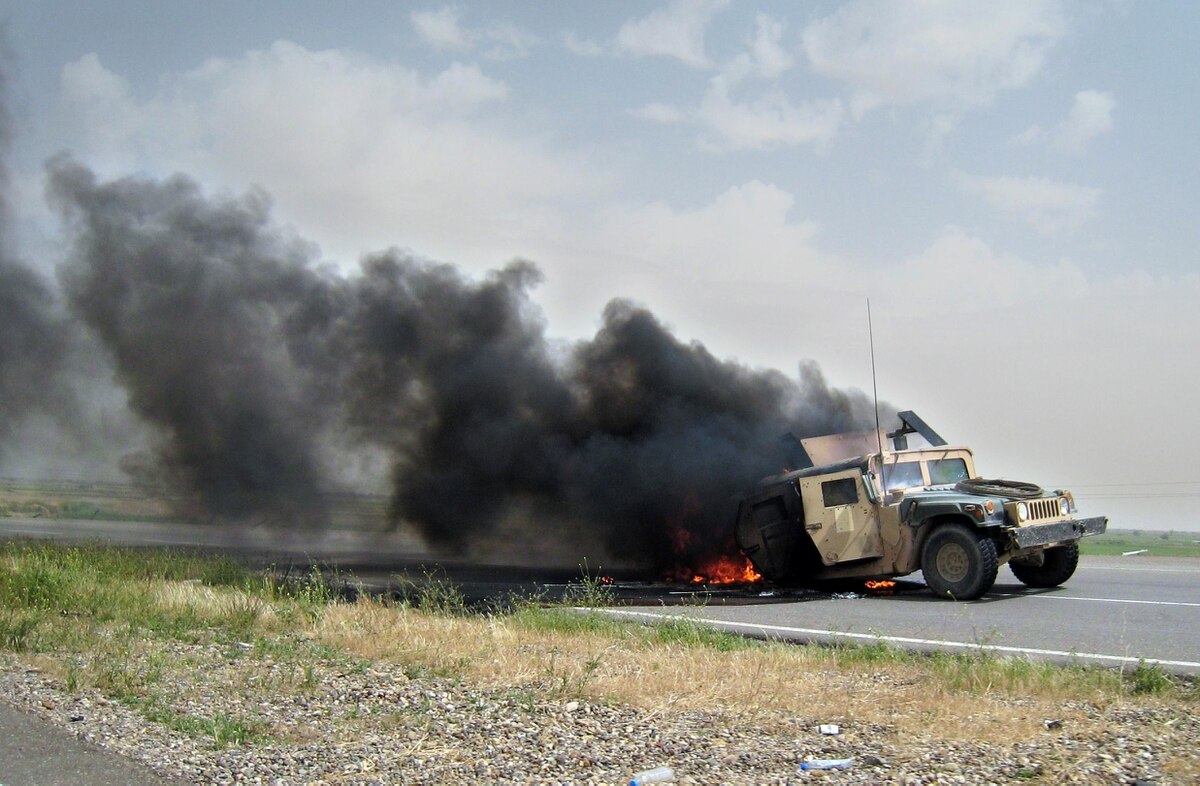
70 High Mobility Multipurpose Wheeled Vehicles (HMMWVs) and other vehicles;
Secure communications, electronic warfare detection systems, body armor, helmets, and other tactical gear;
Military medical equipment to support treatment and combat evacuation;
Explosive ordnance disposal and demining equipment; and
Satellite imagery and analysis capability.
In addition to the U.S.-produced short-range air defense systems the Ukrainians have been using to great effect, the United States has also identified and is helping the Ukrainians acquire additional, longer-range systems on which Ukraine’s forces are already trained, as well as additional munitions for those systems. The US Congress also recently approved sending $ 13 billion and $ 600 million in military aid to Ukraine.
In recent days, with the widespread distribution of weapons donated by Westerners to Ukrainian forces, we are witnessing a slowdown in the advance of the Russian army in various areas of the conflict. Published videos and pictures of battle scenes show that almost every Ukrainian soldier carries an anti-tank weapon! This has led to an increase in Russian military casualties. The Ukrainian military also uses satellite imagery and the use of drones to identify the location or gathering of Russian military forces and equipment, and inflicts heavy casualties on Russian troops. Increased Western arms supplies to Ukraine could make it even more difficult for Russian forces in Ukraine, and the Ukrainian military could ground the Russian military with the proper use of new weapons.