As a result of an attack by an unknown armed person on the convoy carrying Imran Khan, the former Prime Minister of Pakistan, in the rally of his supporters in the city of Wazirabad, located in the province of Punjab, one person was killed and 9 people were injured.
According to local media, the attacker was arrested by the security forces and Imran Khan was also shot in the leg. Imran Khan has been transferred to the hospital to continue his treatment. Shehbaz Sharif, the Prime Minister of Pakistan, has also condemned this assassination and called it a heinous and cowardly act.
Following the uncertainty of the date of Pakistan’s national elections, Imran Khan has called his supporters to mass rallies and demonstrations, and this decision has become a challenge for Shehbaz Sharif’s government. This endless debate has caused Imran Khan’s supporting media to hold Shehbaz Sharif and the US intelligence agencies responsible for his assassination and livelihood problems.
Shooting at Imran Khan among his supporters in Wazirabad cityThe arrest of the attacker by Pakistani security forces and his beating by Imran Khan’s supportersThe presence of Imran Khan with a wounded leg in the crowd of his fansTransferring Imran Khan to the hospital
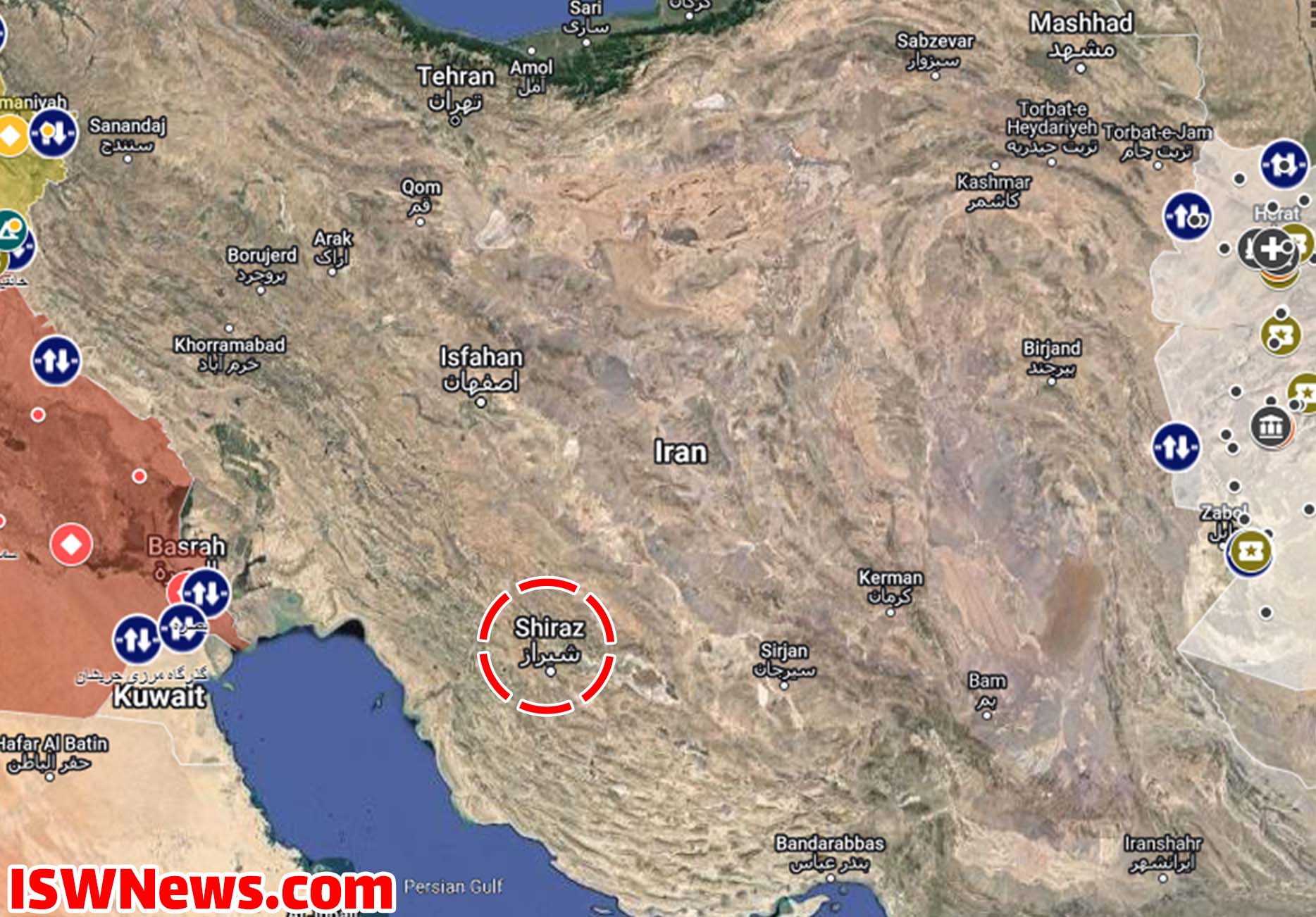
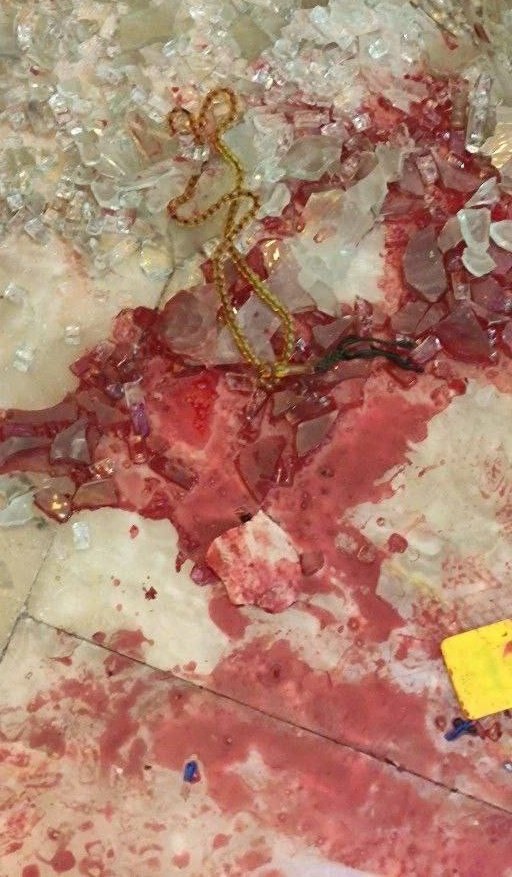
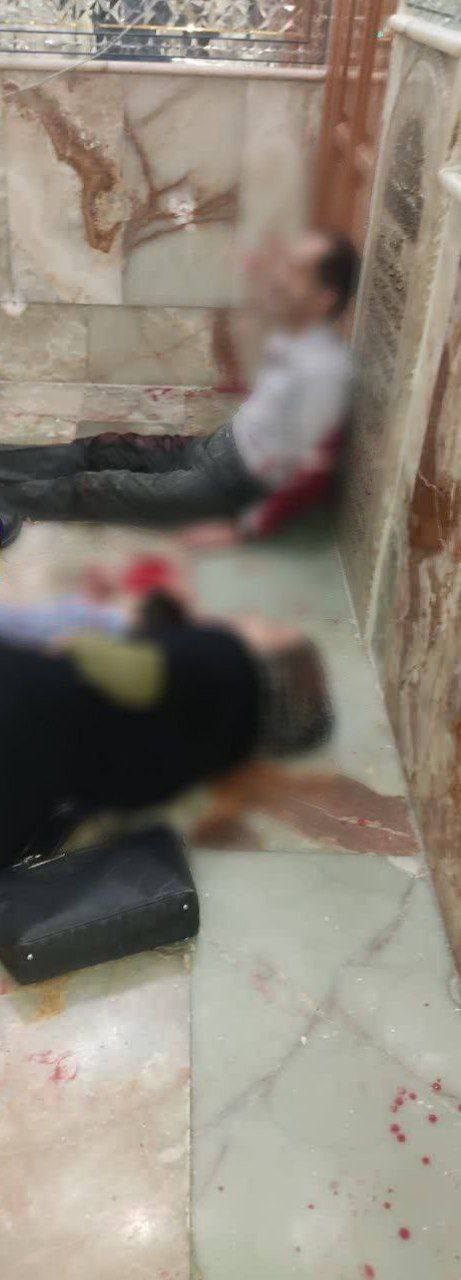
According to the initial statements of the authorities of Fars province, three gunmen entered the shrine area at 17:42 on Wednesday and shot at the shrine attendants and pilgrims.
A few hours later, the ISIS terrorist group released a statement and contrary to the statements of the authorities of Fars province, announced that this attack was carried out by an armed person who had a history of participating in the terrorist attack on the parade of the Iranian armed forces on September 22, 2018 in Ahvaz.
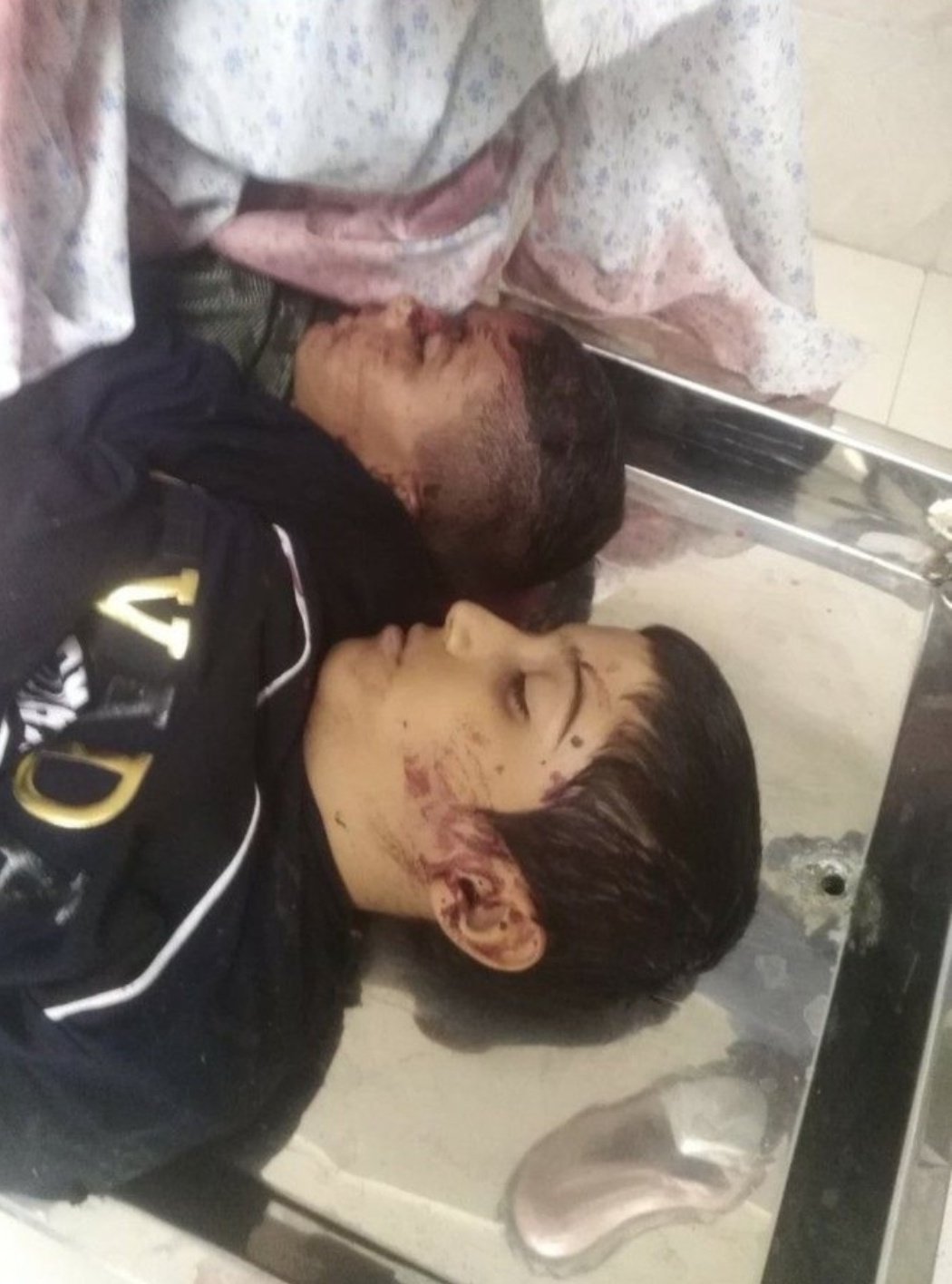
According to the available information, the perpetrator of this attack was a foreign national residing in Iran and after being arrested by the security forces, he was taken to a hospital in Shiraz for treatment. But despite the efforts of the medical team to keep him alive, he died due to the severity of his injuries.
The spokesperson of Iran’s emergency department stated that 13 people have been martyred in this terrorist attack. It was also reported that the condition of two of the wounded was critical, and with the martyrdom of these two people on the morning of October 27, the number of martyrs increased to 15.
Following the terrorist attack, the presidents and officials of different countries, including “Vladimir Putin” the President of Russia, “Antonio Guterres” the Secretary General of the United Nations, Sultan “Haitham bin Tariq Al Said” the King of Oman, “Raja Pervaiz Ashraf” The Speaker of the National Assembly of Pakistan, Muhammad Ali Al-Houthi, the Chairman of the Yemeni Revolutionary Committee, Qais Khazali and Ammar Hakim, leaders of the Iraqi groups and the Foreign Ministry of Syria, Armenia and the Republic of Azerbaijan issued a statement and sent a message of condolence, condemning this terrorist act and expressed their sympathy with the people of Iran.
Shah-e-Cheragh (the shrine of the Lord of Light) is a funerary monument and mosque located in the city of Shiraz, where lies the tomb of Sayyed Mir Ahmad and his brother, Sayyed Mir Mohammad, the sons of the seventh Imam and brothers of the eighth Shiite imam, Imam Reza (AS).
CCTV footage of ISIS terrorist attack on Shah-e-Cheragh Shrine in ShirazImages of the terrorist attack on the sacred shrine of Hazrat Shahcheragh (AS) in Shiraz
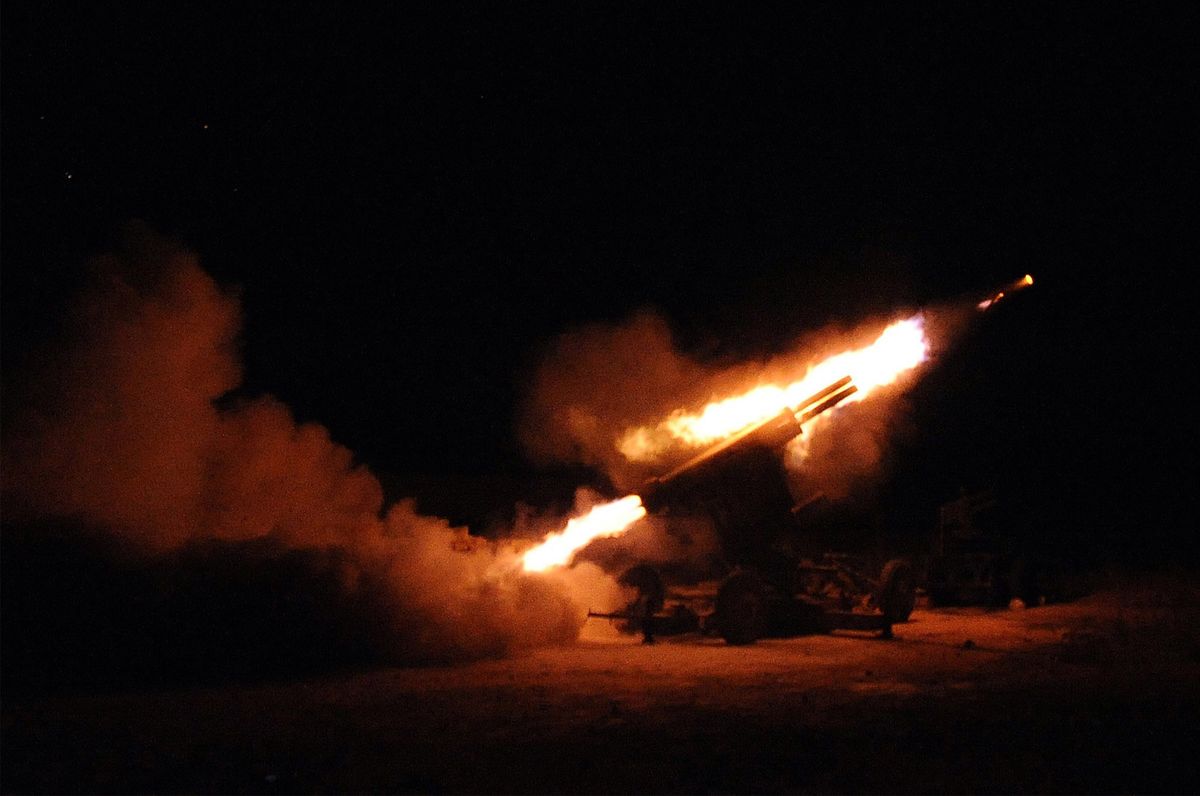
Around 02:30 local time on October 4, unknown armed elements attacked the headquarters of Hashd al-Shaabi (PMU) in al-Tanouma area of Basra city. During this attack, 14 Katyusha rockets hit near the presidential palace complex in Basra.
This conflict ended around 05:30 in the morning and the attackers were forced to retreat after the resistance of Hashd al-Shaabi forces. So far, no report has been published about possible casualties and damages caused by this attack.
In this regard, a high-ranking security delegation headed by Abdul Amir Rashid Yarallah, Chief of the General Staff of the Army and Abdul Amir Al Shammari, Deputy Commander of the Iraqi Joint Operations Headquarters, entered this province to investigate the recent security events in Basra. During this visit, the Chief of General Staff of the Iraqi Army, in order to increase the security factor of Basra province, ordered that a brigade of the Iraqi army be sent to Basra province.
So far, no group has claimed responsibility for the attack on the Hashd al-Shaabi headquarters in Basra, but some sources have named the Saraya al-Salam militants, affiliated with the Iraqi Sadr Movement, as the main culprits of this attack.
A video of the attack on Hashd al-Shaabi headquarters in Basra
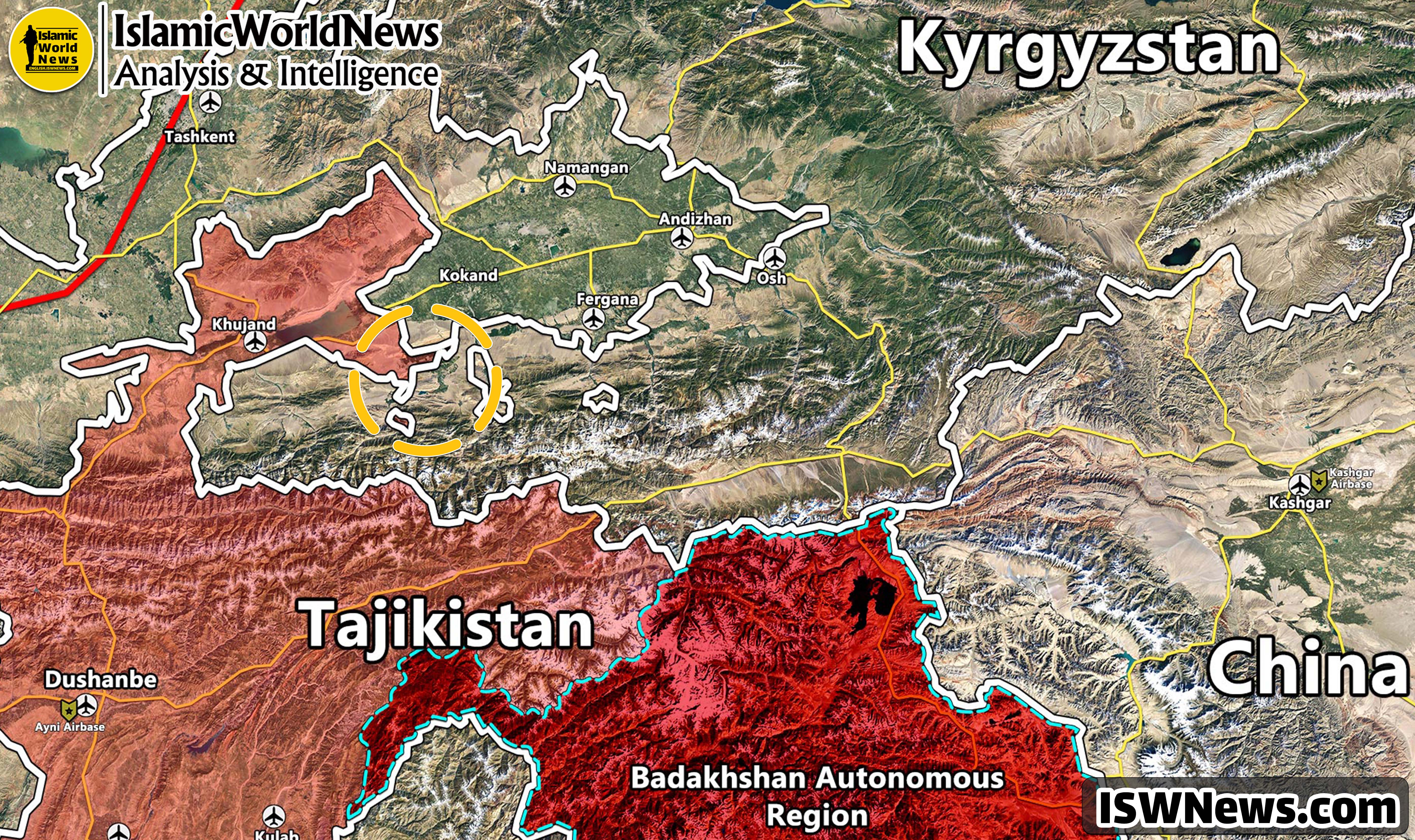
Following the warning of the Kyrgyz border guards to the Tajik soldiers to leave the disputed area, the border conflict has started on Wednesday, 14 September, near the border station and seven border villages located in Badkand province. These clashes have resulted in the death of two Tajik servicemen and the wounding of three Tajiks and 11 Kyrgyz.
At present, with the establishment of diplomatic contact between the two sides, the conflicts have stopped and the governors of the two border provinces of Sughd (Tajikistan) and Batken (Kyrgyzstan) are scheduled to meet and discuss with each other to resolve the border tension.
The countries of Tajikistan and Kyrgyzstan share more than 970 kilometers of borders with each other, most of which were marked after the collapse of the Soviet Union. The lack of identification of about 30% of the borders of the two countries, which have water resources and vast lands, has led to numerous conflicts between the two countries in recent years. These conflicts are stopped each time with the mediation of Russia and other countries in the region, and resume again due to the failure of the parties negotiations.
Border conflict between Kyrgyz and Tajikistan border guardsBorder conflict between Kyrgyz and Tajikistan border guardsBorder conflict between Kyrgyz and Tajikistan border guards
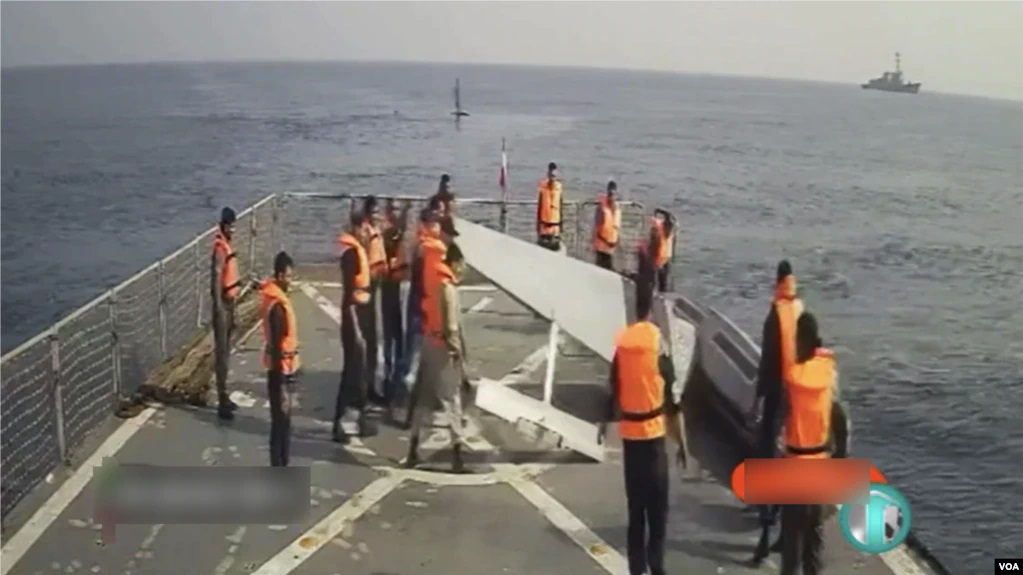
According to Iranian officials, the navigational communication of this unmanned vessel with the control center was cut off and the IRGC seized it with the aim of securing the shipping route in the Persian Gulf and finally with the presence of the US frigate USS Thunderbolt in the area and being justified by security issues and safe navigation, the US drone was released.
Although it is said that the “navigational system failure” is the main reason for its seizure by the IRGC Navy, however, it seems that the navigational communications of this vessel were cut off by the IRGC electronic warfare and then, in a clever move, this valuable asset was seized.
It is important to mention that the United States Fifth Fleet has deployed a new task force known as Task Force 59 since last year with the aim of integrate unmanned systems and artificial intelligence in the West Asia region. Rapid integration of advanced unmanned systems with maritime and coastal operations in areas under the control of the US 5th Fleet, including the Persian Gulf, the Strait of Hormuz, the Sea of Oman, the Strait of Bab al-Mandab, the Red Sea, the Suez Canal and parts of the Indian Ocean, are among the main tasks of this group.
The main purpose of the entry of unmanned vessels or so-called “sea drone” of the United States into the Persian Gulf is to increase the combat power and naval deterrence with low-risk for the American Navy in the southern waters of Iran. Sea drones on surface or below surface can provide many valuable capabilities. These capabilities are especially important in the shallow waters of the Persian Gulf to deal with Iran’s mine warfare systems, small submarines, and fast boats.
As a result, the presence of these systems in the Persian Gulf has a series of risks and also a series of benefits for Iran! Capturing the advanced and required examples of American unmanned vessels will obviously have a significant impact on the completion of the unfinished projects of Iranian unmanned vessels, and Iran’s upper hand in the waters of the Persian Gulf will be maintained.
Release footage of US sea drone by the IRGC in the Persian Gulf
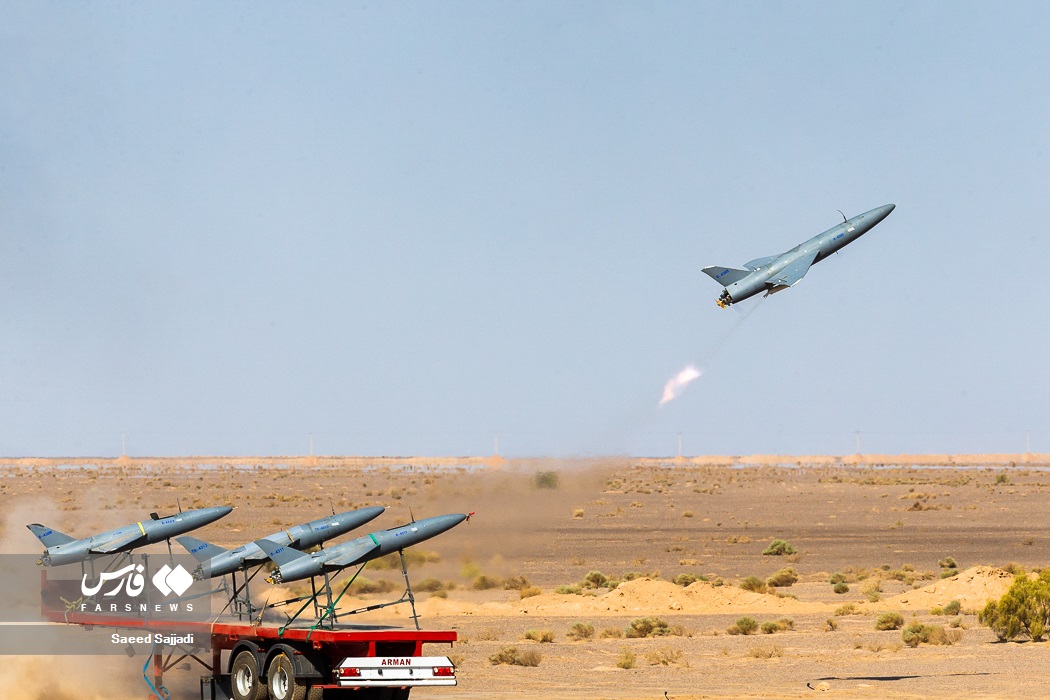
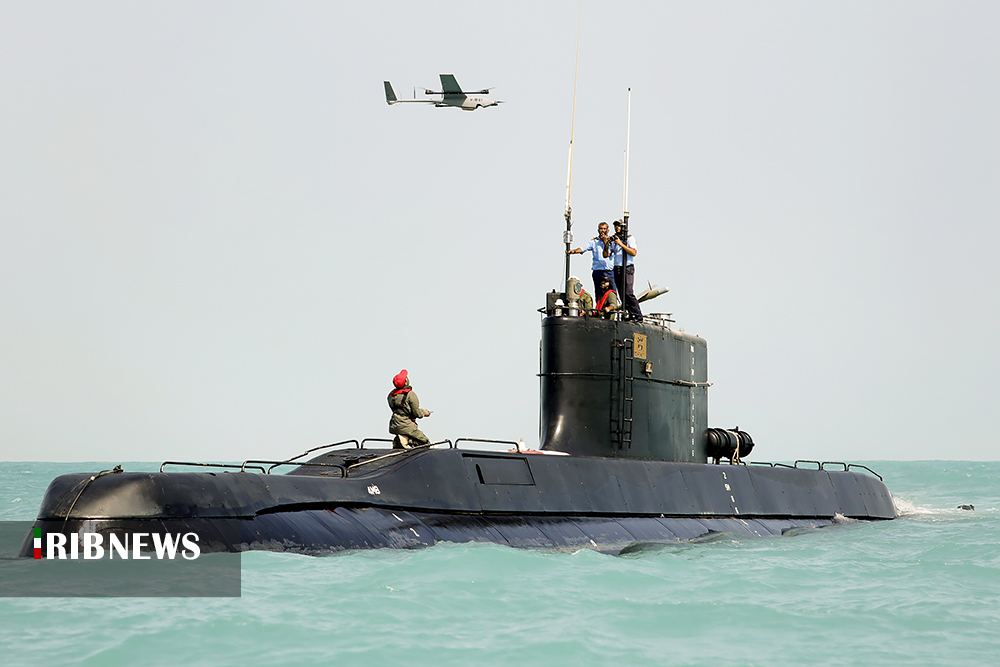
On August 24, the 1401 joint drone exercise of the Islamic Republic of Iran Army began with the presence of the Army’s Ground Force, Navy, Air Force and Air Defense Force in the north, south, west and center of the country and with the participation of more than 150 drones.
On the first day of this exercise, the surveillance and reconnaissance drones successfully performed the operation of monitoring the country’s borders and identifying the desired targets in the general area of the exercise.
According to Rear Admiral Seyed Mahmoud Mousavi, the spokesman of the joint military drone exercise, the Yasir, Sadeq, Pelikan, Ababil 3, Yazdan and Mohajer 6 drones were sent to identify targets and also to monitor the desired areas on the borders and international waters.
Iran Army’s 1401 joint drone exercise
In the continuation of the main stage and on the second day of this exercise, Kaman, Mohajer and Ababil drones, using indigenous accurate and pinpoint weapons, including Qaem bombs, Almas missiles and MK-82 bombs, targeted the simulated positions of enemy like the command and control centers, fuel tanks, ammunition dumps, radar and missile systems and gathering places with high accuracy.
Iranian military experts and technicians have in recent years made substantial headways in manufacturing a broad range of indigenous equipment, making the armed forces self-sufficient in the arms sphere.
Iranian officials have repeatedly underscored that the country will not hesitate to strengthen its military capabilities, including its missile power, which are entirely meant for defense, and that Iran’s defense capabilities will be never subject to negotiations.
Images of the Iran Army’s 1401 joint drone exerciseIran Army’s 1401 joint drone exercise
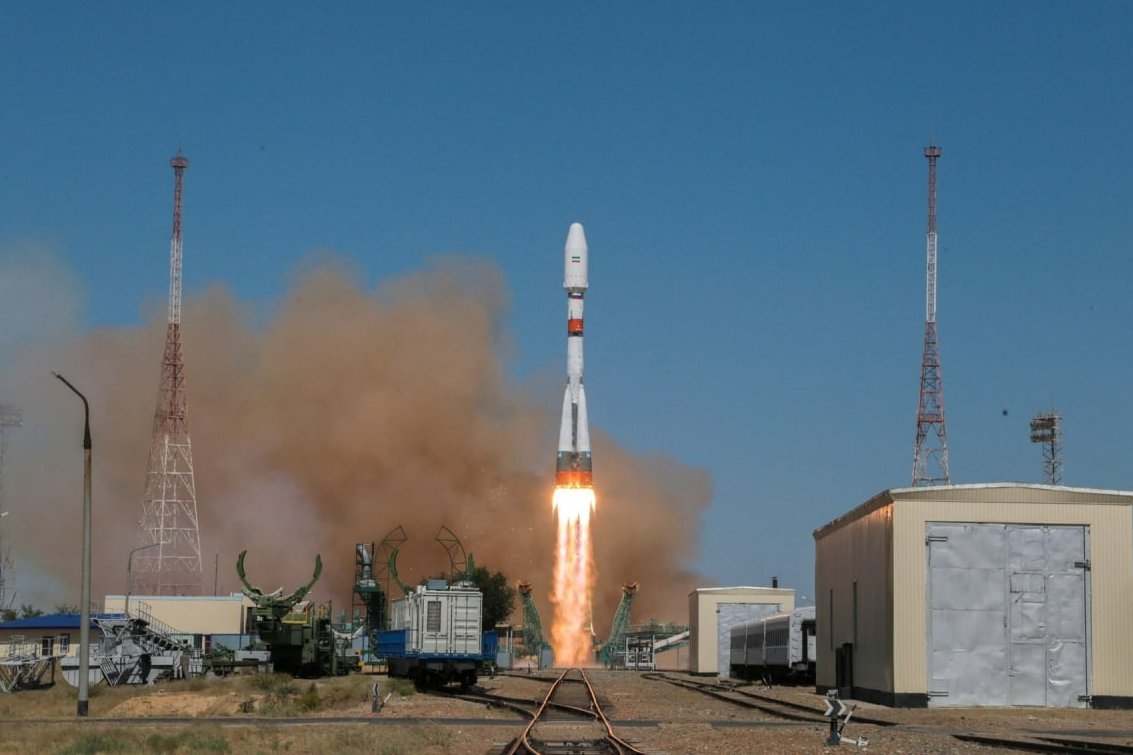
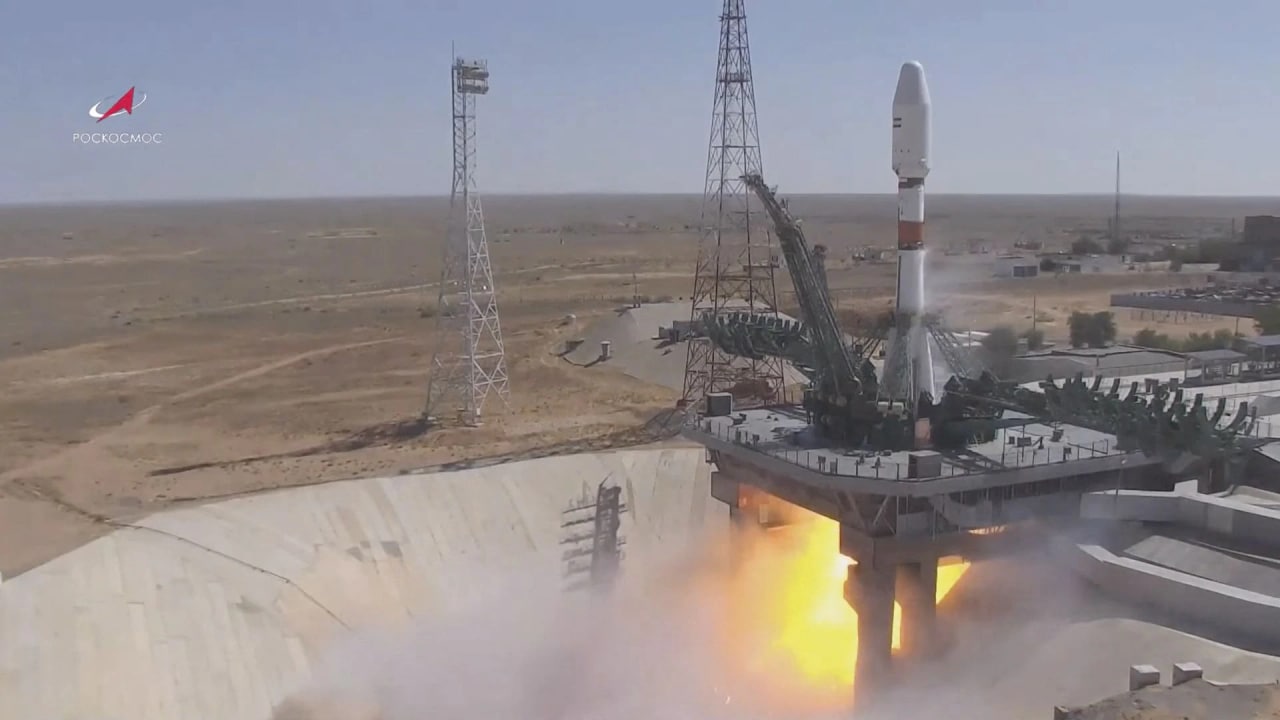
Khayyam satellite was launched by a Russian Soyuz rocket from the Baikonur Cosmodrom in Kazakhstan on the morning of August 9 and successfully placed in a 500 km orbit. It should be noted that the Soyuz launcher has had the largest number of successful space missions among the launchers of different countries in the world.
According to the officials of the Iranian Space Agency, the Khayyam satellite is a non-military satellite that is under the control and operation of the Islamic Republic of Iran. The order for the construction of this satellite was given in 2018 by the Iranian Space Agency (ISA). The name of its manufacturer or manufacturers has not been officially announced. The guidance and control of this satellite will be done through ground stations in Iran and its information and data will be sent to these stations. Khayyam satellite is capable of imaging with an accuracy of one meter. The imaging accuracy of one meter will make this satellite the highest quality Iranian satellite.
Khayyam satellite launch by Soyuz rocket
Productivity improvement in the field of agriculture, accurate monitoring of water resources, managing natural risks, monitoring repurposing changes, unauthorized constructions and fighting deforestation, monitoring of environmental risks, monitoring of mines and mineral discoveries and monitoring borders, are among the applications of data received from Khayyam’s satellite.
Iranian Zuljanah satellite carrier has the possibility of sending a satellite with a weight of 220 kg in an orbit of 500 km, but the weight of the Khayyam satellite is 600 kg (unofficially) and its injection height is more than 500 km. Therefore, the Zuljanah satellite carrier was not able to perform this mission and the Soyuz launcher was used. Zuljanah launcher has two successful injections of Noor 1 and Noor 2 military satellites in its portfolio.
The first telemetry data of Khayyam satellite has been received at Mahdasht station after hours of launch. The operating height of the satellite is fixed at 500 km and its life will be about 5 years. This satellite operates in the Leo orbit (160 to 2000 km) and due to receiving the signal over Iran, the rumor of using this satellite in Ukraine is completely ruled out. According to the work schedule, the Khayyam satellite will make four passes over Iran every 24 hours.
According to Iranian officials, Iranian Space Agency plans to develop domestic capabilities in the field of building and launching satellites needed by the country and develop the relevant ground stations, and continue to meet the current needs of the country in the field of providing satellite data through advanced scientific and technological cooperation with the leading countries in the space industry. In addition to meeting the needs of the country, by transferring knowledge and experience, accelerate the Indigenization of space technology in the country.
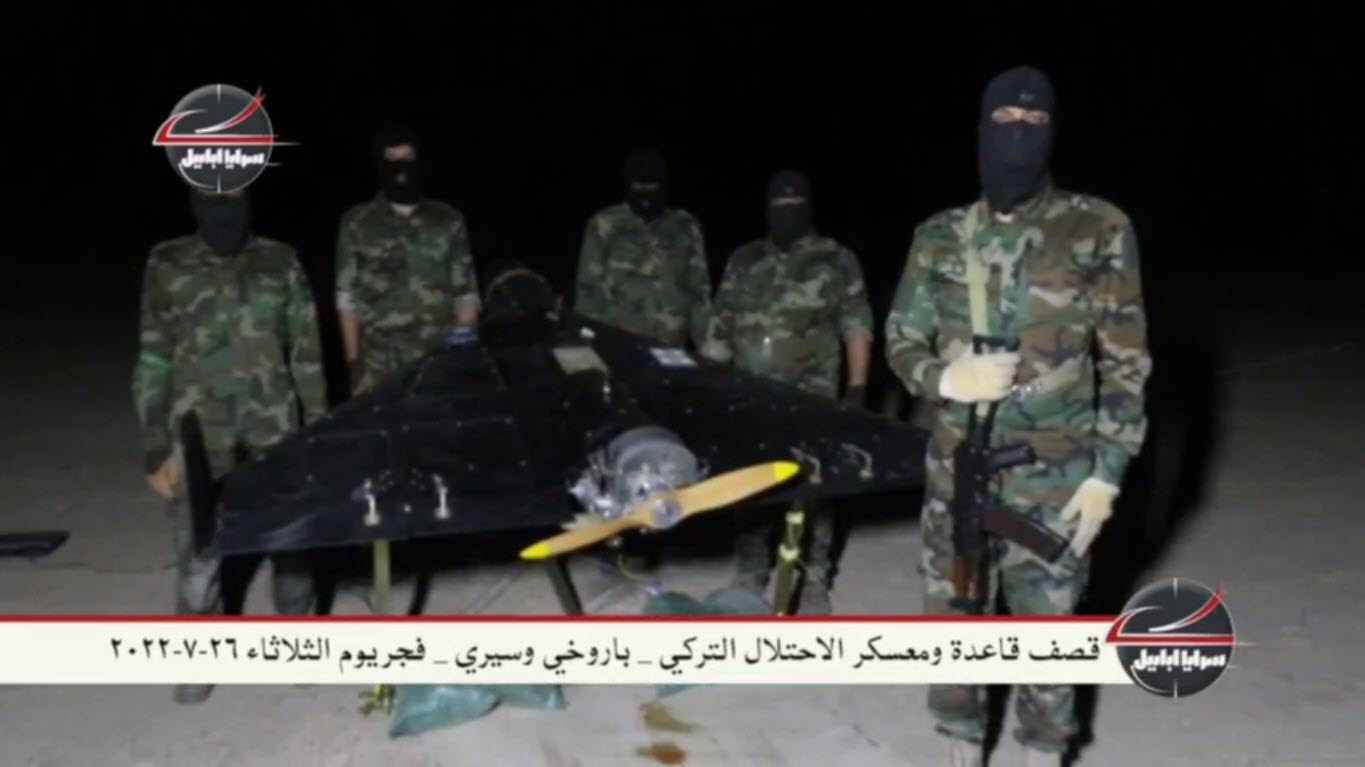
In the early hours of July 26, the Saraya Ababil resistance group attacked two military bases belonging to Turkish Army in the Barukhe and Siriye areas in northern Iraq, using the “Murad 6” suicide drones. Saraya Ababil group announced that these attacks were carried out in response to the Turkish army’s artillery attack on Dohuk province which killed and injured 31 tourists.
An interesting point to note is the type of drones used by this group to attack the Turkish army bases in northern Iraq. Murad-6 drones are very similar to Iranian “Shahed 136” and the Yemeni “Waid” suicide drones.
Murad-6, Shahed 136 and Waid drones
This is the third official operation of the Saraya Ababil resistance group. Earlier, during two operations on January 3 and 5, 2022, this group targeted the positions of US forces at Camp Victory near Baghdad International Airport with several drones and rockets.
Two days ago on July 22 also the Ahrar al-Iraq resistance group attacked Turkish Bashiqa military base with 14 rockets.
After Turkey’s attack on northern Iraq last week, which killed and injured a large number of Iraqi civilians, Iraqi groups’ rocket and drone attacks against the Turkish army have increased dramatically.
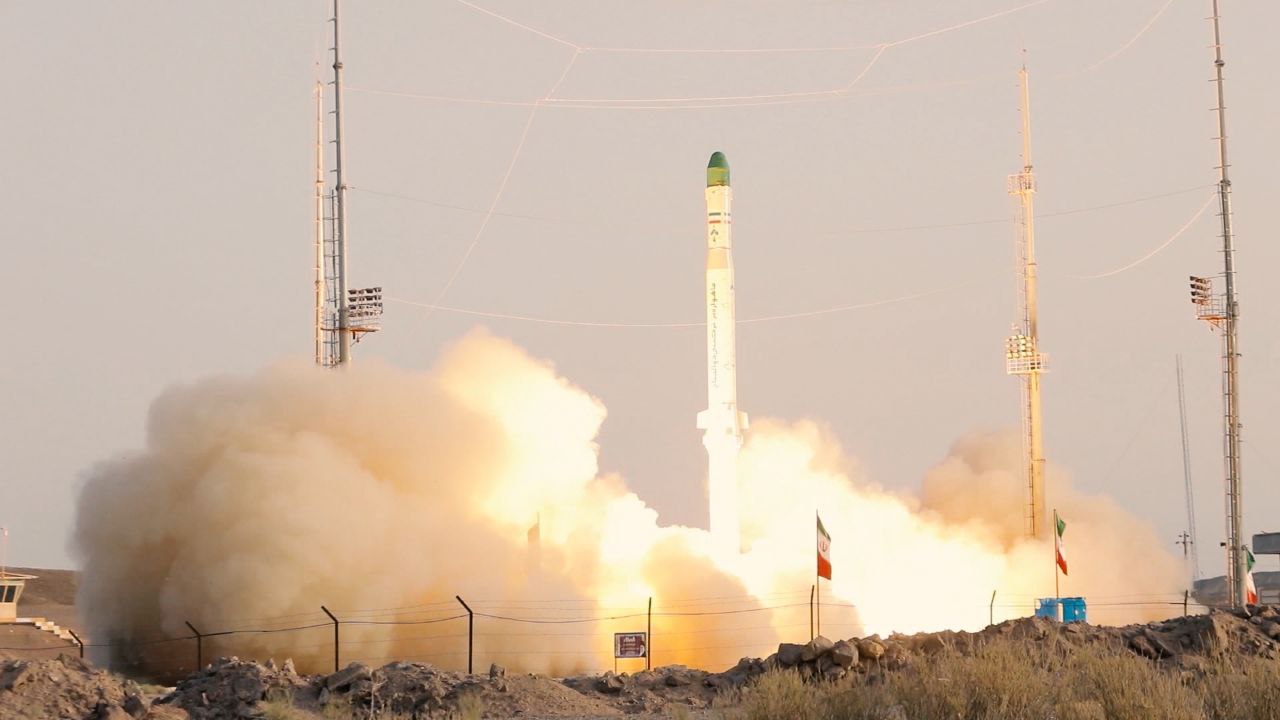
According to Ahmad Hosseini, spokesman for the Ministry of Defense of the Islamic Republic of Iran, the Zuljanah satellite carrier is in three phases. This satellite carrier has two phases of solid propulsion and one phase with liquid propulsion and its launch has been done with the purpose of suborbital. Also, the third phase of the development of this satellite carrier has started by using the information obtained from this launch.
The first launch of Zuljanah satellite carrier was made on February 1, 2021 from the Semnan Space Center. The main mission of this satellite carrier is to place a satellite with a weight of about 220 kg or 10 lighter satellites with a weight of 20 kg into 500 km orbit. The length of Zuljanah is 25.5 meters, its diameter is 1.5 meters and its weight is 52 tons. After Safir and Simorgh satellite carriers, Zuljanah is the third Iranian non-military satellite made in the country. Due to its agility and low preparation time, Zuljanah is mentioned by some western experts as the first subcontinent missile of Iran!
Iran’s satellite program, like other Iranian indigenous capabilities, has always been criticized by Western countries, especially the United States, for alleged violating UN Security Council resolutions. They see Iran’s advances in the field of Aerospace Science as a significant concern for the proliferation of nuclear weapons!
The hacking group ‘Moses Staff’ shared a zip file of Israeli regime electricity network information and released a video in both English and Hebrew stating that “This is just the beginning. From now on, you will suffer irreparable damage. We will punish you. The goal is clear, definite and precise. This is only a small part of our access to your power grid … You will soon be in the dark.”
Moses staff hackers had previously obtained and released other classified documents, including personal information of the Israeli military, financial statements, etc., by cyber attacks on Israeli regime’s infrastructure.
In November 2021, Moses Staff released a trove of files containing the details of hundreds of members of the Israeli military, as well as personal pictures of Benny Gantz, the Israeli Defense Minister. They also hacked into Israel’s systems on November 14th and released 22 TB of 3D map of the occupied territories with an accuracy of 5 cm and profiles of dozens of the IDF’s 8200 secret unit.
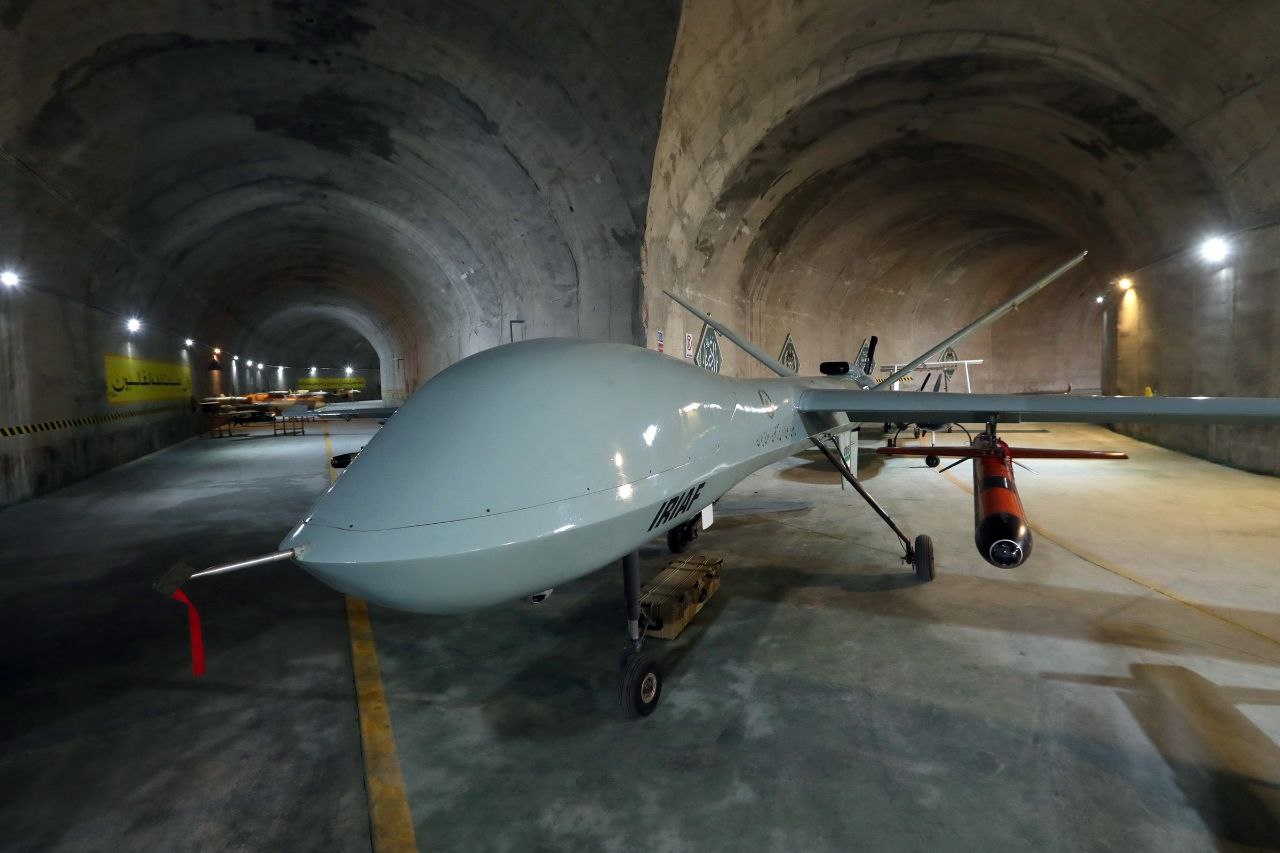
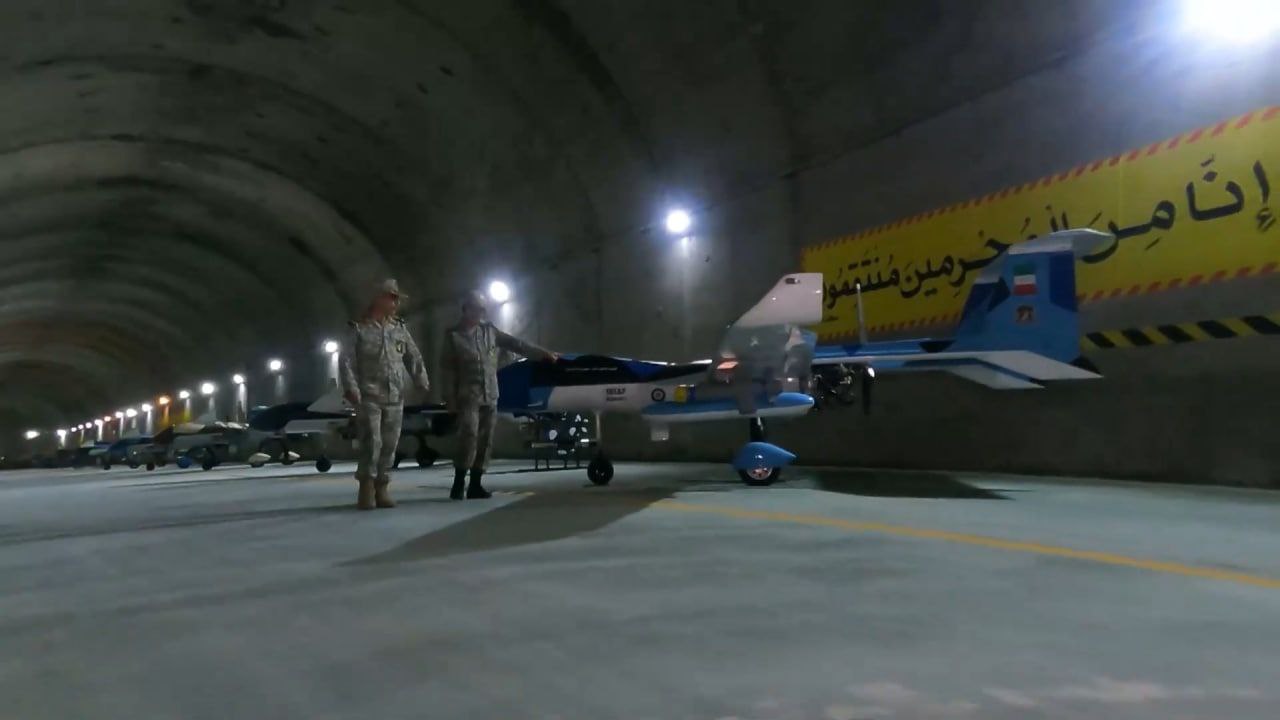
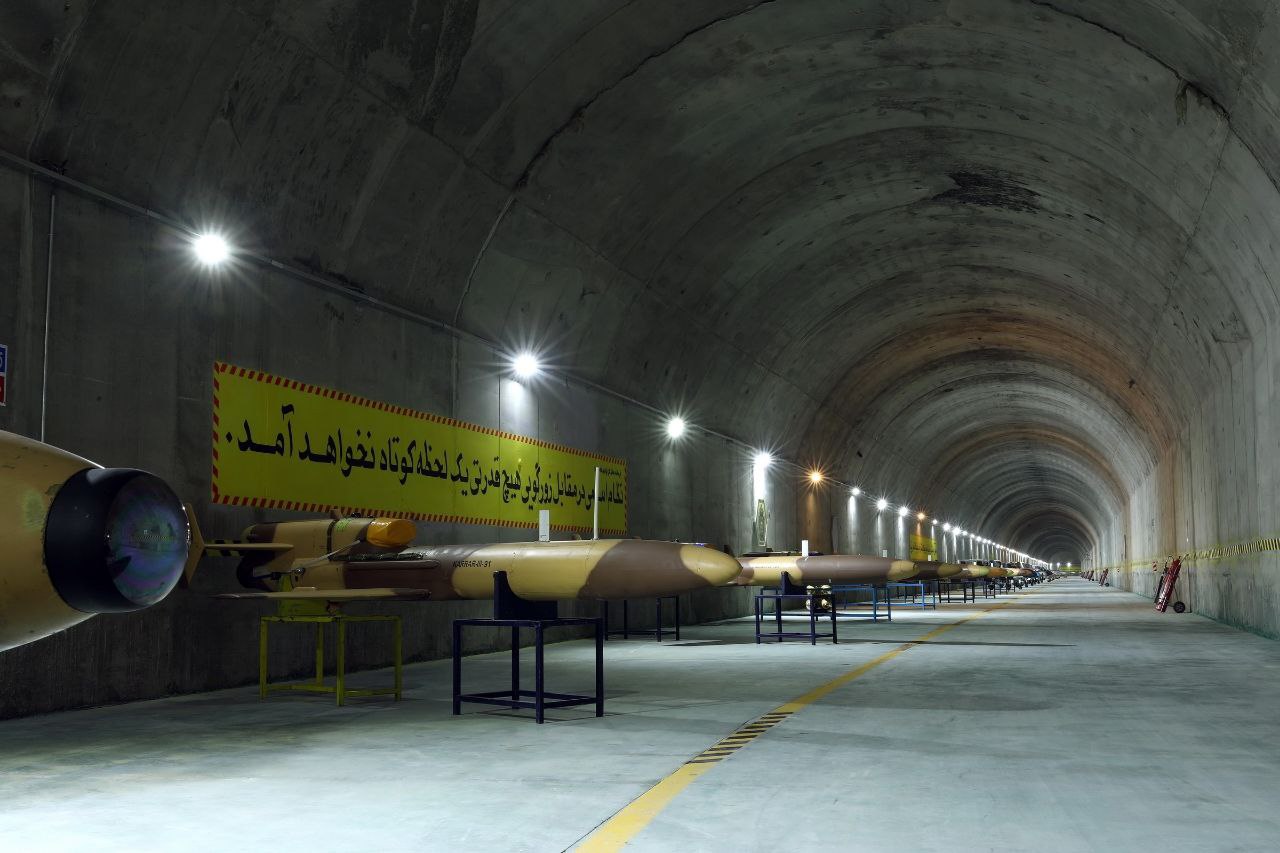
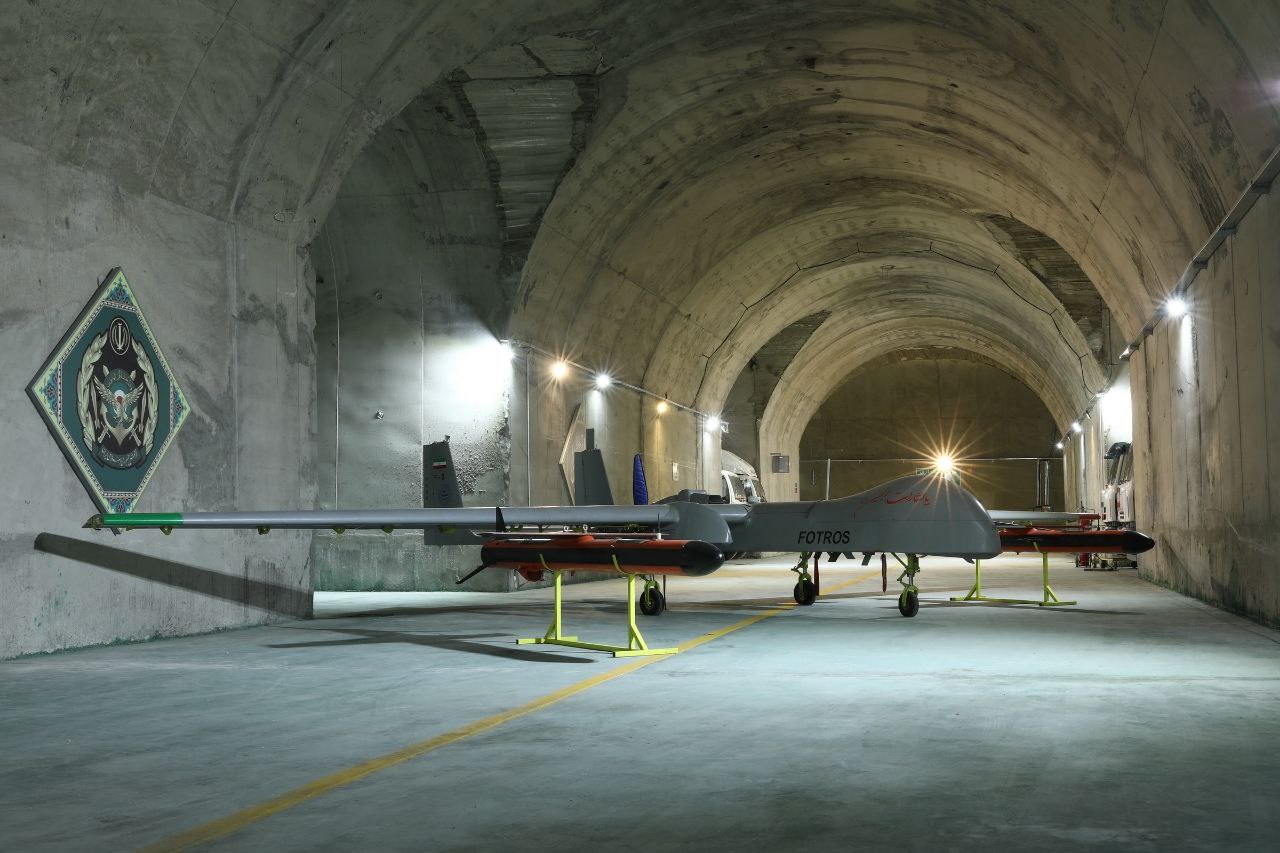
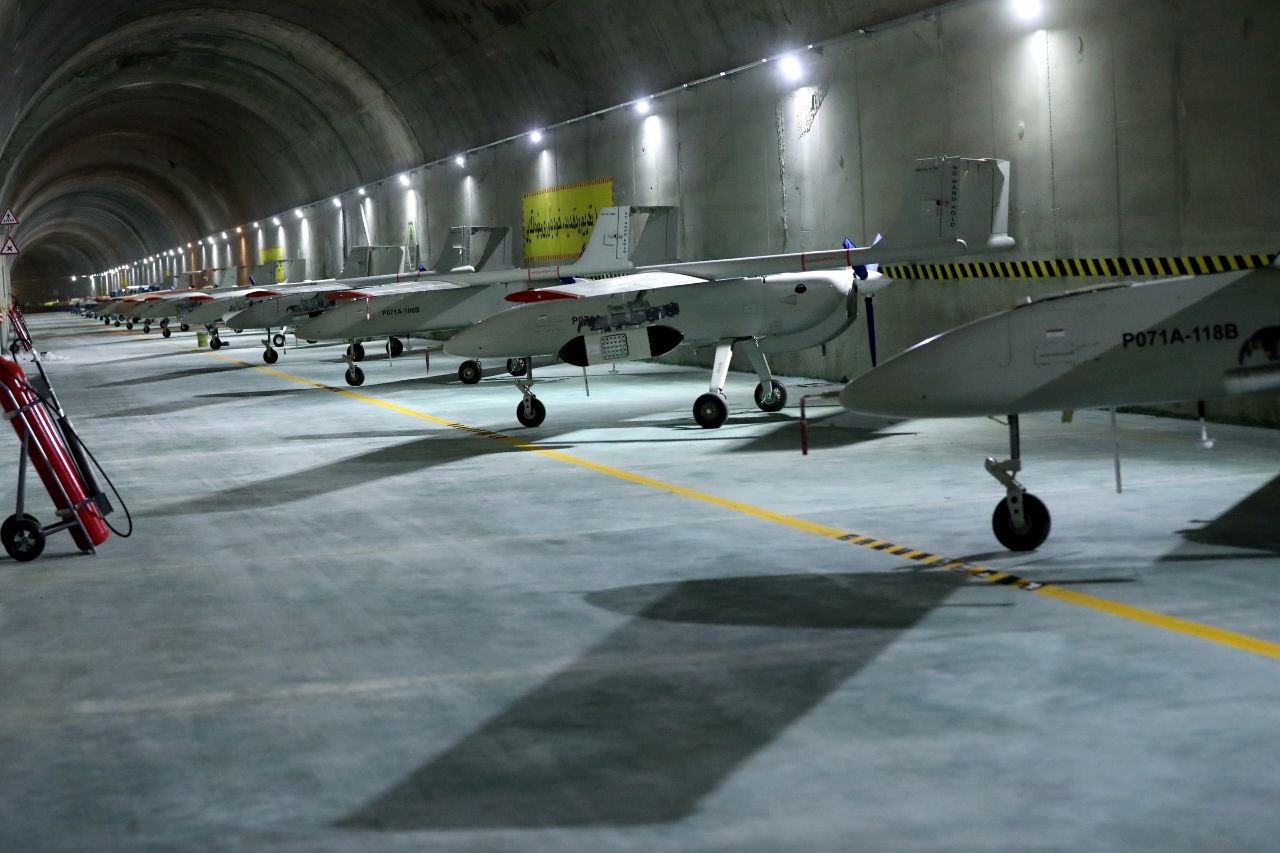
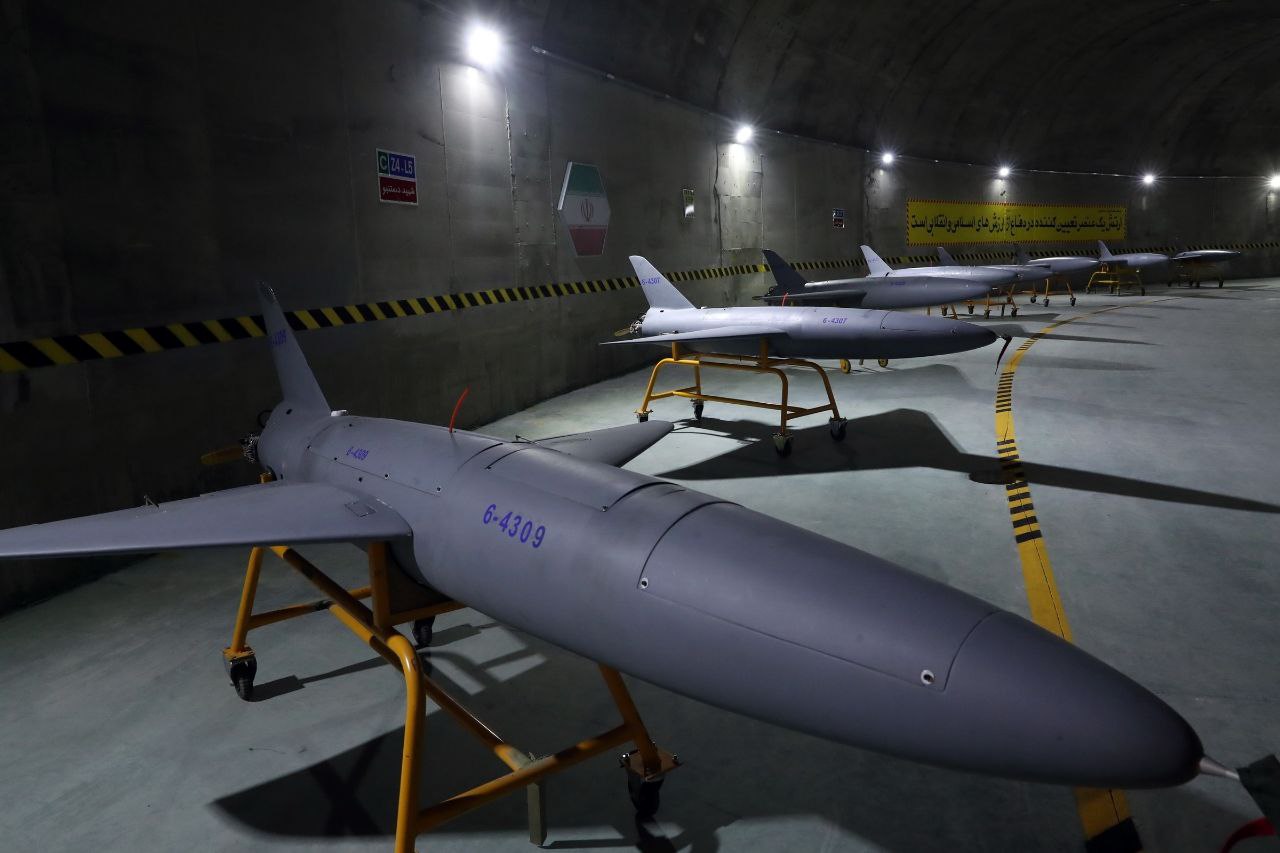
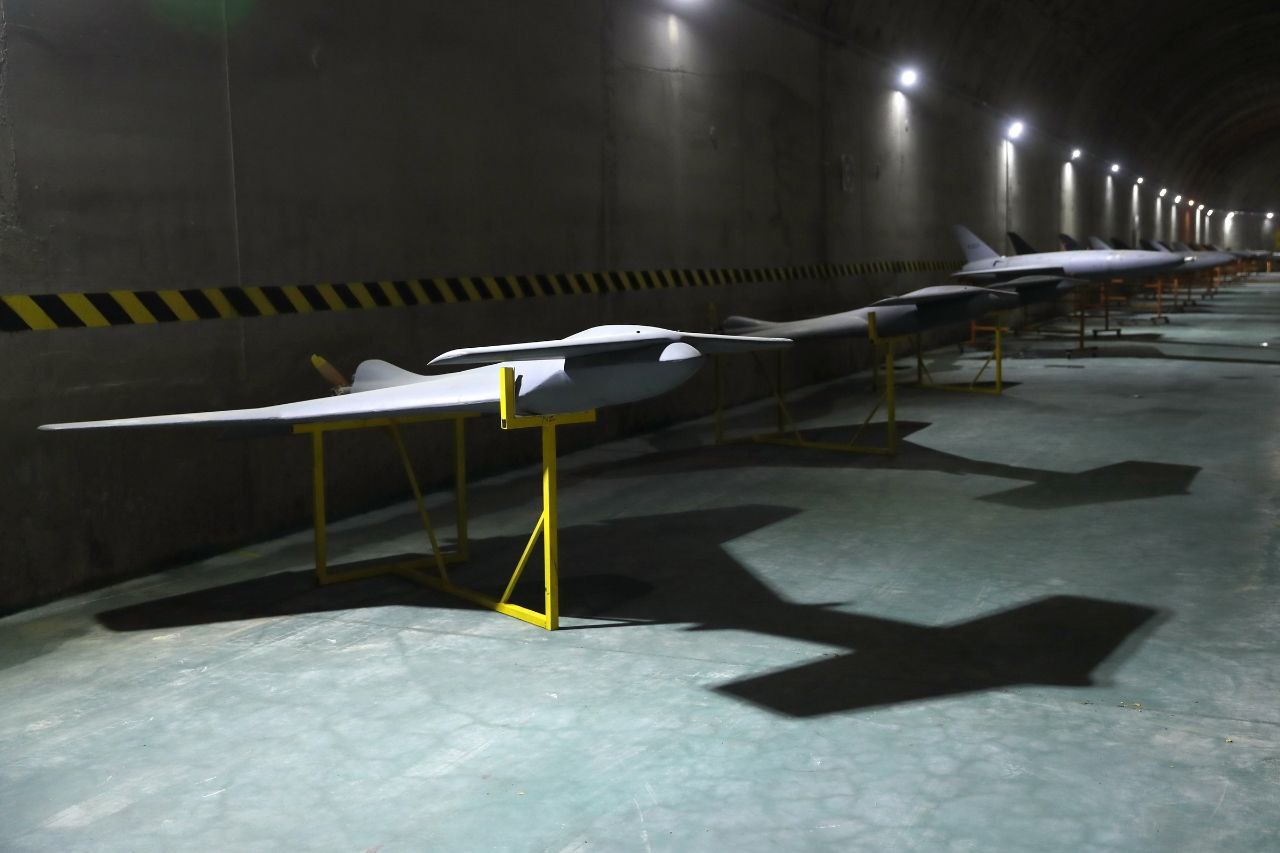
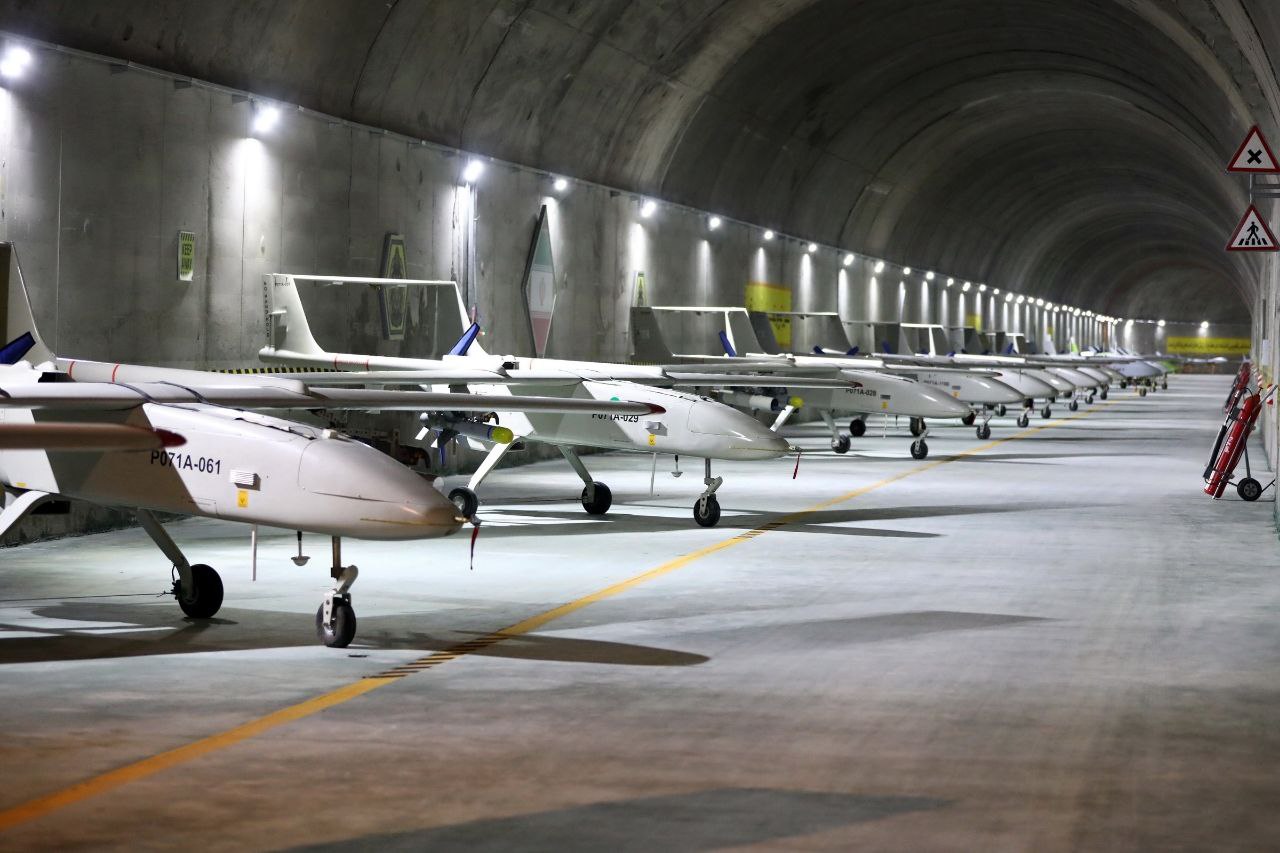
According to Iranian military officials, “this strategic base has all kinds of Iranian combat, reconnaissance and suicide drones, armed with indigenous missile and bomb systems and electronic warfare systems. More than 100 Kaman-22, Kaman-12, Ababil-5, Mohajer-6, Fotros and Karrar drones equipped with all kinds of ammunition are stationed in this base. Also, Arash suicide drone and Omid anti-radar drones and various combat drones equipped with Balaban and Ghaem guided smart bombs, Shafagh laser-guided missiles and Almas missiles are stationed at this base and are ready to carry out operations.”
In this visit, other new achievements of the Army, such as “Heidar 1 missile” to increase the range and carry out long-distance operations by Kaman-22 drone and “Heidar 2 cruise missile” to increase the range and operational capacity of drones that can carry cruise missiles, were unveiled.
It is noteworthy that the Air Force of the Islamic Republic of Iran is one of the four separate service branches of the Iranian Army, which has several combat drone battalions. These battalions have the ability to carry out all kinds of reconnaissance, combat, electronic warfare, deception, suicide, training, support and supplementary operations with fighter jets.
Iranian drones in the underground Strategic Drone Base 313Video report of Major General Bagheri’s visit to the underground “UAV Base 313” of the Islamic Republic of Iran Army