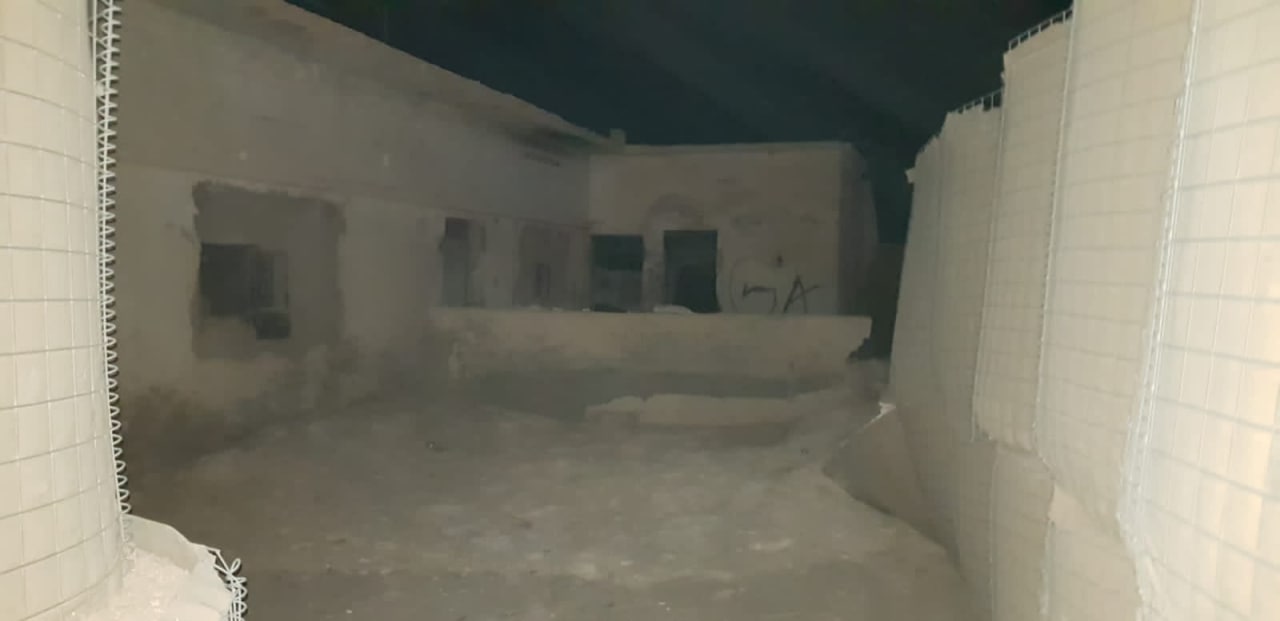
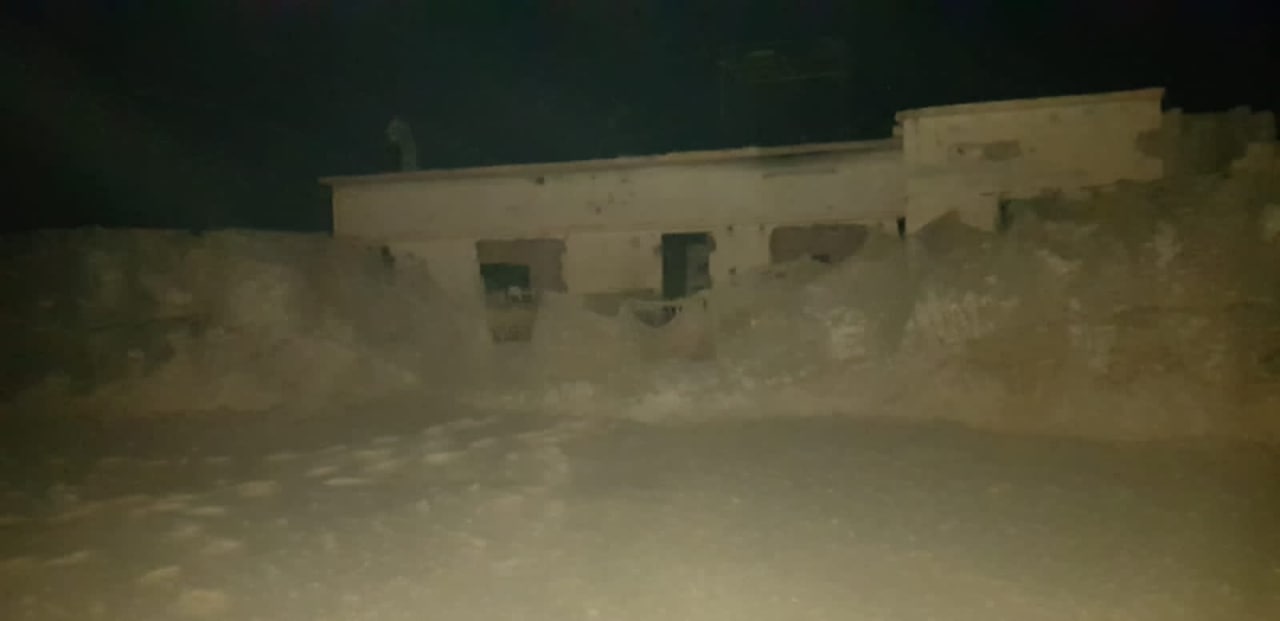
In the early hours of today, local sources reported the sound of an explosion at the Al-Tanf base belonging to the American military. Minutes later, it became clear that the positions of the “Maghawir al-Thawra” militants at this base had been targeted by several suicide drones.
Maghawir al-Thawra confirmed the drone attack on Al-Tanf base, stating that the attack resulted in material damage.
The Al Tanf area in southeastern Syria has been occupied by US forces for years, and Syrian Army and resistance forces are not allowed to approach within a 55-kilometer radius of the area. (Online map)
The American-Israeli computer company Checkpoint has claimed that Iranian hackers hacked into the email accounts of former Israeli officials and carried out targeted phishing attacks against politicians. Some of the people targeted by the hackers are well-known Israeli figures, including former Israeli Foreign Minister Tzipi Livni, an Israeli army general and former US ambassador to occupied Palestine.
The hackers are said to have infiltrated at least six months ago, using the name of this prominent Israeli army general and a number of other well-known figures to gain access to the documents and information of high-ranking Israeli officials.
In recent months, cyber attacks on the sensitive infrastructure and institutions of the Zionist regime have increased sharply. As a result of these attacks, important information was stolen by hackers, which has caused concern among Israeli security and political officials.
Once the cargo of these tankers is unloaded, the refining process will begin quickly.
Due to US sanctions against Syria, there is a shortage of fuel in the country, and Tehran is preventing a crisis in Syria by selling oil to Damascus.
In the last 10 days, the fuel crisis in Syria has risen again and has disrupted the country’s transportation system. The existing problems are expected to be resolved with the arrival of this oil shipment to Syria.
1- Aleppo: – On June 11, a Turkish army drone was spotted flying over the city of Tal Rafaat. – On June 12, the withdrawal of Russian troops from Tal Rafaat was denied by sources close to the Syrian Democratic Forces. – On June 12, the Sharava area on the outskirts of Afrin was targeted by Turkish-backed artillery. – On June 13, a joint patrol of the Russian military police and the Turkish army took place in the Ain al-Arab region.
2- Idlib: On June 11, a Syrian army soldier was killed by Turkish-backed militants on the Kafr Nubl district.
3- Daraa: – On June 10, a civilian was assassinated by unknown gunmen in the city of Inkhil. – On June 11, a Syrian soldier was killed and four others were wounded when a Syrian army vehicle was targeted in western Daraa.
4- Deir Ezzor: – On June 12, the US Coalition sent an arms and logistics convoy to its military base at the CONICO gas facility. – On June 12, an ISIS commander was arrested by SDF special forces in the village of al-Ruwayshid in the northern suburbs of Deir Ezzor.
5- Raqqa: – On June 12, Turkish-backed militants targeted the village of Malik and the M4 highway on the outskirts of Ain Issa with artillery shells. – On June 12, ISIS terrorists attacked a Syrian army checkpoint near the Wadi Abyad oil field east of Raqqa. No casualties were reported.
6- Hasakah: – On June 11, a Turkish army drone was spotted flying over the city of Tal Tamar. – On June 12, the SDF repelled an attack by Turkish-backed militants on the village of Umm al-Kif on the outskirts of Tal Tamar, forcing the militants to retreat. – On June 12, three SDF members were killed by an IED attack near the Al-Hawl area, east of Hasakah. – On June 12, three ISIS terrorists were arrested by SDF special forces near Al-Hawl camp. – On June 12, three SDF members were killed by an IED attack in the village of Al-Bahra, east of Hasakah.
7- Damascus: On June 12, a member of the Syrian Army’s engineering unit was killed while defusing a roadside bomb in the Beit al-Jinn area.
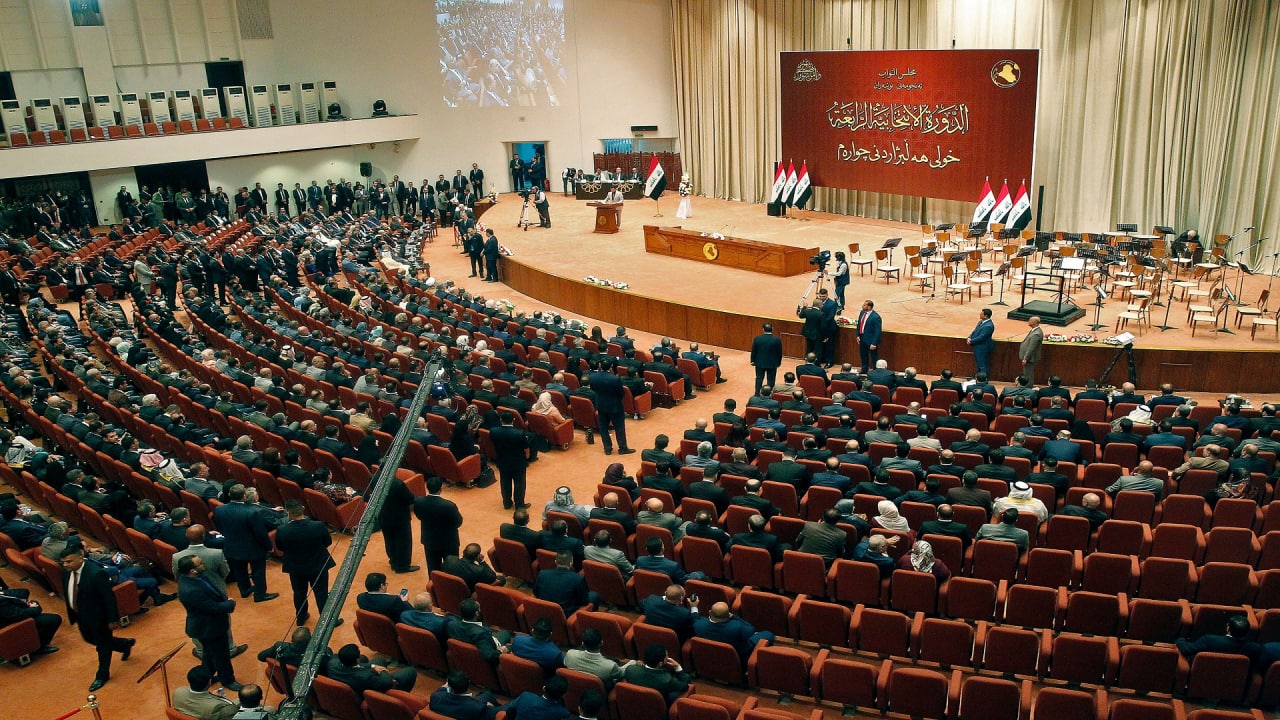
The insufficient number of seats in the Sadr faction prevented it from easily forming a new Iraqi government. The same position prompted Muqtada al-Sadr, the leader of the Sadr faction, to ask Hassan al-Azari, head of the Sadr faction in the Iraqi parliament, to submit resignation of its PMs to the parliament’s presidium on June 11th. Sadr considered the resignation of the members of the Sadr faction as a sacrifice for the homeland and the nation. Following the signing of the resignation request by members of the Sadr faction, Iraqi Parliament Speaker Mohammad al-Halbousi reluctantly agreed to the request of members of the Sadr faction.
The resignation of the representatives of the Sadr faction has provoked several reactions. Reacting to Muqtada al-Sadr’s decision, Massoud Barzani, the leader of the Kurdistan Democratic Party, said that we respect Muqtada al-Sadr’s decision and will follow future developments. Khamis al-Khanjar, the head of the al-Sayyada coalition, also praised Sadr’s decision in a conversation with him.
It seems that Muqtada al-Sadr considers the resignation of his current representatives and his position in the opposition to be better than participating in an agreement government.
On June 12, the Turkish Ministry of Defense announced that four Turkish soldiers, Omar Yildirim, Mehmet Ali Chap, Gokhan Demir and Fuat Ozer, were killed during Operation Claw Lock in northern Iraq. The four soldiers are said to have been injured in a bomb blast in northern Iraq, and were taken to medical facilities where they were killed due to the severity of their injuries.
Thus, the number of casualties of the Turkish army in Operation “Claw Lock”, which began in the morning of April 18 increased to 25 people.
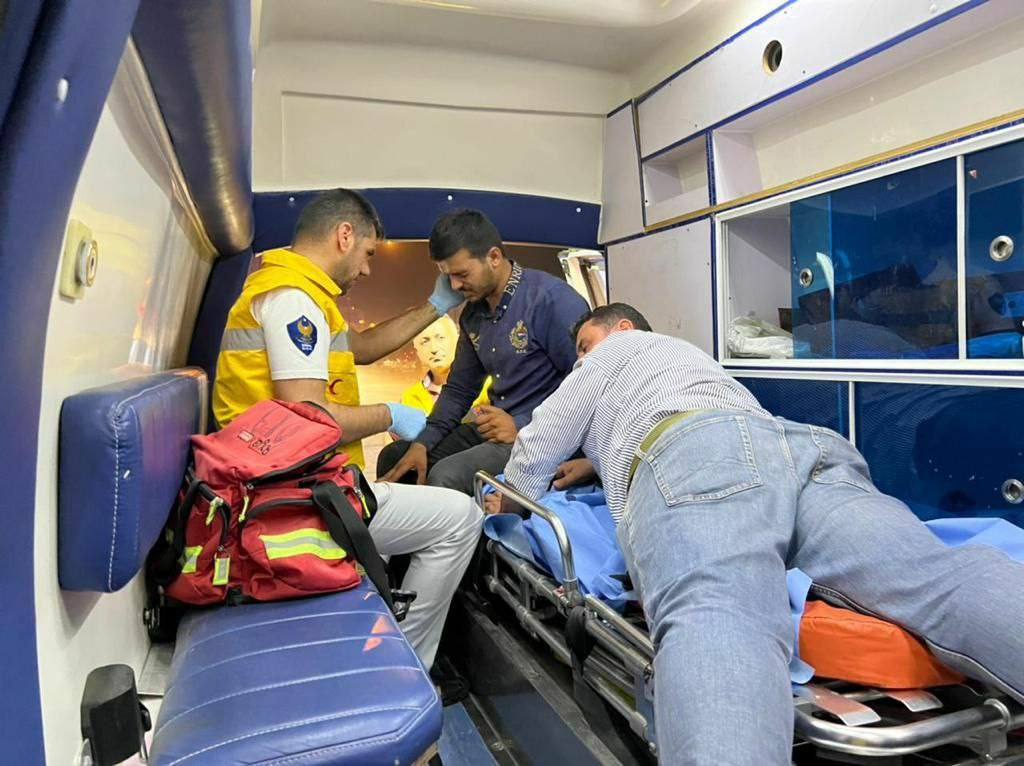
On June 8, at around 9:35 pm local time, a suicide drone struck Pirmam Road near the city of Erbil. According to the Iraqi Kurdistan Regional Anti-Terrorism Organization, three civilians were injured and several vehicles were damaged during the attack.
So far no group has claimed responsibility for the attack.
It should be noted that several security agencies and consulates of Germany, the United States and the United Arab Emirates are located near the Pirmam area.
The Minister of Interior of the Kurdistan Region confirmed the news of the drone attack in the Pirmam area and announced that the attacks were carried out by some outlaw groups. Following the attack, Iraqi Kurdistan Regional Government (KRG) Prime Minister Masrour Barzani and Iraqi Prime Minister Mustafa al-Kadhimi spoke by telephone about launching a joint operation to identify the perpetrators of the attack and punish them.
#Iraq#Israel At 21:42 local time, Ilak Ron, a senior official of the Mossad assassination unit, reportedly was killed in a suicide drone attack on Pirmam Road in north of #Erbil. The United States has issued a Level 4 warning for travel to Libya and Iran… pic.twitter.com/HvuBNYSzgM
Some local media outlets believe that the initial target of the drone attack was the US Consulate in Erbil, which was shot down by Kurdish security forces, but a number of other media outlets claim that several members of the Israeli Mossad intelligence agency were killed in the attack. One person named “Ilak Ron”, the commander of the Zionist assassination squad, reportedly was killed.
Local sources also said that the main vehicles targeted were SUVs and that security forces did not allow anyone to take pictures or videos of them.
Footage from the drone attack in Erbil
So far, no credible evidence of this claim has been published, but in a strange move, the media of the Kurdistan Region have published images of the injured in this incident, in which no traces of injuries can be seen! Also, the level and type of injuries of the people in the picture are not commensurate with the extent of the destruction of the car, and this reinforces the speculations about a targeted drone attack on the car carrying the Israeli Mossad operatives.
Slight injuries that do not match with the images of drone attack on vehicleImages of the targeted vehicle in the Pirmam roadA video of the remains of the suicide drone
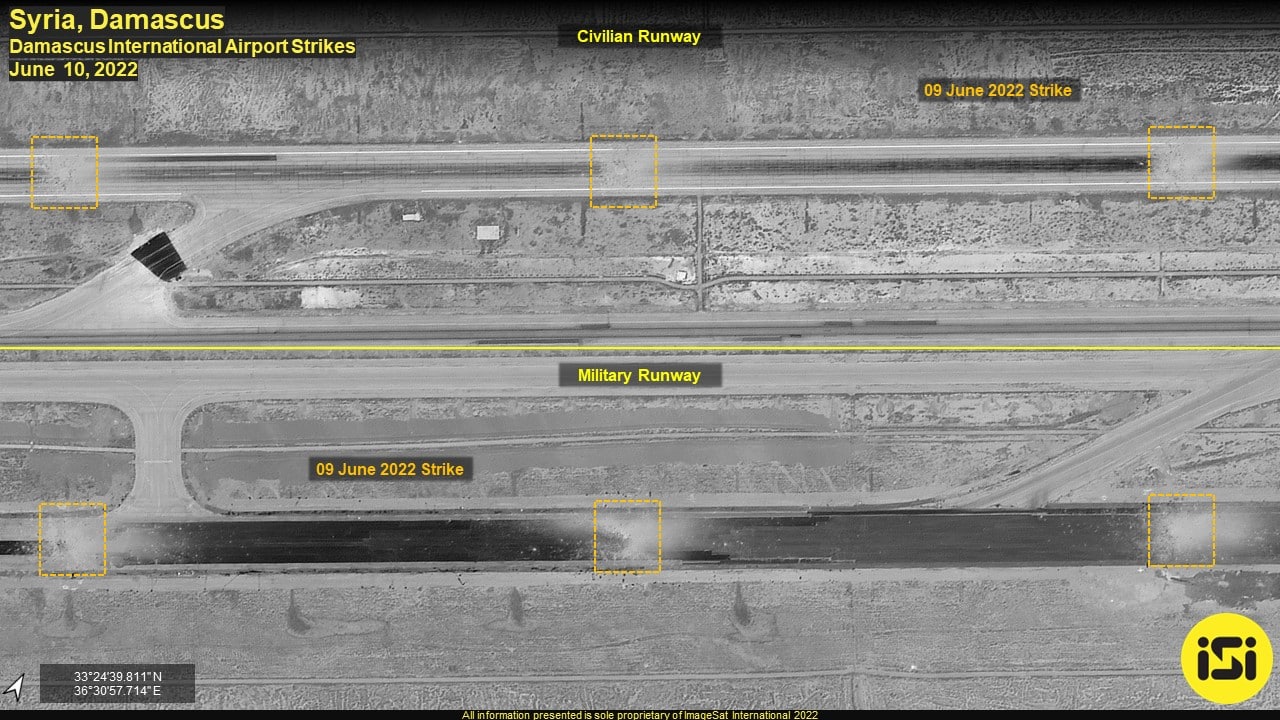
According to a Syrian military source, “at 04:20 local time, the Israeli army attacked several targets south of Damascus with several missiles from the occupied Golan Heights. Syrian air defenses shot down most of the missiles. The attack injured a civilian and caused material damage.”
According to the Syrian Ministry of Transportation, all flights at Damascus International Airport have been suspended following the attack.
On June 9, the Turkish army Bashiqa military base in the Zelkan area, north of Mosul, was targeted by four rockets. No further details have been released on the attack, and no group has claimed responsibility for the attack.
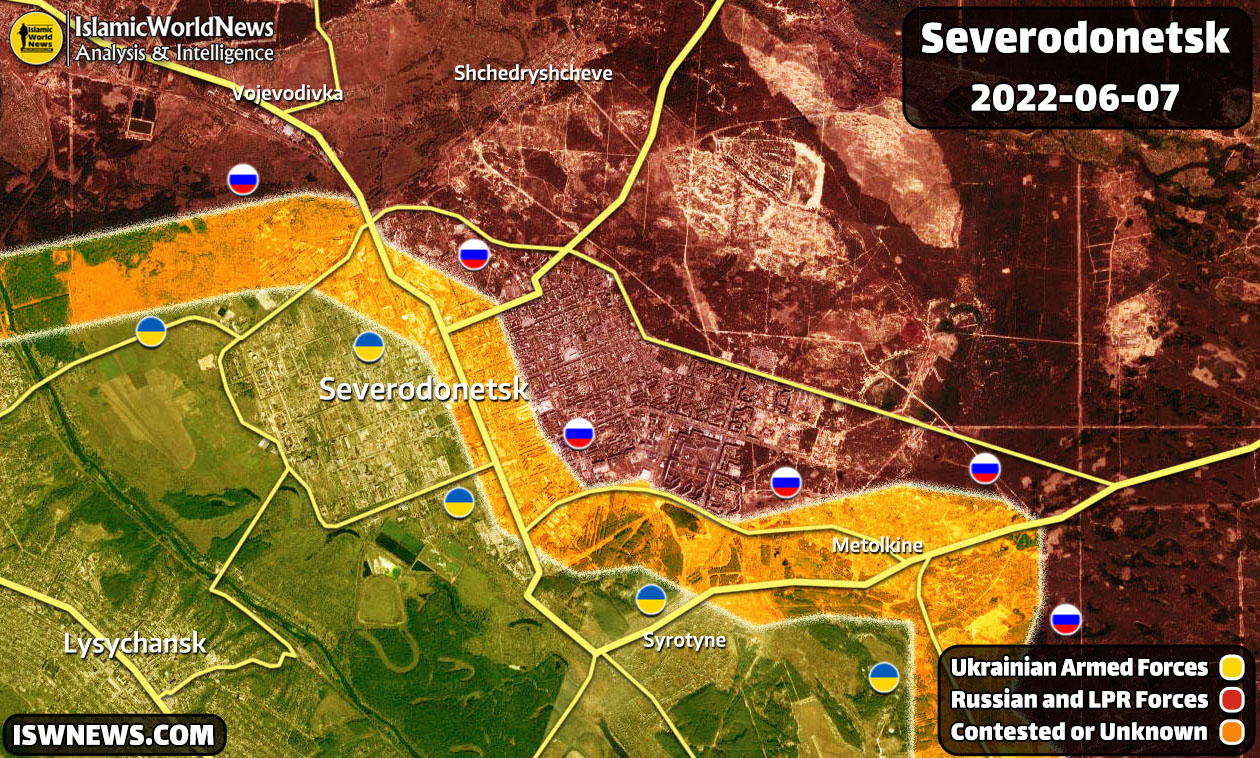
According to the latest news from the Severodonetsk front, clashes are taking place in the Metolkine district and the central areas of the city. Ukrainian sources claimed that they had taken control of the situation and claimed to have repelled Russian attacks. In total, more than half of the city of Severodonetsk has been captured by the Russian army, and clashes continue in the western half.
Severodonetsk is the name of an industrial city in the western part of Luhansk Oblast in eastern Ukraine. The city was chosen as the capital of Luhansk province in 2014 because the city of Luhansk came under the control of LPR forces. The city has several chemical plants and production centers called “Azot” (one of the largest chemical plants in Europe) as well as an airport in the southeast, which are important in recent conflicts.
The location and foundation of this city dates back to 1934 and is closely related to the city of Lysichansk. In fact, the proximity of the cities of Severodonetsk, Lysichansk and Rubizhne to each other has made them an important location.
The city was captured by Luhansk forces at the beginning of the 2014 conflict, but the Ukrainian army regained control of the city two months later. After that, the European Union, while supporting the Ukrainian army operation in Severodonetsk, announced that it would provide 93.8% of the reconstruction costs of this industrial city. After the Russian invasion of Ukraine, the conflict on the western front of Luhansk resumed, and the Russian army, after the complete capture of the town of Rubizhne, began its attacks on May 8 to capture Severodonetsk.
Severodonetsk and Lysichansk are the last areas in Luhansk Oblast to be controlled by Ukrainian forces, and their fall marks the complete capture of the first Ukrainian province by Russia. Therefore, the resistance of the Ukrainians in these areas will be fierce, and the Russian army must use a lot of power and equipment to capture it!