Tag: HTS

  • Silent Heirs of the Golan: The Emergence of New Resistance Group in Syria

    Silent Heirs of the Golan: The Emergence of New Resistance Group in Syria

    The Dawn of Hope
    While the Syrian Democratic Forces (SDF) concentrated their efforts on combating ISIS, Bashar al-Assad, backed by Iran and Russia, managed to reclaim large swaths of territory previously lost to Salafi groups. By 2019, following ISIS’s defeat, the conflict reached a form of deadlock. However, sudden offensives by groups such as Hay’at Tahrir al-Sham (HTS) and the Turkish-backed Syrian National Army altered the dynamics.

    In the meantime, factions like the Syrian Social Nationalist Party (SSNP), which had previously fought alongside the government, remained active—justifying their continued operations as responses to growing Israeli occupation. This faction, which supports the formation of a “Greater Syria,” expressed its support on December 17 for the establishment of a front to confront Israeli aggression. In response, the group Uli al-Baas emerged on January 9, initially under the name “Southern Liberation Front,” before adopting its current name and symbolism on January 11.

    As post-Assad Syria became a contested arena between Israeli and Turkish influence, Uli al-Baas framed itself as part of the Axis of Resistance against what it calls the “Global Axis of Evil.” In a statement to Newsweek, the group’s political bureau—officially named “The Islamic Resistance Front in Syria – Uli al-Baas”—affirmed that praising Israeli occupation and Turkish incursions is expected, since “[America] is the sponsor of chaos, terrorism, and evil across the globe.”
    The group’s emblem—featuring a raised Kalashnikov—mirrors an iconography first introduced by Iran’s Islamic Revolutionary Guard Corps (IRGC) and later adopted by Hezbollah and other Iran-aligned resistance groups, including several in Iraq. The term Uli al-Baas, mentioned in the Qur’an, was previously invoked by Hezbollah Deputy Secretary General Sheikh Naim Qassem in reference to the group’s struggle against Israel.

    Despite its alignment with the Axis of Resistance, Uli al-Baas claims organizational and political independence, asserting no affiliation with any party or state. It presents itself as a revolutionary, nationalist movement rooted in Arab identity, with a distinct political project aimed at establishing a strong and liberty-oriented state.

    A Turbulent Beginning
    On January 13, Uli al-Baas claimed it was deploying light armored vehicles and fighters to Quneitra, Suwayda, Daraa, Damascus, and surrounding rural areas. Four days later, it officially declared the start of its “military operations” against Israeli presence in the south.
    The group’s first alleged action was reported on January 24, claiming that one of its units downed an Israeli drone in the Tal Ahmar area of rural Quneitra on January 21. On January 31, it issued a second statement, asserting that it had attacked Israeli forces in the village of Turanja, northern Quneitra. However, no evidence was provided, and on February 14, the group’s Telegram channel retracted the claim.

    Cooperation with Other Fronts
    On February 19, Uli al-Baas announced the deaths of two senior commanders, Muhannad al-Baqari and Muhammad Mansour, during an operation near Israeli positions in Quneitra. Just two days later, on February 21, the group formed a coalition with two other Iran-aligned factions— Liwa Dir’ al-Sahel, led by Miqdad Fathi, and Ashbah Ruh al-Muqawama, led by Abdulhamid al-Shamali. This alliance targeted ISIS, Salafi movements, and the newly restructured Syrian government. The republication of the coalition’s official statement by Uli al-Baas clearly indicated its confrontational stance toward Damascus.

    Mission
    The group identifies the expulsion of Israeli forces from southern Syria as a central objective. It cites Israel’s violations of the 1973 ceasefire line and its continued strikes on Syrian installations as justification for its armed resistance. Uli Albas views the Syrian interim government as complicit due to its silence regarding Israeli aggression. The Zionist officials, meanwhile, have warned they will not allow hostile forces to establish a presence near their borders.
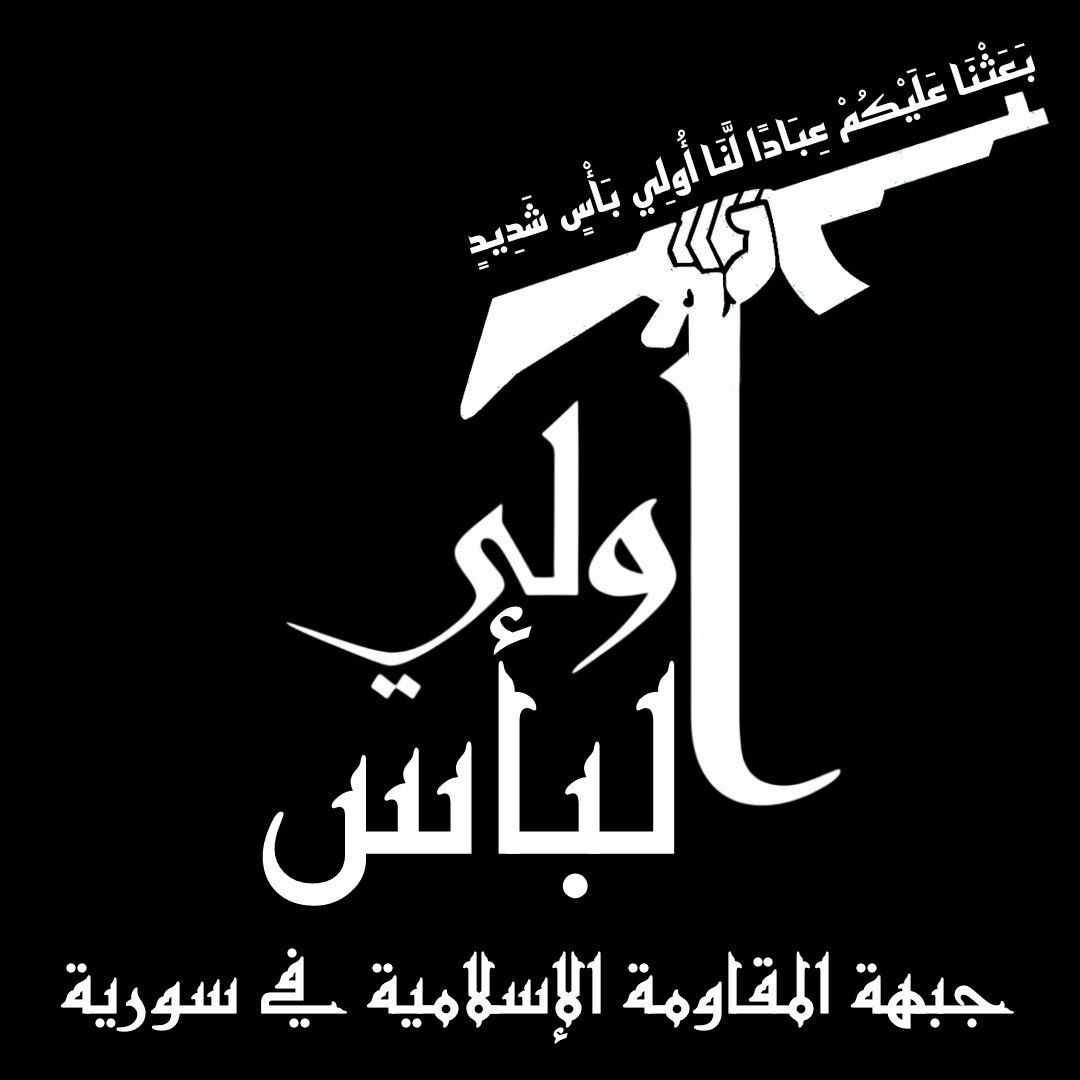
    Islamic Resistance Front in Syria – Uli al-Baas

    Post-Crisis Syria
    Despite Donald Trump’s stated intent to reduce military presence in the Middle East, roughly 2,000 American troops remain stationed in Syria. After the Gaza war, these forces were frequently targeted by militias, although such attacks diminished with the U.S. withdrawal from Iraq. With Uli al-Baas now rising and directly opposing U.S. and Israeli influence in Syria, the future of Washington’s regional presence has become increasingly uncertain.

    While the U.S. State Department has reiterated its commitment to inclusive and peaceful governance in Syria and its opposition to terrorist entrenchment, it continues to classify HTS as a terrorist organization—despite the group’s claimed shift away from jihadist ideology.

    Complicating matters further is the escalating tension between the U.S. and Iran, which intensified after Washington’s withdrawal from the nuclear deal in 2018. Uli al-Baas portrays Iran as a defender of sovereignty and freedom from U.S. domination, arguing that the pressure against Tehran stems from its threat to Israel’s existence.

  • Trump Administration Removes Tahrir Al-Sham From List of Terrorist Groups

    Trump Administration Removes Tahrir Al-Sham From List of Terrorist Groups

    According to the U.S. State Department, this decision was made on June 23 after consultations with the Secretaries of Justice and Treasury.

    Secretary of State Marco Rubio announced this decision, stating it aligns with Trump’s promise to relax sanctions on Syria and that it will take effect immediately.

    It is important to note that this decision came at a time when HTS had been implicated in numerous crimes against civilians and soldiers of the former government during the Syrian conflict. Over the years, Western countries have often attempted to portray this group and other militants as moderate forces opposing the Assad regime.

    This move has drawn criticism from some analysts who argue that removing Hayat Tahrir al-Sham from the list of terrorist organizations could empower extremist groups in Syria and negatively affect the broader West Asian region.

  • Important Meeting of Terrorist Group Leaders in Damascus

    Important Meeting of Terrorist Group Leaders in Damascus

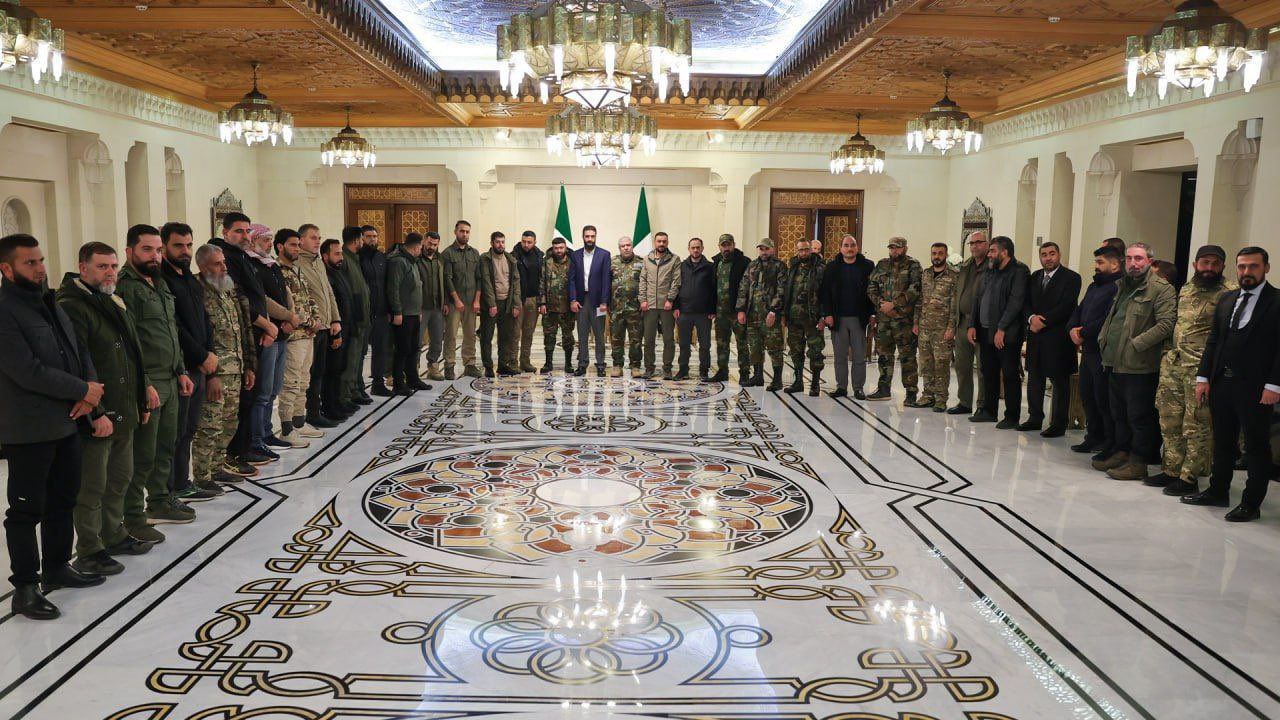
    During this meeting, it was decided that the armed groups would disband and surrender their weapons to be incorporated into the structure of the Ministry of Defense of the Syrian transitional government.

    The control exerted by the militants of these groups over various regions of Syria, along with their ideological differences, presents significant challenges to the new Syrian government. Recognizing this, al-Julani has opted to dissolve the Syrian armed groups and assimilate them into the Syrian army to mitigate potential internal tensions and conflicts.

    This strategy has been somewhat effective in the southern and northern regions of Syria; however, it has not yet made progress concerning the Syrian Democratic Forces (SDF). Consequently, tensions and conflicts in areas like Manbij and Deir Ezzor continue to persist.

  • Latest military situation in northwest Syria:

    Latest military situation in northwest Syria:

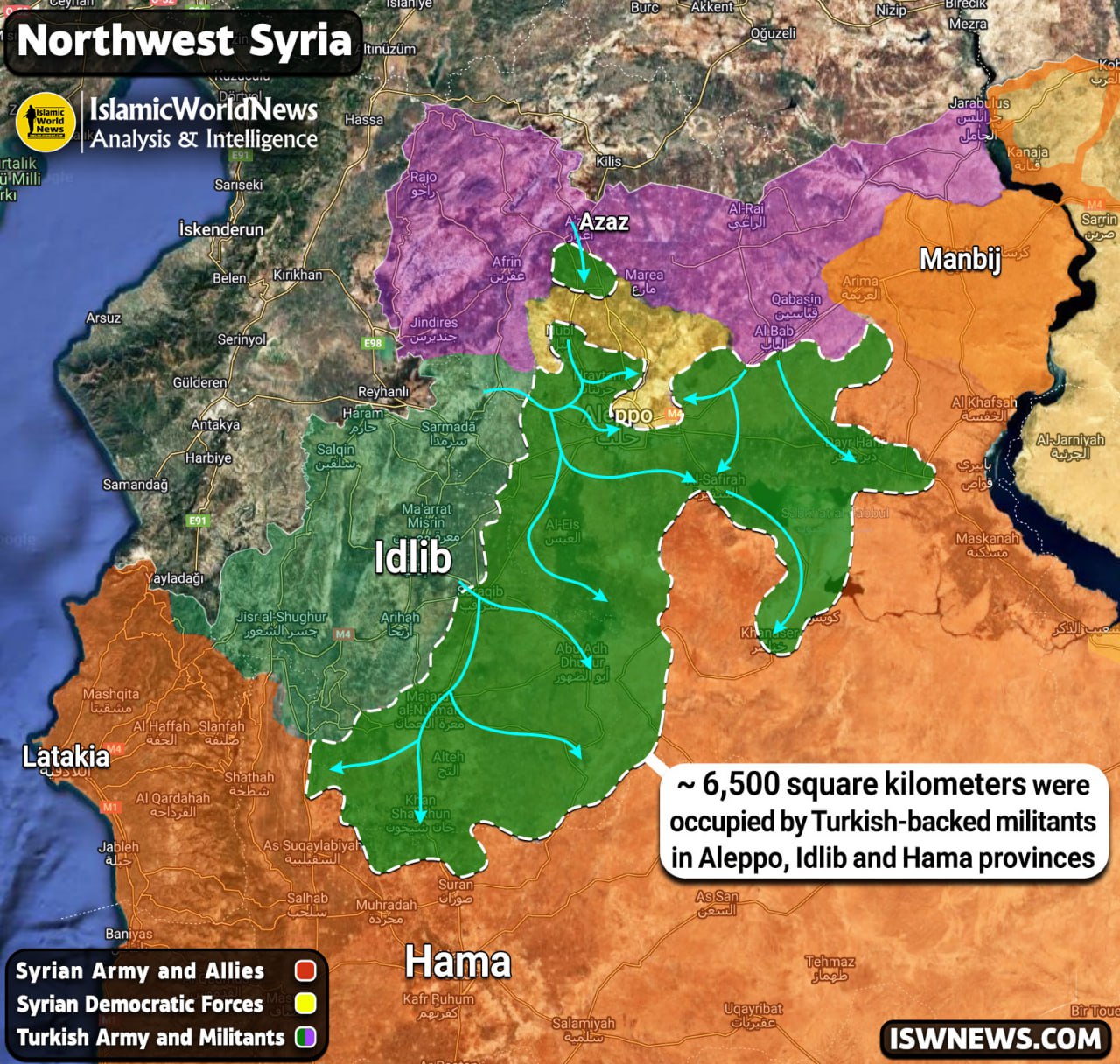
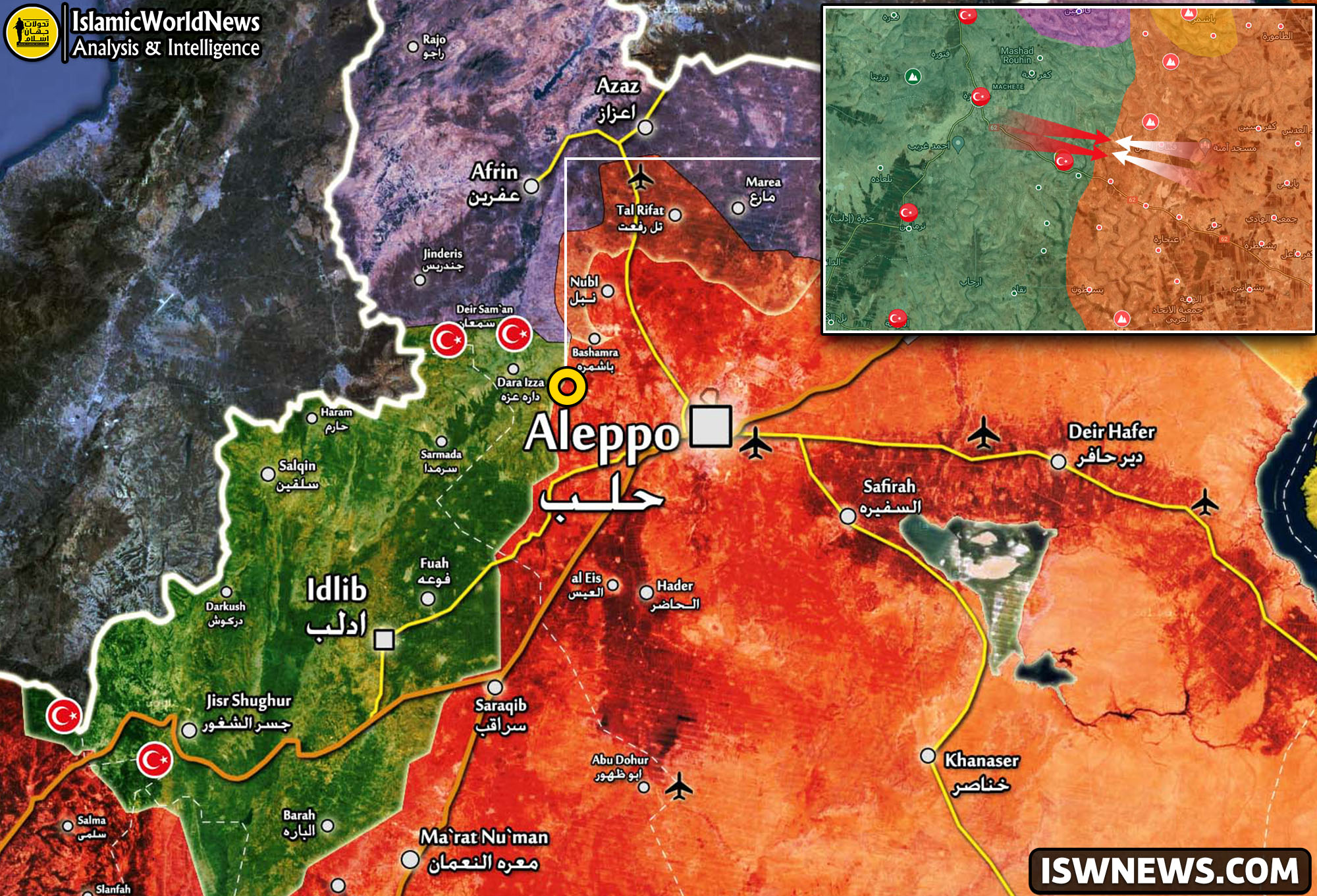
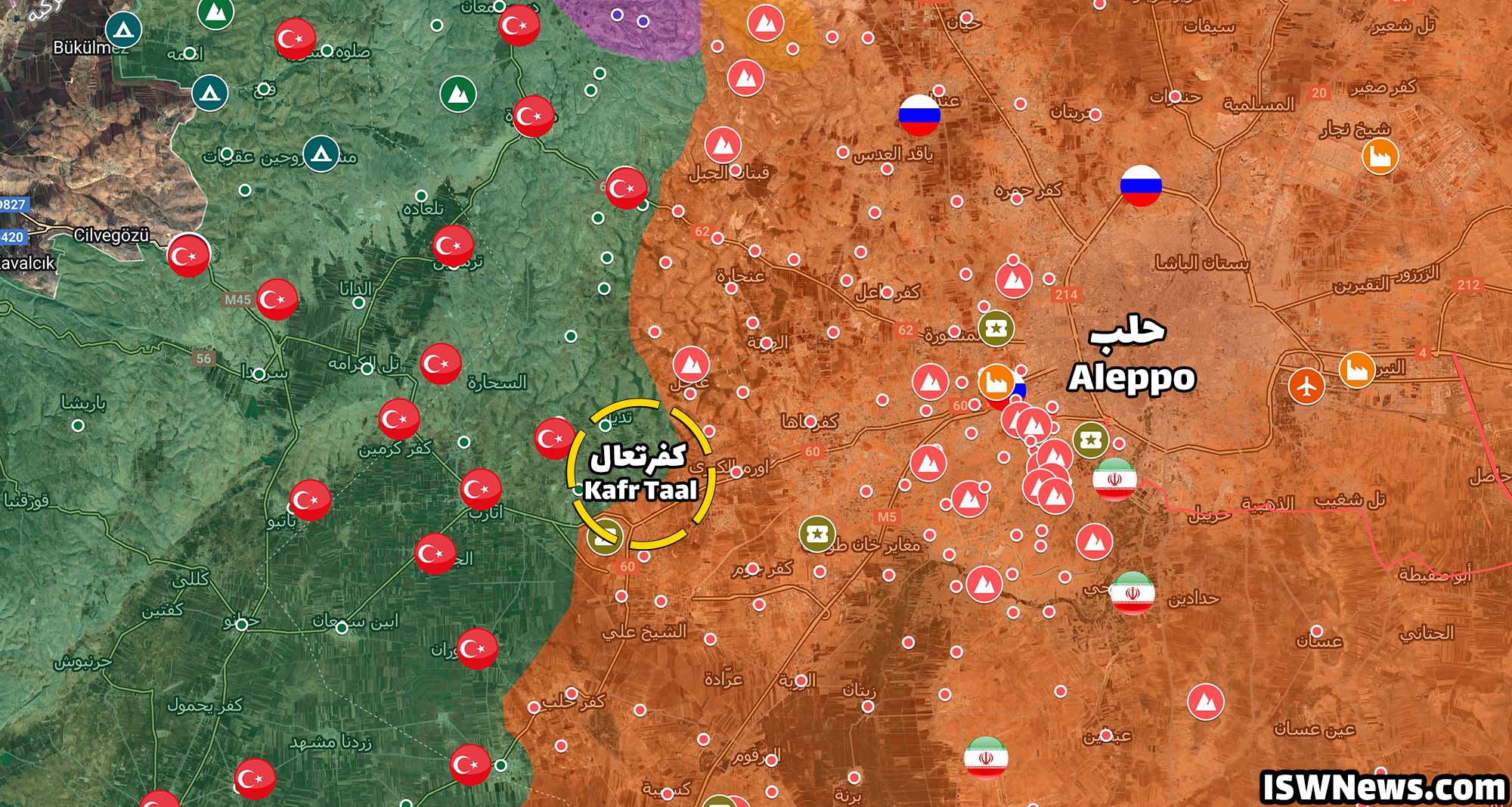
    The northern half of Aleppo city is under the control of Kurdish/SDF forces and a few remaining Syrian army units, while almost half of the Sheikh Najjar industrial zone is controlled by militants.

    Reports suggest that the militants have proposed a safe corridor for the Kurds in exchange for evacuating northern Aleppo city and its northern suburbs.

    Al-Safira town is either under militant control or completely besieged. The militants have not yet entered the Al-Safira defense factories.

    The Khanasir area is under the control of militants.

    The militants’ advance in the northern outskirts of Hama city has been stopped in the Kafr Zita-Latmin-Morek triangle. The Syrian army is setting up defensive lines and preparing for counterattacks.

  • HTS Target SAA Servicemen With FPVs

    HTS Target SAA Servicemen With FPVs

    According to some reports, recently, Turkish-backed militants have launched FPV units in Syria with the assistance and training of Ukrainian officers. This development is expected to significantly impact future battles, causing substantial casualties and damage to the Syrian army.

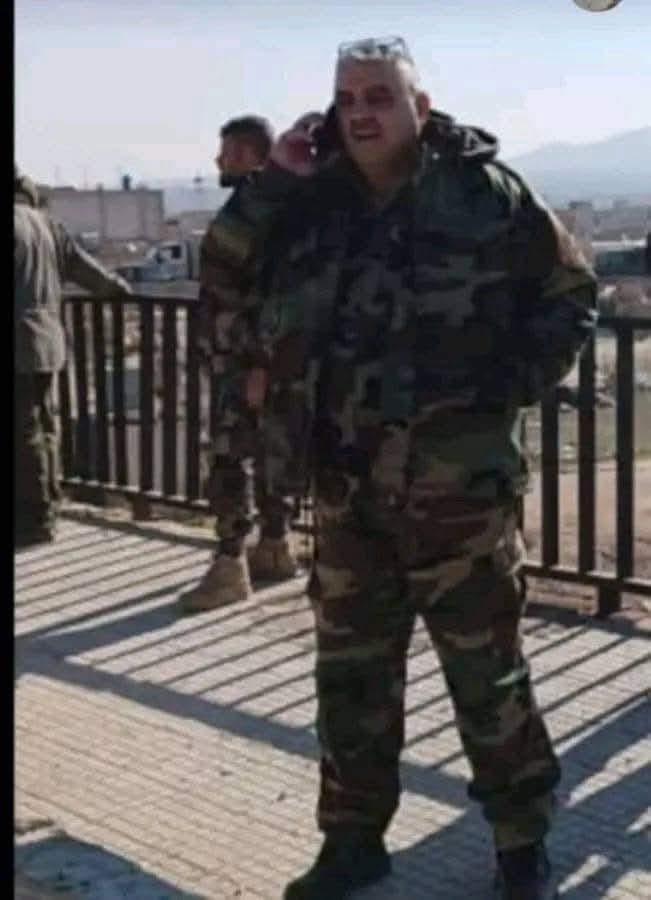
    Brigadier General Uday Ghasseh, the commander of Hama’s military security

    These drones provide real-time video feedback to the operator, allowing for precise targeting and increased effectiveness in combat situations. The use of such technology has intensified the conflict and highlighted the evolving tactics in the Syrian civil war.

    The assassination of Brigadier General Ghasseh is one of the first notable effects of FPVs in the militants’ combat operations in Syria.

    Over the past year, the Syrian army, with Russian support, has also begun using FPVs, resulting in significant casualties and damage to militant equipment and personnel.

  • Syrian Army Eliminates Commander Of HTS Special Forces With FPV Drone

    Syrian Army Eliminates Commander Of HTS Special Forces With FPV Drone

    The commander, identified by Syrian opposition activists as Abu Abdullah Agha, was reportedly targeted by an FPV suicide drone near the frontline town of Kabani in the northern Lattakia countryside a few days earlier. Several other militants from HTS were reportedly killed or wounded in the strike.

    Agha, originally from the capital Damascus, was the commander of an elite special forces battalion in HTS’ Othman bin Affan Brigade. He was reportedly the mastermind behind several raids against SAA posts in the northern Lattakia countryside and other parts of the front around Greater Idlib.

    Abu Abdullah Agha

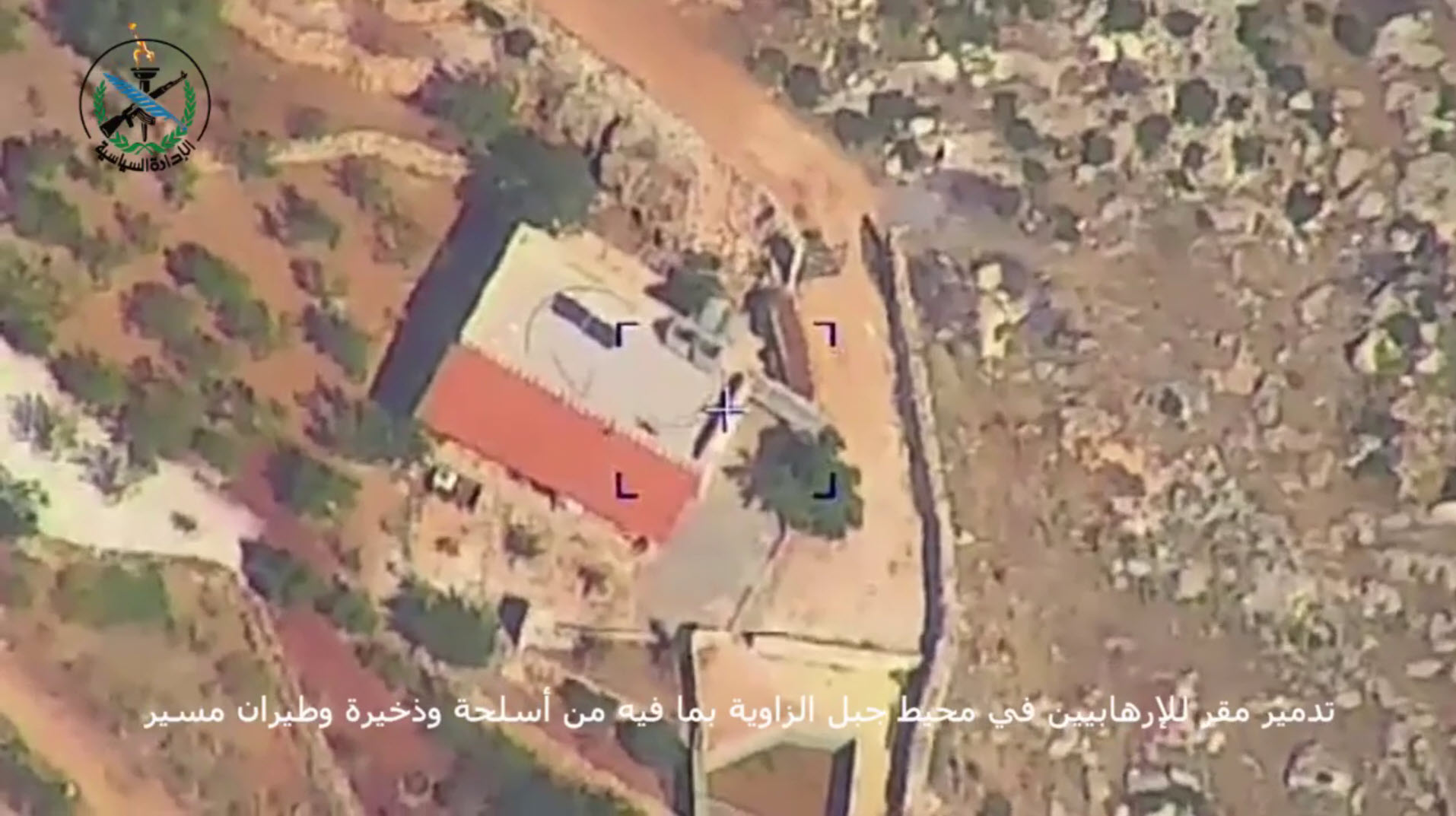
    The use of FPV suicide drones by the SAA was first reported in September of last year. In the last two months, more than a 100 such drones targeted equipment, posts and militants from HTS and its allies in Greater Idlib. The rate of the strikes has been steadily increasing.

    The appearance of FPV suicide drones with the SAA is not surprising considering that they are cheap and easy to manufacture. It is very possible that the SAA received some support from Russia, who gained vast experience in mass producing and operating this type of drones following the start of the special military operation in Ukraine.

    Originally posted on SouthFront

  • Assassination Of Second-In-Command Of Tahrir Al-Sham In Northern Syria

    Assassination Of Second-In-Command Of Tahrir Al-Sham In Northern Syria

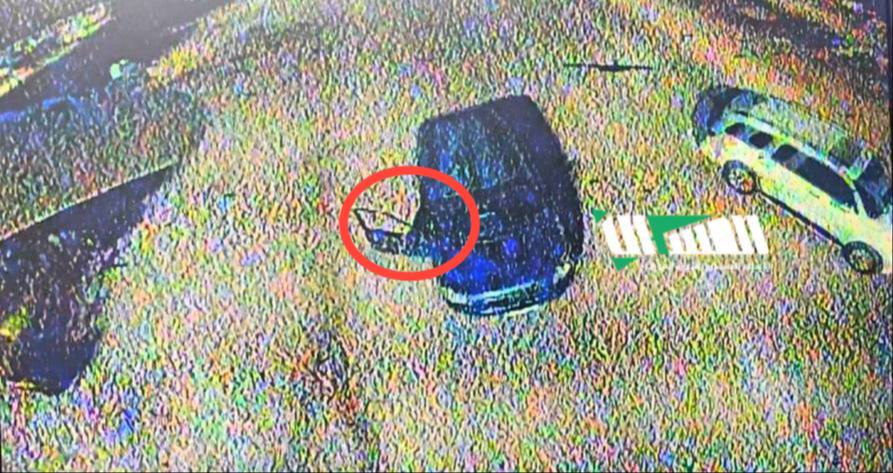
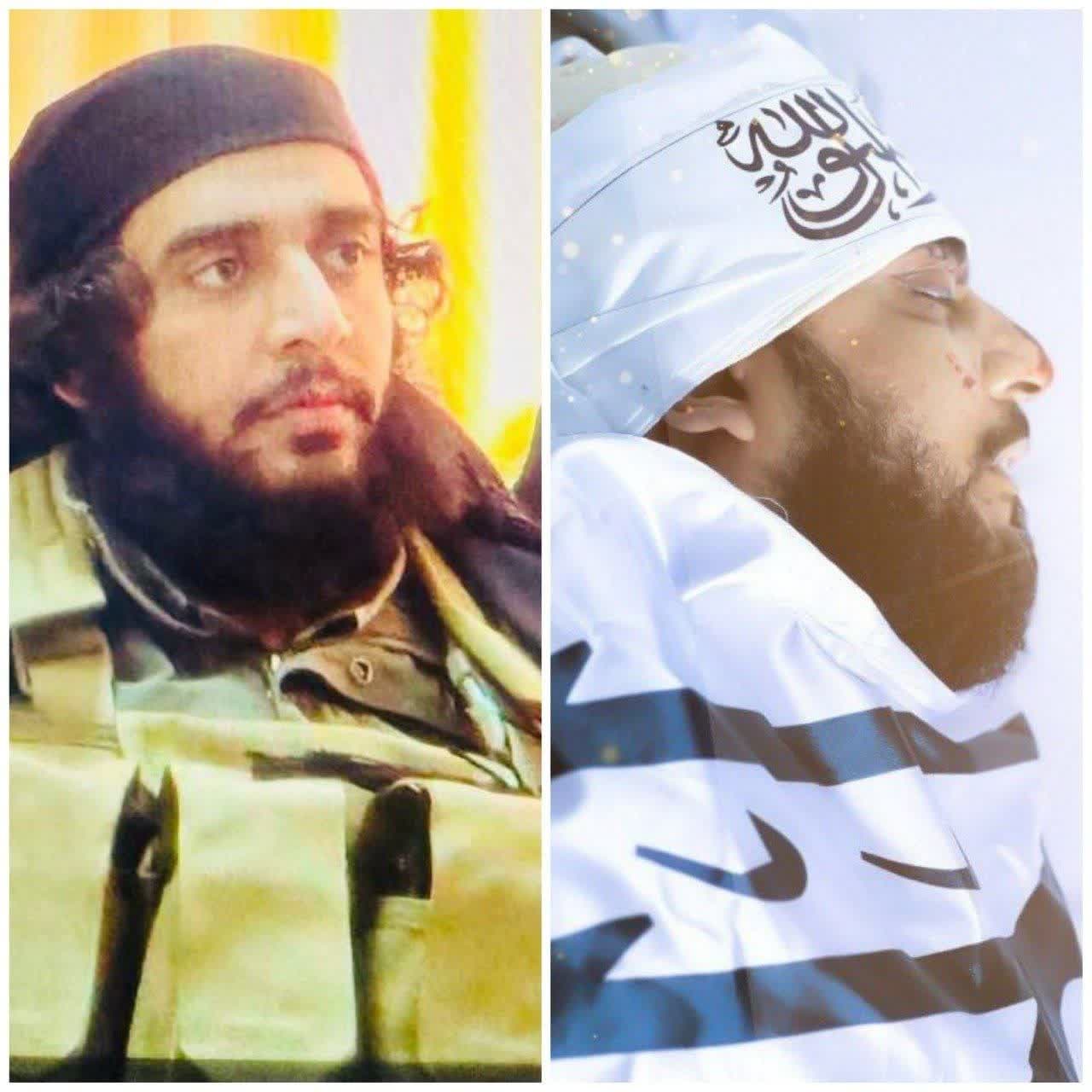
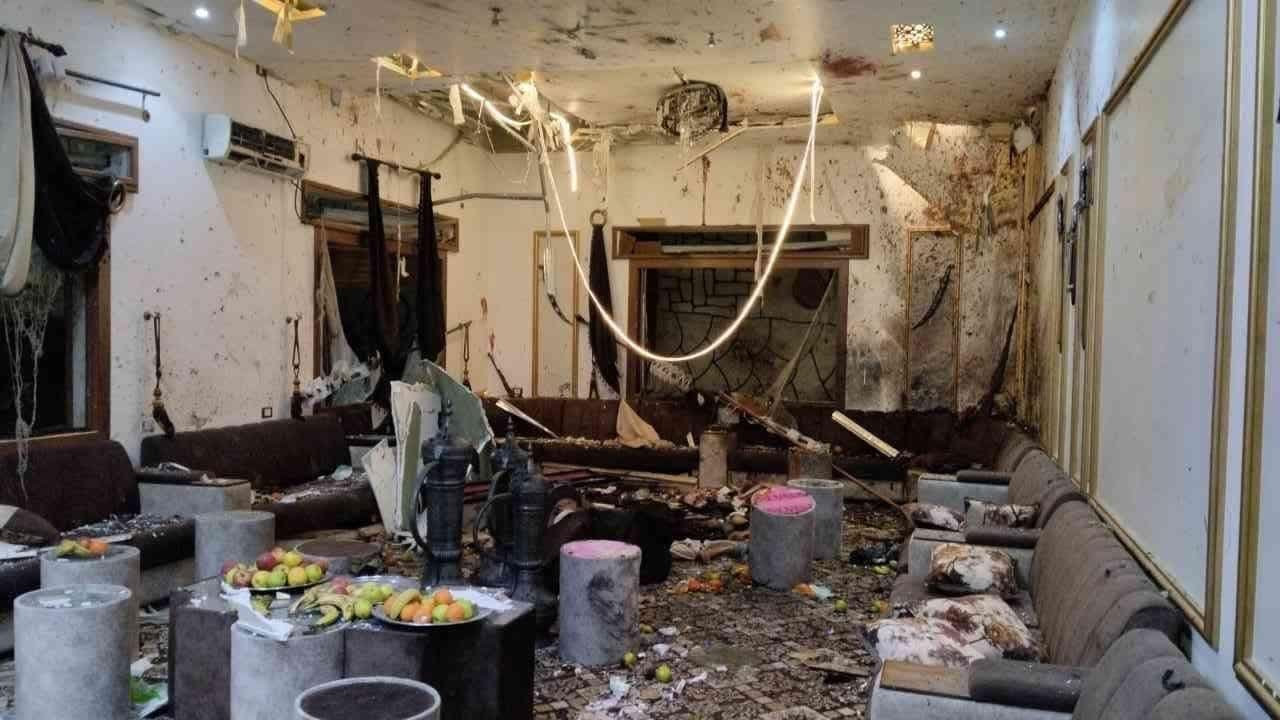
    Abu Mariyah al-Qahtani, who had spent several months in HTS’s prison on charges of espionage, was killed shortly after his release from prison in a suspicious explosion at his residence in the city of Sarmada, located in northern Syria.

    It is said that the explosive materials were planted in a gift box brought for Abu Mariya al-Qahtani.

    Tahrir al-Sham has accused ISIS terrorist group of carrying out this assassination by a suicide bomber, while critics of Hayat Tahrir al-Sham’s emir Abu Mohammed al-Joulani provide many evidences of his involvement in this assassination; meanwhile, the ISIS terrorist group has not claimed responsibility for this assassination so far.

    The room that explosive device went off
  • Militant Groups Raid Syrian Army Headquarters In Western Aleppo; Militants Seize T-72 Tank!

    Militant Groups Raid Syrian Army Headquarters In Western Aleppo; Militants Seize T-72 Tank!

    On March 16, militants of the Hay’at Tahrir al-Sham initiated an operation with a surprise attack on one of the Syrian Army headquarters in the Qabtan Al-Jabal axis in western Aleppo. During this operation, some Syrian soldiers were killed and wounded. Additionally, a T-72 tank of the Syrian Army was seized by militants of the Hay’at Tahrir al-Sham.

    Media outlets close to the Hay’at Tahrir al-Sham claimed that in this operation, a Syrian Army tank was destroyed and several Syrian Army soldiers were killed. The militants returned to their headquarters without any casualties.

    It is worth mentioning that this captured tank is the first Syrian Army tank to fall into the hands of militants over the past four years. In recent months, the militant groups attacks on western Aleppo and southern Idlib governorates and the breaking of the Syrian Army’s defensive lines have been repeated.

    This level of vulnerability of Syrian soldiers in some conflict fronts as well as the surprise attacks, and the retreat in the face of militant assaults are weak points that will pose a fundamental challenge to the Syrian Army in the coming months.

  • Syria: Deadly Strikes On Tahrir Al-Sham Group

    Syria: Deadly Strikes On Tahrir Al-Sham Group

    During the recent attacks, a vehicle belonging to the militants of Hayat Tahrir al-Sham was targeted, resulting in the death of at least 4 members and the injury of 7 others.

    According to the latest data, the condition of some of the injured militants is reported as critical, and there is a possibility of an increase in the casualty figures.

    In response to the missile attacks by the Syrian armed forces, Hayat Tahrir al-Sham militants also targeted military positions of the Syrian forces in 46th Regiment of the 15th Special Forces Division, located in western Aleppo Governorate, with missile and rocket attacks. Further details of the attacks have not been released regarding this issue.

  • Hay’at Tahrir Al-Sham Denies Any Role In Killing ISIS Ringleader

    Hay’at Tahrir Al-Sham Denies Any Role In Killing ISIS Ringleader

    Abu Huzaifah al-Ansari, new spokesman for the ISIS terrorist group, announced on August 3 the killing of the ringleader of the terrorist group in northwestern Syria.

    Media outlets affiliated to the ISIS terrorist group published an audio file belonging to the new spokesman of the terrorist group, claiming that Abu al-Hussein al-Husseini al-Qurashi, the ringleader of the ISIS, was killed by HTS in one of the suburbs of Idlib Governorate in Syria.

    Al-Ansari said in the audio file that Hay’at Tahrir al-Sham had handed over the body of the ISIS ringleader to show its loyalty to Turkey; that is why, President of Turkiye Recep Tayyip Erdogan claimed in a televised interview that the Turkish intelligence agency had been monitoring Abu al-Hussein al-Husseini al-Qurashi for a long time, and that they finally removed the ISIS ringleader from power during an operation in the Syrian soil.

    After such remarks by the new spokesman for ISIS, Hay’at Tahrir al-Sham issued a statement denying any involvement in the assassination operation against the ISIS ringleader.

  • Al-Julani’s Speech On Aleppo, Escalation Of Fights Against Syrian Army

    Al-Julani’s Speech On Aleppo, Escalation Of Fights Against Syrian Army

    Some political analysts and military experts, who read Abu Mohammad al-Julani’s recent speech, said that the speech is a declaration of existence, and attributed the words to his weak position on the ground.

    On May 27, Al-Julani address Aleppo refugees at a conference in Idlib that Aleppo is the gate of Damascus and it will be focused on in one or two years.

    A month earlier, al-Julani also addressed Idlib tribal leaders that Hay’at Tahrir al-Sham is not weak and has the power to change the war equation.

    The comments of the commander come at a time of serious military and political developments in Syria, including the normalization of Arab states’ relations with Syria, as well as Russia’s ongoing efforts to mediate the normalization of relations between Damascus and Ankara.

    Since early June, northwestern Syria has witnessed an escalation of military clashes between Hay’at Tahrir al-Sham and the Syrian army. In the shadow of the confrontations, Russian fighter jets intensified airstrikes against Hay’at Tahrir al-Sham’s positions.

    Syrian military expert Brigadier General Ahmad Al-Rahal believes that whatever Al-Julani said about Aleppo is an attempt to divert public opinion.

    There is confirmed information about Al-Julani’s meetings and coordination with Director of the National Security Bureau of Syria Ali Mamlouk, Head of Syria’s general intelligence directorate Hossam Louka and Russian military intelligence agents, the expert said, adding that the commander is also not unaware of Russia and Turkiye’s understandings.

    Read more: Chief Of Syria’s General Intelligence Directorate Meet With Militant Commanders In Aleppo

    He also noted that Al-Julani has realized that the roadmaps changed and it is possible that some areas of Idlib and Aleppo, along with border crossings, will be handed over to the Syrian government based on previous coordination and agreements to remove Al-Julani from the region.

    Al-Julani wants to introduce himself as the godfather of the region and behaves as if he is the decision-maker and can control and manage the coordination steering wheel in all these areas, he said.

    Al-Rahal added that the changes are in the hands of Russia and Turkiye, and Al-Julani cannot take unilateral action; and that he knows the moment he starts a battle against Russia, it will be his end.

    Hossam Al-Baram, a Syrian analyst, opines that Al-Julani’s purpose and Turkey’s messages on Aleppo are clear, which is to find a safe environment for the return of Syrian refugees to areas under their control as well as to expand their territory in new areas, and turn them into an economic hub that helps them put pressure on the Syrian government and maintain their position in talks with Damascus.

  • Tahrir Al-Sham Attacks Syrian Army HQs In Aleppo and Idlib + Video

    Tahrir Al-Sham Attacks Syrian Army HQs In Aleppo and Idlib + Video

    On January 10th, Tahrir al-Sham (HTS) militants, using bad weather conditions and insufficient visibility due to fog, started an operation against one of the headquarters of the Syrian army in Basartun area, in the west of Aleppo, in which, several Syrian Army servicemen were martyred and a number of others were wounded.

    One day after this attack, the HTS’s Abu Bakr al-Sadiq Brigade again attacked the headquarters of Syrian Army in Kawkaba area, in the south of Idlib. During this conflict, at least three Syrian army servicemen were martyred and four others were injured. Also, four HTS militants were seriously injured during this conflict, but media affiliated with Tahrir al-Sham have claimed that the Abu Bakr al-Sadiq militants retreated safely.

    These attacks show a clear violation of the ceasefire by Tahrir al-Sham in Idlib region.

    It is noteworthy that in recent weeks, the number attacks by Tahrir al-Sham against the positions of Syrian Army in Aleppo and Idlib provinces has increased drastically, and taking into account the developments in northern Syria and the al-Julani blackmailing Turkey, there is a possibility that Tahrir al-Sham will carry out wider and more attacks against the Syrian army.

    Read more: What Are The Options For “Al-Julani” After The Syrian-Turkish Rapprochement?

    Tahrir al-Sham’s attack on the Syrian army headquarters in Basartun area, located in the west of Aleppo