Tag: Iran missiles

  • Military Knowledge: Qadr Ballistic Missile

    Military Knowledge: Qadr Ballistic Missile

    The Qadr missile is a medium-range ballistic missile based on the Shahab 3 missile. In the past, this missile was also called Qadr 1, Qadr 110 and Qadr 101.

    The Qadr missile was unveiled for the first time in an annual parade marking the anniversary of the start of the Iran-Iraq war. This missile has been produced in three types: “Qadr S” with a range of 1,350 km, “Qadr H” with a range of 1,650 km and “Qadr F” with a range of 1,950 km.

    The Qadr missile set-up time is 30 minutes and is much faster than the Shahab 3 missile, which takes hours to install and launch. Some sources consider the Qadr missile a two-stage missile, the first stage is liquid fuel and the second stage, which is related to detachable warheads, is solid fuel. However, some sources believe this missile to be just liquid fuel.

    The speed of the “Qadr F” missile is estimated at Mach 9 and its navigation system is based on inertia-GPS guidance.

    The Qadr F missile is capable of carrying warheads weighing up to 1000 kg. Qadr series missiles also have warheads in different types such as blast and cluster.

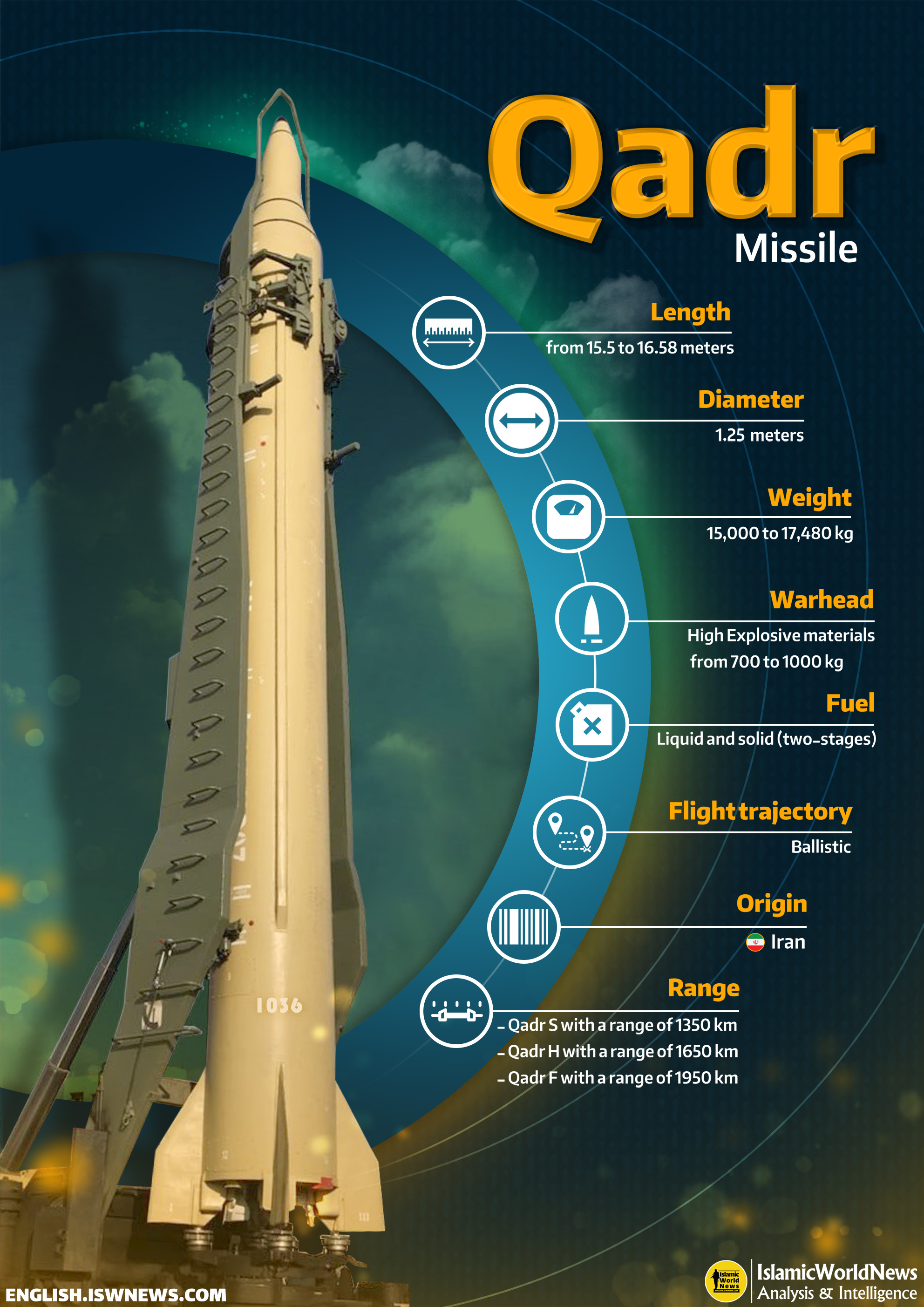
    Qadr ballistic missile specifications:
    Length: from 15.5 to 16.58 meters
    Diameter: 1.25 meters
    Weight: 15,000 to 17,480 kg
    Warhead: High Explosive materials from 700 to 1000 kg
    Fuel: Liquid and solid (two-stages)
    Range:
    Qadr S with a range of 1350 km
    Qadr H with a range of 1650 km
    Qadr F with a range of 1950 km
    Flight trajectory: Ballistic
    Origin: Iran

    Read more: Iran Unveils “Exo-Atmospheric Trajectory Maneuvering Technology” for its Ballistic Missiles
    Click to see the full size image

    Qadr Ballistic Missile collection of posters in Persian, Arabic, Kurdish, Azeri, Russian for Social Media:

  • Military Knowledge: Sejjil Missile + Images

    Military Knowledge: Sejjil Missile + Images

    This Sejjil mid-range ballistic missile has an operational range of 2000 – 2500 km and has a great accuracy in hitting its target. Accuracy, short preparation time, portable launcher, capability of transporting ready missile and using TVC system are among the extraordinary properties.

    Sejil is the first mid-range solid fueled missile of Iran. Some experts consider it the best Iranian ballistic missile. This missile has a mobile launch system capable of carrying a ready-to-launch missile.

    The solid-fueled missile needs only a few minutes to prepare and the launcher leaves launching point immediately which gives the missile ultimate stealth mode. Sejjil has high acceleration which makes it difficult for enemy to track it at the initial stage of launch and thus intercepting.

    Sejjil 1 did not have a guided warhead and its error was between 100 and 150 meters. However, in Sejjil 2, which was unveiled on December 15, 2009, fins were added to the Sejjil 2 warhead to guide it until it hit the target, which reduced the missile’s error to less than 10 meters.

    Sejjil ballistic missile has a speed of Mach 12 to 14 (about 3400 to 4300 km/h) when entering the atmosphere and will hit the target at Mach 5.

    Sejjil missile specifications:
    Length: 17.57 meters
    Diameter: 1.25 meters
    Weight: 23623 kg
    Warhead: High Explosive materials from 500 kg
    Fuel: Solid (two-stages)
    Range: 2000 to 2500 km
    Flight trajectory: Ballistic
    Accuracy: Error below 10 meters

    Click to see the full size image

    Read more:
    Iran’s Great Prophet 17 Exercise + Images
    Video: IRGC point-to-point missiles are a nightmare for Iran’s enemies
    Second phase of ‘Great Prophet 15’ drill, attacks on naval targets with ballistic missiles + images

    Sejjil Missile collection of posters in Persian, Arabic, Kurdish, Azerbaijani, Russian for Social Media:

  • Military Knowledge: Emad Missile + Images

    Military Knowledge: Emad Missile + Images

    The missile was presented by Brigadier General Hossein Dehghan on 11 October 2015.

    Emad is a single stage liquid propelled with a detaching warhead which was expanded from Qadr missile. It has a range of 1,500 to 1,700 km and can carry up to 750 kg of HE.

    Detaching warhead with canard based guidance system increases the hitting accuracy significantly.

    Specifications:
    Range: 1,700 km
    Weight: 17,500 kg
    Length: 15,5 m
    Diameter: 125 cm
    Propellant: liquid
    Warhead weight: 750 kg
    Speed: 11 Mach
    Flight profile: Ballistic
    Accuracy: 10 m

    Emad ballistic missile

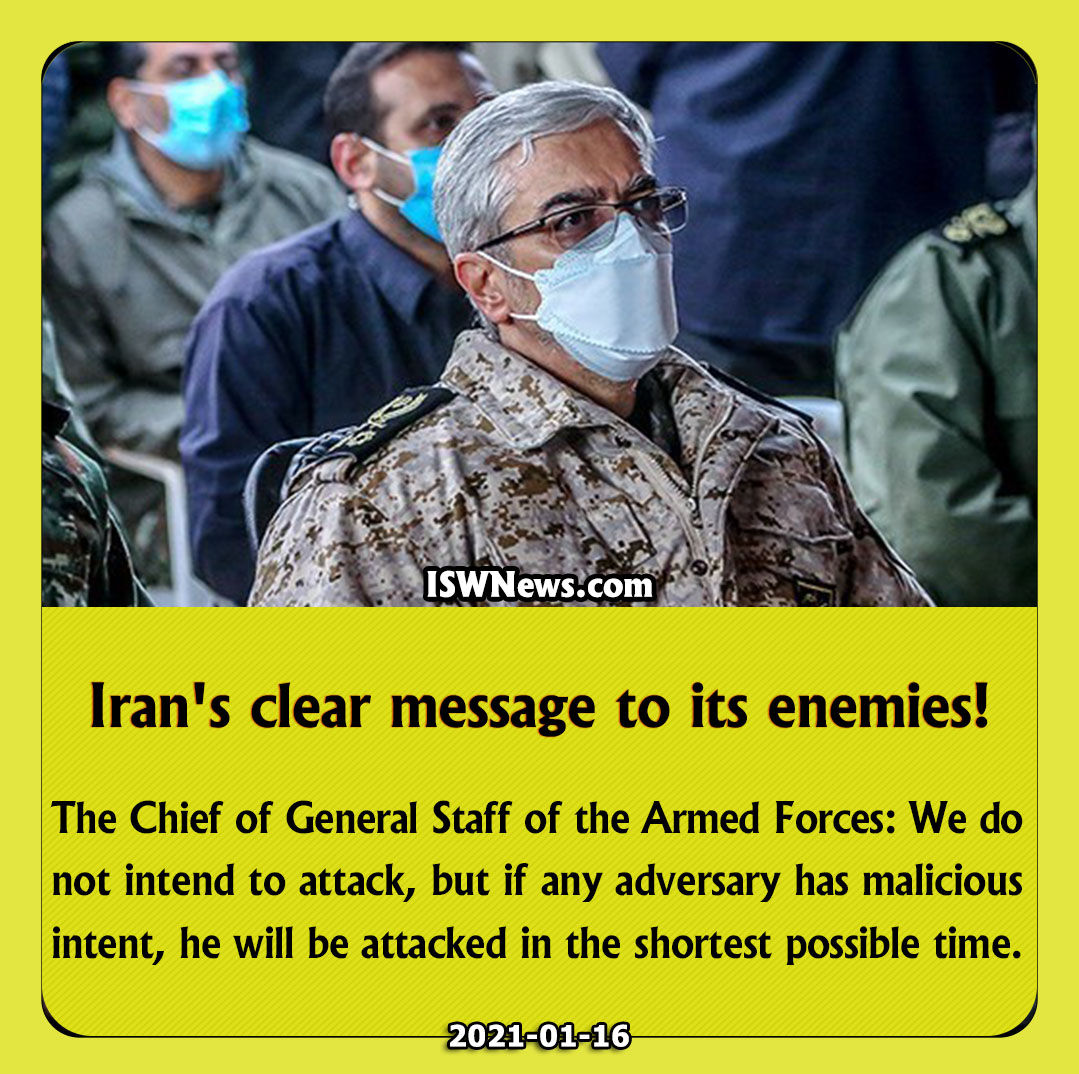
  • Iran’s clear message to its foes!

    Iran’s clear message to its foes!

    The Chief of General Staff of the Armed Forces of Iran, in a sideline of ‘The Great Prophet 15’ drill stated: “The selection of targets at a distance of more than 1800 km south of the Oman Sea and the beginning of the Indian Ocean is meaningful. The selection of large number of long-range missiles for naval purposes indicates that if the enemies have malicious intentions in the national interests of Iran, maritime trade routes and our territory, they will be targeted and destroyed by our missile action. Recent exercises demonstrate the extraordinary readiness of the Iran’s Armed Forces.”

  • Second phase of ‘The Great Prophet 15’ drill, attacks on naval targets with ballistic missiles + images

    Second phase of ‘The Great Prophet 15’ drill, attacks on naval targets with ballistic missiles + images

    Major General Bagheri, Chief of General Staff of the Armed Forces of Iran, said in this regard:
    “The selection of targets at a distance of more than 1800 km south of the Oman Sea and the beginning of the Indian Ocean is meaningful. The selection of large number of long-range missiles for naval purposes indicates that if the enemies have malicious intentions in the national interests of Iran, maritime trade routes and our territory, they will be targeted and destroyed by our missile action. Recent exercises demonstrate the extraordinary readiness of the Iran’s Armed Forces.”

    Major General Hossein Salami, Commander-in-Chief of the Islamic Revolutionary Guard Corps (IRGC) stated regarding the second phase of ‘The Great Prophet 15’ drill:
    “One of our main goals in defense strategies is to be able to attack enemy fleets, including aircraft carriers and warships, using long-range ballistic missiles. It is common to hit moving targets at sea using low-speed cruise missiles; But the use of ballistic missiles, because of the long distances from which we can target the moving targets in the ocean from the heart of our land, is a great defense achievement that has materialized and evolved in the IRGC Air Force.”

    Brigadier General Hajizadeh, Commander of IRGC Aerospace Force stated that missiles are a means of generating power and security for the Iranian nation, and emphasized:
    “If one day our enemies want to be mischievous, one part is the use of fixed and ground bases, which were practiced in the first phase of the exercise with a combination of the use of drones and surface-to-surface missiles; The second threat is the naval aspect, which was well met in the final phase of the exercise. Today, our goal was to destroy the enemy fleets in the northern Indian Ocean, at a distance of 1,800 km, and ballistic missiles were fired at this area, and precisely destroyed the targets.”

    He added: “If our enemies become ineffective within a radius of 2,000 kilometers, in fact, they will face definite inefficiency and will not be able to fire cruise missiles from their ships and the aircraft will no longer be able to take off from these aircraft carriers.”

  • Iran’s IRGC launches ‘The Great Prophet 15’ drill + images

    Iran’s IRGC launches ‘The Great Prophet 15’ drill + images

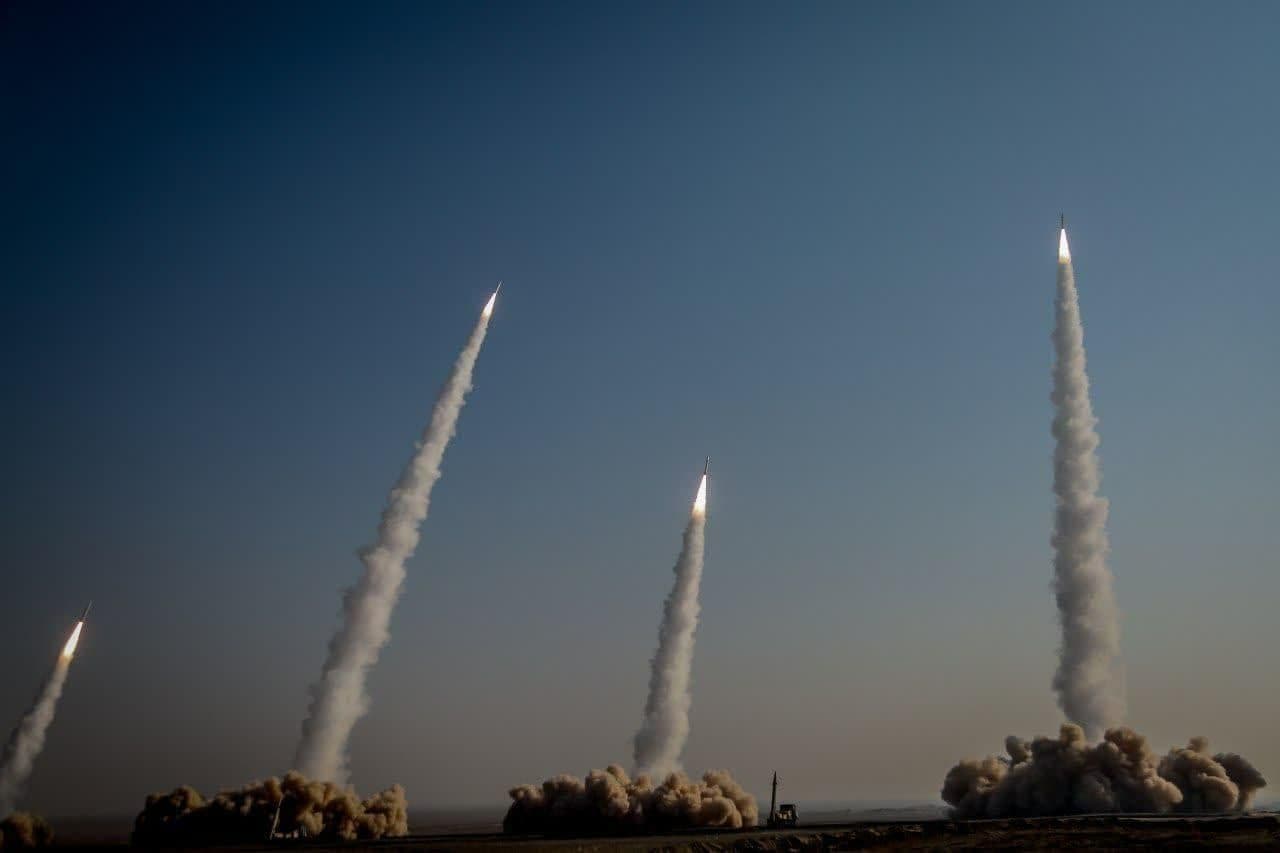
    At this stage, the new generation of IRGC ballistic missiles were fired in Zulfiqar, Zilzal and Dezful classes and successfully hit the targets. The mentioned missiles are equipped with detachable warheads and the ability to be guided out of the atmosphere, as well as the ability to disrupt and pass through the enemy missile defense systems.

    On the sidelines of the IRGC missile exercise, the IRGC Aerospace Force Commander, General Amir-Ali Hajizadeh said: “The missiles used today are a new generation of ballistic missiles and their capabilities are new, and the combination of these with drone operations and the use of achievements and technologies of artificial intelligence has created a new possibility and power.”

    The commander-in-chief of the Islamic Revolutionary Guard Corps (IRGC), General Salami also stated the successful test of new technologies in missile and UAV guidance and control systems and very precise command and control of the joint strategic operation scene as salient features of Payambar-e Azam 15 (The Great Prophet 15) Military Exercise.

    This morning, in the first phase of the IRGC’s “Payambar-e Azam 15 (The Great Prophet 15) drill, a combined operation of firing ballistic missiles of the new generation of the IRGC was carried out along with the combat, reconnaissance and suicide drones, which you can see in the following pictures.

    IRGC suicide drones diving on targets in “The Great Prophet 15) drill”


    According to the information provided by Gen. Hajizadeh, in this drill, the use of artificial intelligence is more on the agenda than the previous drills. An example of this can be seen in the formation of Shahed-161s. IRGC suicide drones have also become more effective using AI.

  • IRGC missile city on the shores of the Persian Gulf

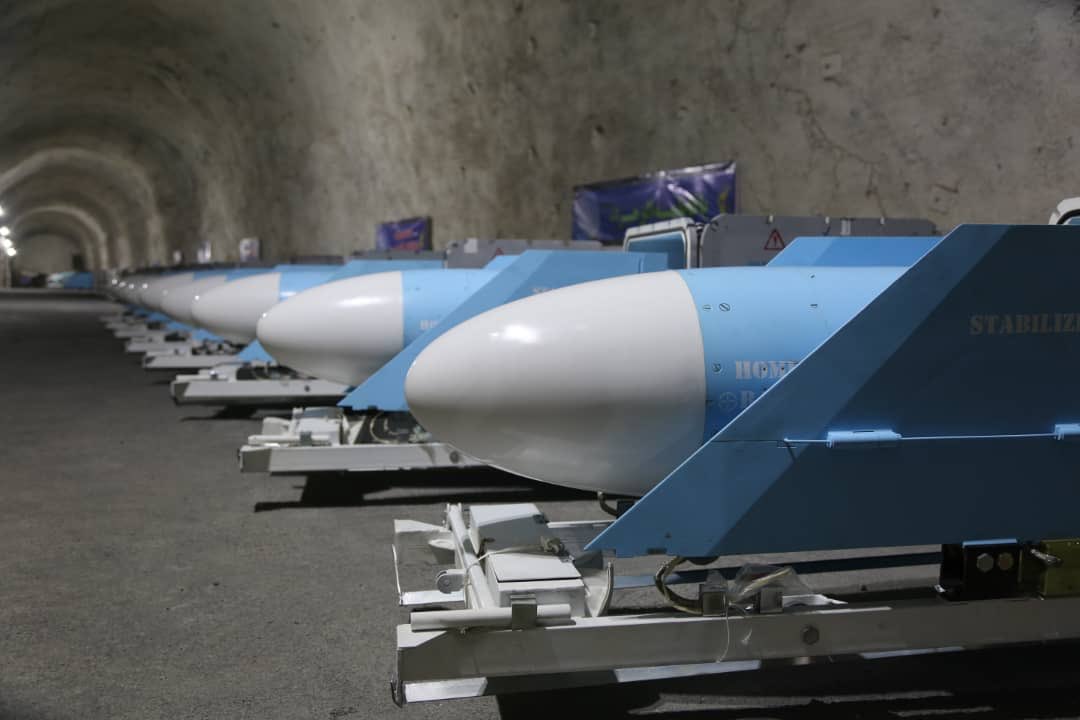
    IRGC missile city on the shores of the Persian Gulf

    The unveiling ceremony of this missile base was held in the presence of Maj. Gen. “Hossein Salami”, Commander-in-Chief of the Islamic Revolutionary Guard Corps.

    Major General Salami said at the ceremony:
    “The complex is one of several facilities holding IRGC naval strategic missiles that house a column of missiles and launchers. IRGC naval missiles are among the most advanced missiles used in coast-to-sea, surface-to-sea and sea-to-sea battles.”


  • Video: Iran’s IRGC unveils smart, automated system capable of launching long-range ballistic missiles

    Video: Iran’s IRGC unveils smart, automated system capable of launching long-range ballistic missiles

    “We are witnessing new achievements in this field (missile program) day by day, and today we are witnessing a nonpareil and a new achievement, which has the ability to launch missiles simultaneously or consecutively at desired intervals,” the chief commander of the IRGC, Major General Hossein Salami, said on Wednesday in a ceremony to launch the new defense system.

    He described Iran’s missile might as the result of the will power of the Iranian nation, and said enemies dread the power of Iranian missiles.

    “This is a strong pillar of … our establishment’s deterrence [doctrine] and reliable defense, and it is a formidable power by which the political will of our establishment is shown to the enemy and if necessary, it will be imposed on the enemy,” he added.

    The top IRGC commander pointed to malicious acts and conspiracies by the enemy and underlined the need for the country’s Armed Forces to fully stand ready and keep a watchful eye on potential threats facing the country.

    Emphasizing that Iran’s missile power guarantees the retreat of the enemies, Salami said this power has been successfully employed in various areas, including in the fight against the Daesh Takfiri terrorist group, and in the battle against counter-revolutionary elements in the west of the country and in remote areas, as well as in preventing the enemy from threatening the Iranian nation.  

    Over the past four decades, Iran has made major breakthroughs in the defense sector, manufacturing several military weapons and equipment for defense purposes, including missiles.

    Back in August, Iran unveiled a host of state-of-the-art defense achievements, including long-range ballistic and cruise missiles, designed and manufactured by experts at home as the Islamic Republic marked National Defense Industry Day.

    Speaking at the event broadcast live on TV, Iranian Defense Minister Brigadier General Amir Hatami said the country had inaugurated a surface-to-surface ballistic missile with a range of 1,400 kilometers named after top anti-terror commander Lieutenant General Qassem Soleimani, who was martyred by the US military in January.

    The Iranian defense chief further said Iran has developed a cruise missile, named Martyr Abu Mahdi, which has a range of over 1,000 kilometers.

    Abu Mahdi al-Muhandis was assassinated along with General Soleimani and a number of their comrades in a US drone raid near Baghdad International Airport on January 3, 2020.

    Source

  • Increasing US casualties in Ain al-Assad!

    Increasing US casualties in Ain al-Assad!

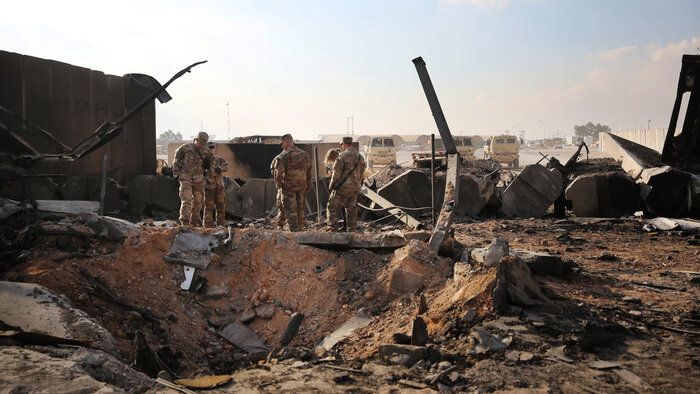
    According to Lieutenant Colonel Thomas Campbell a spokesperson of the US department of defense, 50 U.S. service members were now diagnosed with traumatic brain injury after missile strikes by Iran on Ain Assad base in Iraq.
    Thirty-one of the 50 were treated in Iraq and returned to duty, 8 of them are sent to the US and nine of the total have been sent to Germany for further evaluation and treatment.

  • Qais Khazali: Now it’s our turn!

    Qais Khazali: Now it’s our turn!

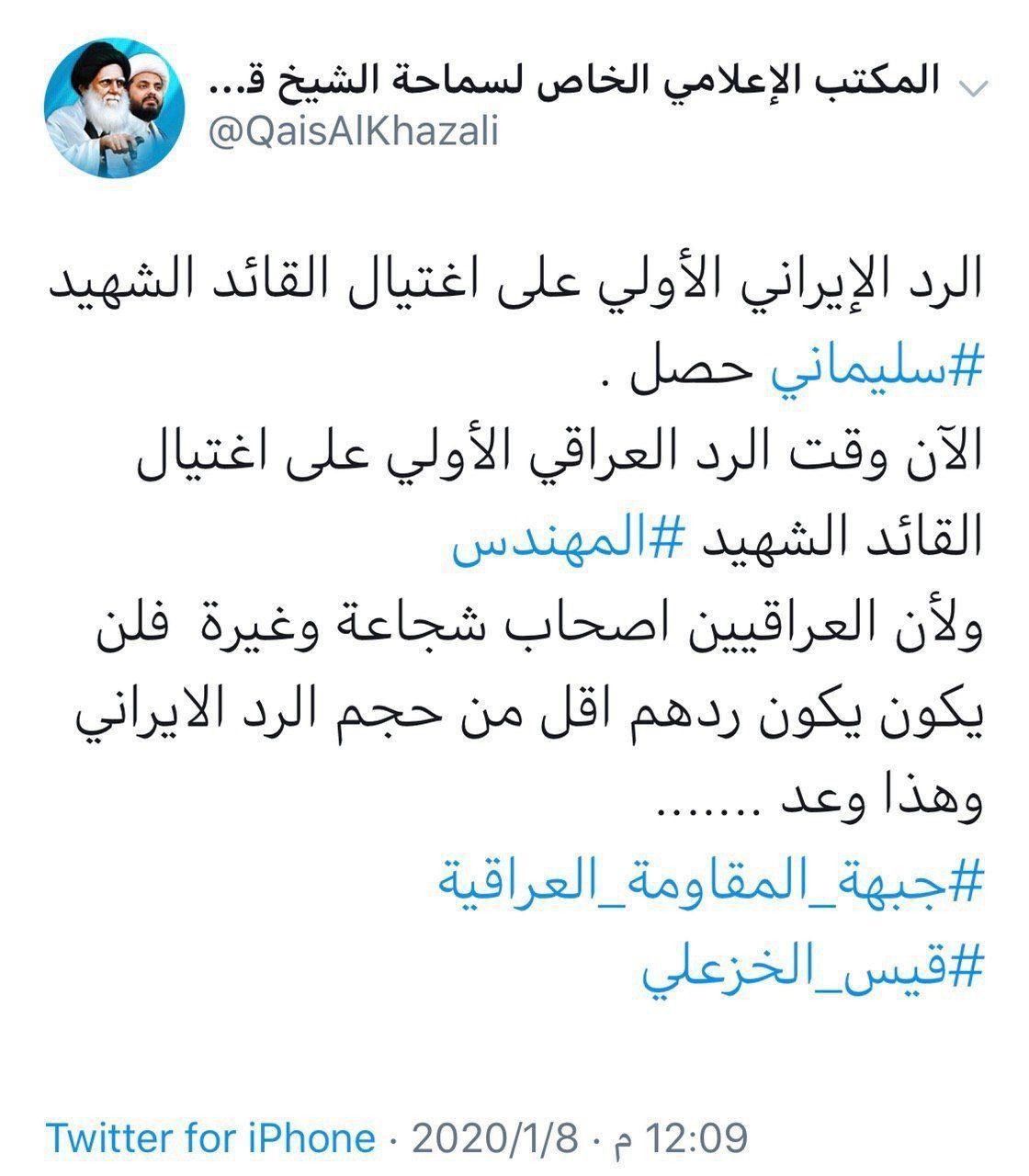
    Media bureau of Qais Khazali said in a tweet:
    “Iran’s first response to assassination of General Soleimani took place.
    Now it is time for Iraq to retaliate for assassinated of martyred commander Abu Mahdi al-Muhandis. Since Iraqis are graceful and brave and their answer shouldn’t be less than Iranians. It is a promise.

  • Iraqi Army statement regarding Iran’s missile operation against US

    Iraqi Army statement regarding Iran’s missile operation against US

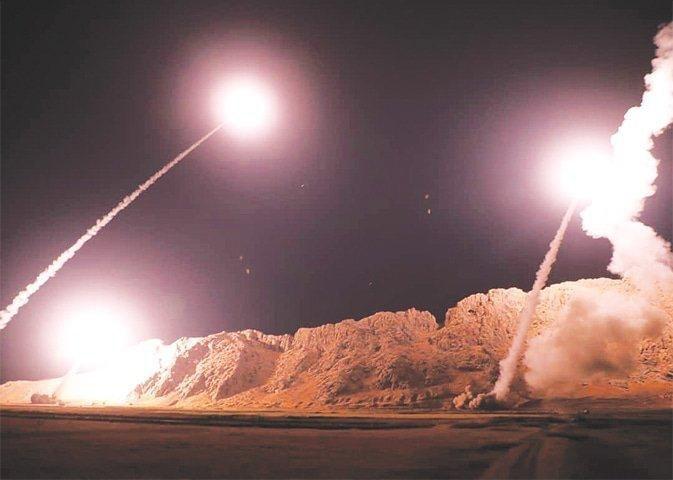
    – In the missile attack to two bases Harir (Irbil) and Ain al Assad (Anbar) 22 missiles fired toward Iraq
    – No Iraqi forces injured or killed.
    – 17 missiles landed on Ain al Assad base and five hit Erbil.

  • Opinion: Defensive Missile; Iran’s Strategy

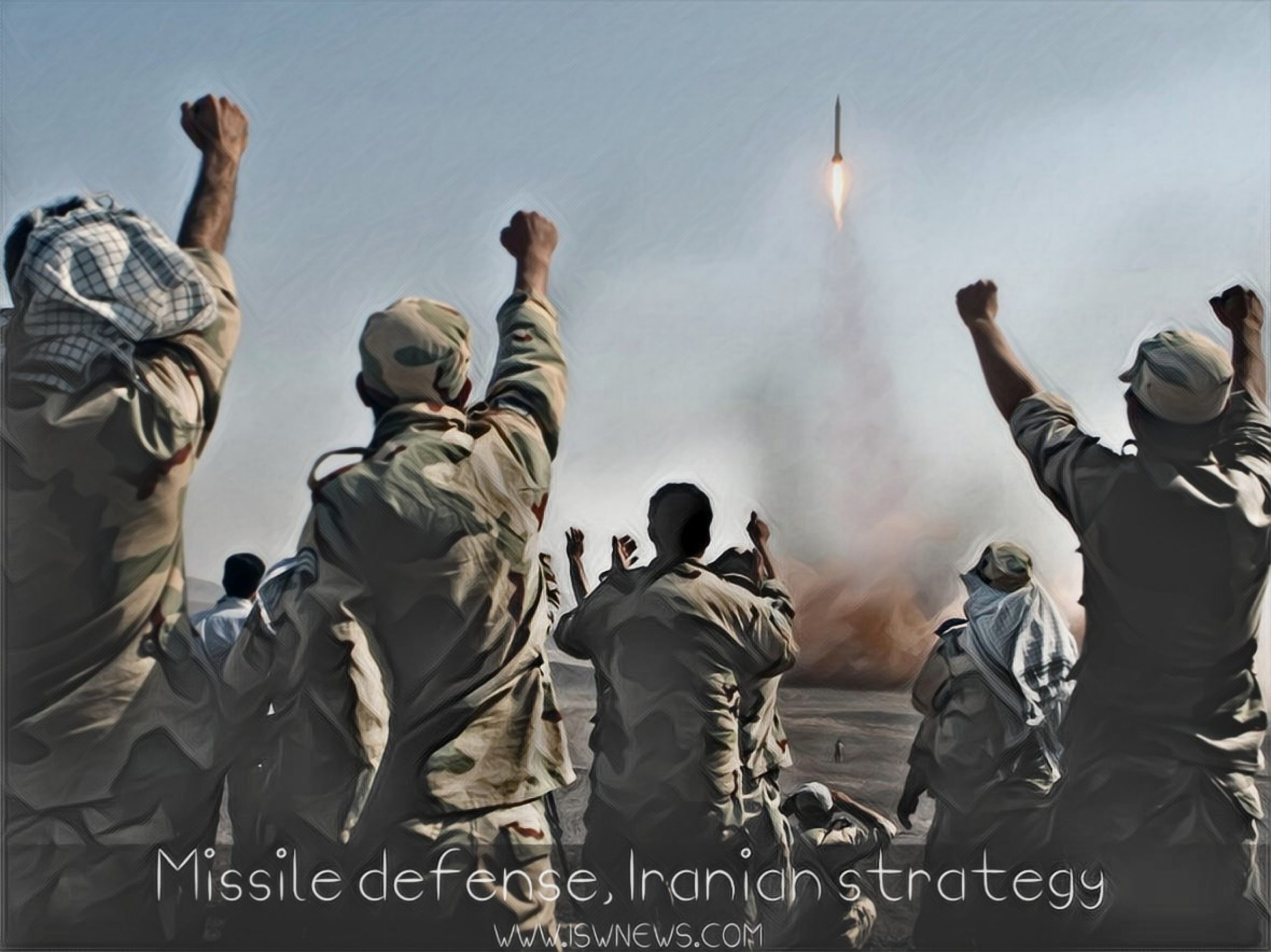
    Opinion: Defensive Missile; Iran’s Strategy

    Ambassadors of France, Germany and UK in UN wrote a letter to António Guterres, General Secretary of UN, that Iran is working on producing ballistic missiles capable of carrying nuclear warheads and mentioned this is against UN Security Council resolution. They also asked the matter to be sent to Security Council.
    Security Council resolution 2231 was passed in 2015 after the nuclear deal between Iran and 5+1, in which Iran is asked to stop developing any ballistic missile capable carrying of nukes.

    US. claimed to detain a boat carrying advanced missile parts going for Hezbollah by Forrest Sherman destroyer and the crew of the boat were submitted to Saudi coalition forces.
    Claiming to detain weapons by US. is not a new thing and since the beginning of war in Yemen it has been claimed several times. US. however claims this time the cargo is advanced missile parts.

    To analyse the claims, it can be said that Hezbollah has been depending on domestic capabilities to develop missile power and importing Iranian weapons from Red Sea or even via Oman at this time of severe sanctions is really unlikely.
    Iran’s missile capabilities have been developed since the sanctions were imposed by the West to compensate for the aging airforce and confronting and deterring local enemies. Iran’s strategy to defense is using missile and this practical strategy were transfered to AnsarAllah, Hezbollah and Resistance groups in Palestine.

    Negotiation and accepting limitation in this field is a tested mistake by Libya and USSR which is away from wisdom. Therefore this is just a project by US. and Europe to impose more economic and political pressure on Iran.