Tag: Know Yemen better

  • Know Yemen better: Looking at position for Sanaa  province in Yemen

    Know Yemen better: Looking at position for Sanaa province in Yemen

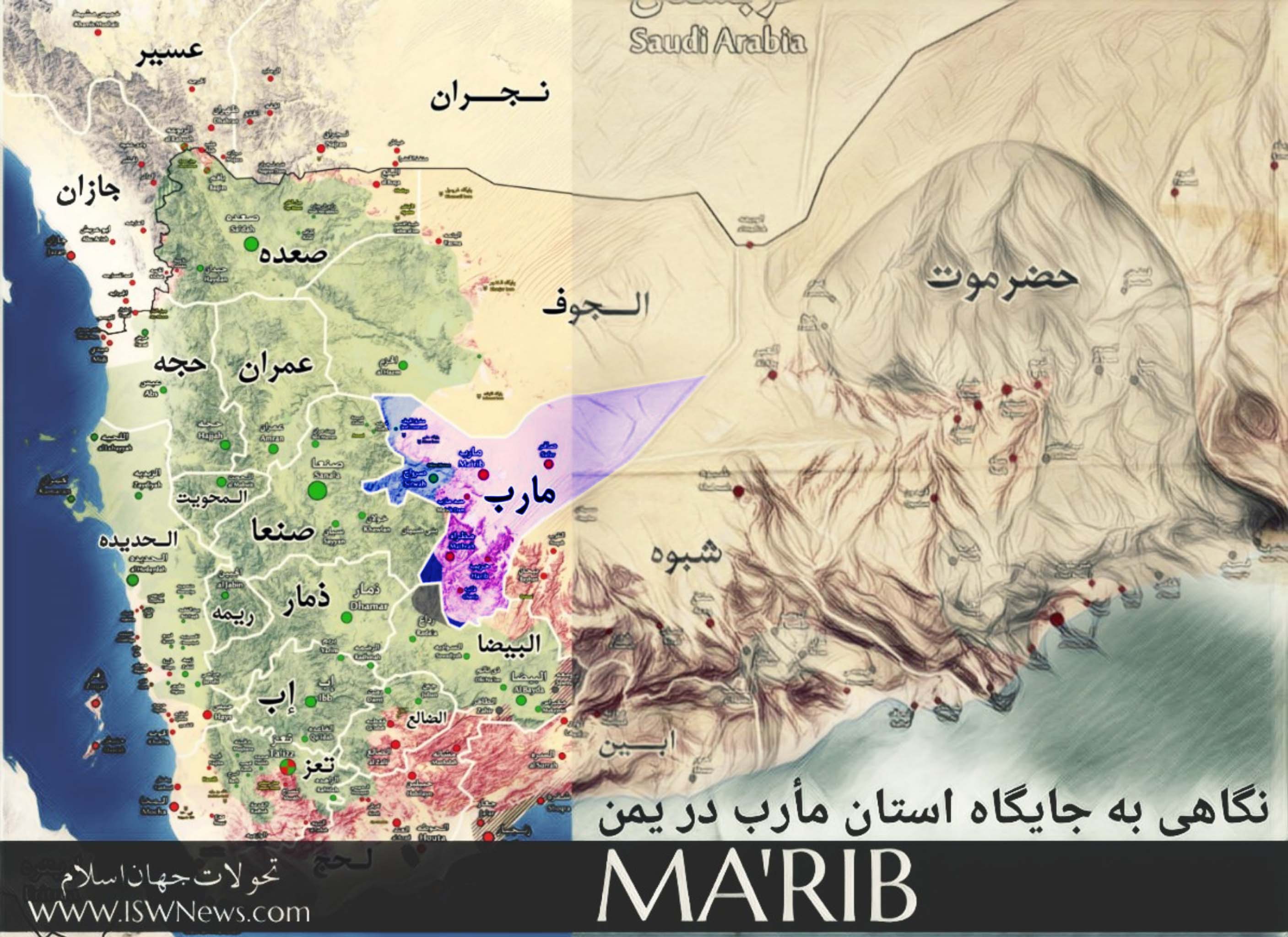
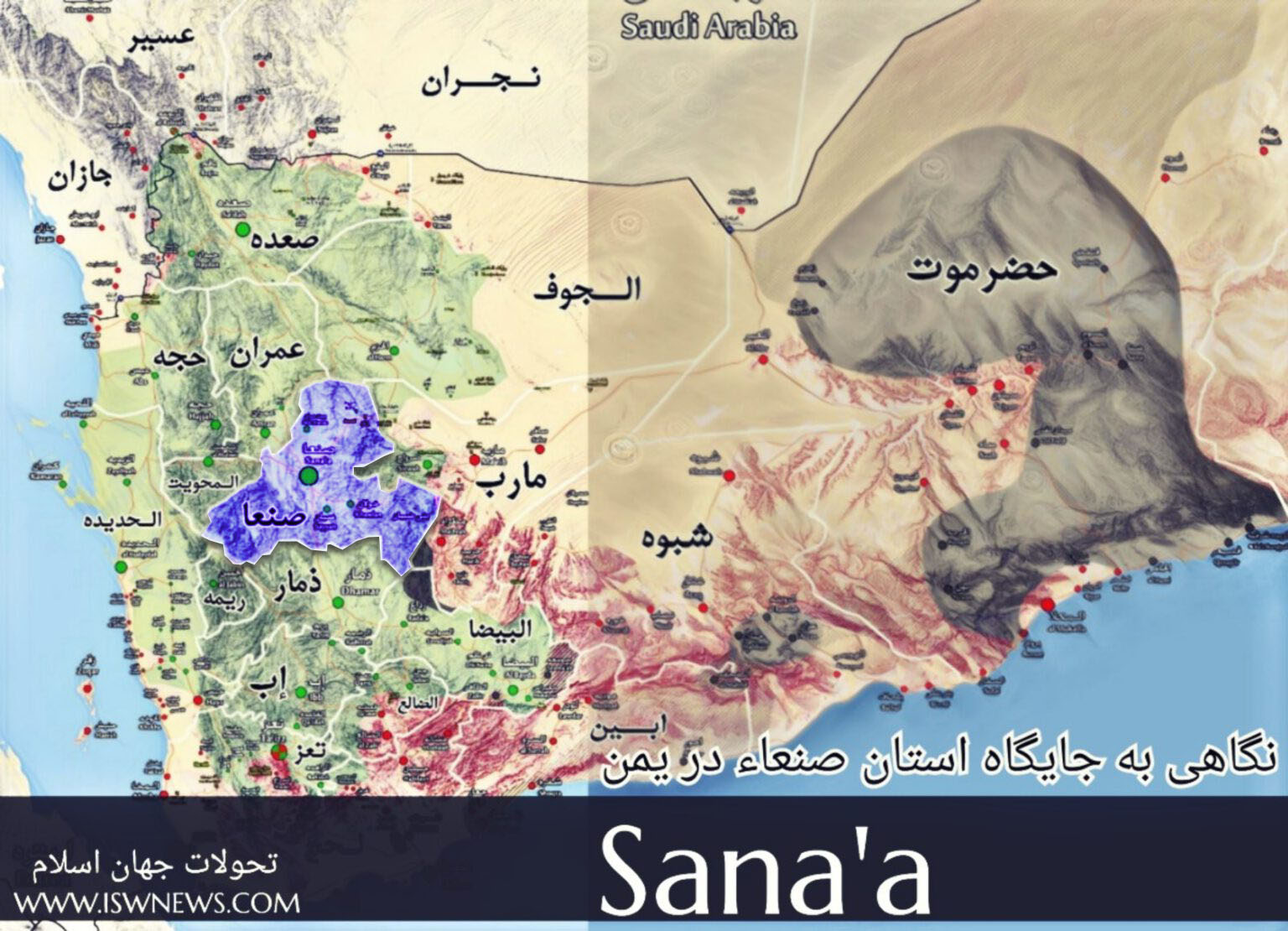
    Sanaa province located in western part of Yemen with capital of historical city of Sanaa has a population of almost 4 million and area of 13,850 km2 which is the biggest city in Yemen.
    Sanaa city is surrounded between mounts Nuqm on east and Ayban in west was founded and expanded through the history and undergone significant changes since 1962 revolution.
    The weather is mild usually and people work in government, industrial or business jobs.

    Sanaa has been capital of ancient civilizations such as Saba and Hamdan before Islam and after Imam Ali (as) traveled there and Yemenis accepted Islam the position of Yemen increased significantly. Ottoman empire campaigned several times to occupy it and Yemenis fought with Zaidiyyah for many years.

    Sanaa position in controlling the western part of Yemen is inevitable therefore Ansar Allah put the main portion of its forces to claim Sanaa after the revolution of Yemen and cleansing the Sanaa province in 2014. Following failure of Mansoor Hadi in keeping his manipulated administration, in 2015 Saudi coalition attacked Sanaa province from eastern axis and even advanced until depth of Nihm district which was repelled by Ansar Allah in their recent operation “Faamkan Minhom” until western part of Marib province.
    Ali Abdullah Saleh intrigued against Ansar Allah in Sanaa in late 2017 which was surpassed by awareness of leader and commanders of Ansar Allah.

    Marib is on east of Sanaa and toward north it spans to Amran and then Saadah, and from south it goes to Dhamar and then Aden, and from west it has a short direct route to Al Hudaydah harbor. This strategic position helps to control the western part of Yemen, thus, a reason Ansar Allah could resist Saudi coalition.

    Large tribes of Sanaa include Hamdan, Khulan, Rus, Sanhan, Matri, etc. which have different sub branches with great power. Most of them are allies of Ansar Allah.
    Sanaa province has 16 districts: Arhab, Bilad al-Rus, Jahanah, Bani Hashish al-Hasn, Hayma Kharijiya, Hayma Dakheliya, Khulan, Sanhan and Bani Bohlul, Saafan, Bani Dhabyan, Tiyal, Bani Matar, Manakha, Nihm, Hamdan.
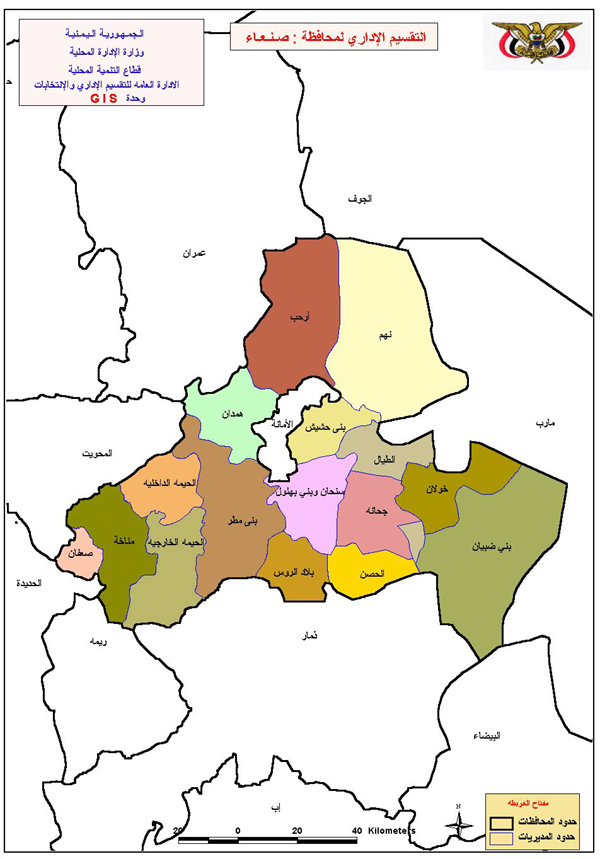
    Map of Sanaa districts


    Sanaa province has a large network of different military bases which are useful in battle against Saudi coalition. The important ones are as follows,
    – Bases central command, Nahdayn, Zubayri and Sabrah which are mainly used by presidential guard.
    – HQs of 5th and 6th missile divisions in Atan area, 8th division HQ in Sabrah area, which are used mainly for missile operations.
    – The headquarters of the Special Forces and the headquarters of the Counter-Terrorism Force in the al-Sabaha area.
    – Reserve force HQ in Haziz area, 83rd artillery division in Sama’ mountain area, 62nd division in Farijah area, 63rd division in Beit Dahra area and 102 infantry division in Bani Hashish district.
    – Air force Deilami base in north of Sanaa and al-Sab’ayn base which were used by air force before and now are used by drone units.

    AnsarAllah however did not limit itself to these points only in war against Saudi coalition and built new points for weapon and equipment warehouse which are unknown for Saudi coalition.

    In summary the importance of Sanaa in Yemen evolution includes:
    1. Capital of Yemen.
    2. Has key role in controlling west of Yemen.
    3. Important tribes and large population live there.
    4. Lays at intersection of important roads between eastern towns with western and southern towns.
    5. Center of administration, political and trade in Yemen.
    6. Has vast military infrastructure.


    YOUR SUPPORT IS CRITICAL TO KEEP ISWNews ALIVE!


    I’d like to thank readers for their confidence and support. Thanks to your support we can continue to perform our duty on reporting the important events in the region. So If you like our contents, please don’t feel embarrassed to contribute and help our project, for as little as 1 Dollar. Your contribution, however small, will help ensure our project continuity. Thank you.
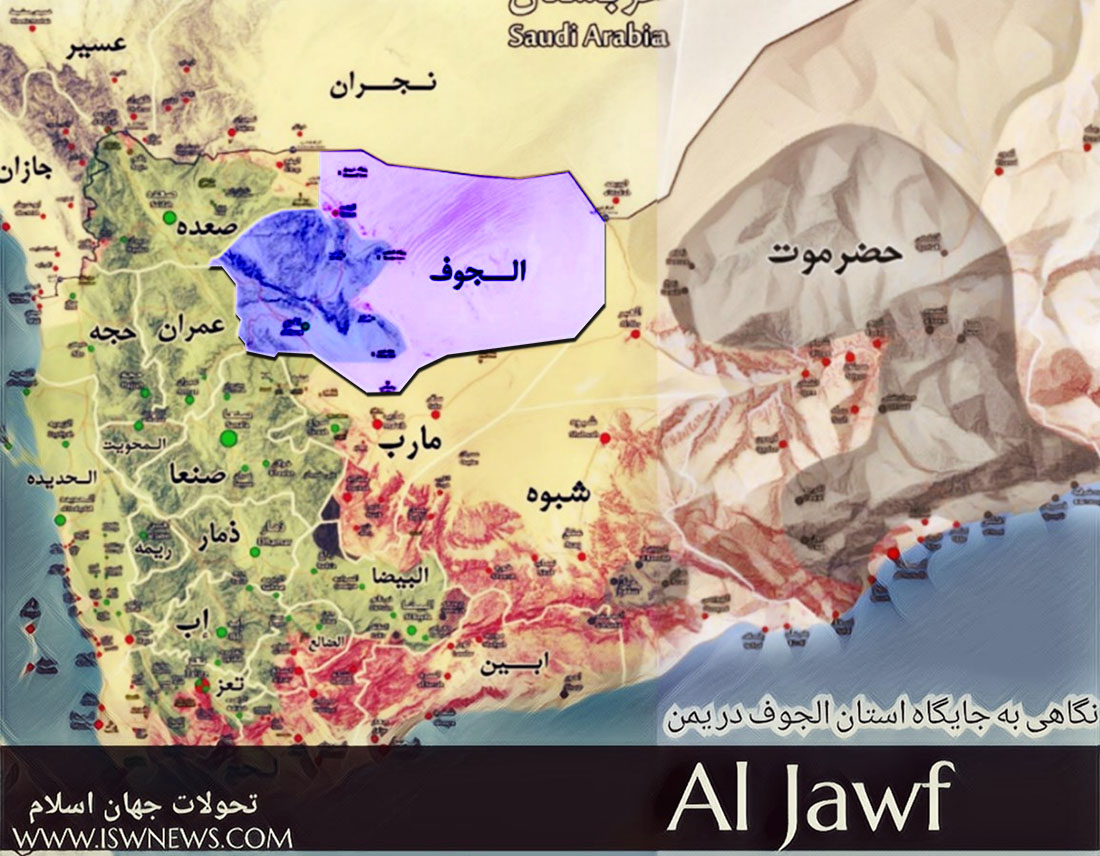
  • Know Yemen better: Looking at position for Al-Jawf province in Yemen

    Know Yemen better: Looking at position for Al-Jawf province in Yemen

    Al-Jawf province covers 30,620 km2 with population of 750 thousand in north of Yemen at the border with Saudi Arabia.
    People in al-Jawf mainly do farming and herd raising and since the eastern half of the province is Rob’ al-Khali desert, the population is concentrated in mild weathered western part.

    Al-Jawf has 12 districts as follows: Al-Hazm, Khab and Shaaf, al-Ghayl, Khalaq, Bart al-Anan, Kharab al-Marashi, Hamidat, Rajzua, Zaher, Motun, Maslub and Matmah.

    Al-Jawf is important for having ancient sights, overlooking provinces Saadah and Marib and neighboring with Sanaa, Amran and Hadhramout.

    Al-Jawf geopolitical position has been important throughout the history as to connect Najran to Saba, Qataban and south of Yemen. This route had great trade importance and even Saudi coalition tried hard at the beginning of their assault to capture it.

    Al-Jawf has been the front line of the war with Saudi coalition since the beginning of it and near the end of 2015 the coalition advanced until al-Jawf crossroad and Hazm towns in an operation in west of Marib and al-Jawf provinces. Following the operation Hazm town was captured on 18 December 2015.
    Finally after several years of conflict, Ansar Allah reclaimed Hazm and western part of al-Jawf on 1 March 2020 in a heavy operation.
    Ansa rAllah tried to reclaim Hazm but Ali Abdullah Saleh intrigue interrupted it since the forces dispatched to other fronts.

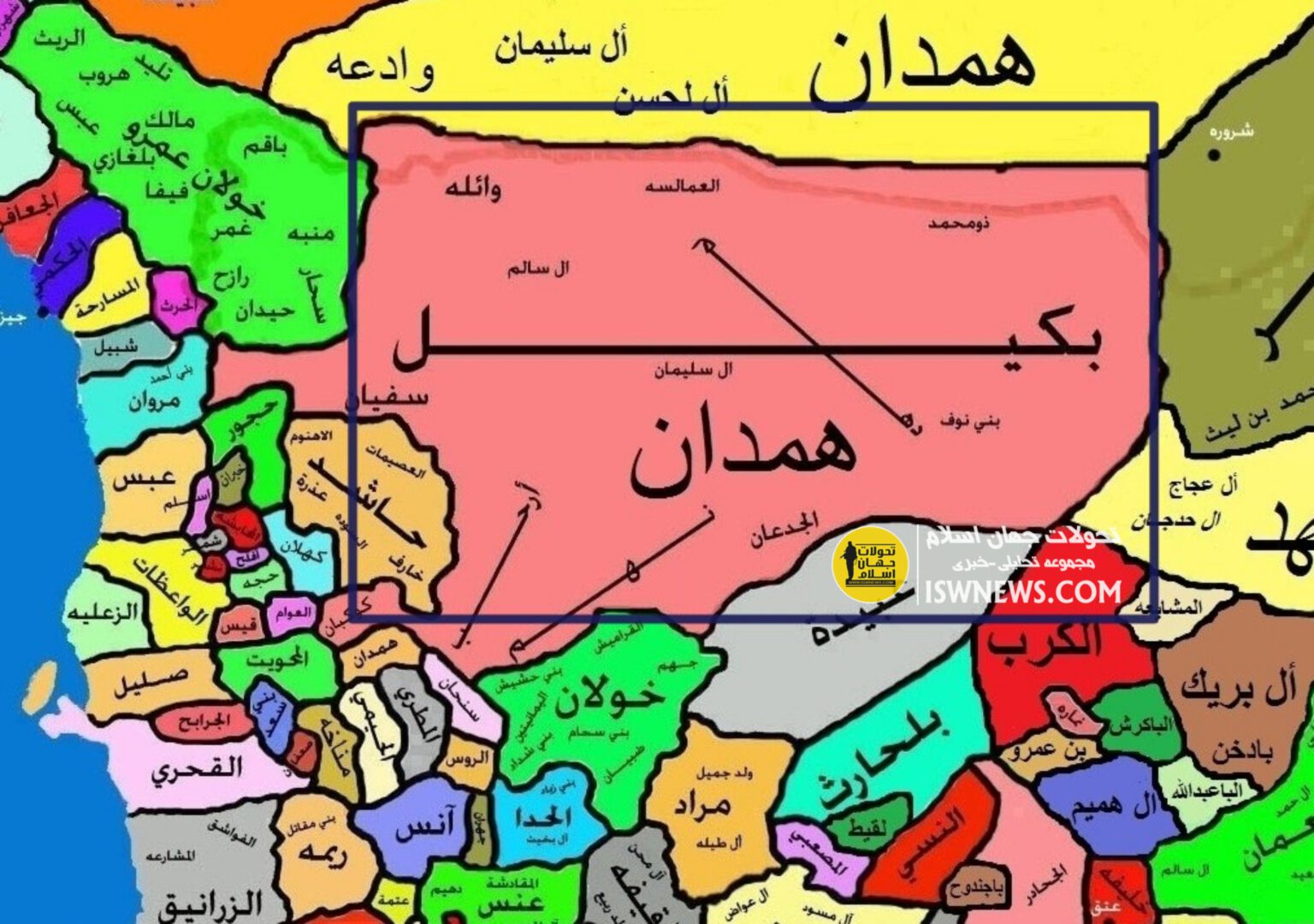
    Tribes living in the province is the big tribe of Bakil most of whose subtribes are allies with Ansar Allah.


    Important military bases include Kanayes,Khanjar, Taibat al-Esm, Labanat, Boqa’, Gharimil from which Khanjar and Labanat are in control of Ansar Allah.

    To control and use al-Jawf province Ansar Allah needs to fulfill following missions:
    1. Claiming the western part of al-Jawf.
    2. Controlling roads Hazm-Jawf drossroad and Hazm-Khadhra crossroad port at the border with Saudi.
    3. Controlling all military bases in al-Jawf province.

    In addition by absorbing the tribes, Ansar Allah can win the fronts in Marib province and defeat Saudi coalition in north of Yemen border fronts which is important in Yemen war.

  • Know Yemen better: Looking at position for Saadah province in Yemen

    Know Yemen better: Looking at position for Saadah province in Yemen

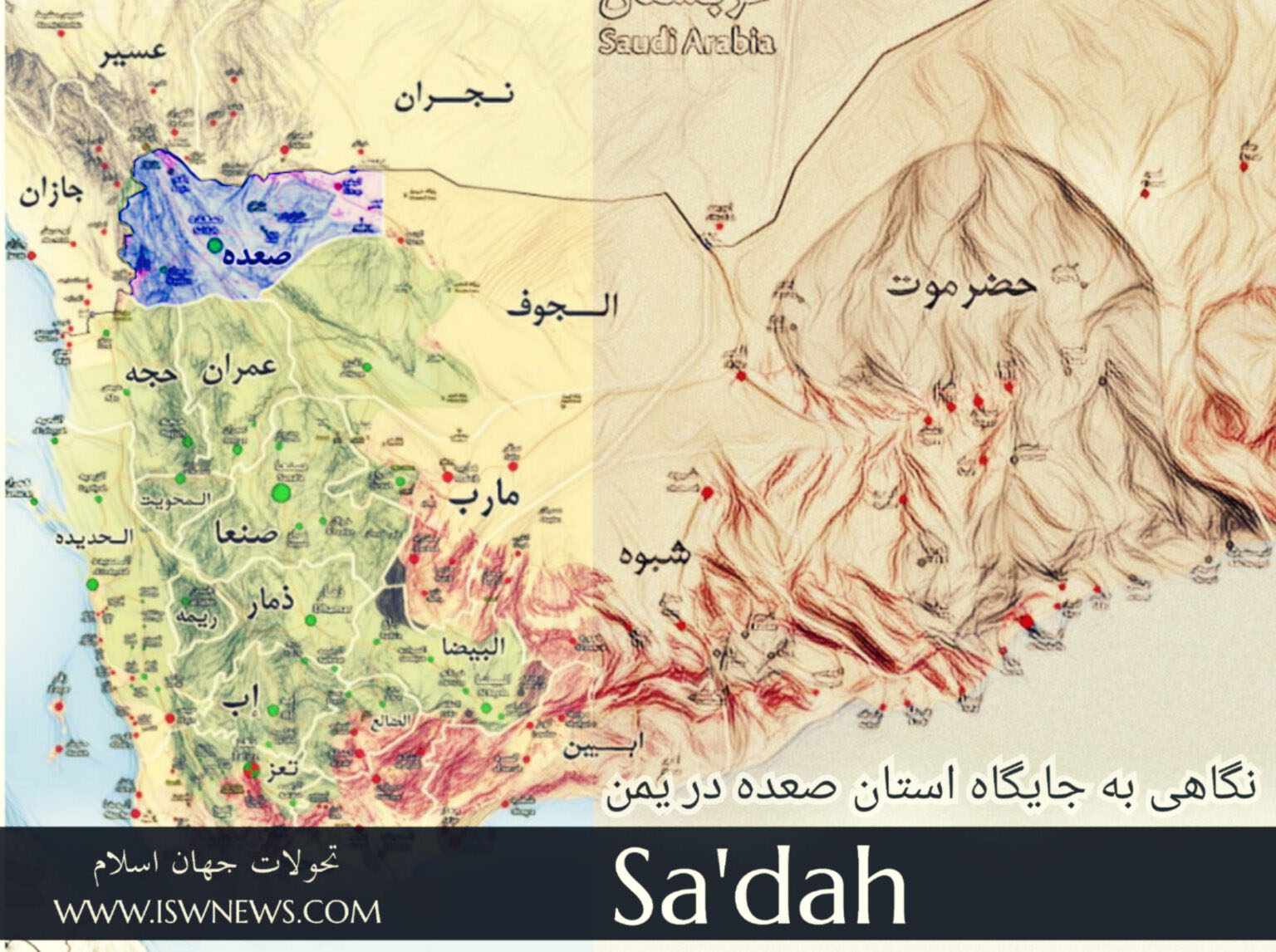
    Saadah is a northern province in Yemen with more than 700 thousand population and 11,375 km2 area. The province has 15 districts including Hashwah, Safra, Zaher, Baqim, Hidan, Razih, Saqin, Saher, Shada, Saadah, Ghamar, Qatabar, Kitaf, Mujiz and Munbah.
    Agriculture and herding are the occupation of most of the people. Handicrafts and minerals in Saadah brought business opportunities for inhabitants of Saadah.
    Most of western part of the province are suitable for agriculture and has mines due to heights and suitable weather. The eastern part is desert and dry, in which herding is more suitable.

    Saadah districts


    Saadah used to be en route to Yemeni Hajj and trade caravans thus, had economic boom, cultural and art development.
    Saadah has several old bazaars including Soq al-Talh, Soq al-Qadin and Soq al-Asbu’ei, each of which has a daily trade schedule such as handicrafts, coffee, fruits, etc.

    Saadah is important in controlling the northern part of Yemen and its northern heights are obstacles for enemy’s invasion. During the Zaidi ruling, Saadah was their capital.

    Notable people of Saadah include martyr Sayyid Hussein Badreddin al-Houthi who is recognized as the leader and founder of Yemen’s revolution. Sayyid Hussein had a key role in enlightening and expanding the Islamic resistance idealogy in Yemen. He is among the founders of Ansar Allah in Yemen in 1986 as “Believing Youth Union” (اتحاد الشباب المؤمن).
    This movement founded under leadership of Shia scholar Salah Ahmed Falitah and pioneer youths such as Sayyid Muhammed Badreddin al-Houthi (Sayyid Hussein’s brother) and then in 1990 had Muhammed Yahya Azzan and then Sayyid Hussein Badreddin al-Houthi as secretary general.

    The expansion of the movement was known with the name of Sayyid Hussein Badreddin al-Houthi, thus it was famous as Houthis and after his martyrdom and leadership of Sayyid Abdul-Malik Badreddin al-Houthi and his strong management, it was called Ansar Allah Movement.

    Sayyid Hussein martyred on September 10, 2004 in heights of Saadah after several years of fight with Ali Abdullah Saleh since 1990. His body delivered to Ansar Allah after several years and buried in Marran heights, northwest of Hidan, which was bombed by Saudi coalition warplanes in 2015.

    Sayyid Hussein Badreddin al-Houthi tomb in Marran heights bombed by Saudi warplanes


    Important tribes of Saadah are three: Khulan, Bakil and Hashed, which have important role in fighting against Saudi coalition.
    In early years of Yemen’s revolution, Wahhabist immigrants of Dammaj village, southeast of Saadah, assaulted Ansar Allah. The intrigue was expelled by exiting Wahhabists from Saadah in early 2014. Al Abdin tribe also had conflict with Ansar Allah outskirts of Saadah which finished by victory of Ansar Allah.

    Since the invasion of Yemen started, Saadah become a main axis for Saudi coalition.
    Saudi coalition operation to occupy Saadah was launch from three axes:
    1. Northern axis (Alab-Saadah road in Baiqm district)
    2. Eastern axis (al-Boqa to Kitaf)
    3. Western axis (Malahit to Marran heights),
    which almost all of Saudi coalition operations were expelled by Ansar Allah so far.
    Among the reason of this defeat are the heights of north and special terrain of Saadah, Ansar Allah’s dominance on the region, Ansar Allah’s resistance and tactics against Saudi coalition, among which operation “Nasr Min Allah” is a famous example.

  • Know Yemen better: Looking at position for Marib province in Yemen

    Know Yemen better: Looking at position for Marib province in Yemen

    Marib is the name of an important and historic province in the Yemen, that consists of 14 restriction and has more than 250 thousand people population and also 17405 square kilometers area.
    Marib has been the capital of Yemen government (Saba’) from 650 BC to 115 AD , and now there are a historic palace and dam in Marib that is known related to this era.
    The climate of this province is different in the mountainous and desert regions; and despite the drought, the main activity of this province inhabitants is agriculture and animal husbandry.

    Marib has many of oil and gas resources and has a power plant. By 2014, Marib was exporting electricity, gas and oil to the other Yemeni provinces, that this process was disrupted with beginning the war in Yemen.

    According to local sources report, Safer refinery, that is the resource of oil and gas of the Marib province, produces more than 700 thousand tons gas a year and 9 to 18,000 barrels of oil a day.

    Safer has two main pipelines, that one of them connects the oil to the Raas Al-Issa port in Al Hudaydah through Sanaa and by crossing the Dhamar province ; and another is the gas pipeline that has been connected to Belhaf port in the southern beaches of Yemen by crossing the Shabwah province. Also there are two other inner pipelines, that one of them transfers oil to Sana’a and the other transfers gas to the west of  Sion city in the Hadhramout province.

    Yemen oil and gas pipelines


    Several tribes live in Marib, that three of these tribes are from great Yemeni tribes.
    The Murad and Ubaida tribes support the Abd Rabbah Mansur Hadi government in Yemen war, because of their religious tendencies, specific thinking (the Muslim Brotherhood and the Islah party) and also Saudi financial supports of their leaders.
    They fought against Ansar Allah and the Kholan tribes (resident in the Sarwah and Harib Qaramish districts) after transferring the forces and extensive equipment of Saudi coalition to Marib in 2015.

    Marib tribes


    During recent years, Marib has become the center and major base of the Mansour Hadi and Saudi coalition militaries; and because of this, Ansar Allah has done several heavy missile attacks on coalition bases in this province. These attacks include:
    1. Ansar Allah missile attack on Sep 4th 2015 on a base in the outskirts of Safer that led to killing the 52 Emiratese, 10 Saudis, 5 Bahrainis and a some of Mansour Hadi forces.
    2. The Ansar Allah rocket attack on Dec 14th 2015 on the same base that led to the killing 23 Saudis, 18 Sudanese, 9 Moroccan and 7 Emiratese.
    3. Ansar Allah missile attack on Jan 18th 2020 on Al Nasr base in the north of Marib city that led to killing 111 people. (Of course, Ansar Allah didn’t claimed the responsibility of this attack)

    In general, importance of the Marib province in the current situation of Yemen is because of two points:
    A) Oil and gas resources: In negotiations, Ansar Allah wants the fair distribution of these resources revenues and the stability of oil pipeline activity to Sanaa.
    B) Converting of Marib to the base of Islah party and Mansour Hadi’s former government : Ansar Allah does not want to delete the Islah party from the Yemen, and by various ways has had interaction and peaceful behavior with them; but influence of warlords and Saudis power imposing has deprived their independence.

    Ansar Allah has focused his attention to Marib, in order to neutralizing these two key points that have been one of the cause of reinforcement of Abd Rabbah Mansour Hadi’s former government’s position in Yemen. If this issue not be achieved by Ansar Allah negotiation with the Islah party’s moderate front (that relies on the power of the Marib tribes), Ansar Allah military operation is not unexpectable.

    Marib districts


  • Know Yemen better: Looking at position for al-Hudaydah province in Yemen

    Know Yemen better: Looking at position for al-Hudaydah province in Yemen

    Al Hudaydah, Taiz and Hajjah are three western provinces of Yemen that located in the neighborhood of the Red sea.
    Currently, the Ansar Allah forces accessibility to Taiz coasts have been cut off, and also Hajjah coasts have not so much role in Yemeni maritime communications; And meanwhile, Al Hudaydah ports have a better location with the sea. Therefore, the Saudi coalition dominance over Al Hudaydah can complete the ground siege of Ansar Allah and also make impossible the very limited marine communications.

    A historical look to the Al Hudaydah:
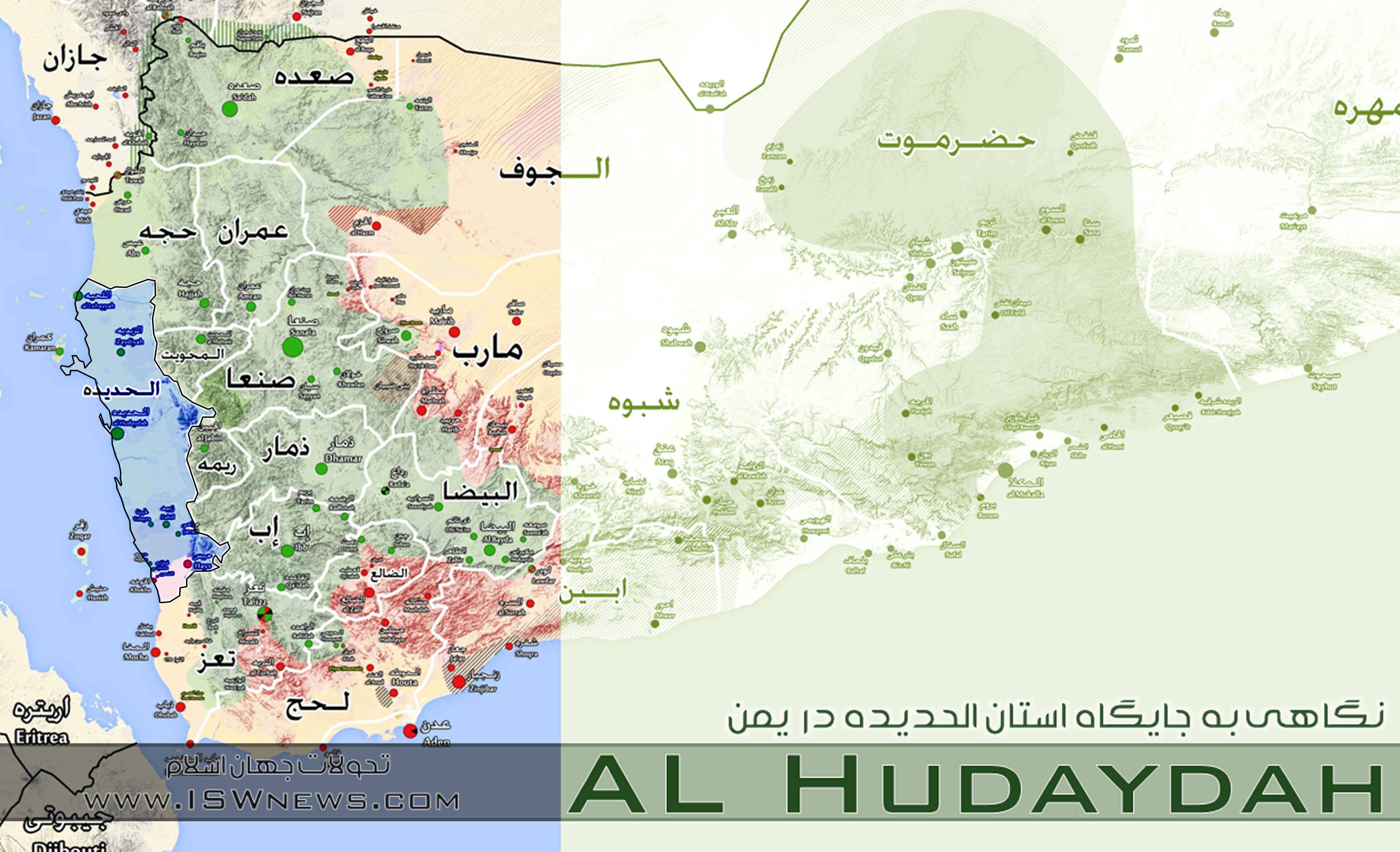
    Al Hudaydah is located in the 226 km of Sanaa; with Mahvit, Sanaa, Dhamar and Ibb provinces from the east and with Taiz from south, from west with Red sea, from north with Hajjah province that is near the Saadah (the main origin of Ansar Allah and neighbour of the province of Saudi Arabia), is coborder.
    The geographical location, climate diversity, and plentiful wealth of this province caused the “mountain forces” to greed for occupying this region and using its vast farms.

    The mountainous were the tribes from the north of Yemen, that were imposing some form of racial discrimination against Al Hudaydah main residents. The same greed on Al Hudaydah lands and discrimination against its inhabitants led to the mountainous dominance on this region, forced displacement of its original inhabitants and excluding them from the political scene and decision making.

    The non-natives dominance on Al Hudaydah resources and to isolate of its inhabitants in the long time, has led to this region inhabitants voice not be heard in the international organizations and these inhabitants not be so much present in the political field.

    Thus, the province that is the second populous province of Yemen, lacks media persons proportional to its population size in the country and except few cases, lacks influential media persons.

    This situation has led to Al Hudaydah province media isolation, at least until before releasing the images of the famine and before Steven O’Bryan (envoy of the secretary general in humanitarian affairs and coordinator in crisis situation) visiting.

    The geographical blessings of Al Hudaydah has not led to any benefit for its inhabitants but it has caused many problems for them; as far as their historical war in the frame of the Zaraniq revolution (one of the Al Hudaydah tribes) that was happened against the Imam (Zaidi) government in the decades before the revolution of Sep 26th 1962, and has led to isolating and complete repulsing of them and finally interacting with them as a rebellious movement (not one of the 26th Sep revolution puzzle pieces); and same history has led to many people accuse the Ansar Allah that they want to intentionally destroy the Al Hudaydah.

    The Yemen war operation planning room has not confined to making the religious and ethnic divisions, and in some cases in the process of planning the operations have attempted to find historical similarities.

    For example, the dominance on Al Hudaydah (that is considered the key to Ansar Allah surrendering and the realization of the six-part system), is the path that the Ottoman kings (Sultan Abdul Majid I) considered for dominance on the north of Yemen and moving for occupying the Sanaa.

    Therefore, cutting the access and connection of  Ansar Allah with the sea, complete land blockade, moving to Sanaa, imposing political pressure and having upper hand in negotiations and… are the factors that have led to Saudi coalition command room to think about occupying the Al Hudaydah, the second populous province of Yemen.

    Al Hudaydah districts
    Al Hudaydah tribes