The Balochistan Liberation Army (BLA) terrorist group claimed responsibility for the attack.
The blast was the first major attack in an urban area of Pakistan since Prime Minister Shehbaz Sharif took power this month. He condemned what he called a “cowardly act of terrorism”.
Prior to the attack, Tehreek-e-Taliban Pakistan (TTP) militants attacked a border checkpoint in the Di Wagar district of North Waziristan on April 23, killing three Pakistani soldiers. Taliban insurgents destroyed the checkpoint after the clashes and fled to Afghanistan. The Taliban also assassinated two Pakistani soldiers in the South Waziristan region today.
Video: Moment of suicide explosion in front of a van carrying Chinese nationals
For several weeks now, about 2,000 Ukrainian troops (Ukrainian side statistics) and about 1,000 civilians fleeing the Mariupol battles have taken refuge in tunnels and shelters under the Azovstal plant.
Information and charts have been published by both Russian and pro-Ukrainian media confirming that there is a network of strong tunnels and shelters beneath the Azovstal plant.
According to the available information, there are 6 strong floors and a network of 24 km long tunnels under Azovstal plant. These facilities have an independent water and electricity system. Given that the shelter was built during the Soviet era and the Cold War, it provides the necessary conditions for survival for a long time.
Hence, this may be one of the main reasons why Russia and its president are reluctant to continue fighting in Azovstal.
In general, the Azovstal lower floors and similar places in other parts of Ukraine are among the high-profile issues of the Ukrainian war. In the last two months, Russia has repeatedly released documents claiming that Ukraine, with the help of the United States and its Western partners, is carrying out a series of illegal biological programs in places such as Azovstal and elsewhere in Ukraine; An issue that Russia will never tolerate.
According to initial reports, the Turkish army Bashiqa military base was targeted by six rockets.
This is the first rocket attack on the Bashiqa base since the start of Turkish Army “Claw Lock” operation in northern Iraq. No group has claimed responsibility for the attack, but it is likely that the attack was carried out by Ahrar Sinjar group.
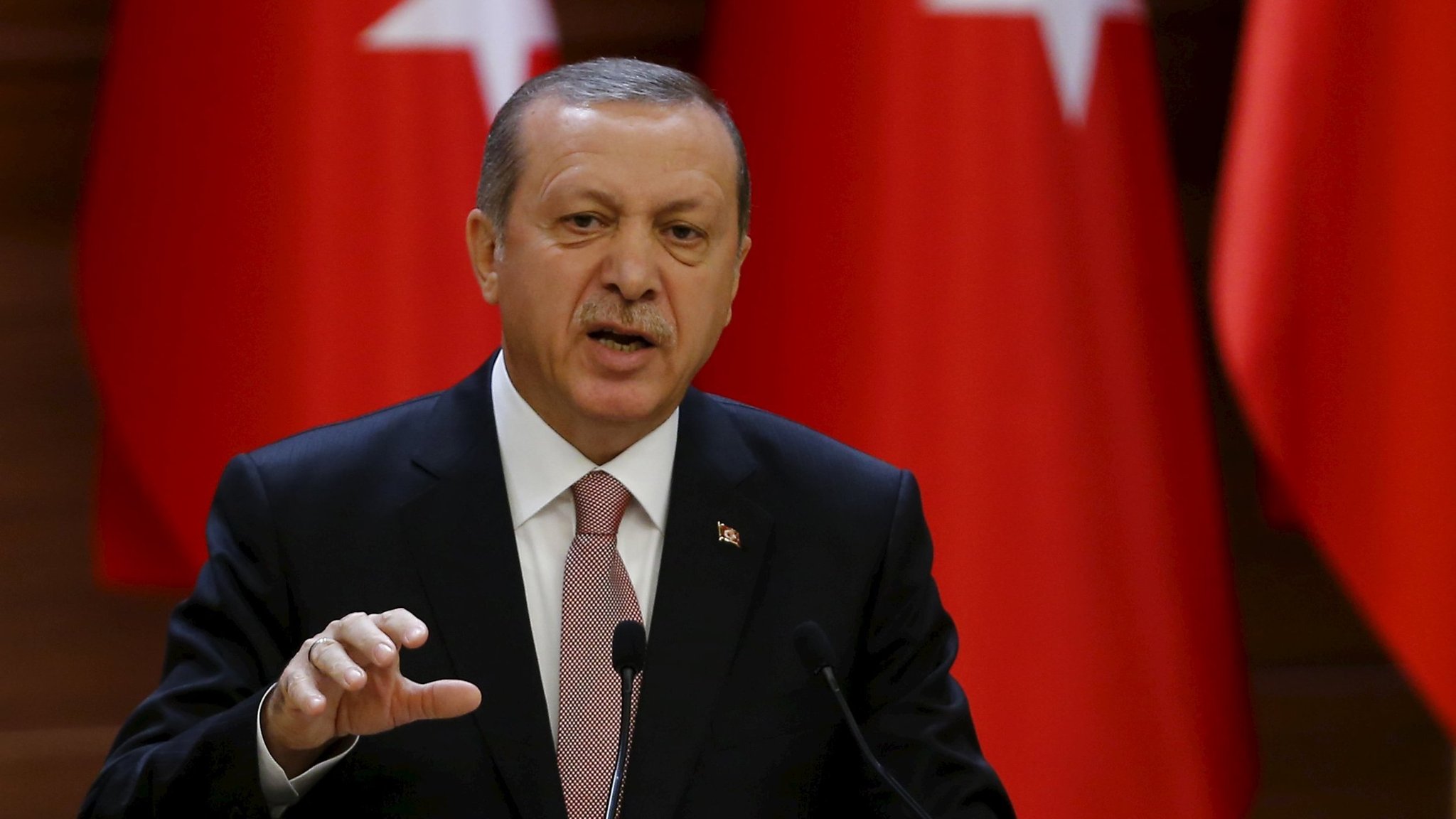
Speaking to the media after Friday prayers in Istanbul, Turkish President Recep Tayyip Erdogan said: “Another Turkish soldier was martyred during Operation Claw Lock in northern Iraq. So far, 45 PKK militants have been killed by Turkish troops in the operation.” He added: “The operation will take some time. We will continue our fight against terrorism without stopping and without fatigue. I hope this operation will end successfully with minimal casualties.”
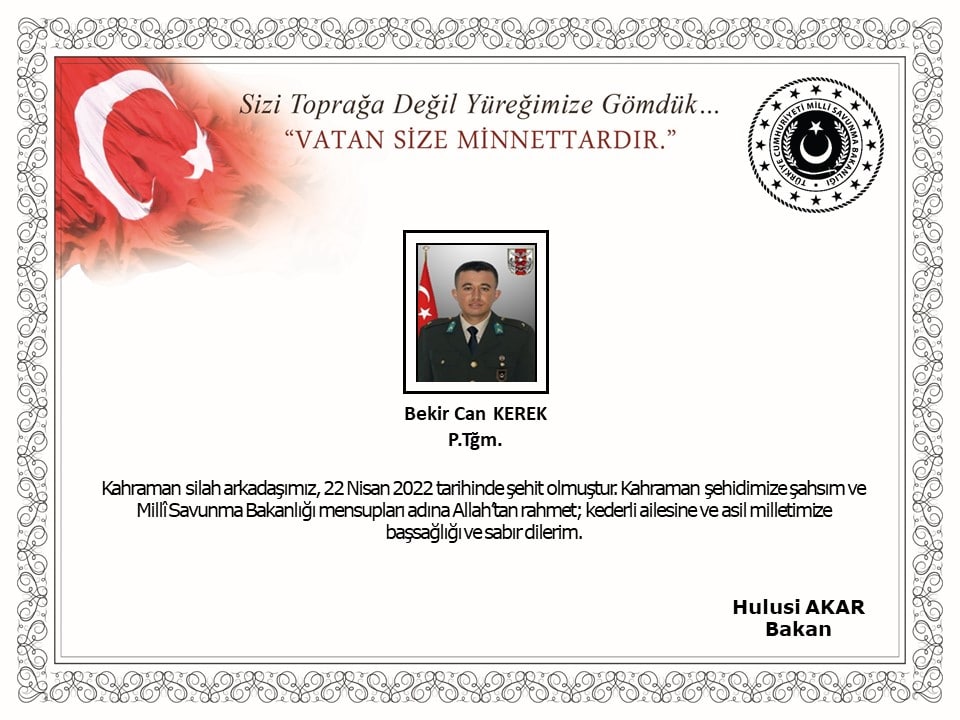
Following Recep Tayyip Erdogan’s remarks, the Turkish Ministry of Defense announced that two other Turkish soldiers had been killed in northern Iraq. Thus, the number of casualties of the Turkish army in Operation Claw Lock increased to five.
Earlier, two Turkish soldiers were killed in a booby-trap explosion and a PKK rocket attack in northern Iraq.
It is worth mentioning that the “lock claw” operation of the Turkish Armed Forces began in the morning of April 19 this year with the order of the Turkish Minister of Defense Khulusi Akar against the PKK militants in northern Iraq.
On the morning of April 18, Turkey has launched a new ground and air cross-border offensive named ‘Operation Claw Lock’ against Kurdish militants in northern Iraq. It should be noted that the Turkish military has conducted dozens of military operations against PKK militants in northern Iraq in recent years.
Afrin Liberation Forces claimed responsibility for the attack.
Afrin Liberation Forces, is a paramilitary Kurdish group which was formed to fight against Turkish supported militant and Turkish Army in occupied lands of Afrin.
The Afrin liberation Forces has resumed attacks on Turkish troops in northern Syria after a four-month halt. The last operation of this group against the Turkish troops in Syria was in December 2021.
The “Afrin Liberation Forces” released a video of the attack on a Turkish army vehicleThe moment of the explosion of the Turkish army vehicleA video of a Turkish army vehicle being targeted by the Afrin Liberation Forces
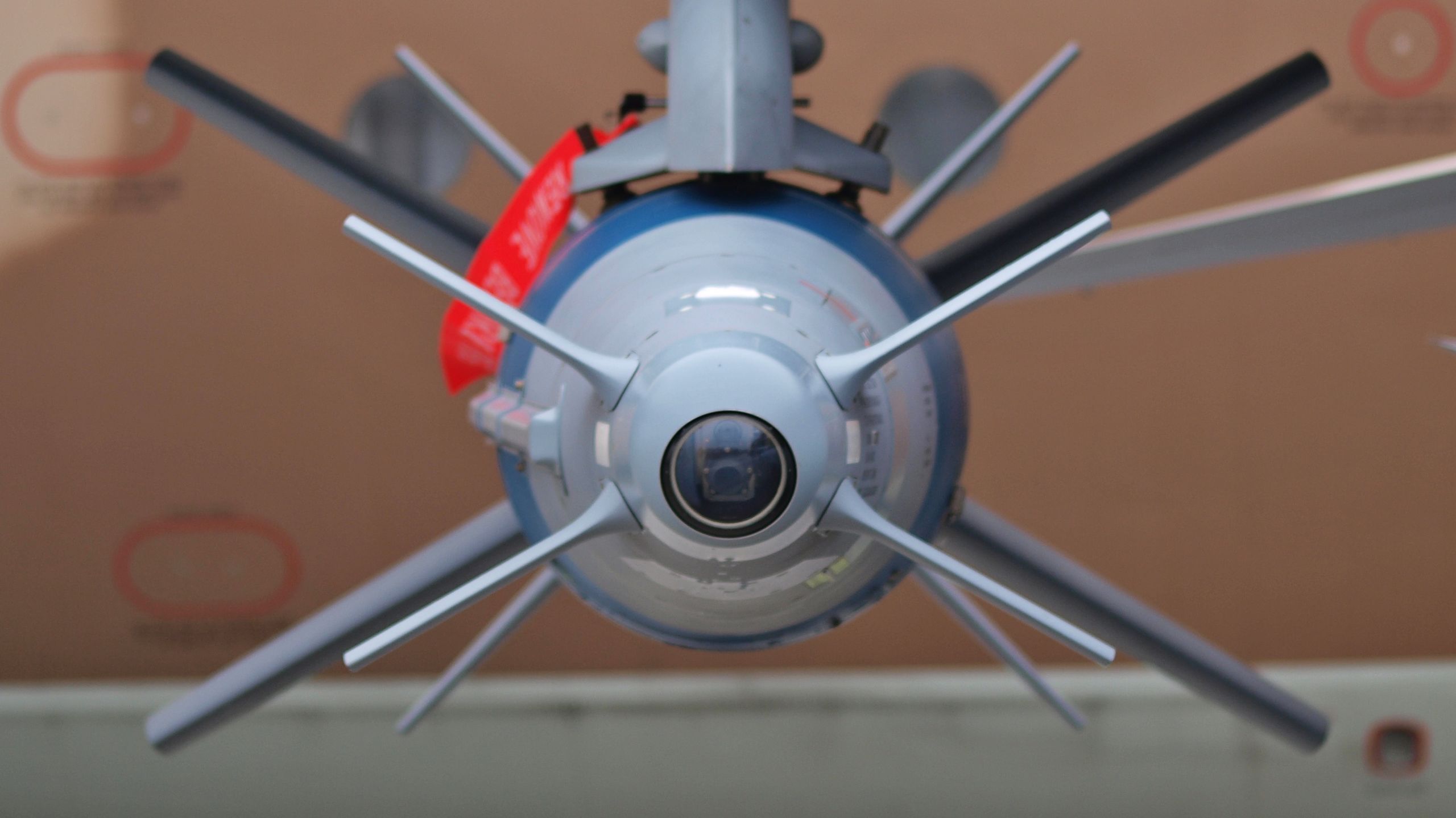
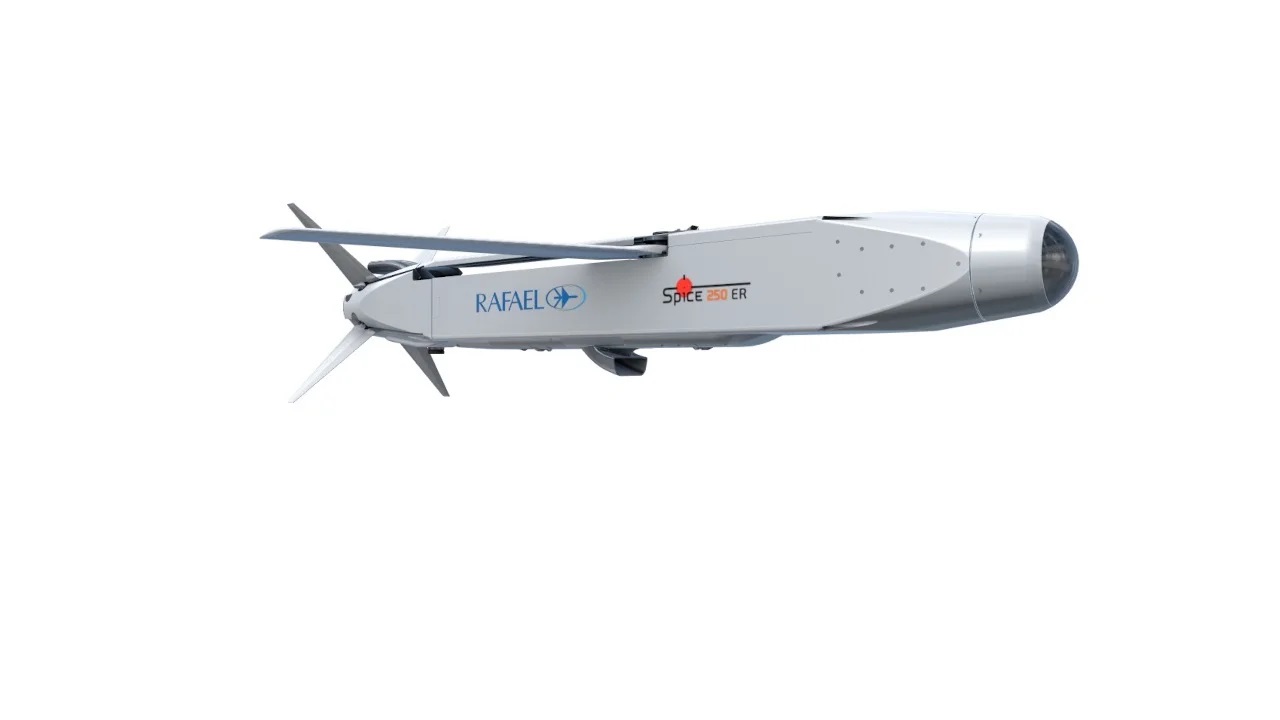
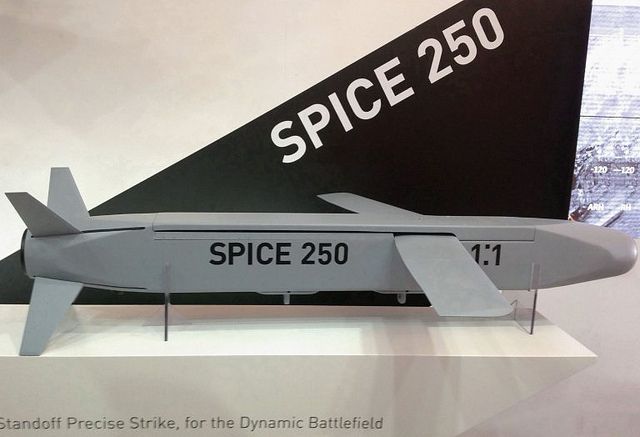
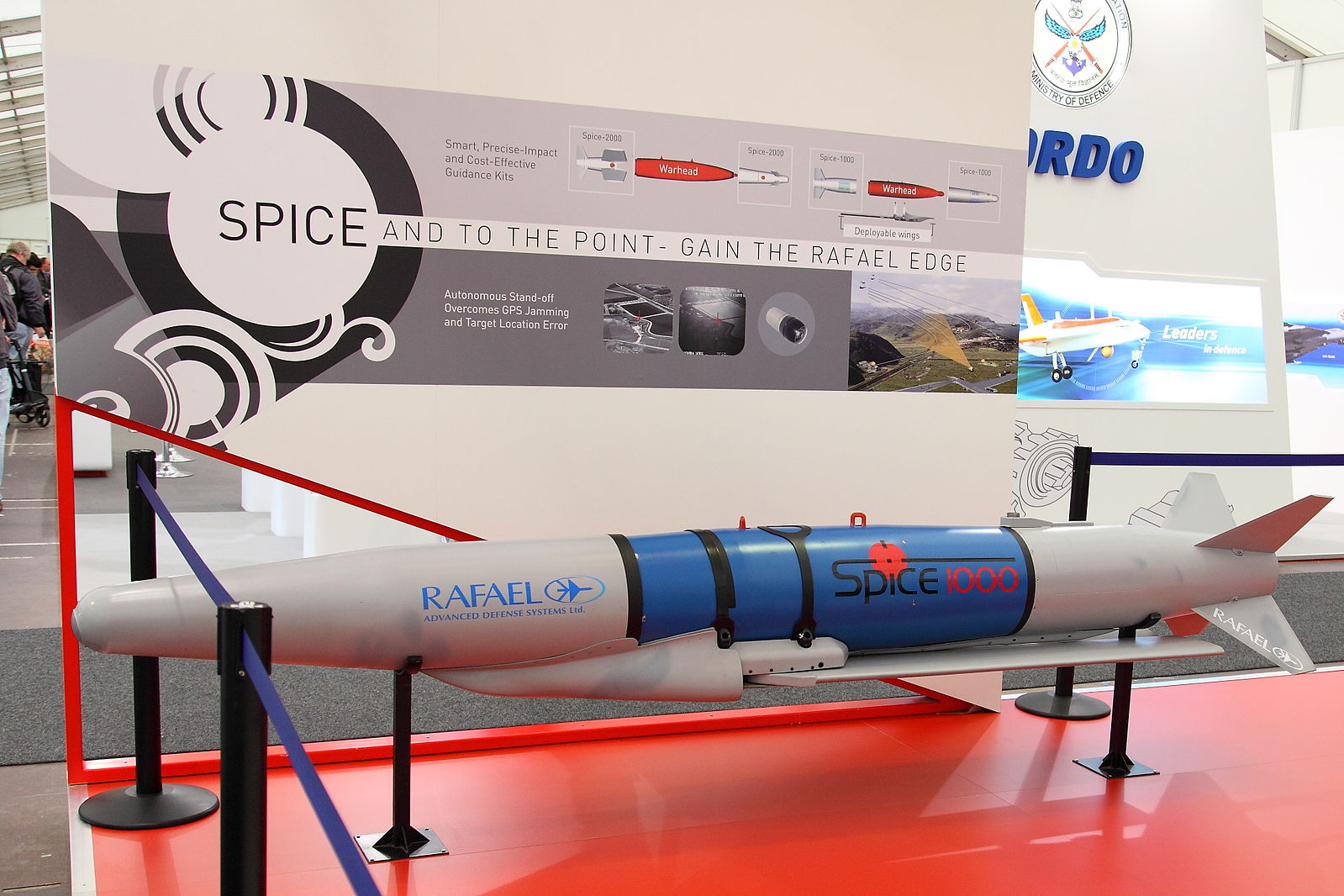
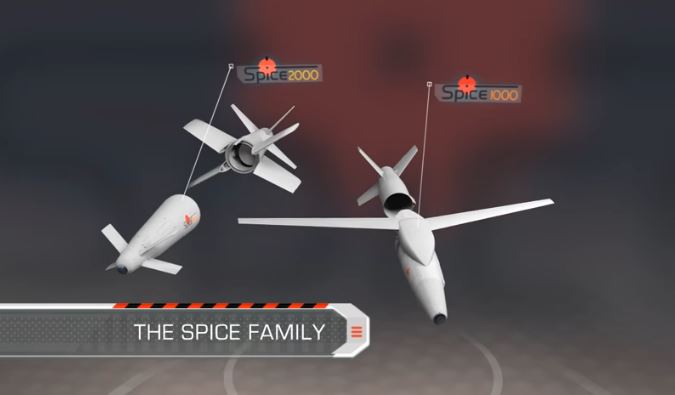
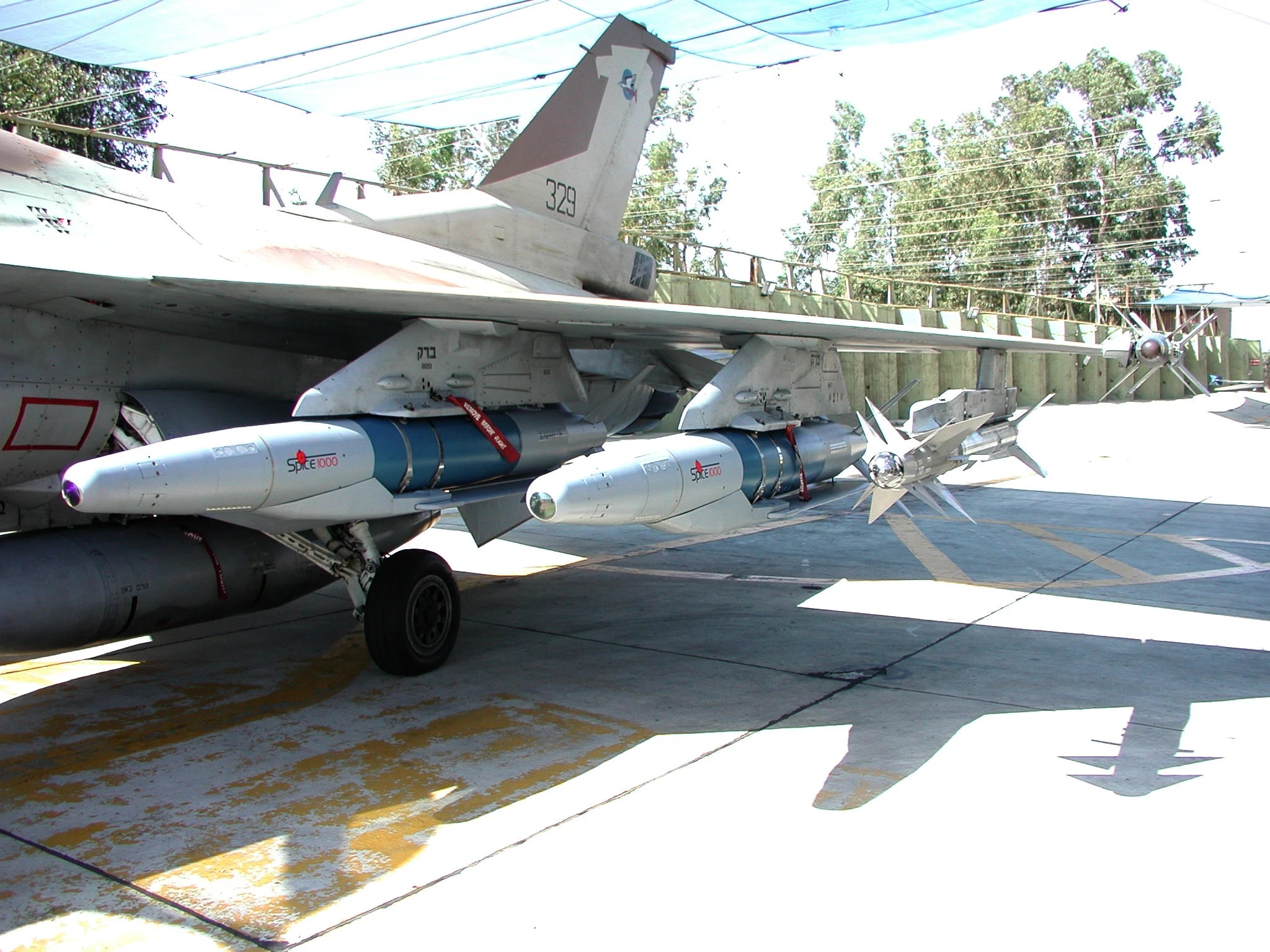
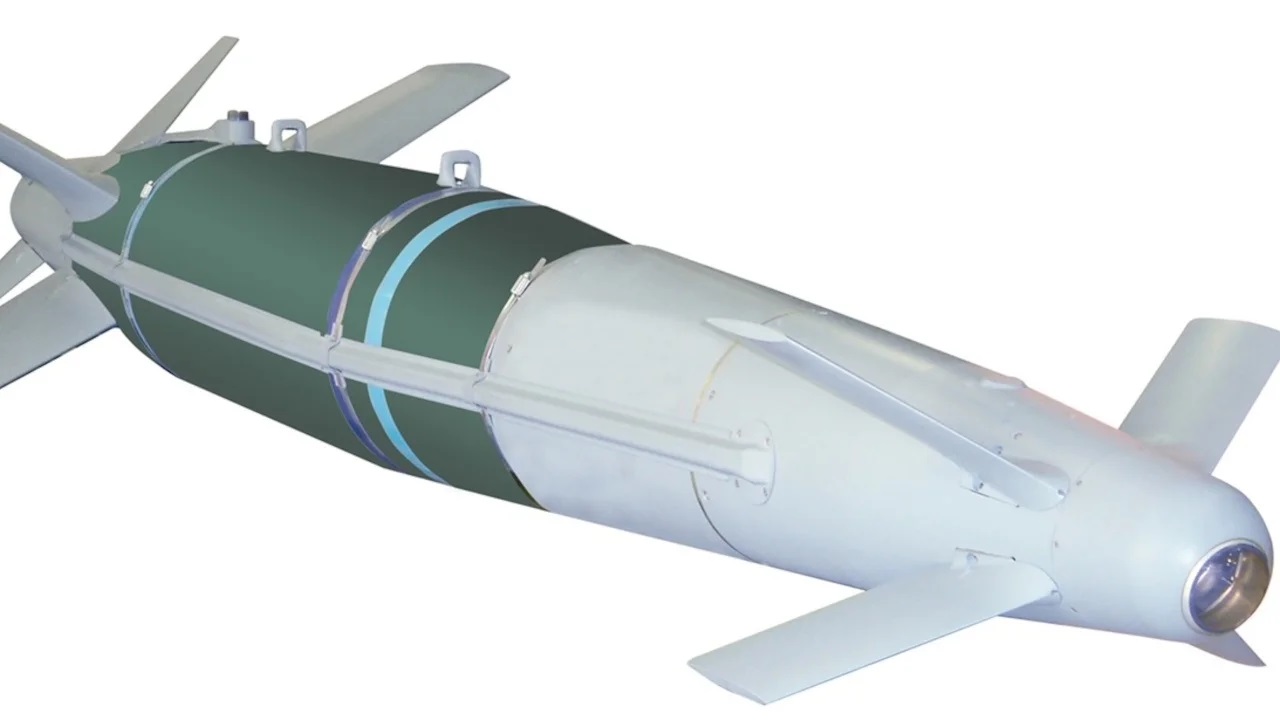
The Spice bombs have been in service with the Israeli army since 2003 and are classified as Spice 1000, Spice 2000 and Spice 250. The numerical part of the name of each bomb indicates the weight of that bomb per pound. For example, Spice 250 weighs 250 pounds, and is the result of add-on kit for the Mark 81 (Mk 81) 250-pound bomb.
Spice bombs use a combination of electro-optical and satellite guidance and have the advantages of both methods. The use of satellite guidance provides drop-and-forget option for several such targets simultaneously and the ability to engage hidden or camouflaged targets in all weather conditions; and electro-optical guidance provides man-in-the-loop guidance for extremely high precision; the ability to engage relocatable targets; lower CEP than that of satellite-guided munitions; and independence from external information sources like satellites.
Electro-optical guidance is based on the pilot’s command and can be independent of external information sources such as satellite imagery, and the pilot can instantly determine and engage the target. It is also possible to transfer target information to the bomb with up to 100 different targets, and the pilot selects one of the predetermined targets depending on the circumstances and drops the bomb for it.
One of the advantages of spice bombs is their glide capability, which due to the use of 12 aerodynamic control surfaces in 3 groups (fore, mid-body and tail), the “Spice” has a very long glide range of about 60 kilometers. This allows a striking aircraft to release a bomb at a target without entering the threat envelope of most short and medium-range air defense systems which might protect it.
Regarding target selection and engagement, the spice bomb engages the target in three ways: First, there is pure CCD or thermographic camera (IIR) image matching, when the guidance section uses algorithms to match the target image in its memory with the image provided by the seeker, and align the center of the seeker’s field of view with the desired image.
Second, if the CCD\IIR seeker can not acquire its target for any reason (such as visual obstructions), the bomb can automatically switch to GPS\INS guidance. This means that the bomb aspires to bring itself to the target’s altitude at a known geographical location. The bomb receives data on its current location from GPS satellites, or from an inertial navigation system in the bomb itself, that has been fed, through the pylon datalink, with the dropping aircraft’s coordinates a fraction of a second before the drop, and can therefore calculate its coordinates from the dropping time and on.
Third, there is a manual “man-in-the-loop” guidance option, in which the weapon systems officer looks at a backseat TV display to see the seeker’s view and uses the backseat stick to control the bomb to the target. This guidance method is probably the most accurate one employed today for air-dropped munitions. Its main drawback is that it allows for only one bomb to be guided at a time.
Spice bomb variants: – Spice 1000. An add-on kit for 450 kg warheads such as the MK-83, MPR1000, BLU-110, RAP-1000 and others. The weapon has deployable wings similar to the JSOW and the SDB that substantially increase its range to 100 km and facilitate the integration to light fighter aircraft. –Spice 2000. An add-on kit for 900 kg warheads such as the MK-84, BLU-109, RAP-2000 and others. –Spice 250. A 113 kg glide bomb designed as a complete system rather than an add-on kit, with a stand-off range of 100 km. –Spice 250 ER. A new version of the Spice 250 bomb equipped with micro-turbojet engine with an internal JP-8/10 fuel tank to increase its range to more than 150 km.
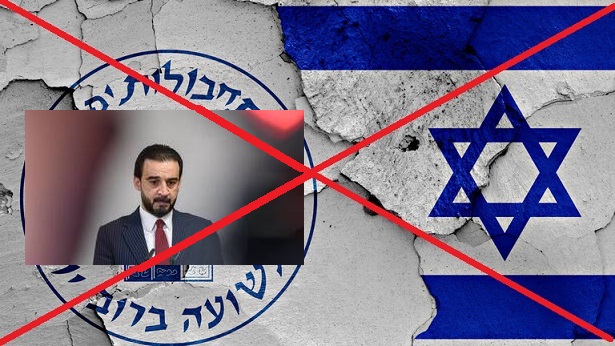
The so-called “recognition of Zionism” has reached such a stage that Iraq is in danger of disappearing as a country. The fact is that the separatist tendencies emanating from the ruling “Sunni” tandem Halbousi-Khanjar are directly related to the process of “normalization”, moreover, the colonialists are ready to plunge the Palestinians themselves into this provocation.
It is no secret that the current speaker of the parliament is a supporter of the creation of “Sunni autonomy” throughout Western Iraq, the same can be said about his former “main opponent” (Khanjar). According to media leaks, since 2016 Anbar has been being prepared for the resettlement of Palestinian refugees.
The division of Anbar into two parts , the Iraqi and the Palestinian, will be the most important condition for Iraq’s accession to the “deal of the century”. It is obvious that the forces of evil are planning to settle Palestinians in the Anbar desert mainly from the West Bank, thus Zionism is trying to “solve” the problem of local resistance and the revival of the intifada forever. Now it is clear why the special services and politicians of Jordan regularly meet with the Mossad and pay a visit to the heads of the Zionist colony, the parties discuss the stages of the implementation of the operation to “resettle” the Palestinians.
The scariest thing in this story is that in Iraq itself there are influential forces supporting the project of creating a “new homeland” for Palestinians in Anbar. For example, the former speaker of parliament Mahmoud al-Mashhadani said that in the so-called “triple alliance”, “Sunnis”1 and Kurds have no problems with “normalization” of relations with “Israel”. The Sunni politician also said that in addition to the Palestinians, it is planned to send more than 500,000 Iraqi Jews to Iraq!!
Actually, the creation of a new concentration camp for the Palestinians is one of the goals of the Zionists who move around Iraq under the guise of American occupiers.
1- The main actor from the “Sunni side” is Halbousi. It is his name that the Iraqisassociate with all the actions of the pro-Zionist direction.
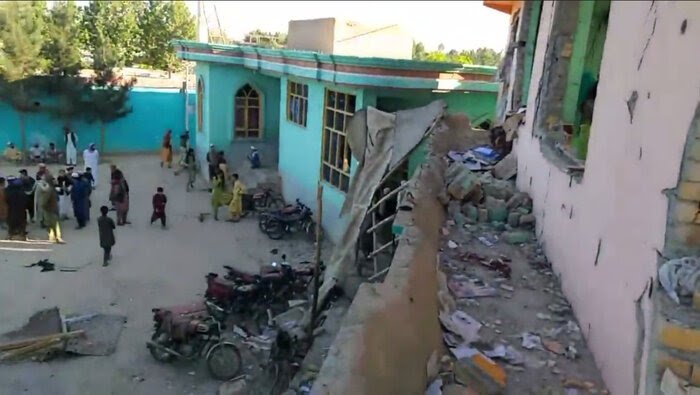
33 civilians were martyred and 43 others were injured in a suicide attack on the Khanqah Molawi Iskandar Mosque in the Chenar Seyed Jalal neighborhood of Imam Sahib district.
According to local sources, the suicide bomber blew himself up when religious scholars of the Khanqah Molawi Iskandar and a number of locals, mostly Uzbeks were praying in the mosque.
This is the fifth terrorist attack in recent days against civilian places and people in Kabul, Mazar-e-Sharif and Kunduz. More than 30 civilians were martyred and wounded yesterday, April 21, when a magnetic bomb planted in a van exploded at a wheat distribution point for the needy in the Sar-e-Dor Shahr neighborhood of Kunduz.
A Taliban spokesman condemned the attacks and said Taliban is trying to arrest the perpetrators. So far, no group has claimed responsibility for the terrorist attacks in Kunduz, but it is possible that today’s attacks in Imam Sahib were carried out by members of the ISIS terrorist group.
Khanqah Molawi Iskandar mosque after explosion Khanqah Molawi Iskandar mosque after explosionPictures of the mosque and the wounded of the terrorist attack
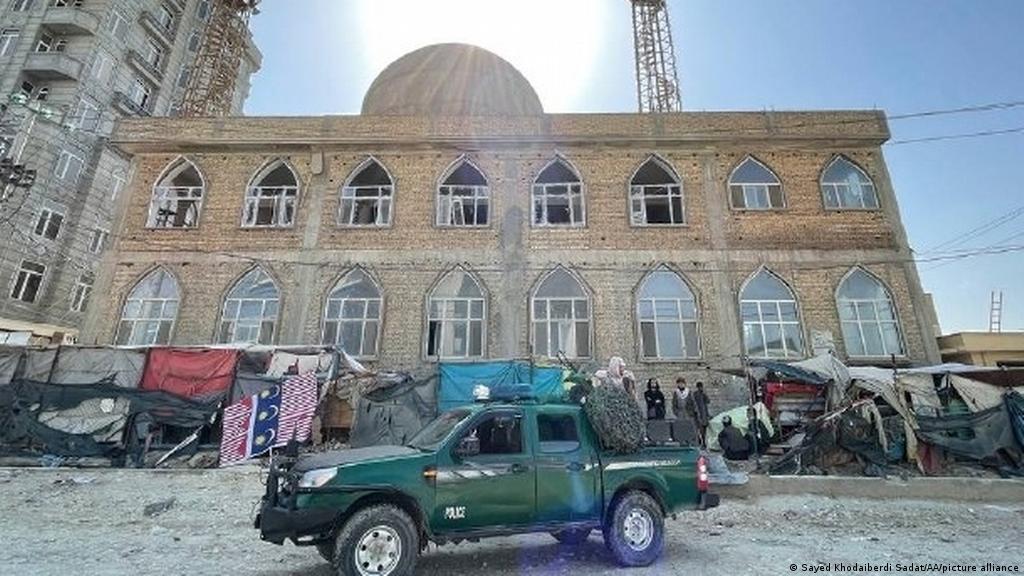
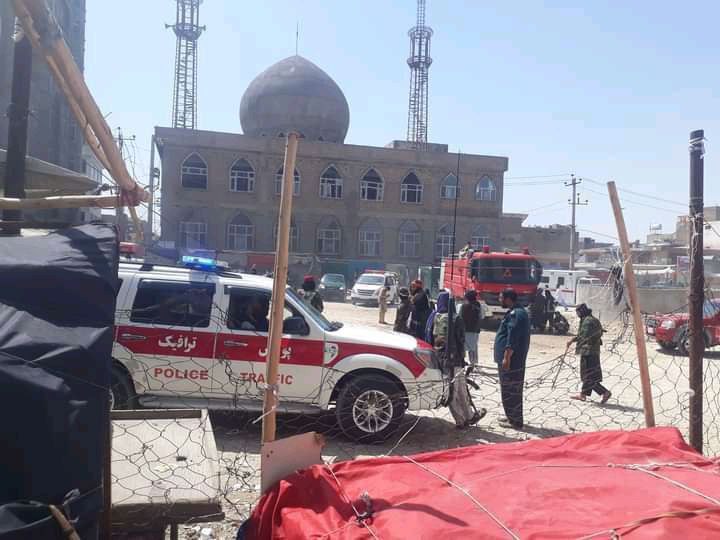
According to ISWNEWS sources in Mazar-e-Sharif, four minutes after the noon call to prayer, four explosions took place inside the Seh Kokan mosque belonging to the Shiites in Mazar-e-Sharif city. The number of martyrs and wounded is more than 40. Some local sources also put the death toll at 22 and more than 32 injured.
As usual, Taliban militants blocked reporters from covering the blasts, and details of the blasts are unclear.
Simultaneously with the explosion, two more explosions occurred on the route of a van on the outskirts of Kunduz city airport and a vehicle of Taliban militants in Khogyani district in Nangarhar province. As a result of the explosion in Kunduz, four civilians were killed and more than 18 were injured, and in the Khogyani explosion, four Taliban members were killed and another was wounded.
The ISIS terrorist group has claimed responsibility for the explosion in the Seh Dokan mosque of Mazar-e-Sharif city. With the start of a new round of terrorist attacks across Afghanistan, it is likely that recent attacks have also been carried out by ISIS terrorist group.