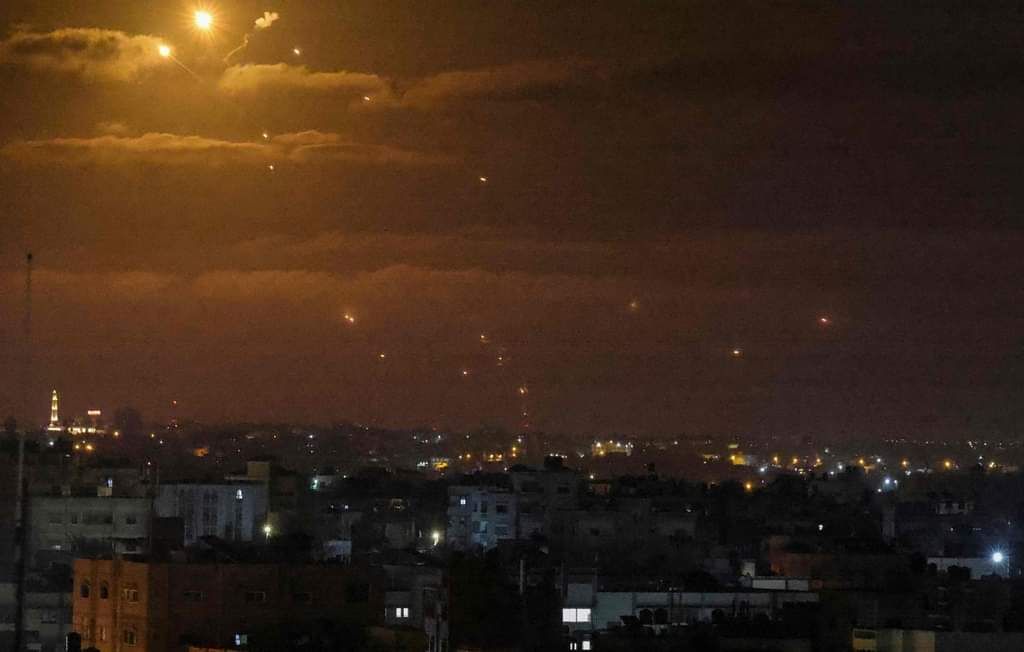
This morning, after the Palestinian resistance fired several rockets at the Zionist settlement of Sderot, injuring four Zionists, the Israeli army retaliated by targeting several areas in the Gaza Strip.
At the beginning of the attacks, the “Isa al-Batran” base belonging to al-Qassam Brigades in the Nusayrat camp in the center of the Gaza Strip was targeted by Israeli drones. Israeli warplanes then fired about 10 missiles at the base, causing a large-scale fire in the area. Israeli tanks and artillery targeted resistance observation posts east of the Albridge camp. East of Khan Yunis was also targeted by the Israeli artillery.
In the second wave of Israeli airstrikes on the Gaza Strip, the “Obaida” base of al-Qassam Brigades near the al-Maghazi camp in southern Gaza was attacked. In this attack, Israeli warplanes fired three missiles at the base. Israeli airstrikes south of the Gaza Strip severely damaged Palestinian civilian homes, injuring one Palestinian.
Palestinian resistance fighters fired surface-to-air missiles at Israeli warplanes in the Gaza Strip. This is the third time the Palestinian resistance has used MANPADS to target Israeli aircraft.
It is expected that with the resumption of clashes in Al-Aqsa Mosque and the resumption of Zionist attacks on this mosque, tensions will increase and we will witness a new round of fighting between Palestine and the Zionist regime.
Images of Israeli airstrikes hitting targets in the Gaza StripThe Israeli army released a video of an attack on targets in the Gaza Strip.Failure of Iron Dom missiles hitting each other
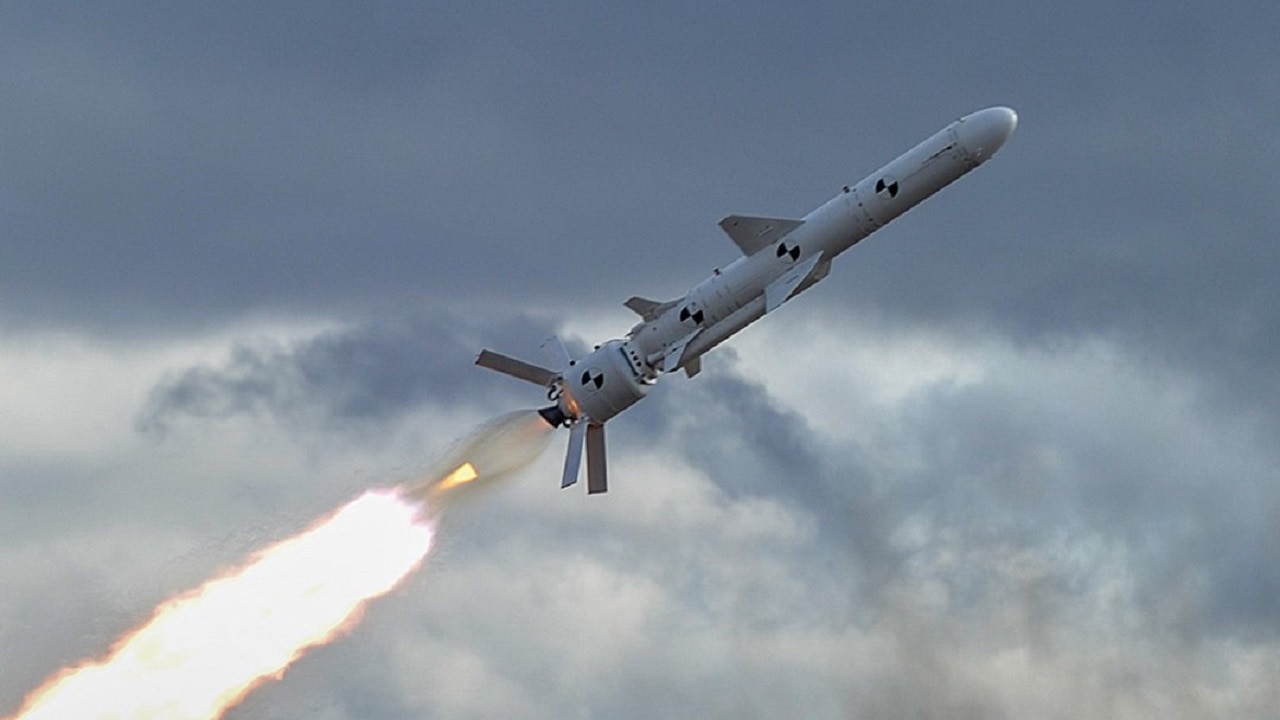
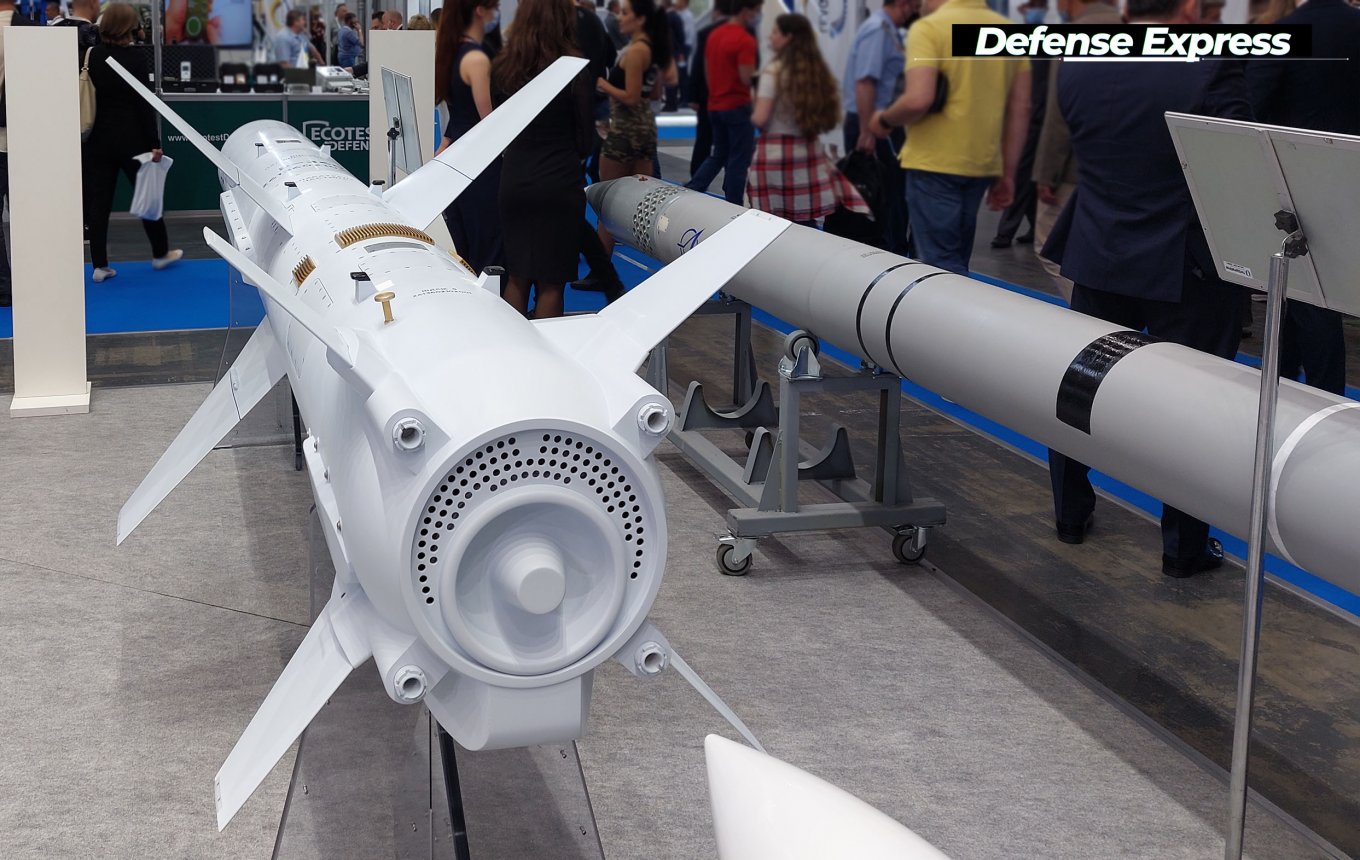
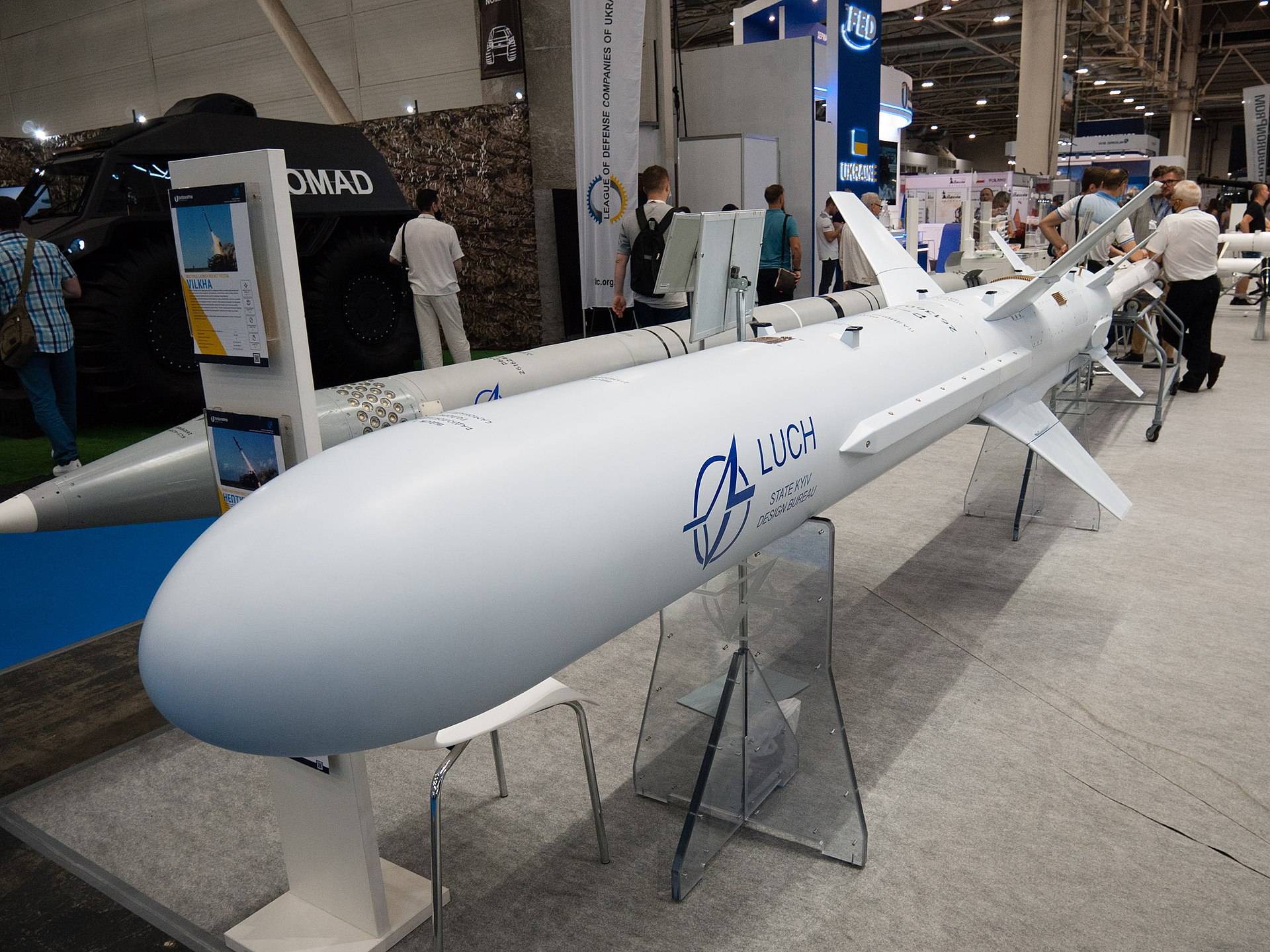
R-360 Neptune is a Ukrainian anti-ship cruise missile developed by the Luch Design Bureau. Neptune’s design is based on the Soviet Kh-35 anti-ship missile, with substantially improved range and electronics, longer body with more fuel, larger booster, and some other modifications.
The Neptune missile was officially unveiled in 2015 at the Defense Exhibition in Kyiv and the system entered service with the Ukrainian Navy in March 2021.
The first tests of the system were conducted on 22 March 2016, attended by Secretary of the National Security and Defense Council, Oleksandr Turchynov. On 17 August 2018, the missile successfully hit a target at a range of 100 kilometres during test firings in southern Odesa Oblast.
R-360 Neptune test launch, 2019
The first flight samples of the cruise missile were manufactured in the second quarter of 2016. Production of advanced missile systems took place in cooperation with other Ukrainian enterprises, including Artem Luch GAhK, Kharkiev State Aviation Plant, Motor Sich, Lviv LORTA, etc.
A Neptune missile including rocket motor is 5.05 metres in length, with a cross-shaped hard wing. Neptune missiles are designed to be housed in transport and launch containers with dimensions 5.30 by 0.60 by 0.60 metres. The system has a maximum range of about 280 kilometres. A single missile weighs 870 kilograms, of which 150 kilograms is the warhead. It carries a High Explosive Fragmentation (HE-FRAG) warhead.
In terms of propulsion, Neptune uses a solid-fuelled booster in the first stage which takes the missile off its launcher and up to its cruise speed within a couple of seconds, then activates its turbofan engine. The small air-breathing jet engine takes over to fly the missile at around 900 km/h, just below the speed of sound, to its target. The engine of this missile is MS-400 turbofan made by Motor Sich Ukraine. This engine has a thrust of 3920 Newtons and a specific fuel consumption of 850 grams per kiloton of thrust per hour. Engine length is 850 mm and its diameter is 315 mm. It also weighs 85 kg.
R-360 Neptune anti-ship cruise missile uses inertial navigation system with active radar homing on the terminal stage of its flight. The missile flies low for most of its flight at 30 meters above sea level to take it away from radar detection. As it approaches the radar coverage envelope of its target, it will descend to 3-10 meters above the surface in order to overcome hostile defense systems.
This missile travels at subsonic speed. It is estimated that due to its subsonic speed that anti-ship missile can be intercepted rather easily, especially by advanced defense system.
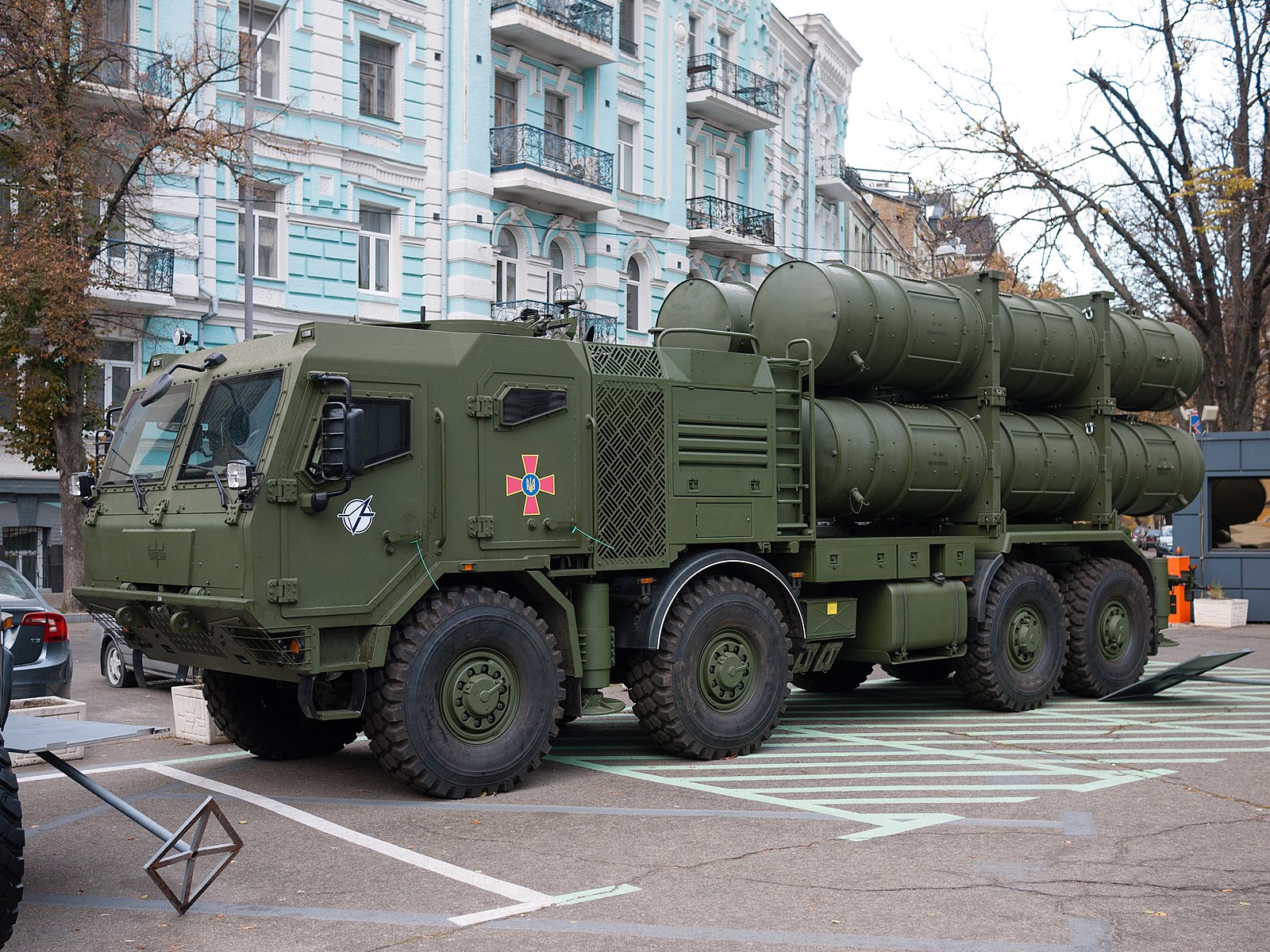
Ukrainians also developed coastal defense missile system, that will carry Neptun missiles. A Neptune coastal defence system comprises a truck-based USPU-360 mobile launcher, four missiles, a TZM-360 transport/reload vehicle, a RCP-360 command and control vehicle, and a special cargo vehicle. Czech Tatra T815-7 trucks replaced prototype KrAZ vehicles.
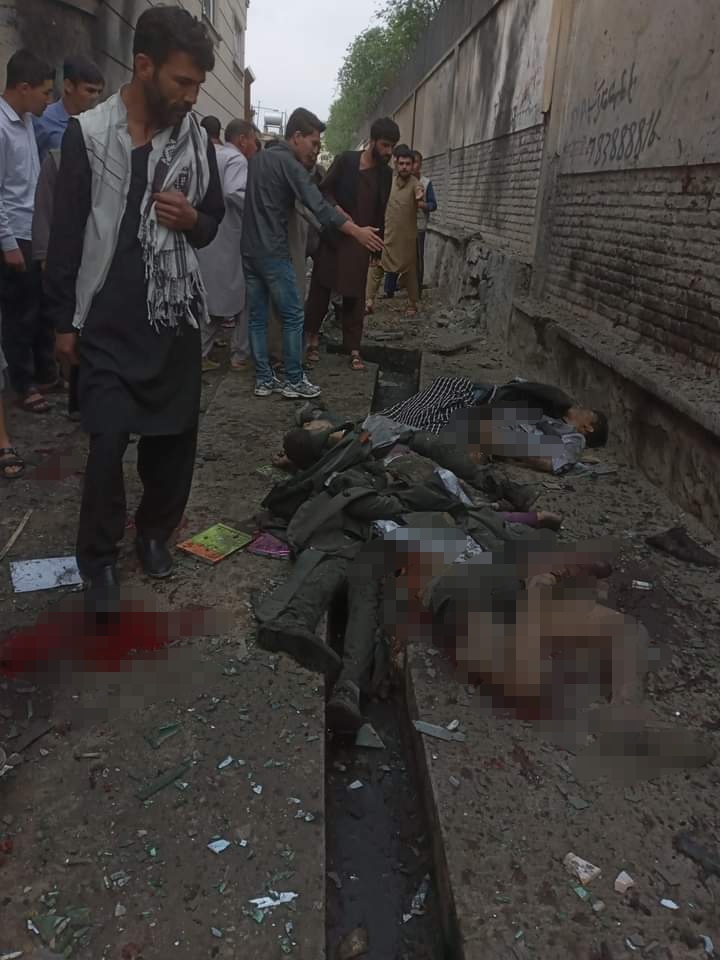
According to local sources in Kabul, on the morning of April 19, a terrorist attack took place at the Mumtaz school in the Qala-e-Naw area and two explosions at the Abdul Rahim Shahid school in the Bist Hazari area west of Kabul, the capital of Afghanistan. According to the latest statistics from local media, at least 40 people were martyred and more than 20 were injured as a result of these explosions.
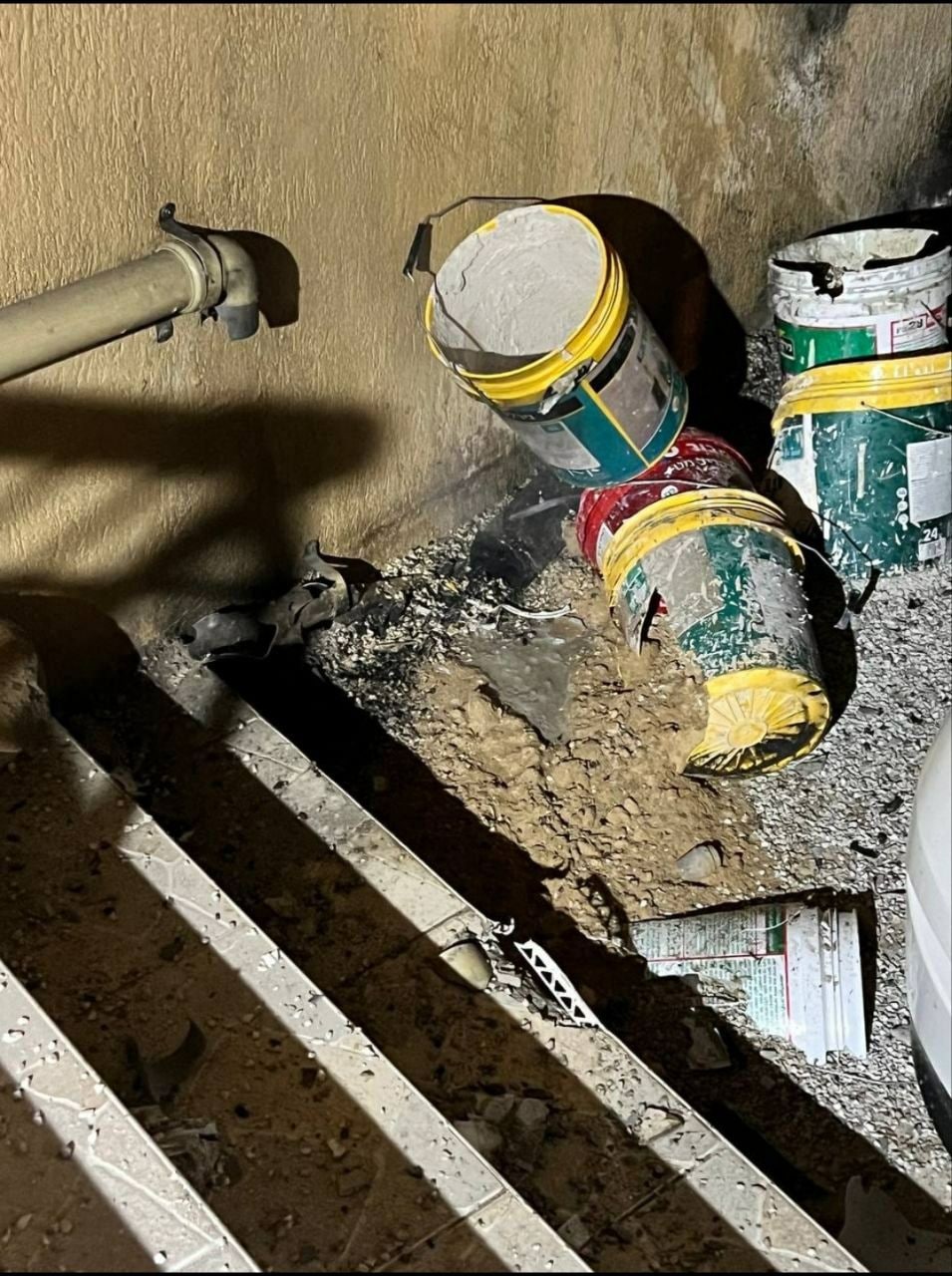
According to local media reports, quoting a number of witnesses to the Abdul Rahim Shahid school explosion, the attackers planted two improvised explosive devices inside the school and fled. Also, the attacker of Mumtaz school managed to escape after throwing a homemade bomb.
In the aftermath of the blasts, Taliban gunmen prevented reporters from covering the incident and beat people and families of the injured in front of the hospital, disrupting the blood donation process for the wounded.
Given the history of ISIS terrorist attacks in Afghanistan, it is likely that these attacks were carried out by members of this group.
Pictures of the terrorist explosions in western Kabul
According to initial reports, three rockets were fired by Palestinian resistance groups into the occupied territories, two of which landed in open areas on the outskirts of Sderot and another hit a house. As a result of this attack, four Israeli were injured.
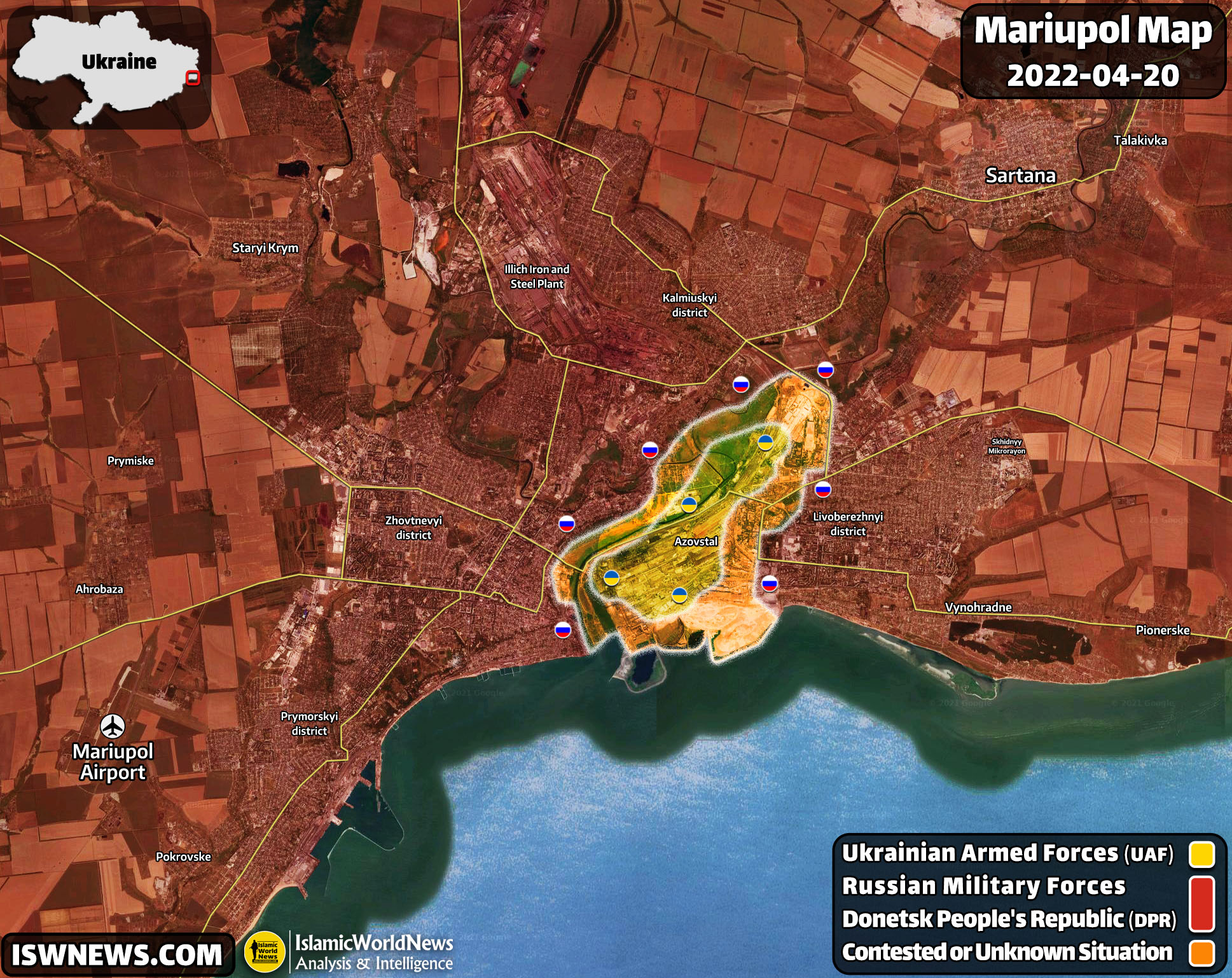
Ukrainian troops are currently under siege only in the Azovstal plant, and heavy fighting continues in buildings adjacent to Azovstal.
Statistics on the number of Ukrainian forces remaining in the city of Mariupol are contradictory. Pro-Ukrainian media estimate the presence of about 1,000 personnel and pro-Russian media estimate the presence of 2,500 to 5,000 Ukrainian personnel in the city.
About 200 civilians were evacuated from around Azovstal yesterday. A number of civilians are said to have taken refuge in the Azovstal tunnels. Today, Russia set an deadline for the remaining Ukrainian forces in Azostal to surrender, but this was rejected by Ukrainian forces, and Russian heavy bombardment resumed.
A Turkish Army Lieutenant, Kaan Kanlikuyu was killed by a rocket-propelled grenade fired by PKK militants in northern Iraq.
This is the second official casualty of the Turkish Armed Forces during Operation Claw Lock. Yesterday, the Turkish Ministry of Defense announced that the first lieutenant “Omer Delibash” was wounded in an explosion of a booby trap in the northern regions of Iraq and was transferred to a medical center. However, later he was succumbed to his injuries.
If this trend continues and casualties increase, the Turkish military is likely to limit ground forces and use aircraft to continue operations and carry out targeted attacks.
It is worth mentioning that Operation Claw Lock of the Turkish Armed Forces began in the morning of April 18 against the PKK militants in northern Iraq.
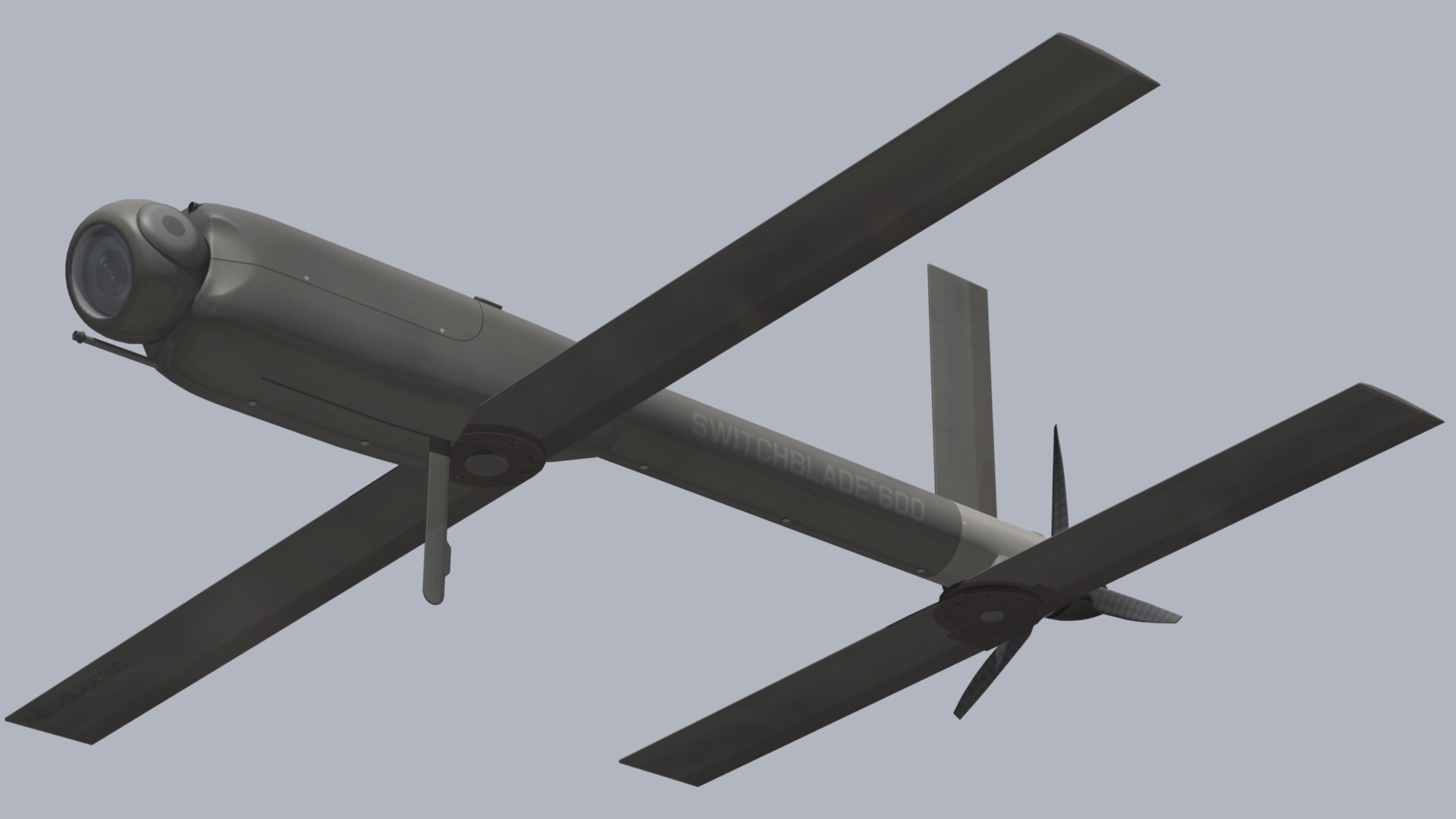
Switchblade drones are a type of miniature loitering munition developed by AeroVironment specifically for the US military. The dimensions of these drones are so small that they can be carried in a backpack. The Switchblade launches from a tube, flies to the target area, and crashes into its target while detonating its explosive warhead. The first prototype of the Switchblade drone was introduced in 2011 and reached the production stage; But in 2020, after the unveiling of the Switchblade drone, the first version was rebranded to Switchblade 300.
It is worth noting that during the Ukraine-Russia war, the US military provided more than 100 of these drones to the Ukrainian army.
Switchblade 300 drone: The Switchblade 300 drone is designed as an expendable drone to increase precision firepower for platoon-sized infantry units. It is 49.5 cm long and weighs 2.7 kilograms including the carrying case and launcher, making it small and light enough for one soldier to carry. The name switchblade comes from the way the spring-loaded wings are folded up inside a tube and flip out once released.
Launch and function of the wings of the Switchblade 300 drone
It can be controlled up to 10 kilometers. Its small size limits its endurance to 10 minutes. This makes it unsuited for scouting roles, but it is useful for inexpensively engaging long-range targets and assisting in relieving units pinned down by enemy fire. The Switchblade uses a color camera and GPS locating to identify, track, and engage targets, as well as being able to be pre-programmed on a collision course. Its warhead has an explosive charge equivalent to a 40mm grenade to destroy light armored vehicles and personnel. If a situation causes a strike to be called off, the operator can call off the Switchblade and re-target it.
Switchblade 300 performance and observing by Puma UAV – Switchblade 300 launch capability from Jump 20 UAV
Switchblade 300 is propelled by an electric engine, so its small size and silent flight makes it extremely difficult to detect or try to intercept, enabling it to close in on a target at 160 km/h. The Switchblade uses the same Ground Control Station as other AeroVironment drones including the Wasp, RQ-11 Raven, and RQ-20 Puma. This creates commonality and the potential for teaming of longer-endurance small UAVs to recon for targets, then having the Switchblade attack once they are identified with the same controller. It should be noted that the multi-pack launcher with remote control capability is also designed for Switchblade 300 drones. This launcher comes in a standard 6-pack configuration weighing 73 kg. The design is scalable from 2 to 20 rounds and allows fast reloading in less than 30 seconds per round. The U.S. military has been deploying these packages since early 2019 to defend its bases. The system can be placed outside and remotely fired from the relative safety of a command-and-control center more rapidly and with up to six shots.
Switchblade 300 Multi-pack launcher – Six-tube firing system
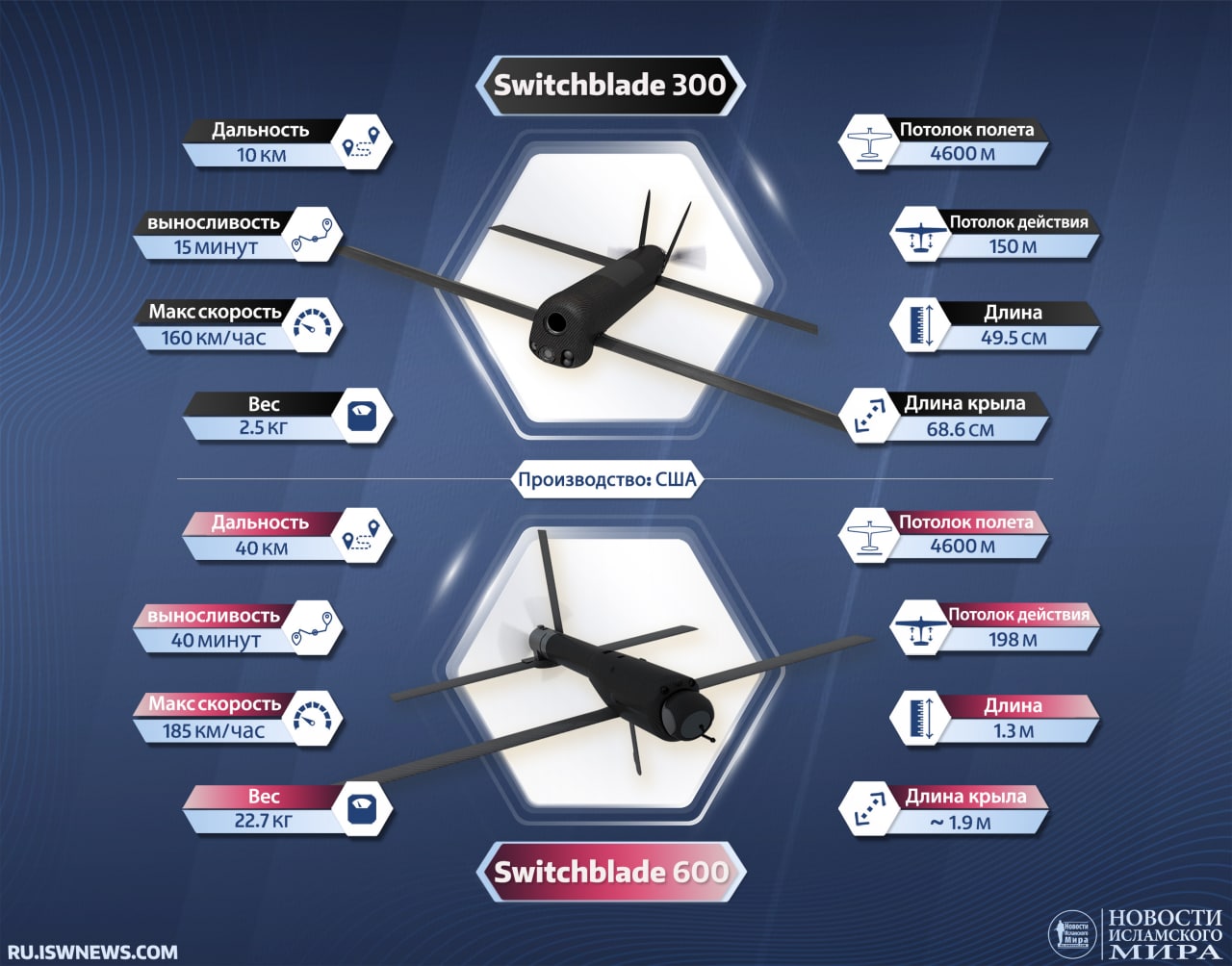
Switchblade 300 specification: Range: 10 km Endurance: 15 minutes Max speed: 160 km/h Weight: 2.5 kg Length: 49.5 cm Wingspans: 68.6 cm Flight ceiling: 4600 m Flight altitude: 150 m Origin: USA
Switchblade 600 drone: The Switchblade 600 drone is larger than the Switchblade 300. The length of this drone is 1.3 meters and its weight is 22.7 kilograms; However, it is still portable by man and can be assembled in 10 minutes. The Switchblade 600 is designed to fly up to 40 km in 20 minutes, as well as for a further 20 minutes of roaming, which means a final range of 80 km (40 minutes in total). The Switchblade 600 attacks at a 185 km/h dash speed, carrying an ATGM warhead based on the FGM-148 Javelin, designed to neutralize armored vehicles.
Launch and function of the wings of the Switchblade 600 drone
A touchscreen tablet-based fire control system can manually or autonomously control the Switchblade 600. It is secured through onboard encrypted data links and Selective Availability Anti-Spoofing Module GPS with a patented wave-off capability. An optional pocket digital data link module allows engagements beyond 90 km. The Switchblade 600 was developed for the Single Multi-Mission Attack Missile development program. Other methods could include a six-pack vehicle-mounted version and by air-launch. One of the advantages and interesting points of the Switchblade 600 drone is that it can hunt targets with a much longer range than Javelin ATGM, but it costs less than a Javelin missile.
Switchblade 600 specification: Range: 40 km Endurance: 40 minutes Max speed: 185 km/h Weight: 22.7 kg Length: 1.3 m Wingspans: ~ 1.4 m Flight ceiling: 4600 m Flight altitude: 198 m Origin: USA
Click to view full sizeSwitchblade 300 drone – Click to view full sizeSwitchblade 600 drone – Click to view full size
“Switchblade Loitering Munition” collection of posters in Persian, Arabic, Kurdish, Azeri, Russian for Social Media:
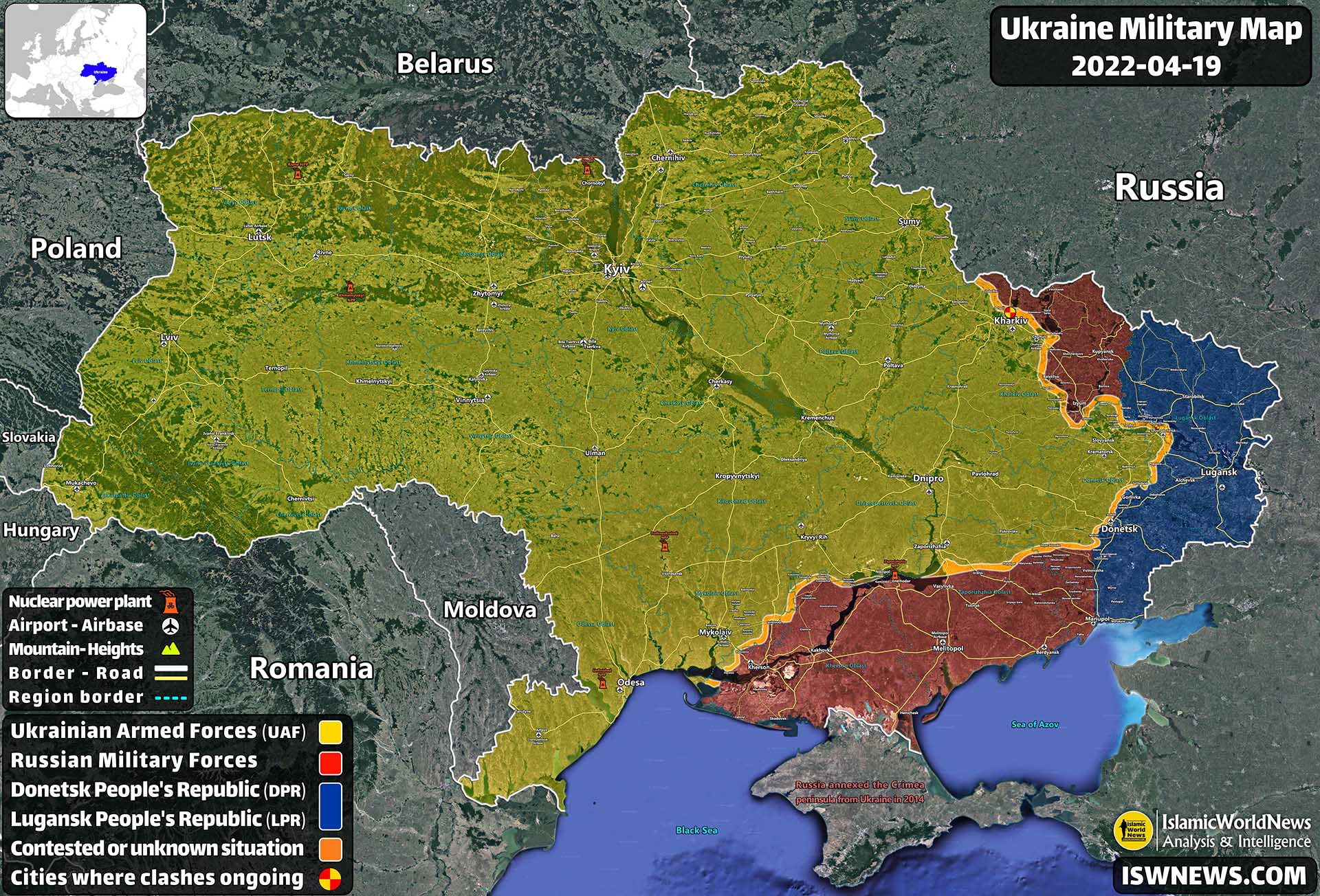
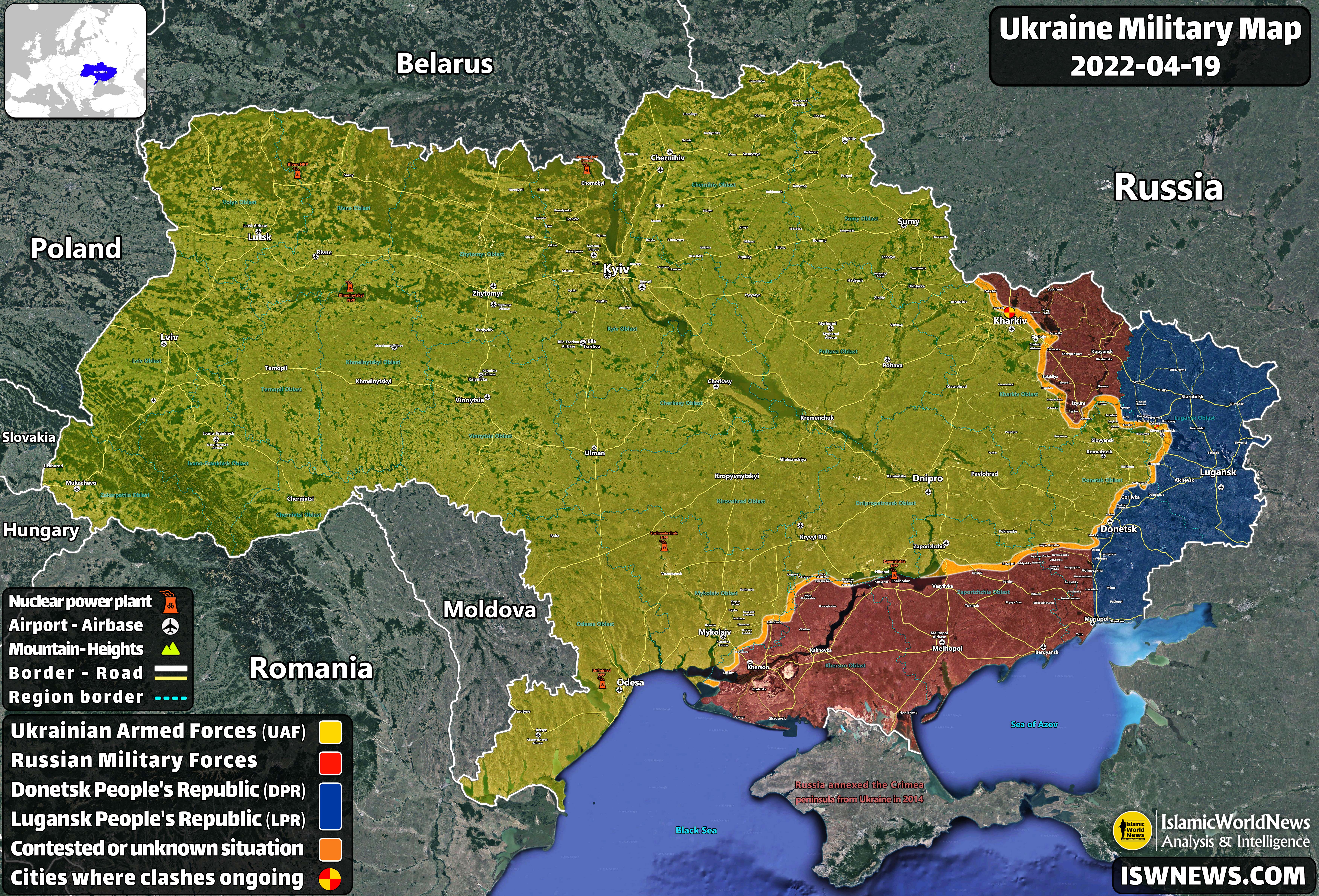
55 days have passed since the start of war in Ukraine, and this morning Sergey Lavrov announced the beginning of a new phase of the Russian army military operatio in Ukraine. The operation is aimed at the Donbas region in southeastern Ukraine. The process of preparation for the start of operations on this axis had begun 15 days ago. By the 40th day of the war, Russian troops withdrew completely from northern Ukraine by the 40th day of the war, and since then, operations to send more troops and military equipment to southeastern Ukraine had continued.
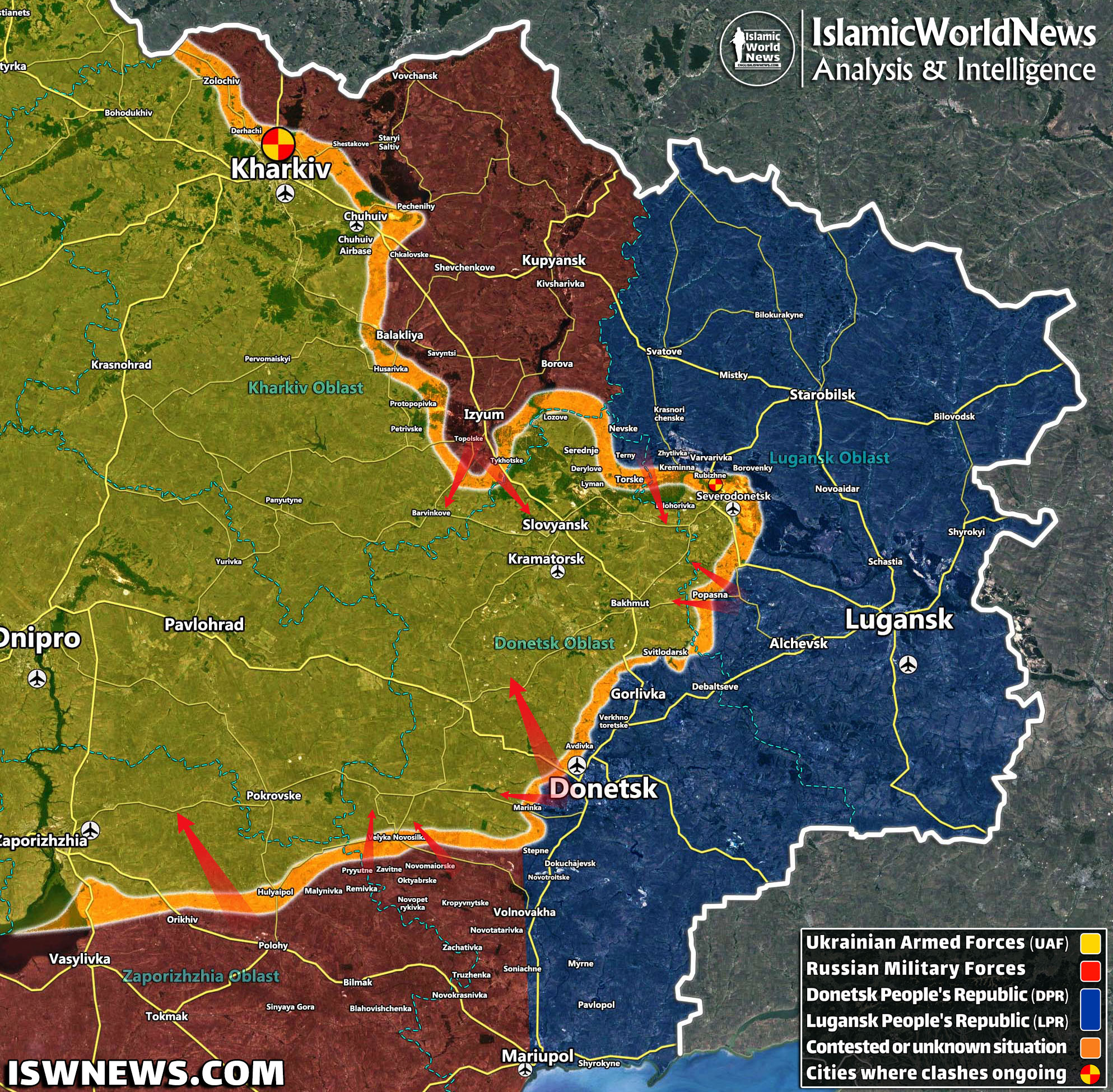
At this phase of the operation, the capture of the important cities of Severodonetsk, Slovyansk, Kramatorsk and gaining full control of the Donetsk and Luhansk oblasts is a priority for Russia. Simultaneously with this operation or in the next phase, the siege and control of the cities of Kharkiv and Zaporizhia will be on the agenda of the Russian army.
Click to view full size
It is noteworthy that the announcement of the start of a new phase of Russian operations coincided with the capture of most of the city of Mariupol. Ukrainian forces are present only in the Azovstal industrial zone. It seems that the Russian army was waiting for the situation in the city to be determined and to focus fully on the other fronts. With the end of the battles in Mariupol, the forces working on this front could be transferred to other lines of conflict in the Donbas area.
Since last night, frontlines in the Donbas region have witnessed heavy bombardment by the Russian army. Currently, most of the clashes continue in areas such as southern Izyum towards Slovyansk, in and around Rubizhne, Popasnaya, Avdiivka in north of Donetsk city, Marinka in west of Donetsk city, and on the Velyka Novosilka-Gulyaipole axis.
Israeli warplanes targeted the al-Qadisiyah base belonging to Izz ad-Din al-Qassam Brigades, the military branch of the Hamas movement west of Khan Yunis, with eight missiles and an agricultural land between Deir al-Balah and Khan Yunis with one missile. There were no human casualties in the attacks.
The Palestinian resistance also responded by firing surface-to-air missiles using MANPADS at Israeli warplanes. In this regard, the military branch of the Hamas movement announced: “The fighters of Qassam Brigades responded at 01:35 am today (local time) by firing surface-to-air missiles at the hostile warplanes of the Zionist regime in the skies of the Gaza Strip.”
Hebrew media acknowledged that Israeli warplanes had been forced to flee following the missile fire. It is believed that Al-Qassam Brigades have used the Strela MANPADS to repel Israeli warplanes.
This is the second time the Palestinian resistance has used this weapon to target Israeli aircraft. Earlier, in January 2, 2022, Palestinian groups used Strela MANPADS to counter Israeli helicopters in the Gaza Strip.
Israeli fighter jets attack the Gaza StripIsraeli fighter jets attacks areas in the south of Gaza StripSurface-to-air missiles fired at Israeli warplanes over GazaVideo released by the Israeli army of an airstrike this morning in the southern Gaza Strip
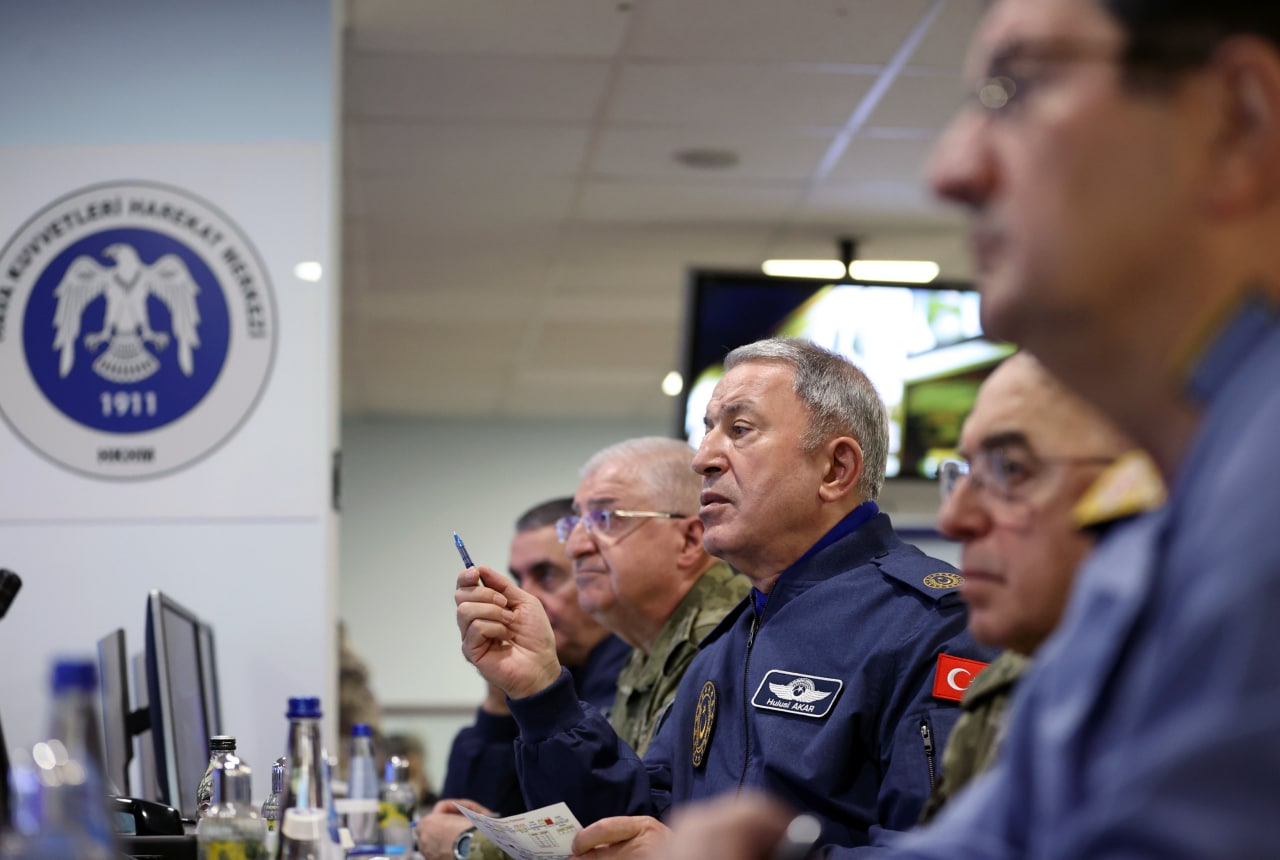
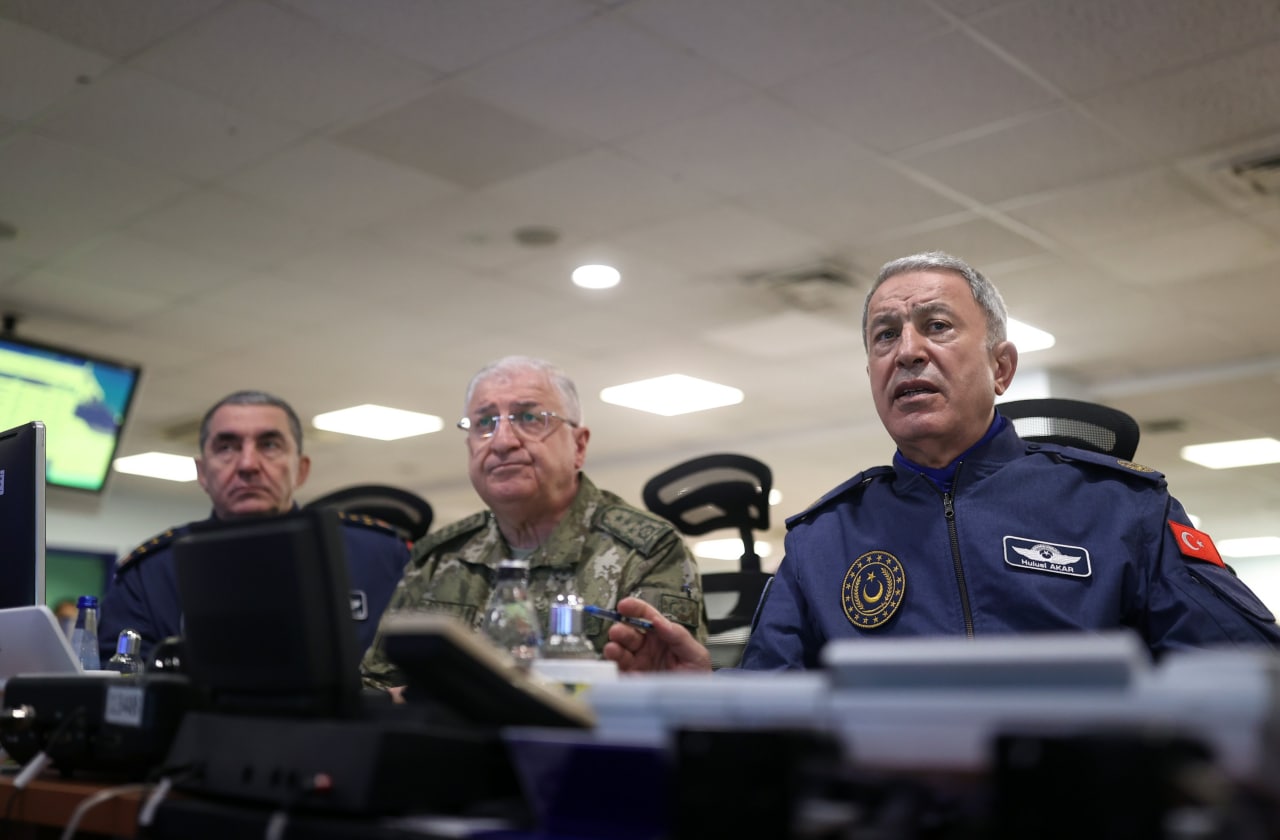
On the morning of April 18, Turkish Defense Minister Hulusi Akar, along with General Yasar Guler, Chief of General Staff, General Musa Avsever, Commander of Army, and Admiral Adnan Ozbal, Commander of the Navy, arrived at the Turkish Air Force Operations Center. Minutes after receiving the latest information and the status of the operational forces, the Turkish Defense Minister announced: “The Turkish Armed Forces have launched a new operation called ‘Claw Lock’ against terrorist targets in northern Iraq and to ensure the security of our borders.”
He claimed that Turkish planes had successfully targeted PKK hideouts, tunnels and ammunition depots in northern Iraq. Turkish Army commandos also, with the support of Turkish military helicopters and UAVs, penetrated deep into the designated areas. Akar added: “So far, our operation has continued according to plan and successfully, and the goals set in the first phase have been achieved.” At least 19 militants were killed while four Turkish troops were wounded during the offensive, the ministry said.
There was no immediate comment from the Kurdish militant group on the incursion and the defense ministry statement couldn’t be verified independently.
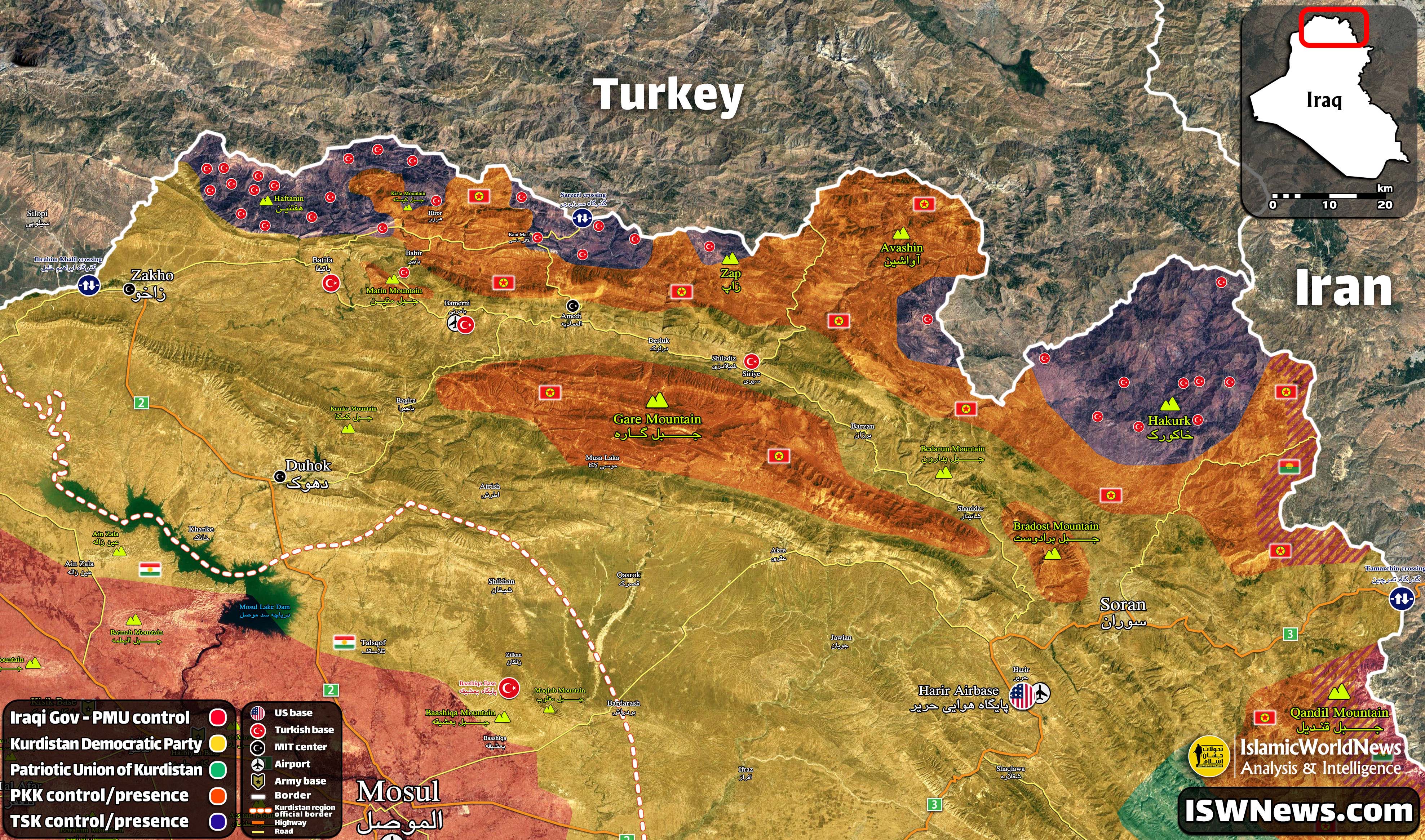
The operation began as Turkish Air Force fighter jets bombed areas in northern Iraq this morning, including Avashin, Matina, Zap, Gara and Qandil mountains.
Turkey has conducted numerous cross-border aerial and ground operations against the PKK over the past decades. The latest offensive, named Operation Claw Lock, was centered in northern Iraq’s Metina, Zap and Avashin-Basyan regions.
In April 2021, Turkish Armed Forces also had launched an operation called ‘Operation Pence-Simsek (Thunder Claw) and Pence-Yildirim (Lightning Claw)’ against PKK elements in northern Iraq. The history of the Turkish army entering northern Iraq dates back to 1982 and the agreement between the two countries. According to the agreement, Turkey is allowed to enter a depth of 20 km in northern Iraq.
It is worth noting that the new Turkish military operation in northern Iraq began three days after Turkish President Recep Tayyip Erdogan met with Iraqi Kurdistan Regional Government Prime Minister Masrour Barzani.
Turkish Defense Minister Hulusi Akar attends Turkish Air Force operations center (1)Video of Turkish army airstrikes and artillery attacks on northern IraqTurkish Defense Minister Hulusi Akar attends Turkish Air Force operations center (2)Click to view full size
As a result of this rocket attack, the alarm sounded in the Israeli areas around Gaza. An Israeli army spokesman said the Iron Dome system had intercepted a rocket.
Following the attack, mediators are expected to begin consultations to reduce tensions and prevent a new war.
This is the first Palestinian rocket attack on the occupied territories after the recent attack by the Israeli military and settlers on Al-Aqsa Mosque. Palestinian resistance groups had recently warned Israeli officials that the Israeli government was responsible for any consequences of the attack on Al-Aqsa Mosque.